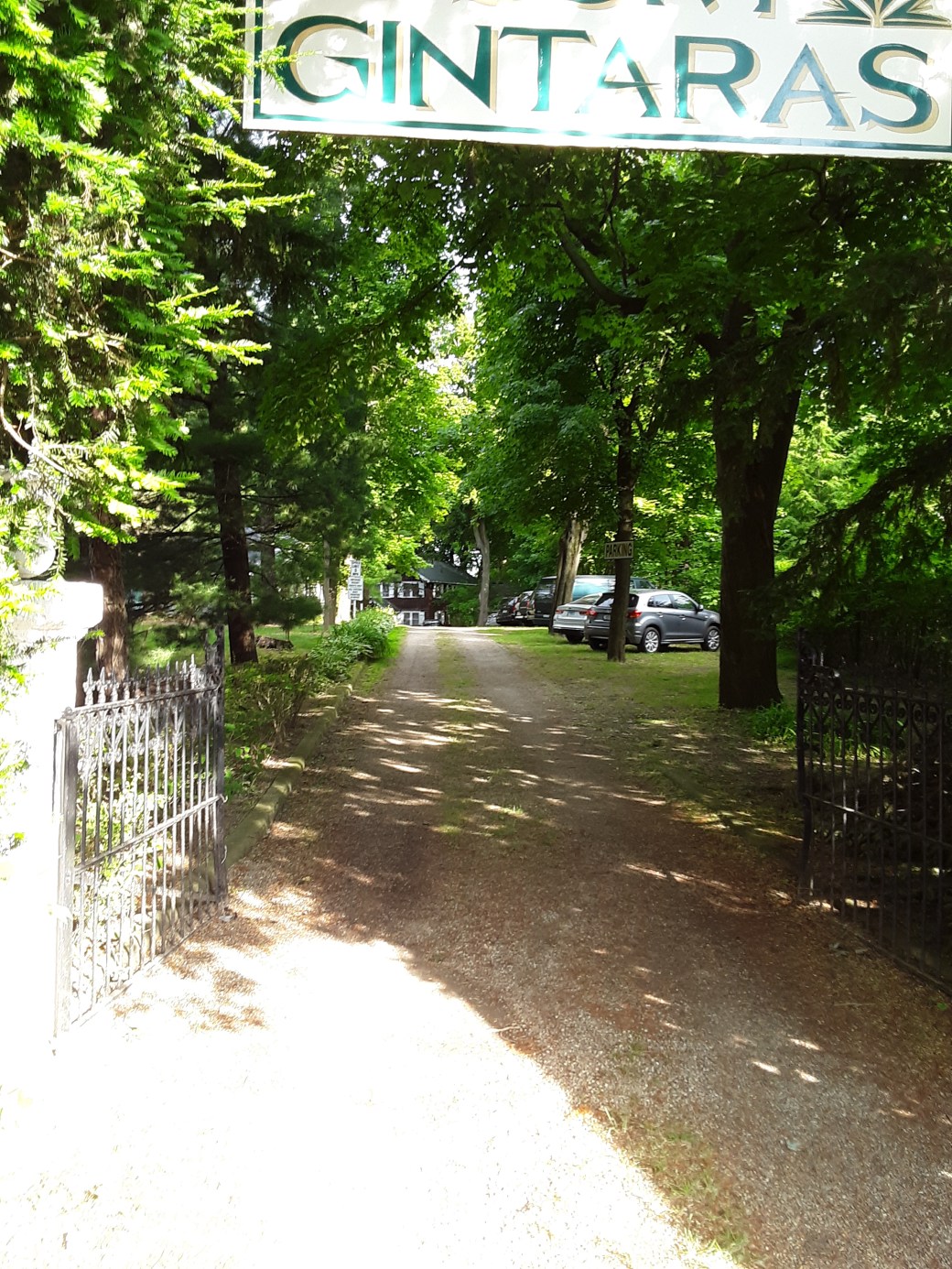
Gintaras Resort
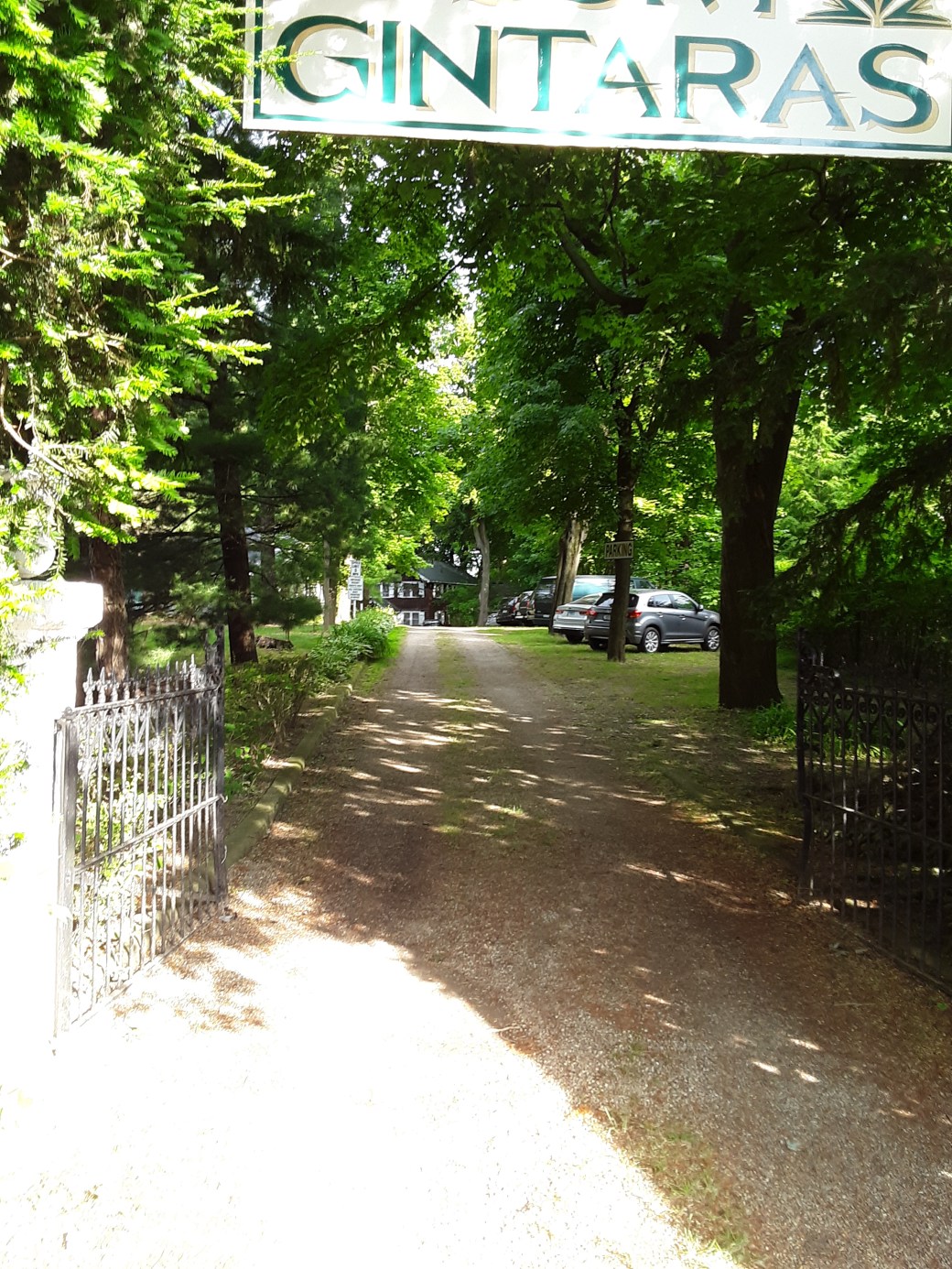 Gintaras Resort
Gintaras Resort
Gintaras Resort
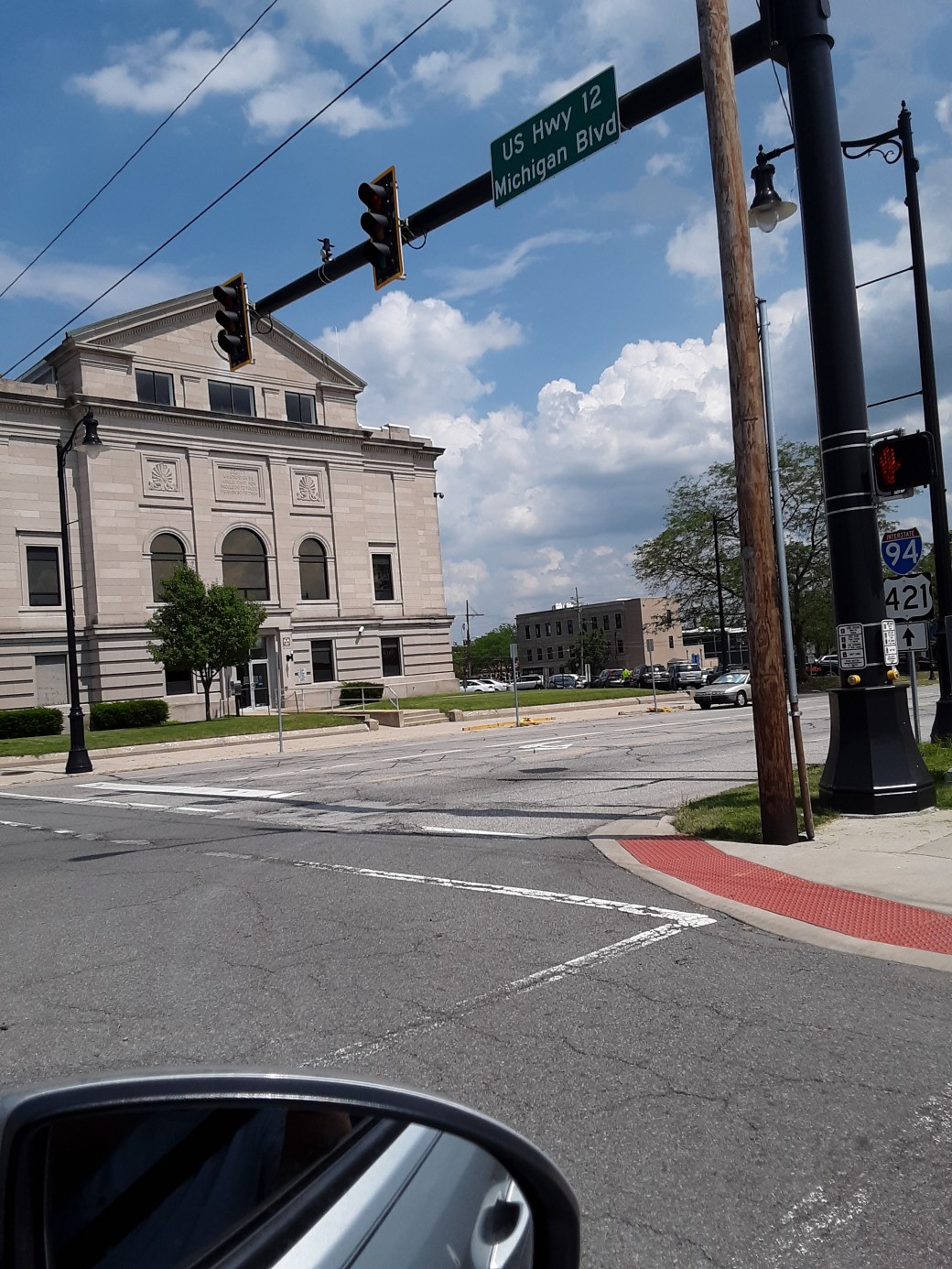
LaPorte County Superior Court
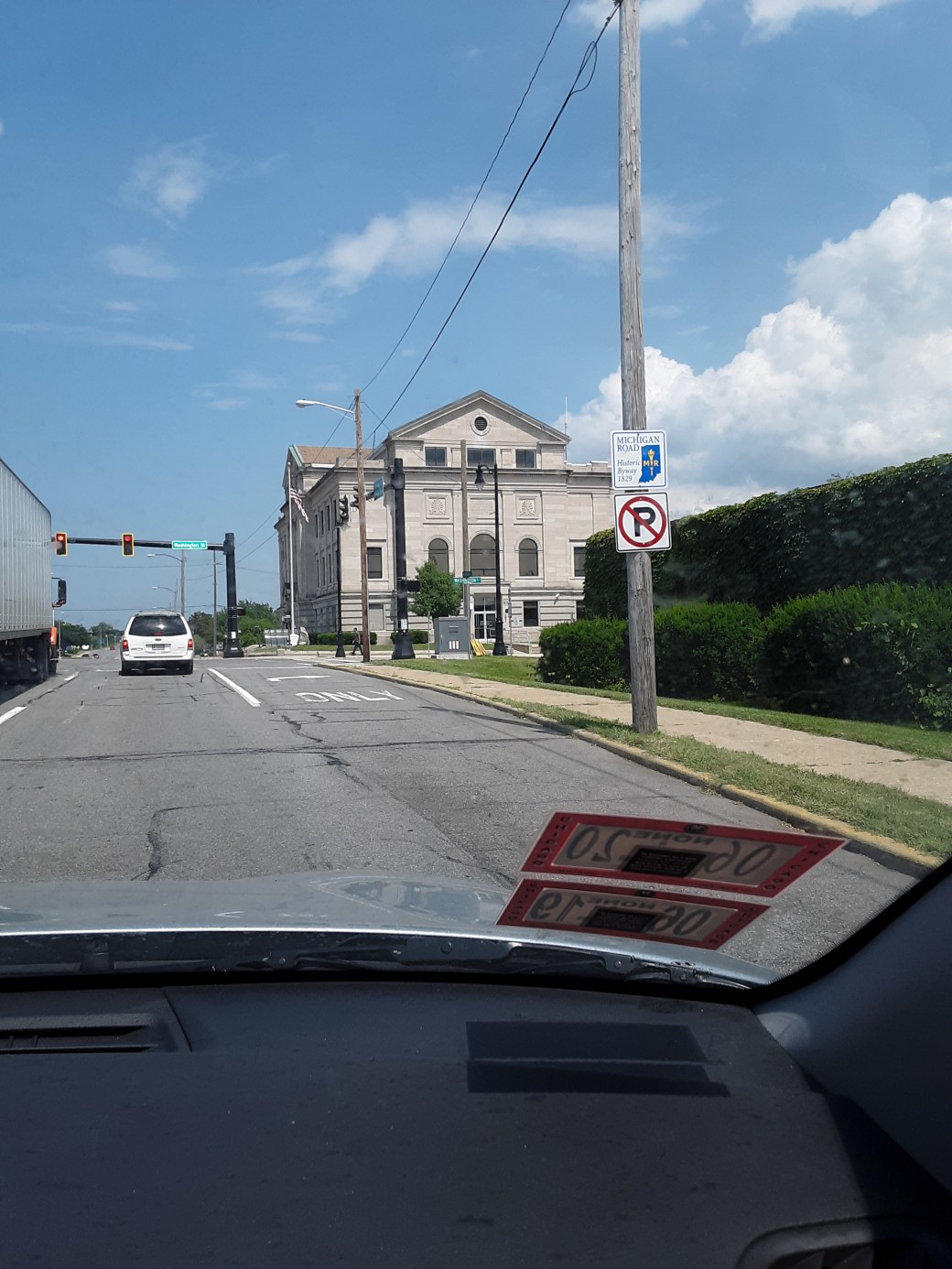
LaPorte County Superior Court

LaPorte County Superior Court
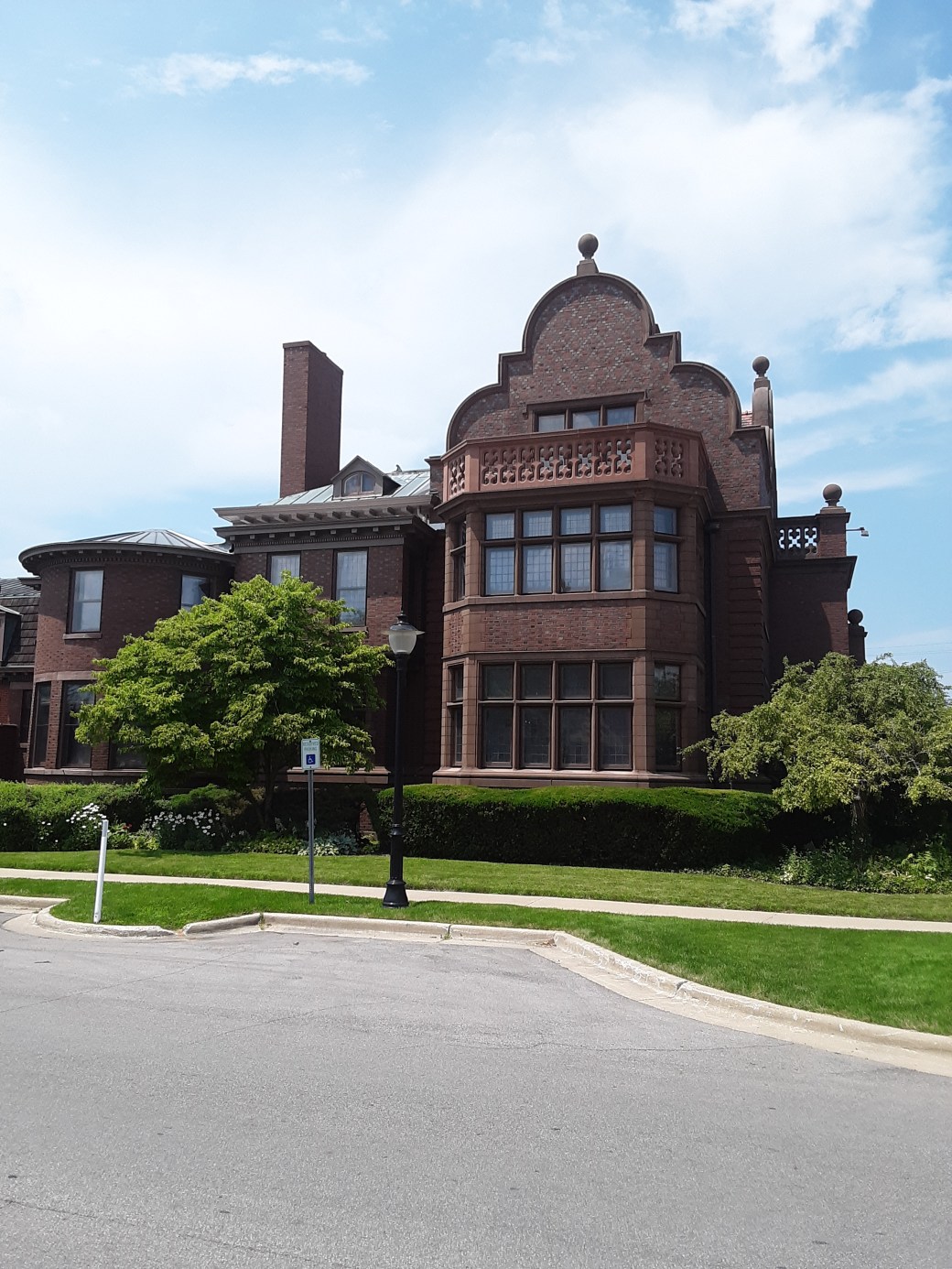
Barker Civic Center
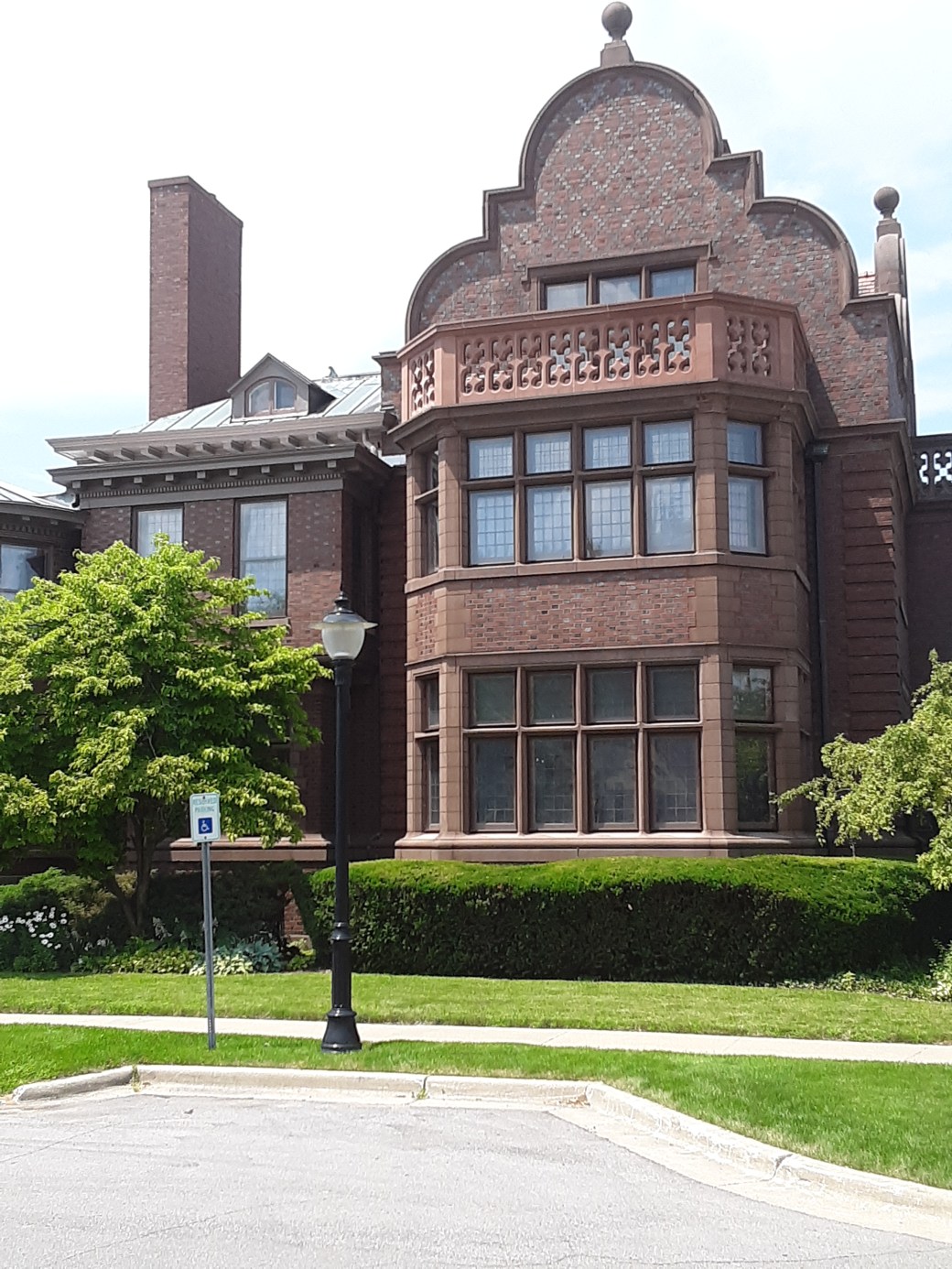
Barker Civic Center
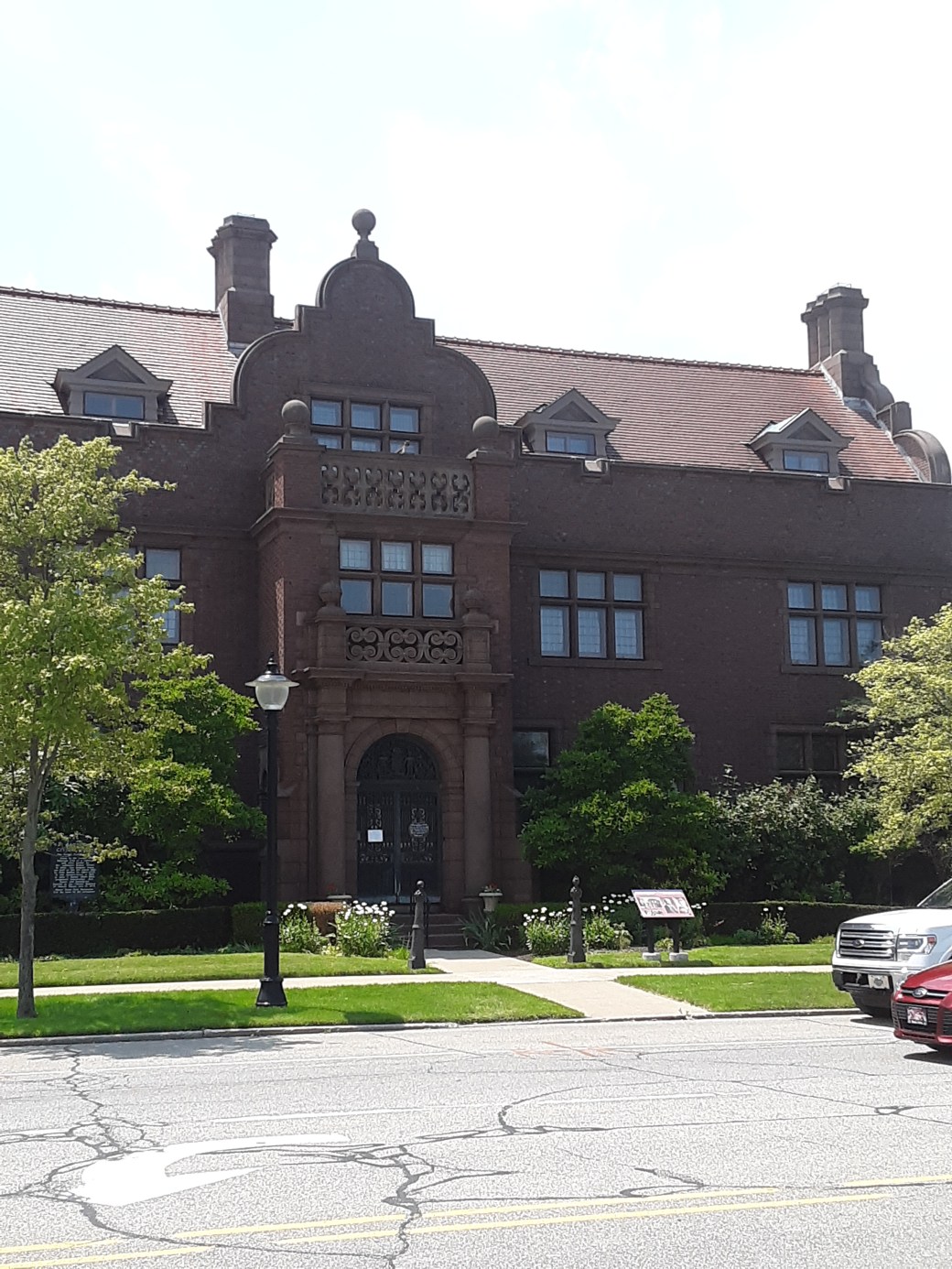
Barker Civic Center
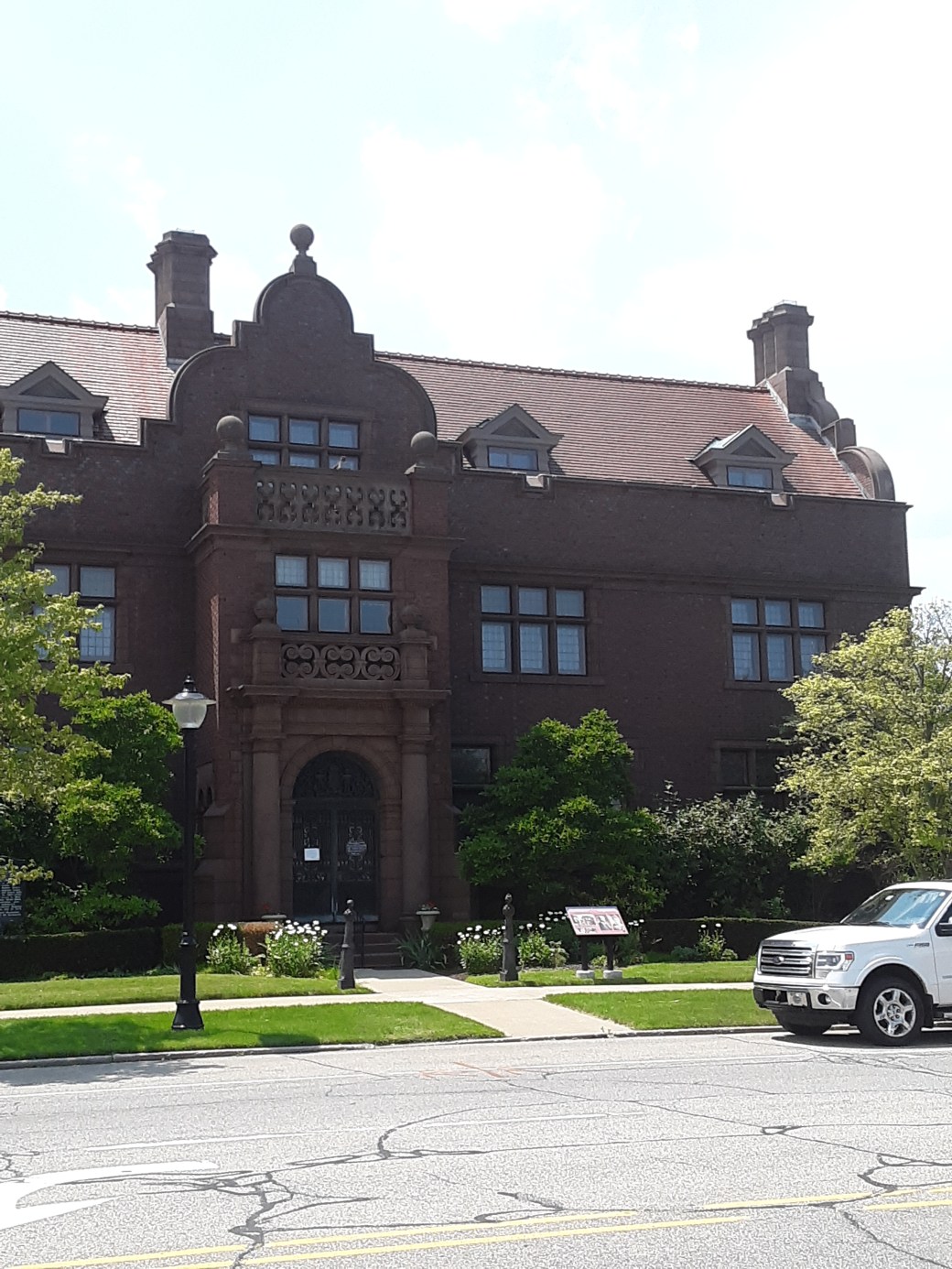
Barker Civic Center
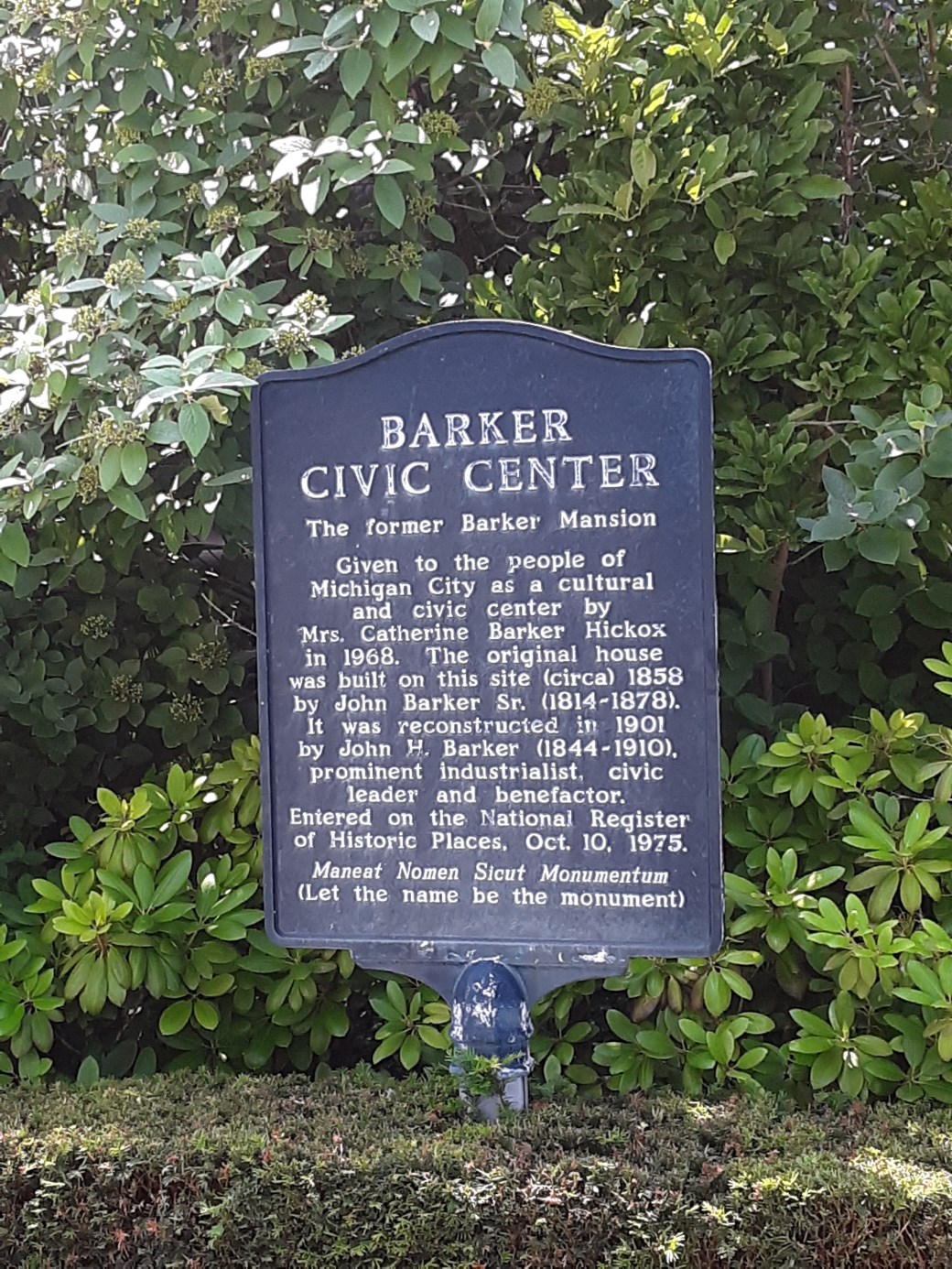
Barker Civic Center
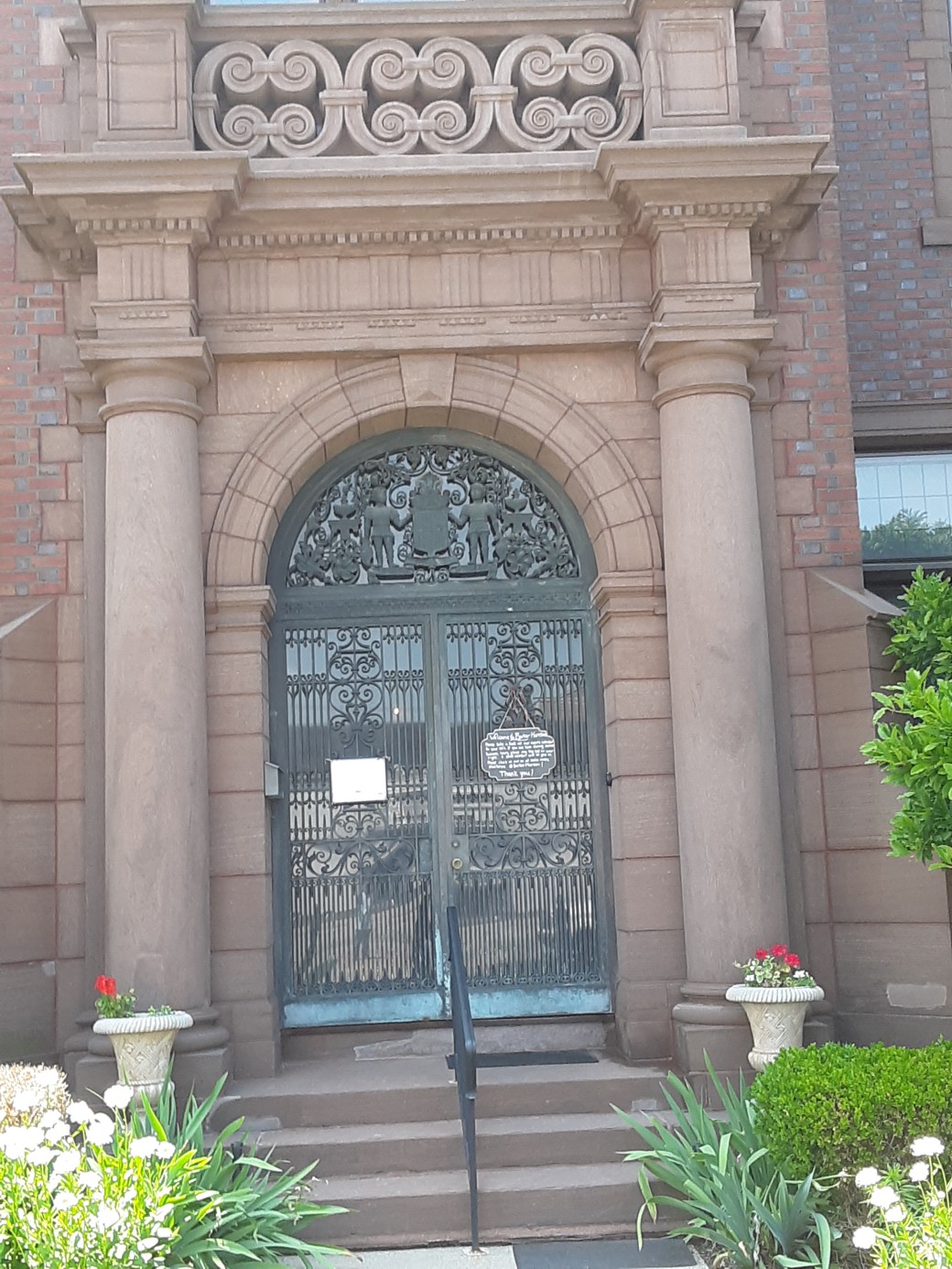
Barker Civic Center
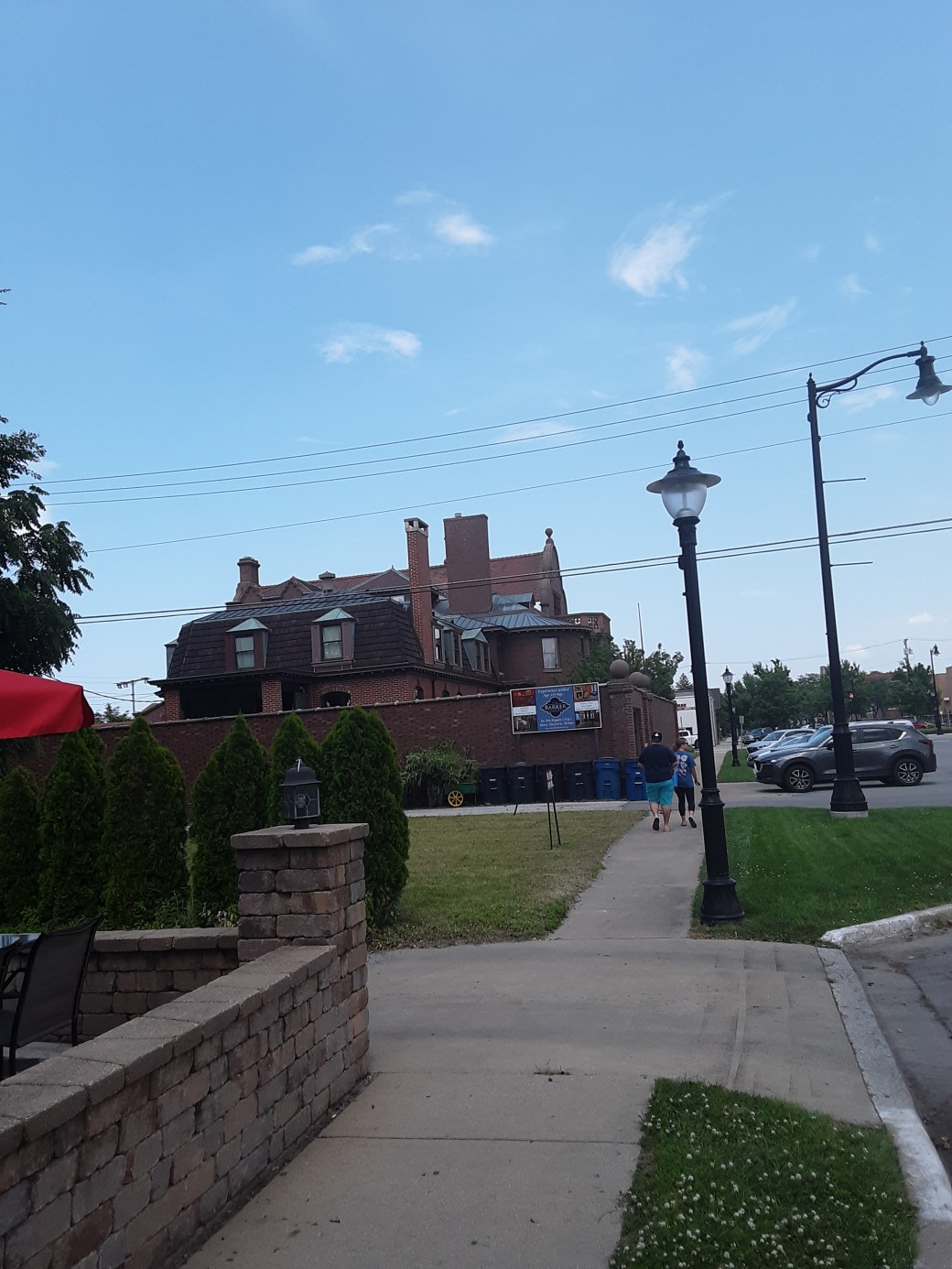
Barker Civic Center
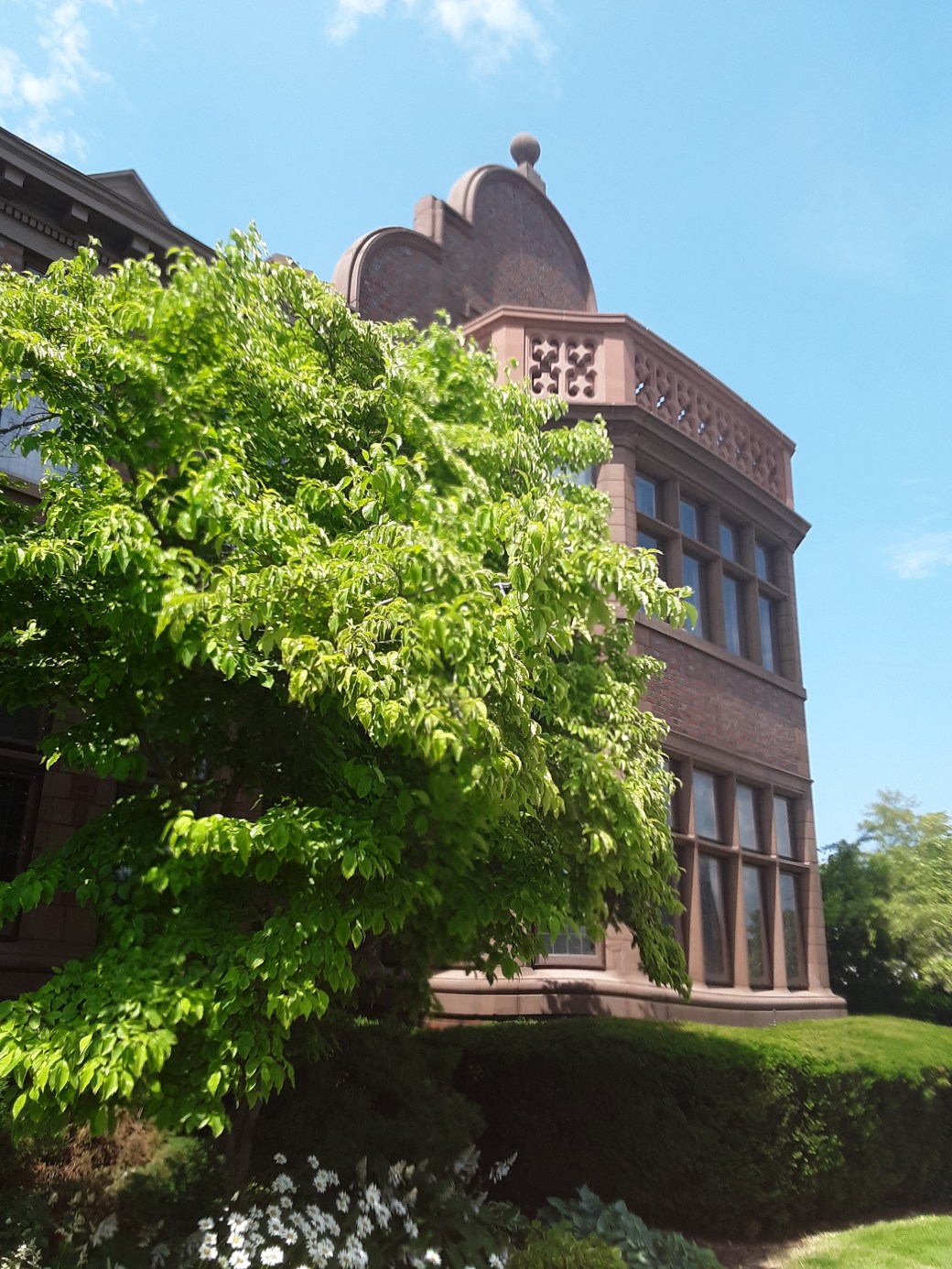
Barker Civic Center
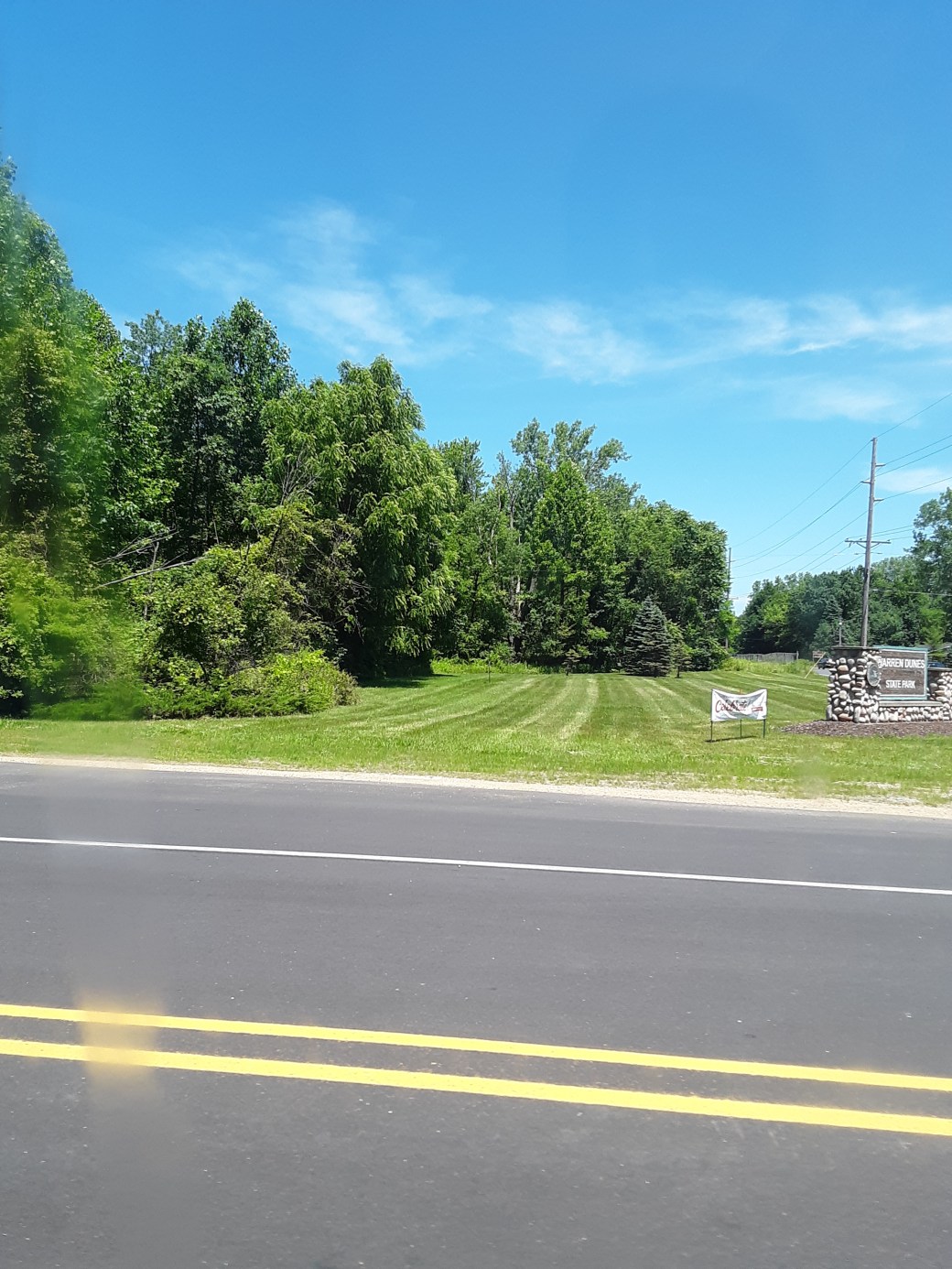
Warren Dunes State Park
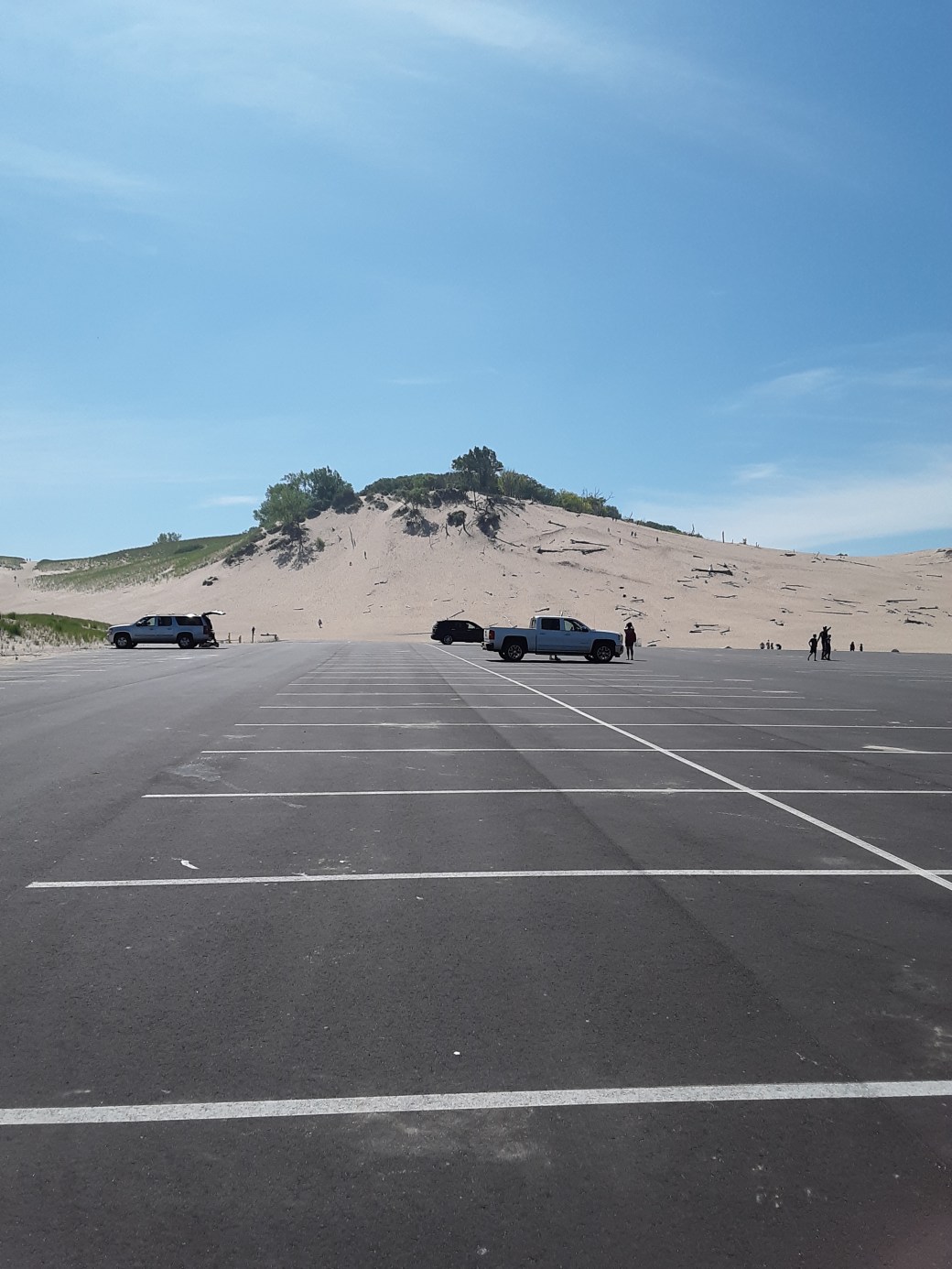
Warren Dunes State Park
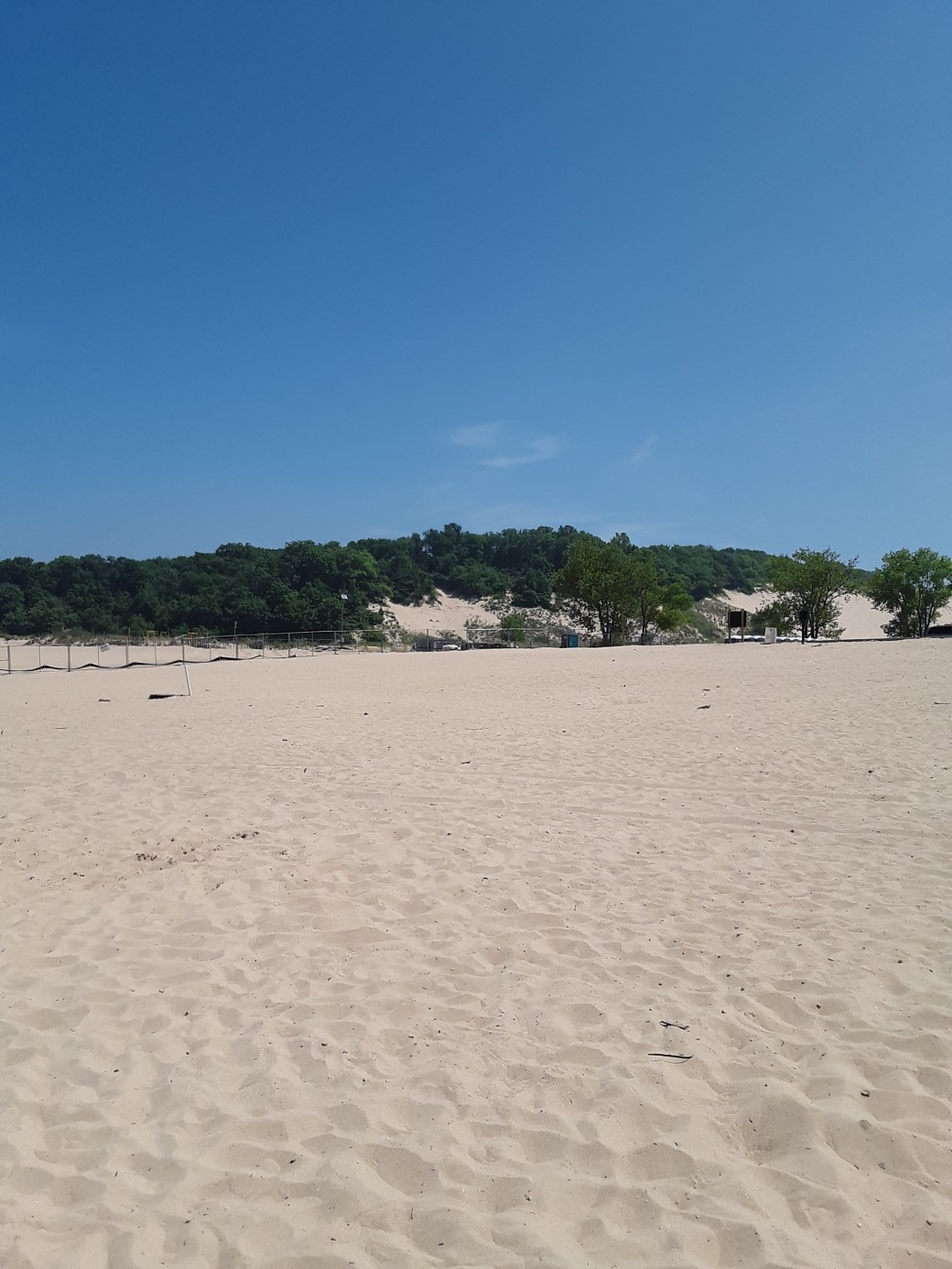
Warren Dunes State Park
Warren Dunes State Park
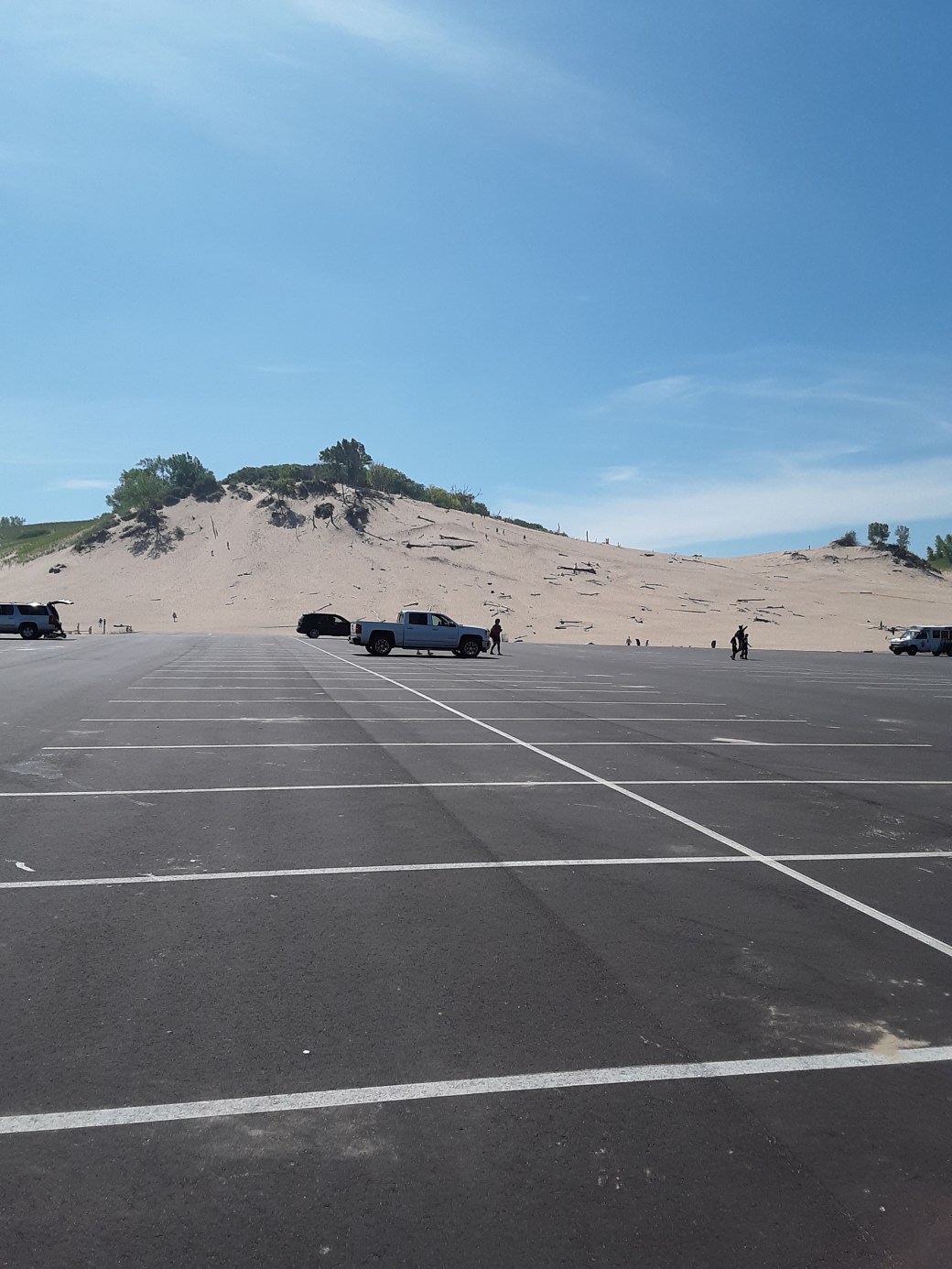
Warren Dunes State Park
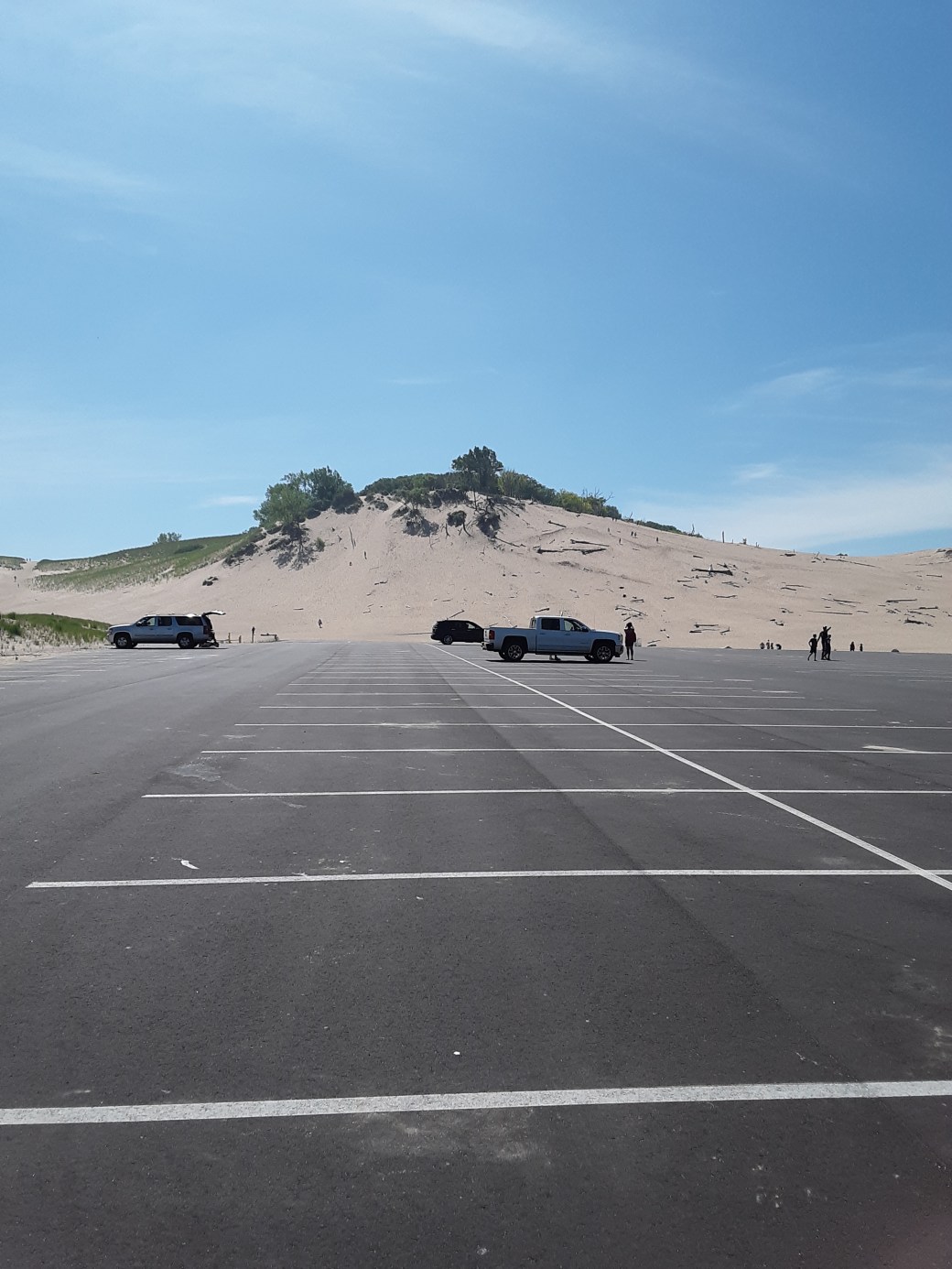
Warren Dunes State Park
The Norfolk Southern Railroad Bridge over Trail Creek is located in Michigan City, Indiana. It is estimated that this structure was built around 1905. The builder contractor is unknown.
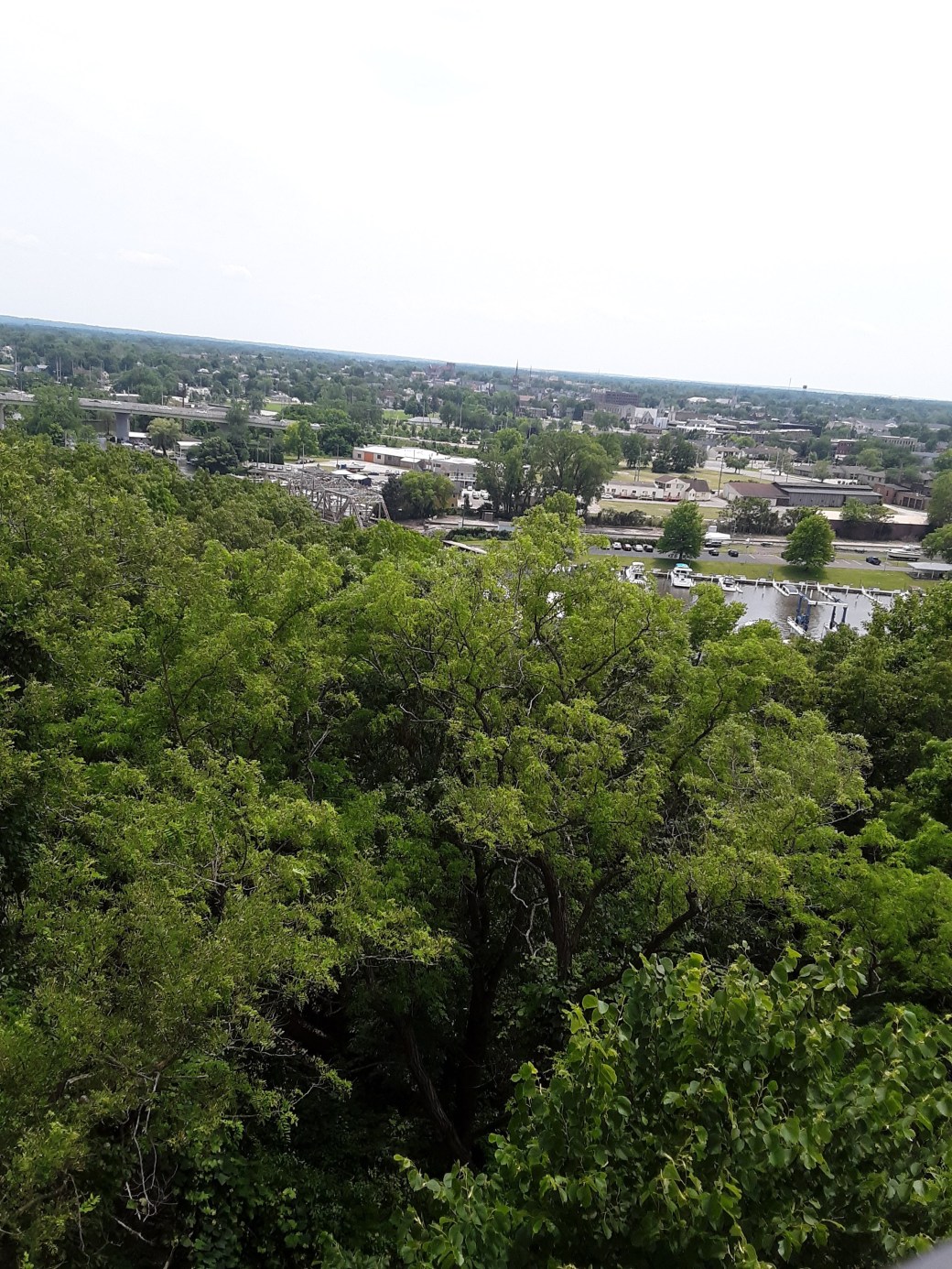
Norfolk Southern RR Bridge over Trail Creek
It is a metal pin connected Pratt Through Truss, movable: swing (center pier) bridge. It currently exhibits significant rusting. Although originally designed to carry 2 tracks, it currently has only one. It operates for boat and trains. In the summer, the bridge is in the open position. It closes when a train approaches.
The main span length is 195 feet. The structure length is 200 feet. There is one main span.
The bridge is used by the Norfolk and Southern (freight) and Amtrack (passenger).
Norfolk Southern RR Bridge over Trail Creek
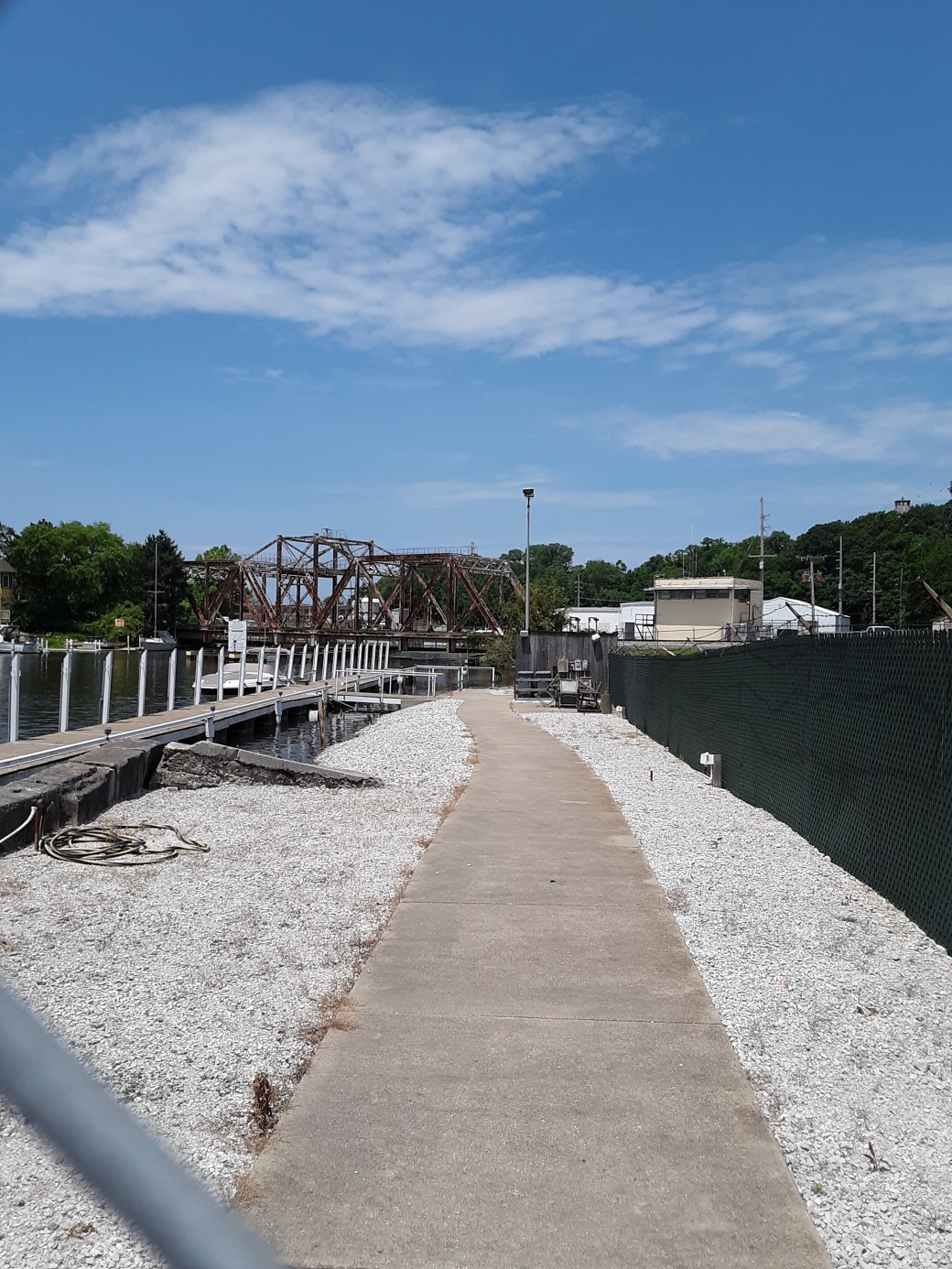
Same as above
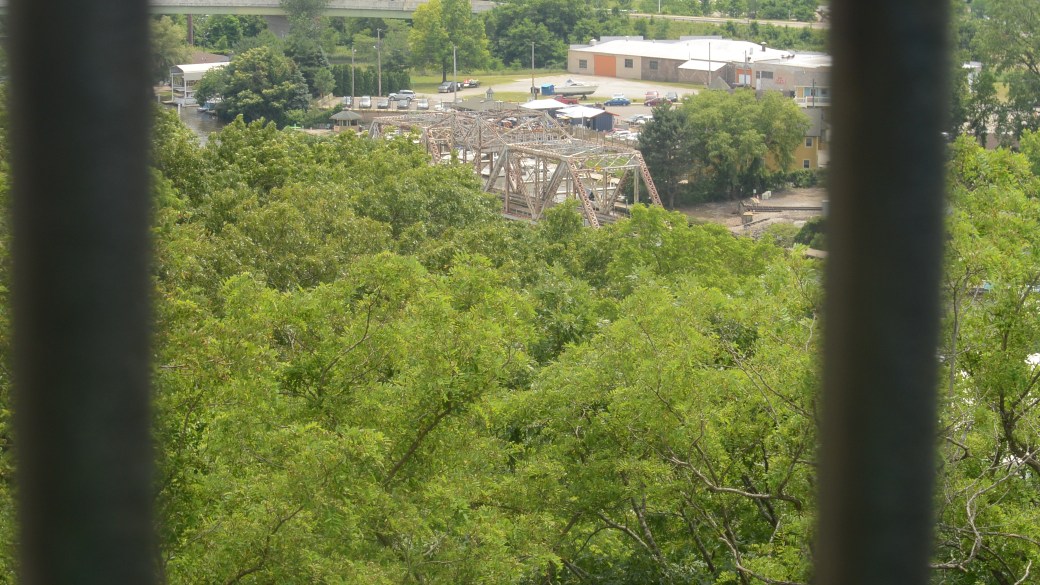
Norfolk Southern Railroad Bridge, Michigan City
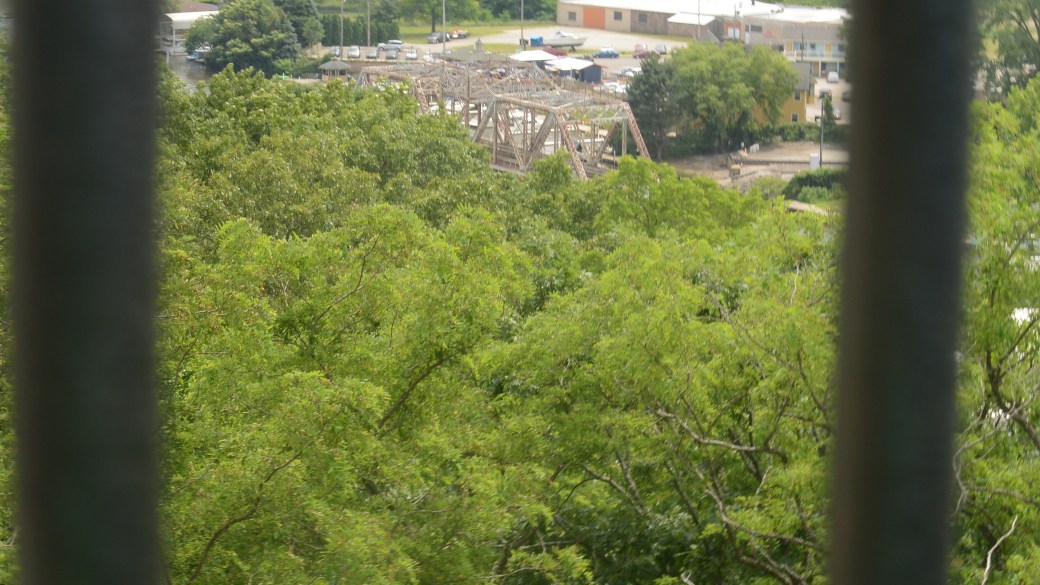
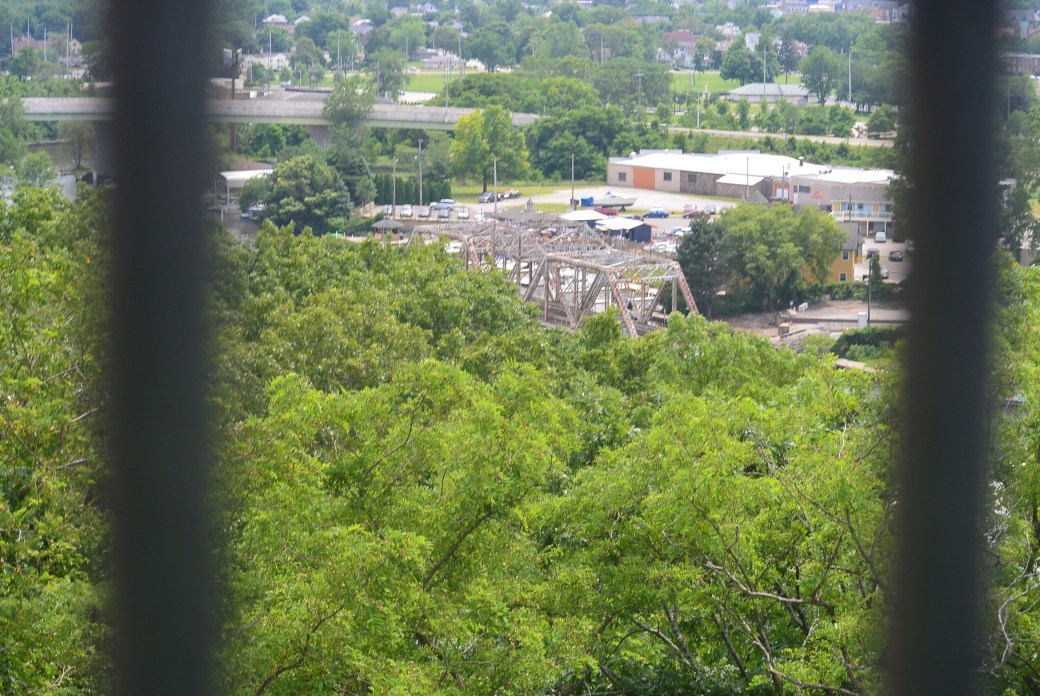
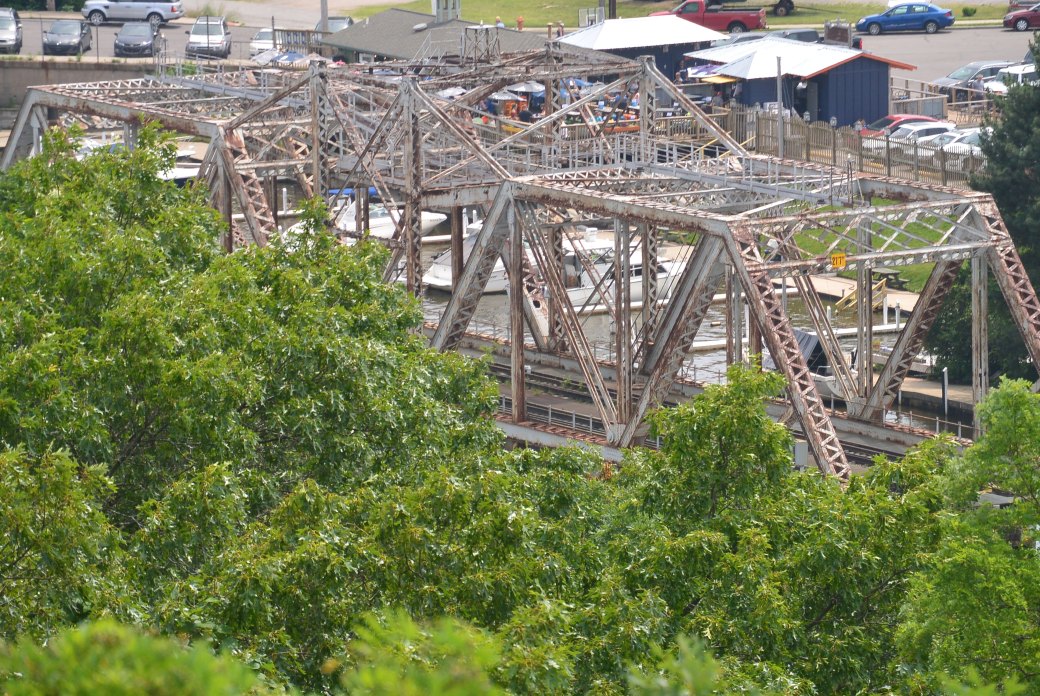
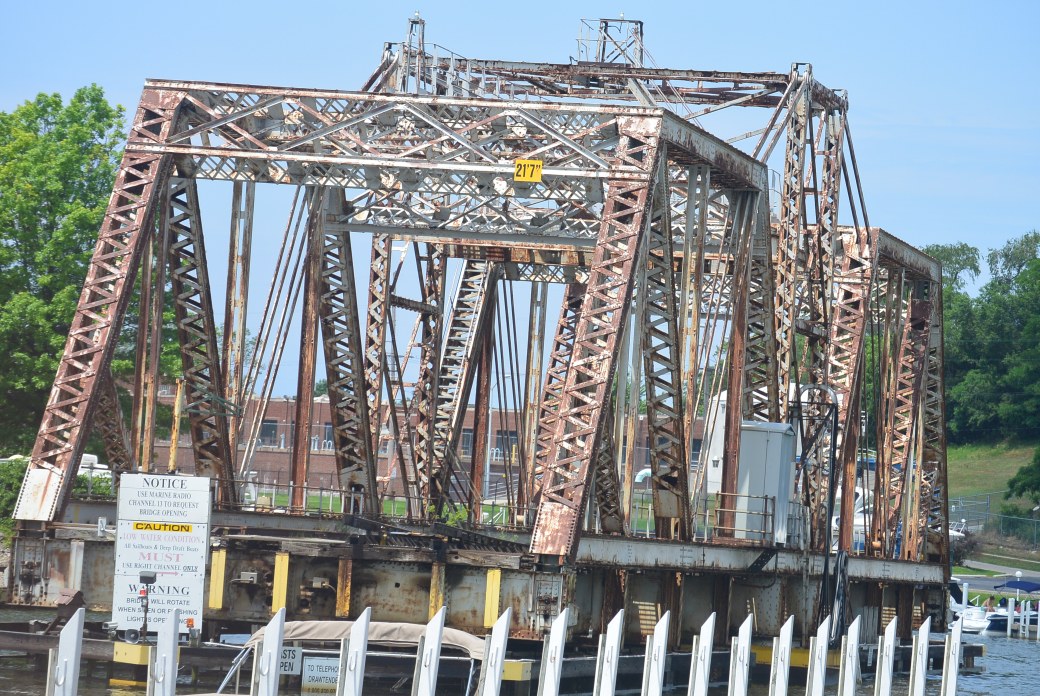
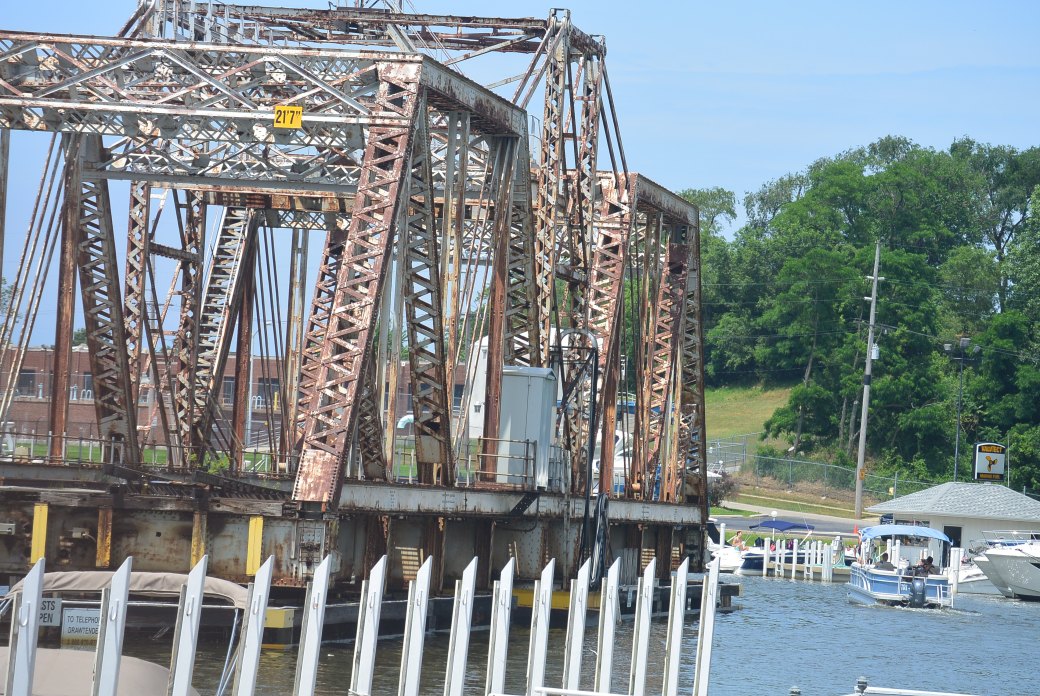
Norfolk Southern Railroad Bridge, Michigan City, In
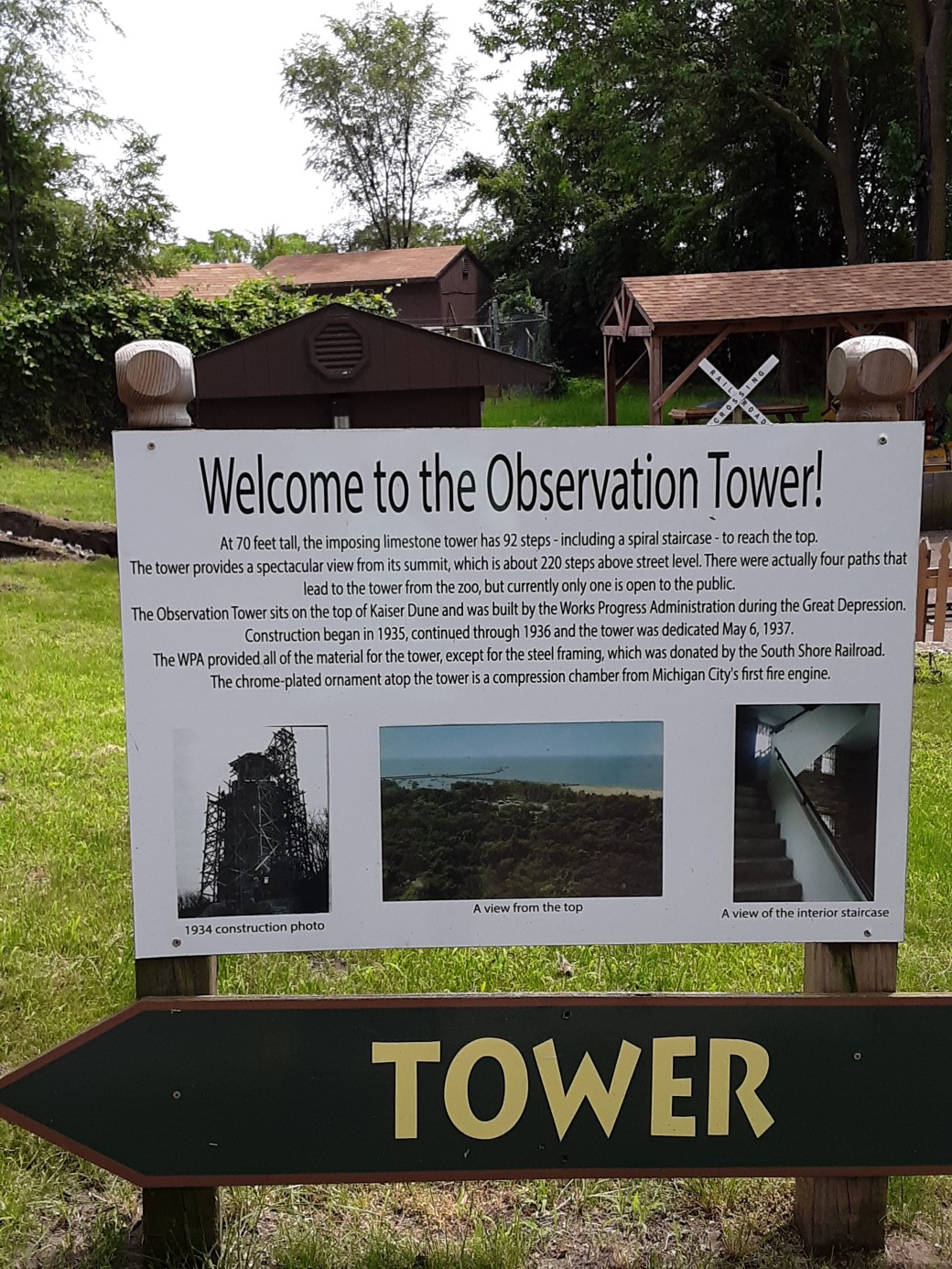
Observation Tower Washington Park Zoo
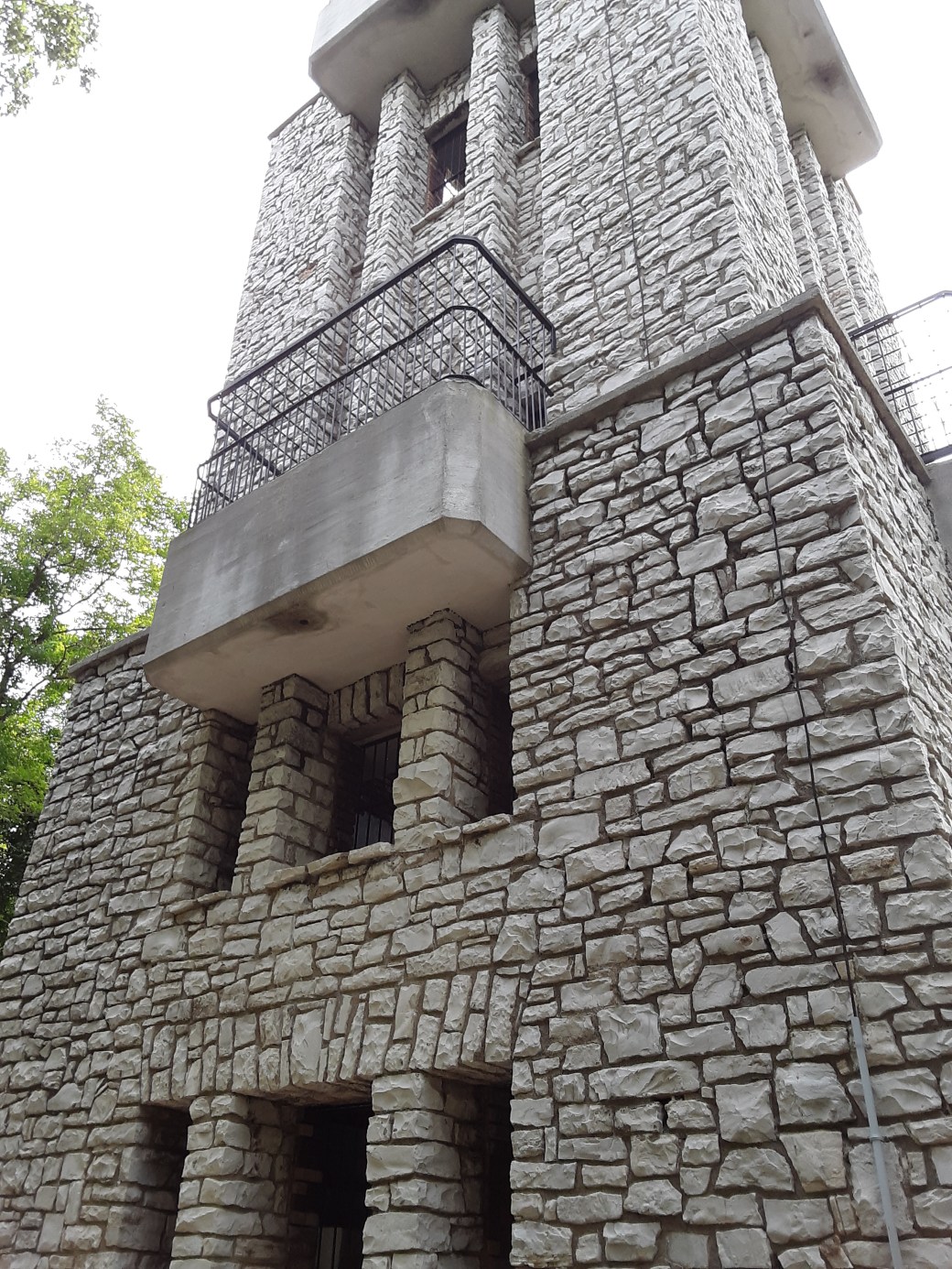
Observation Tower Washington Park Zoo
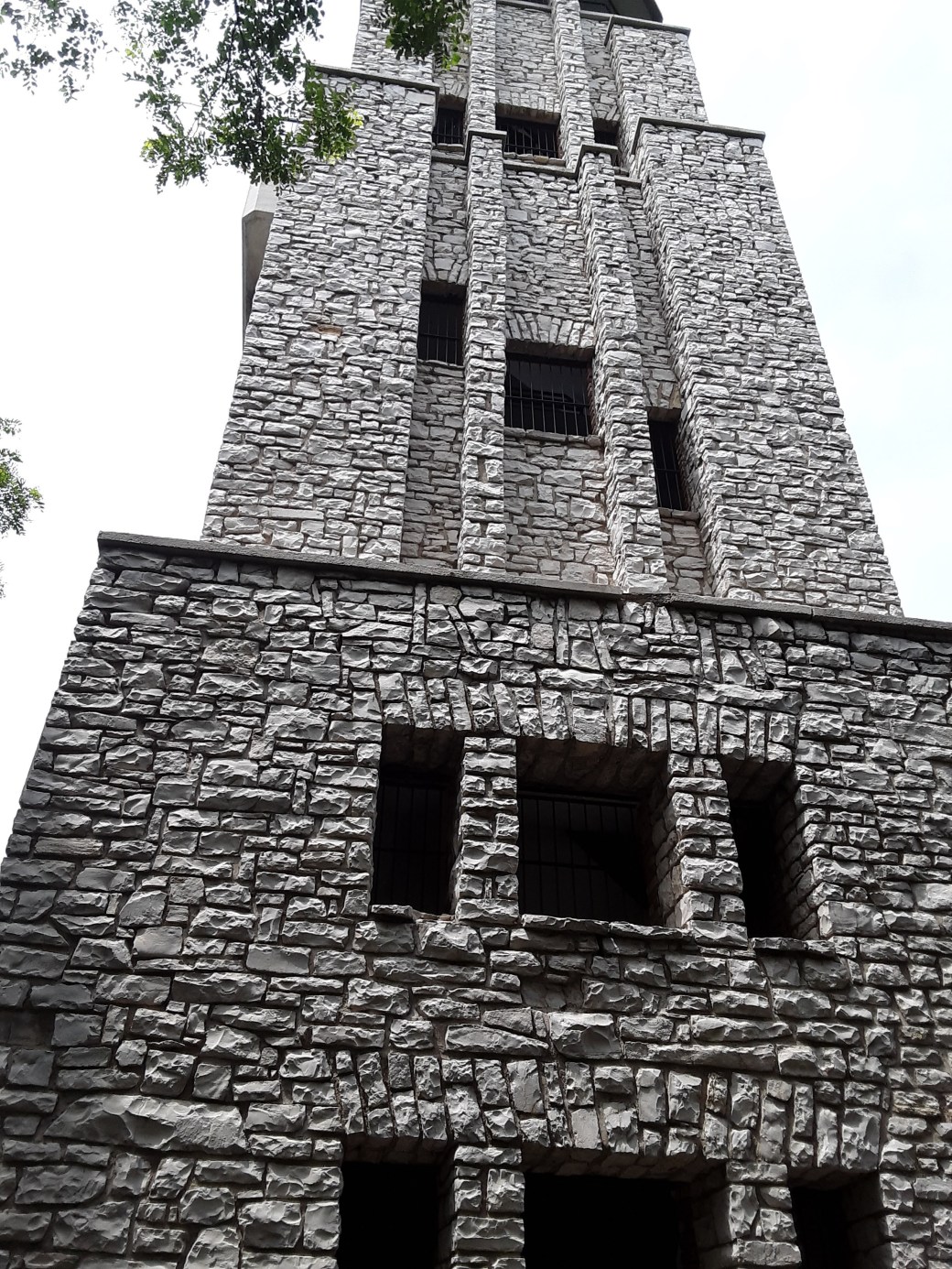
Observation Tower Washington Park Zoo
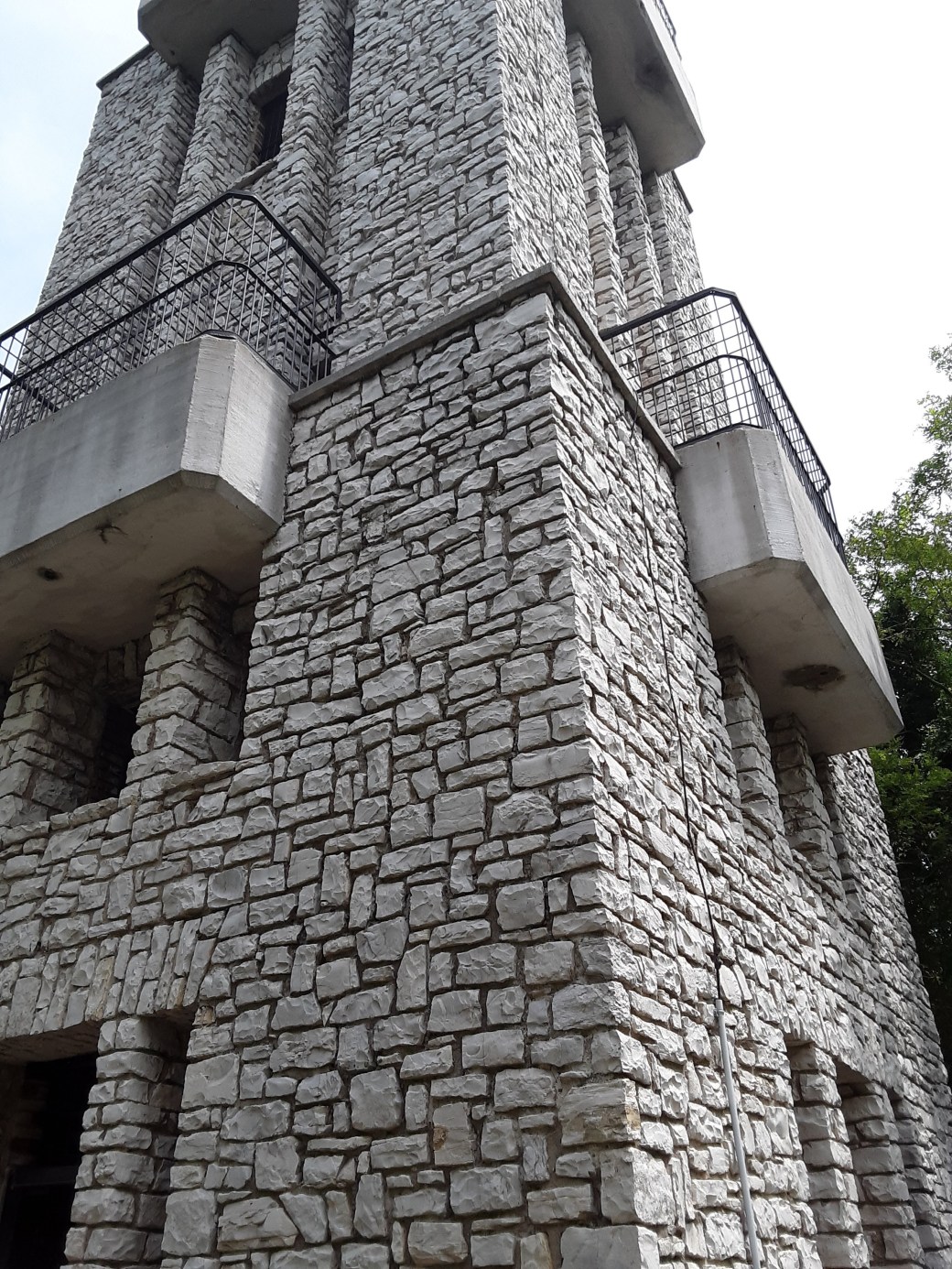
Observation Tower Washington Park Zoo
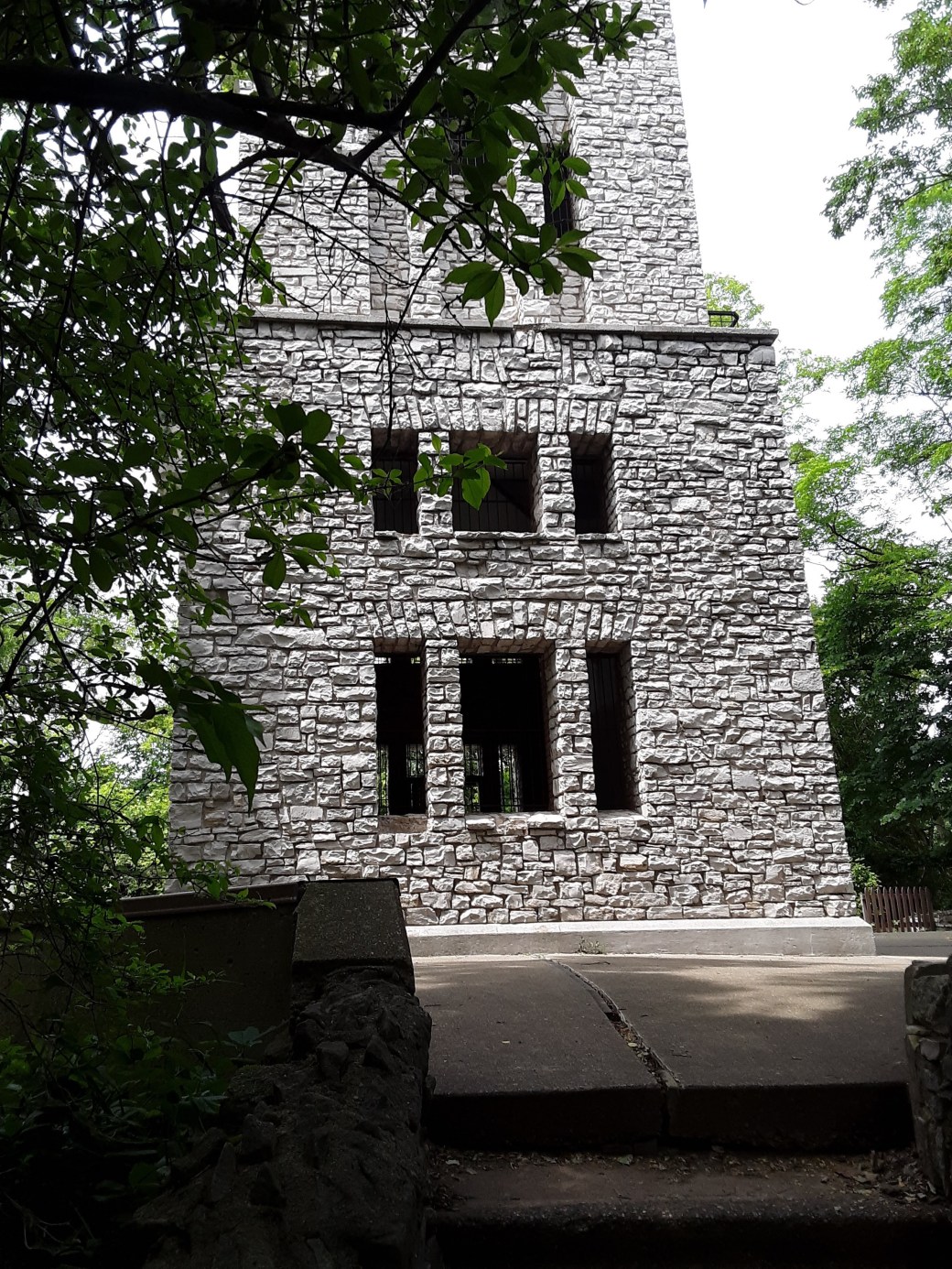
Observation Tower Washington Park Zoo
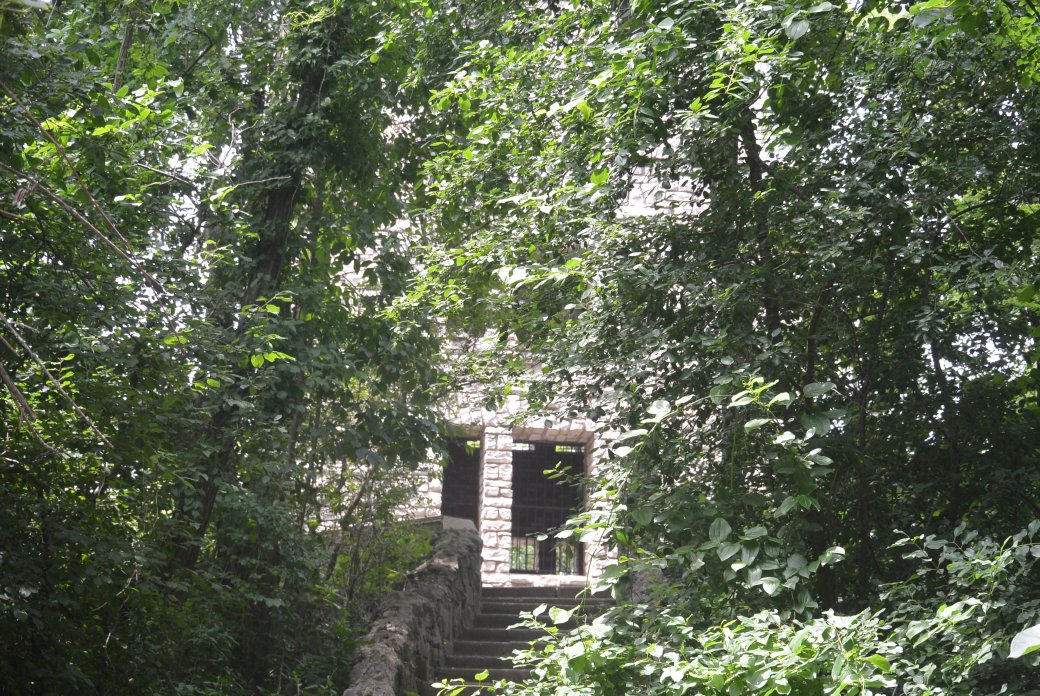
Observation Tower Washington Park Zoo
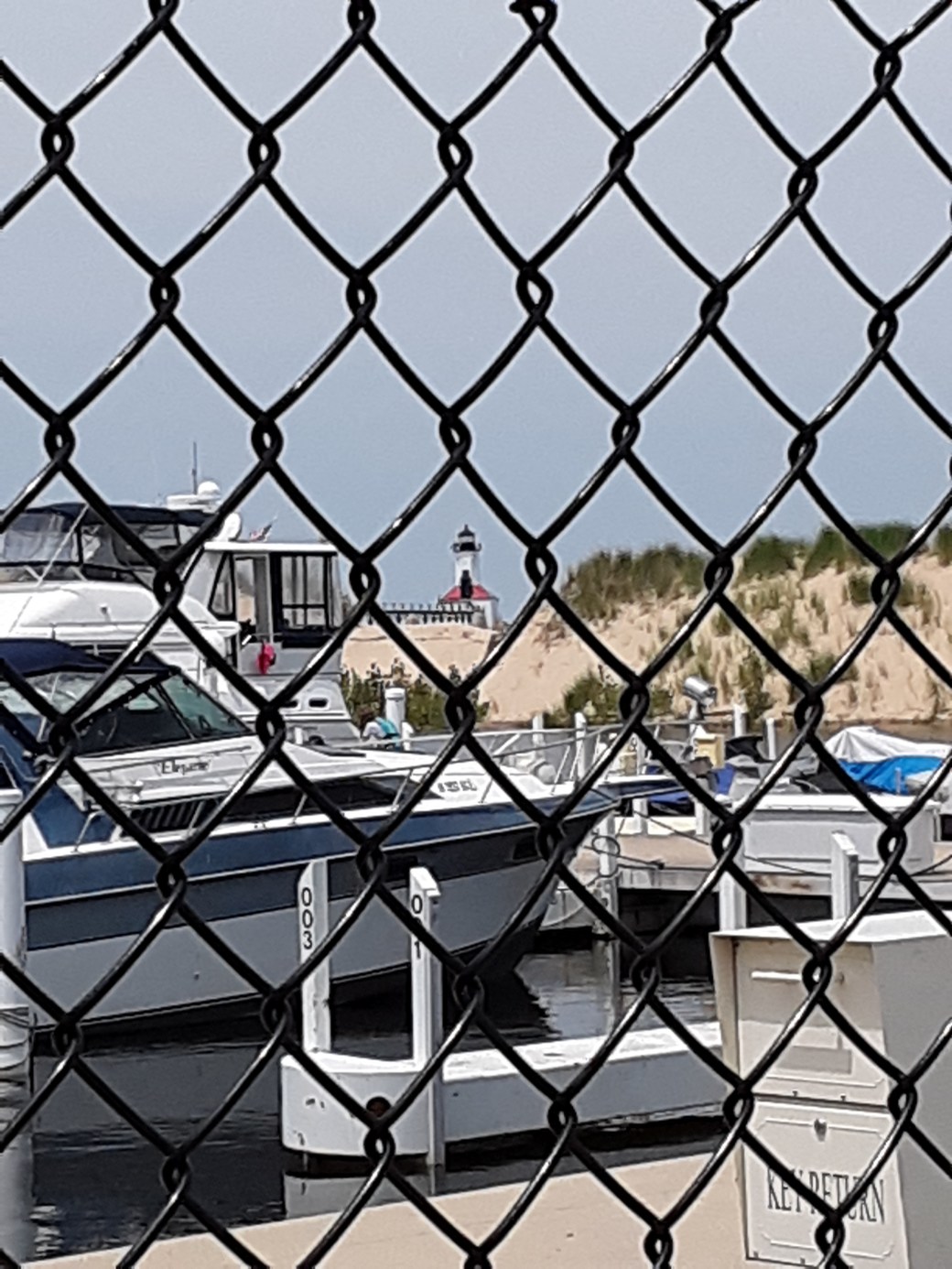
Lighthouse Michigan City
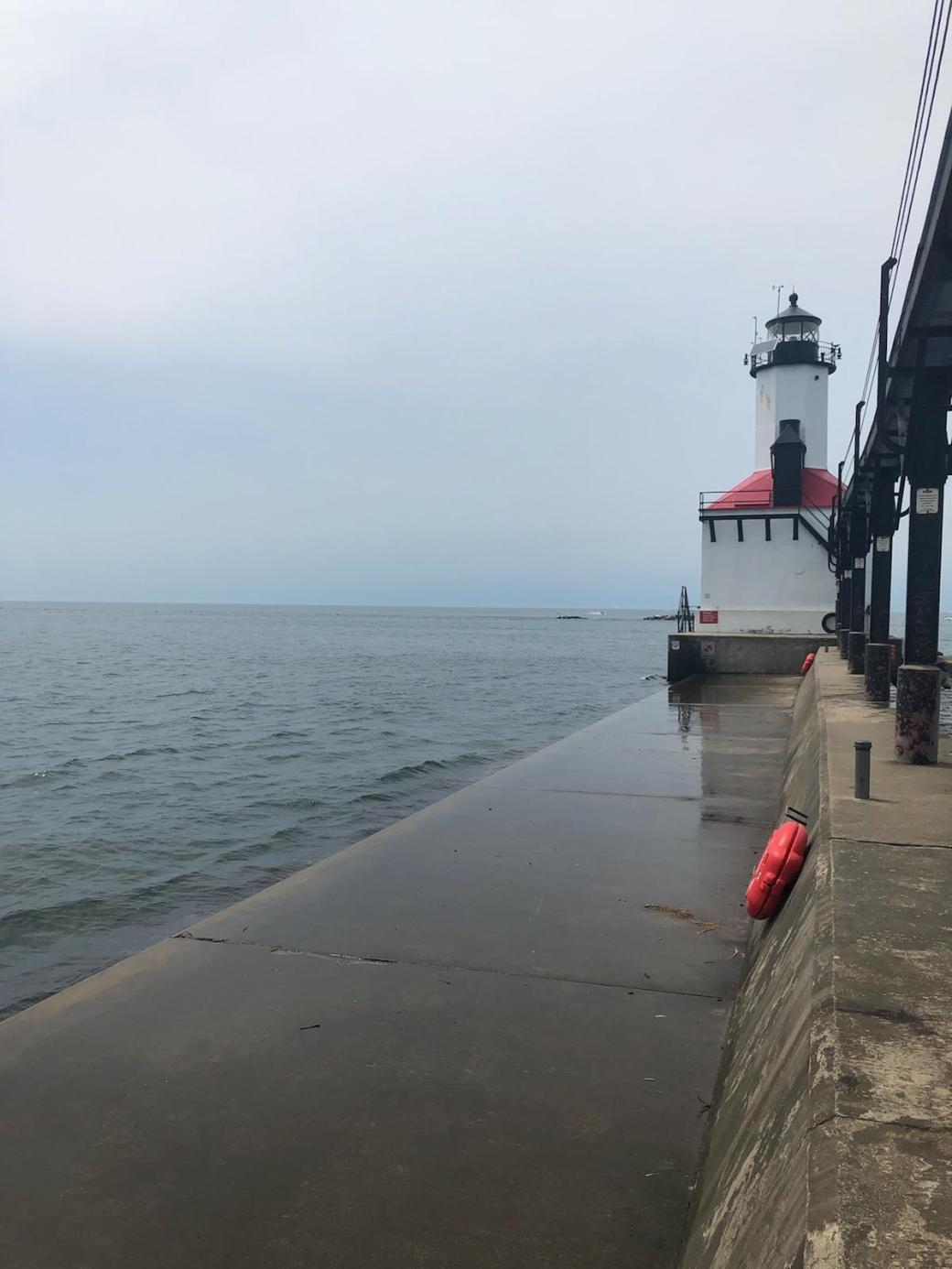
Lighthouse Michigan City
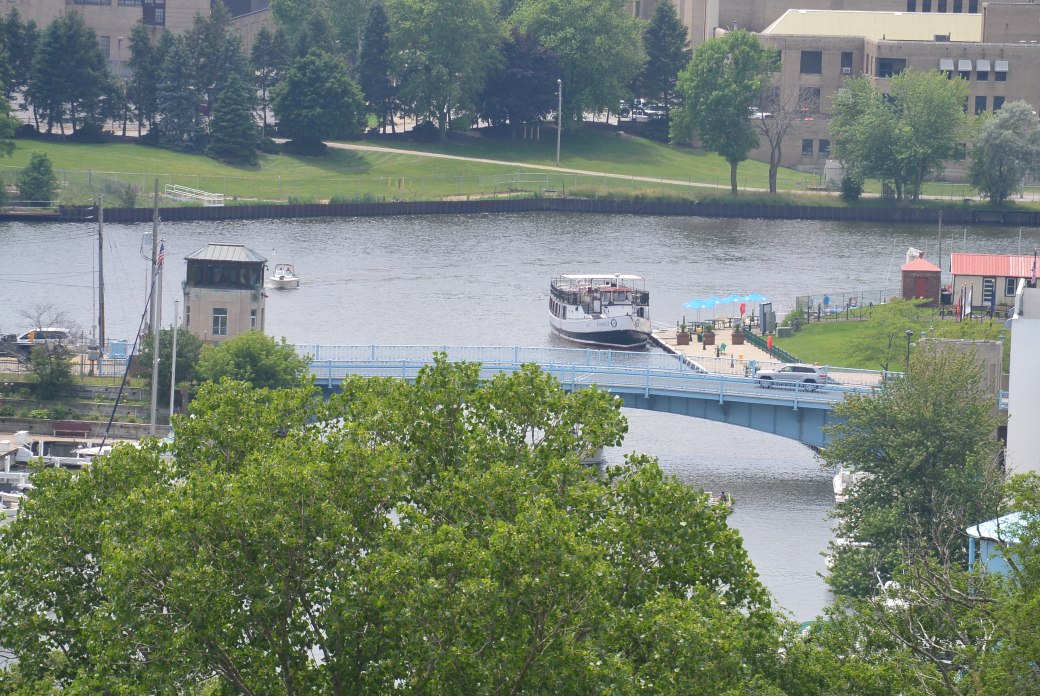
Franklin Street Bridge (note the bridge tender house)
The Franklin Street Bridge is located in Micigan City, Indiana. It crosses Trail Creek. It was constructed in 1932. It is the only movable historic in Indiana.
It is a metal deck girder, movable double leaf bascule (fixed trunnion) bridge. The builder/contractor was Roberts Supply Company of Lima, Ohio. The engineer/ design was Sherzer Rolling Lift Bridge Company of Chicago.
There was an incident on this bridge on August 2, 2019. A sport utility vehicle was caught on the Franklin Street Bridge as it was raised. Reports are uncertain as to whether there was a malfunction of the bridge or whether the driver ignored the warning signals. (This was added on August 4, 2019)
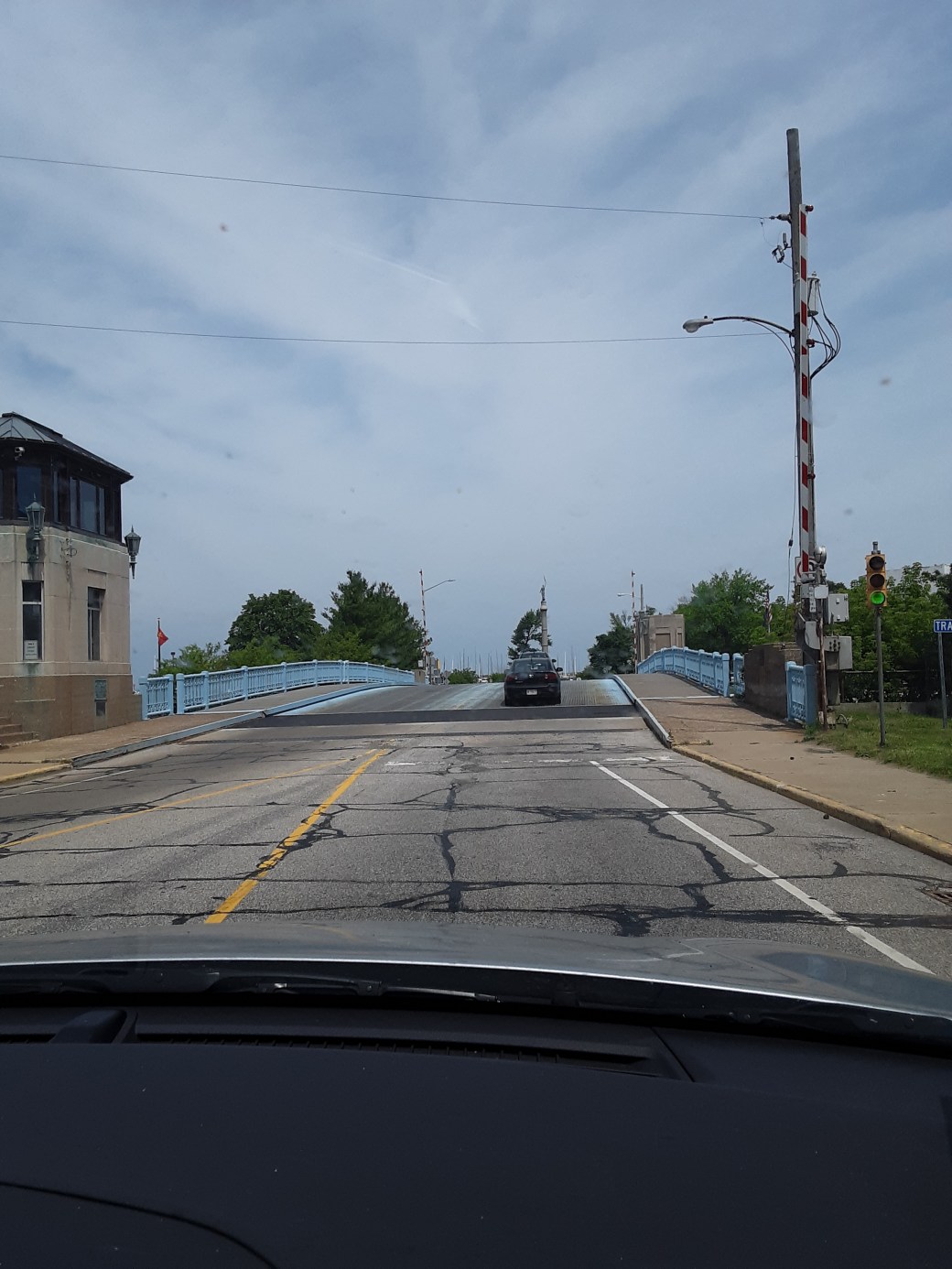
Franklin Street Bridge
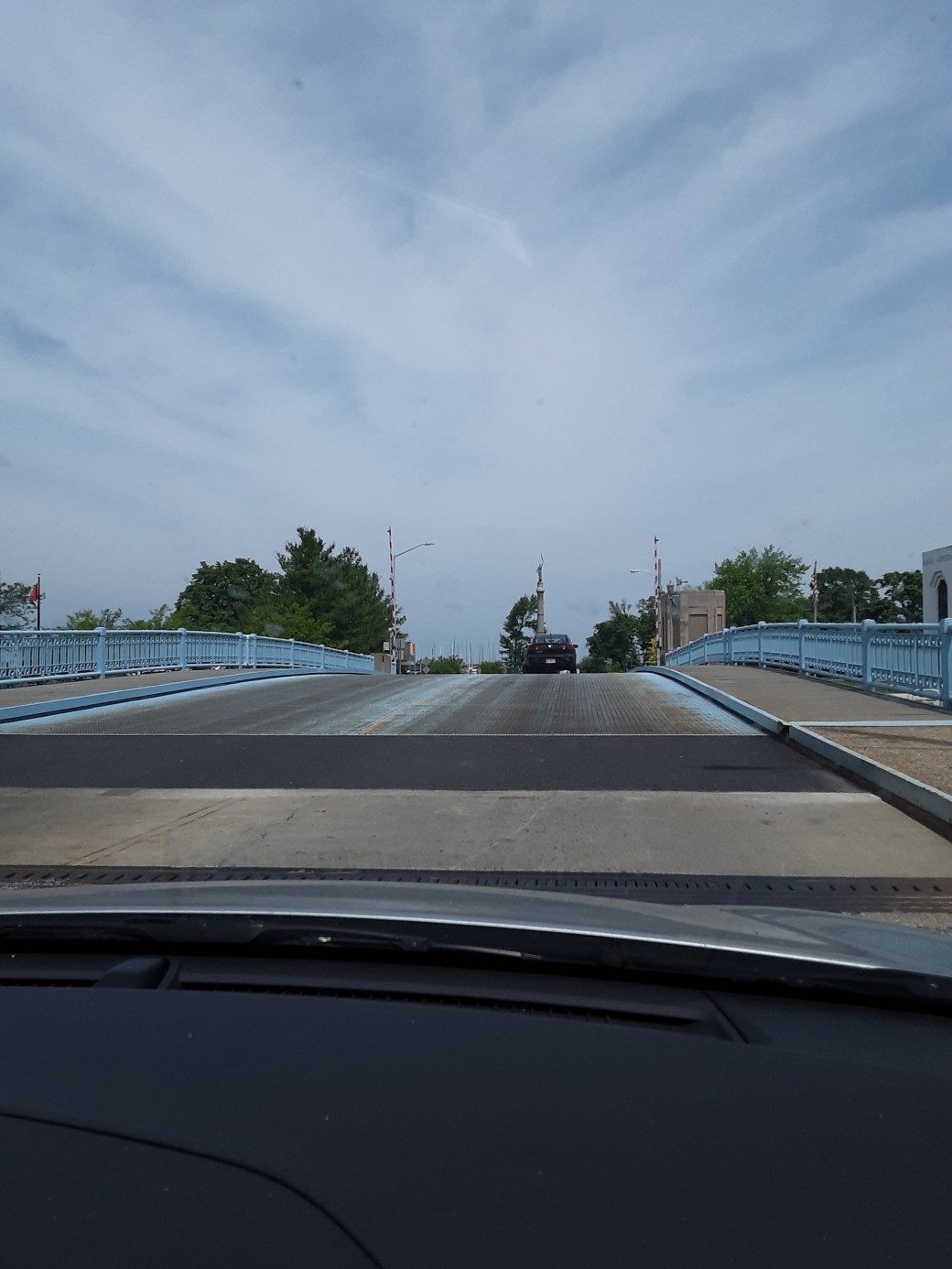
Franklin Street Bridge
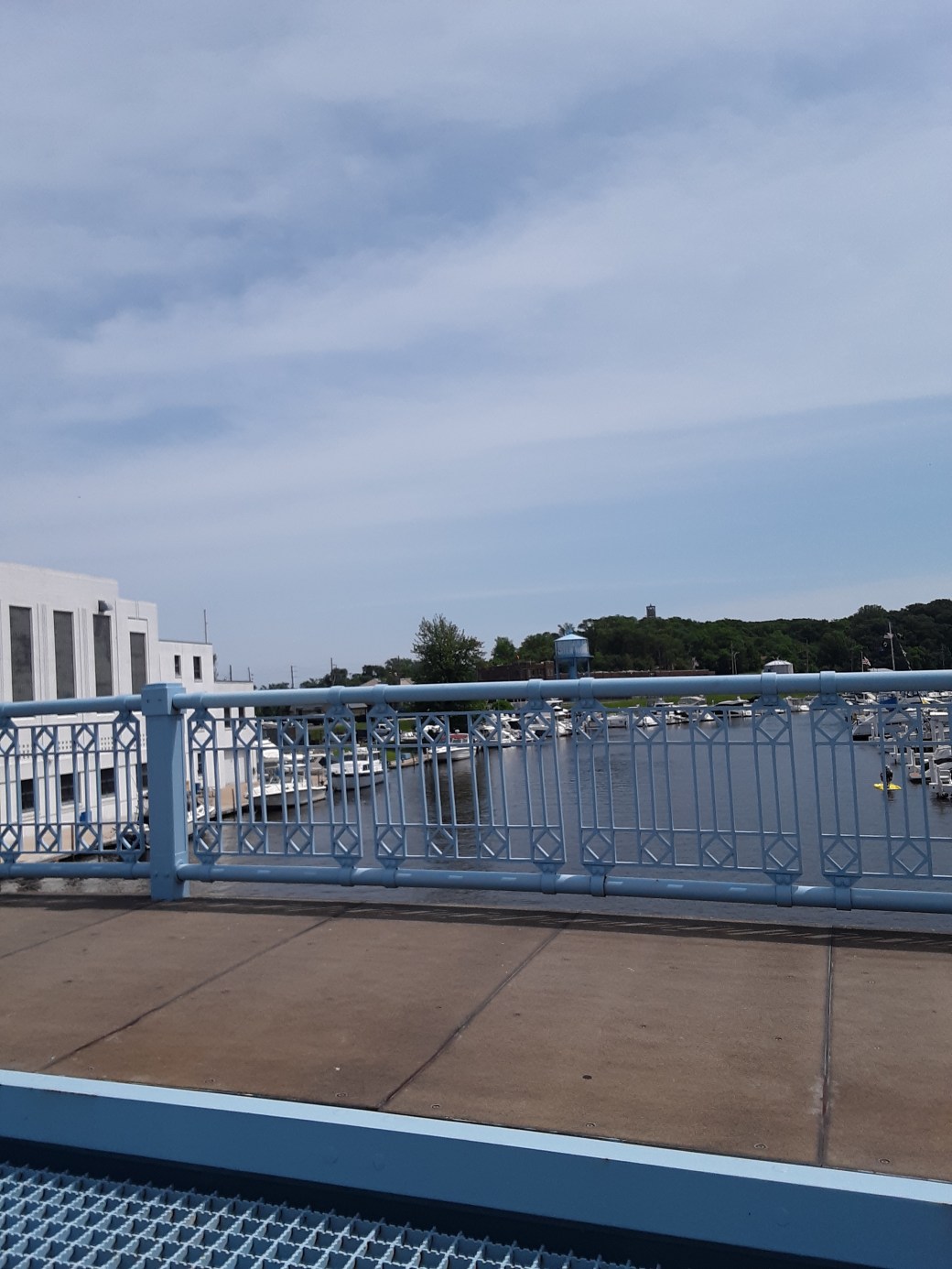
Franklin Street Bridge
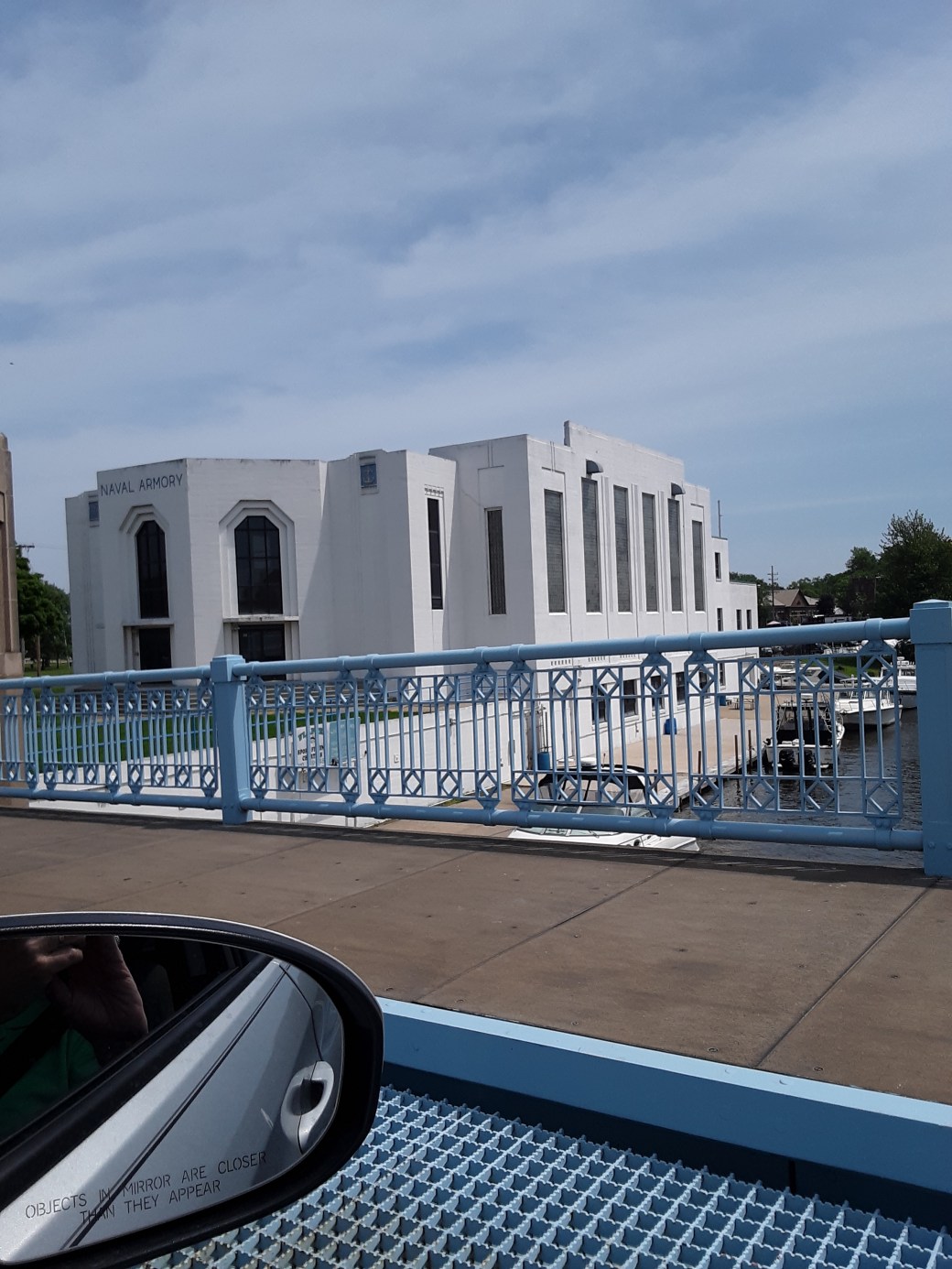
Franklin Street Bridge
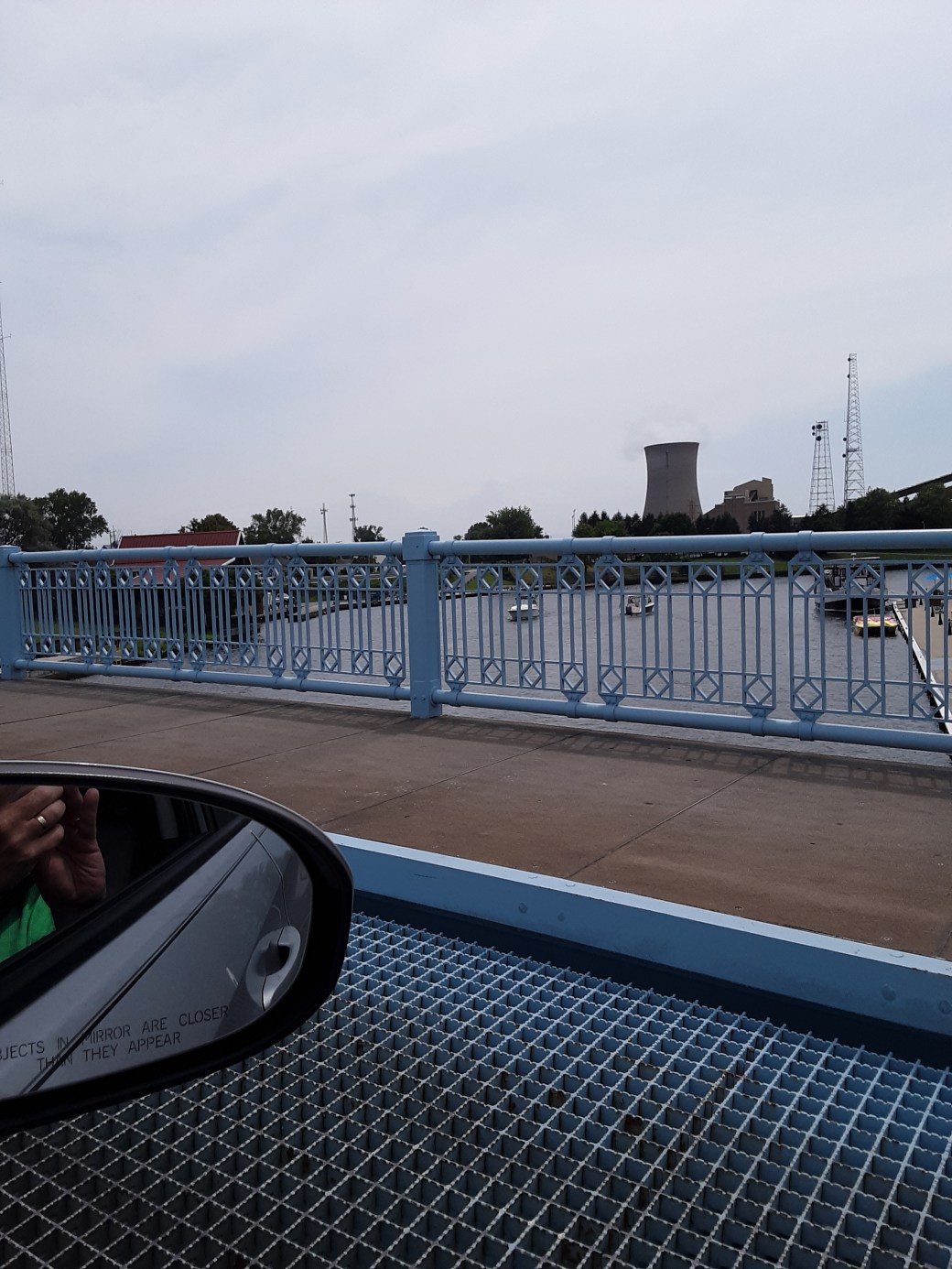
Franklin Street Bridge
In February, 2019, the Franklin Street Bridge was closed for emergency repairs. It was reopened in late March of the same year.
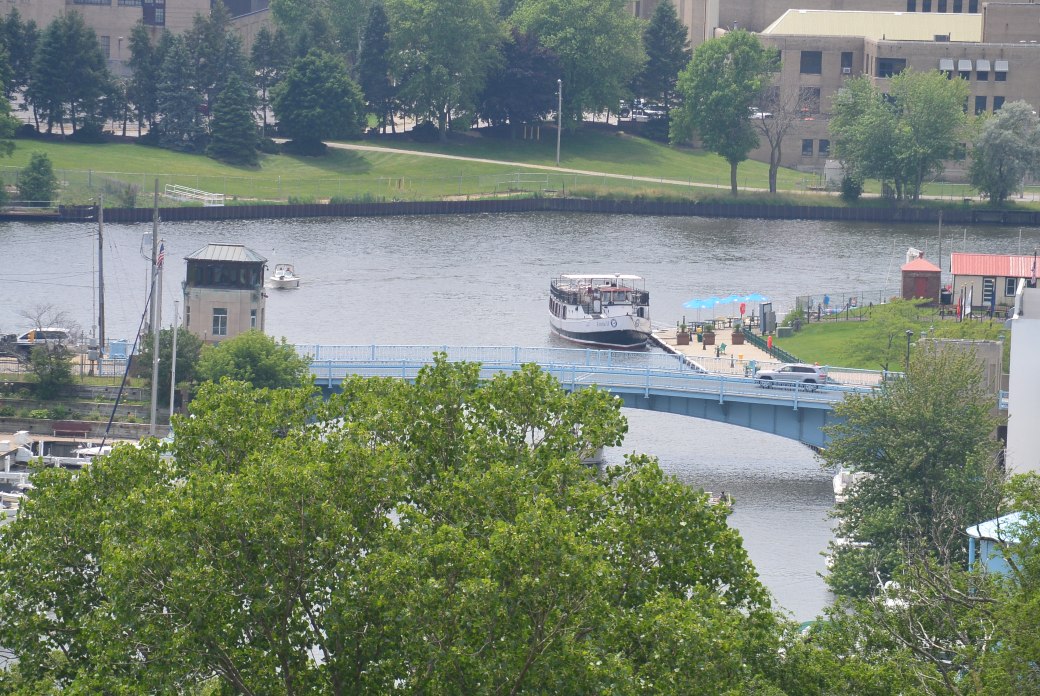
Franklin Street Bridge
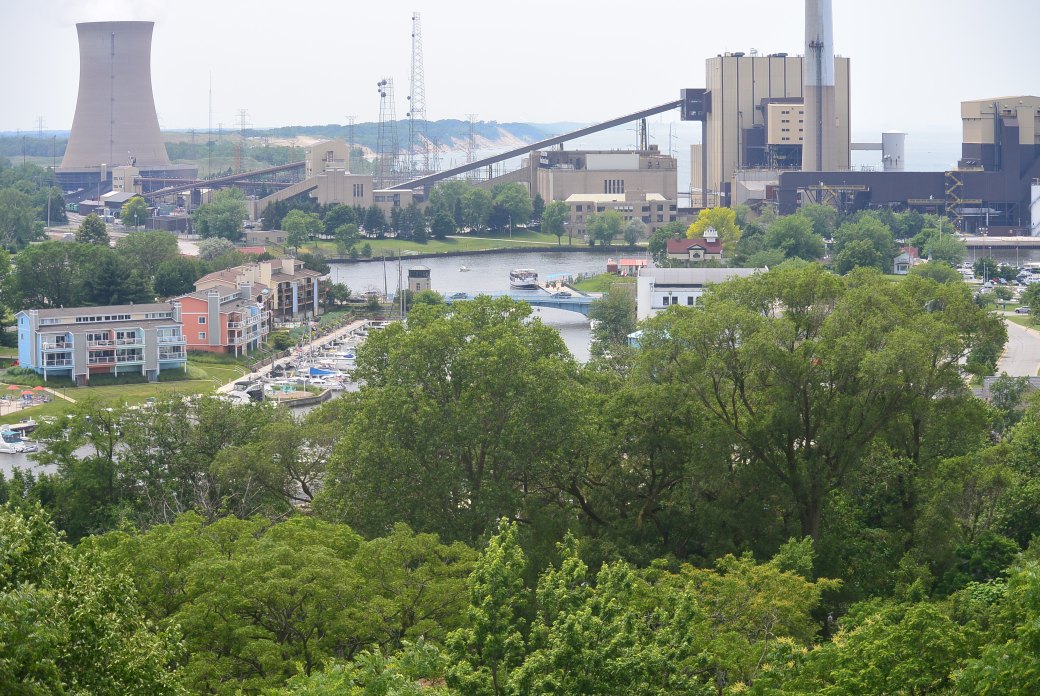
Franklin Street Bridge
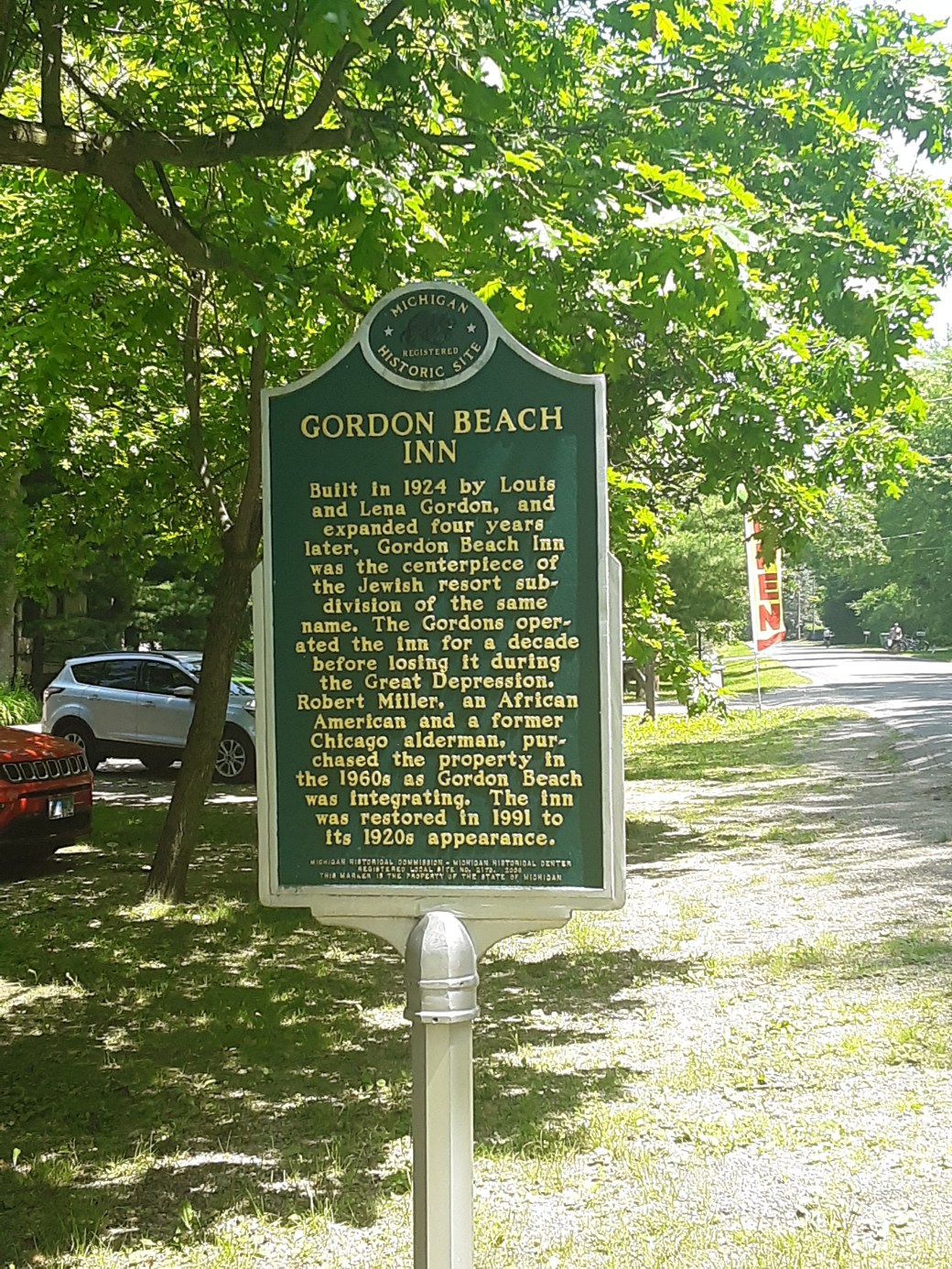
Gordon Beach Inn Plaque
The Gordon Beach Inn is located in Union Pier, Michigan. When it was built 1924, it was the centerpiece of a Jewish resort subdivision. The inn was built by Louis and Lena Gordon. 4 years after its opening, it was expanded. The Gordons operated the inn for 10 years. They lost ownership during the Depression. There is little information about the ownership from this time until the 1960’s.
In the 1960’s, the Inn was purchased by Robert Miller. He was an Africa American Chicago Alderman.
Another of the owners was Devereux Bowly. In 1991, he started a project to restore the inn to its 1920’s appearance. He hired artist Jo Hormuth who hand stenciled the walls and corridors with designs based on botanical themes and local native American patterns. The 20 rooms of the Inn were updated with private baths, heat and air conditioning.
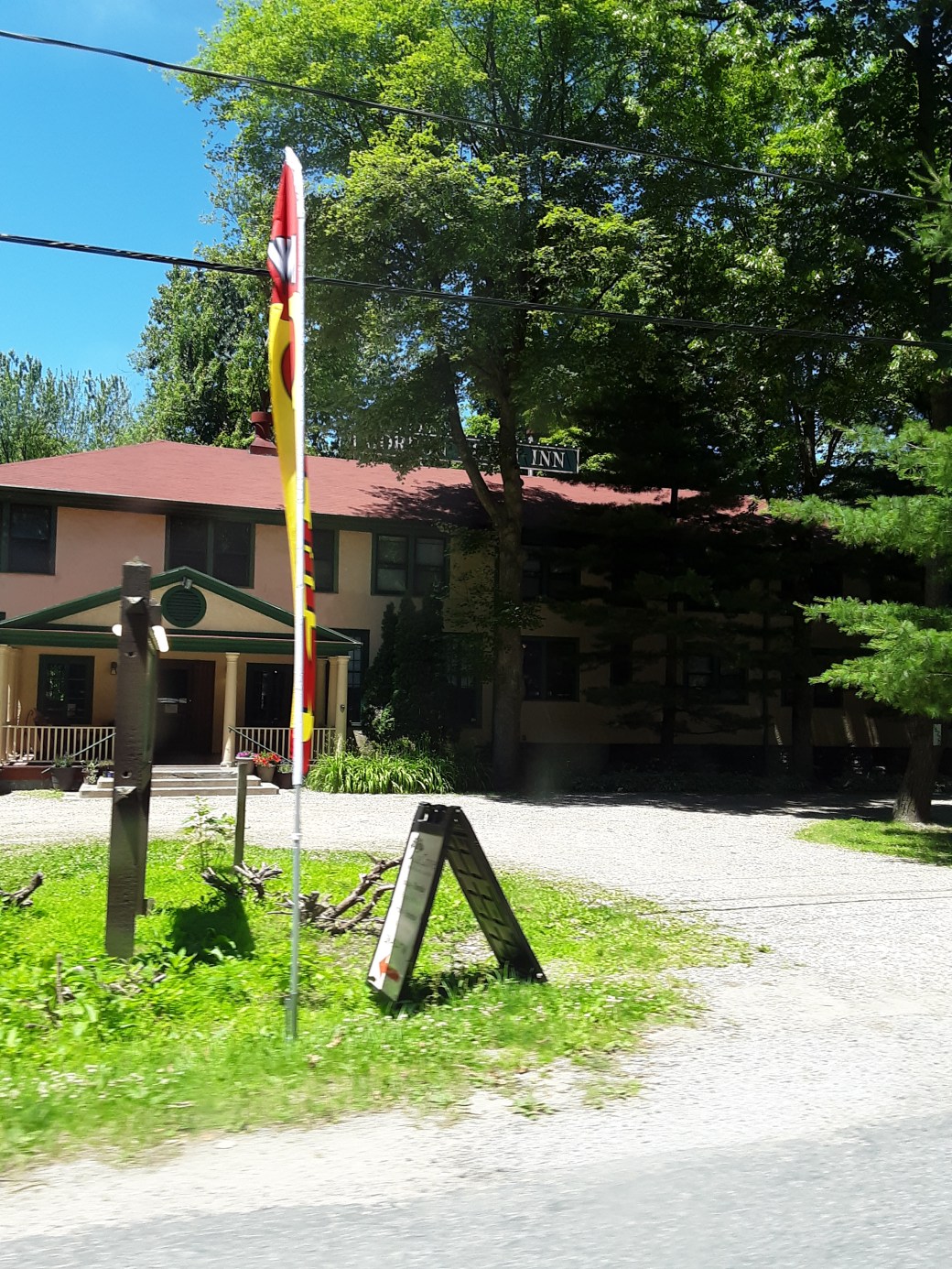
Gordon Beach Inn
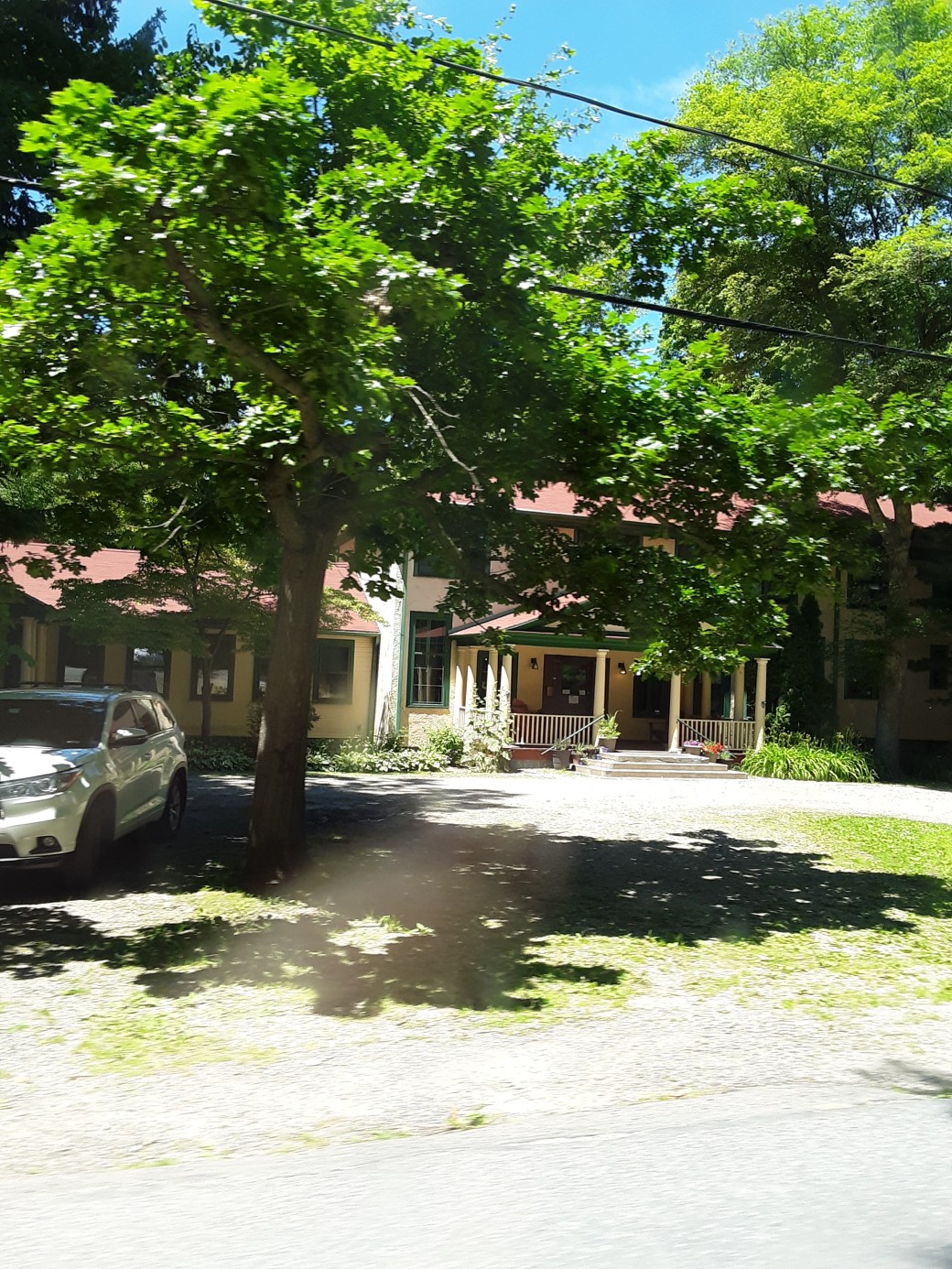
Gordon Beach Inn
Devereux Bowley died in 1914. He left the ownership of the
Gordon Beach Inn to his sister Judy and his son Zach.
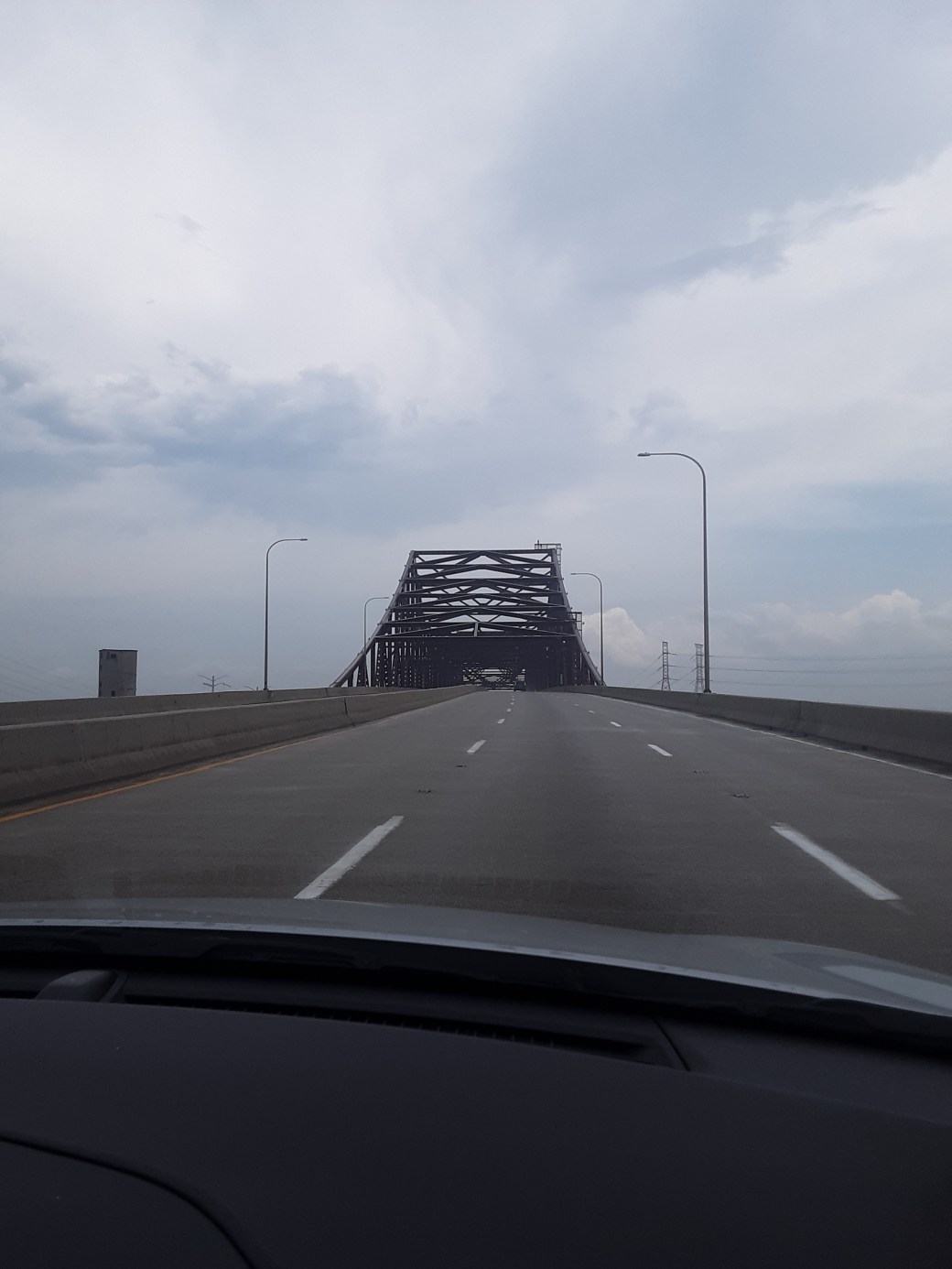
Skyway Bridge over Calumet River
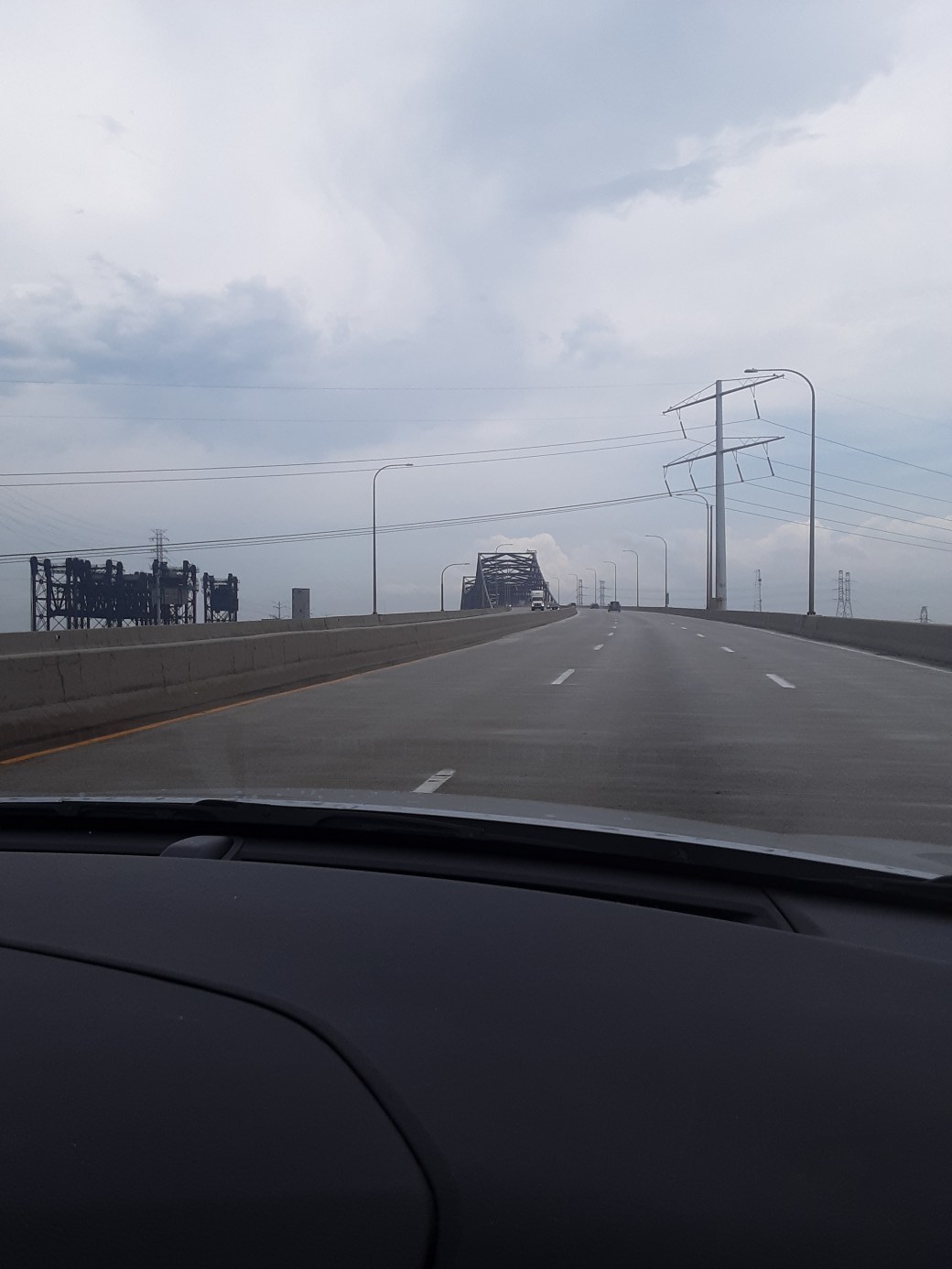
Skyway Bridge over Calumet River
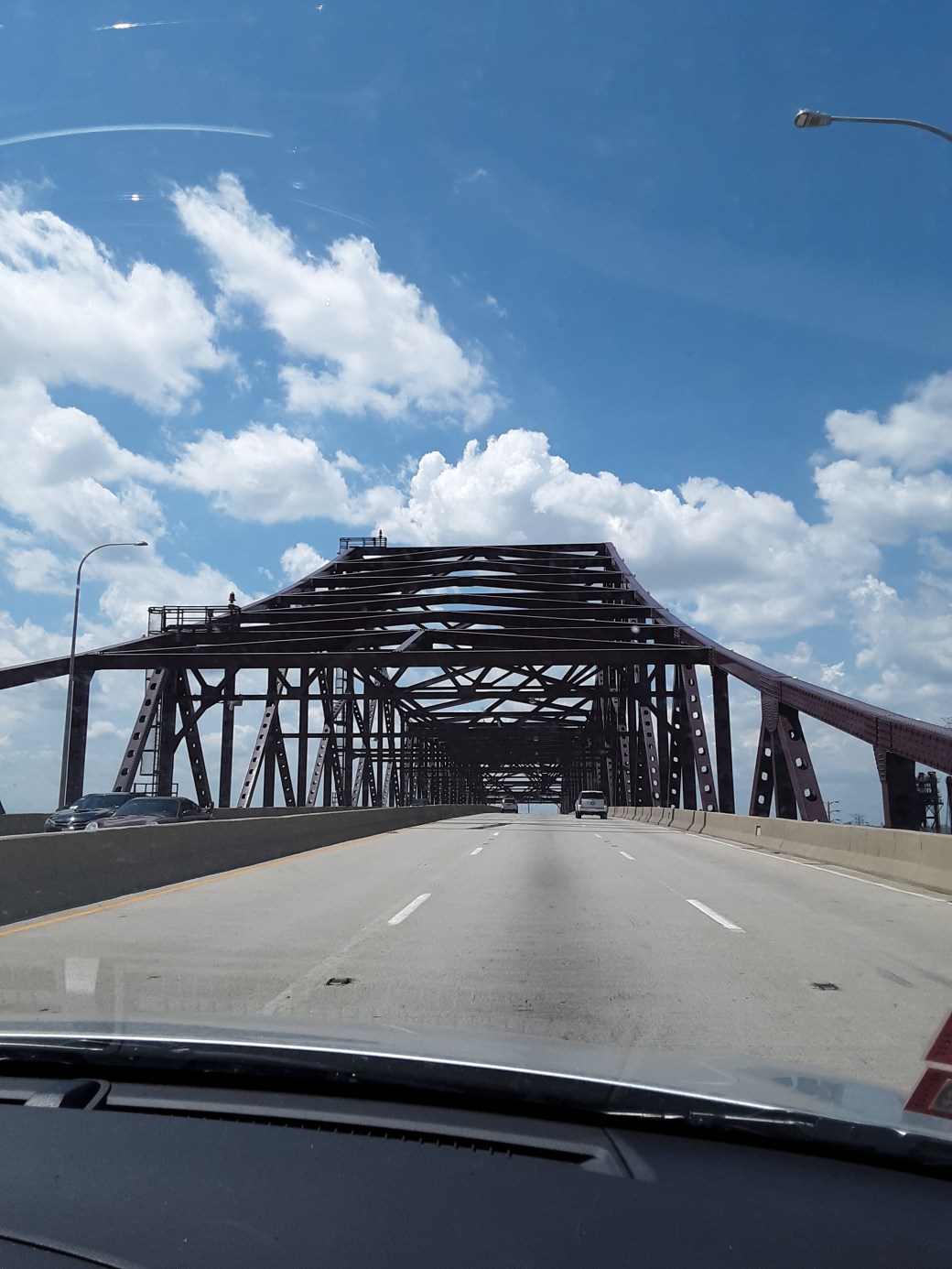
Calumet Skyway Bridge
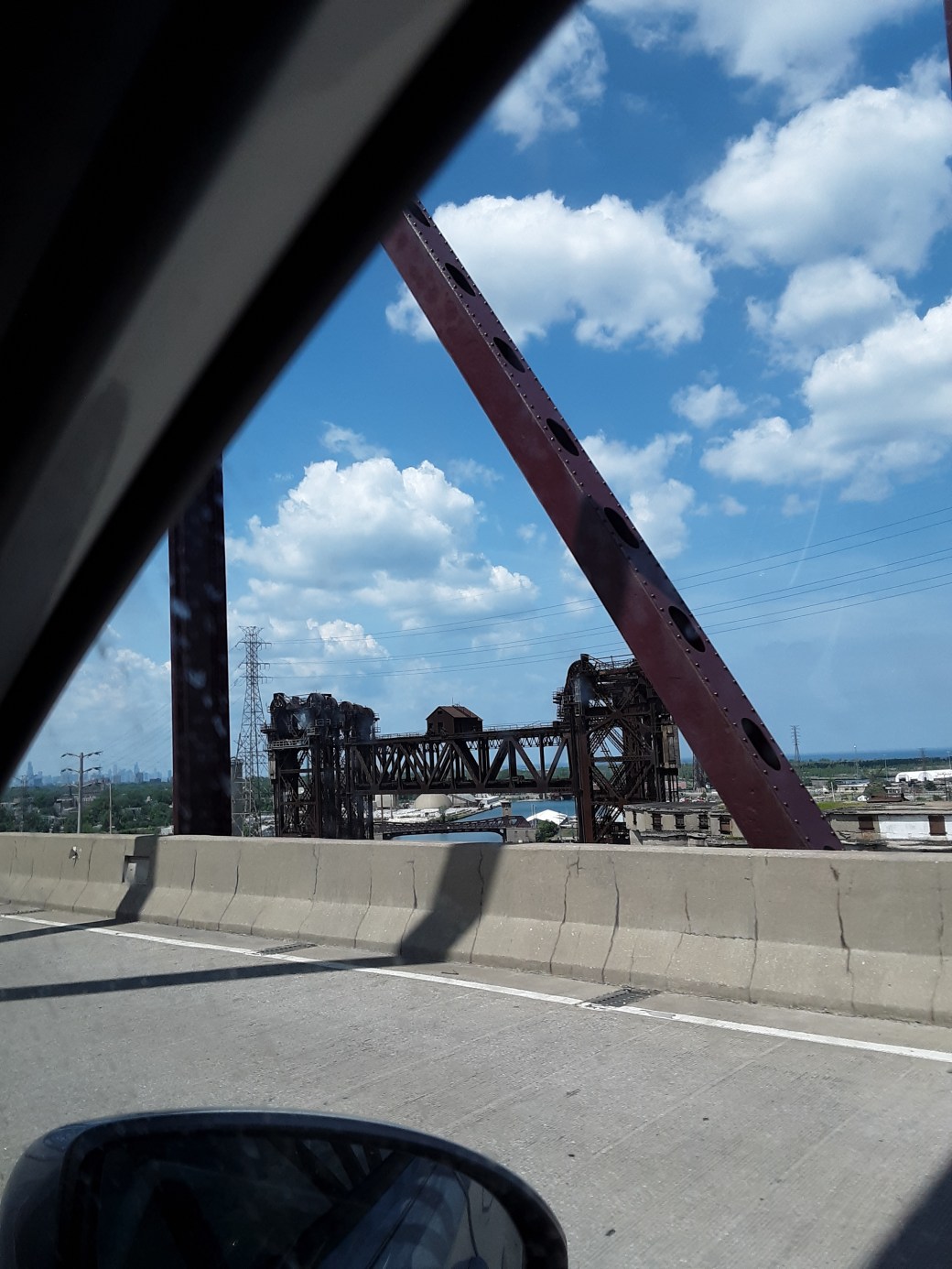
View from Skyway Btidge
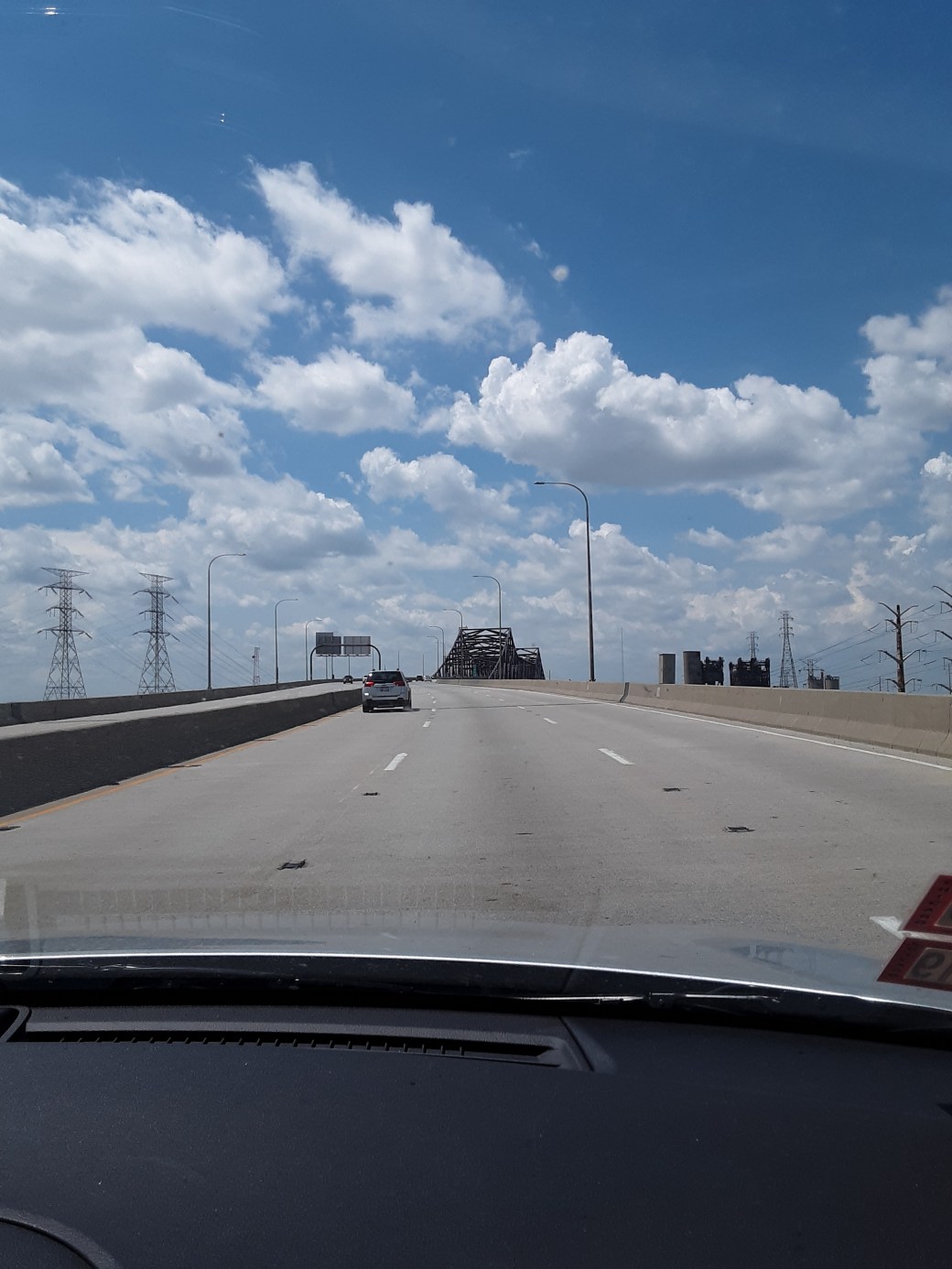
Skyway Bridge

