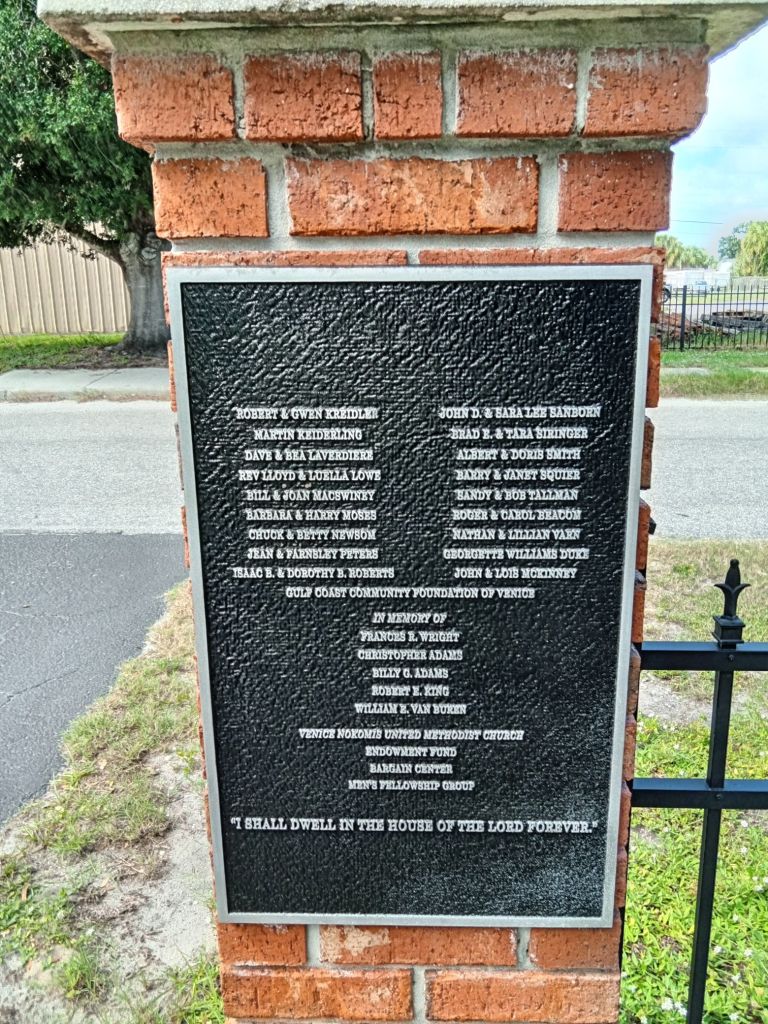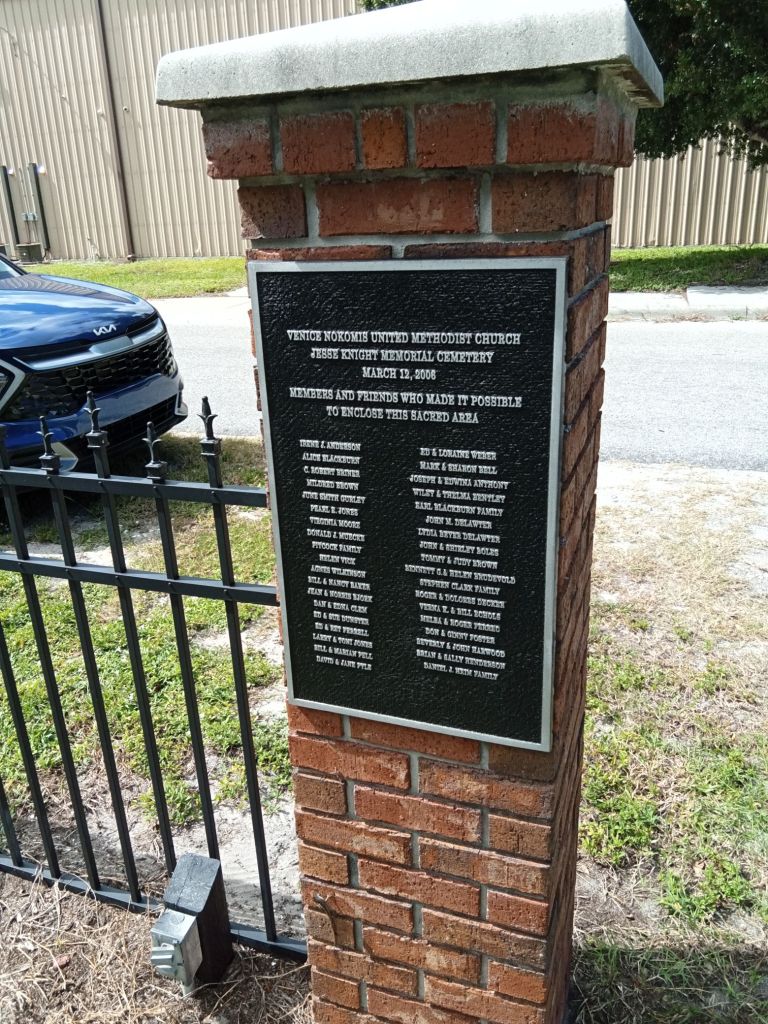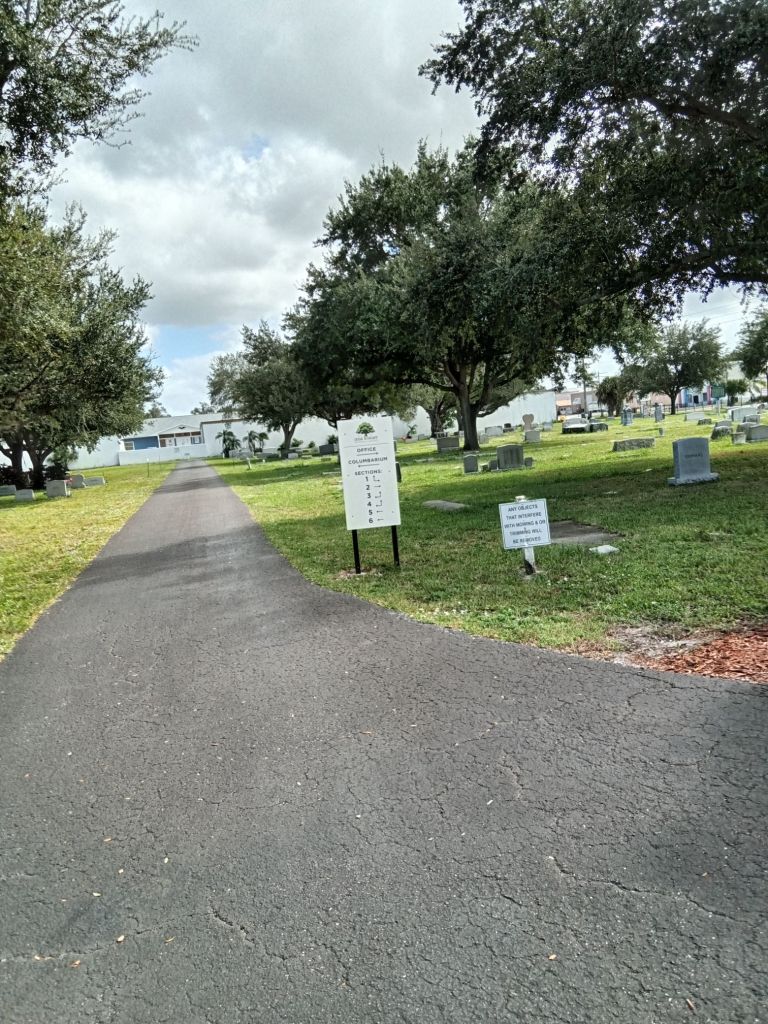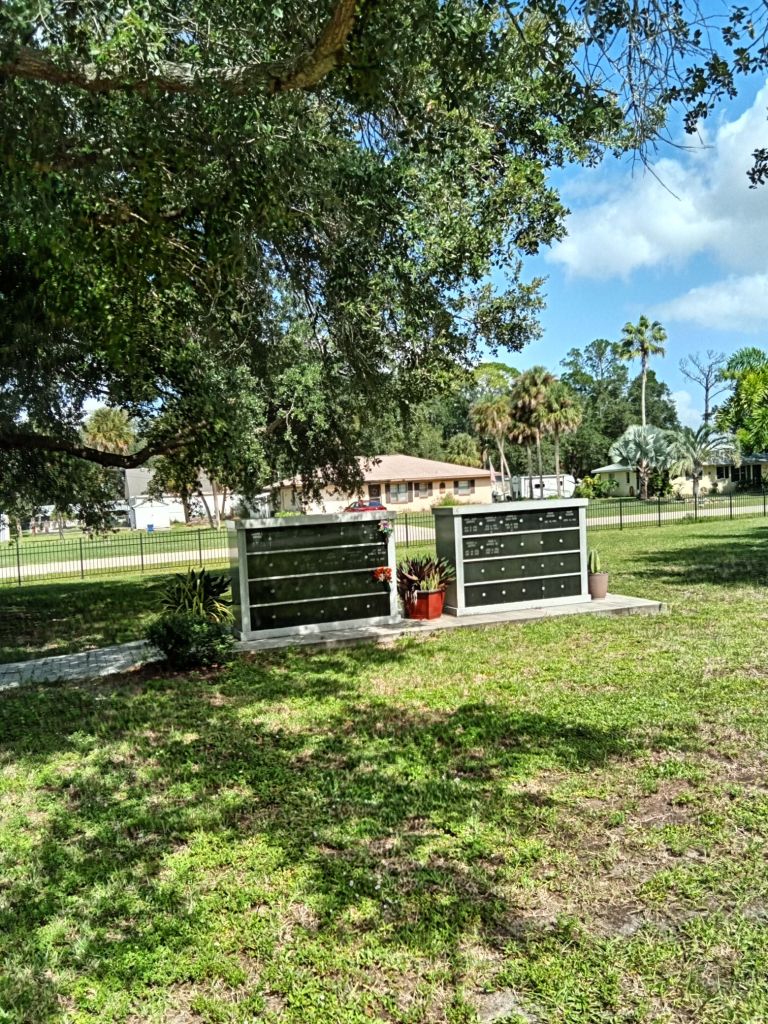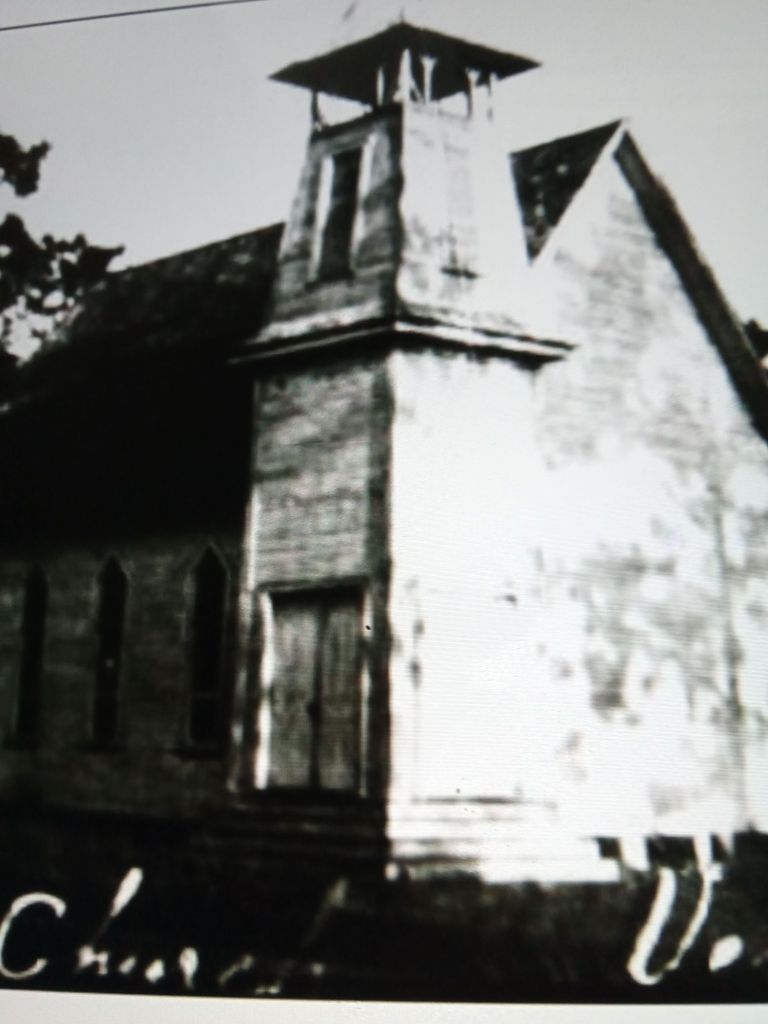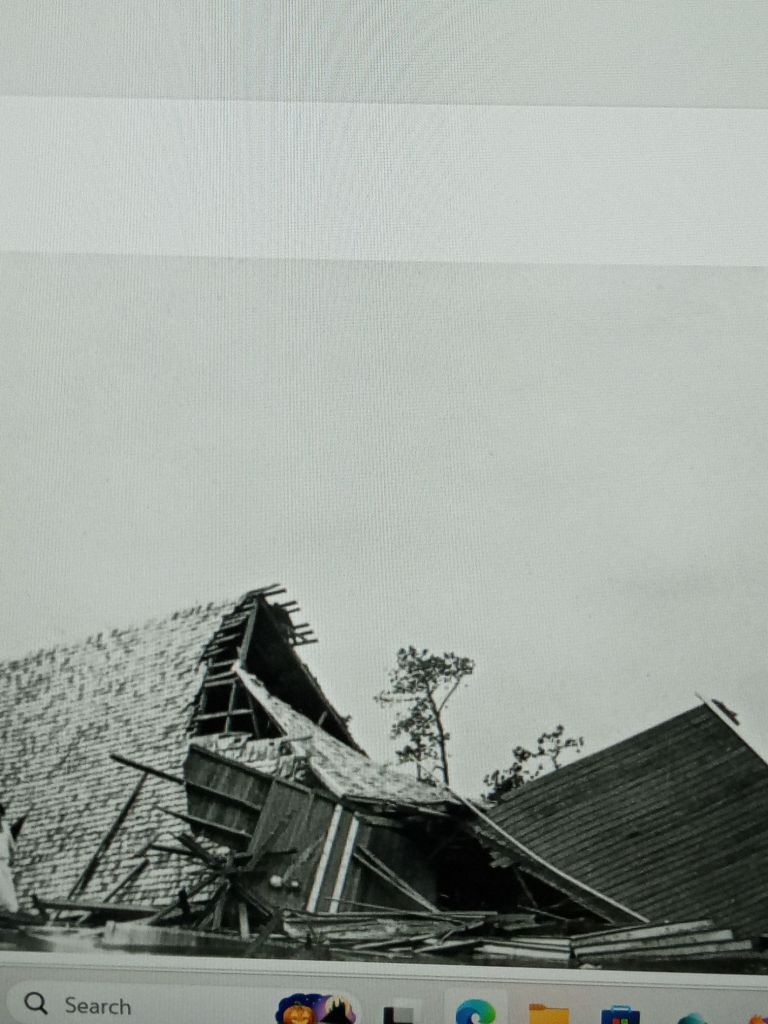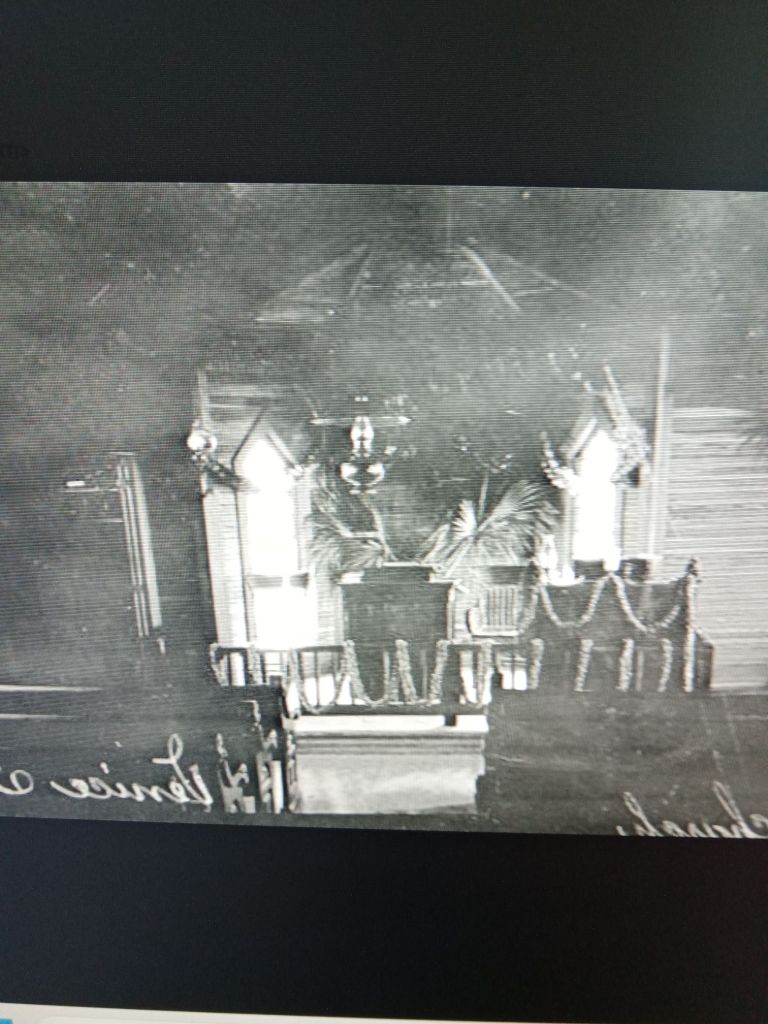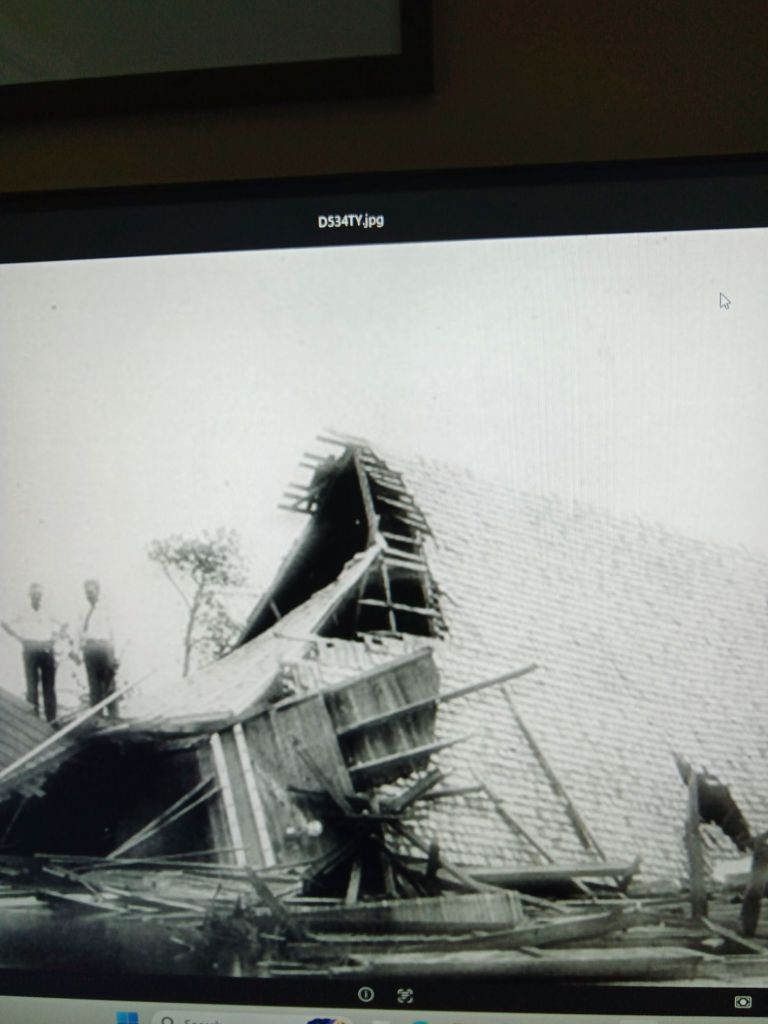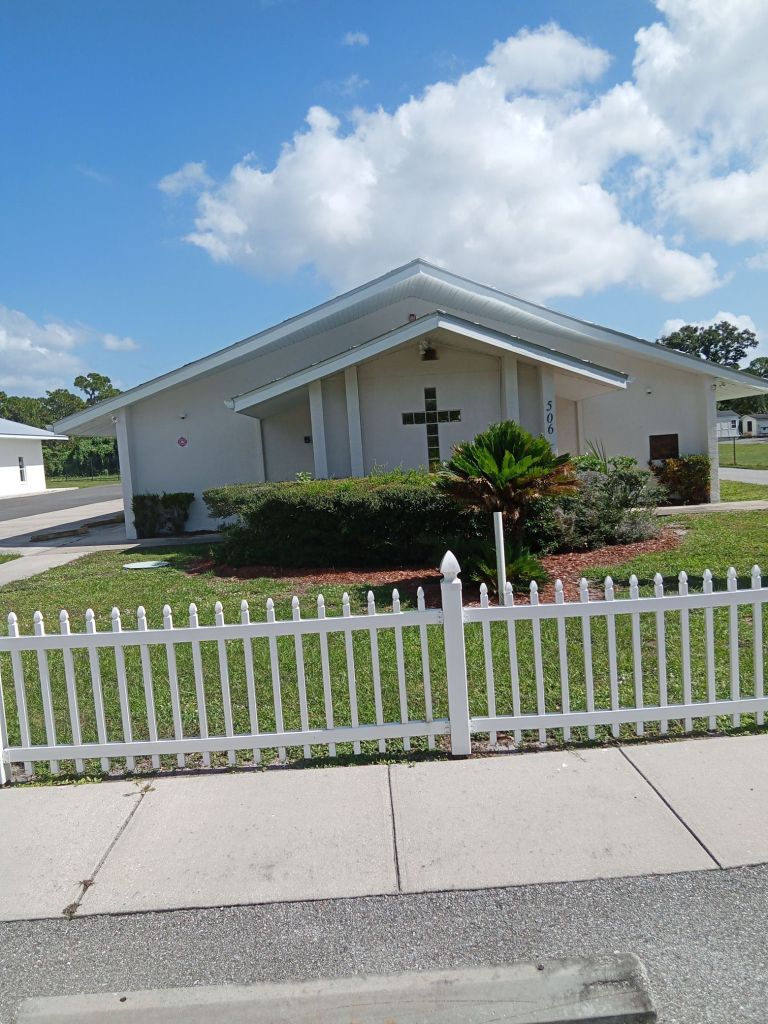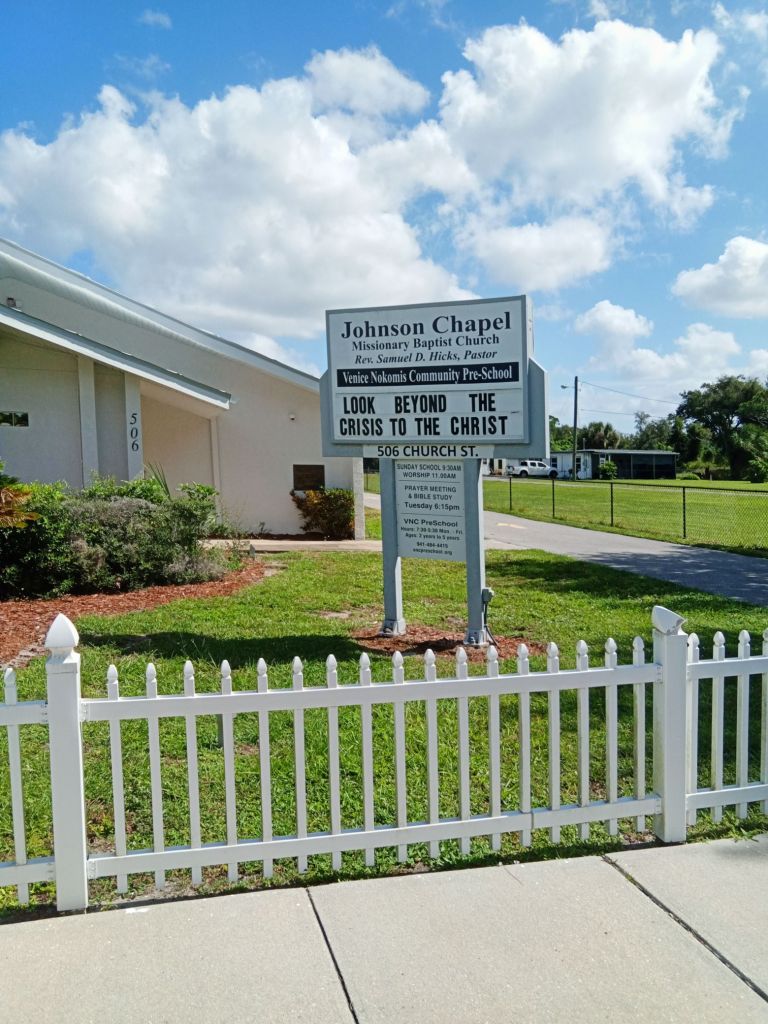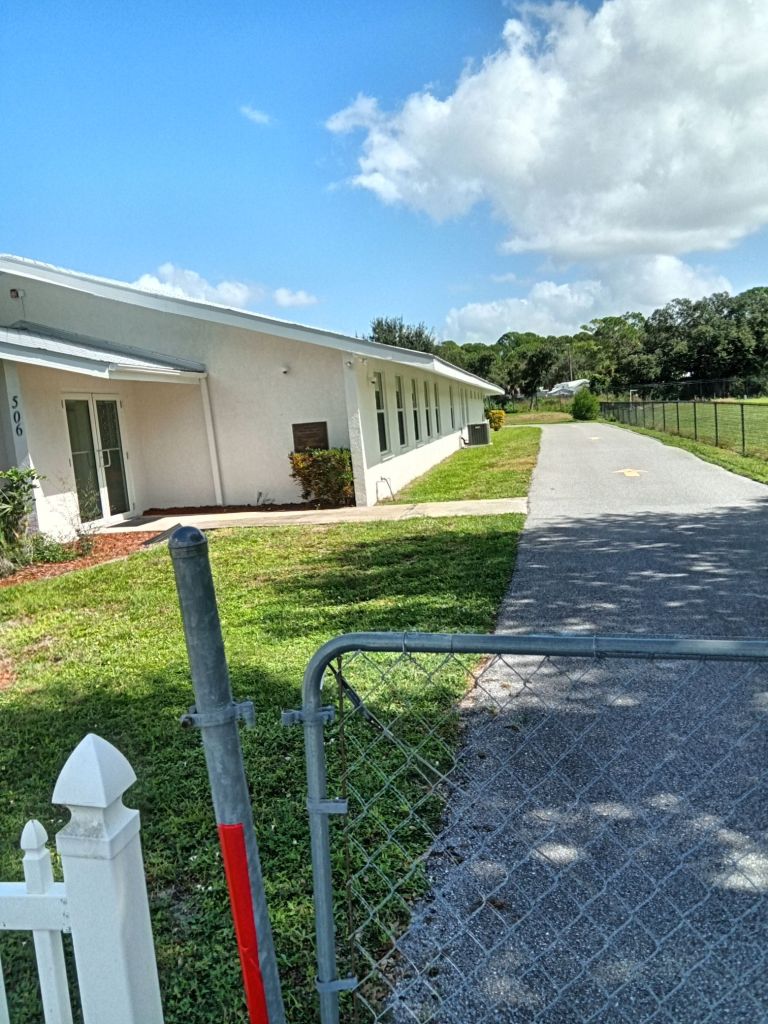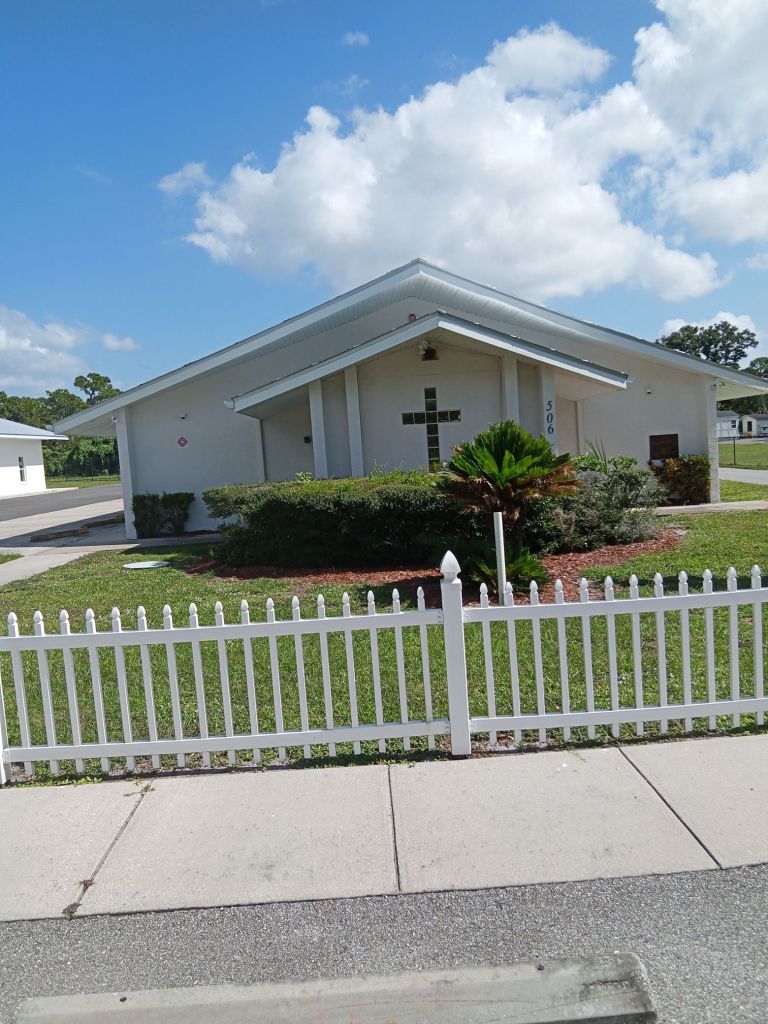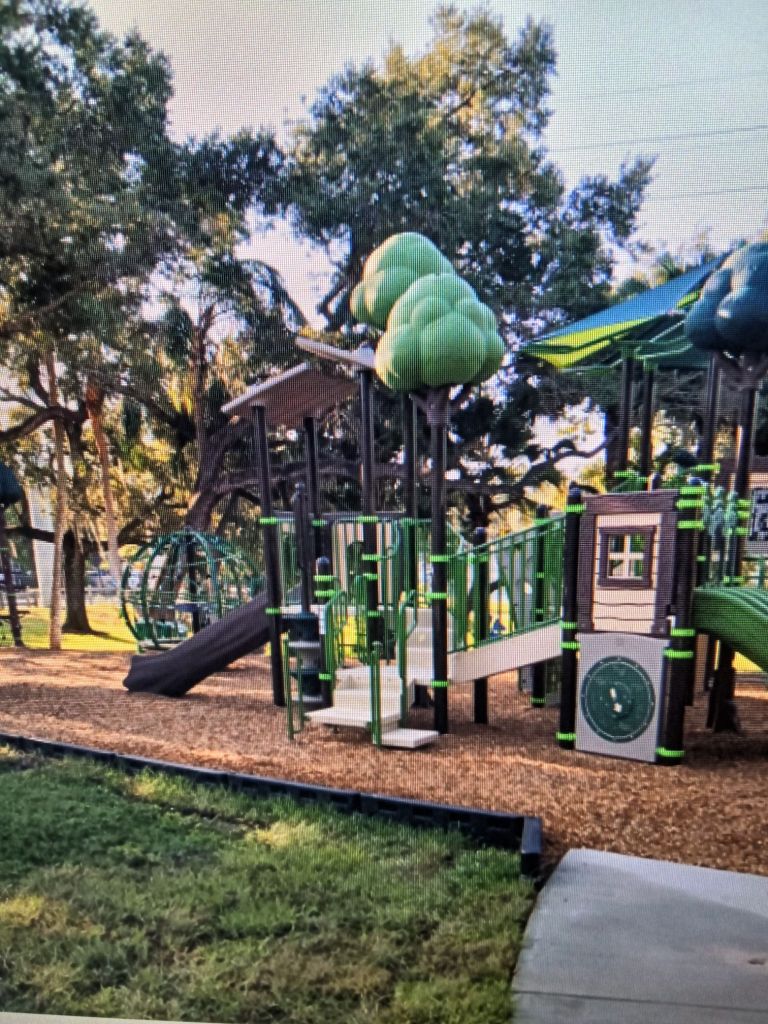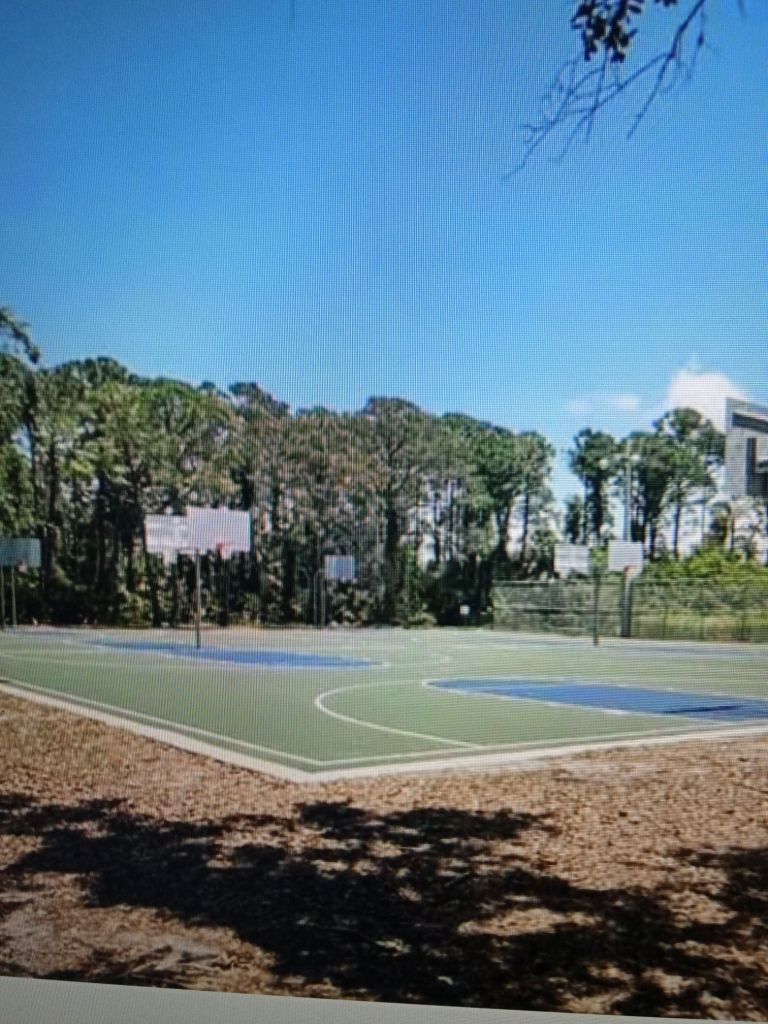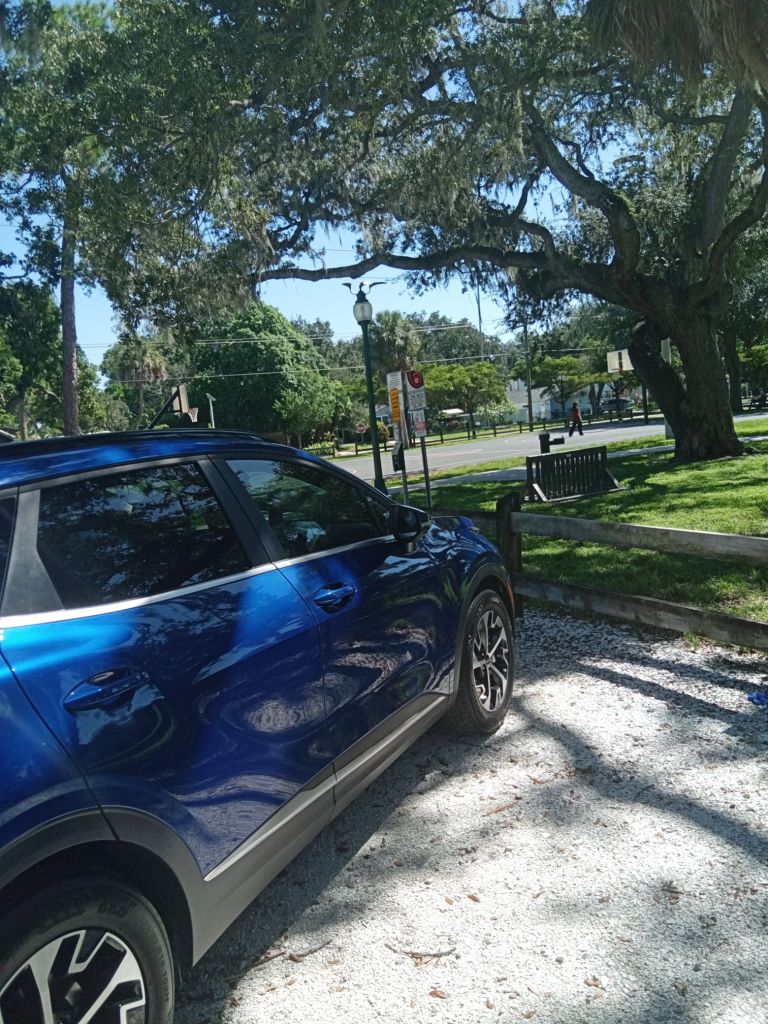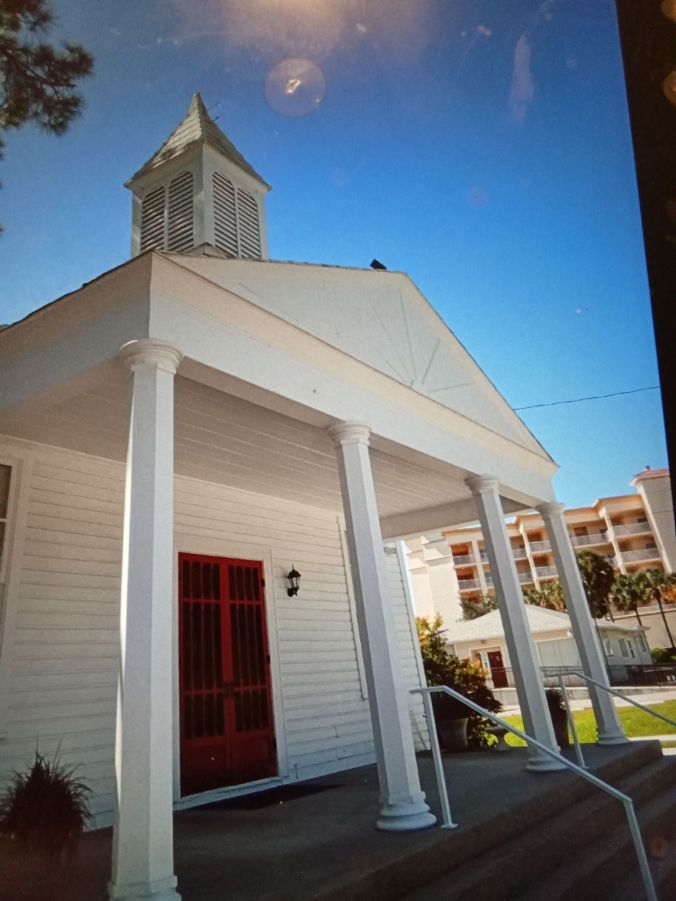
The Venice Nokomis Presbyterian Church Drive In.sanctuary was built in 1955. The architect was Victor Lundy. It was located at 111 East Firenze Avenue Venice

Drive In Church

Drive In Church
The Venice Nokomis Presbyterian Church Drive In.sanctuary was built in 1955. The architect was Victor Lundy. It was located at 111 East Firenze Avenue Venice

Drive In Church

Drive In Church

University of Illinois State Farm Center

Same as above

Interior of State Farm Center

Interior State Farm Center

Same as above

1931 picture of the theater

Rialto Theater
Thae Rialto Theater was a historic movie palace located at 123 West Church Street in Champaign, Illinois. It was constructed in 1905 as the Russell Building. In 1915 it was repurposed into a theater called Belvoir. In 1918, it was renamed the Rialto in September
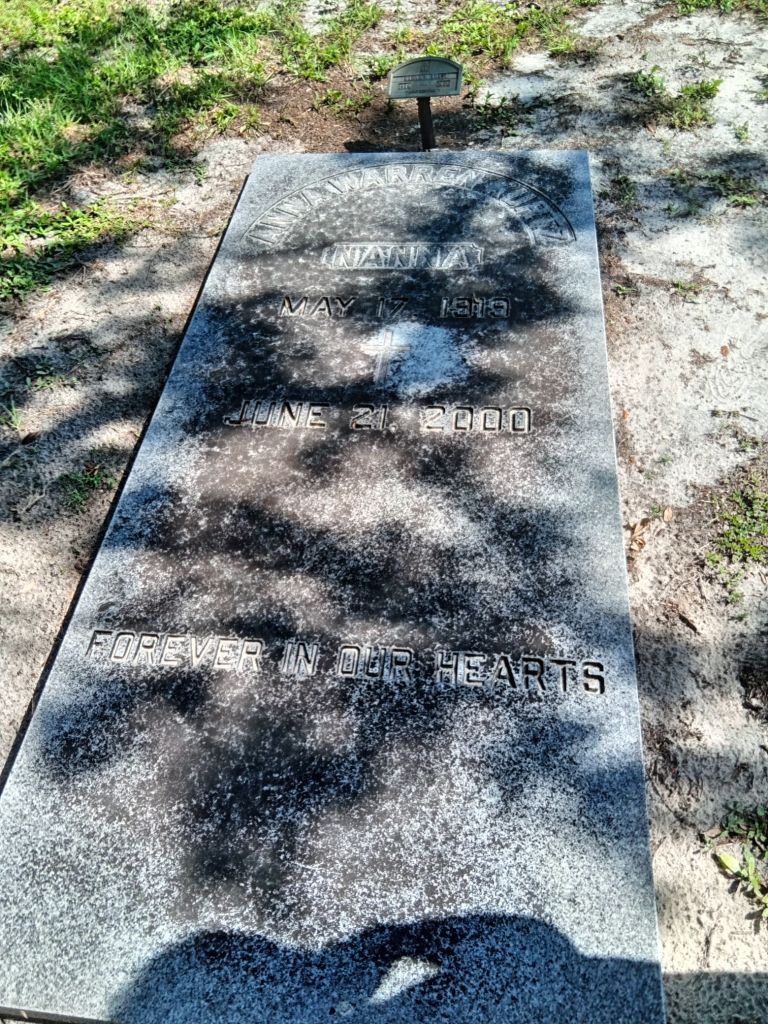
The original theater construction in 1915 was A.W. Stoolman. The original theater was completely gutted and rebuilt from the ground up.
The Eagle Creek Reservoir Dam is one of the largest dams in Indiana. It measures 75 feet tall and 5,100 feet long.It is located on the southwest edge of the reservoir near west 38th Street and Dandy Trail. It was built primarily for flood control following a devastating local flood in 1957. Construction took place from 1966 to 1969. This allowed the reservoir valley to fill with water. This reservoir is a 1,300 acre lake.

Eagle Creek Reservoir Dam

Orpheum Theater Building

Orpheum Theater Building

Cattle Bank

Same as above
financiale Cattle Bank building is located at 102 E. University Avenue Champaign, Il. It was built in 1858. It is the oldest documented commercial building in.Champaign, Illinois. It was built by William N.Coler and William G. Hubbard. They were prominent local businessmen, attorneys and real estate developers.

Cattle Bank
The specific individual who was the architect is unknown. Mr. Coler and Mr. Hubbard may have had a role in the design of the building.
The building style is Italianate.
Key Visual Features
Flat Rooflime: features a low pitched roof hidden behind a prominent, decorative cornice
Tall Windows: Uses narrow, vertically elongated windows with openings common to the mid Victorian era.
Brick Masonry: Built using local, red clay bricks fired directly in early Champaign.
Chronological History of Occupants
The Cattle Bank (1858-1861). Built originally a branch of the Grand Prairie Bank of Urbana, it operated as a financial hub for regional livestock ranchers until.an agricultural collapse forced its cloxure.
Mineral Water Manufactory ( 1865–1870’s)
Following the Civil War, local entrepreneur Nicolas Miller adapted the space into a production facility for manufacturing carbonated mineral water
Early Pharmacy and Grocery (1870-1893) The property was leased out and functioned as a combined neighborhood drugstore and grocery market
McGraw Grocery (1893-1936) Purchased by the McGraw family, the building served as a staple downtown grocery shop for over 4 decades
Kuesink’s Drug Store (1936-1951). Local pharmacist William Kuesink bought the property and converted it back into a pharmacy , serving the community for 15 years.
Heimlich here’s Sundries (1951-1971). The final commercial business to occupy the space was a community drugstore and sundries shop. It operated continuously until a catastrophic fire gutted the interior in 1971ending the building’s retail era.

Champaign City Hall
The Champaign City Building (City hall) is located at 102 N. Neil Street Champaign, Il. Cornerstone was laid in 1935. Construction was completed in 1937. It was built as a New Deal Project. It was partially funded with a federal Grant from the Public Works Administration. Construction costs were $210,000. The architect was George Ramey. Building style was Art Deco.
Main tower spans 6 floors. Open opening, the city Council chambers were on the 5th floor. They are now on the first floor.
The exterior walls are clad in light toned blond brick. This was chosen to make the building stand out from the red brick buildings throughout downtown Champaign.
Bedford limestone is used extensively for structural trim and detailing.
The pyramidal shaped roof capping the six story tower is clad in copper. This was deep brown color when it was installed. Over the years this converted to a light green color
Reinforced concrete was used
Basement and footings. The heavy weight of the building’s stone and brick facade rests entirely on massive, poured in place reinforced concrete footings.
Retaining walls
The underground basement level, which houses.mechanical equipment and city archives, utilizes reinforced concrete walls to hold back the surrounding soil and resists ground water pressure
Internal.skeleton
Floor slabs: the floors separating the basement, main level, and upper chambers are constructed of reinforced concrete slabs. This provides fire proofing between floors and prevents the building from vibrating.
Support columns: hidden behind the decorative interior plaster, a skeleton of reinforced concrete or concrete encased steel columns transfers the weight of the upper floors and copper roof structure down to the earth

Virginia Theater
The Virginia Theater is located at 203 West Park Avenue Champaign, Illinois. Construction was begun early in 1921 and it opened on December 28, 1921. The builder and general c was contractor was Almond Whitfield Stoolman. Building costs were $400,000. The architect was C. Howard Crane and the architectural firm of Gill and Jackson. The architectural style was a blend of Spanish Renaissance and Italian Renaissance Revival.

Virginia Theater
The building’s exterior feature classic brick facade accessory cream colored terra cotta details.
Key Exterior Elements
The arched windows: Three large, two story arched windows dominate the upper facade framed by ornate terra cotta molding.
The Marquee: A prominent, brightly lit Art Deco canopy hangs over the sidewalk, which was added during a 1939 RKO remodel to replace the 1921 original.
The Materials: Red-brown pressed brick forms the main structure, contrasted sharply by the white tile accents.
The Cresting: ornamental terra cotta shield motifs and a decorative corn ice line the very top edge of the building.
Seating was 817 main floor and balcony 646 seats. During reeling the number of seats was reduced.
Timeline of theater ownership
Charles CC Pyle and A.W. Stoolman.(1921-:1930)
The promoter was CC Pyle. He partnered with A.W. Stoolmam. They were joint owners
RKO Pictures (1930- 1967) The major Hollywood studio held a long-term commercial lease and operational control over the venue for nearly four decades
The Stoolman–Julian.family (1967–1968) A.W. Stoolman’s Elizabeth Virginia Stool man and her husband briefly reclaimed direct control

Hariet Hall

Traction Building
This building is located at 41 East University Avenue Champaign, Il. It was built in 1913. The architect was Joseph Royer. It is three stories. The style is 20th Commercial . The exterior is constructed of red brick accented by white terra cotta detailing
Key structural and decorative element of the exterior include:
Facade material: A classic red brick exterior paired with intricate white terra cotta details.
Structural Division: Four vertical piers that split the front facade into three distinct bays with the two outer bays being slightly bowed
Ornamental Detailing:
Terra Cotta medallions crowning each pier and detailed scrolled shields marking the top of the first floor
Window details: Every window features molded terra cotta silks and lingerie
Roofline: The original ornate terra cotta has been replaced for nice has been replaced by a white brick pediment
Transportation and utilities era (1913-1985)
Illinois Traction System
Operated its main corporate headquarters and Champaign depot here from 1913 to 1928.
Illinois Power and Light Company: Established office in building after the railroad was consolidated into a utility subsidary in the 1920’s.
Illinois Terminal Railroad
Continued utilizing the facility as its corporate headquarter and inter urban passenger station after absorbing it’s in 1928, until Tran service ceased at this locationin 1936
Illinois Power Company
Maintained its regional corporate offices throughout the upper levels of the for decades until relocating in 1985
Modern Commercial and Retail era (1985-to present)
Kane and Company Spa and Salon purchased the building in 2000 and transformed the
6000 square first floor into a prominent local salon and day spa.
Commercial Office Tenants The upper levels have been subdivided into professional office space hosting various local services including Susan W. McGrath law office and financial consultants
Currently the first floor is vacant.
The upper levels have been converted to luxury apart units