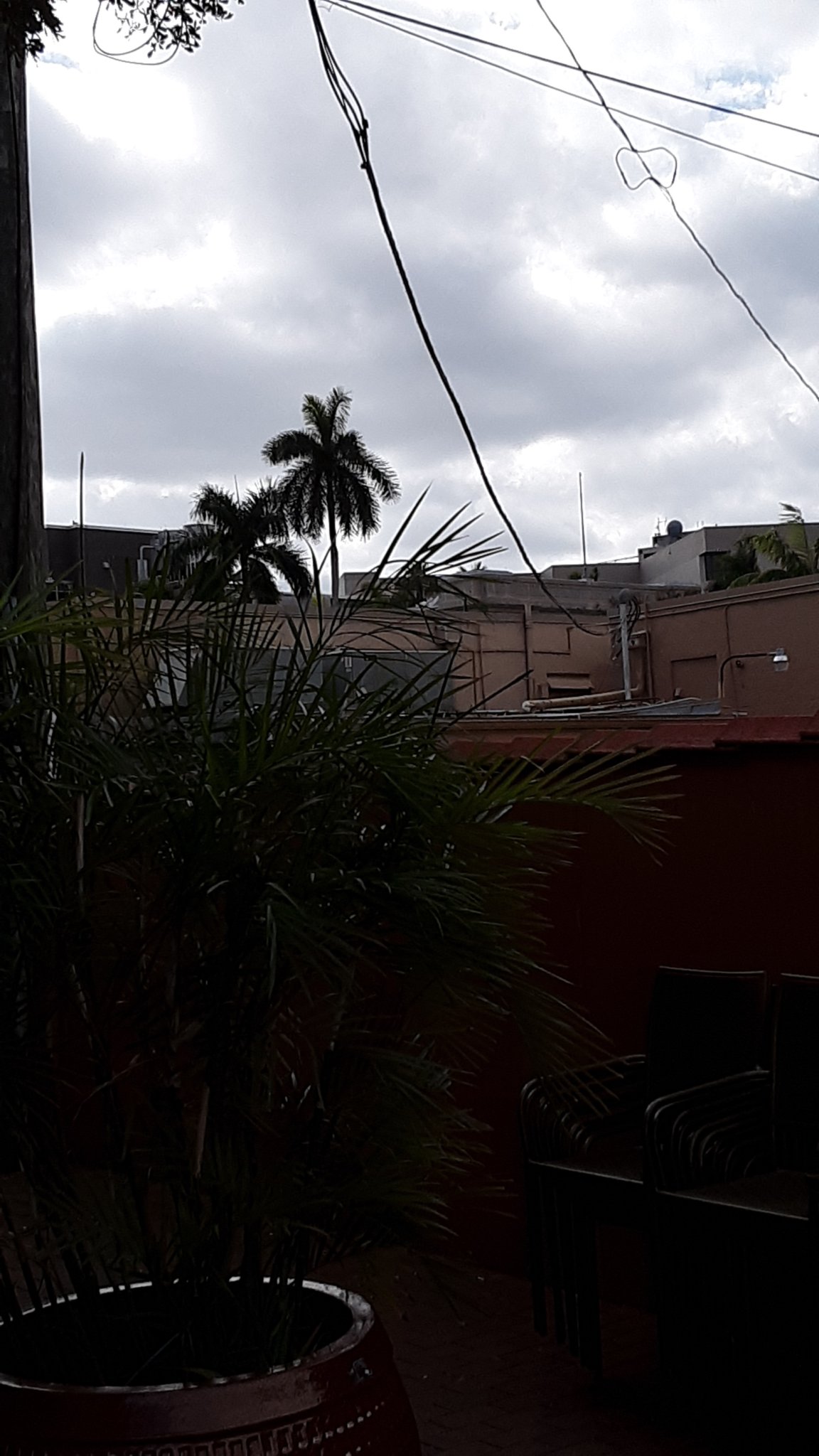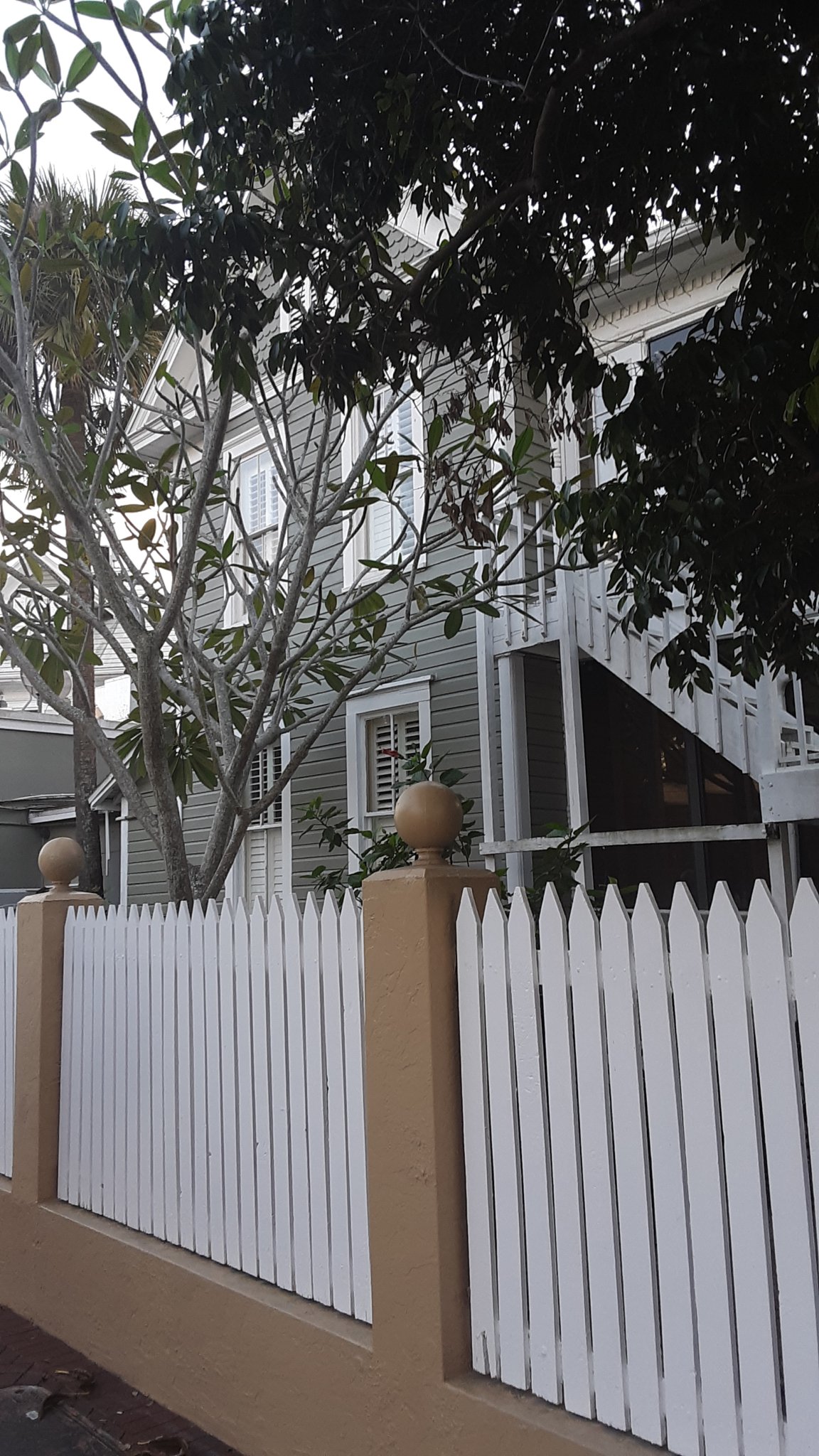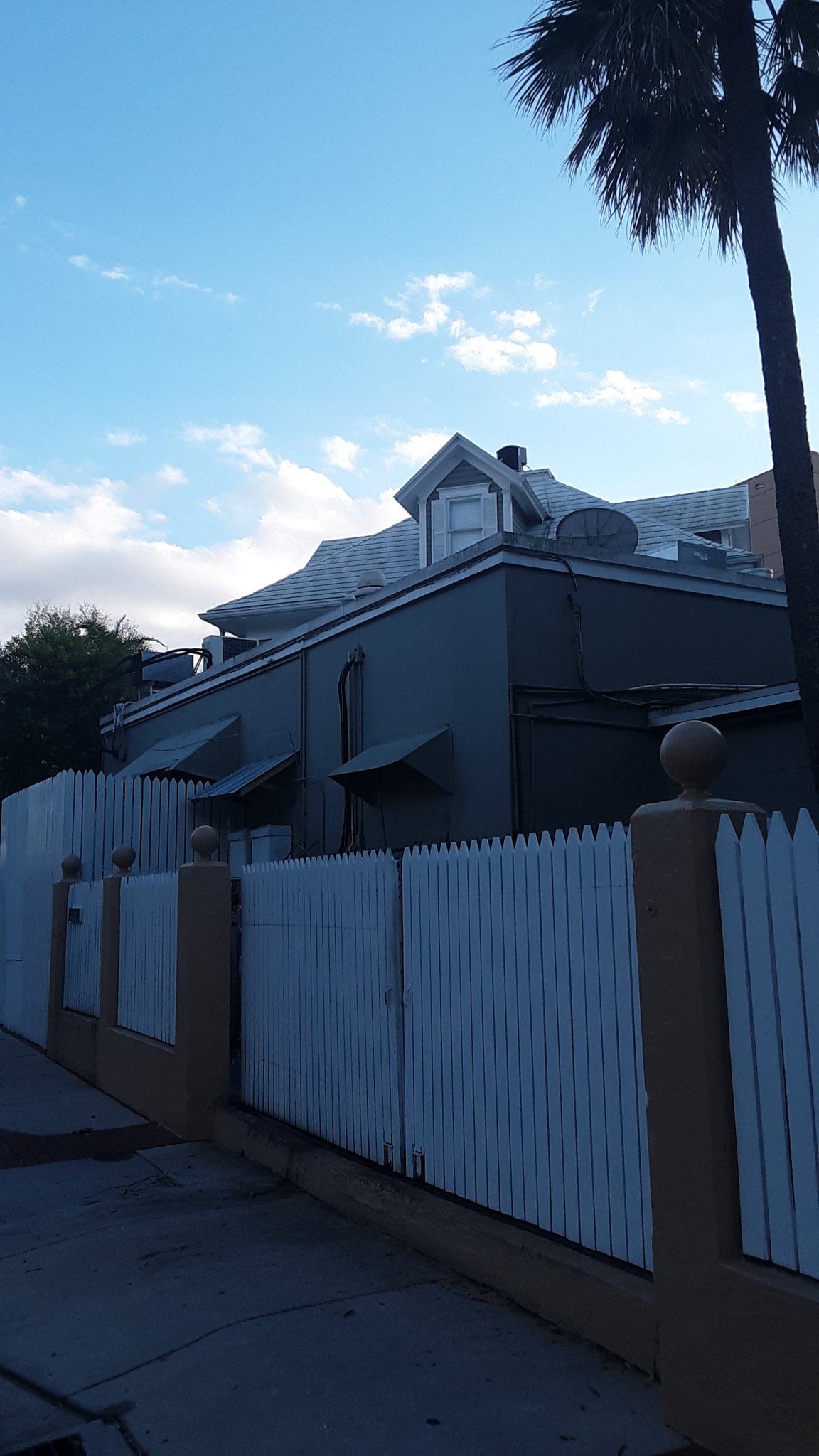
Crescent Theater

wp-1534179101741.jpg

Films Courtesy of Westinghouse Electric 

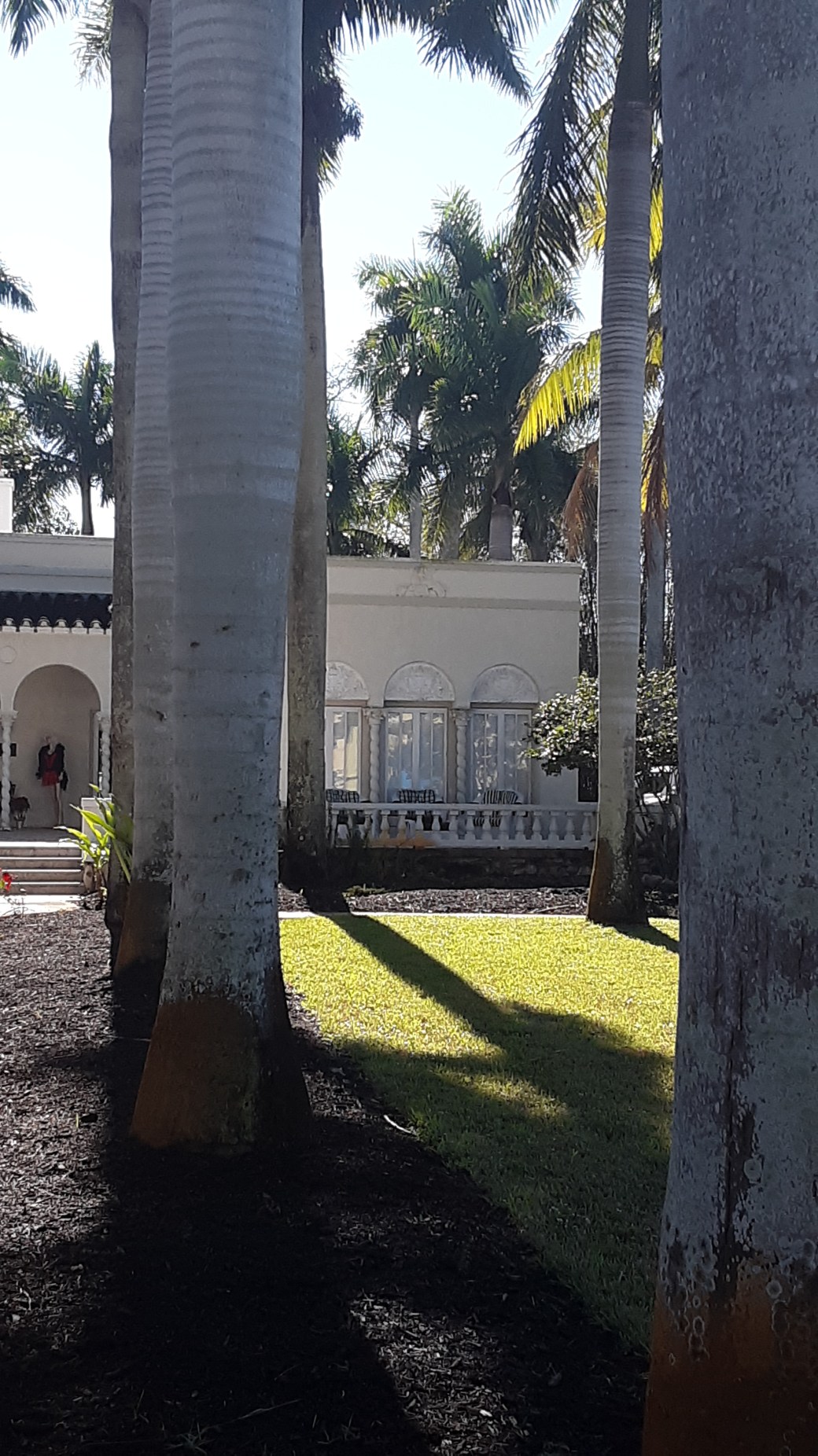
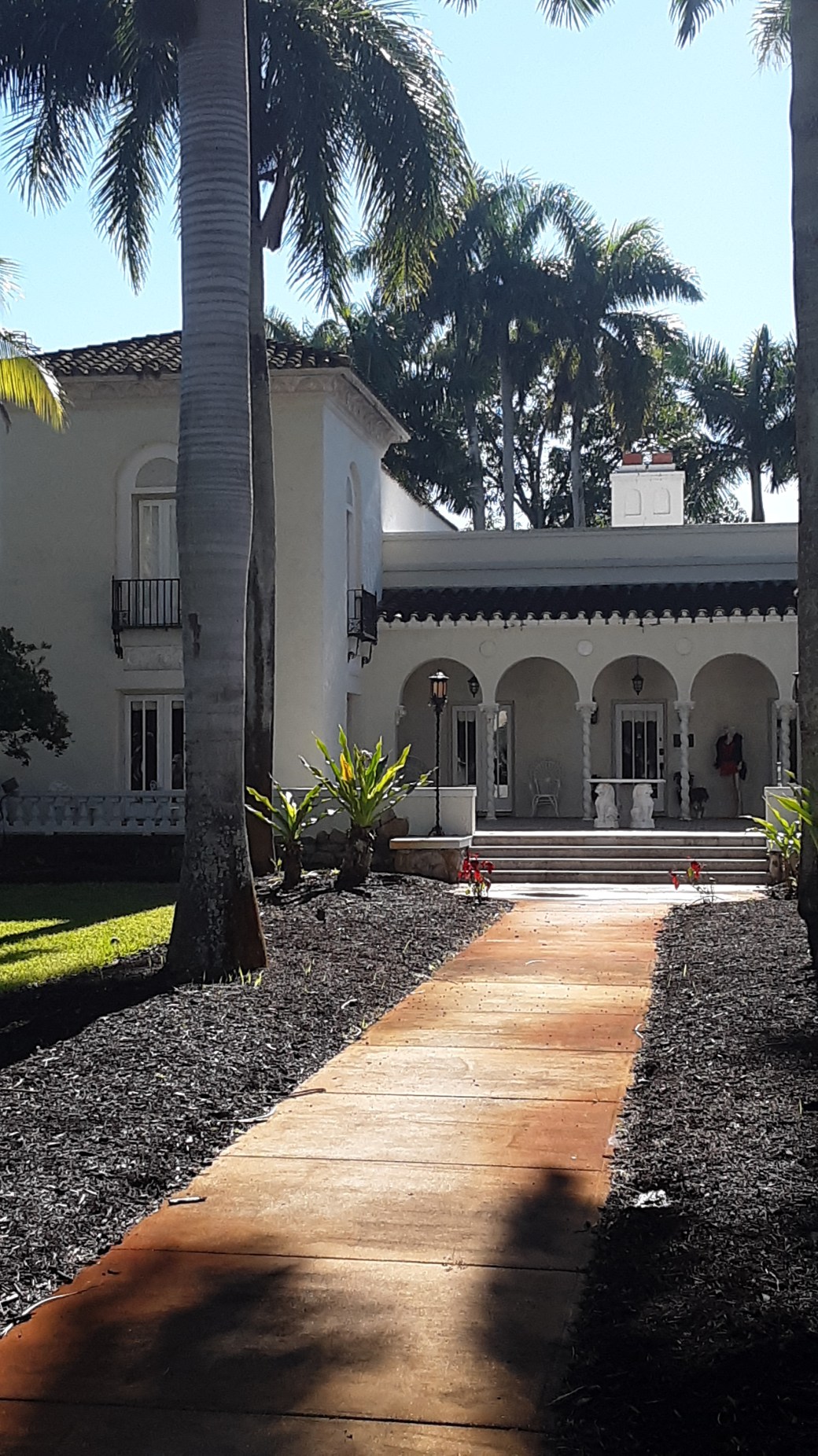
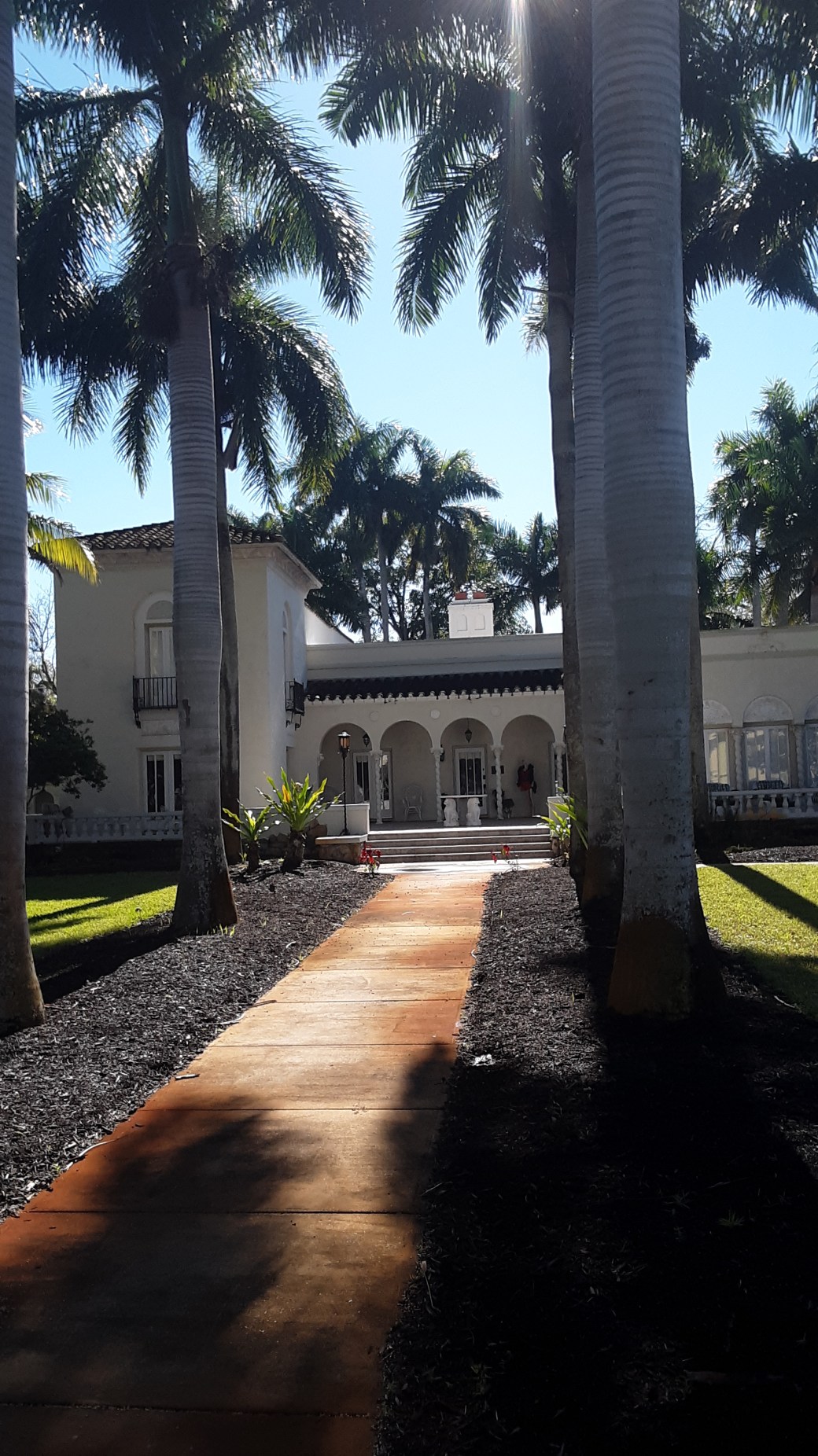
     The Crescent Theater was located in the Logan Square Neighborhood at 2915 Milwaukee Avenue.  It first opened its doors in 1912.  It had one screen .  Its seating capacity was 700 seats.

     In the 1940’s, the theater name was changed to Nita.   It stayed  in business until the 1950’s.

     The theater building still stands.

Former Crescent Nita Theater Building

Former Crescent Nita Theater Building


Former Crescent Nita Theater Building

The Rose Theater


Round Up Theater Internet Photo

   The Rose Theater opened in 1914 in the Logan Square Neighborhood of Chicago at 2858-60 North Milwaukee Avenue.   Its seating capacity was 700.  It had one screen.   The architect was Ralph C. Harris.

    It went through several closures in the 1930’s.  In 1936, it reopened with  a new name, the New Dale Theater.  In 1949, the owners (Balaban and Katz) renamed the theater the Round Up.  They featured Westerns only.     The Round Up closed in the 1950’s.  Later in that decade, the building was used as a furniture store. 

     In 2001, the former lobby was used as a restaurant.  The auditorium was used for storage.  The building was demolished in June, 2009.

Former Site of Rose Theater

Same as above

Former Site of Rose Theater

All text and images are copyrighted

Milford Theater

Former Site of the Milford Theater

     The Milford Theater was located in the Avondale neighborhood of Chicago at 3311 North Pulaski Road.  It was opened in 1917.  It was built for the Ascher Brothers Circuit.  The architect was Henry Newhouse.   There was a single screen.  Seating capacity was 1150 seats.    Initially, it showed silent films and featured a theater organ.  

        In 1950, the Milford became part of the Balaban and Katz Chain.  In the 1960’s and the early 1970’s, it showed Polish language films.  In the 1970’s, it featured budget second run movies. In the 1980’s, it experimented with showing Spanish language films.

     There apparently was a Milford Ballroom that was a part of the theater building complex.

     The Milford Theater closed its doors in 1990.  It was destroyed by a fire.  It was eventually torn down in 1994.

DesPlaines Theater

DesPlaines Theater

The DesPlaines Theater is located in DesPlaines, Illinois at 1476 Miner Street.    It opened in August, 1925 as a vaudeville and movie theater.    It was built for the Polka Brothers Firm.  The architect was William Betts.

The foyer of the building was Spanish Moorish Style.  The auditorium was Spanish Renaissance style.  There was one screen.   The capacity was 1,018 seats.   There was an orchestra pit.    The stage was large.  A Geneva style organ was installed in 1925.  The exterior of the buildings was art deco style.

In 1935, the building was purchased by Balaban and Katz.  It was converted to a first run movie venue.  It was remodeled by the firm of Pereira and Pereira.

In 1982, a fire caused substantial damage to the building.  The theater was reopened after a few years.  It was converted to a two screen facility with two auditorium each having 275 seats.

It was renovated in 1998.  The theater featured first run Indian films.    It closed in 2003.  It reopened in 2006 again featuring East Indian Films.  It closed in 2007.  In 2008, it reopened for for a special showing of High Musical 2.  It then operated as a performing arts venue and a movie theater.

DesPlaines Theater

In 2010, it was converted back to a one screen one auditorium venue.  It operated with programs including live theater, Bollywood Movies,  and independent features.   The theater closed in 2014.

DesPlaines Theater

In 2017, the city of Des Plaines  considered eminent domain proceedings to forcibly acquire the Des Plaines Theater.    In August of 2018, the city purchased the theater from Dhitu Bhagwakar for $1,257,500.  The Rivers Casino was also involved in the project agreeing to provide 2 million dollars for improvements in the theater building.

DesPlaines River

Charles Albert Comiskey

Mausoleum Charles Comiskey Calvary Cemetery

Mausoleum Charles Comiskey Calvary Cemetery

     Charles Comiskey was born in Chicago on August 15, 1859.  He attended public and parochial schools in Chicago.  He attended Saint Mary’s College where he played in the baseball team.

     He played on many Chicago area baseball teams.  He first was a pitcher but later moved to the first base position.

     He worked as a player and a manager with Saint Louis Brown Stockings, the Chicago Pirates and the Cincinnati Reds.

     He left Cincinnati in 1894 to purchase the Western League Baseball Club in Sioux City, Iowa.  He moved the club to Minneapolis.

Wilmette Theater

Wilmette  Theater

     The Wilmette Theater is located in Wilmette, Illinois at 1122 Central Avenue  It was built as a movie venue in 1914.  It was originally called the Central Theater.  The architect was Barry Weinstein. As originally built, there was one screen.  In 1989, it was converted to two screens.

     Operators of the venue included Commonwealth Amusement and Suburban Theater.

     In 1950, the theater was purchased by Encyclopedia Britannica Films.  In 1966, Richard Stern purchased the theater. He operated it for 40 years.  Around 2006, there was a plan to close the theater and use the building as a furniture store.  Before this could happen, it was purchased by two local families.  The have run it since.   Currently recent films, classics and independent films are shown.

     The upstairs of the theater building is being used by Actors Training Center.

Wilmette Theater

Wilmette Theater

Old Chain of Rock Bridge

Old Chain of Rocks Bridge

Old Chain of Rocks Bridge

     The Old Chain of Rocks Bridge crosses the Mississippi River on old US 66.  It is south of the I 270 Bridge.

    The bridge was built as a private venture toll bridge.   The projected cost was 1.2 million.  The builders were: the American Bridge Company of New York, Barter Brown, and the Union Bridge and Construction Company of Kansas City.

     It was originally projected to be a straight bridge over the Mississippi.  However, due to a few circumstances, it has a 24 degree bend.

     Work commenced at both ends of the bridge in 1927.  It concluded in 1929.  It officially opened on July 5, 1929.

     The bridge is made of 11 Warren truss sections.  The 3 longer sections span the river.  There are  3 shorter sections on the Missouri side.  There are 5 shorter sections on the Illinois side.  The bridge supports are massive concrete piers  the tops of which are 55 feet above the water.  Total construction costs were $ 2.5 million        

     The private venture that built the bridge went bankrupt in 1931.  Bridge ownership reverted to the city of Madison in 1939.  The bridge became US 66 in 1936.  In 1955, US 66 was transferred to I 270.  The Chain of Rock Bridge became US 66 Bypass.  The bridge closed to traffic in 1968.    It reopened as a pedestrian bridge on June 5,1999.

   The bridge total length is 5,353 feet.  Width is 24 feet. 

    .  It was listed on the National Register of Historic Places in 12/1/2016.

Old Chain of Rocks Bridge

Old Chain of Rock Bridge

Old Chain of Rocks Bridge

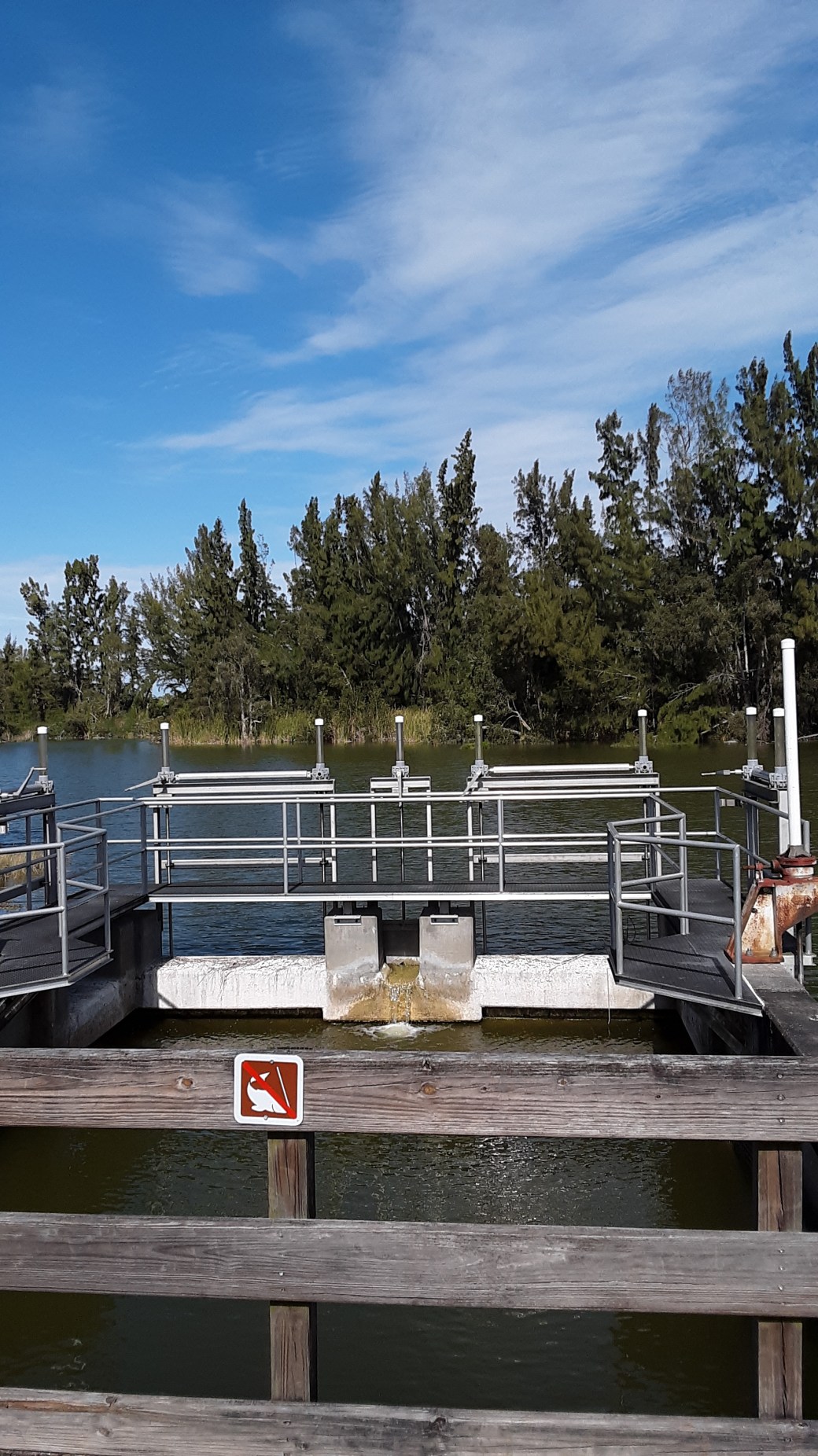
Chain of Rocks Canal, Granite City, Il.

View of Chain of Rocks Canal

View of Chain of Rocks Canal

Chain of Rocks Canal

After 1940, a series of lock and dams were in place in the Mississippi River between Minneapolis and Alton.     These facilitated barge traffic in this region.   There remained a short segment of the River north and east of Saint Louis with limited navigation due to rock ledges and shelves.

To solve this problem, the Army Corps of Engineers proposed an 8.4 mile canal to bypass this area.  The canal runs from just south of the mouth of the Missouri River to just north of downtown Saint Louis.   The area of the canal is in a region where bedrock  is close to the surface.  The canal could only be dug to a limited depth.  To solve  this limitation, a dam  was built in the Mississippi River just south of the entrance of the canal.    This allowed for an extra 3 feet of depth in the Chain of Rocks Canal.