Open Court Publishing Company

     Open Court  is a publishing firm with offices in Chicago and LaSalle, Illinois.  It’s main headquarters is in Peru.  It is a branch of Carus Publishing Company.    The founder was Edward Hegeler; he was a wealthy successful industrialist in LaSalle.  The company was founded in 1887.  The mission of the firm was to explore was to explore religious and psychological issues.   Dr. Paul Carus was retained as the first managing editor.  He later married Marie–one of Hegeler’s daughters.  The headquarters was located in the Hegeler Carus mansion for 80 years.
     Open Court was one of the first academic presses in the United States.  It’s focus was on religion, philosophy, and science.  It published inexpensive versions of many of the classics.
The firm also published two periodicals– Open Court and Monist.  The latter is still active.

Julius Hegeler 1 Home

     Julius Hegeler 1 was the oldest son of Edward Hegeler.  He was born in LaSalle, Illinois in 1867.  Like his father, his education was in mine engineering.  For years, he worked at Matthiessen–Hegeler Zinc Company, the family business.  He married Josephine Hulda Caesar in 1897.  They raised four children.
     In 1903, Julius received from his mother and father, a 1 and three quarter acre lot across the street from the Hegeler Carus Carus Mansion.  His parents also built him a home on this property.  The home was designed by architects Pond and Pond. It was completed in in 1904. The home was built in the English Arts and Crafts style. It’s exterior is red brick. The rooms are spacious. There are grand fireplaces with surrounding decorative tiles. There are hand carved wood staircases. Fine paneling is seen throughout the house. Julius and his family lived here only one year.  They left LaSalle to start a zinc plant in Danville.

image

Julius Hegeler Home

image
For many years after Julius and his family left, the house was occupied by various members of the Hegeler–Carus family. These included the Barnes family (Edward, Paula Carus Barnes and their children) and the Hermann Carus family.
In 1970, the building became the meeting place of the Illinois Valley Community Arts Center, the LaSalle County Youth Bureau, and a local YMCA chapter.
In the 1980’s, Fred and Cynthia took ownership of the house and it sat un-used for 20 years.
In 2006, the Hegeler–Carus foundation purchased the building and began restoration efforts.
In 2009, the home was added to the National Register of Historic Places.
The included photos were taken in the summer of 2015

Marseilles Locks

image

Lock 9 Marseilles

image

Lock 9 Marseilles

image

Lock 9 Marseilles

image

I and M Canal Marseilles

image

Lock 9 Marseilles

image

Lock 9 Marseilles

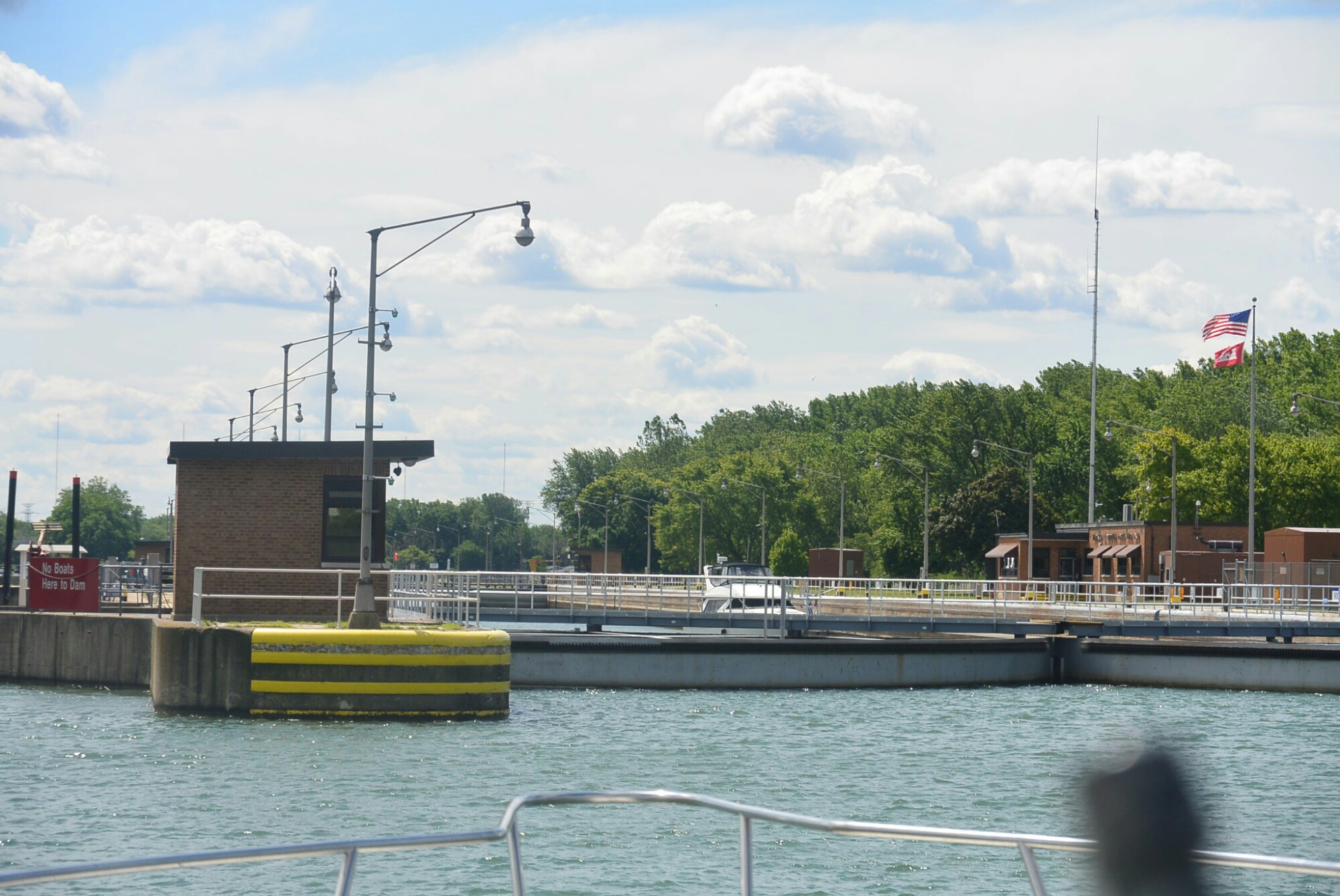
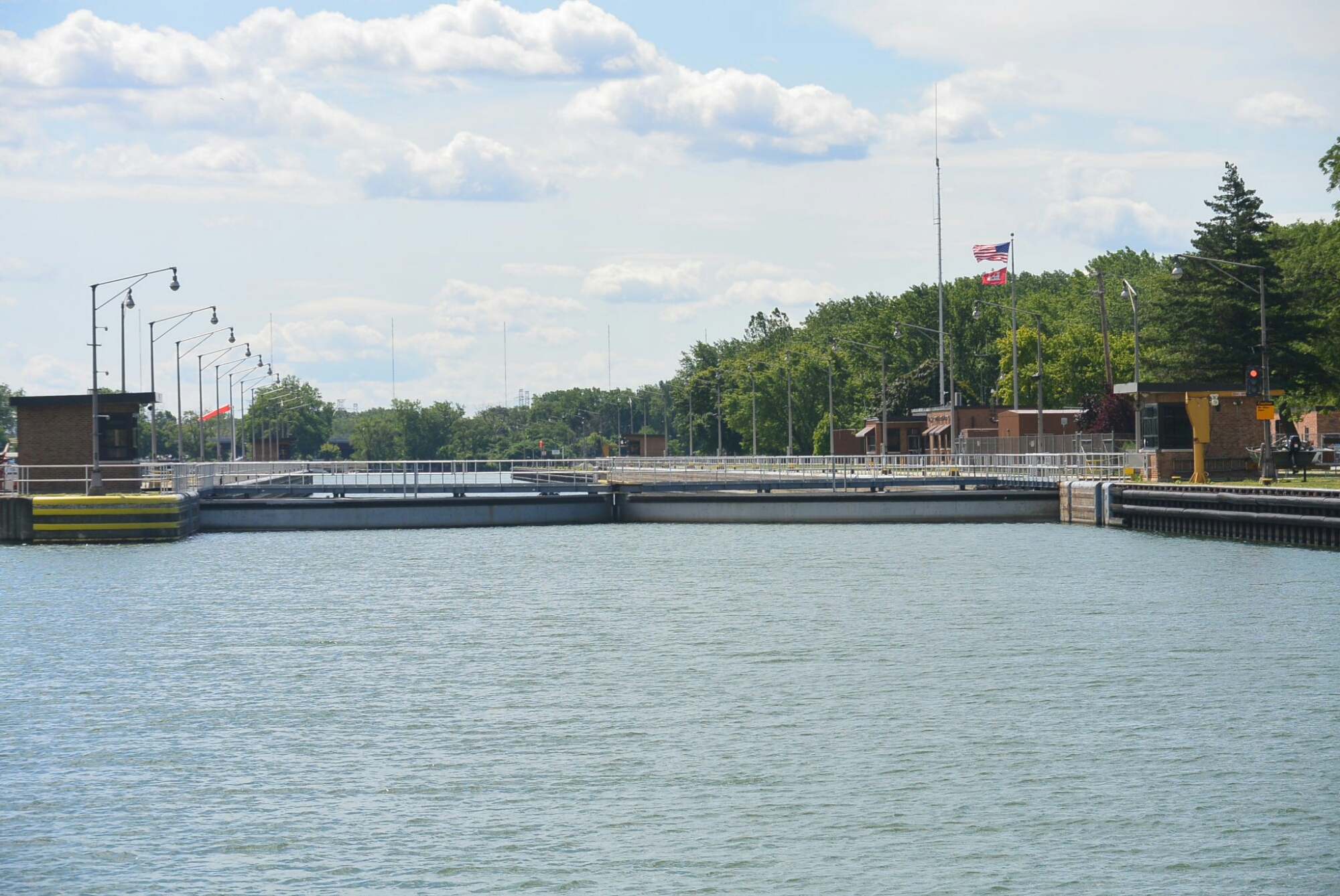
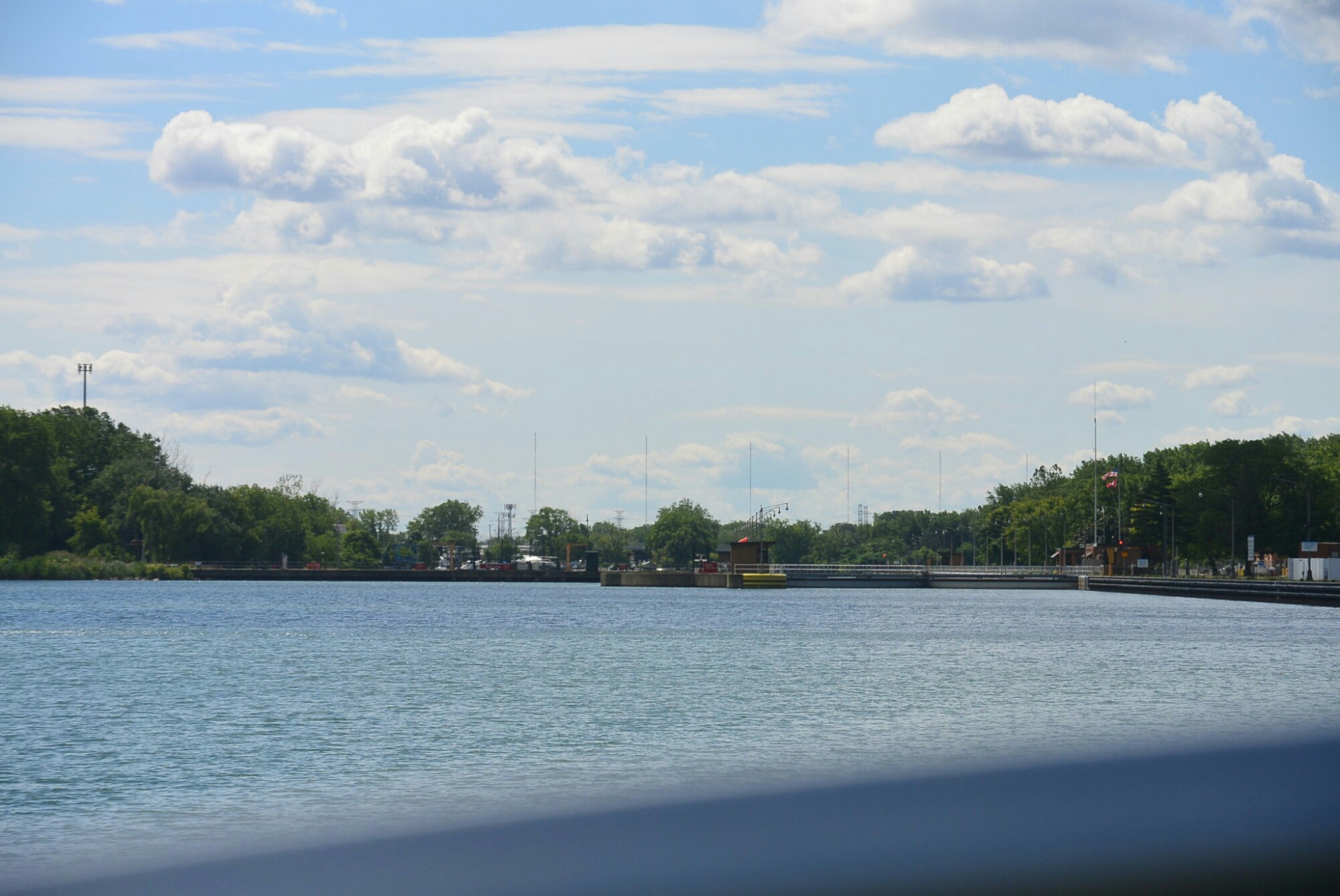
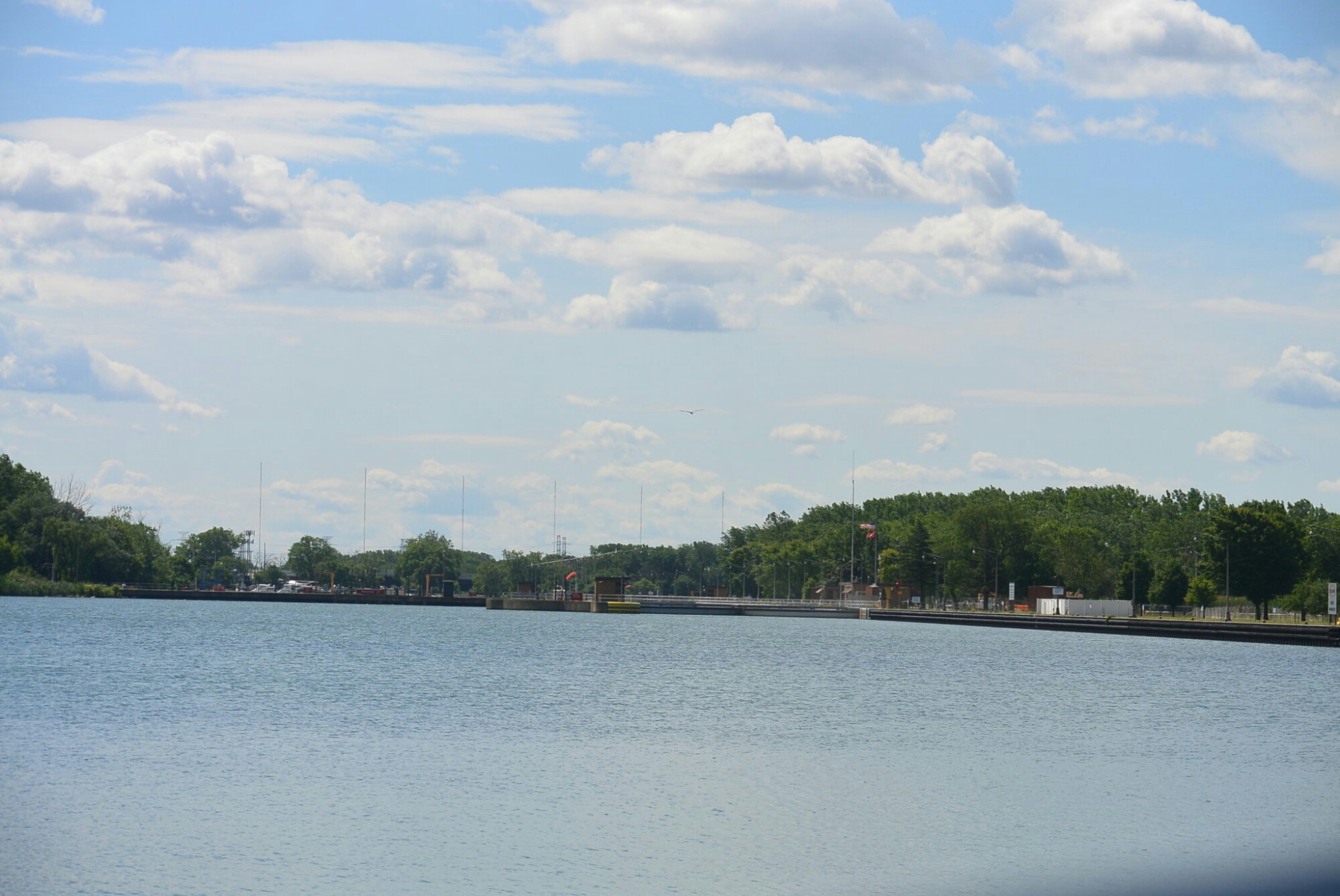
     These films were taken in Marseilles, Illinois in the summer of 2015.  Mainly shown is refurbished Lock 9 and the dry canal bed.  These were taken after the grass was mowed.

Hegeler Carus Mansion

image

Hegeler Carus Mansion

image

image

Hegeler Carus Mansion

image

Hegeler Carus Mansion

Edward Hegeler was an immigrant from Germany. He came to the United States in 1856. He was joined by a friend Frederick Matthiesen. Together they formed the Matthiessen and Hegeler Zinc Company in LaSalle, Illinois. They choose this location because of its proximity to coal deposits used in furnaces in zinc smelting. The ore was from deposits in Wisconsin. These were easily transported by rail to LaSalle. This zinc refining company was the largest in the United States from 1880 to 2010.
In 1860, Edward married his wife Camilla. They raised 8 children in their home that was later known as the Hegeler Carus Mansion.
This mansion is located at 1307 7th Avenue in LaSalle. The architect was William Boyington (he was also the architect of the Chicago Water Tower). The interior designs were the work of August Fiedler. It was constructed in 1874. The Hegeler family moved in 1876.
There are 57 rooms. There are 7 levels. Square footage is 16,000. There is a horse shoe shaped stair case at the main entrance. There is a three sided wrap around porch. Due to its local availability, the metal work is zinc. The outside walls are brick overlaid by stucco. Other distinctive features included: dormer windows, molded cornices, decorative brackets. The roof is mansard style–2 slopes on each of its four sides. There is a tower with a 30 foot cupola.
The mansion is on National Register of Historic Places; it has National Historic Landmark Status.
An interesting fact about the mansion is that Edward Hegeler established a publishing company–Open Court. This was in 1888. The headquarters of this company were on the ground floor of the mansion for 80 years. Shortly after establishing the firm, Edward retained Dr. Paul Carus to be the managing editor. The goal of the publishing company was to provide a forum for discussions of philosophy, science, religion and to make the classics more widely available. It published books and two periodicals–Open Court and Monist. Dr. Carus himself was responsible for 75 books and 1500 articles. Carus married Mary Hegeler
and they raised six of their own children in the mansion.
image

The Hegeler Carus presence is still felt in LaSalle. In 1915, Edward Carus Hegeler founded the Carus Chemical Company. To this day, this firm is managed by the family.

Excellent photos of the mansion can be found in the book Patina of Time by Steve Archer.

Rutherford Inn

image

image

Salmon Rutherford was born in  in Monkton, Vermont on November 13, 1796.  He married Alvina Dunton in Bristol, Vermont on January 1, 1824.  His family came to Aux Sable Township in 1830.    He purchased property.   He was quite the entrepreneur in the area.  He platted and established the town of Dresden in 1830.   In 1834, he built a home on Hansel Road.  He ran this as an inn.  This was on the Frink and Walker Stage Line.  This provided service between Chicago and Ottawa.   The inn was a stopping point where horse teams were changed.  The charge for an overnight stay was 12 and one half cents; the charge for overnite boarding of the horse was the same. This building is currently part of the Dollinger family farm.
In addition to the inn, Rutherford owned a saw mill and a mule barn/grain storage facility on the Illinois Michigan Canal.
The town of Dresden prospered. Another inn was set up. This also had a post office. Saint Mary’s Catholic Church was founded here. There was a ferry line on the Illinois River. There were clay pits supplying raw materials for bricks and tiles. Men working on the I and M Canal and the Rock Island Railroad lived in the Dresden region.
When the canal and railroad were completed, the town declined and eventually disappeared. The only remnants are a Catholic cemetery, the Dresden mule barn and the Rutherford Inn.

image

Fox River Feeder Canal; Lateral Canal; Hydraulic Basin.

     The Illinois Michigan Canal, the Fox River Feeder Canal, the Lateral Canal, and the Hydraulic Basin are all part of the complex anatomy of the canal in Ottawa, Illinois.
     In order to keep the water level of the I and M Canal constant, feeder canals were established at various locations.  One such canal was the Fox River Feeder.  This extended from Dayton to Ottawa in LaSalle County. It intersected the I and M Canal north of Superior Street

image

Mule Barn on the Lateral Canal

image

Mule Barn on the Lateral Canal


The lateral canal was an extension of the feeder canal south of the I and M canal. Just south of main canal was a basin. At the south end of the basin, there was a set of locks. The purpose of these locks was to provide a six foot drop in the lateral canal. A trail race at the locks was a source of hydraulic power. The canal continued south along what is now Canal Street. There was then an eastern turn of the canal–the so called hydraulic basin. This eventually fed into the Fox River. At this junction, there was a spillway. This helped to provide hydraulic power for local businesses.
To recapitulate, the flow of the water was south from Dayton from the Fox River in the feeder canal; across the I and M Canal; into a basin at the entrance of the lateral canal; there was a set of locks at the distal end of the basin; there was a six foot drop across the lock; down the lateral canal to the hydraulic basin; east to the junction with the Fox River. In its prime, there were several businesses along the later canal and the hydraulic basin. These included warehouses, mills and grain elevators. Some of these include: Sanderson Refrigeration Factory, Moody and Company Feed Mill and Cider Press, Foundry and Pattern Shop, Ottawa Bottle Mould Company, H.C. King and Pump Factory. Many of these
were powered with hydraulic power. There were many bridges across the lateral canal.
During the early 1900’s, there had been significant deterioration in the I and M canal due to neglect. It was felt to be beyond repair with no significant commercial value.
In the 1920’s, the main Illinois Michigan Canal, the lateral canal and the hydraulic basin were intact and functional. They however had no commercial use. They were in a state of disrepair. The businesses that lined the lateral canal and the hydraulic basin were long gone.
The bridges over the main canal and the lateral canal were still operational but in a state of disrepair.
In the early 1930’s, Ottawa mayor Hubert Hilliard proposed dismantling the lateral canal and hydraulic basin as a public works project. The goal was to provide employment to people affected by the depression. After facing many legal and monetary hurdles, the project proceeded. In a short time, the basin at the entrance of the lateral canal and the lock were eliminated. The bridges over the lateral canal were demolished. The canal was filled in. The hydraulic basin was demolished and filled in. It became a parking lot. Finally, the spillway at at the junction of the hydraulic basin and the Fox River was demolished and filled in. It was converted to a street. Ultimately, the only evidence of the existence of these structures was stone work at the former entrance of the lateral canal.
Personal reflections. It seems ironic that at approximately the same time frame that the CCC was engaged in renovation and preservation projects along the I and M Canal, the city of Ottawa appeared hell-bent on destroying the heritage of the I and M canal, the lateral canal, and the hydraulic basin.
An interesting book on this subject is The Illinois Michigan Canal at Ottawa, Illinois During the 1920’s and Early 1930’s by John A. Hillard (son of the Ottawa mayor)

George Westinghouse and Nikola Tesla

     The two giants in the promotion of alternating current and hydroelectric power in the late 1800’s were George Westinghouse from Pennsylvania and Nikola Tesla from Croatia.  Originally working separately, they joined forces in the 1880’s.  Tesla possessed deep insight and held many patents;  Westinghouse had engineering resources and know-how.
     They both promoted alternating current and its advantages.  It could be produced cheaply and could be transmitted over long distances.  They were challenged by Thomas Edison.  He promoted the advantages of direct current.  He believed that alternating current was not safe.
     In 1893, Westinghouse and Tesla developed an a-c power plant for the Columbian Exposition in Chicago.  This provided power to the 172,000 incandescent lamps at the fair.  This was a dramatic demonstration of the utility of a-c.
     Telluride, Colorado was a mountain mining town.  It’s products included gold, silver,lead, zinc, and copper.  The mines required power for operation of its machinery.  Lucien Nunn was a local entrepreneur who had an interest in the Gold King Mine and held water rights in the San Miguel River 2.6 miles from the mine.  He approached Westinghouse with a proposal to build hydroelectric plant on the river.  Westinghouse built two 100 hp generators for the project.  This was a huge success.  Nunn then formed the Telluride Power Company to build power plants for other towns and mines.
     The crown-jewel of the Westinghouse–Tesla collaboration was the Niagra Falls hydroelectric plant.  It went on line in1895.  It had a total of 10 a-c generators of five thousand h.p.  This supplied electrical power to significant portions of New York State.
     It would seem only logical that when the Marseilles Hydroelectric Plant on the Illinois River was proposed that Westinghouse and Tesla would be consulted.  (Recall that this plant was proposed to supply power for the interurban electric line).  The Westinghouse–Tesla supplied much technical support and equipment for a successful project.

Rock Island Depot LaSalle, Illinois.

image

Rock Island Depot. LaSalle

     The Rock Island Railroad ran from Rock, Island, Illinois to Chicago.  Early in its history it’s eastern terminus was LaSalle.  However, it eventually extended to Chicago.  Along much of its route, it parallelled the I and M Canal.   This put it into direct competition with the canal.   This eventually resulted with the demise of passenger service on the waterway.  For years the railroad and the canal competed for freight service.
     There is a remaining Rock Island Passenger Depot on First street east of Creve Coeur in LaSalle.  This structure was a replacement of an older station.  It was built in the 1900’s.
     This station measures 60 X 25 feet.  It is two and one half stories.   It has a concrete foundation.  It’s walls are red brick and dolomite limestone.  The depot was in use until the 1970’s when passenger service ended.
   For years, after it closed it was used as a lawnmower repair business.  This recently closed.  The building was purchased by a former LaSalle resident.  The plans for the structure are in  state of flux.