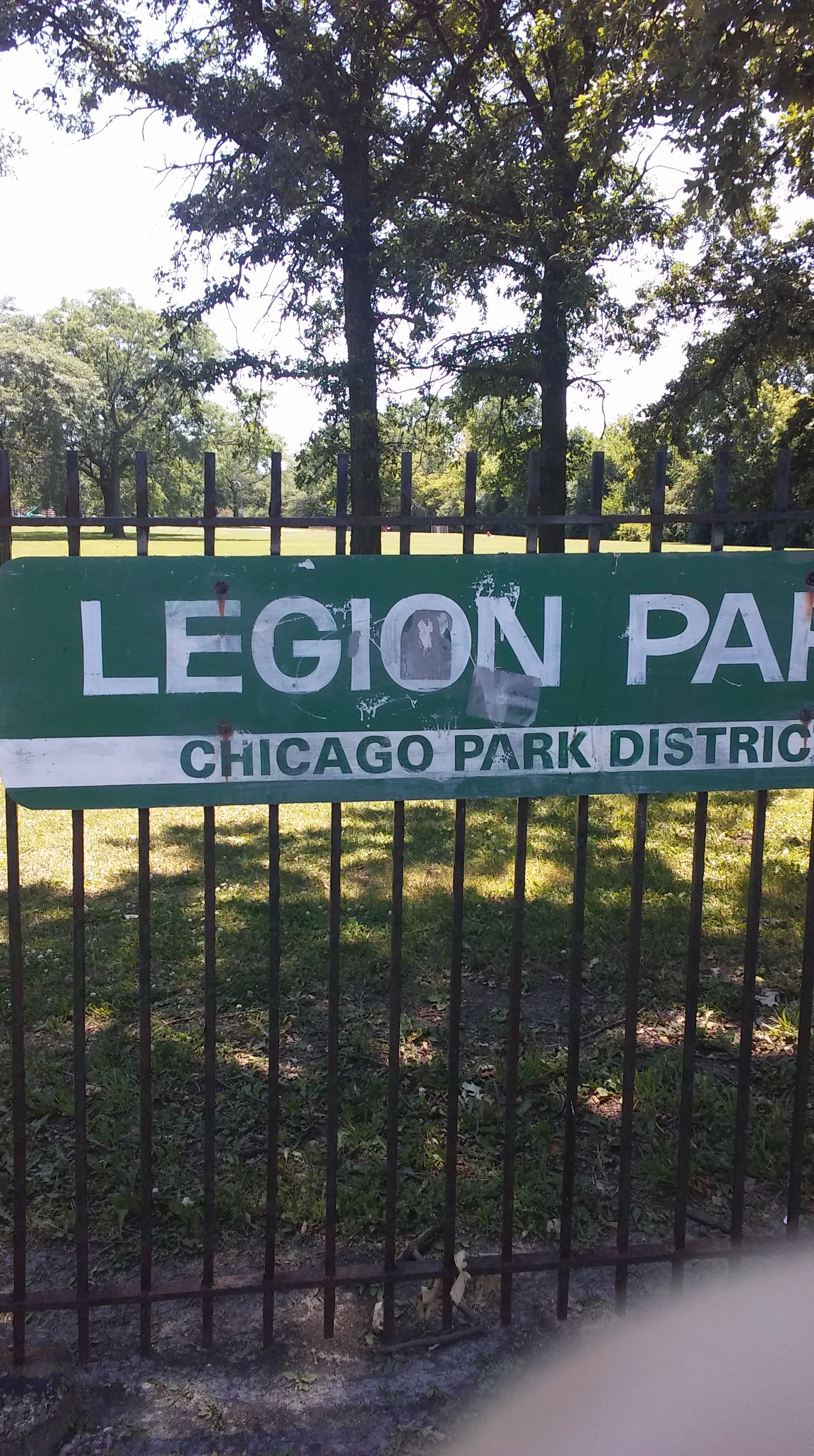
Legion Park
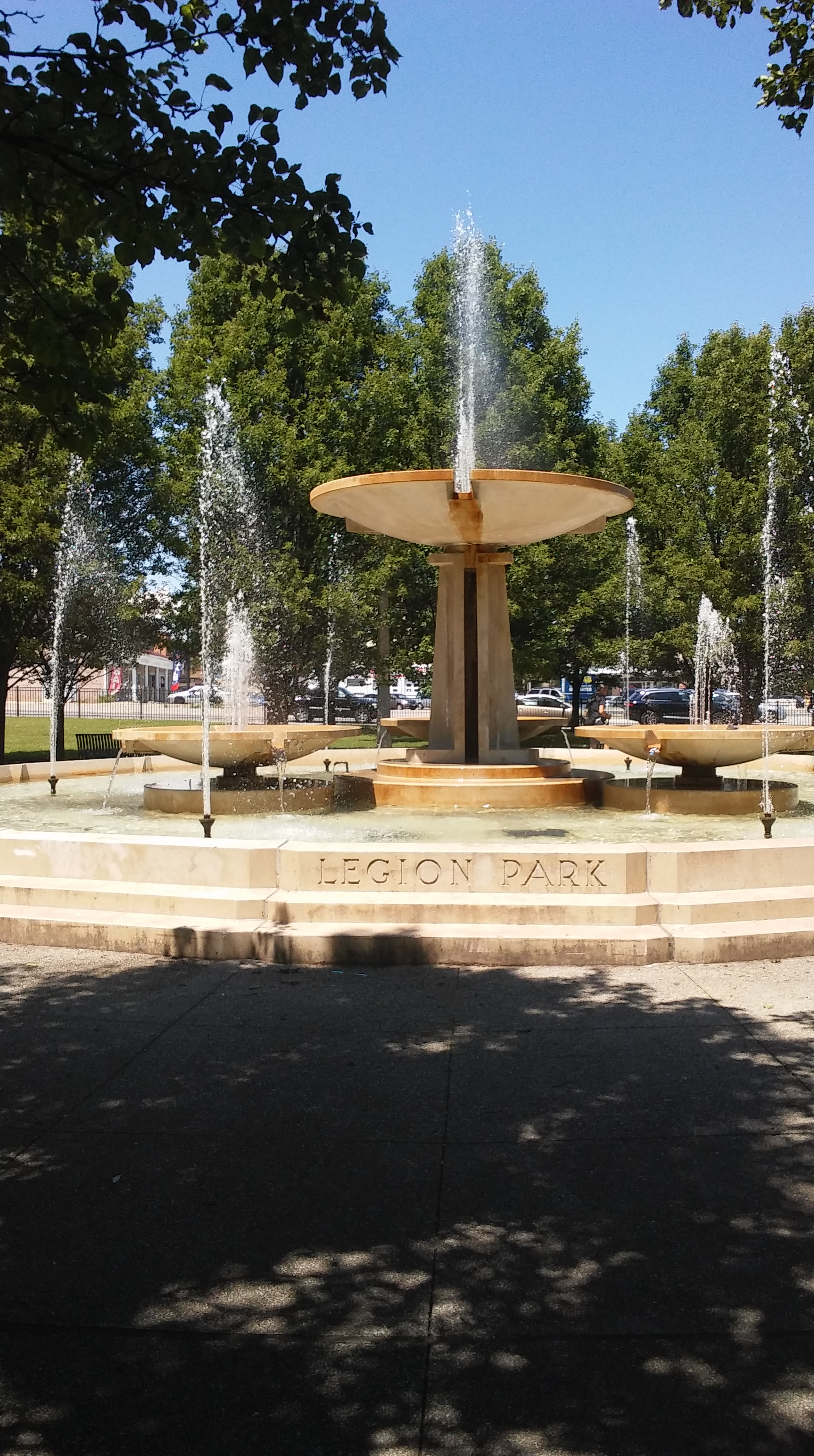
Fountain Legion Park

Legion Park Path
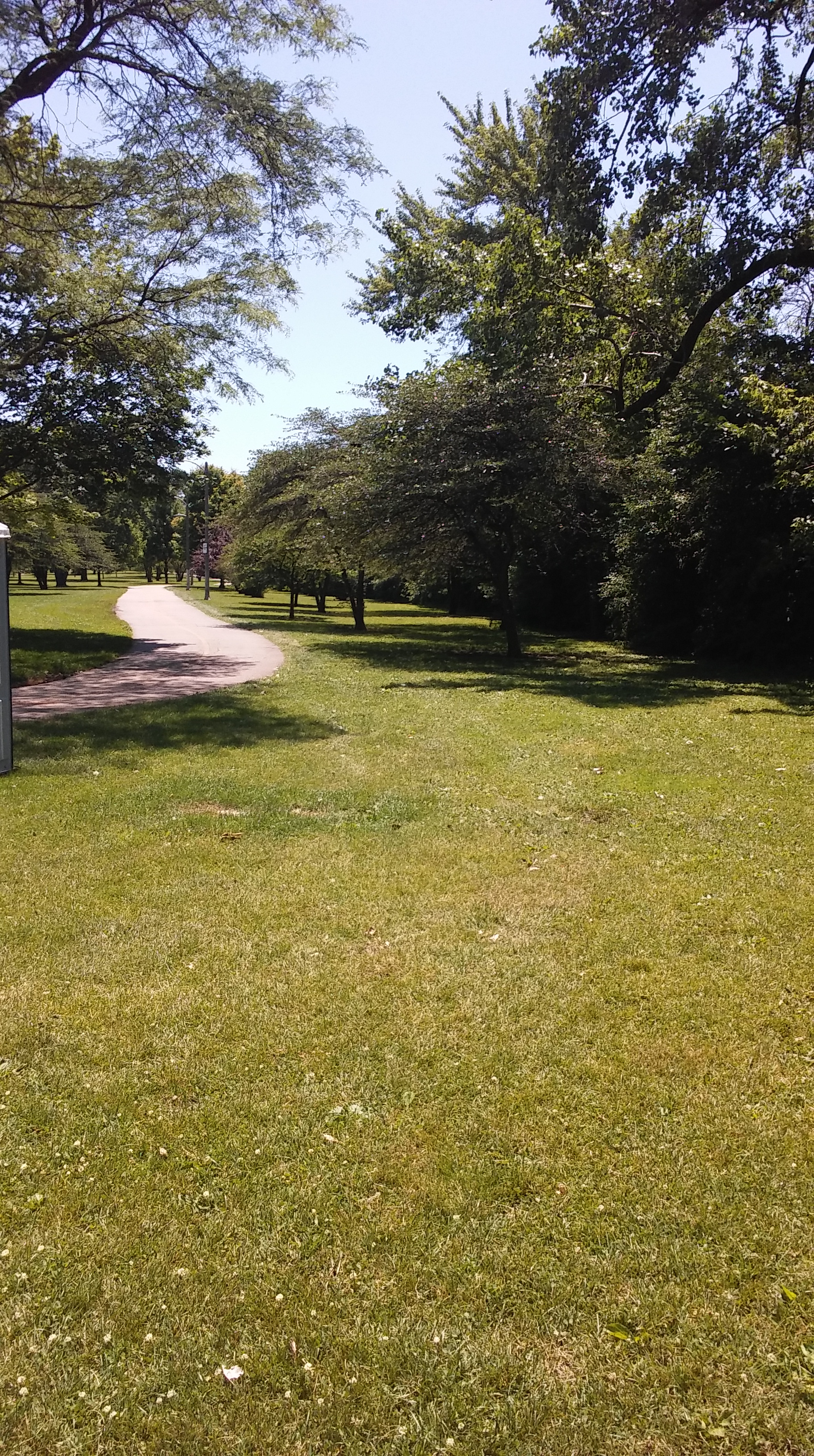
Legion Park path
Legion Park
Fountain Legion Park
Legion Park Path
Legion Park path
North Branch Chicago River, California Park
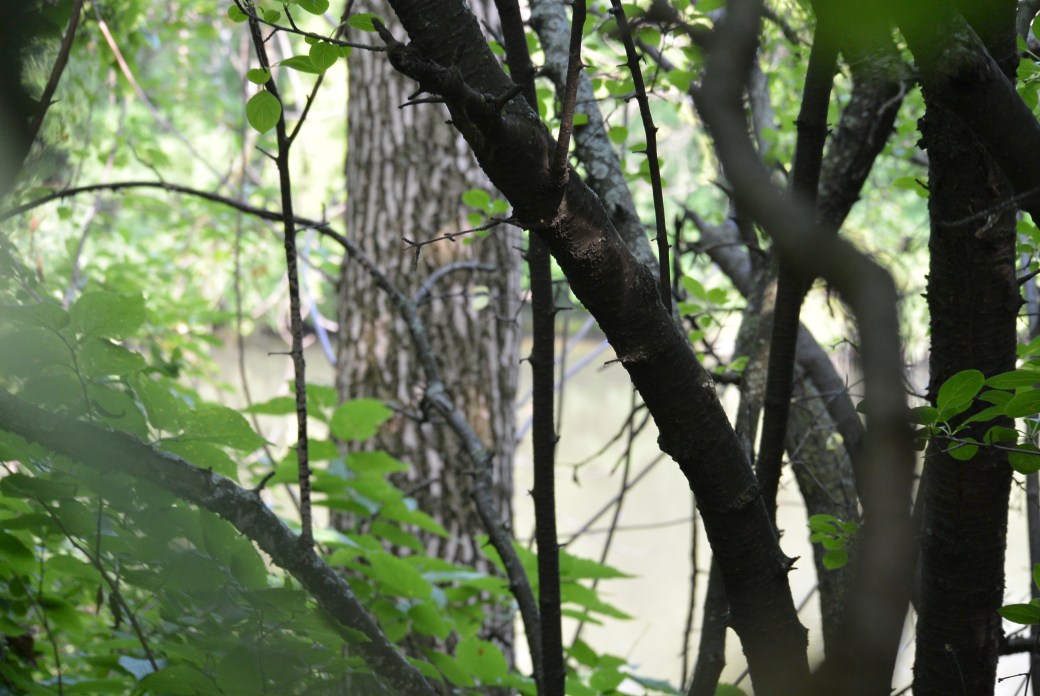
North Branch Chicago River, California Park
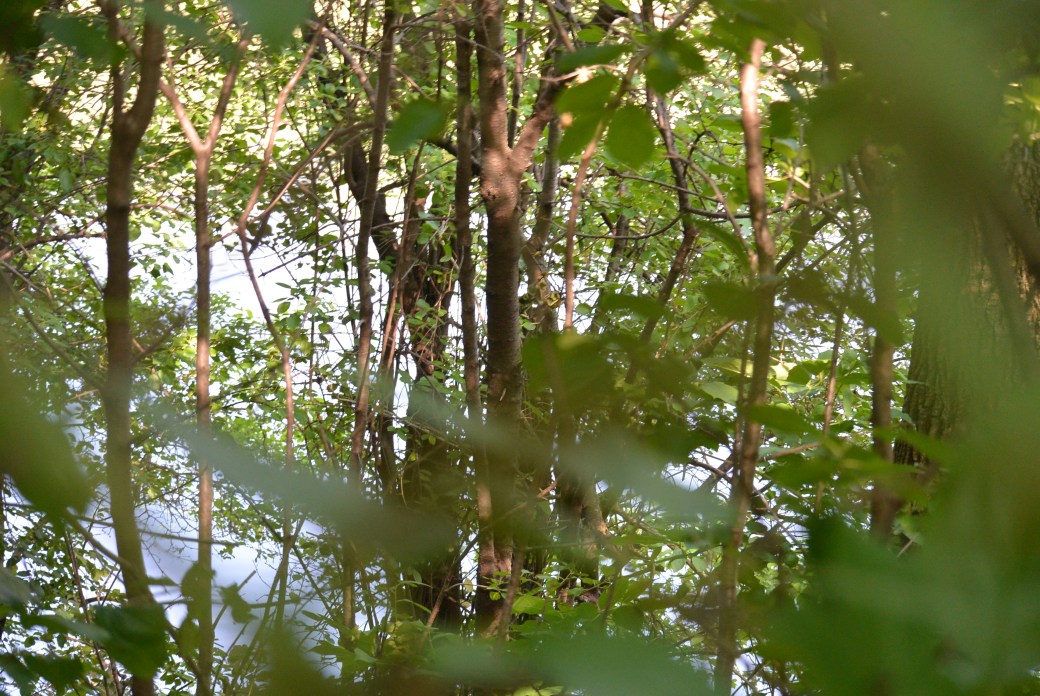
North Branch Chicago River, California Park
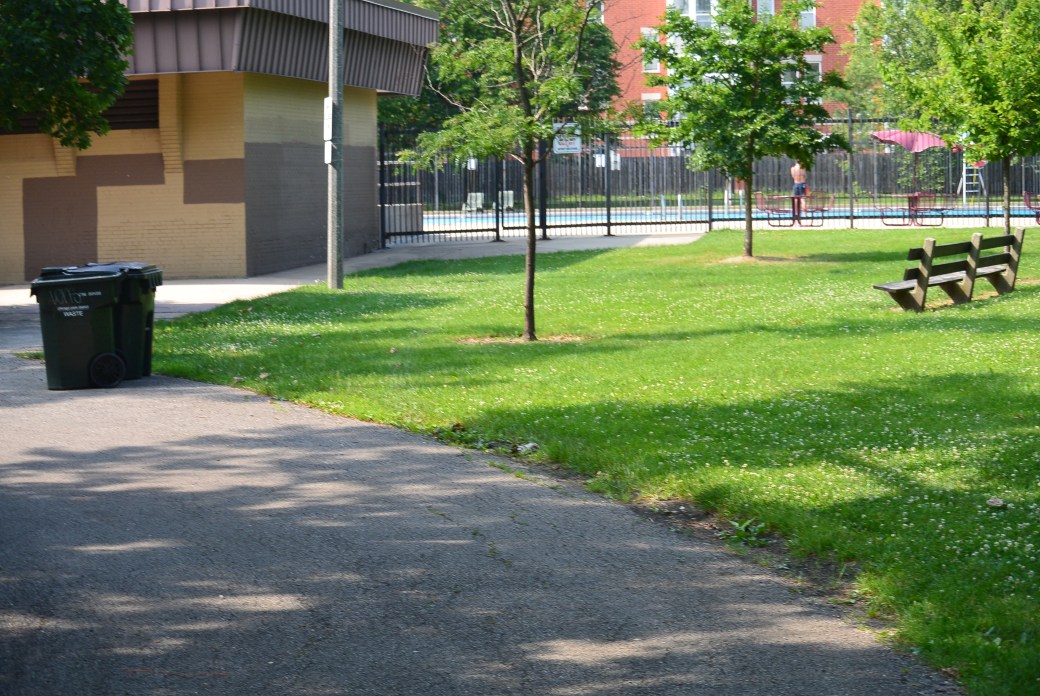
California Park
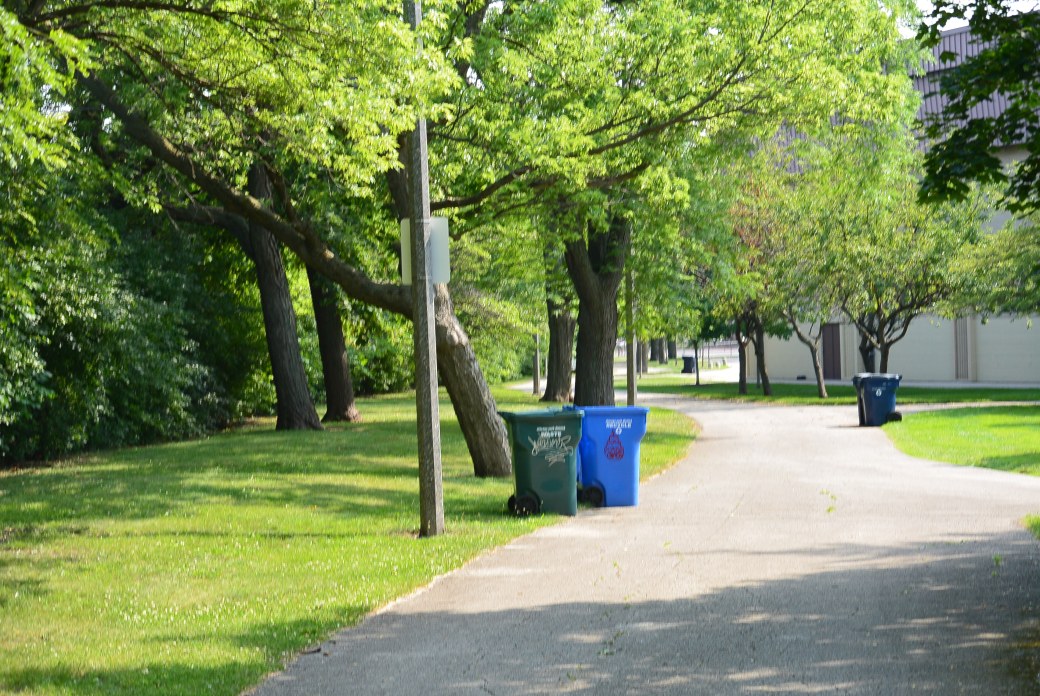
California Park
California Park is a Chicago Park District Park on the northwest side. It extends from Addison Avenue to Irving Park Boulevard; California Avenue to the North Branch of the Chicago River.
This is one of the six parks created the River Park District in 1917. These were established by the efforts of local residents. They sought to constrain commercial development along both the North Branch of the Chicago River and the North Shore Channel. They also sought to provide for recreation opportunities in this region. These parks were ultimately consolidated into the Chicago Park District in 1934.
The park features playgrounds, baseball diamonds and indoor facility for ice skating and tennis. This is known as the McFetridge Sports Center.
Unfortunately, due to the growth of trees and bushes, the North Branch of the Chicago River is barely visable from this park.
The following images were taken in early July, 2017.
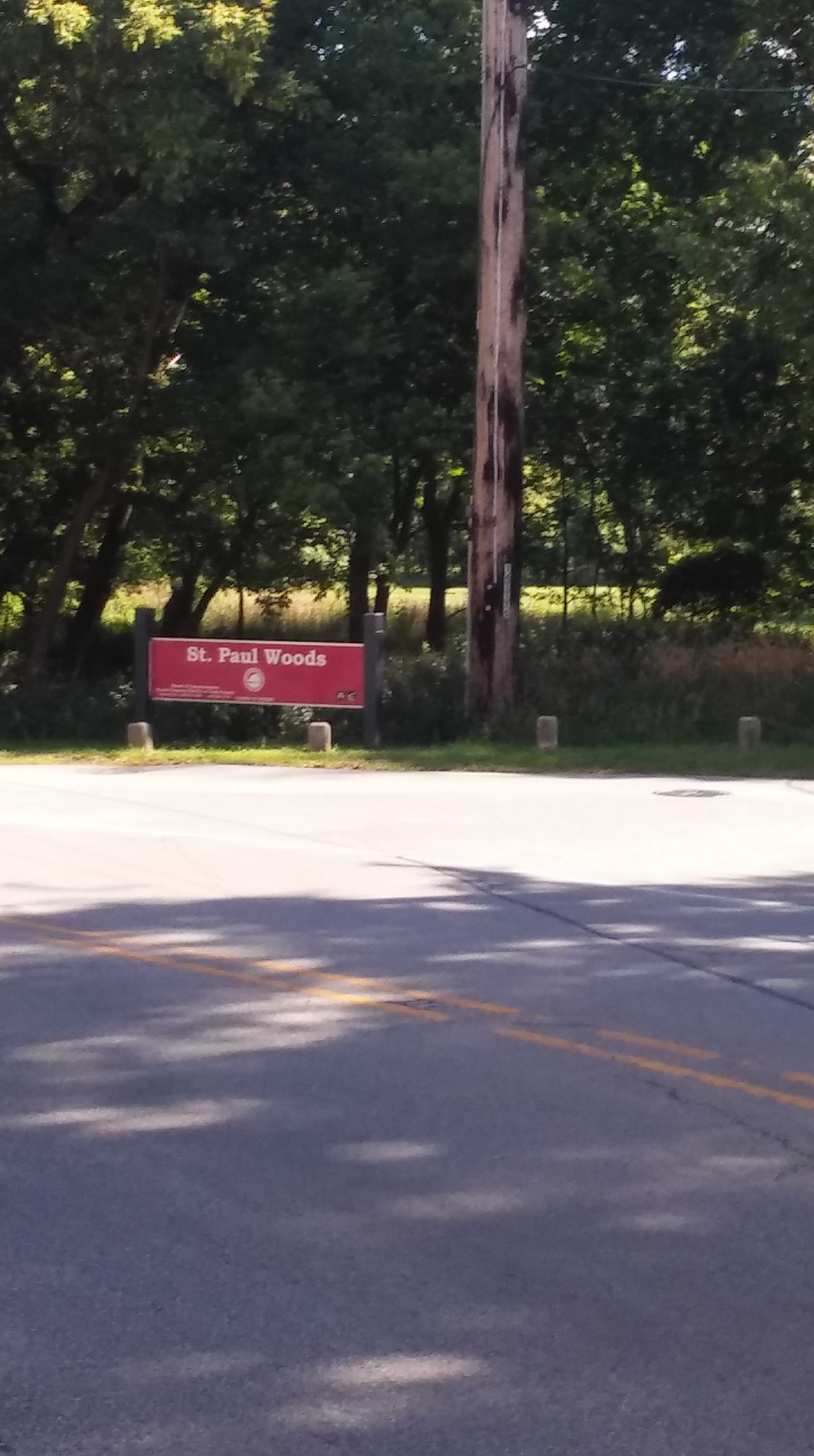
Morton Grove Forest Preserve Near North Branch Chicago River

North Branch Chicago River Morton Grove

Same as above

Small Tributary of North Branch Chicago River

Same as Above

North Branch Chicago River Morton Grove

Same as above

North Branch Chicago River Morton Grove

Same as above

North Branch Chicago River
The Cicero Avenue Traffic Bridge is a bascule type. It crosses the Sanitary and Ship Canal between the Chicago and Western Indiana Railroad and the south Central Avenue Traffic Bridges. The bridge is open and has four lanes of traffic.
It was built in 1927. At that time it was a pony truss bascule bridge with two truss lines. At that time the bridge could be raised and there were bridge tender buildings and traffic gates.
In 1966, the bridge was rehabbed and widened. A third pony truss line was added. This was identical to the original two lines. The steel used at this time was from U.S. steel. It is not clear whether the lock tender buildings and traffic gates were removed at this time. Currently the length of the largest span is 240 feet. Total structure length is 304 feet. Width is 74.1 feet. It is a fixed bridge.
Bridge inspection as of 12/2010 is:
Deck Condition: 6 out of 9 Satisfactory; Superstructure Condition: 6 out of 9 Satisfactory; Substructure Condition: 6 out of 9 Satisfactory.
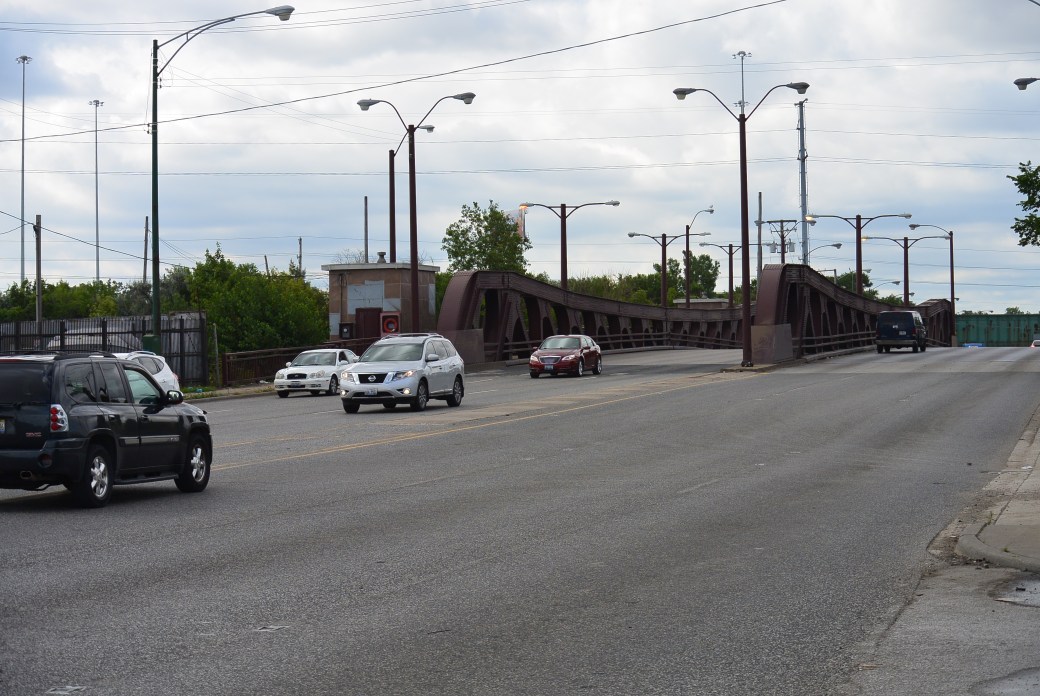
View of the Cicero Avenue Traffic Bridge over the Sanitary and Ship Canal
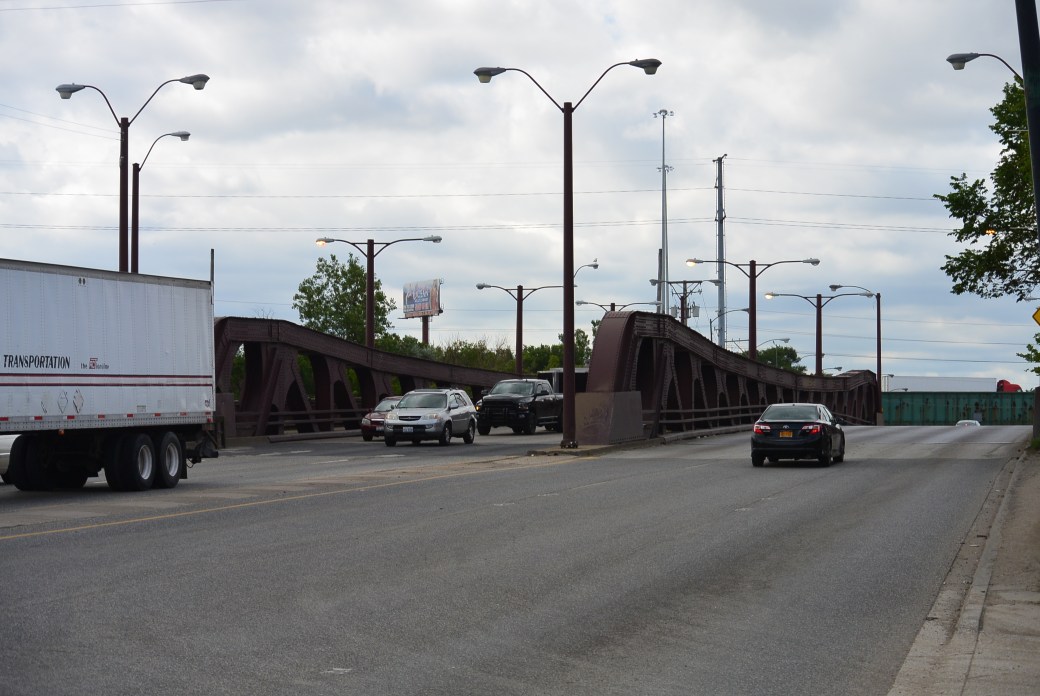
Cicero Avenue Traffic Bridge over the Sanitary and Ship Canal

Cicero Avenue Traffic Bridge over the Sanitary and Ship Canal
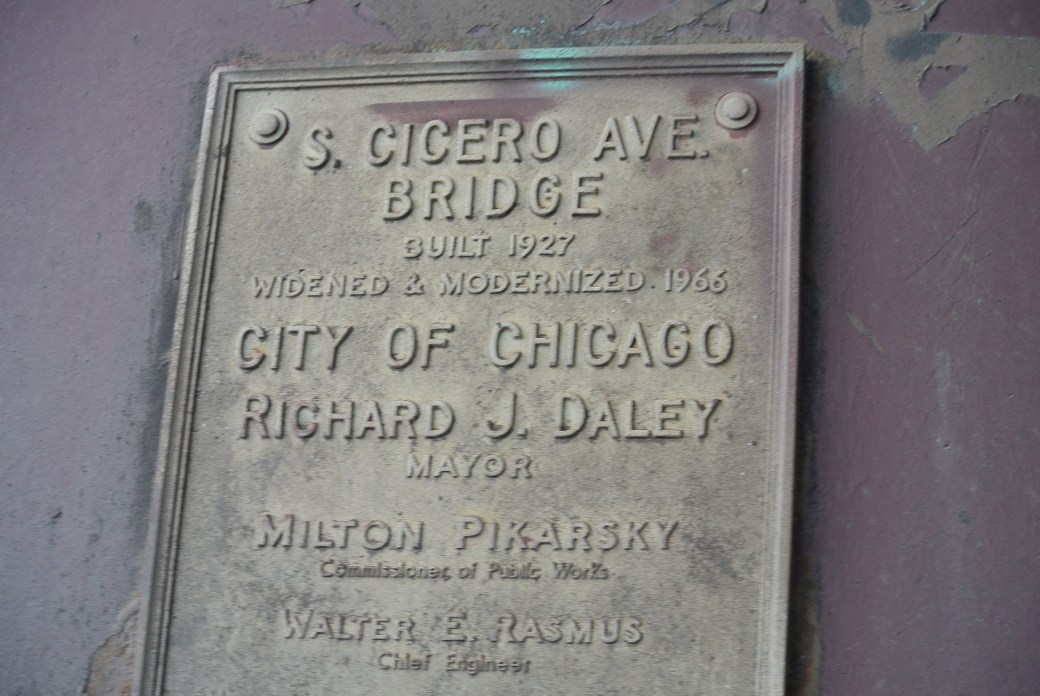
Plaque on the Cicero Avenue Traffic Bridge
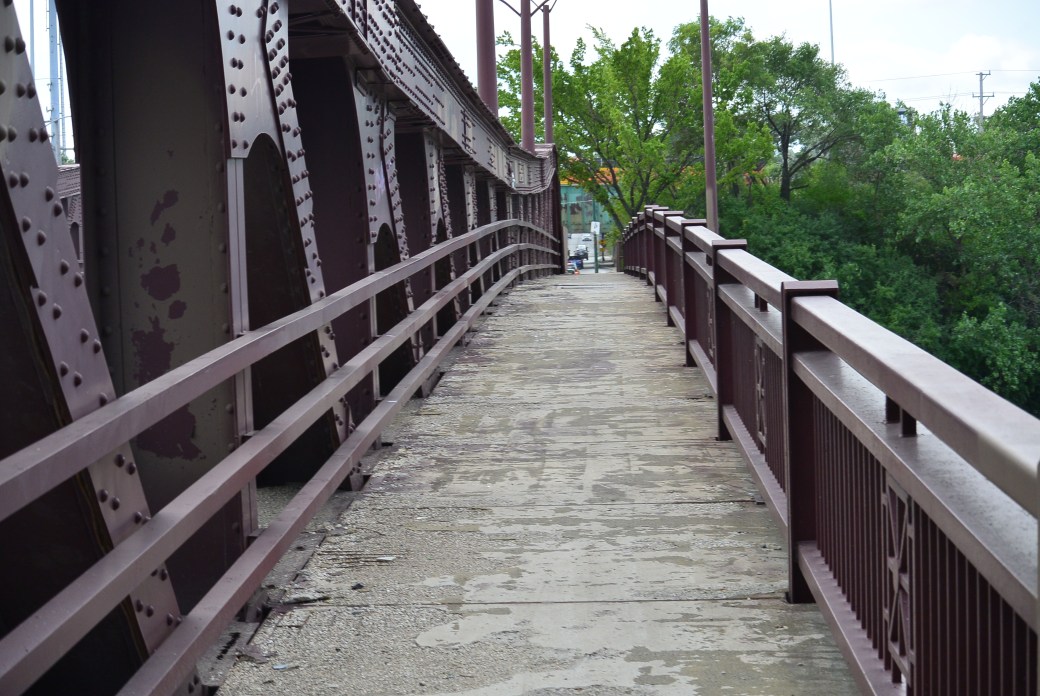
Pedestrian Bridge Cicero Avenue Bridge

View from the Cicero Avenue Traffic Bridge over the sanitary and Ship Canal looking towards south Central Avenue
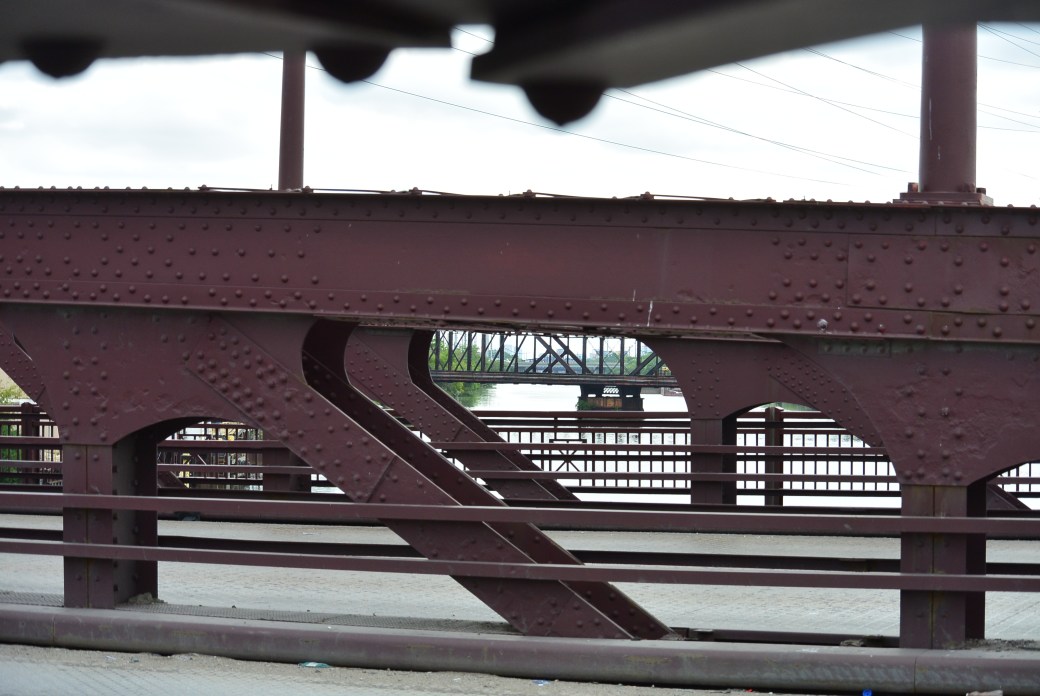
View from the Cicero Avenue traffic bridge looking towards the Chicago and Western Indiana Railroad Bridge
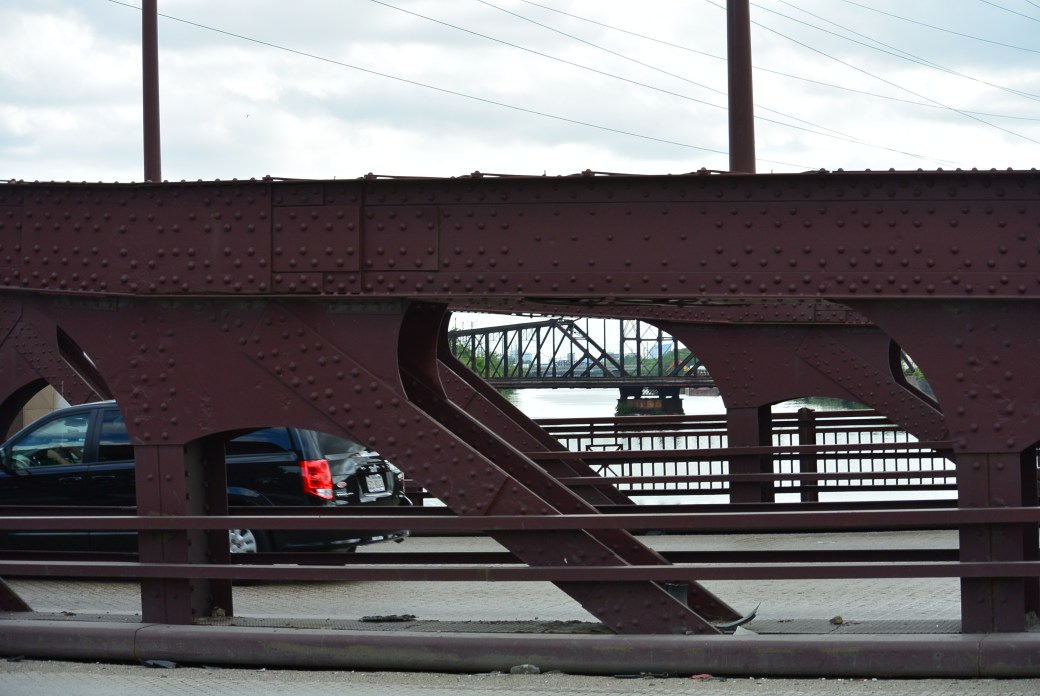
Same as above
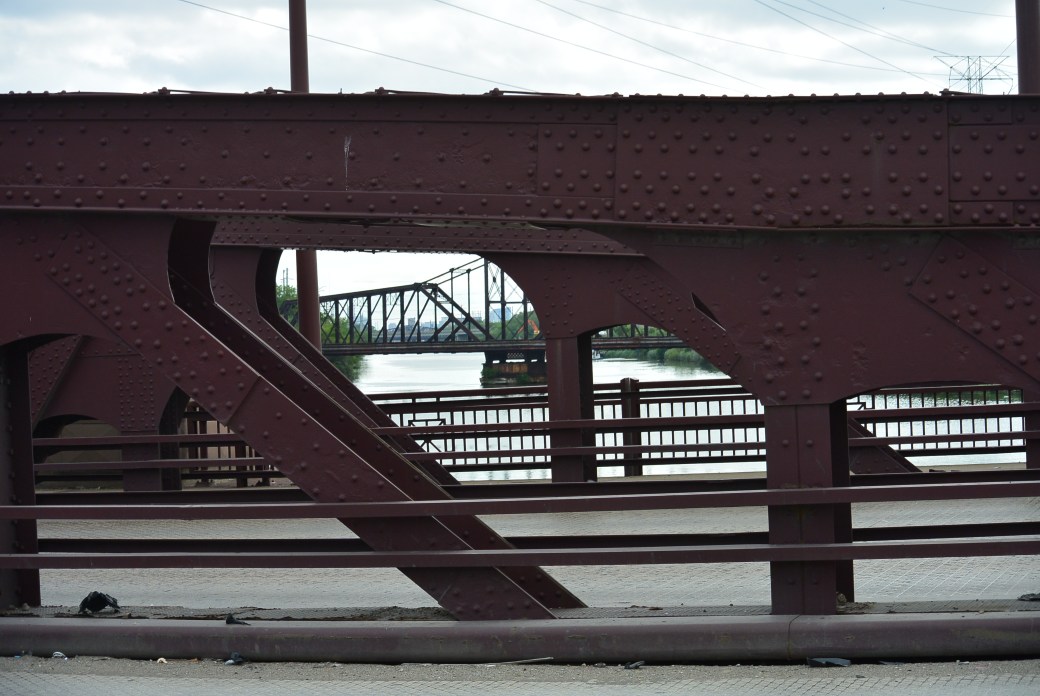
Same as above

Cicero Avenue Traffic Bridge over the Sanitary and Ship Canal
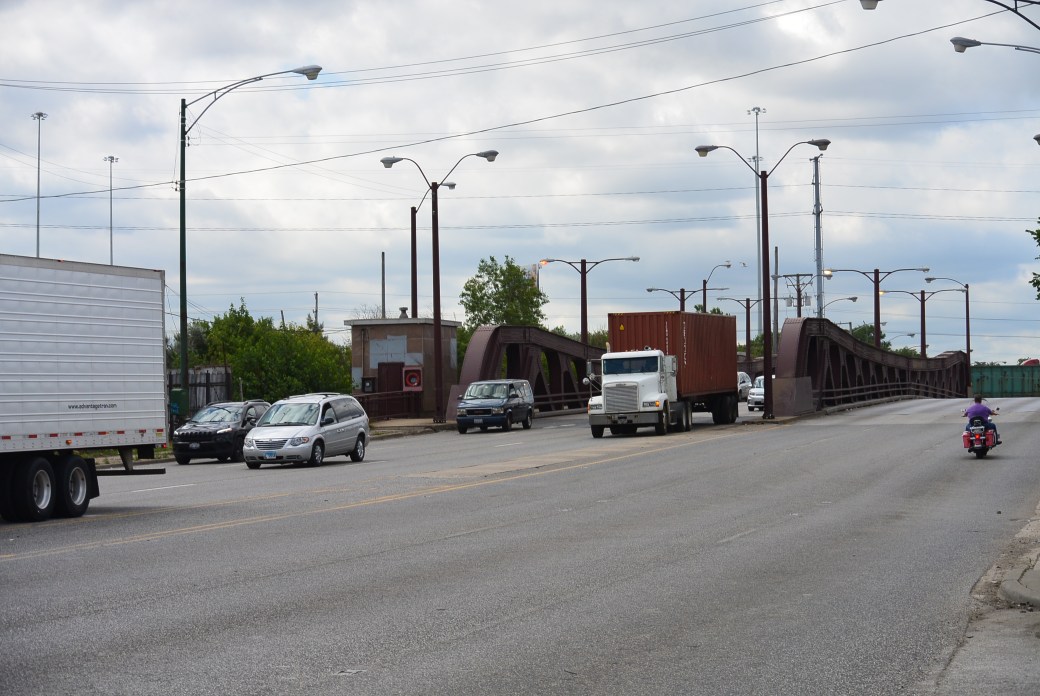
Same as above
Horner Park is one of the largest Chicago parks. It is 55 acres. It is located on the northwest side between Irving Park Rd. and Montrose Avenue. It borders the North Branch of the Chicago River.
During the 1900’s, this area developed rapidly. Residences and industry grew along the North Branch of the Chicago River. A large brick manufacturing plant was located here as well. Excavations were made in the area to obtain clay for the plant. Several years later, this plant was abandoned. It was used as a garbage dump site. Local residents lobbied to have the zoning of this area changed from industrial. They were successful in this endeavor.
In 1946, the city of Chicago began a 10 year plan to acquire this 55 acre site. In 1949, The brick kilns and other industrial structures were demolished. The area was filled in and graded.
Additions included toboggan hill, tennis courts, playgrounds, field house, and handball courts.
Park was named after Henry Horner who was an Illinois governor from 1933-1940.
Due to the dense growth about the river, it can only be seen at the bridges at Montrose and Irving Park.
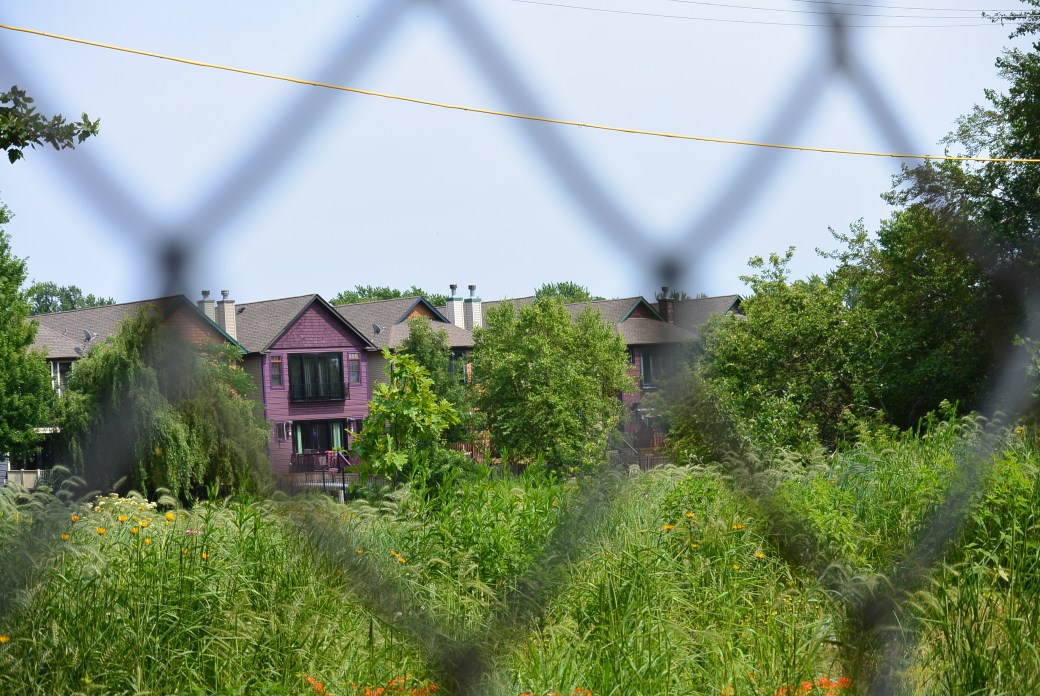
Area of North Branch Chicago River Horner Park
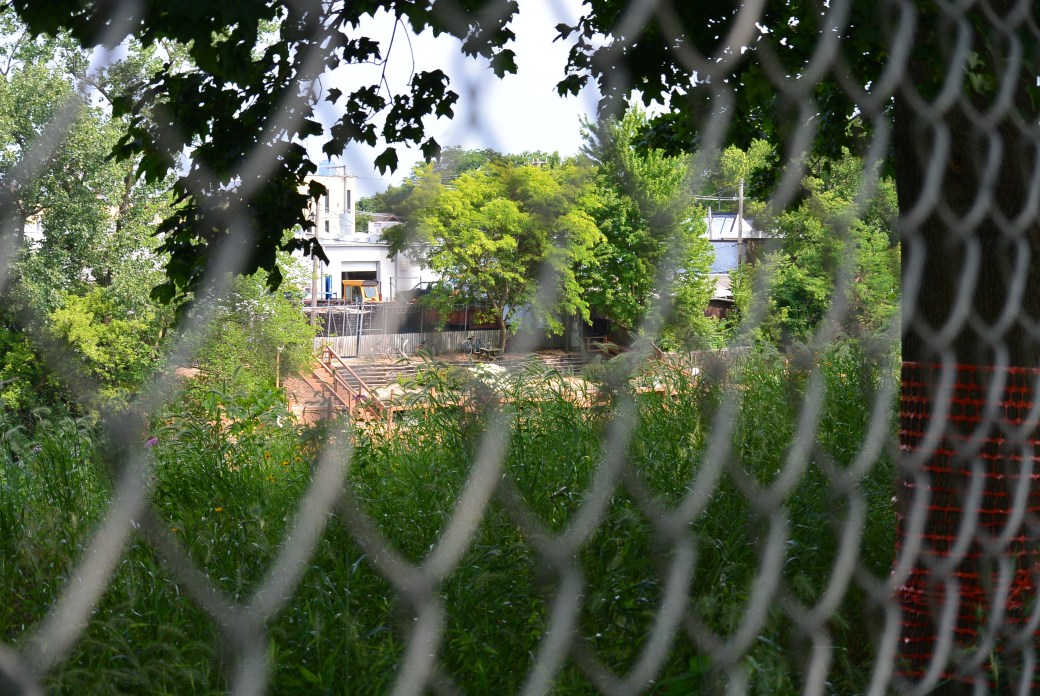
Area of North Branch of Chicago River Horner Park

Irving Park Bridge over North Branch of Chicago River
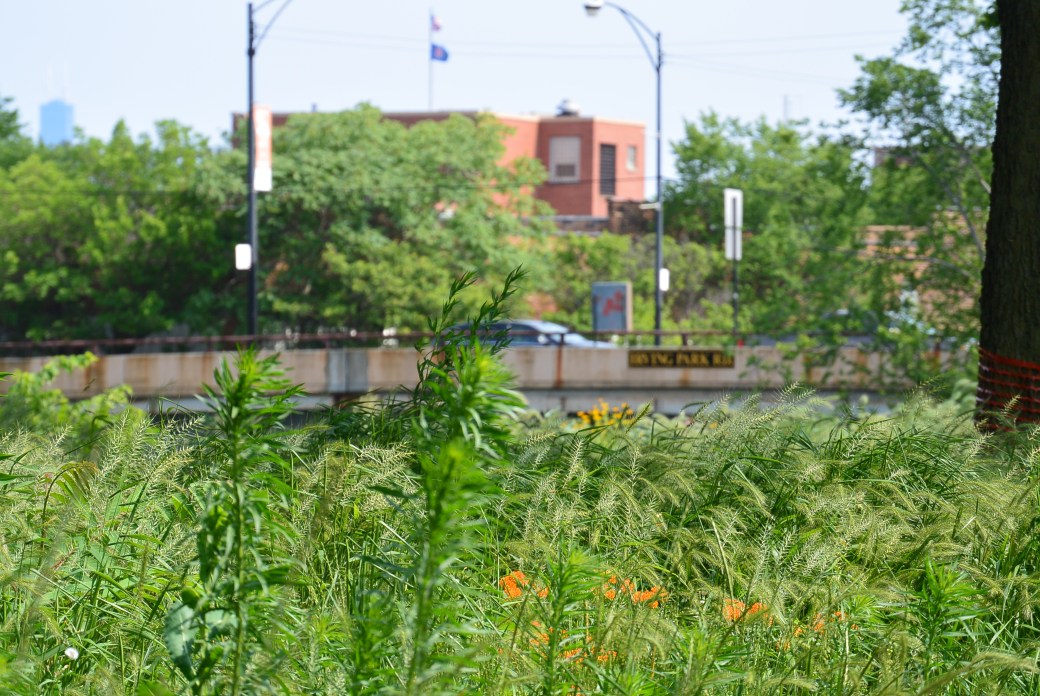
Irving Park Bridge over North Branch of the Chicago River
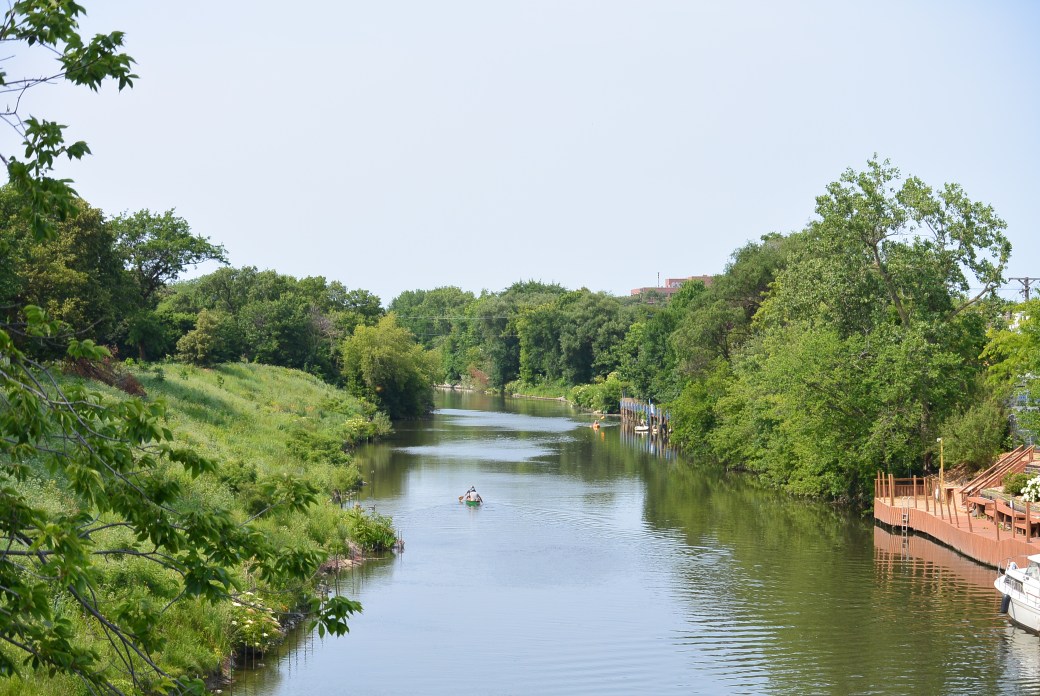
North Branch of the Chicago River from the Irving Park Bridge
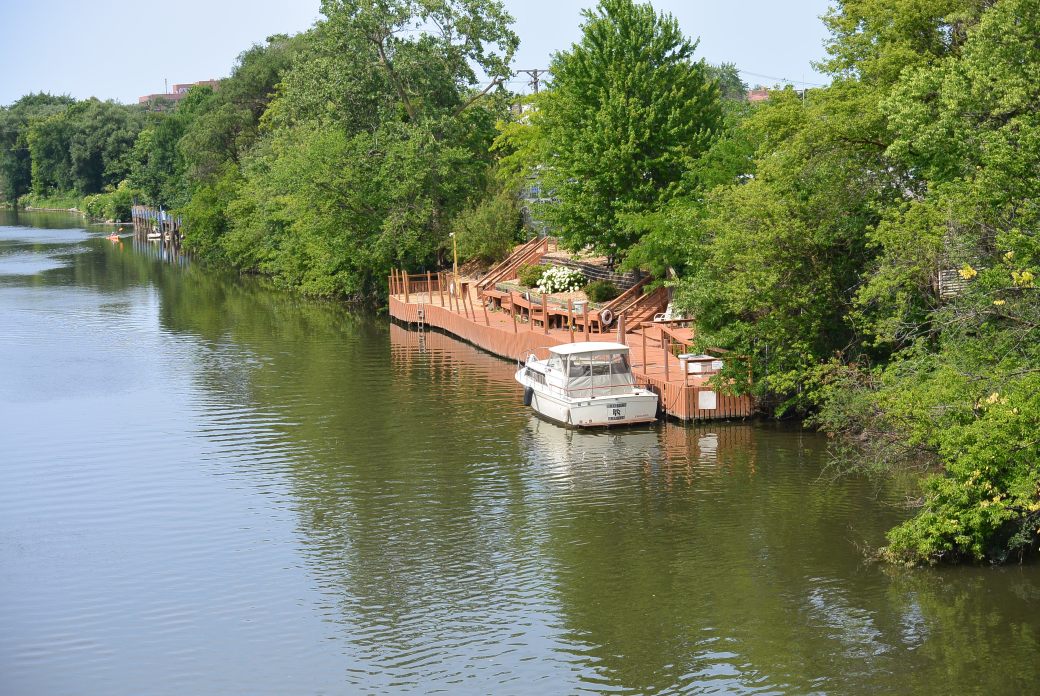
North Branch Chicago River from the Irving Park Bridge
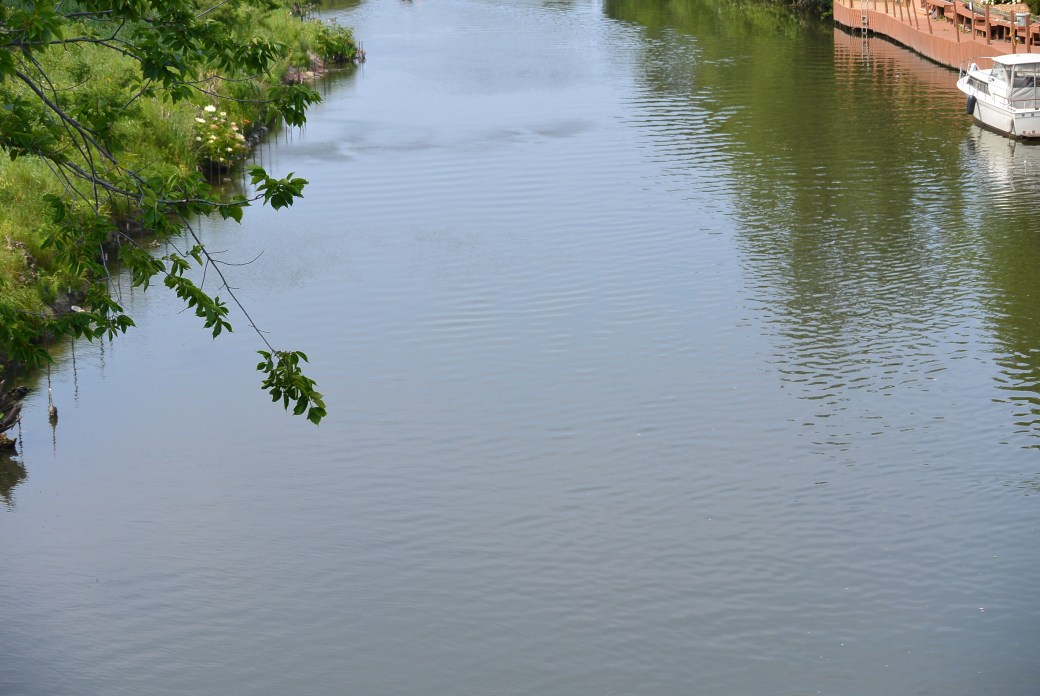
North Branch of the Chicago River from the Irving Park Bridge
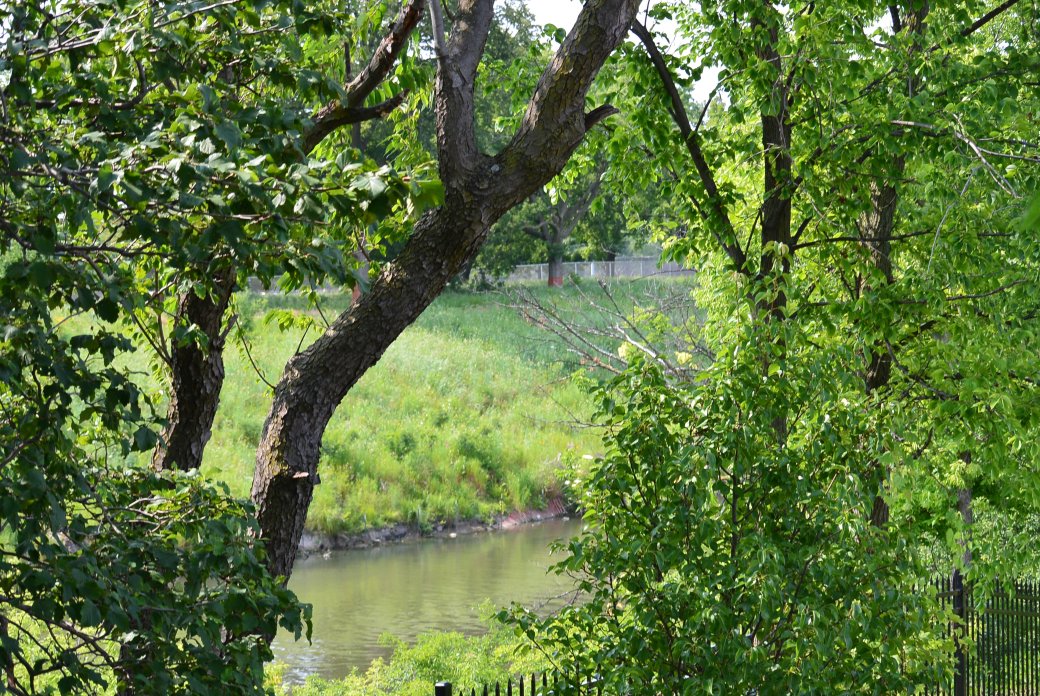
North Branch Chicago River
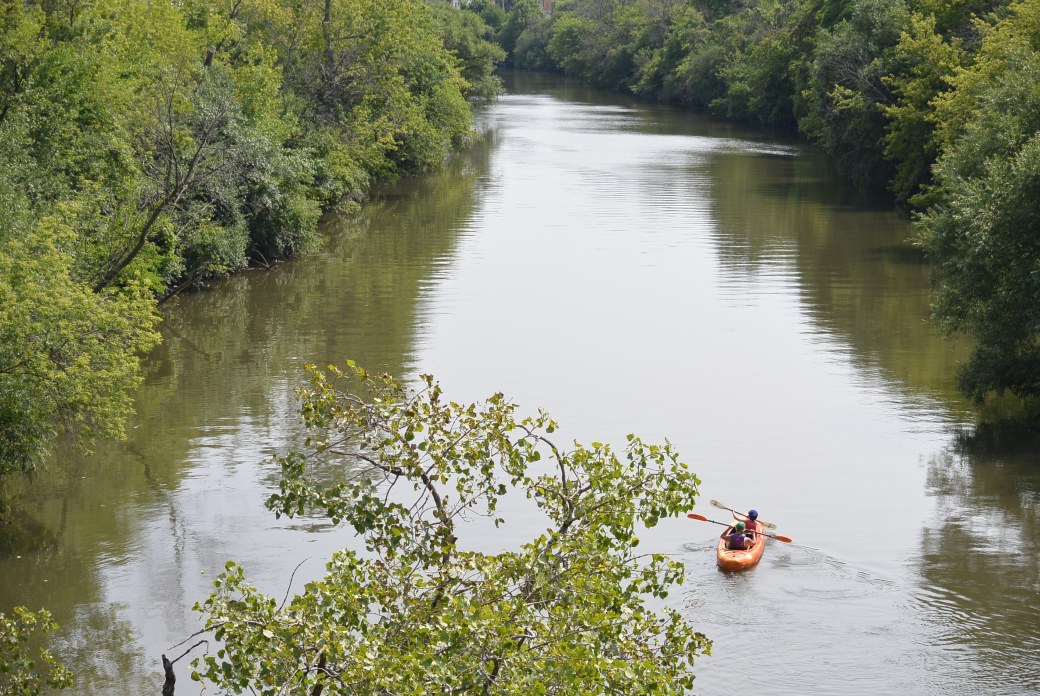
North Branch Chicago River from the Irving Park Bridge

North Branch Chicago River from the Irving Park Bridge
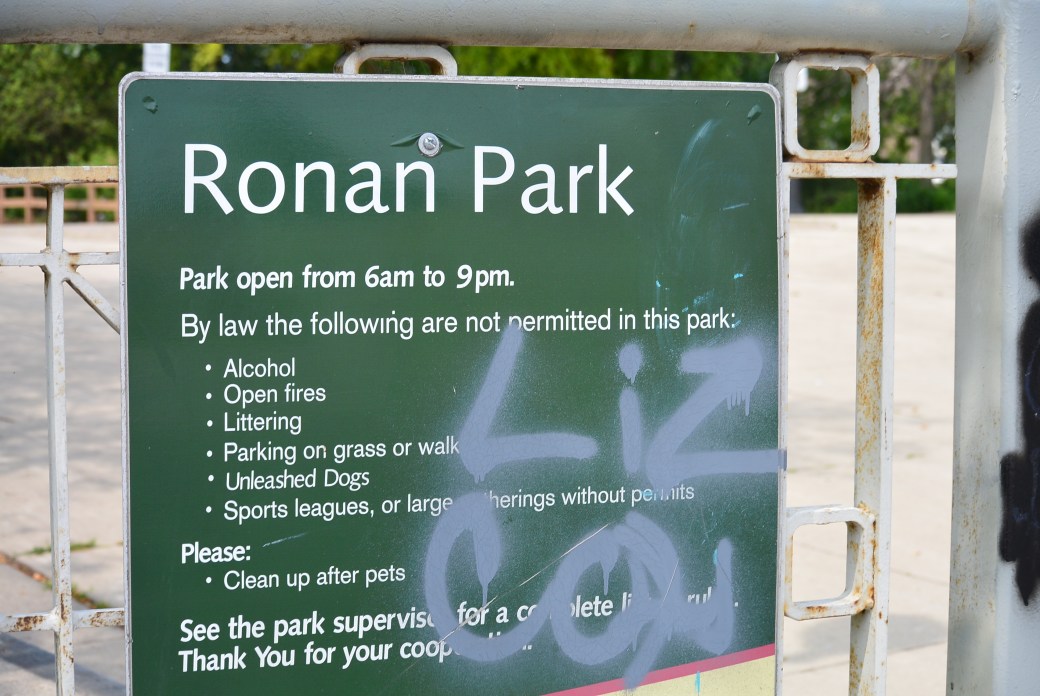
Ronan Park
Ronan Park is a Chicago park on the north side. It extends from Lawrence Ave to Argyle Street. It extends along the North Branch of the Chicago River. It is approximately 13 acres. It was restored in 2002.
There is a Metropolitan Sanitary District building on the east bank of the north branch Chicago river near Lawrence Avenue. This has an art deco design. It was built in 1929. It is a sewage pumping station. Currently it pumps raw sewage to the north side Water Reclamation Plant on Howard Street.
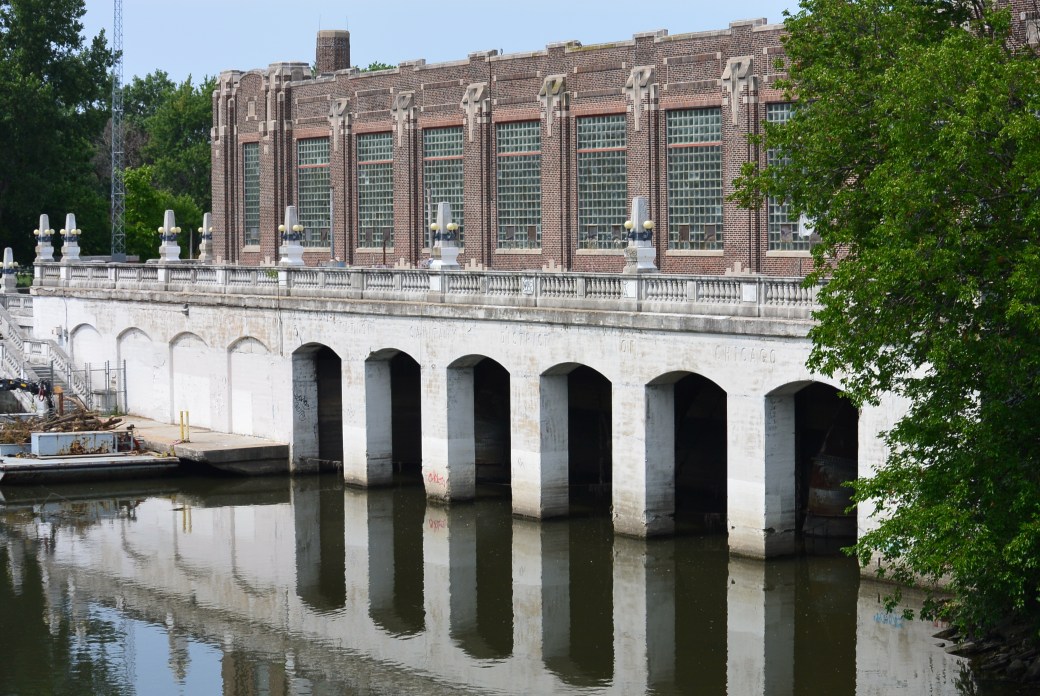
Metropolitan Sanitary District Building Pumping Station

Metropolitan Sanitary Pumping Station near Lawrence Avenue
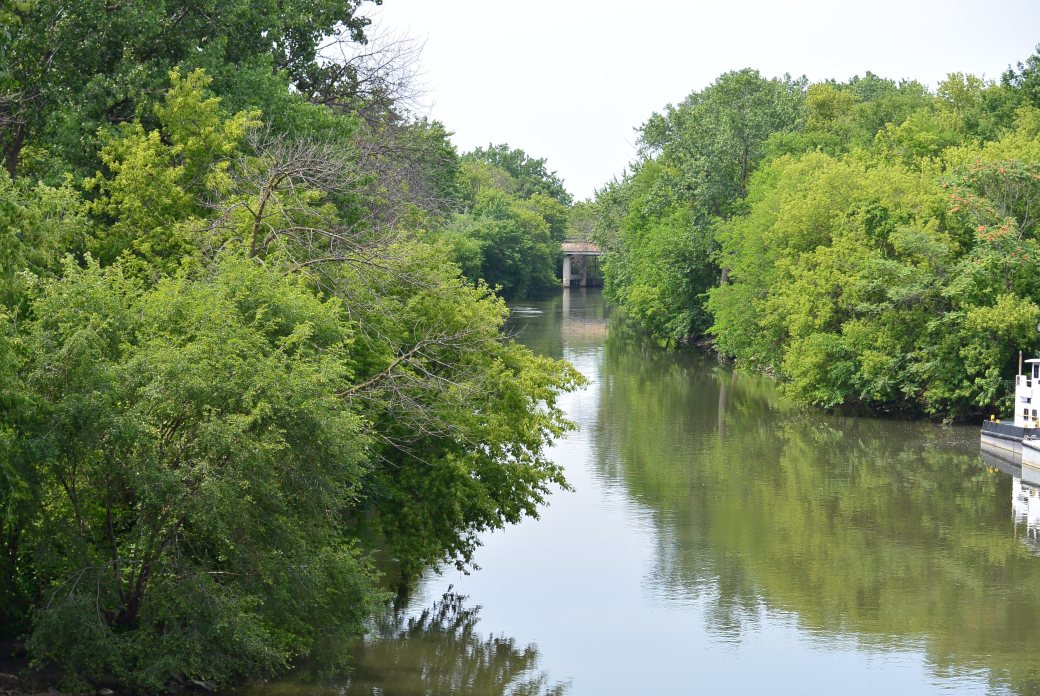
North Branch Chicago River near Ronan Park
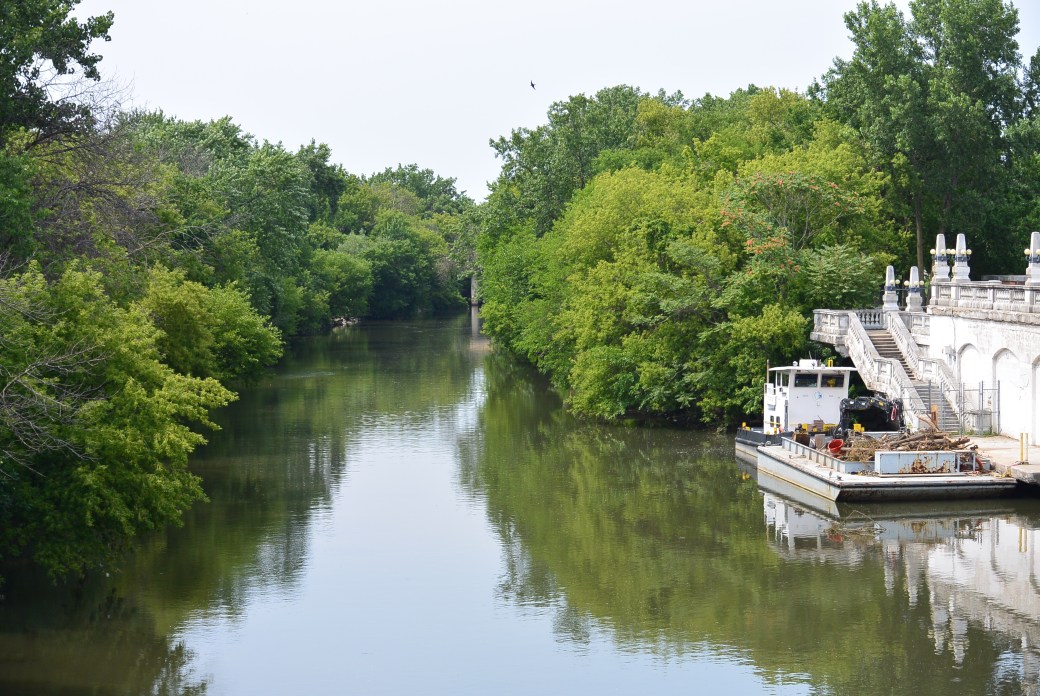
North Branch Chicago River near Ronan Park
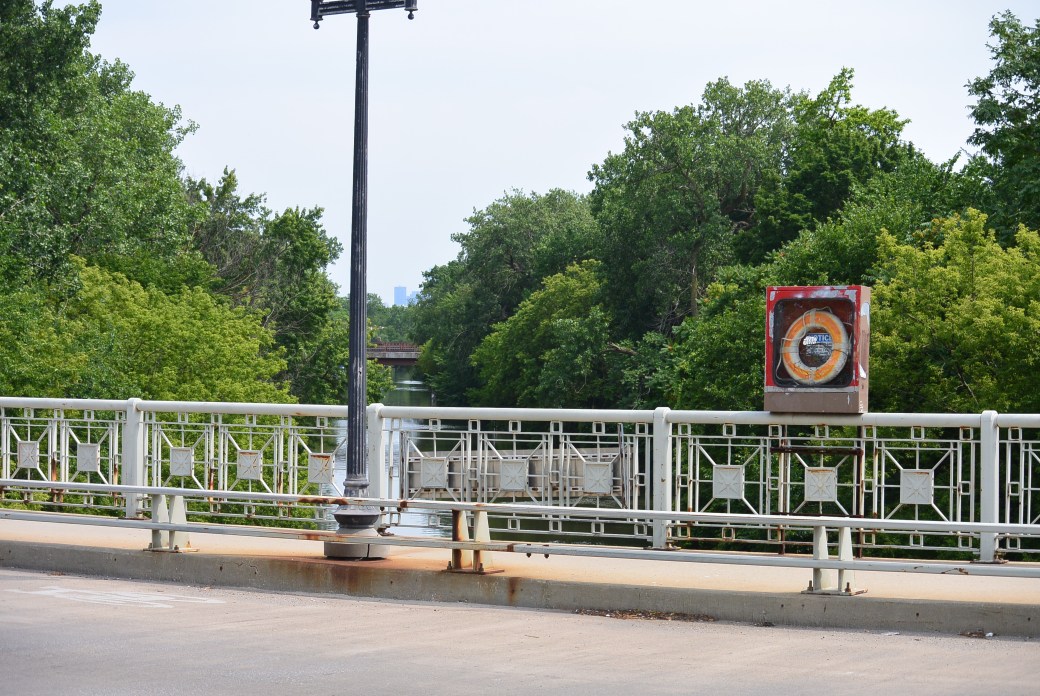
North Branch Chicago River at Lawrence Avenue
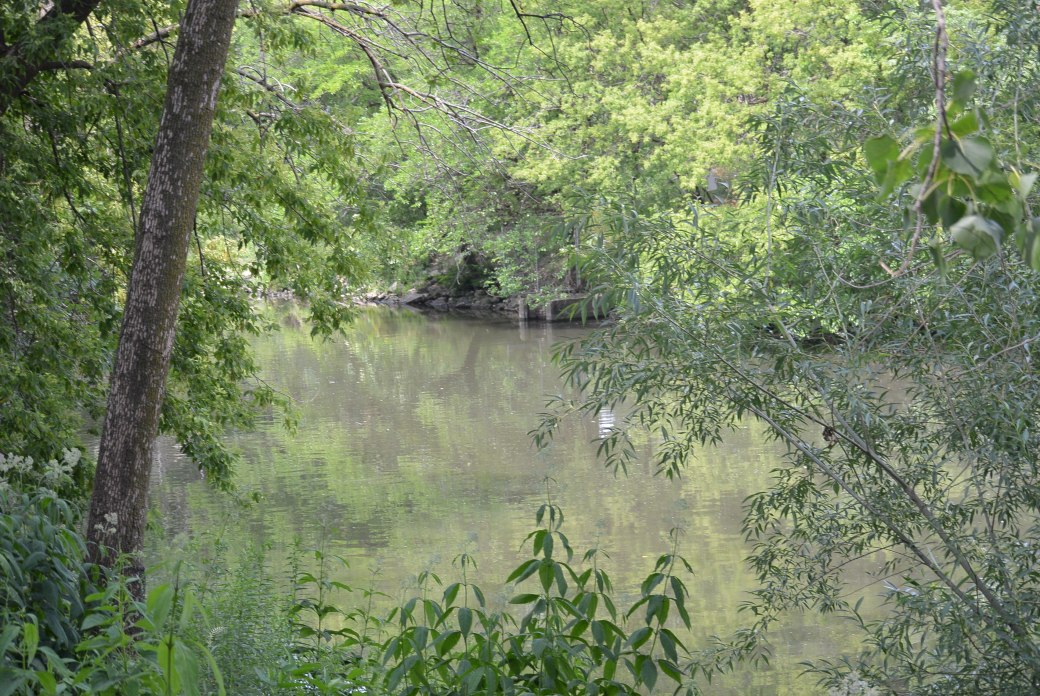
North Branch Chicago River near Ronan Park
The Park was named after Ensign George Ronan. He died in the Fort Deaborn Massacre on August 15, 1812. The federal soldiers were routed by the Potowatomi Indians.
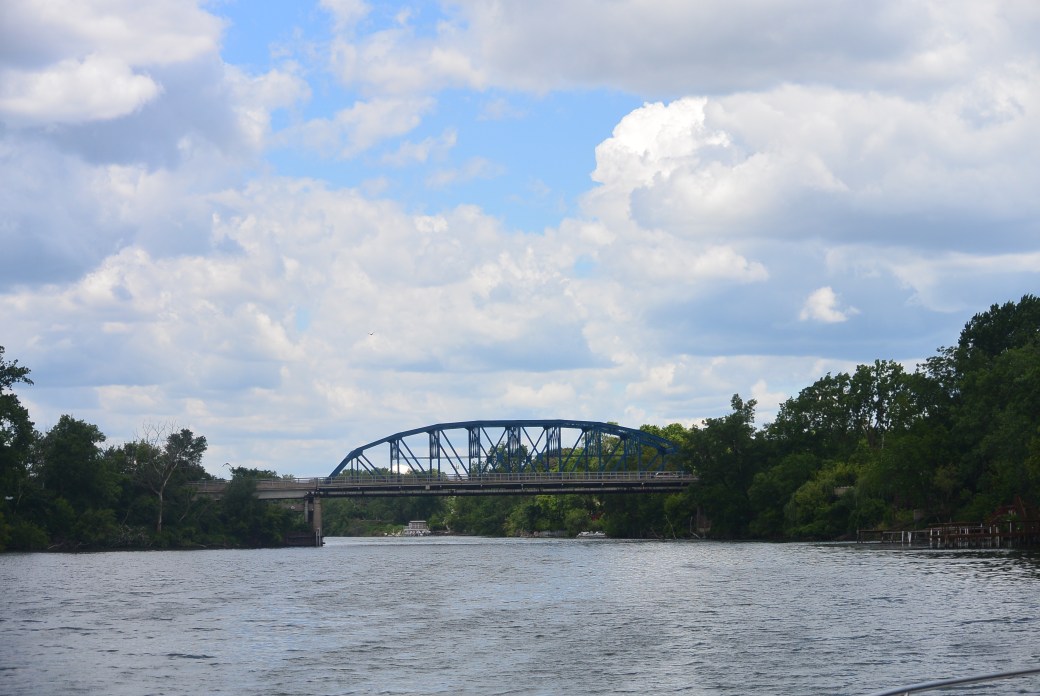
Penn Central Railroad Bridge
The Penn Central Railroad Bridge is a bridge that spans the Little Calumet River. It is located in Chicago 14 miles from the entrance of the Calumet Harbor. It is between the Illinois Central Railroad Bridge and the Halsted Street traffic bridge. It is currently operated as an industrial spur by the CSX Railroad. It is a Warren through truss with deck plate approaches. A cantilevered walk has been added to the structure. Its largest span is 272 feet. The total length is 337 feet.
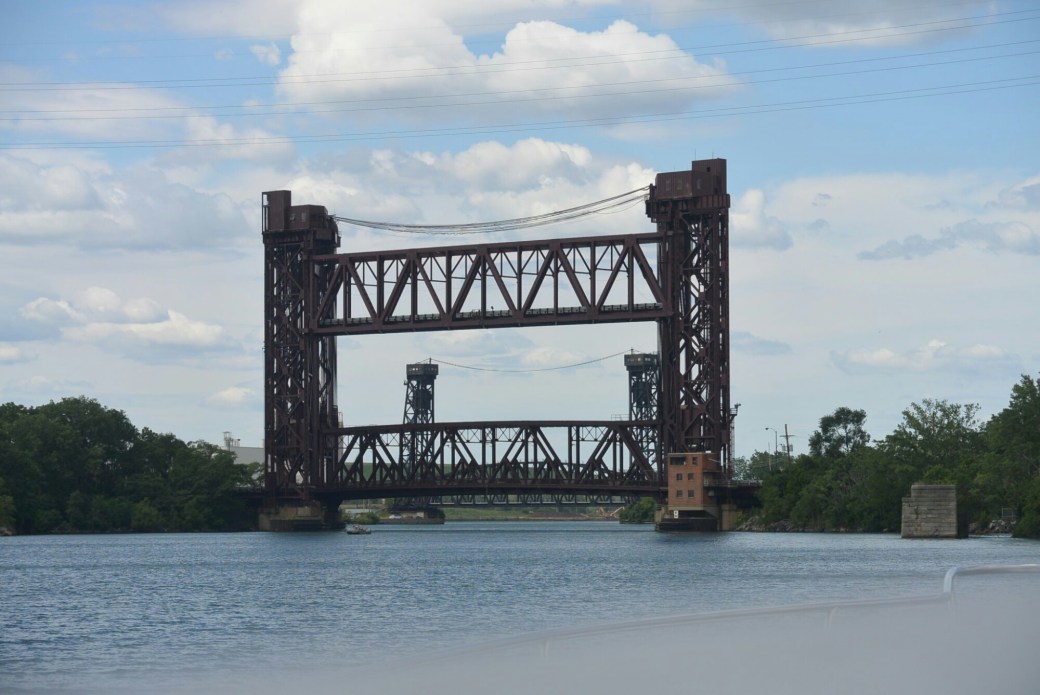
Torrence Avenue Bridge this is the lower of the two bridges
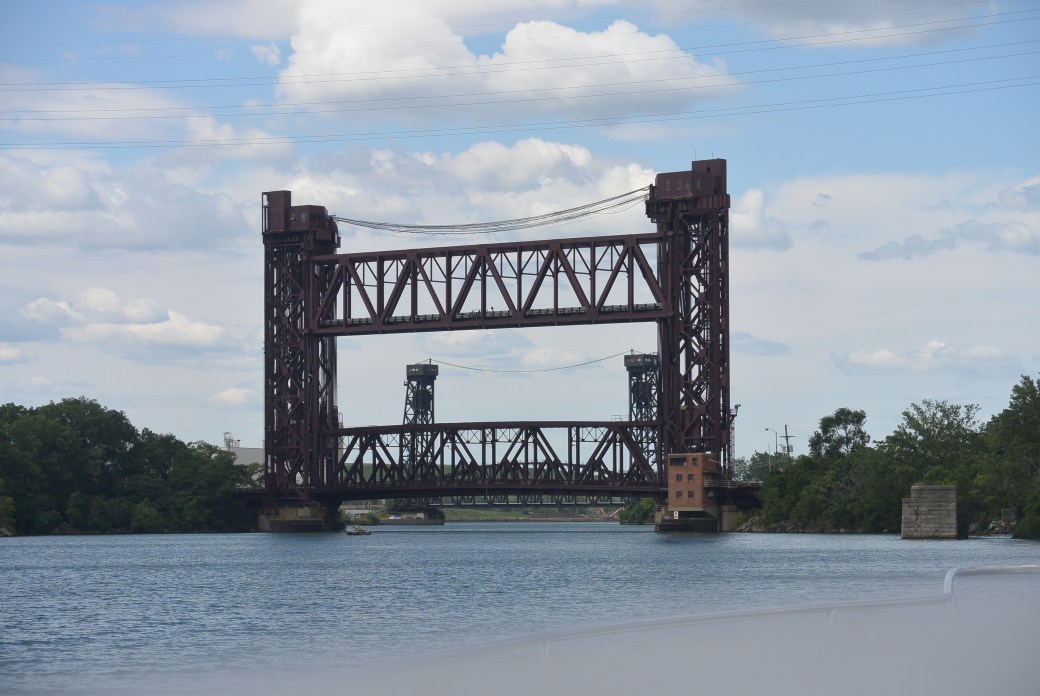
Torrence Avenue Bridge this is the lower of the two bridge
This is a vertical lift truss traffic bridge over the Calumet River. It is located between the Chicago and Western Indiana Railroad Bridge and the Norfolk Southern Railroad Bridge. It is 6.8 miles from the entrance of the Calumet Harbor. It is unique because it is not a bascule bridge typical of Chicago traffic bridges. It was constructed in 1936. The superstructure contractor was Great Lakes Dredge and Dock Company. Substructure contractor was Mackie Thompson Tamm, Inc.
The main span length was 276 feet. Structure length is 497 feet. Roadway width is 44 feet. There is on main span and 5 approach spans.
The previous first bridge at this site was built in 1905 by Jackson and Corbett. It was a hand operated wooden bridge (pontoon type). During the construction of the current bridge, a temporary bridge was put in place. This was a multispan structure including a fixed pony struss span and a bobtail pony truss swing bridge.
Beginning in 2011, the city of Chicago began a multiyear rehabilitation project for this bridge and the adjacent abandoned railroad bridge.
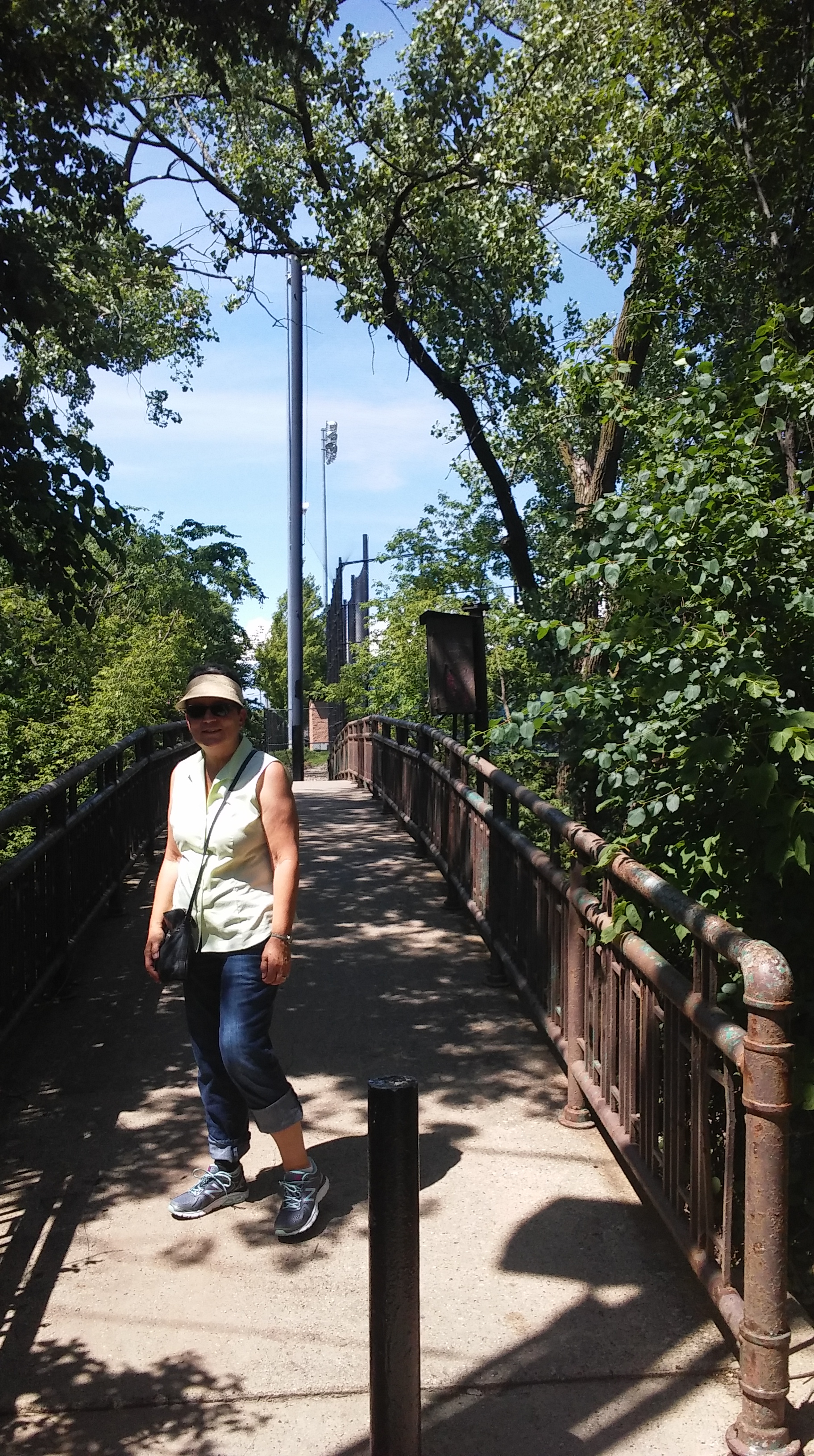
Bridge over the North Branch Chicago River North of the Confluence
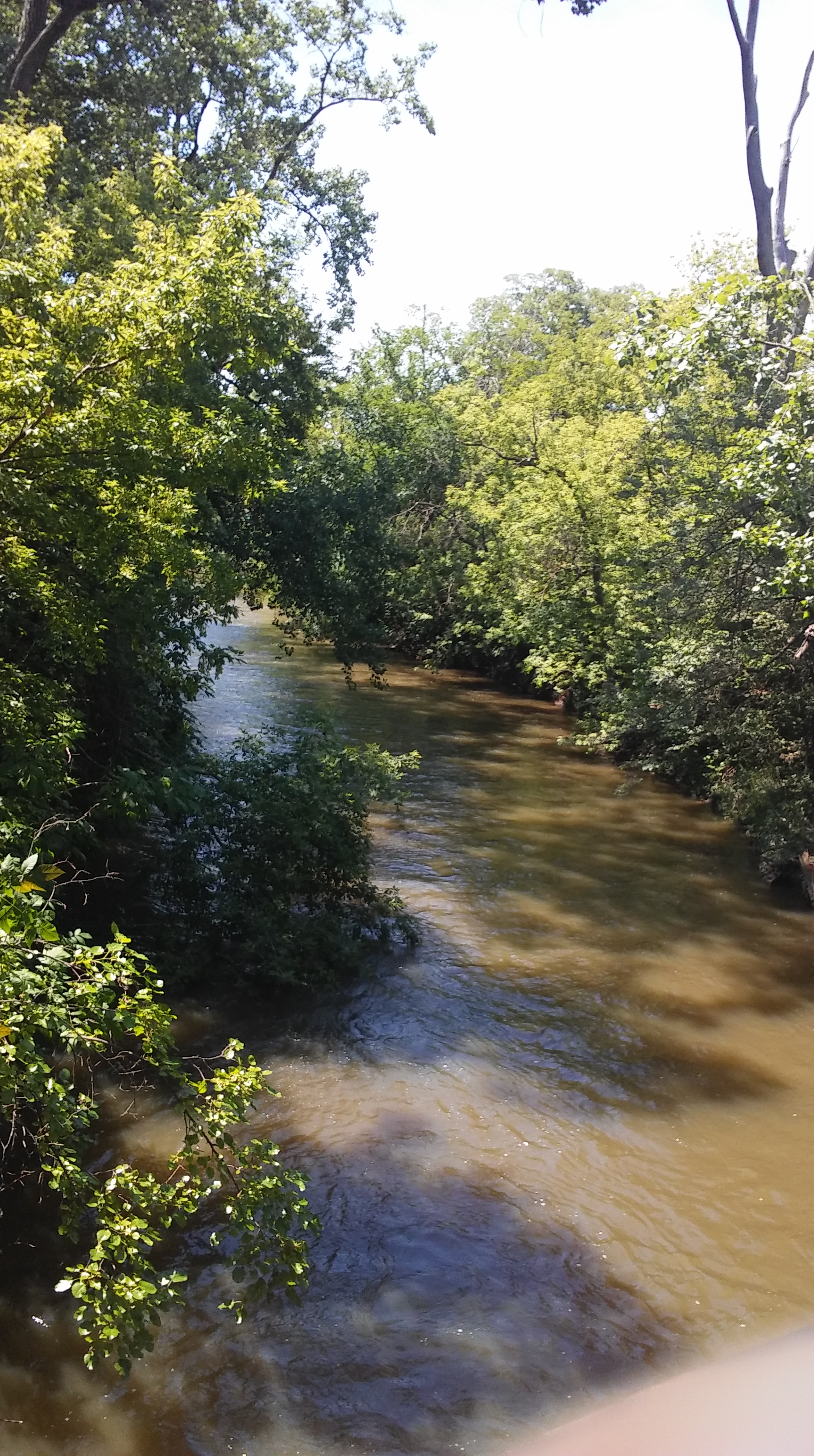
North Branch Chicago River
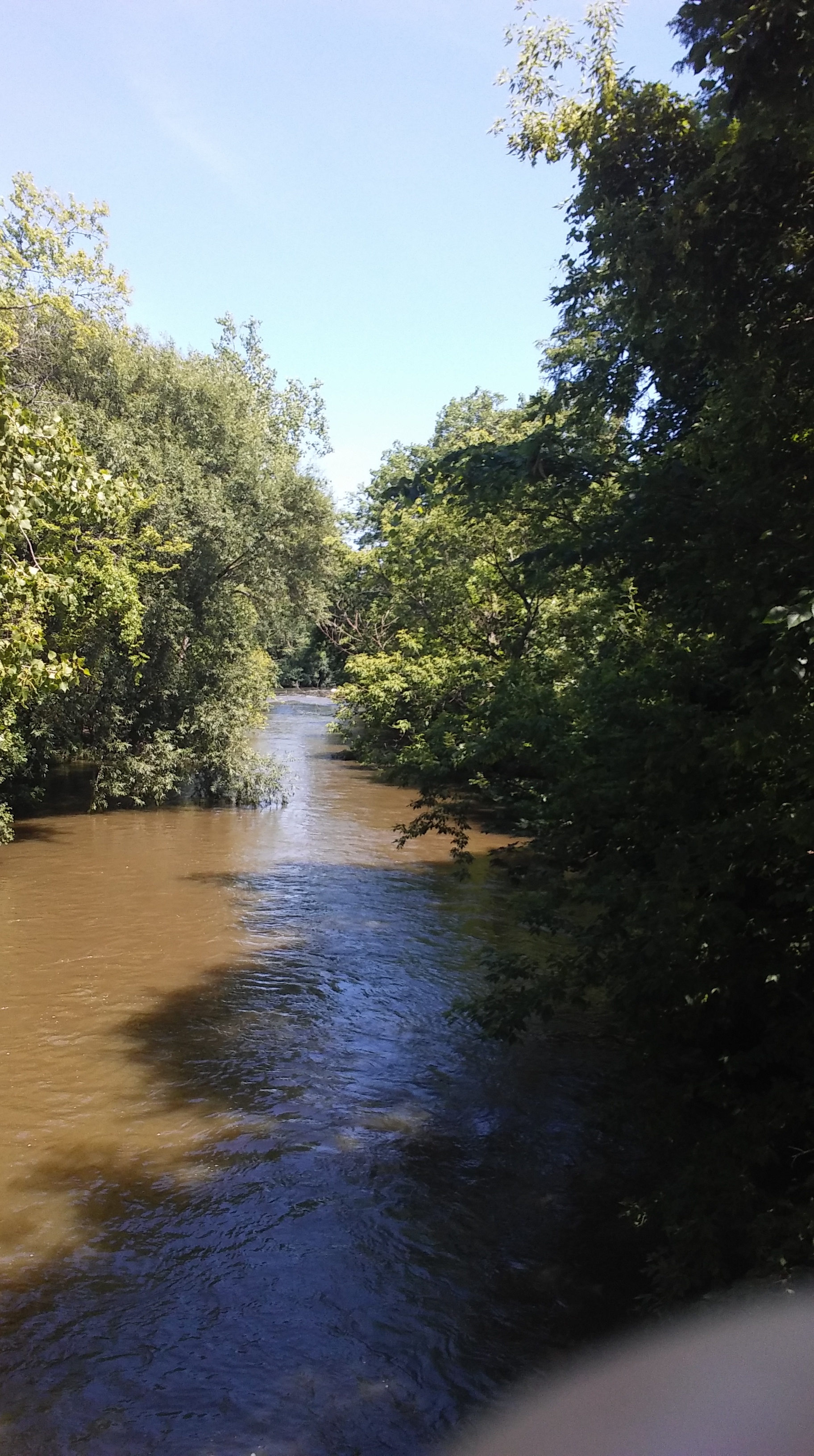
North Branch before Confluence

North Branch south of Confluence
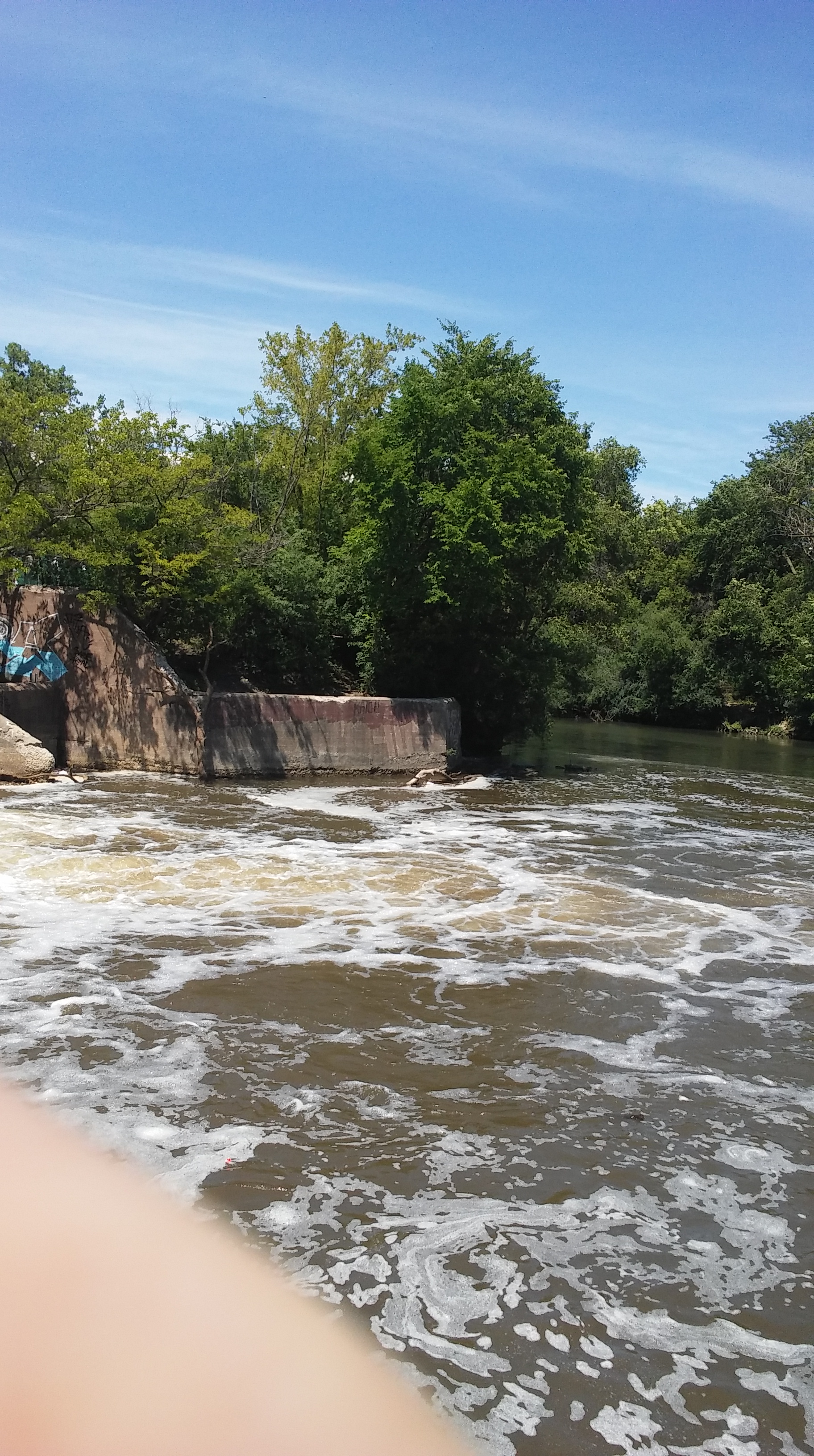
Confluence

Confluence
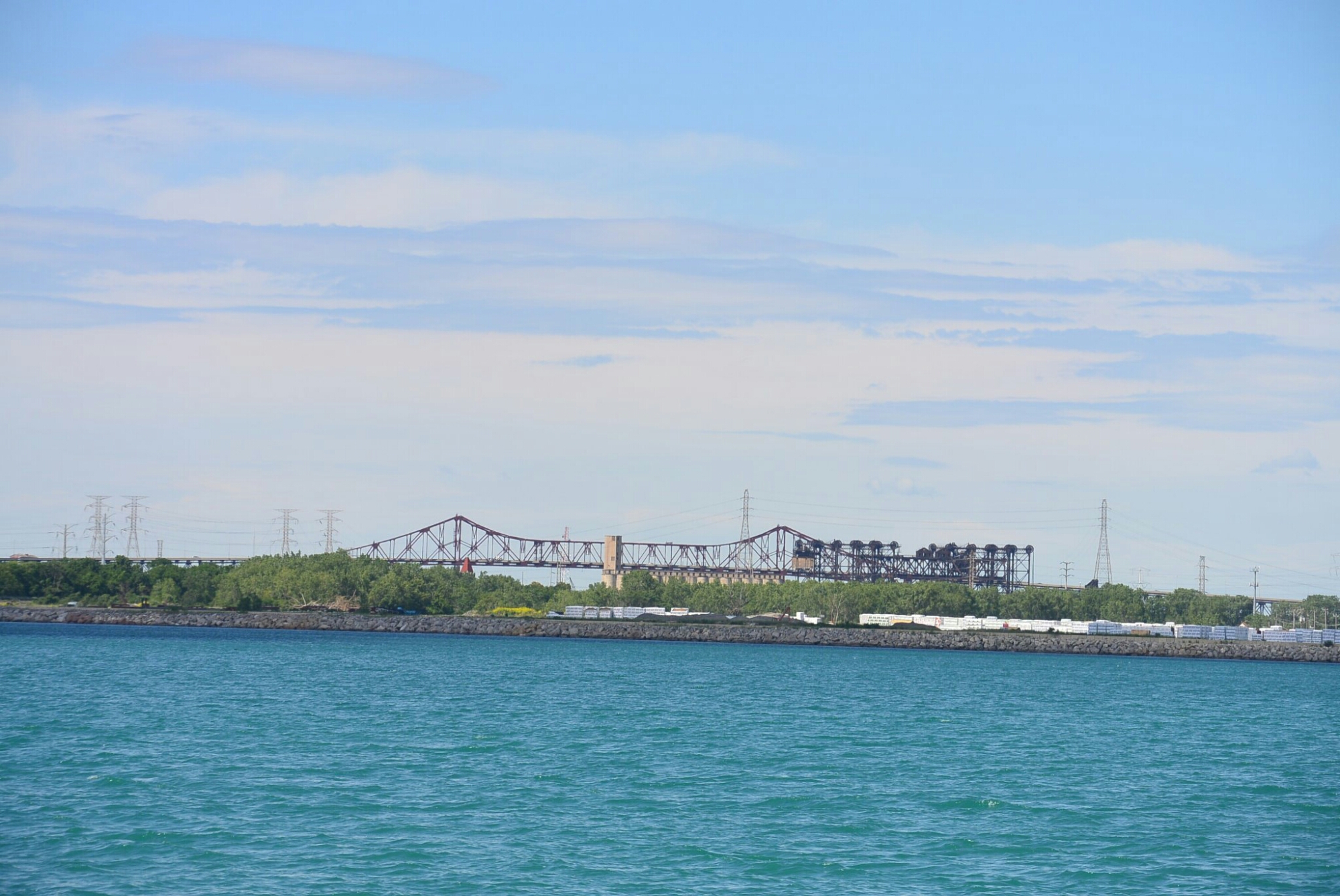
Chicago Skyway Bridge
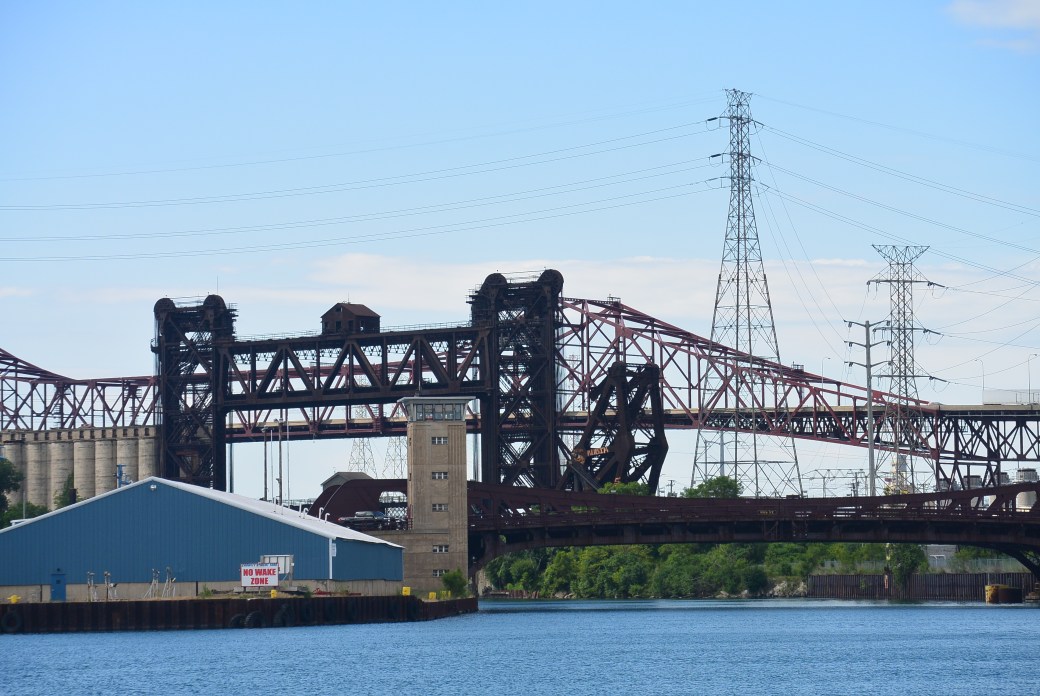
Chicago Skyway Bridge
This is a very distinctive structure crossing the Calumet Harbor and the Calumet River. It is 3.1 miles from the harbor entrance. It lies between the Norfolk Southern Railroad Bridge and the 100th Street Bridge. The bridge design is metal cantilever Warren Through Truss fixed. Approach spans are metal riveted connected fixed. The bridge , viaduct system, and all approaches total 7.8 miles in length. Bridge main span is 650 feet. There are spans bilaterally measuring 325 feet. Deck width is 76.4 feet. The bridge was built in 1958. Builder was American Bridge Company of New York. Bridge designer was J.E. Greiner of Chicago. The bridge was rehabbed in 2003-2004.
Bridge rating as of 9/2011:
Deck Condition 8 out of 9 Very good. Superstructure Condition 5 out of 9 Fair. Substructure Condition 5 out of 9 Fair. Sufficiency rating 62.

