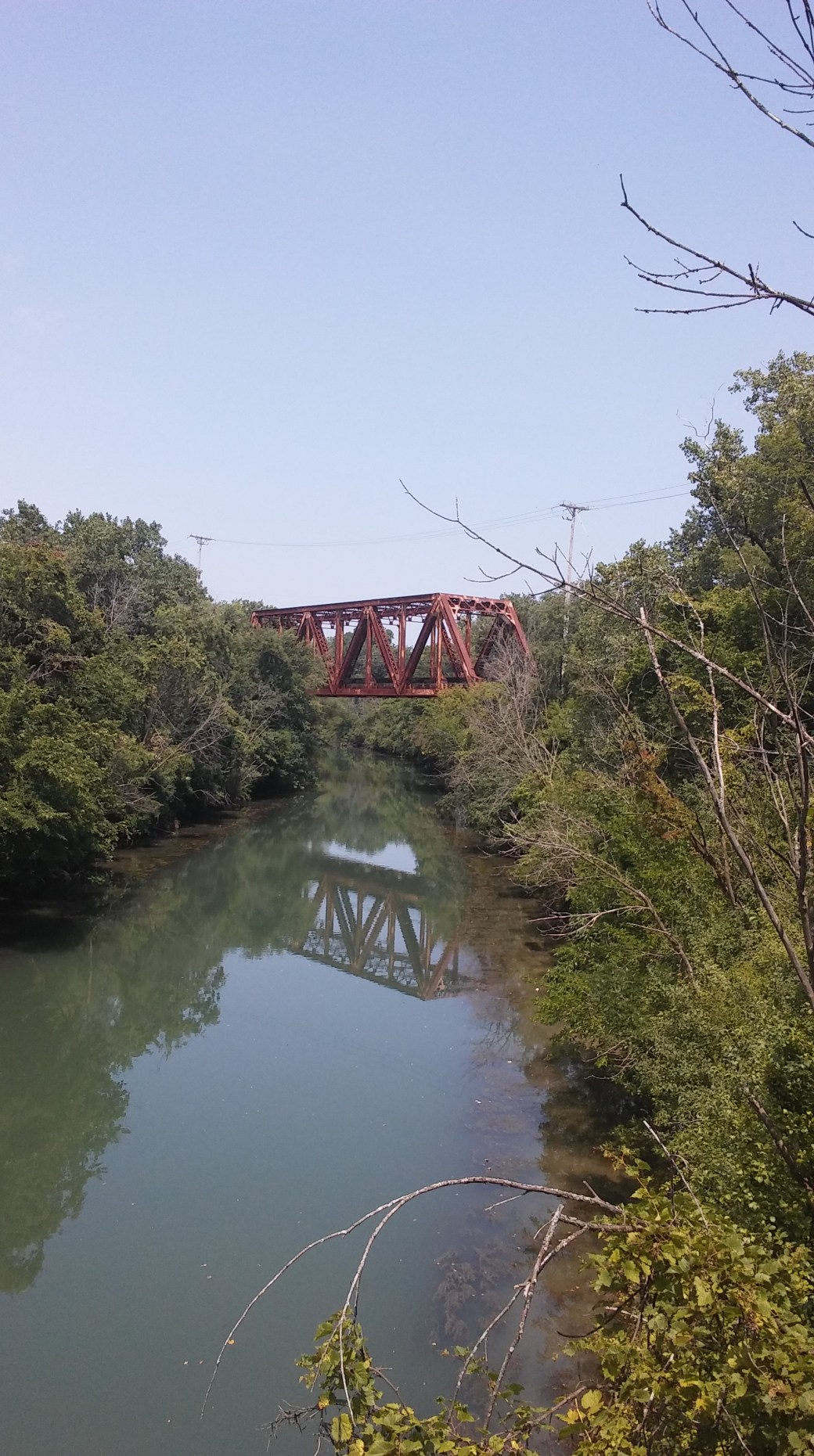
Chicago Portage


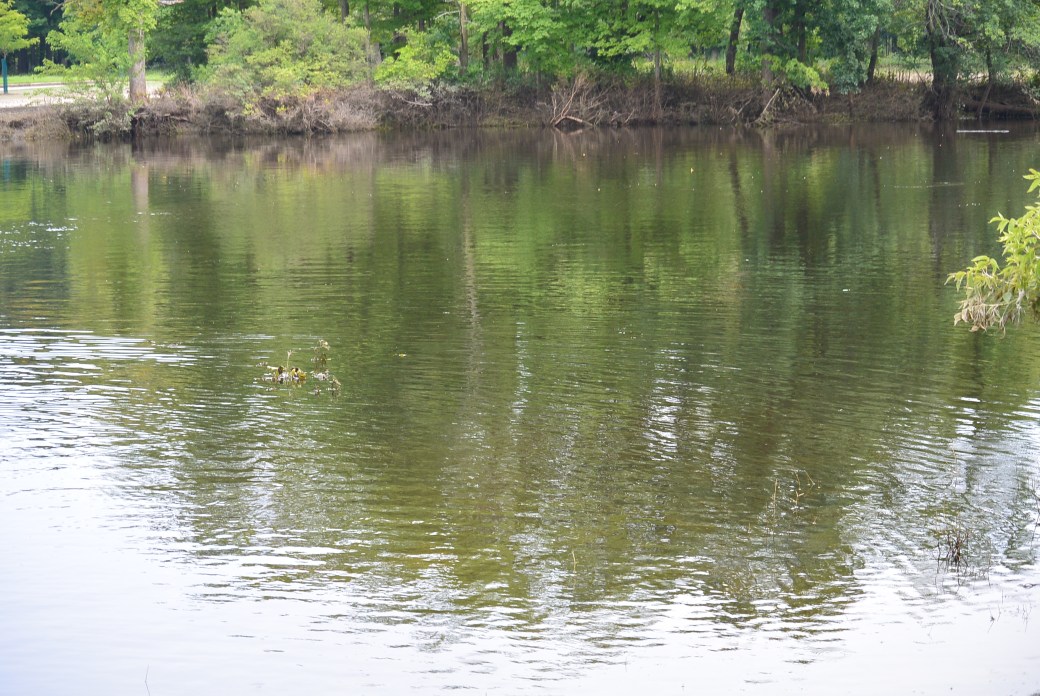
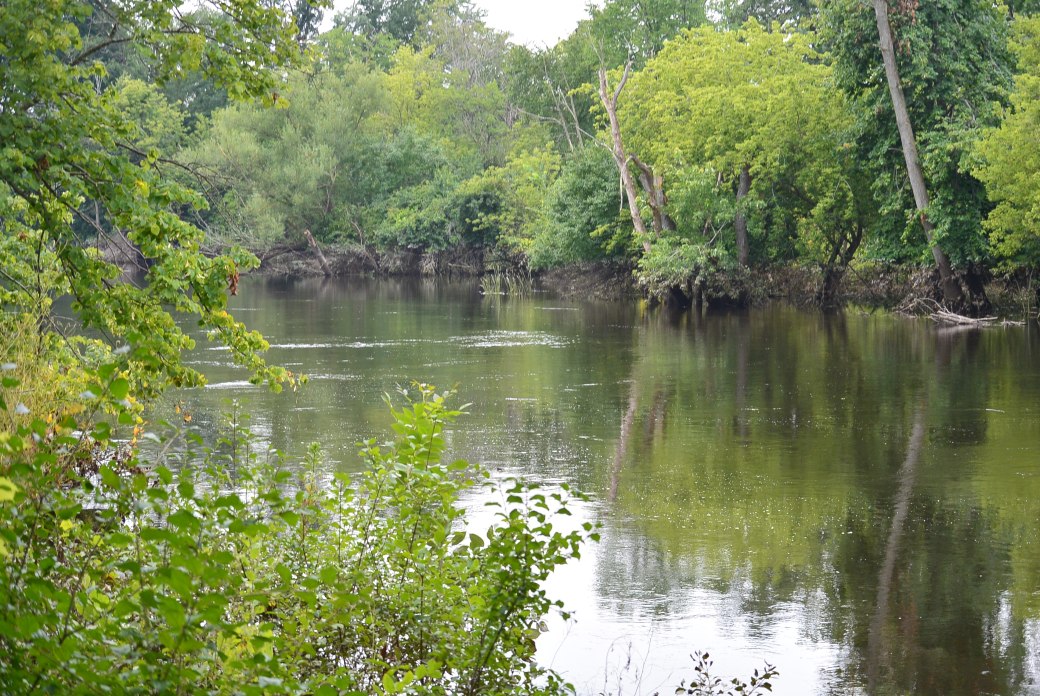
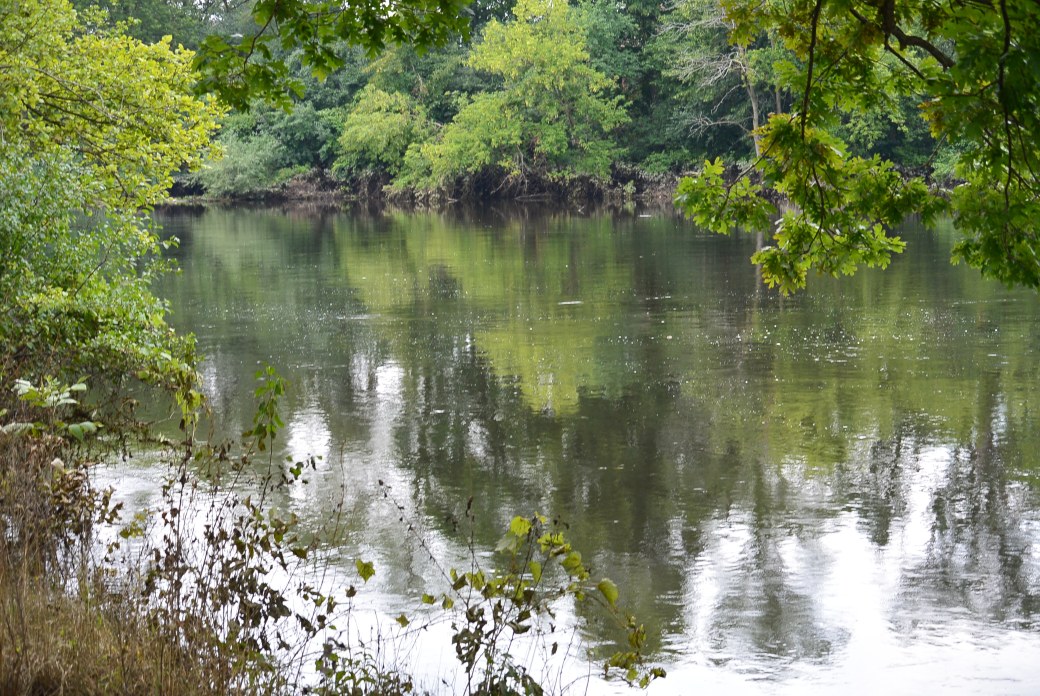
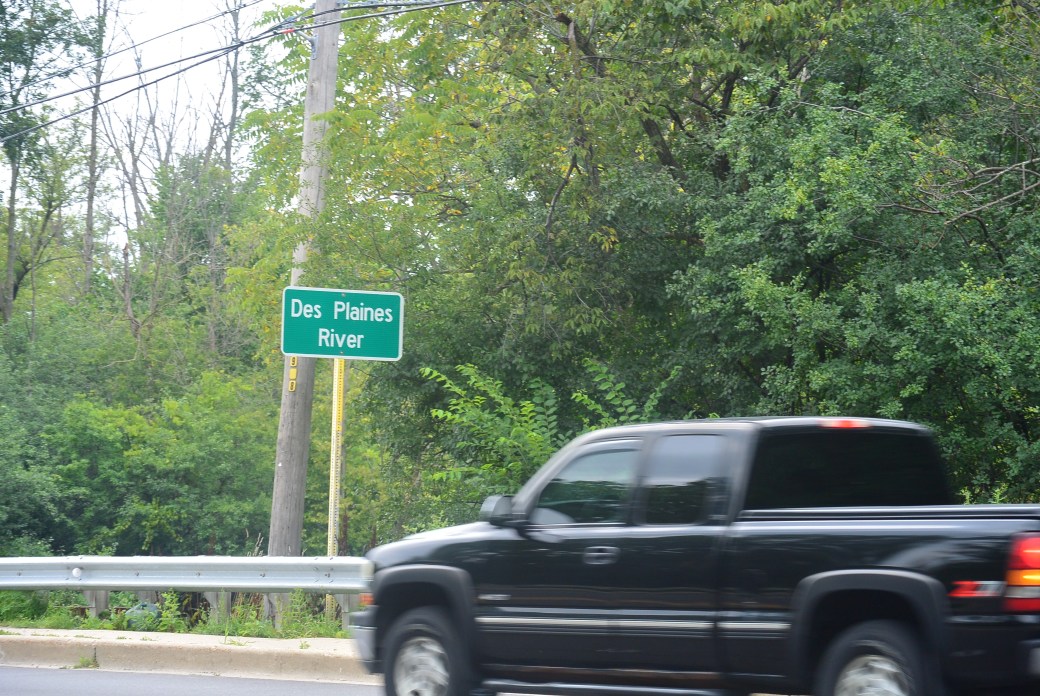
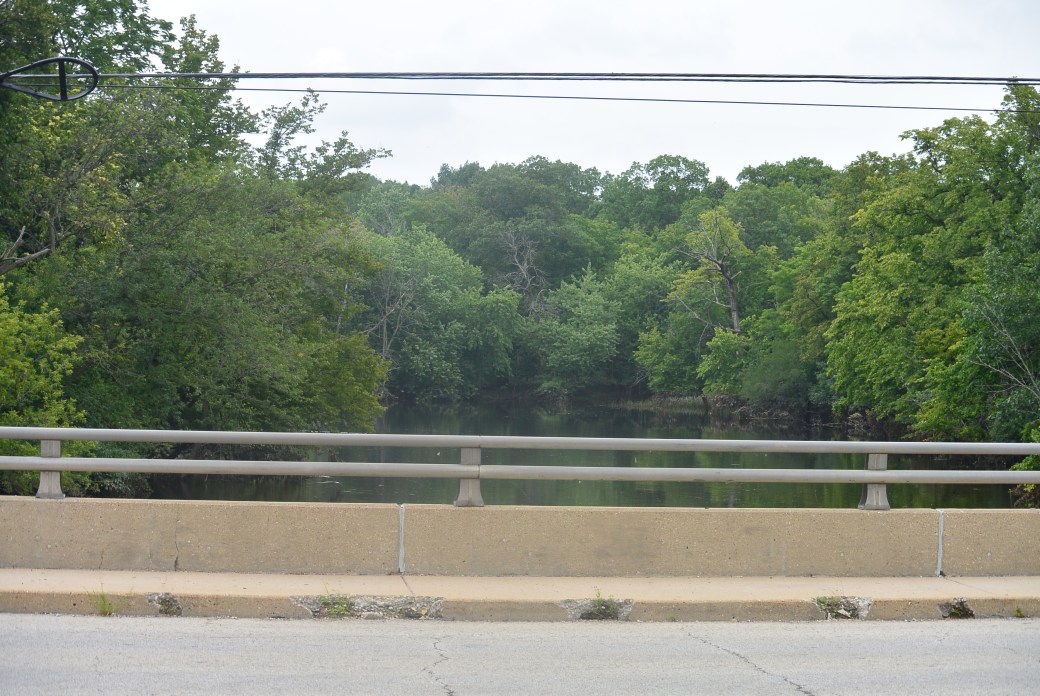
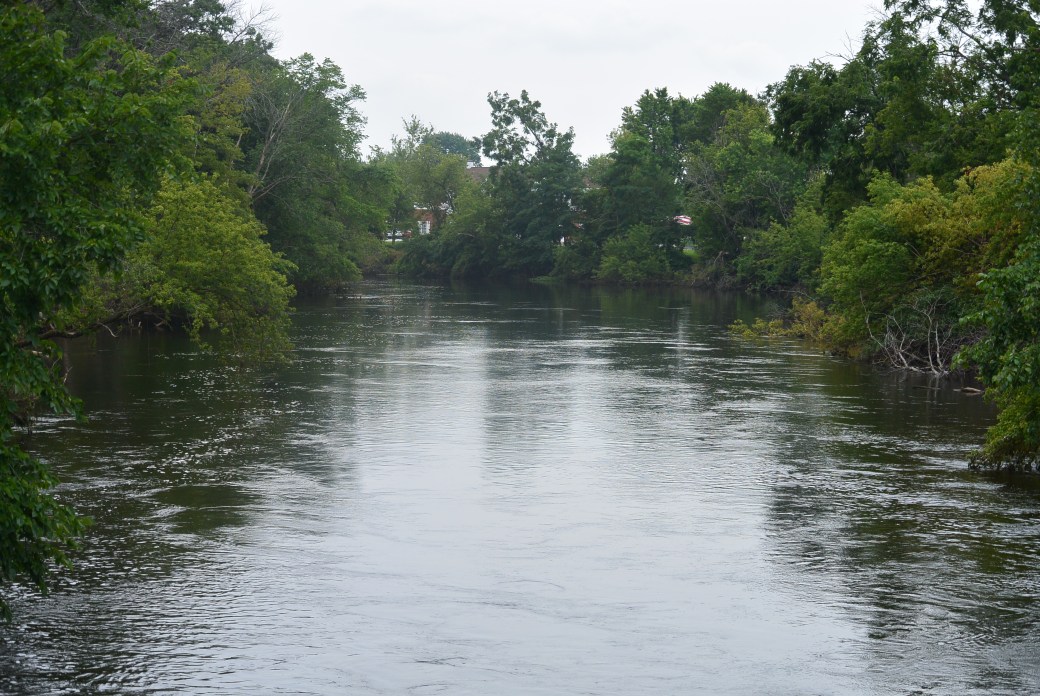
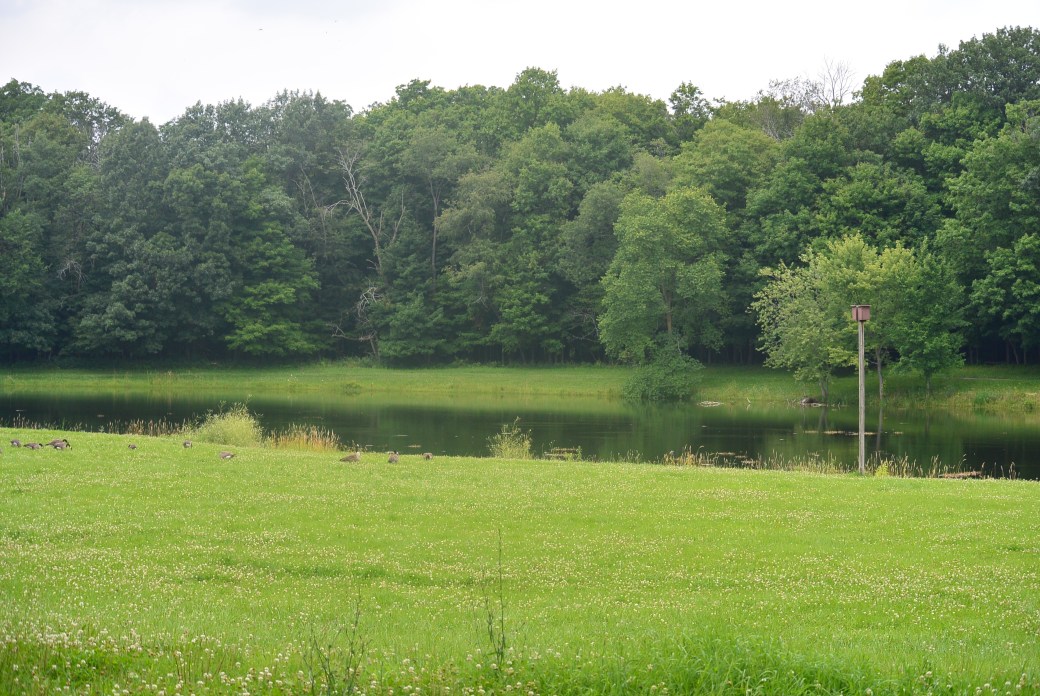
One of the unique geographic features of the Chicago area is the portage.  This is a low level divide   (sometimes called a subcontinental divide) separating the drainage of the Chicago River from that of the DesPlaines River.  As a result of this feature, water flowed east in the Chicago River to Lake Michigan.  Please note this pattern occurred until the man made reversal took place.  Drainage in the Desplaines River is west towards the Illinois RIver.  This geographic created a gap between the two rivers.  

     In the 1600’s, native Americans introduced this area to Joliet and Marquette.  These two explorers were the first to propose some type of canal to bridge the gap.  In the 1800’s, Gurdon Hubbard (an employee of the American Fur Company) encountered the portage during his annual trips between Michigan and the Illinois River.  
     In his autobiography, Hubbard described the difficulties faced in crossing this area.  There was the thick mud.  There were numerous leeches and mosquitoes.  It could be quite an ordeal.

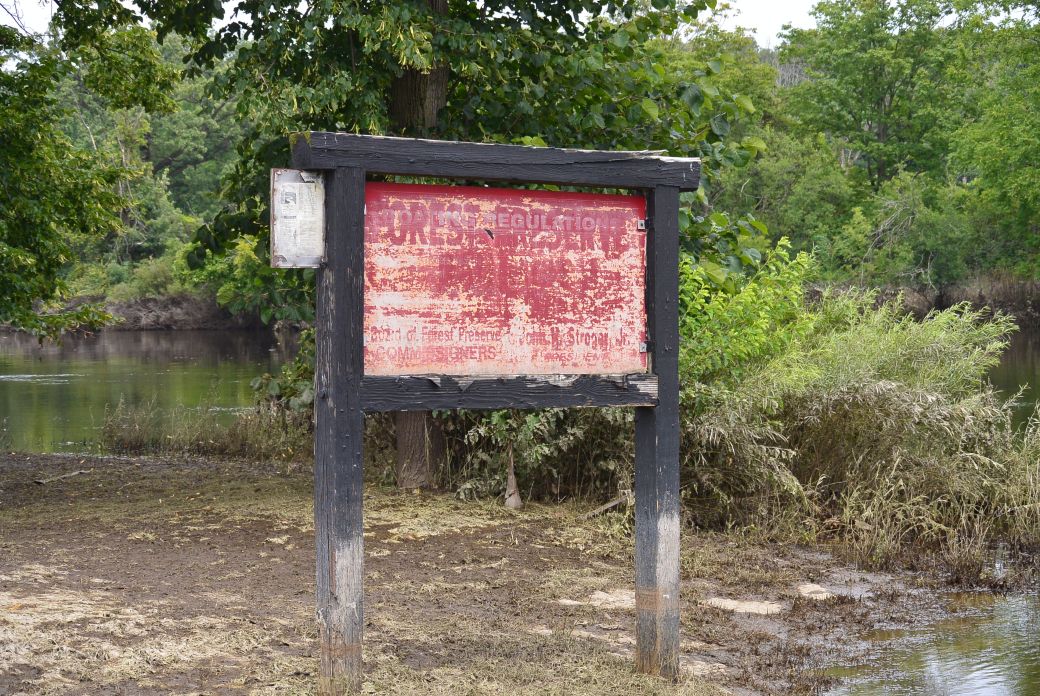
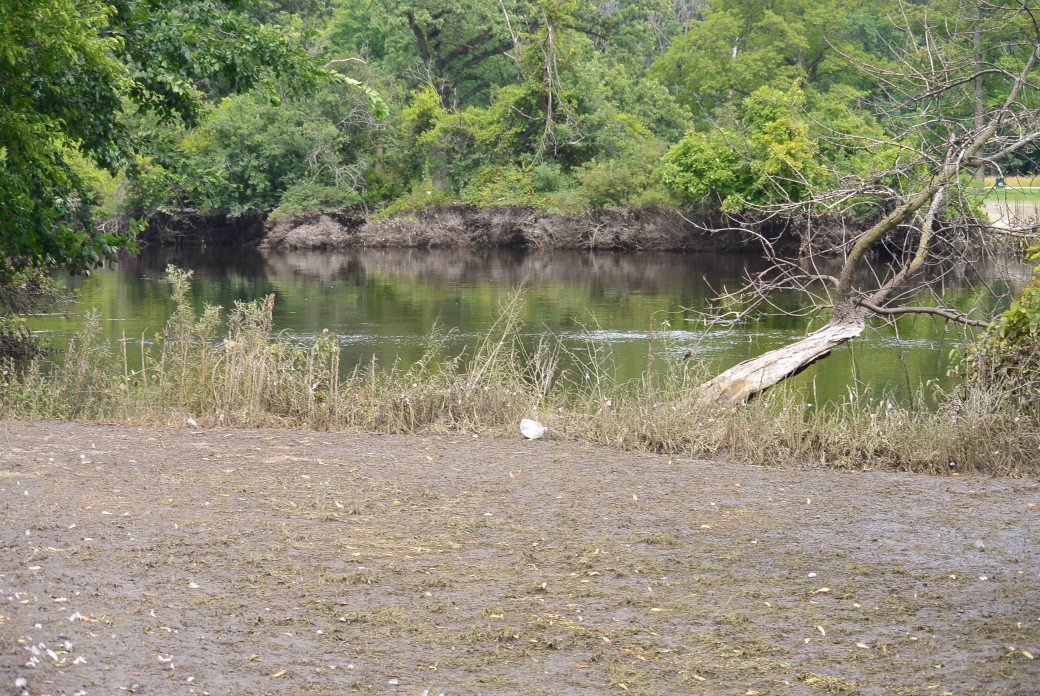
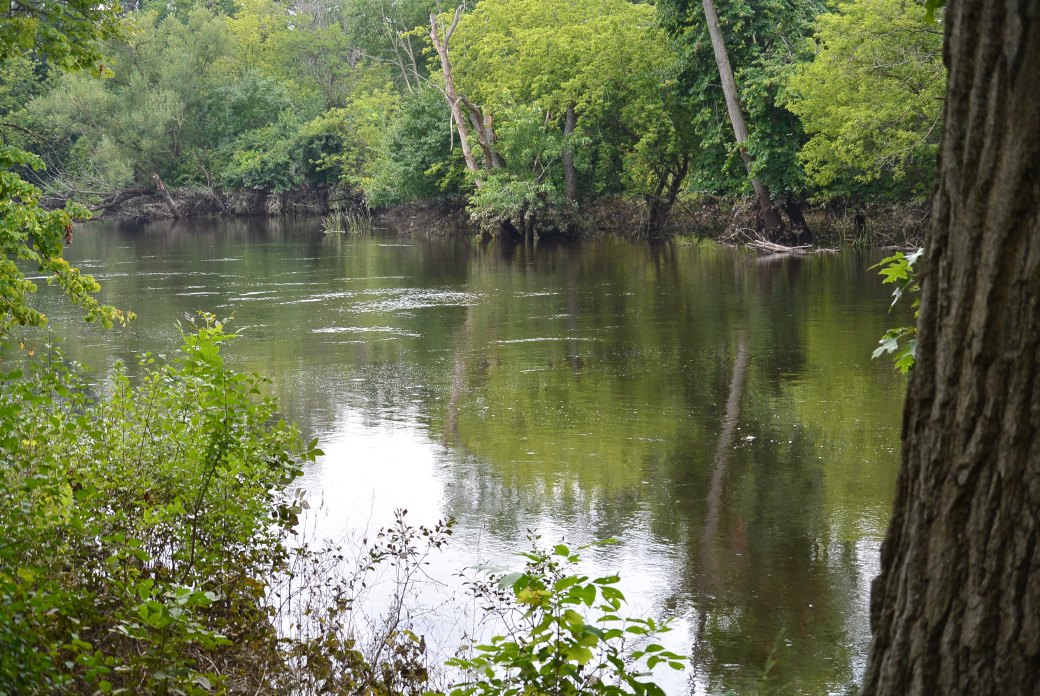
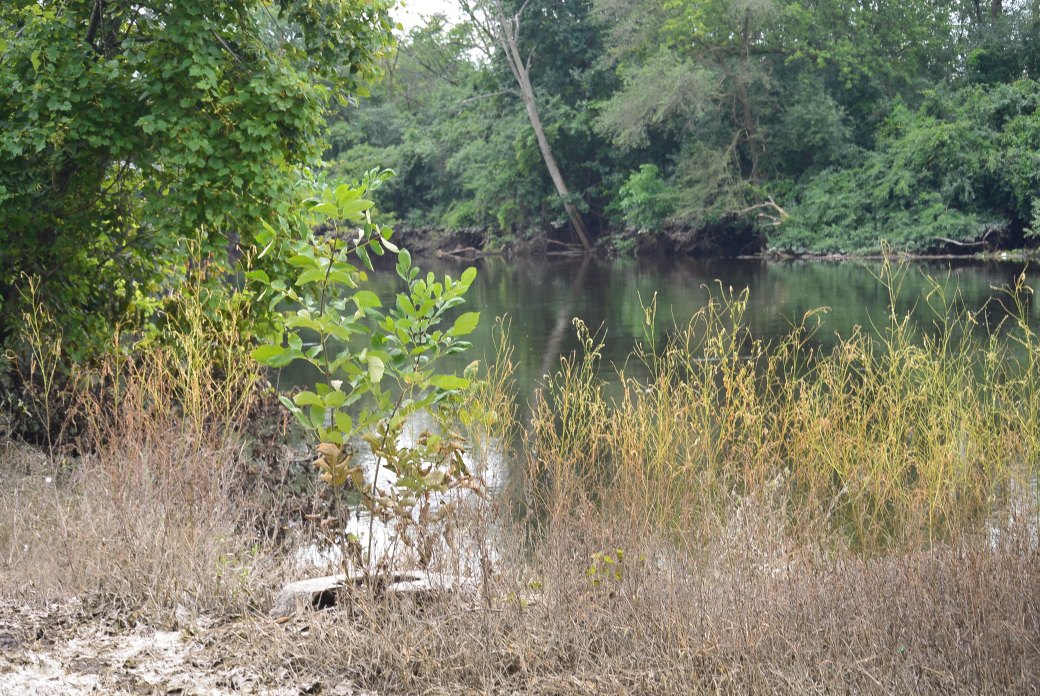
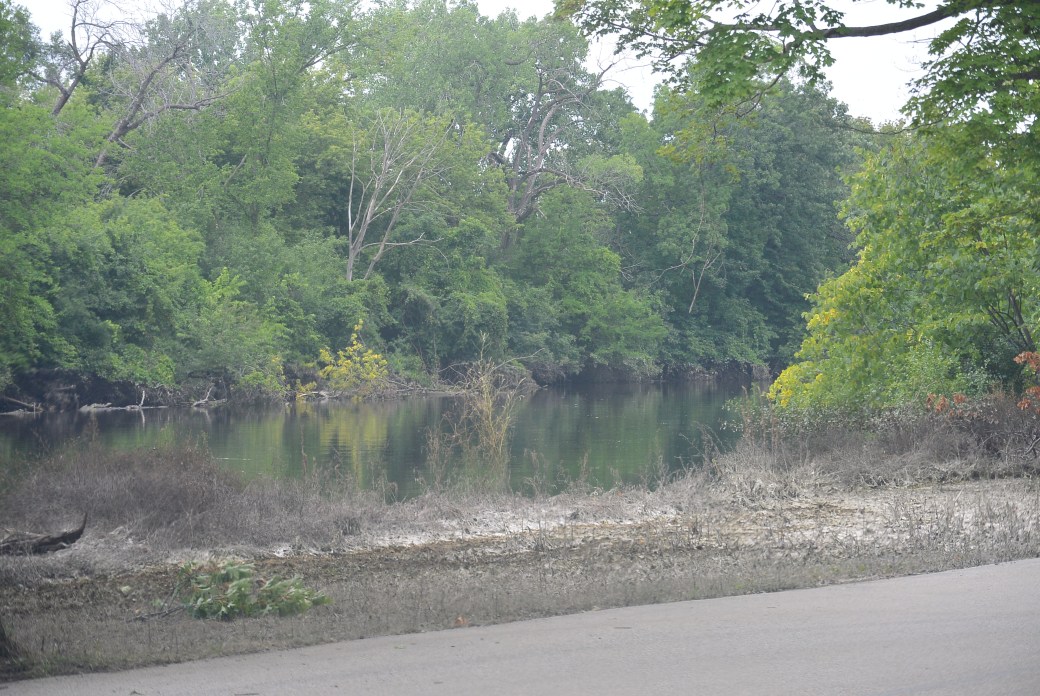
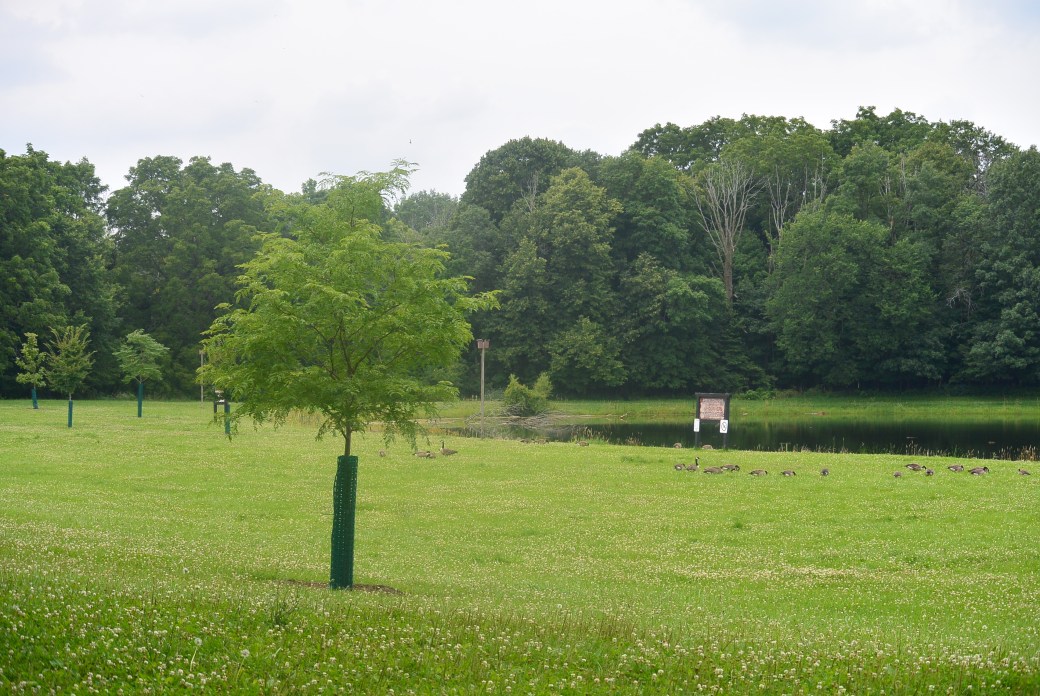
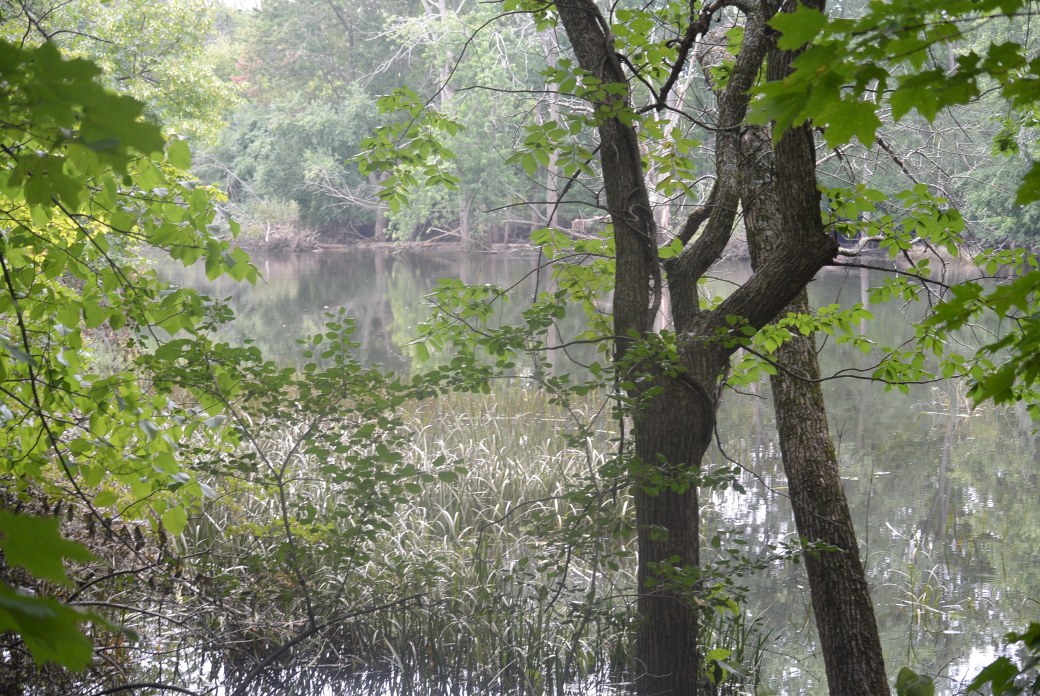
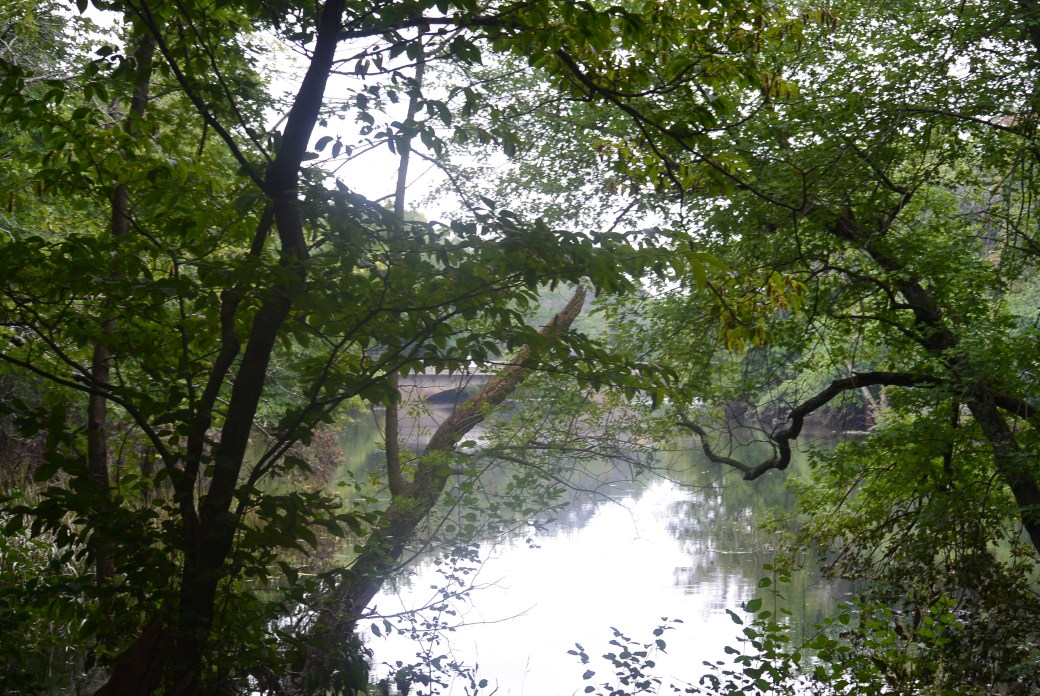
     A portion of the portage site has been preserved at the Chicago Portage National Historic Site.  This is located at the eastern end of the Illinois Michigan Canal National Heritage Corridor. The site is in a Cook County Forest Preserve in Lyons, Illinois.  It is off Harlem Avenue.   There is a memorial to  Joliet, Marquette, and their Indian guides.  There is informational signage. There is also a portion of the Portage Creek where it joined the DesPlaines River. 

Portage Creek

Chicago Portage National Historic Site

Kankakee River and Feeder Canal

Sign describing Kankakee Feeder Aqueduct

During the construction of the Illinois Michigan Canal, it became evident that there was a problem with the water levels at Channahon.  There apparently was excessive seepage of water through the underlying gravel.  The first solution to this problem was the construction of a short feeder from the DuPage River to the canal.  This however did not fix the low water levels. This short feeder was dismantled.

     The next solution was the Kankakee Feeder Canal.  A dam was built across the Kankakee River near the center of Wilmington Township.  This was called the state dam.  It’s purpose was to force water from the river into the feeder canal on the north bank. The course of this man made waterway was north and west.  As it approached the DesPlaines River, it entered a wooden aqueduct with limestone piers.  This crossed the river and entered the Illinois Michigan Canal.  This was in the area of McKinley Park.

McKinley Park near the site of the former Kankakee Feeder aqueduct over the DesPlaines River

     With the opening of the Illinois Michigan Canal, citizens in Wilmington and in other areas along the Kankakee River sought to make changes to make the river navigable.  There were several unsuccessful attempts.  Interest in the project also wanned as the promise of a railroad developed.

     In 1870 a group of investors from Massachusetts sought to complete the work on the Kankakee canal.  It was completed in a timely fashion.  When done, it spanned 21 miles from Warner’s landing to the Illinois Michigan Canal.  The completed project included: 1) raising the level of the state dam by 2 feet: 2) dam and lock a mile upstream; 3) 14 foot earthen dam at Wilmington; 4) over flow dam at the island at Wilmington; 5) 16 foot dam 950 feet long a mile above Wilmington; 5) lock just south of the highway bridge at Wilmington.  The locks were made of limestone.   The locks accommodated 100 feet by 18 feet.  Early on barges were towed by horses.  Later steam ships were used.
     Unfortunately, the canal was not in service for a long period of time. The dams and locks were damaged by flooding and ice.  They were never rebuilt.

Illinois Michigan Canal at Channahon

The Illinois Michigan Canal at Channahon is an interesting region.  It is at this site that Locks 6 and 7 are located.  The DuPage River crosses the Canal.  During construction of the Canal several options were considered for this region.  First consideration was for an aqueduct to cross the River.   This option was used at other sites of rivers crossing the canal.  However, this option was discarded as too expensive.  Next consideration was for a feeder canal.   This was built.  The contractors were Harris and and Johnston.  This canal extended from the DuPage River near Minooka to the area near Lock 7.  Eventually, this was taken down.  In its place, a dam was built across the DuPage River between the two locks.   A control gate was created adjacent to Lock 7.  This allowed water from the River to enter the Canal.   This set up exists until present time.

Lock 7

Dam on the DuPage River

Lock6

Lock 7 Illinois Michigan Canal

Lock 7

Lock 7

Lock 7

Lock 7

Lock 7 is located in Channahon, Illinois on the west side of the DuPage River.  It was one of the original 15 locks on the canal.  It was constructed in the time period between 1846-8.   It is 110 feet in length and 18 feet in width.  It walls were made with ashlar limestone.  The lock gates were made of timber.  The lift was 3.9 feet. On the western side of the lock stood an office and shelter for the lock tender.  It had clap board walls and a wood shingle roof.    This was demolished in 1910

Adjacent to Lock 7 is a control gate that allows water into the canal from the DuPage River.  Originally, there was a feeder canal that extended from the DuPage River in Minooka to the area around Lock 7.

The lock gates were eventually removed.  A concrete barrier was installed on the east end of the lock in 1956.

The End of the Lateral Canal

One of the unique features of the I and M Canal in Ottawa was the Lateral Canal.  This was a canal that wound its way through the city.  It was a method of providing hydraulic power to many businesses located there.  It originated at the junction of the Fox River Feeder and the main I and M canal.  It went south until it reached the area known as the Hydraulic Basin. Here it changed direction and headed east until it reached the Fox River and there discharged its water.  This site was near the Ottawa Boat Club.

Currently, some bridge footings near the site of origin are the only remnants of the Lateral Canal.
Terminus Lateral Canal


Ottawa Boat Club. Current

Lock 6 Illinois Michigan Canal

Lock6

Lock 6

Lock 6 is one of the original deep cut locks on the Illinois Michigan Canal.  Its length is 110 feet; width 18 feet.  It was designed to have a lift of 11.8 feet. The original lock gates were made of timber. The walls of the lock are limestone.  Concrete was used for patching deteriorated limestone.     The lock was originally completed in  1847.  It was reconstructed in 1885 and in 1936.  The lock was extensively refurbished by the CCC during the 1930’s,  The original lock gates are no longer present.  A concrete barrier was constructed at the north end of the lock in 1956.   There is a wooden foot bridge across the lock to the locktender’s house.
The lock is located in Channahon, Illinois on the east side of the DuPage River.
 

Lock 6

Lock 6

Lock 6

Radium Dial Company

This blog has been dedicated to the Illinois Michigan Canal and it’s influence on the development of Chicago and the Illinois Valley.  Occasionally, we investigate subjects not directly related to the canal.  This is one of these times.  Our subject is the Radium Dial Company.   This is undoubtedly is one of the darker episodes in the history of Ottawa, Illinois.
Radium is a naturally occurring radioactive element. It was discovered by Marie Curie in 1898. It’s discovery was greeted with unbridled enthusiasm. Many thought it was a magic bullet providing cures for everything from arthritis to cancer. Some also used it in the form of an oral tonic.   Unfortunately, this enthusiasm was not backed with scientific research.  The safety of this  radioactive element was not evaluated before these various uses.

In the early 1900’s two brothers Joseph and James Flannery from Pittsburgh developed an interest in the marketing of radium.  They traveled to Europe to explore the usefulness of this element.   Subsequently,  the brothers established the Standard Chemical Company in 1911.  Their headquarters were in Orange, New Jersey.  They became the first large scale radium producer in the United States.  Their first product using radium was Undark (mixture of radium and and zinc sulfate).   This product was applied to several products using small brushes.  During World War 1,  a U.S.  government contract  was awarded to the  Standard Chemical Company to manufacture military watches and instrument dials using the radium paint mixture on the numbers.  This allowed for easier reading of these instruments.   More subsidiaries were established in Long Island, New York and Waterbury, Connecticut to complete these contracts.

After the war ended, the contracts were cancelled.  There was a reorganization.  A subdivision called the Radium Dial Company was created. Its only product was to be painting watches, alarm clocks, and wrist watches with radium paint (glow in the dark).

In 1917, a Radium Dial Company was started in Chicago. It was in full production in 1918. There is not much information about the Chicago plant and its employees.  Some of its larger customers at that time were the Elgin Watch Company, the Springfield Watch Company, and the Westclox Company.  In 1920, the operation was moved to Peru, Illinois.  This move took place so that the production site was near the Westclox factory.  This was one of its largest customers.  There apparently was some difficulty between Westclox and the Radium Dial Company.   It was alleged that the Dial Company was luring employees from Westclox with promises of higher wages.  As a result after one year, the company moved  to Ottawa, Illinois to the unused Ottawa Township High School in 1922.  It was on the corner of Washington and Columbus Street. This was kitty corner to Saint Columba Church.   This was headed by Joseph A. Kelly, Sr.  He was the son in law of the Flannery brothers (the founders of Standard Chemical Company)

image Former Site of the Radium Dial Co.

The company recruited young women to work in its Ottawa plant.  They were paid a very handsome salary sometimes up to $18 per week.   Their job consisted in painting the dials of watches with  a radium based paint called Luna.  They would apparently lick the brush before they would paint the numbers on the clock.  At its high point of production, there were approximately 1000 employees who produced 4,300 watch dials a day.   Initially, the employees were happy in their employment.  For many, this was the most money that they had made in their lives.

The dial painters worked on the second and third floor of the old school.  They worked either at old school desks or long tables.  They mixed the paint with water.  They only wore smocks.  They were not issued protective gloves.

There were no established safety guide lines for the use of this radioactive paint product.  Many of the employees used to play around with the product putting it on their teeth, cheeks and eyebrows.

Gradually, it became evident radium was not a totally save element.  Madame Curie, its discoverer developed leukemia likely from her exposure.   Sabin Von  Sochocky (developer of a luminous paint formula containing radium) died from aplastic anemia.  This was likely from his exposure to radium.   Dial painters in Orange, New Jersey began developing various diseases including radium jaw and cancer likely related to their exposure  to radium.  For a short period of time, Radium Dial had a plant in Streator.  The thought process was this.  The company officials feared that the publicity from the New Jersey dial painters might scare Ottawa workers.  Streator residents were less likely to read about something happening out east.  As things turned out, the Streator plant was in operation for a short period of time.  Workers continued at their jobs in Ottawa.

In Ottawa, workers began to develop symptoms.   Many developed anemia, bone fractures and radium jaw (necrosis and osteoporosis), and some developed tumors.  The company assured the women that the paint was safe and even said it had beneficial effects.  By 1925,  plant officials new the radioactive paint was not safe. They monitored employees for radioactivity but concealed the results of these exams.  Physicians employed by the company also participated in this cover up.  Some of the even lied about the cause of the symptoms attributing them  to diptheria and syphilis.  Company denied any culpability.  Sick employees were dismissed.

One example is Peg Looney.  She worked in the Ottawa plant.  She apparently tested positive for radioactivity in 1925 and 1928.  She developed radium jaw as well as tumors in this region.  Her declining health forced her to leave Radium Dial in August, 1929.  She died days later at the age of 24.   Autopsy by a company physician listed diptheria as the cause of death.   20 years later, an autopsy performed by scientists at the Argonne Lab determined that  there were  19,500 microcuries of radium in Looney’s bones. This was more than 1000 time the amount considered safe

image Radium Dial Hearings

image Radium Dial Hearings

Catherine Wolfe Donahue also sued the company in 1938.  During the trial, it was determined that the company kept the results of testing from the employees.  She died in the same year after winning a small settlement.    Most of the sickened women never sued the company.

Experts now believe the cause of these many deaths were due to anemia, radiation poisoning and cancer.

In the 1930’s, the Radium Dial Company and Joseph Kelly parted ways. The company operated for a short period of time afterwards.  In the mean time, Kelly opened the Luminous Processes, Inc.  at Fulton and Jefferson Streets in Ottawa.  This company performed the identical services as its predecessor.  One of its largest costumers was Westclox of Peru.  (coincidence?) The Radium Dial Company subsequently closed due to competition from Luminous Process and the threat of law suits

Considering the past history of sickness, illnesses, cancers and deaths, it would seem amazing that anyone would want to work at the new plant.  However, we should remember that this was during the  Depression and paying jobs were scarce.  Furthermore, Mr. Kelly gave a newspaper interview in which he made assurances that the plant was safe.

So in essence Luminous Processes, Inc.  was a replacement for Radium Dial Company.  It was producing luminous watch and clock dials.  It largest customer  had been the largest customer of the Radium Dial Co.  The same individual was the president of both companies.

During World War II, the company secured government contracts to produce luminous dials for clocks and instrument panels.  It was also worked with reprocessed radium to produce polonium–an element component of  the atomic bomb.

Gradually, because of the publicity of radiation sickness and death at many other sites, safety regulations began to be implemented.  Unfortunately, these were too late for the many who died or were sickened.

In 1975, Luminous Processes switched to tritium in its luminous paints.  The significance of this was that the plant now came under NRC guidelines  An inspection in this same year demonstrated that the radiation levels were 1,666 greater than the allowable limits.  The plant subsequently failed multiple additional inspections in  1976-1978.  The plant was closed by the state of Illinois. Luminous Processes, Inc. was ordered to clean up the plant site and surrounding grounds of radioactive contamination.   It never did this.

Additional interesting information.  A Joseph Kelly, Jr.  was brought into court to clean up radioactive contamination in his  plants in Woodside, New York and Athens, Georgia.  He also failed to do this.  His father was Joseph Kelly, Sr.

There were numerous health issues at the Luminous Processes, Inc. In 1980, 10 employees had high rates of breast and ovarian cancer.  There were 64 deaths among dial painters that worked in  the plant since the 1960’s.

Survey of the area of Ottawa found 14 sites of radioactive contamination. The majority were in residential areas.  Others were located in the business district.  Few were located in un-incorporated areas.  The main radioactive contaminant was radium 226.

At first glance, this distribution of radioactive contamination would appear unusual.  However,one must remember there were many workers at these plants and for years no  safety measures.  There was obvious contamination of their  hands, arms, faces and clothes.  This was transferred to their homes and places of business that they frequented. There were also many issues about the delivery and storage of radium products at both plants.

A large amount of the contamination resulted from the mishandling of the original Radium Dial Company plant in Ottawa.  This was in use from 1918–1937.   However, after the company closed, the building was in use for many years for other purposes.  There was a meat locker in the basement.  This supplied the Ottawa area. Many who worked there died of cancer.    After this the building was in use as a farmers co-op.  It was not until 1968 that it was demolished.  Many residents took mementos from the plant such as desks, tables and lights.  These were placed in their homes.  Bricks from the plant were used in construction of new homes and streets  The building remains were used in land fill in and around Ottawa.   These included an area adjacent to the Marquette High School athletic field, near Buffalo Rock State Park, and along Canal Road between Ottawa and Marseilles.   All of these represented potential sites of radioactive contamination.

The whole history of the Radium Dial Company/Luminous Processes, Inc was a tragedy.  To begin with, when radium was discovered by Madame Curie, it was used in many products without any serious safety studies.   As years went by, there began to be reports of illness, cancers, and deaths associated with its use. Even Madame Curie developed leukemia likely related to her exposure.    Unfortunately, these reports were either ignored or covered up.  As in the case of the Radium Dial Company/Luminous Processes companies, when employees exhibited signs of illness, they were either fired or ignored. The company continued to insist the the radioactive pant was safe.    Results of radiation monitoring were kept secret.  In court cases, the company denied any responsibility. The Luminous Processes Company was not closed until after it failed multiple inspections. Comprehensive radiation safety programs were never completely implemented.     To compound the tragedy, many  in the community of Ottawa did not support the sickened employees. They were blamed for job losses in the area.    When the areas of radioactive contamination were later discovered, local government official were not accepting of the results and actually down played them.   In a documentary Radium City (1986), the mayor at the time downplayed any danger of the radioactive sites.    Mr. Kelly and son accepted no responsibility for the clean up of the areas contaminated with radioactivity in Ottawa.  To add insult to injury, Mr. Kelly,Jr was also MIA for clean up of contaminated plants in New York and Georgia.  The bulk of the clean up was paid by tax payers.

An 8th grade student from rural Ottawa named Madeline Piller found out the story of the group of young women who had worked at the Radium Dial Factory in the 1920s and 1930s.  Almost single-handed,  she spent many years raising money for a permanent memorial to the Radium Dial painters of Ottawa.    Finally, in 2011 a bronze statue commemorating these women was created by her father.    It was placed at the former site of the Luminous Processes Plant.  Dedication was on Labor Day, 2011.

image

Radium Dial Painter Memorialimage

Radium Dial Painter Memorial image

In 1986, Carol Langer completed a documentary film  entitled Radium City.  This was the story of the women working at the Radium Dial Plant in Ottawa. This film incorporated many devices to tell  this story.  I found particularly interesting the segment in which an individual went to different areas of Ottawa with a Geiger counter to document radioactive contamination.    He had himself filmed to establish what he had done.  This film was presented to the mayor and the city council.  The response of the mayor was amazing.  He denied the reality of the situation by denying the authenticity of the radioactive monitoring.    Although overall a dark film, I recommend it to anyone interested in the history of the Radium Dial Company.

In May 11–28, 2000, the play Radium Girls was first produced at Playwrights Theater of New Jersey. The author was D.W. Gregory.  It concerned the radium dial painters of Orange, New Jersey. between 1918–1928.   The women in this play suffered many of the same ailments as the Ottawa dial painters.  They developed anemia, jaw and bone necrosis, tumors and many subsequently died.   As in Ottawa, the plant owners denied responsibility, failed to disclose the results of testing and recruited local physicians to literally lie about the exact nature of the dial painters illnesses.   When the case finally ended in court, the company asked and many times received delays in the proceedings.    Many of the workers died before a settlement was reached.   There was an eerie similarity to the situation in Ottawa.

As a sign that many have put aside the disturbing history of the Radium Dial Company in Ottawa, recently a group of business men founded a local brewery in the town.  They named it the Radium City Brewery.  They dedicated it the to the women that worked in the plant.

Locks 1 and 2; Lockport

It seems appropriate to consider Locks 1 and 2 together because of their uniqueness.    Originally, both locks were meant to be adjacent to each other.  However, this was changed in order to utilize the hydraulic potential of the Lockport area.   The modified plan had the Locks located a mile apart.  Each lock had a 10 foot lift.  Each was constructed of locally quarried limestone with hydraulic cement used as mortar.  In 1838, the contracts for construction were were let to George Barnet.    Both locks were 110 feet long and 18 feet wide.  Both had wooden flooring over bedrock.  The locks has timber gates.

One unique findings is the different  appearance of the upper and lower wing walls.  They were longer and differently shaped.   They were intended to narrow the canal width at the entrance to the lock chamber.   Both have a pointed upper berm side wing wall. Dam next to this area has an opening to take excess water around the lock chamber and into the canal through an opening in the lower berm wing wall.  Originally, it was intended that these bypasses were to be used to generate hydraulic power.  Eventually this happened at Lock 1 where a tannery was operated  beginning in the 1870’s.  This was no longer operational in the lateral 1890’s.    Ultimately only the foundations of this building remained.   Lock 2 was never used to produce hydraulic power.

In the 1980’s, a project was undertaken to reinforce the floor and walls of  Lock 1.   Although water courses through the Lock, there are no timber gates currently.  Information about any rehabilitation of Lock 2 is lacking.  It has no gates.  Water flows through the lock.

wp-1450826738674.jpeg

Lock 2


wp-1450827035526.jpeg

Lock 2

wpid-wp-1439334277502.jpeg

Lock 1

image

Gurdon Hubbard

image

image

Any long time resident of the Chicago area  is familiar with the name Hubbard.  There is Hubbard Street.  There is Hubbard High School.  On the Kennedy expressway, there is Hubbard’s Cave.  There is the Hubbard Street Dance Group.   However although familiar with the name, most know  nothing about this individual and how he was a significant person in Illinois and the Chicago area in the 1800’s.

Gurdon Saltonstall Hubbard was born in Windsor, Vermont on August 22, 1802.  His parents were Elizur  Hubbard and Abigail Sage Hubbard.  His father was an attorney by profession. He became involved in speculative ventures. He lost a significant amount of money and property in these pursuits. Because of this reversal of fortunes, young Gurdon was sent to live with his Aunt Salonstall.  After that, he lived with her son in law Reverend Daniel Huntington in Bridgewater, Massachusetts. In April of 1815, he returned to his family.  The mother , father and six children relocated in Montreal, Canada.  The father could not work as an attorney because of Canadian laws.

The father bought a house in Montreal and took in boarders.  He also was able to do consulting legal  work.  Young Gurdon was able to make some money buying produce from Vermont farmers and reselling it in Canada.

In 1816, Gurdon secured a position in a hardware store for board only.  His only friend was John Dyde.  His father ran a boarding house.  This is significant because one of the regular boarders was William Matthews–an agent for the American Fur Company.   Mr. Matthews was in the process of recruiting 12 clerks for the company.   John Dyde was able to obtain one of these positions.  Young Gurdon decided that he wanted to join his friend.  After much discussions with his parents and Mr. Matthews he was able to secure a position for 5 years at $120 dollars a year. He was 16.  On May 13, 1818 he left on his first voyage.  The group first traveled along the Saint Lawrence River.  This part of the trip was note worthy in that young Gurdon met Hiram Norton (who would become a successful business man in Lockport, Illinois along the Illinois Michigan Canal).  The voyageurs ultimately ended in Lake Huron.  From here in July they came to Mackinaw which was the headquarters of the American Fur Company.   In the summer,  the traders from the scattered posts of the  Company gathered  and brought the fur they had obtained during the hunting season.  They also received supplies.  It was here that young Gurdon met John Kinzie-the son of a founding family of the Chicago area.

As the time came to leave Mackinaw, young Gurdon was able to obtain an assignment on the Illinois brigade.  This unit was under the supervision of Mr. DesChamps.  The brigade left from Mackinaw on September 10, 1818.  It consisted of twelve boats. The group arrived in Chicago on October 1. 1818.

Young Gurdon became familiar with the Chicago area.  He visited Fort Dearborn.  He also connected with the Kinzie family and became friends with them.   After spending a short time in the area, the brigade again began its journey. They traveled down the south branch of the Chicago River.  They then entered the Chicago portage.  They traveled through the area of the Mud Lake.  It was a difficult journey.  The group experienced deep mud, leeches, and mosquitoes.   Eventually they reached the Des Plaines River.  Perhaps during this journey young Gurdon fantasized about the need of a canal in this area as had Marquette many years before.   Once in the Des Plaines River, the brigade passed the Isle la Cache area (now a part of the local forest preserve district with a museum).  They passed the mouth of the Fox River and Starved Rock.    They reached the trading post at the junction of the Illinois and Bureau Rivers near the town of Hennepin.    This was the first assignment for your Gurdon.  He worked with a disagreeable gentleman named Mr. Beebeau.   Gurdon and Des Champs went a short trip to Saint Louis before Hubbard began his assignment.  This occurred in December of 1818.  Hubbard clerked at this post during the winter.  In March, 1819 Des Champs and the brigade of 13 boats loaded with furs arrived at the Hennepin station.   After a few days the group left for Mackinaw.  They passed by Starved Rock, Isle la Cache, Mud Lake and the Chicago River.  The group spent a few days in this region.  Then it was off to Mackinaw which was reached in the middle of May.  The next season, Mr. Hubbard was given a new assignment at a post on the Muskegon River with Jacques Dufrain.    Hubbard was made commander of the expedition.  They left in October of 1819.  The next season, his assignment was on the Kalamazoo River in Michigan.  His staff consisted of three Canadians who were familiar with the area.  He also had an Indian named Coso in his group.  His next season he returned to the Illinois River area.   The assignment was at the mouth of the Crooked Creek down stream from Peoria.  His next assignment was the Bureau post.  This was the site of his first posting.   The next year his assignment was on the Iroquois River  near the site of the village of Watseca.
Having completed his initial term of service,  in 1824, he was offered and accepted the position as Superintendent of all of the Illinois River trading posts of the American Fur  Company.

In 1825, he spent the winter at the Iroquis River Post.   After working for the American Fur Company for 7 years, Hubbard was made a special partner.   By 1827, he bought out the Illinois interest of the American Fur Company.  He built his store in Danville and made this his permanent headquarters.

In 1829, he brought a large number of hog carcasses to the Chicago area.   This was the start of the meat packing industry in Chicago.  In 1830, he drove a large number of hogs into Chicago and slaughtered them and provided them to the local residents. This began a long history of supplying meat to the area.

Sometime during is stay in the Danville area, Gurdon  became the adopted son of Chief Waba of the Kickapoo.  For two years, he was married to Watseka (the niece of the chief).  They had two children none of whom survived.

Hubbard maintained his store in Danville even as the fur trading business was declining as the Indian population was being relocated west of the Mississippi.

The early years of the life Gurdon Hubbard were detailed in his autobiography PA-PA-MA-TA- Be, “The Swift Walker”

In 1831, Hubbard married Eleanora Berry of Urbana, Ohio.  Their marriage produced one child Gurdon S. Hubbard, Jr.    His wife died in childbirth at the age of 31 in 1838.    While in residence in Danville, Hubbard, Sr. served in the Illinois legislature from 1832-1833.  He introduced a bill in the assembly calling for construction of the Illinois and Michigan Canal.

He left  Danville for permanent residence in Chicago in 1834.  He purchased a cabin from Billy Caldwell.  He expanded his meat packing businesses building warehouses at LaSalle and South Water Street and Kinzie and the Chicago River.   In the latter warehouse,  he had a branch of the Illinois State Bank. He established a line of boats plying the Great Lakes. He was an insurance representative for MXnz for 30 years.   In 1834, he was chosen a town trustee.

Beginning in 1835, Mr. Hubbard became a land speculator buying water lots and land plots along major routes not only in Chicago but also in Milwaukee, Green Bay and Racine.  He served as a commissioner of the I and M canal from 1835–1841.   In 1848, he was one of the founders of the Chicago Board of Trade.

Mr. Hubbard was a very civic minded individual.  He helped arrange the purchased a fire engine for the city with personal funds.  He helped establish the first Chicago water works named the Chicago Hydraulic Company

In 1843, he married his cousin Mary Ann Hubbard.  She outlived her husband living into the early 1900’s.   Hubbard was elected a Chicago alderman in 1860’s.

In the 1860’s and 1870’s Gurdon Hubbard went through a series of financial reversals.   He eventually partially recovered.   He suffered through many health issues.  He eventually died in 1886

DSC_2156

Memorial Plaque along the Chicago River


Hydraulic Basin, Lockport, Illinois

As originally planned, Lockport was destined to be an important city along the Illinois Michigan Canal for  hydraulic power.  This was due to the fact that there was an approximate 40 foot drop between this city and Joliet.   As originally planned, the proximal portion of the canal was to have a deep cut.  This would result in a reverse in the normal course of the Chicago River and an abundant water supply for the canal.    Because of this, the design for Lock 1 and Lock 2 was unique to harness this potential hydraulic power.

However, financial troubles during construction resulted in a modification of the canal plans.  The deep cut was abandoned for a cheaper shallow cut.    Pumps were needed to supply water from the Chicago River into the canal.   A feeder from the Calumet River was constructed to provide an additional water source.   Even with these measures, water supply was not equal to what it would have been originally.

However, despite this limitation, the hydraulic basin was ultimately proposed in 1848 in Lockport.  It was completed in 1852.  The contractor was George Barnett.  It measured 260 feet by 330 feet.  It was located to the north and the west of the canal.    It was located around 12th street.  Water entered the basin from the I and M canal.  Ultimately, it was discharged into the Des Plaines River 19.35 feet below the basin.  Two of the businesses that utilized the power of the basin included a flour mill and a paper mill.

image

11736405070-CommerceProduct-7182-26-26

Informational Sign about the Hydraulic Basin Lockport, Il

11736405070-CommerceProduct-7182-18-18

Site of the Prior Hydraulic Basin Lockport, IL