
Saint John Cantius

Saint John Cantius in the distance
Saint John Cantius
Saint John Cantius in the distance

Prairie Yard 32

Prairie Yard 32

Prairie Yard 32

Dinkel’s Bakery and Cafe
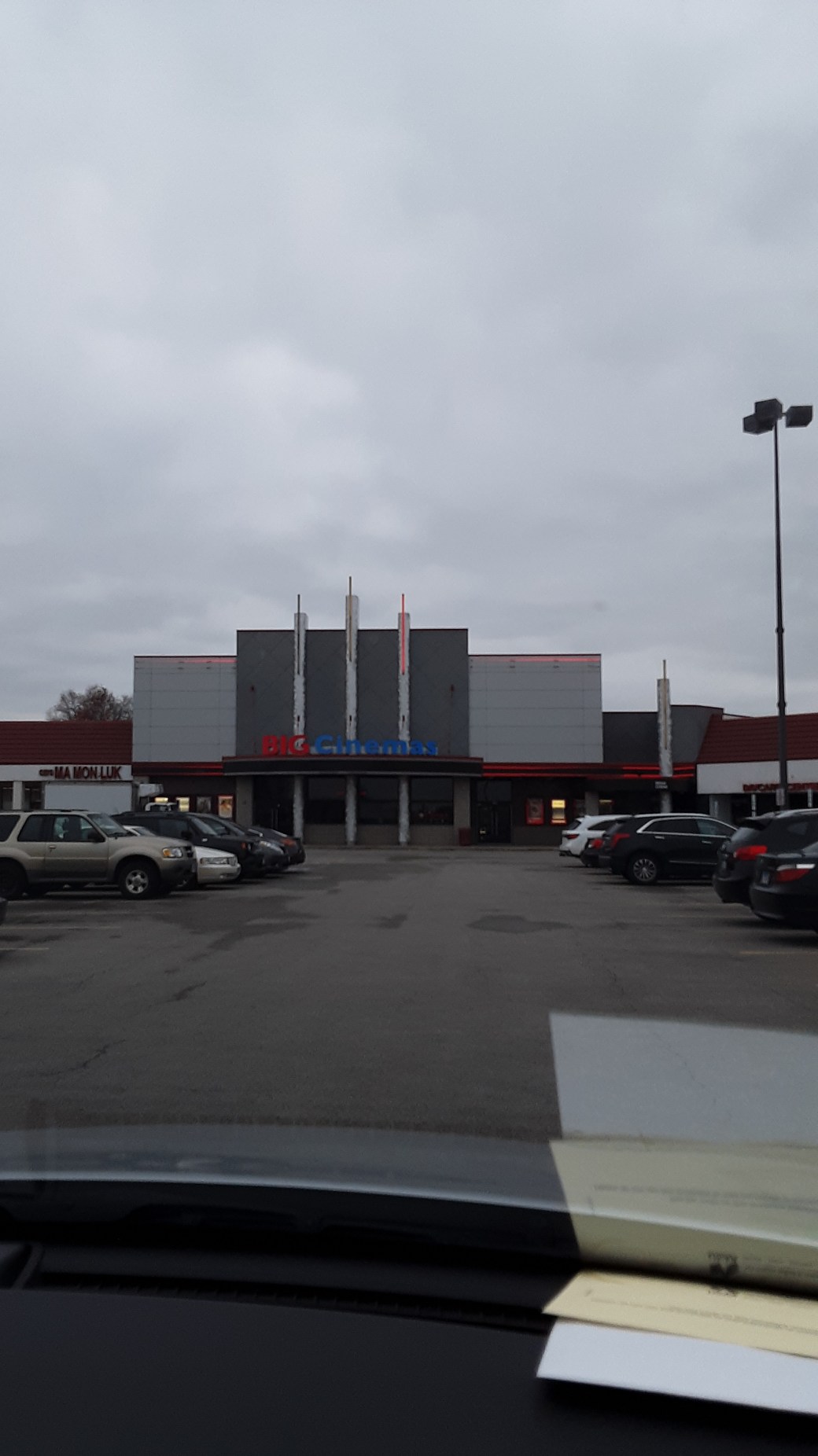
Phoenix Big Cinema
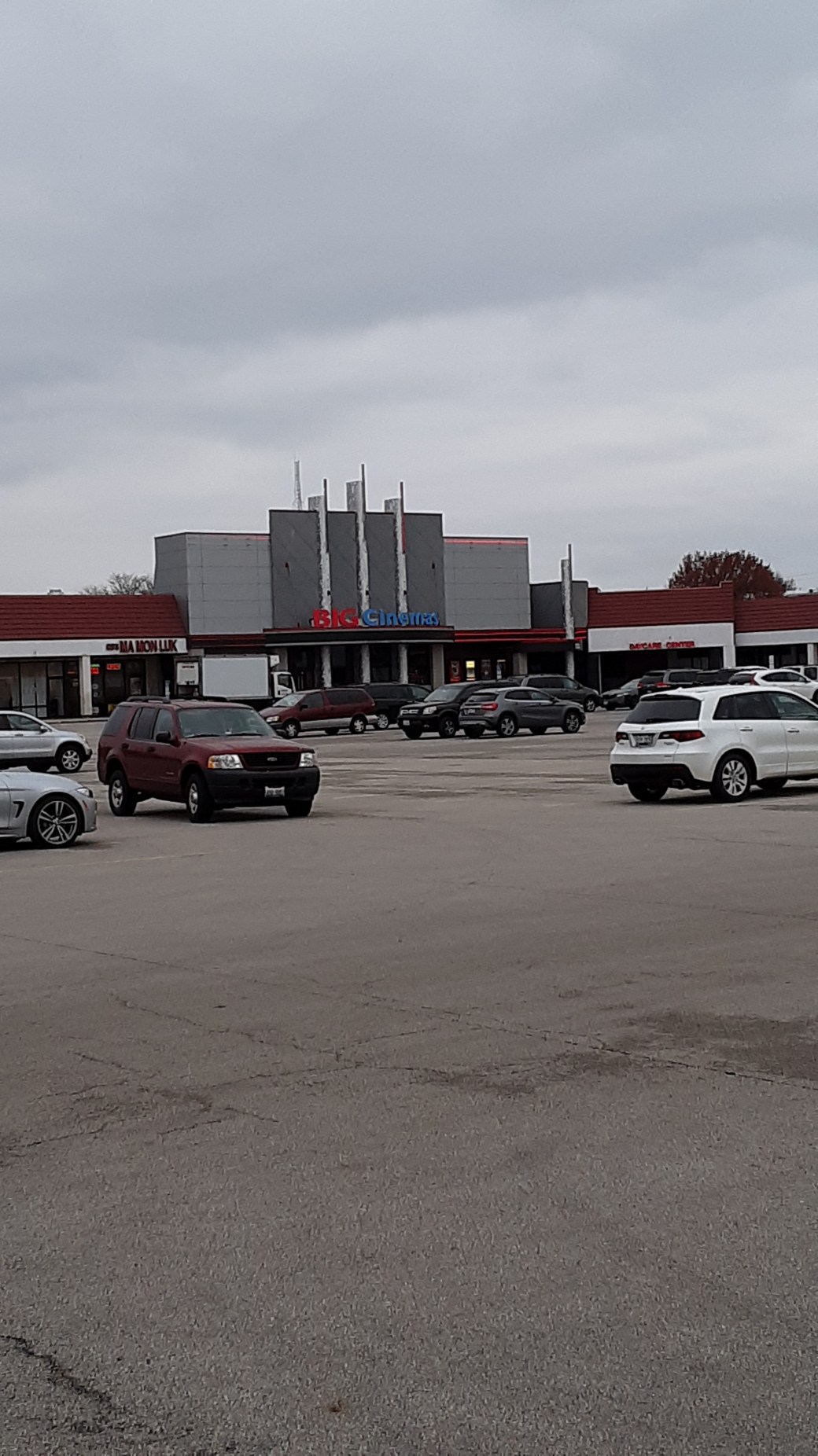
Phoenix Big Cinema
This theater is located in a strip mall at 9180 W. Golf in Niles, Illinois. It opened in 1984 as a Essaness Theater. It was subsequently was managed by Cineplex Odeon and then Loews Cineplex. The theater closed in the late 1990’s as a part of Loews Cineplex bankruptcy.
In 2002, it was reopened by the Village Theater Chain as the six screen Golf Glen. It closed again in 2006.
It was subsequently reopened with five screens by the Phoenix Ad Labs Chain. In 2010, it was opened by its subsidiary Phoenix Big Cinema. In 2014, it was taken over by Miramax Cinemas. It currently features East Indian Movies.

State Lake Theater
The theater was located at 190 N. State in Chicago. When it opened in 1919 it was a vaudeville venue. It was part of the Orpheum Circuit. In the front was an office designed by Rapp and Rapp. The auditorium was designed by G. Albert Lansburgh.
The theater subsequently became part of the RKO chain. It was named for its location near the corner of State and Lake. In 1938, it became a part of the Balaban and Katz Chain. It had one screen and a capacity of 2,649 seats. Until 1941, there were live acts and movies. After that time, movies only were shown
The theater was closed in 1984. The interior was gutted and was converted into offices and studios for ABC television station WLS.

Former State Lake Theater

Former State Lake Theater

Former State Lake Theater
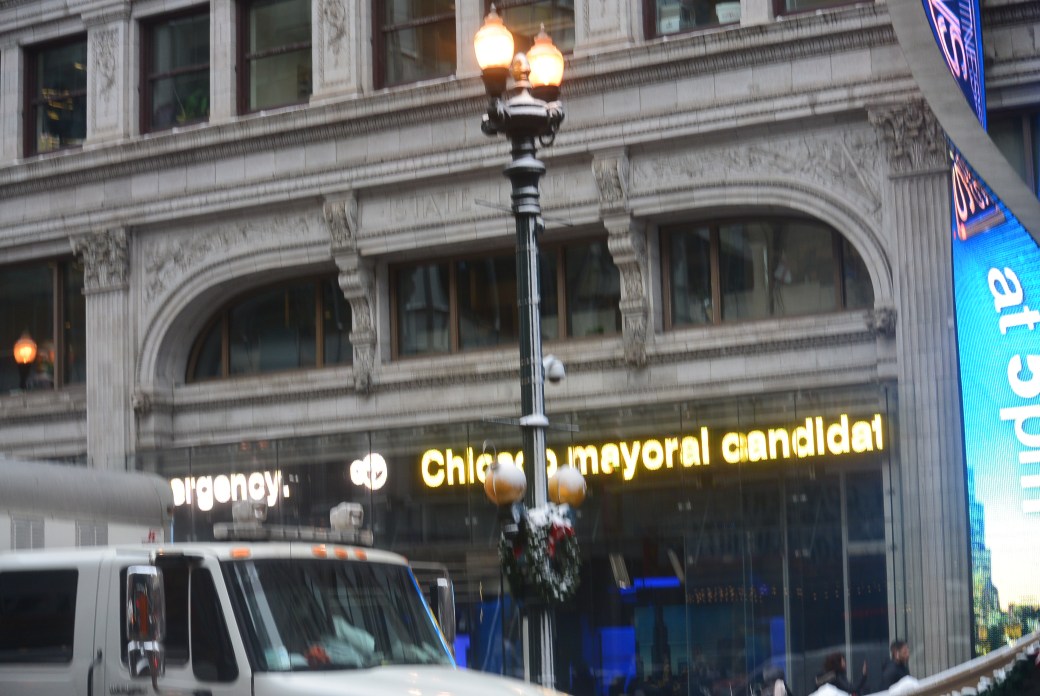
Former State Lake Theater
After many proposal over the years, it appears that the 75 million dollar restoration project of the 93 year old Uptown Theater may begin summer of 2019. Apparently, the Chicago Community Development Commission is to be informed of this on November, 2018.
The Commission is set to approve the public financial elements of the restoration project for Jam Productions and Farpoint Development. It is also expected to approve the sale (for $1) of a 31,000 square foot city owned parking lot at 1030 West Lawrence to support the theater operations.
The Commission is set to announce the firms involved in the project. Lead architect will be the firm Lamar Johnson Collaborative. They will work with Schuler Shook ( a well known theater restoration firm). Other members were MacRostie Historic Advisors (specialist in using tax credits as a part of Historic theater rennovations), Farfront Structural Engineers, Wiss, Janney, Elstner Associates (facade restoration), WMA Conrad Consulting Engineers (working on building mechanical guts),Conrad Schmitt Studios (Consulting on historic finishes needed for a Rapp and Rapp movie palace)
City of Chicago is confident that the project has adequate financing. Current financing is from multiple sources. 13 million from TIF. 14 million in property assessed clean energy financing. 3 million in adopt a landmark financing. The bulk of the remaining $75 million is from investments from Jam and Farpoint and commercial bank loans.
Projected opening of the Uptown is 2021. Please note some of these promises have been heard before.
The United Artist Theater originally opened as the Apollo Theater in 1921 at 45 West Randolph St. It was a live theater venue. It was built by A.H. Woods. The building was designed by the firm of Holibird and Roche.

United Artist Theater
In 1927, Woods sold the theater building to the United Artist Corporation. It was renamed the United Artist Theater. It was remodeled by Howard Crane in the Spanish Gothic Style. The auditorium ceiling had a cove lit dome with 10 port holes. The lobby had a middle eastern motif. There was one screen and 1,703 seats.
In 1929, management of the theater was taken over by Balaban and Katz. Later management companies included ABC/Great Lakes, Cineplex Odeon and Plitt.
It featured exclusive runs and premiers of top Hollywood films.
In the 1970’s, features include action and horor films.
From 1950 until its closing, it had an elaborate marquee which wrapped around the building curved corner entramce.
It operated until 1987. It was demolished in 1989.

Site of Former United Artist Theater
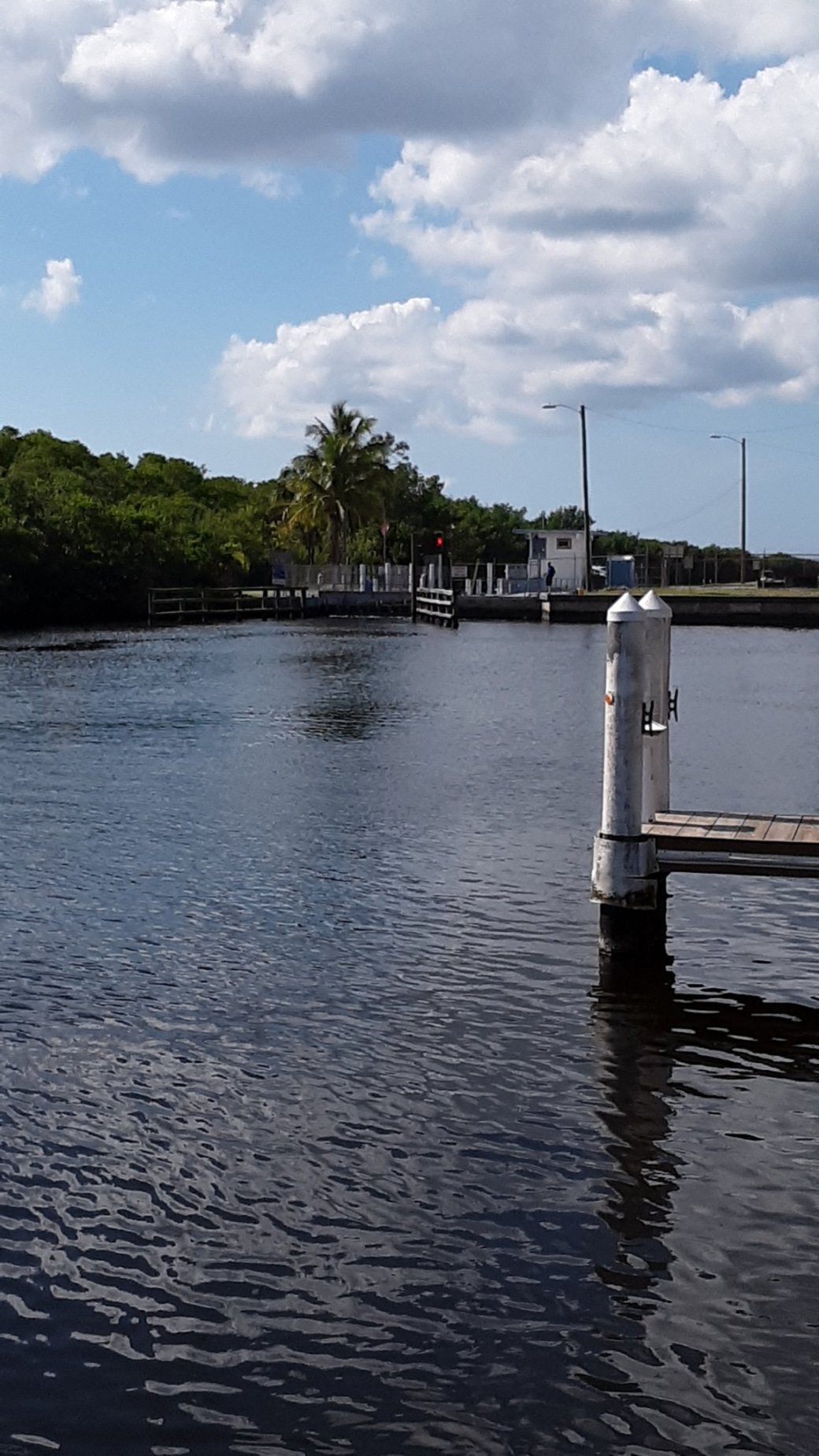
Chiquita Lock
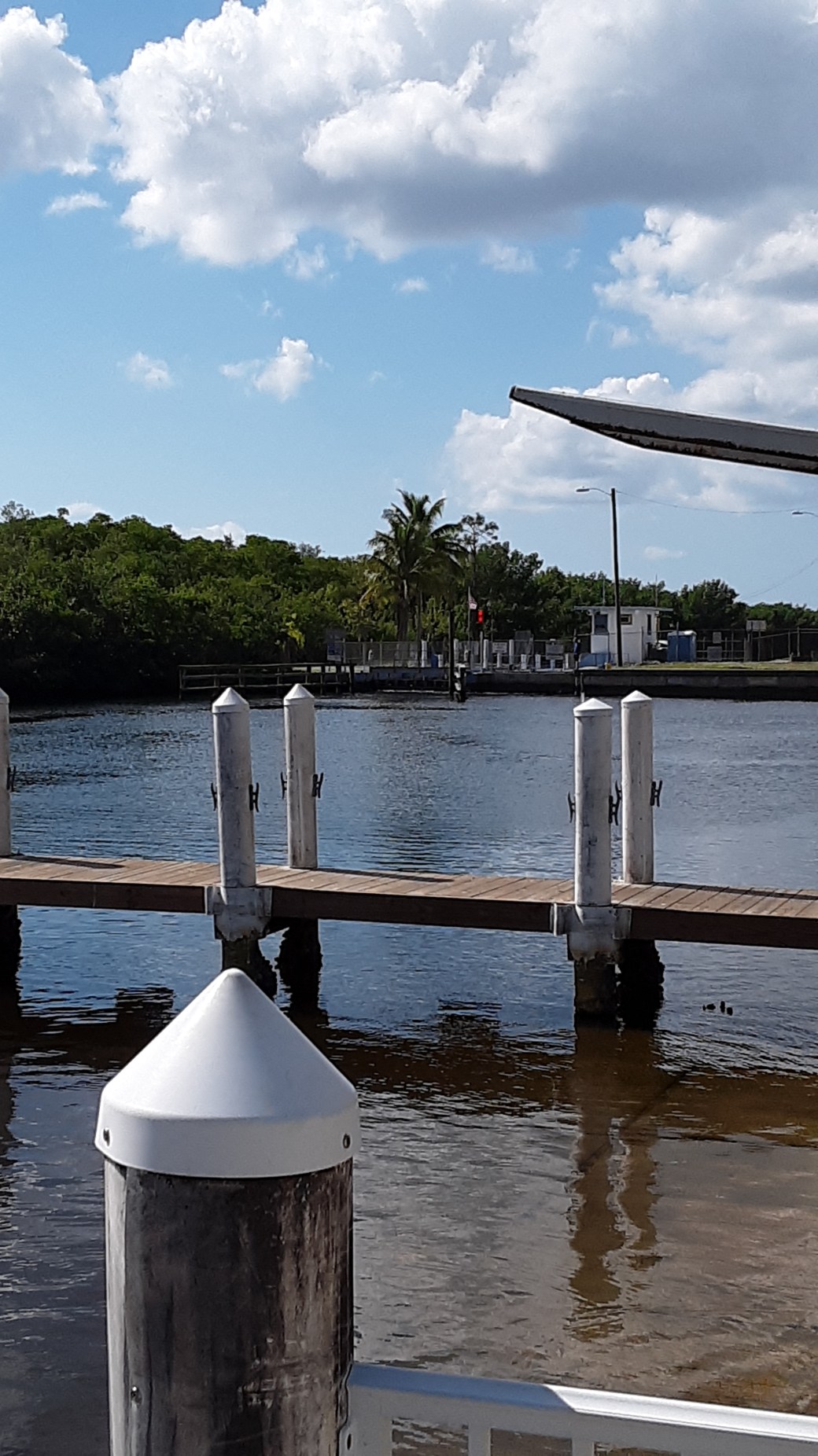
Chiquita Lock
The Chiquita Boat Lock is located at 5808 Cape Coral Drive in Cape Coral, Florida. It provides access from the Camelot Canal and the Southwest Spreader into the Caloosahatchee River. It is operated by the Marine Services Division of Cape Coral Parks and Recreation.
There is currently a controversy occurring between the City of Cape Coral and the Department of Environmental Protection ( seeking to remove the lock) and Environmentalists (seeking to have the lock maintained). A decision on this project is planned to occur before the end of 2018.
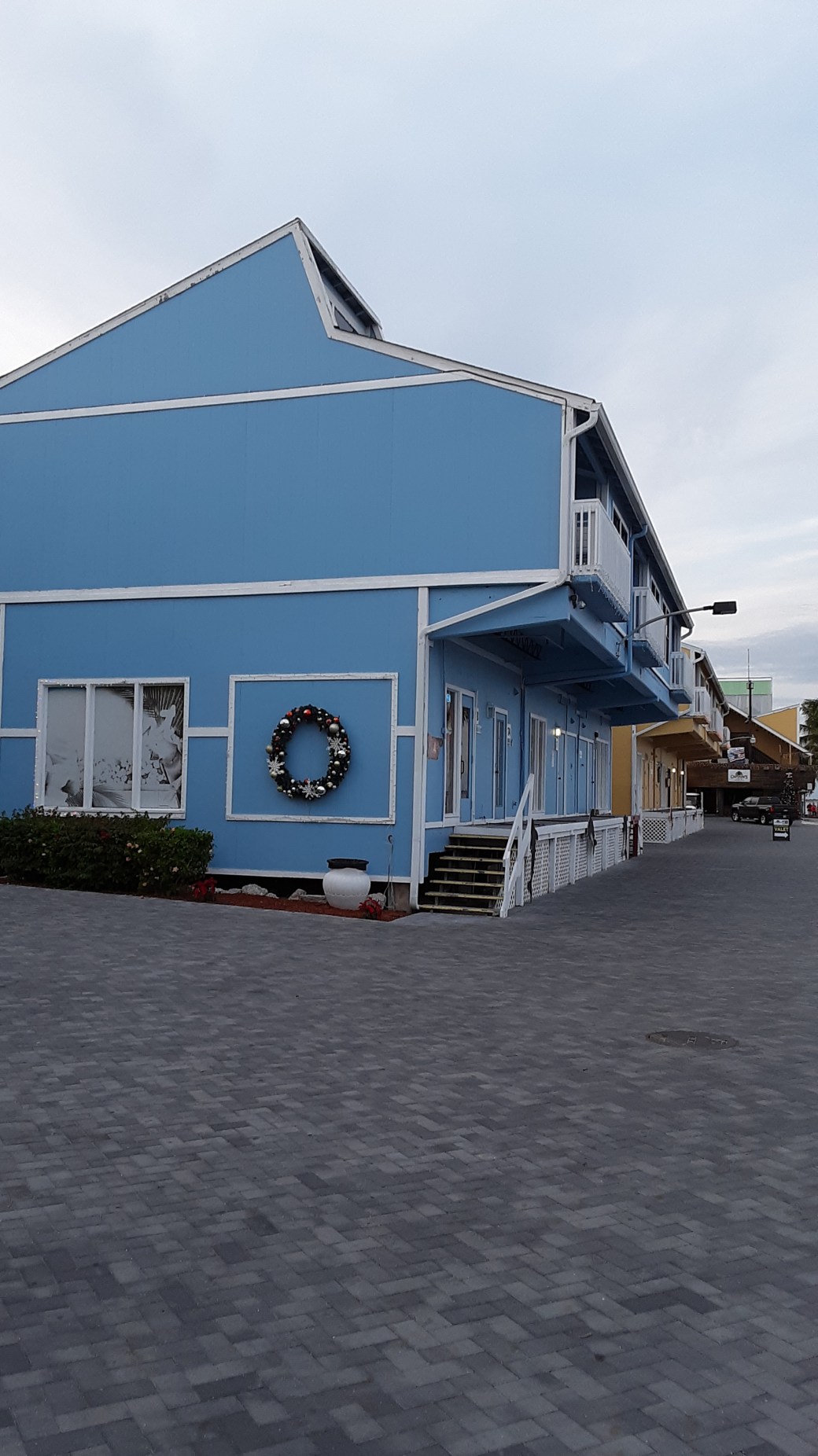
Fisherman’s Village Punta Gorda

Fishermen’s Village Punta Gorda, Florida

Fisherman’s Village, Punta Gorda

Fisherman’s Village Punta Gorda, Florida

Interior Fisherman’s Village Punta Gorda, Florida

Interior Fishermen’s Village Punta Gorda, Florida
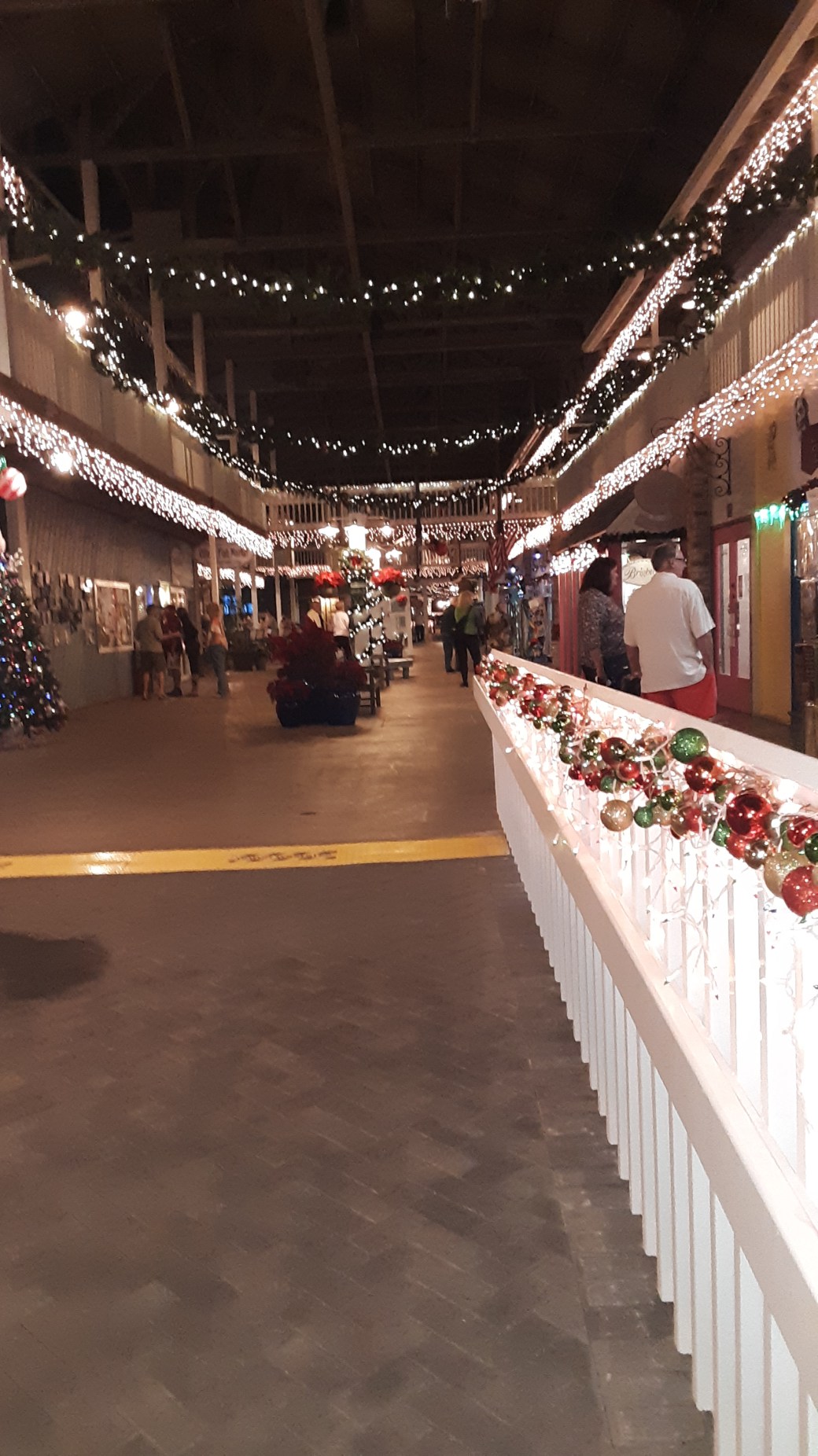
Fisherman’s Village Punta Gorda
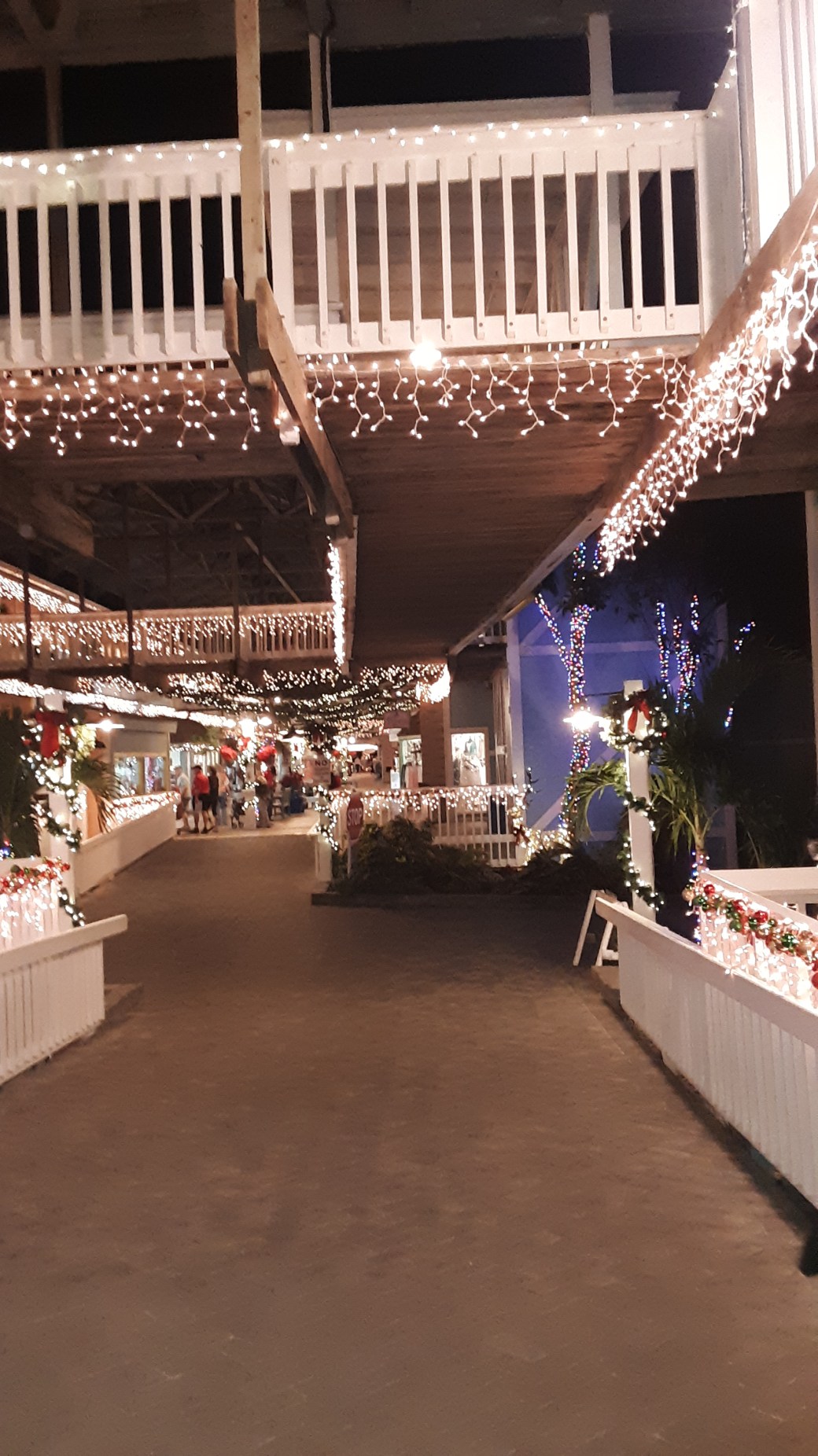
Fisherman’s Village Punta Gorda

View from the Mid Point Bridge

Midpoint Bridge
The Midpoint Bridge is located in southwest Florida. It crosses the Caloosahatchee RIver connecting Fort Myers and Cape Coral. It carries County Road 884 (known as Colonial Drive in Fort Myers and Veterans Parkway in cape Coral).

Midpoint Bridge

View from the Midpoint Bridge

Midpoint Bridge

Midpoint Bridge

View from the Midpoint Bridge

Midpoint Bridge

Midpoint Bridge
It opened in October, 1997. It is a concrete girder fixed structure. It has four lanes. It is 1.25 miles in length. It is 80 feet wide. It has a clearance of 55 feet.
It is a toll bridge owned by the Lee County Department of Transportation.

