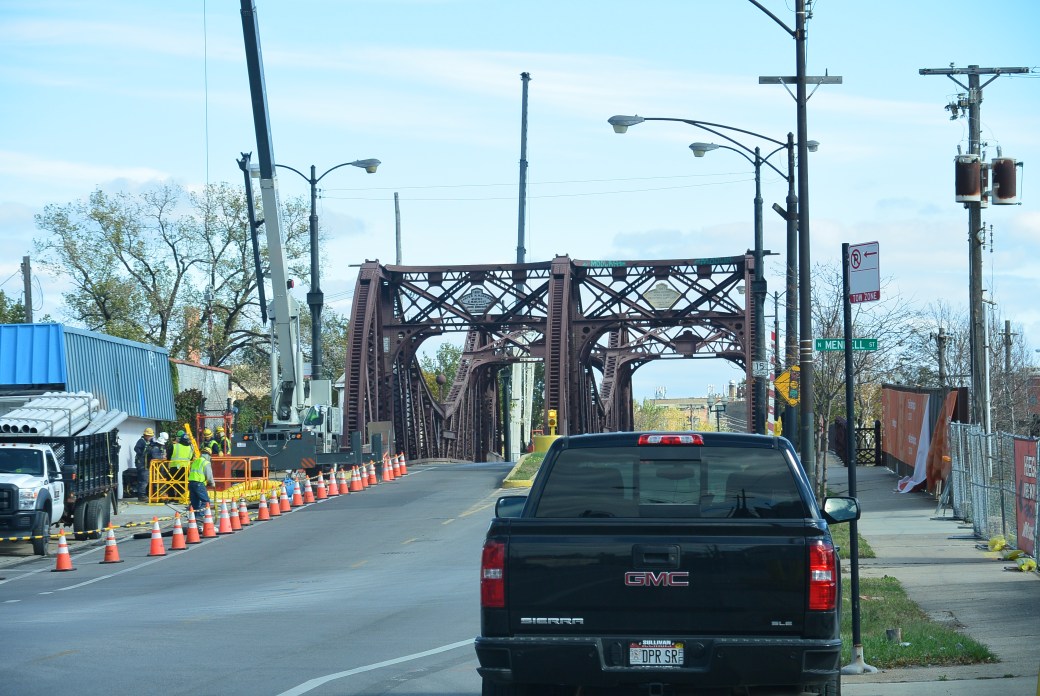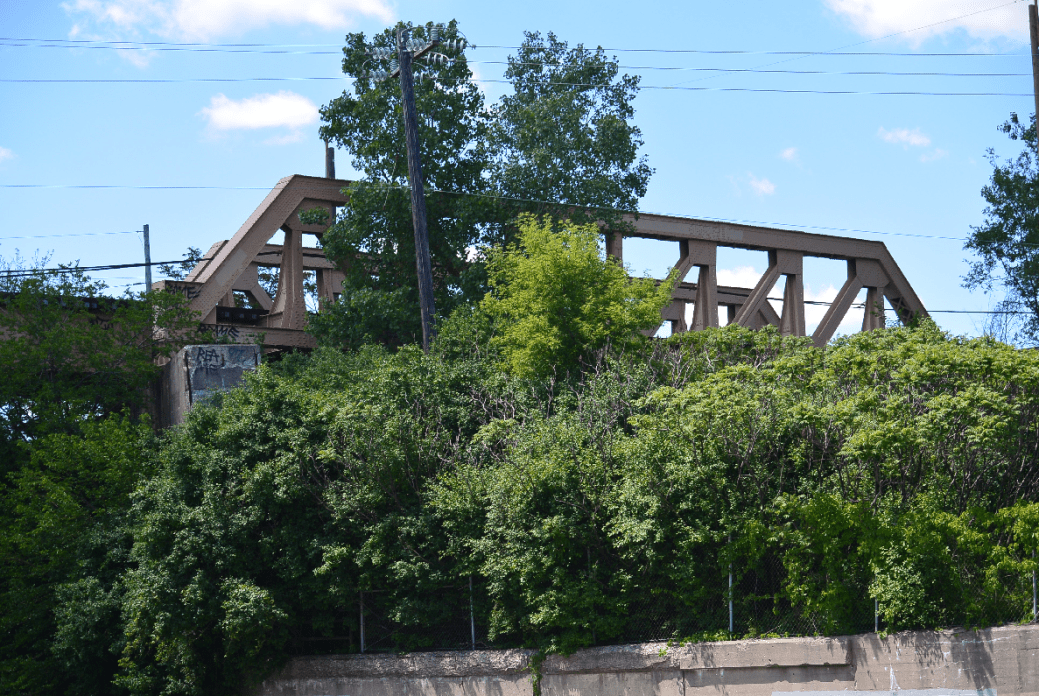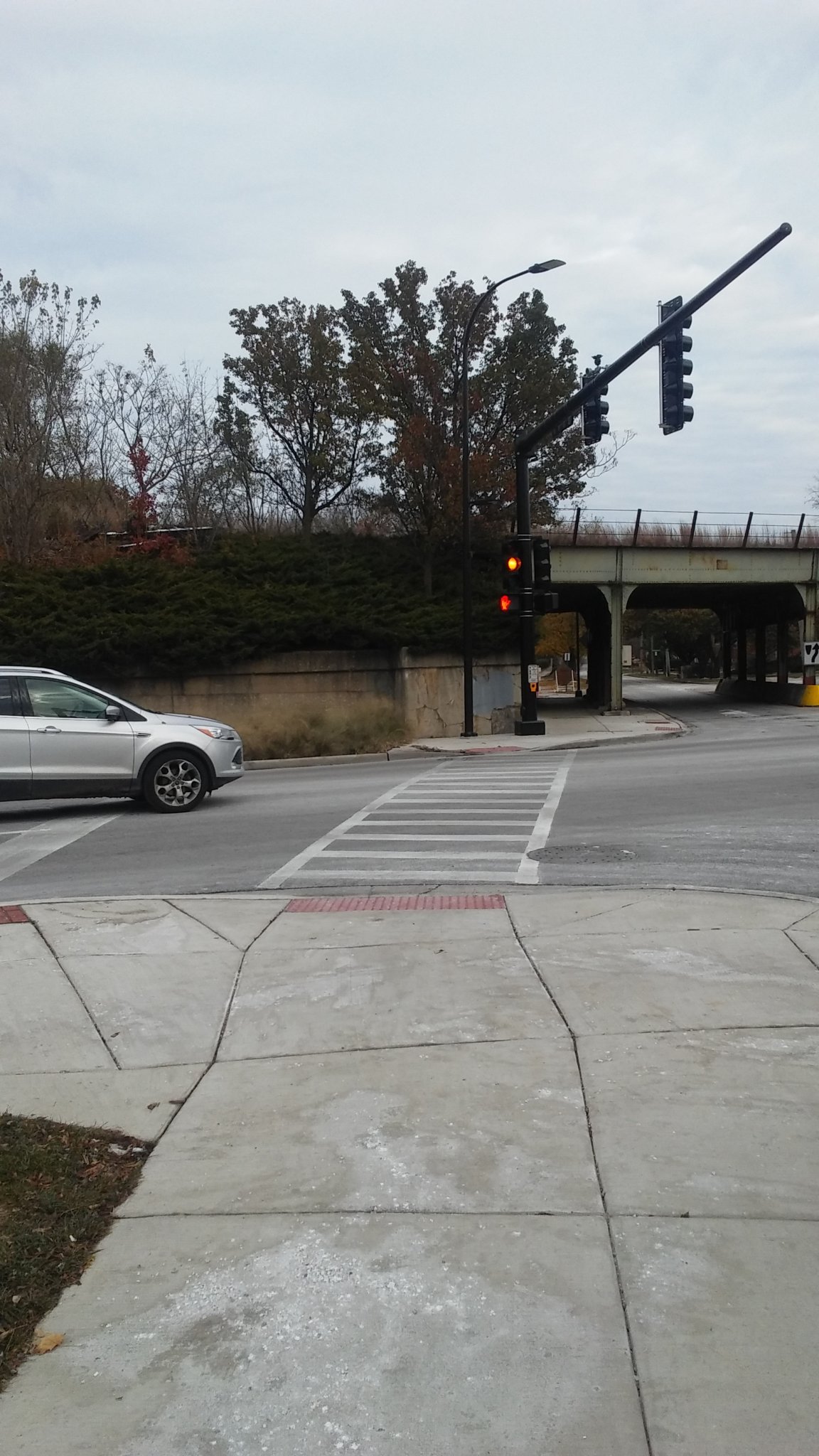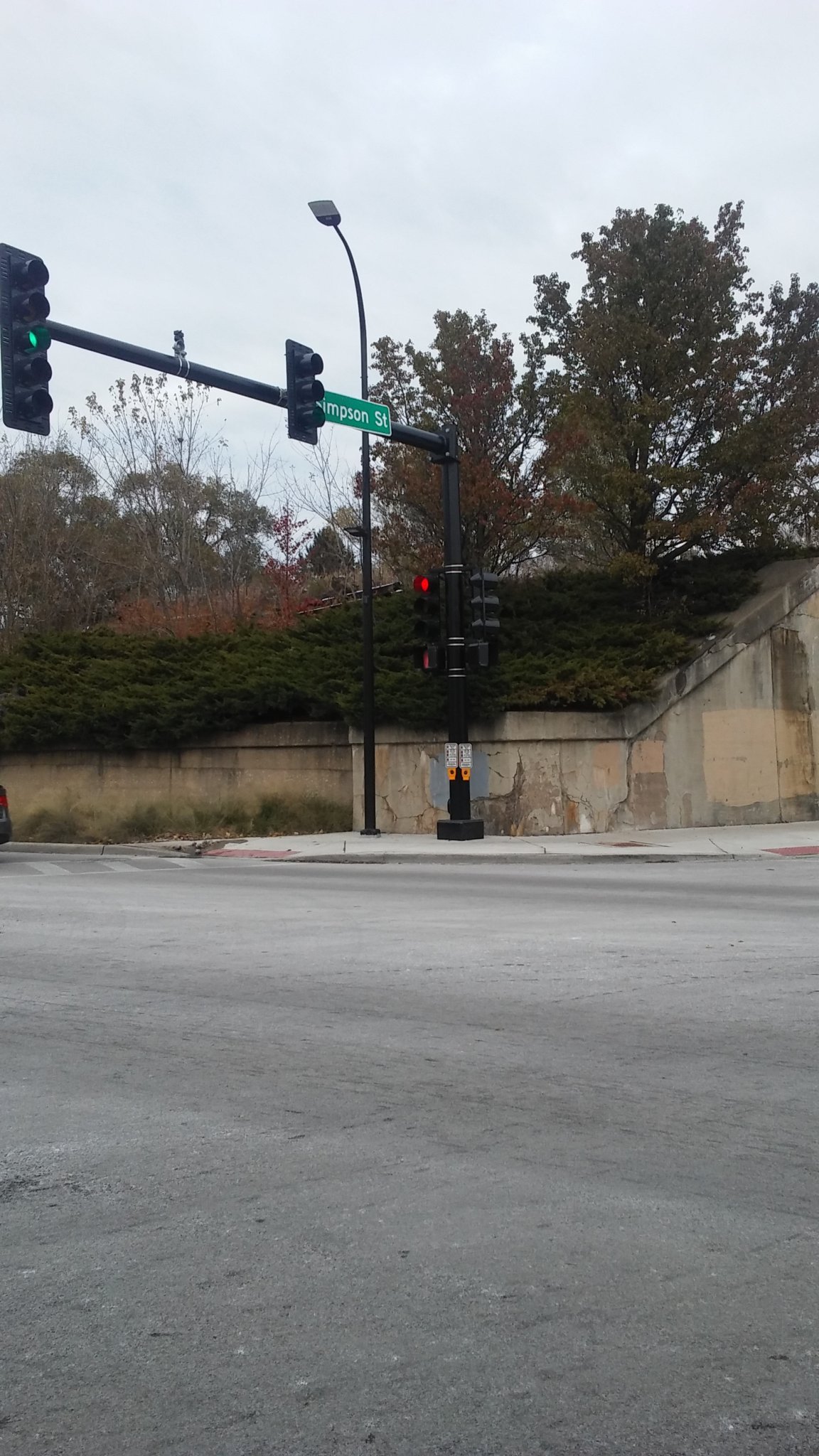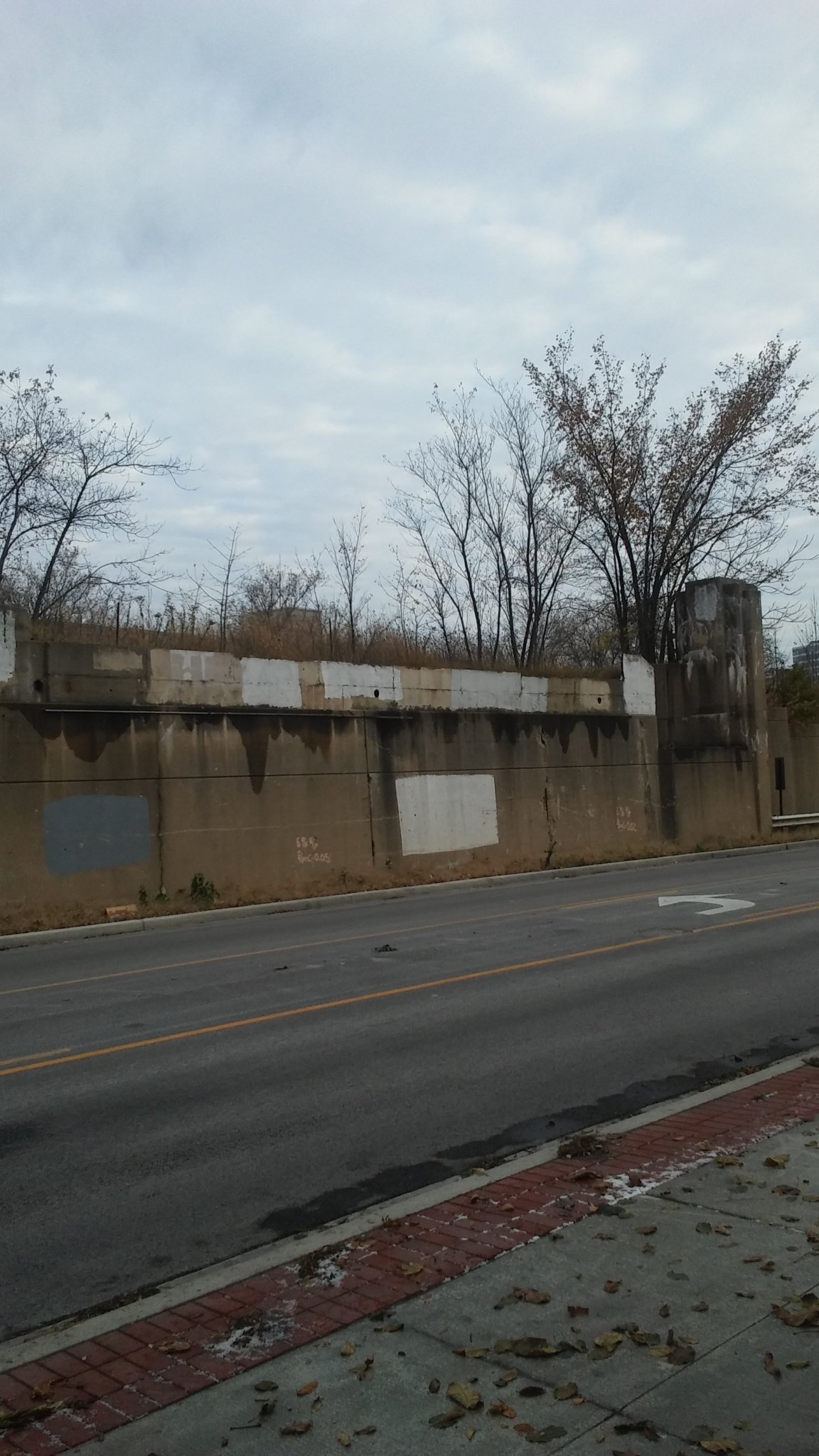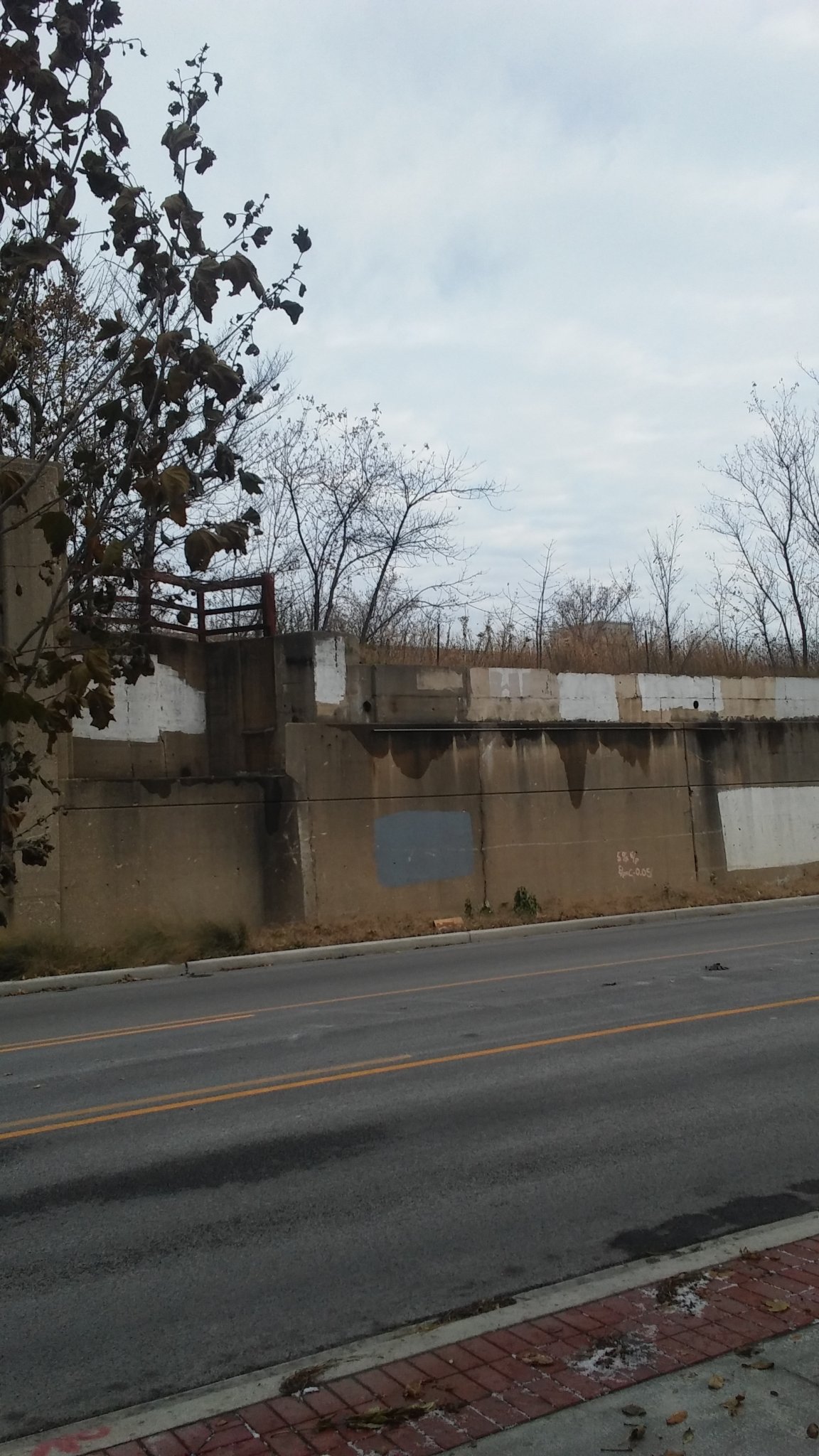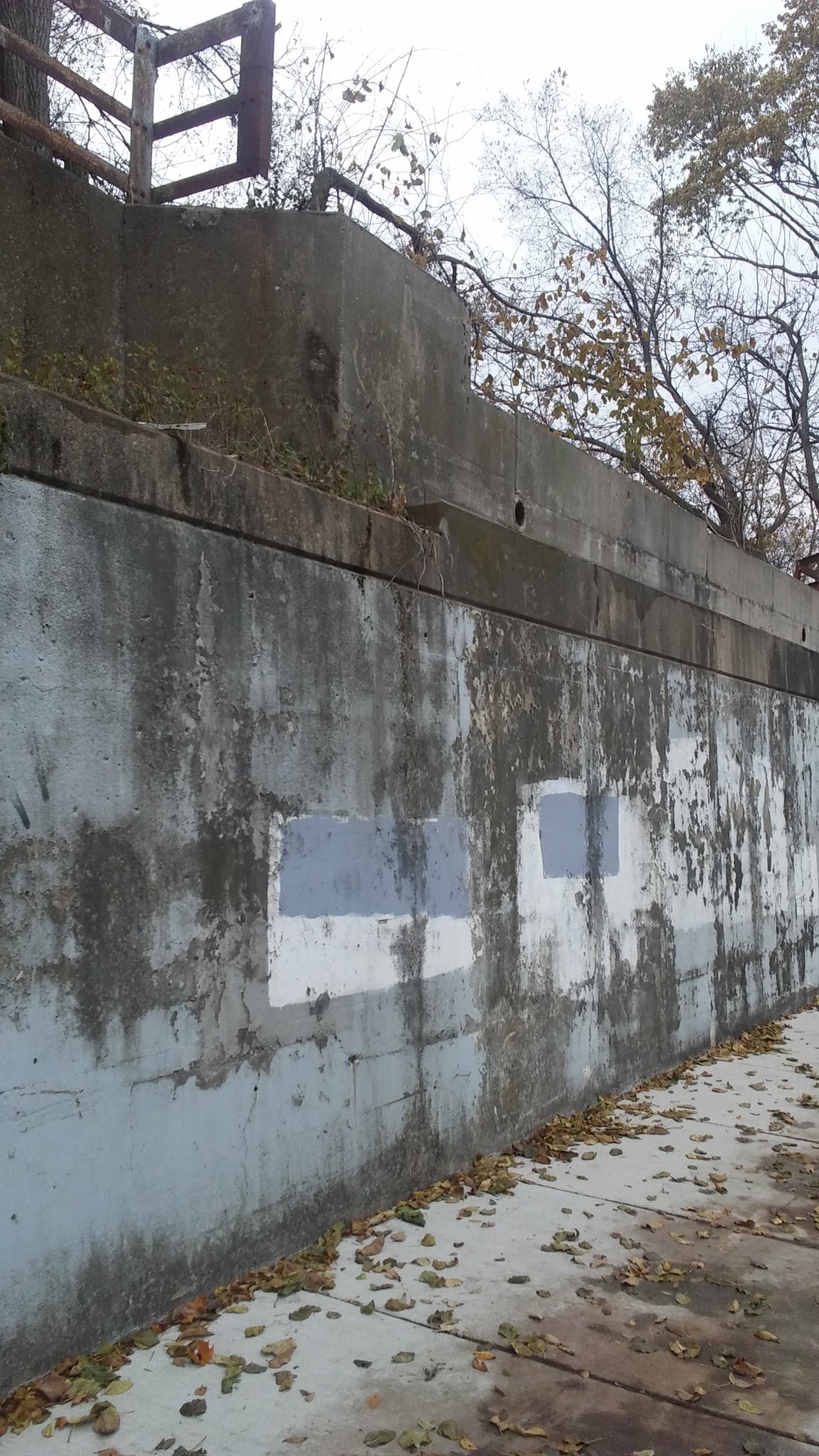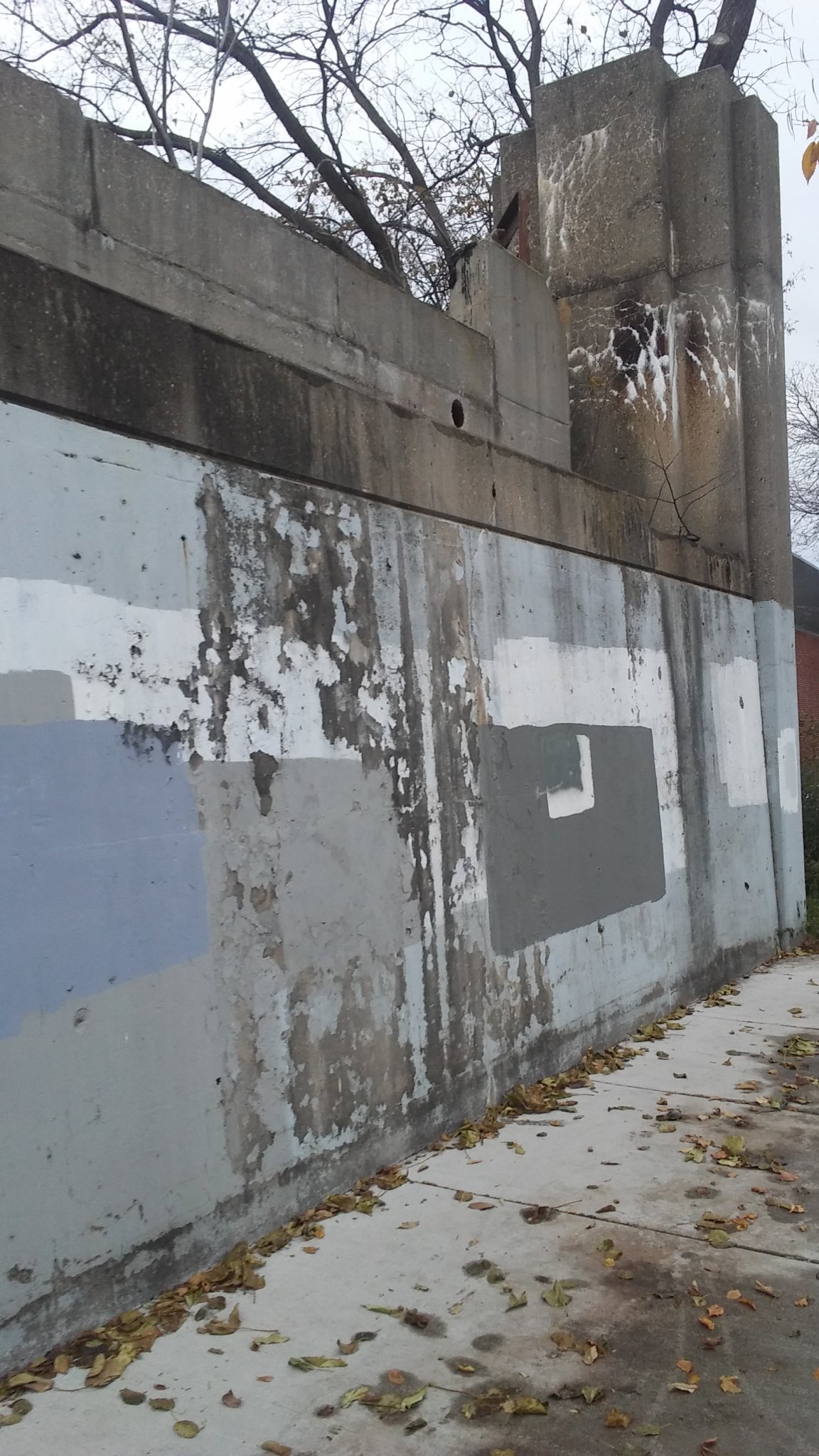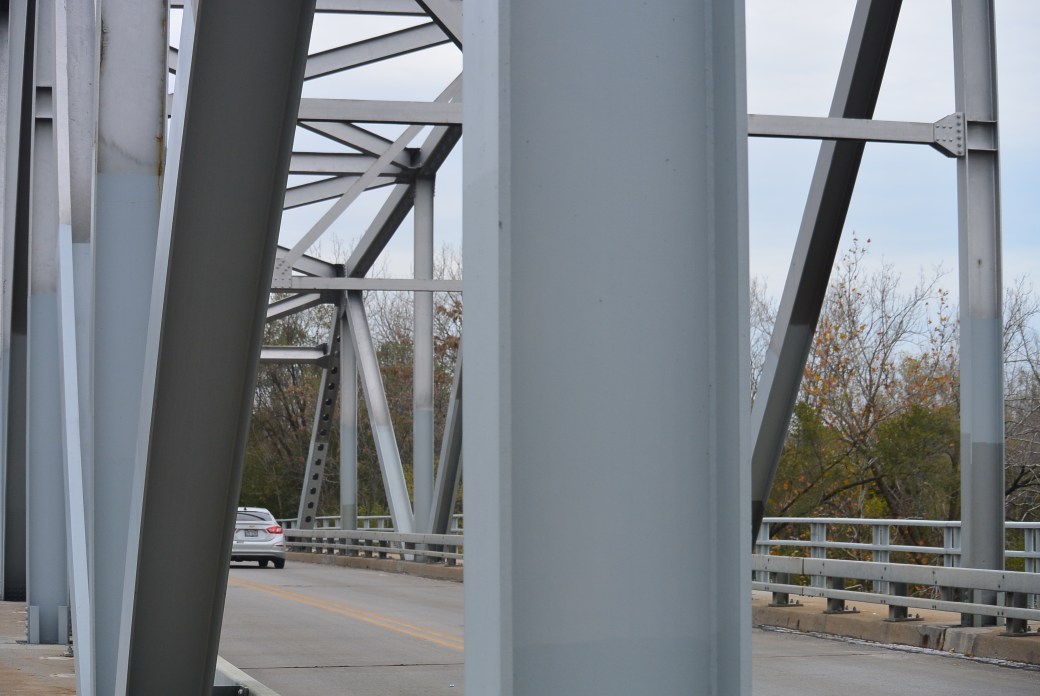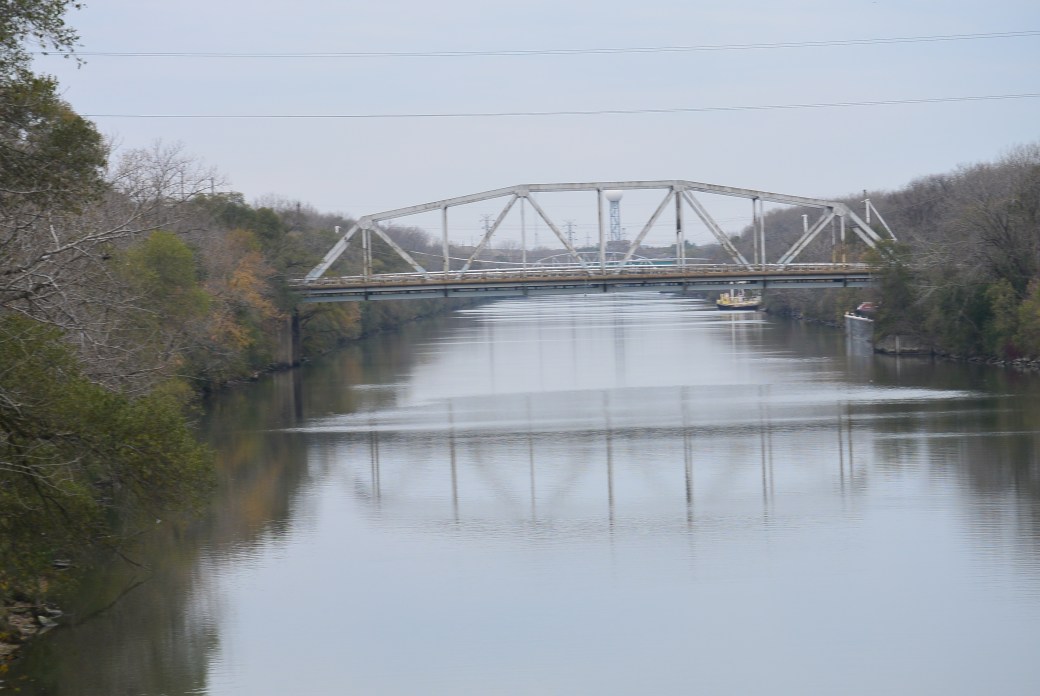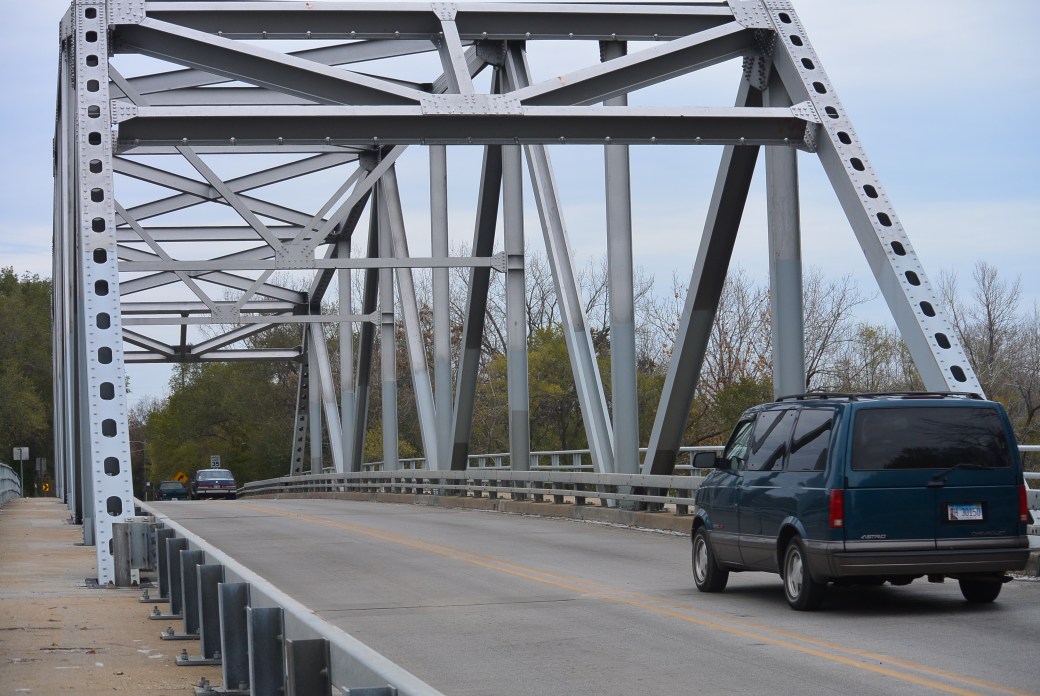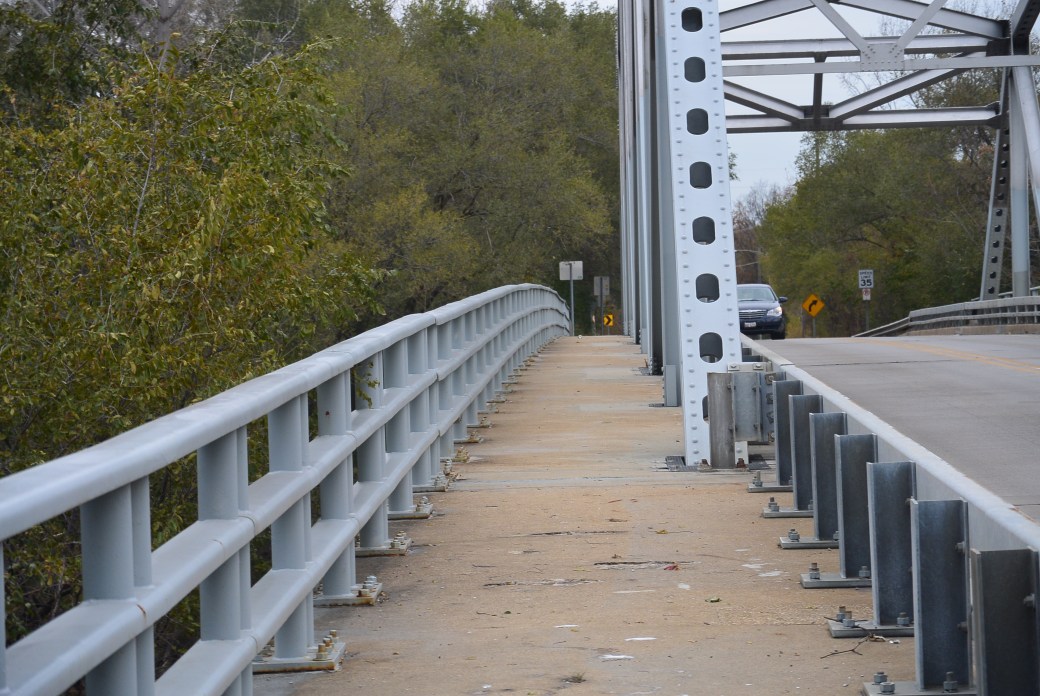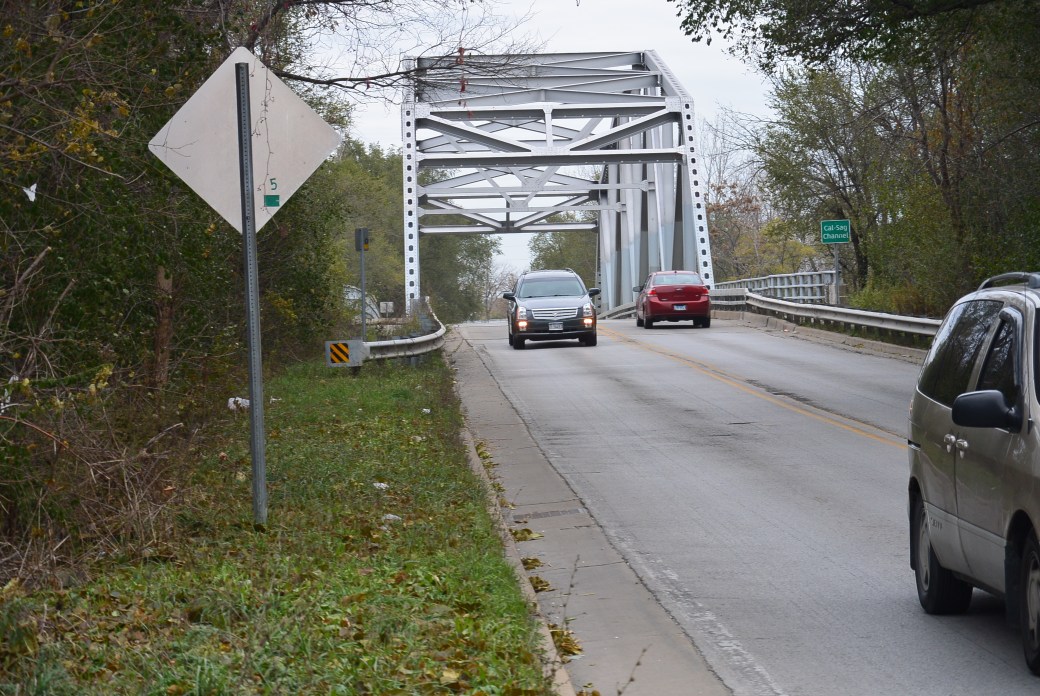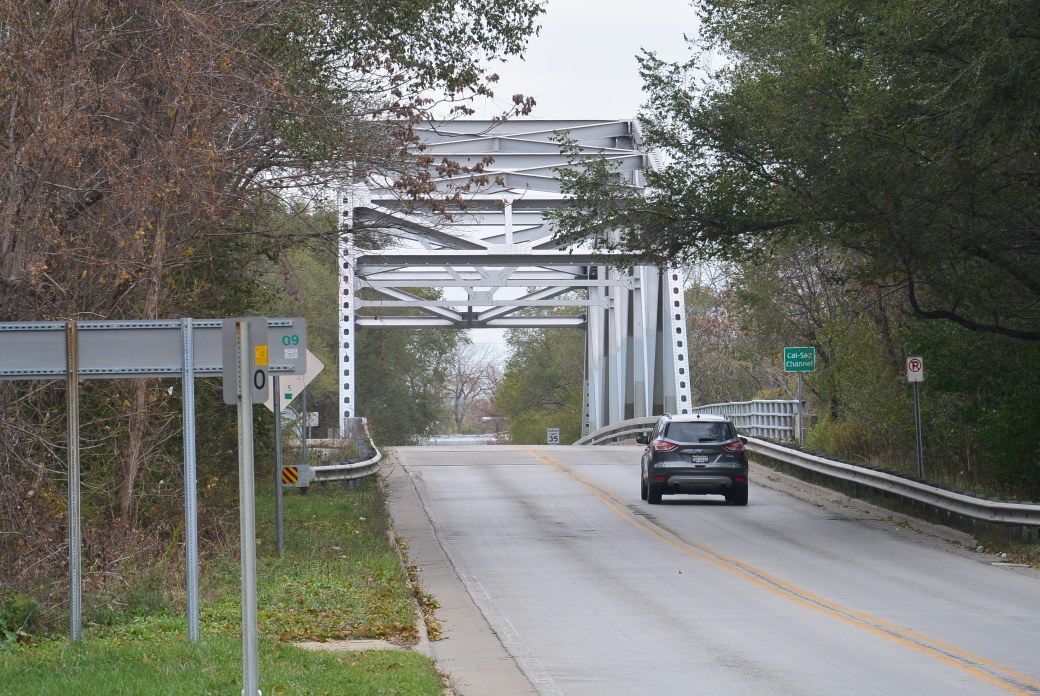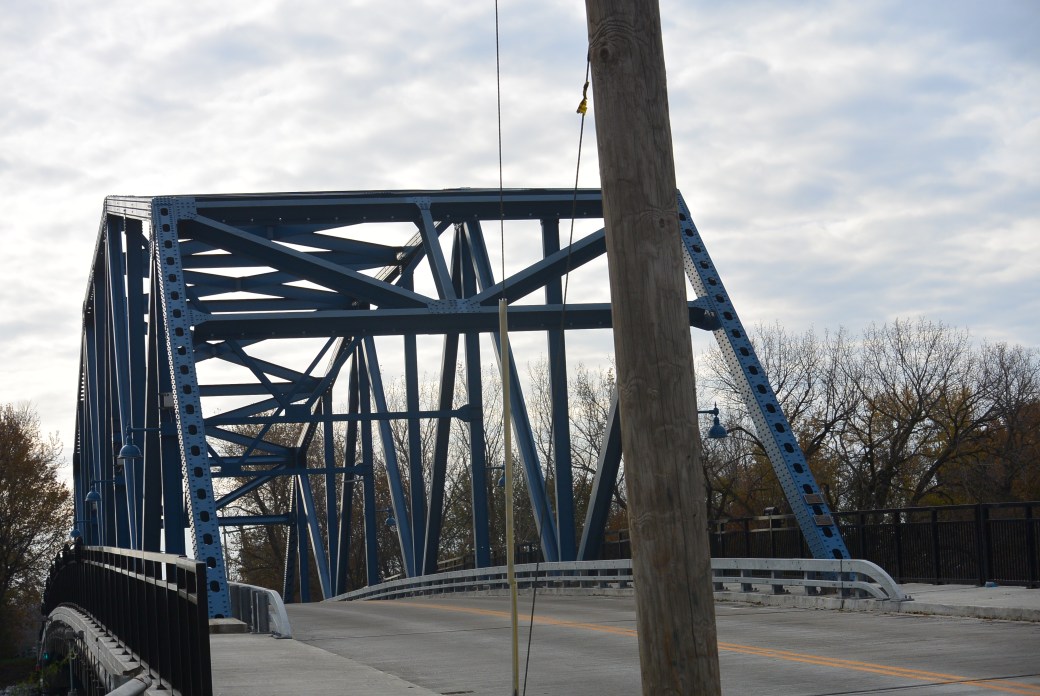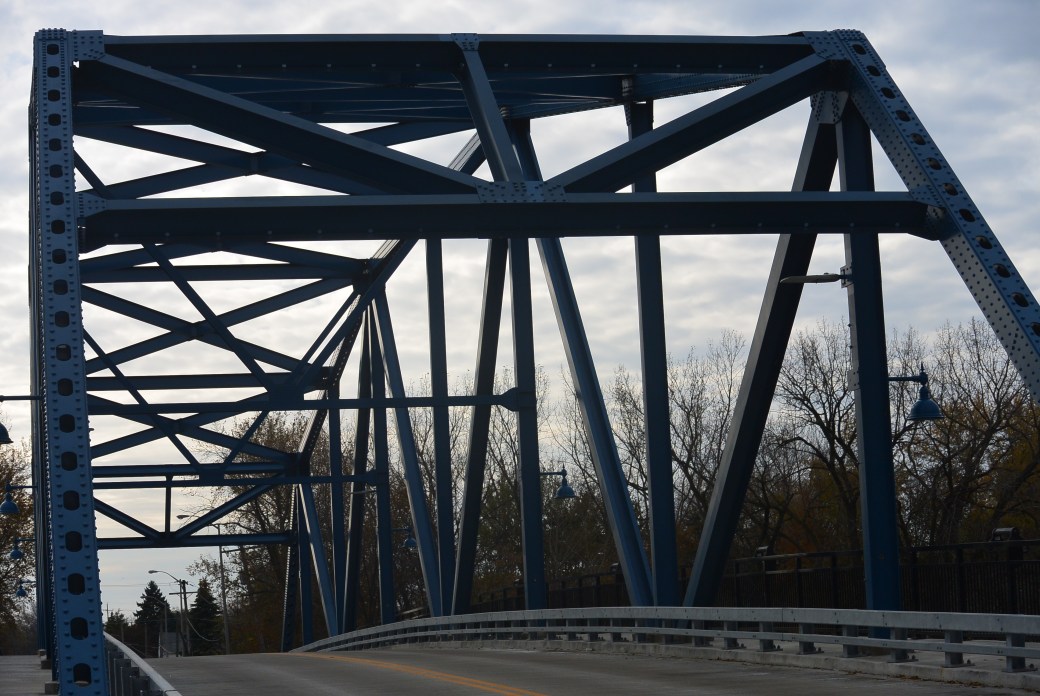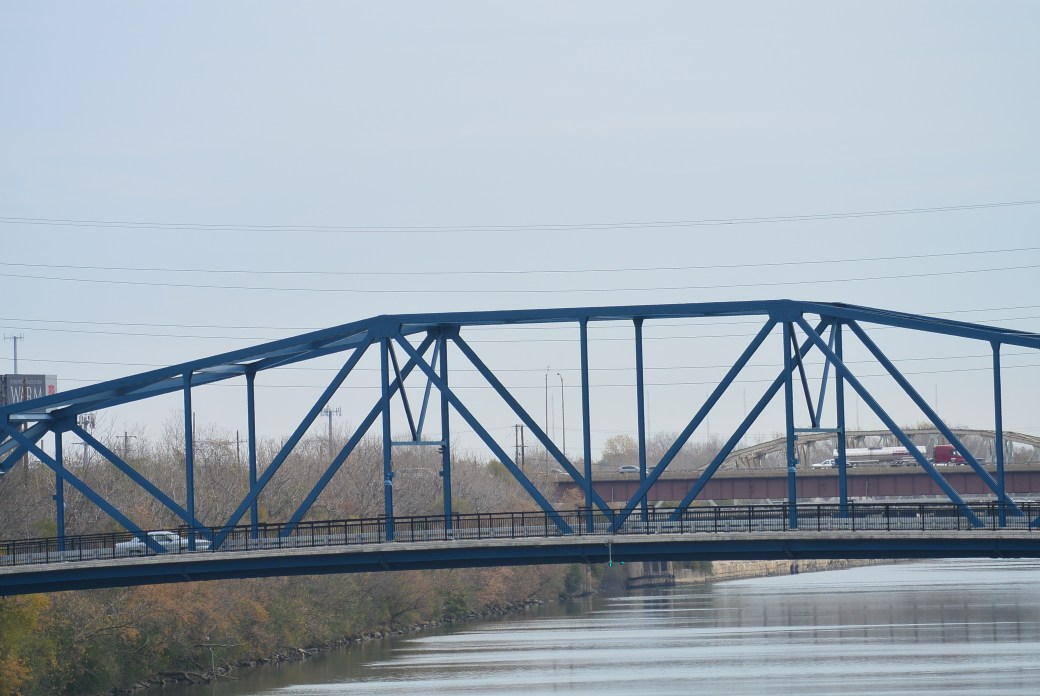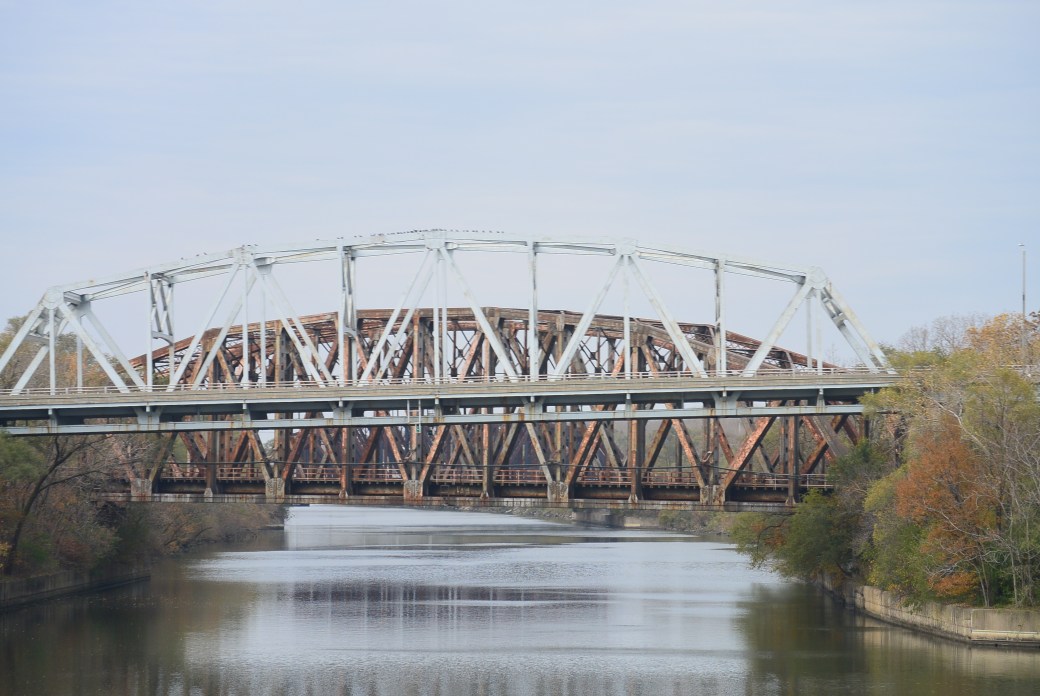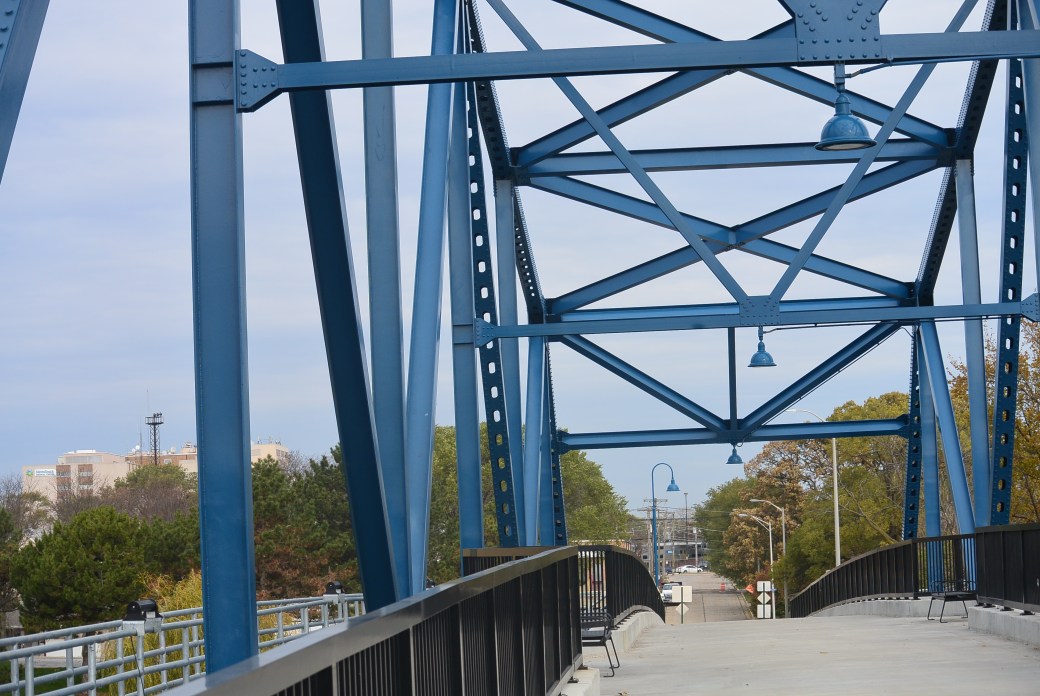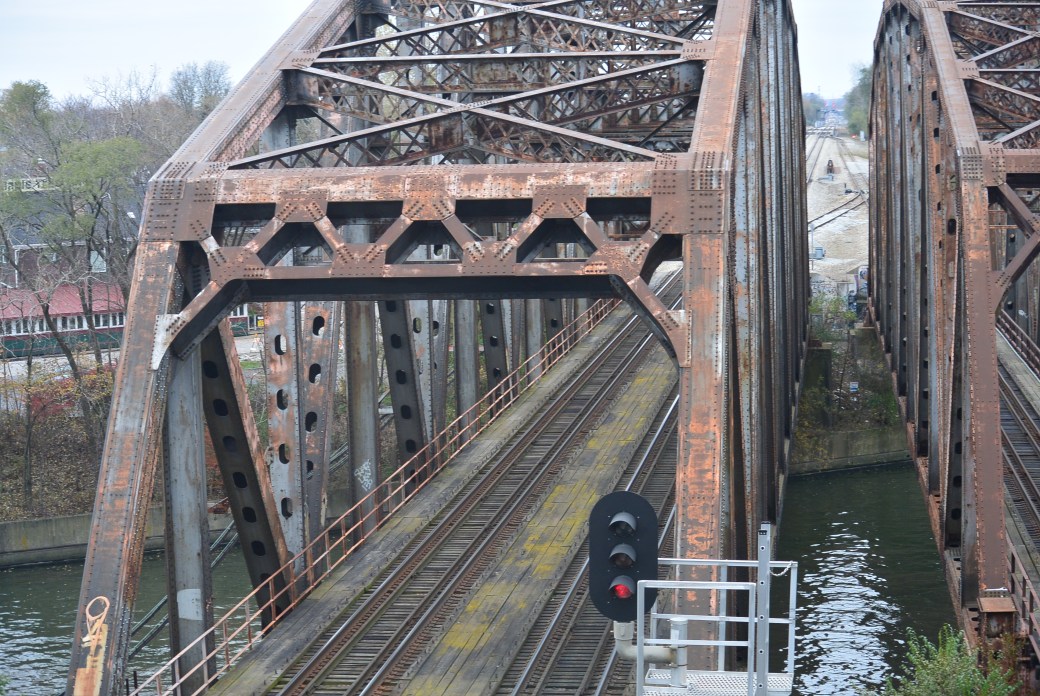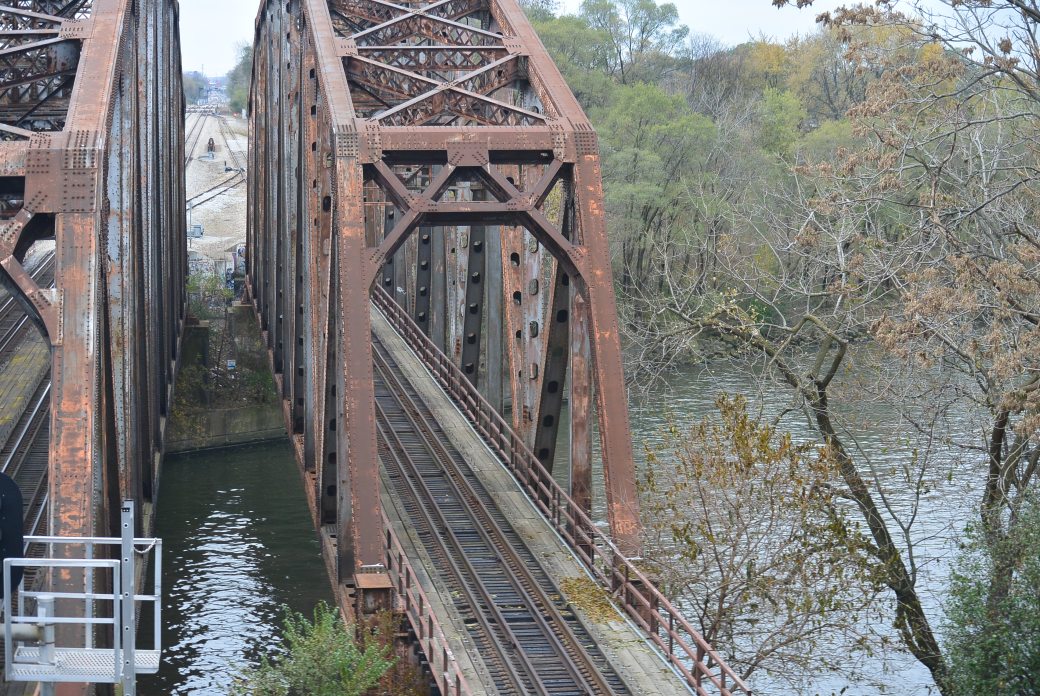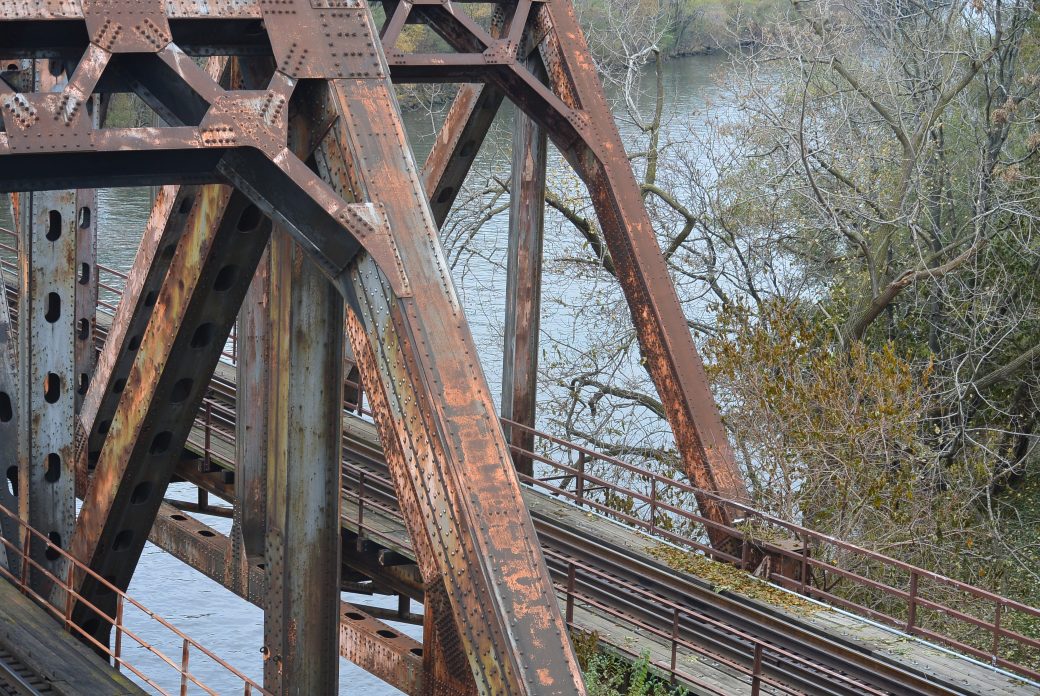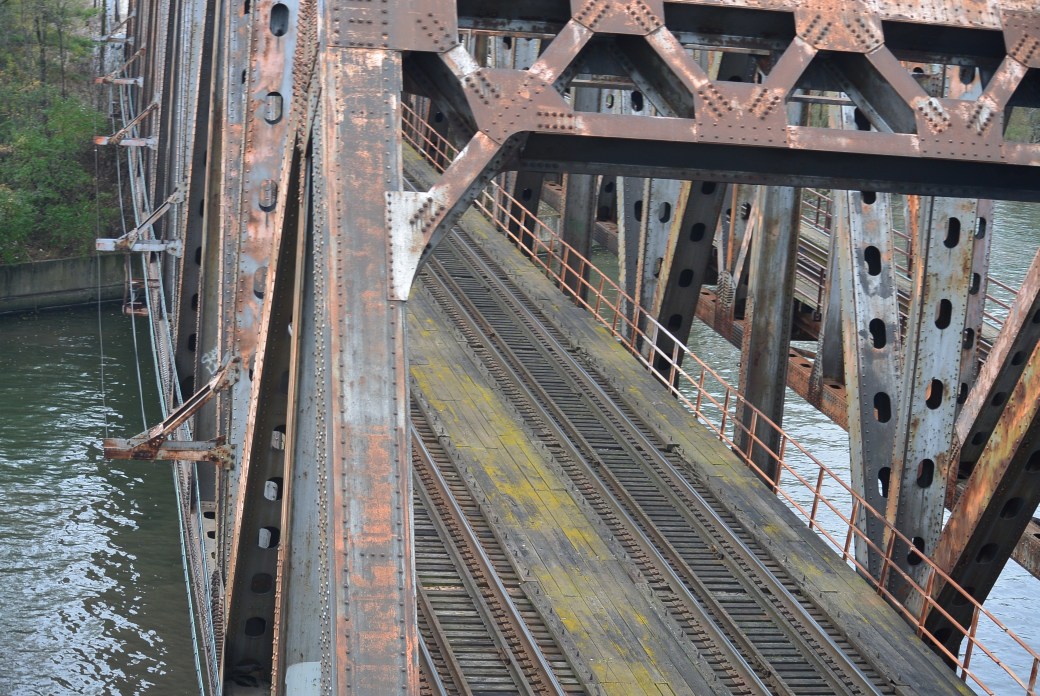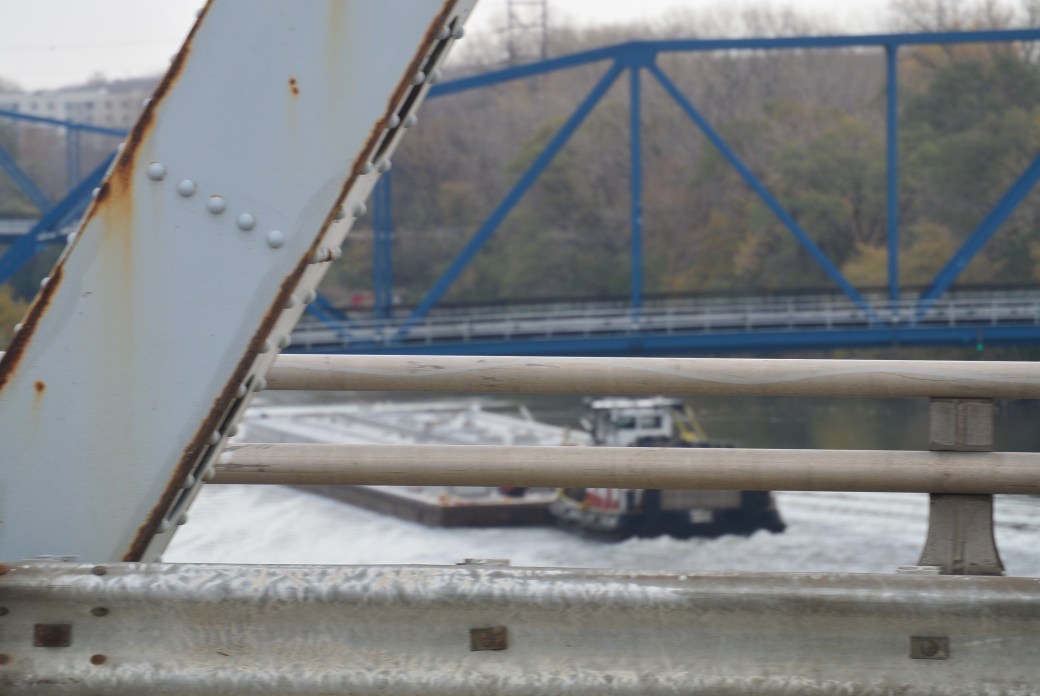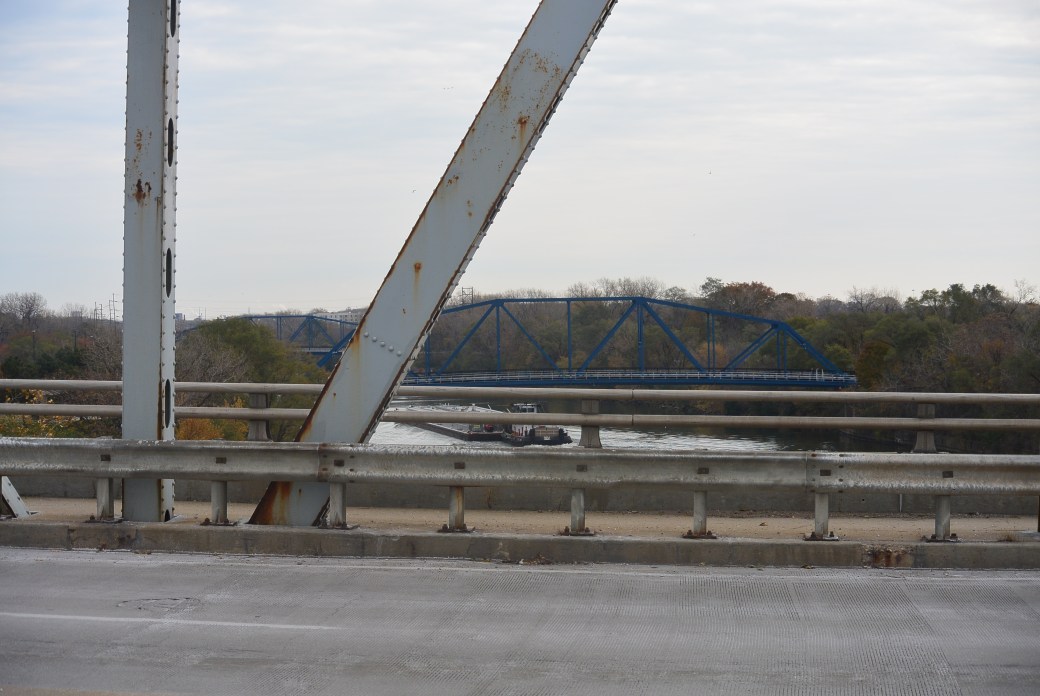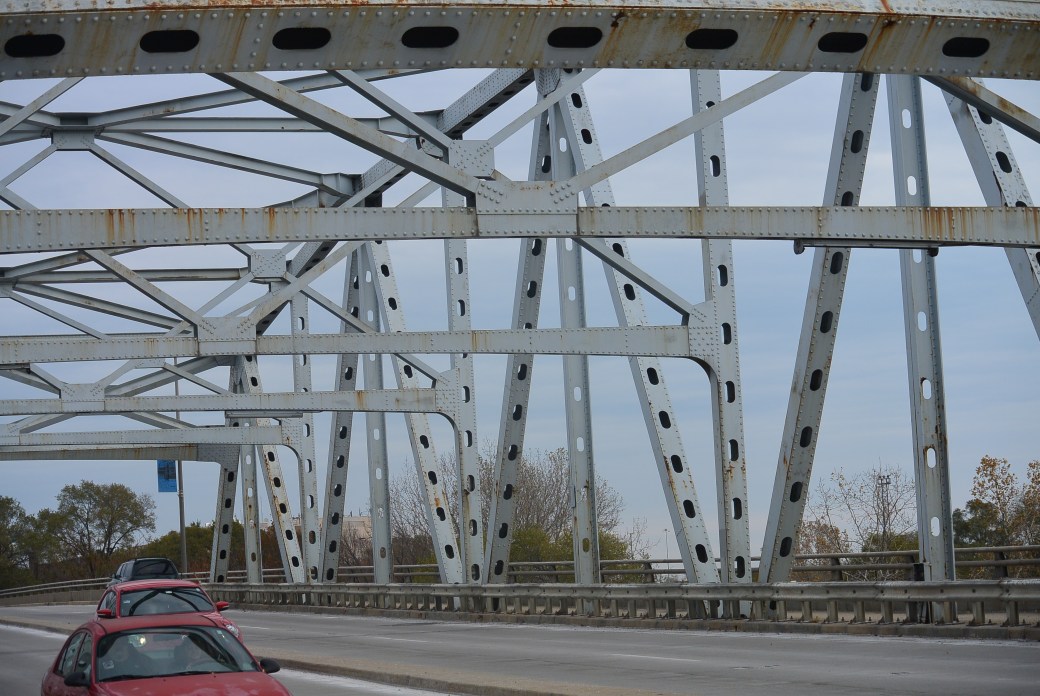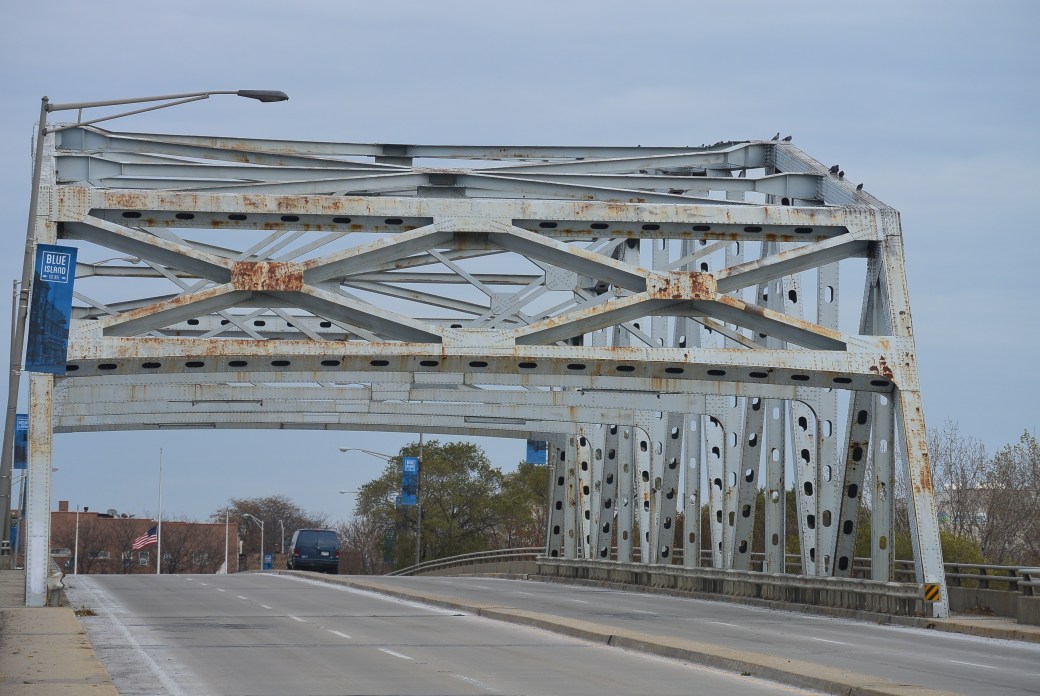
Kedzie Avenue Bridge over the Cal Sag Canal

DSC_2608

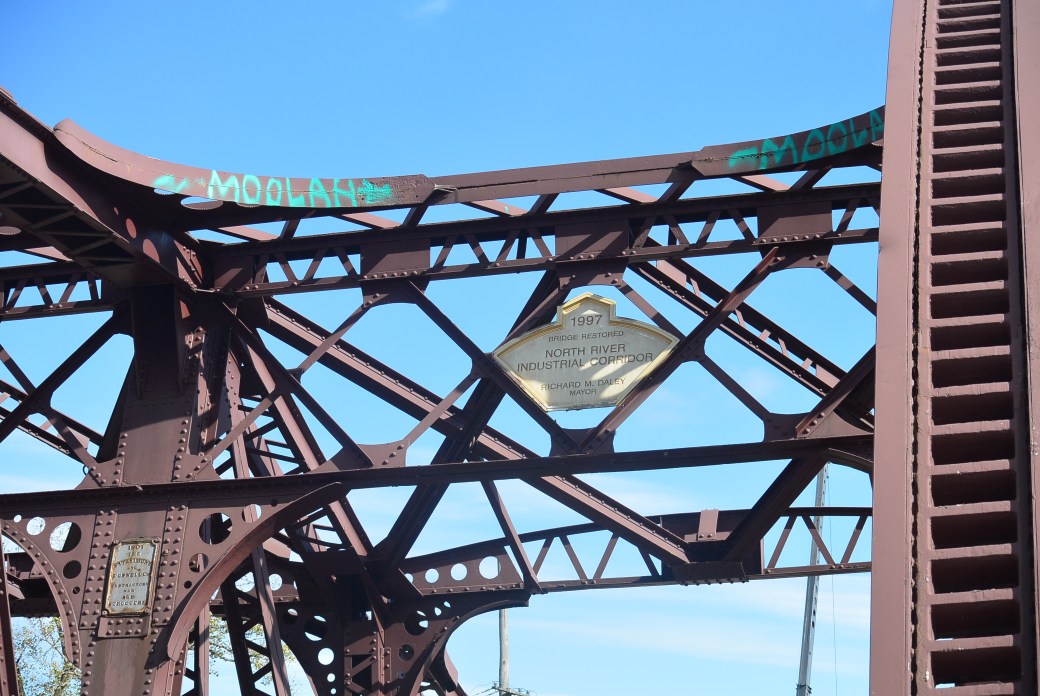
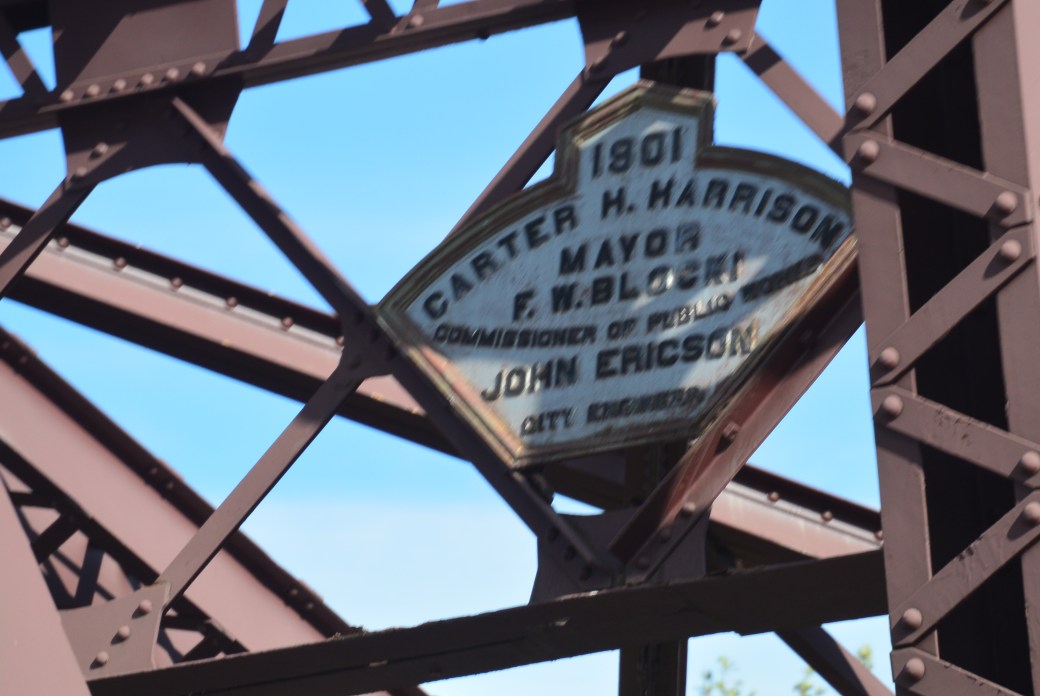
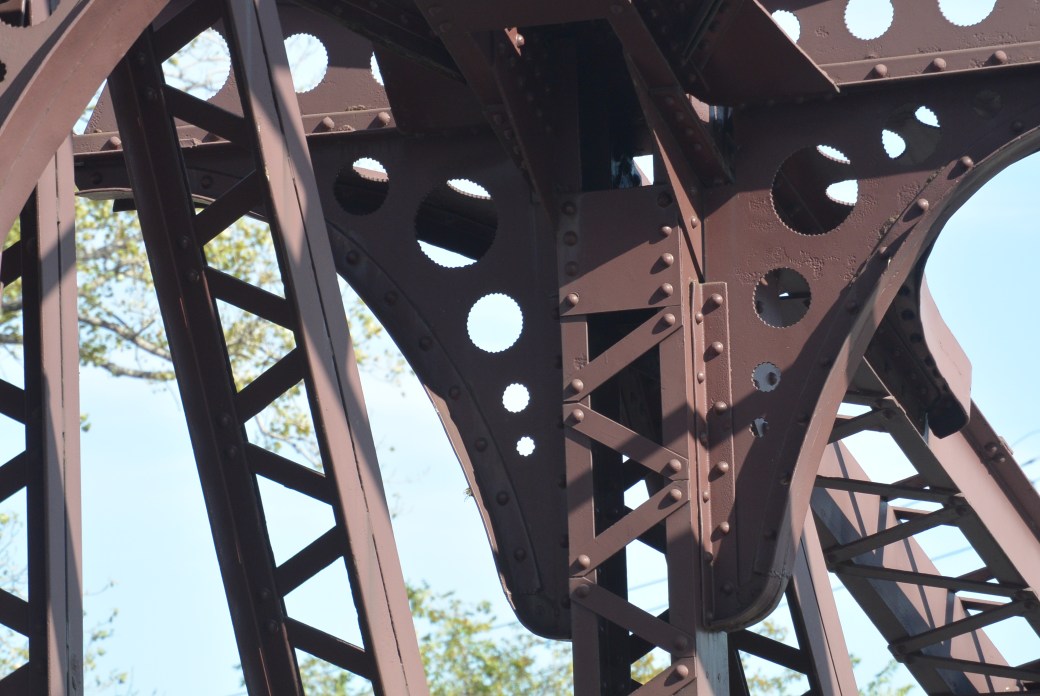
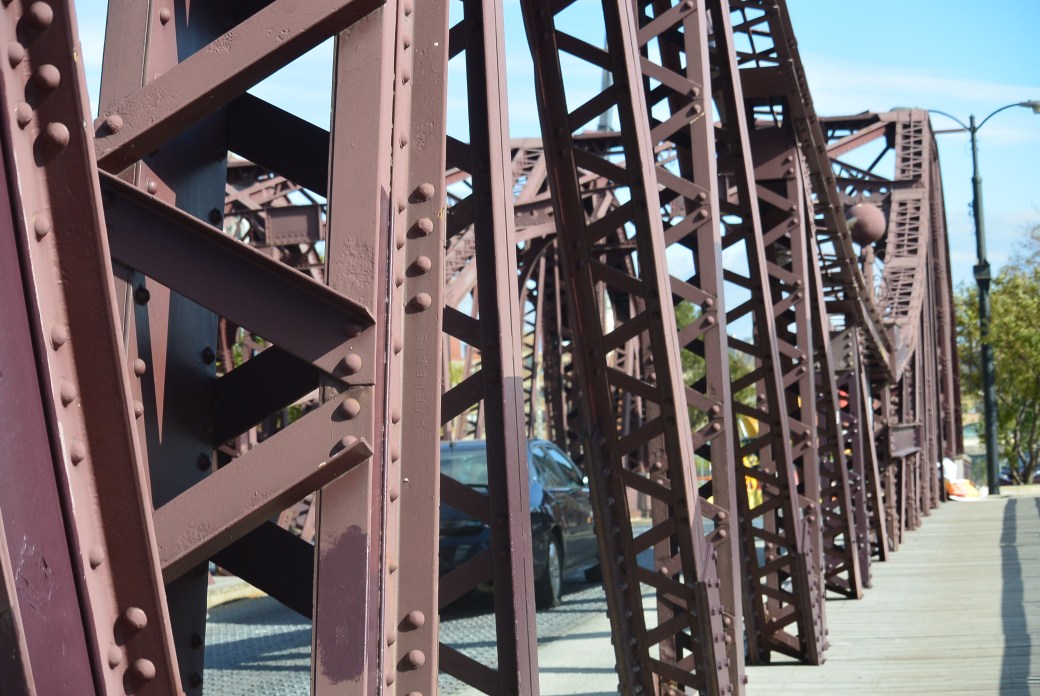
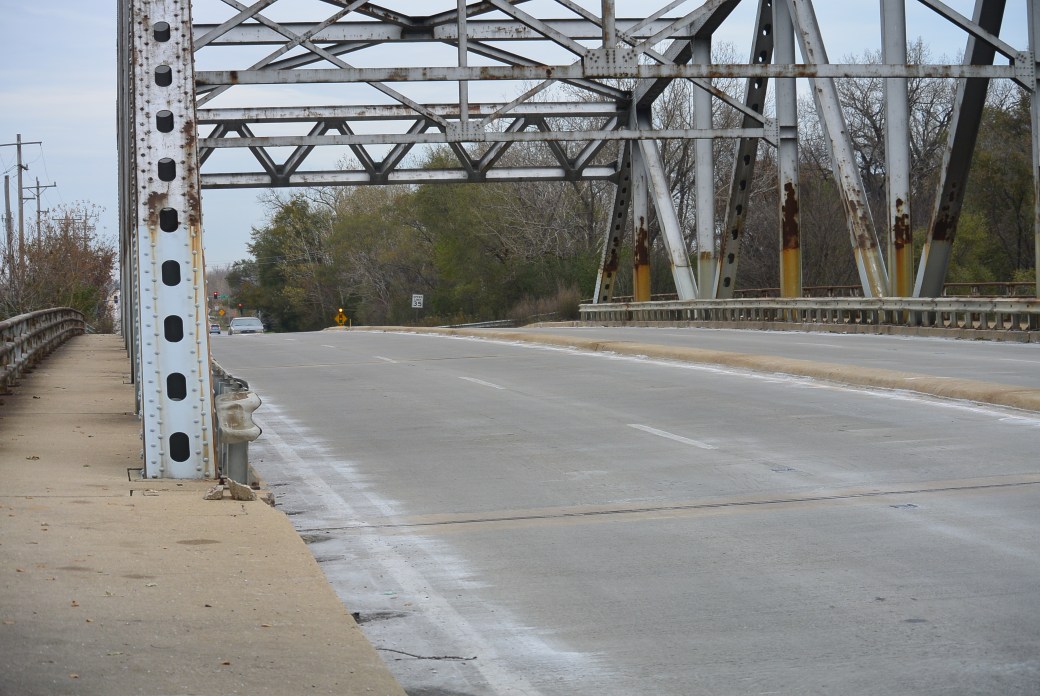
Kedzie Avenue Bridge

DSC_2606

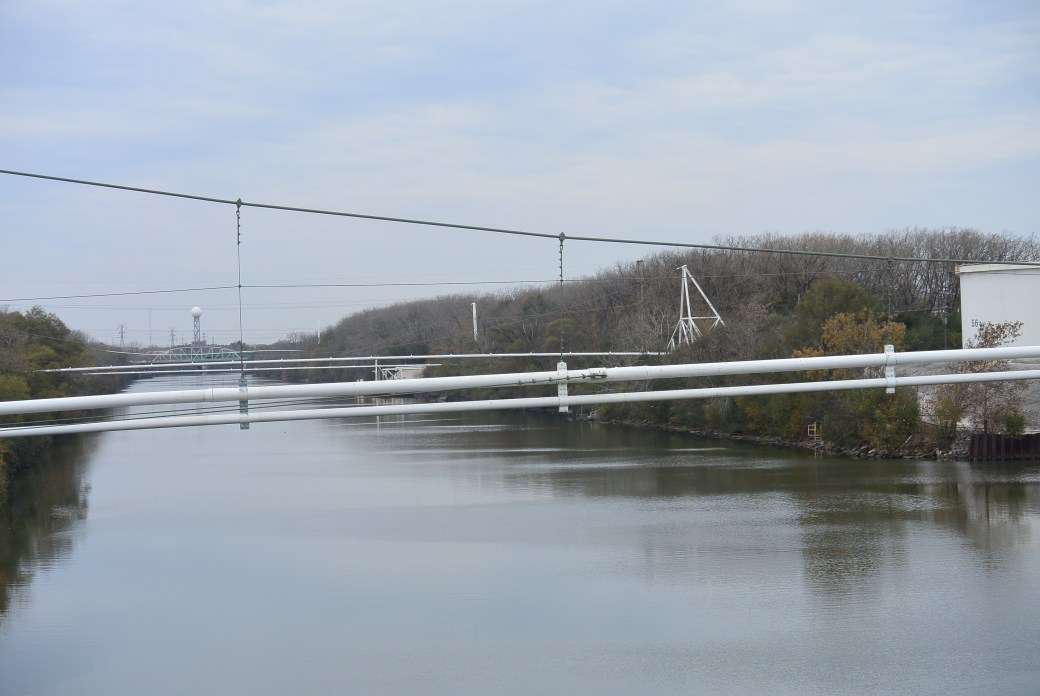
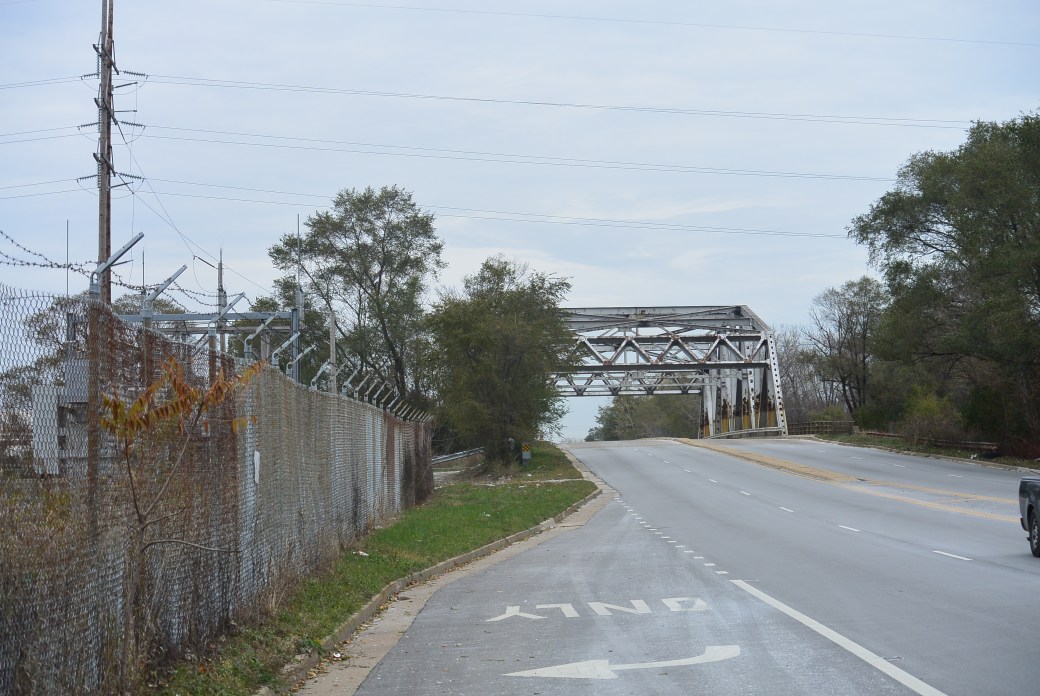
Alsip Tank Farm

DSC_2607

Alsip Tank Farm

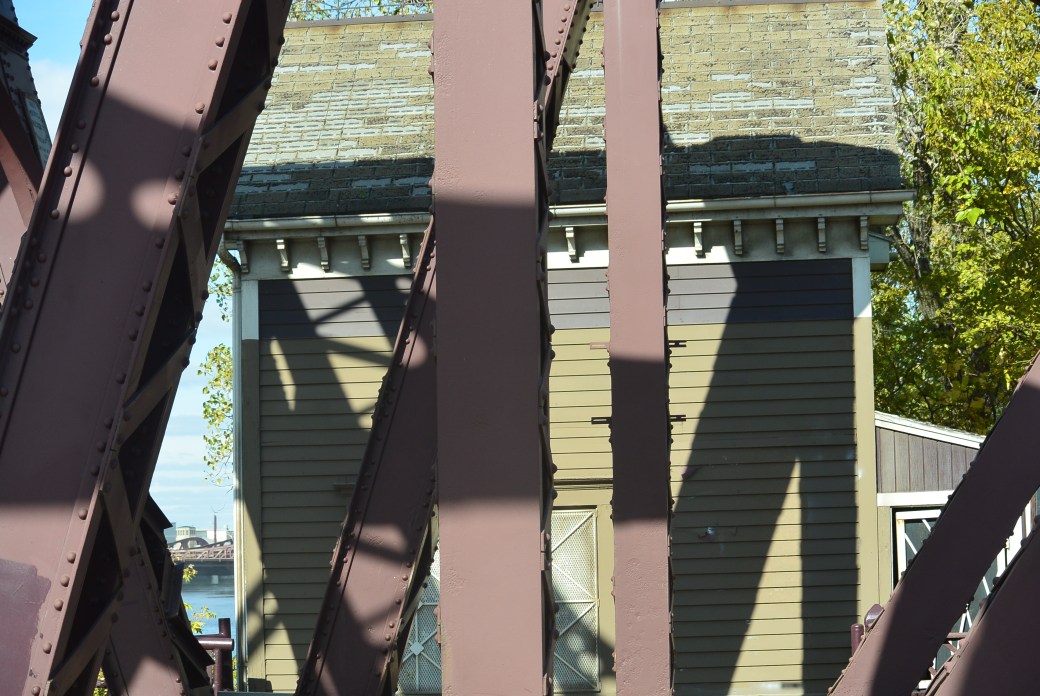
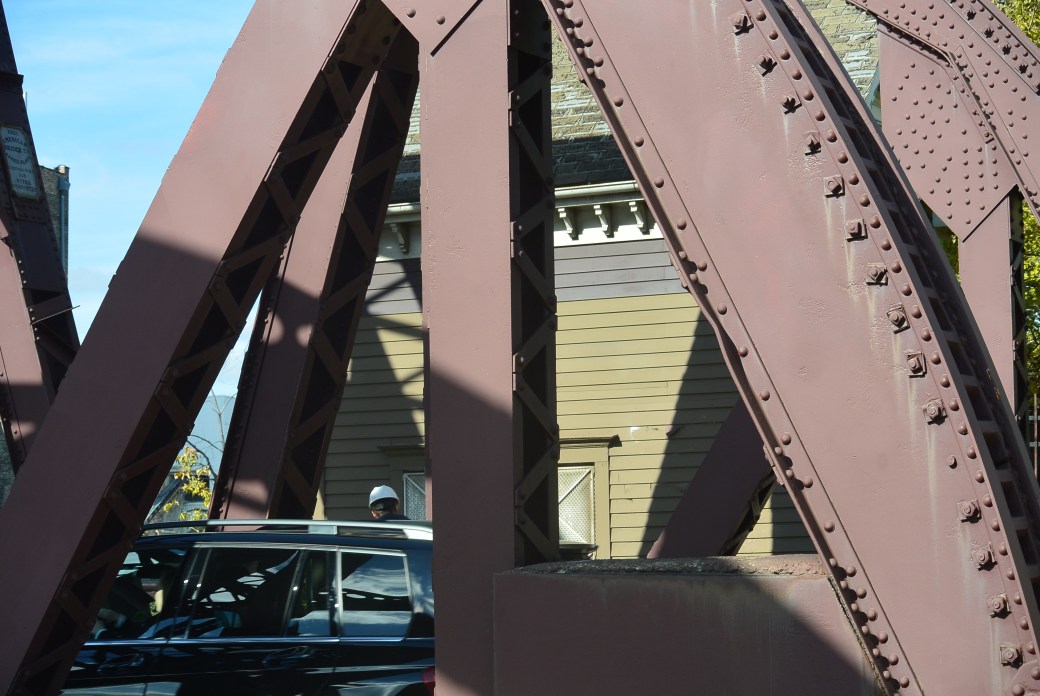
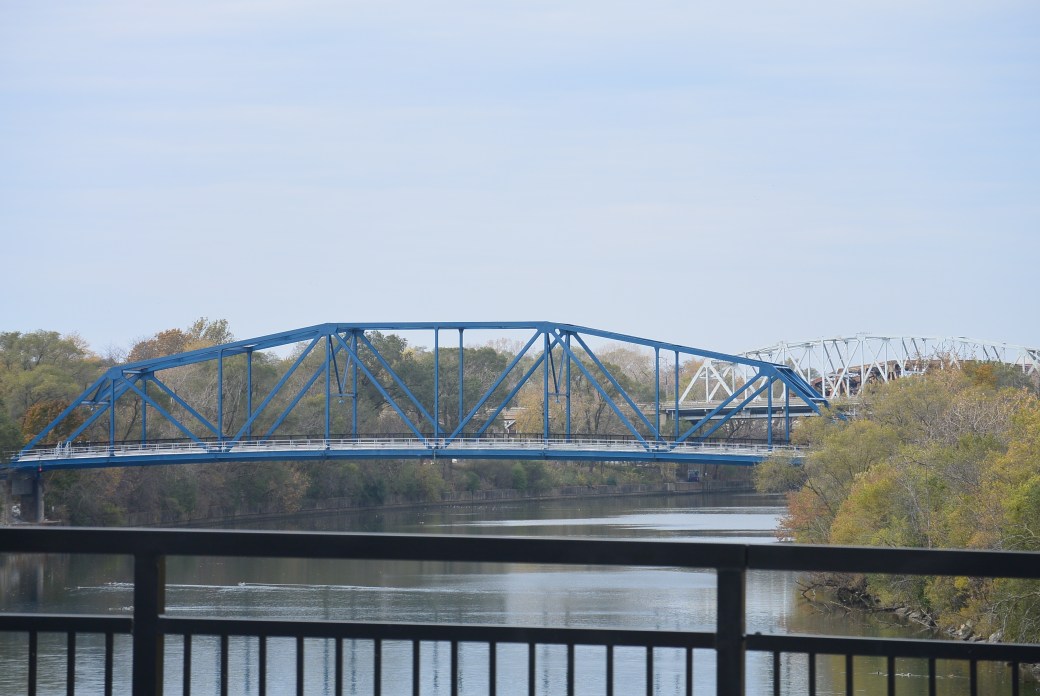
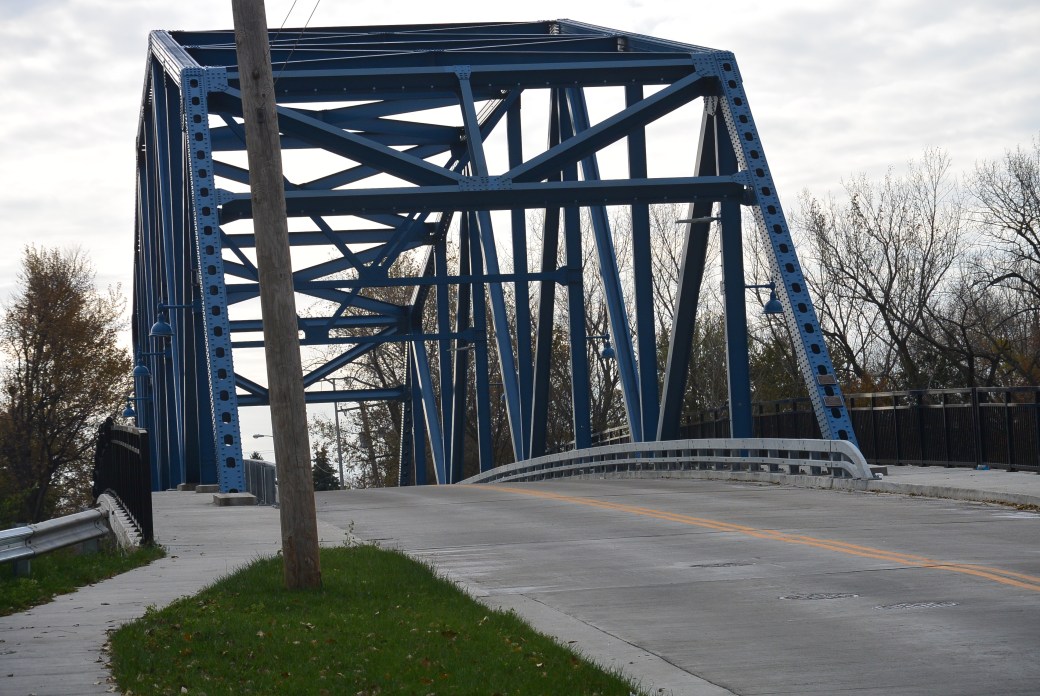
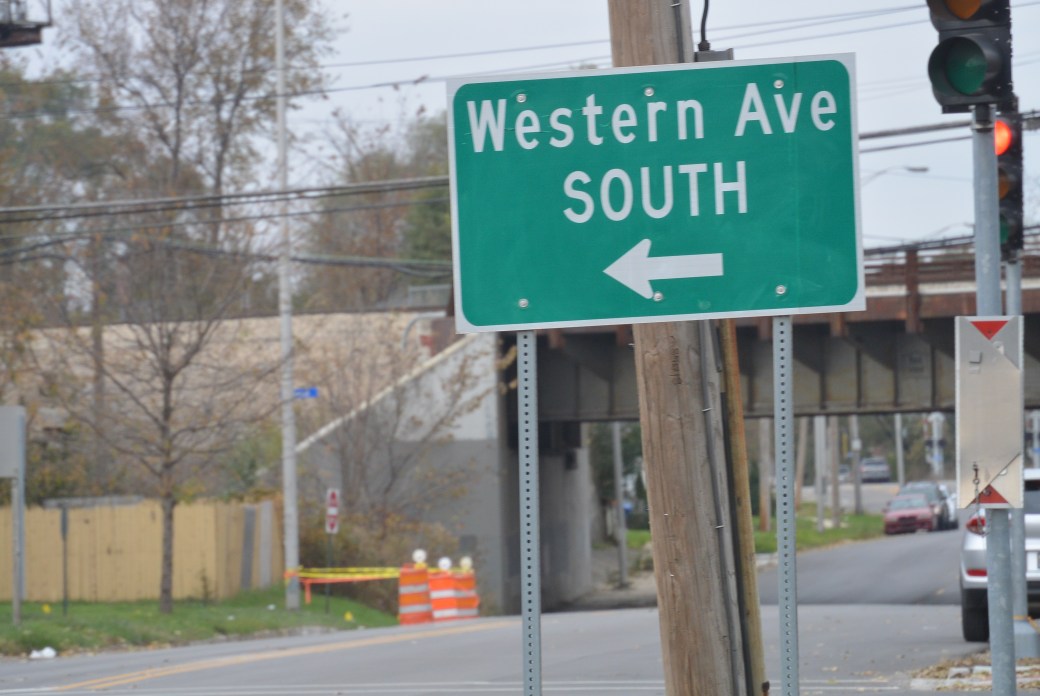
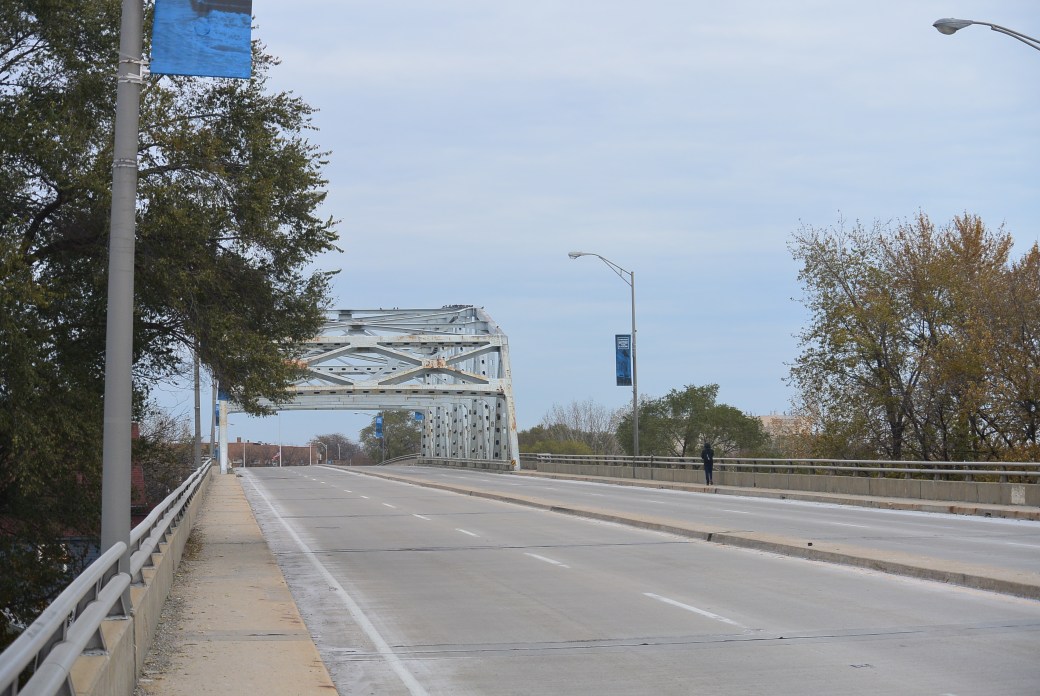
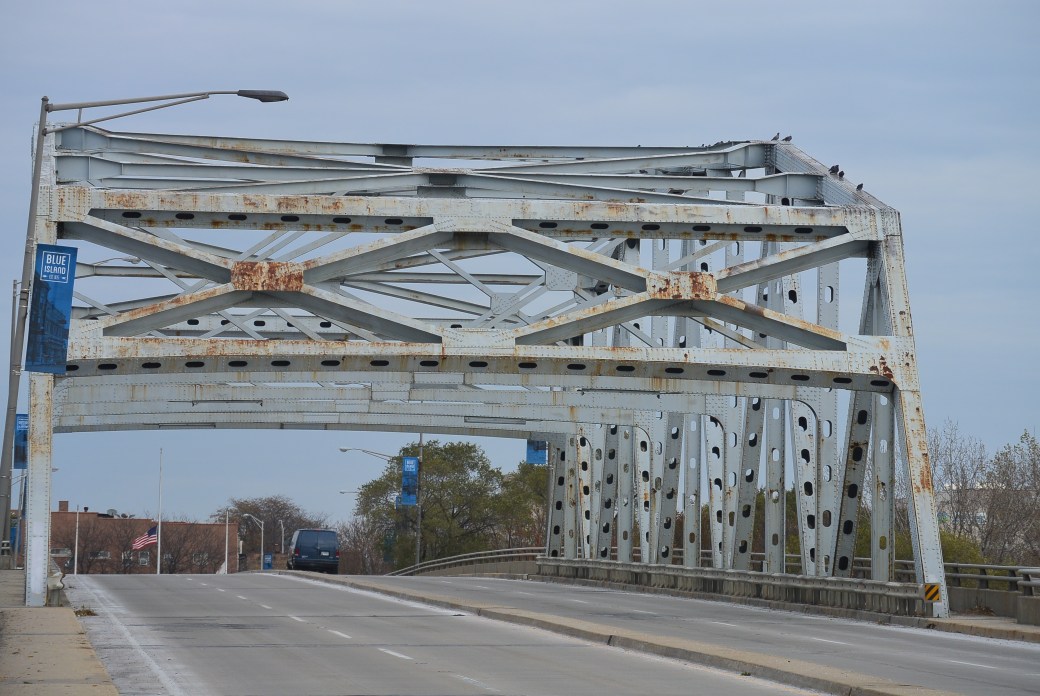
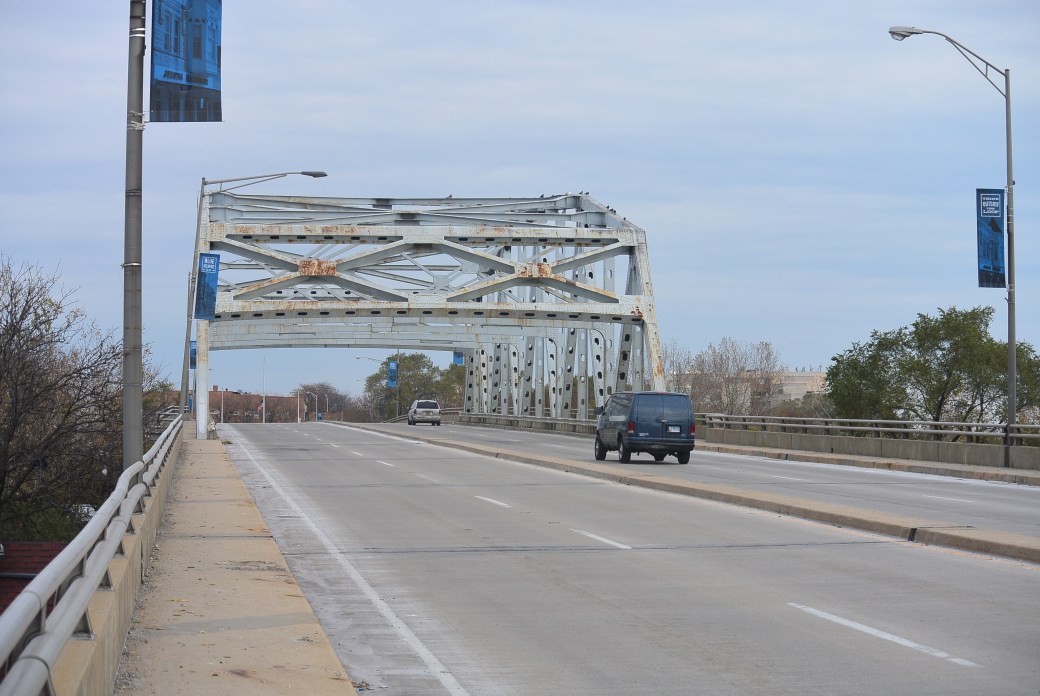
The Kedzie Avenue Bridge crosses the Cal Sag Canal in  Robbins, Il.    It is situated between the Crawford Avenue and the Francisco Avenue Bridges.  It was built in 1964.  The builder/contractor is unknown.    Engineer/Design was Alfred Benesch and Associates.  Chicago, Illinois.

DSC_2605

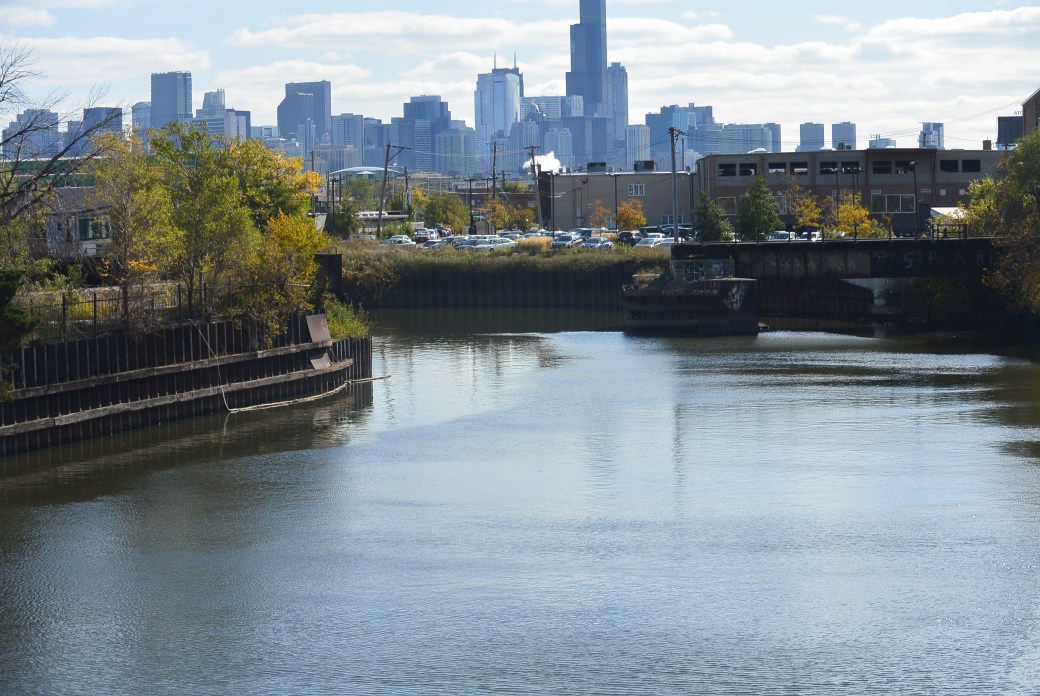
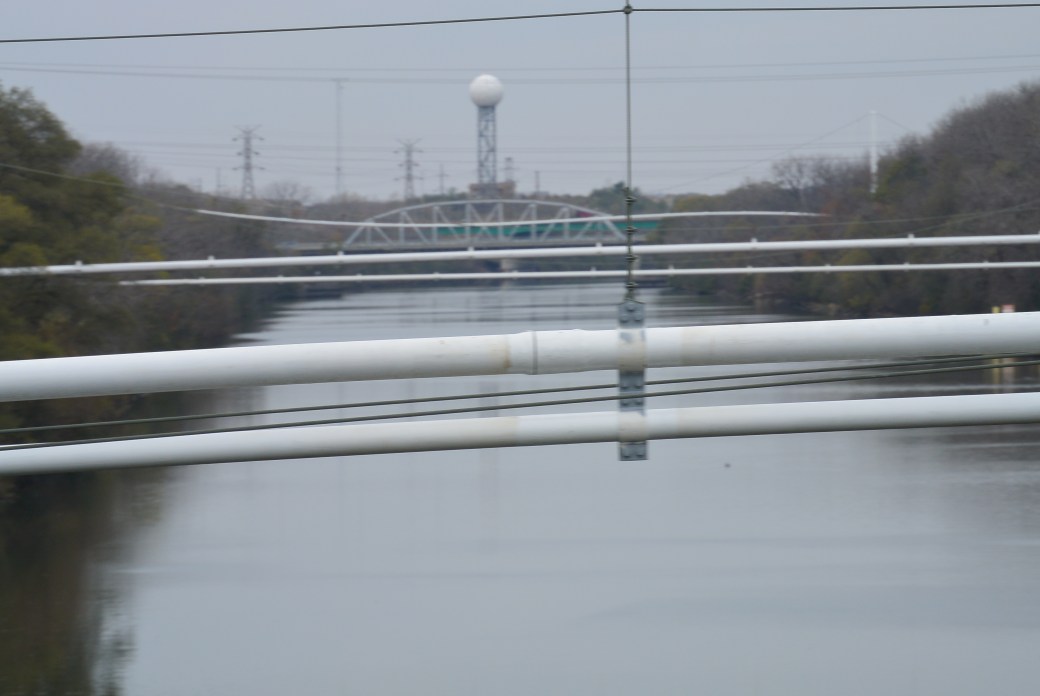
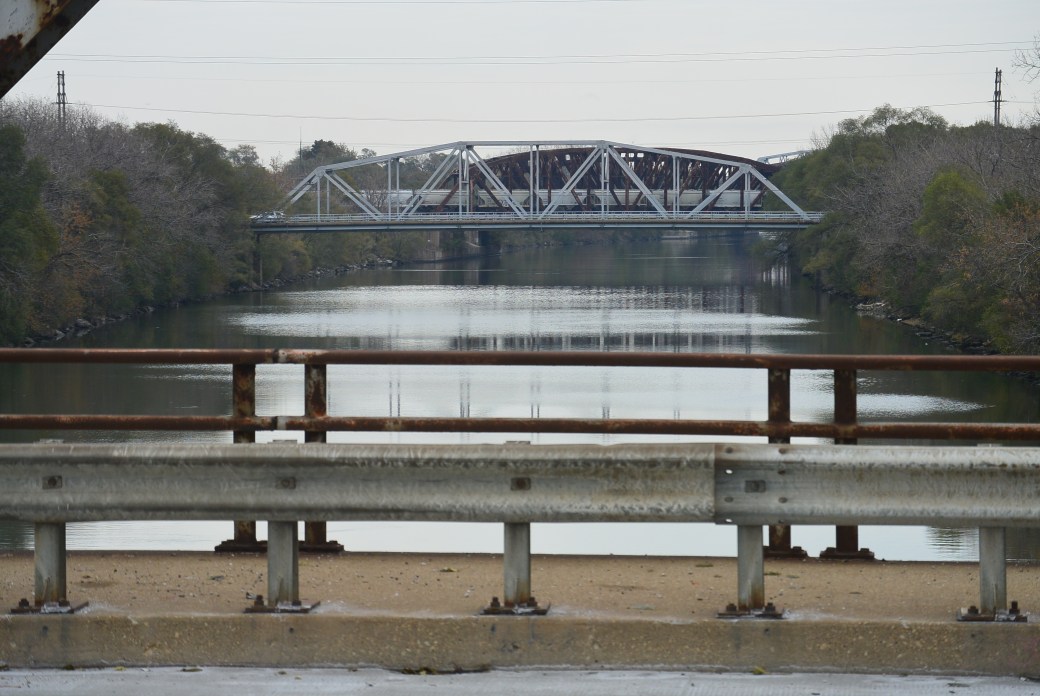
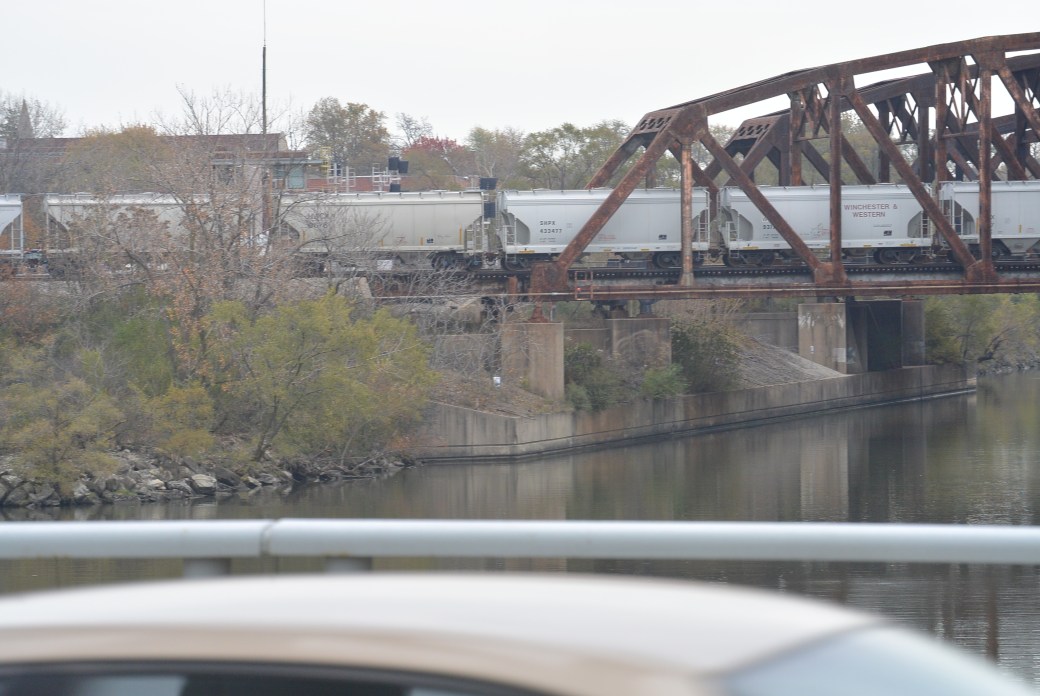
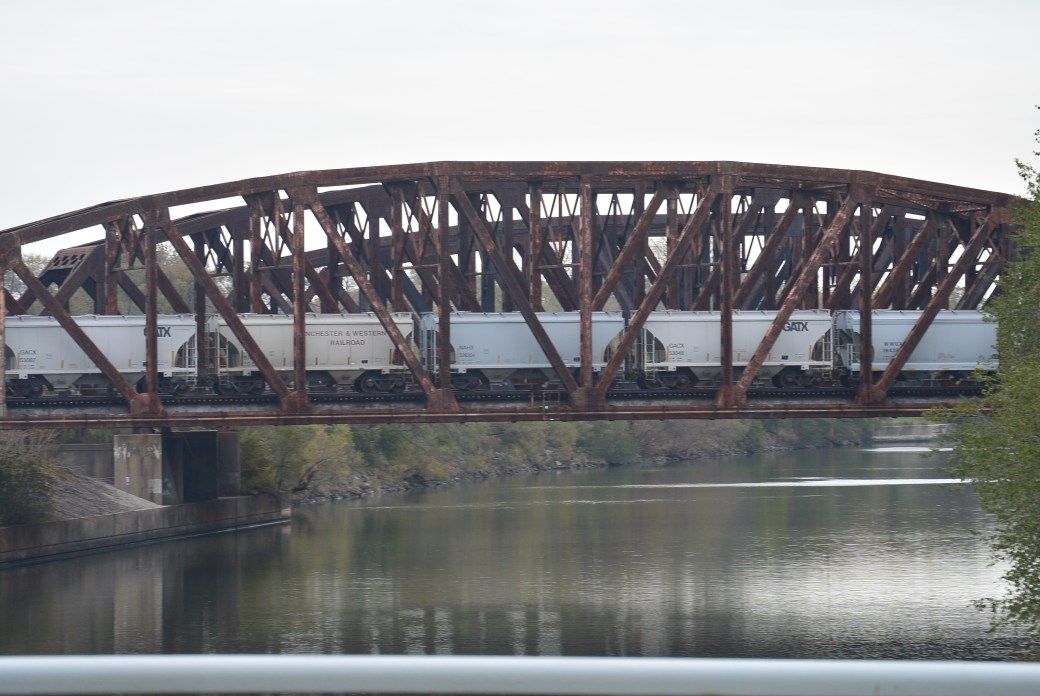
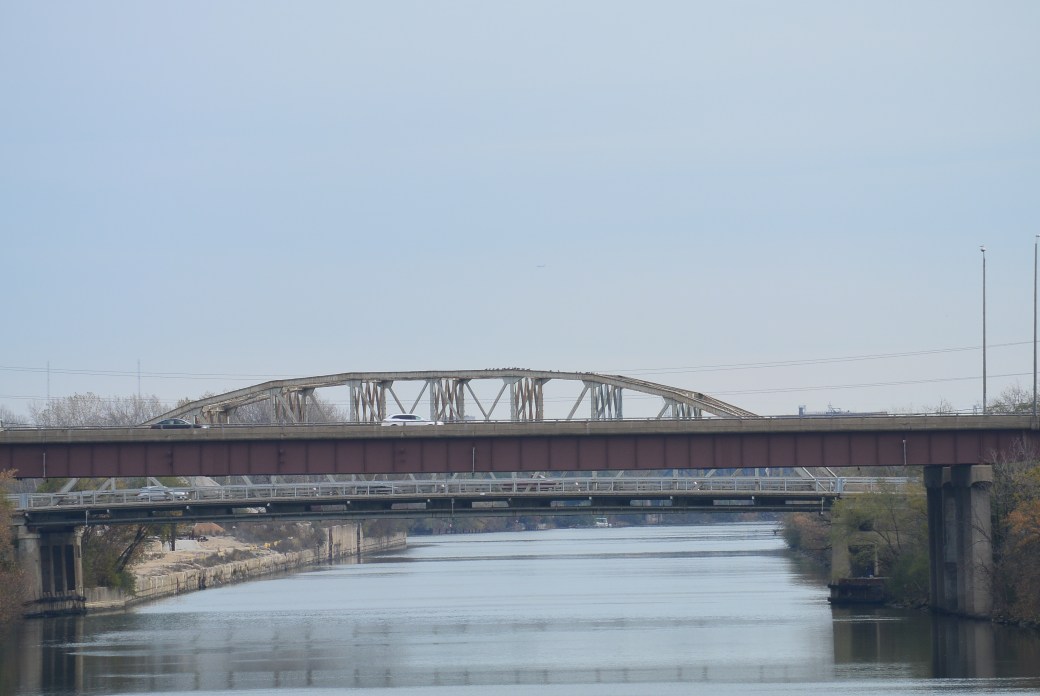
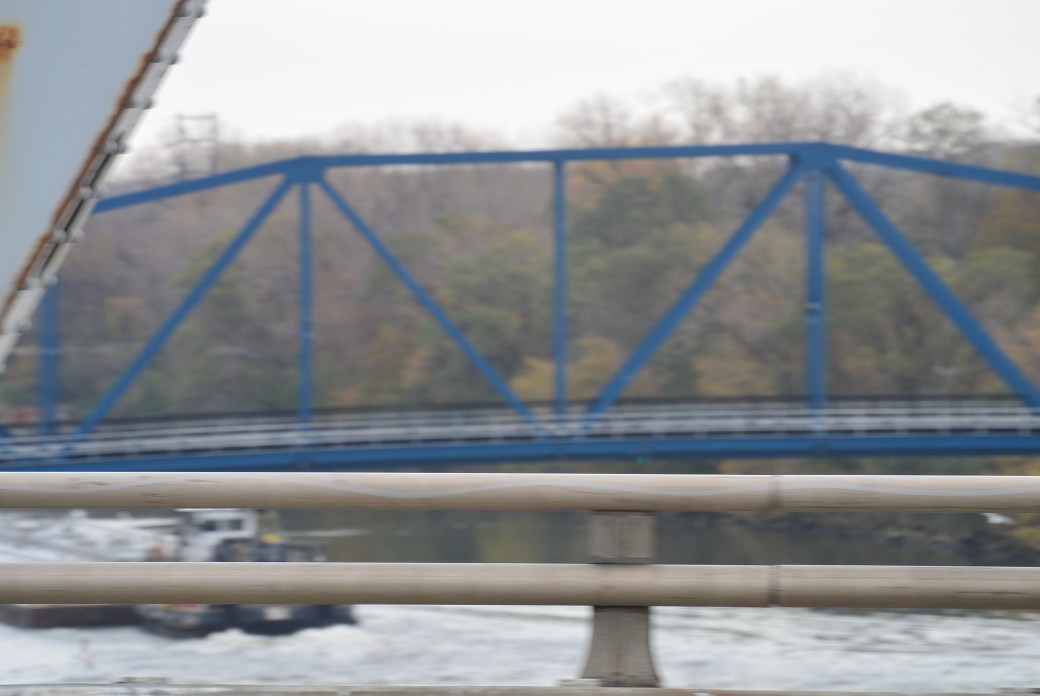
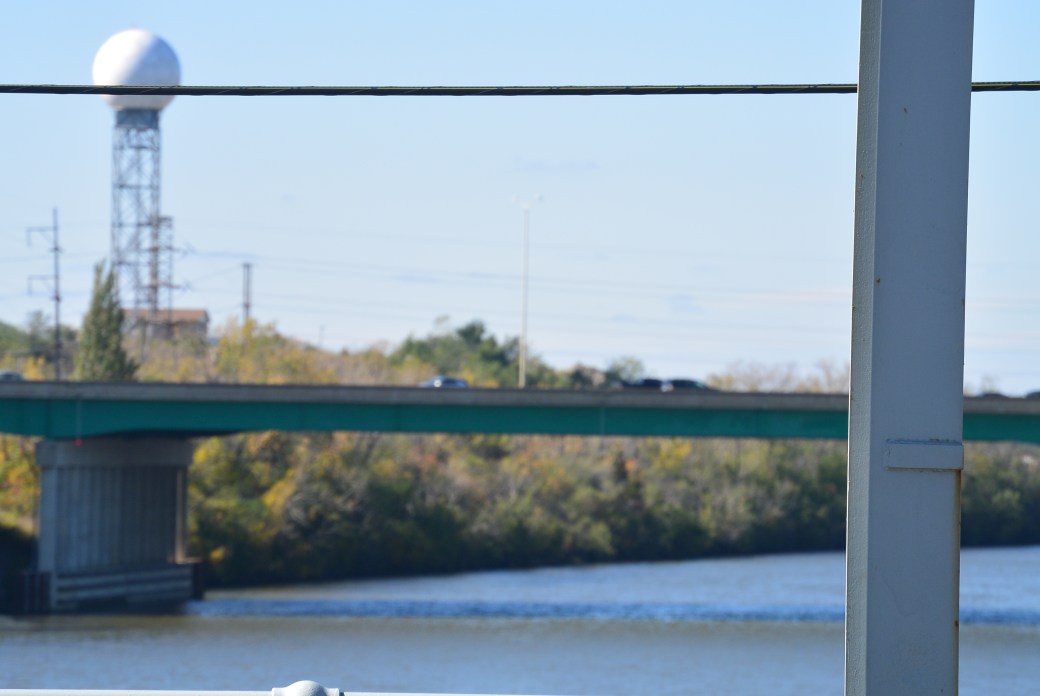
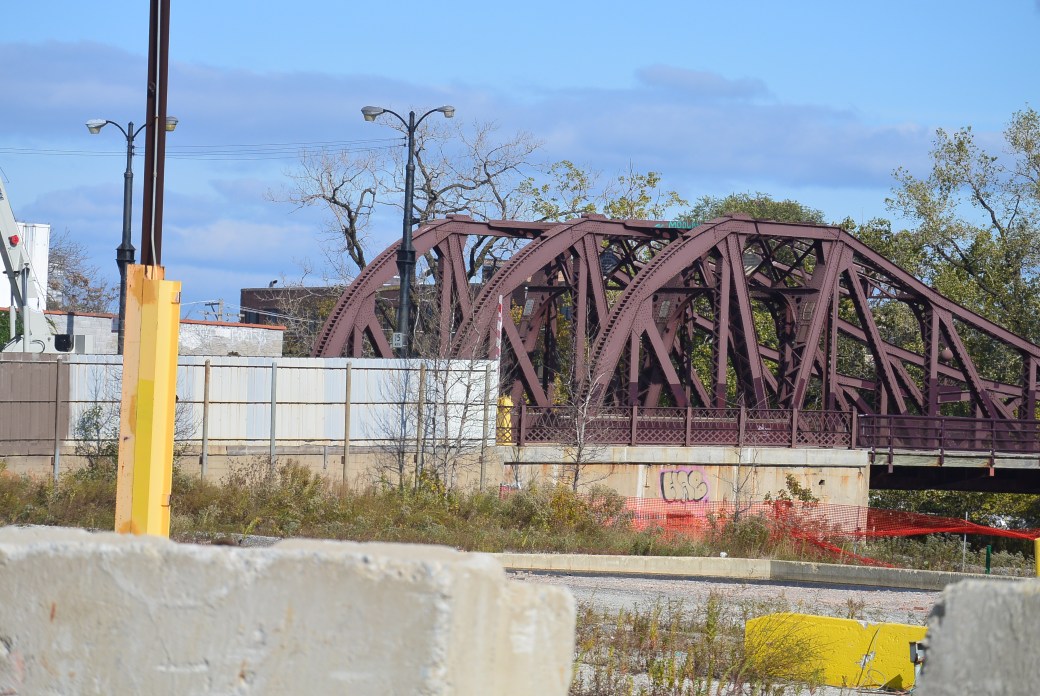
View from the Kedzie Avenue Bridge.   Francisco Avenue and Blue Island Yard Bridges

DSC_2604

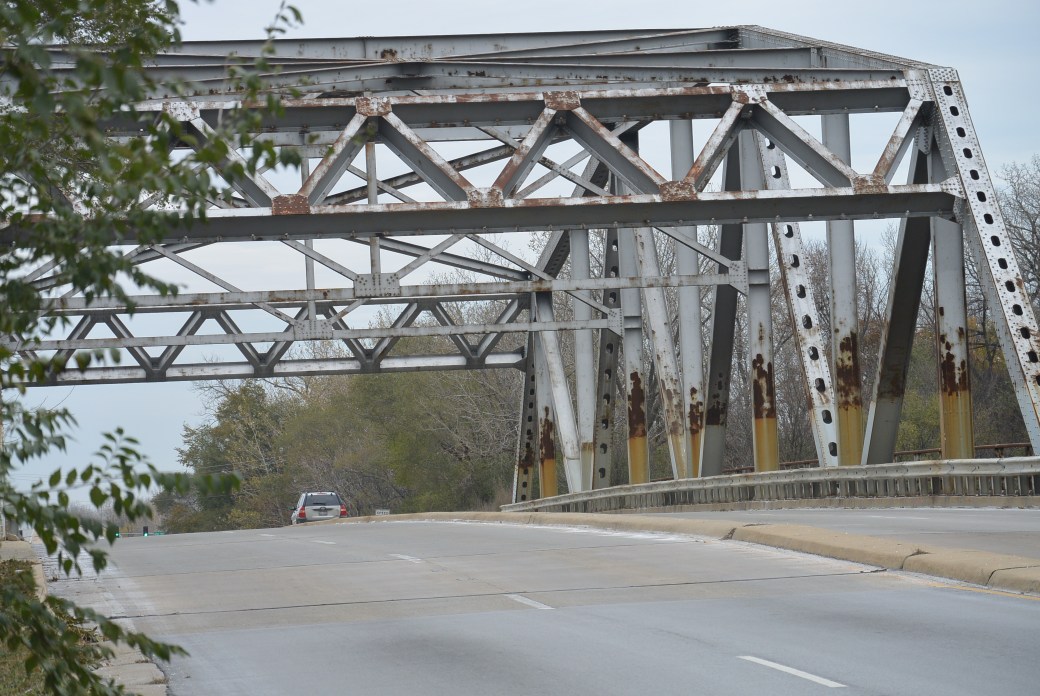
Kedzie Avenue Bridge

DSC_2603

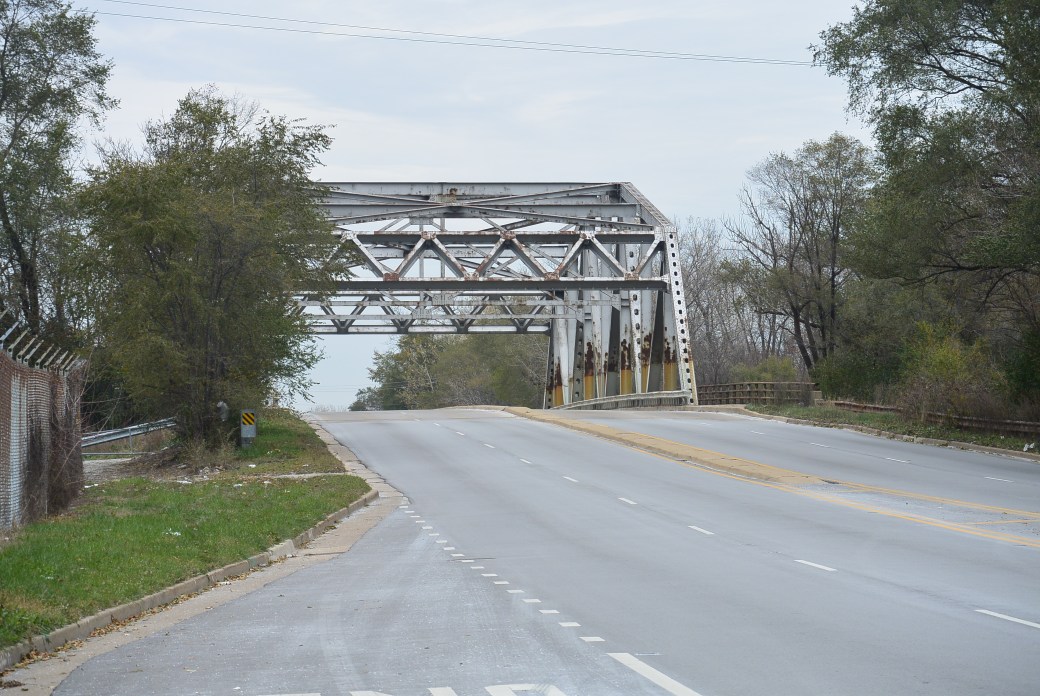
Kedzie Avenue Bridge

DSC_2602

Kedzie Avenue Bridge

DSC_2601

Kedzie Avenue Bridge

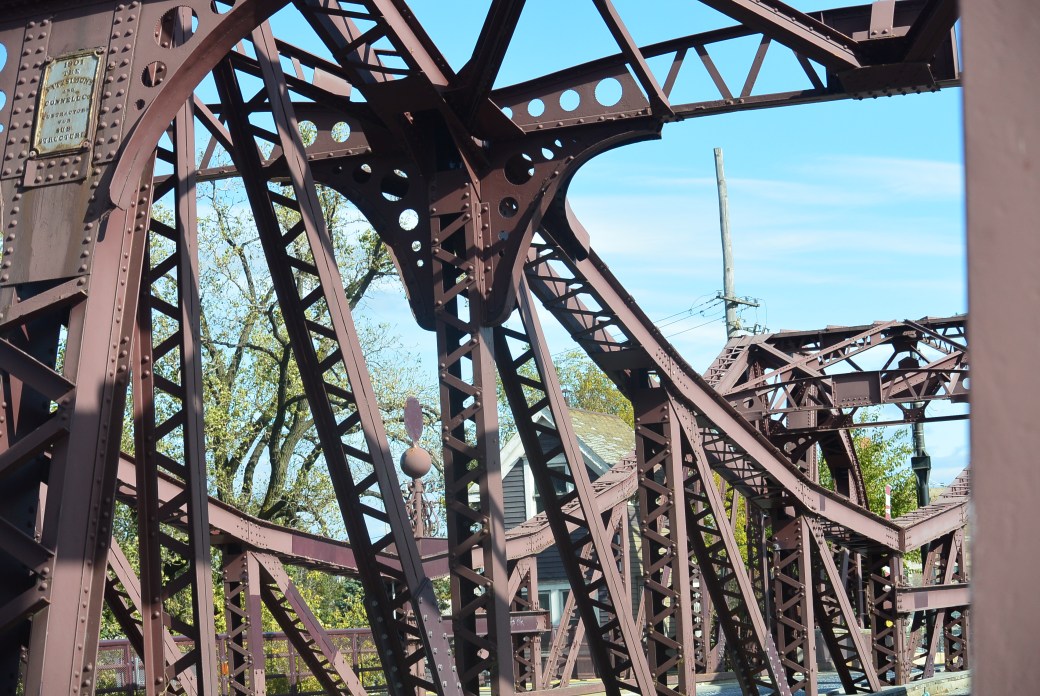
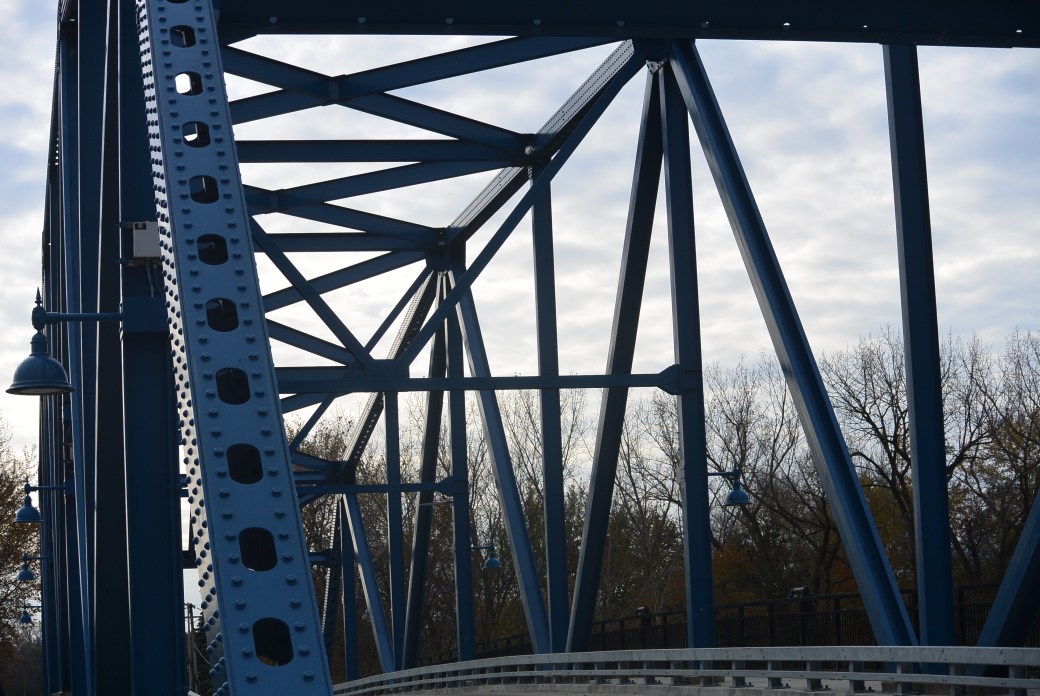
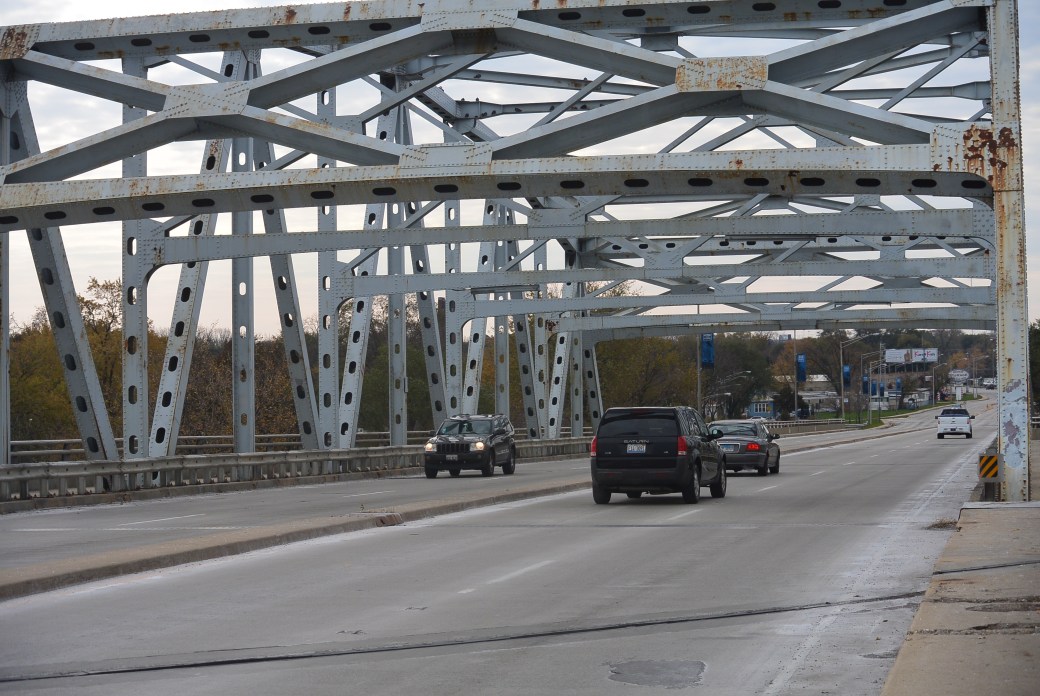
The bridge type is metal 8 panel bolt–connected polygonal warren through truss, fixed and approach spans: metal stringer (multi-beam), fixed.  There is one main span and 3 approach spans.   Main span measures 254 feet.   Structure length is 348 feet.  Roadway width measures 53.2 feet.

Findings that distinguishes as a more recent bridge include:  wide truss bridge, use of rolled and built-up beams for truss members,rivets for built-up beams and bolts for connections.

Bridge Inspection  3/2012

Deck                                            Condition                Rating     Satisfactory        6 out of 9

Superstructure                         Condition              Rating       Fair                      5 out of 9

Substructure                            Condition               Rating       Satisfactory       6 out of 9

Sufficiency Rating   44 out of 100

Chicago and West Ridge Rail Road.

In the year 1889, subsidiary of the C&NW RR.  known as the Junction Rail Road was developed to build a bypass from the main line in Evanston at Simpson Street and Green Bay Road.  It extended southwest along what was known at the Big Ditch (predecessor or the North Shore Channel) to the Mayfair Junction in Chicago.   The purpose of this bypass was to alleviate congestion on the main line of the C &NW.  It predominately handled freight and industrial costumers.

The village of Evanston required the C&NW RR to also provide passenger service on this line.    Depots were built at Emerson Street, Greenwood Boulevard and the Weber Yard.  There were three trains per weekday.   Eventually this service was discontinued.

The Chicago and West Ridge Railroad was a railroad spur branching off the Mayfair Cut  near Oakton Street and extending to Lincoln Avenue.  This was originally built by the C&NW RR.  Barney Weber purchased the line in 1897.  The C &NW purchased  it back in 1917.  At the north end of the track was the Weber Yard.  This was a rail service facility that provided car storage and engine servicing.   This line serviced multiple brick yards and and flower nurseries.

Virtually nothing remains of the Mayfair Cut off and the Chicago and West Ridge Railroad.

Just south of Oakton Street, the author has encountered a bridge crossing the North Shore Channel.   This likely is a remnant of the Chicago and West Ridge RR

yellowline.png2

Former North Shore Viaduct over the canal; now Yellow Line

DSC_1719

?Chicago West Ridge RR

DSC_1718

?Chicago West Ridge RR

DSC_1719

Chicago West Ridge RR

Chicago West Ridge R.R

Green Bay Road and Simpson Street. It was at this site that there was a Canal Tower. It regulated traffic on the main line and the Mayfair cut off

Same as above


Possible Remnant of Viaduct on Green Bay Road related to Mayfair Cut off

Same as above

Same as above

Same as above

Francisco Avenue Bridge over the Cal Sag Canal

DSC_2598

Francisco Avenue Bridge

DSC_2597

Francisco Avenue Bridge looking at the Kedzie Avenue Bridge

DSC_2596

Blue Island Yard Bridge

DSC_2595

Blue Island Yard Bridge

The Francisco Avenue Bridge crosses the Cal Sag Canal in Blue, Island, Il.   It is located between the Kedzie Avenue and the Blue Island Yard Bridges.  It is a metal 8 panel bolt–connected polygonal Warren through truss, fixed and approach spans: metal stringer (multi-beam), fixed.   There  is one main span and 3 approach spans.    The main span measures 252 feet.  The structure measures 364 feet.  Roadway width is 28 feet.

DSC_2594

Francisco Avenue Bridge

DSC_2593

Francisco Avenue Bridge

DSC_2592

Francisco Avenue Bridge

DSC_2591

Francisco Avenue Bridge

The bridge was built in 1969.  The builder/contractor is unknown.   The engineer design was Alfred Benesch and Associates, Chicago, Il.

Inspection as of 10/2012

Deck                                           Condition                    Rating         Satisfactory 6 out of 9

Superstructure                       Condition                     Rating          Poor              4 out of 9

Substructure                           Condition                    Rating          Satisfactory  6 out of 9

Appraisal  Structurally Deficient

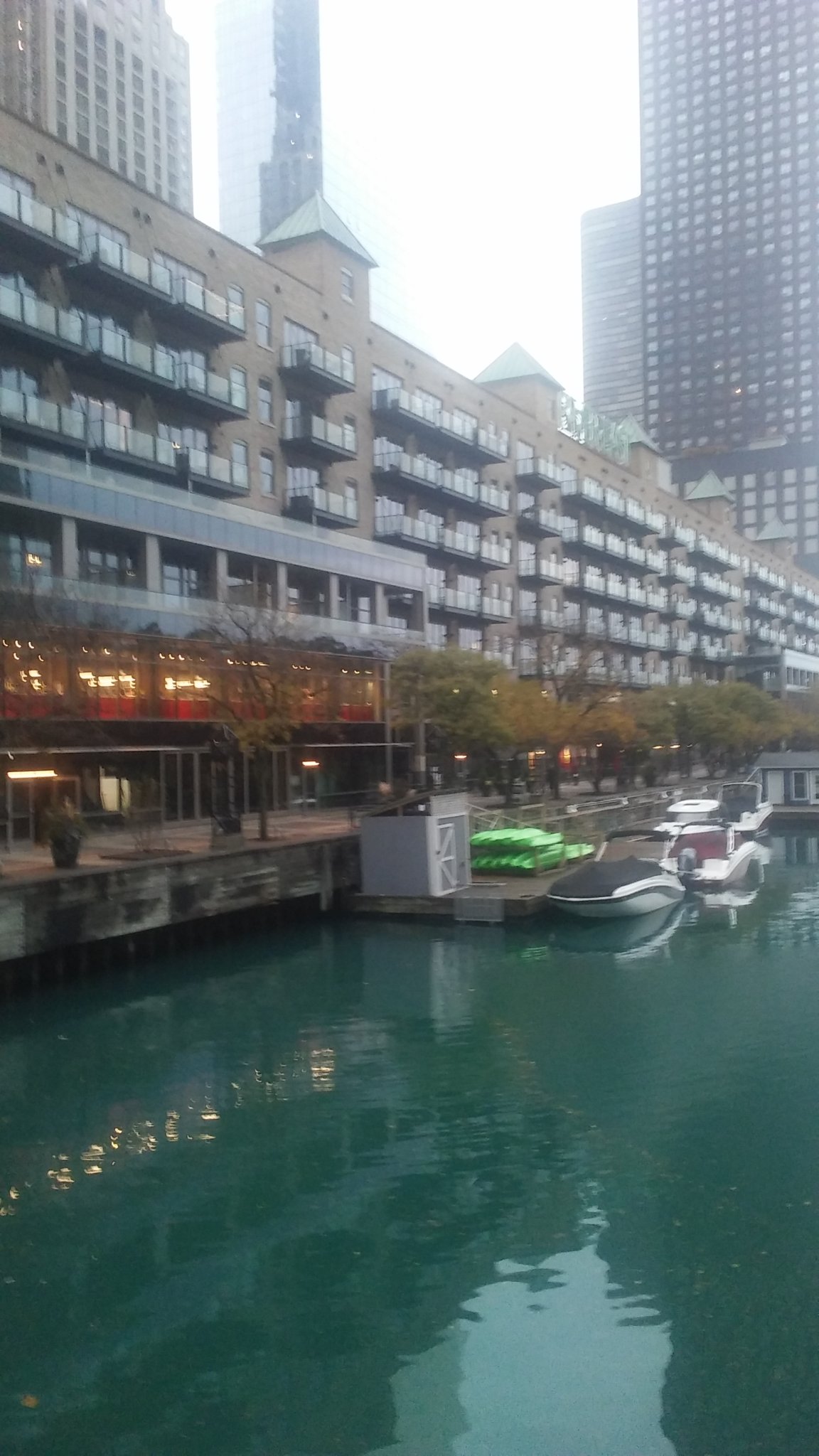
     Ogden Slip is a man made channel.  It is located North of the Chicago River.  It was built in 1869 by the Chicago Dock and Canal Company.  It was built to provide more space for docks and warehouses in the Chicago River area.  It was originally designed for commercial ships.The

     It was partially filled.  It is now used for recreational boats.  Along the slip, there is high end housing and upscale restaurants.

Ogden’s Slip

Ogden’s Slip as seen from Lake Shore Drive

Ogden’s Slip

Ogden’s Slip

Ogden’s Slip

Ogden’s Slip


Ogden’s Slip


Ogden’s Slip


Ogden’s Slip

Ogden’s Slip

Division Street Bridge over the Cal Sag Canal

(images to follow)

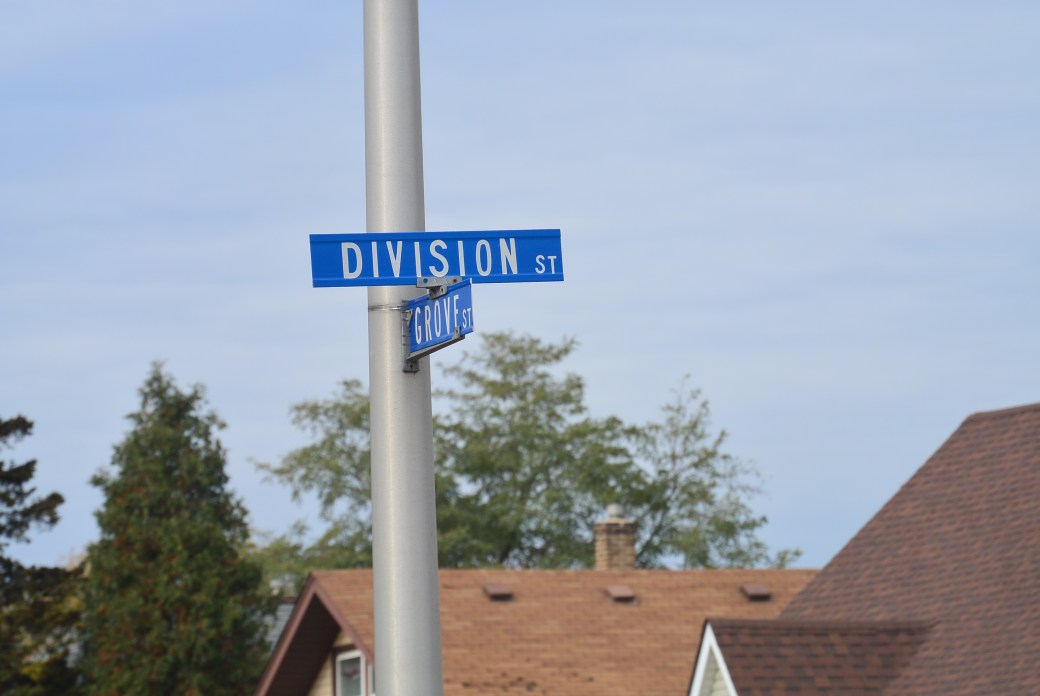
This bridge crosses the Cal Sag Canal in Blue Island, Il. It lies between the Chatham Street and the I 57 bridges.  It was built in 1964.  The builder was unknown.  Design\Engineer was Alfred Benesch and Associates, Chicago.

DSC_2560

It is a metal 8 panel bolt-connected polygonal Warren through truss, fixed and approach spans :metal stringer (multi beam), fixed.  There is one main span and 3 approach spans.  Main span measures 289.7 feet.  Structure length is 371 feet.  Roadway width measures 30 feet.

DSC_2559

Division Street Bridge

DSC_2558

Division Street Bridge

This bridge is near identical to the Chatham Street Bridge.  Similar to this bridge, the Division Street Bridge was poorly maintained.   It is an excellent excellent example of a 1960’s truss bridge.   For safety reasons, it was closed in 2010.  It underwent an extensive renovation in 2016 and was reopened to traffic

DSC_2557

Division Street Bridge View  Chatham Ave and Western Ave Bridges are seen in the distance

DSC_2556

View from the Division Street Bridge.   I 57 and Ashland Ave Bridges are seen

DSC_2555

Division Street Bridge

DSC_2554

Division Street Bridge

The Chatham Street Bridge over the Cal Sag Canal

DSC_2562

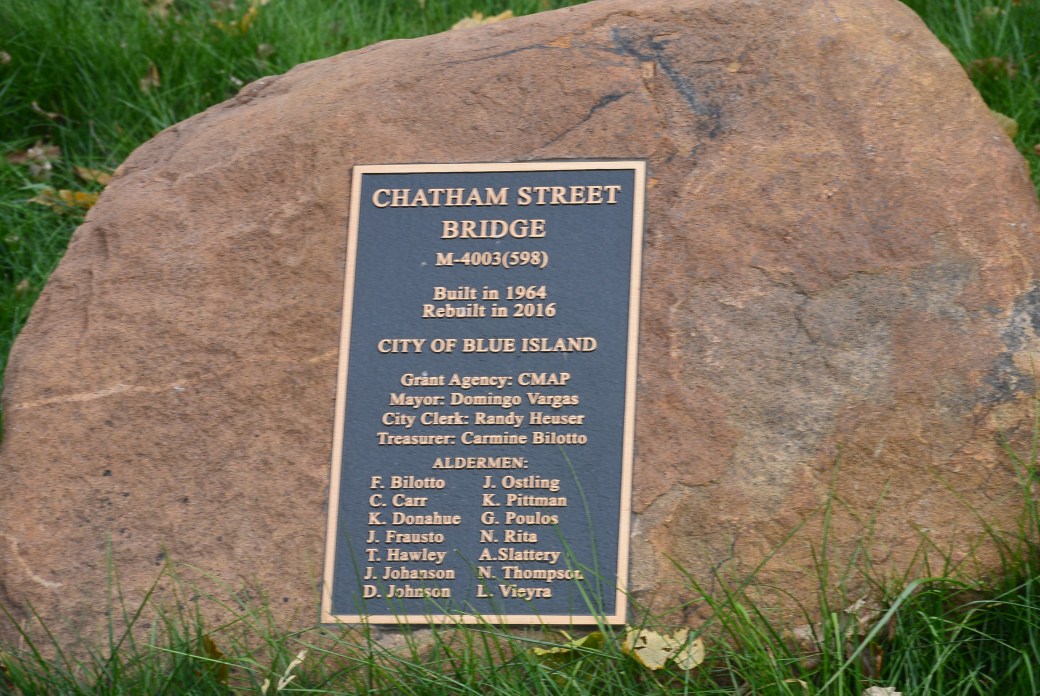
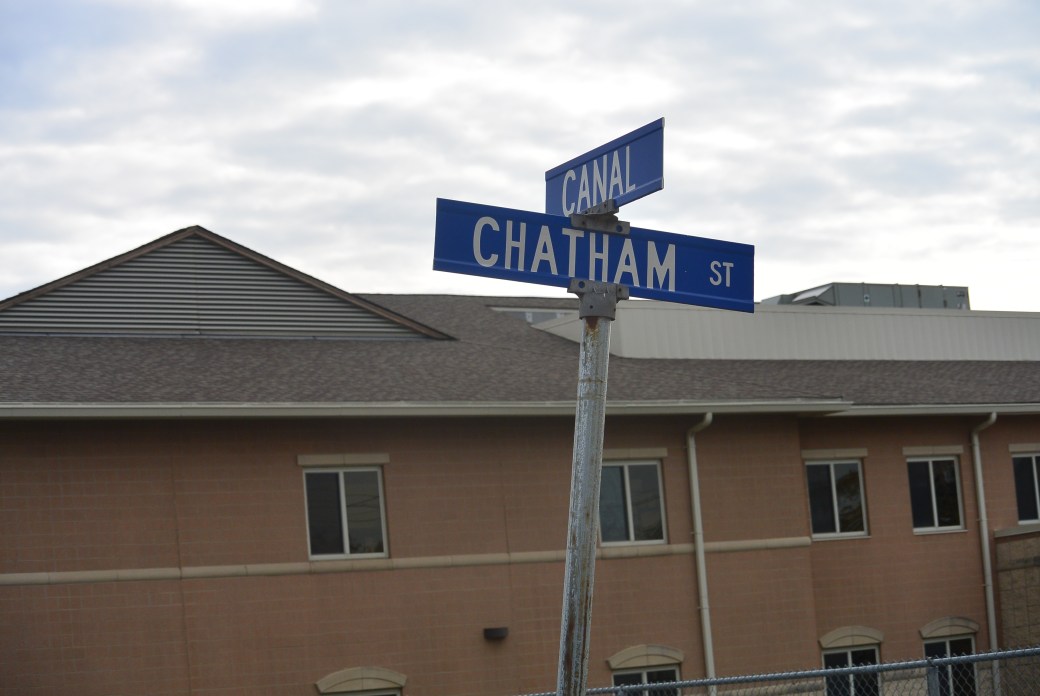
Marker Chatham Avenue Bridge

DSC_2561

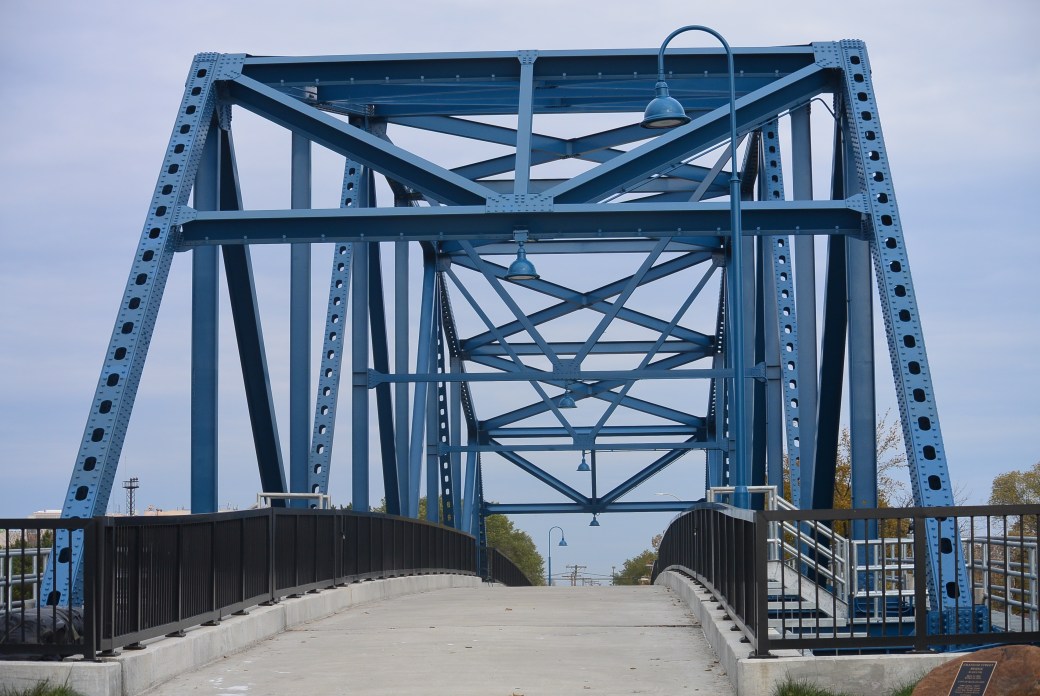
Chatham Avenue Bridge

DSC_2563

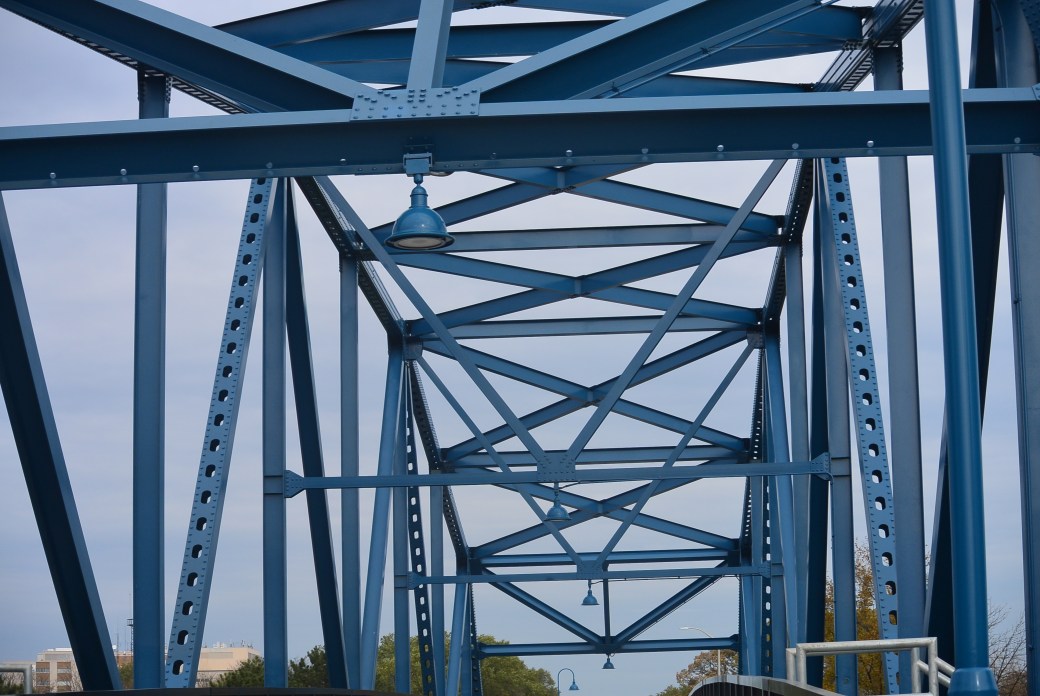
Chatham Avenue Bridge

DSC_2564

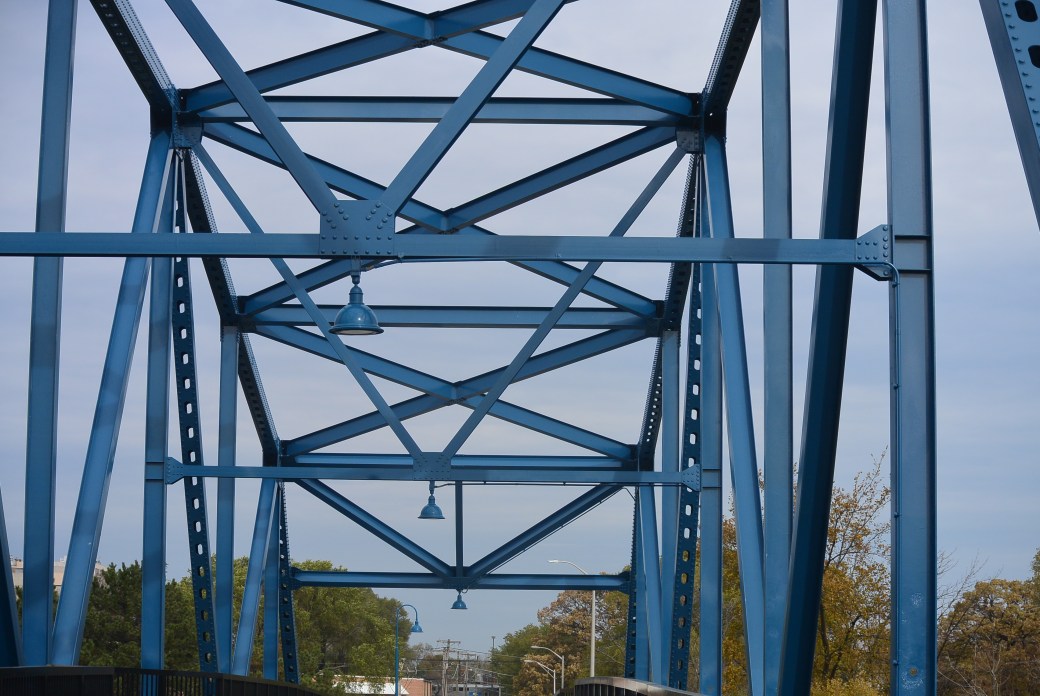
Chatham Avenue Bridge

The Chatham Street Bridge crosses the Cal Sag Canal in Blue Island, Il.   It lies between the Division Street and the Western Avenue Bridges.  It was built in 1964.  The builder is unknown.  Engineer/Design was Benesch and Associates, Chicago.

DSC_2565

View from the Chatham Avenue Bridge.  In the distance are the Division Street and the I 57 Bridges

DSC_2566

View from the Chatham Avenue Bridge.   Western Avenue and Metra Cal Bridges in the distance

DSC_2567

Chatham Avenue Bridge

It is a metal 8 panel bolt-connected polygonal Warren through truss, fixed and approach spans; metal stringer (multi-beam). fixed.   There is one main span and 3 approach spans.    The largest span measures 303.7 feet.  Total structure length measures 384.7 feet.  Roadway width is 29.8 feet.

From the time of its construction until 2010, little maintenance was performed on the bridge.  This resulted in severe deterioration and eventual closure to traffic in 2015.

Like its twin the Division Street Bridge, this is an excellent example of a 1960’s truss bridge.    Extensive renovation was undertaken.  The result was the bridge was reopened to pedestrian and bicyclists on March 20, 2017.

DSC_2568


Metra Cal Sag Bridges

This is a pair of bridges over the Cal Sag Channel in Blue Island. Adjacent structures are the Blue Island yard and the Western Avenue Bridge.  Builder is unknown.  Date of construction mid 20th century.

DSC_2579

Metra Cal Sag Railroad Bridges

The bridges are metal 12 panel rivet-connected polygonal Warren through truss, fixed.    Largest span is 400 feet.  There is one main span.  There are two tracks on the east bridge.  There is one track on the west bridge.

DSC_2578

Metra Cal Sag Railroad Bridges

DSC_2577

Metra Cal Sag Railroad Bridges

The bridges were built for the Rock Island Railroad. The tracks lead to downtown Chicago.

The tracks currently service Metra Rock Island commuter trains and occasional freight trains.

DSC_2576

Metra Cal Sag Railroad Bridges


Western Avenue Traffic Bridge over the Cal Sag Canal

DSC_2582

DSC_2581

Western Avenue Bridge

DSC_2580

Western Avenue Bridge

DSC_2575

Western Avenue Bridge facing Chatham Avenue Bridge

DSC_2574

Same as above

DSC_2573

Same as above

DSC_2571

Western Avenue Bridge

DSC_2570

Western Avenue Bridge

The Western Avenue Bridge crosses the Cal Sag Canal in Blue, Island.  Adjacent bridges are at Kedzie Avenue and the Metra Cal Sag Bridge.   The Structure was built in 1966.  Builder is unknown.   It is a polygonal Warren through truss bridge.

DSC_2570

Western Avenue Bridge

DSC_2569

Western Avenue Bridge

The largest span measures 245.6 feet.   Structure length is 1,122.7 feet.  Roadway width measures 53.1 feet.

Bridge Inspection  9/2012

Deck                           Condition                  Rating           Serious.   3 out of 8

Superstructure       Condition.                 Rating           Serious.   3 out of 8

Substructure.           Condition.                Rating.          Serious.    3 out of 8

Appraisal. Functionally obsolete

Cortland Street Bridge

DSC_2532

Cortland Street Bridge

    Written 12/23/2017

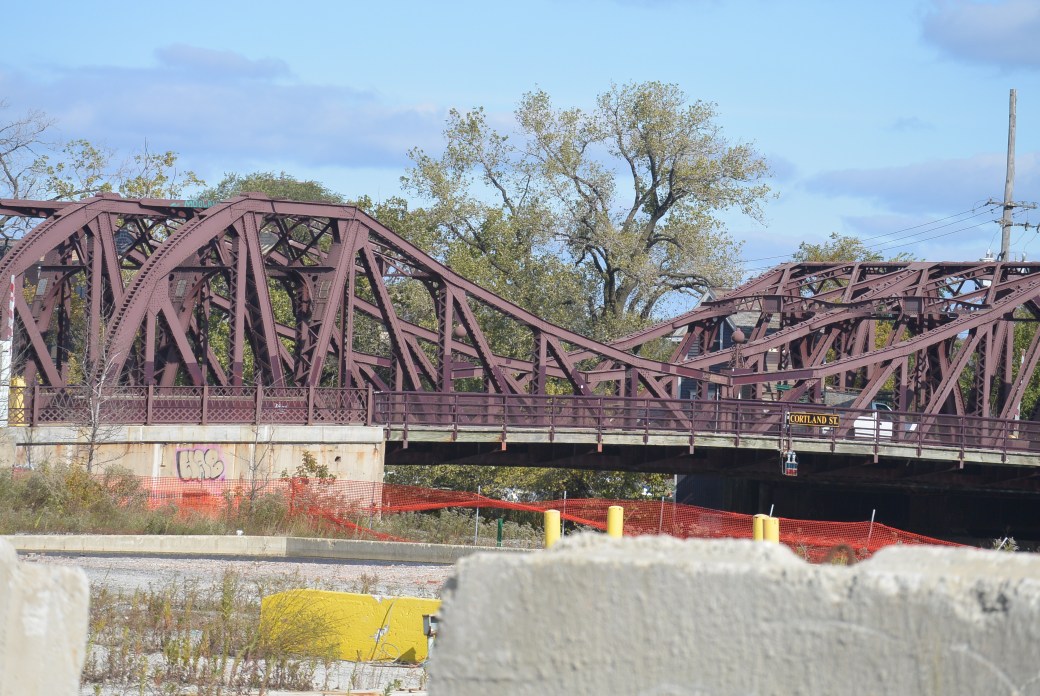
      Cortland Street Bridge (1500 West; 1800 North) crosses the North Branch Chicago River four miles from the river mouth.  In total, there have been 5 bridges at this site.

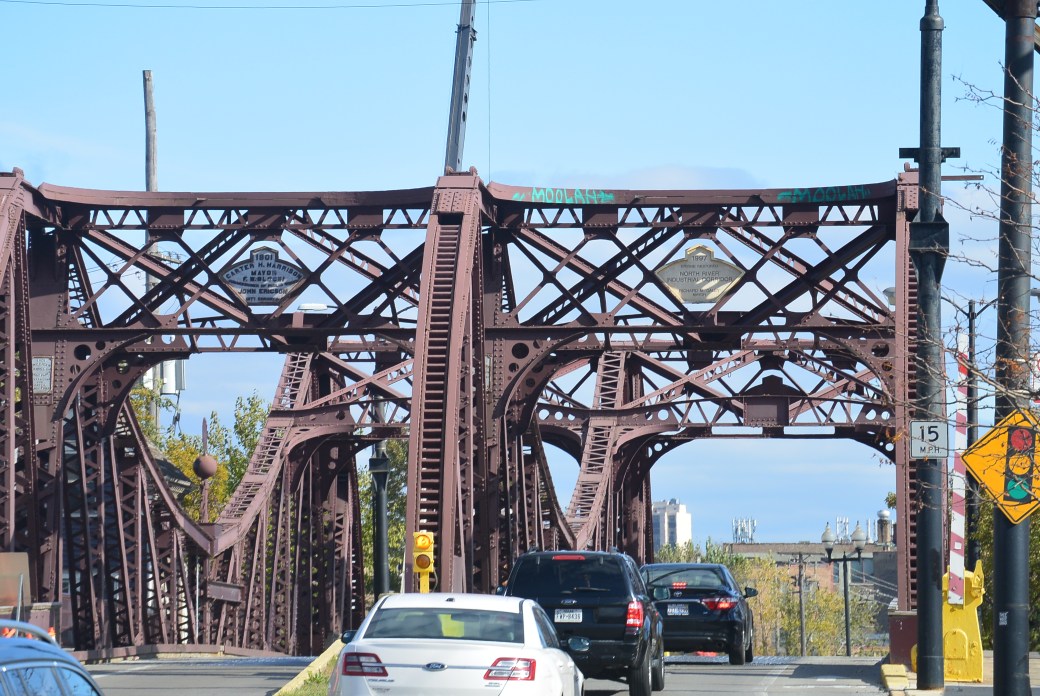
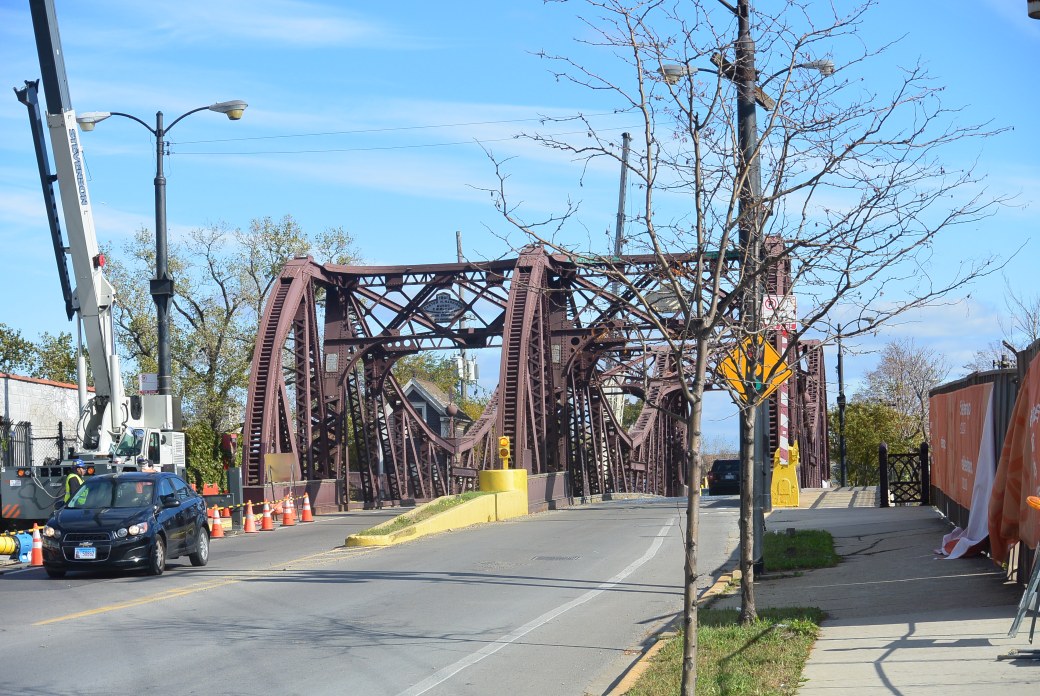
     The current bridge opened on May 24, 1902.  It is a metal 14 panel rivet-connected Pratt through truss, movable double leaf bascule (fixed trunnion) and approach spans: metal stringer (multi beam); fixed.  There is one main span and four approach spans.  Main span length is 128 feet. Structure length is 217 feet.  Roadway width is 36 feet.  This bridge is unique because it was the very first Chicago style fixed trunnion bascule bridge.

     Bridge was designed by the Division of Bridges and Viaducts City of Chicago.  Superstructure Contractor was the American Bridge Company of New York.  Substructure Contractor was FitzSimons and Connell.  Construction costs were $159,911.

  During the years the bridge has undergone many repairs and modifications. 

     Included were:

1923 floor replaced, buffers replaced, bridge redecked.

1951 street car rails and old timber deck removed.  Floor beams and almost all stringers replaced.  Several truss members and gusset plates replaced.  Approach roadways were rebuilt.

1968 Bridge was redecked with open grate steel deck.

1990 Bridge was converted to a fixed span. Operating equipment was incapacitated.

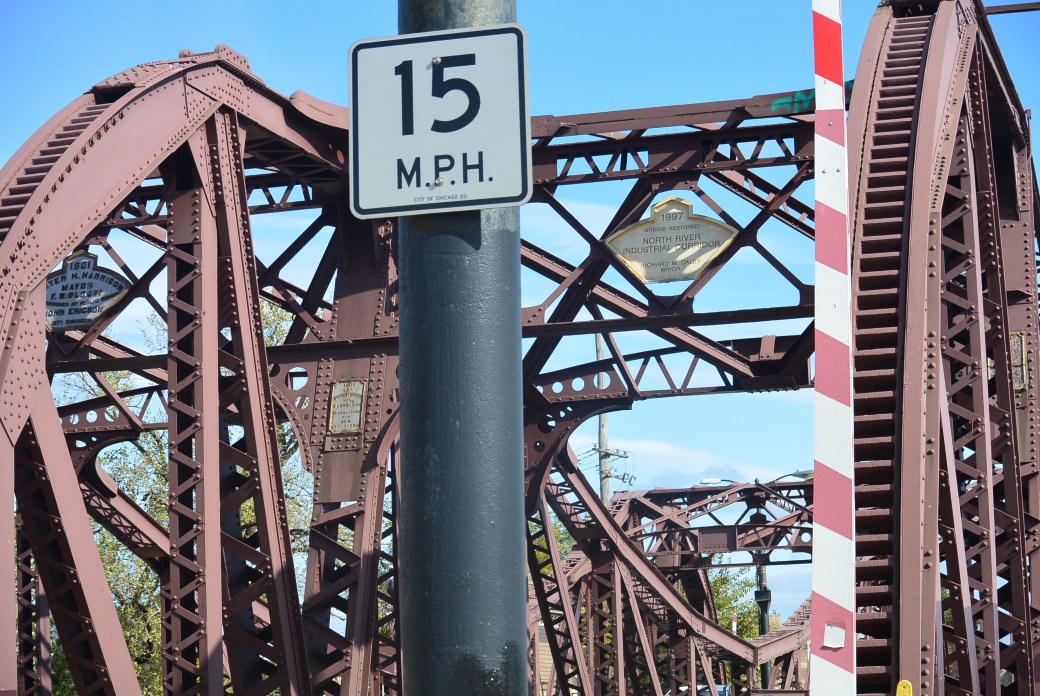
1997  Bridge superstructure and roadbed was completely restored and repainted.
DSC_2533

Cortland Street Bridge

     The first Cortland Street Bridge was built before 1849.  Its location was  called Clybourn Place.  It was a wood bent bridge.  It was constructed as follows.  Four large logs were sunk into the river bed 20 to 30 feet apart.  Long stringers were laid in pairs to connect the bent with the shore.  Framework supported timber roadway was laid across the stringers.  No information is available about the designer, contractor or the cost.   Bridge was removed in 1859.
DSC_2534

Cortland Street Bridge

     The second bridge at this.location opened in September, 1859.  Like its predecessor, it was a fixed wood bent bridge.  Like its predecessor, its designer, builder or the construction costs are unknown.  There was controversy about this bridge from the beginning.  Local residents wanted a movable bridge.  It was removed on April 28, 1862.

     The third bridge at Cortland Street opened in 1862.  It was a wood pivot hand operated bridge.  It was 100 feet in length.  It was designed and constructed by Fox and Howard.  Construction cost was $2000.  It was removed in 1873.
DSC_2535

Cortland Street Bridge

     The fourth bridge was built in 1873. It was a wood swing hand operated bridge. It was 140 feet long and 32 feet wide. 

    The bridge was designed and constructed by Fox and Howard.  Construction costs were $13,700.

  In December, 1900, FitzSimons and Connell began removal of the bridge.  The superstructure, center pier, and abutments were removed.  Project was completed on January 1, 1901.
DSC_2536

Cortland Street Bridge

DSC_2537

Cortland Street Bridge

DSC_2538

Cortland Street Bridge

DSC_2539

Cortland Street Bridge

DSC_2540

Cortland Street Bridge

DSC_2541

North Branch of the Chicago River from the Cortland Avenue Bridge
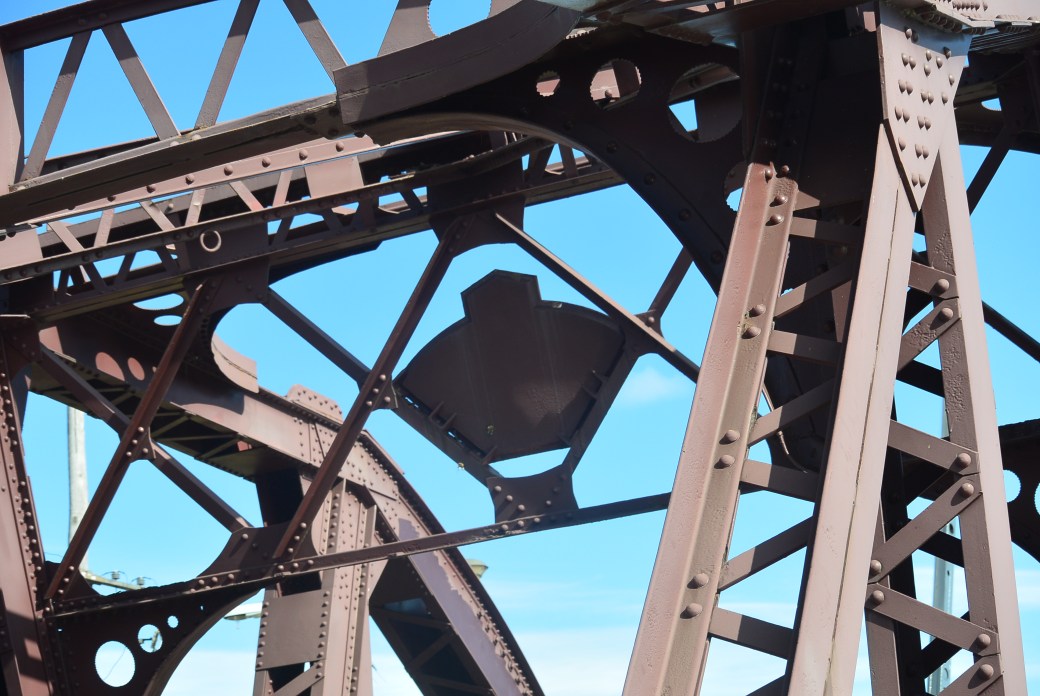
DSC_2542

Cortland Street Bridge

DSC_2543

Bridge Tender House Cortland Avenue Bridge
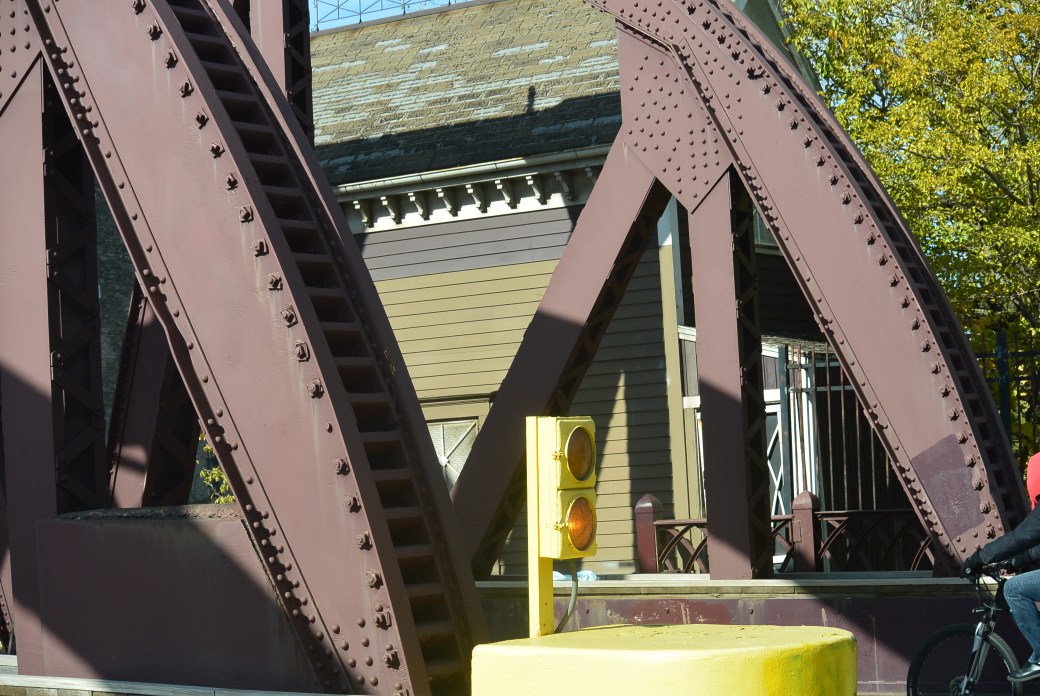
DSC_2544

Same as above

DSC_2545

Bridge Tender  House  Cortland Street Bridge
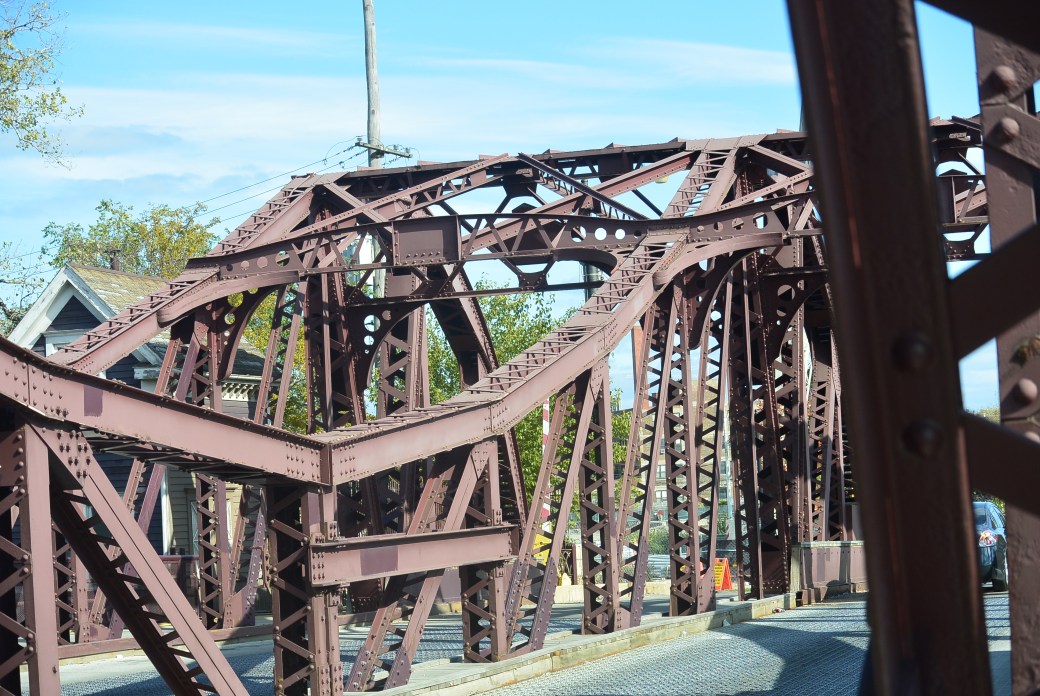
DSC_2546

Cortland Street Bridge

DSC_2547

Cortland Street Bridge

DSC_2548

Cortland Street Bridge

Bridge Inspection Current Bridge 9/2011

Deck.                                Condition.                Rating     Good     7 out of 9

Superstructure.            Condition.                Rating.     Poor.     4 out of 9

Substructure.                Condition.                Rating.      Fair.      5 out of 9

Sufficiency Rating. 35.6 out of 100
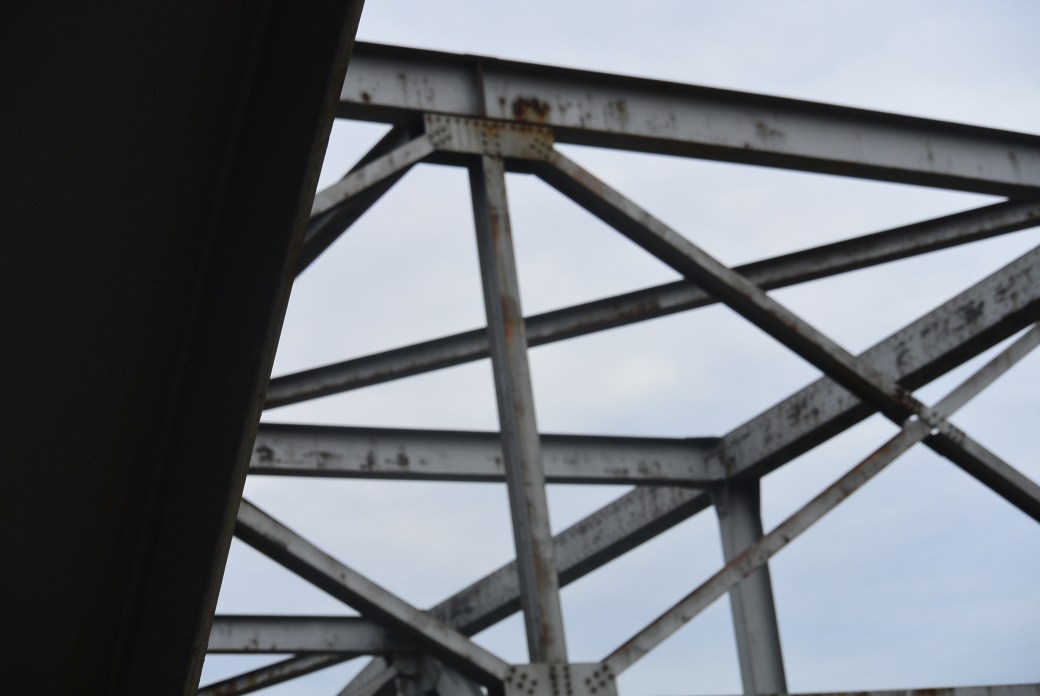
I 294 Bridge over the Cal Sag Canal

DSC_2531

I 294 Bridge over the Cal Sag Canal

     This is a bridge over the Cal Sag Canal between the Cicero Avenue Bridge and and the Crawford Avenue Bridge.  It was built in 1958.  There are 3 spans.  Largest span measures 299.9 feet.  Total length of the structure is 584 feet.  Roadway width is 46.3 feet  (edge to edge).  The deck type is concrete cast in place.

     Inspection 2014

     Deck                           Condition.      Rating       Good. 7 out of 9

    Superstructure.       Condition.      Rating.     Very Good  8 out of 9

     Substructure.          Condition.      Rating.      Satisfactory  6 out of 9

      Sufficiency Rating:  93.1