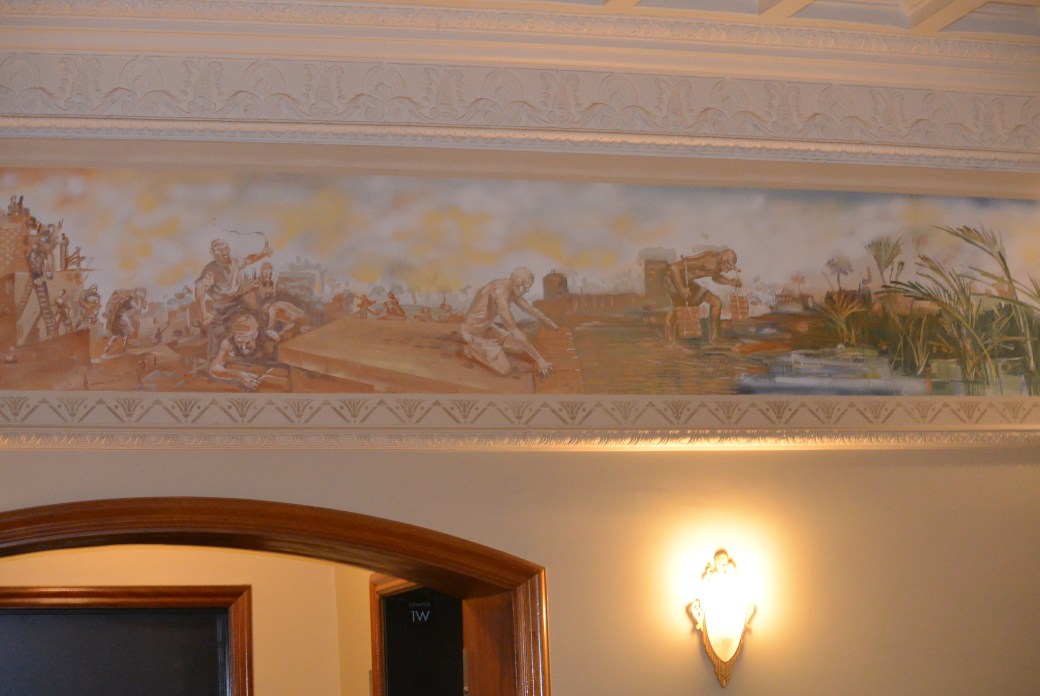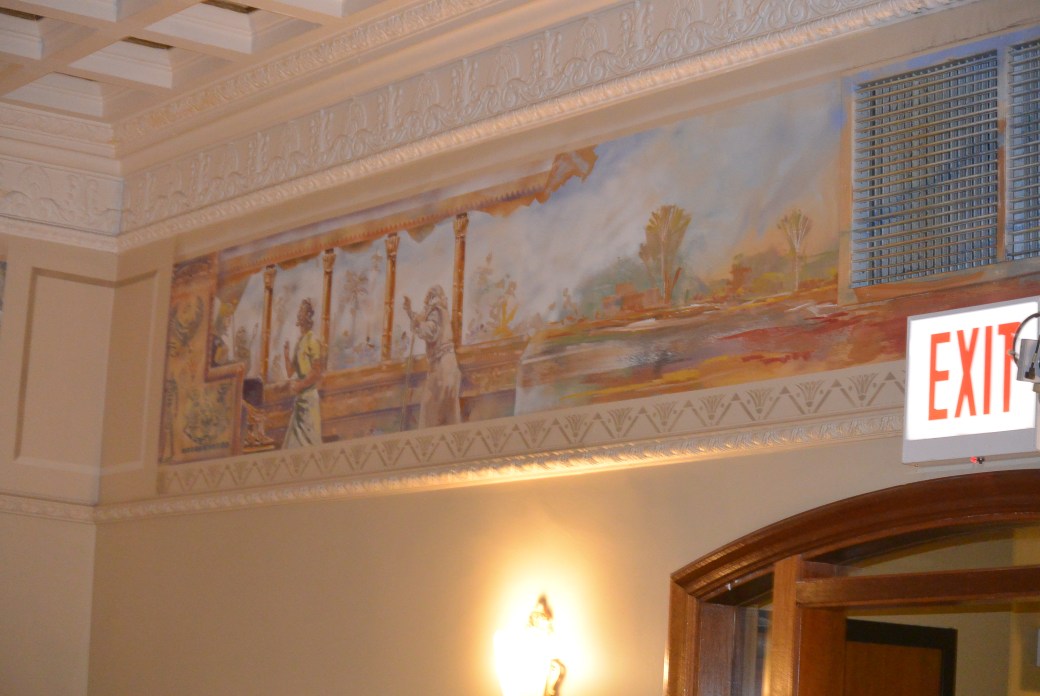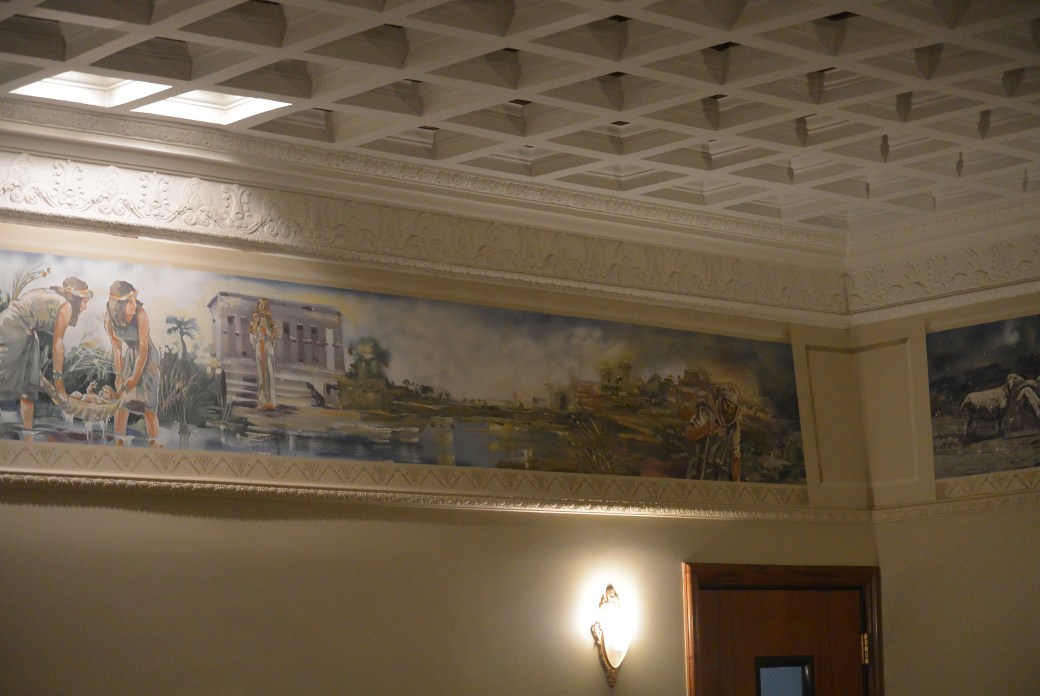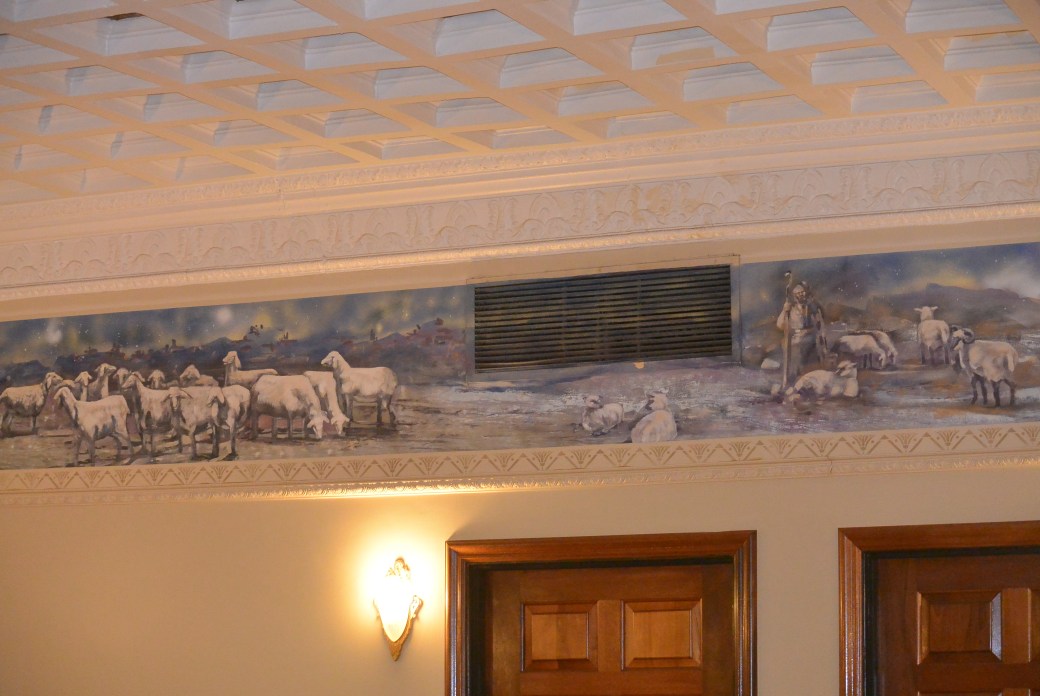
McVickers Theater

McVickers Theater

Garrick Theater Chicago Photo Courtesy of Tim Schapker
The Garrick Theater was located at 64 West Randolph St. It opened in 1891 as the Schiller Theater. It was named after Friederich Schiller, a German philospher, poet and playwright. It was funded by publisher Anton Hesing and other German investors. It was to be used for German operas and cultural events.
It was designed by Louis Sullivan and Dankmar Adler. On the second floor arcade, there were multiple terra cotta busts of famous Germans.
The building was one of the tallest in Chicago at the time of construction. The theater has a capacity of 1300 seats.
In the late 1890’s, the German investors backed out of the Schiller Theater. German operas and programs no longer were shown. The theater now featured touring stage shows.
From 1898–1903, the name was changed to the Dearborn. In 1903, name was changed to the Garrick Theater. Schubert Brothers assumed management of the venue.It
In 1934, the Garrick Theater was acquired by the Balaban and Katz movie chain. The firm of Rapp and Rapp was retained in the 1930’s to remodel the main entrance, ticket booth, and lobby areas in an art deco style.
From the 1940’s to the 1950’s, the theater was used for live local and later national television broadcasts.
From 1957 to 1960, Balaban and Katz resumed slowing movies at the Garrick. Ultimately, they closed the theater on May 19, 1960. It was razed a few months later. In the location a multilevel parking garage was built. This was demolished in the late 1960’s.
A portion of the Garick facade was preserved and was installed in the entry way of the Second City Theater Chicago.

Michael Todd Theater
The Michael Todd Theater was located at 180-190 North Dearborn Street. When it was originally built in 1923, it was called the Harris Theater. It was designed by C. Howard Crane as a legitimate play house for producers Sam Harris and Archie and Egdar Selwyn. The style was Italian Palladian. The theater closed and was acquired by Michael Todd in 1950.
Mr. Todd converted the building to a movie venue. It was the second Todd-AO 70 mm road show theater. There was a single large flat movie screen. The was a waterfall curtain. There was a large balcony. Seating capacity was 600 seats. There was a JJ projection booth.
Due to deteroration, the building was ultimately demolished with the exception of the facade. This was incorporated into the new Goodman Theater.

Shangri-La Theater Chicago
This theater was located at 222 N. State Street Chicago. The first business at this site was the Three Deuces night club. This operated from the mid 1920’s until 1940. It was destroyed by a fire. In 1944, this site was used by the Shangri-La Restaurant. This closed in 1968.
The building was remodeled in 1969-70. It was converted into a movie venue. It was operated by the Kohlberg Chain. It was a smaller theater with only 482 seats and one screen.
It apparently showed porno films. It operated into the mid 1970’s. The building was demolished in 1981. The site was used as a parking lot. Eventually all of the buildings on the block were demolished and the Renaissance Hotel was constructed.

Clark Theater Chicago
This theater was located at 11 North Clark Street in Chicago. It originally was named the Columbia Theater. It opened in 1911. It was a stage theater. Architect was J.E.O. Pridmore. It had 1550 seats. In 1923, it was remodeled by A.H. Woods. It was renamed the Adelphi Theater. In 1931, it was changed to a movie theater. Its name was changed to the Clark Theater. During its history, it was managed by the Lubliner and Trinz Chain and Kohlberg Theaters. It operated into the 1970’s. It was demolished in 1974.

Woods Theater Internet Photo
The Woods Theater was located at the corner of Randolph and Dearborn in Chicago. It was built by producer Albert Woods. It opened on March 11,2018. It operated as a legitimate theater until 1932.
Its style is neo-gothic. The theater was designed by Marshall and Fox. The 10 story building included the theater on the ground floor and offices above. There was a single screen. Seating capacity was 1300.
It was converted to a movie theater in 1932. Over the years, the Woods was managed by RKO, Essaness Theater, and Cineplex Odeon.
Beginning in the 1950’s, it featured a large marquee facing Dearborn Street.
Over the years, the quality of the theater declined. It closed in 1989. It was demolished in 1990.
The Loop Theater was located at 165 N. State Street in Chicago. When it first opened in December, 1939, it was known as the Telenews Theater. The architects were Charles Murphy, Sigurd Naess, Alfred P. Shaw. Style was Streamline Moderne. It had one screen and 606 seats. Originally, it featured cartoons, newsreels, and comical shorts.

Internet Photo Telenews Theater
In April, 1950, for a brief period of time, the name was changed to the Loop Theater and it featured first run movies. In July, 1950, the name was changed back to the Telenews and the format was changed to newsreel.
In August, 1953, the name was changed back to the Loop Theater. It switched to featuring first run features.
In the mid to late 1960’s, the theater featured a mix of B movies, first run features and adult films.

Internet Photo Loop Theater
It closed in April of 1978. During its lifetime, it was managed by Brotman and Sherman Theaters and Telenews Theater.
For a period of time the old theater building was used as a retail store. It sat empty for years.
The building was demolished in November and December of 2005. A 31 story building was erected at this site. It was called MoMo. It is now called the Joffrey Tower.

Site of Former Roosevelt Theater
The current 114 year old bridge at this site is scheduled to be removed in 2019–2020. A group called the Friends of Goose Island is in discussions with the city of Chicago to arrange for movement of the current bridge to Blackhawk Street to be used as a pedestrian and bike crossing over North Branch of the Chicago River.
One of the roadblocks is the 4 to 5 million price tag to relocate the bridge to the new location. The Friends of Goose Island is seeking to raise these funds.

Current 114 year old Division Street Bridge


Interior Palace Theater

Palace Theater

Palace Theater

Palace Theater