Mudgee World War II Clock Memorial

World War II Clock Memorial

     Mudgee World War II Clock Memorial is located on a round about at the corner of Church and Market Street. It is a red brick tower with clock faces on all four sides. It commemorates those who served in Word War II.  The tower was dedicated in 1952.

 Front Inscription

Lest We Forget

     1939–1945

     In proud memory of 

those who served in World War II

and of those who passed

from the sight of man

Names

Plaque Commemorating

The 50th Anniversary

Word War II

15 of August 1945

Erected by Mudgee

Probus Club

World War II Clock Memorial

Left Side Inscription

The Memorial Clock

Was donated to the people

Of Mudgee and District by

Mr. and Mrs. Ivan R. Adams

and was unveiled by

F.G. Cooke,Esq MLA

April 25, 1952

Rob A. Roth

Mayor

Same as above

Back Inscription

Plaque

This plaque

Commemorating

50th Anniversary

World War II, 15 August 1945

Erected by Mudgee

Probus Club

World War II Memorial Clock

     The clock tower memorial appears on many episodes of the Australian series the heart guy

Johann Christopher Friedrich von Schiller Monument

    This statue is located at 2045 N. Lincoln Park West, Chicago.   It was installed in 1886.  The artist was Ernst Bilhauer Ray.

     Schiller was a German playwright and poet.  He was born Marbach in southwest Germany. An original monument was located in Schiller’s birthplace since 1876.  The statue was replicatd for Chicago.

     Beginning in the 1880’s Chicago German community lobbied for a Schiller statute.  In 1885, A corner stone and foundation were laid in Lincoln Park.  An artist from Stuttgart William Pelargus was hired to recast Rau’s original monument. Marble cutter John Gall was hired to create a granite base for the monument.  The monument was unveiled in 1886 during an elaborate ceremony.
     The Laing and and Son Granite Company repaired the Schiller’s Statue in 1959.  They instilled a bronze plaque on its base

Schiller’s Statue Lincoln Park


Same as above

Shell Factory, North Fort Myers, Florida

Sign Shell Factory

Sign Shell Factory

Entrance to retail area

Merry Go Round

Shell Factory Bumper Boats

Same as above

Shell Factory Zip Line

Southern Grill Restaurant

Same as above

Entrance to Day of the Dinosaur

Day of the Dinosaur

Same as above

Same as above

Same as above

Same as above

Same as above

Entrance to Nature Park

Alligators

Camel

Totoise

Peacock

Alligators

Orlando R.R Station

Orlando R. R. Station

Parking for Orlando R.R.Station

Loading Platform

Informational Plaque

Same as above

     The historic Orlando Railroad Station is located at 1400 Sligh  Boulevard.   It was built in 1926 at a cost of $500,000.  The station’s style is Mission Revival.  It was built for the Atlantic Coastline Railroad.  The architects were A.M. Griffith and H.T.Hadlow.  

     The roof is red tiled.  The external walls are stucco.  There are two domed towers flanking the entrance.

     There was a major renovation in 1990.  In 2015, there was another renovation.  The tile roof and twin towers and stucco surfaces were repaired.   The fixtures, windows and door were replaced.   In 1967, the Atlantic Coast Line and the Seaboard Coast Line merged.   The name on the station was changed to Sea Board Coast Line.

     The station is serviced by Amtrak and A commuter rail company Sun Rail

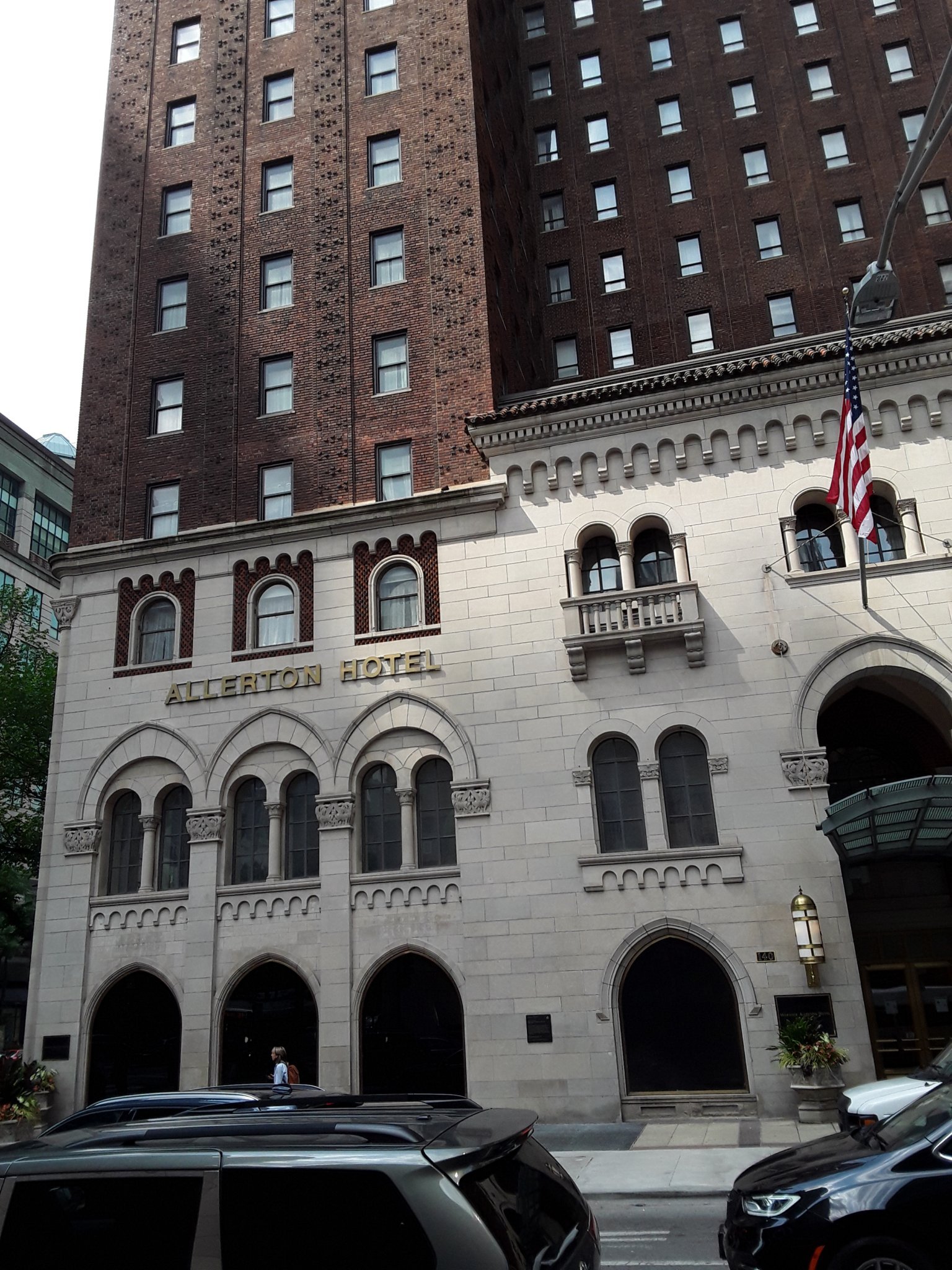
Warwick Allerton Hotel Chicago

Plaque Warwick Allerton Hotel

Warwick Allerton Hotel Chicago

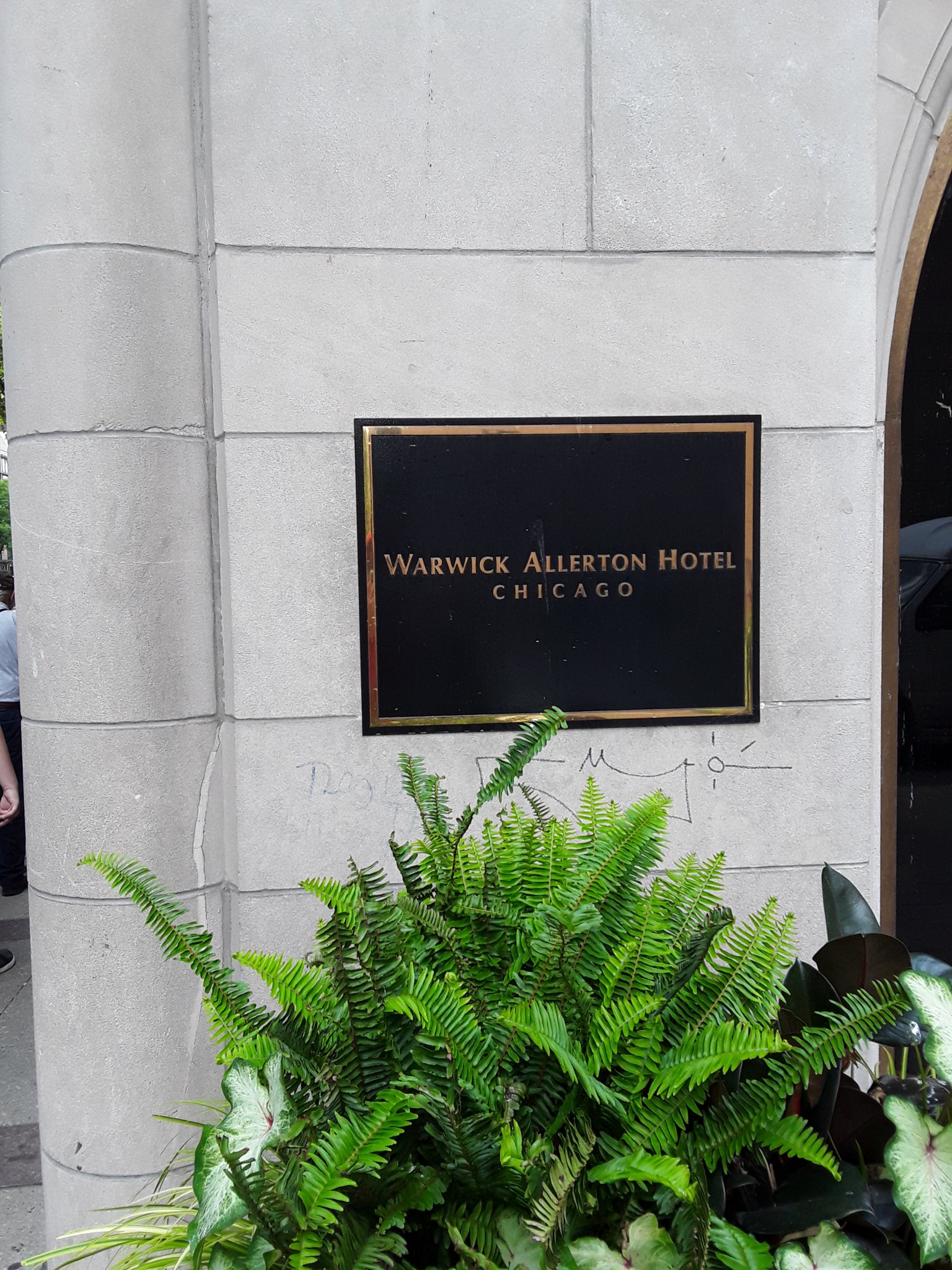
  This historic hotel is located at 701 N. Michigan Ave.  It opened in 1924.  Construction costs were 4 million. The architects were Mergatroyd and Ogden from New York. Style was northern Italian Renaissance.  It was built by the Allerton Hotel Company.  Originally it was built as a club hotel for men.  Over the years this changed.  The hotel has undergone multiple renovations.  It was purchased by Warwick.Hotels and Resorts.

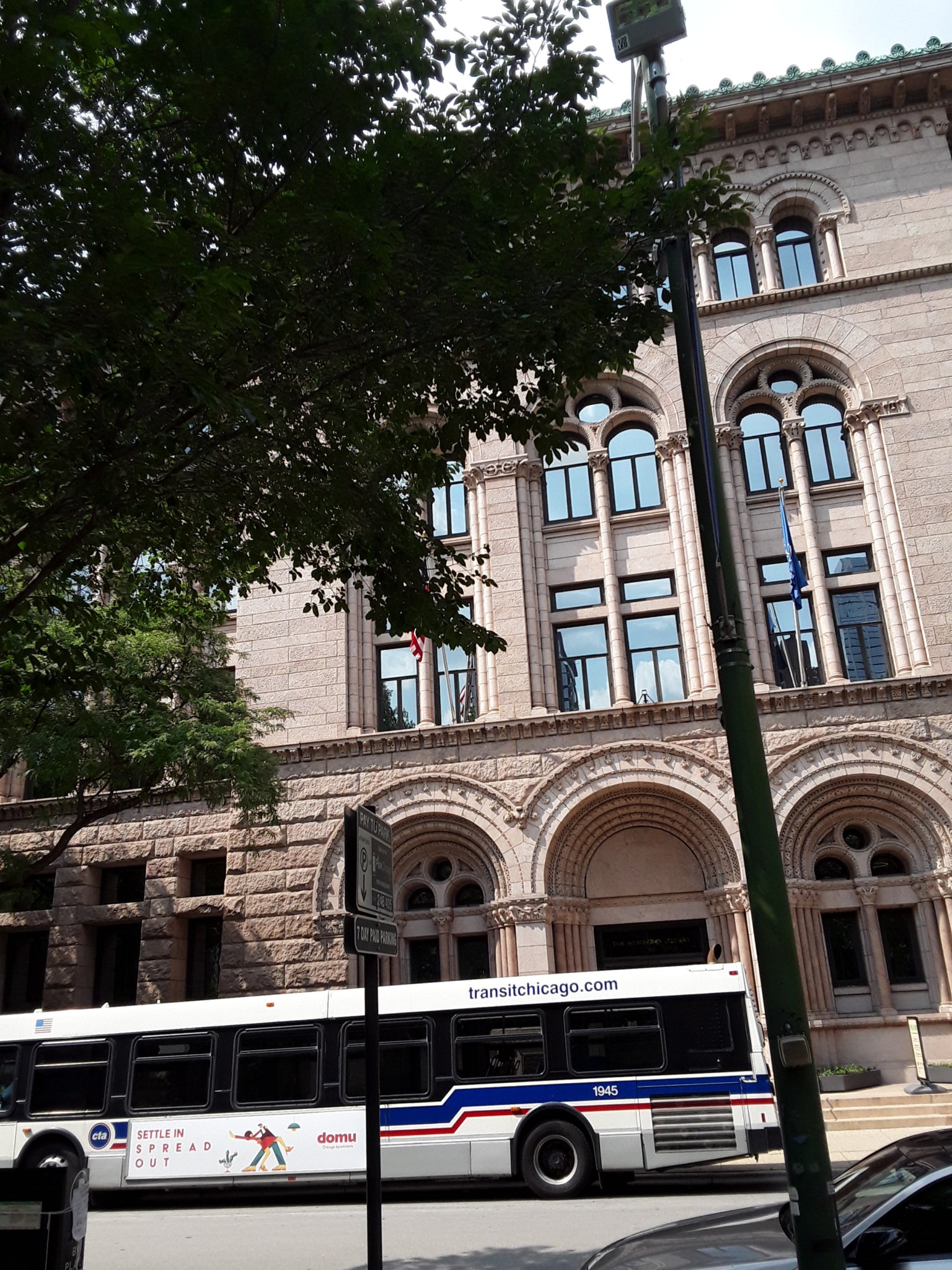
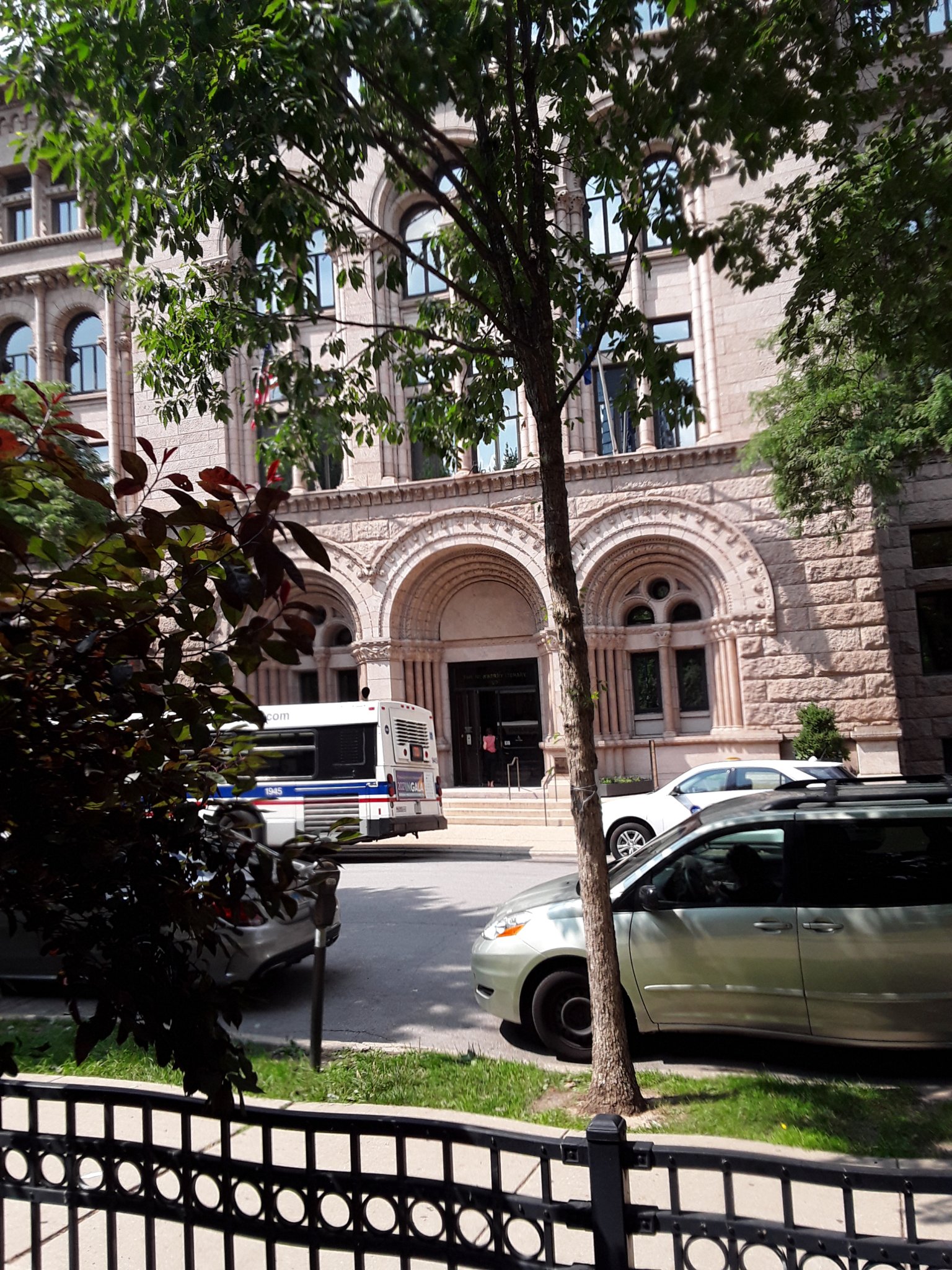
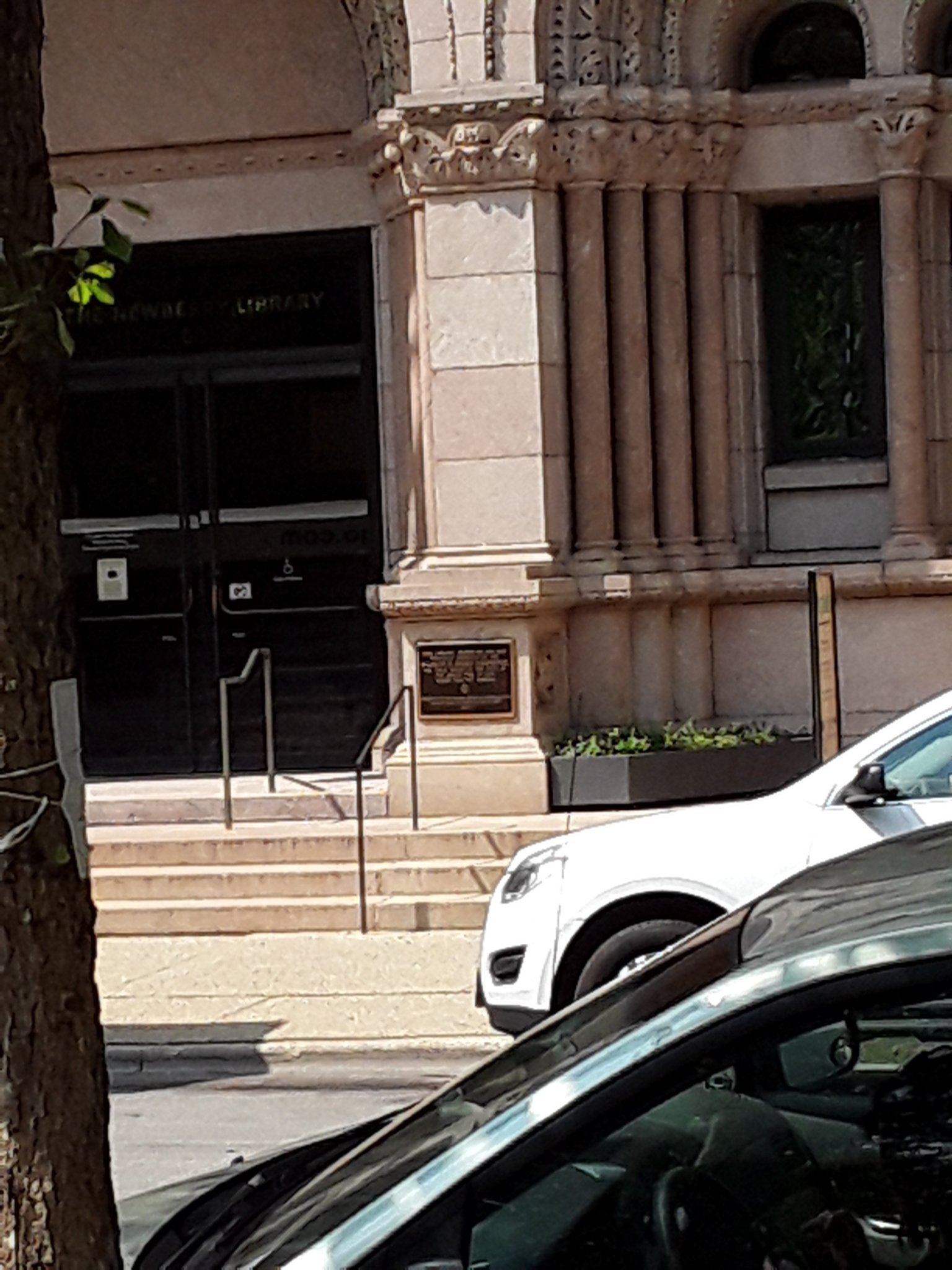
Newberry Library, Chicago

Newberry Library, Chicago, Il

     The Newberry Library was established in 1887.   Funding was from the estate of Walter Loomis Newberry. The bequest was in the amount of $2.2 million.  Newberry was a successful Chicago entrepreneur.  He wanted to provide a free public library north of the Chicago River.  Estate trustees William Bradley and Elphalet W. Blatchford moved to establish the library.

Newberry Library

     From 1887 to 1888, the library was located at 90 South  LaSalle Street.  From 1889 to 1890, it was located at 338 Ontario Street.  From 1890 to 1893, it was located at State and Oak Street.

     The estate trustees hired William.Frederick Poole as the first librarian. He purchased 25,000 books in the first year and one half of his tenure. He had purchased 120,000 volumes and 44,000 pamphlets by the end of his tenure in 1894.

Newberry Library

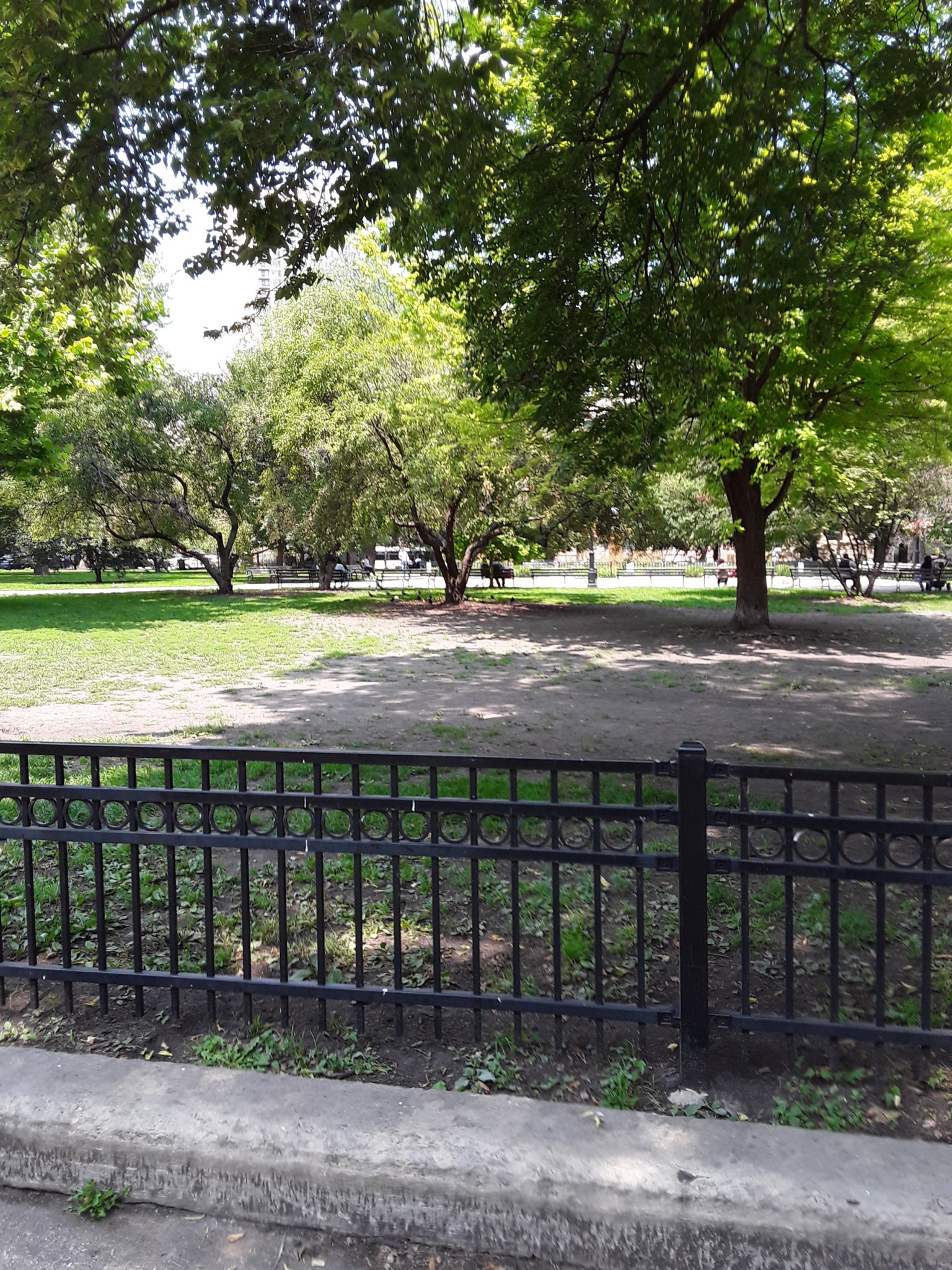
     The current building was designed by William Poole and architect Henry Ives Cobb.  It opened in 1893.  It is located at 60 W. Walton Street across from Washington Square Park.  The building style is Spanish Romanesque.  It is built with Connecticut granite.

Washington Park Square

Washington Park Square Square Chicago, Il  Fountain

Washington Park Square Chicago

Same as above

Signage

Fountain

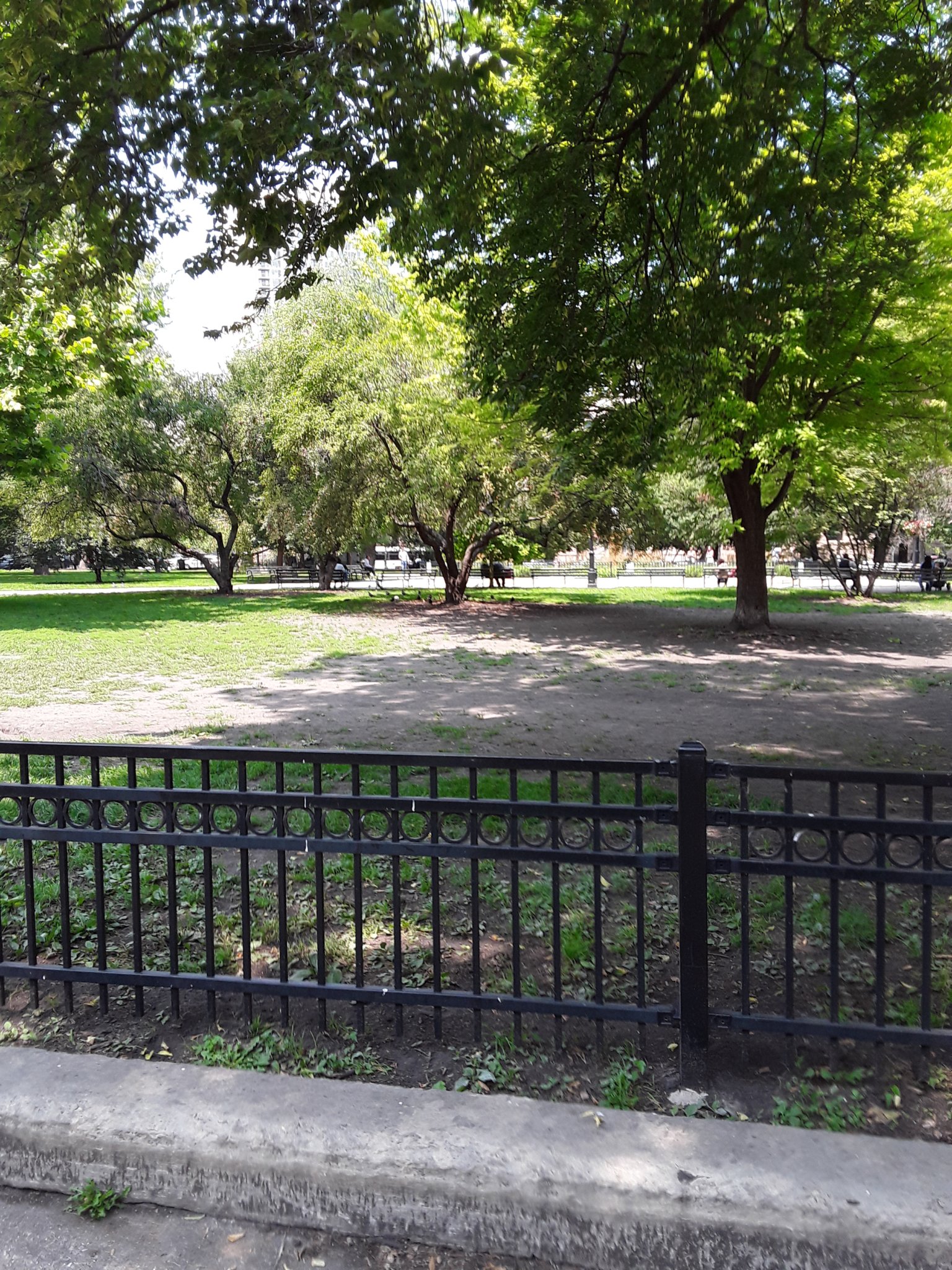
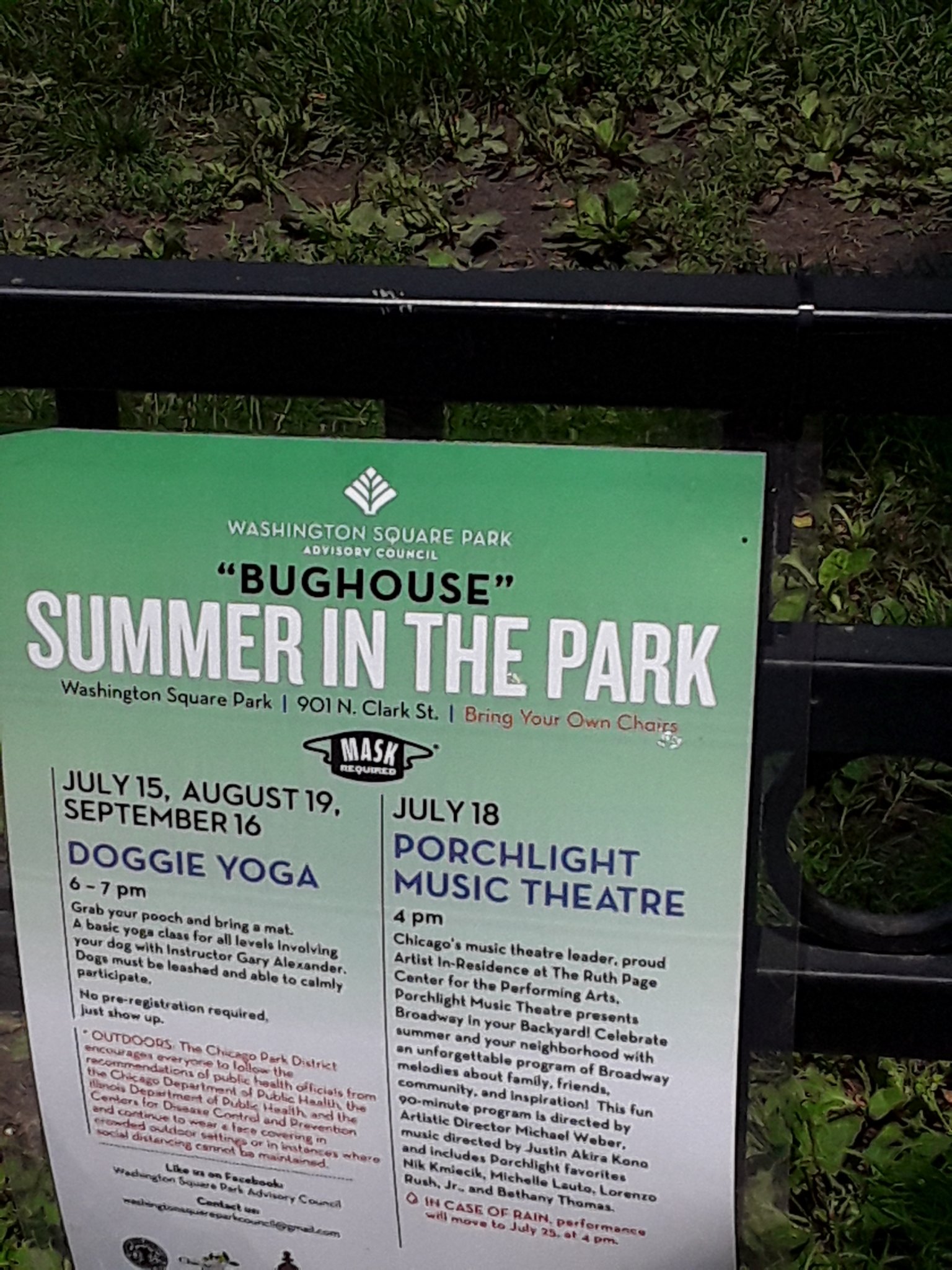
     Washington Square Park is located at 901 N. Clark Street Chicago.  This 3 acre park dates back to 1842.  James Fitch, Orasmua Bushnell, and Charles Butler of the America Land Company donated the land for a park that would be named Washington Square Park.  Eventually fine residences and churches sprung up around the park.

     In 1869, the park was improved with lawn, trees and bisect ing walkways.  In the 1890’s, a Victorian fountain was installed.    Unfortunately, it only lasted a decade.

     In 1906, Alderman McCormick donated his salary to improve the park.   He also paid for a new fountain.  City spent. $ 10,000 for improvements.  The park was landscaped by Jens Jensen.

     By the 1910, the neighborhood became diverse.  Surrounding mansions were converted to flop houses. The park was known by residents as Big House Square.  The area became a forum for amateur orators.

    In 1959, the city transferred the park to the Chicago Park District.  The McCormick fountain was removed in the 1970’s.

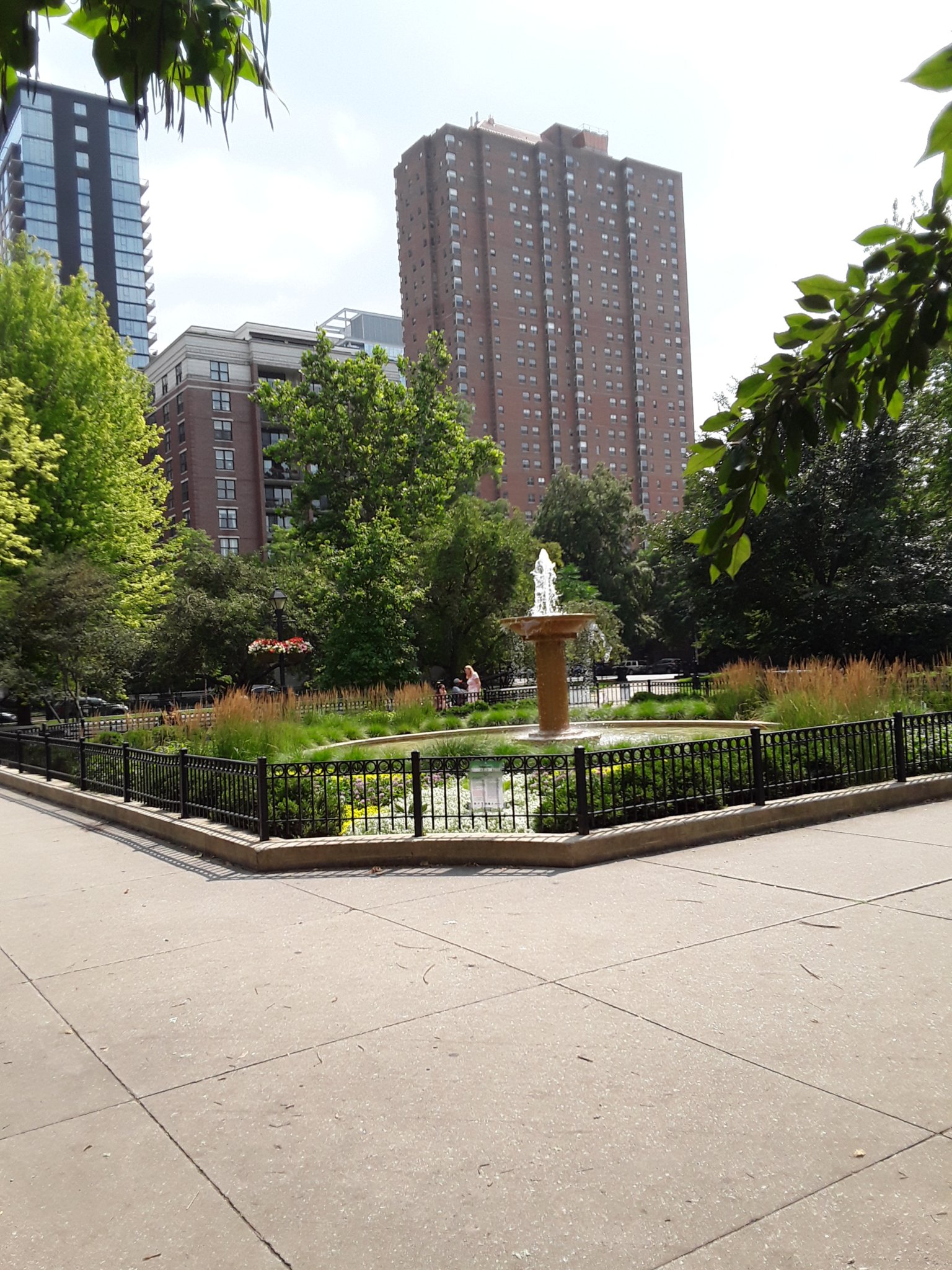
    The park was improved in the 1990’s.  A new fountain was installed.  Period lighting was added.  Peripheral fencing was installed. There was also added landscaping.