Aux Sable Aqueduct Revisited

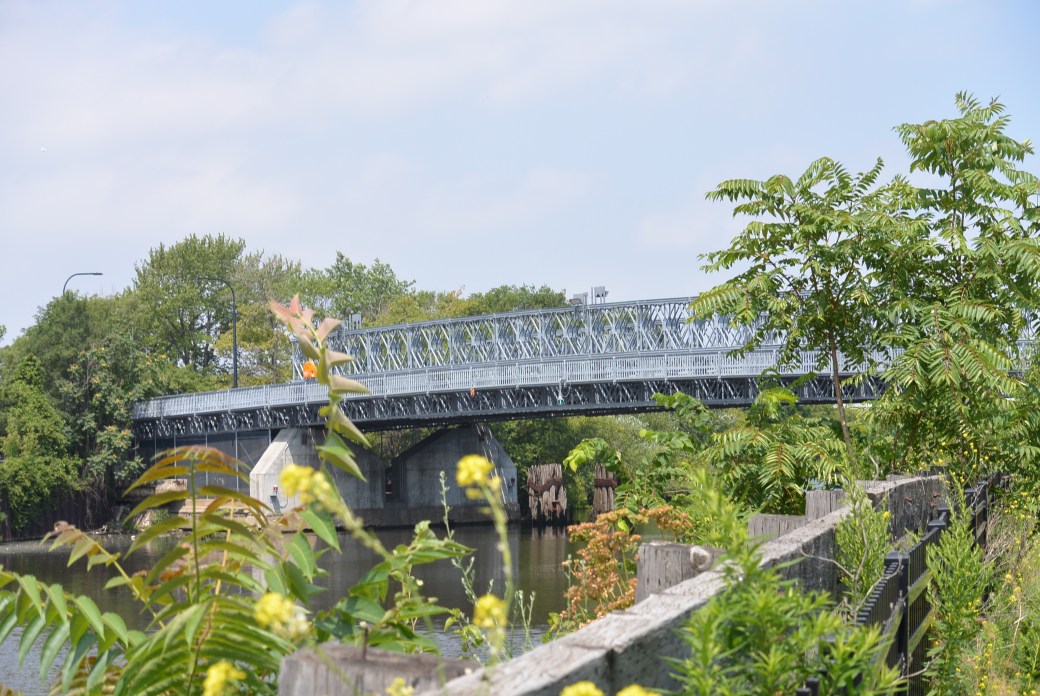
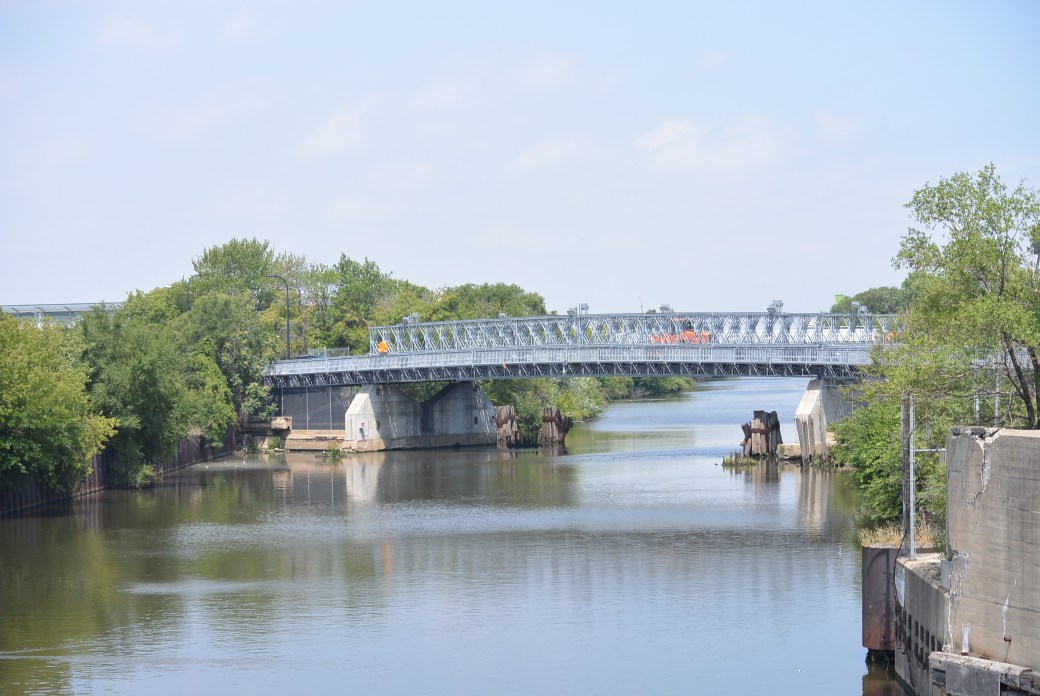
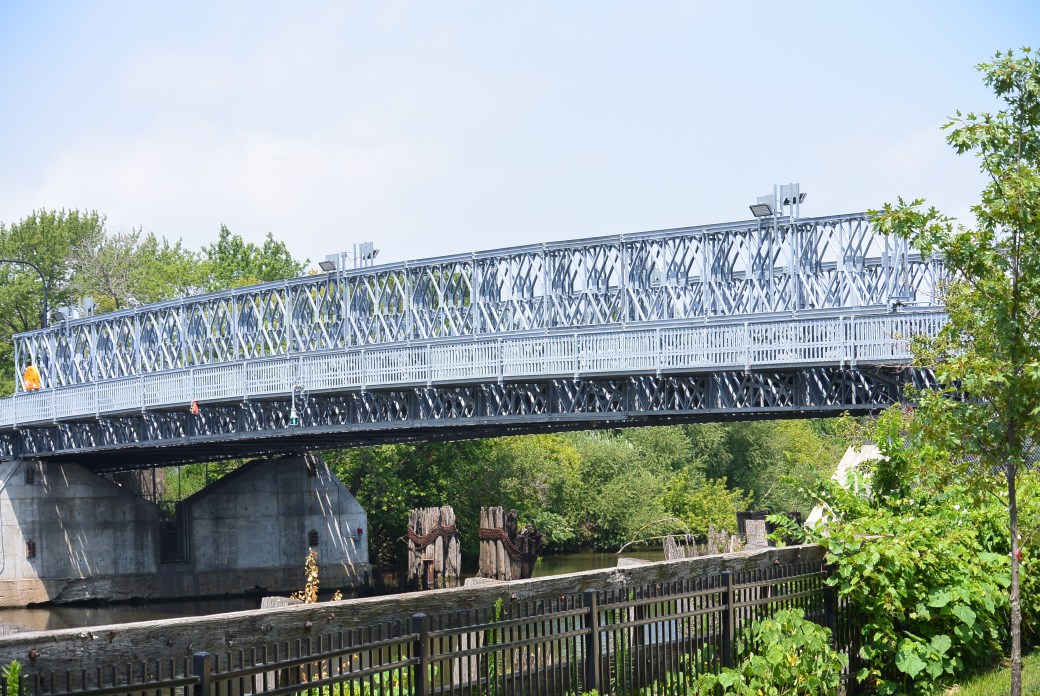
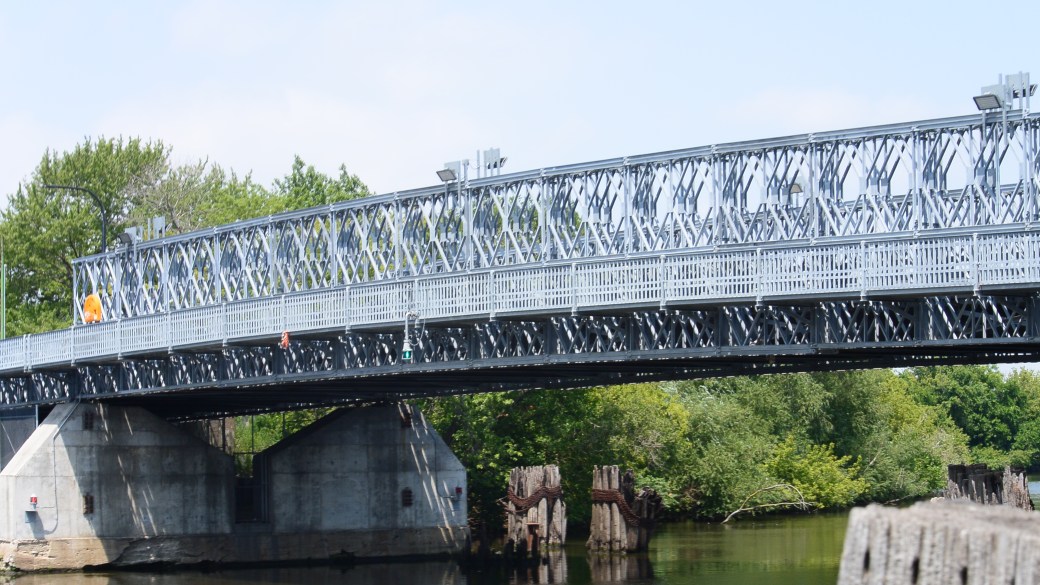
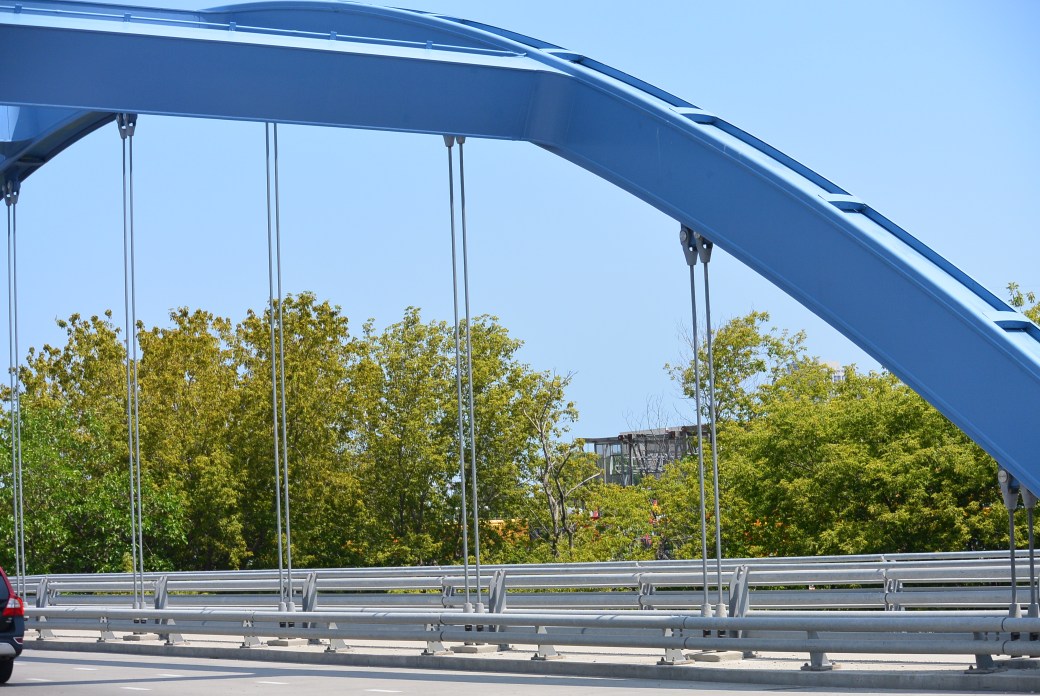
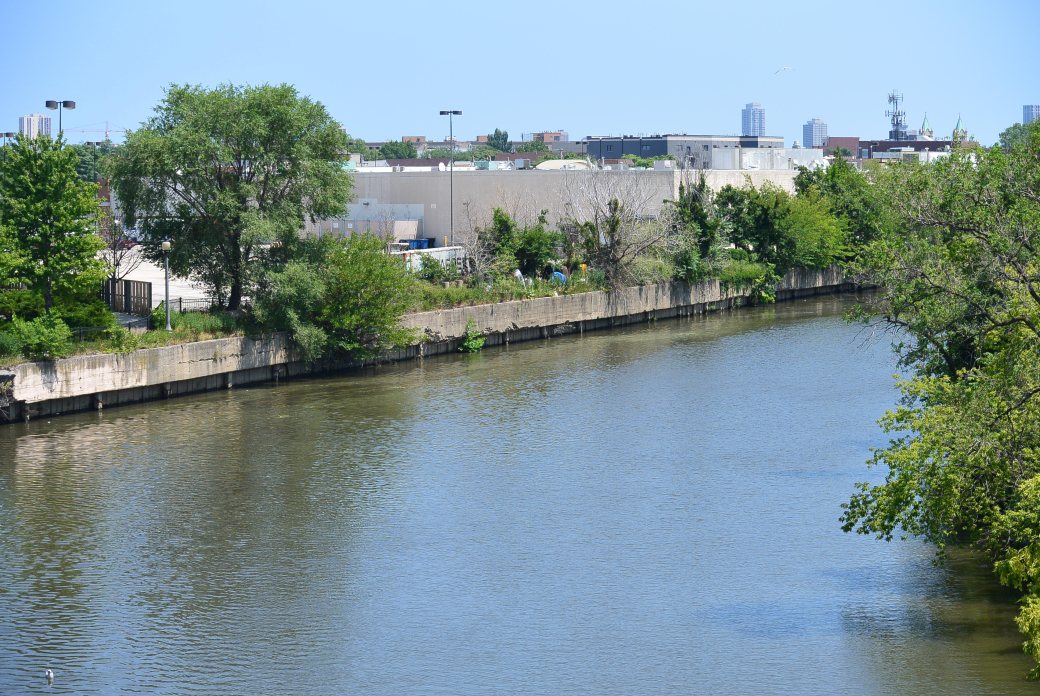
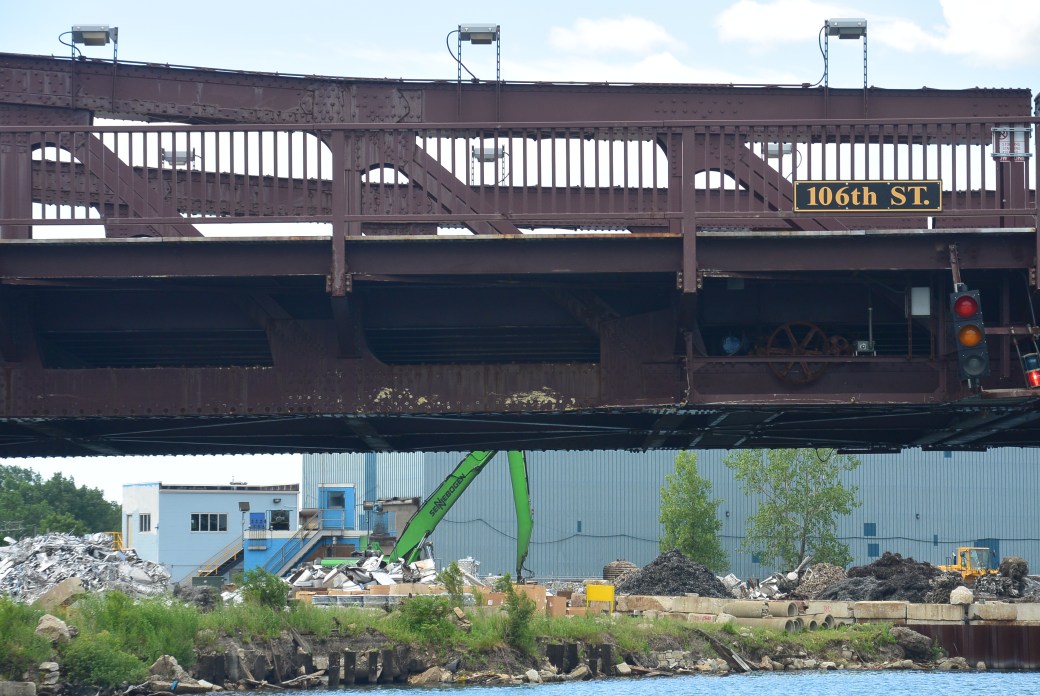
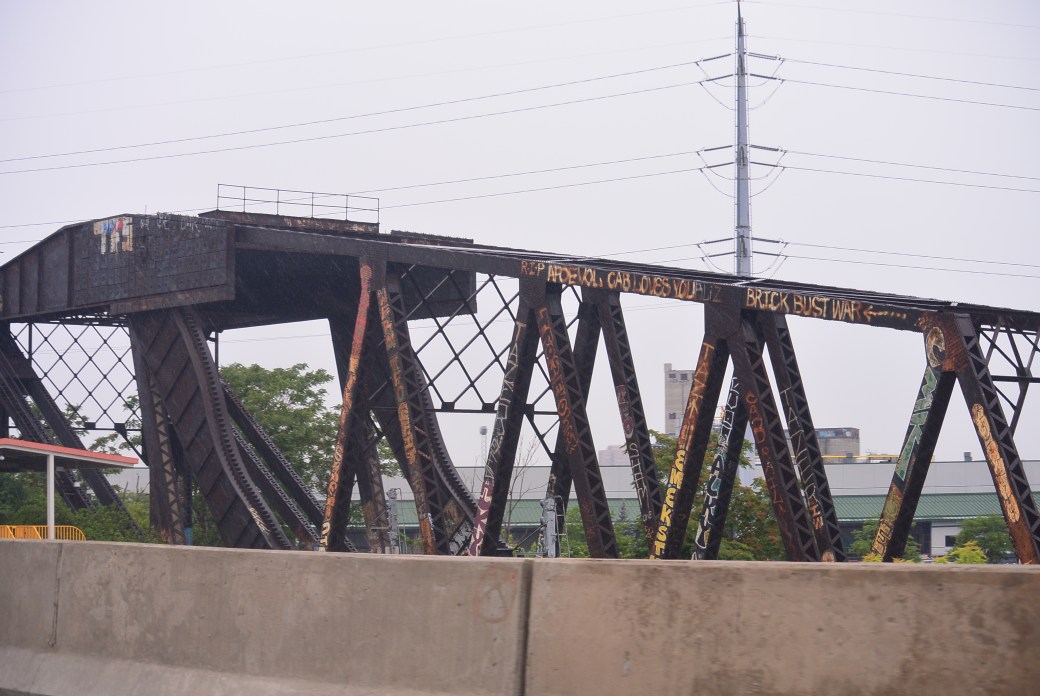
At the site of the crossing of the I and M canal and Aux Sable Creek, there is an aqueduct.  The original aqueduct was completed in 1847.  Its superstructure was a 2 span timber Howe truss.  This was supported by limestone piers.    It was 136 feet in length and 28 feet wide.   In 1927-8, the wooden aqueduct was replaced by a steel structure.    In 1948, the limestone piers and abutments were reinforced.  After 1986, the piers were rehabbed.  The superstructure was painted.

Currently, the aqueduct is a trough with riveted steel plate girders.  This rests on ashlar limestone piers and abutment.

According to records kept in the Illinois State Archives, the following is a list of contractors working on the aqueduct:  Matteson, Campbell, Hall, Lord, Wall, Sordslo, Kinsley, Mallison.

image

Aux Sable Aqueduct

image

Aux Sable Aqueduct

Westclox Revisited

Charles Stahlberg was an inventor from Waterbury, Connecticut.  He came to LaSalle Peru with  a plan to establish a clock factory.    Nowhere in my research can I find why he chose this area.  He had an idea for improved manufacturing of low cost clocks.  This idea was patented in 1885  (326,602).

     He was able to attract local investors to help  establish his business.  With this financing, he was able to build a small plant ( 3 stories; 100 feet long by 40 feet wide).  On 12/23/1885, the new company called United Clock  Company began operations. It was a small operation.  It had 25 employees.  Production averaged 50 alarm clocks a day. The factory was struggling from the beginning.  In 1887, they filed for bankruptcy.

     This might have been the end of the story if not for F.W. Mattiesen.  He was a local businessman who was part owner of a zinc smelting plant.  He bought the plant and founded the Western Clock Manufacturing Company in 1888.  Mr. Mattiesen provided new management and capital for the company.  Early on there were manufacturing, financial and marketing issues.   Mr. Mattiesen had to put money in the business for years. 

The business grew because of the quality of its product and the fair treatment of its customers and employees.  The plant was expanded.  Modern machinery was was brought into the plant.   By 1890, there were 81 workers; by 1900, there were 245; by 1910, there were 896.  It expanded its market to foreign customers.

The company obtained a patent for the Big Ben Alarm Clock Movement in 1908.  The bell mechanism was integral to the clock case.    This clock was first brought to market in 1909.  In 1910, the Big Ben was the first alarm, clock to be advertised nationally (In the Saturday Evening Post).

The company name was shortened to Western Clock Company in 1912.   It was incorporated in 1919.  In 1931, the company merged with Seth  Thomas Clock Company.  Both companies became divisions of General Time Corporation.  The LaSalle  Company was known as the Westclox Division of General Time Corporation in 1936.

In 1938, Westclox debuted its first portable travel alarm clock.

During the second World War, General Time and subsidiaries produced aviation instrumentation and control components, compasses for the army, and clocks for the navy.  During 1942-1944, Westclox ceased all domestic production and concentrated on resources for the war effort.  They became a major producer of of fuses for military ordinance.

For years starting in 1899, Westclox produced inexpensive pocket watches.  They continued in this effort to the 1990’s.

in 1959, Westclox introduced its drowse alarm.  They also received a patent for this.  In 1972, they introduced a quartz movement.

In 1968, Talley Industries acquired General Time. In 1988, General Time was purchased by its  management from Talley Industries.    Bankruptcy followed.  The Westclox and Big Ben trademarks were sold to Salton, Inc in 2001.  In October 2007, Salton sold its entire product line to NYL Holdings.

The LaSalle Peru factory was closed in 1980.  At its peak, Westclox employed 2800 workers.  Its plants covered over 20 acres.

On January 1, 2012, there was a fire at the Westclox compound in Peru.  The fire destroyed approximately one half of the structures.  The fire was apparently secondary to arson.

Recently, a Westclox Museum has been established in one of the old buildings of the plant.  It address is  320 5th Street, Suite 265, Peru, Illinois.  There is a substantial collection of clocks and other products made by Westclox.    I highly recommend it.


image

image

image

image

image


Nettle Creek Aqueduct Revisited

This aqueduct is located near Morris, Illinois.  It traverses Nettle Creek.  It is 80-90 feet. It was constructed in 1847.  The contractors were William Pierce and a Mr. Armstrong.  The original construction was a wood superstructure and redstone piers.    The wood structure was replaced by a steel trough.  Later modifications were made of the superstructure.  The sandstone piers had to be replaced by cut stone.  The aqueduct was destroyed by a flood in April 19, 2013.   It is still in this condition.  There is no water in the aqueduct and consequently there is no water in the canal just west of the aqueduct.

The project to replace this aqueduct has been on hold due to the lack of state funds.

Fox River Aqueduct Revisited

The Fox River Aqueduct was originally completed in 1848.  It was the largest of the Illinois Michigan Aqueducts measuring 464 feet in length.  The superstructure was originally made of wood later replaced with metal.  This was supported with limestone piers.  This structure crossed  was the Fox River in Ottawa

.  Main contractor was David Sanger and Sons.  Other contractors mentioned in canal records included:  William Howe and a Mr. Williams.  In addition to carrying the water of the I and M canal; the structure at one time carried the trains of an electric line.  The aqueduct is currently dry.

The Little Vermillion Aqueduct Revisited

  This is new information obtained from the Illinois State Archives.
Little Vermillion Aqueduct
        Date of original construction uncertain.  Length is 140 feet.  Piers were either sandstone or limestone.  Superstructure was originally wood later replaced with metal.  Following names were listed as contractors working on the aqueduct:  Byrne, Cody, Cahill, Fleahill, Howe, Williams Byron.

image

Little Vermillion Aqueduct

image

Little Vermillion Aqueduct

Canal Origins Park

     July 4, 2016 will be an important date in the history of the city of Chicago.  180 years prior to this, the ceremonial first shovel full of dirt was done at the origin of the Illinois Michigan Canal at the south branch of the Chicago River.  (Ever since the construction of the Erie Canal, it was customary to begin  U.S. canal projects on July 4th.)
     It would take another 12 years to complete the canal to LaSalle at the Illinois River. This man made channel would play an important role in the growth and development mainly of Chicago but also the other cities along the Illinois Valley.     
    Many years have passed since the canal construction.  Many changes have occurred.  The Illinois Michigan Canal was abandoned.  Virtually little remains in the Chicago area.  It was replaced by the Chicago Sanitary and Ship Canal, the Cal Sag Channel and later the Illinois Waterway.
In an effort to preserve a historical site of the I and M in the Chicago region, the Canal Corridor Association lobbied for preservation and public use of a 1.8 acre site at the junction of the Bubbly Creek and the south branch of the Chicago River. This is where the Canal originated from the river. Also in this region is the origin of the Chicago Sanitary and Ship Canal.
This parcel of property was used a a dumping site. Previous retail establishments at this site included a gas station and a seafood restaurant.
Eventually, the property was transferred from the state of Illinois to the Chicago Park District. The site was designated as a historic landmark. Native plants were restored in 2004.
Earth artist was retained to help with the design of what would be known as Canal Origin Park.
The park is roughly triangular in shape. One side borders Ashland Ave. The other side borders Bubbly Creek and the south branch of the Chicago River. There is a path way along the river and creek. There is a sunken walkway from the park entrance to the water. This is meant to simulate traveling down the canal. On the walls of the walkway are concrete freizes depicting historical events of the canal and canal corridor. These were designed by students supervised by Chicago artist Philip Schuster.
[

image

Architect plans for the park

image

Sunken walkway. Note the concrete friezes along the wall

image

Sunken walkway. Note the graffiti damaged friezes

image

Sunken walkway


image

Concert frieze beaver

image

Concert Frieze Canal workers


image

Concrete Frieze. Canal and Railroad

image

Concrete Frieze

image

Concrete Frieze. Canal Digger

image

Concrete Frieze. Damaged by graffiti

image

Concrete Frieze Chicago to Peru

In the front of the park, there are many photos and diagrams depicting the history of the area and the park.

image

Presentation History

image

Explanation of the sunken walkway

image

Acknowledgement of Contrbuters


image

150 year anniversary canal

image

Pre history

image

Canal Transformatio

image

image

Front Wall Park

image

Front WallPark

image

Front Wall

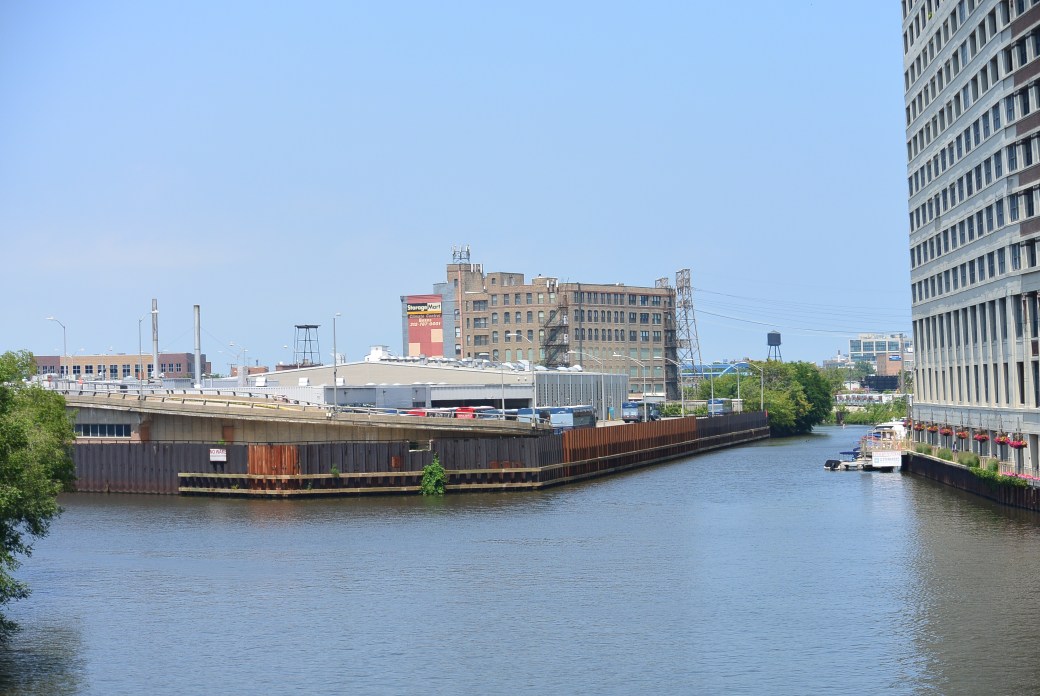
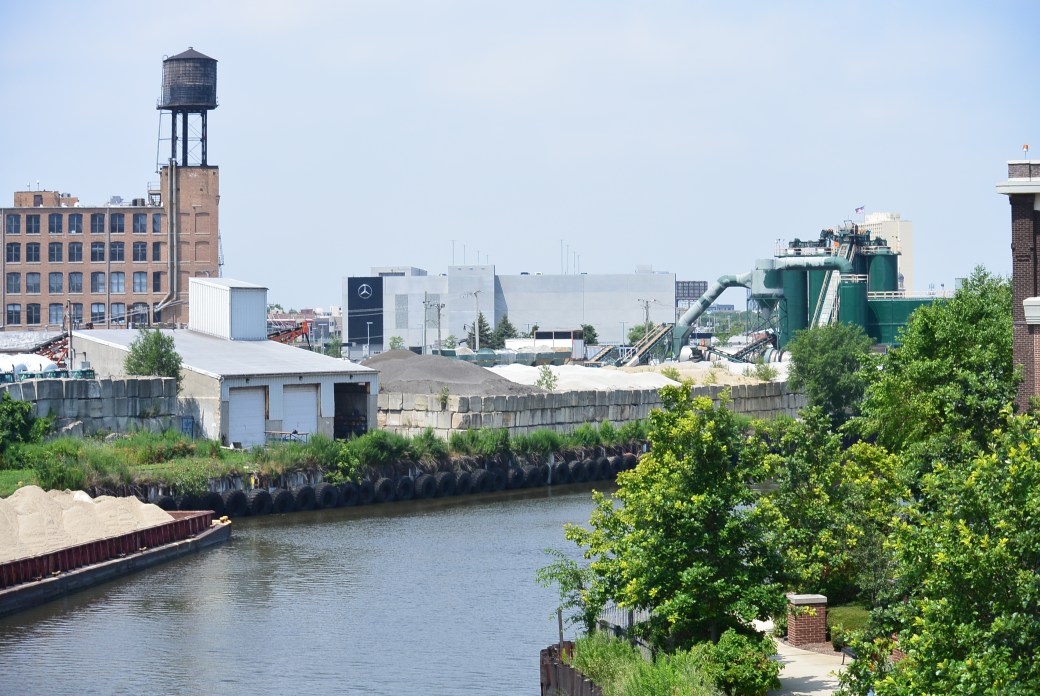
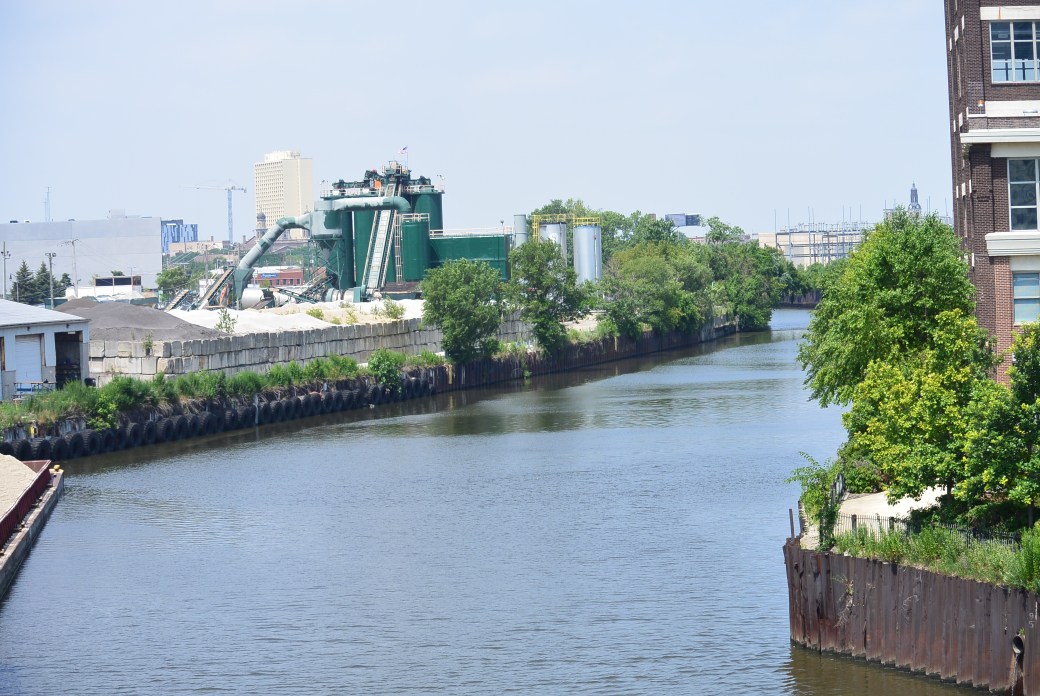
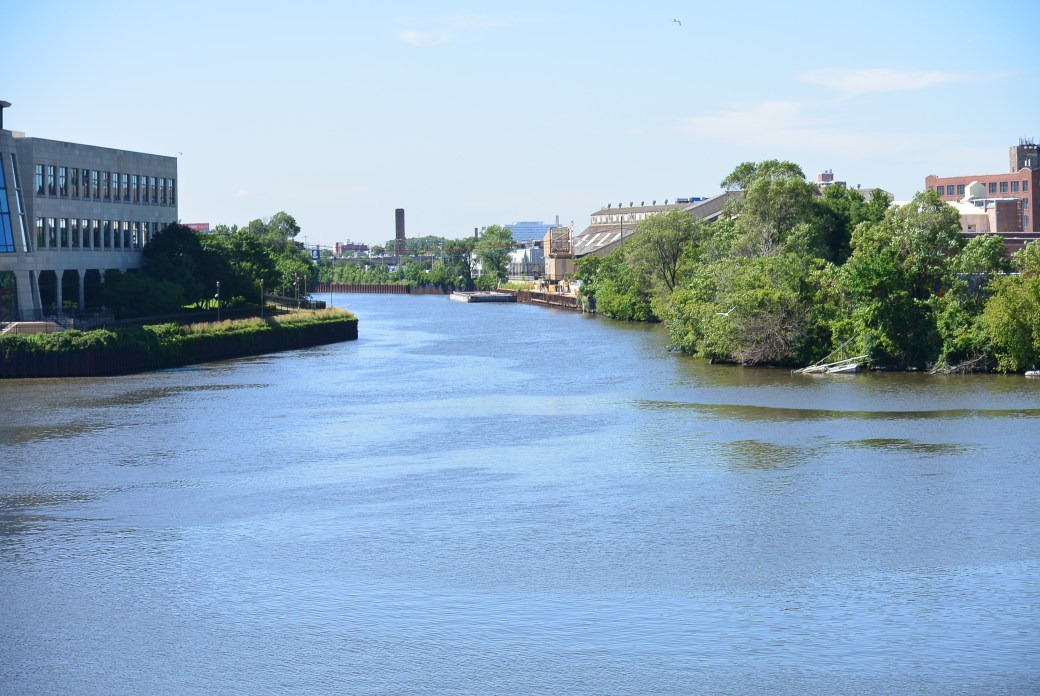
As mentioned previously, the park is bordered on the east by water including the Sanitary and Ship Canal, the south branch of the Chicago River, the canal turning basin, and the Bubbly Creek. The Creek received its name in the following manner. The waste from the Chicago Stock Yard was dumped into Bubbly Creek. The decaying of this garbage created a gas.

image

Water along east park

image

Water at the east side of the park

image

Water along the east side of the Park


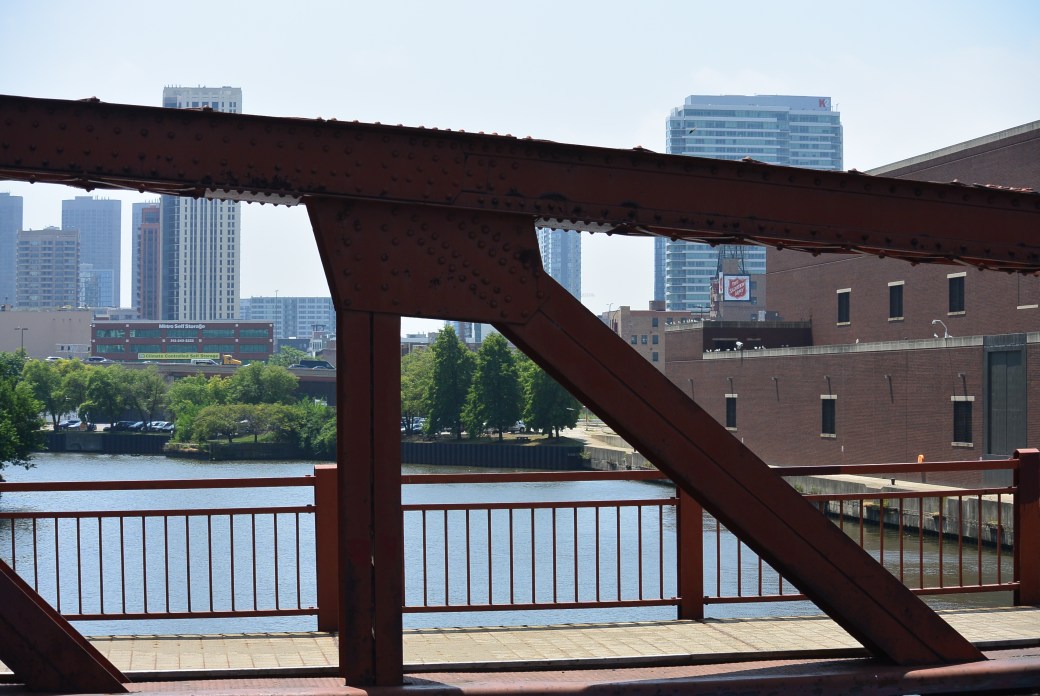
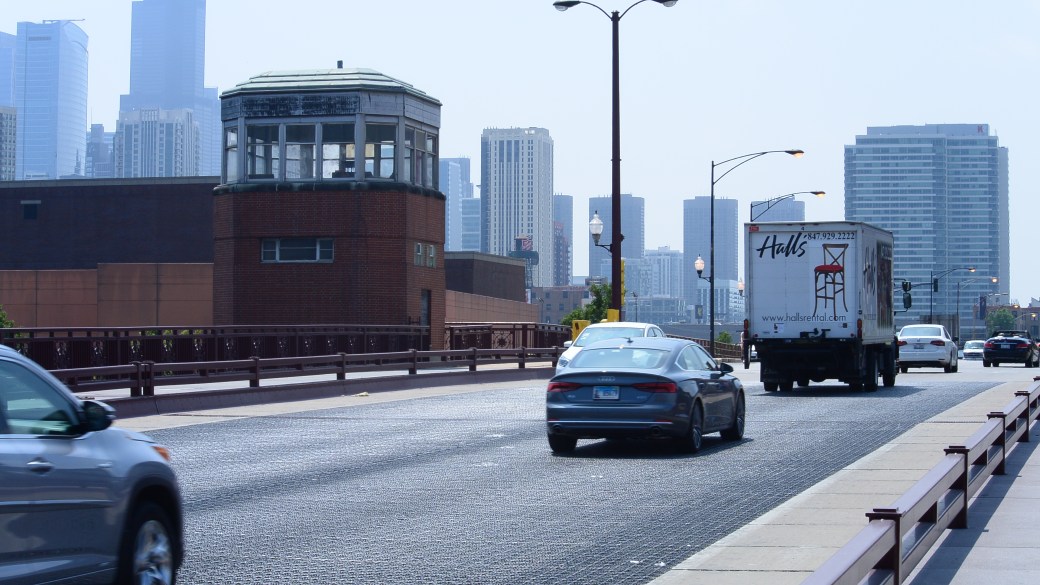
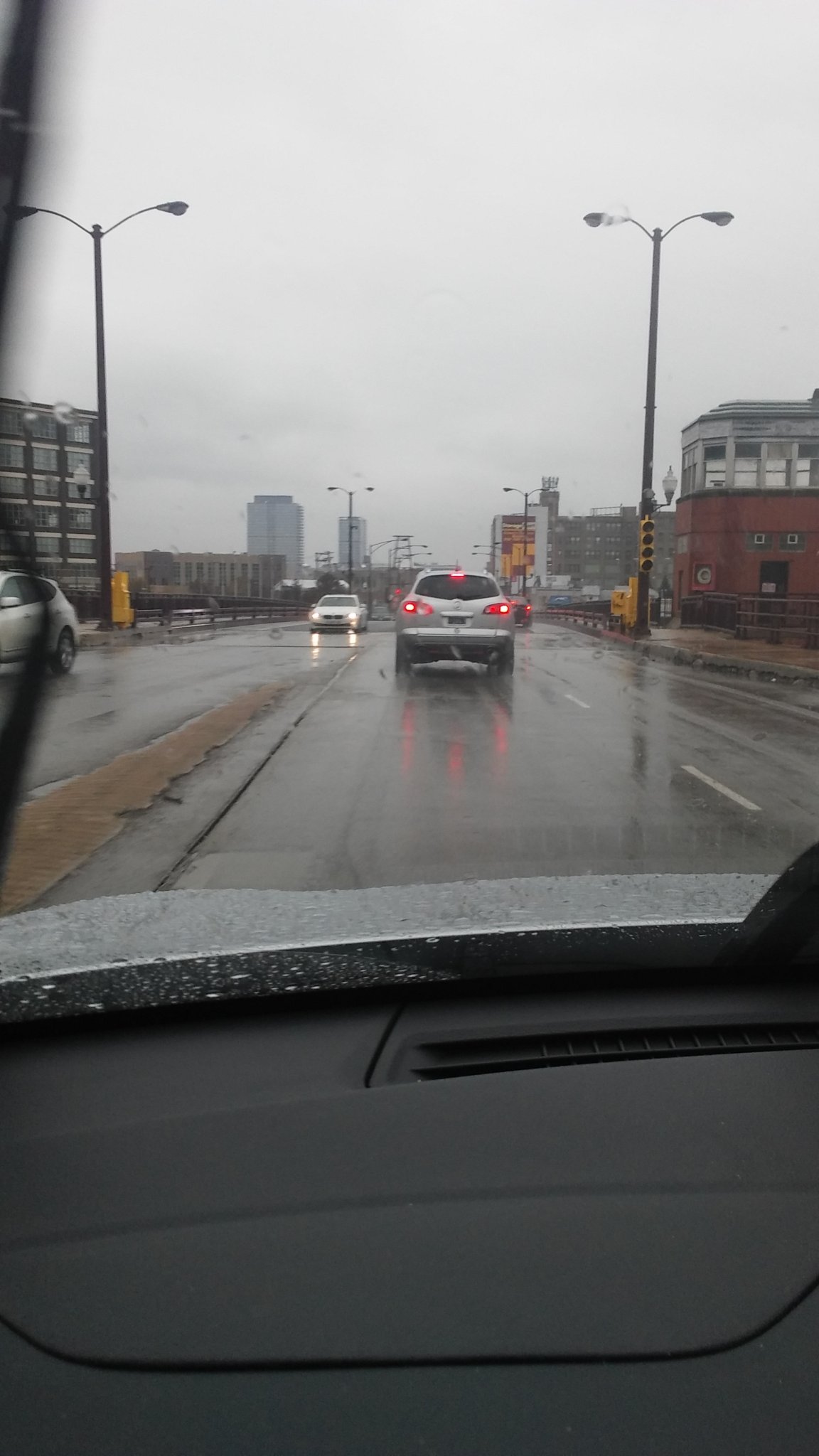
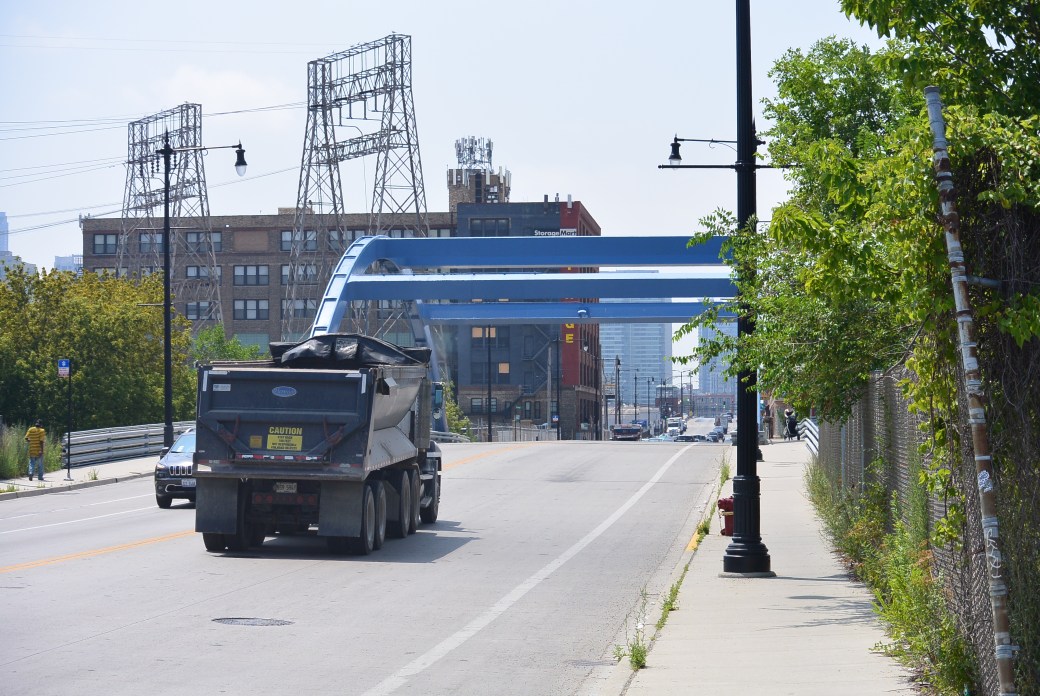
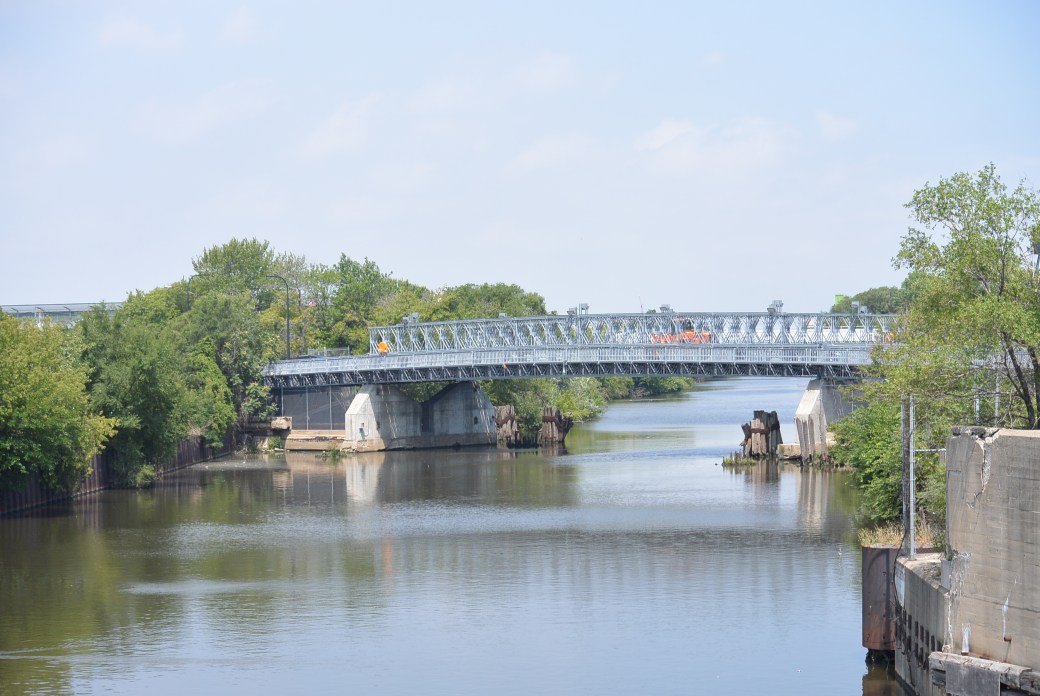
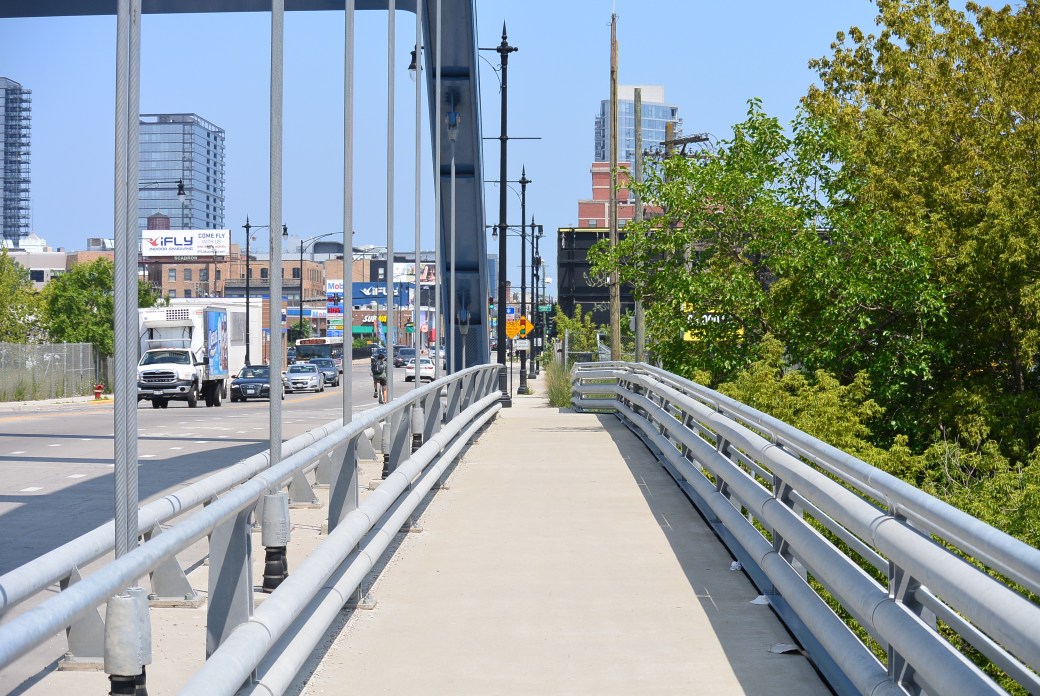
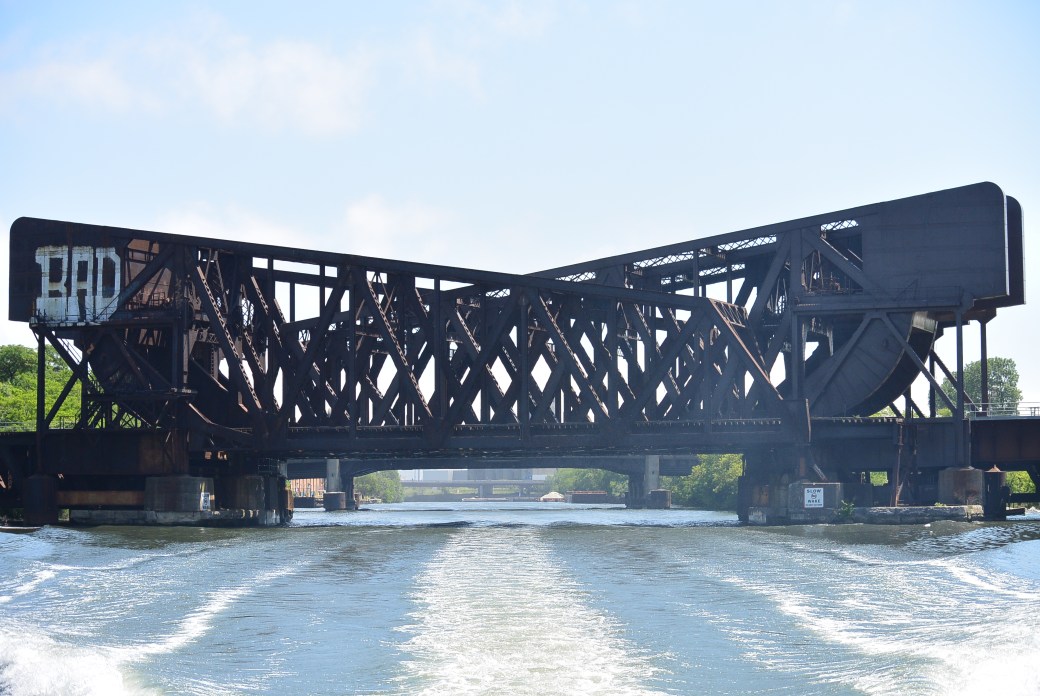
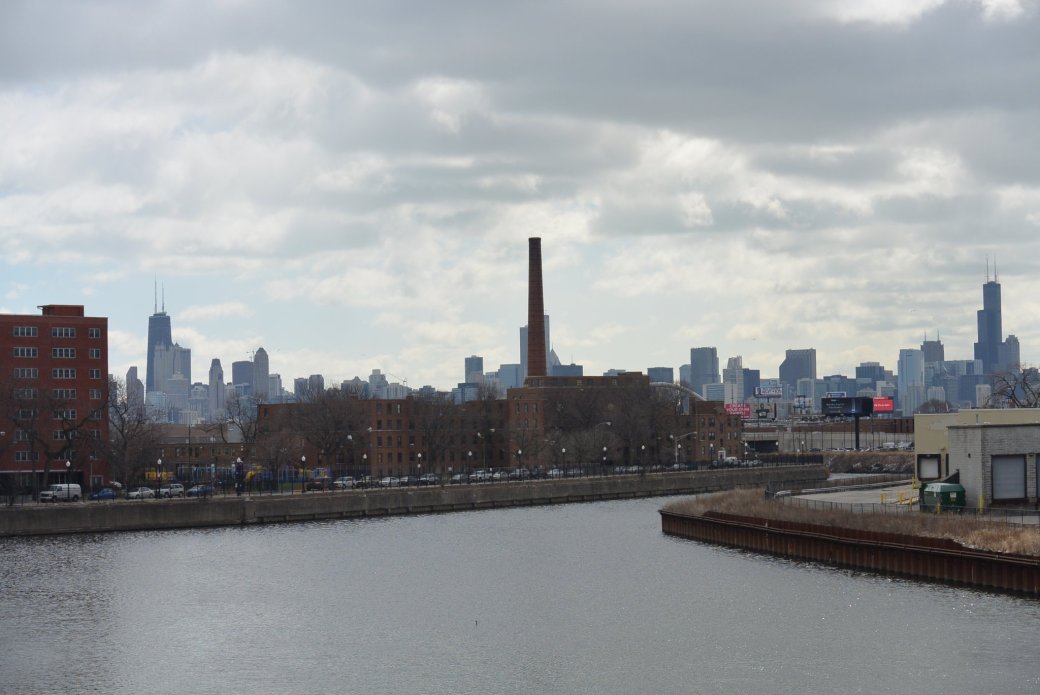
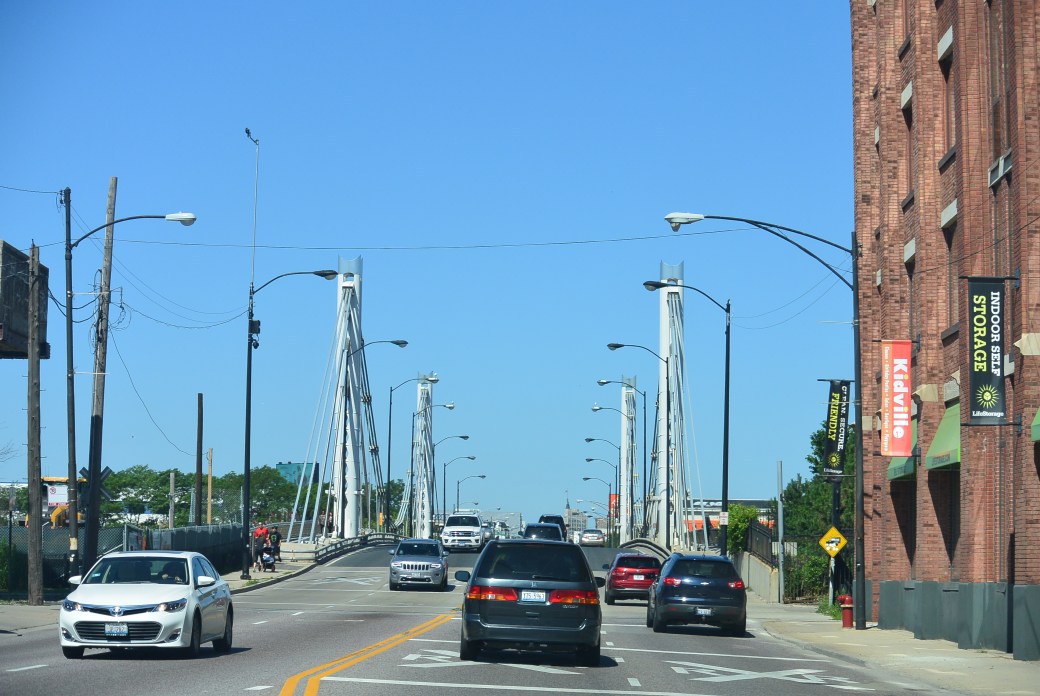
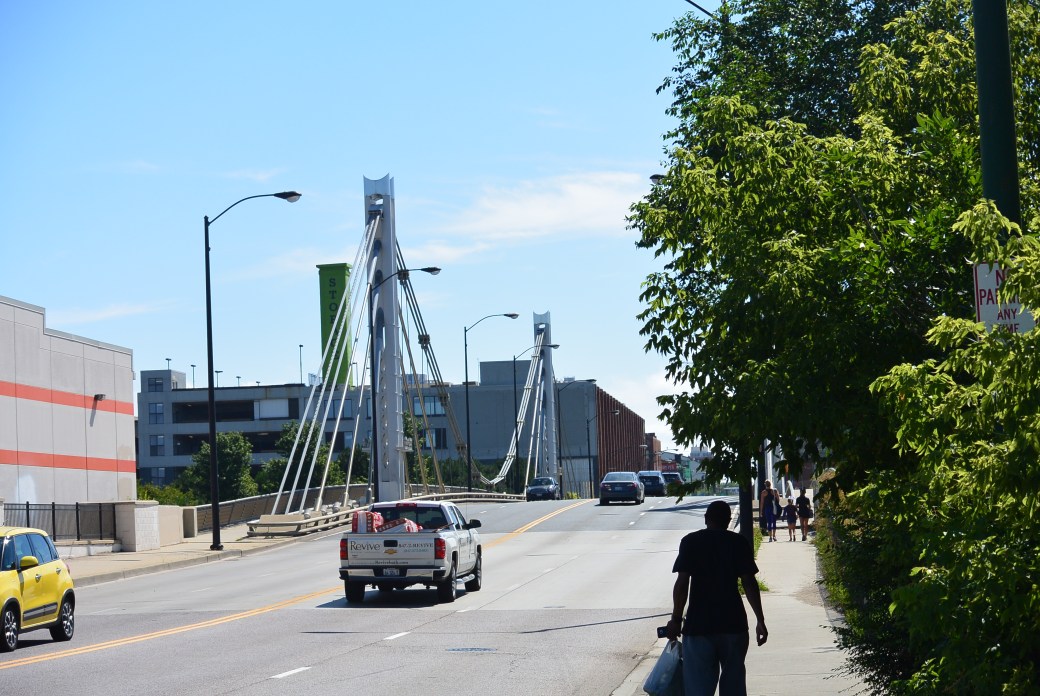
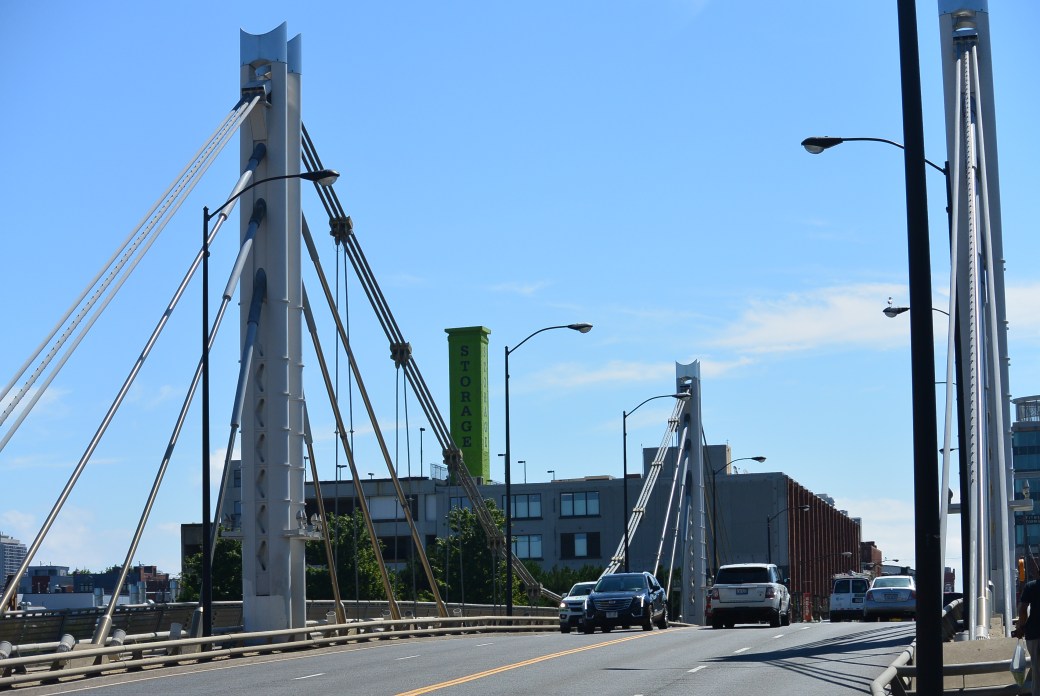
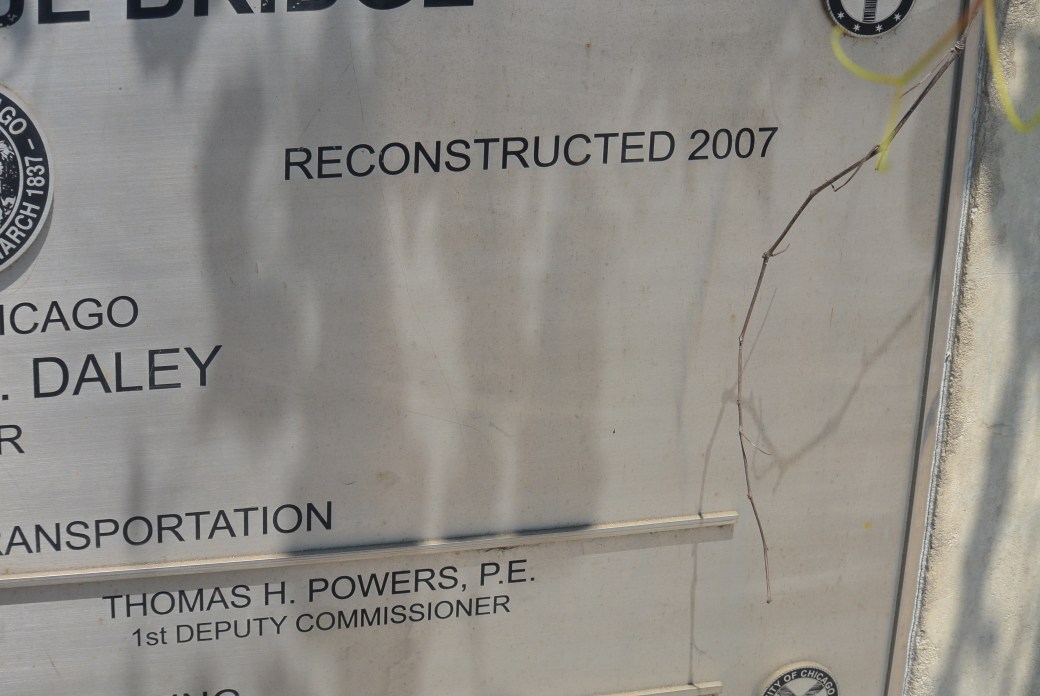
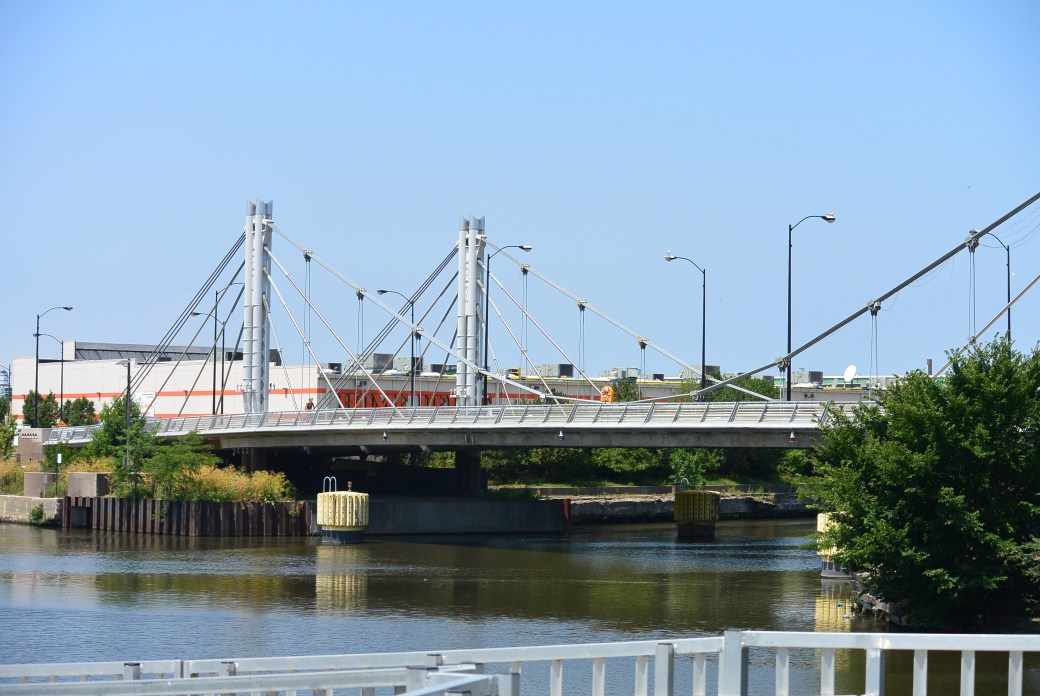
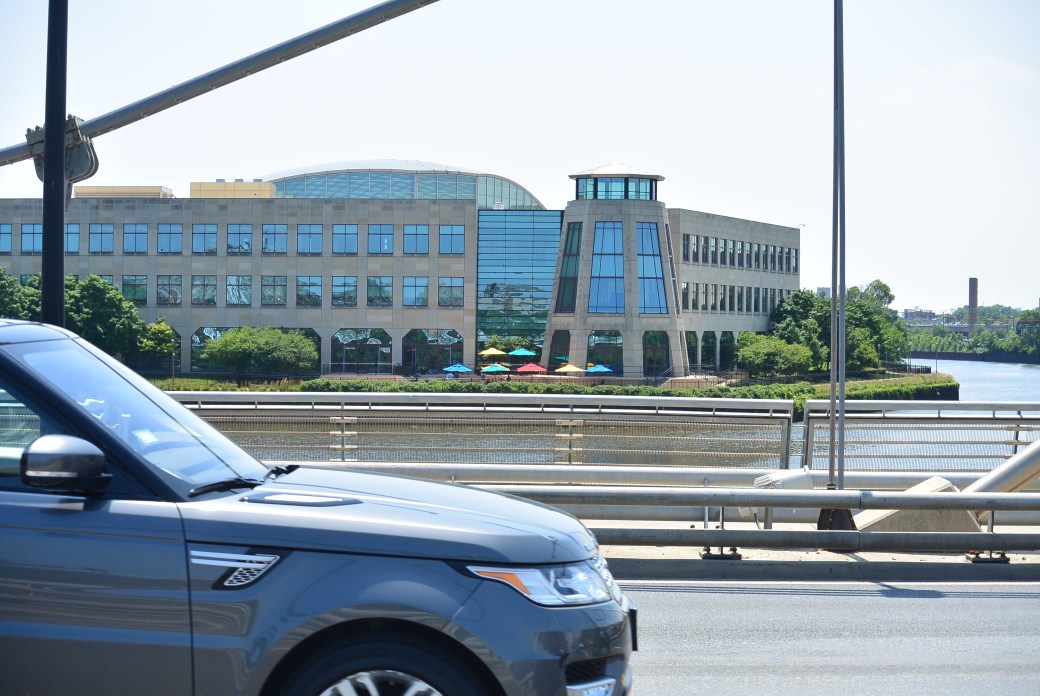
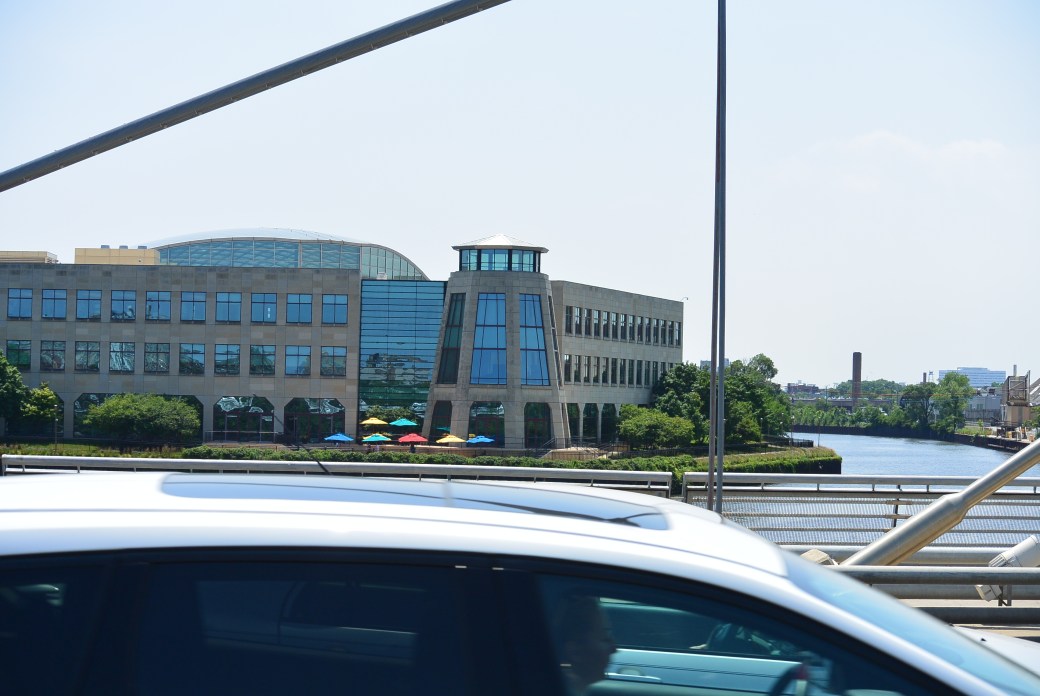
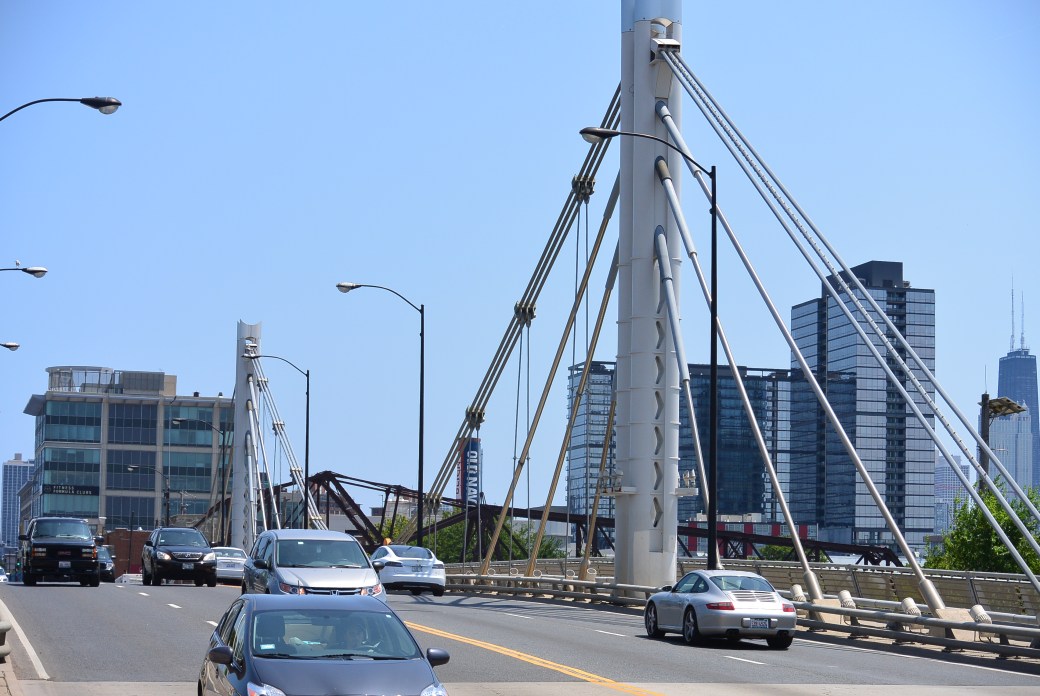
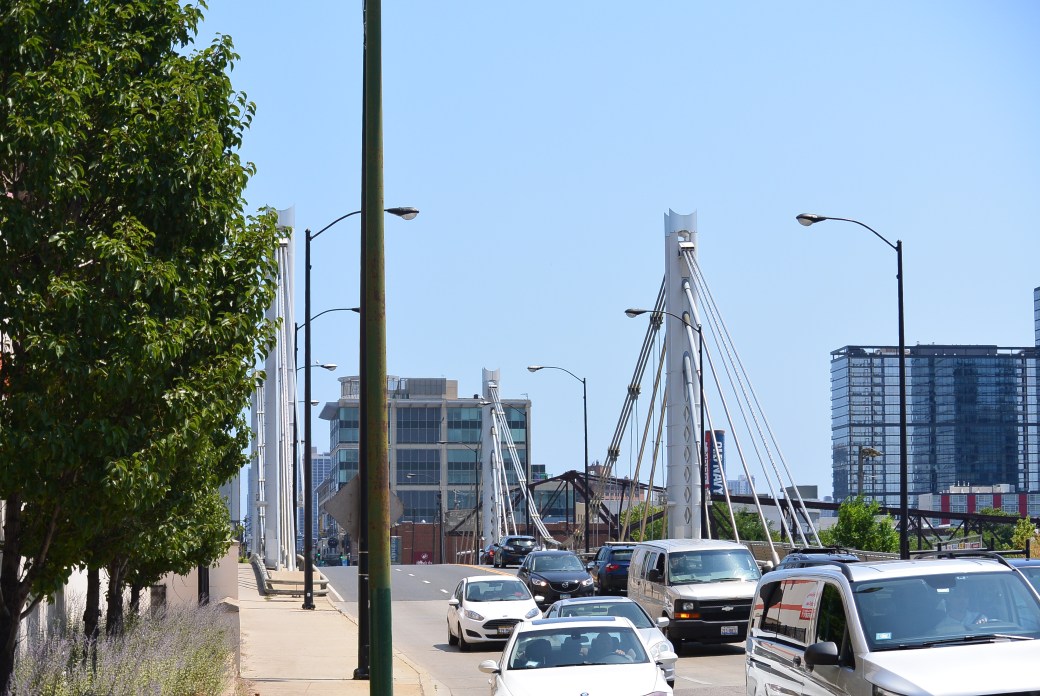
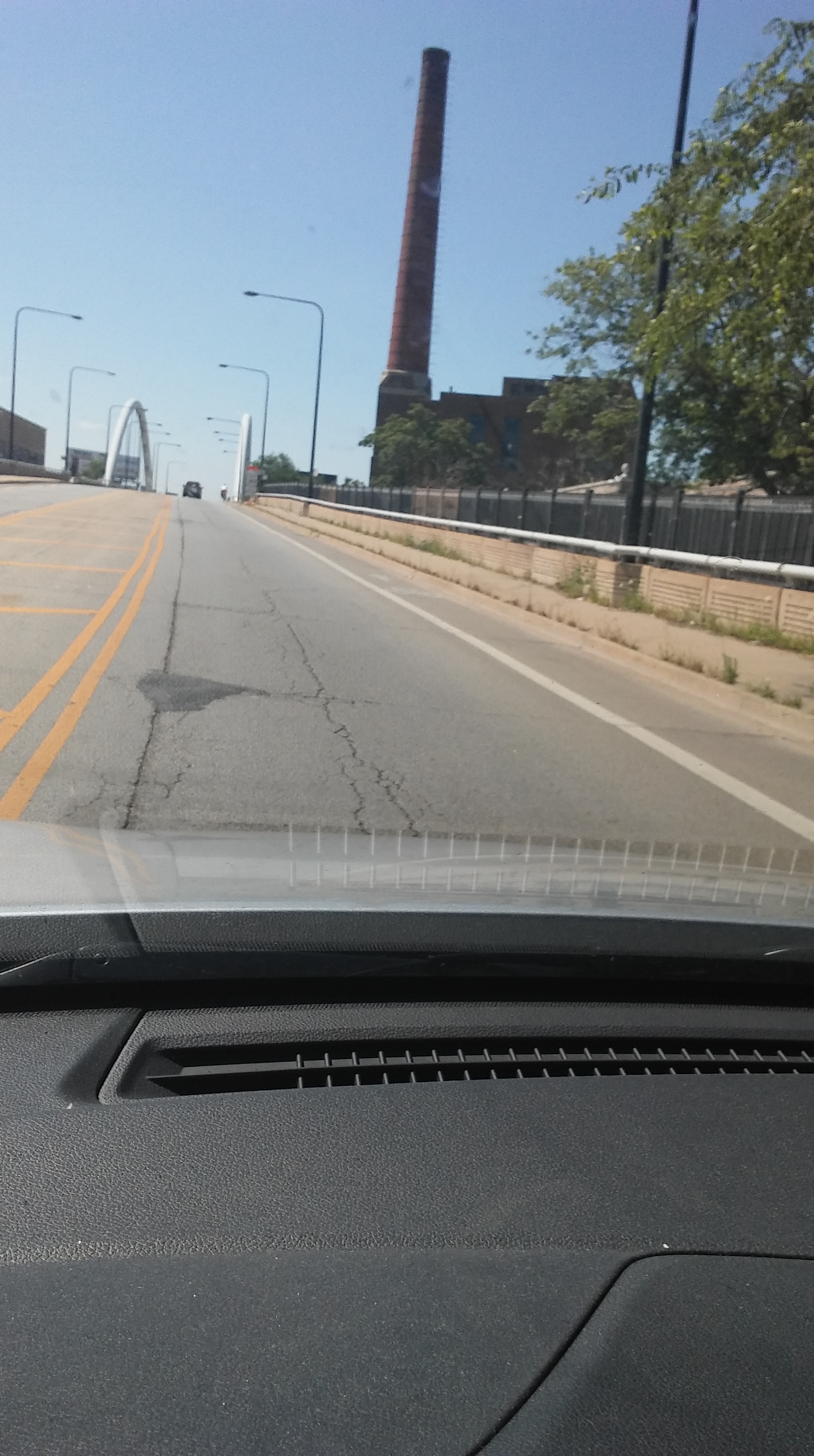
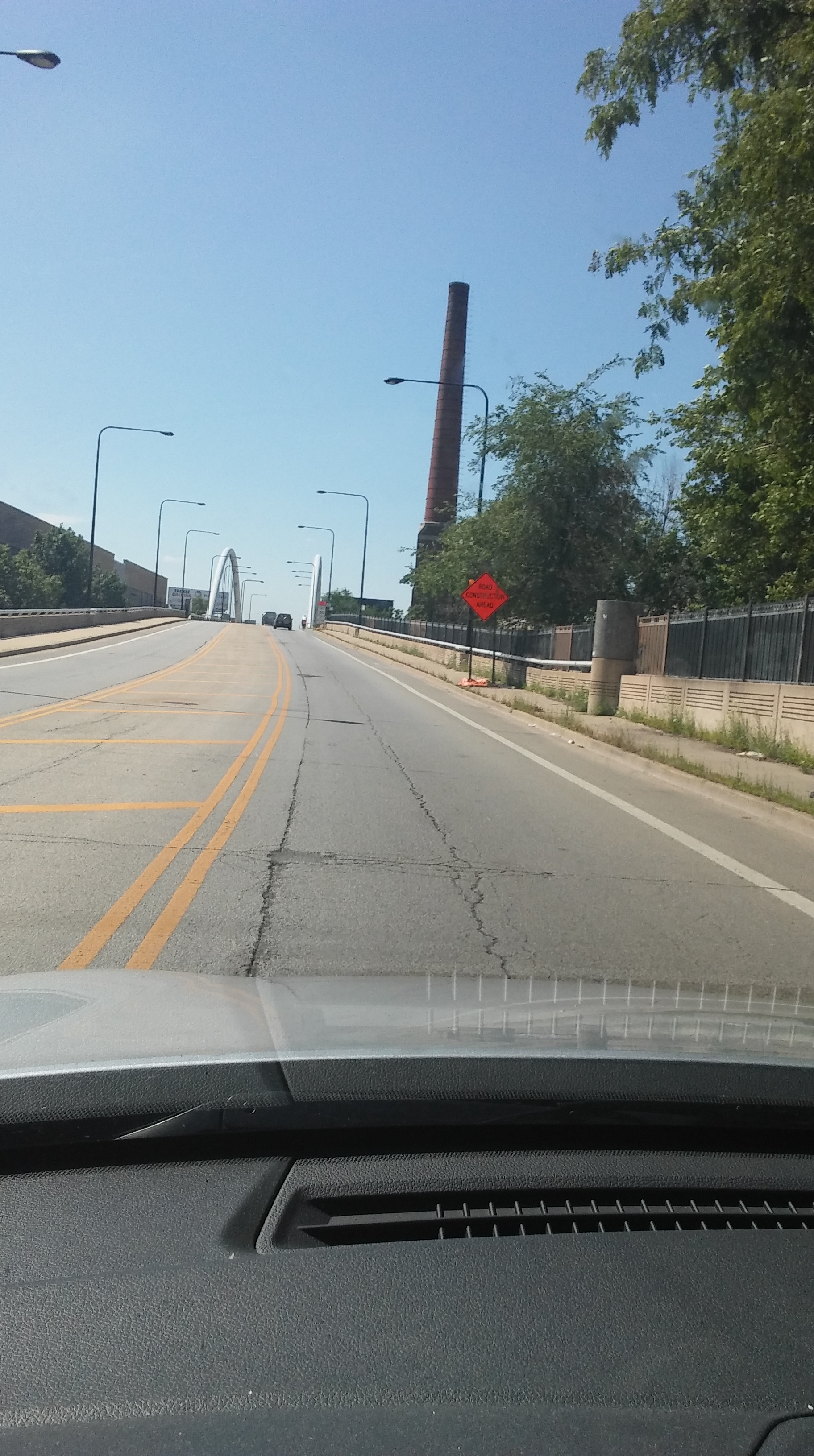
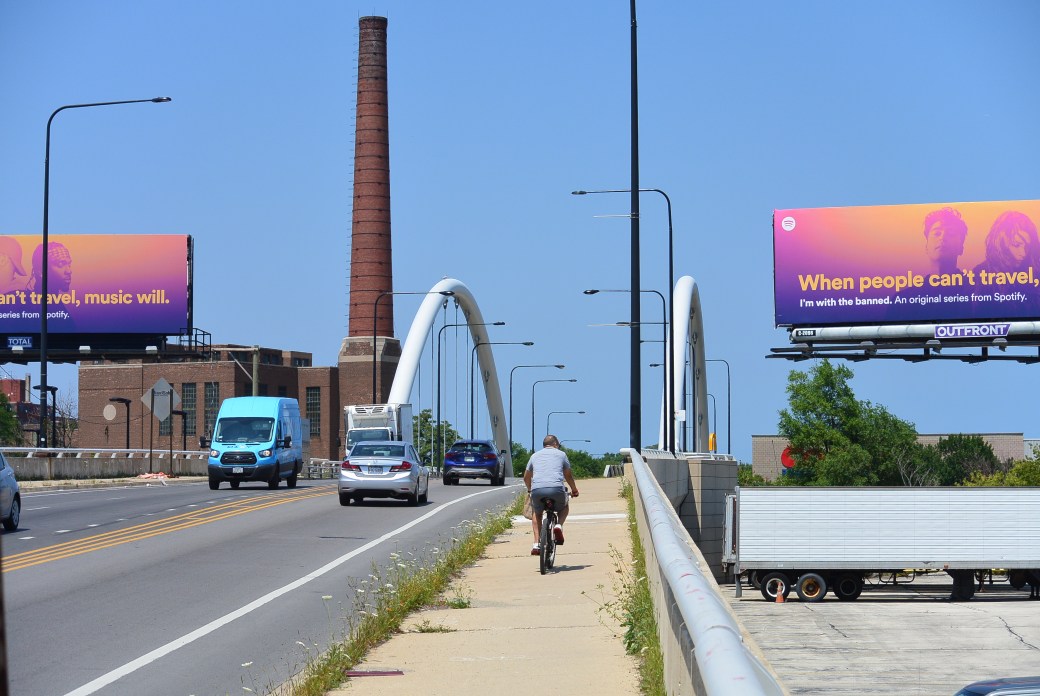
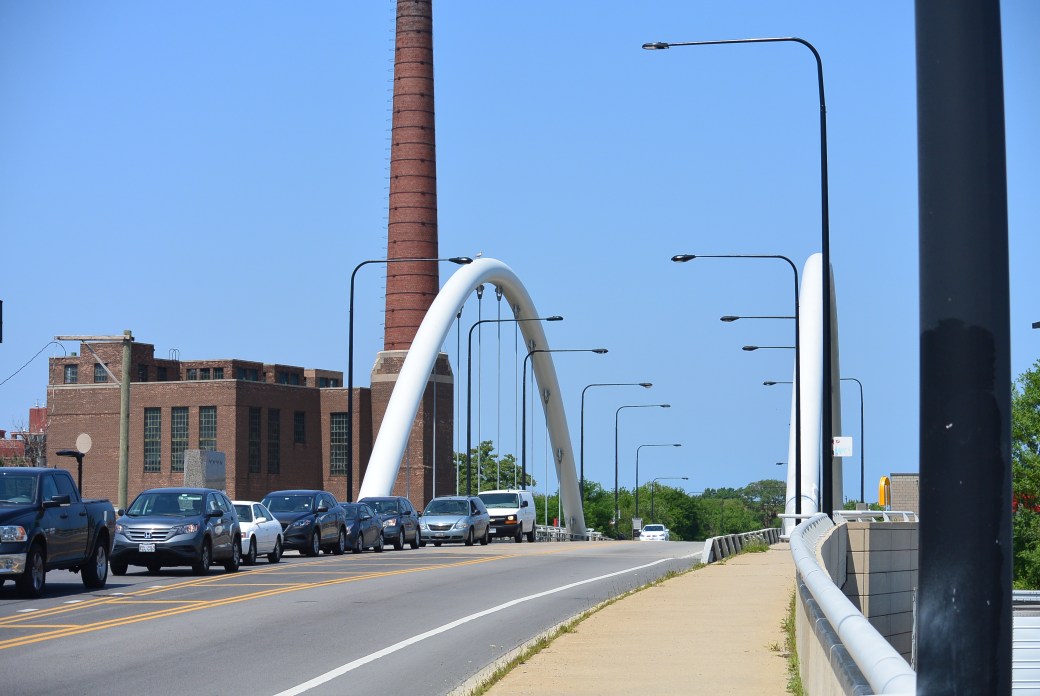
This park is located at 2701 South Ashland Avenue. West of the park is the former Sun Times Building. North of the park on Ashland is the bridge over the Sanitary and Ship Canal.
image[/captio

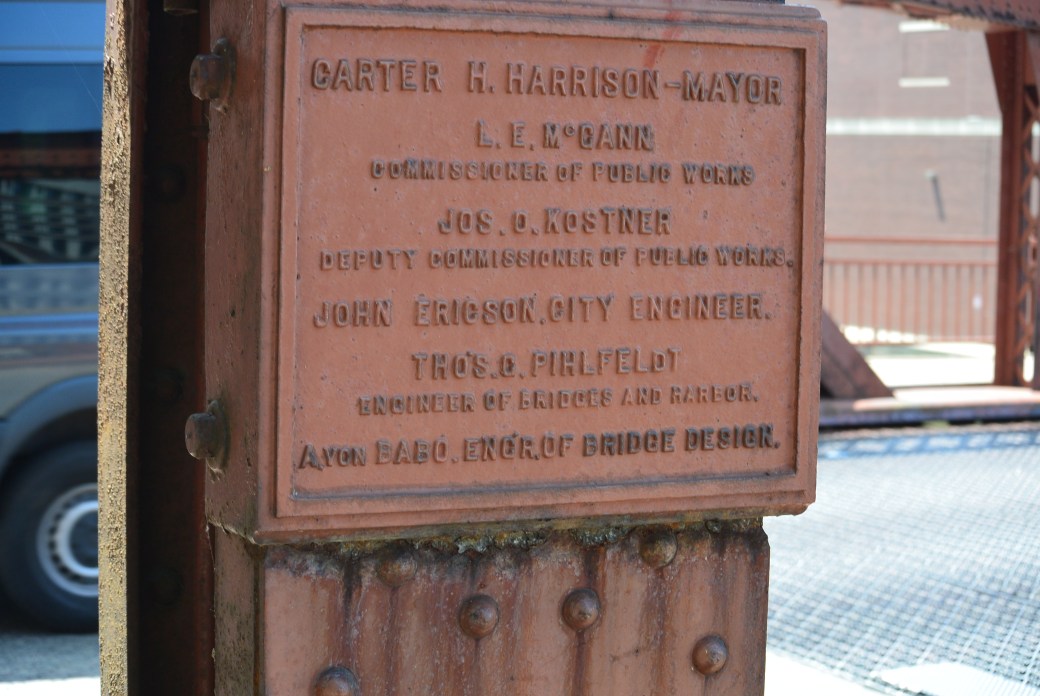
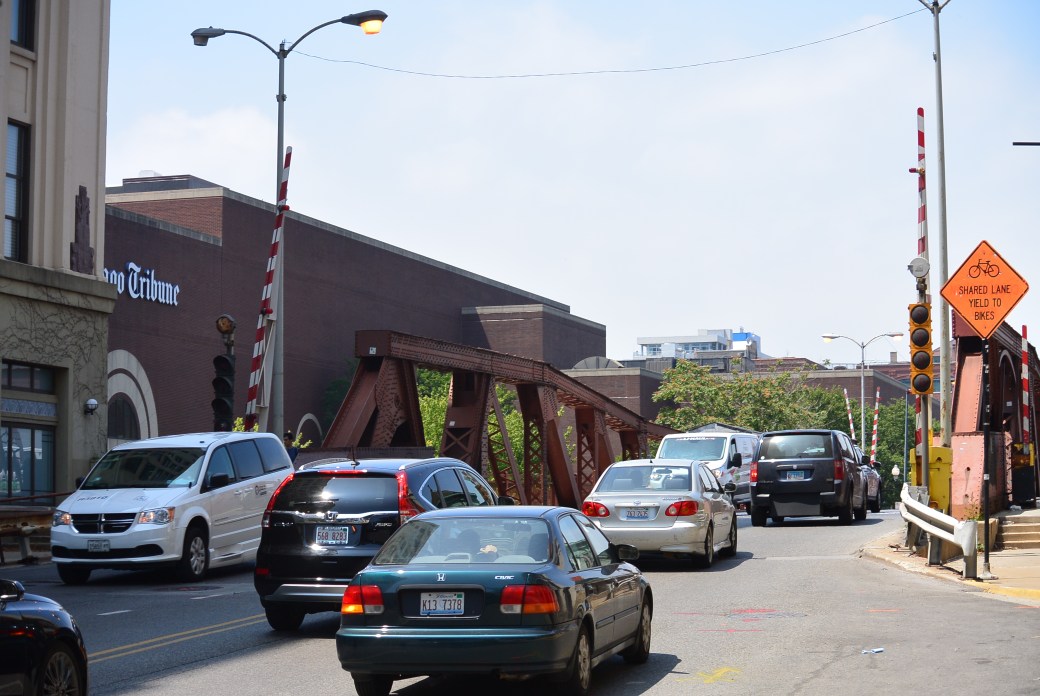
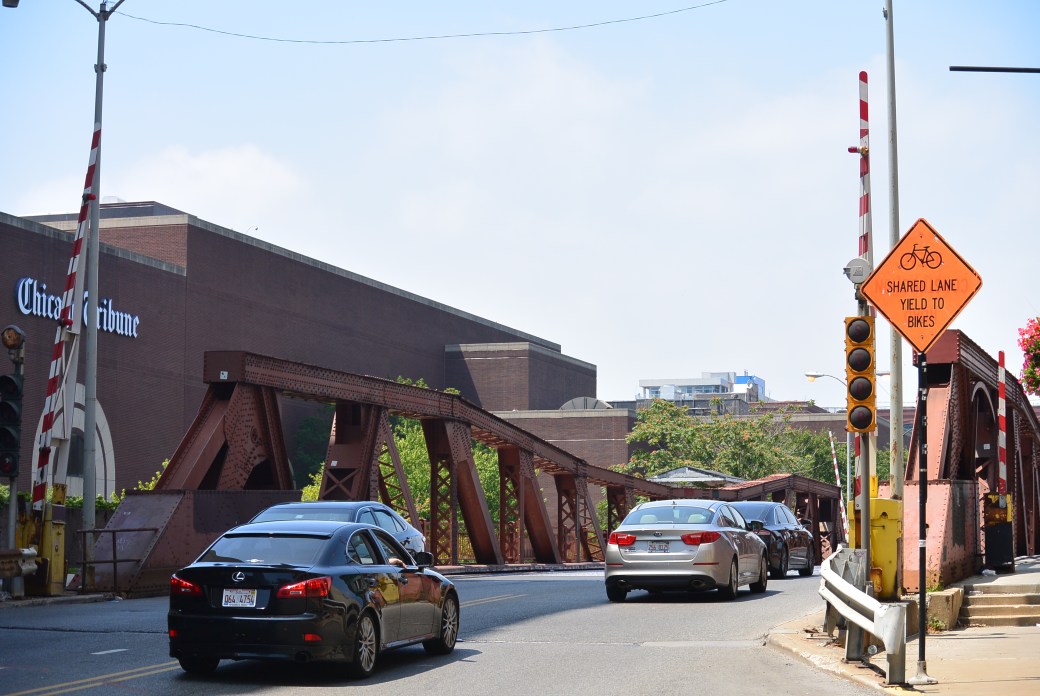
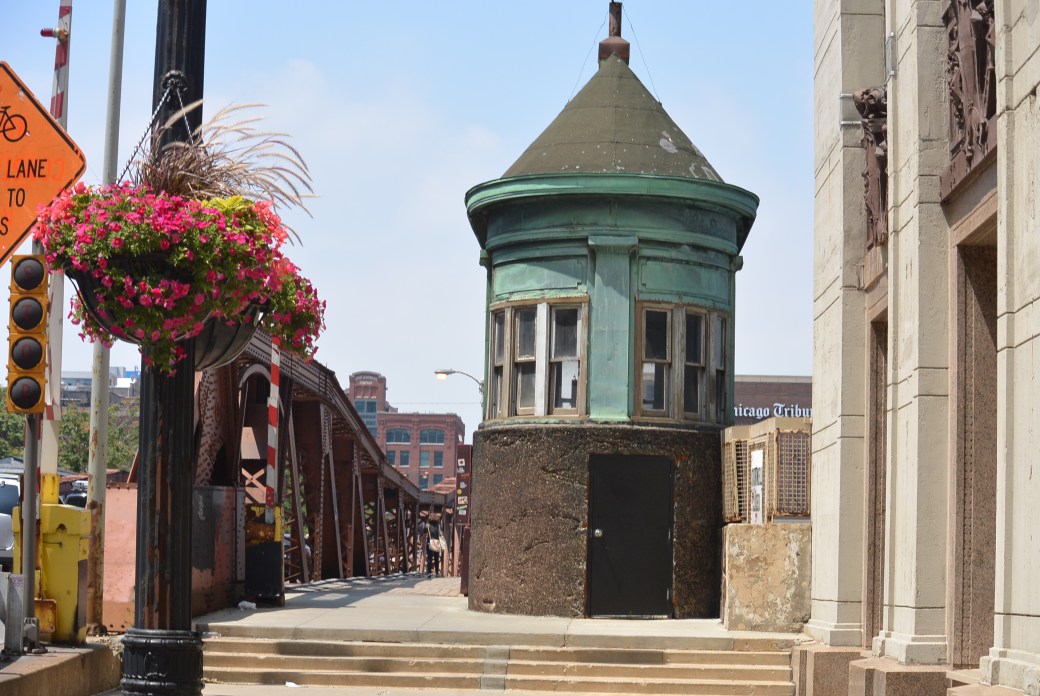
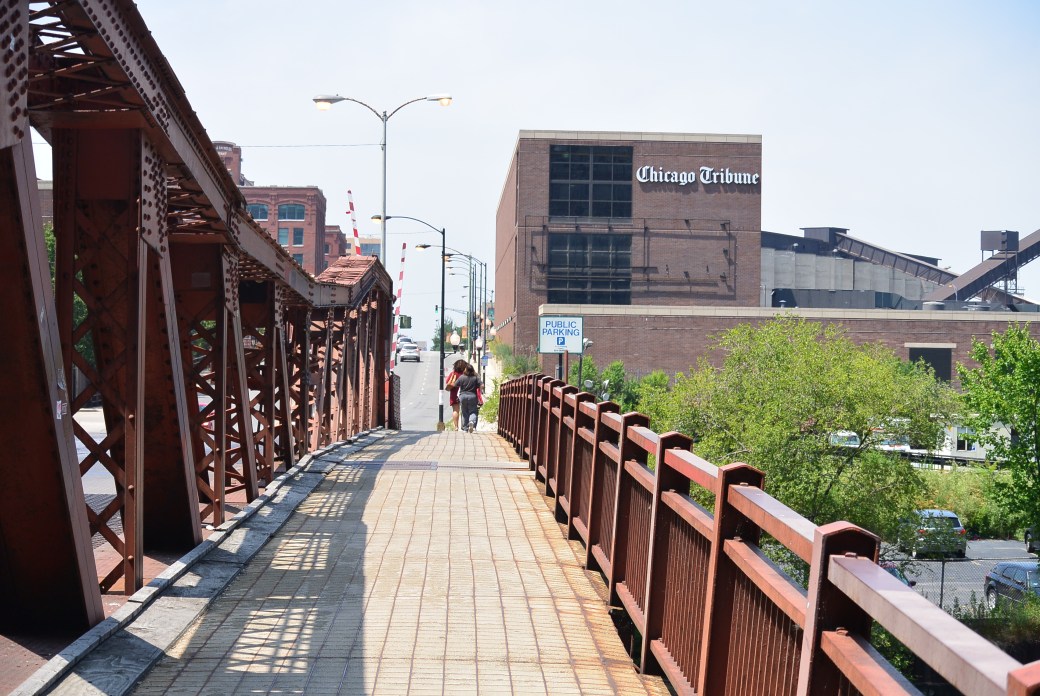
Bridge over Sanitary and Ship Canal

image

Bridge over the Sanitary and Ship Canal

image

My personal reflections. I applaud the efforts of the multiple agencies involved in the acquisition and development of this park. They have preserved a site of canal history.
It is disappointing that they have been unable to protect this area from the ravages of vandalism

The irony of the deep cut.

     Along the proposed course of the Illinois Michigan Canal, their was an approximately 140 foot drop from Lake Michigan to LaSalle at the canal junction with the Illinois River.   It was because of this drop that multiple locks were planned along the canal route.  The eastern section of approximately 10 miles was called the Summit Division.  It was several feet higher than the surface of Lake Michigan.  Because of this, it was originally proposed that there be  a deep cut in this region.  This would allow the water of Lake Michigan to flow down the Chicago River into the canal.  It was also proposed that there be 15 locks; the first in Lockport and the last in LaSalle. 
     However, because of financial difficulties, there was a change in the plans for the Summit Division.  The deep cut proposal was replaced by the shallow cut.  This saved a substantial amount of money.  A lock was constructed at Bridgeport on the south branch of the Chicago River.  10 miles west, a second lock was constructed.  This was called Jack’s Lock.  From here, the canal descended to its originally planned level.
     Because this was a shallow cut and it was above the level of the lake, alternative water sources were needed for water sources for the Summit Division.  One source was a pumping station near the canal Chicago River junction.  This was a steam engine with four cast iron cylinder pumps 54 inches in diameter and seven feet in length.  This pump transferred water from the Chicago River into the canal.  Other source was  a feeder canal from the Little Calumet River to the canal. It roughly parallels the course of the Cal Sag Canal. It was built in 1851.
     This then was the canal set up from 1848 to the 1860’s. &nav
However in the 1860’s.  the proposal of the deep cut for the Summit Division was revived.  This however was given as a solution of the sewage issue in the growing city of Chicago.  It was felt that the deep cut would result in a reversal of the course of the Chicago River.   Water and sewage would flow from Lake Michigan down the Chicago River and then down the canal and eventually into the Illinois River.
     The city of Chicago obtained permission from the state for this project. The contractor for this project was Sanger, Steel and Company.  The contract was awarded in 1865.  The project took 6 to 7 years.  The project required removal of rock 60 feet wide and 10 feet deep for 10 miles.  The canal was operated during this excavation. The cost of the project was approximately 3 million dollars. This was financed by the city. Later, the state reimbursed Chicago. After completion of the project, the locks at
at Bridgeport and Jack’s locks were dismantled.  The Calumet Feeder canal was closed.  The pumping station was shut down.
This project was initially successful. However, it gradually became a failure. As a temporizing measure, the Bridgeport pumps were reactivated.
Ultimately a totally new canal was needed. This was the Sanitary and Ship Canal completed in 1900. It ran from Chicago to Lockport. In 1907, the Cal Sag Canal was constructed from the Calumet River to the Sanitary and Ship Canal. This cut the I and M Canal in half. This resulted in the closure of of the I and M between Chicago and Lockport.
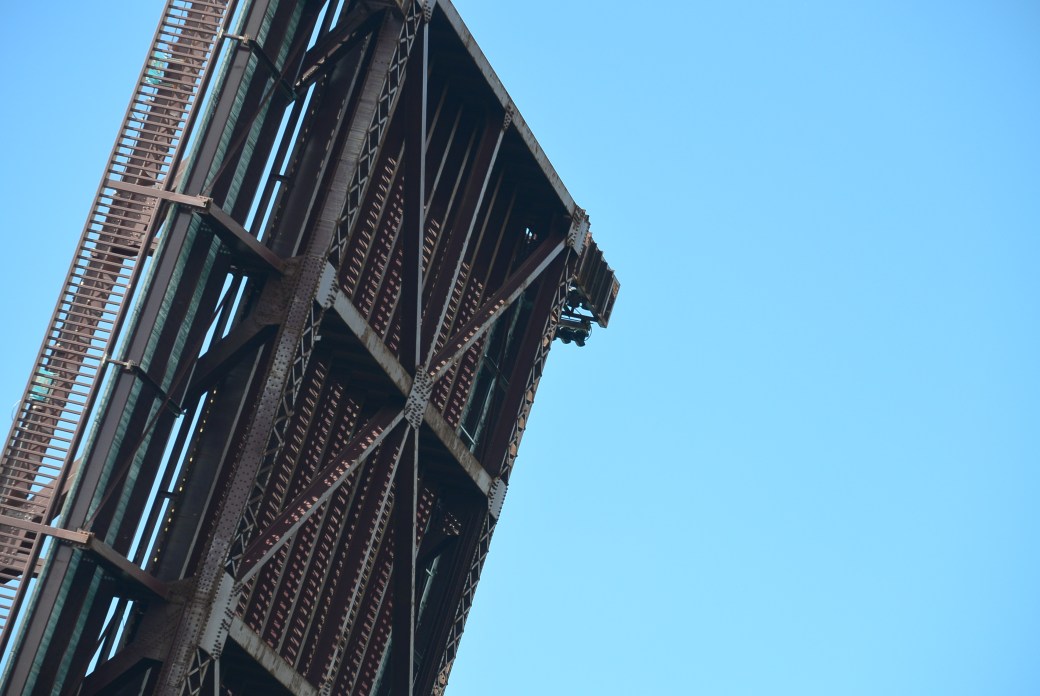
measure,

Canal Trip April, 2016

First stop was in Ottawa at the site of the intersection of the former lateral canal with the Illinois Michigan Canal.  At this site, there is a shelter built by the CCC during the depression.  Considering its age, it is in fairly good condition.

image

CCC Shelter near lateral canal Ottawa

image

CCC shelter in Ottawa near the lateral canal

image

CCC Shelter in Ottawa near the site of the lateral canal

image

Tow path bridge abutments lateral canal

     The only evidence of the lateral canal is a set of masonry abutments.  These were for a towpath bridge over the lateral canal.  The canal site is now Canal Street.

image

Canal Street

     Next I visited the site of the Reddick Mansion in Ottawa

image

Roddick Mansion, Ottawa

Next a short trip to Seneca, Il.  We took pictures of the old Rock Island railroad station.  This is in the process of being renovated.  We noted progress in this project from last year.  Across the street, there appears to be an abandoned tavern building

image

Rock Island Terminal. Seneca, Il

image

Rock Island Terminal. Seneca, Up.

Abandons Tavern Building Seneca

image[/caption


Mistakes Made During the Canal Construction and Its Life

This is meant to be an opinion piece. The thoughts are mine. Their basis is my research of the Illinois Michigan Canal.
The canal prospect was chronically under-funded. This resulted in many aborted efforts from the beginning. It probably would have be prudent to have arranged for adequate funding from the onset. Instead, funding was inadequate. After the construction began, the project
ran out of money. The was due to multiple factories. One leading factor was the over extension of the day state of Illinois on public works project.
The canal was never built as originally planned.
Originally, the eastern most portion (Summit Division) was meant to be built with a deep cut. The reason for this was that water would flow from Lake Michigan, the Chicago River into the I and M Canal. This would provide a ready supply of water the canal.
During construction, when the project ran out of money, alternative proposals were made. The deep cut became the shallow cut. A lock was placed at the junction of the canal and the Chicago River. Water pumps transferred water from the Chicago River to the canal. Multiple feeder canals were built to provide an adequate water supply to the canal. These were not completely successful in this goal. The Calumet feeder had a poor record in this regard. The other feeder canals were not well maintained. On occasion, the I and M canal had a shortened season due to the low water level.