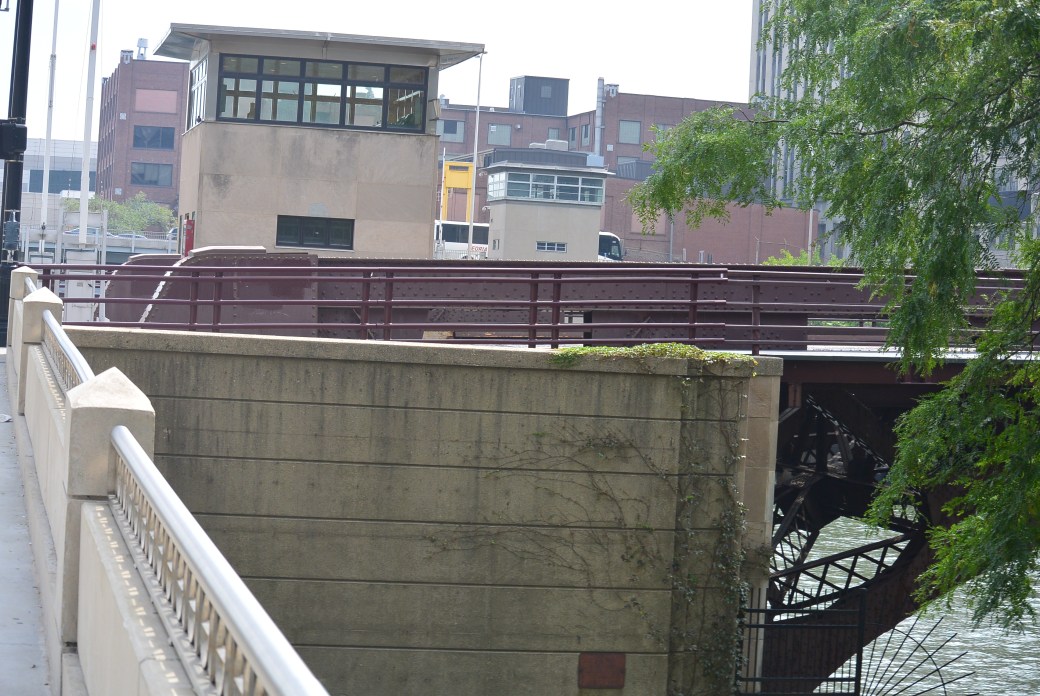
Calmer Feeder Canal I and M Canal

In order to maintain the water level on the Illinois Michigan Canal, the planners proposed a series of feeder canals. These included the Fox River Feeder, the Kankakee River  Feeder, the DuPage River Feeder, and the Calumet River Feeder.  The water level  situation was aggravated by the failure to implement the deep cut on the Summit Division of the Canal.

The Calumet River Feeder was first  proposed in 1830.  A law passed in 1837 authorized the construction of the feeder canal.  A survey of the canal route was started in 1845.   After its completion, construction  was begun in 1848.  The canal was completed in 1849.  It was 4 feet deep.

The feeder canal extended from the Little Calument River to the I and M Canal at the Sag Bridge in Lemont.  It was 17 miles in length.  It was 26 feet in width at the channel bottom and 40 feet at the surface.  The footpath was on the North side.
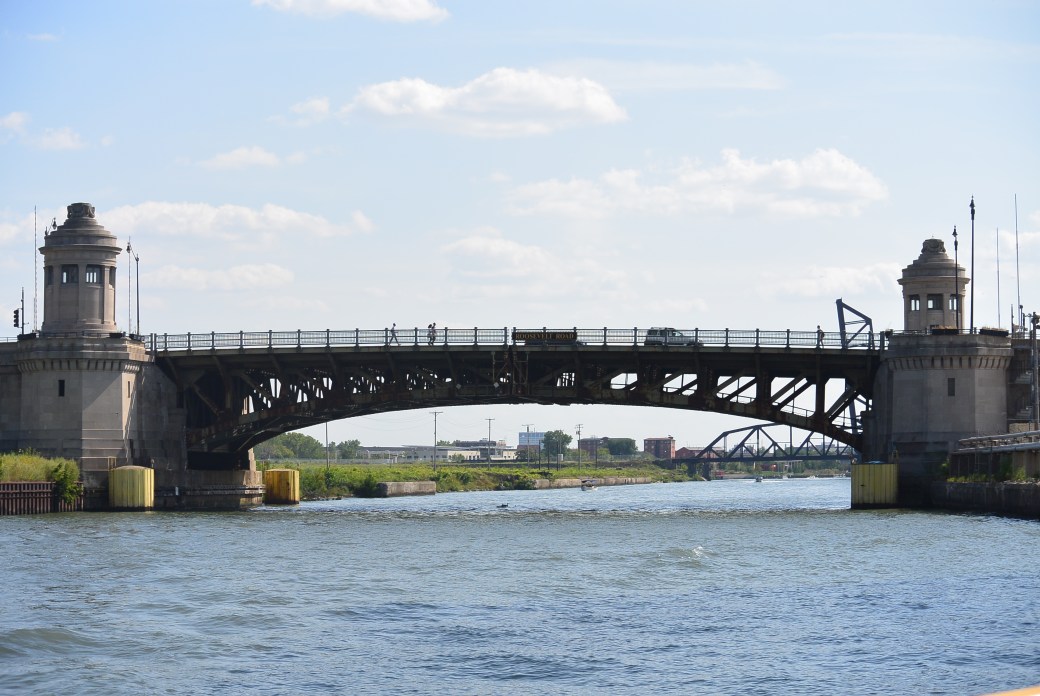
There was a dam built at the Little Calumet River.  Its purpose was to raise the water level to aid in filling the feeder canal.  There were gates at the dam to raise and lower the water levels.  The first canal boat traveled the feeder to Blue Island on July 22, 1849.

The feeder was in operation for approximately 20 years.  It was abandoned by I an M Canal Commissioners in the 1870’s because it was no longer needed to supply water to the canal.

The dam on the Calumet River was a constant source of irritation to upstream farmers due to episodes of recurrent flooding. In March of 1874, the Illinois State Assembly passed An Act to Authorize Removal of the Feeder Dam Across the Calumet River Near Blue Island in the County of Cook, State of Illinis.   In 1875, a group of farmers upset with the delay in implementing this act took matters into their own hands and blew up the dam.

North Channel

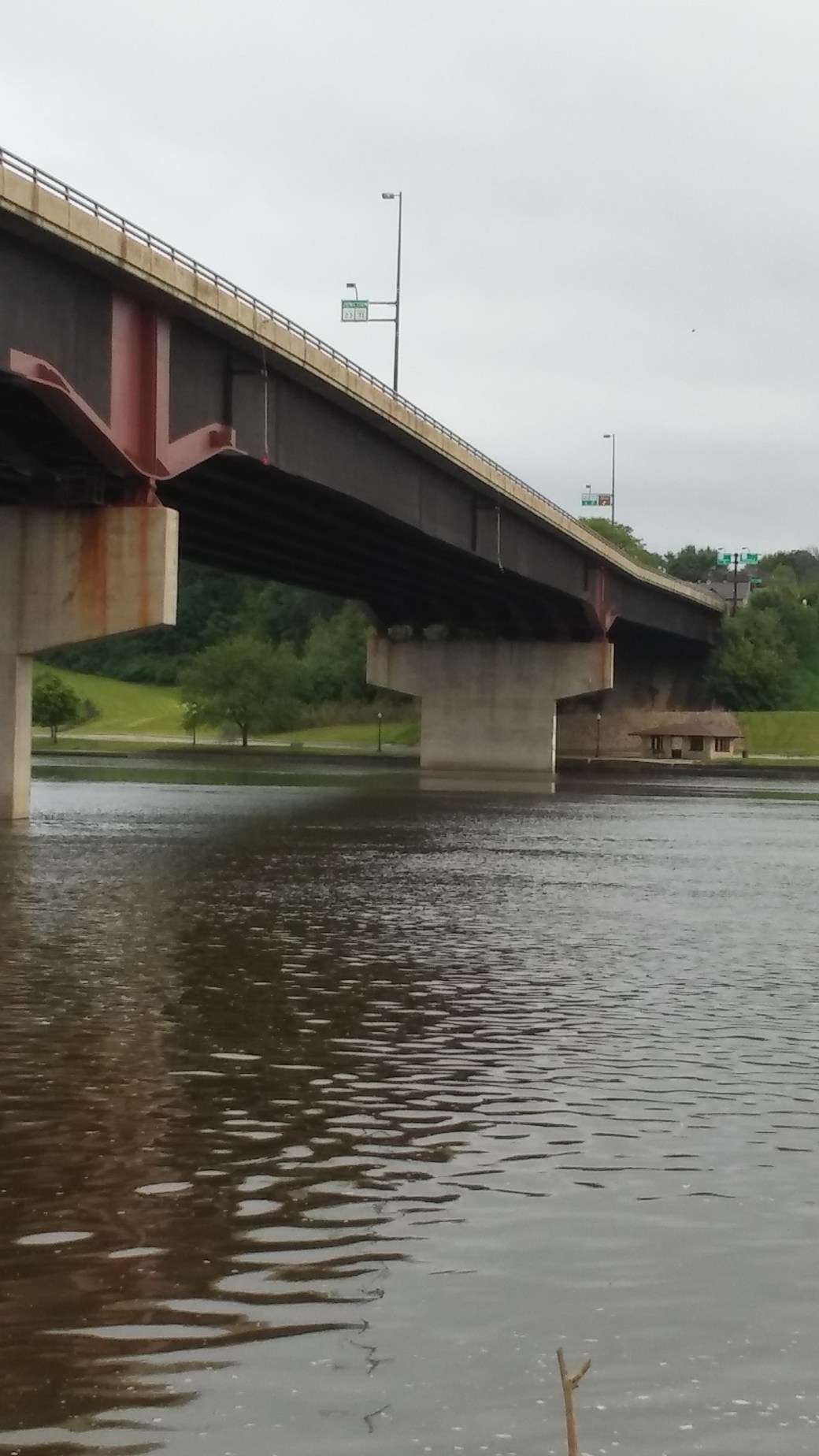
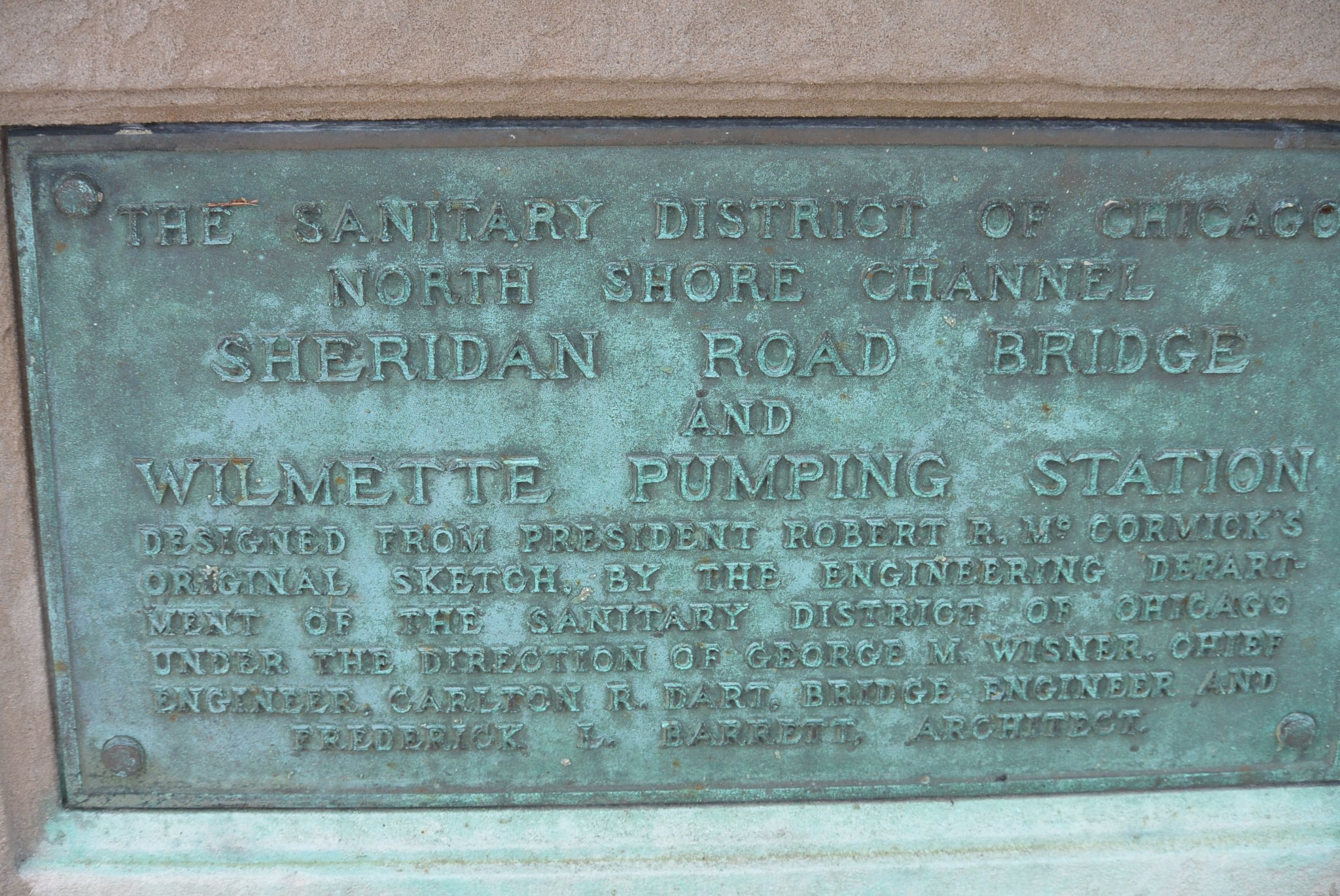
Signage at the Beginning of the North Shore Channel

The North Shore Channel is a man made canal.  It was constructed between 1907 to 1910.   It was built as part of a comprehensive plan for sewage disposal developed by the Metropolitan Sanitary District.   It no longer serves this role.  However, during periods of heavy rain, there is discharge into the channel.

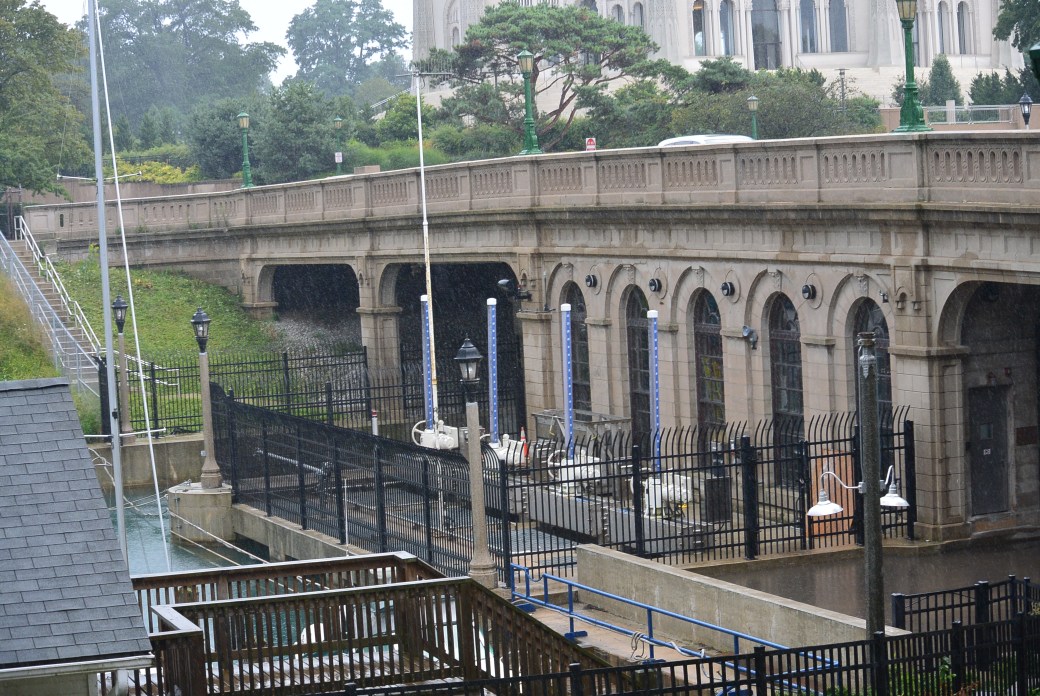
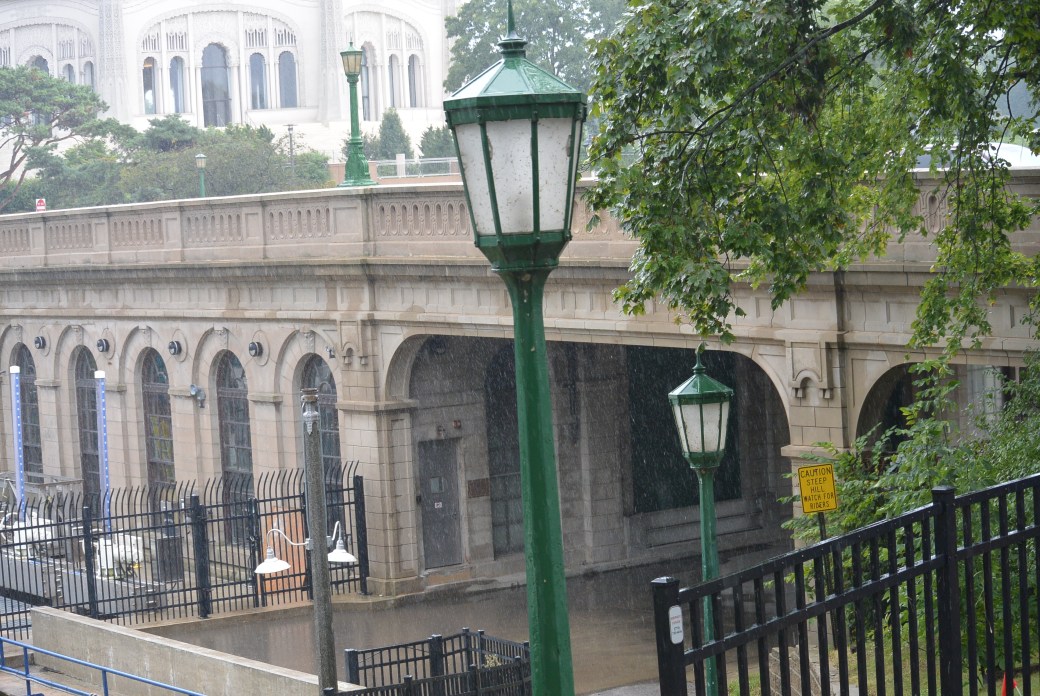
It’s origin is at Wilmette Harbor.  At the junction of the harbor and the channel, there is a gate which is designed to prevent water from backing up from the channel into the harbor and ultimately into Lake Michigan.  When the water level rises in the channel, the gate is occasionally opened to lower the water level.

Wilmette Harbor

Wilmette Harbor

Control Gates at the Origin of the North Shore Channel

This Park was built with dirt from the channel construction.

The Bahai Temple is near the origin of the North Shore Channel

The depth of the channel varies from 7 to 10 feet.  It is 7.7 miles in length.  It flows south and west towards its junction with the North Branch of the Chicago River.  It passes through Wilmette, Evanston, Skokie, Lincolnwood, and Chicago. In Wilmette and Evanston, there are golf courses adjacent to the channel. In Evanston, Skokie, Lincolnwood, and Chicago, there are parks along the canal.

North Shore Channel Evanston

North Shore Channel Evanston

North Shore Channel. Evanston L Viaduct

Viaduct over North Shore Channel Evanston

North Shore Channel Skokie

North Shore Channel Skokie

Park along the Channel

The North Shore Channel ends at River Park.    At this region, the channel merges with the North Branch of the Chicago River.  At this point, the river drops 4 and one half feet over a dam to merge with the channel.


dsc_1454

North Branch of the Chicago River over the dam

dsc_1463.jpg

North Branch of the Chicago River

Dam at North Branch Chicago River

dsc_1464.jpg

Merge of the North Shore Channel and the North Branch of the Chicago River.

dsc_1471.jpg

Merging of the Canal and the Chicago River.

River Park is located at 5100 North Francisco in Chicago.    It is approximately 30 acres.  It is the largest of six parks developed by the River Park District in the early 1900’s.  These parks are located along the North Shore Channel and the north branch of the Chicago River.

     There is a diversity of wild life along the channel.  A few examples are below

Geese

Great Blue Heron

Black Crowned Night Heron

Cormorants

Lock 9  I and M Canal

Lock 9

Current image of Lock 9

There are two locks on the Illinois Michigan Canal in Marseilles, Illinois.    They are in close proximity.  Both of these locks had lifts of 8.3 feet.    The more eastern lock is number 9.  Compared to Lock 10, not as much is known about this structure.

Because lock 9 likely followed the design developed by William Gooding and Benjamin Wright for the I and M  Canal, its dimensions were 110 feet in length and 18 feet in width.  The gates of the lock were made of timber.    The exact date of construction is not known.  But since 10 was constructed in the 1840’s, it is presumed that it was built in this time frame.    The material of the original construction of the walls is unknown.  Lock 10 was originally constructed of sandstone.  Probably a similar material was used on Lock 9.  The current state of Lock 9 is concrete walls, no gates and no water in the lock.

Public Landing

lossy-page1-753px-thumbnail.tif

Public Landing Pioneer Village

In the 1830’s, the village of Lockport was platted by commissioners of the I and M Canal.   An area extending from 8th to 10th Street and Commerce Street and the canal was set aside as the Public Landing Area.   This was a busy area where wagons  with grain sold their product to waiting canal boats.    This area now is composed of a parking lot and a park.

Public Landing Lockport


dsc_0771.jpg

Park in Lockport at the Previous site of the Public Landing

0518171118

Emblem in Park in Lockport along the I and M Canal

11736405070-CommerceProduct-7182-33-33.jpg

Park at the former site of the Public Landing Lockport

11736405070-CommerceProduct-7182-35-35


11736405070-CommerceProduct-7182-34-34

Park at the former site of the pubic landing Lockport, Il.

11736405070-CommerceProduct-7182-28-28

Parking Lot at the former site of the Public Landing Lockport, Il.

11736405070-CommerceProduct-7182-30-30

Former Site of the Public Landing Lockport, Il

Chicago Sanitary and Ship Canal

During the 1800’s, the city of Chicago underwent extraordinary growth. Many attribute this growth in large part to the I and M Canal.  It certainly helped to establish the city as a major economic center.

However, the population growth was not without problems.  For some time, the Chicago River literally served as the city’s sewer.  It’s location close to Lake Michigan and the flatness of the land created a situation in which the lake water supply was subject to contamination.  In 1854, Chicago experienced a cholera epidemic

In response to this epidemic, the Illinois State Legislature created the Chicago Board of Sewerage Comissioners in 1855. The Board hired Ellis Chesbrough to develop a new plan for the city water and sewage systems.  His plan provided for re-structuring of the sewer system.  Tunnels were created that extended two miles in the lake.  Water was pumped through these tunnels into the city.  While innovative, these measures did not solve the basic problem of lake contamination.

At the time, many individuals proposed using the old I and M Canal as a means of handling the city sewage problem.  The canal ran from the south branch of the Chicago River to the Illinois River in LaSalle. The problem with this plan was that modifications would be needed. Specifically, the Summit division had to be deepened to effect a reversal of flow in the Chicago River. Lake Michigan water would then wash sewage downstream. This project was approved by the state legislature in 1865.

There were two ironies about this project.  1)The so called “deep cut” was the original design plan for the Summit division.  It had to be abandoned in favor of the “shallow cut”because of cost.  2) The chief engineer of the I and M Canal William Gooding was hired as a consultant on the re design project.

The deepening project took a total of six years.  It successfully produced somewhat inconsistent reversal of the flow in the Chicago River.   It soon became evident that the canal could not handle the volume of the sewage. It was hampered by flooding in the DesPlaines River.  A temporary measure was re-activation of the Bridgeport Pumping Station in 1884.  By this method, extra water was pumped into the canal to help flush sewage downstream. This measure also proved inadequate.

Because of the failure of the I and M Canal to solve the sewage problem, the Commission on Drainage and Water Supply was established in 1886.  This body made  three proposals. 1) continue discharging sewage in the lake; obtain Lake Michigan water north of Evanston, Illinois. 2) dispose of sewage on land. 3) dispose of sewage in the DesPlaines River.

In 1889, the Illinois legislature. established the Sanitary District. This entity had the authority to build drainage canals; build and maintain docks; control and create water power.  In 1889, voters approved the Chicago Sanitary District.

Requirements for the drainage canal were that was of sufficient size to maintain a flow of not less than 80,000 cu. feet/ minute.  Depth not less than 14 feet. The channels, intercepting sewers and pumping stations were based on the dilution method of sanitation.


wp-1448557472756.jpeg

Chicago Sanitary and Ship Canal

By 1892, the board of the Sanitary District settled a route for the canal and began taking bids.  The project was described as follows:  Push the DesPlaines River to the west side of the valley.   Dig a new drainage canal from the Chicago River to the DesPlaines River at Lockport.  Reverse the flow of the Chicago River away from Lake Michigan.  Build new sewers along the lakefront to carry their discharge into the canal.   A side project was to build a new 13 mild channel for the DesPlaines River.

The project was massive and required removing tons of rock along the course of the canal.  The original project was called the main channel   It was 33.9 miles. Construction lasted from 1892–1900.   The second part of the project was called the main channel extension and went from Lockport to Joliet.   It added 4 miles to the canal.  Construction lasted from 1902–1907.  Besides being used as a sewage canal, the canal became part of the Illinois Waterway.  It established a water route from Chicago to the Mississippi River via the Illinois River.

A branch of the canal was the Cal Sag Waterway from the Calumet River to  the Chicago sanitary and Ship Canal.  This was constructed in 1911-1922.

Over the years, the role of the canal as a conduit began the process of slow ending as sewage plants were built in Chicago.

Lock 13 I and M Canal

Lock 13 internet photo

Remnants of Lock 13 I and M canal


Lock13remains Dick Stokes

Remnants of Lock 13 I and M Canal

google lock 13 image markup3

Map of the location of Lock 13

      Not much is known about Lock 13.  If it was constructed like other locks on the canal, it was probably 110 feet long by 18 feet wide.   The walls were likely made of limestone. The gates were likely timber.    Sources state that the lift was 6.4 feet.  The lock was located in the Utica area near the Blackball limestone mines.


The Ghosts of the Illinois Canal System

This is the title of a book written by David Youngquist in the 2008.  It chronicles a series of unexplained events that have occurred in the areas adjacent to the Illinois Michigan Canal and the Hennepin Canal.  Very few of these stories actually take place in close proximity to the waterways.   These include the Princeton bridge across the Hennepin Canal; in the Milan area adjacent to the Hennepin Canal; in the railroad tunnel at Split Rock (I and M  Canal); in the Buffalo Rock area ( I an M  Canal).   Curiously there are no stories in the areas adjacent to the Cal Sag Canal or the Chicago Sanitary and Ship Canal.
I found the book interesting for the most part.

0418171655b


Gebhard Brewery Morris, Illinois

One of the most successful business men in Morris in the 1800’s was Louis Gebhard.  He was born in Bavaria Bayen Germany in 1833.  He immigrated to the United States in 1851.  He arrived in New York aboard the ship Splendid.  Eventually, he located in the Morris area. 

     He established a brewery in 1866.  The first building was one and one half stories and was made of brick.  It was located on Washington Street near Nettle Creek. The business remained at this location until 1896.  Because of the success of the brewery, an expansion was necessary.

     He erected a a multi-story brick and steel brewing house. There was a large brewing room.  Grain was processed in the upper floors.  Approximately 10 years later, a brick and steel addition was made to the north side of the brew  house.
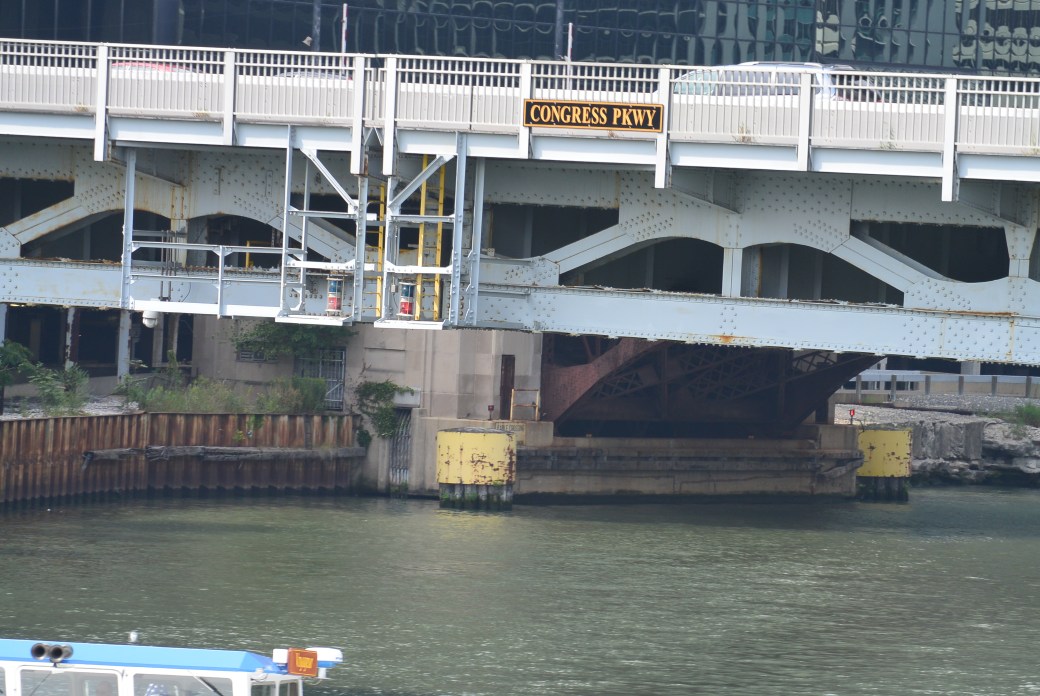
Gebhard Brewery
    At the same time, a 2 and one half story brick and timber building was constructed.  . This served at the bottling plant. 

Gebhard Bottling Building
     Louis Gebhard was succeeded in the business by his son William.   He diversified his holdings by getting into the construction business.  His organization built homes and commercial properties in Morris.  It became one of the leaders in the area.

     The brewery ultimately closed during Prohibition.  Machinery was dismantled and sold.  The brew house stood vacant for years.  For a time it was used as a flour mill. It was known as Morris Milling and later Brown Mill.  It is currently abandoned.

     The bottling building was at a time used by Lindsey Light and Chemical Company and the American Wick Company.  It is currently abandoned.

the Radium Dial Company

Previously, I published a blog about the Radium Dial Company in Ottawa, Illinois.  This chronicled the story of the women that worked at this plant painting watch dials with paint mixed with radioactive radium.  Many of these individuals subsequently suffered with many ailments including mandibular osteonecrosis, leukemia, and bone sarcoma.

This last week, my wife and I attended the play These Shining Lives.  This was put on by the Naples Players from Naples, Florida.

This play was written by Melanie Marnich.  It was first produced on April 30, 2008.  It was the story of four women who worked at the Radium Dial Company.    The story was narrated by Catherine Donahue.  She was one of the workers who died of extensive bone sarcoma.  The play was based on the book Radium Girls.

I find it interesting that individuals are still interested in this story years after it occurred.

Hydraulic cement in canal construction

     Remnants of hydraulic cement company in Utica, Illinois

  Black ball mines kiln for manufacture of hydraulic cement.    

     One may wonder why a blog dedicated to the I and M Canal would have an entry about hydraulic cement.  What is hydraulic cement?  Simply stated, it is a type of cement t that hardens after contact with water.  There are actually multiple type of this cement based on ingredients and method of manufacture.

     1) Portland cement is probably the most common.  It is produced by heating clay and limestone.  The mixture is broken down to a powder both before and after heating.  The name Portland is based on the hardened cement resemblance to a stone found on an island off the coast of England.

     2) Natural cement.  This is produced by heating limestone or magnesium limestone.  There is no crushing before heating.  No additional ingredients are added.  After the heating process, the mixture crushed and pulverized.  In Europe, limestone is used.    This is called Roman cement. In the U.S., magnesium limestone is used.  This is called Rosendale Cement.

     Pozzuolana is a combination of silica, alumina mixed with lime.  When this is made into mortar, it behaves as hydraulic cement.   Originally, it was found in Possuoli,Italy.  

     There is a volcanic earth that resembles Pozzuoluna.  It is called Grass.  It is found along the Rhine River and in Holland.

      The construction of the Erie Canal in New York marked a turning point in the history of canal construction in the United States.  This project took place between 1817–1825.  To begin with the length of the canal was extraordinary for the time period.   Also, many innovations developed during the project were used in future projects.  

     One of the engineers hired for the canal was Canvass White.   He was a very intelligent and resourceful individual.  Before construction started, he took it upon himself to travel to England and study their canal systems.  While there he learned much about hydraulic cement.  This was used in the construction of their locks.

     When he returned home to New York, he searched and found a deposit of rock near Chittenango (New York).  This rock when heated and pulverized produced hydraulic cement. White patented the process for producing the cement. In the area, he and his brother set up a plant to produce hydraulic cement for the Erie Canal.   This was used in the manufacture of locks, aqueducts, and piers for bridges.  It was also used on locks in the Middlesex Canal an the C and O Canal.

     Now we fast forward to the period of 1836-1848.  It was during this time that the canal between the Chicago River in Chicago to the Illinois River in LaSalle was being constructed.   This canal ultimately had 15 locks constructed with limestone blocks.  Hydraulic cement was used as the mortar substance.  There were aqueducts at Nettle Creek in Morris, Aux Sable Creek in Aux Sable, Fox River in Ottawa, and Little Vermilion River in LaSalle.  The piers of these structures were made with limestone cemented with hydraulic cement.  The piers of the bridges were made of limestone cemented with hydraulic cement.

     The builders of the I and M Canal were fortunate that naturally occurring raw materials were found in the area.  Limestone was discovered  in Utica during construction in 1837.  

     In 1838, Norton and Steele built their hydraulic cement mill in the Utica area.  They supplied the I and M Canal from 1838 to 1842.  Their operations were bought out by James Clark.   This individual was also responsible for the founding of the Black ball Mines and Mill along the Pecumsaugen Creek near Utica.   Clark and Sons were in operation from 1845–1883.  They moved the mill to Washington Street in 1889.  They operated here as the Utica Hydraulic Cement Company until 1947.