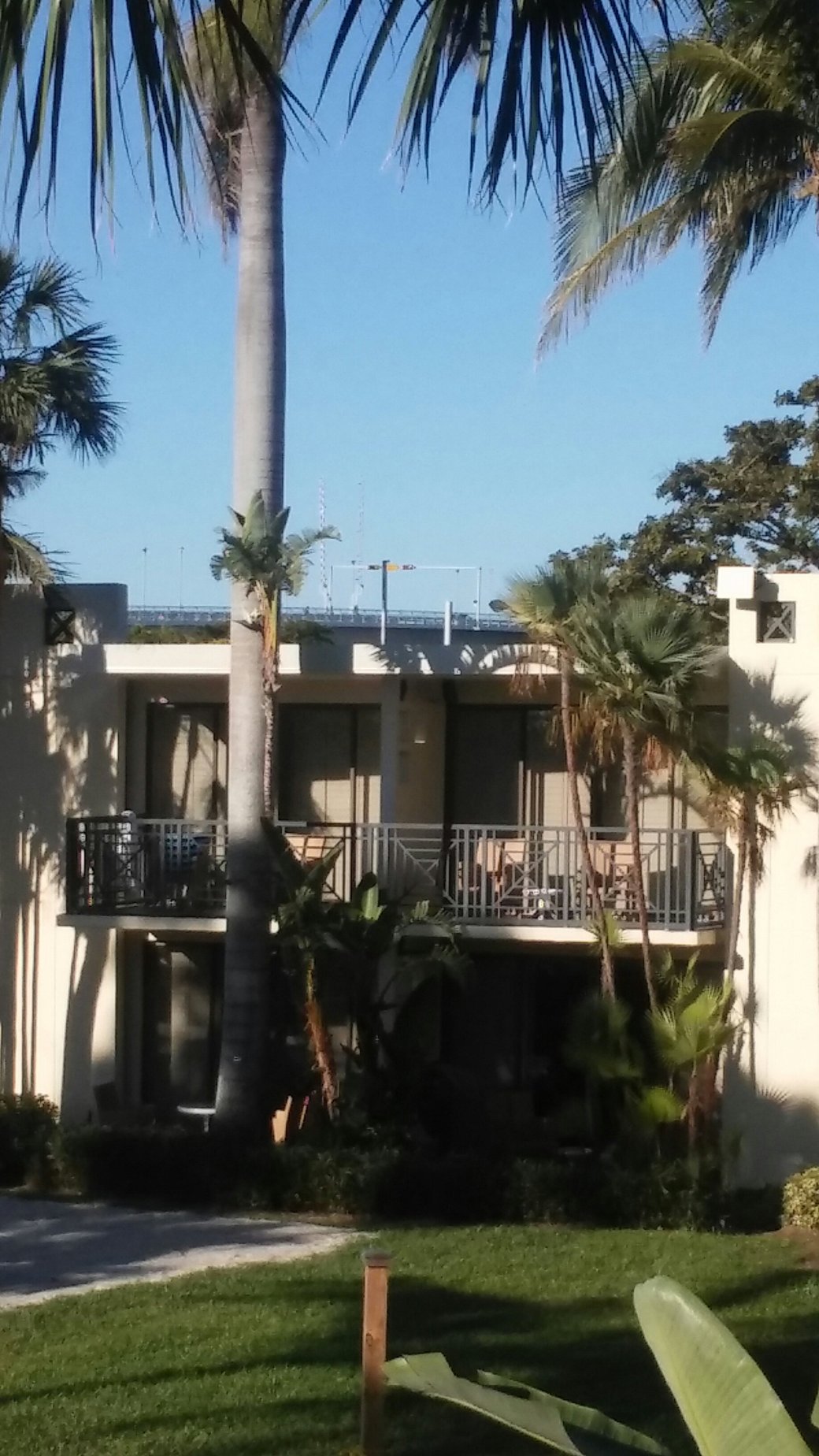
S.E. 17th Street Bridge Fort Lauderdale
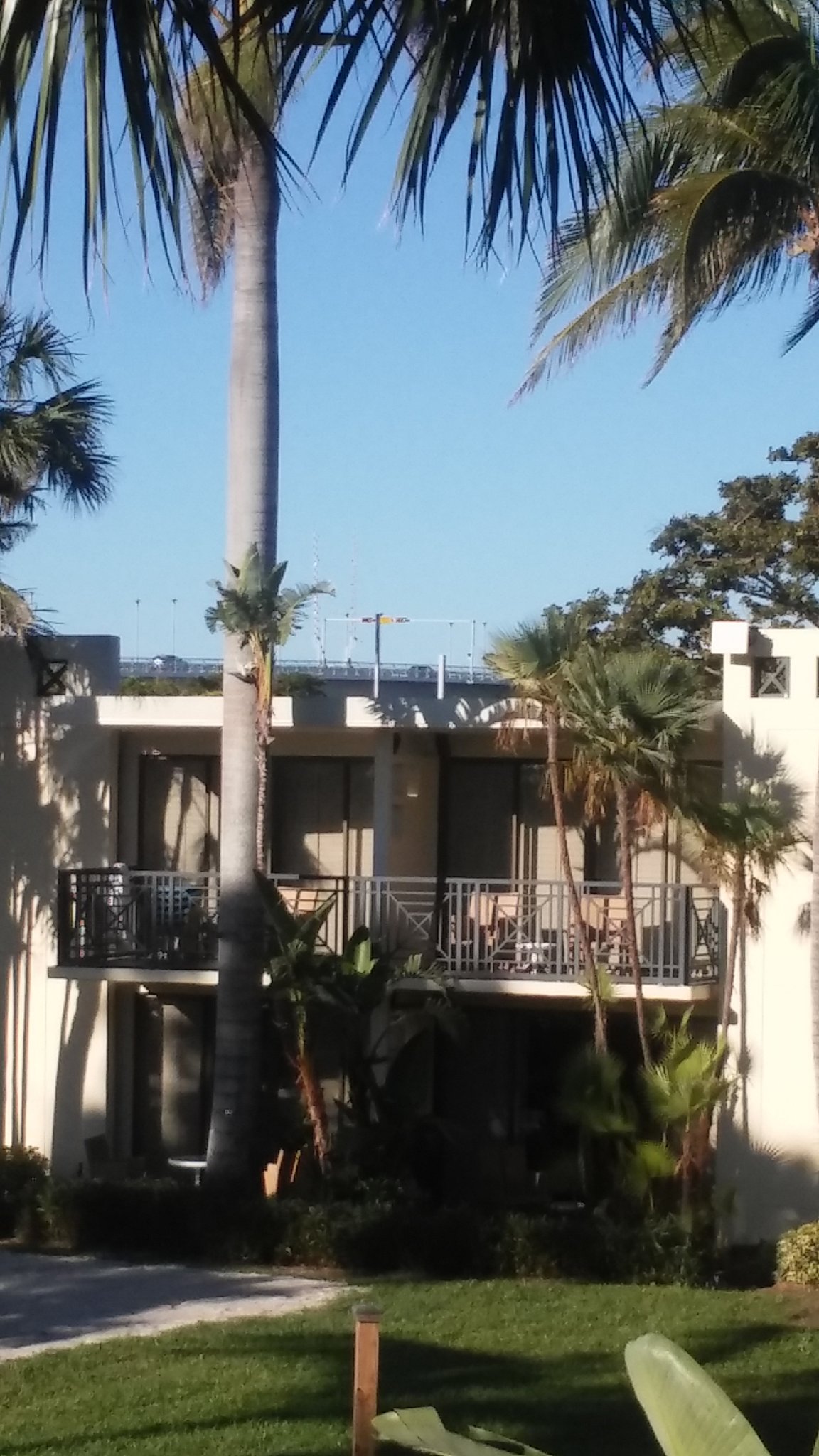
Same as above

Same as above
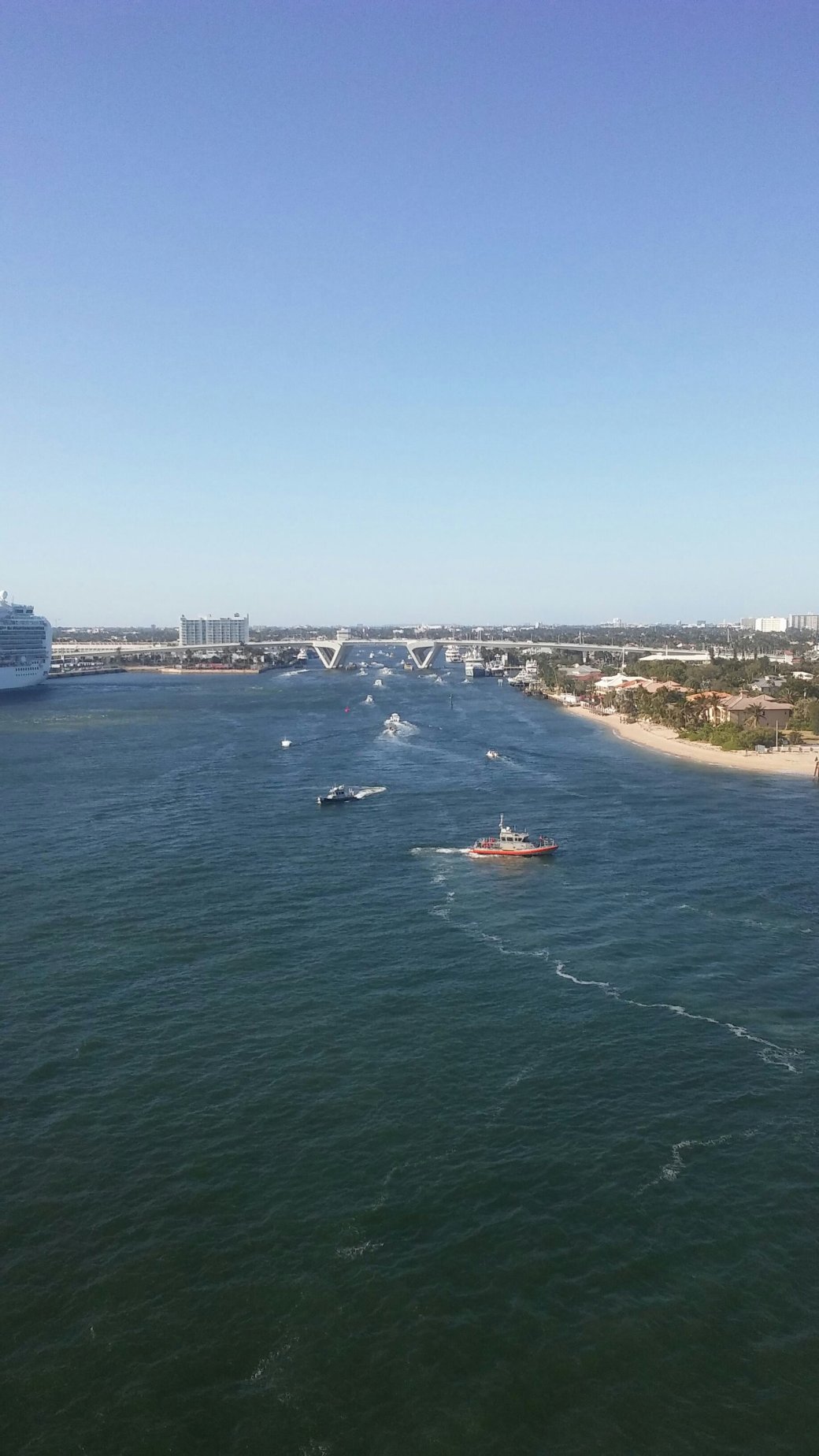
Same as above
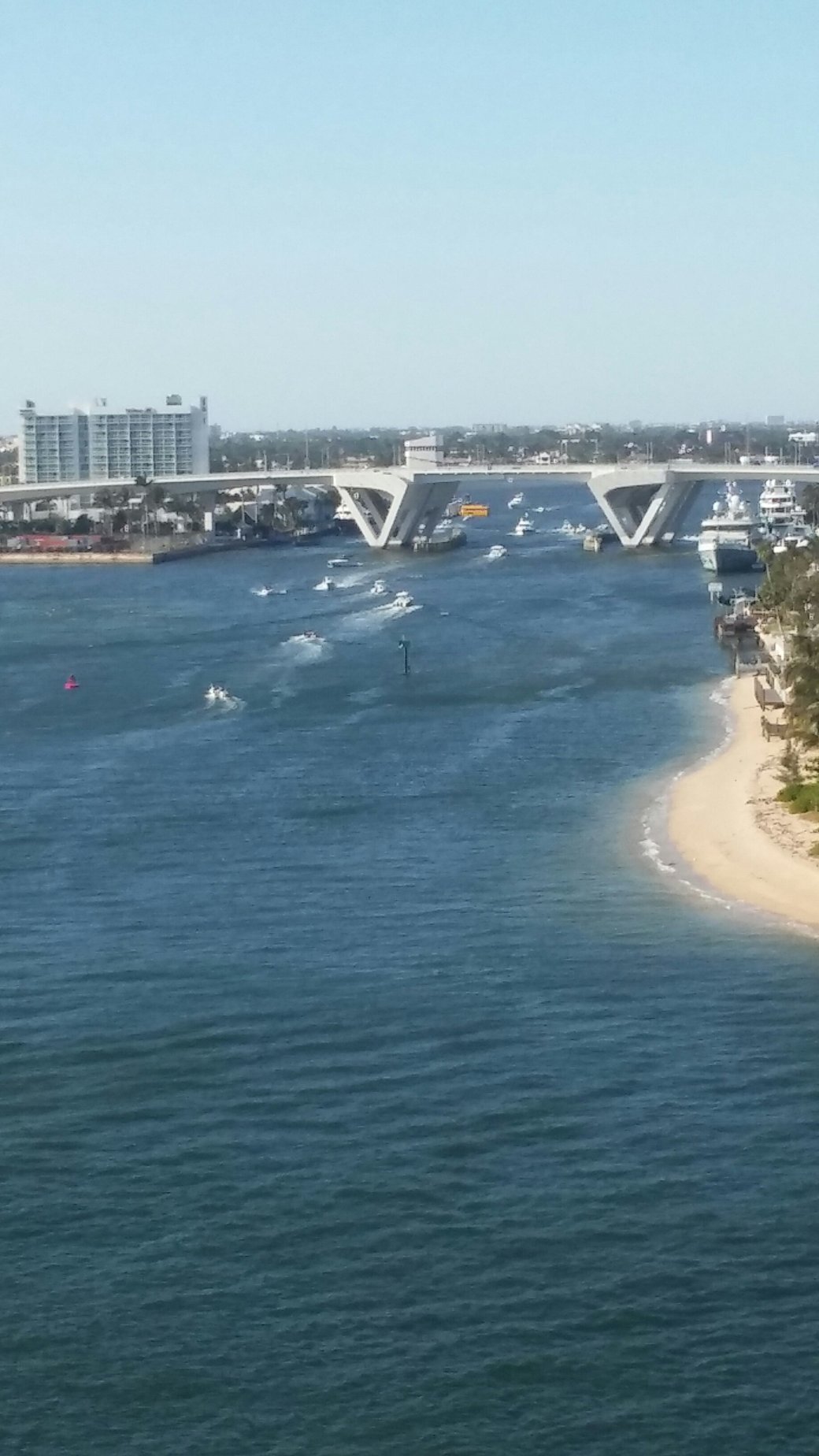
Same as above
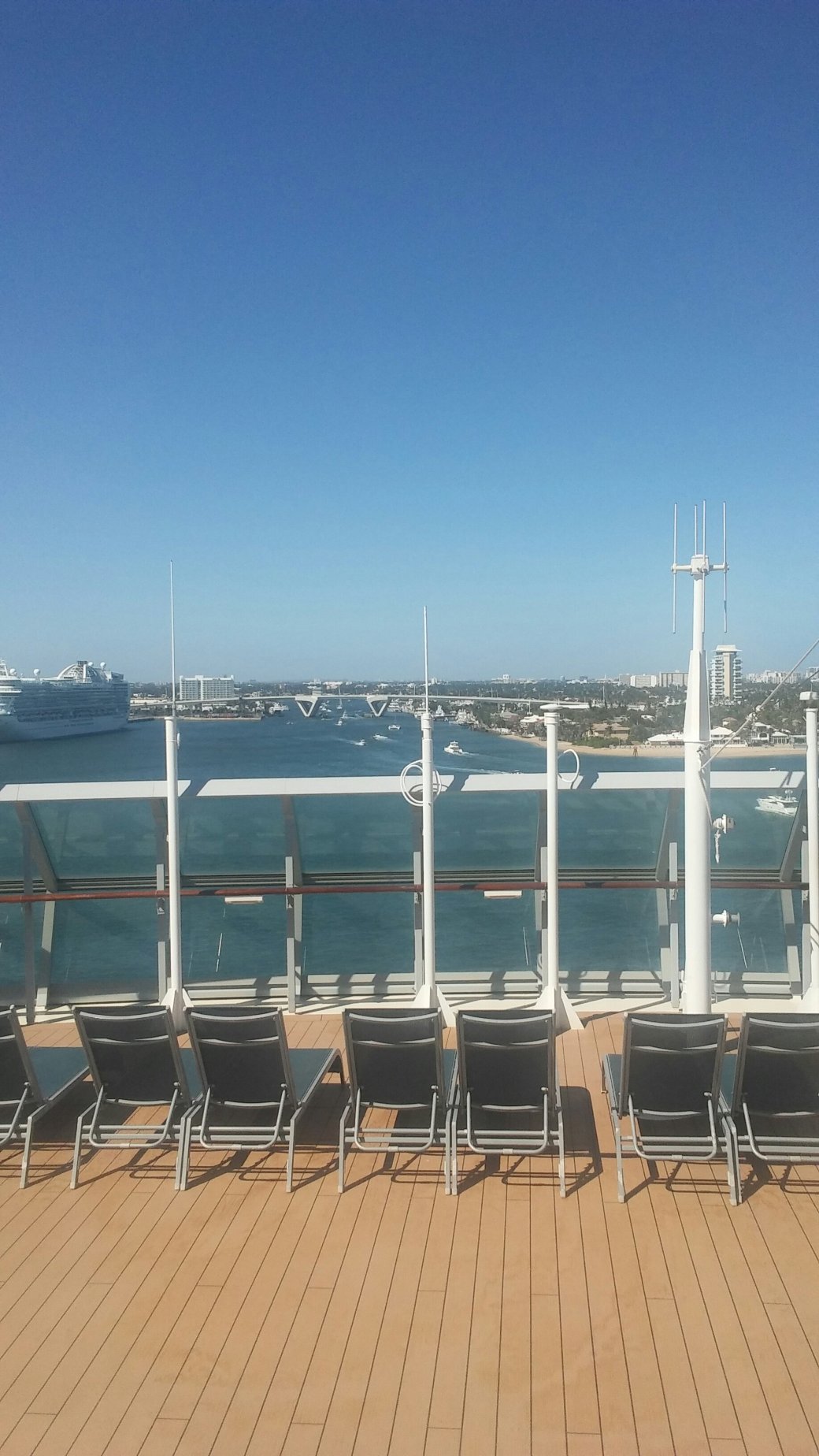
Same as above
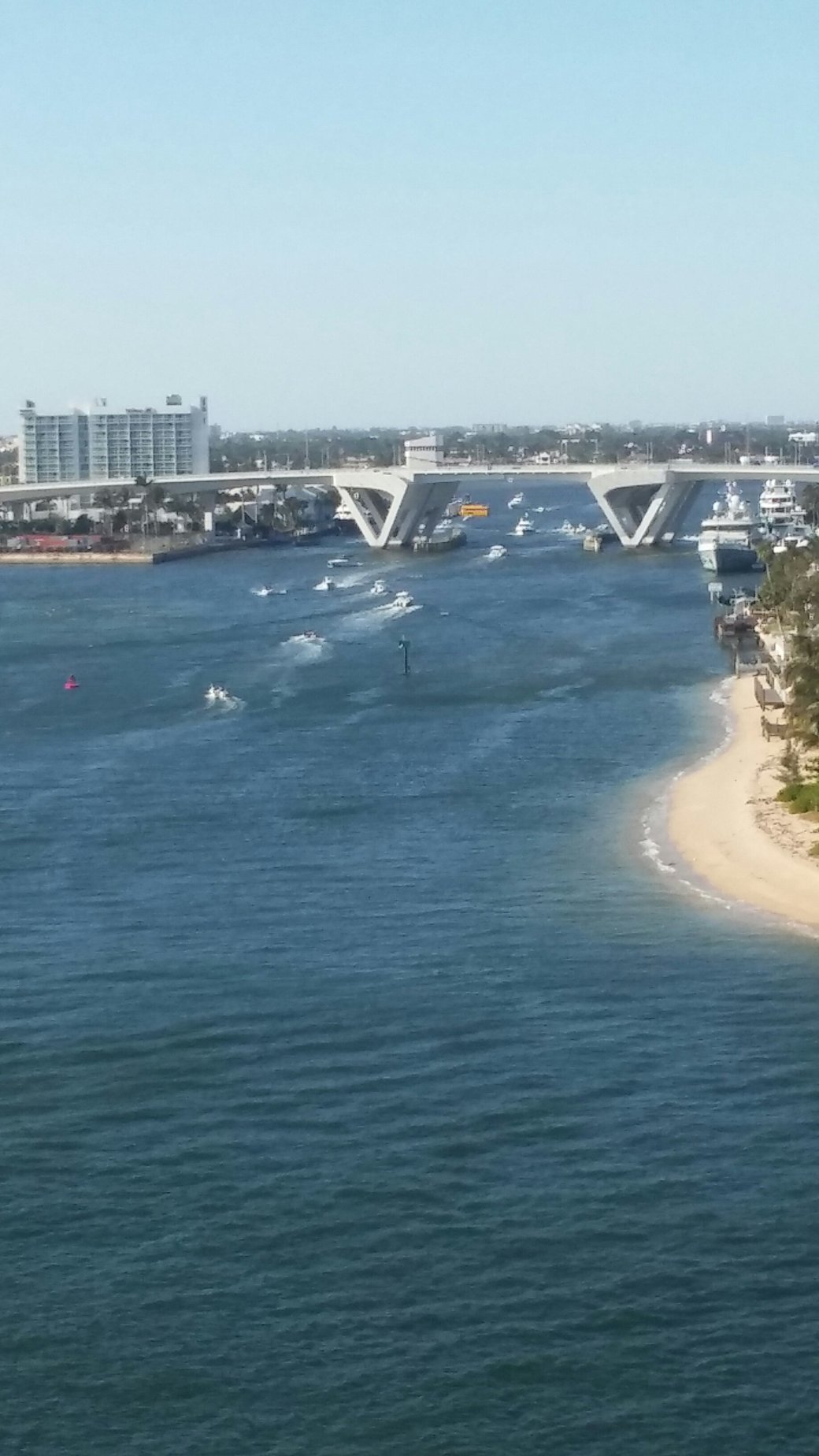
Same as above
S.E. 17th Street Bridge Fort Lauderdale
Same as above
Same as above
Same as above
Same as above
Same as above
Same as above
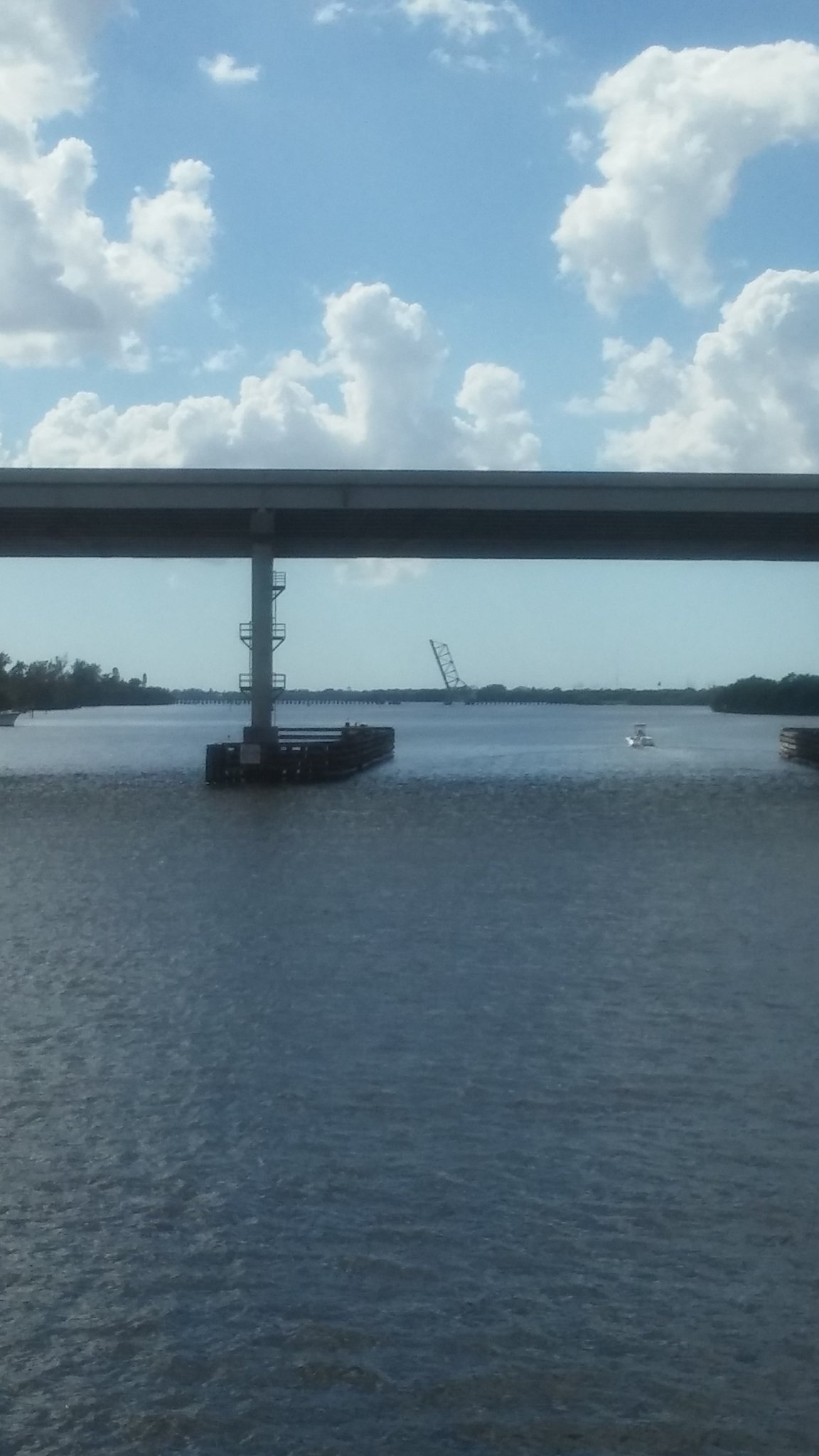
US 75 Bridge
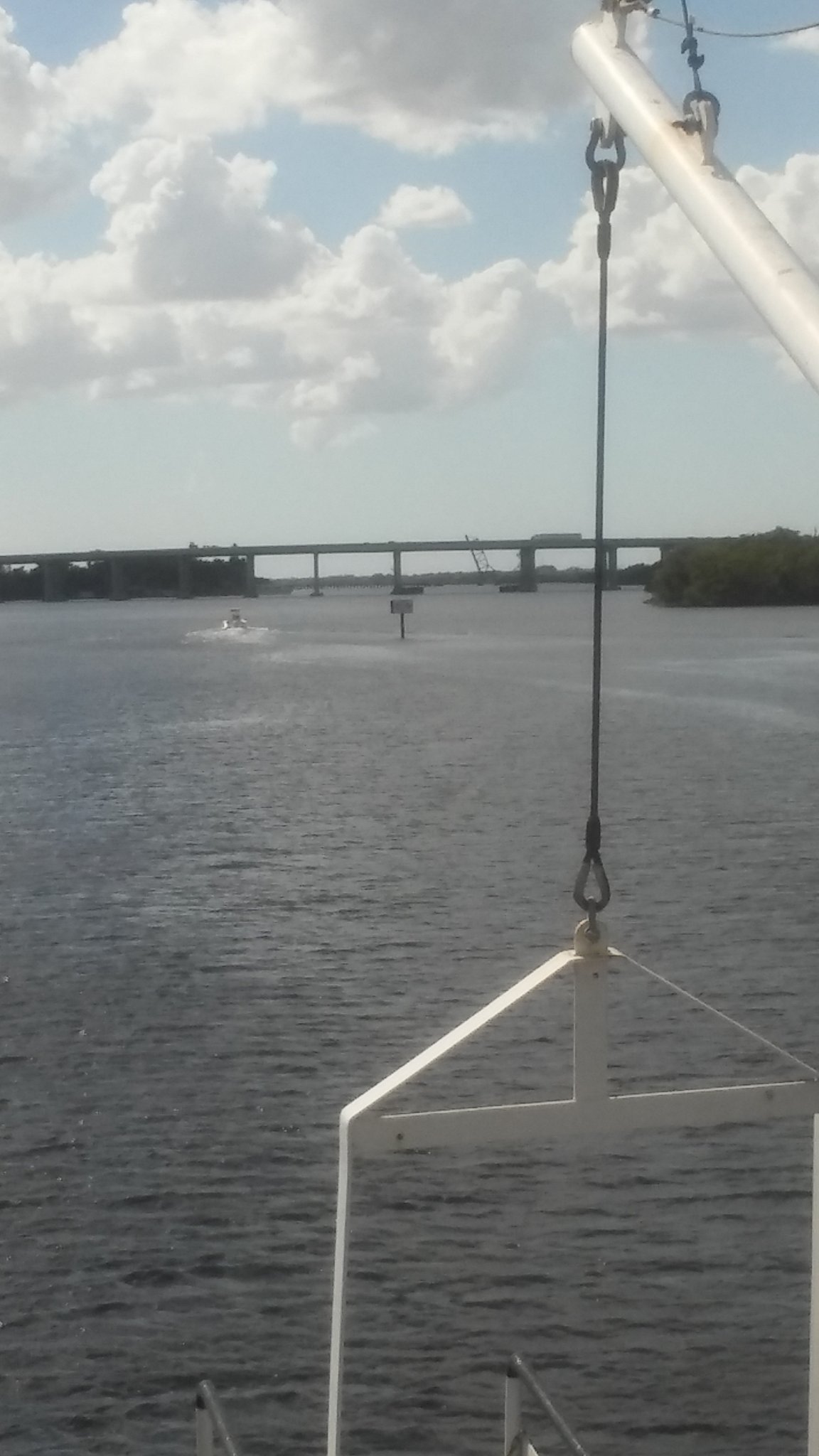
US 75 Bridge
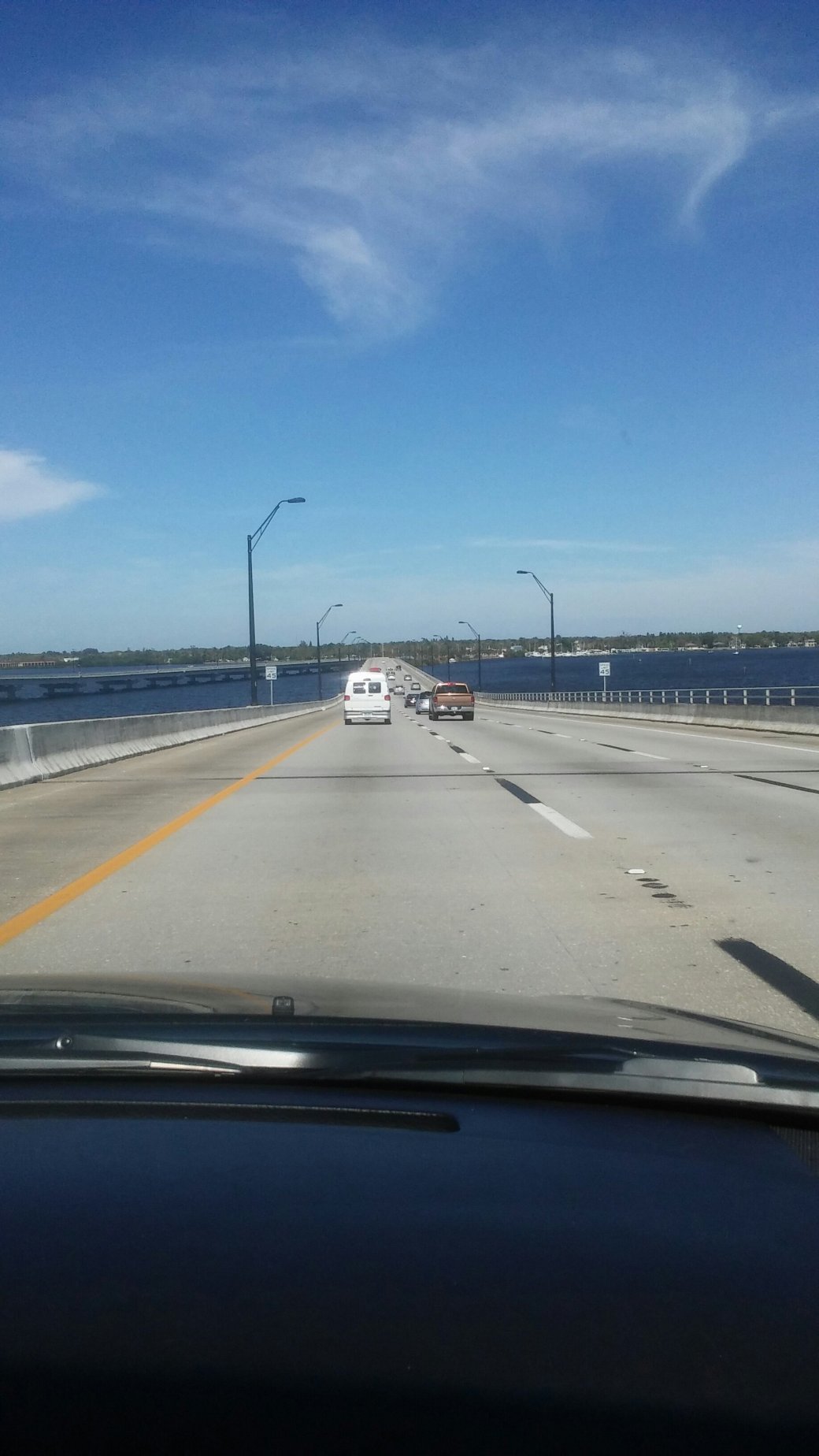
Edison Bridge

Edison Bridge

Edison Bridge

Edison Bridge

Edison Bridge
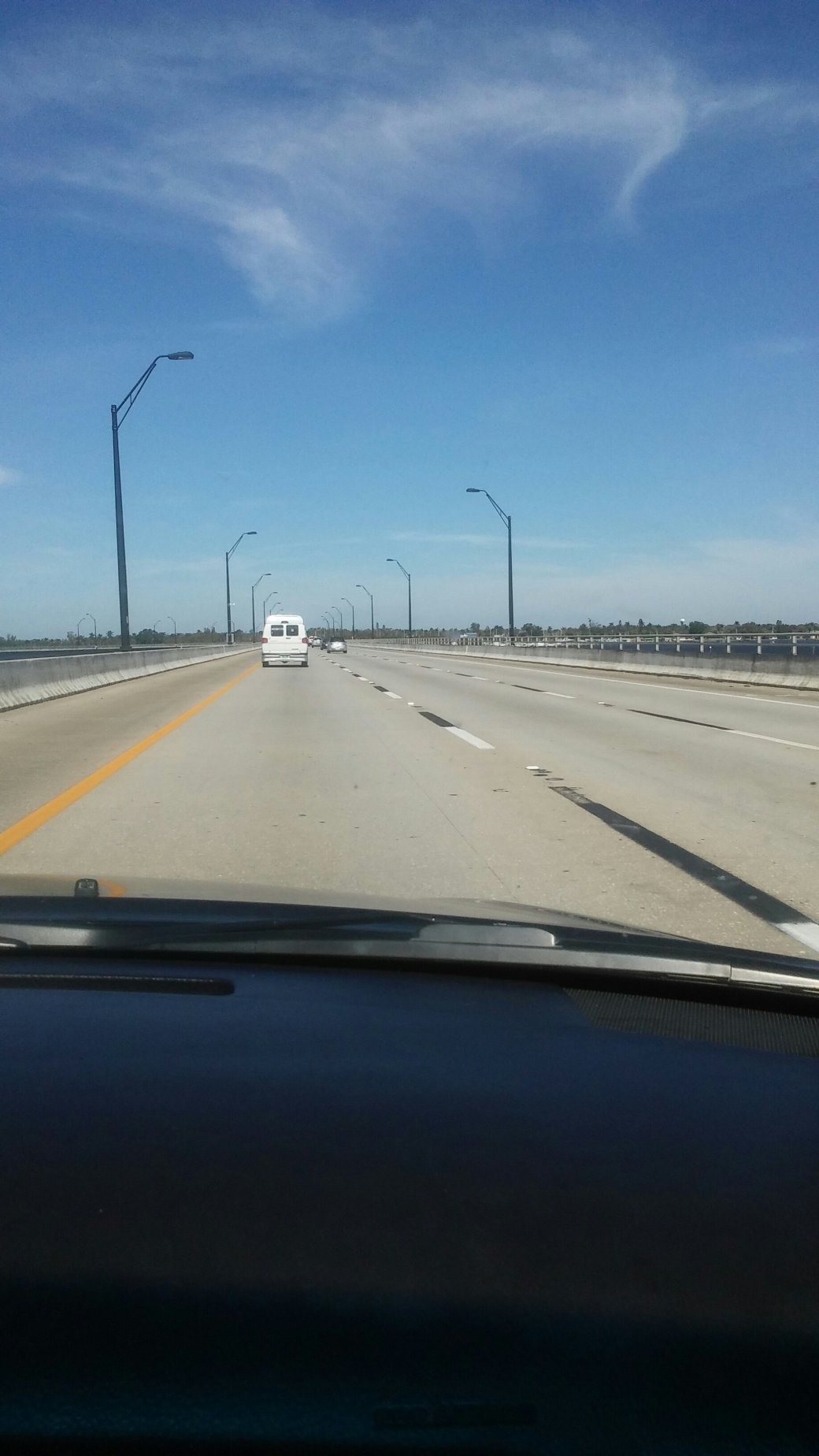
Edison Bridge
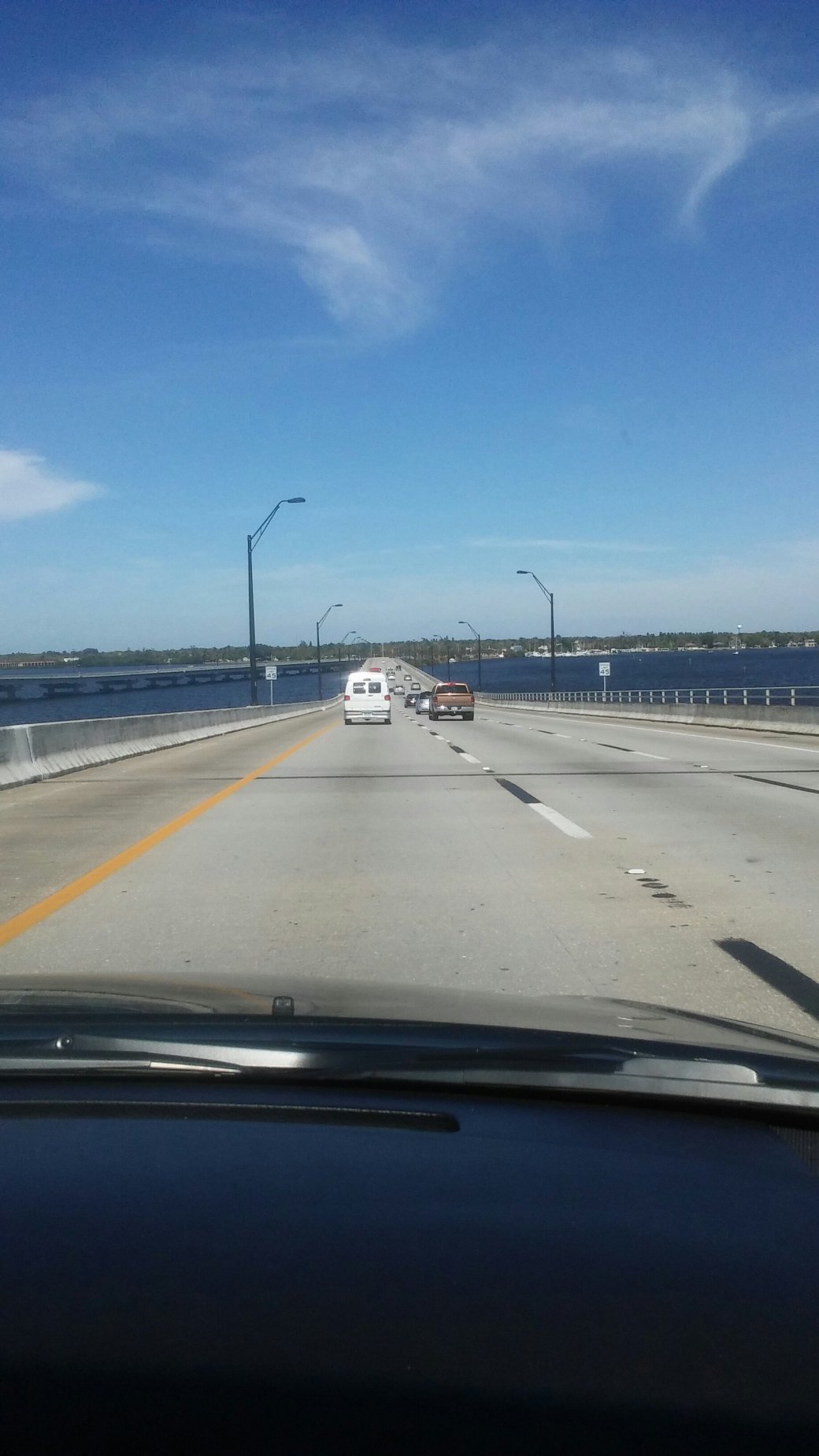
Edison Bridge
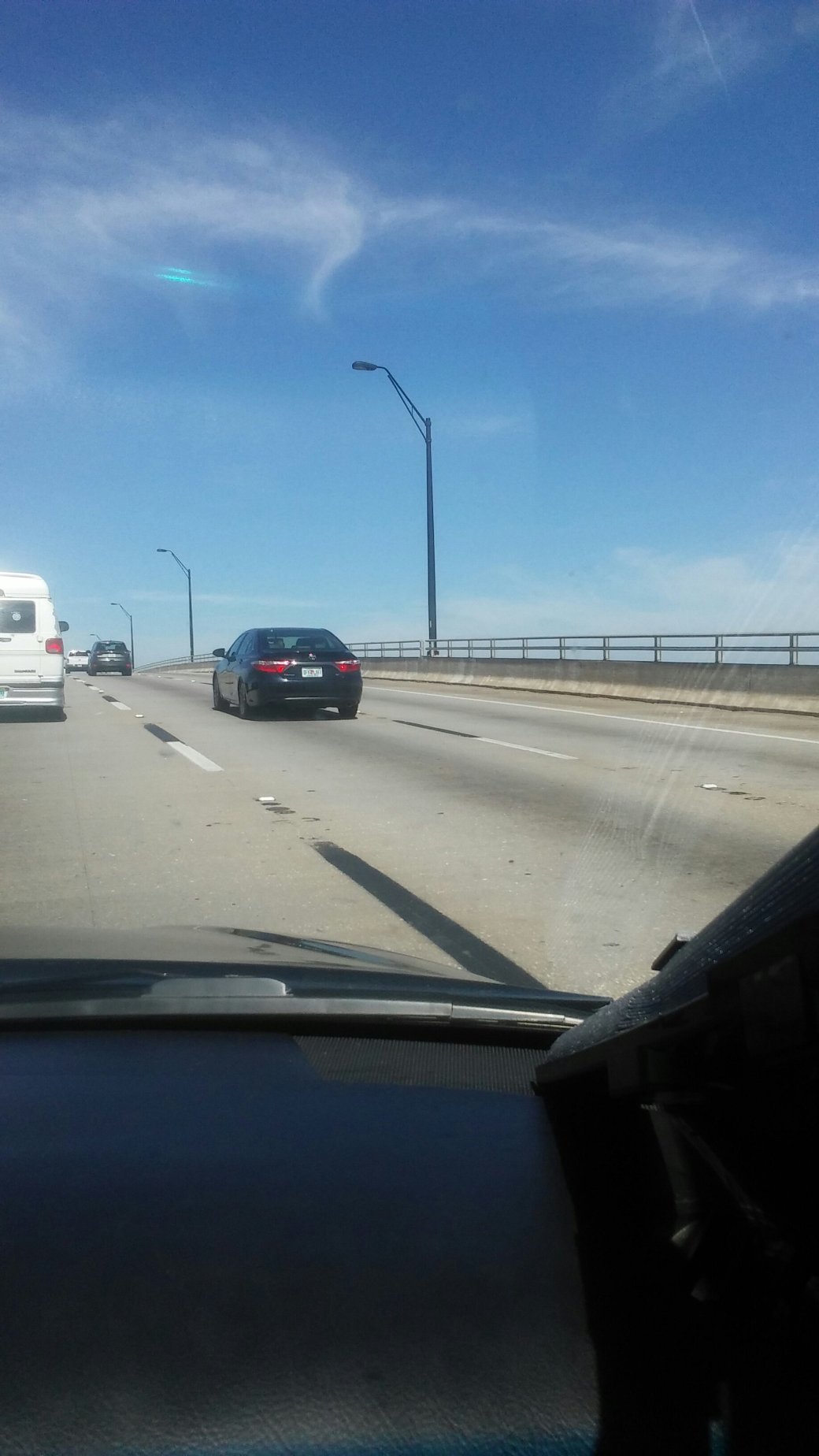
Edison Bridge
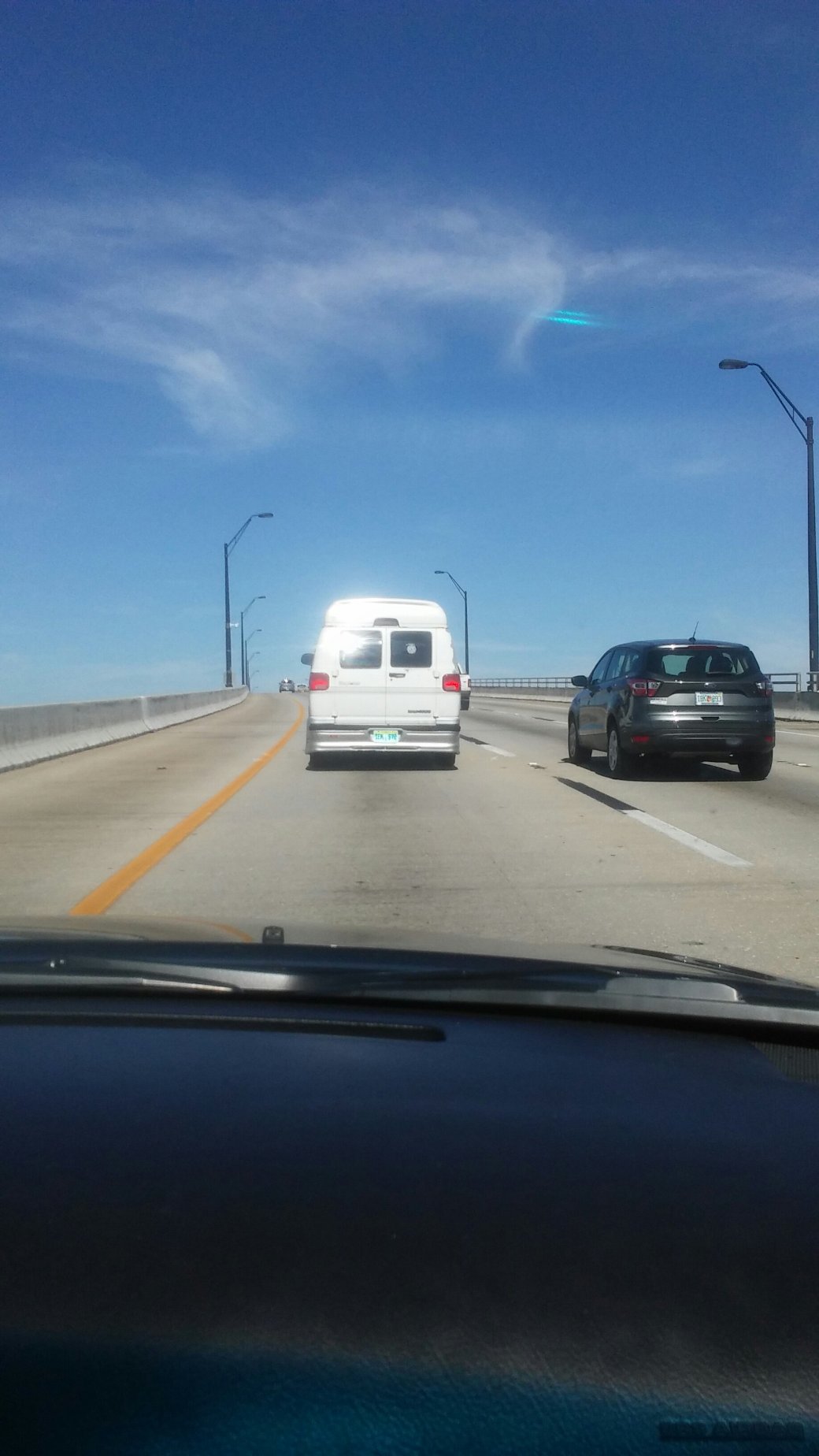
Edison Bridge
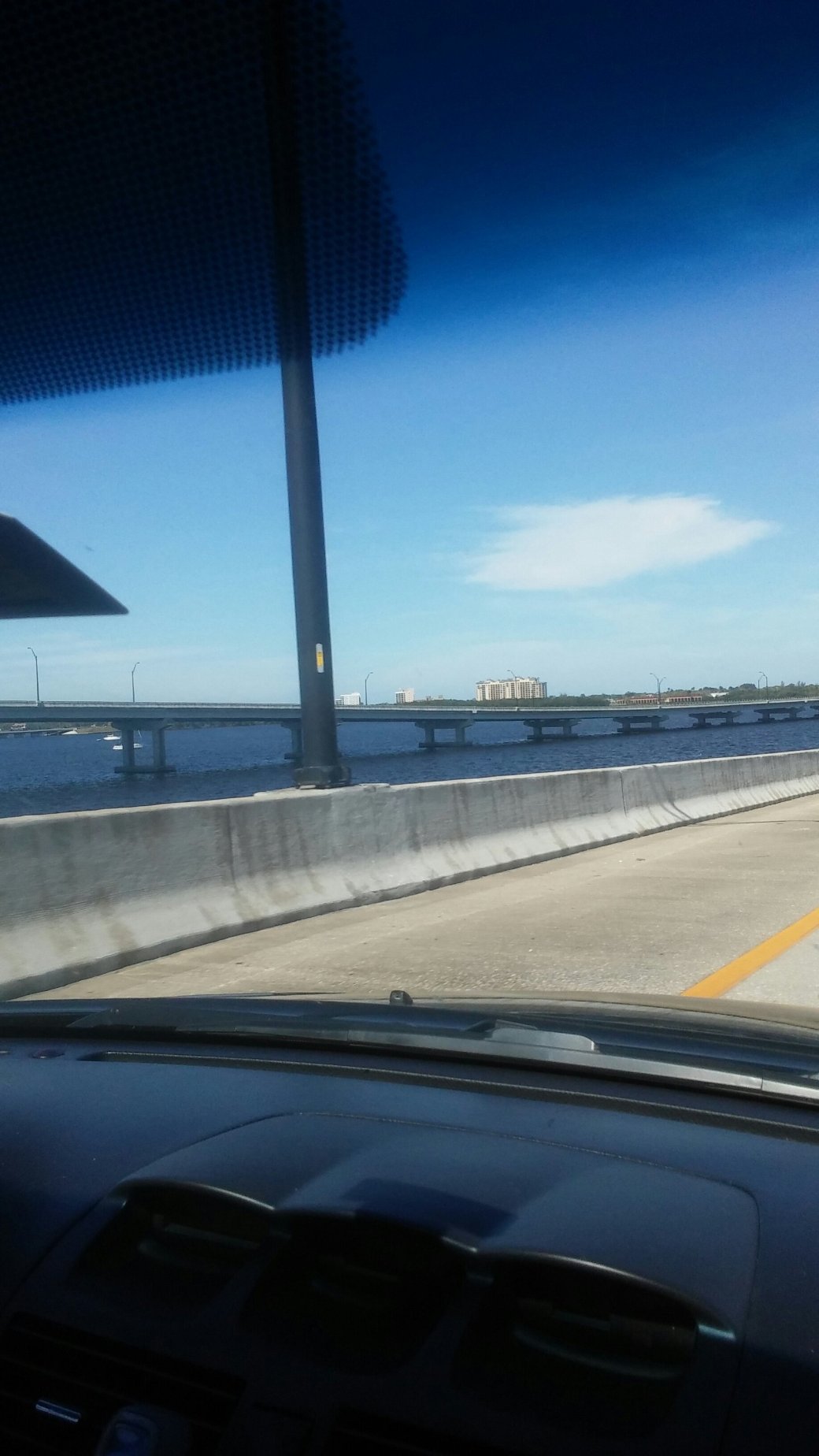
Edison Bridge
The Edison Bridge crosses the Caloosahatchee River connecting Fort Myers with North Fort Myers. The bridge is also known as US Business 41. The current bridge is actually 2 separate bridges– one for northbound and the other for southbound traffic. Each bridge has 3 lanes and is 55 feet high. They land at the same point in the north side and are separated by three blocks on the south side. Bridges were built in the early 1990’s. They are concrete girders bridges
The current bridge was replacement of a prior structure built in 1931. It was dedicated by Thomas Edison. He was the first individual to drive across it. It was a single two lane lost bascule drawbridge It was replaced in 1992.

History added 4/22/2018.
.
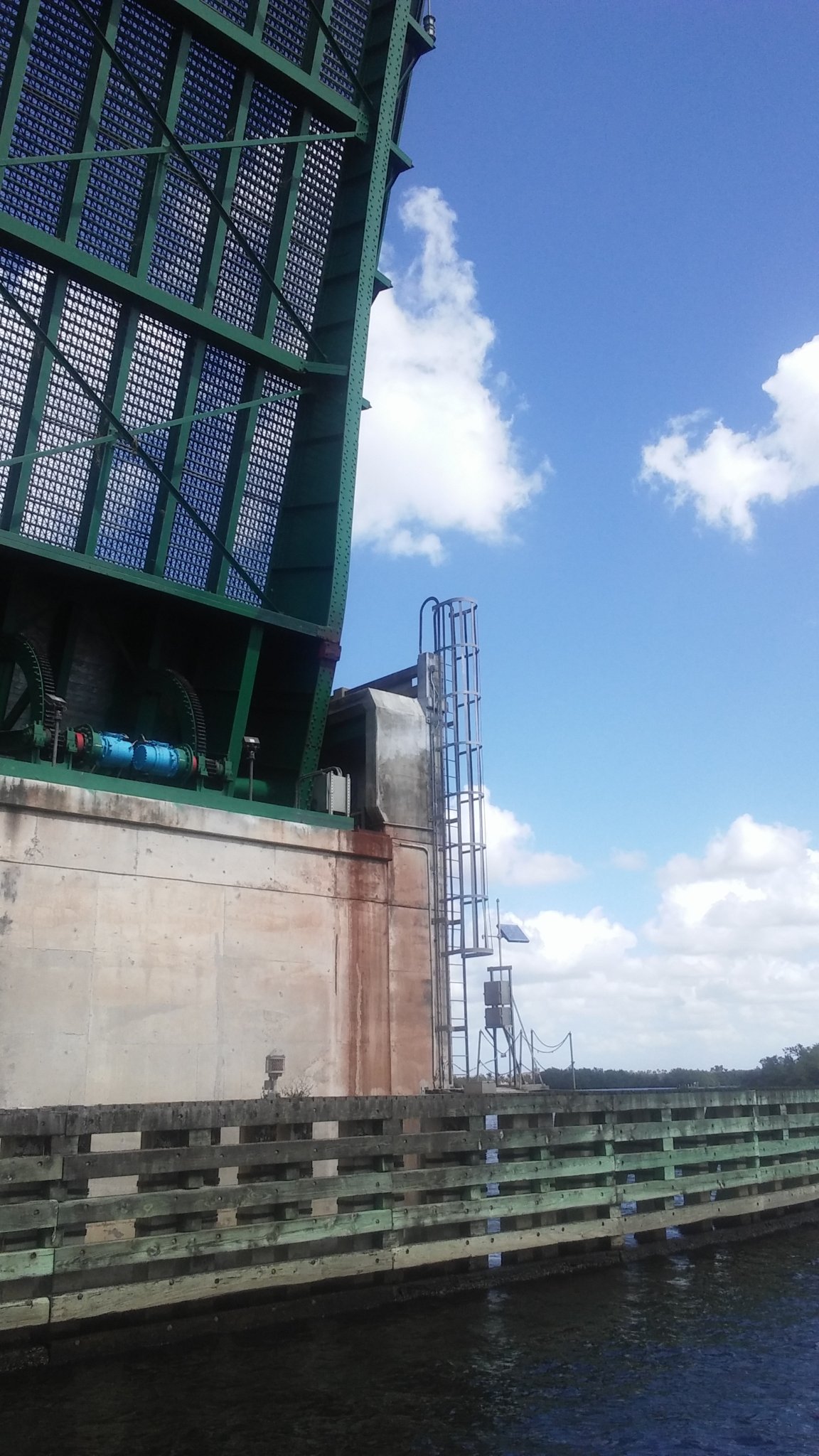
Wilson Pigott Bascule Bridge
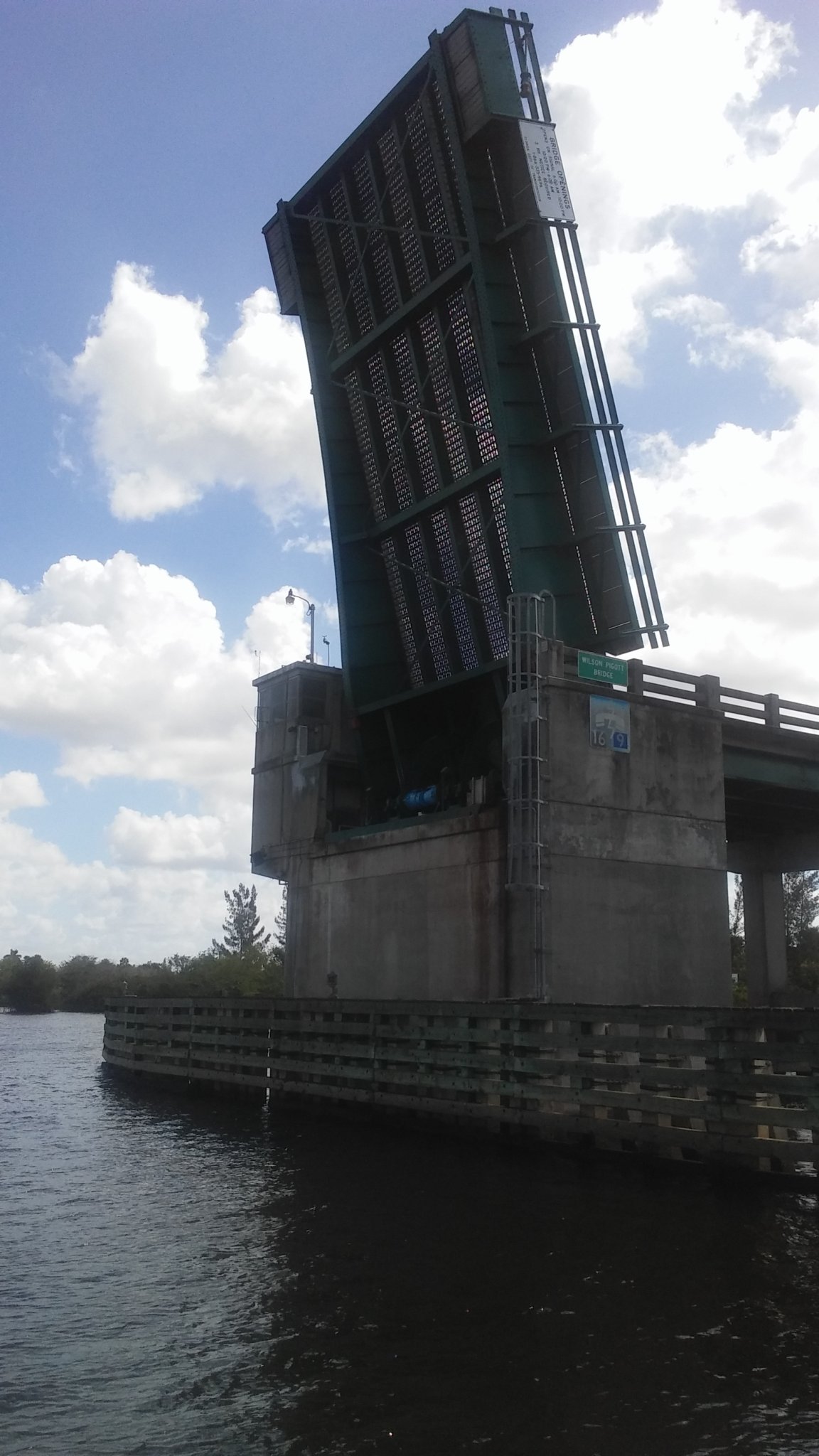
Same as above
Same as above
Same as above
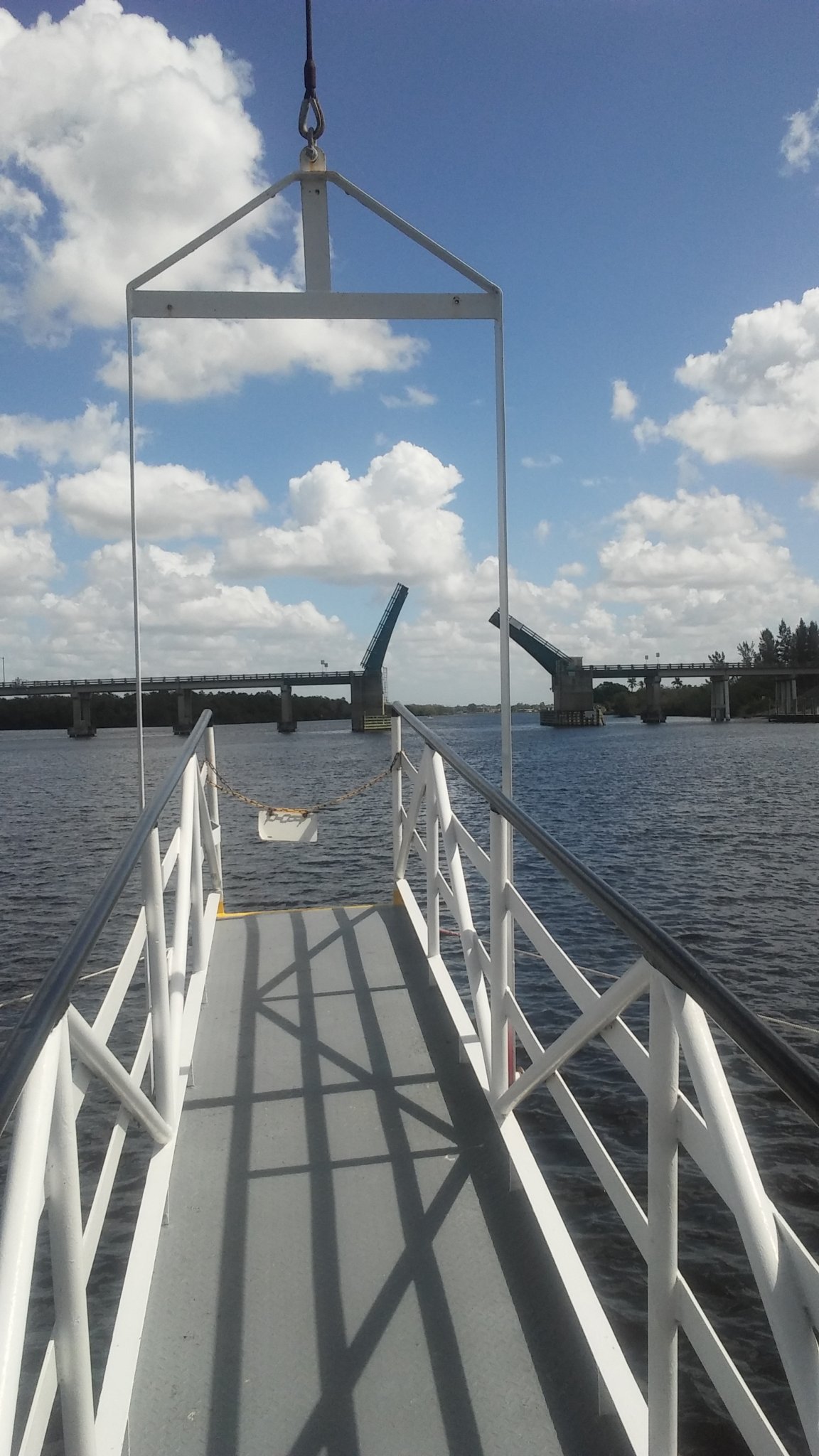
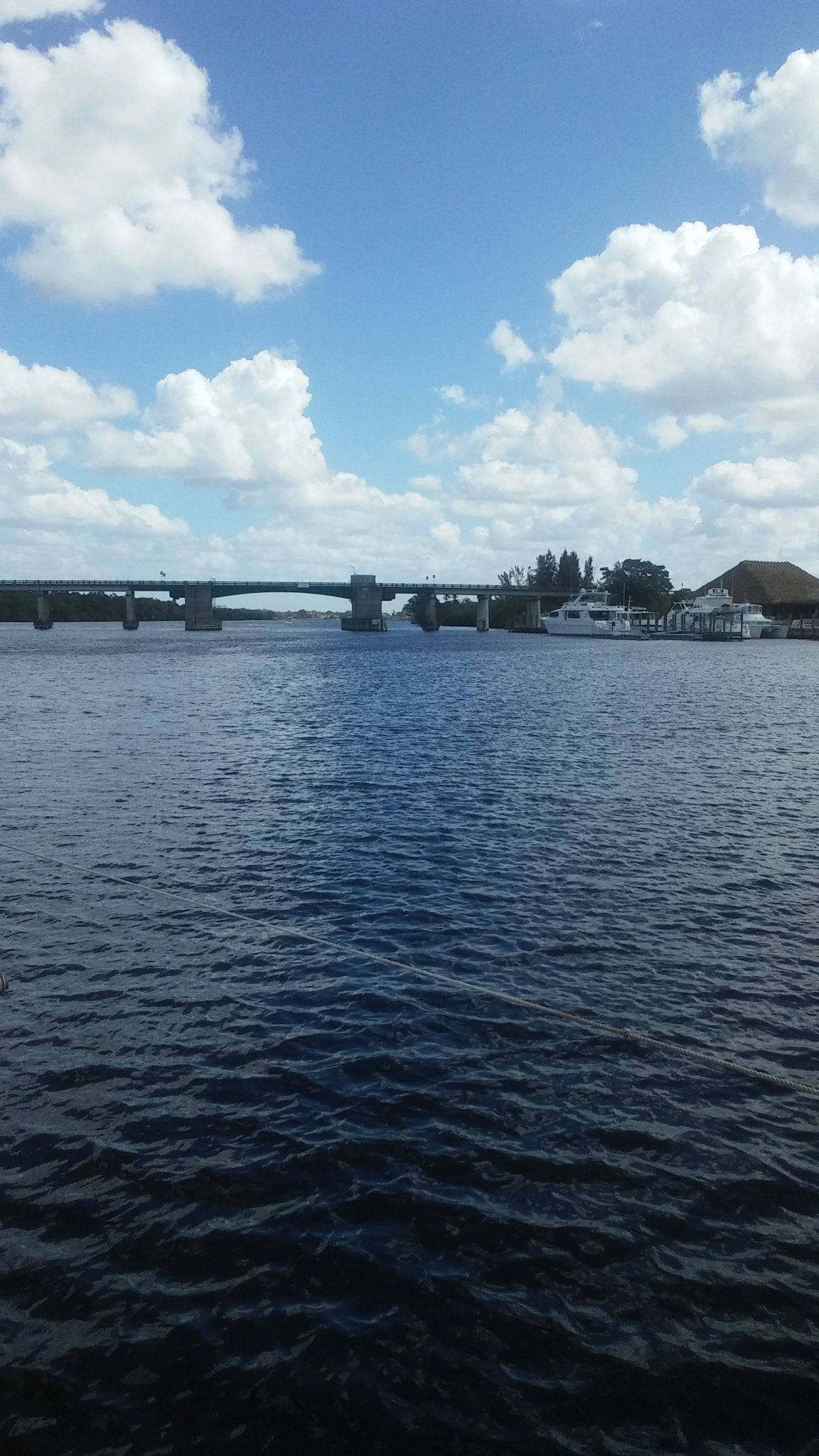
One of the four drawbridges across the Caloosahatchee River in Lee County, Florida is the Wilson Pigott Bridge (named after a former Lee County Commissioner). It is located near Fort Myers Shores. This structure is also known as the State Road 31 Bridge. This is a bascule type bridge.
It was built in 1960. It is a two lane structure. It is 27 feet tall. It was built to replace a swing bridge at Olga. This previous bridge was located 3 miles downstream. It has been built in 1911 and was demolished shortly before the construction of the Wilson Pigott Bridge.
W.P. Franklin Lock and Dam
W.P. Franklin and Dam
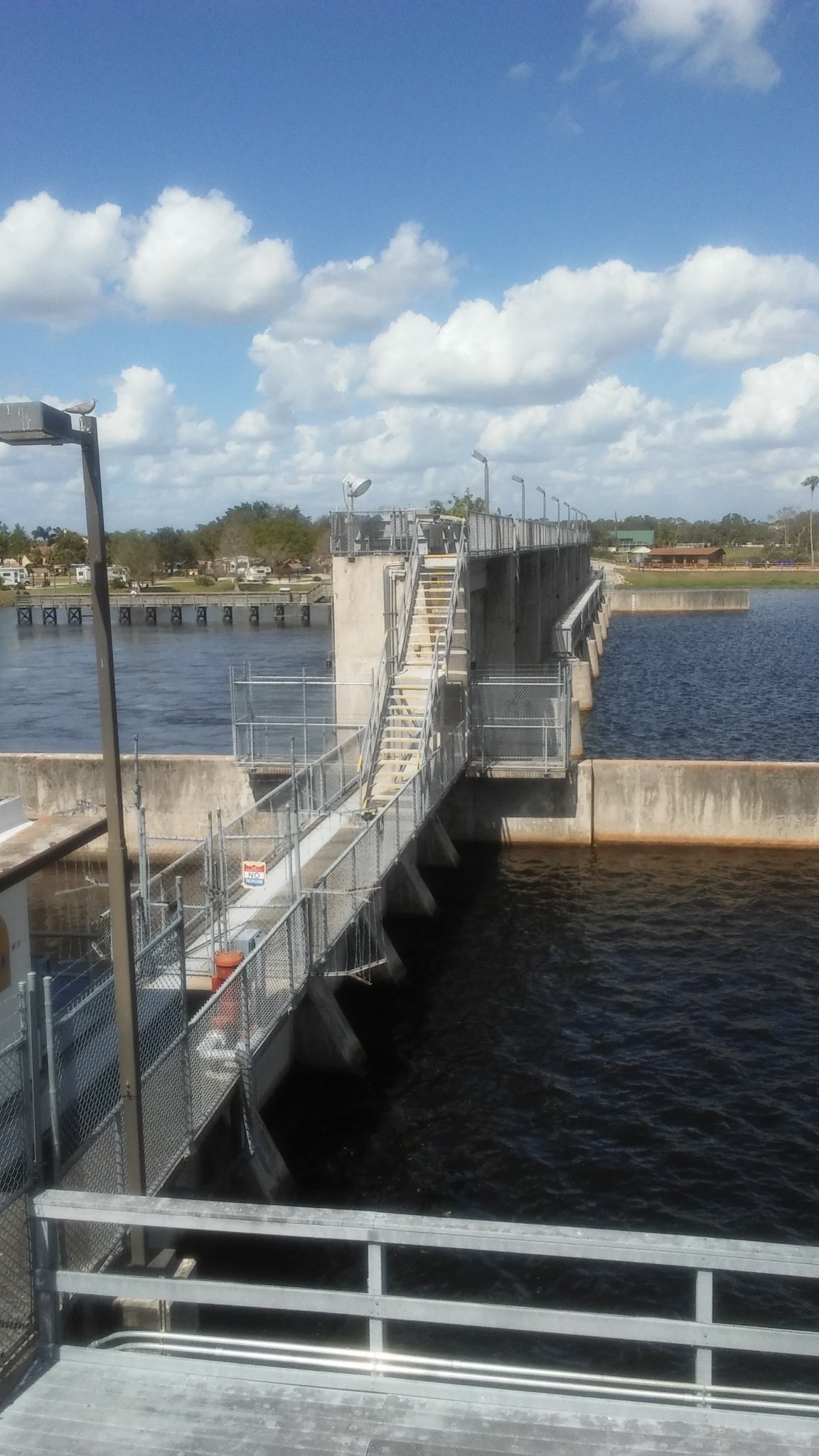
Same as above
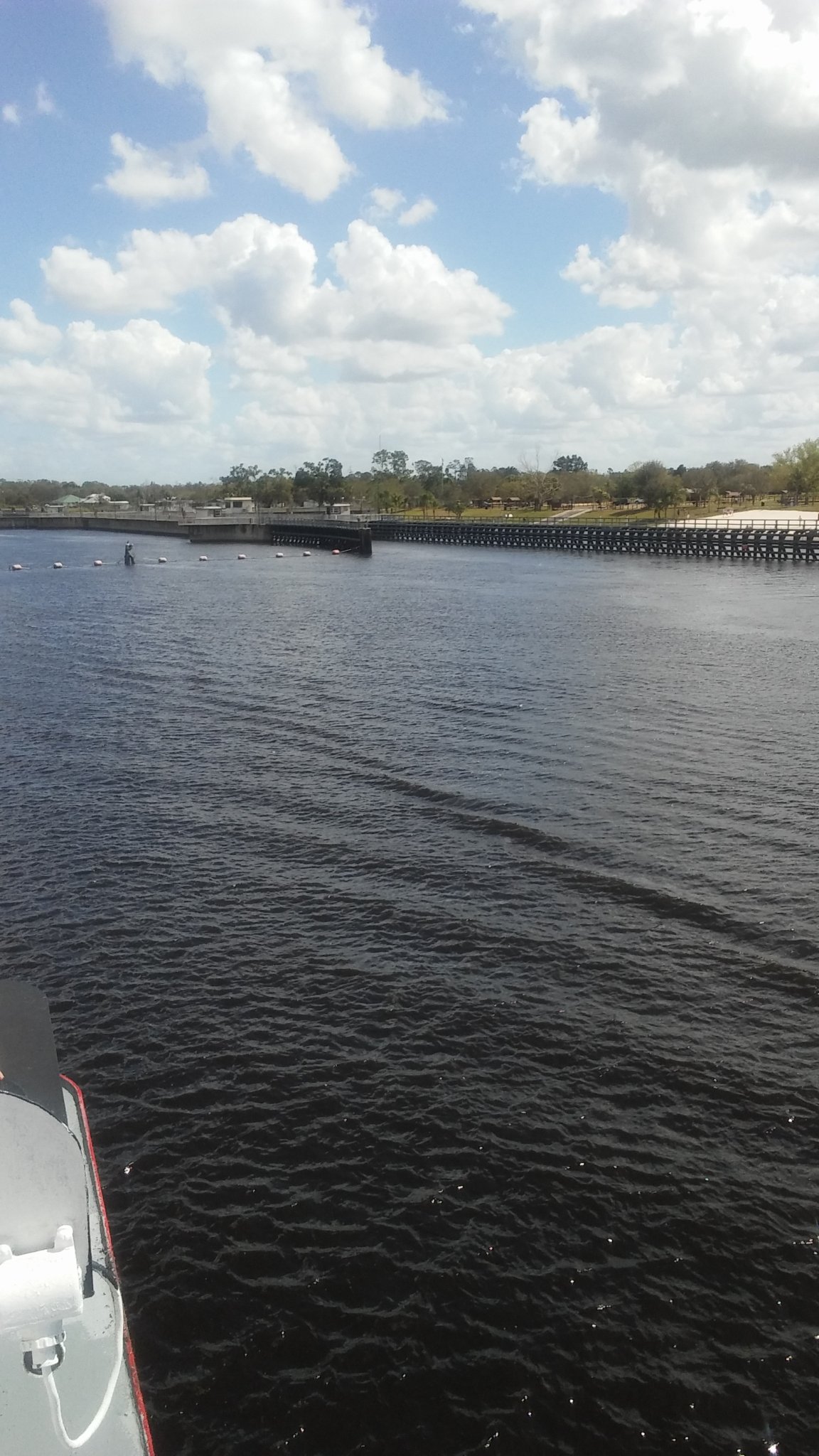
Same as above
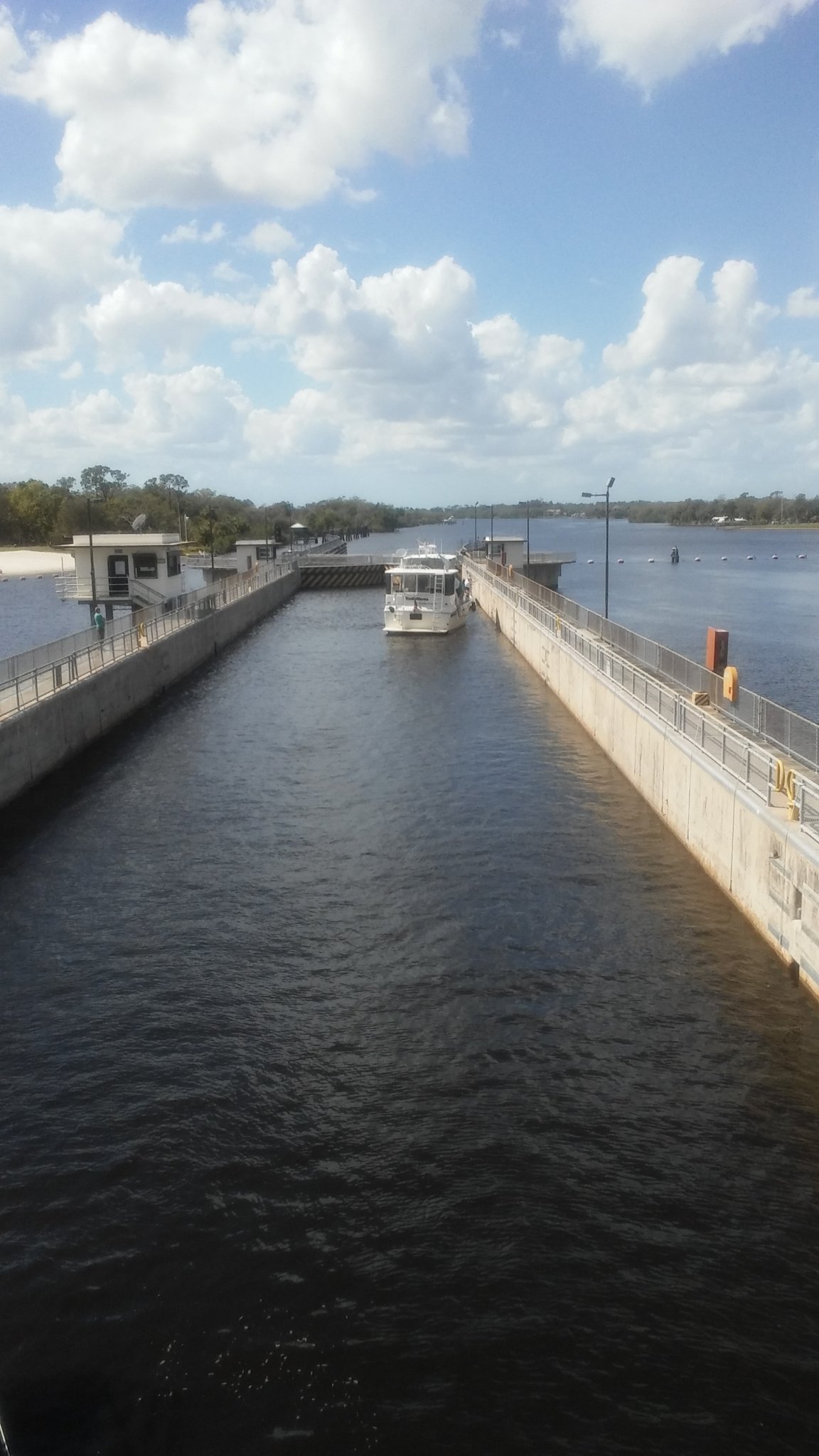
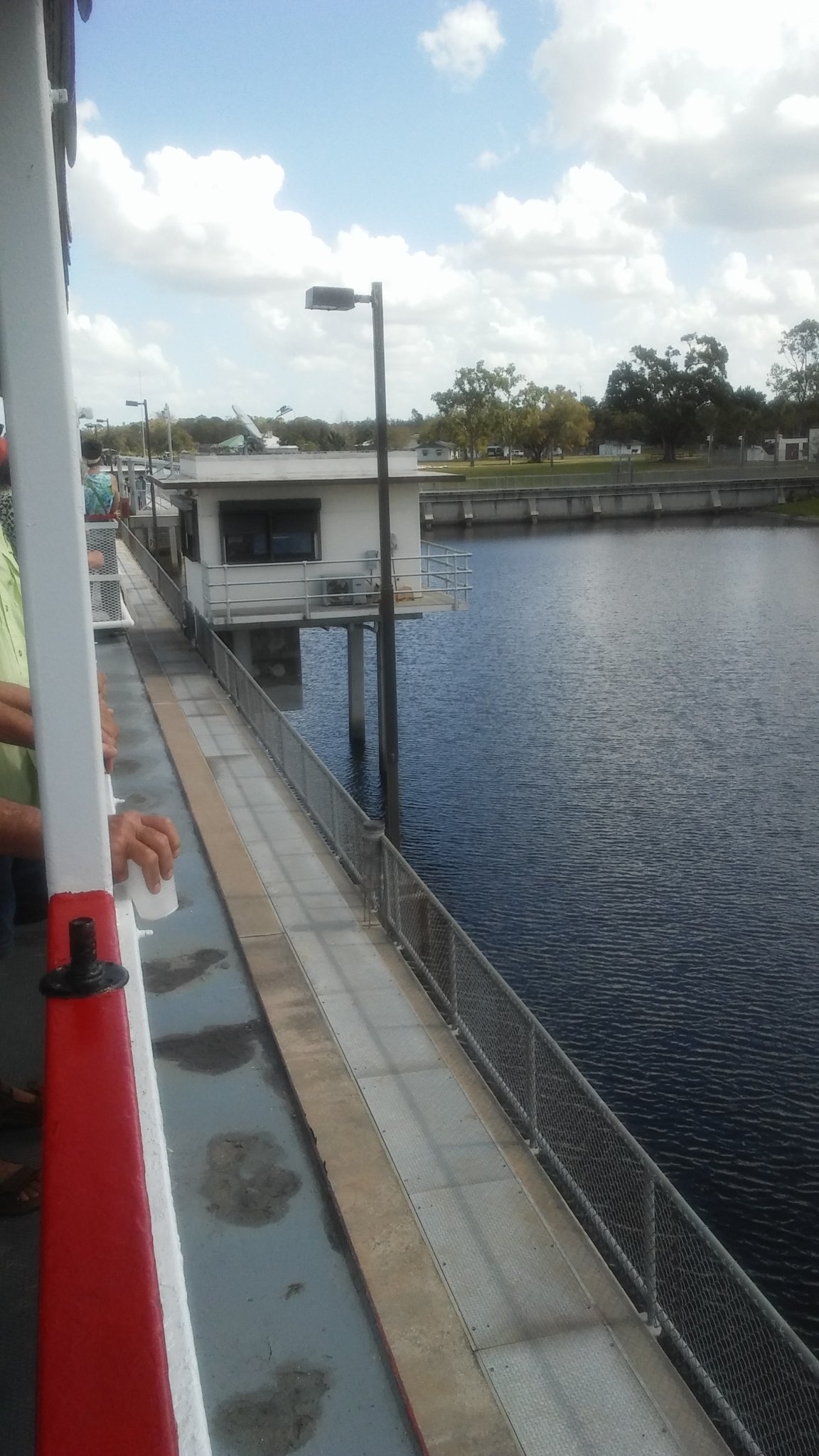
The W.P. Franklin Lock and Dam is a navigable structure located on the Caloosahatchee River near Olga, Florida 33 miles upstream of the Gulf Intracoastal Waterway. It was built in 1965 by the Army Corps of Engineers at a cost of $3.8 million dollars. It is also currently maintained by the Corps.
The lock and dam were built for flood and water control and as a preventative measure against salt water intrusion.
The lock chamber was constructed of concrete and welded structural steel gates and concrete bays. Dimensions are 56 feet wide; 400 feet long; and 14 feet high. Lock lift is 2 to 3 feet. During a one year period, 15,000 vessels pass through the locks.
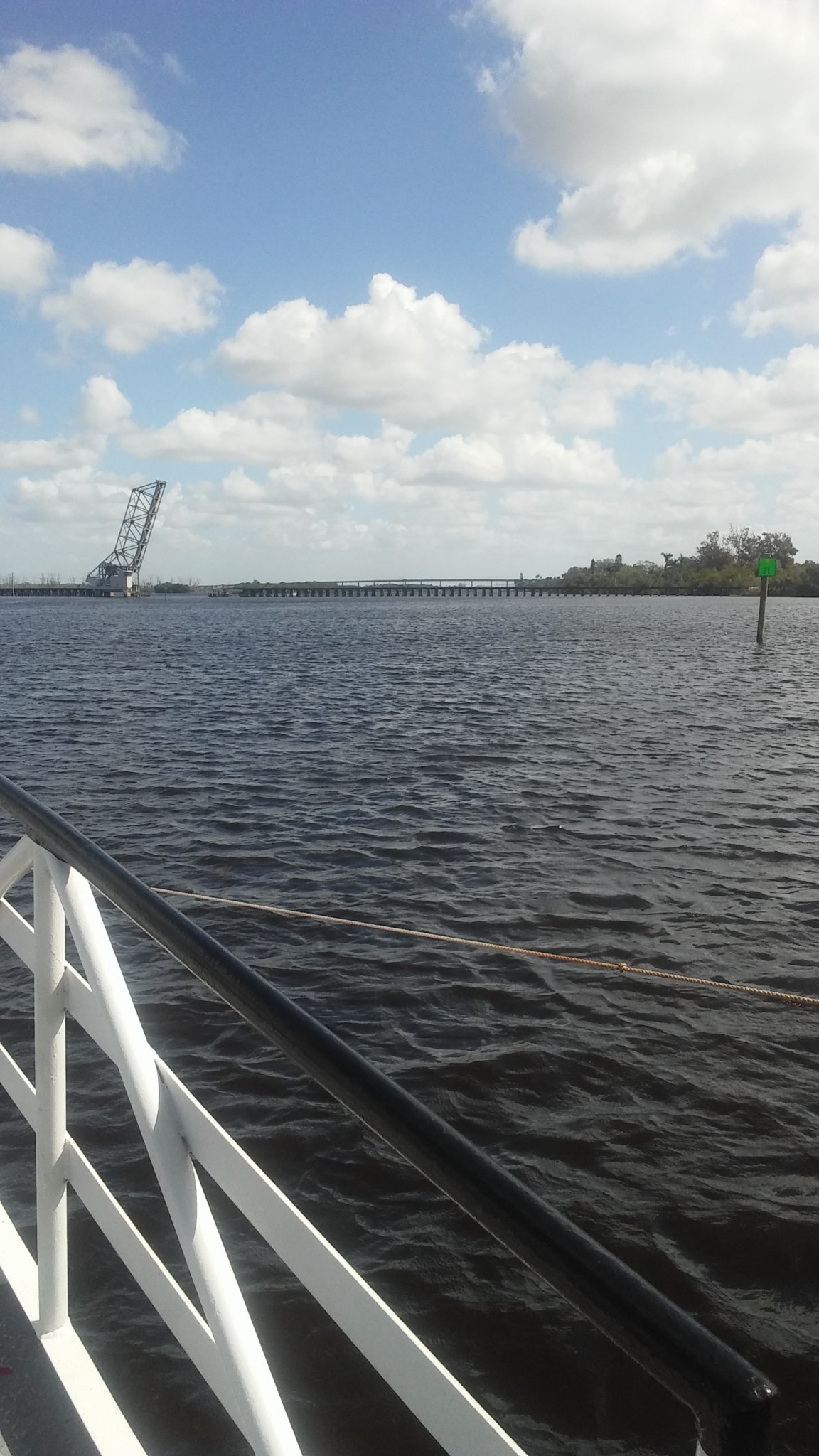
Bascule Bridge over Caloosahatchee River
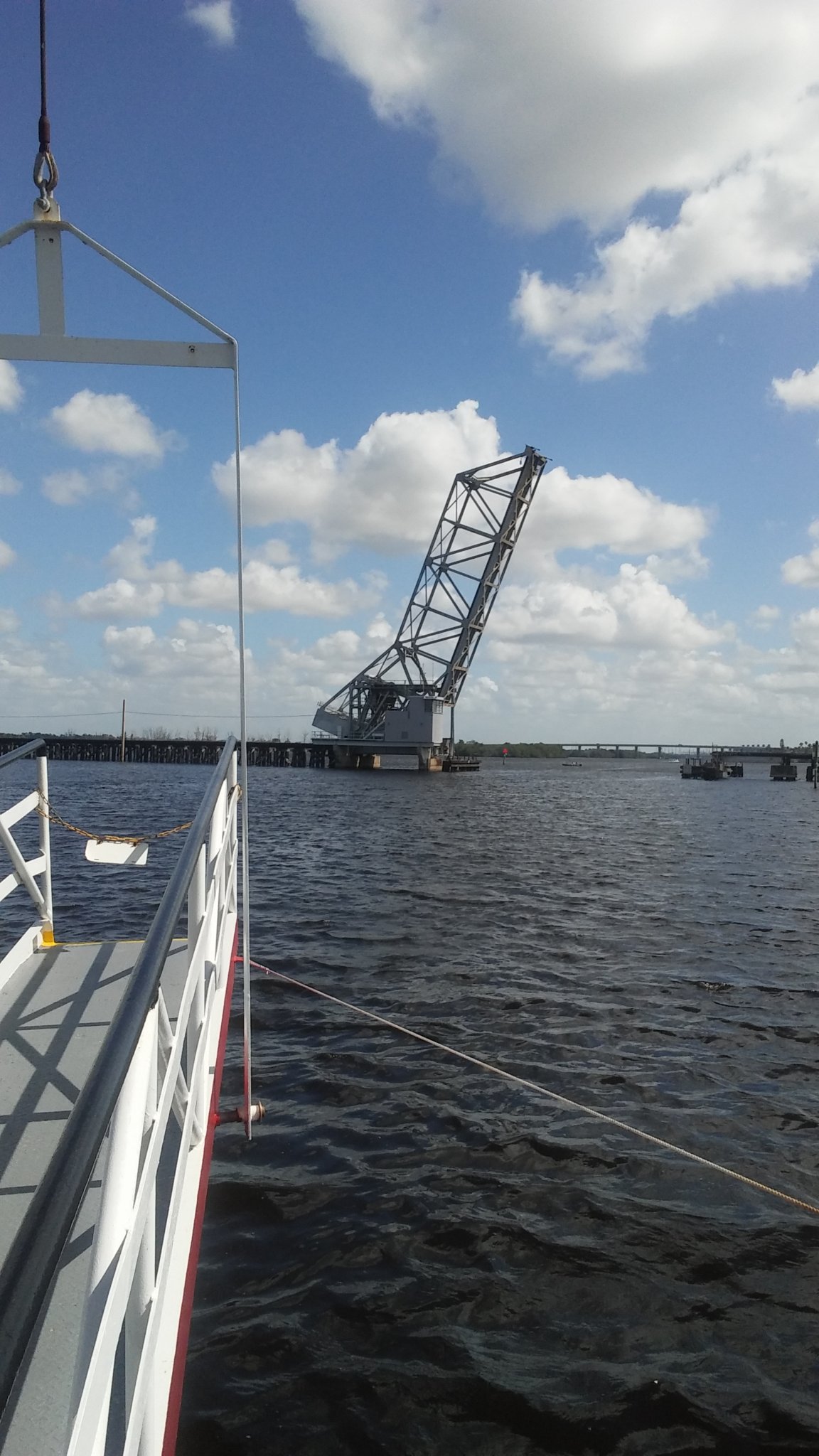
Same as above
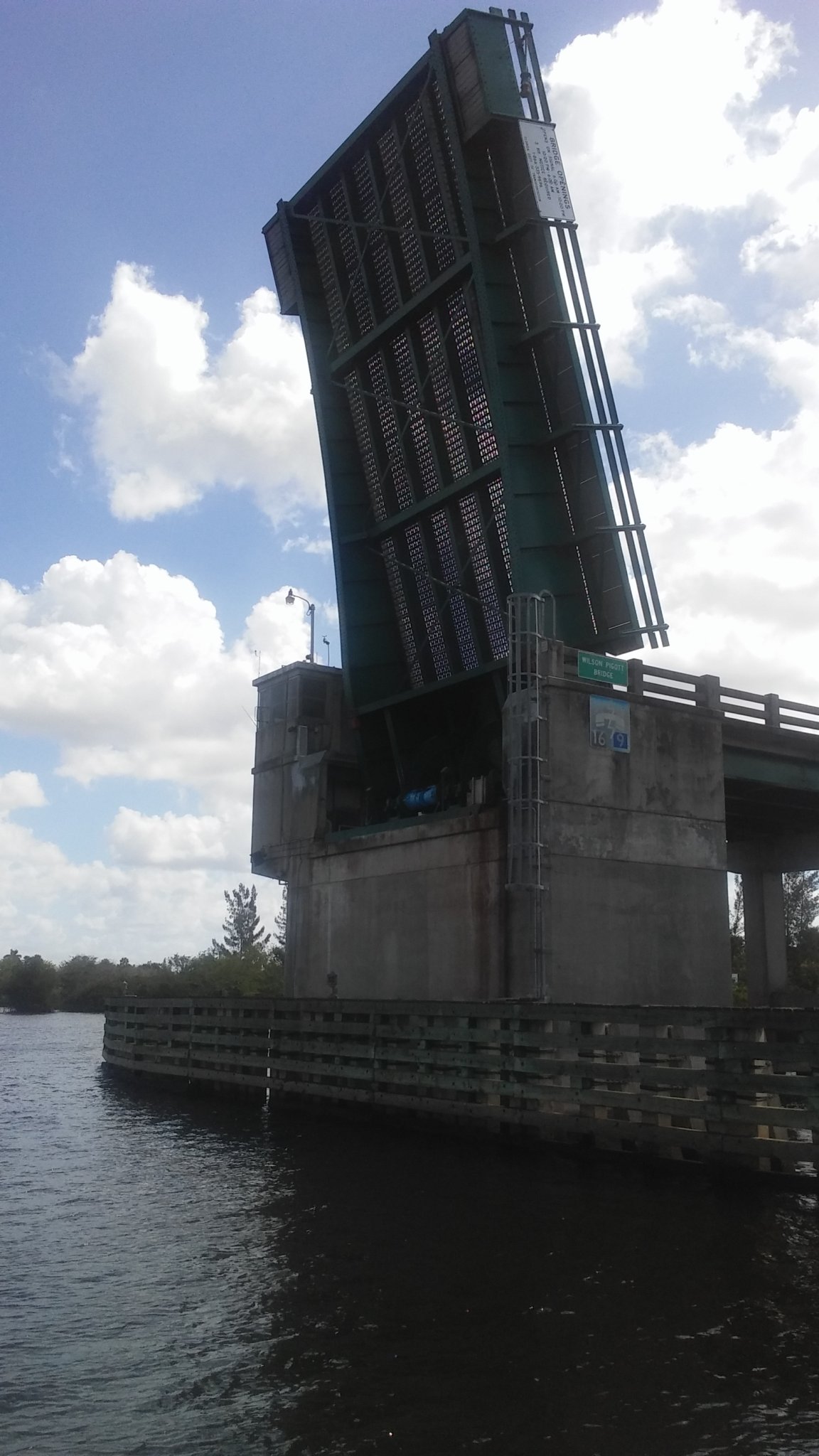
Same as above
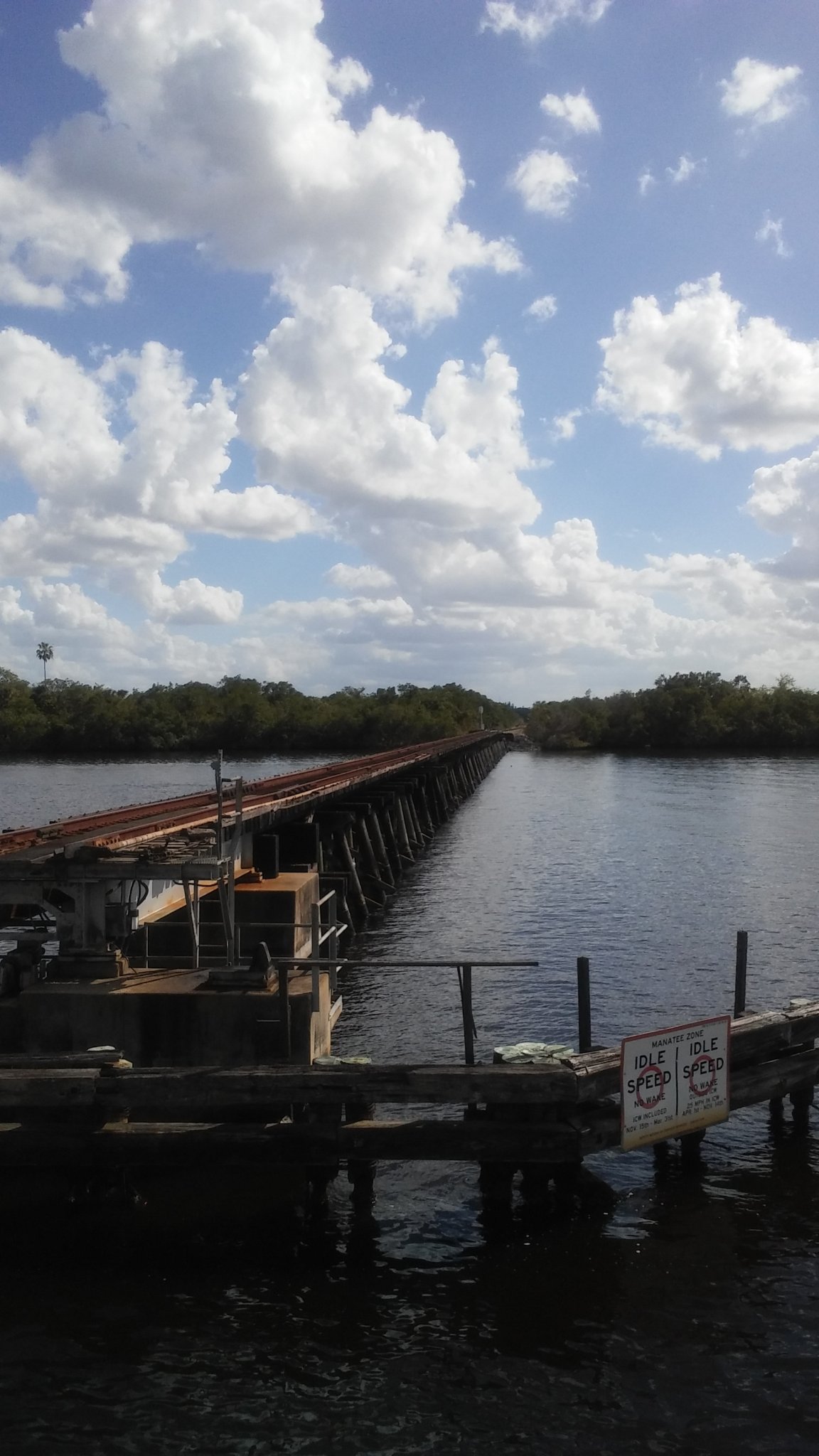
Approach to R.R. Bridge over Caloosahatchee River
The Seminole Gulf Railroad crosses the Caloosahatchee River in North Fort Myers, Florida. The original bridge at this site was built as a swing bridge by the Alantic Coast Line Railroad in 1903. This bridge was modified in 1977. The main span was converted to a bascule through truss drawbridge. The approaches to the bridge are wooden trestles. Many railroads have used this crossing including: Alantic Coast Railroad, CSX Railroad, Family Lines System, Seaboard Coast Line Railroad, Seaboard System Railroad, Seminole Gulf Railroad.
Posted 4/20/2018

3rd Fullerton Avenue Bridge
There have been four bridges traversing traversing the North Branch Chicago River at Fullerton Avenue (2400 West; 1850) east to west 4.8 miles from the river mouth.
The current bridge is the fourth bridge at this site. It was built in stages. The two northern lanes were built first. The prior bridge remained in place June to December 1960. The old bridge was then dismantled and the four remaining lanes of the new bridge were constructed. The completed bridge officially opened on September 21, 1961.It
The bridge is a fixed steel and reinforced concrete structure. It is 277 feet long and 80 feet wide.
Contractors were:
Design: Division of Bridges and Viaducts City of Chicago
Construction: William E. Schweitzer and Company
Construction costs were $ 1.35 million.
Before the first bridge at Fullerton Avenue could be built, the street had to be extended from Ashland Avenue to the river. The municipalities of Chicago and Lakeview both contributed to construction costs 3/4 and 1/4 respectively.
The bridge opened in 1874. It was a fixed iron bridge It was 225 feet long and 20 feet wide.
Contractors were:
Design: Fox and Howard
Construction Contractor: Fox and Howard
Construction costs were $5,000. The bridge was removed In 1877.
The second bridge at Fullerton Avenue was a wood and iron hand operated swing structure. It was funded with contributions from Chicago ( 2/3) and Lakeview (1/3).
Contractors were:
Design: Unknown
Construction: I.W. Lavin Company of
Construction costs were $7,444. The bridge was removed In 1894-5.
The third bridge at this site opened in 1895.: It was a Pratt through Truss swing bridge. It rested on a rim bearing turntable. It carried both traffic and street cars of the North Chicago Street Railway Company. It was 164 1/2 feet long and 18 feet wide. It had 5 feet sidewalks. It was originally hand operated. It was later converted to electric powered.
Contractors were:
Design: Chicago Bridge and Iron Company
Superstructure Contractor: Chicago Bridge and Iron Company
Substructure Contractor: FitzSimmons and Connell Company
Construction costs were $27,753. The bridge was removed In December, 1960.

Current Fullerton Bridge over the North Branch Chicago River

Same as above

View from the Fullerton Bridge

Same as above
Posted 1/31/2018
For a short period of time (1836-1840) there were bridges at Pearson Street and Union Street crossing the North Branch Chicago River. The bridges were Fixed wood bent. Designer was unknown. Construction contractor was unknown. Costs were unknown.
Posted and expanded 1/28/2018.
There is currently no bridge at this site. Between 1868 and 1978, there were two bridges crossing north to south the South Branch Chicago River at Throop Street (1400 west; 2470 south) 5.3 miles from the river mouth.
The first bridge opened in 1868. It was a twin arch wood and iron swing bridge hand operated. It was 152 in length. It provided a connection between Bridgeport and the southwest side of Chicago. In 1878, the bridge was replanked and repainted. In 1889, new wheels were installed on the turntable and the bridge was rehabbed. In 1893, the bridge approaches were rebuilt and replanked. In 1897, the turntable was refurbished.
Contractors were:
Design: Fox and Howard
Construction: Fox and Howard
Construction costs were $12,650. Bridge was removed in 1902.

First Throop Street Bridge Pencil Drawing
The second bridge was opened on March 1, 1903. It was built by the Chicago Sanitary District. It was an electric powered Scherzer Rolling lift bascule bridge. It has a history of multiple repairs.
Contractors were:
Design: Scherzer Rolling Lift Bridge Company
Superstructure Contractor: American Bridge Company
Substructure Contractor: Lydon and Drews Company
Construction costs were $189,648. Bridge was removed in 1978.

Second Throop Street Bridge

Site of Prior Throop Street Bridge

Site of Prior Throop Street Bridge

Site of prior Throop Street Bridge

Site of Prior The pop Street Bridge
Photos added 4/9/2018

Second Taylor Street Bridge
Blog Posted and completed on 1/26/2018
There is no current bridge at Taylor Street. There were two bridges crossing east to west at Taylor Street (1000 South; 300 West) at the South Branch of Chicago River 2.5 miles from the river mouth.
Beginning in the 1880’s, local property owners lobbied for a bridge at this site. In 1890, a deal was reached. The West Chicago Street Railway Company offered to pay $25,000 for the bridge foundation. In return, they could use the bridge for its tracks. The former Adams Street Bridge superstructure was refurbished and installed at Taylor Street. The bridge was a swing iron hand operated.
Contractors were:
Designer: Keystone Bridge Company
Superstructure Contractor: Bridge was refurbished by City day labor
Substructure Contractor: Chicago Dredge and Dock Company
Construction cost were $40, 380. The bridge was removed on May, 11, 1899.
Second bridge at this site opened on February, 1901.
Contractors were:
Designer: Scherzer Rolling Lift Bridge Company
Construction Contractor: Chicago Bridge and Iron Company
Construction costs were $107,323. Bridge was removed between December 6, 1928 to February 6, 1929.

End of Taylor Street

End of Taylor Street
 Photos added 4/21/2018

