
2747 Providence Street Fort Myers
This is a brick bungalow one of the few in Dean Park
It was built in 1925 for Kate and James Coffey from Kentucky. They jointly ran Seminole Realty Company.
2747 Providence Street Fort Myers
This is a brick bungalow one of the few in Dean Park
It was built in 1925 for Kate and James Coffey from Kentucky. They jointly ran Seminole Realty Company.

 Nathaniel Stecher built this bungalow in 1923. He leased it for a while. He sold the house to Ruth and Franklin Larrabee from Virginia.
2728 Providence Street Fort Myers
First owner was Kent Smith who was an agent for Kinzie Bros. Steamship Line. This was the second home built in Dean Park (1917)
Gene Leedy was born on February 6, 1928 in Isaban, West Virginia. He received an Associate of Arts in 1947 University of Florida Gainesville. He received a Bachelor of Architecture in 1950. University of Florida Gainesville. In 1950, he was employed by Robert Murphey Architect Orlando. From 1950–1951, he was employed by Ralph and William Zimmerman, Sarasota. In 1951, employed by Paul Rudolph, Sarasota, Florida. He served in the United States Air Force 1952–1954. In 1954, Leedy established his own practice in Sarasota. He relocated to Winter Haven in 1955. His projects from 1955 to 1960 included
1 Prototype house for Craney Houses, Winter Haven
2 Brentwood Elementary School School with William Rupp
3 Lake region yacht and Country Club, Winter Haven with Paul Rudolph
4 Florida Tile Industries Building Lakeland, Florida
5 Winter Haven City Hall
Projects from 1961 to 1965
Leedy Architectural Office, Winter Haven
Dorman Residence
Gainesville First National Bank,Cape Canaveral, Florida
Prototype houses for Hewitt and Sons, Rockledge, Florida
He was in private practice on.Winter Haven, Florida since 1955


Gene Leedy

Merrill Lynch Building 375 East Central Avenue 1991 Winter Haven, Florida Architect Gene Leedy


Leedy Family Residence Built 1956. Architect Gene Leedy


Lucas Building. Built 1974. Architect Gene Leedy

Lake Shipping Elementary School 1950’s. Winter Haven, Florida


Winter Haven Chamber of Commerce. Winter Haven, Florida Built 1990. Architect Gene Leedy


SAE Fraternity House Gainesville, Florida. Architect Gene Leedy Built 1973


Brentwood Elementary School, Sarasota. Architect Gene Leedy. Completed 1955


McElroy Office Building Built 1960 Winter Haven, Florida. Gene Leedy Architect

Carter House 1952 Sarasota Gene Leedt

Gene Leedy Architectural Office 1961 Winter Haven, Florida 1961 Gene Leedy

Ellerman House 950. North lake Otis Dr. S.E. Winter Haven, Florida. 2006. Gene Leedy, Architect
Gene Leedy passes away on 11/24/2018 in Winter Haven, Florida


Paul Rudolph, Architect

Paul Rudolph’s New York Apartment 23 Beekman Place
Paul Rudolph was born on October 23 1918 in Elton, Kentucky. His farther was a minister. His early years were spent moving from church to church in the country. He earned a Bachelor’s degree in Architecture at Auburn University in 1940. He studied at Harvard University Graduate School of Design to study with Bauhaus founder Walter Gropius. Bauhaus was a proponent of German Art School (1913-1933). It sought to combine crafts and fine arts.
3 years later, he left Harvard to serve in the U.S. Navy for 3 years. He returned to Harvard to receive his Master’s degree in 1947. He was considered to be one of the pioneers of the Sarasota School of Architecture.
After completion of his studies at Harvard, he moved to Sarasota. He worked as an associate and then partner with Ralph Twitchel until 1952. He then formed his own practice.


Riverview High School Sarasota. Architect Paul Rudolph. Built 1957. Demolished 2009
During this time, he worked on the following projects: the Healey Guest House 1950, Riverview High School 1957, Addition to Sarasota High School 1960.
In 1958, Rudolph accepted the chairmanship of Yale University Department of Architecture. He held this position for 6 years. During this time period, he worked on the following projects: Temple Street Parking Garage in New Haven 1961, Yale Art and Architecture Building 1961, Jewett Art Center at Wellesley College 1958, and the Milam Residence outside Jacksonville
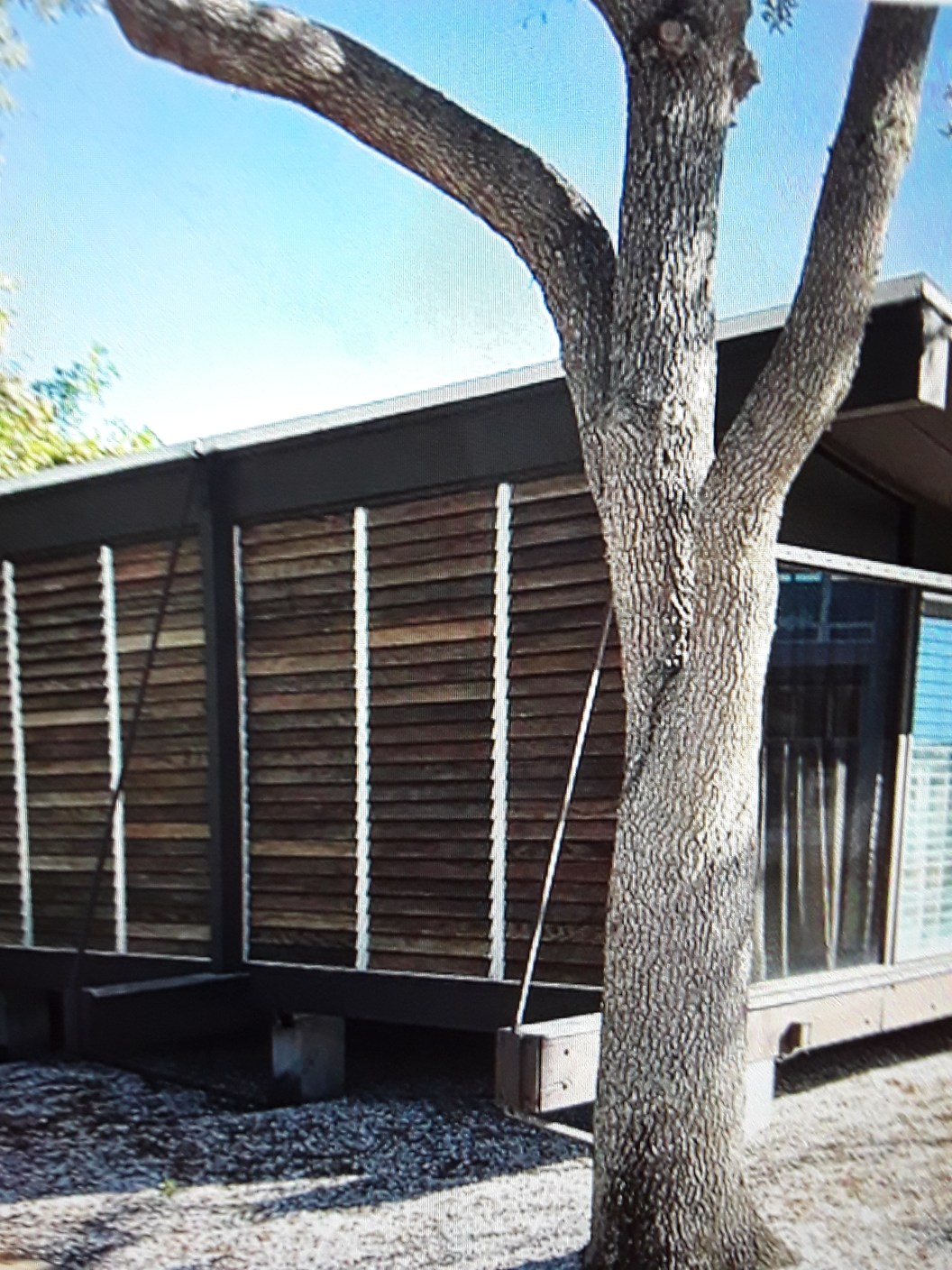

Cocoon House aka Healey Guest House. Sissy Key, Sarasota. Built 1948 Architects Paul Rudolph and Ralph Twitchell


Yale Art and Architecture Building Constructed in 1963. AKA Rudolph Hall. Architect Paul Rudolph

Same as above

Sarasota High School Addition

Same as above

Same as above

Same as above
Sarasota High School Addition architect Paul Rudolph Built 1960


Jewett Art Center at Wellesley. Built 1958. Architect Paul Rudolph Drawing


Temple Street Parking Garage New Haven, Connecticut. 1961 Paul Rudolph, Architect Projects dates 1959–1962. Cost $5,800,000. Client City of New Haven, Connecticut. Construction material cast in place reinforced concrete. Builder Fusco–Amatruda. Style Brutalism

Temple Street Parking Garage

Same as above

Tuskegee Chapel Architecturall Rendimgs


Chapel Tuskegee Institute. 1969. Architect Paul Rudolph. Original design finished concrete. Changed to steel framed brick clad building. Architectural Rendings

Green Residence. Cherry Ridge Pennsylvania 1968–1973

Bass Residence Fort Worth, Texas. 1970–1972

Deane Residence Great Neck, York 1970–1972
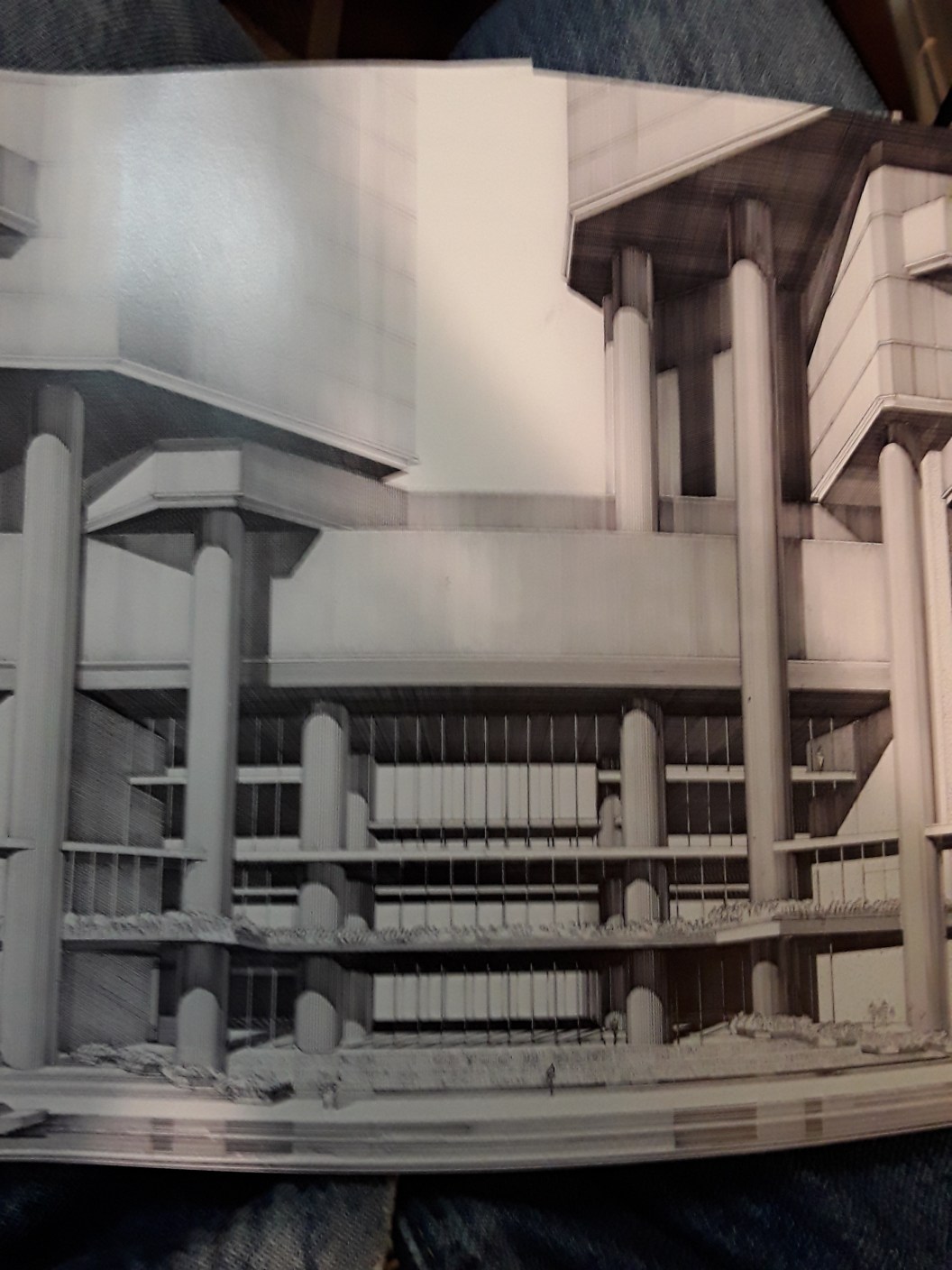
Bond Center Hong Kong 1984–1988 Architects Paul Rudolph and Nora Leung

Orange County Government Center Goshen, New York 1963–1971

Tracey Towers Brooklyn, New York. 1969–1972

Colonnade Condominium 1980–1987 Singapore Paul Rudolph, Architect

Same as above

Wisma Dharmala, Sakti, Indonesia 1982–1988 Paul Rudolph, Architect
In 1958, Rudolph received a commission to develop a master plan for the Tuskegee Institute in Alabama. He also collaborated with graduates of architecture school to design a new chapel building. The chapel was built 1960-69. It was originally to be constructed and finished in concrete. However due to high cost estimate, it was redesigned to be a steel framed, brick clad building.
Other projects included Government Service Center Boston, , First Church Boston, Endo Pharmaceuticals Building, Dana Art Center at Colgate University, Burroughs Wellcome Headquarters in North Carolina, Shoreline Apartments in Buffalo.

Endo Labs Garden City, New York Paul Rudolph, Architect. Project 1962–1964

Endo Pharmaceuticals Building Built 1962. Nassau County, New York. Architect Paul Rudolph


Burroughs Wellcome Headquarters North Carolina. Built 1972. Architect Paul Rudolph

1966 Paul Rudolph Architect Sid W. Richardson Physical Science Building Texas Christian University
Rudolph died in 1997 of peritoneal mesothelioma.

l

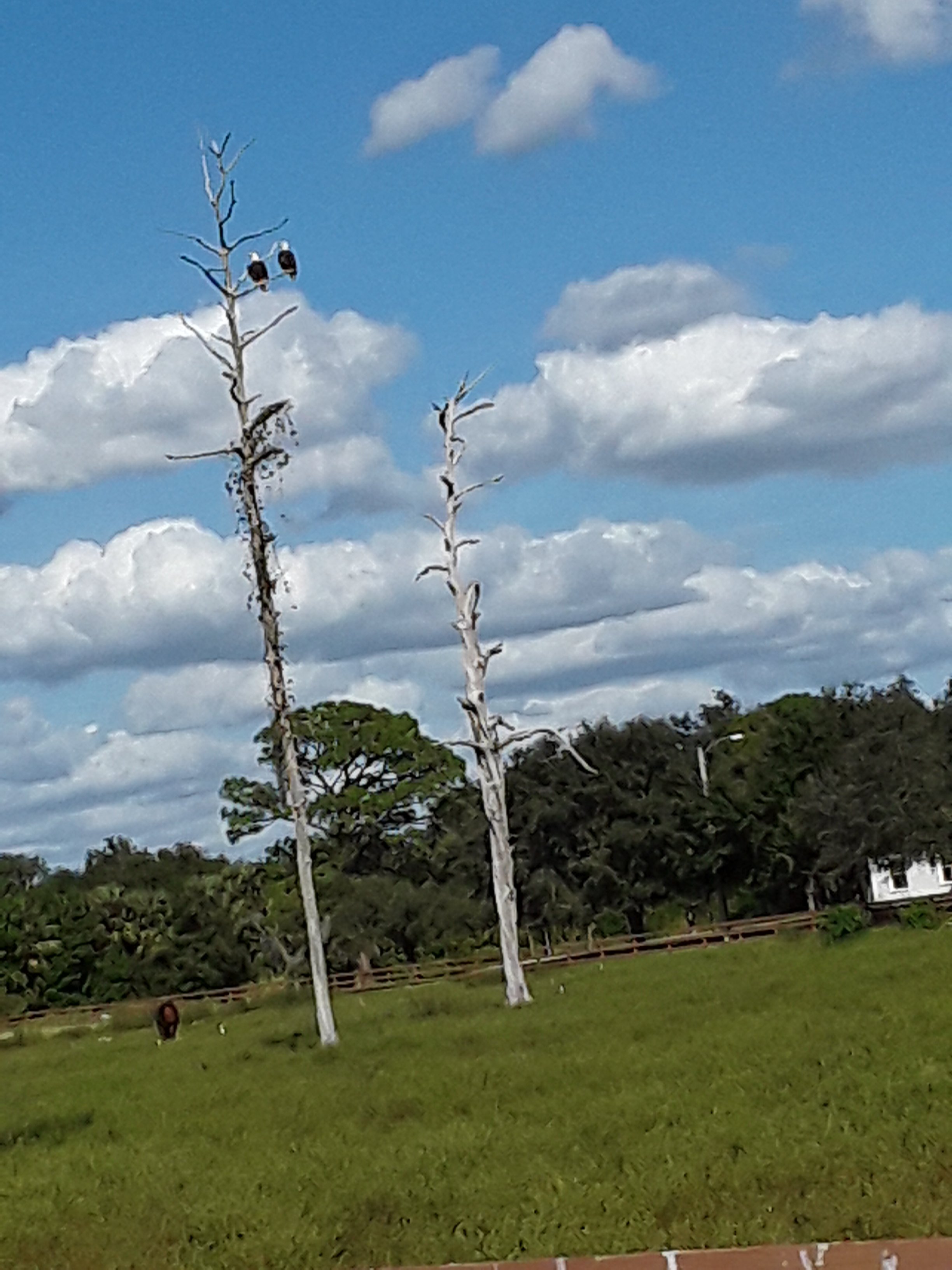
Eagle Watch
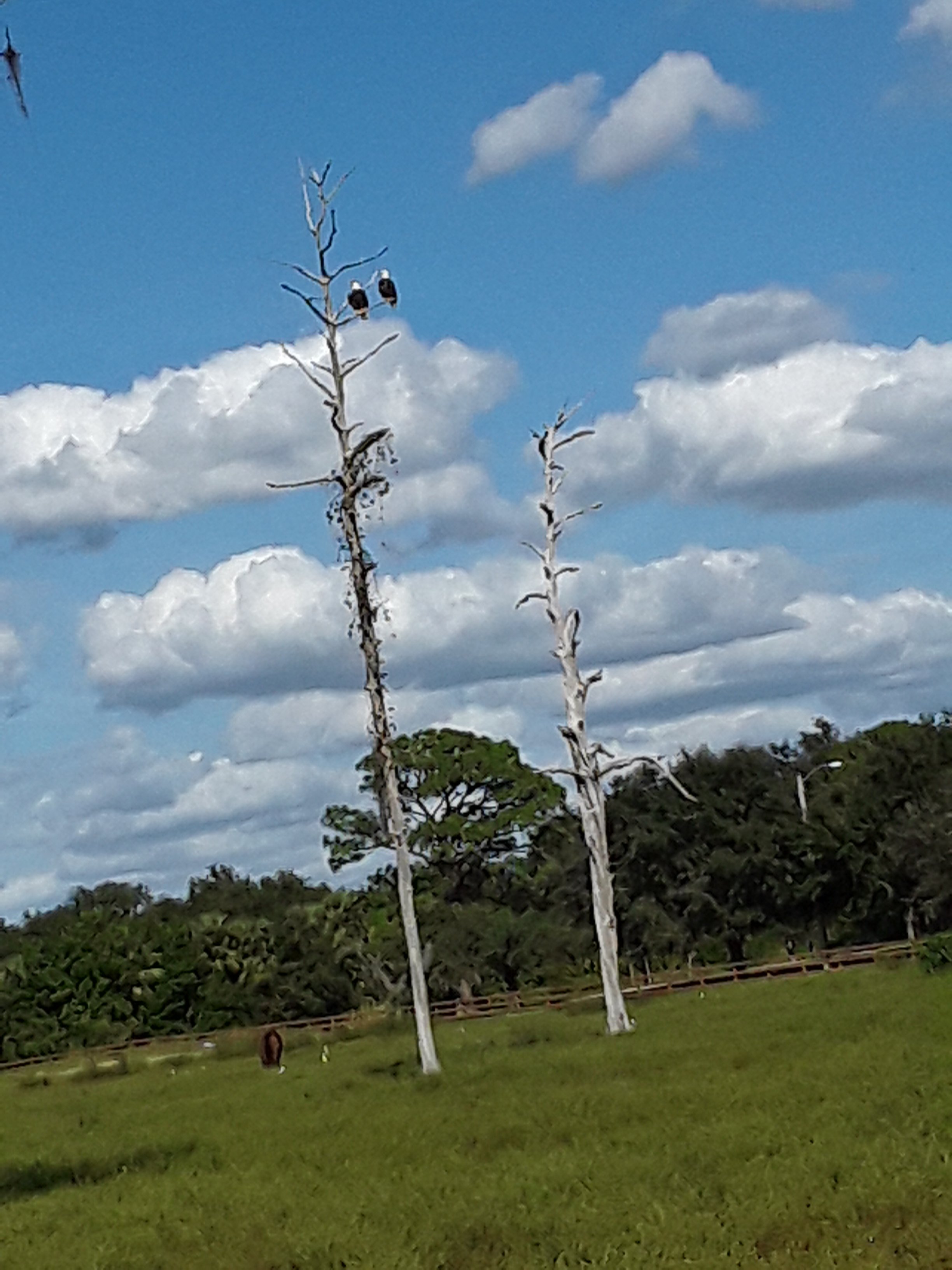
Same as above
 This pair of bald eagles recently birthed a pair of eglets. Unfortunately, the pair had issues with their eyes. An intervention took place and they were removed from the nest. They were treated and just recently they were returned to the nest.


James O’Leary Mansion

Same as above
The O’Leary mansion is located at 726 West Garfield Boulevard in Chicago. It was built by James O’Leary for his mother. It was built in 1890. The architect was Zachary Taylor Davis. It is a brownstone. Style is Renaissance Revival.
The building has 4 stories. Ceilings are 12 feet high. There are 63,000 square feet of space. There are 12 bedrooms, 5 and one half baths. Room total is 33. There are 2 large walk in vaults. There are 3 fireplaces. There is a 2 story coach house. The mansion is currently for sale
James O’Leary was the son of Catherine O’Leary. He was known as the Gambling King of the Stock yards. He opened what was called a resort at 4185 S. Halsted. This was across the Main Gate of the Stock yards. This resort included a salon, A bowling alley, billiards parlor, Turkish Baths, and a gambling establishment. In addition to this, he had a gambling operation in DuPage County, a gambling ship city of Traverse, the Luna Park Amusement Park and Ballroom.

Stairway

Coach House former stable

Back of building
A recent article N.Y Times (3/12/2021) casts doubt on the story that this house was built for Mrs. O Leary or that she ever lived there.
Ralph Twitchell was an architect who was considered the founding father of the Sarasota School of Architecture. He bridged his traditional architecture of the 1920’s with his modernist designs of the 1940’s.


Lido Beach Casino 1940 Ralph Twitchell

Same as above


Twitchell House Siesta Key 1941 Architects Ralph Twitchell and Paul Rudolph


Miller Guest House. Casey Key, Sarasota 1947. Ralph Twitchell and Paul Rudolph. Demolished


Revere Quality House Companion House 1948. Sarasota. Ralph Twitchell and Paul Rudolph Architects


Cocoon House aka Healey Guest House 1950. Siesta Key. Architects Ralph Twitchell and Paul Rudolph


Leavengood Residence Saint Petersburg, Fl. 1950-1. Ralph Twitchell and Paul Rudolph building demolished


Hudson Beach House 1953. Venice, Florida. Architect Paul Twitchell
He was born.in Mansfield, Ohio on July 27, 1890. His family relocated to Florida. He first enrolled in Rollins College. In 1910, he transferred to McGill University in Montreal. In 1912, he transferred to Columbia University in New York. He served in the army in World War I from 1917-1919. He resumed his studies at Columbia. He received a BA in architecture in 1920. He received a MA in architecture in 1921

Paul Twitchell

Steinmetz Studio Sarasota. 1947–1948. Architects Twitchell and Rudolph
Twitchell returned to Sarasota in 1925. He was a representative of New York Architect Dwight James Baum. He managed the final of stages of construction of Ca d’Zan–John Ringling’s Venetian Style Mansion on Sarasota Bay. After this project, he purchased 13 lots in the Ravellan Gardens neighborhood of Sarasota. He designed Mediterranean style homes for these lots. In 1926, the project tanked. He relocated to the Northeast.
Twitchell relocated to Sarasota in 1936. He opened his architectural and building firm Associate Builders. His earliest commissions were a Sierra Key Residence and the Lido Beach Casino. At this time, we experimented with reinforced concrete and glass.
In 1938, the American Institute of Architects revoked Twitchell’s license. Reason: his owner of a construction company.
In the summer of 1941, Twitchell hired Paul Rudolph as an associate. Rudolph worked here between the end of his studies at Alabama Polytechnic Institute and the beginning of his graduate studies at Harvard University Graduate school of Design. During this time, the two architects collaborated on multiple projects.
Rudolph returned to the Twitchell practice in 1947 and stayed until 1951. Rudolph’s focus was on structure; Twitchell on construction details. During this period, the two architects collaborated on many ground breaking private residences including: Miller House and Guest Cottage (1947), Revere Quality House (1948), the Lamolithic Houses (1948), Healey Guest House, Cocoon House (1950) and the Leavengood Residence (1951).
Twitchwell and Rudolph separated in 1951. Between 1951-53, Twitchell partnered with Jack West. Between 1959 and 1965, he partnered with his son Tollyn JulianTwitchell. He died in Sarasota in 1978.
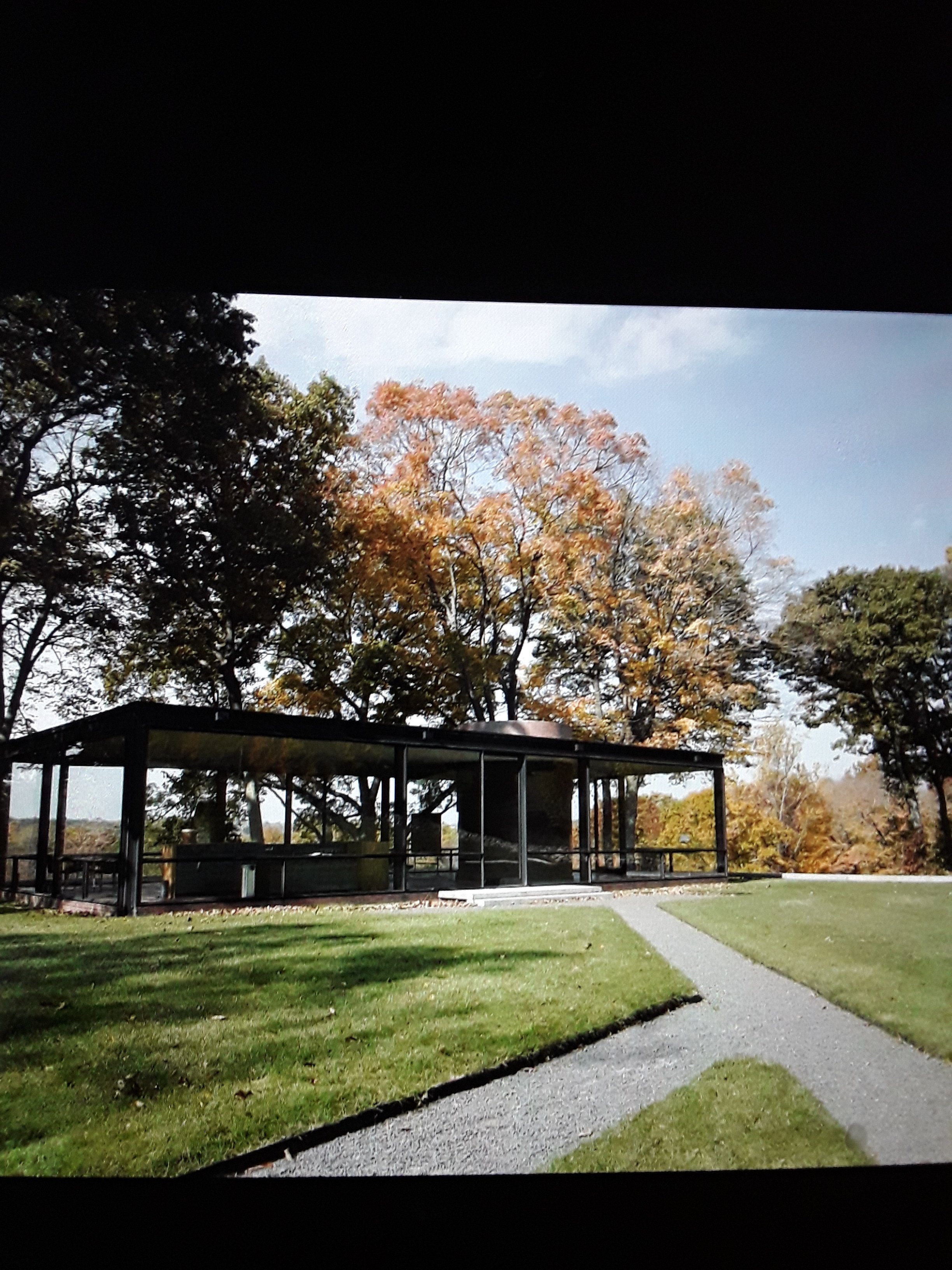
Glass House by Philip Johnson

Same as above
The glass house is a historic house/museum in New Canaan, Connecticut. The architect was Philip Johnson. He spent 3 years developing the design. His inspiration was the Farnsworth home in Plano, Illinois. This was designed by Mies Van Der Rohe. The Glass House was built in 1948-9.
The Glass House was a modern style building. It is 56 feet long; 32 feet in width; 10 1/2 feet high. The kitchen, dining and sleeping areas are in one glass enclosed room. The interior open space is subdivided by low walnut cabinets. A brick cylinder encloses the bathroom.

Brick House Served as the Guest House
The exterior walls are charcoal painted steel and glass. The entire estate was 47 acres;later expanded to 200 acres. In addition to the Glass House are multiple modernistic structures added over many years.

Entrance to Painting Gallery
In addition to the Glass House, the estate included multiple modernist buildings. 1. Brick House. Built 1949–52. Served as a guest house. 2 Pavilion. Built in 1962. 3. Painting Gallery. Built 1965. 4 Sculpture Gallery. Built in 1970. 5. Study. Built in 1980. 6. Ghost House. Built in 1982. 7. Kirsten Tower. Built in 1985. 8. Gate House a.k.a dam an star. Built in 1995.
Building listed in the National Register of Historic Places on 2/18/1997.

Da Monstra

The Study
Upon Philip Johnson’s death, the estate passed to the ownership of the National Trust for Historic Preservation. The estate opened for visitors on April, 2007.
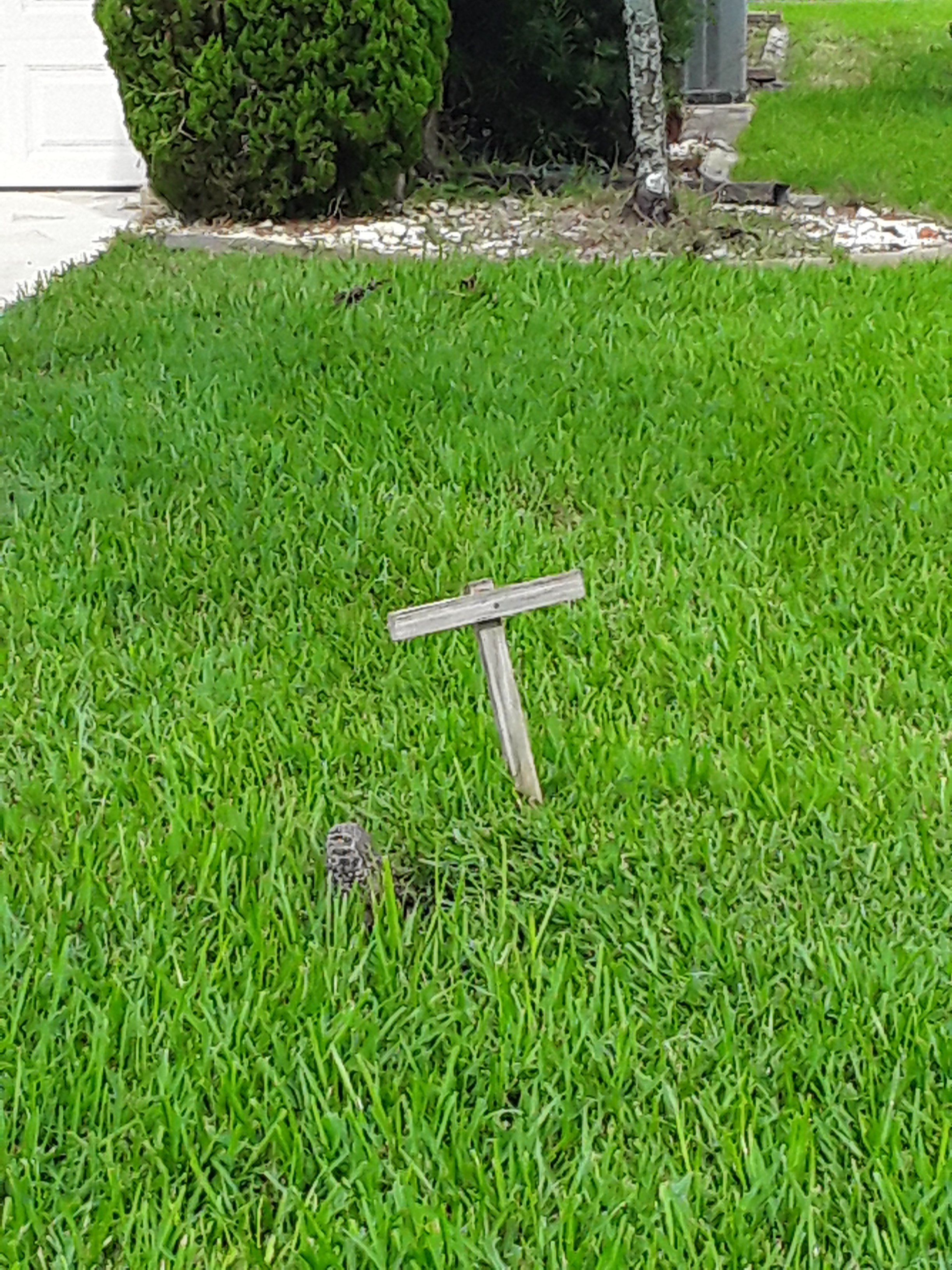
Burrowing owl in Cape Coral
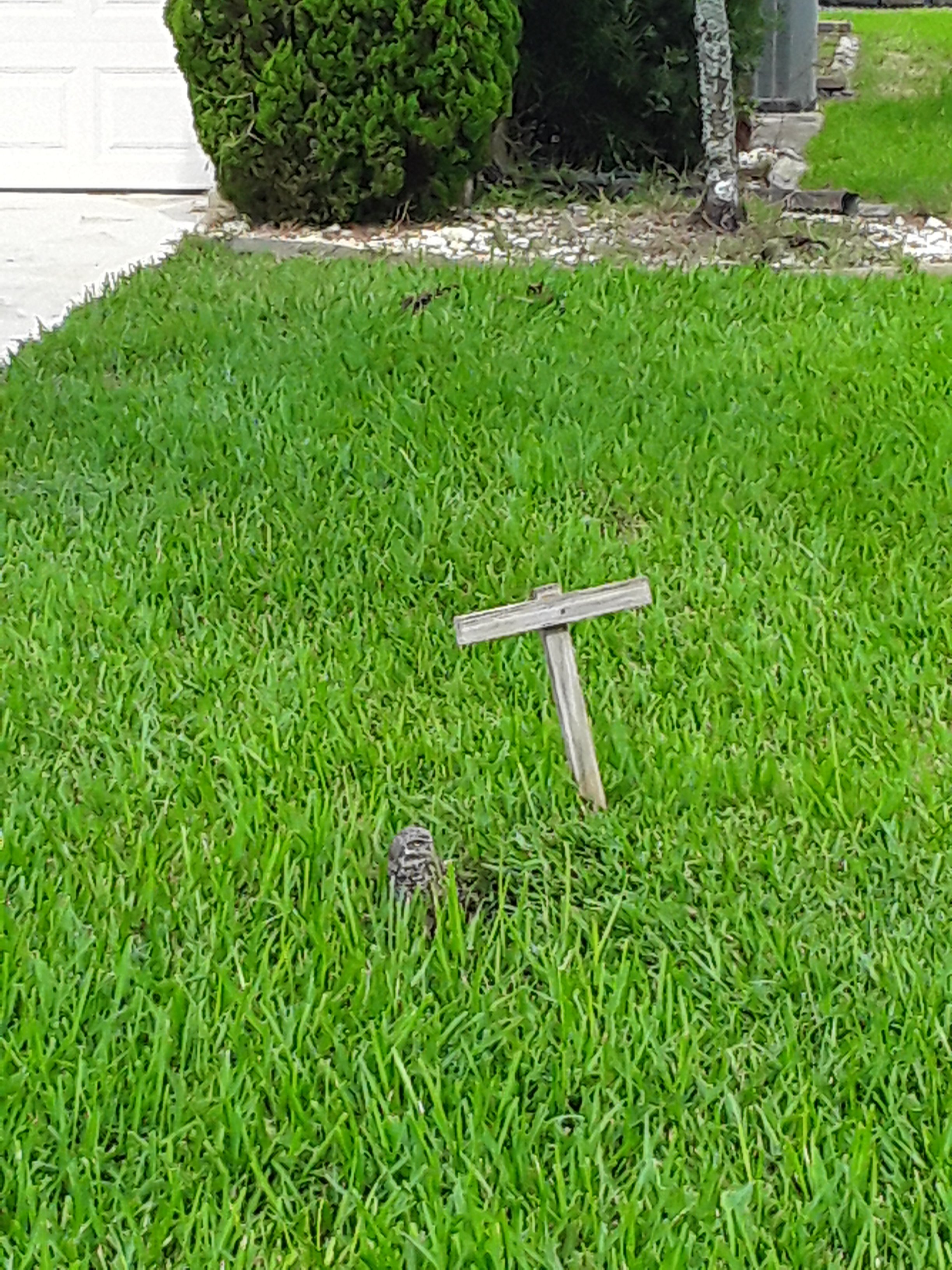
Burrowing owl Cape Coral
 raddoc1947