Reading the various reports issued by the Illinois Michigan canal commission in the early 1840’s, one can receive an overall impression of the state of completion. No significant work had been performed in years. 4.7 million had been spent and yet much work had yet to be done. Supplies purchased for construction had either been stolen or deteriorated. Sections built had begun the process of deteriorating. The original deep cut plan for obtaining water from the Chicago river was in the process of being abandoned because of cost. Alternate sources of water supply were being considered.
Money was owned to contractors and bond holders. People were paid with scrip and worthless checks. In a word the canal was a disaster. It needed to be completed for the income from tolls; but the money to complete was lacking.
Limestone Quarries
During the years the I and M canal was active there were several limestone quarries along its course. These were located in Lemont, Lockport, and Joliet. The limestone was used in building construction locally, construction of canal locks and more distal construction such as in Chicago. In Chicago buildings such as the water tower,Holy Name Cathedral, and Old Saint Mary’s Church were constructed with this Limestone. The laborers that worked in the quarry were immigrants from many countries; large proportion were from Ireland. The quarries were particularly active after the Chicago fire. They were used in rebuilding the city.
In later years, activity decreased . This was from competition from limestone mined in Indiana. This was considered a more durable product. The Illinois quarries were relegated to producing crushed rock.
The Silica Sand Capital of the World. II
In part one, we dealt with the type of sandstone found in Ottawa, Illinois. We also dealt with the mining companies. In this section we consider the local companies using the silica.
The first glass company was Ottawa Glass Company. It’s factory was built in1867 along the north bank of the Illinois Michigan Canal. Later, the company built 2 other plants on the same property. In 1888, the firm was acquired by the United Glass Company. By 1898,the factory closed due to competition from Indiana factories.
In 1882, a second glassware opened–Ottawa Bottle Company. This company underwent name changes and closed in 1895.
Two other glass plants opened before the turn to of the century–LaBastie Glass Works of E. Dr Law Chappelle and Company. This was known for its lamp chimneys. This opened in 1888. This was also located along the I’M Canal. The plant closed around the turn of the century. The plant was later used Keen Kleaner Manufacturing Company. This company combined sand with Tripoli rock to make scouring powders and cleaning compounds. The second plant was the Peltier Glass Company. It opened between 1891 and 1898. Products included marbles and stained glass. This plant stayed in business for many years.
In 1908, the Federal Plate Glass Company opened along the northern bank of the Illinois River. The plant underwent numerous name changes and is currently owned by a multinational–Pilkington.
There were many factories and plants. Many closed because of competition with Indiana. This state had an abundant supply of cheap natural gas.
The Silica Sand Capital of the World
The Silica deposits of Ottawa,Illinois is a mineral found in a geologic formation known as St Peter sandstone. This deposit is found in Ottawa and 10 miles west. It is also present in the Fox River Valley. The characteristics of Saint Peter sandstone include: deposits are soft and easy to mine; the sand is high quality silica; because of its purity, it can be cheaply mined; it is located near the surface. Major sand mining occurred in the 1890’s. It appears the majority of the sand mined was transported by rail. Several mining operations occurred in the area. The largest of the s was Ottawa Silica Company. This continues in operation today as United States Borax and Chemical Company of Los Angeles and later the U.S. Silica Company.
The Canal in LaSalle
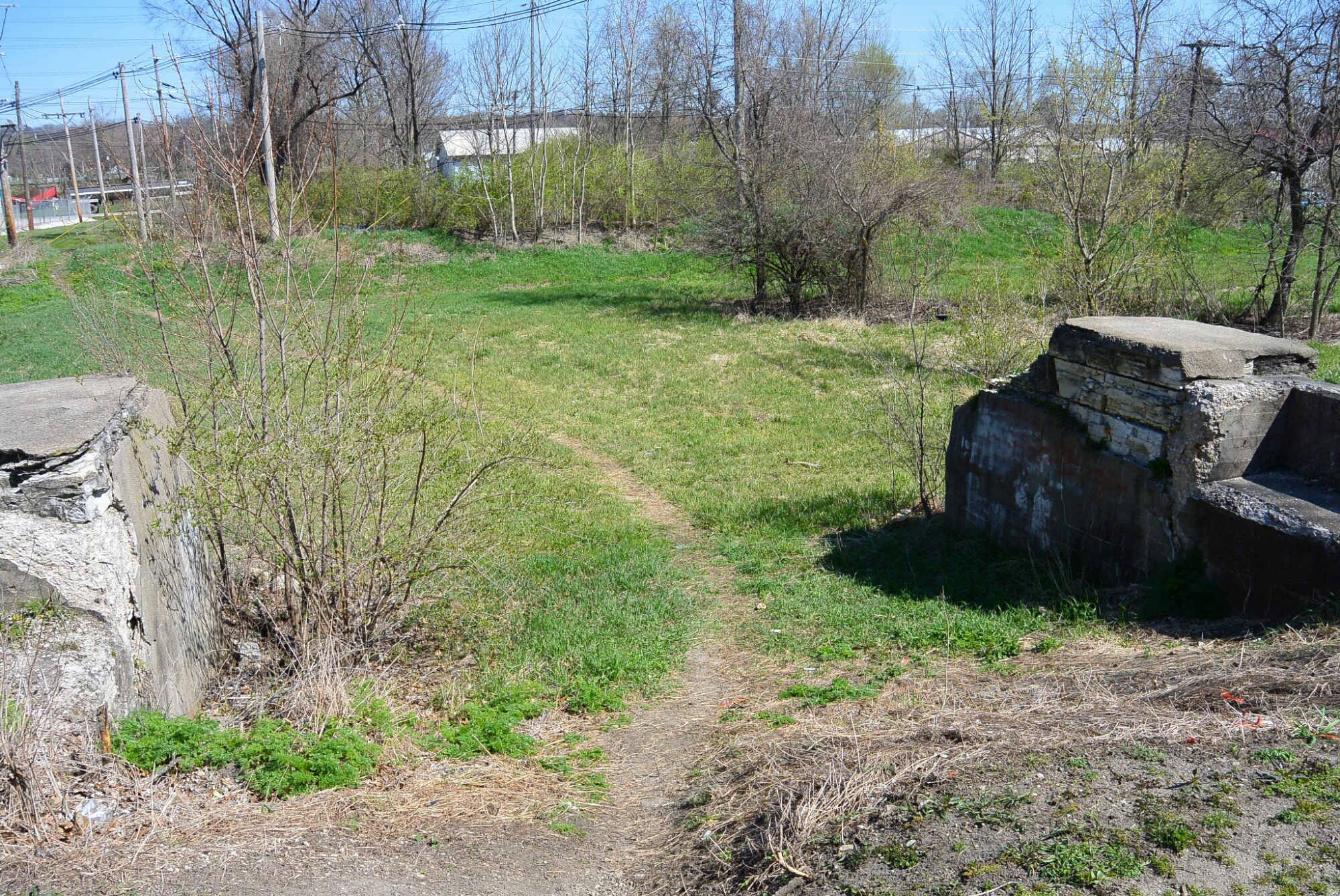
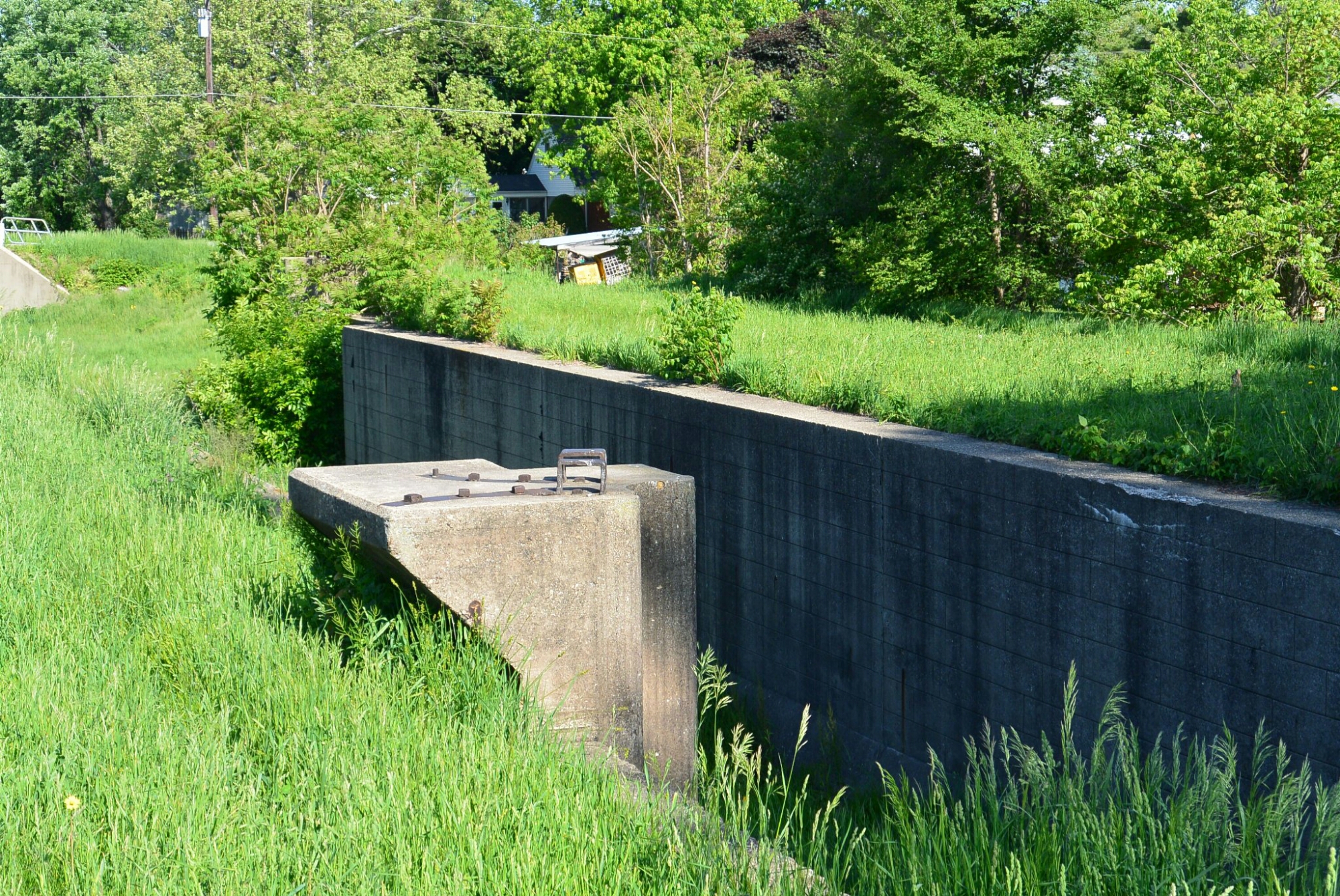
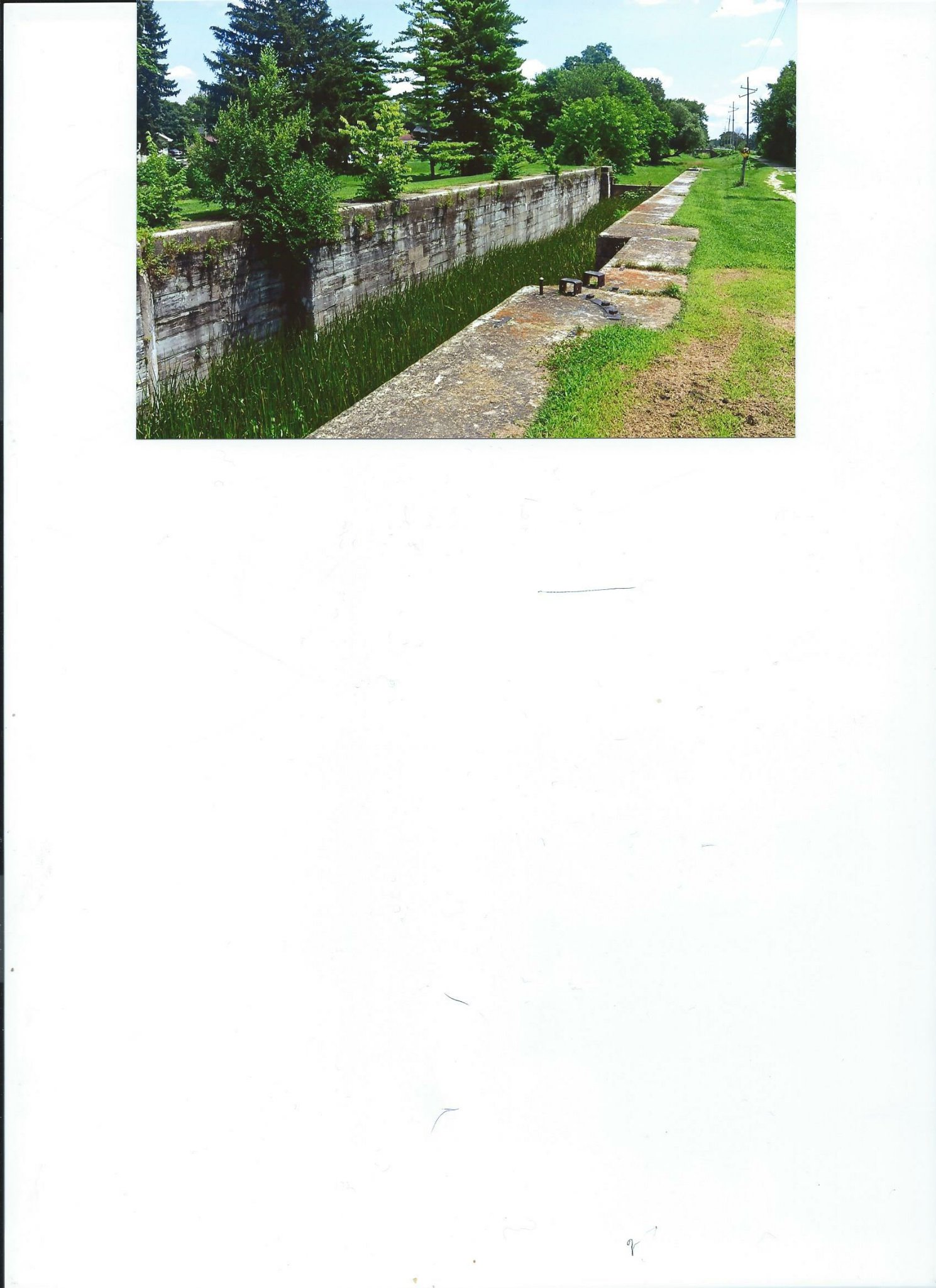
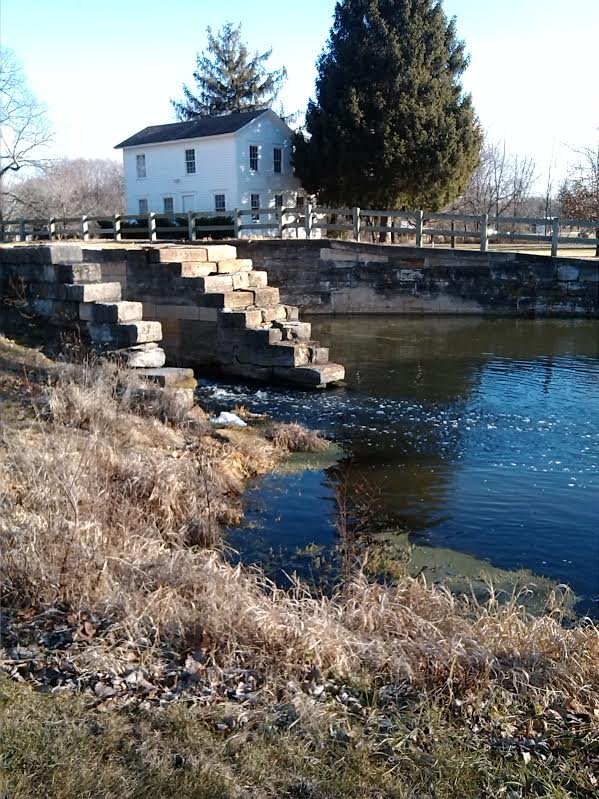
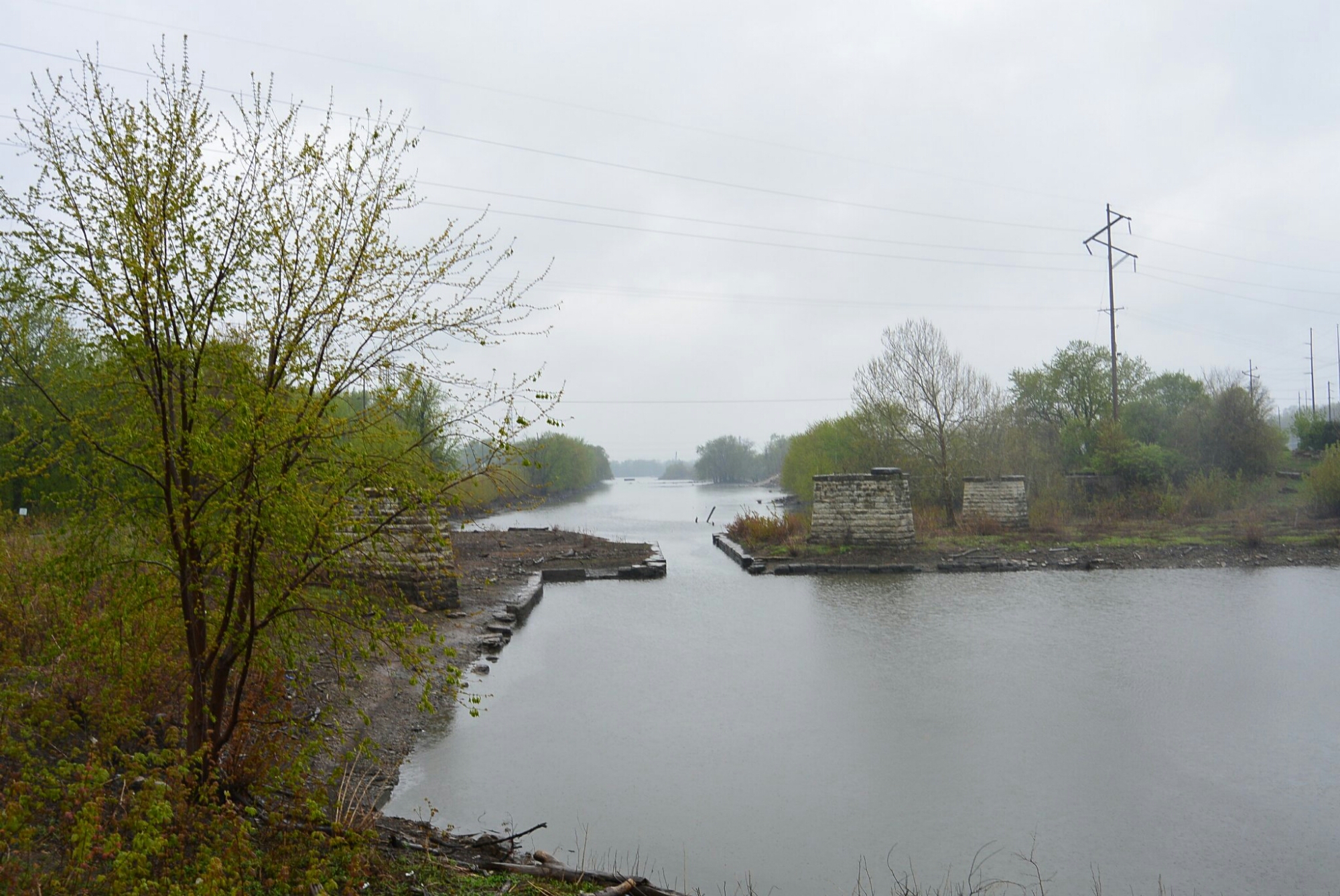
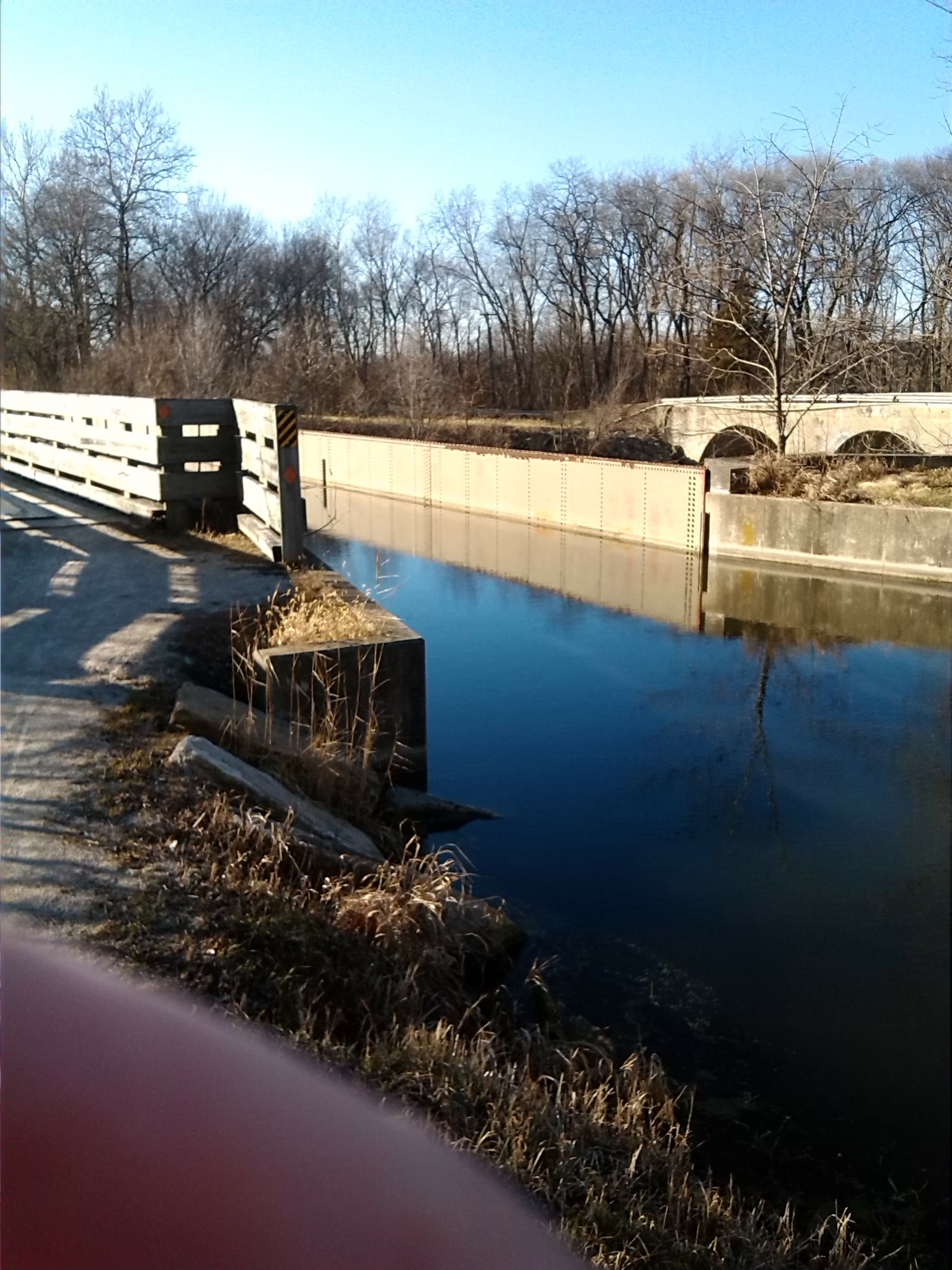
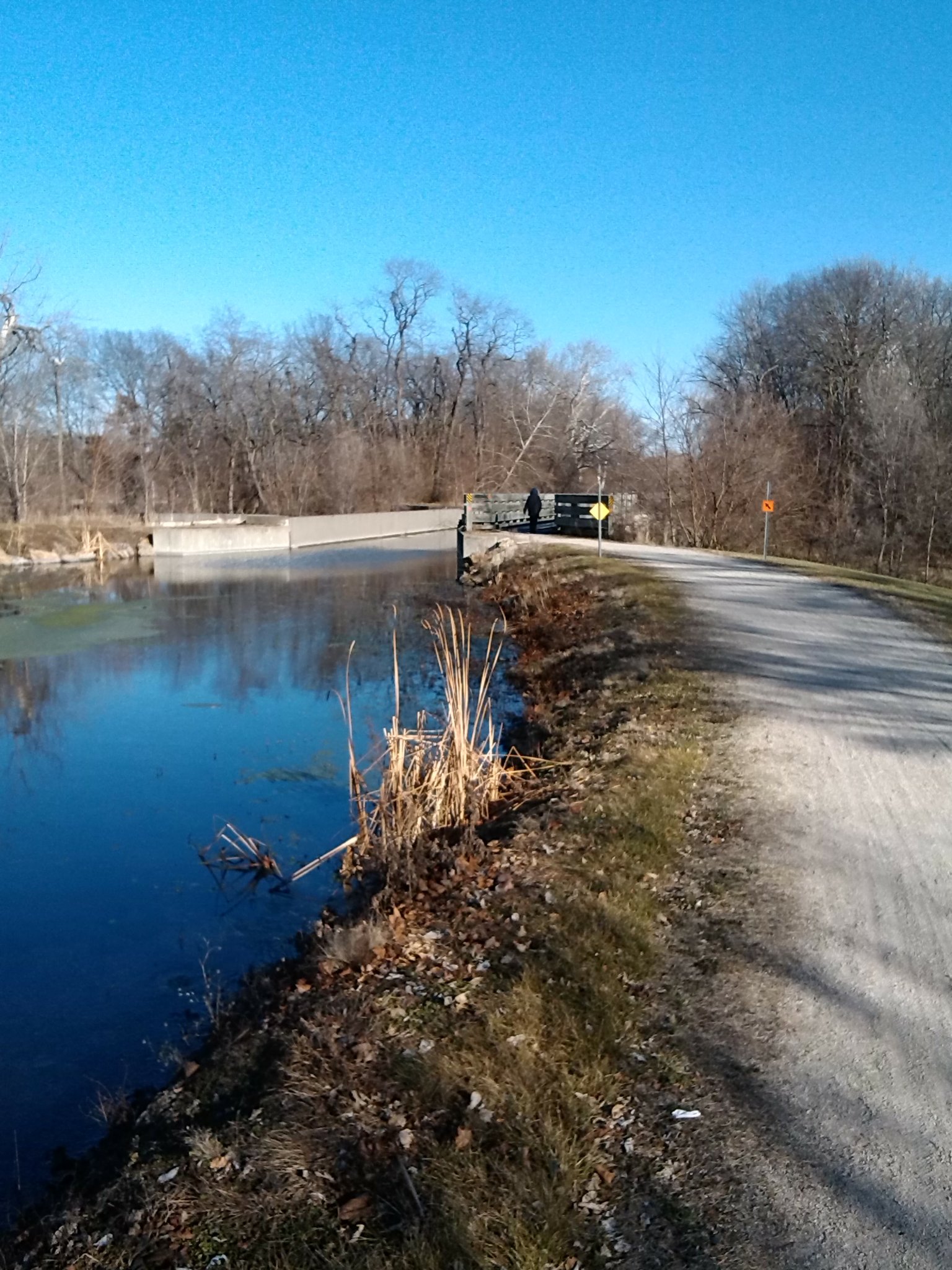
This last Saturday I travelled to LaSalle, Ilinois to view the Illinois Michigan Canal. Proceeding from east to west, the first site seen was the refurbished aqueduct over the Little Vermilion River. Currently, it is well filled with water. As I proceeded westward, there was a well preserved segment of the canal with its tow path. Next in site is the refurbished Lock 14. Distal to this is a widening of the canal referred as the canal basin. This was constructed to accommodate barges leaving and entering the canal. Next seen is the remnant of Lock 15. This has not been refurbished. Finally west of this is a large widened segment for steamboats entering from the Illinois River. Also, near Lock 15, are remnant limestone piers of the Burlington Railroad over the canal.
Canal Boats
Little is known about the construction of canal boats on the Illinois Michigan Canal. In the late 1990’s, there was a breach in the integrity of the canal after a severe rain fall. In an area known as the Morris wide, the remains of multiple deserted canal boats were seen. Investigation of these boats was undertaken. It was found that the boats were made of white oak and pine. Nails were forged or machine made. Presumably, other boats were abandoned in other areas of the canal.
The Canallers after completing the canal
So after the Illinois Michigan Canal was completed were did the laborers go? Some apparently used the script they were paid to purchase farm land along the canal. However this does not appear to represent a large number because most did not have a large enough stake to start farming. Some went from canal building to workers in the limestone quarries in Lemont, Joliet and Bridgeport. This was essentially a common labor job. Many gravitated to Chicago and lived in slum areas with others of their ethnicity. Others took jobs working in the coal mines along the canal. Others gravitated to jobs in railroad construction. A sizable group stayed in areas around the canal . They took jobs in canal maintenance. Some worked in the canal boats as deck hands and ultimately captains.
The Canaller’ s Life
Although the canallers came from many ethnic groups, their life in America shared many similarities. Most of these workers were young single males. Most were uneducated. As a group, they were looked down by American citizens. Irish in particular were resented about their Catholic religion. These workers lived in substandard housing. Some of the housing consisted of wooden dwellings with multiple people in a large room. Tents and shacks were other forms of dwellings For the most part, the housing was separated from the rest of the community usually located near the canal.
The life of the workers was hard. They worked long hours in less than optimal working conditions. Many were working in an almost intoxicated state. This resulted in dehydration and work injuries due to ther less than attentive state. Explosive were used frequently during canal construction. Many of the workers using the explosives were not trained in their use. They took the job because it paid more than a common laborer. As a result of their inexperience,there were many serious and fatal injuries to the explosive workers and the laborers. Workers injured in this way were basically out of luck. The contractors felt that they were under no obligation to compensate the injured workers The legal system backed them up in this regard. These workers had to depend on charity
Added to this was the unsanitary work conditions. Workers were sickened and many died of m infectious diseases. Included in this list were typhoid, cholera, and malaria. Many died due to the lack of health care and the rudimentary state of Medicine at this time. The exact number of deaths is not known due to poor record keeping.
The Irish Canallers
The Irish made up a substantial portion of the canal work force in the United States and Canada in the 18th and 19fh centuries. This was certainly true for the Illinois Michigan canal. The Irish work force while all originally from the same country was not a homogenous group. Intersectional rivalries were not uncommon. These no doubt were traditional and rooted in old feuding. However, this was aggravated by competition of a large labor force for a smaller pool of jobs in the United States and Canada. Probably, the best known rivalry was between the Corkites from southern Ireland and the Fardowners from the north of Ireland. The feuds between these two groups often erupted in serious violence and deaths
The Beginning
After many long years, the Illinois Michigan Canal had its official start on July 4, 1836. The official ground breaking ceremony took place at the Chicago River. The steam boat Chicago transported dignitaries and pleasure seakers from Lake Michigan to the site of the ceremony. The Declaration of Independence was read. Speeches were given by dignitaries. Toasts were made. The ceremonial turning of the sod was done. Absent from this official ceremony were any of the laborers who would perform any of the work on the canal. After the completion of the festivities, the Chicago steamed back to Lake Michigan and was pelted with rocks by a group of Irish workers stationed in a quarry on the bank of the Chicago River. 12 of these workers were ultimately arrested. A definite clear motivation for the attack was never made clear. Perhaps it was due in part to their lack of inclusion in the celebration.