Balmoral Theater

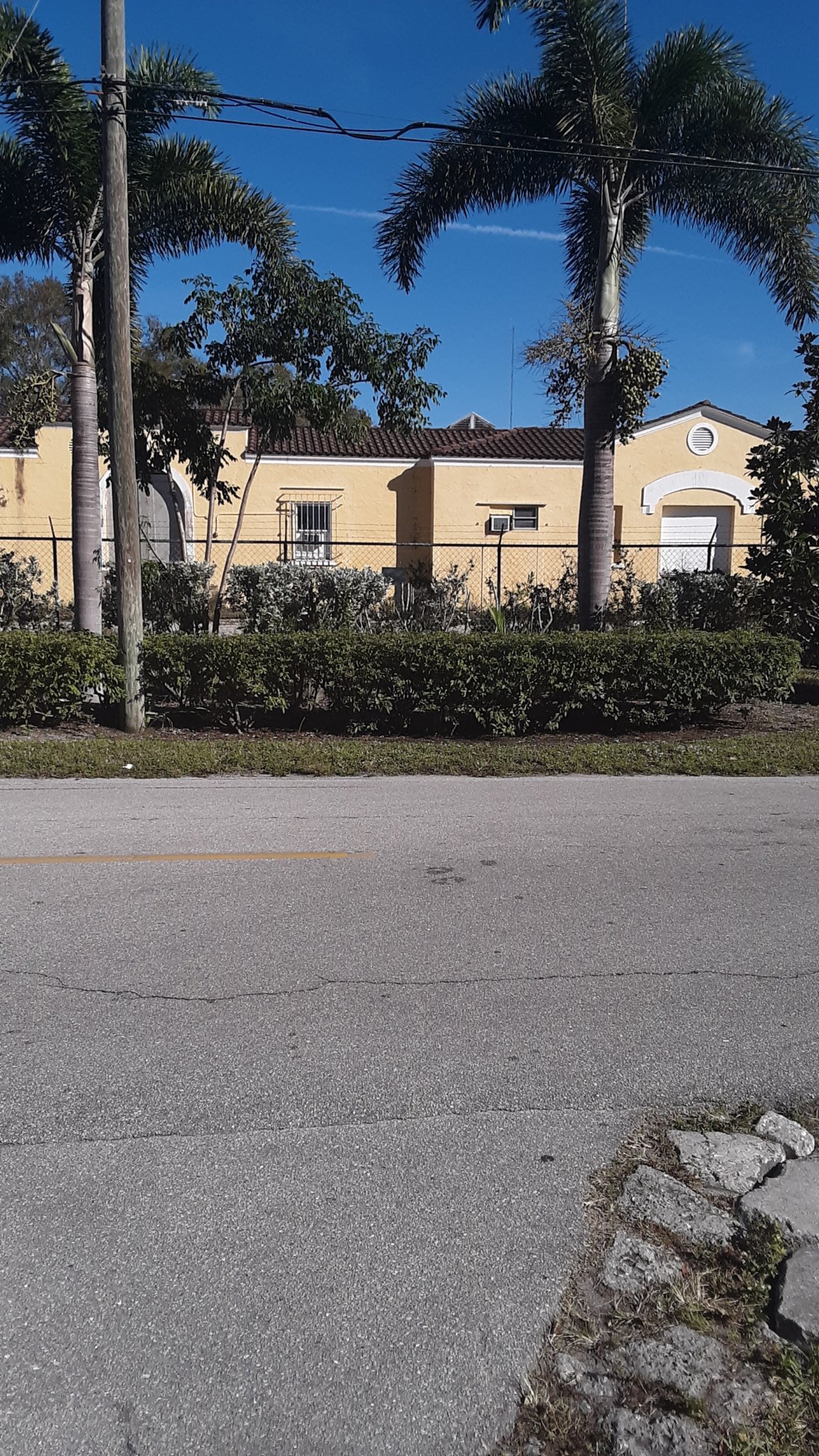
This theater was located at 5400 N. Sheridan Road in the Edgewater Neighborhood in Chicago. It was across the street from the Edgewater Beach Hotel. It opened in 1962. The construction costs were $250,000. It had one screen and a seating capacity of 600. There was abundant parking at the corner of Sheridan and Balmoral.

The theater was owned by Peter, Chris, and Lambros Demos. They had managed the parking lot that was the site of the theater. Balmoral had a policy of having afternoon and evening performances of single feature domestic and foreign films.

The theater has a short history closing in 1966.

Former Site of Balmoral Theatwr

Former Site of Balmoral Theater

Former Site of Balmoral Theater

Unless otherwise indicated, all photos and text are copyrighted.

Edgewater Theater  Chicago

    A store front theater named the Edgewater opened in 1912.   It was located at 1130 W. Bryn Mawr Avenue.   It had one screen.  Its seating capacity is unknown.  It closed in 1914.

Former Site of Edgewater Theater

Former Site of Edgewater Theater


Former Site of Edgewater Theater


Former Site of Edgewater Theater

Hollywood Theater

       The Hollywood Theater was located in the Edgewater Neighborhood of Chicago at 5628 North Broadway.  It operated only for a short period of time 1913–1914.    It had one screen.  Its capacity was 299 seats.  One of the used of the building after the theater closed was as an auto repair shop.

Former Site Hollywood Theater


Former Site Hollywood Theater


Former Site Hollywood Theater


Site of Hollywood Theater

Granville Theater

Former Site of Granville Theater

Former Site of Granville Theater

     The Granville Theater was located at 6161 N. Broadway in the Edgewater neighborhood of Chicago.  It operated for a short time between 1913–1915.  The architect was S.N. Crowen.  There was one screen and had a capacity of 299 seats.  The owners were Harvey Wells, Homer Jones, and Joseph Tuohy.

      After the theater closed, it was used as a real estate office.   From the 1950’s to the 1990’s,  it was used as Mann’s Draperies and Interiors.  The building is currently used as a restaurant.

Thelma Theater

     Another movie theater in the Andersonville area of Chicago was called the Thelma.  It was located at 5255 N. Clark Street.  It operated briefly from 1910 to 1914.  It had one screen and had a capacity of 299 seats.  The theater building is currently be used as Reza’s Restaurant.

Former Site of Thelma Theater


Former Site of Thelma Theater


Former Site of Thelma Theater


Former Site of Thelma Theatwr


Former Site of Thelma Theater

Bryn Mawr Theater

Former Site of Bryn Mawr Theater

Former Site of Bryn Mawr Theater

Same as above

     The Bryn Mawr Theater opened at 1125 W. Bryn Mawr in the Edgewater Neighborhood in 1912.  It had one screen and a capacity of 790 seats.    It featured a Wurlitzer organ.  This was used during the silent films and during live shows.  An empty lot in the back  was used for parking. The architects were Rapp and Rapp. It was managed by Balaban, H&E.

     During its existence, the theater offered a variety of entertainment including serial movies, vaudeville, magic shows, and feature films.  Later in its history,  it featured second run films.

     In the 1960’s, it was renamed the New Bryn Mawr Theater.

     In the 1980’s, it was renamed the Gar Wah Theater. It ran  Chinese and mainstream Hollywood Films.  This theater closed in 1988.

     Since this time, the building was used for retail and storage.

Entrance Gate Calvary Cemetery

Plaque at West Side of Gate

West Side  Gate Calvary Cemetery

Same as above

West Side Gate Calvary Cemetery

West Side Gate Calvary Cemetery

Top of Gate

West Side Gate Calvary Cemetery

Cemetery Gate

West Side Gate

West Side Gate Calvary Cemetery


Calvary Cemetery is located in Evanston.  It is one of the oldest Catholic Cemeteries in the Chicago area.  It is located between Chicago Avenue on the west and Sheridan Road on the east.  It was consecrated in 1859.   One of the most striking features of the cemetery is an arched limestone entrance on Chicago Avenue.    There are three arches.  Likely the limestone came either from Lemont or Joliet.  The architect was James J. Egan.  He was well known in the area.  He designed multiple Catholic buildings and structures.  He was buried in Calvary.

Rosehill Entrance Gate and Building

Rosehill Entrance Gate

Rosehill Entrance Gate

Plaque at Entrance

Entrance Gate West Side

West Entrance Gate

Entrance Gate

Entrance Gate

Elevator along wall

     One of the most interesting features of Rosehill Cemetery is the Gate House. It was built in 1864 using Joliet limestone likely shipped on the I and M Canal.  The architect was William Boyington.  It has features of a Gothic Castle.  These are also seen in his other buildings (the Chicago Water Tower, the Chicago Pumping Station, and the Joliet Prison). The building survived the Chicago Fire. In 1975, it was placed on the National Register of Historic Sites.

Horatio N. May  Chapel Rosehill Cemetery

Horatio May Chapel

Horatio May born in Canada in 1839.  By 1850, he was living in Belvidere, Illinois.  He came to Chicago in 1856.  He joined the volunteer fire department.  In 1860, he was elected as a lieutenant.    In the early days of his business career, he worked with John Neeley.  In 1864, he was made a partner at McKinley and Ingraham grocers.    In his political career, he was named a Lincoln Park Commissioner in 1886;  he was elected a city of Chicago controller in 1891  He passed away in 1898 while in Germany.

His wife Anna wished to memorialize her husband by having a chapel built at Rosehill Cemetery.  She bequeathed $75,000 for its construction. The architect for this project was Joseph Lyman Silsbee.  He designed the May home on Astor Street in Chicago.  He was also the chief architect for J.L. Cochran’s Edgewater Development Company.  He held this position from 1886 to the 1890’s.

Construction on the  chapel began in 1899.    It was a blend of Gothic and Romanesque Styles.  The exterior was made of granite.   In the front, there was a carriage porch with an elaborate tile ceiling.     The dimensions of the chapel are 35 X 70 feet.    The floor is mosaic tile.    The roof is oak with hammer beam trusses.  In the rear, there is a door leading to a storage mausoleum.  In the past, this was used to store bodies during the winter months when the ground was frozen and burials were not possible. It has not been used for this purpose for years.

Horatio May Chapel

Horatio May Chapel. Hill adjacent to the chapel is the temporary mauseleum

Horatio May Chapel

Ceiling of the entryway

Inside Chapel

Inside Chapel

Chapel Wall

Stained Glass Window

Inside chapel

Unless otherwise indicated, all photos and text are copywrighted