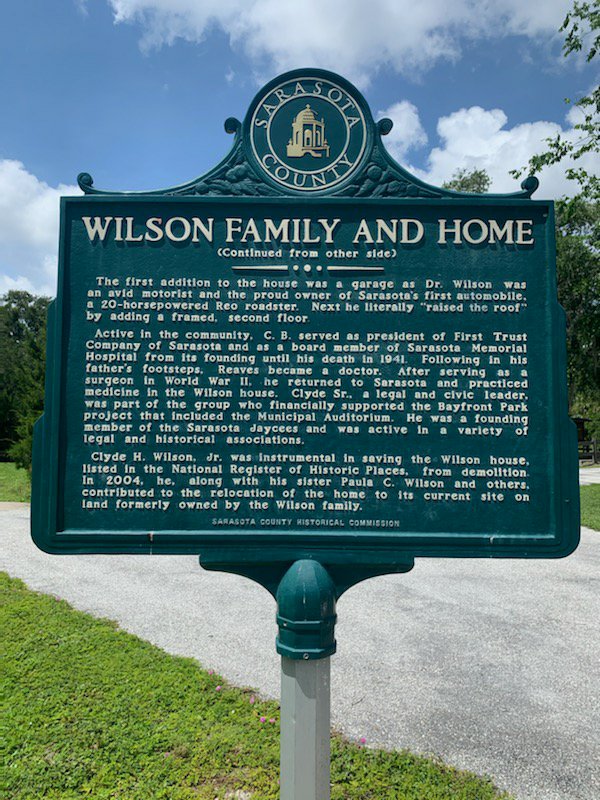
Wilson Home
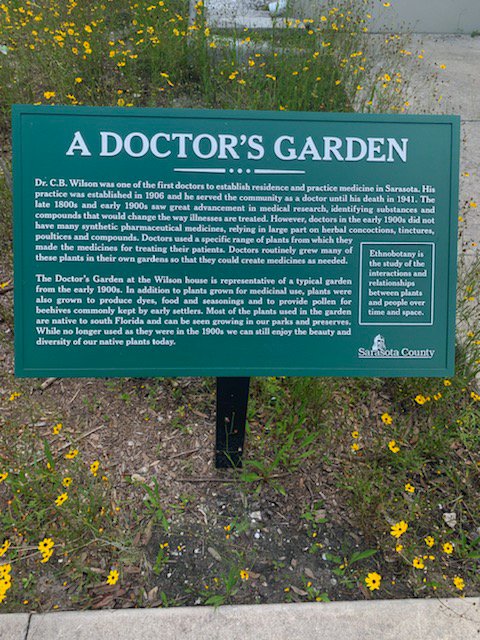
Wilson Home
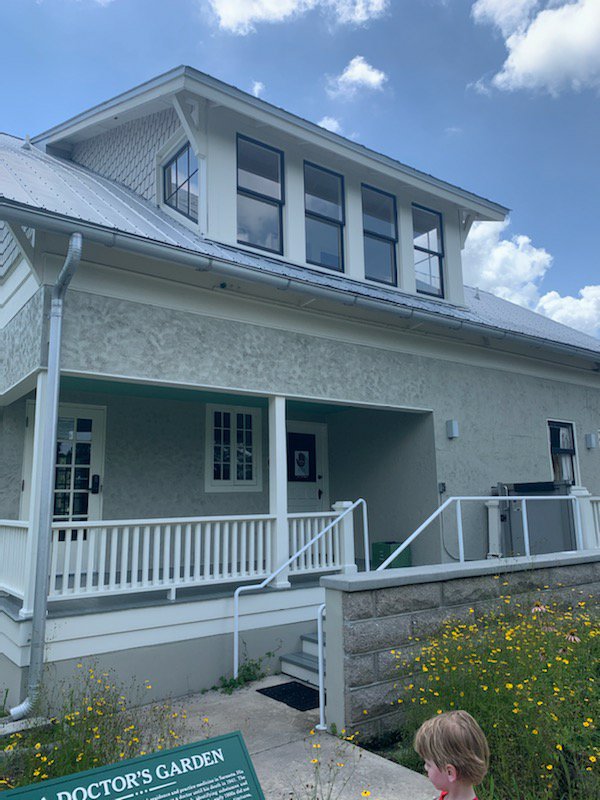
Wilson Home
Wilson Home
Wilson Home
Wilson Home
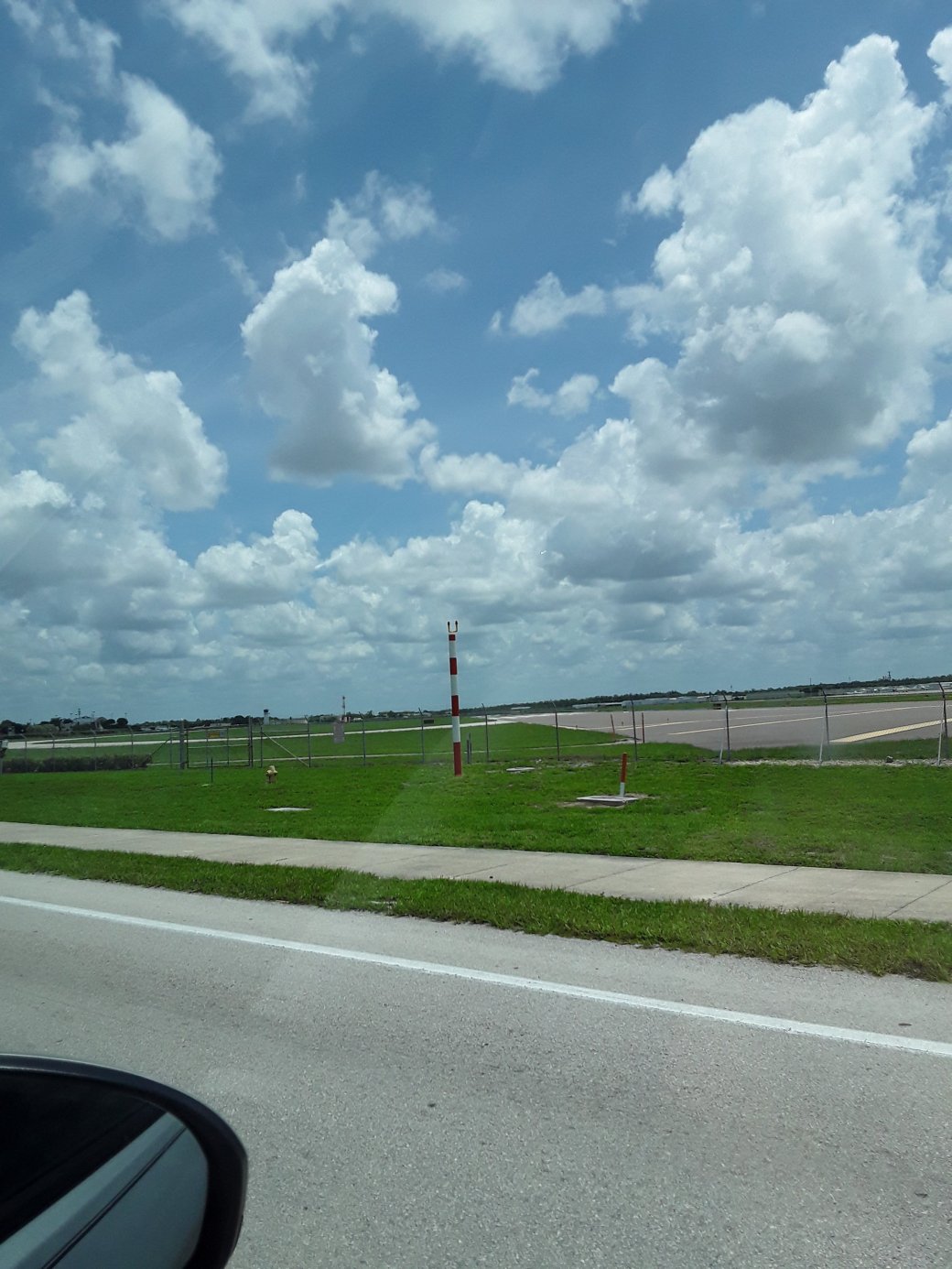
Page Field
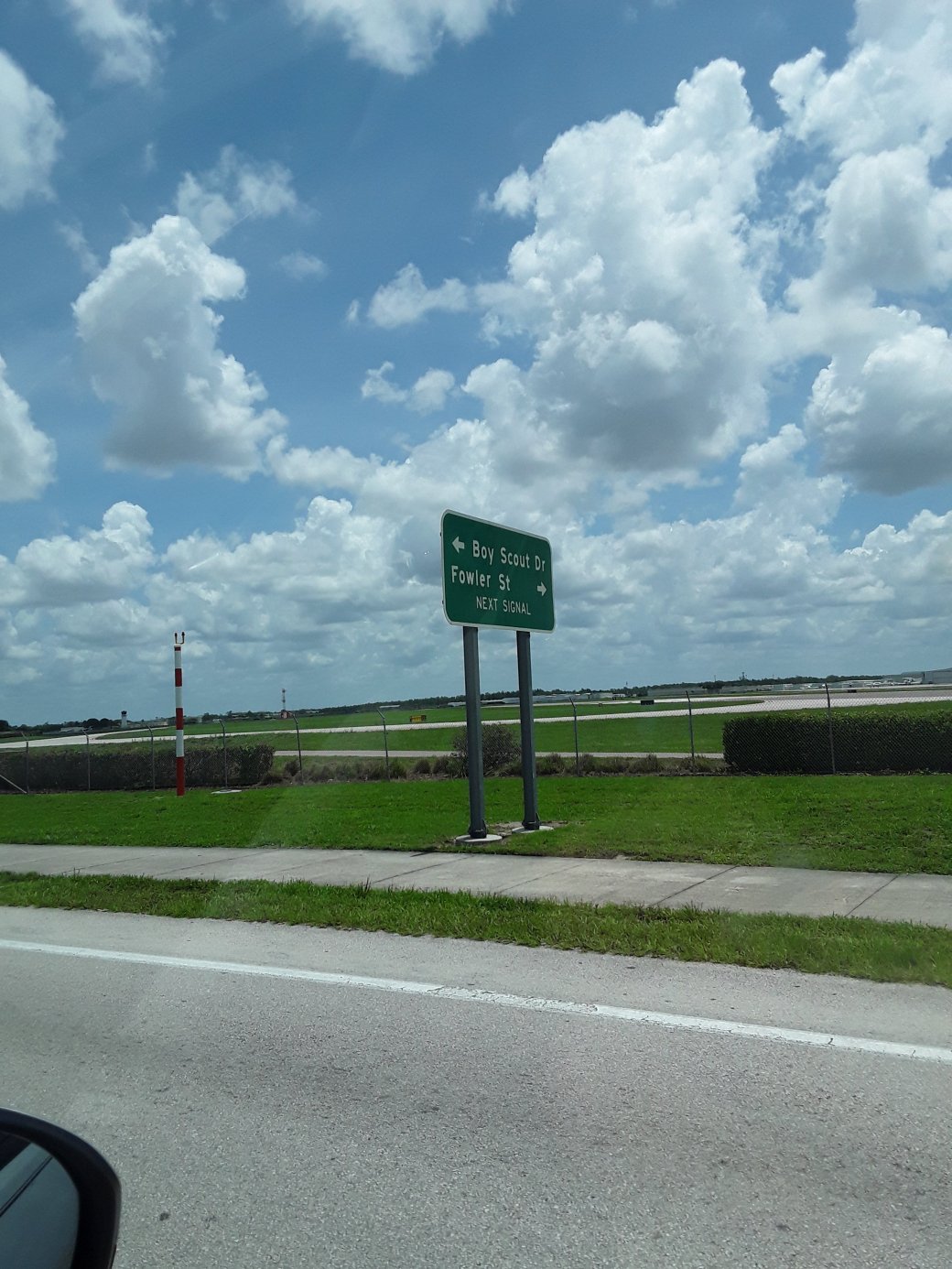
Page Field
Page Field
Page Field
Page Field
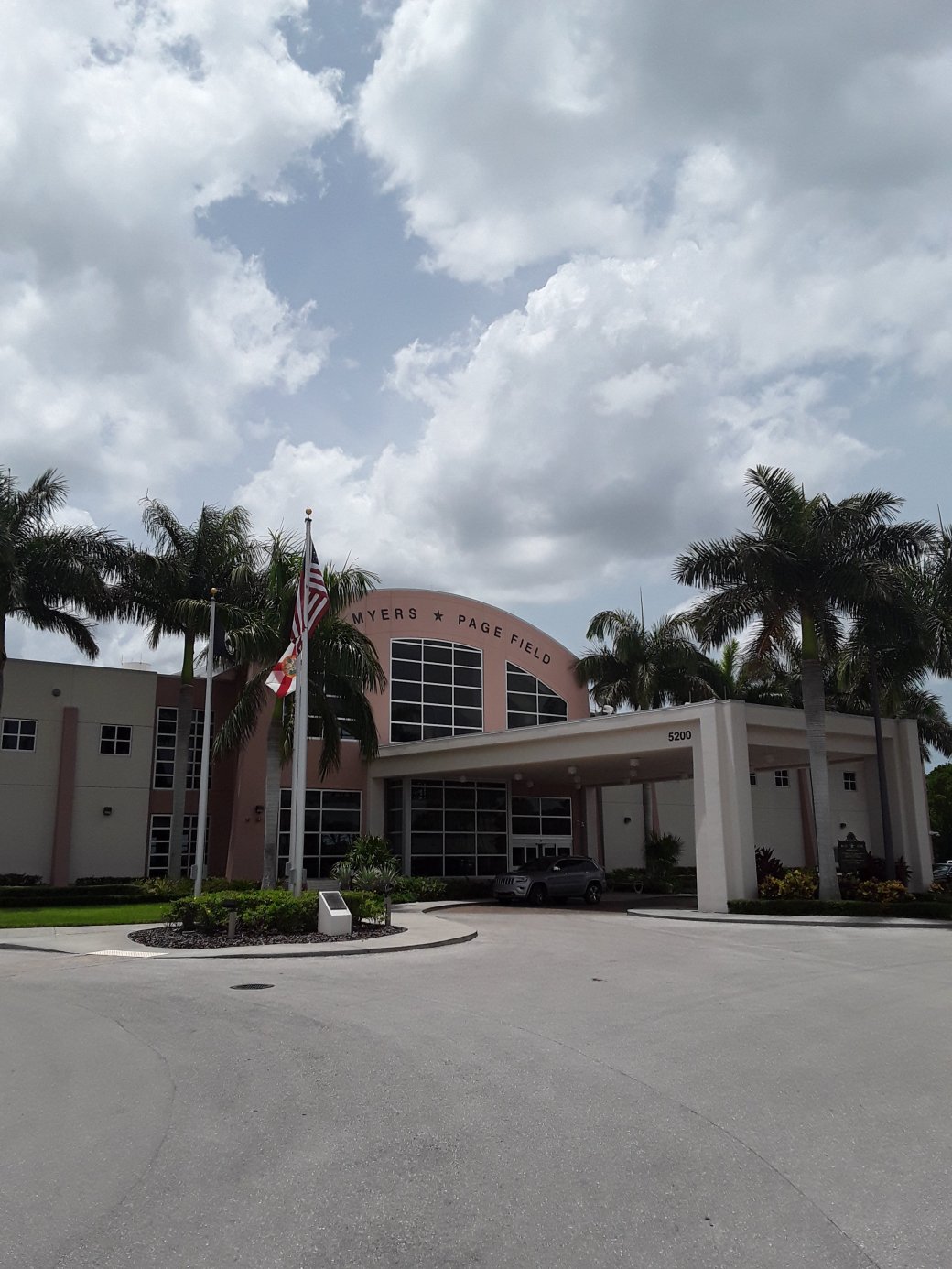
Page Field Terminal
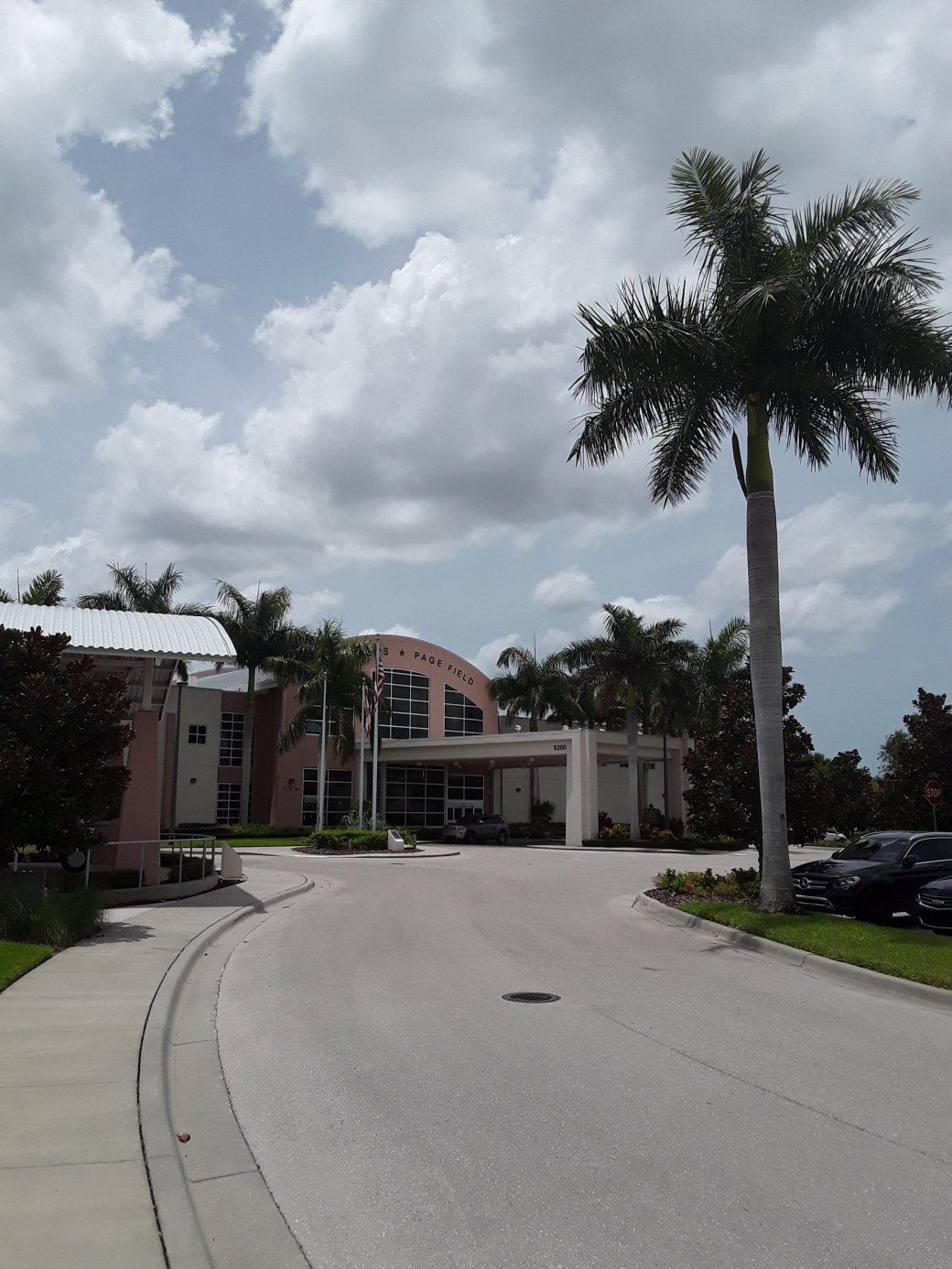
Page Field Terminal
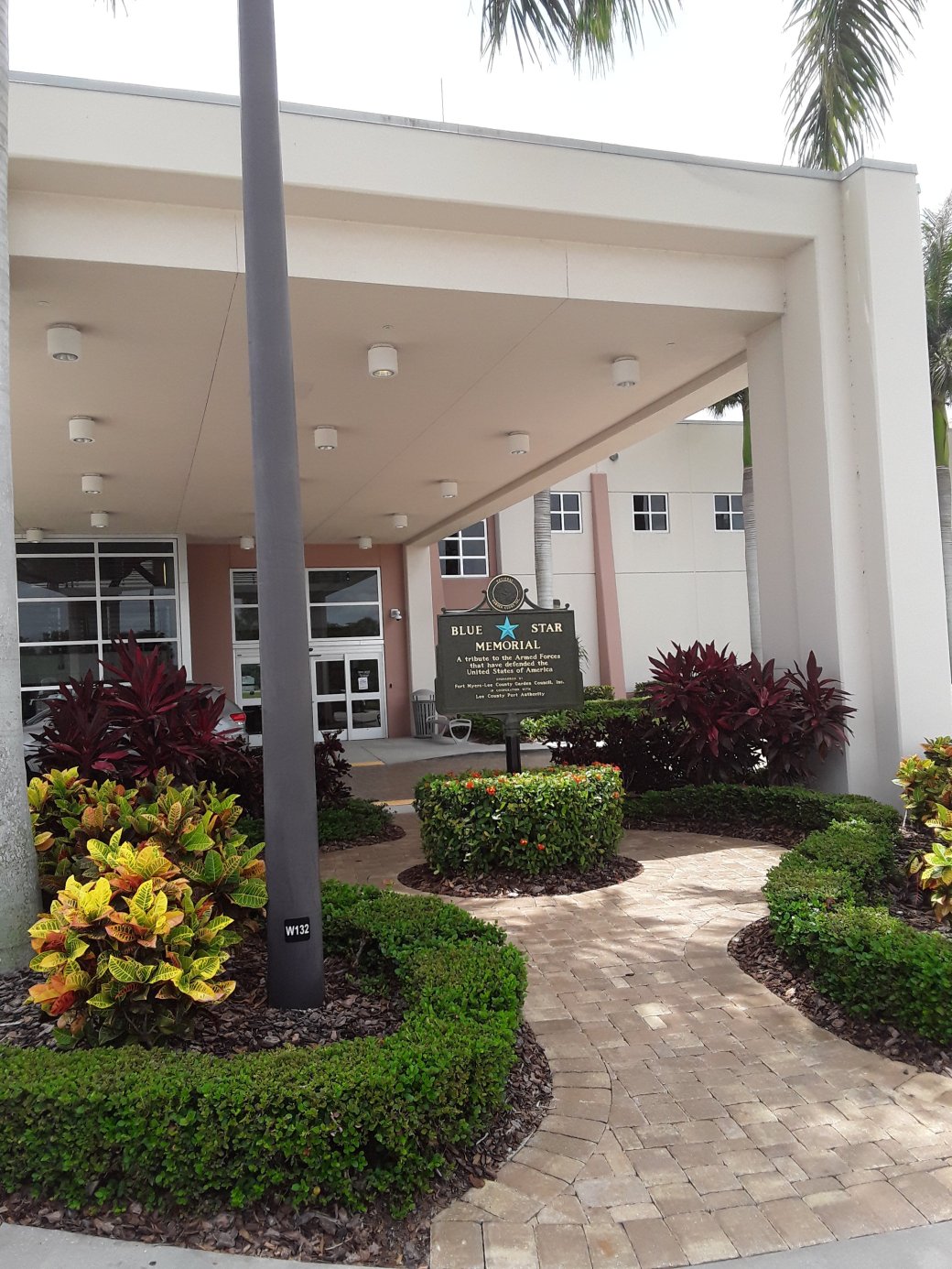
Blue Star Plaque
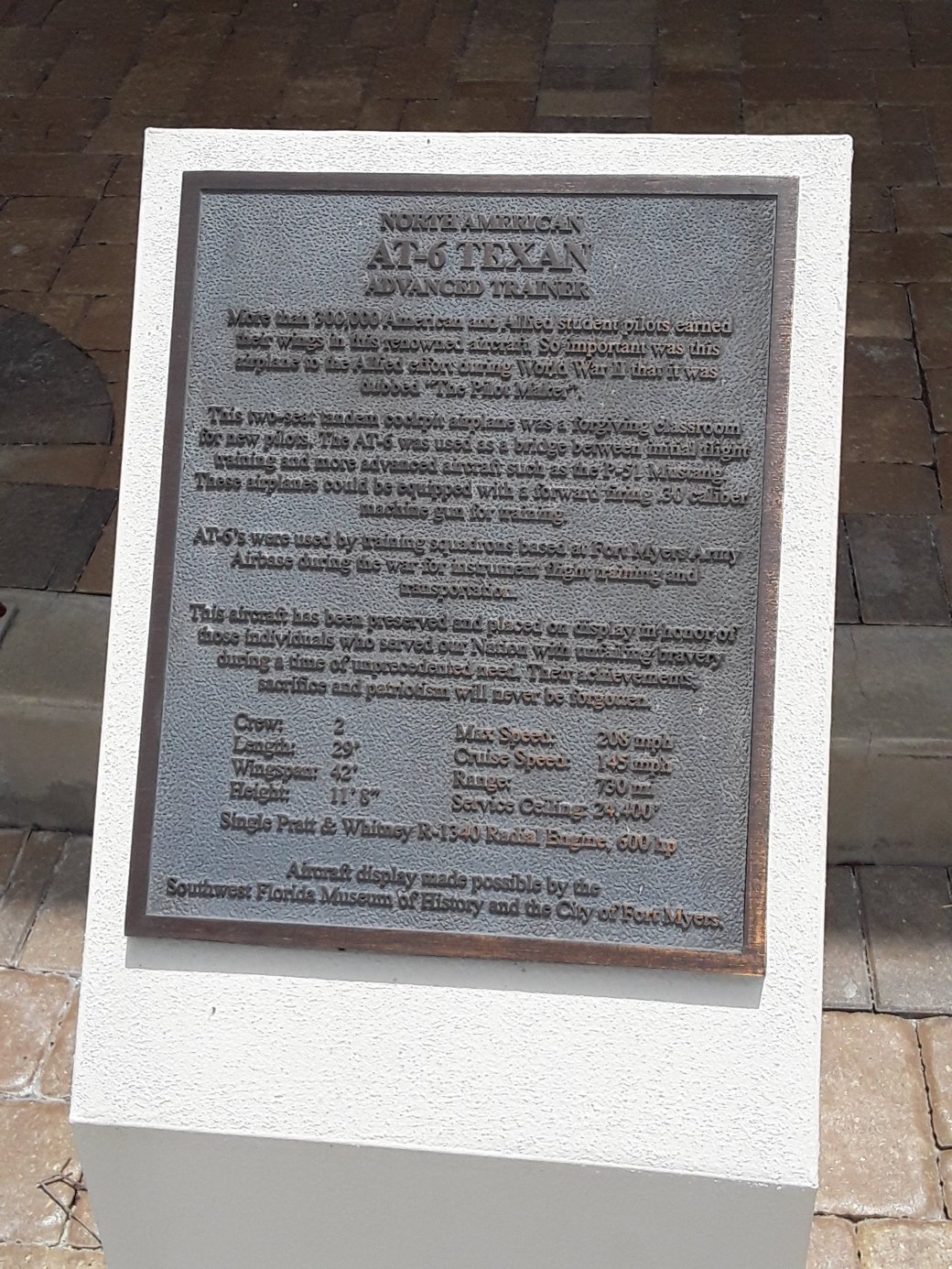
Plaque AT-6 Texan Plaque. Trainer for World War 2 Pilots
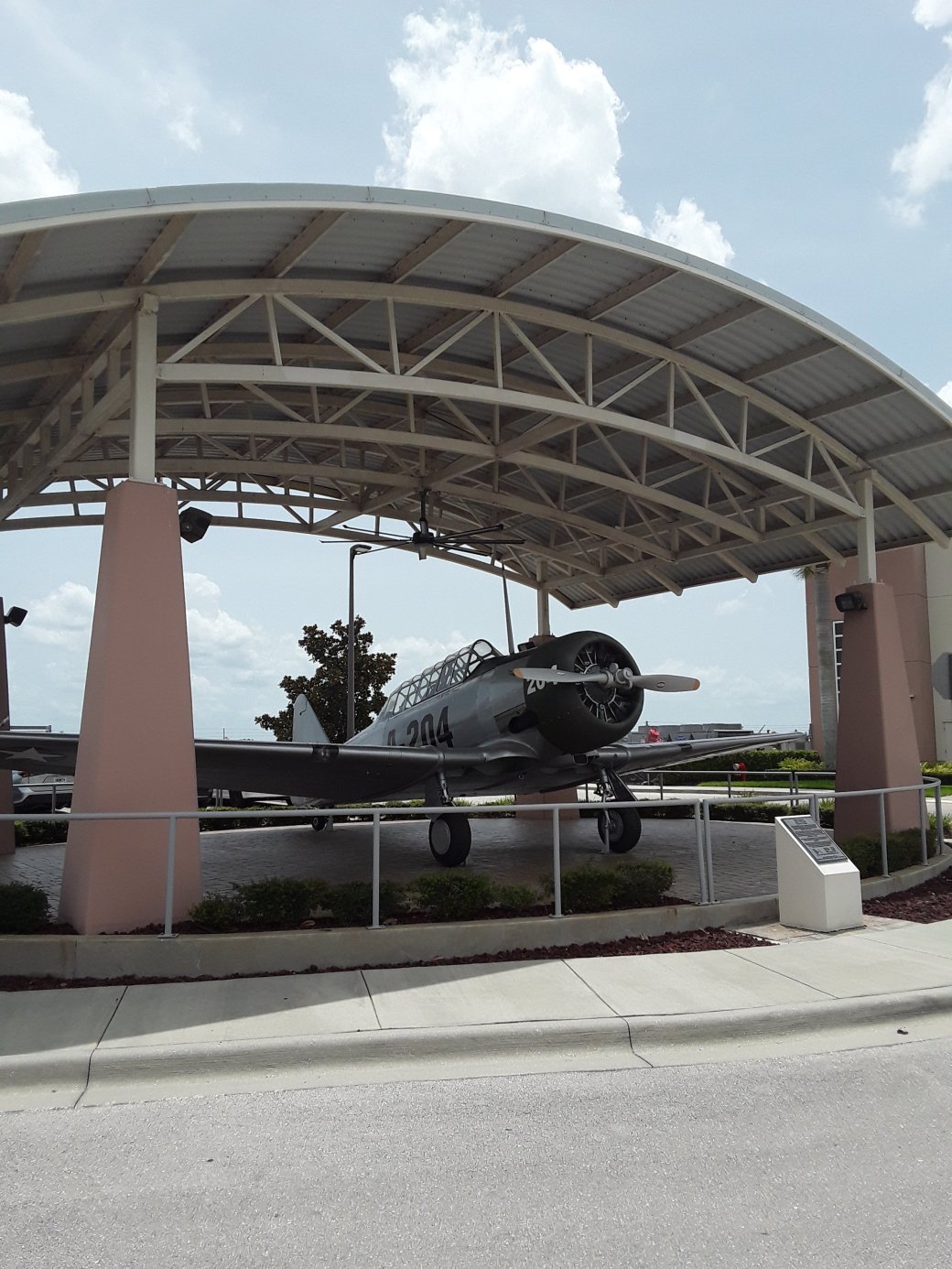
AT-6 Texan Trainer
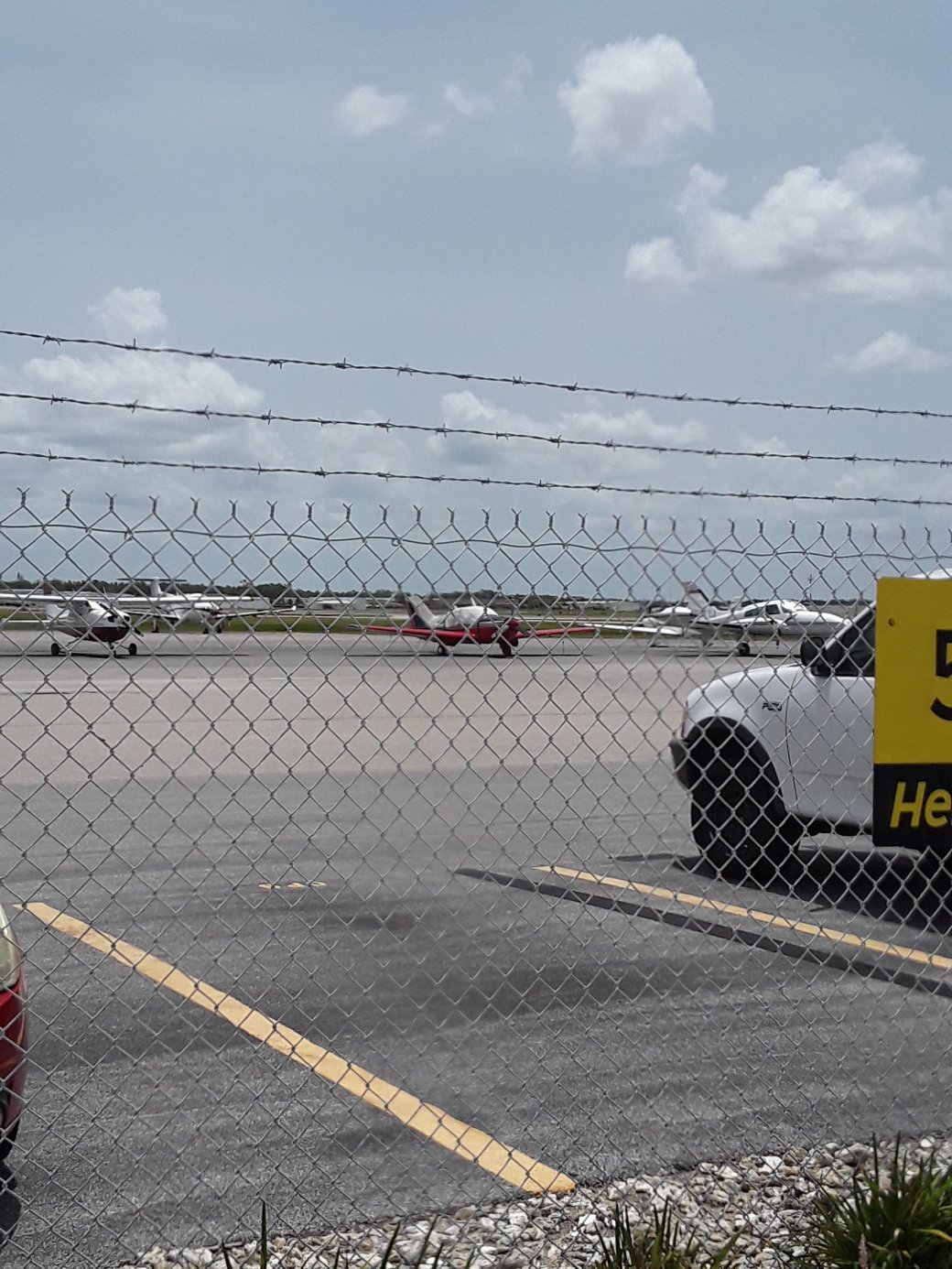
Page Field
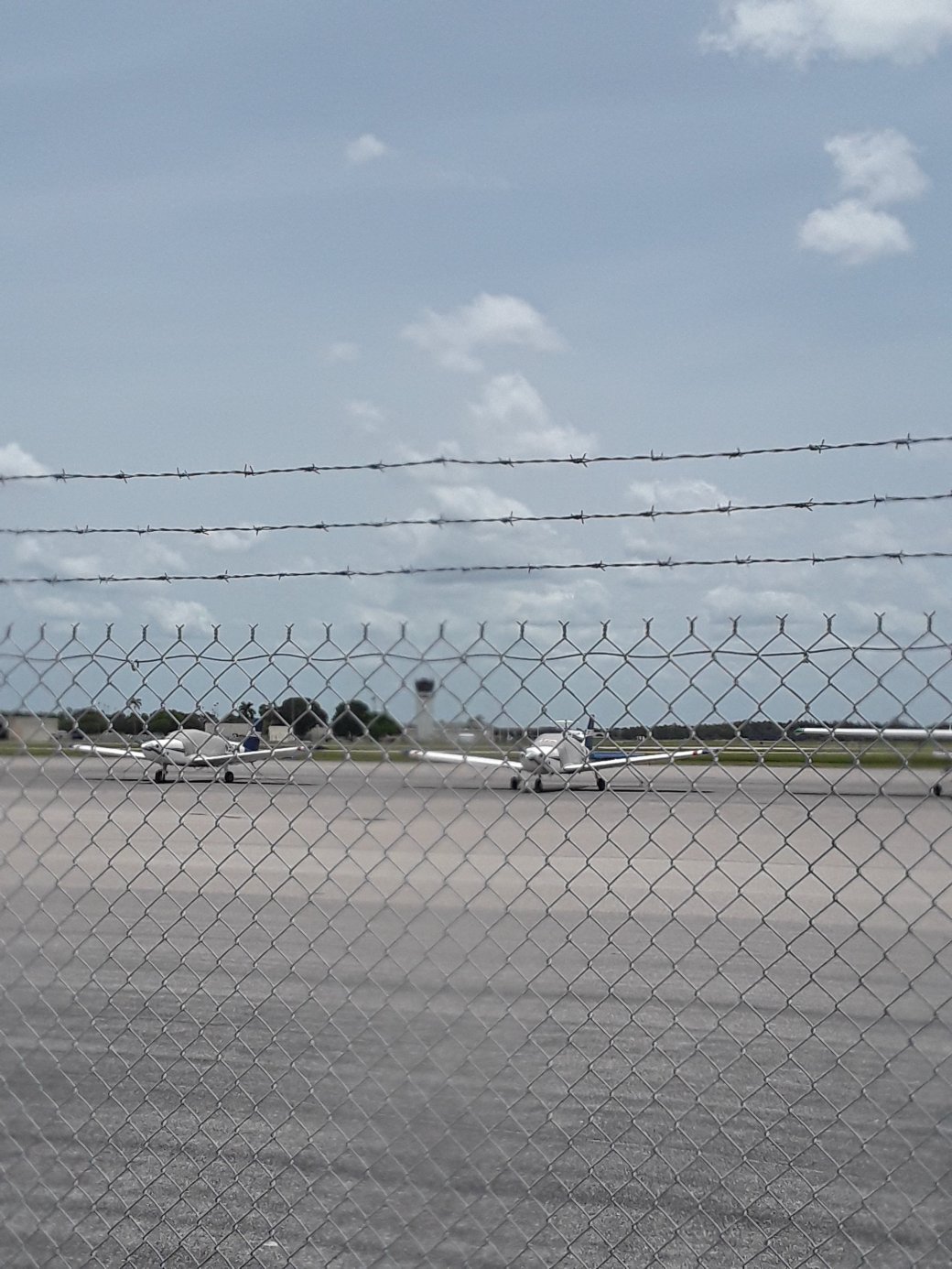
Page Field
Page Field
Page Field
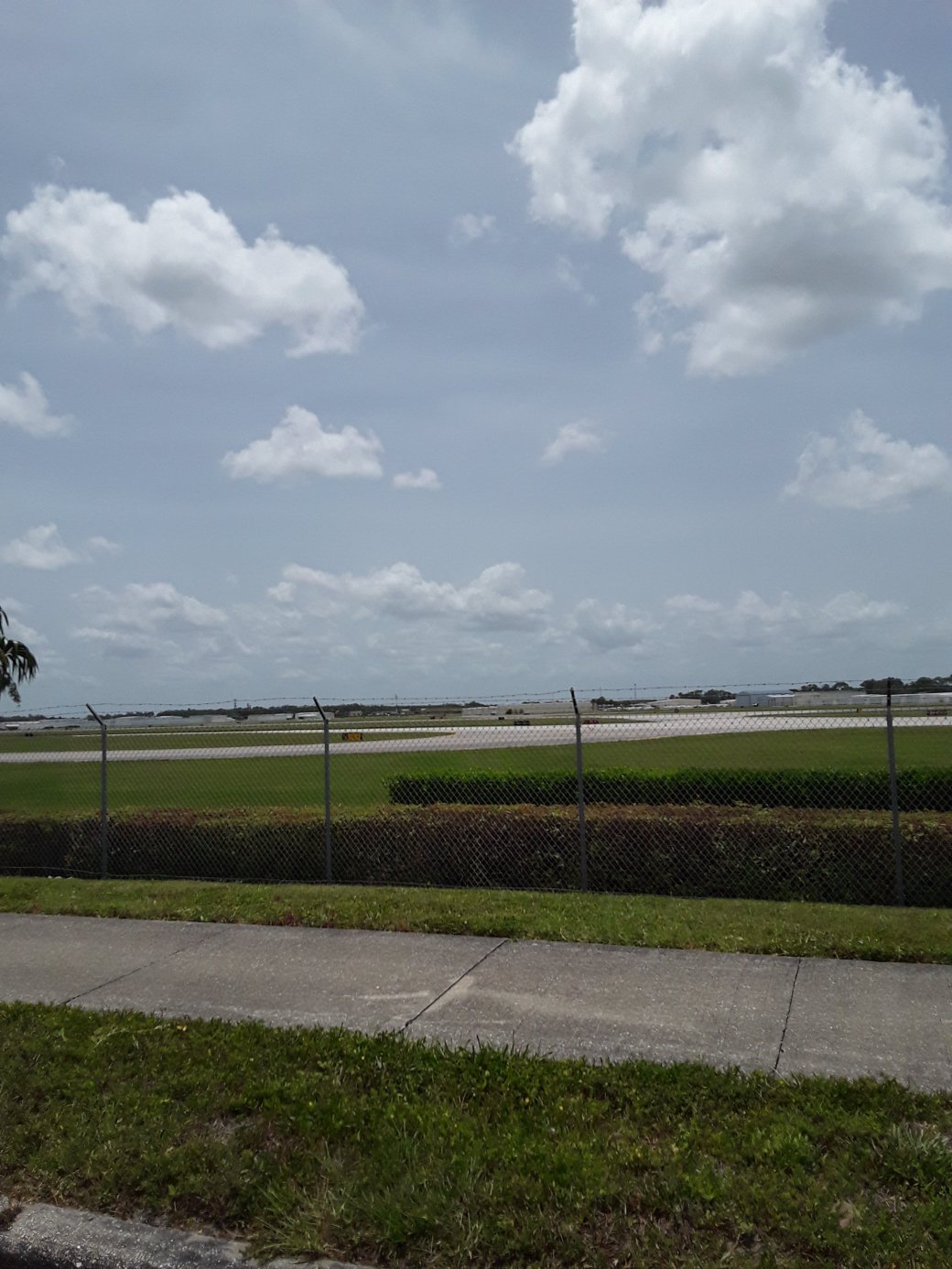
Page Field
This structure is located at 239 Franklin Street, Glencoe, Illinois. It was built in 1913. The architect was Frank Lloyd Wright. It was originally built as a temporary home for Sherman and Elizabeth Booth while there permanent house was being built on 265 Sylvan Road also in Glencoe. The architect was Wright as well. The original location was 201 Franklin, Glencoe. It was moved to 239 Franklin in 1915 to 1917.
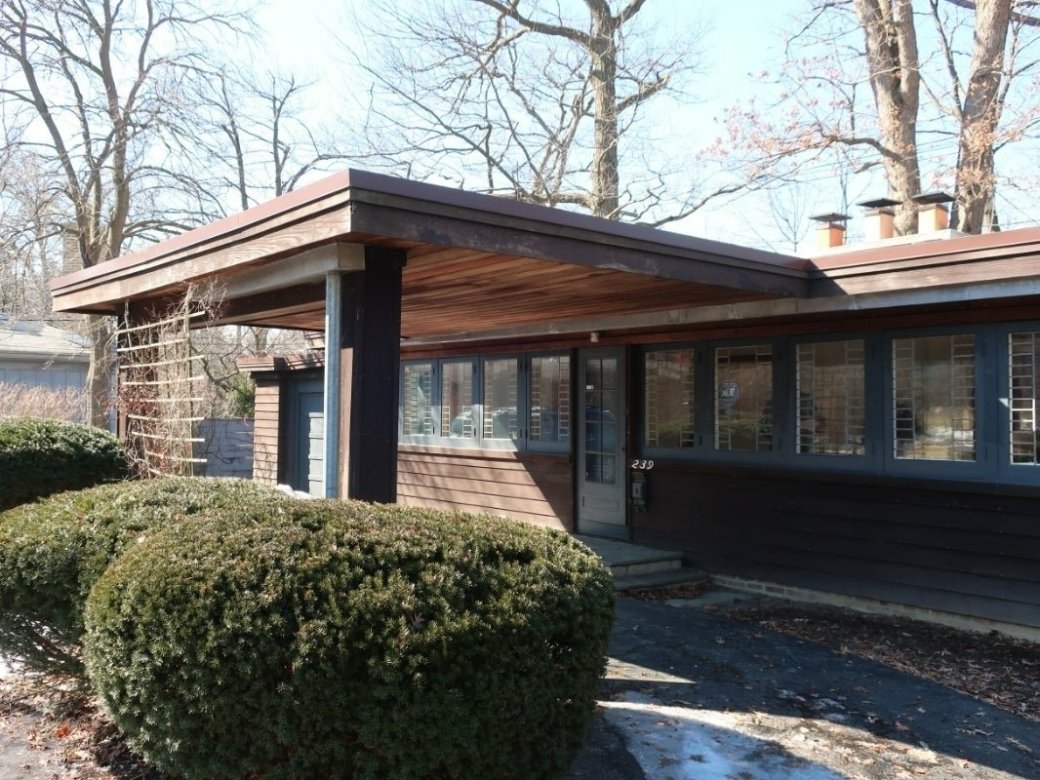
Booth Cottage
Booth Cottage
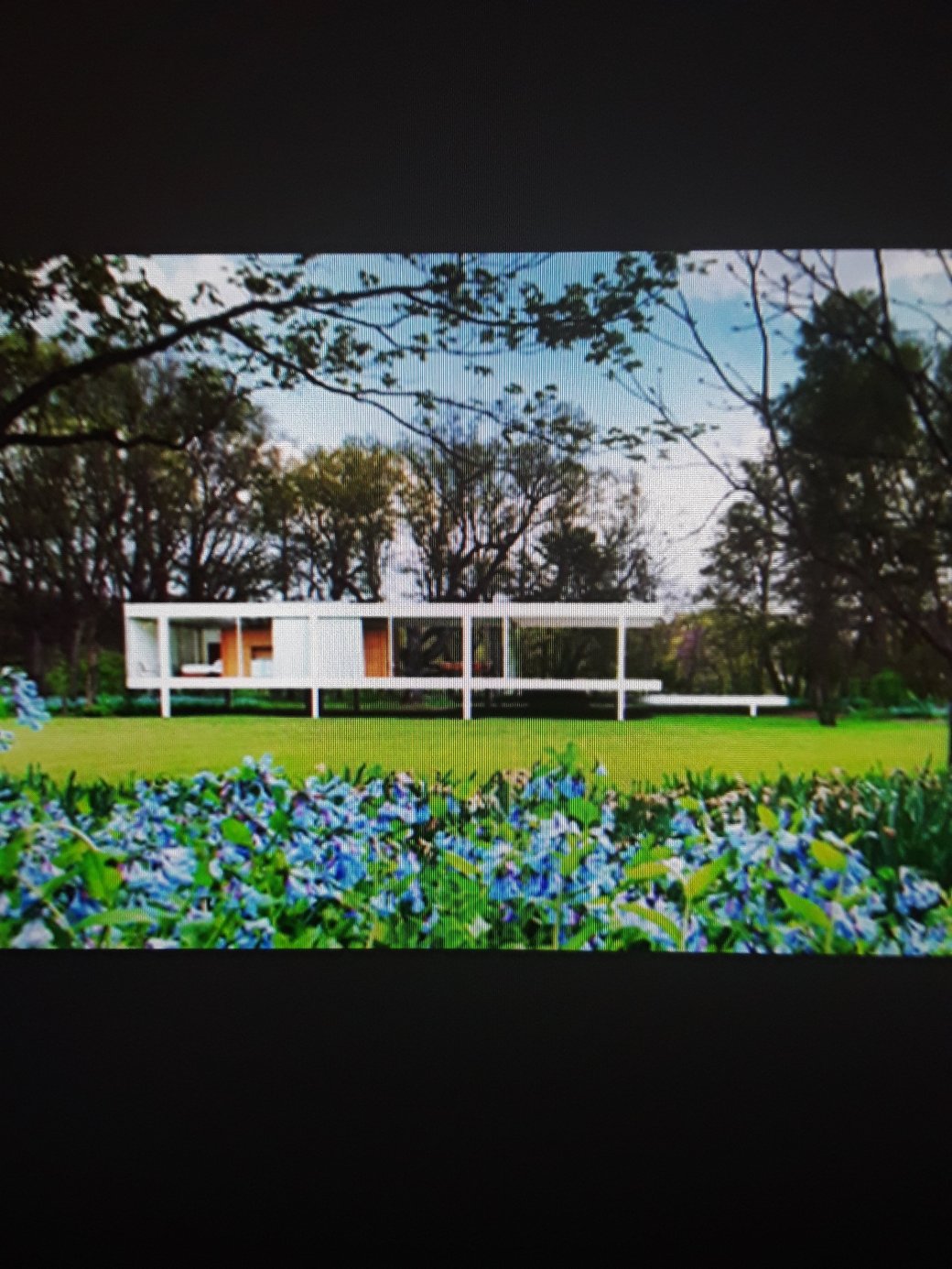
Farnsworth House
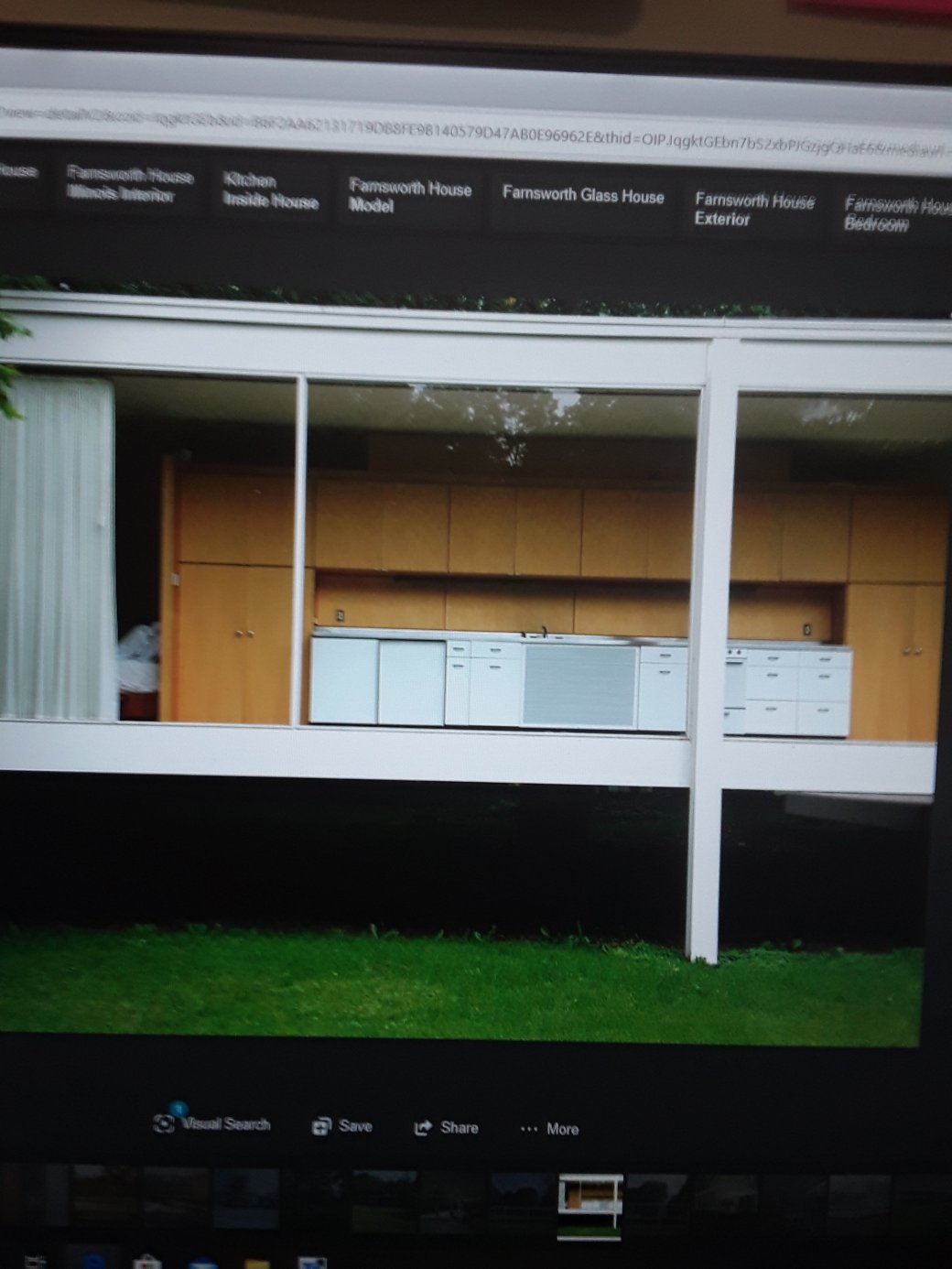
Farnsworth House Kitchen
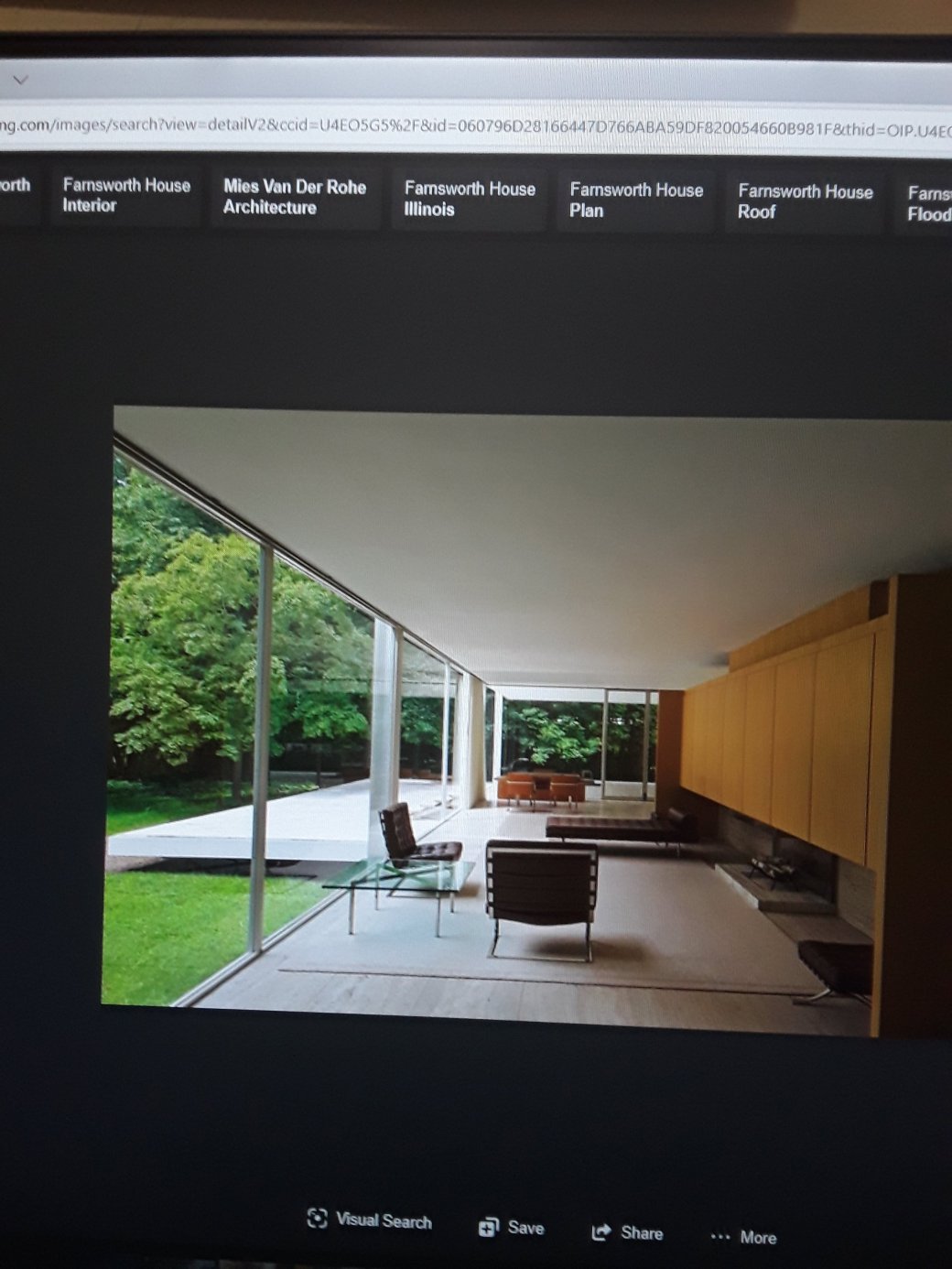
Farnsworth House Living Room
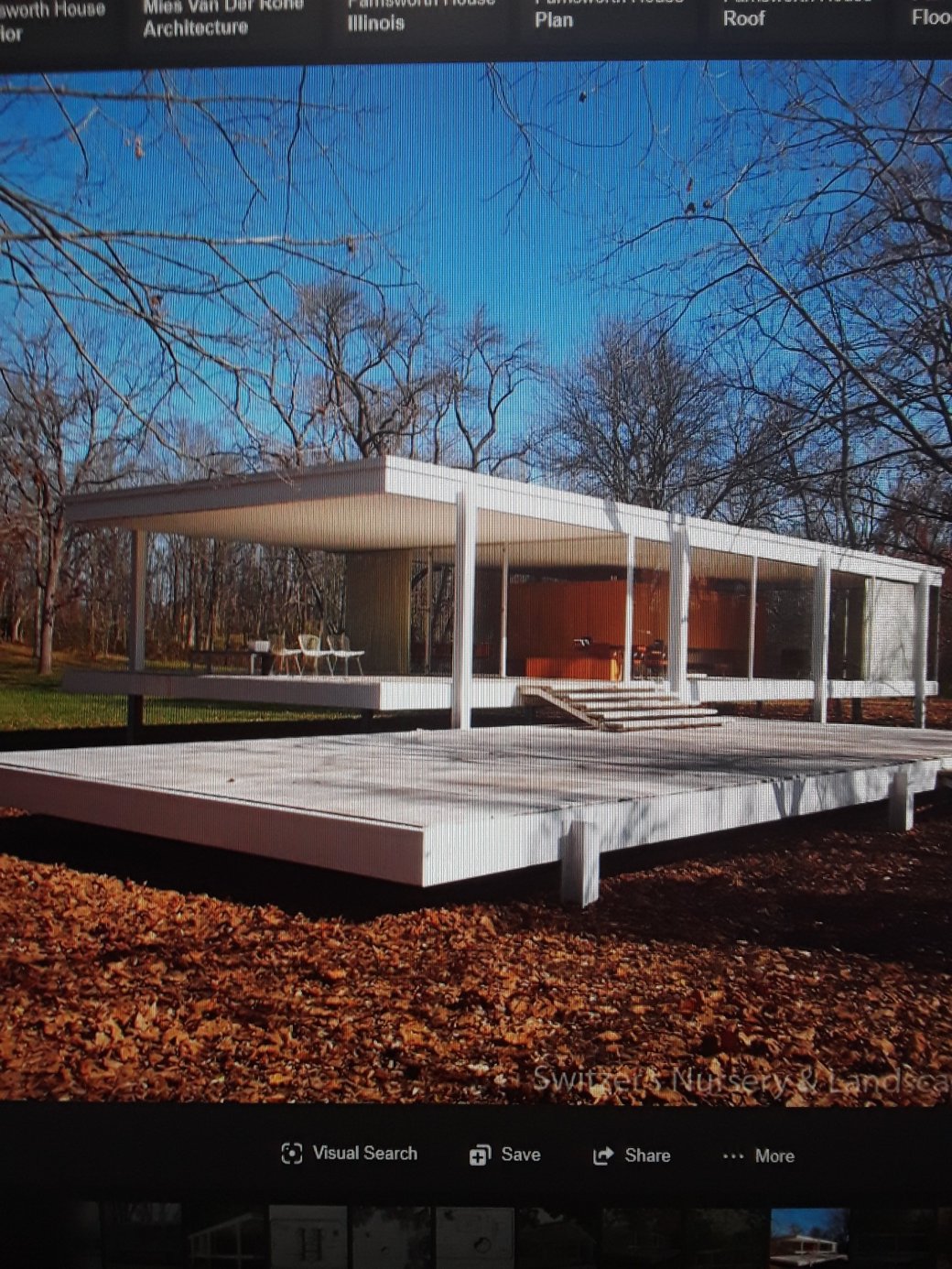
Farnsworth House
The site of the Farnsworth House is a 9 acre plot near the Fox River in Plano, Illinois. It was purchased by Doctor Edith Farnsworth from Colonel Robert McCormick.
Dr. Farnsworth was a physician on the staff of Passavant Hospital. She wanted to build a getaway cottage in Plano to unwind from the stresses of work. Architect was Mies van der Rohe. This was the first American house built by the architect.
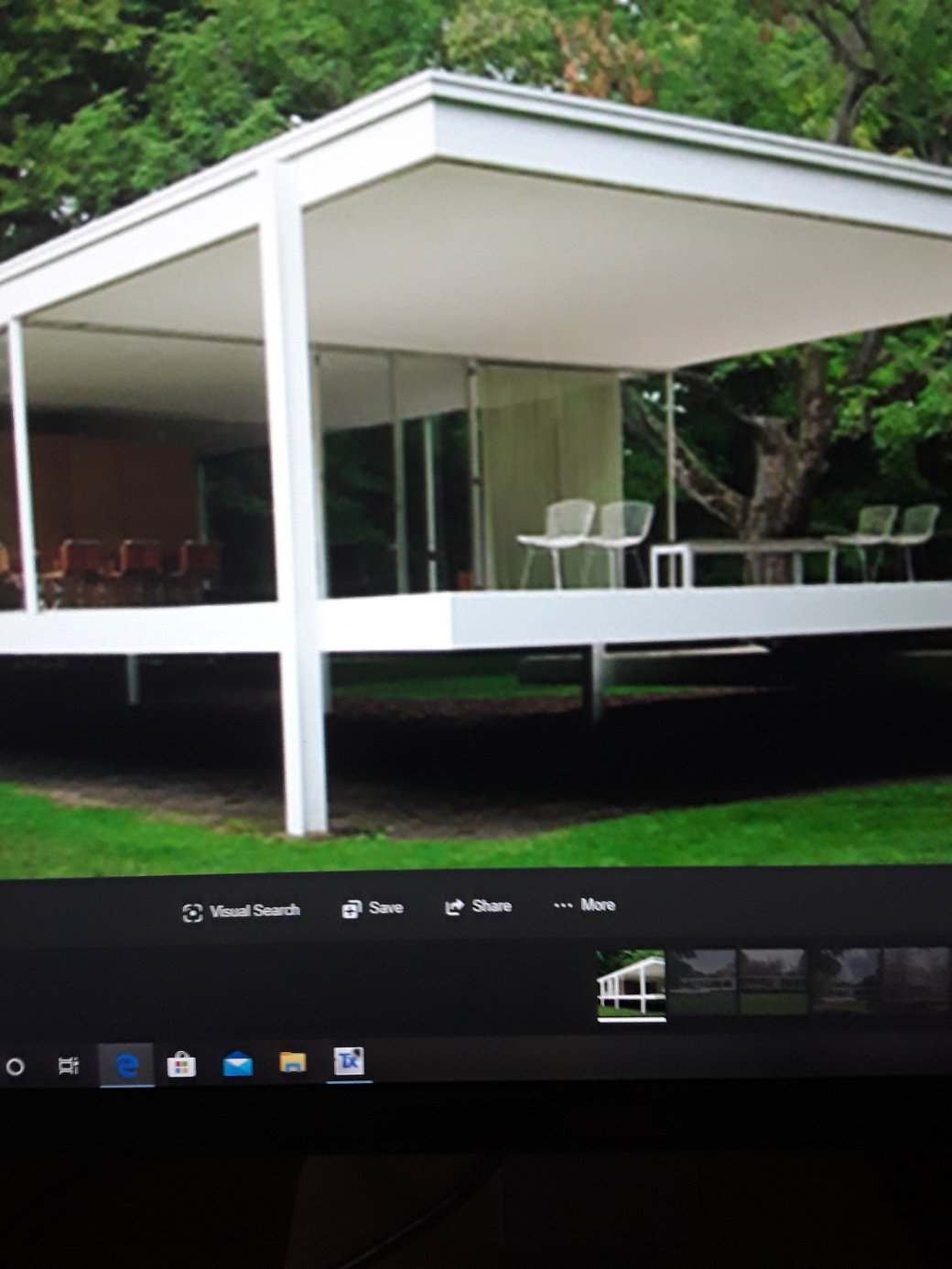
Farnsworth House
From the beginning, there were many issues with the project. The building was sited on a flood plain. It was designed in 1945. It was not built until 1951. Cost was $74,000. This was 10 times the original cost.
The decision was made was to elevate the house above the flood plain. The building was elevated 5 feet 3 inches above the ground. All utility functions were gathered in a four foot diameter cylindrical tube that descended to the ground below the kitchen. Electrical power lines were buried. The house was 1,500 square feet.
The Pittsburgh Glass Company provided the external glass. It was quarter inch thick glass. The largest panes were north and south facing. They were 9 feet tall and 11 feet wide. They were mounted between white steel mullions.
Column and steel girders were provided by Chicago Wendnagel Steel Company. The steel columns were painted white. There was some second guessing about the decision not to use double paned insulated glass.
Flooring was travertine marble. There was an open floor plan. There were 2 bathrooms. The underlying floor was concrete slabs. The house measurements were 77 X 28 X 9.5 feet.
There was a long running dispute between Mies and Dr. Farnsworth on many issues concerning the house including leaking roof, temperature issues in the summer and fall and construction costs. This eventually resulted in a lawsuit between the two parties.
In the 1971 Doctor Farnsworth sold the house and 60 acres of property to Peter Palumbo, a British developer,art collector and architecture connoisseur. The exact selling price is unknown but it is thought to have ranged between $250,000 to $120,000.
After selling the house to Peter Palumbo, Edith Farnsworth left her medical practice at Passavant Hospital under strange circumstances. She moved to Italy where she became involved with Italian poetry. She died at age 76.
Palumbo owned the glass house for 30 years. He refurbished it extensively. He rewired it. He installed new drapes. He changed the heating system to electric. He replaced the roof. He furnished it with Mies designed furniture.
He hired a landscape architect to design an orchid and birch grove. He also designed a sculpture park.
In 2000, Palumbo decided to sell the house. An initial offer from the state of Illinois fell through. In 2003, Palumbo decided to put the house up for auction. A group of prominent Chicagoans led by John Bryan representing the National Trust for Historic Preservation had the winning bid of $6.7 million dollars.
The Trust has undertaken a 10 million dollar renovation. One project was to install hydraulic jacks to raise the house during flooding.
Public tours have been available to the public since 2004.
Due to severe rains in the end of May, 2020. The house was threatened with flooding.
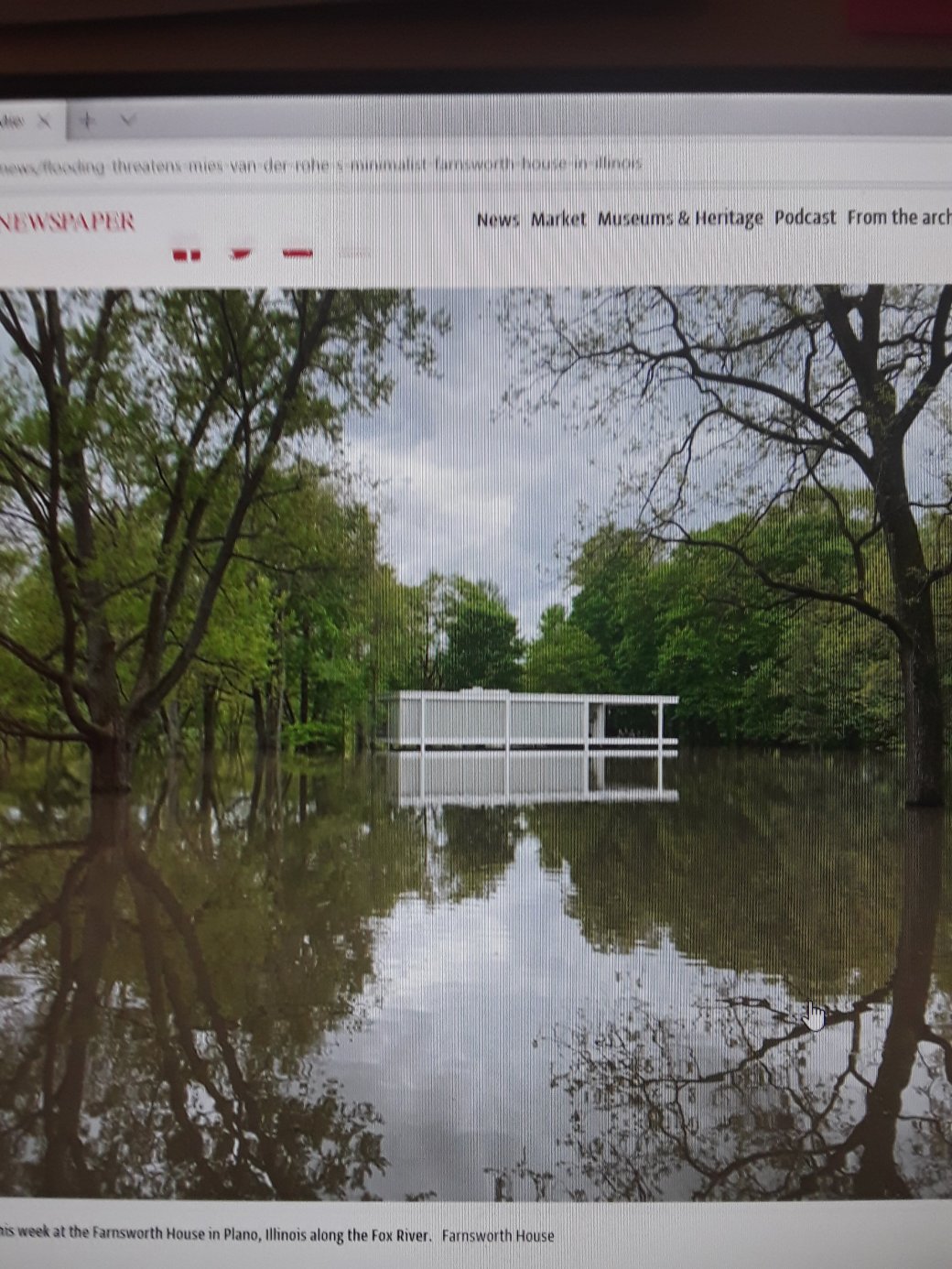
Flooding about Farnsworth House
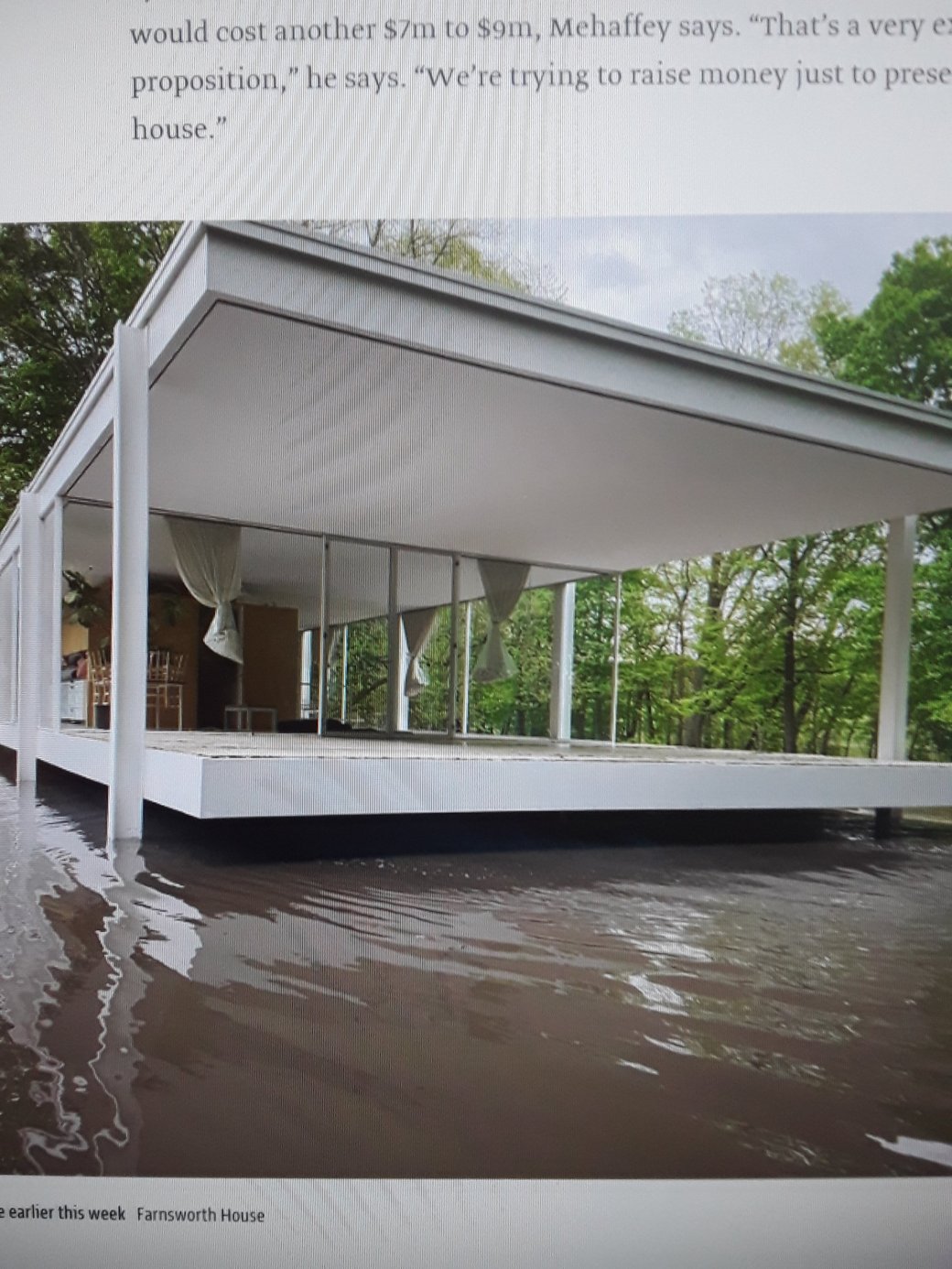
Flooding about the Farnsworth House
It has just recently been announced that the Farnsworth House has been reopened for tours. It had been closed because of the Corona virus pandemic.

Northbound US 41 on Peace River Baron Collier Bridge

Same as above. Baron Collier Bridge

Same as above
Baron Collier Bridge

Baron Collier Bridge

US 41 Northbound on Peace River. Baron Collier Bridge

US 41 Northbound on Peace River
Baron Collier Bridge
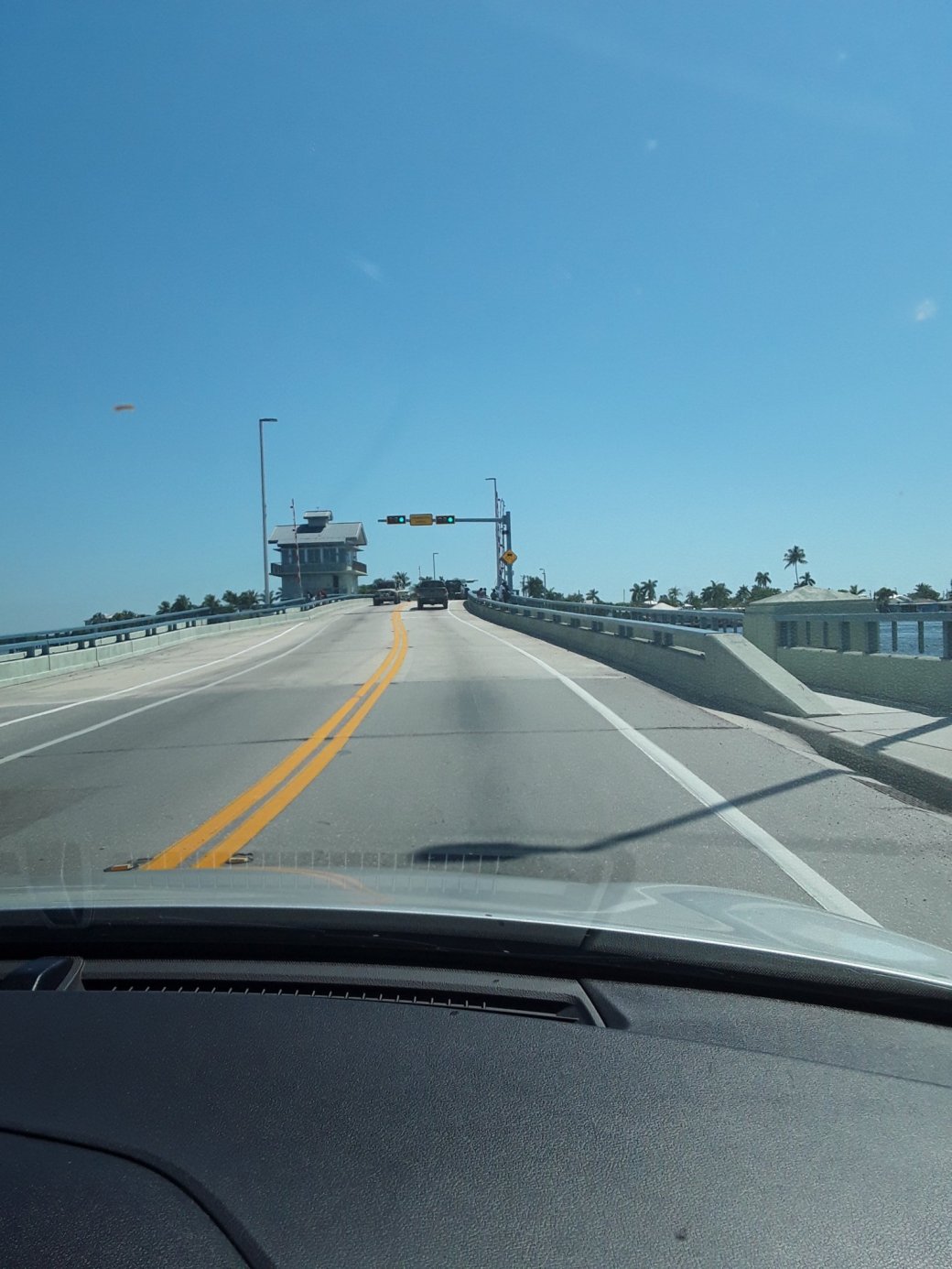
Matlacha Pass Bridge
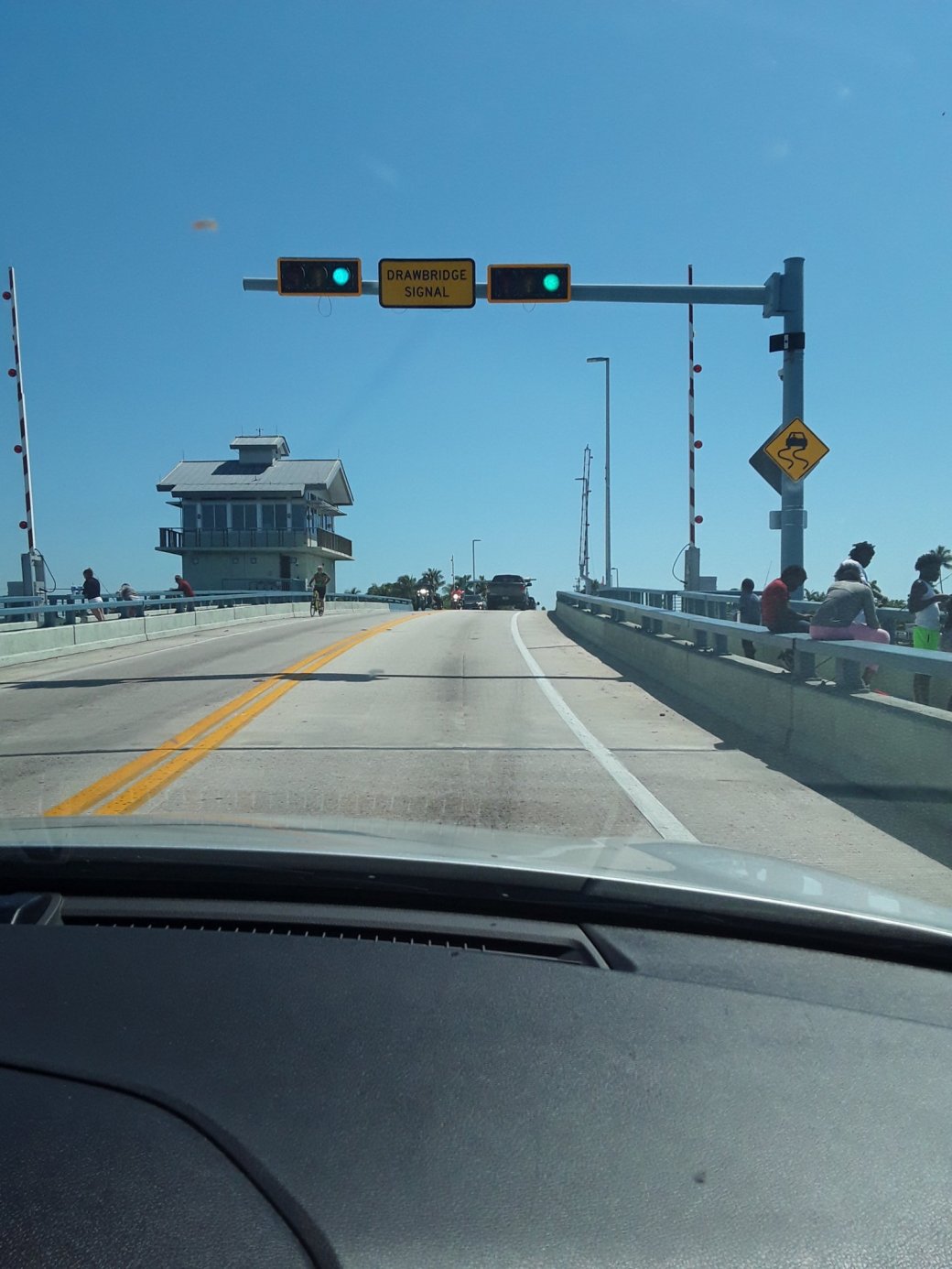
Matlacha Pass Bridge
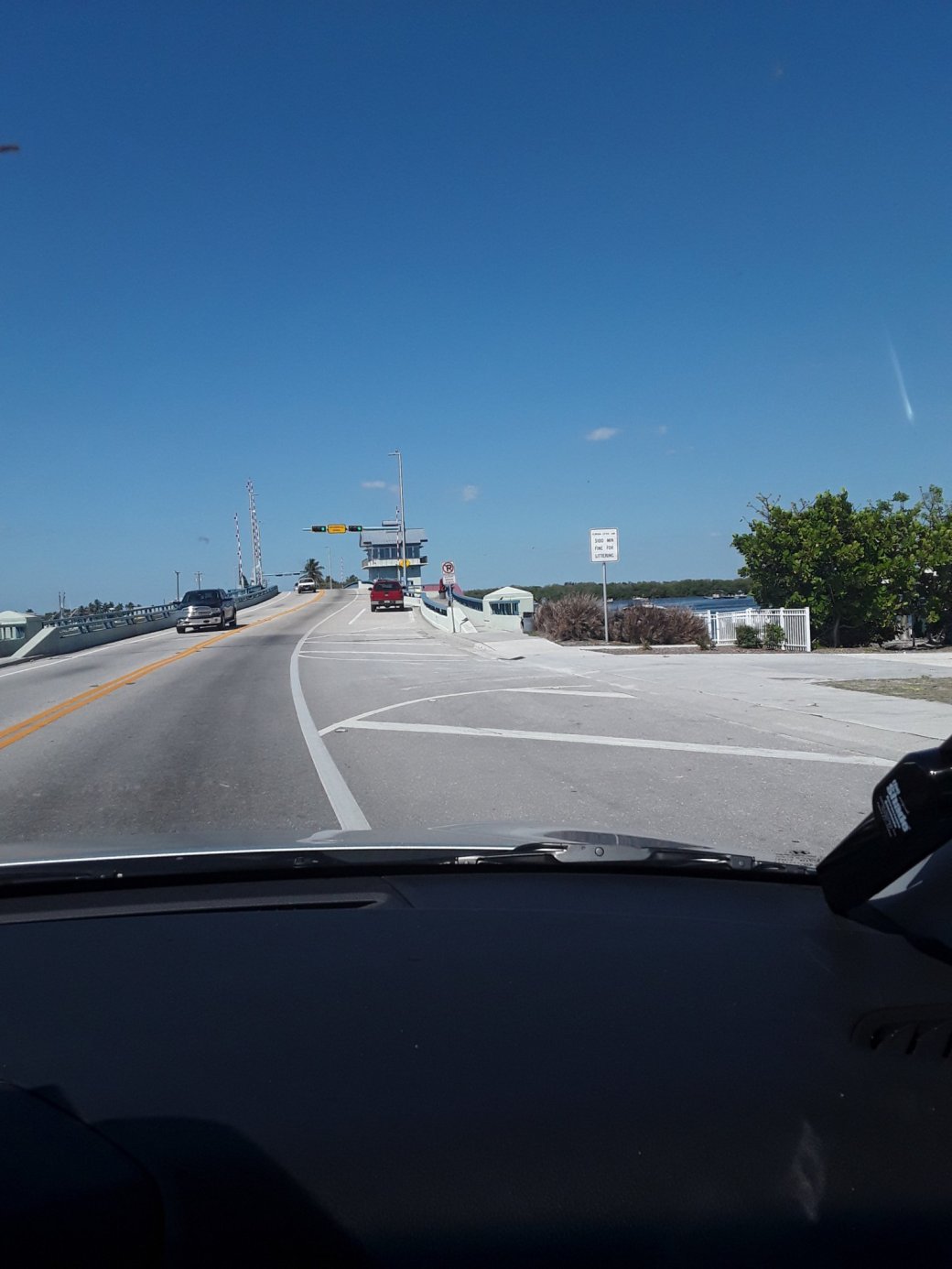
Matlacha Pass Bridge
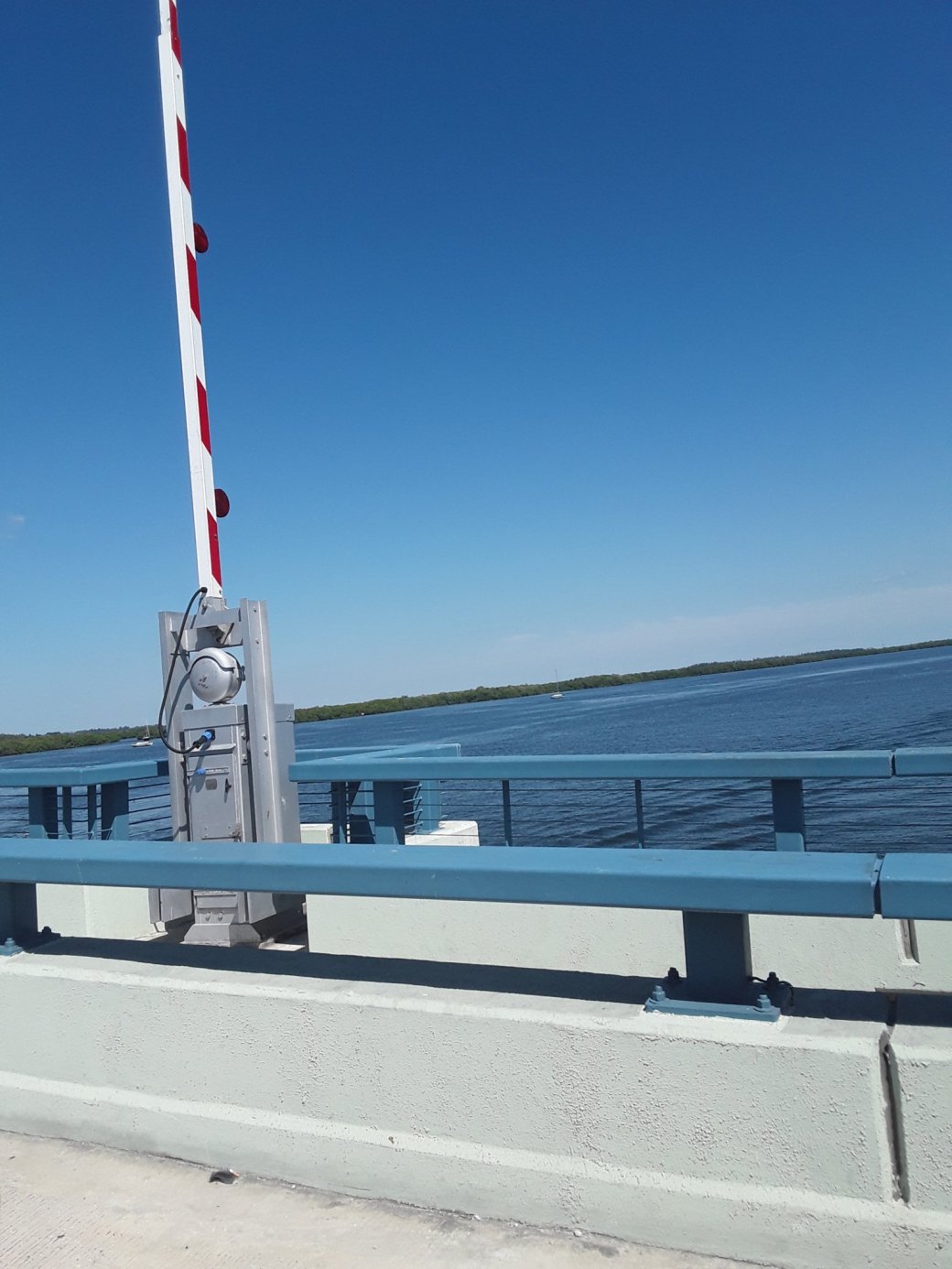
Matlacha Pass Bridge
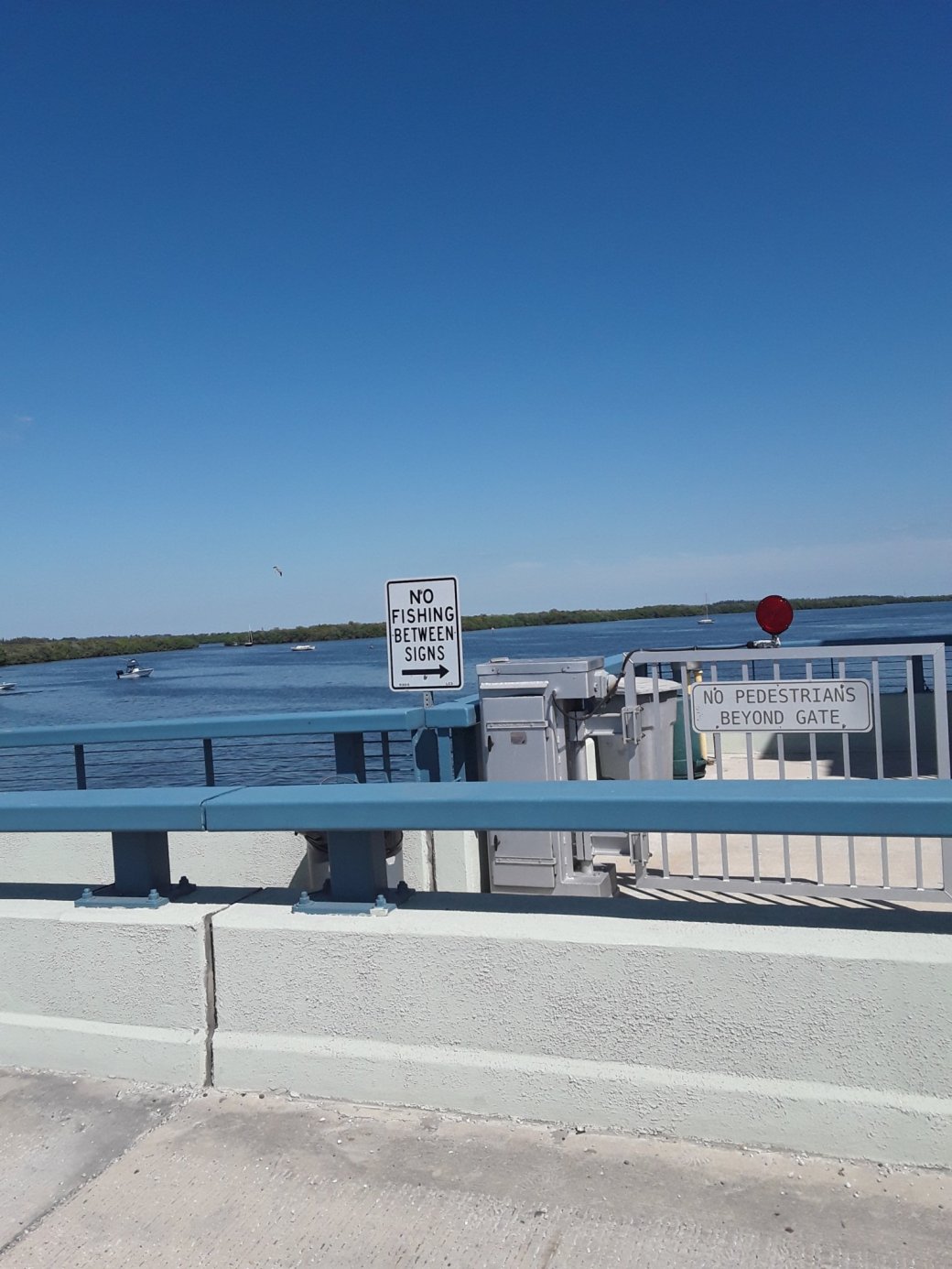
Matlacha Pass Bridge
Matlacha Pass Bridge
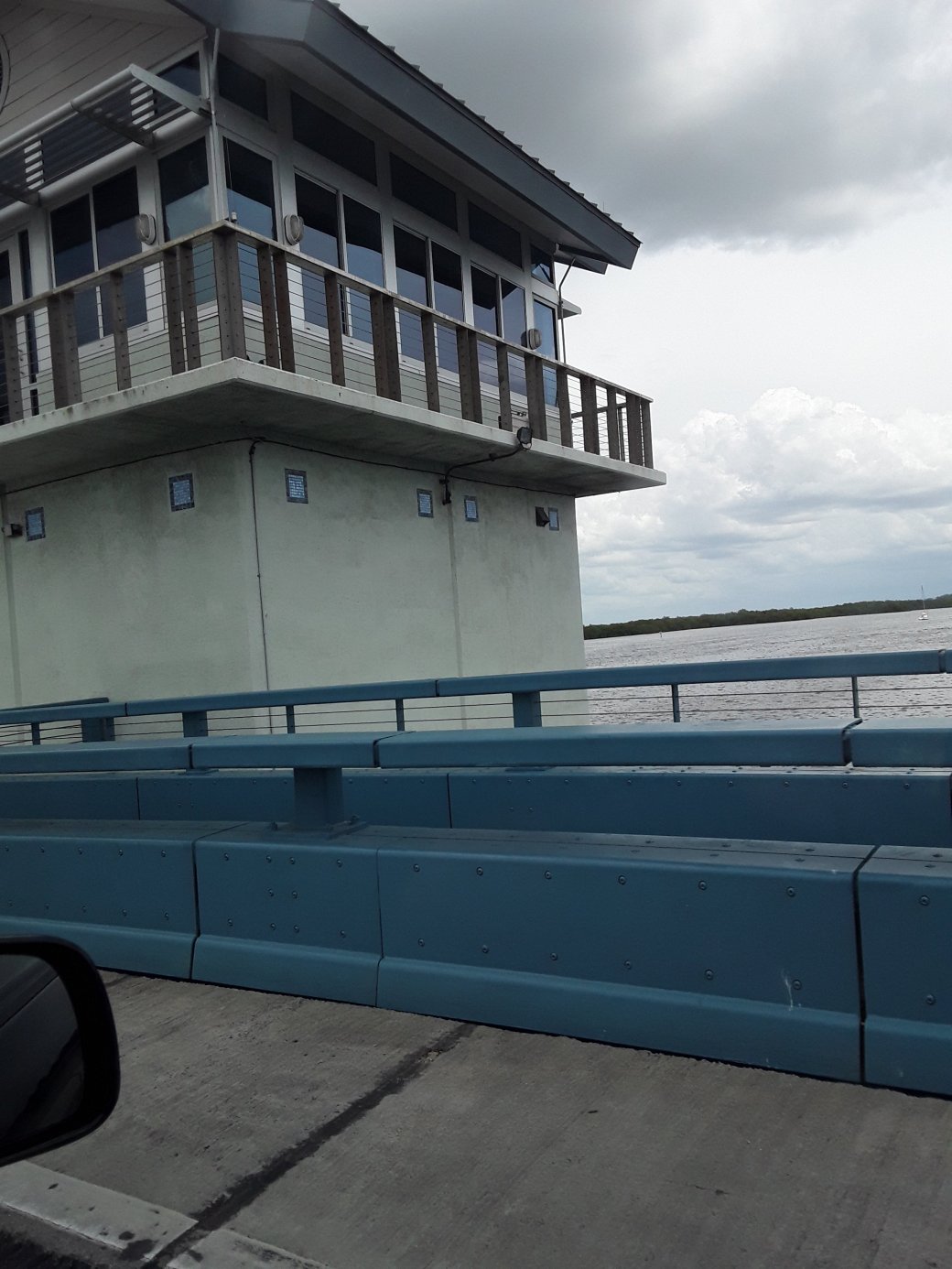
Same as above
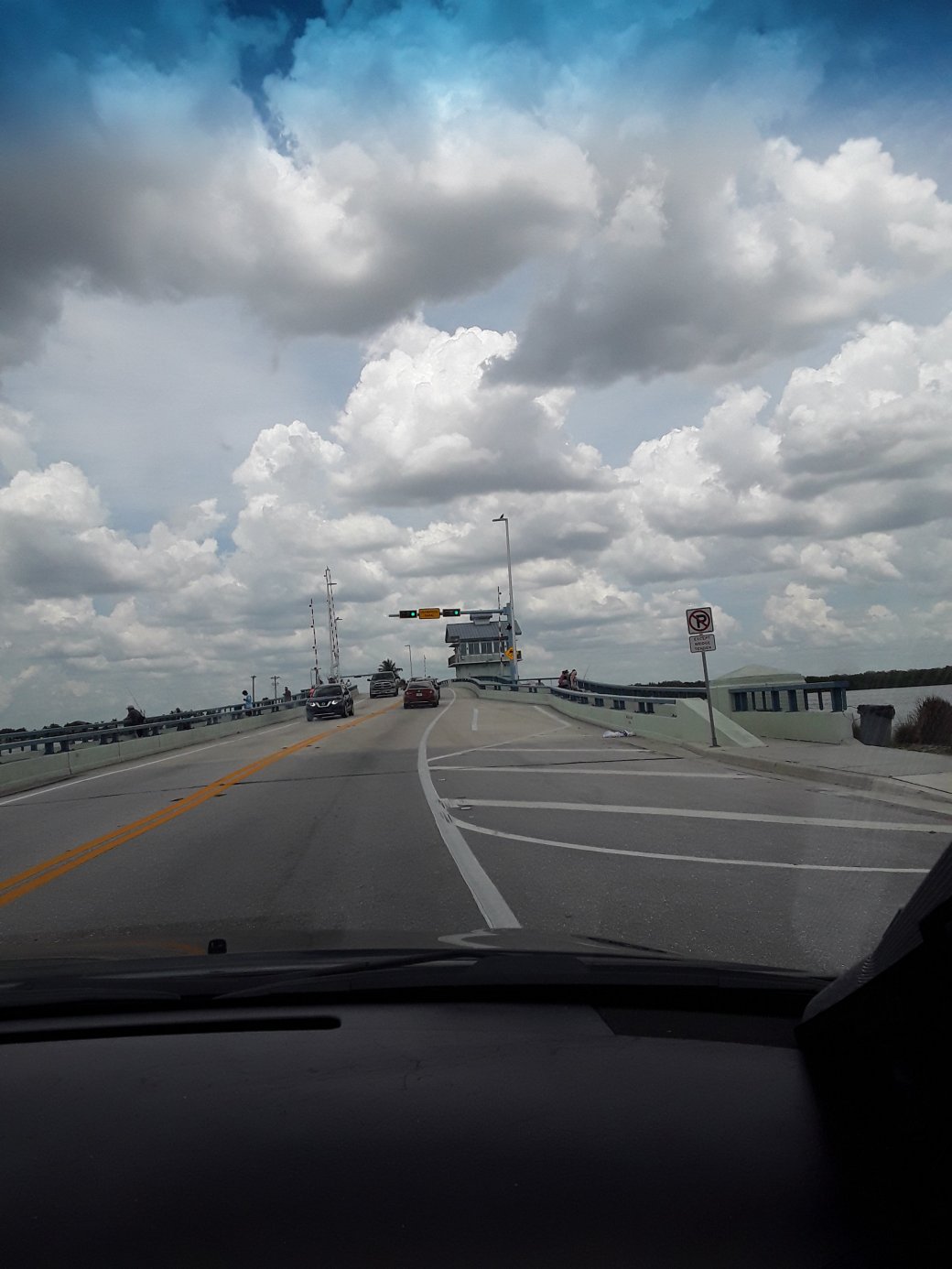
Matlacha Pass Bridge
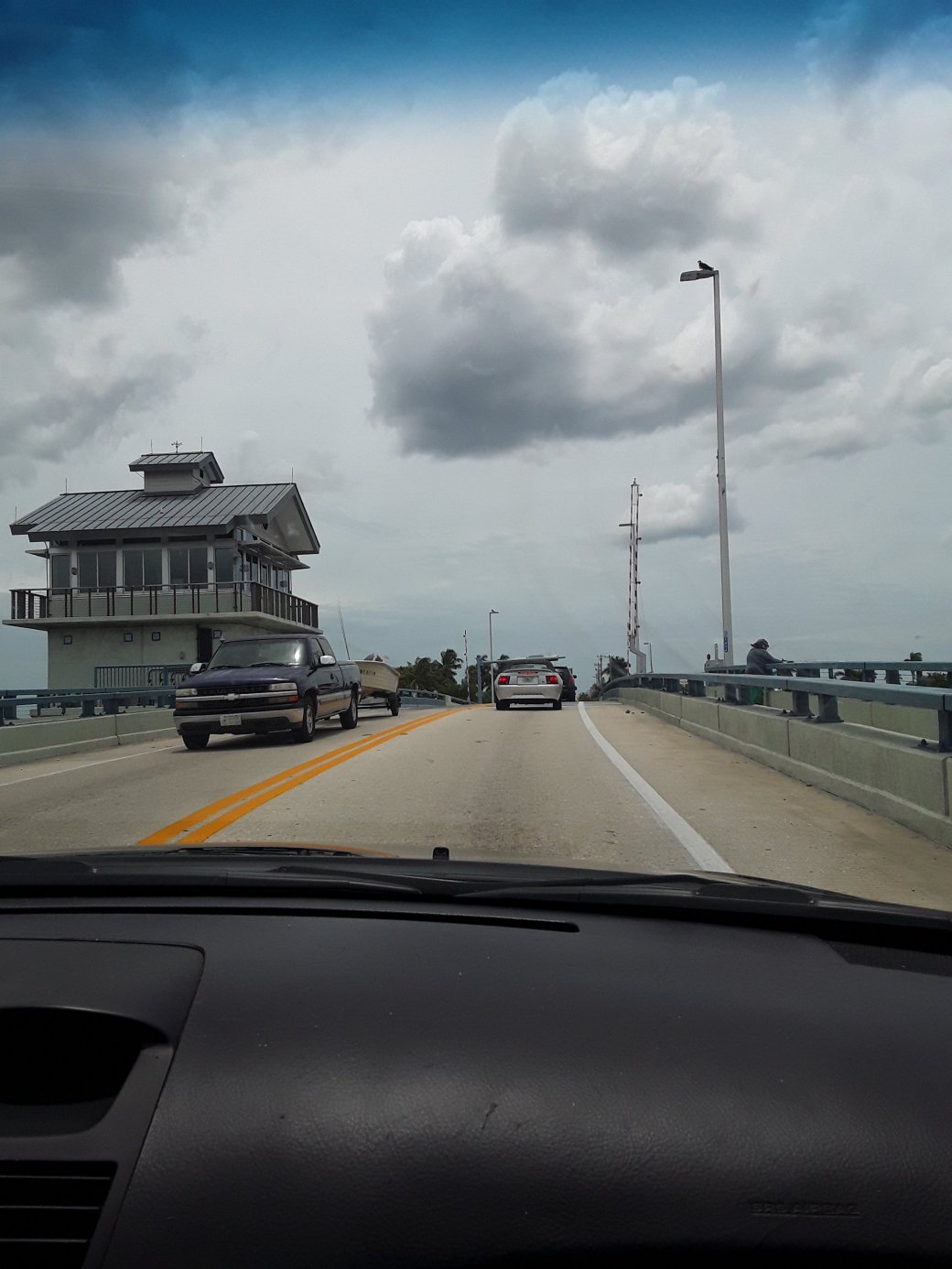
Matlacha Pass Bridge
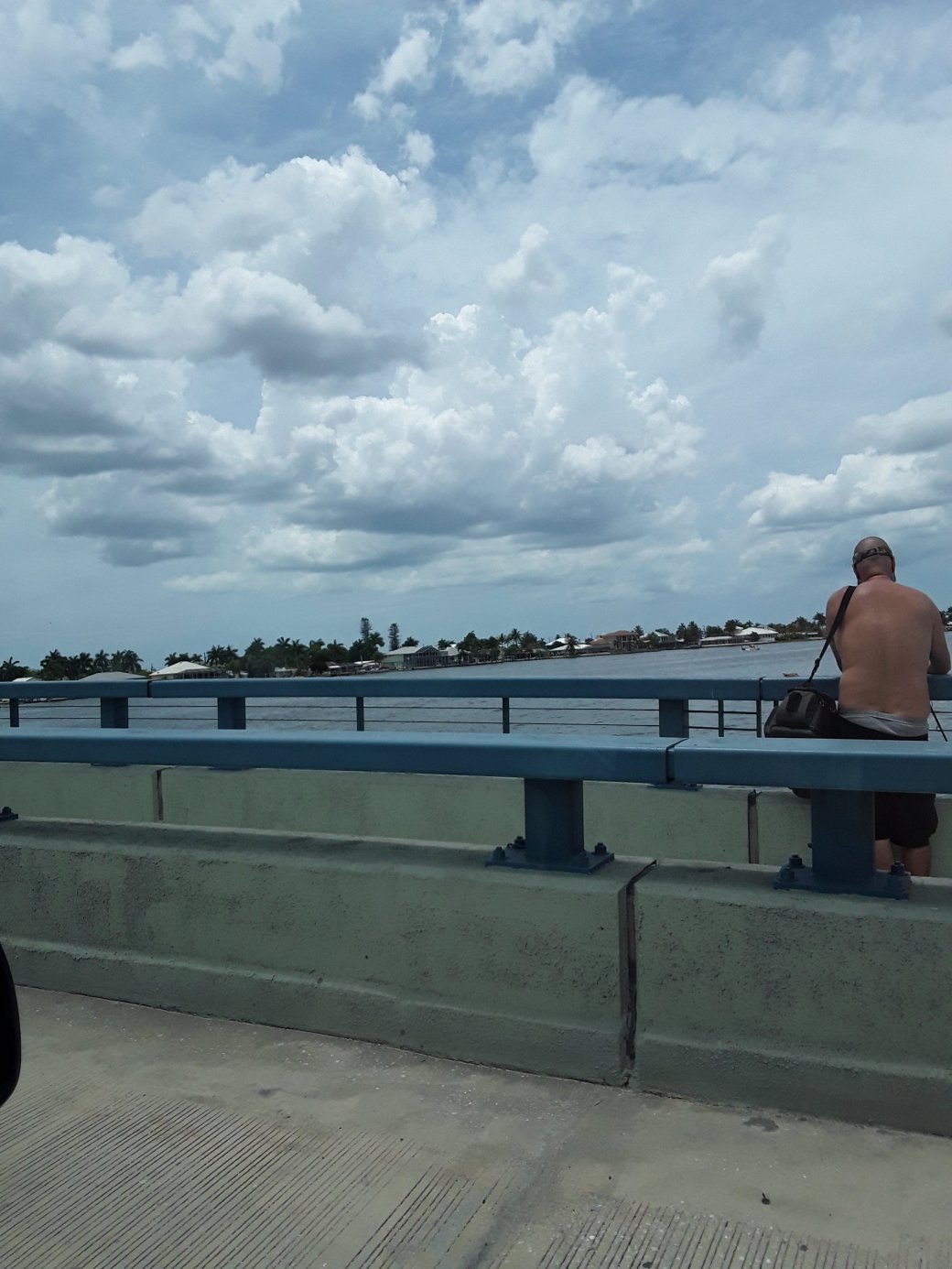
Same as above
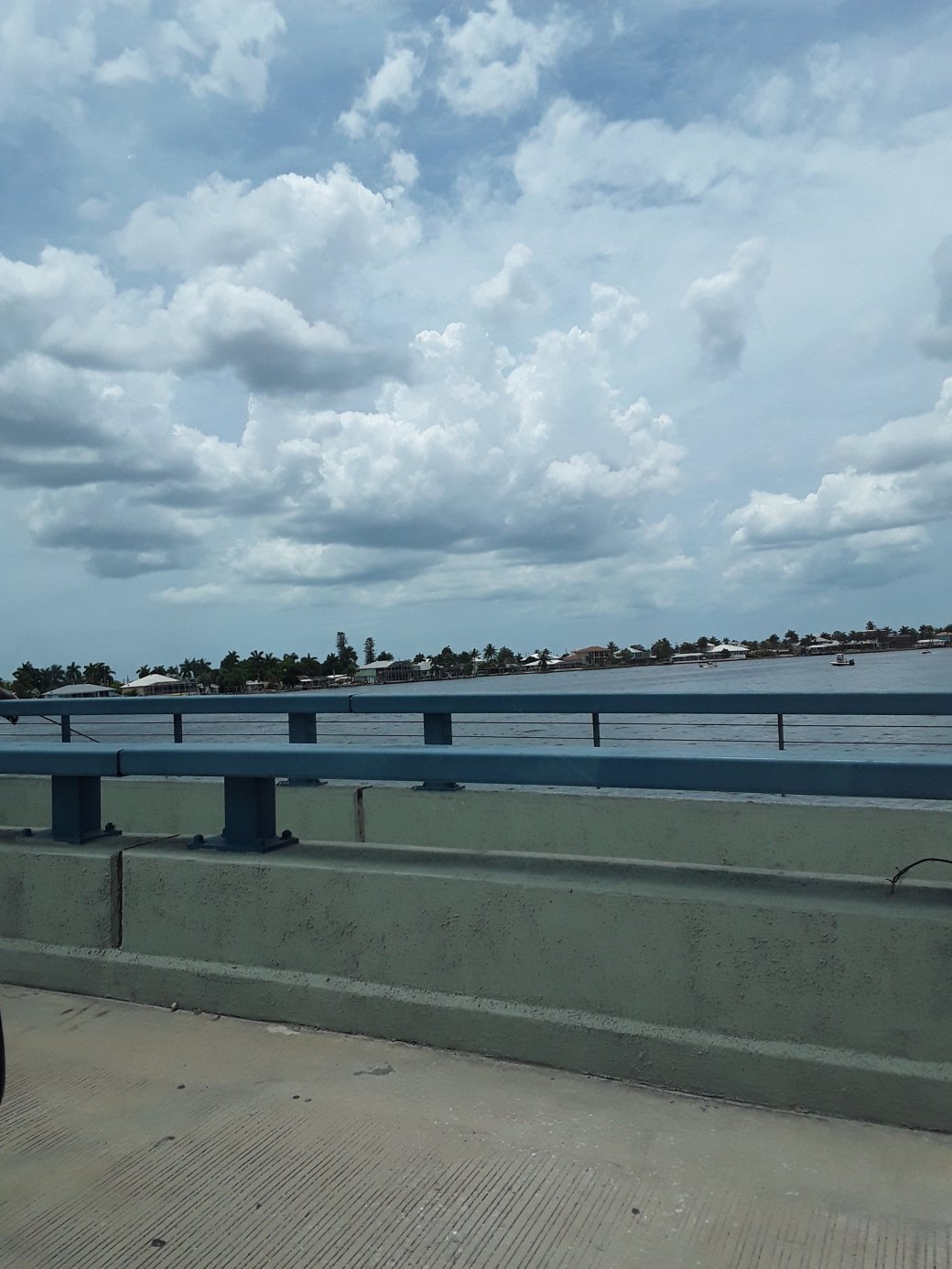
Matlacha Pass Bridge
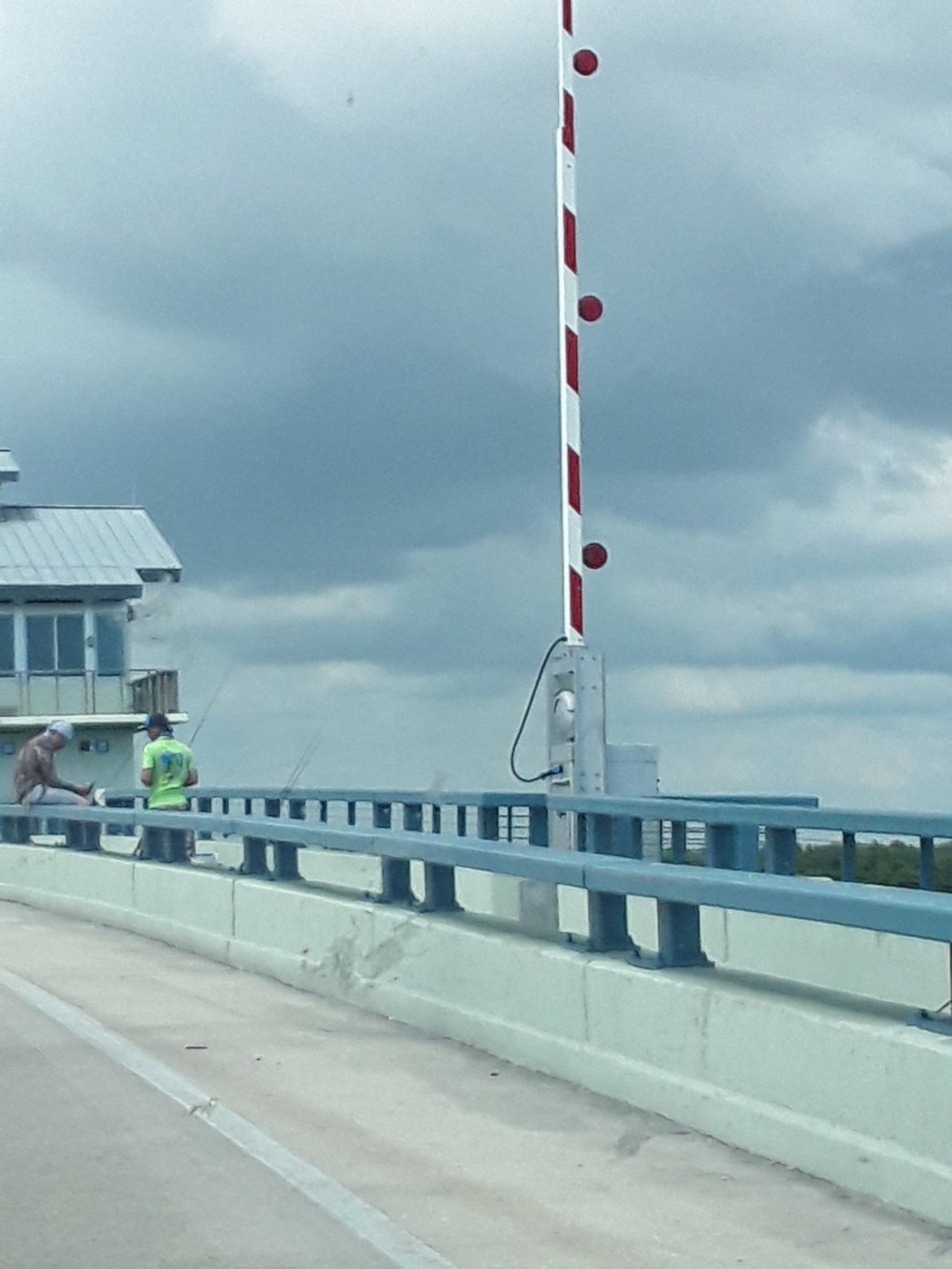
Matlacha Pass Bridge
Edson Keith purchase a property in Sarasota near Phillippi Creek from Mabel Linn for $7,000 in 1915. Mr. Keith was president of a large millinery business. He was also a member of Sarasota’s Chicago Colony which also included Field, Palmer and other prominent families.
Construction began in 1916 of an Italian Renaissance Style Home on Phillippi Creek. Architects on the project were William A. Otis and Edwin H. Clark of Chicago.
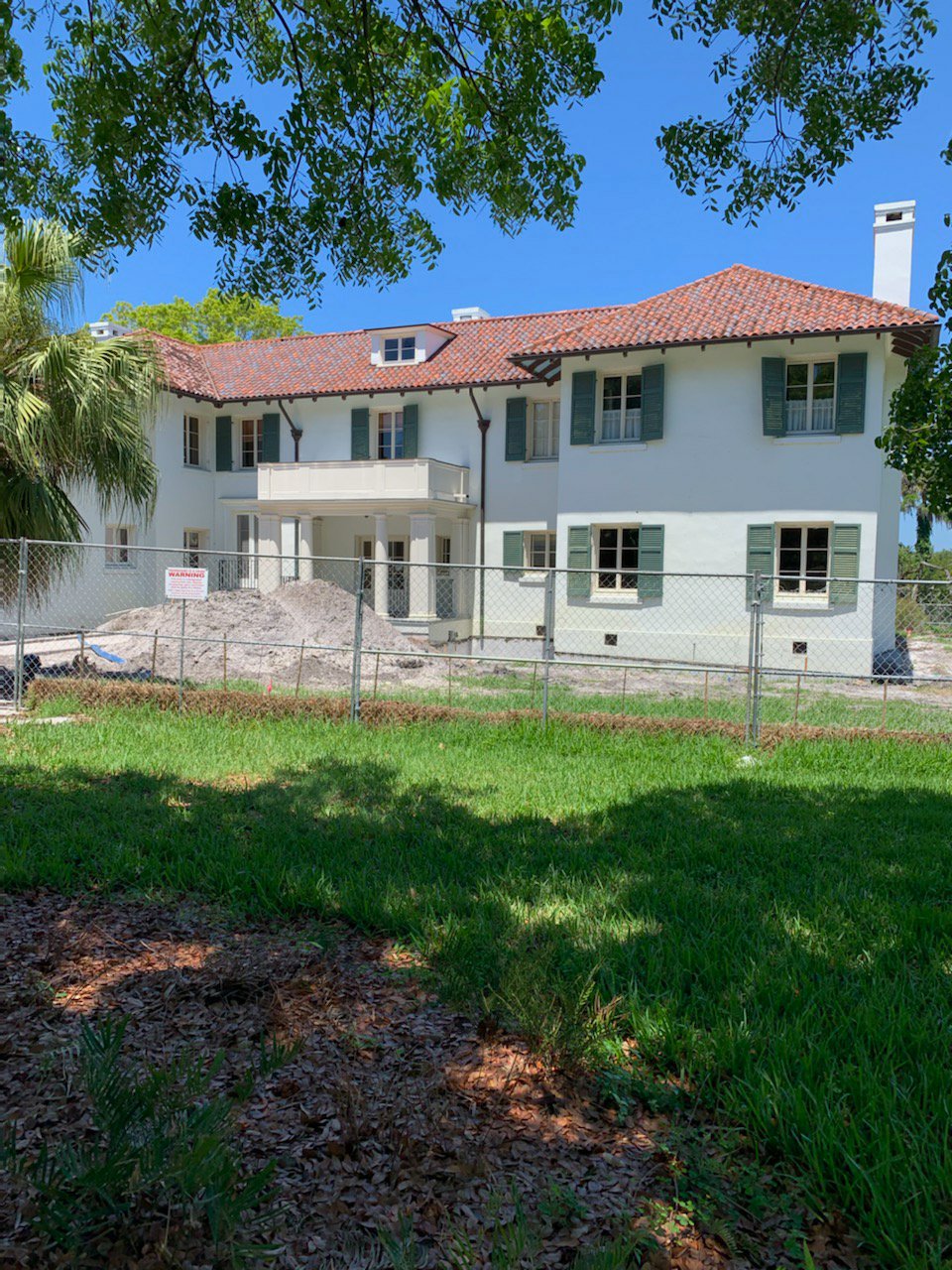
Edson Keith Estate
Original outbuildings included a 2 story servant house, garden shed, garage, water tower, and chauffeur house.
Mr. Keith died in 1939. His widow sold the property to a Chicago doll clothing designer Mae Hanson Prodie. Her husband operated the home as a luxury inn in the 1950’s. Mrs. Prodie retired to the home in the 1960’s.
In 1986, Sarasota County acquired the property. It has been listed in the National Register of Historic Places.
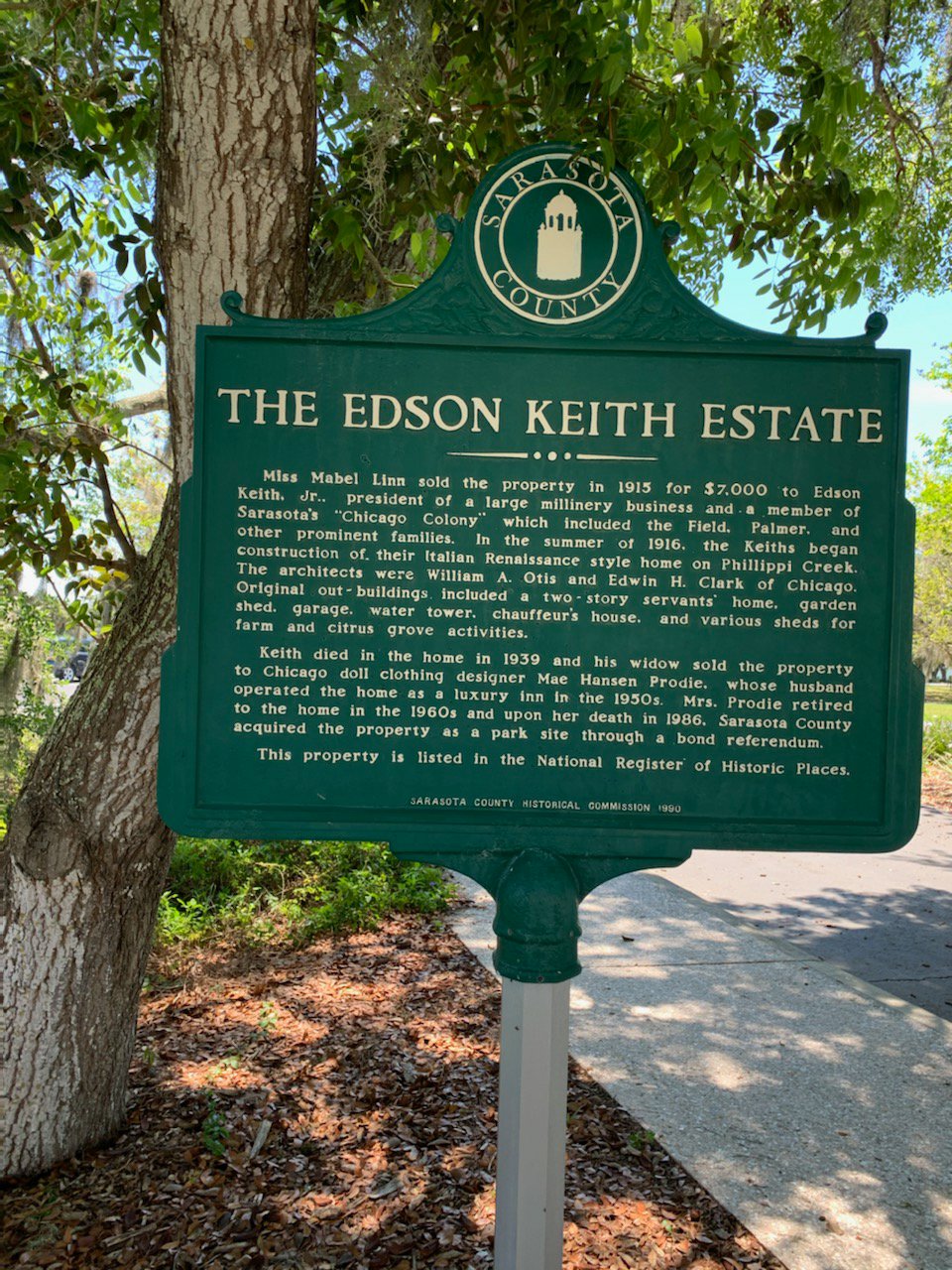
Informational Plaque
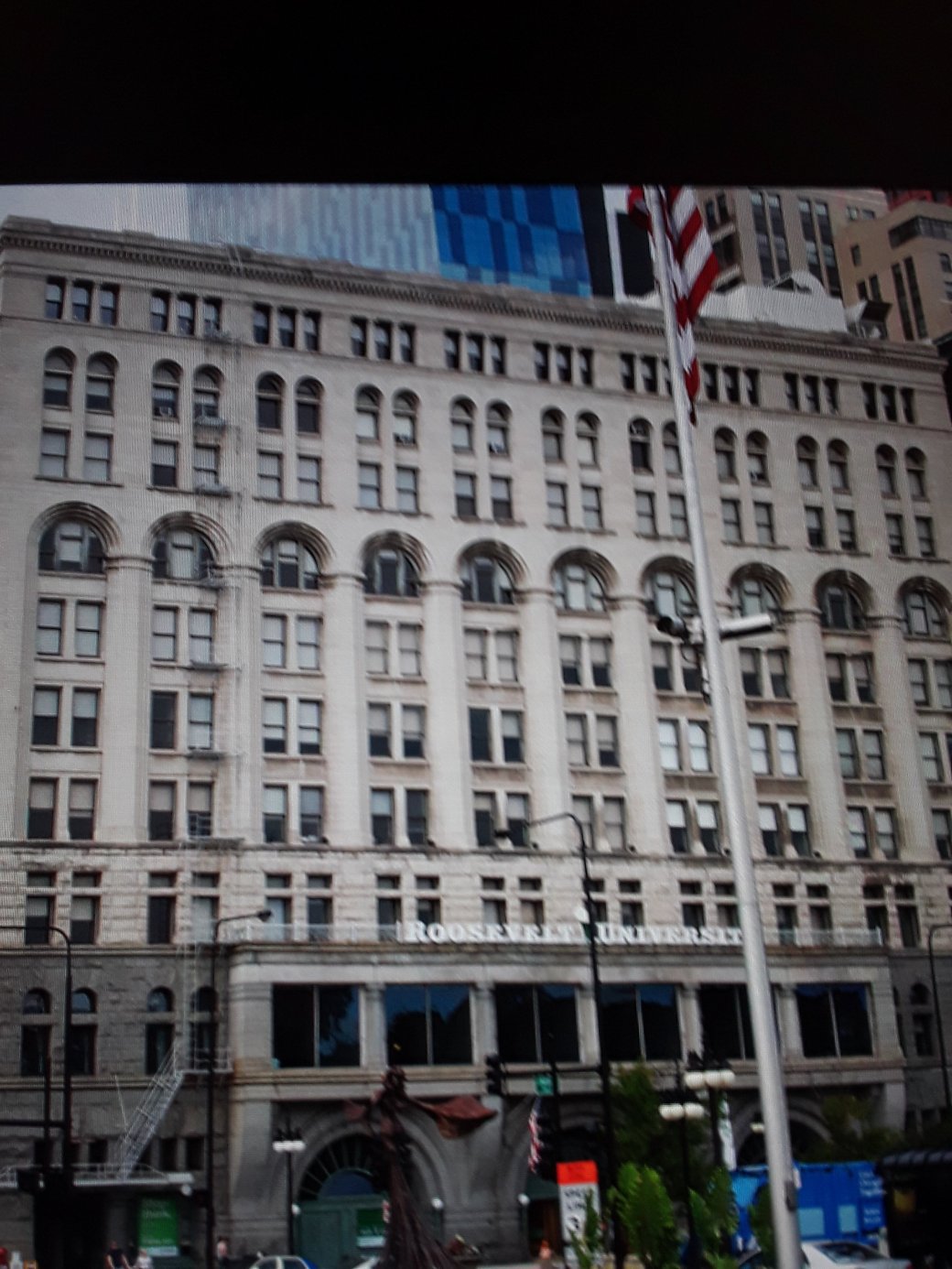
Auditorium Building
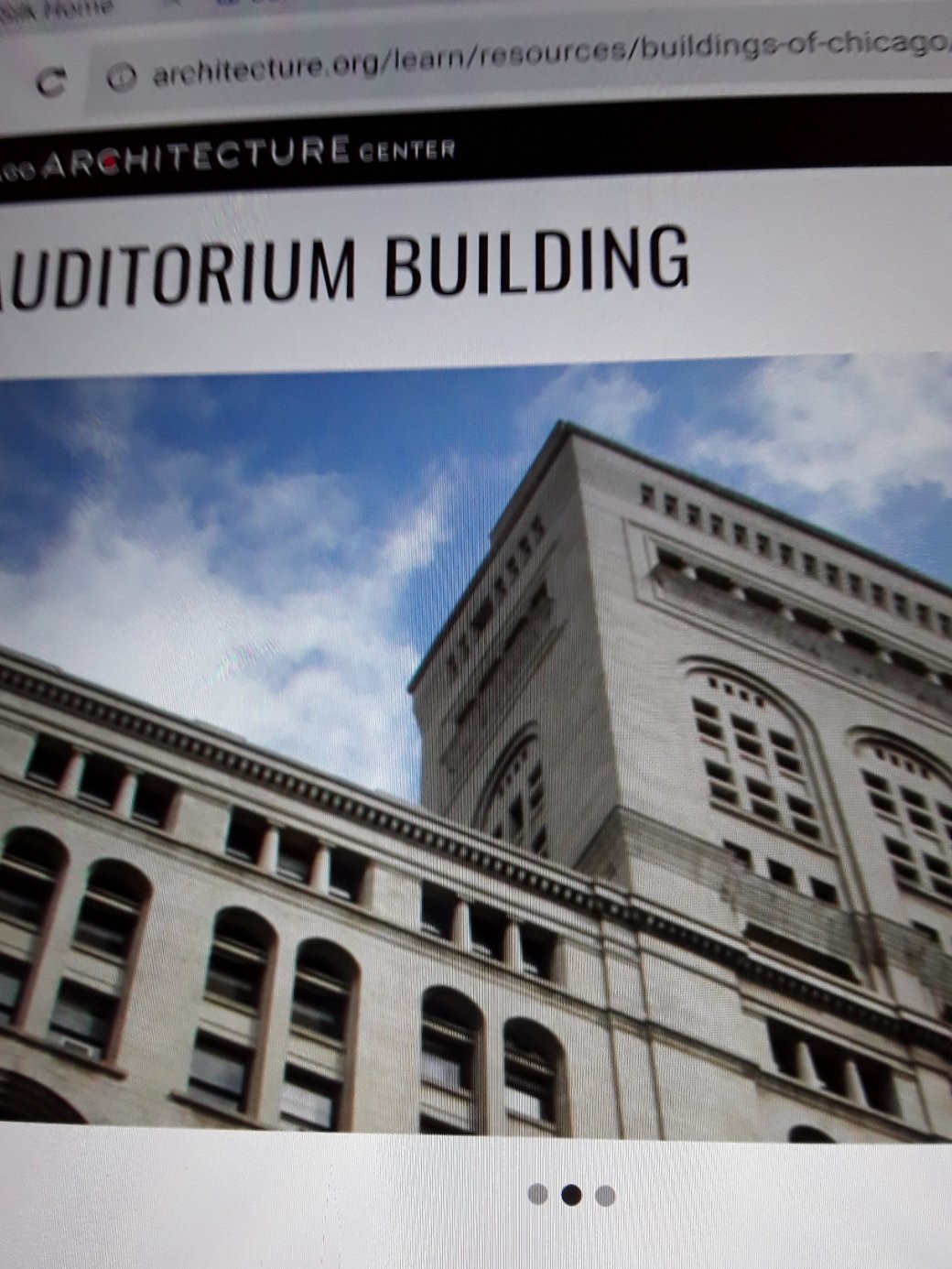
Auditorium Building

Auditorium Theater

Auditorium Theater

Auditorium Theater
In 1886, Ferdinand Peck incorporated the Chicago Auditorium Foundation. Together with Marshall Field, Marlin Ryerson, Charles Hutchinson, and George Pullman, they proposed a large building at the corner of Michigan Boulevard and Congress Street to include a large grand theater, office block and a first class hotel. This association retained Dankmar Adler and Louis Sullivan to design the building.
Sullivan and Adler designed a tall structure with load bearing outer walls. The exterior appearance was based on the appearance of H.I Richardson’s Marshall Field Warehouse.
An interesting feature of this building is its non traditional foundation. Due to soil conditions, a novel approach was needed. The solution was named a mass raft foundation. This consisted of a floating mat of criss crossed rail road ties. This was topped by a double layer of steel rails embedded in concrete.
In the center of the building was a 4300 seat theater. All seats were designed to have a good view and acoustics. In the original plan, there were no box seats. These were added, however.
Around the central space were 136 offices and a 400 room hotel.
In 1887, President Grover Cleveland laid the cornerstone. In 1888, the Republican National Convention in a partially completed building.
The Chicago Symphony Orchestra used the theater from 1891 to 1904. The opera company renting the theater moved to the Civic Opera House in 1929. The Auditorium Theater closed during the Depression.
In 1941, the theater was taken over by the City of Chicago as a World War 2 Serviceman’s Center.
In 1946, Roosevelt University occupied the Auditorium Building
The project to build this new pedestrian bridge began in November, 2017 and was completed in 2019. Bridge travels under the Addison and the Irving Park Bridges. It is 1010 feet long and connects Clark Play Lot Park on the east and California Park on the west. The bridge was designed and engineered Epstein.


Riverview
The concrete path is 10 feet wide. Side railings are 4 feet 6 inches. The path is supported by concrete columns.

Riverview Bridge

Riverview Bridge


Bridge Plaque


This bridge crosses the Sanitary and Ship Canal in Lemont. It was built in 1898. Builder/Contractor was the Keystone Bridge Company of Pittsburgh, PA. Bridge subcontractors were the McArthur Brothers and Winston and Company. Cost of the bridge was $84, 391.45. Total weight of iron and steel in the bridge is 2,315,656 pounds. The counterweight weight weighed 858,645 pounds. This is a metal pin-connected Pratt Throuh Truss, Movable: Swing (Bobtail). Main span length is 259.6 feet. Structure length is 398.5 feet. Bridge is currently used by the Burlington Northern Railroad. Formerly used by the Santa Re Railroad.
 raddoc1947