Warm Mineral Springs Park

Warm Mineral Springs Park North Port, Fl

Same as above

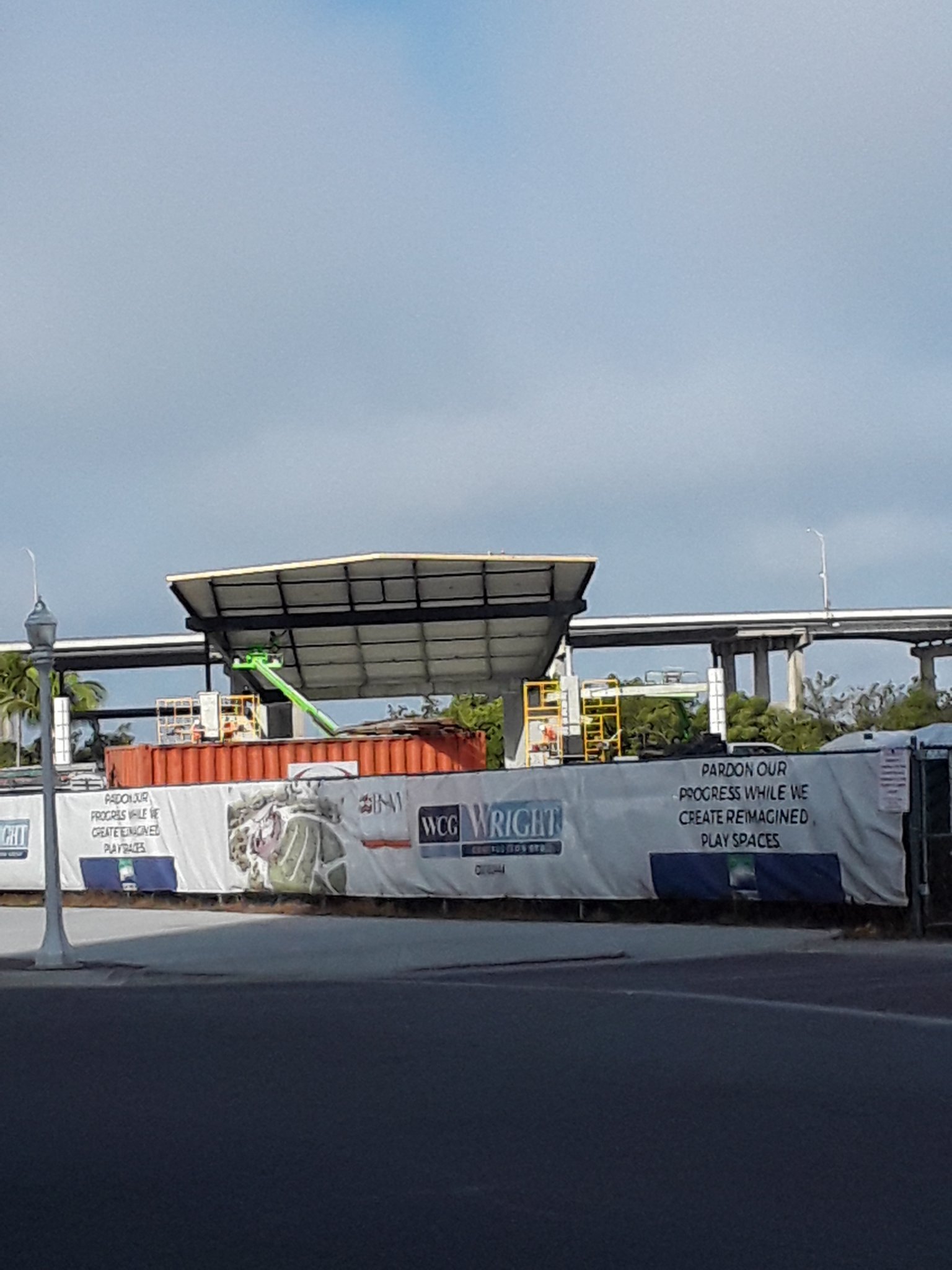
Cyclorama Structure Warm Mineral Springs

Same as above

     The park is located at 12200 San Servando Avenue, North Port, Florida.  The Warm Mineral Springs is a water filled sink hole in carbonite rock formed by the collapse of the roof of a cavern.  The water supply is a spring vent deep beneath pools surface.

Warm Mineral Springs Pool Note Chairs Provided

     The land surrounding the sinkhole is flat.  The circular opening of the sinkhole is 72 meters across.  It is 70 meters deep.  The opening narrows to 48 meters a few meters below the surface. The opening narrows to 38 meters across at 30 meters from the surface. It opens up again 72 meters at the bottom. The primary source of water is a vent 63 meters below the surface which discharges 20,000, 000 gallons of water 86 degrees.  It is heavily mineralized.

Warm Mineral Springs Pool

     The buildings in the area of the springs have been attributed to Jack West, Sarasota School of Architecture. They were built in the 1950’s.   There is an entry building with a gift shop, locker rooms,  shower rooms and a restaurant.  Not all of these areas are currently in operation.

     There is a circular building named the Cyclorama.  It measures 226 x 13 feet. It contains a 360 degree mural depicting P once De Leon Arrival in Florida and the search for the fountain of youth.  The building was built in 1959.  The mural was painted by A local artist Don Putnam.  The Cyclorama has been closed since the 1970’s.

     There are currently portable washrooms and changing rooms

    The city of North Port owns the Warm Mineral Springs Park.  It has contracted with the National and State Park Concessions to operate the springs and its facilities.

   Both the park and the buildings are listed with the National Register of Historic Places.

Venice Area Audobon Rookery

    The Venice Area Audobon Rookery is located on Annex Road, Venice, Florida 34293. It is located in a Sarasota County Park. It is an easily accessible resting and roosting site for a variety of wading birds.  There is a covered pavilion and grassy areas to observe a variety of birds.

   Among the species are Great Blue Herons, Great Egrets, Anhingas, Snowy Egrets, Cattle Egrets, Glossy Ibises, Green Herons, Tri colored Herons, Black Crowned Night Herons.

     The birds engage in various activities such as nest building and enhancing, courting, incubating eggs and raising chicks.

Venice Area Rookery Island. Notice the Many Birds in the Trees

Same as above

Single Bird Roosting in the Tree

Lakeland, Florida Amtrak Railroad Station 

     The current railroad station is located at 600 E. Main Street, Lakeland, Fl. It was built in 1998. It was a replacement for the ACL Station built in 1960 which was 1.1 mile west of the current station.  That station became a Seaboard Coastline Railroad Station in 1967 when the Atlantic Coastline Railroad merged with Seaboard Airline Railroad.  That building was demolished in 2008.

Lakeland Florida Amtrak Station

    The current depot is owned by the city of Lakeland Florida. The building was constructed of concrete and stucco. Construction costs were 2 million dollars. It features arched windows, art deco lamps and high backed benches.

Signage Lakeland, Florida Amtrak Station

Lakeland Florida Amtrak Station

First Railroad Station Located in Lakeland, Florida


Undated Photo Lakeland Florida Railroad Station.


Brownville Florida.

Brownville, Florida is an unincorporated area. It is located in Desoto County. It is adjacent to Florida Route 17. It is approximately 6.1 miles north to northeast of the city of Arcadia. The area was originally named Haymanville for an early settler William Hayman. It was a fairly self contained community with a post office, general store, a sawmill, orange groves, cattle, service station, crop farms, and phosphate mining. It also featured church and its own school. A railroad line also ran through Brownville.

The school is a two story brick building. Date on the front of the building is 1922. Other sources state the building was built between 1922 and 1927. The architect was J.C. Harris. The school closed in 1947.

Front of Brownville School

Same as above Note the date 1922

Same as above

Since its closing it was used as a VFW Hall, a community Center, a federal food commodities distribution office, storm shelter, a polling place, A training center for handicapped adults.

Side Wall of the School

Other side wall of the School

In 2004, it was leased to the.Desoto County Historical Society.

Back wall of the school

Incidentally noted is an Emu in the adjacent acreage

Same as above

Wild Turkey Strand Preserve Lee County Florida

Parking Area

Signage Gunnery Trail

Paved Trail

Boardwalk

Building made of concrete on concrete slab. This was likely for storage.  It was from Buckingham Army Air Field

Same as above

Remnant of Buckingham Army Air Field

Remnant of Buckingham Army Air Field

Same as above

Another remnant of Buckingham Army Air Field

Same as above

Signage about discarded gun turrets

Discarded Concrete GunTurrets from Buckingham Army Air Fkeld

Discarded Concrete Gun Turrets from Buckingham Army Air Field

Same as above

Same as above

Same as above

Florida East Coast Railroad Key West Extension

    Florida East Coast Railroad Key West Extension aka Overseas Railroad, Florida Overseas Railroad, and Fowler’s  Folly was an extension of the railroad to Key West.  It was 128 miles.  It was  one track railroad.  It was built from 1905 to 1912.  Construction costs were 50 million dollars.  The line operated from 1912 to 1935. Substantial portions of the railroad were destroyed by a 1935 hurricane.

Remaining portions of Key West Extension RR

     The architects were Florida East Coast Railroad and Overseas Highway and Toll R

oad Comission.

Fort Meade Historical Museum