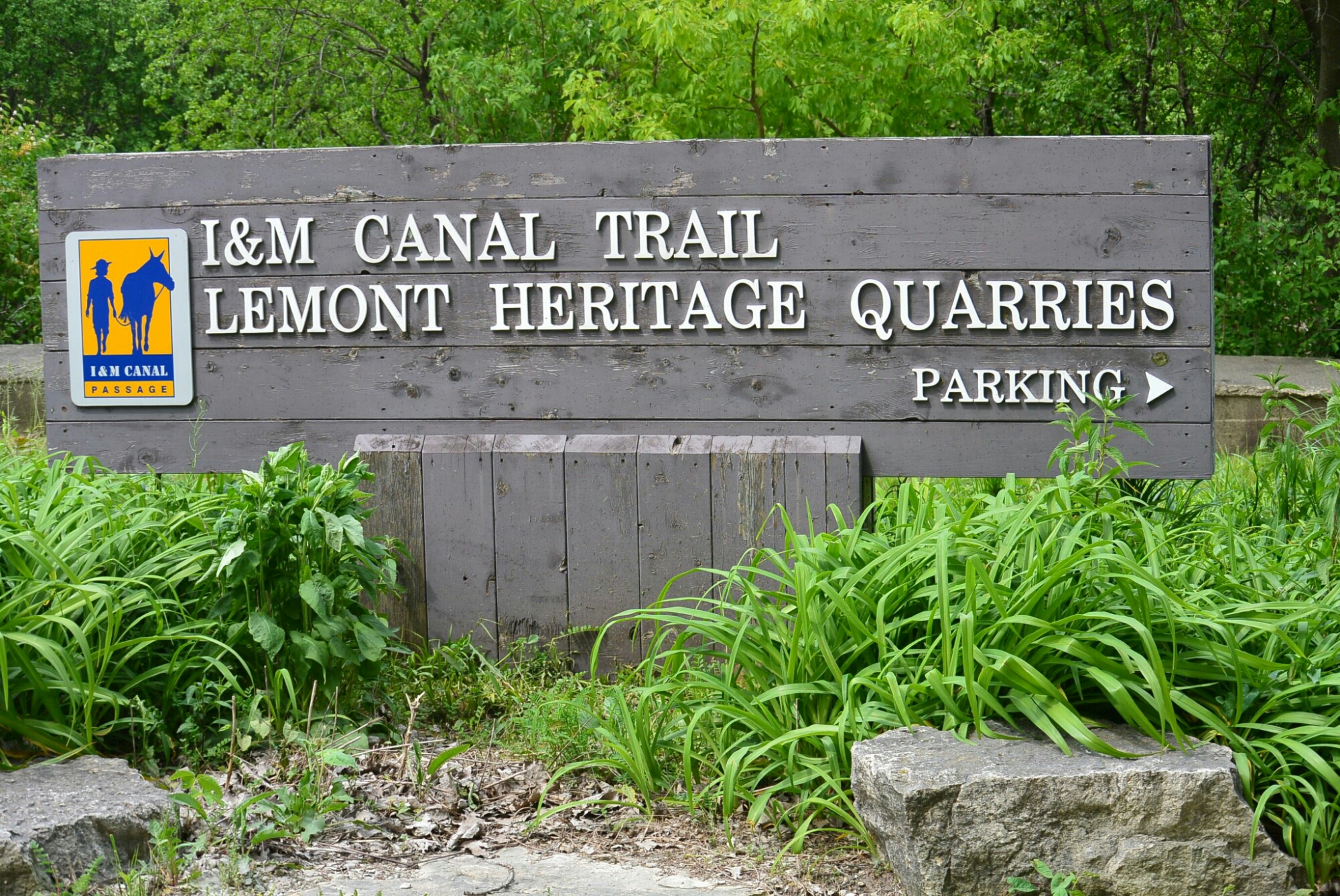
Entrance to Park
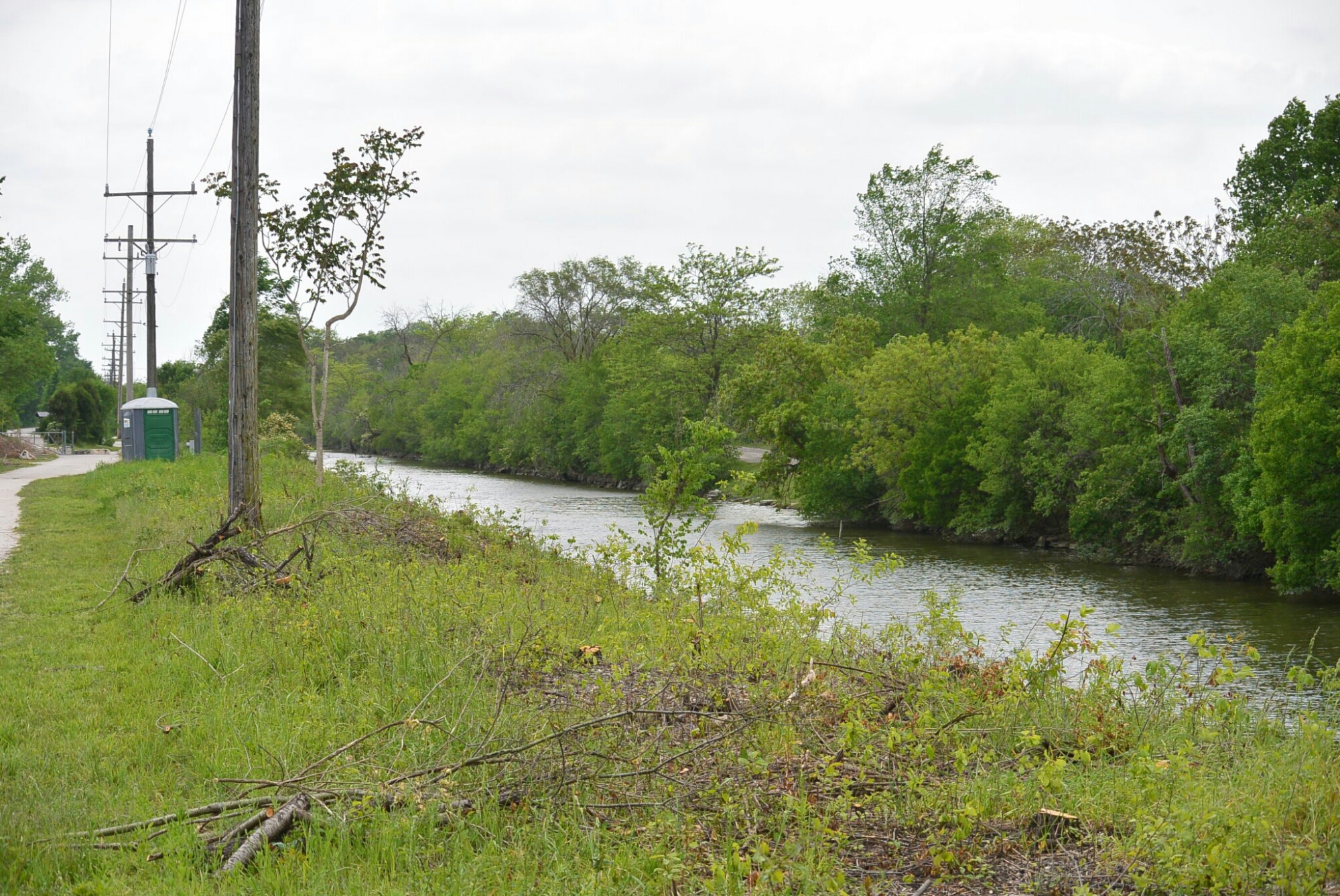
I and M Canal
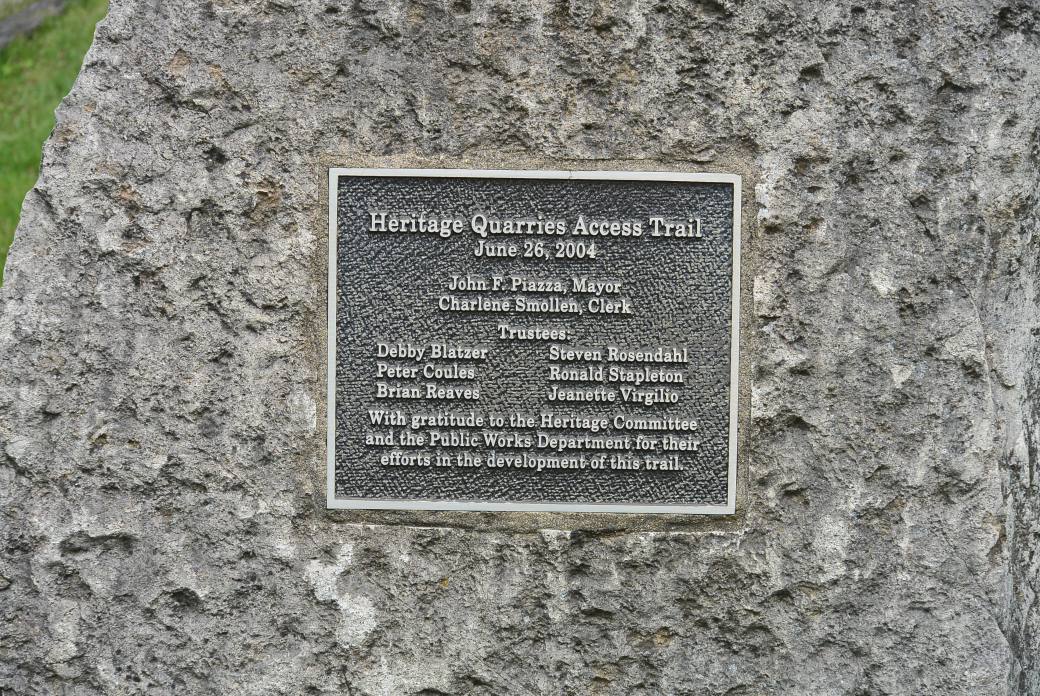
Trail Plaque
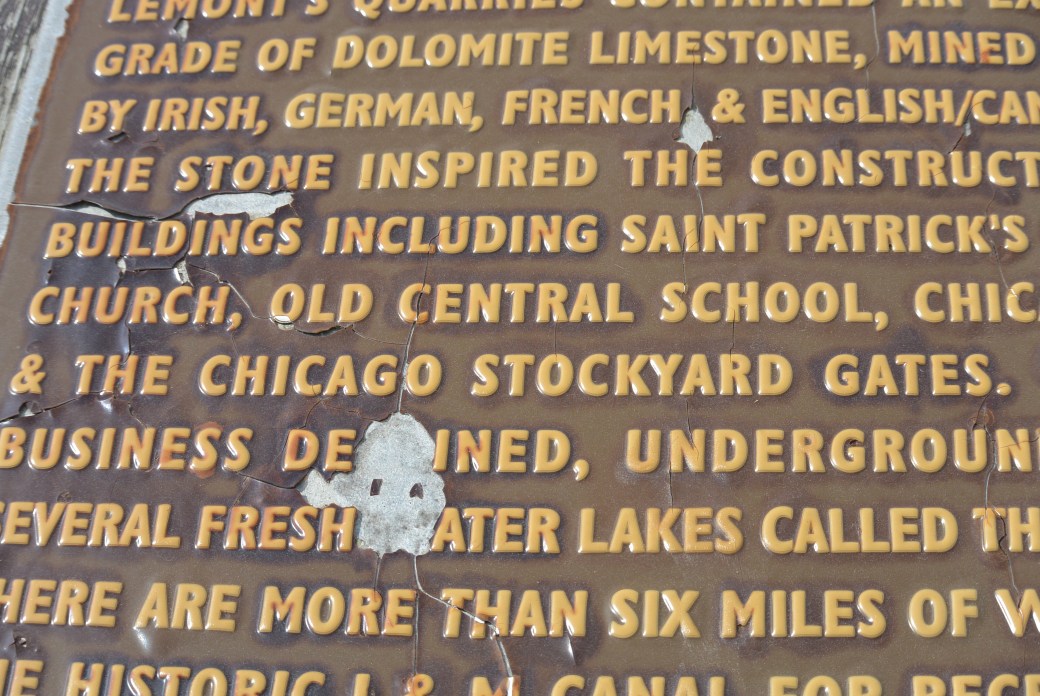
Trail Plaque
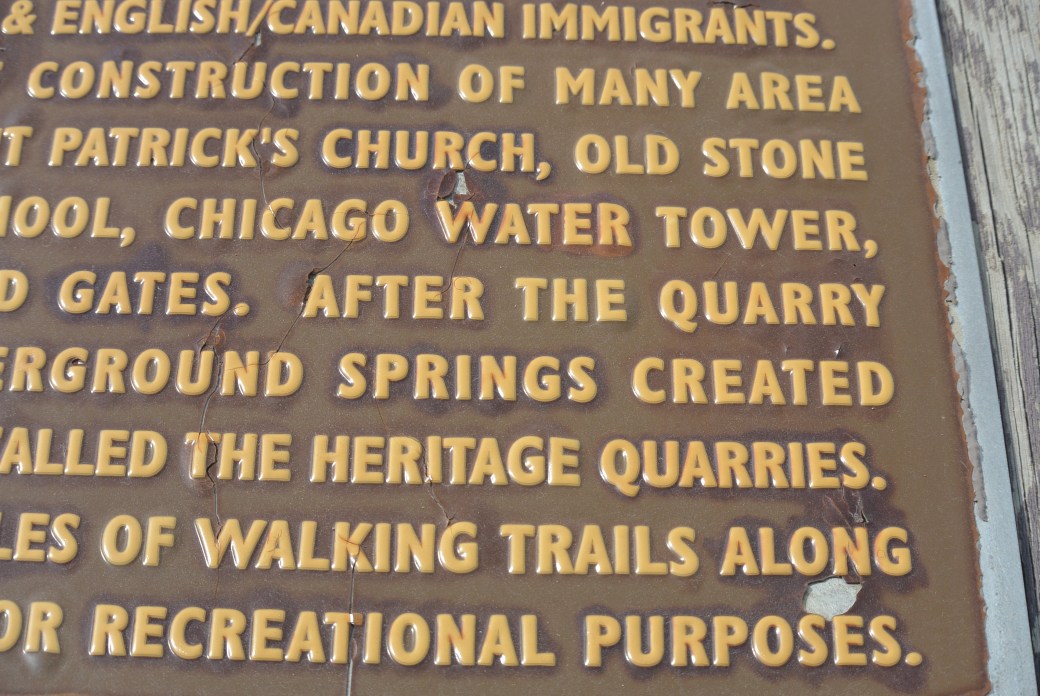
Trail Plaque
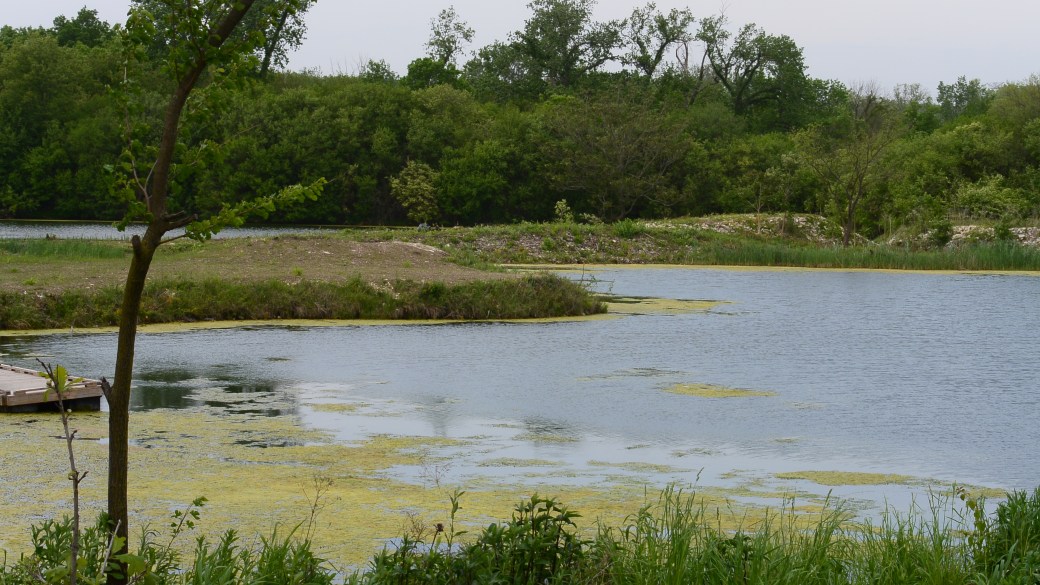
Quarry Lake
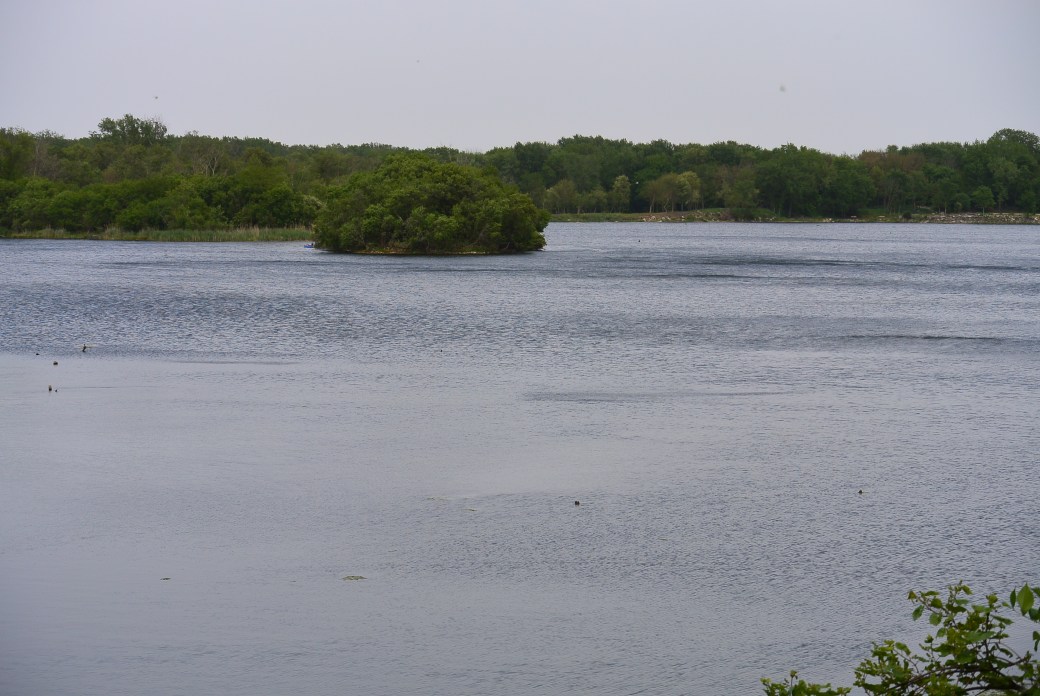
Quarry Lake
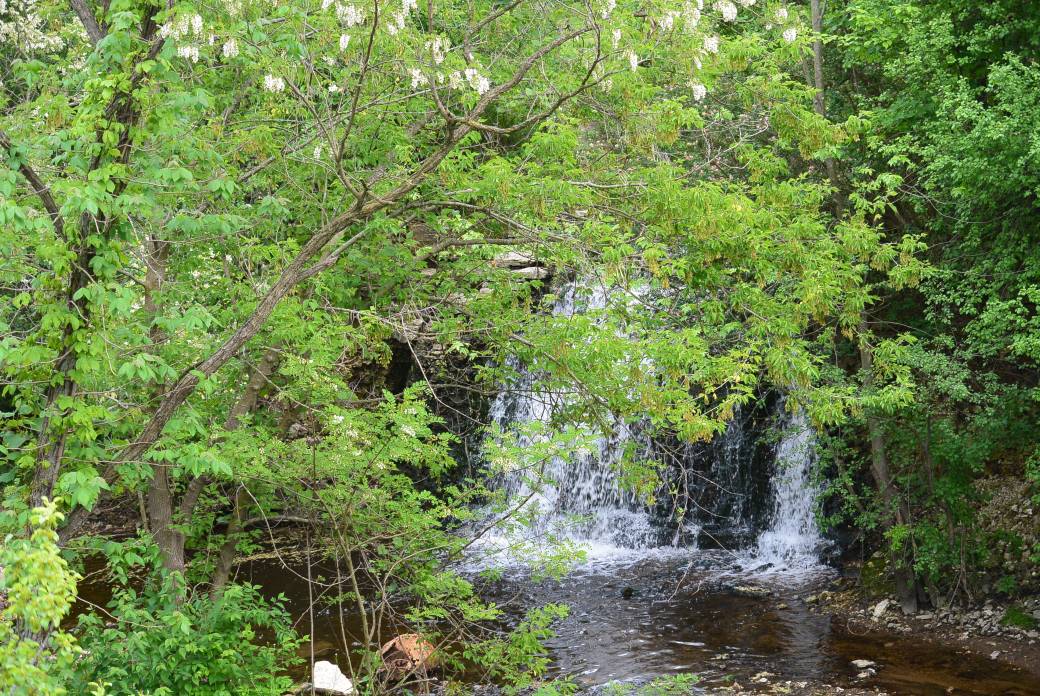
WaterFall
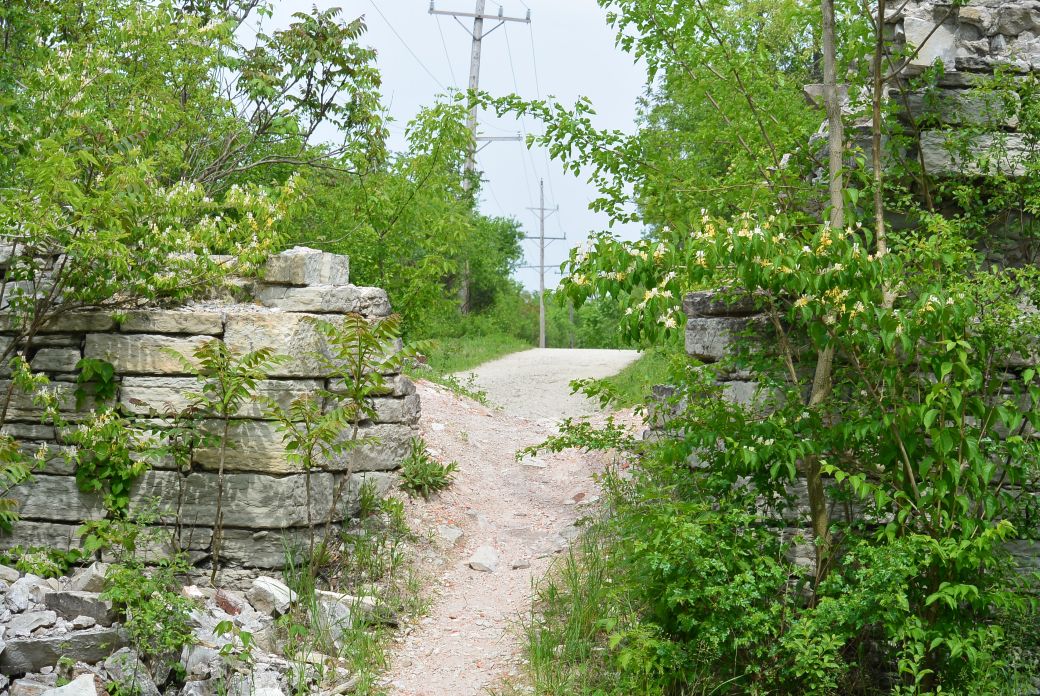
Quarry Trail
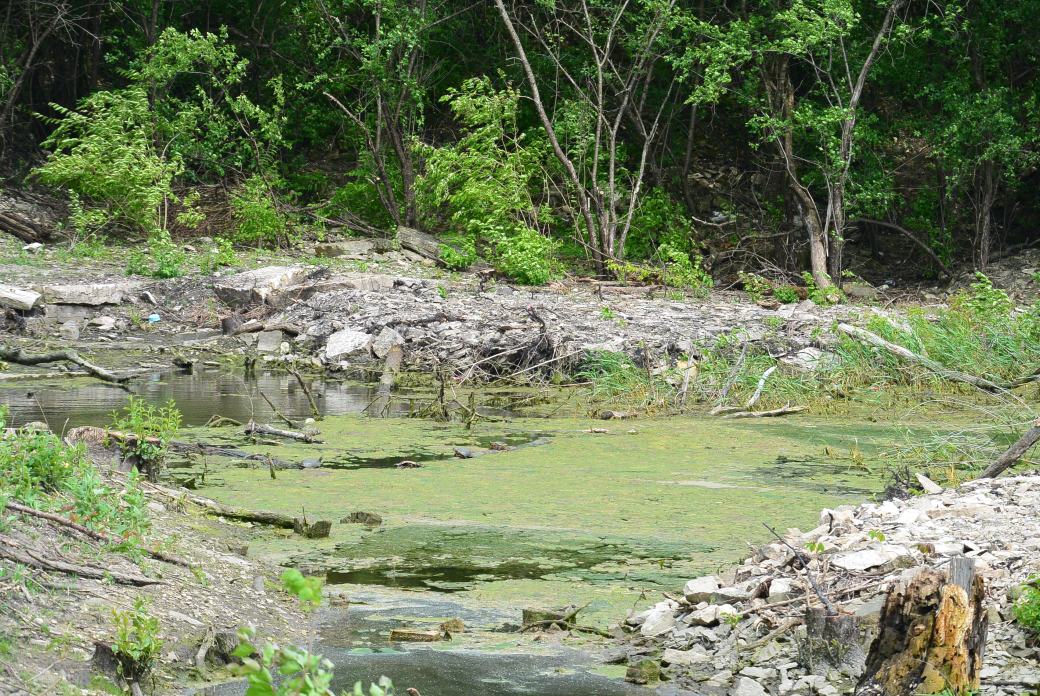
Quarry Lake
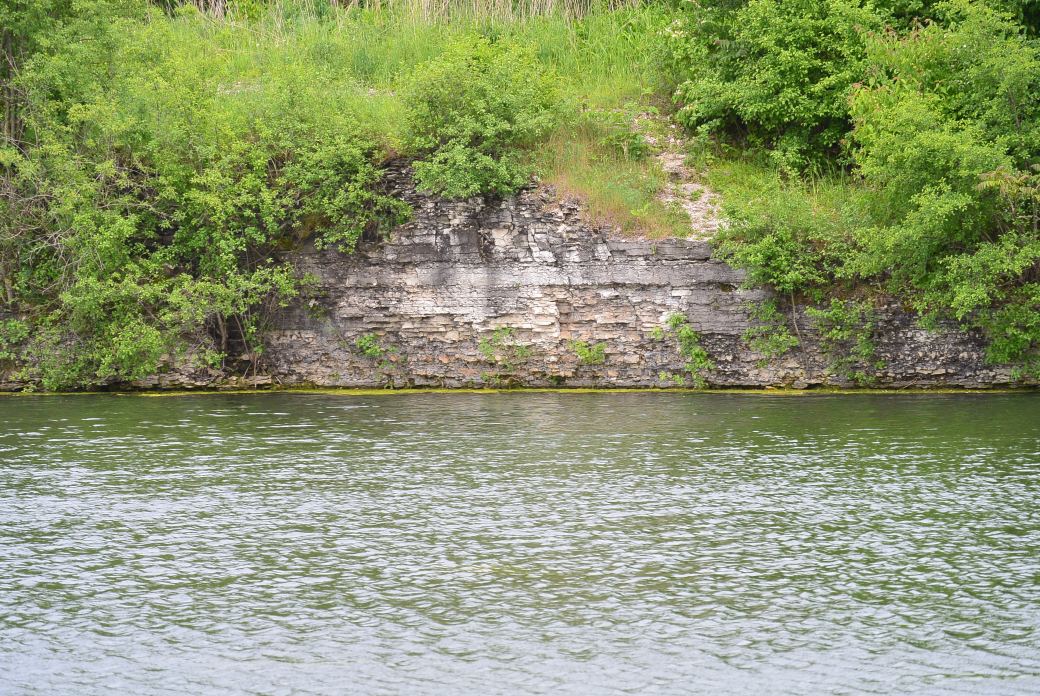
Quarry Lake
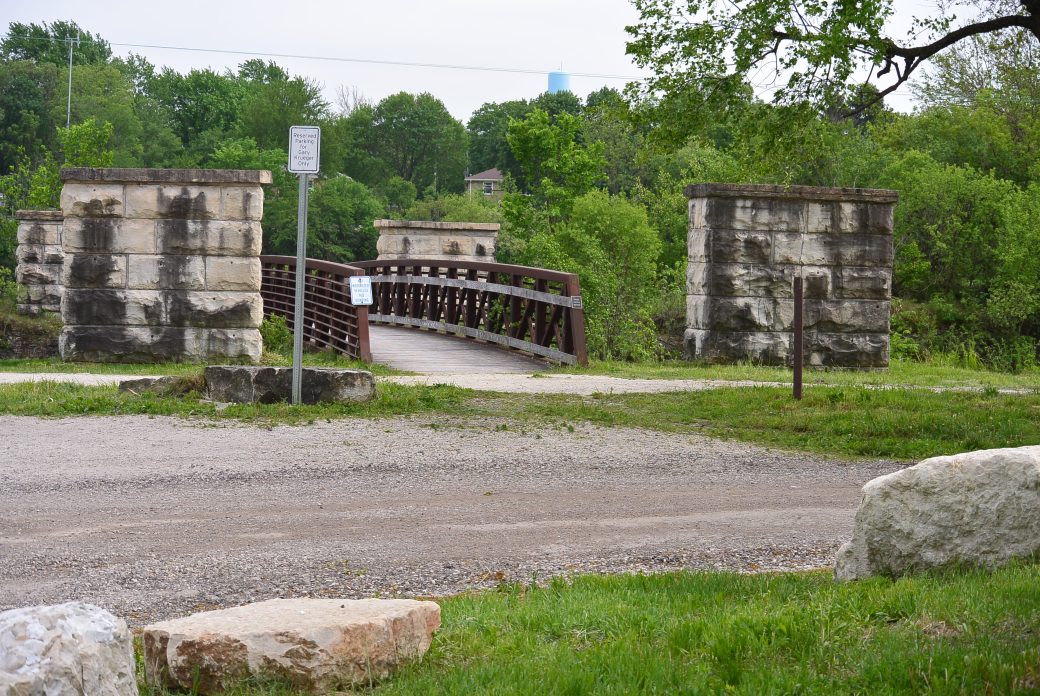
Bridge over I and M Canal
Entrance to Park
I and M Canal
Trail Plaque
Trail Plaque
Trail Plaque
Quarry Lake
Quarry Lake
WaterFall
Quarry Trail
Quarry Lake
Quarry Lake
Bridge over I and M Canal
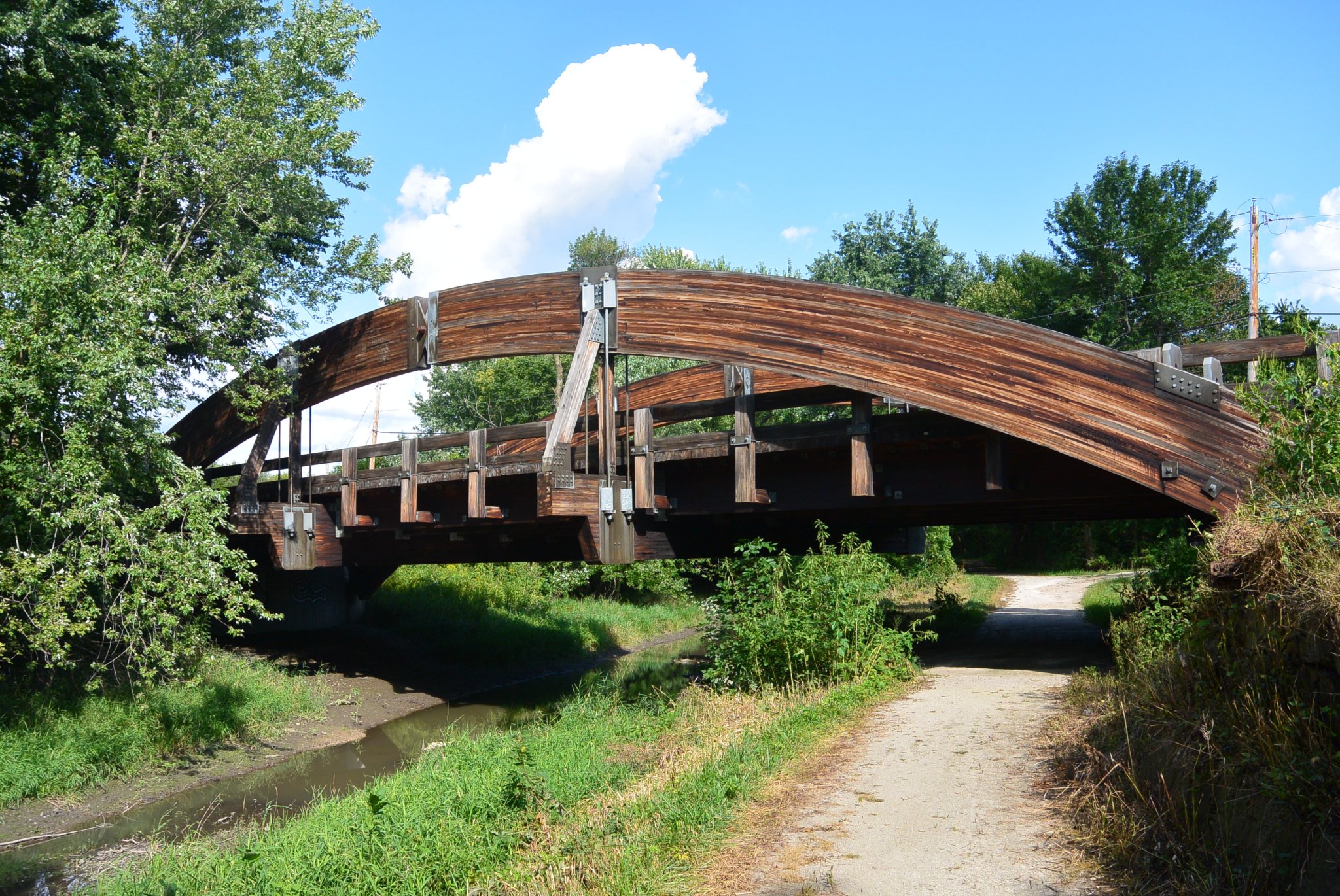
5 Mile Bridge I and M Canal
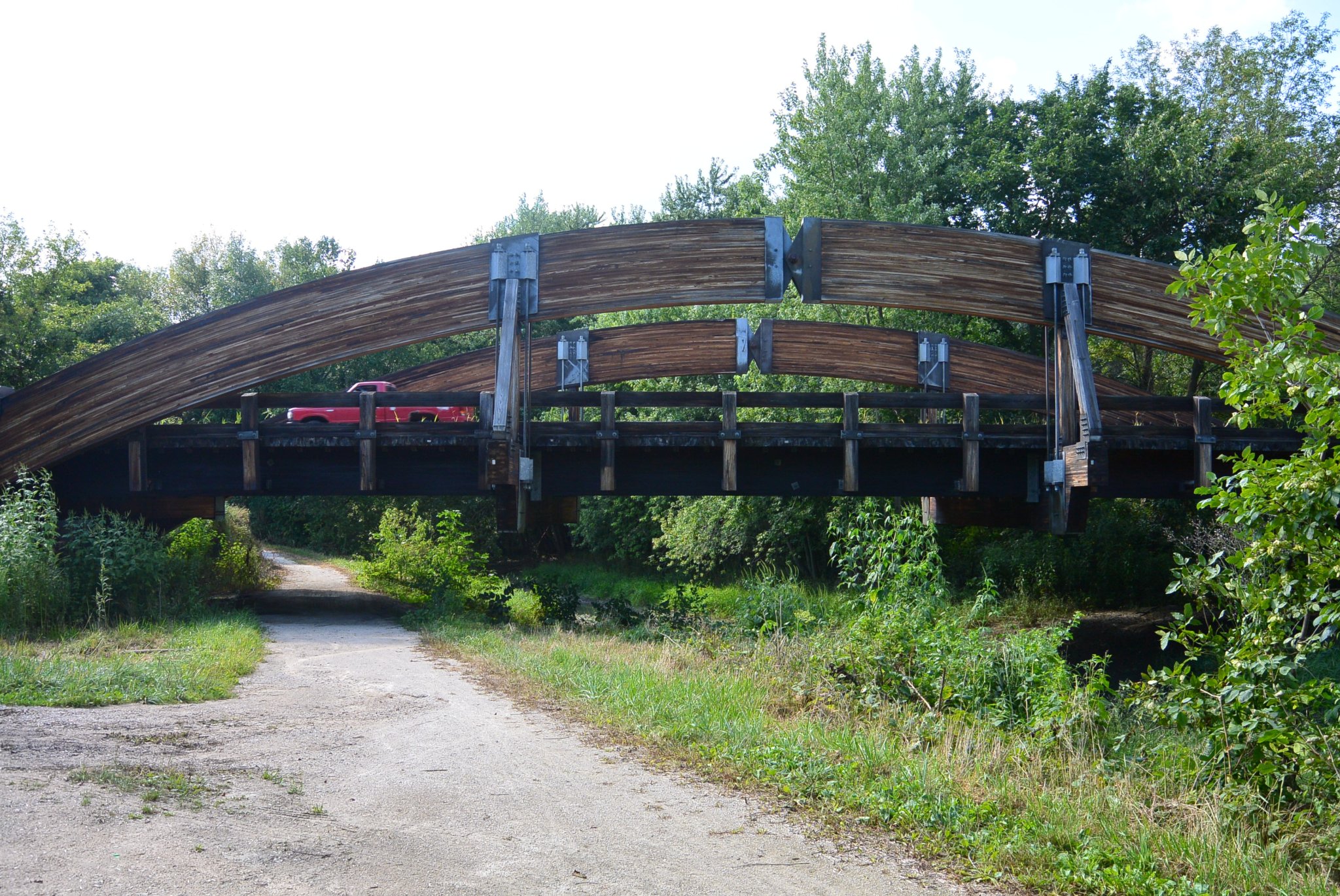
5 mile Bridge I and M Canal
This bridge crosses the I and M Canal 5 miles from the Morris City limits. It is also called Old Stage Road Bridge.
It was built in 1995. It is an all wood closed spandel arch bridge. It was built by Belvidere Construction of Belvidere, Il. The designer was Graef, Anhalt, Schloemer and Associates of Chicago, Il.
THe largest span is 126.6 feet. Total length is 130.3 feet. Structure width is 25.9 feet.
Bridge Inspection as of 9/2014
Deck Condition Rating. Very good 8 out of 9
Superstructure. Rating. Very good 8 out of 9
Substructure. Rating. Very Good 8 out of 9
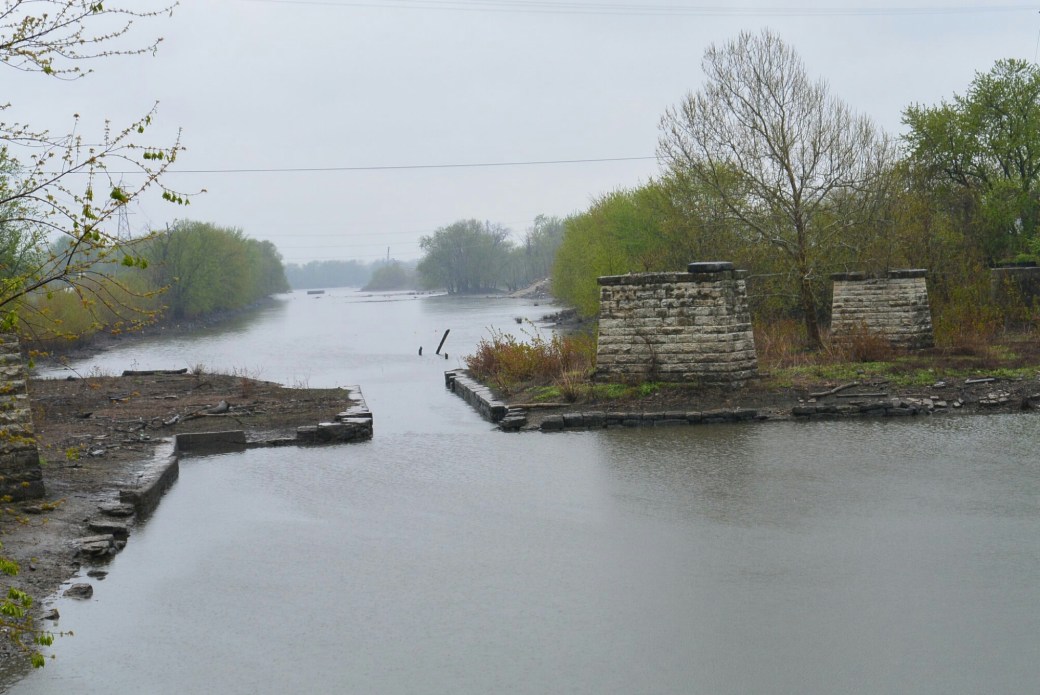
Piers CBQ RR
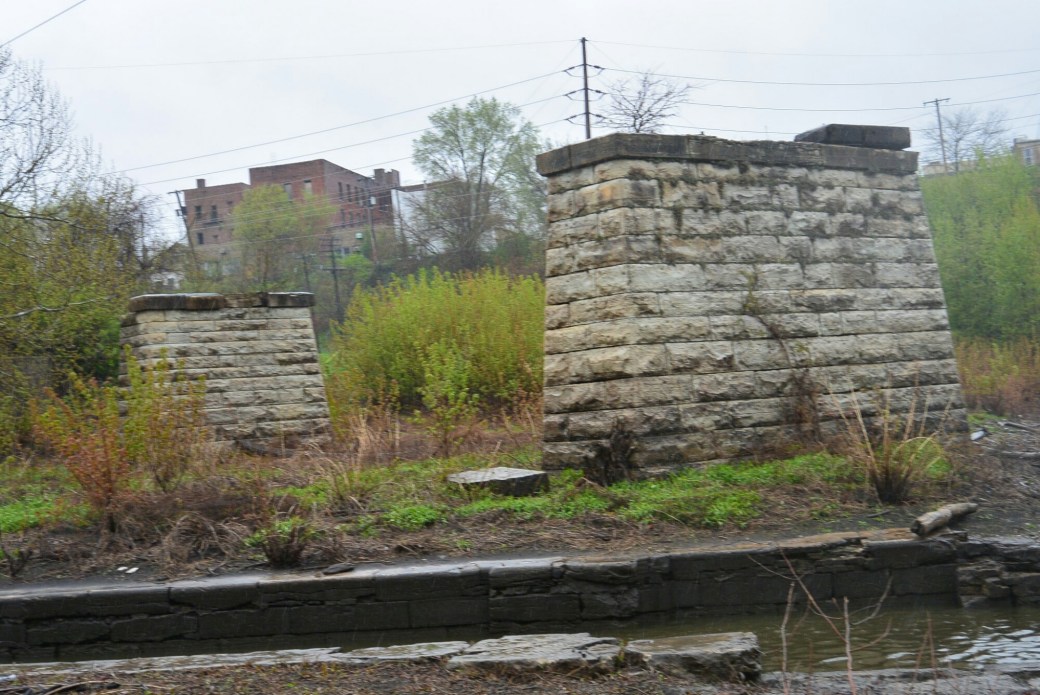
Piers CBQ RR. LaSalle, Il
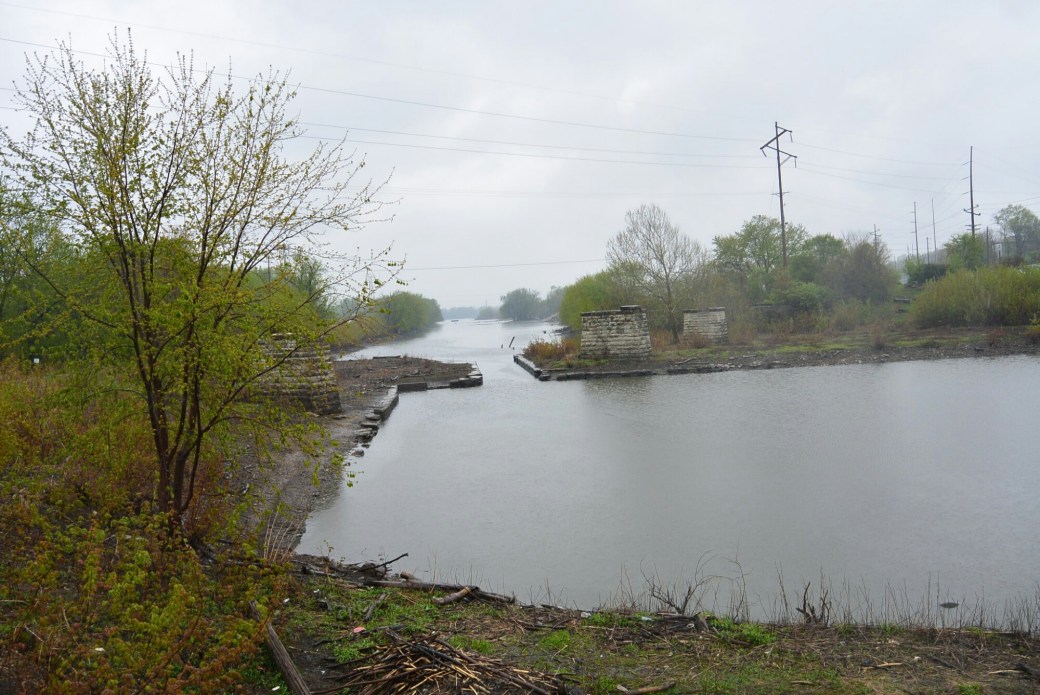
Piers CBQ RR Steaboat Basin LaSalle, Il
There are limestone piers adjacent to Lock 15 I and M Canal. This was the site of a prior C,B,Q R.R. Bridge. This was damaged and removed in 1979. According to historical records, the bridge was built by King Bridge Company of Cleveland, Ohio. It was lost through truss bridge

I and M Canal Bridge 2
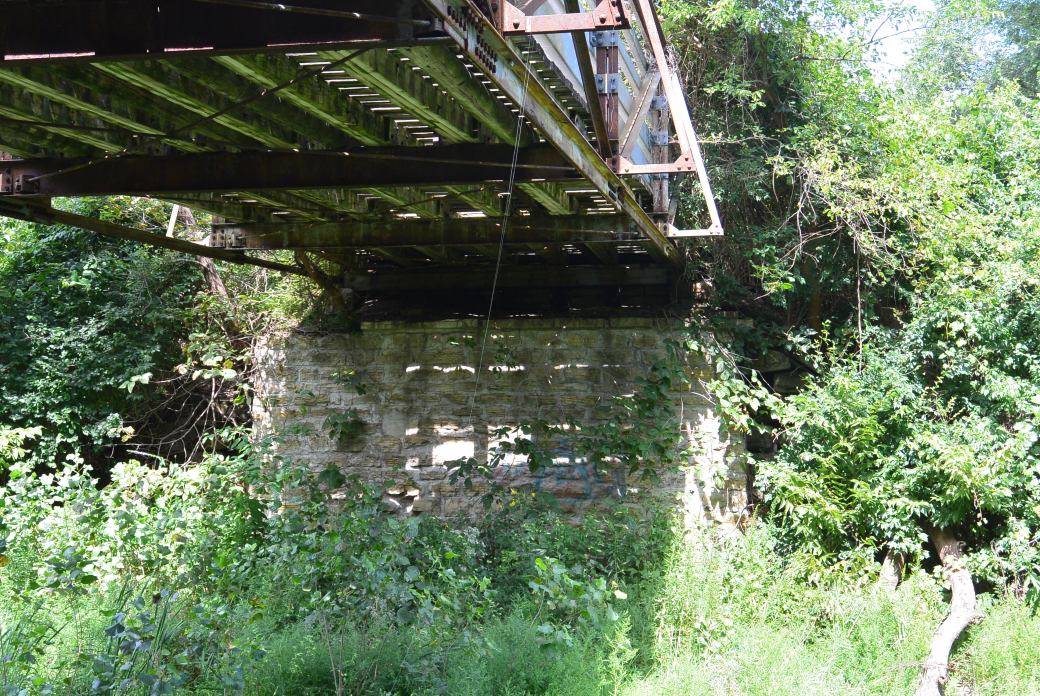
I and M Canal Bridge 2

I and M Canal Bridge 2

I and M Canal Bridge
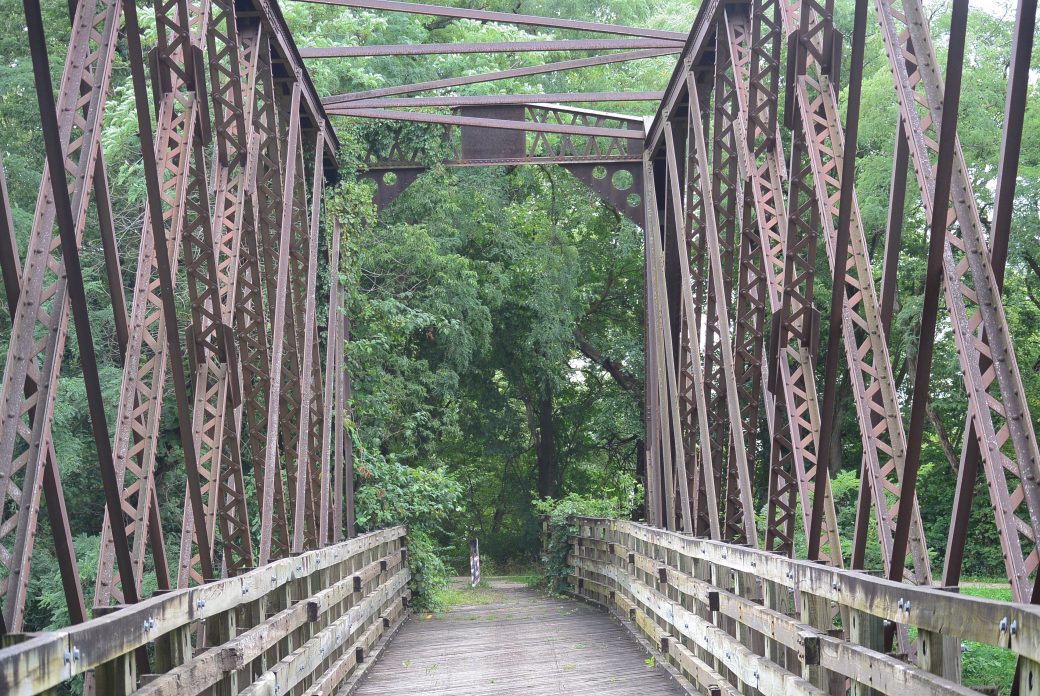
This is a canal walkway over the I and M Canal in rural Grundy County. The builder is unknown. It is a metal 5 panel rivet–connected Pratt truss, fixed. The bridge sits in its original location. It is now used for non motorized uses.
The trusses are very light weighted. There are stone abutments. The guard rails are very ugly and probably not original.
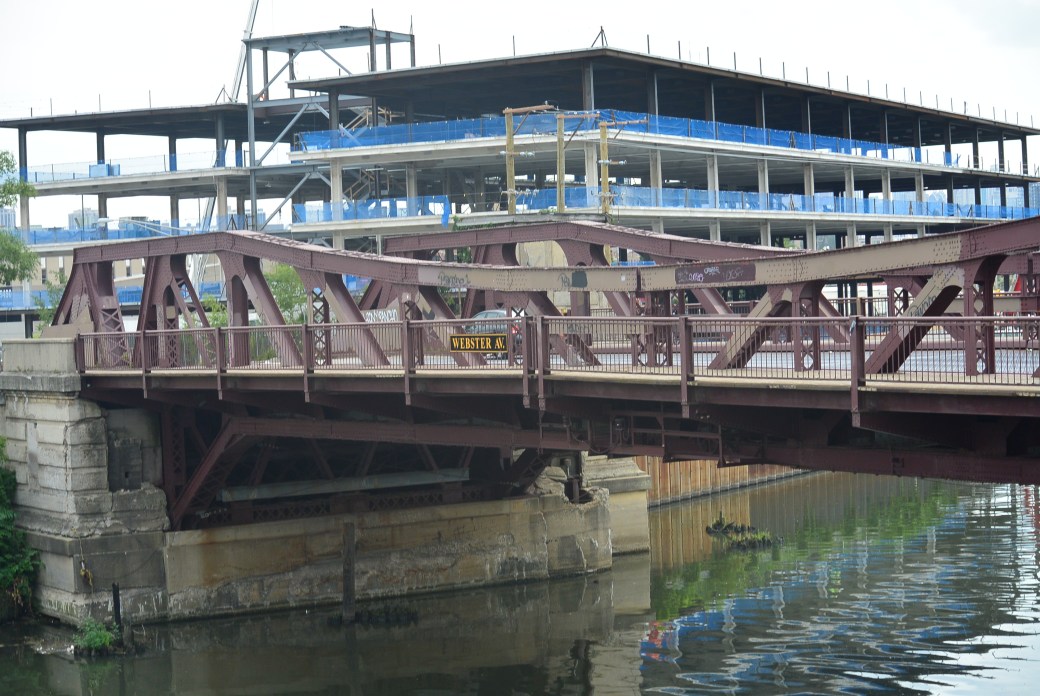
Webster Avenue Brudge
Revised and expanded on 1/4/2017
The Webster Avenue Bridge (1600 West; 2200 North)crosses east to west the North branch of the Chicago River 4.9 miles from the river mouth. This is the second bridge at this site. The bridge opened on August 3, 1916. Contractors were:
Bridge Designer: Chief Bridge Engineer Thomas Pihlfeldt; City Bridge Engineer: Alexander von Babo
Builder/Contractor was Kettler Elliot Company of Chicago
Substructure Contractor Great Lakes Dredge and Dock Company
Electrical Contractor. C.H. Norwood
The bridge type is a metal rivet-connected Pratt Pony Truss,movable: double leaf bascule (fixed trunnion) and approach spans : metal stringer (multi-beam) fixed. There is one main span and four approach spans.
Main span length is 189 feet. Structure length is 287 feet. Roadway width is 36 feet.The
Construction costs were $285,558.
In 1936, old deck paving removed and replaced by 3 in. X 6 in. deck overlaid with asphalt planking.
In 1968, open grid steel deck installed.
In the 199o’s, the bridge was converted from movable to fixed. The N.E. bridge house was removed. S.E. Bridge house was abandoned
The first bridge was an iron and wood swing bridge. The superstructure was the former Clark Street Howe through Truss bridge. It opened in 1889.
Contractors were:
Designer: Fox and Howard
Superstructure: Fox and Howard
Substructure: Chicago Dredge and Dock Company
Construction cost was $ 11,500.
Bridge was removed on June 4, 1914.
Inspection 9/2011.
Deck. Condition. Rating. Good. 7 out of 9
Superstructure Condition. Rating Serious 3 out of 9
Substructure. Condition. Rating Fair. 5 out of 9
Sufficiency Rating. 43.9 out of 100.
View from the Webster Avenue Bridge

Webster Avenue Bridge
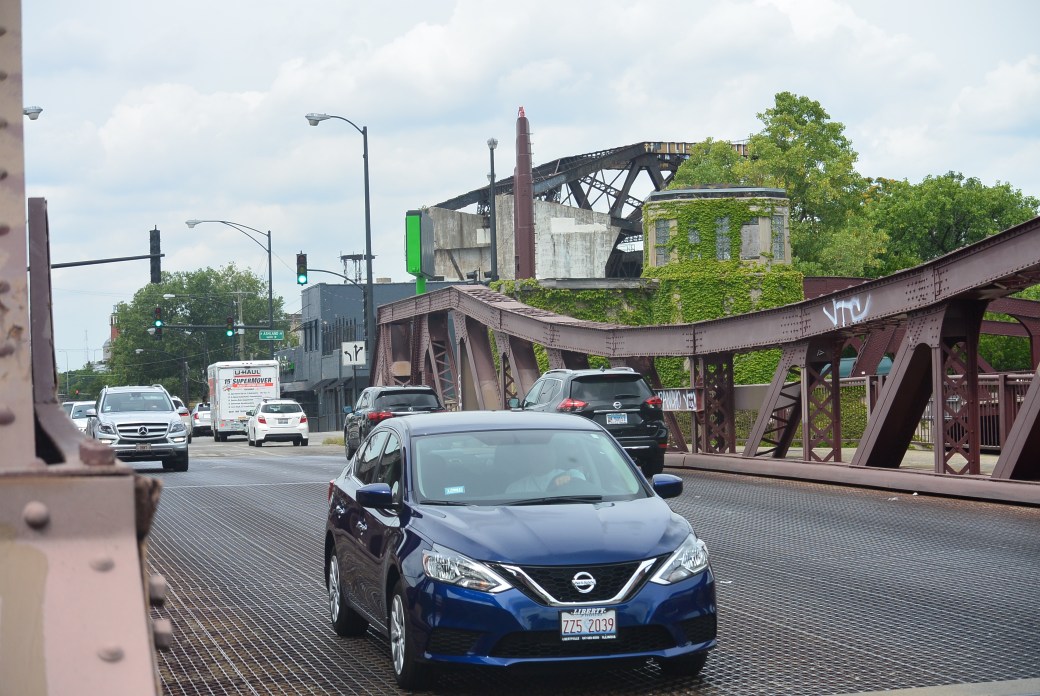
Webster Avenue Bridge
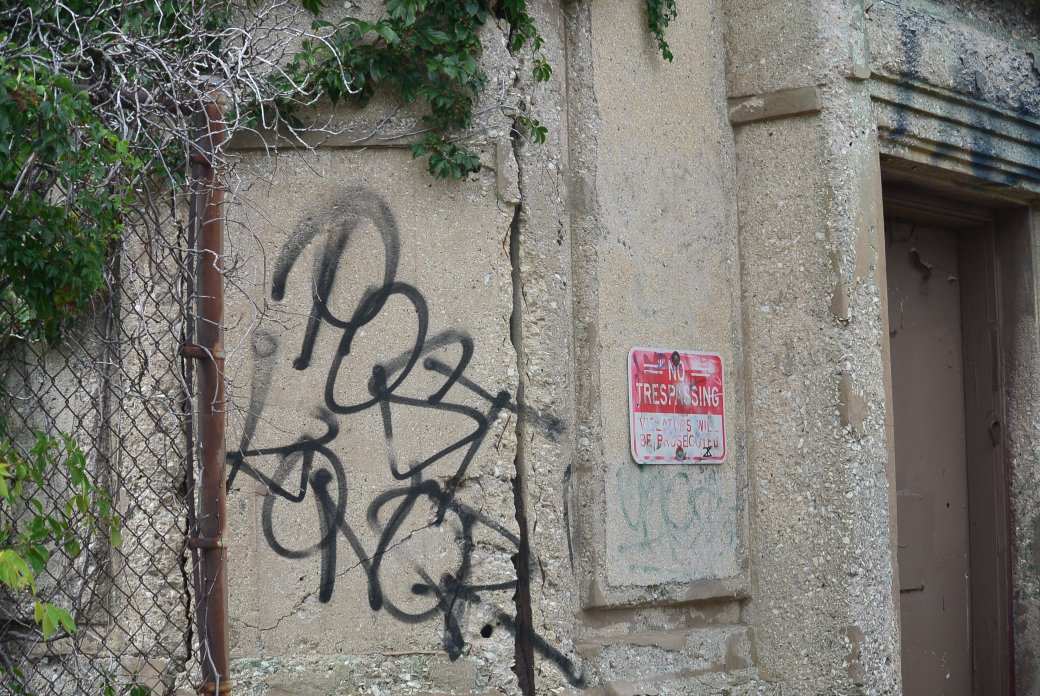
Bridge Tender House Webster Avenue
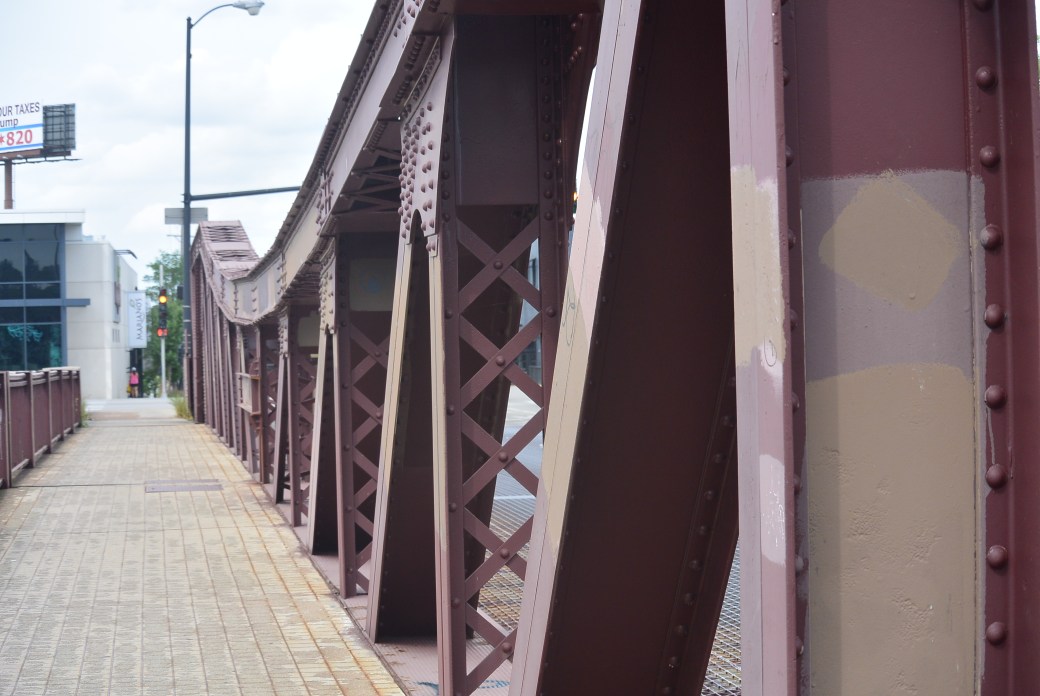
Webster Avenue Bridge

Webster Avenue Bridge
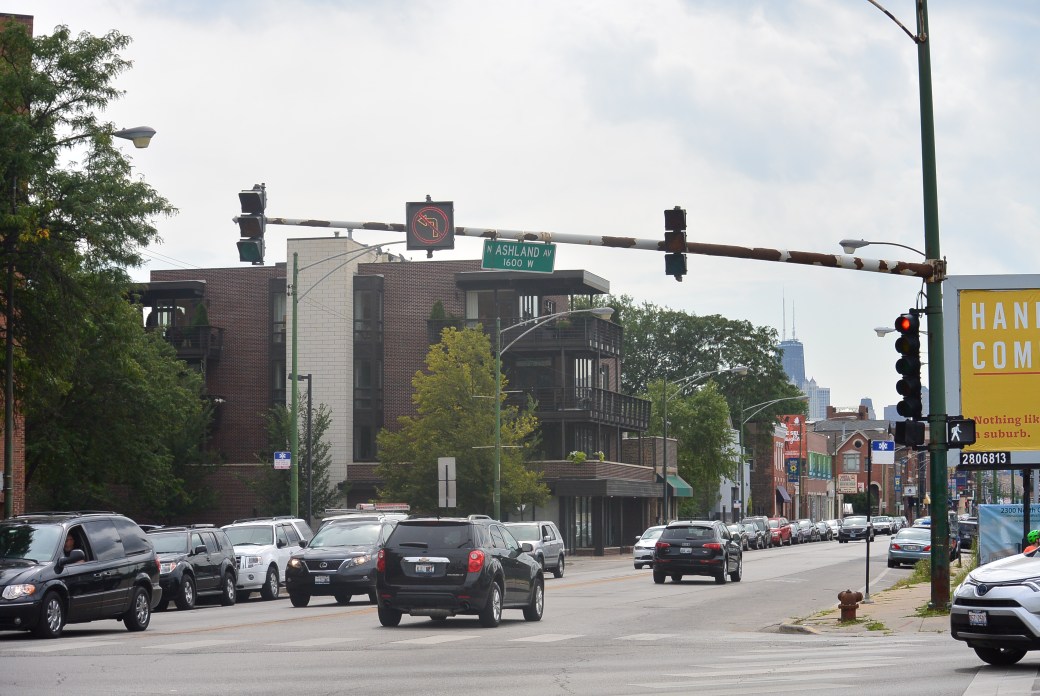
Entrance to the Ashland Avenue Bridge
Blog Posted 1/3/2018
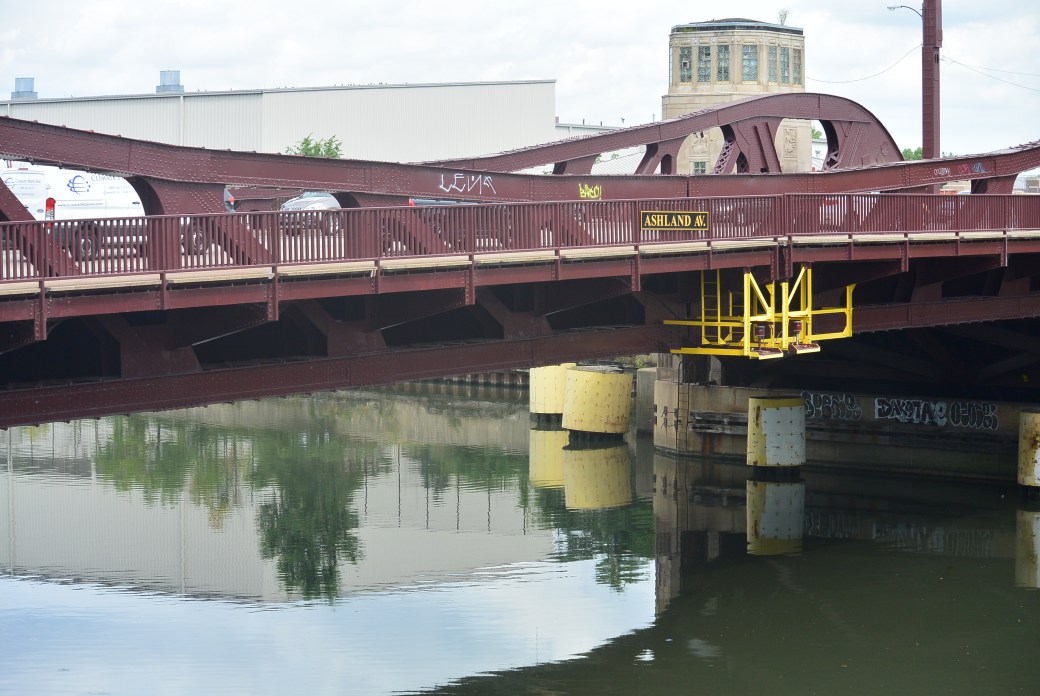
The North Ashland Avenue Bridge (2201 North: 1600 West) crosses North to South over the North Branch Chicago 4.9 miles from the river mouth. The current bridge is the first and only bridge at this site. It opened on August 20, 1936.
It is a metal rivet-connected Pratt Pony Truss, movable: double leaf bascule (fixed trunnion) and approach spans, metal stringer (multibeam), fixed. There is one main span 4 approach spans. The main span measures 232 feet. The structure length is 386.5 feet. The roadway width is 60 feet. There are four lanes of traffic.
Contractors were
Design: Division of Bridges and Viaducts City of Chicago
Superstructure Contractor: Kettler Elliot Company
Substructure Contractor: FitzSimons and Connell Company Company
In 1993, the bridge was rehabbed.
In 1995, bridge was charged to fixed.
Construction Costs were $1.7 million.
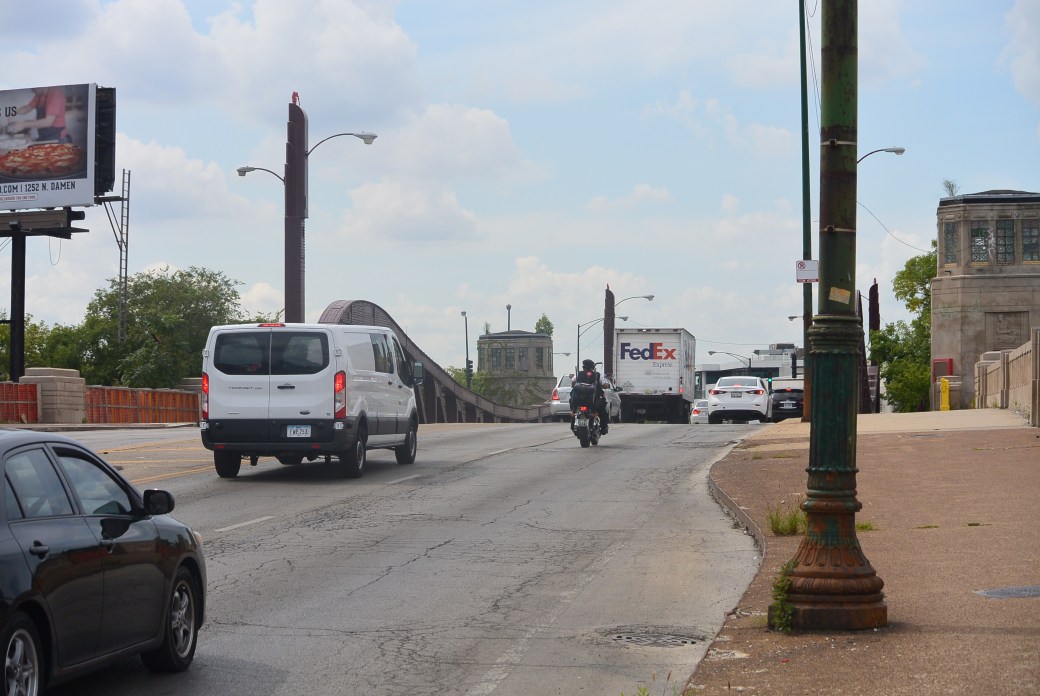
Ashland Avenue Bridge
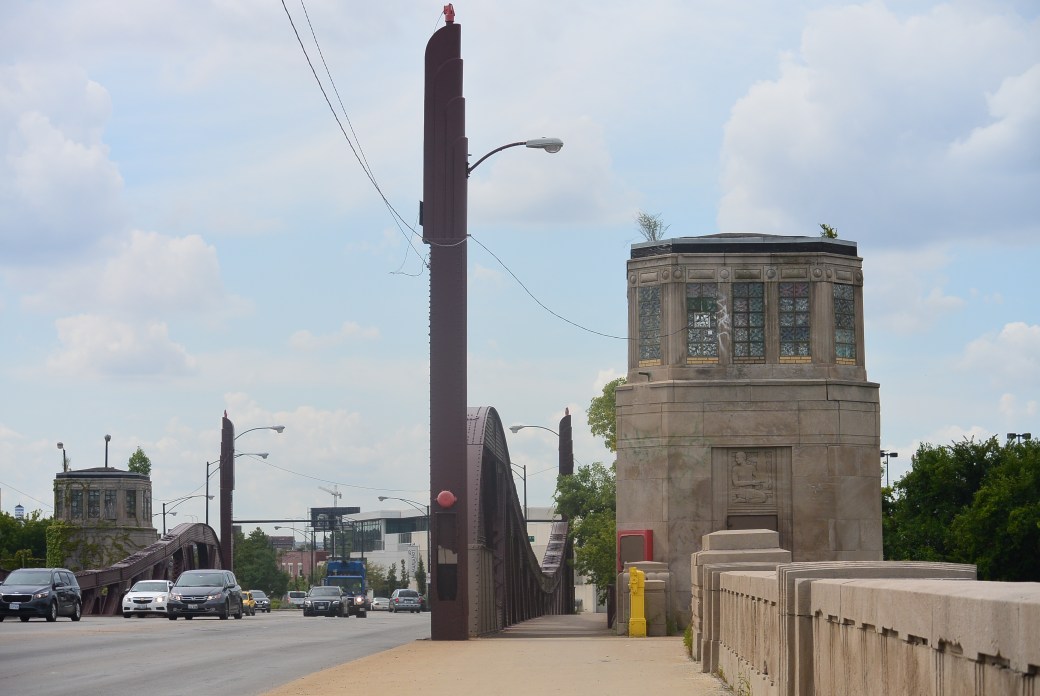
Bridge Keeper House Ashland Avenue Bridge
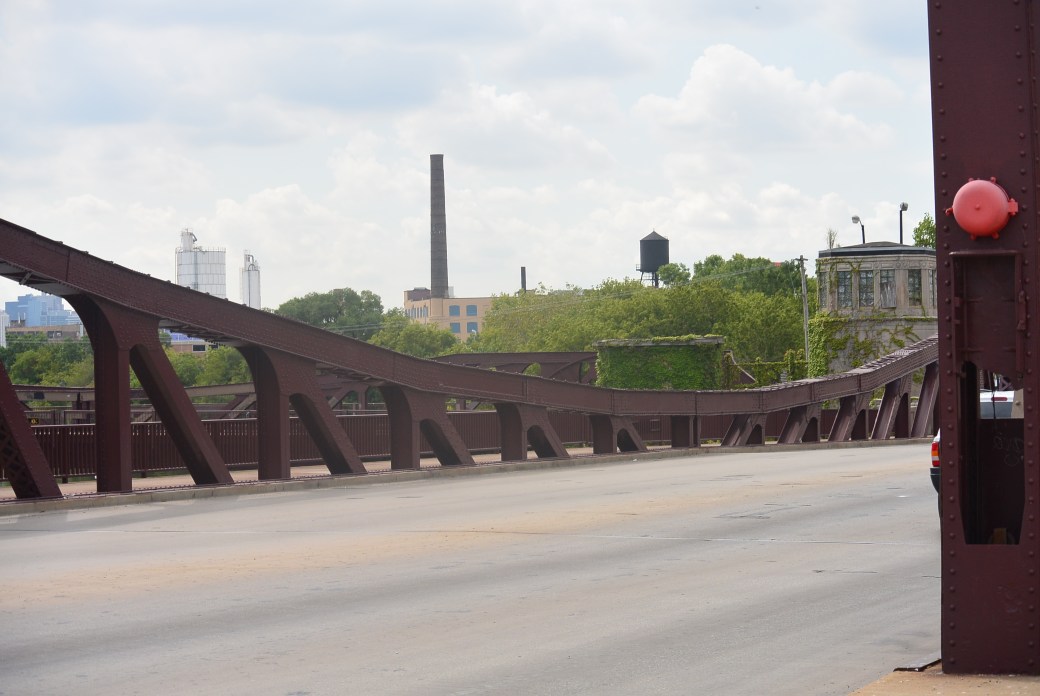
Ashland Avenue Bridge

Ashland Avenue Bridge
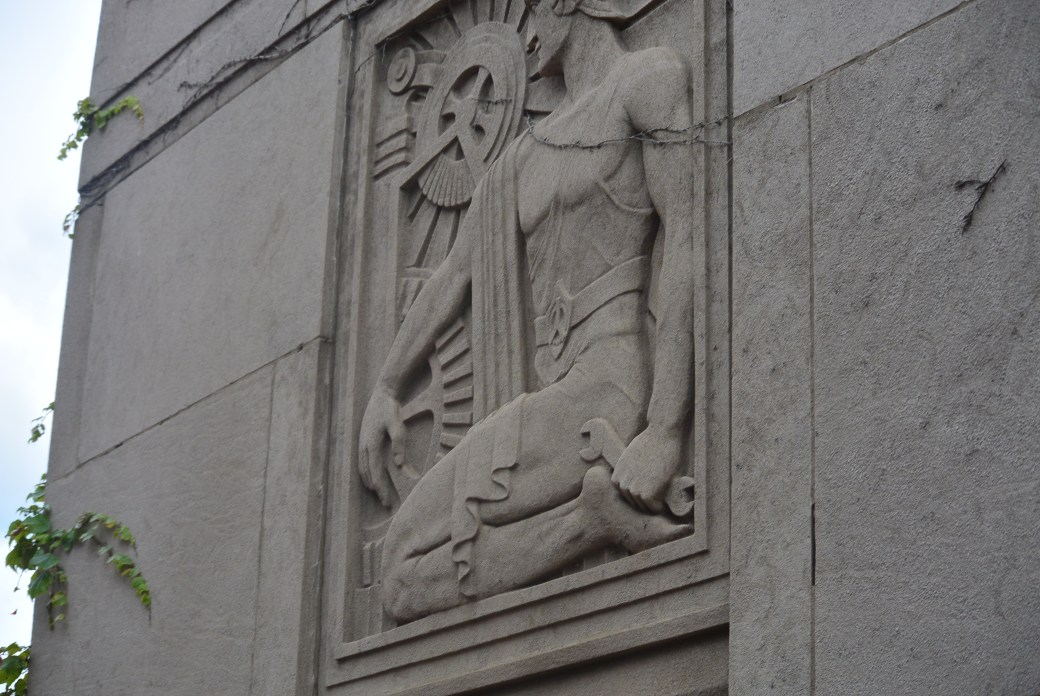
Design on Ashland Avenue Bridge Keeper House
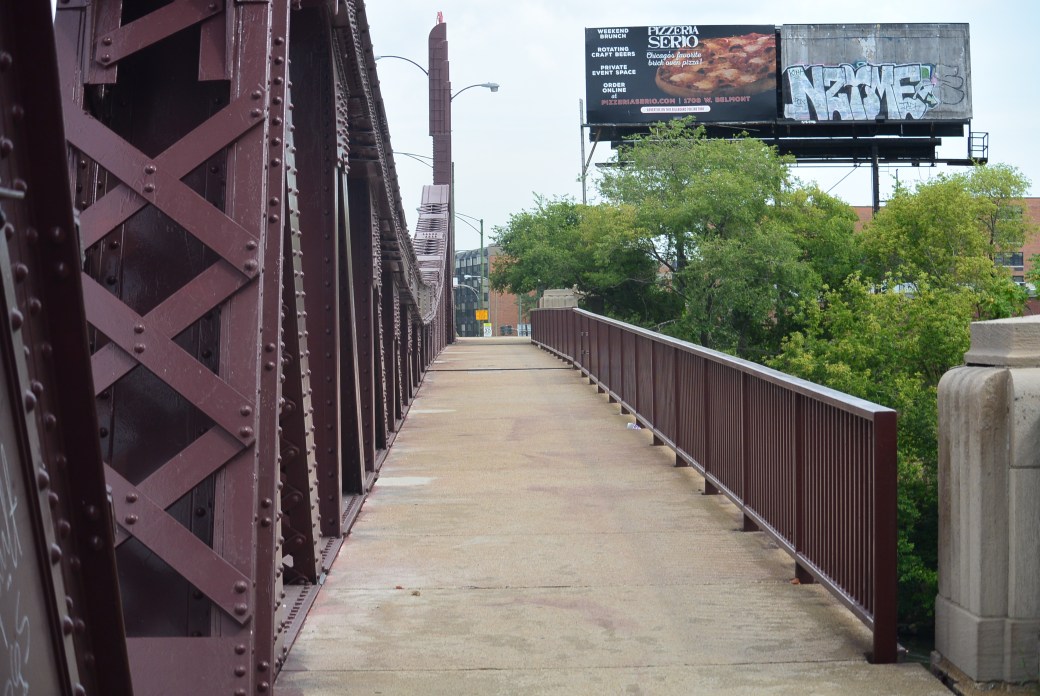
Ashland Avenue Bridge
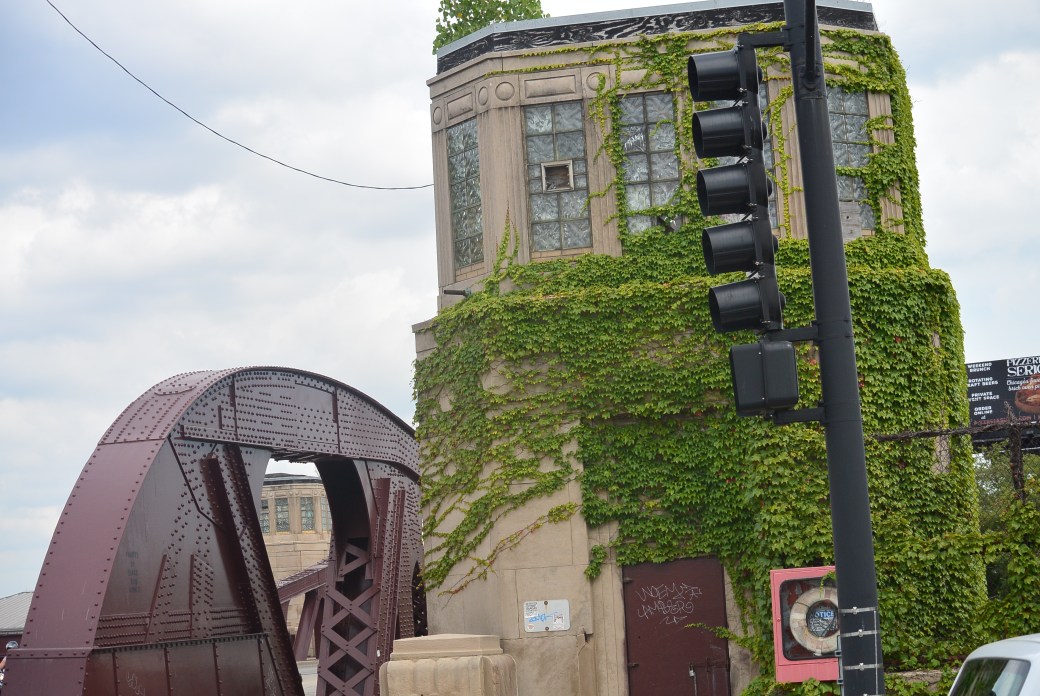
Bridge Keeper House Ashland Avenue Bridge
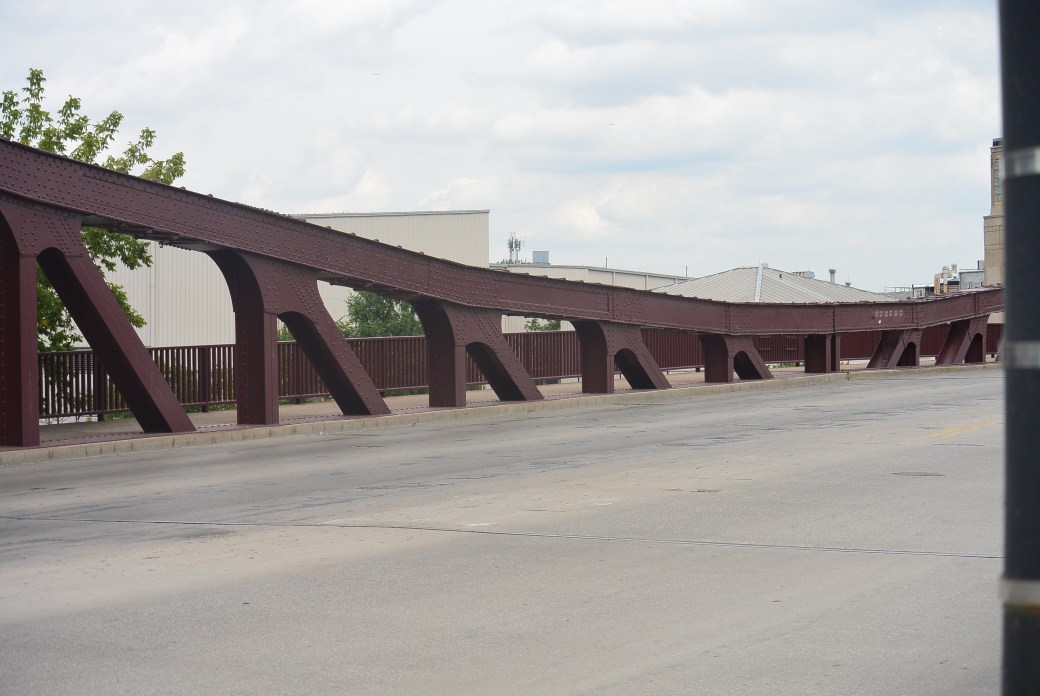
Ashland Avenue Bridge

Ashland Avenue Bridge
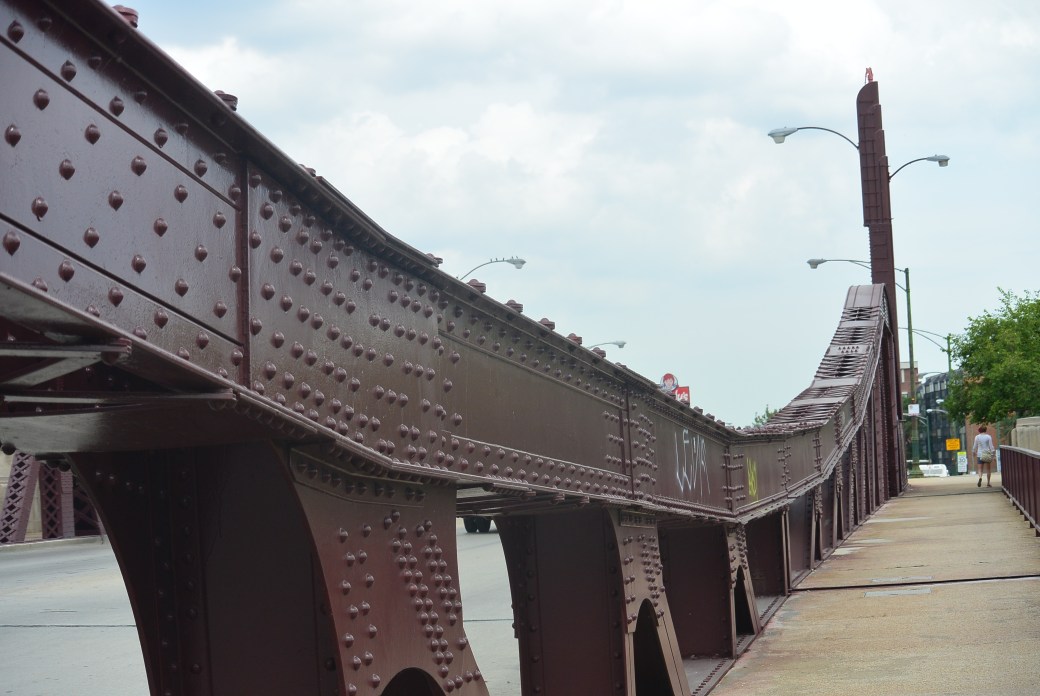
Ashland Avenue Bridge
View from the Ashland Avenue Bridge

Ashland Avenue Bridge
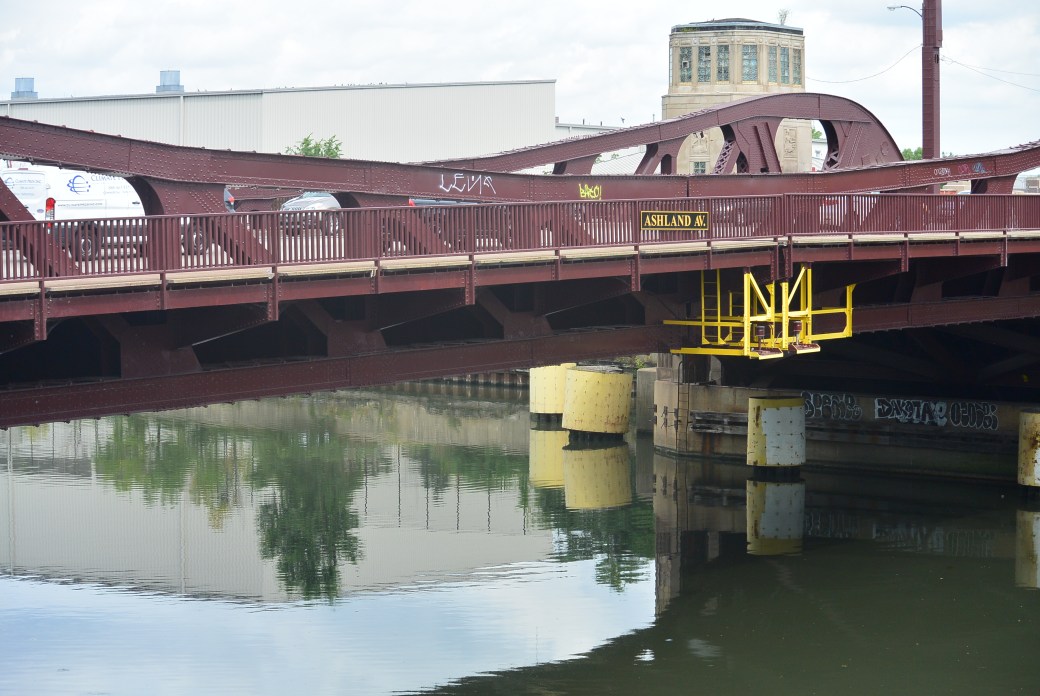
View of the Ashland Avenue Bridge from the Western Avenue Bridge
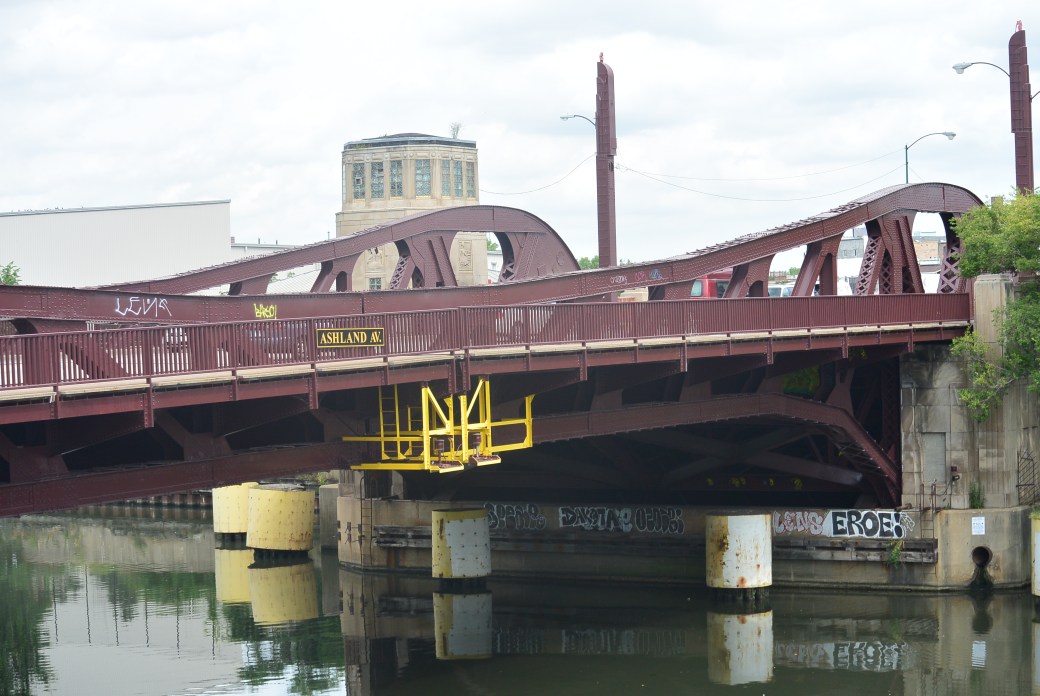
Same as above
Bridge Inspection 11/2010
Deck Condition. Rating. Satisfactory. 6 out 9
Superstructure. Condition. Rating. Satisfactory 6 out of 9
Substructure. Condition. Rating. Good 7 out of 9
Sufficiency Rating 94/100
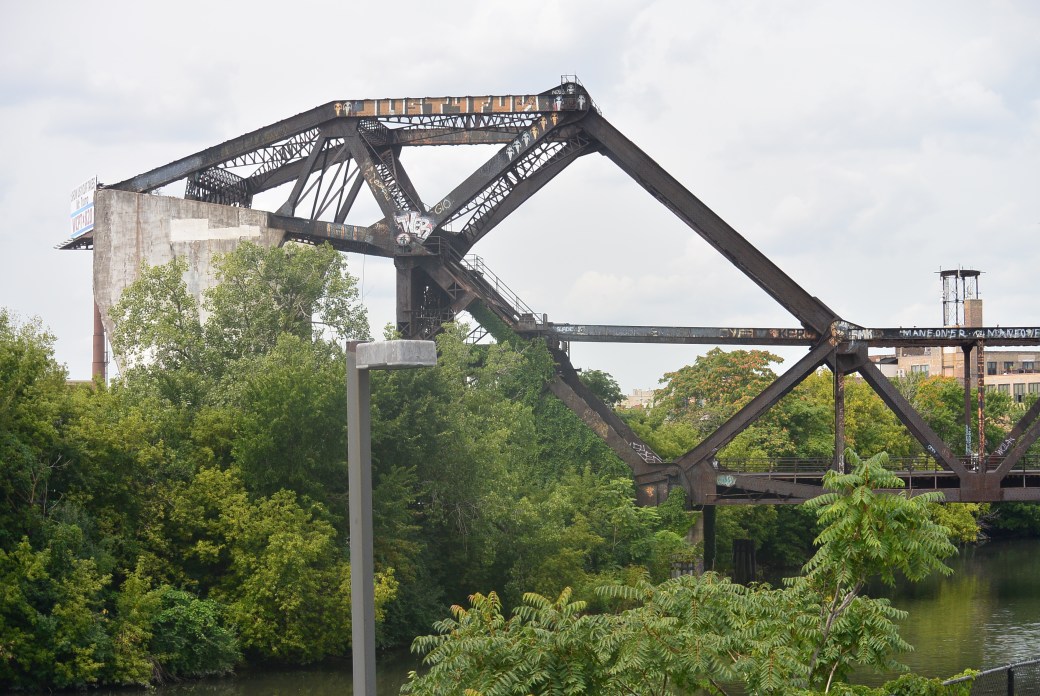
Single Leaf Deering Bridge

Single Leaf Deering Bridge
This is a massive bridge over the north branch of the Chicago River. It is a metal 6 panel river-connected Warren through Truss, movable single leaf bascule (heel trunnion) It was built in 1916.
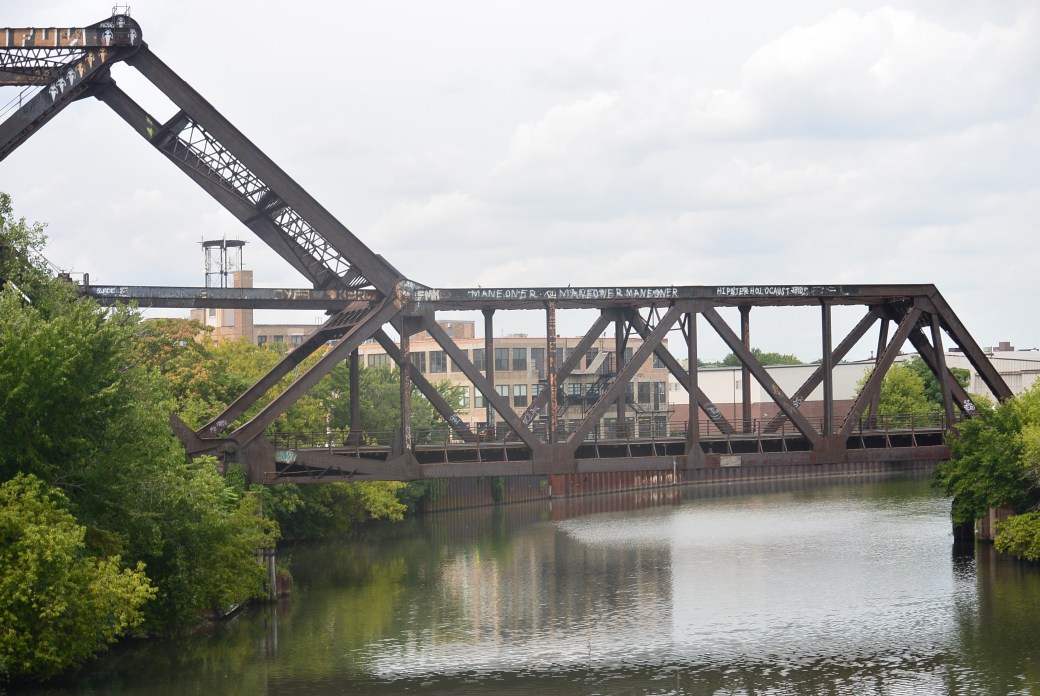
Single Leaf Deering Bridge
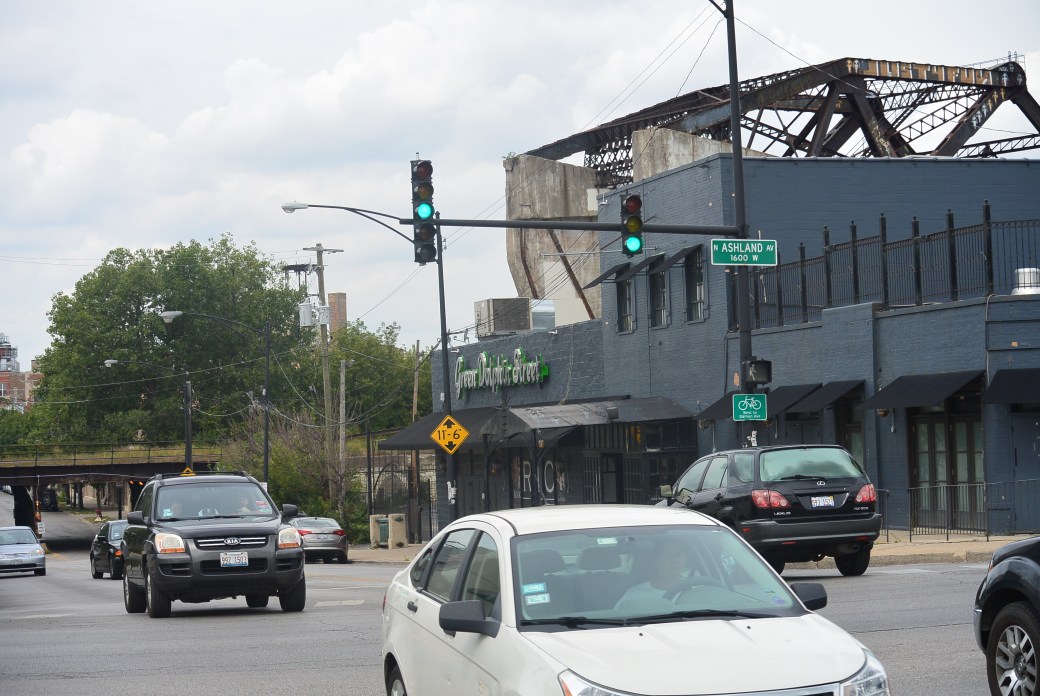
Deering Single Leaf Bridge
Contractors:
American Bridge Company Fabricator
Builder/ Constructor Kelly Atkinson Construction Company of Chicago
Engineer/Design Strauss Bascule Bridge Company
Substructure Great Lakes Dredge and Dock Company.
There is one main span which is 145 feet in length. Structure length is 186 feet. There are three sets of tracks only two of which are currently used. It is used my Metra Union Pacific.
The current bridge is the third at this site. There was a single track wooden bridge initially. There was replaced in 1887 by a double track swing bridge. This was 176 feet in length. It weighed 400 tons

Aux Sable Aqueduct Dellos Street Bridge in background
The Dellos Street Bridge over Aux Sable Creek is the oldest still standing bridge in Grundy County. It was originally built by Aux Sable Township in 1873. Bridge is currently maintained by Channahon. It was regained rehabbed in 1967.

Dellos Street Bridge and Aux Sable Aqueduct.
It is a concrete 3 span arch bridge. Its largest span 35.1 feet. Total structure length is 122 feet. Deck width is 19 feet. There is a single lane of traffic in each direction.
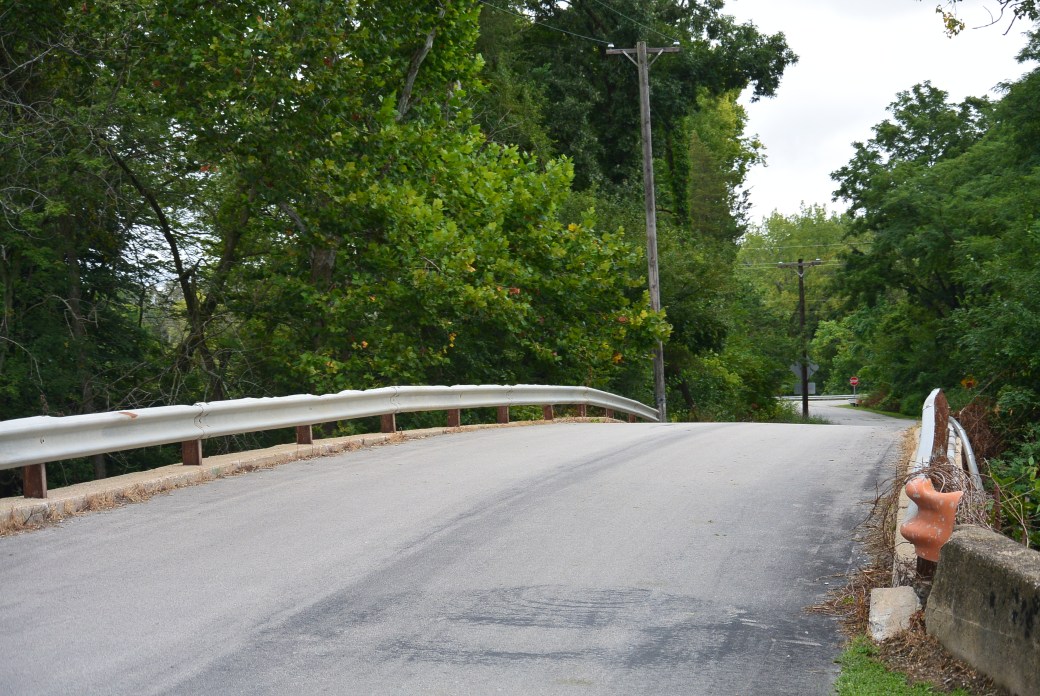
Dellos Street Bridge
Bridge Inspection 11/2011
Deck Condition. Rating Satisfactory 6 out of 9
Superstructure. Condition. Rating. Satisfactory 6 out of 9
Superstructure. Condition. Rating. Satisfactory 6 out of 9
Sufficiency Rating. 71.9 out of 100
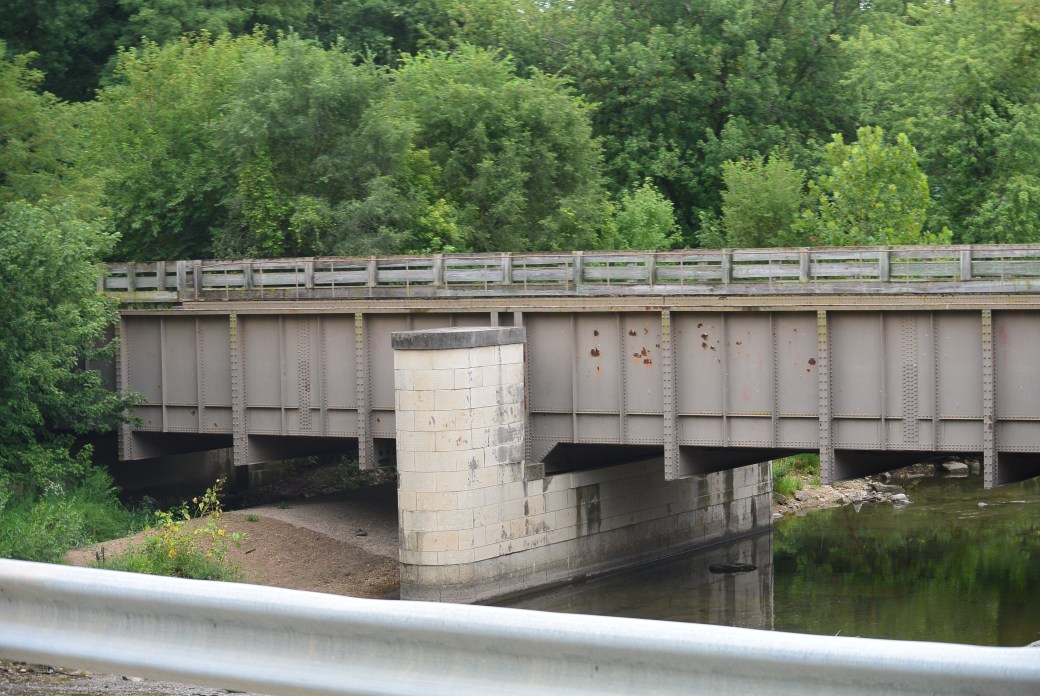
Aux Sable Aqueduct as seen from the Dellos Street Bridge
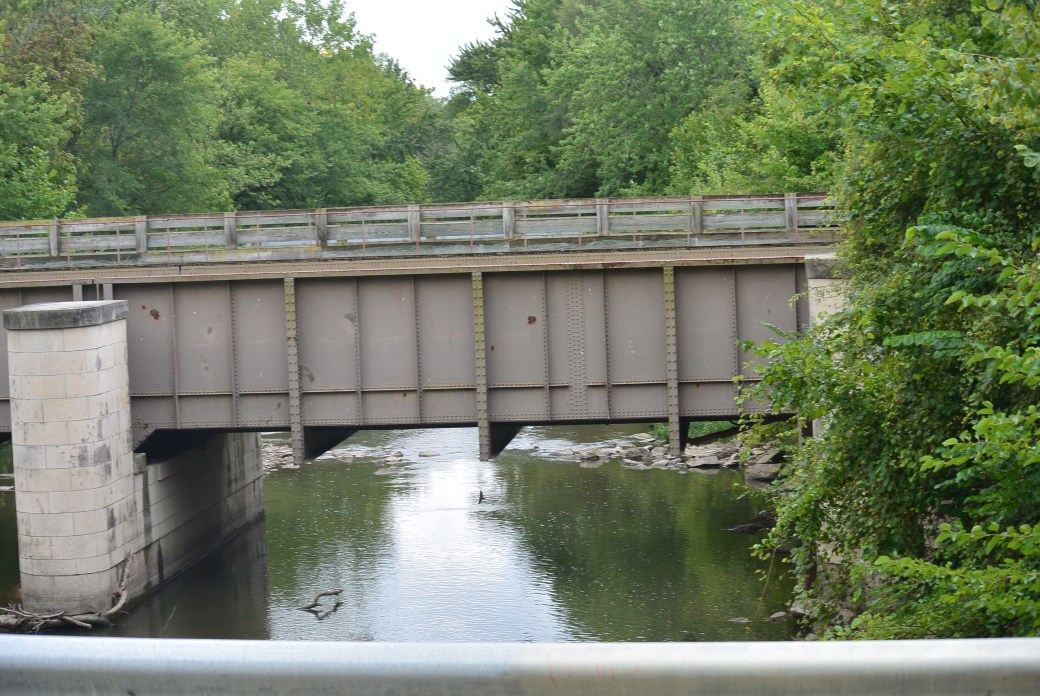
Same as above

Swing Bridge Marseilles, Il

Swing Bridge, Marseilles, Illinois.
Spanning the I and M Canal in Marseilles is a pony plate girder swing bridge. It was built by Manufactures Bridge Company in 1887. It was operated by hand with a crank gear system in the middle of the bridge. The largest span is 65 feet. Total length is 130 feet. This was part of the Rock Island System. It is currently abandoned.
There was a charge of $1.00 per car to cross the canal.

Morris Terminal RR.Bridge
This is an old railroad bridge over the I and M Canal in Morris, Illinois. It was built around 1905. It is a triple intersection Warren through truss bridge. It is the only bridge of this type on the I and M Canal. Its length is 160 feet. Its builder was Carnegie Steel Company. It was a single track bridge. It was modified to be used as a pedestrian bridge. There is wood pedestrian decking with 6 ” by 2″ diagonal planking
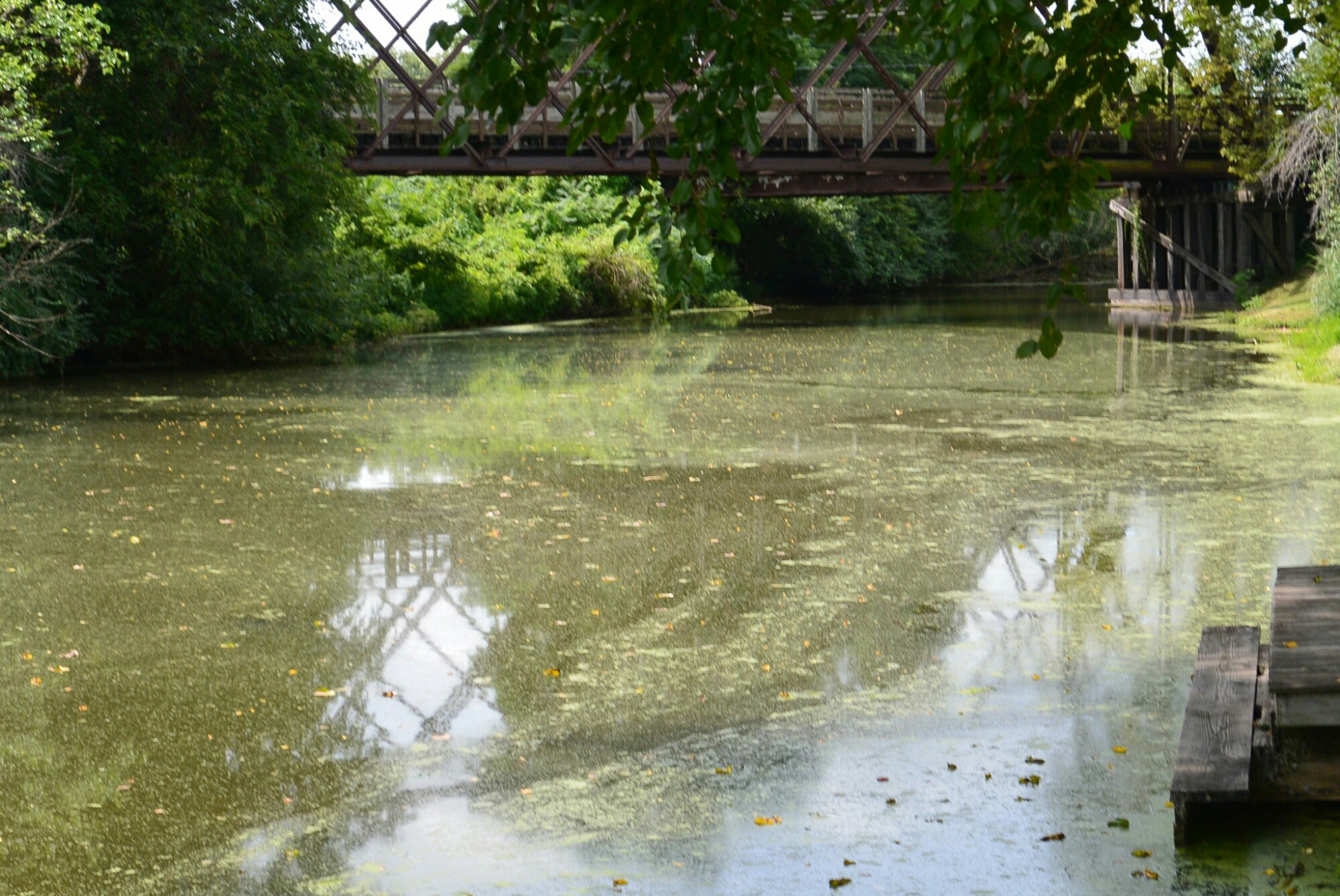
Morris Terminal R.R. Bridge
At various times, the bridge was used by the Chicago, Rock Island Railroad and the Morris Terminal Railroad.
Companies serviced by this spur included: Morris Paper Company, Woelfel Tannery and and the Coleman Hardware Company.
Current owner is the State of Illinois.
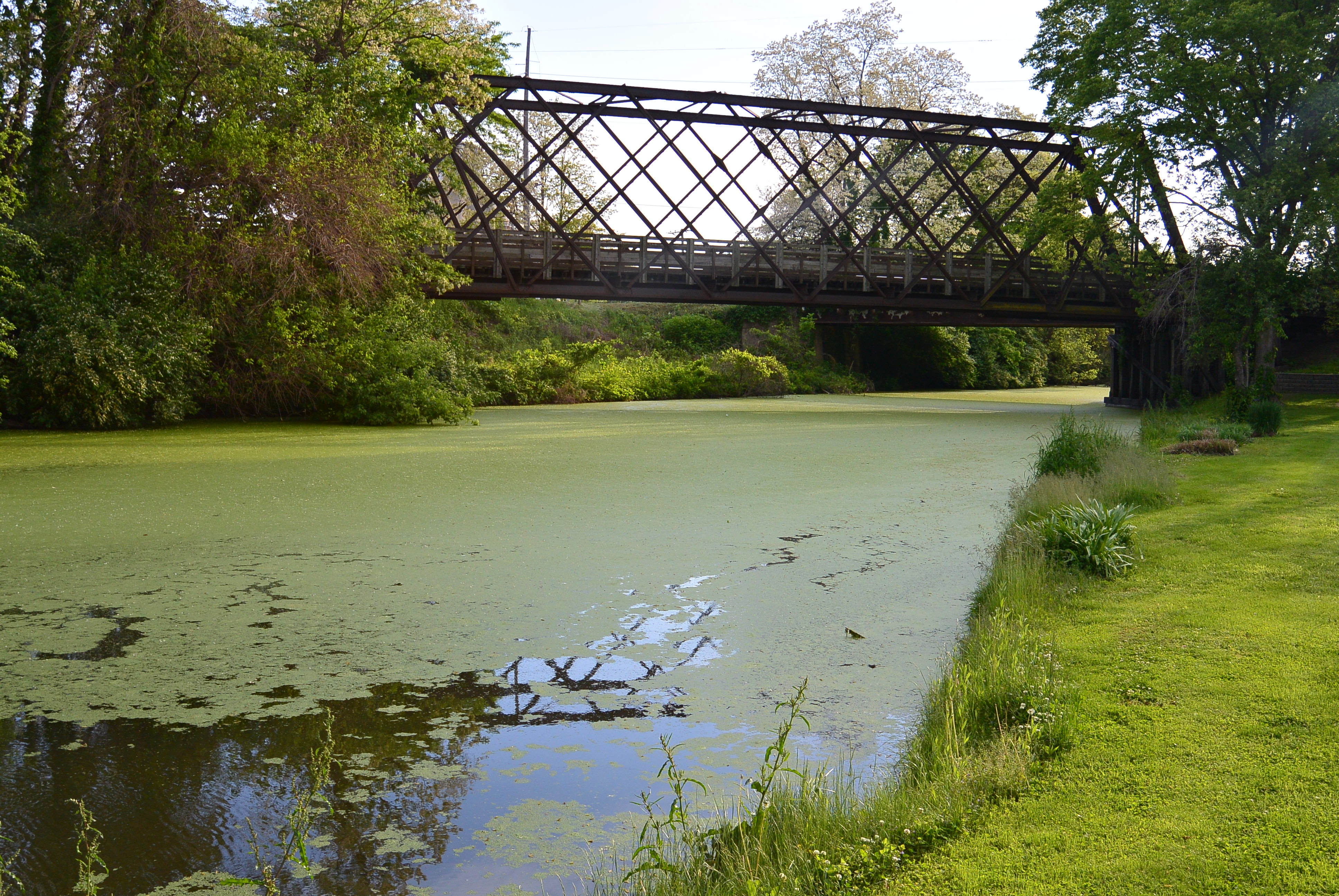
Morris Terminal R.R. Bridge
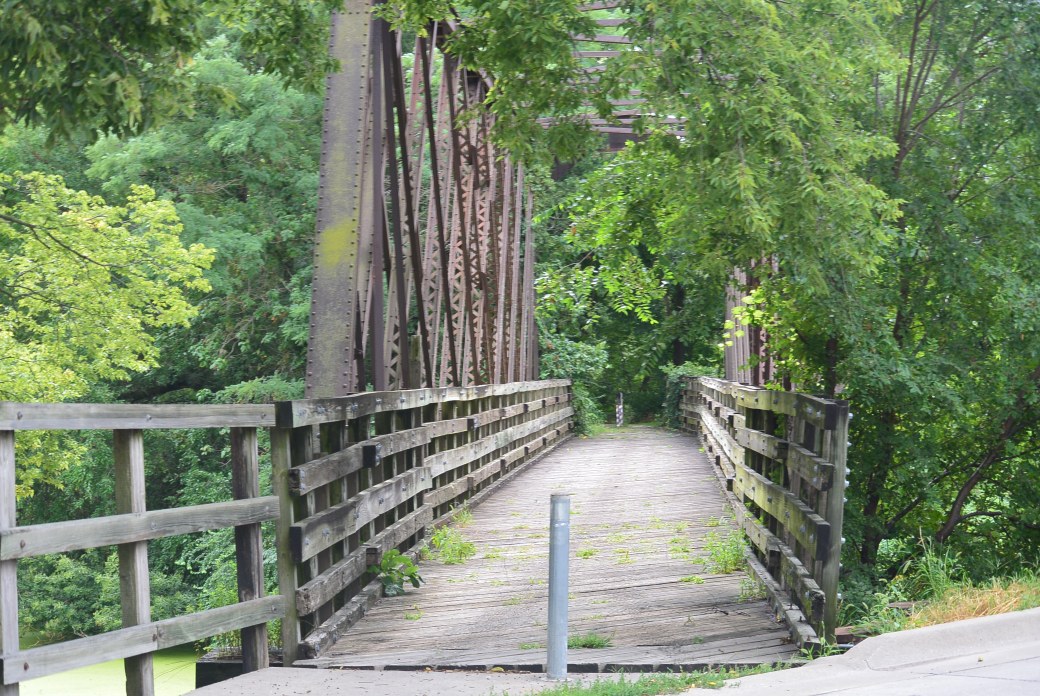
Morris Terminal Bridge Now a Pedestrian Bridge
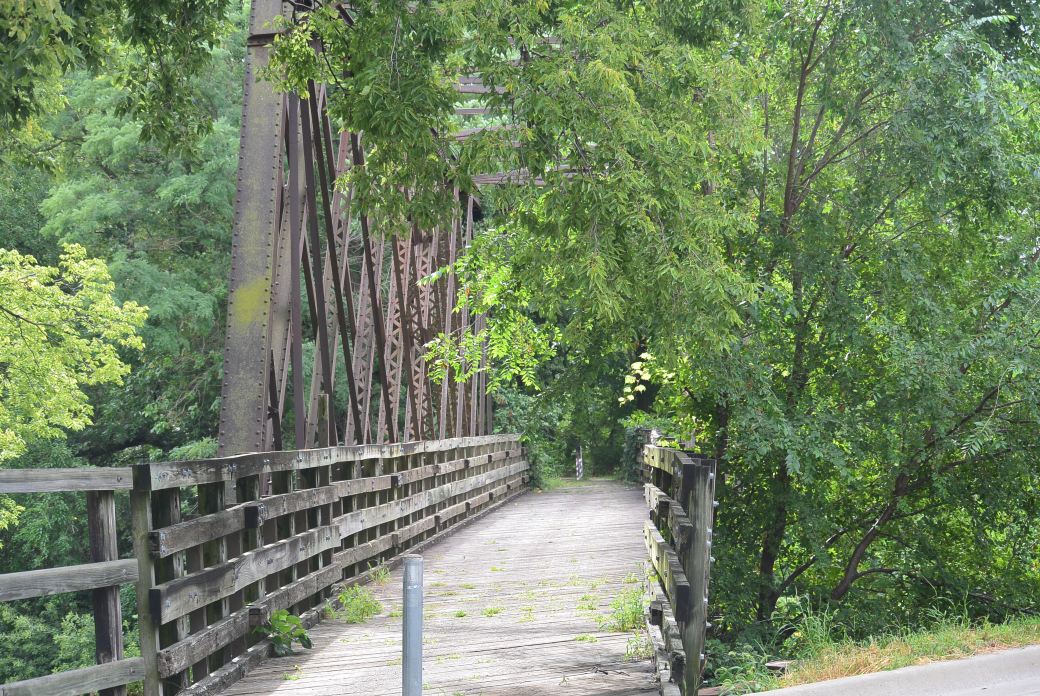
Same as above
Morris Terminal Bridge

