Niles, Michigan Railroad Station

Niles, Michigan Railroad Station

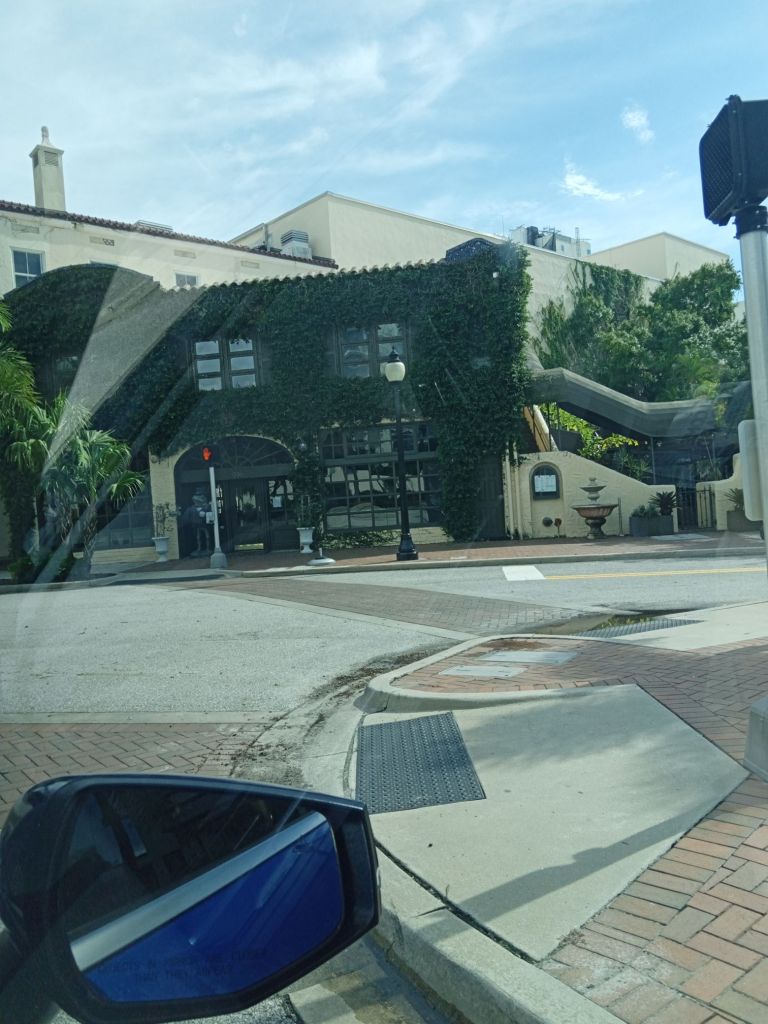
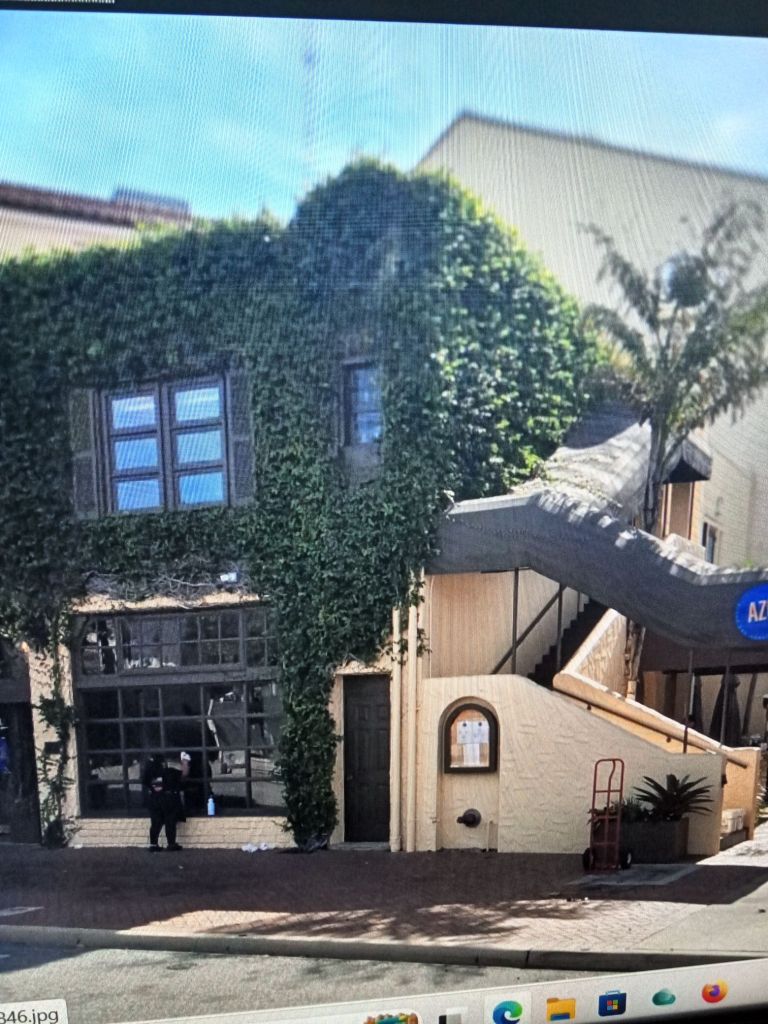
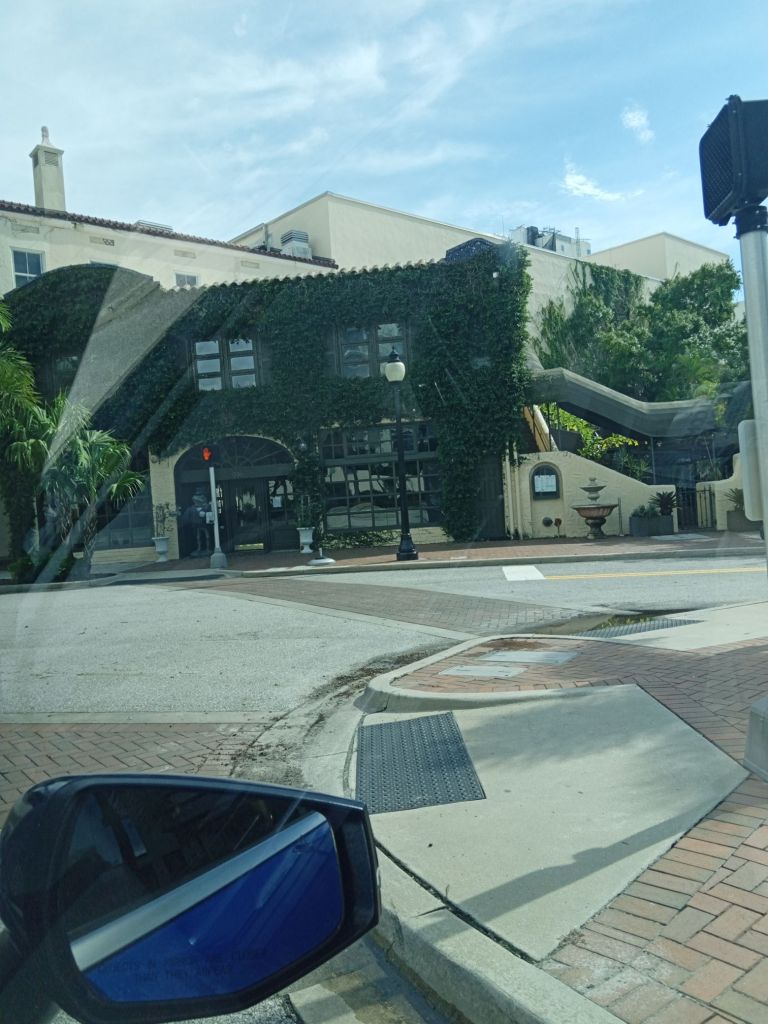
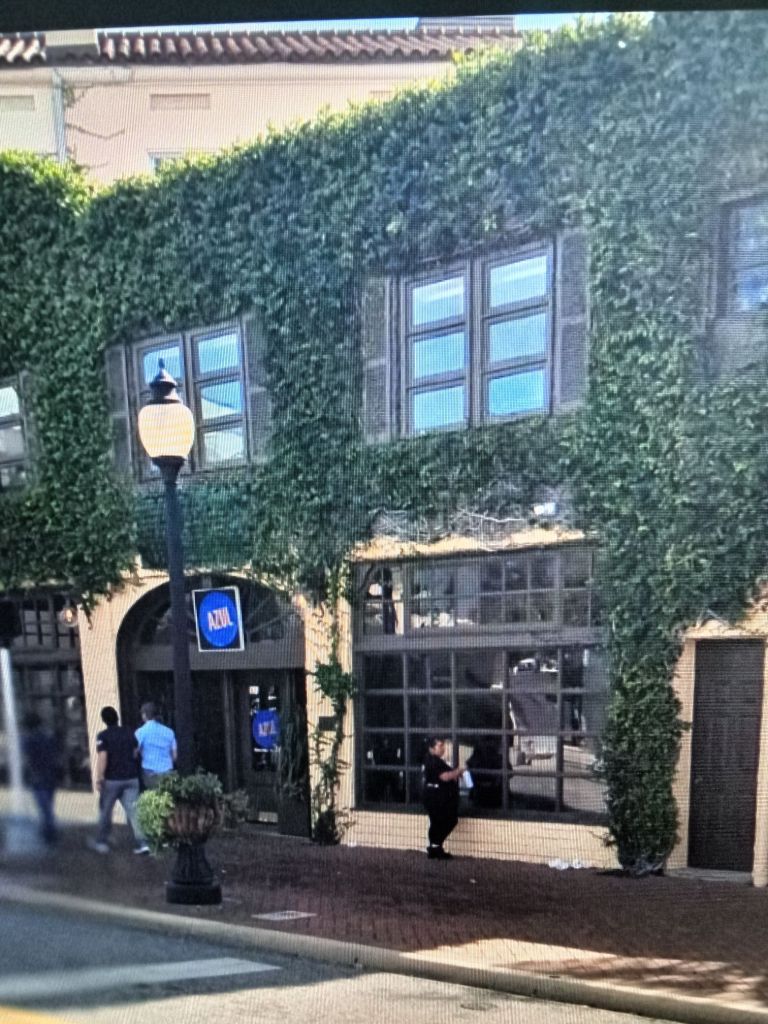
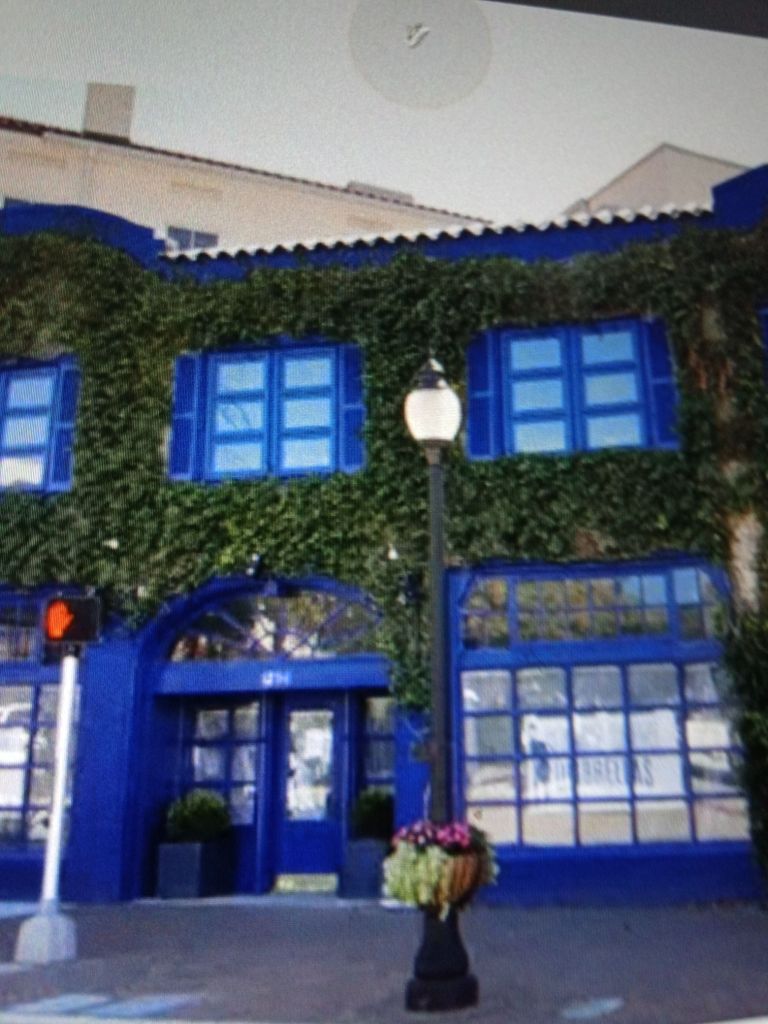
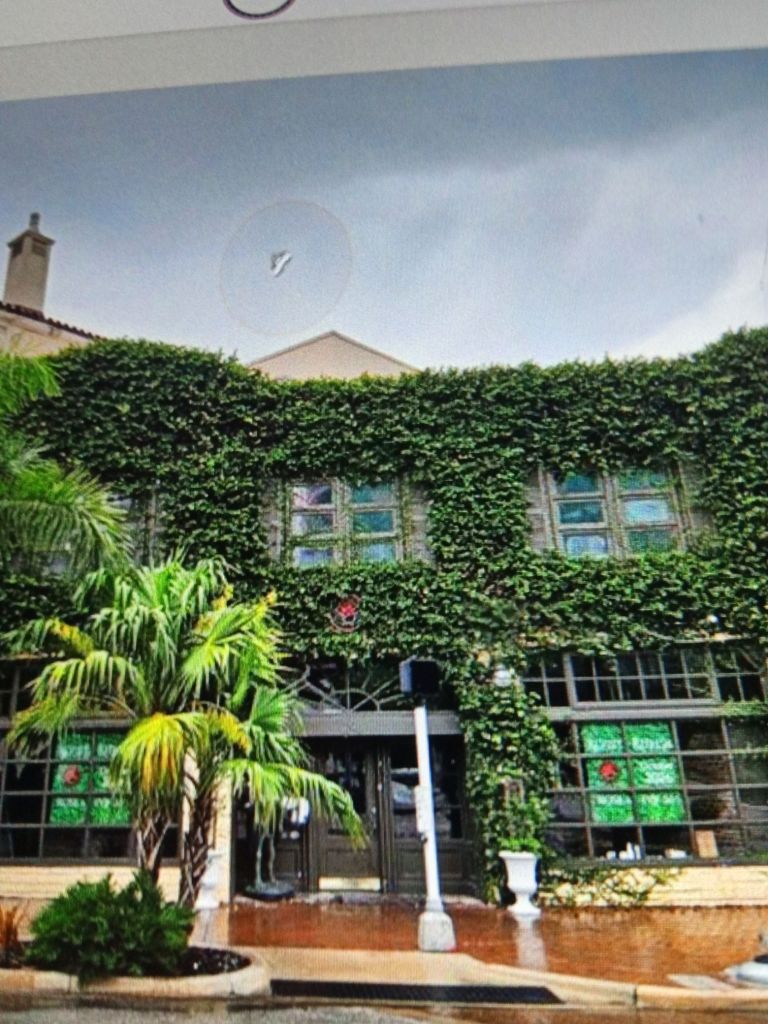
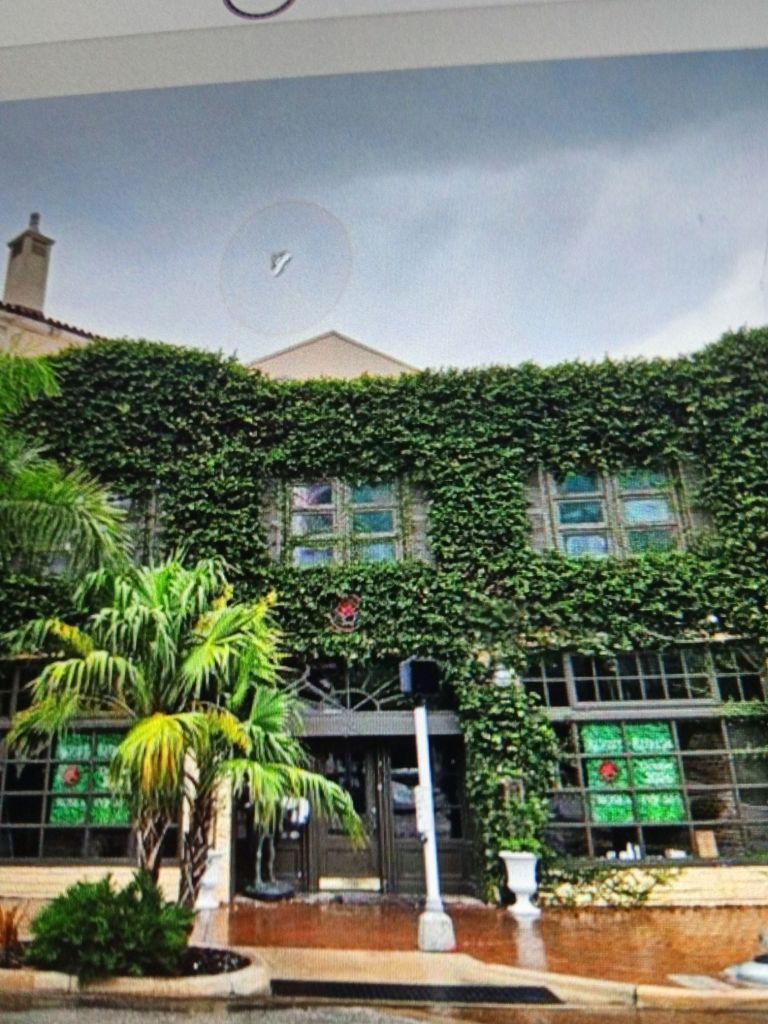
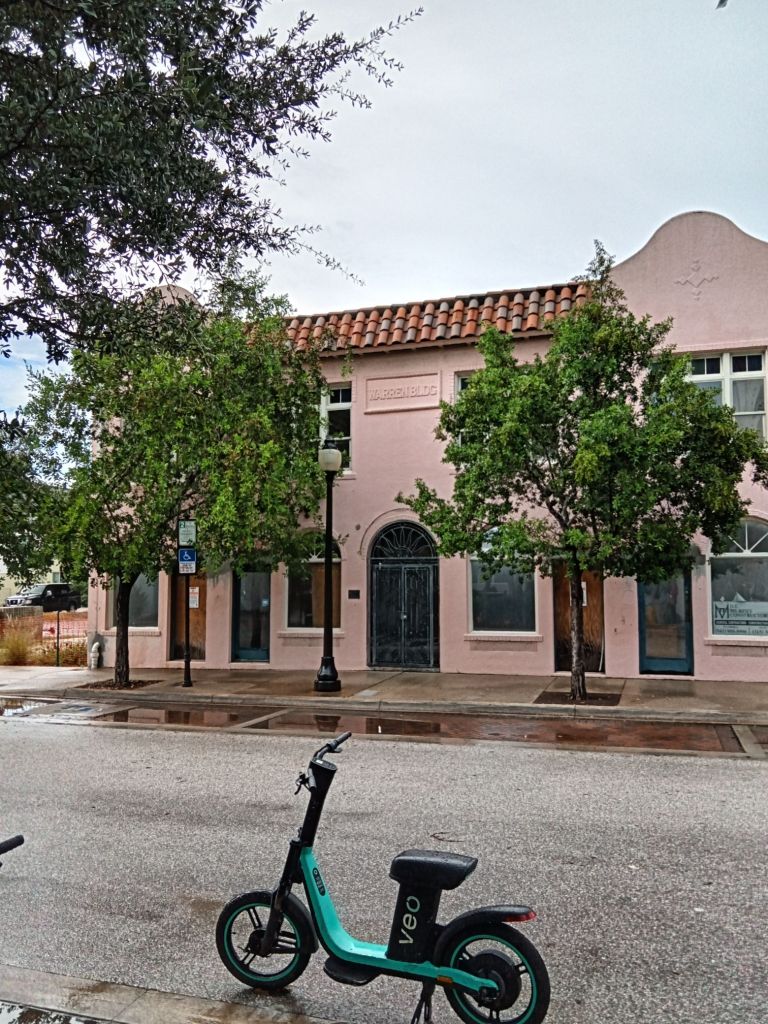
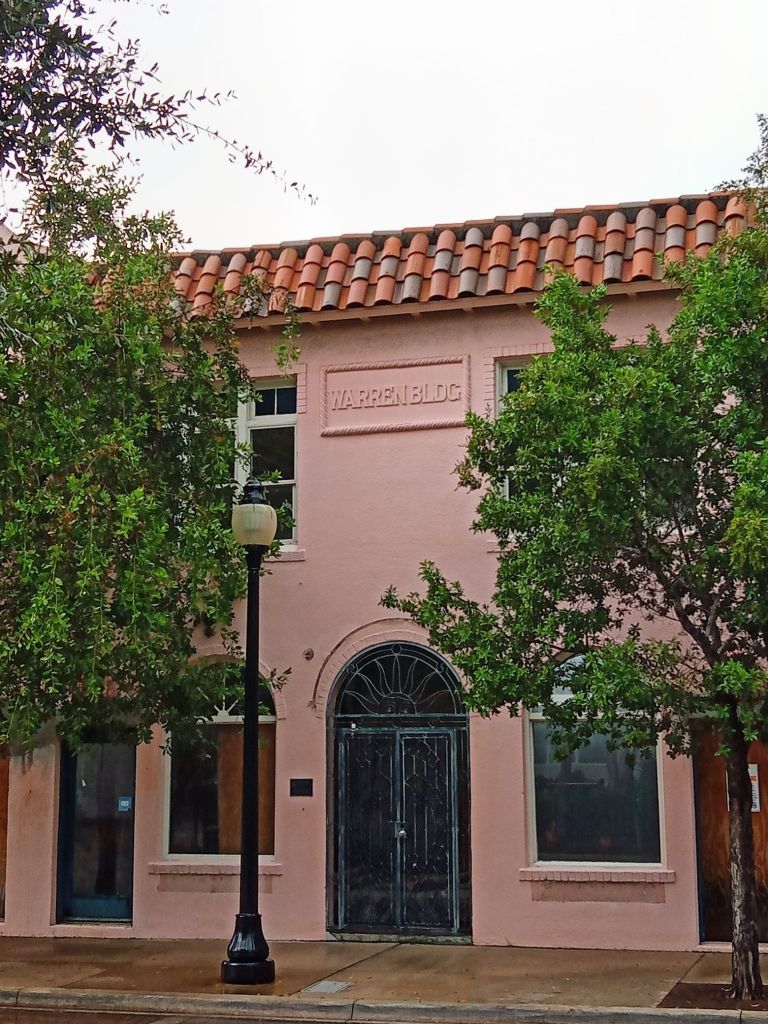
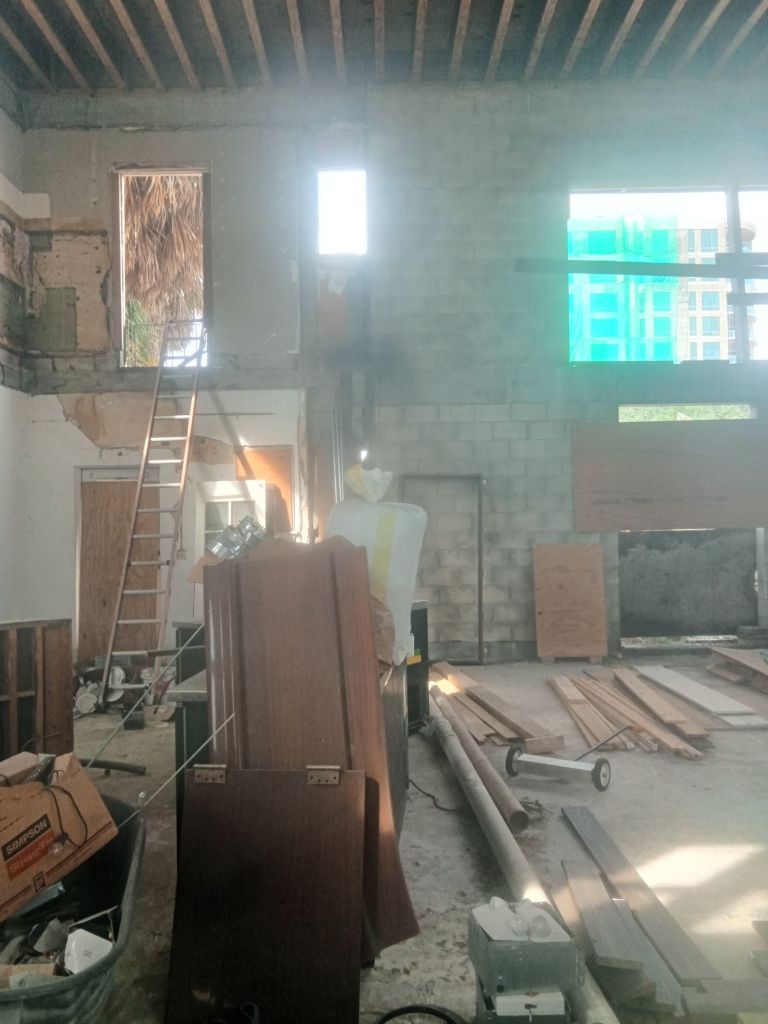
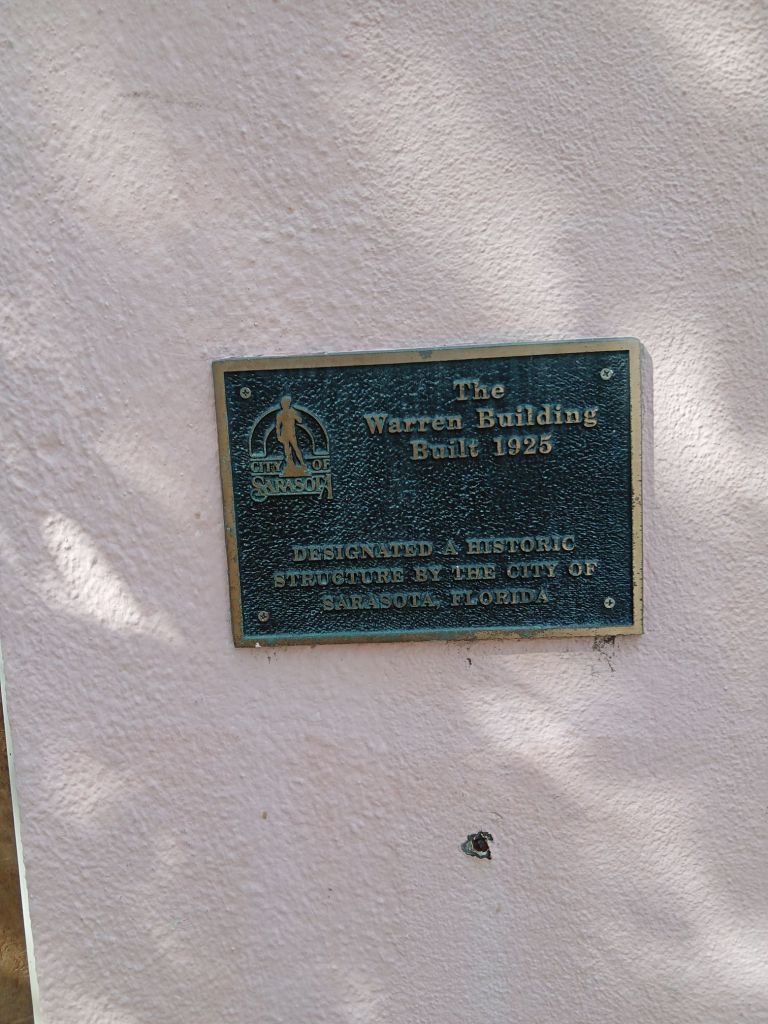
Worth Block Sarasota, Fl

Plaque National Register of Historical Places

Historic Photo

Worth Block

Old Photograph

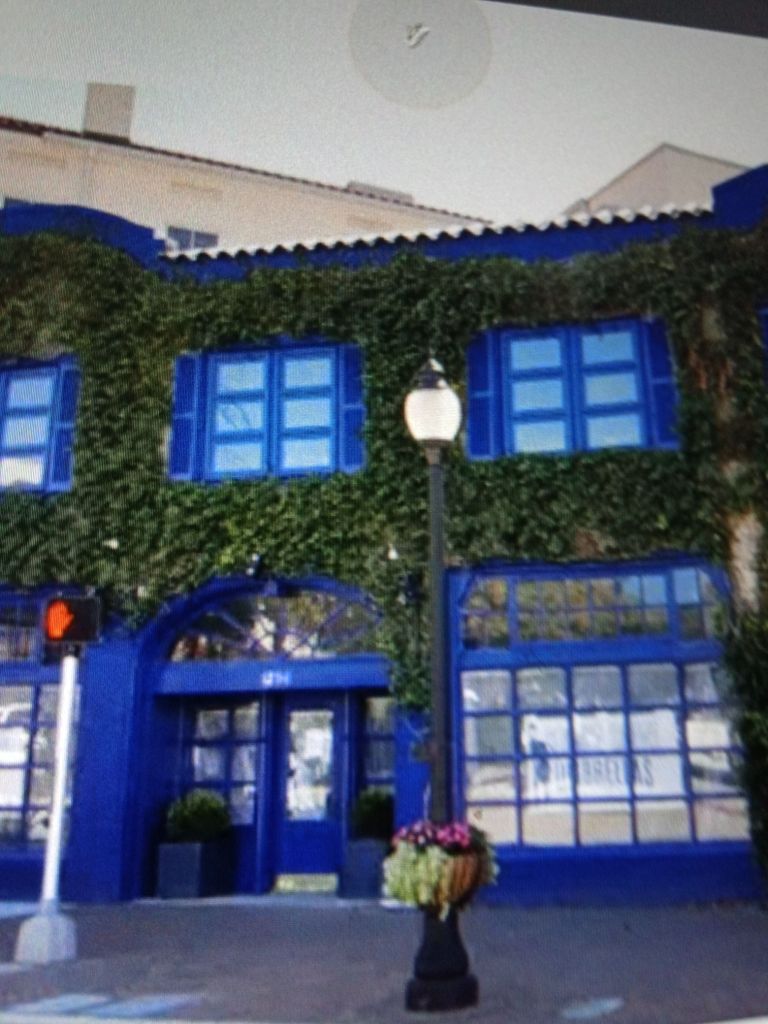
Recent film Gator Club Signage

New Photo Gator Club

Gator Club

Driers Market Market 3 Oaks, MI
Drier’s Meat Market has been a cornerstone of 3 Oaks, Michigan serving the community as a family owned butcher shop for.over 150 years.

Old Photos Driers

Old photos Driers


Niles Railroad Station Niles, MI

The Dewey Cannon
Dewey Cannon
The Dewey Cannon is a historic Spanish Bronze cannon now located in Dewey Cannon Park in 3 Oaks, Berrien County, Michigan. and designated as a Michigan Registered Historic Site.
Origins and capture.
The cannon was originally mounted on Corregidor Island in the Spanish Colonial Harbor of Manila Bay. In May,1898, during the Spanish American War, the U.S. forces under Commodore George Dewey captured the island after the battle of Manila Bay. The cannon was at least 30 years old and already obsolete, was taken as a prize of war. It was renamed in Dewey’s honor.
Fund raising contest
After its capture, the cannon was shipped to the U.S. and displayed in San Francisco. The National Monument Committee of New York offered it as a trophy to the community that raised the most money per capita toward a memorial for the sailors who died when the U.S. Maine exploded in 1898.
3 Oaks Victor
The town of 3 Oaks with about $1400–the largest per person contributions of any community at the time. This sum was equivalent to over $54,000 in 2020 dollars. The town pledged a square block for a park for the cannon.

Hatley Castle


Hatley Castle

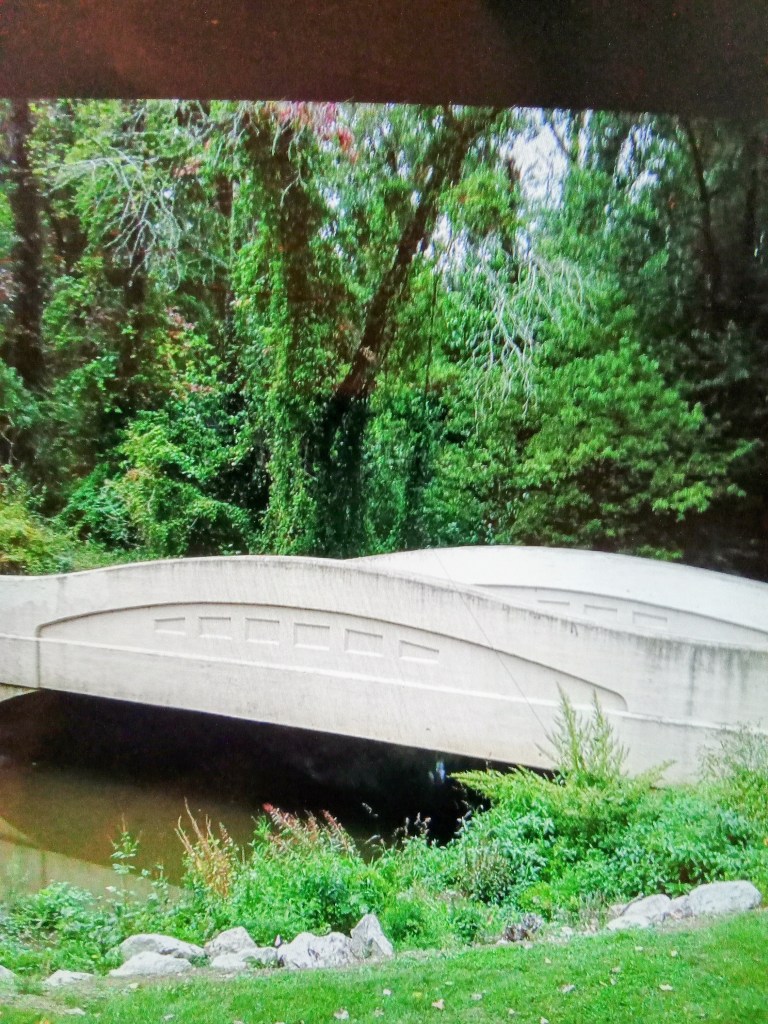
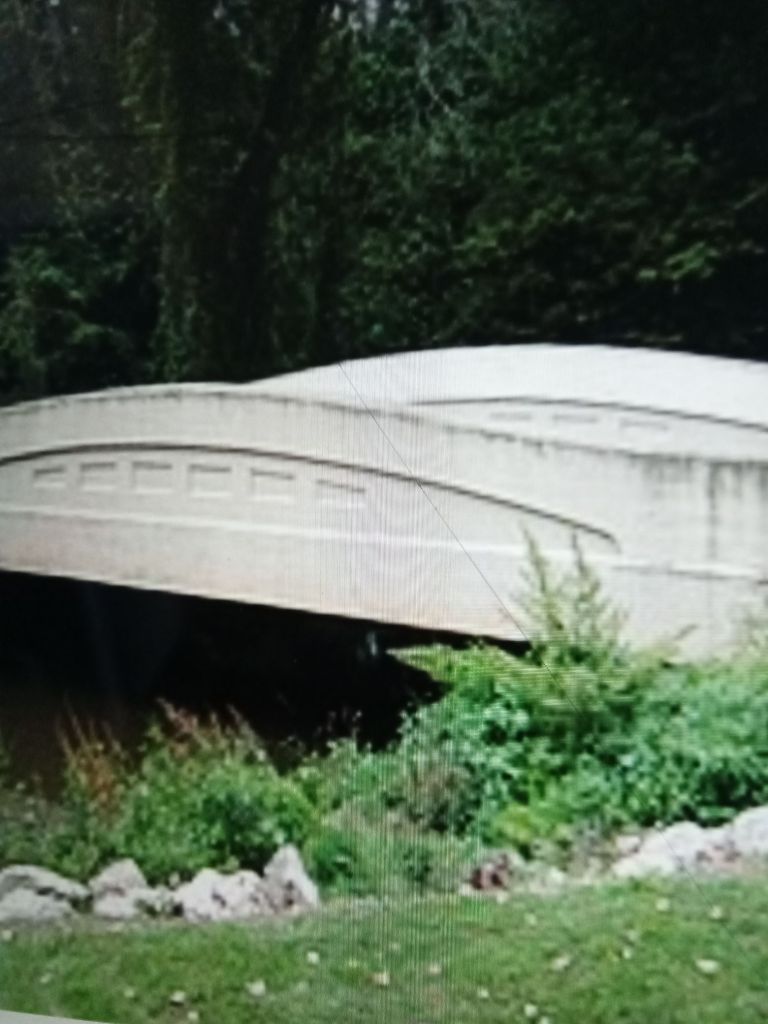
Avery Road-Galien River Bridge

Avery road-Galien River Bridge

Lakeside Inn dining/ballroom
Lakeside Inn was established in the early 20th century in Lakeside, Michigan. It is a historic hotel overlooking. Lake Michigan, recognized for its architectural charm and cultural significance.

Historic Plaque Lakeside Inn
Early History
The Lakeside In is located at 15251 Lakeshore Road in Lakeside, Michigan. The property was first purchased in 1844 by Alfred and Mary Ames, Vermont natives who settled in the area. By the 1890’s,Lakeside had become a popular summer resort destination for visitors, particularly from Chicago, benefiting from its scenic location and good railroad connections.
Establishment of the Inn
In 1901 , John J. and Nancy Aylsworth acquired land including the site of the current Inn. The Inn was constructed around the early 1910’s with the first documented operations by 1915. Initially, several cottages were built alongside the main inn. After John’s death in 1917, Nancy transferred the Inn to their son Arthur Aylsworth who.added significant expansion. By 1930 the Inn offered recreational amenities such as golf, tennis, swimming, and was temporarily renamed the Lakeside Park Country Club, requiring membership.

Lakeside Inn
Cultural Significance
During the 1930s and 1940s, Lakeside Inn hosted Chicago orchestras and became a hub for entertainment in the region. The Inn once featured its own zoo and extensive gardens. Fromn 1968 to 1994, the building was repurposed as the Lakeside Center for the Arts, attracting artists nationwade.

Lakeside Inn
Restoration and Modern Era
In 1995, Devereux Bowly, a Chicago Lawyer restored Lakeside Inn to its 1920s appearance, reviving its historic charm while maintaining it as a functioning hotel. Today , it is owned and managed by Bowly’s family.and continues to.operate with 31 guest rooms, and a grand ballroom., and a 100 foot porch overlooking Lake.Michigan, and private beach.
Architectural Style
The inn is a two and one half to three story wood framed structure with a broad front , side-gabled roof and clapboard exterior. A pair of cross gables face Lake Michigan,complemented by an open shed roof veranda that spans the entire front facsde, reflecting the classic Craftsman focus emphasis on horizontal lines and outdoor porches. Shed roof corners and exposd rafter ends on the eaves contribute to its Arts and Crafts detailing
Interior Elements.
Inside, the inn features a large cobblestone fireplace in the main lobby and additional stone fireplaces in the dining/ballroom area, showcasing the Craftsman styles focus on natural materials and craftsmanship. Rich wooden pillars and furnishings reminiscent of the early 20\th century further support the Craftsman aesthetic.

Room Lakeside Inn

Room Lakeside Inn

Room Lakeside Inn

Lakeside Inn Lobby

Fireplace in the Lobby Lakeside Inn

Grand Ballrooom/Dining Room
The Wilkinson Heritage Museum preserves the history of Wilkinson family and the Lakeside area in.1850 historic building originally built by John.Wesley Wilkinson.
Origins and Founding
The Wilkinson Heritage Museum is located at 15300 Red Arrow Highway in.Lakeside, MI.and is housed in a historic building dating back to.1850. The structure was originally a trading post.built by.John Westley Wilkinson, the founder of Lakeside reflecting. the early settlement and commercial activity in the region. The building retains its original hand-hewn beams and mortise and tenon construction showcasing 19th century craftmenship.

This building is.home to.2 retail spaces and the Wilkinson Heritage Museum
Museum Collections
The museum collection focuses on both Wilkinson family legacy and the broader heritage of Lakeside. Exhibits include early photographs of the area, Civil War letters, period dolls, furniture, clothing and jewelery, providing a tangible connection to the lives of early settlers. These artifacts highlight the social, cultural, and economic history of the region, offering visitors insight into the daily life in the 19th and early 20th century.
Historical Significance
The museum not only preserves the Wilkinson family legacy but also emphasizes the interrelationship between the area’s people, land and waters, including the recognition of the Anishinaabek/Odawa and Ojibwe communities. It serves as a center for learning and appreciation of local history, promoting awareness of the region’s settlers and indigenous heritage.
Preservation and Community Role
Operated by the Wilkinson Homestead Society, a nonprofit organization, the museum relies on memberships and donations to maintain and restore the historic building and its collections. It functions as both as a historical site and an educational resource, hosting exhibits and programs that celebrate Lakeside’s past.