Plaque is dated 1933
Secretary of the Treasury William Woodin
Postmaster General James Farley
Assistant Secretary Treasury Lawrence W. Robert
Acting Supervising Architect James Wetmore
Architect Nat Gaillard Wetmore
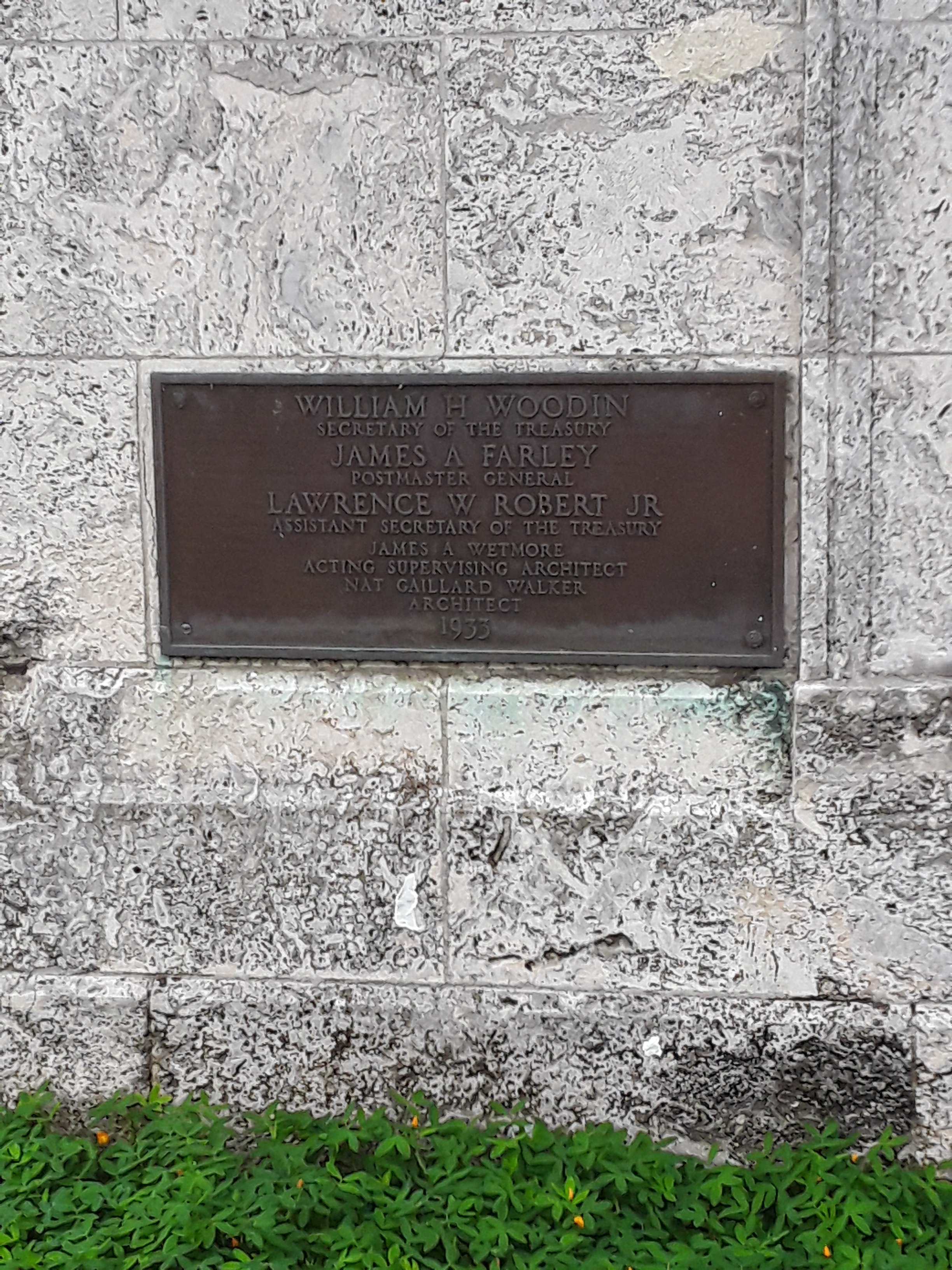
Plaque is dated 1933
Secretary of the Treasury William Woodin
Postmaster General James Farley
Assistant Secretary Treasury Lawrence W. Robert
Acting Supervising Architect James Wetmore
Architect Nat Gaillard Wetmore

Laurent House
This house was built in rural Rockford, Illinois. It was designed in 1949 by Frank Lloyd Wright for Kenneth Laurent and his wife Phyllis. Kenneth was a paraplegic World War 2 vet. It was the only house Wright designed for a client with physical disabilities.
This was a single story home. The inside color scheme is orange, red and green. Most of the furniture was build by Wright and his interns. The Laurent’s lived in the house for 60 years.
It was listed on the National Register of Historic Places in 2012.
Currently, the home is open to the public for tours

Seth Peterson Cottage
This home was designed by Frank Lloyd Wright in 1958. It is located on Mirror Lake near the Wisconsin Dells. It is 880 square feet. It is perched on a steep hill. It has Wisconsin stone buttresses and walls. There is a large chimney and a central fireplace. There is an interior frieze showing stylized pine trees cut from plywood.
Mr. Peterson commissioned Wright to build the cottage for himself and his wife. He died before it could be built.
The house is currently owned by Mirror Lake State Park. It is opened for tours and overnight stays.

Lynn Hall Memorial Park 950 Estero Blvd., Fort Myers Beach, Fl
This park is located at Fort Myers Beach. It is north of the foot of Mantanzas Pass Bridge. It is located next to Times Square. The park is near to shopping and restaurants. There is a licensed fishing pier. There are outdoor rinse off showers,restrooms, changing rooms and access beach access.
The park was named after Lee County Deputy Sheriff who was murdered in the line of duty.
This is a bridge that carries San Carlos Boulevard ( Florida 865) from Florida mainland to Estero Island. This is also known as the Sky Bridge. The current bridge opened in 1979 and is 65 feet tall. At the time of its construction, it was the tallest bridge in Lee County. There are single northbound and southbound lanes. The bridge is a concrete girder type.

Mantanzas Pass Bridge View

Same as above

View from Mantanzas Pass Bridge

Same as above

Doc Ford’s Rum Bar and Grill

Doc Ford’s Rum Bar and Grill

Doc Ford’s

Doc Ford’s Rum Bar and Grill

View from Doc Ford’s Rum Bar and Grill

Crescent Beach Family Park Fort Myers Beach, Forida
This is a 2 acre beachfront park in Fort Myers Beach at the base Matanzas Bridge on Estero Blvd. It includes 400 feet of beach with 4 access points.

Crescent Beach Family Park
It includes 2 modular rest rooms; 2 handicap.parking spaces; 2 sand volleyball courts; 4 picnic shelters with tables.

Same as above

Crescent Beach Family Park

Signage Front of Fishing Pier
The original Fort Myers Beach Pier was a wooden structure built in 1930’s. The adjacent land was used for parking, picnicking, swimming. Lee County acquired the property in the 1970’s. The pier was reconstructed of concrete. It was 560 feet.
The pier was destroyed in 1991 during a storm. It was reconstructed. It has remained intact for 30 years.
The pier is located at 950 Estero Blvd. Fort Myers Beach

Signage Pier Built 1976; Rebuilt 1991

Fort Myers Beach Fishing Pier

View from Fort Myers Beach Fishing Pier

View from Fishing Pier

View from Fishing Pier

Fort Myers Beach Fishing Pier

Fort Myers Beach Fishing Pier

Same as above

Fort Myers Beach Fishing Pier

View of Fort Myers Beach Fishing Pier

Foster Family House
This is a Japanese influenced house designed by Frank Lloyd Wright. It is located at 12147 South Harvard in the West Pullman neighborhood of Chicago. It was designed in 1900 as a summer home for Stephen A. Foster, an attorney. The style is Japanese. It was designated a Chicago landmark in 1996.
This is a wood paneled home in hues of green and yellow. There are 5 bedrooms, a sweeping front porch, a horse stable, a chicken coop, and a fireplace. It was originally listed for sale at $205,000 in 2017. There have been price reductions reflecting the amount of work needs to bring the house up to date.

McCollum Hall Fort Myers
McCollum Hall is a 2 story building located at the corner of Martin Luther King Jr Boulevard and a Cranford Avenue in the Dunbar community of Fort Myers. It was built for Clifford McCollum, Sr in 1938. The architect was Frank Bail.
It is actually 2 combined buildings. The external walls are masonry and stucco. The second floor was originally a dance hall 2,500 square feet. There is a raised stage where performers such as Louis Armstrong and Duke Ellington performed in the 1940–1950’s. During World War II, the ballroom served as the USO for Afro-American troops from Page and Buckingham Airfields. Later on, the second floor was used for housing.
The ground floor was divided in 3 providing rental space for various businesses over the years.
Unfortunately over the years, the building markedly deteriorated and was in dire need of rehabilitation. There have been various proposals for renovation McCollum Hall.

McCollum Hall Fort Myers

Same as above
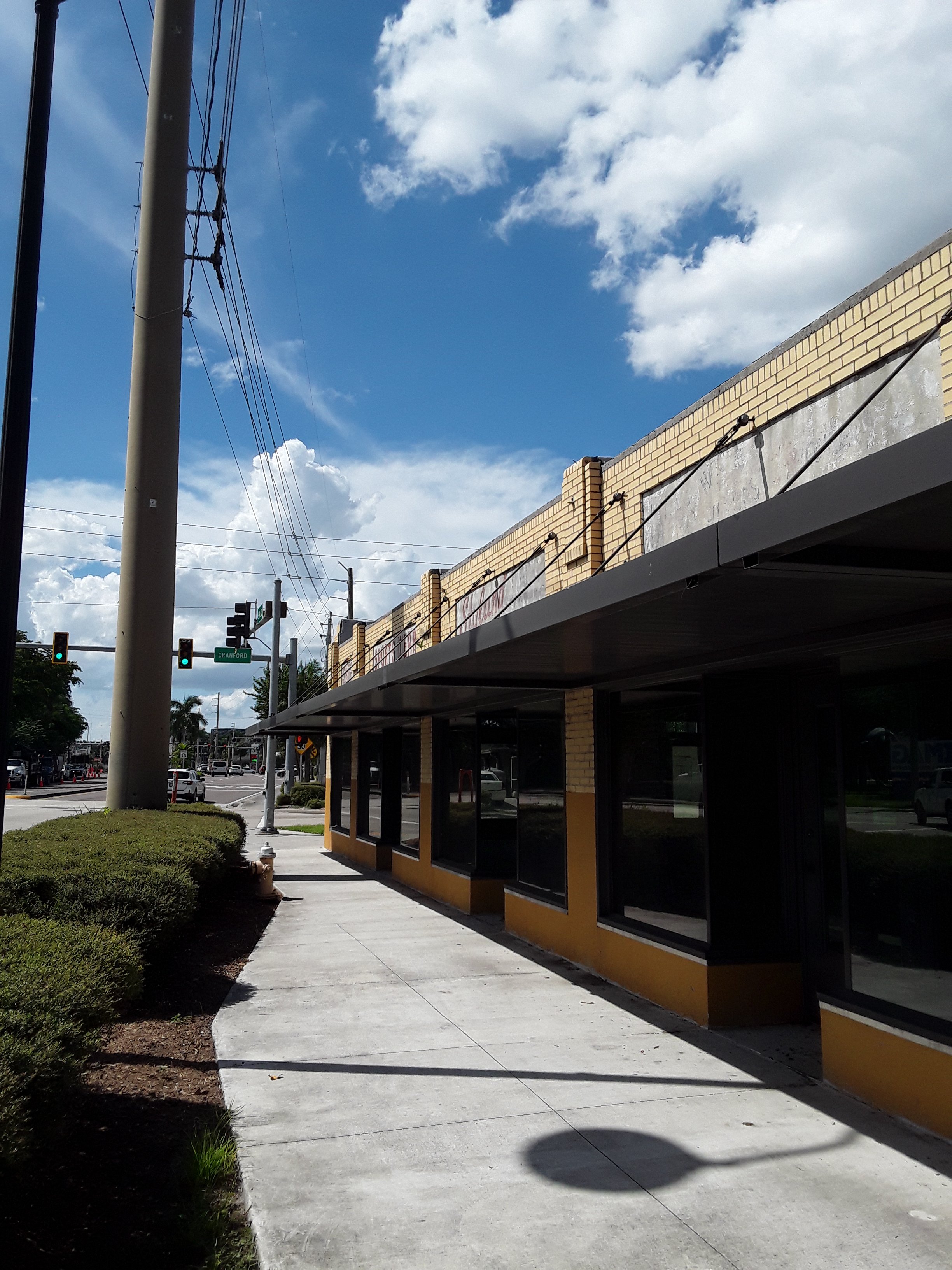
Recent Photos McCollum Hall 10/6/2021
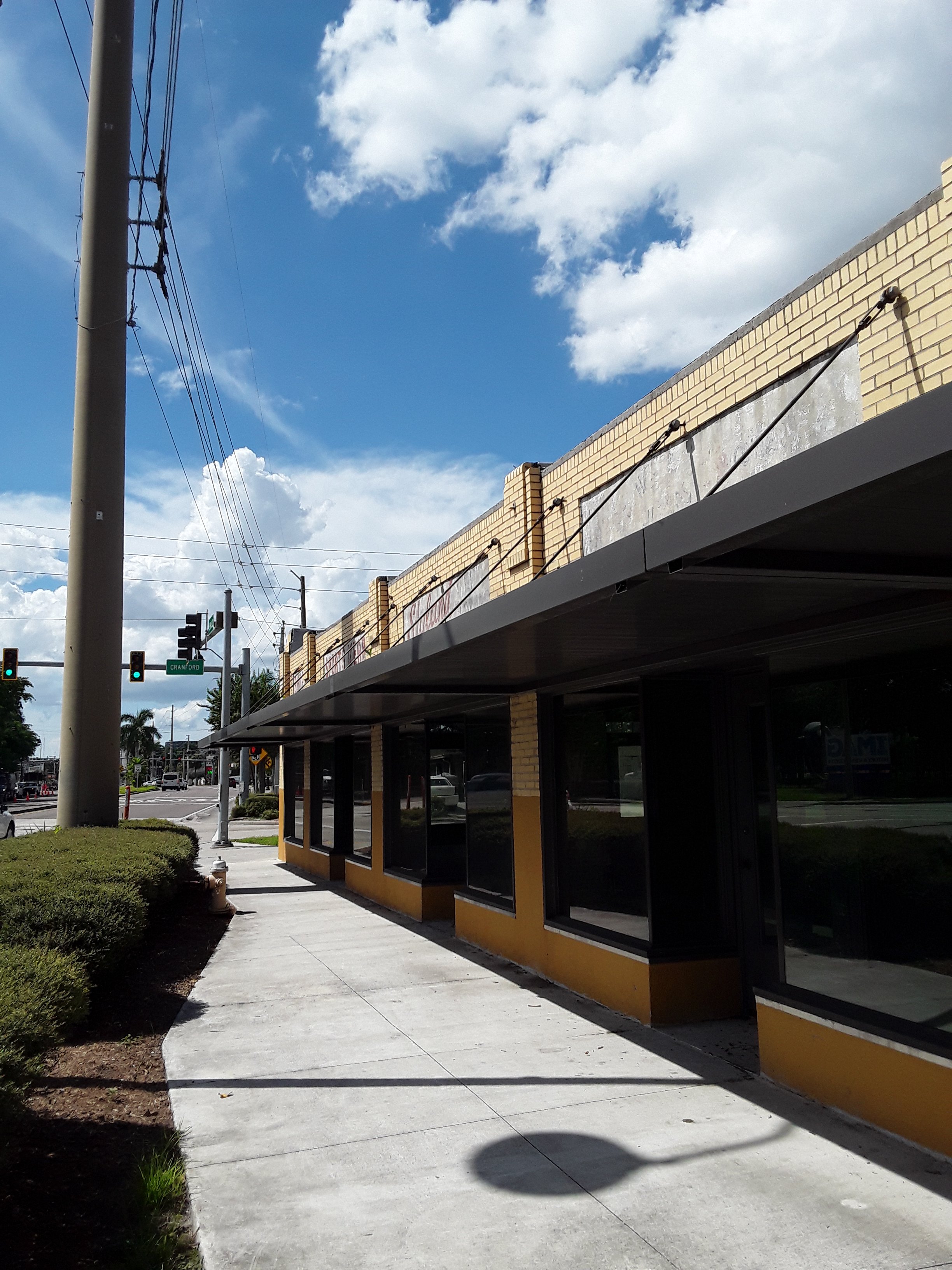
Recent Photos McCollum Hall
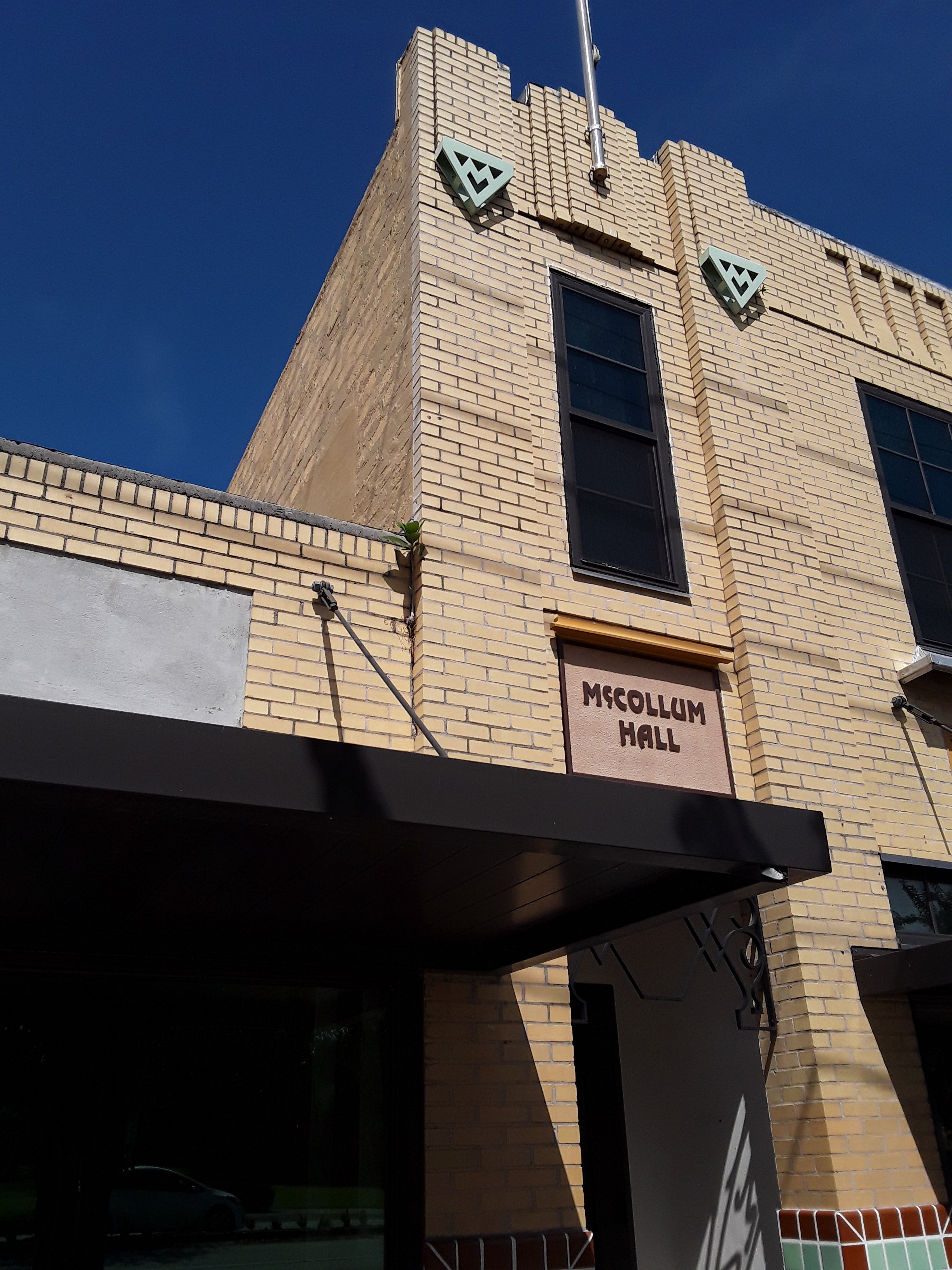
Same as above

