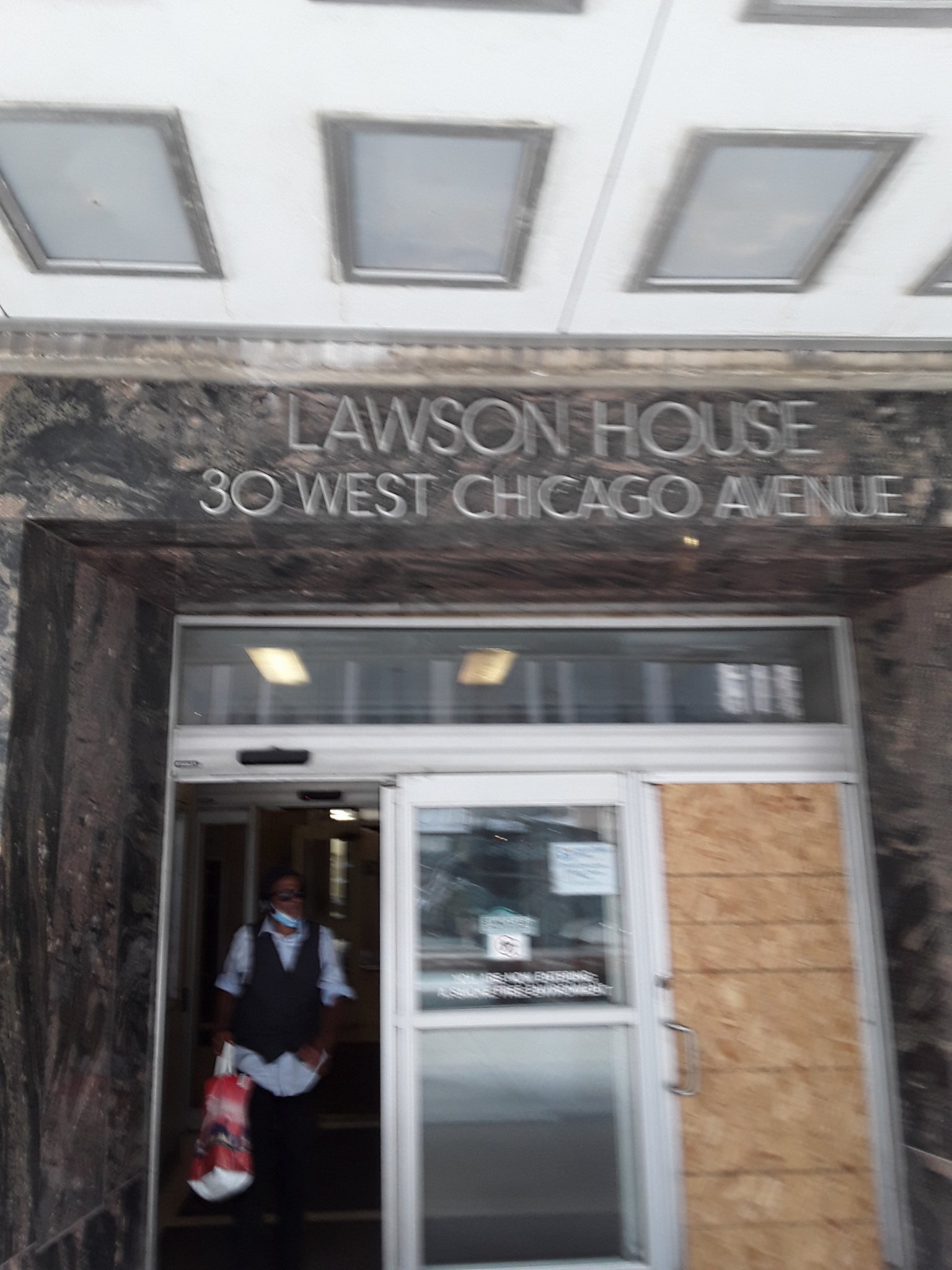
Lawson House

Lawson House 30 West Chicago Ave. Chicago, Il

     The historic Victor F. Lawson House is a  former YMCA building which is located at 30 West Chicago Avenue, Chicago, Il.  It was built in 1931. It is a 24 story Art Deco Building. It was named after Victor Lawson, a newspaper man and a generous donor to the YMCA.  The architects were Perkins, Chatten and Hammond.

Victor F. Lawson House

     Starting in the Depression, the YMCA used the building to provide affordable housing, community services and family programs.  The YMCA moved its headquarters to the near west side in 2013.

     In 2014, the building was sold to Hasten Real Estate Development Company for one dollar.  This was with the proviso that the building was to be used for affordable housing for the next 50 years.  Since the sale,an extensive renovation has been undertaken.

     The Lawson House Building was listed in the National Register of Historic Places in 5/8/2017
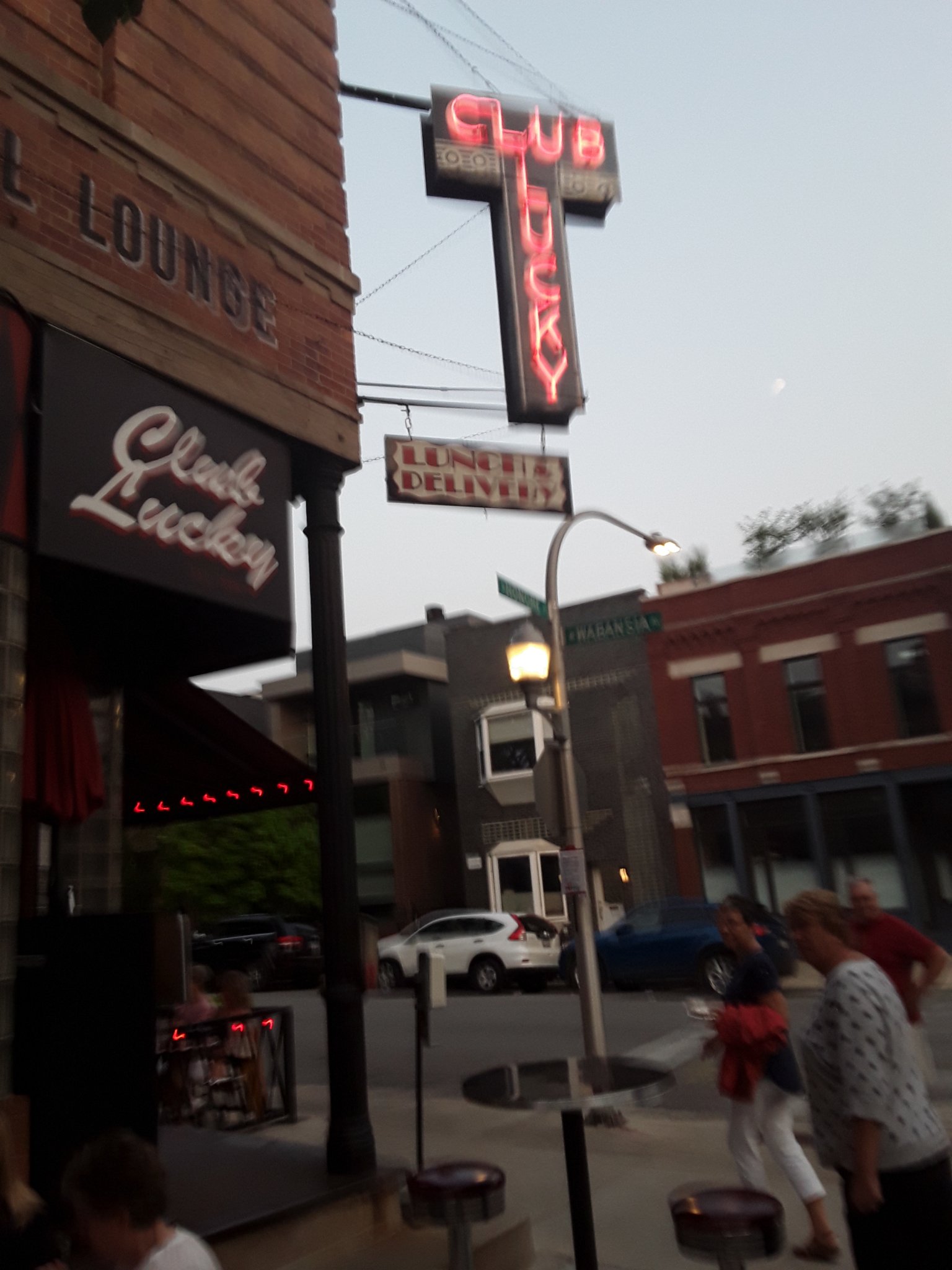

Club Lucky, Chicago, Il

Club Lucky at corner of Wabansia and Honore 

Same as above

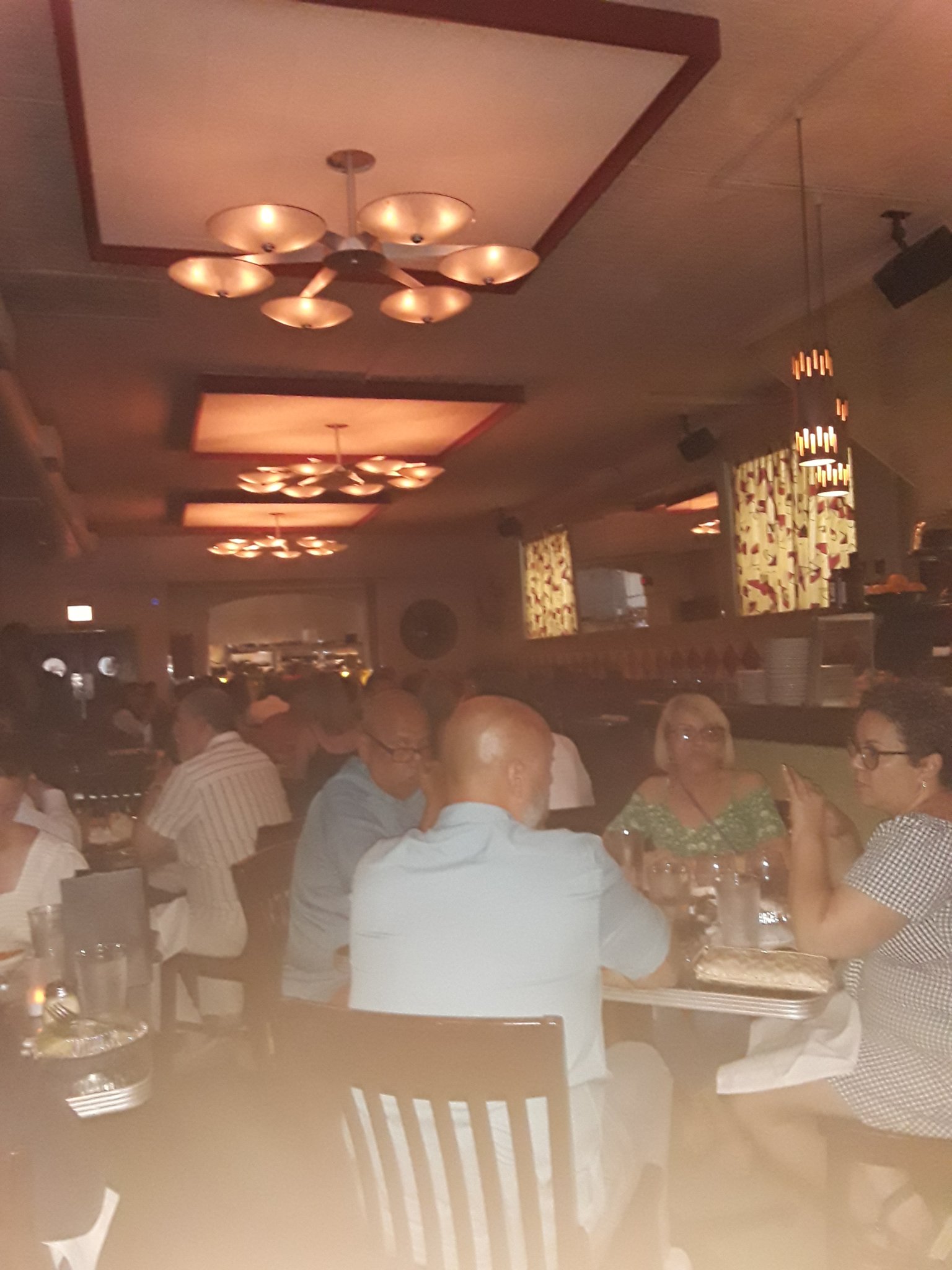
Inside Club Lucky

     Club Lucky is an Italian restaurant in Chicago located at the corner of Wabansia and Honore.   The co-owners are Jim Higgins and and Robert Paladino.  They purchased a Polish corner bar and an adjacent abandoned community center. In one year,  in 1990 they transformed the two buildings into what is now known as Club Lucky.  Apparently, during Prohibition there was a speak easy at this site.

     Bar area is a replica of the original room as in 1938.  The dining room seats.140.

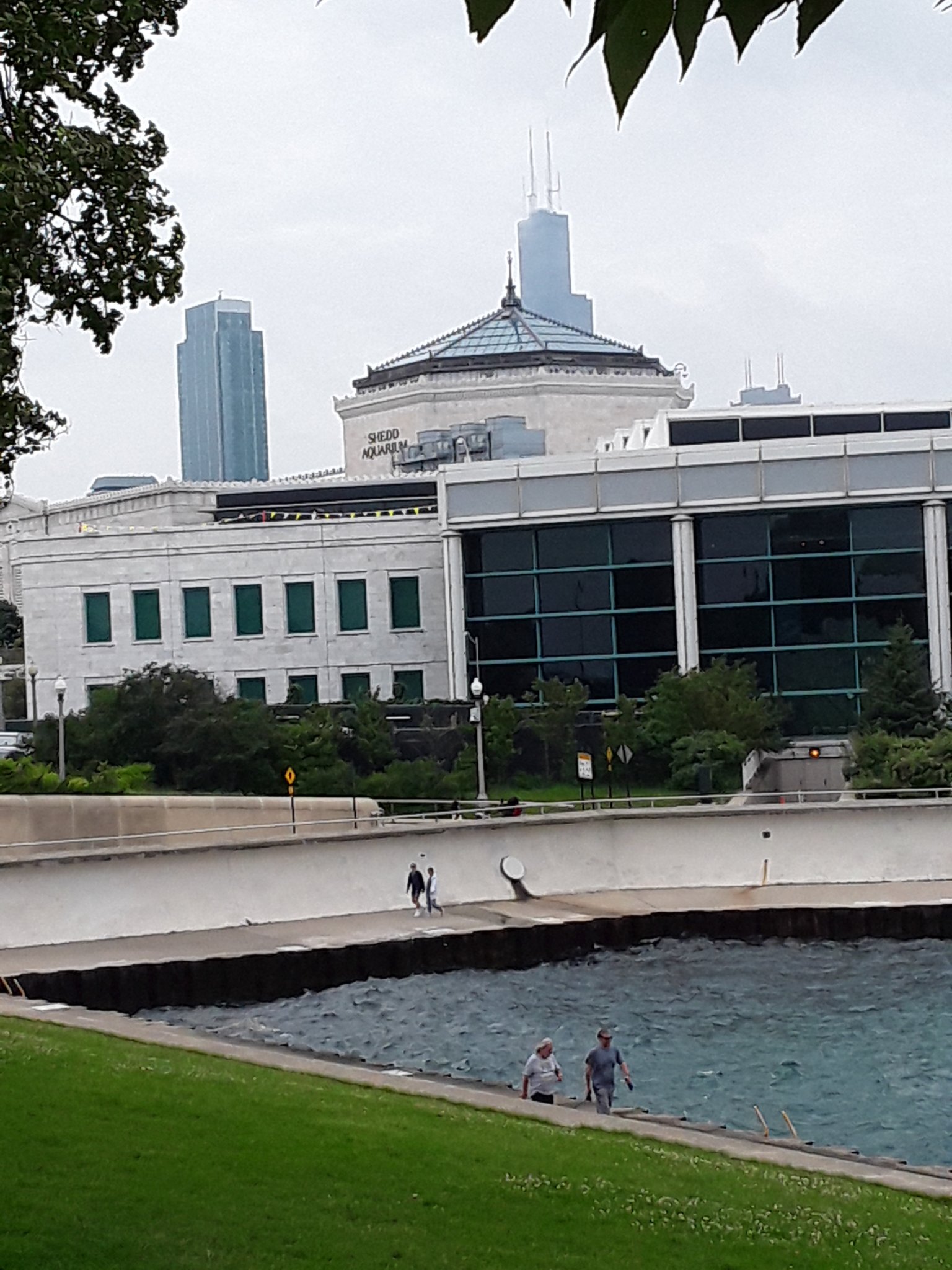
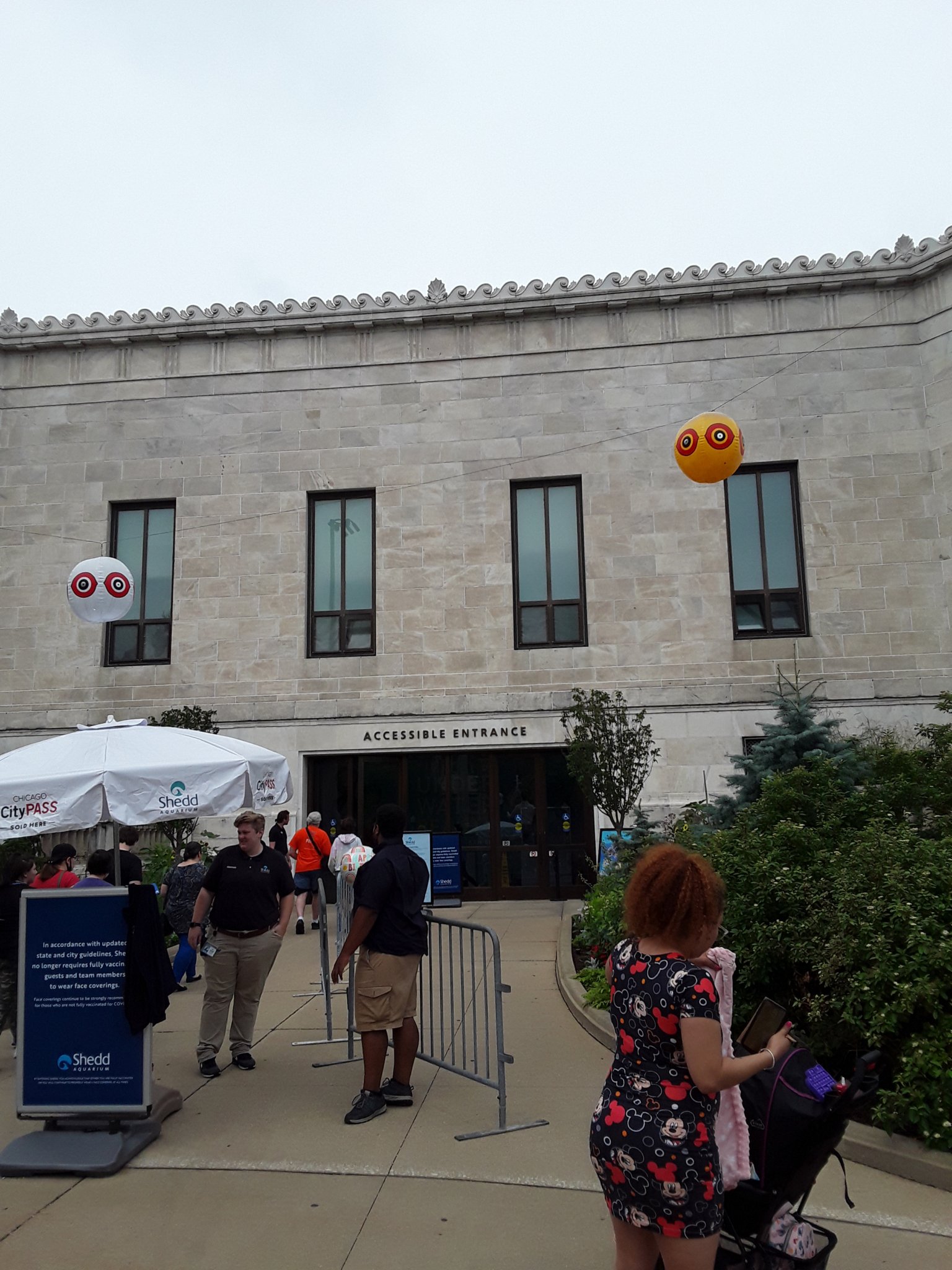
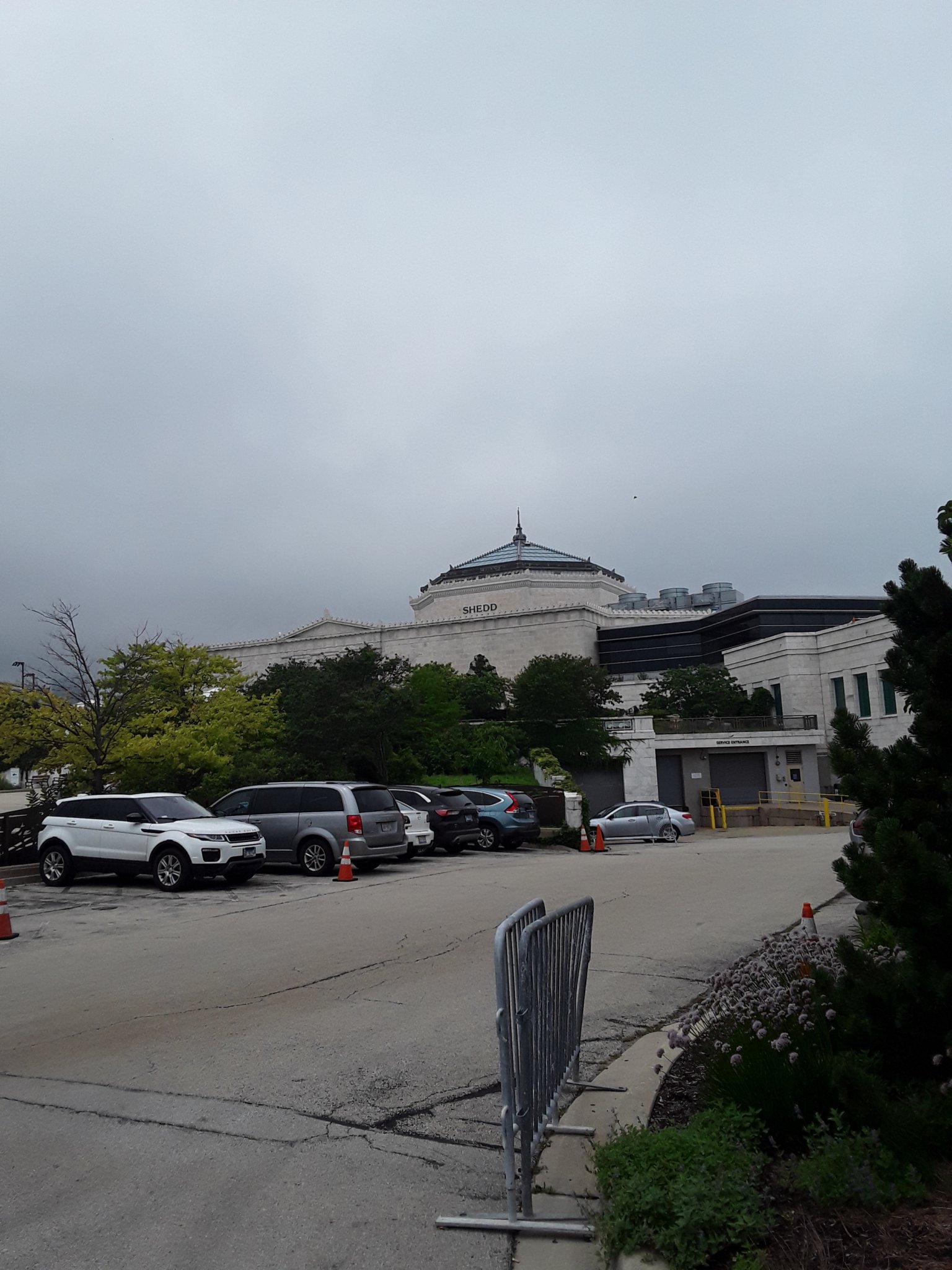
Shedd Aquarium, Chicago, Il

John G. Shedd Aquarium, Chicago, Il

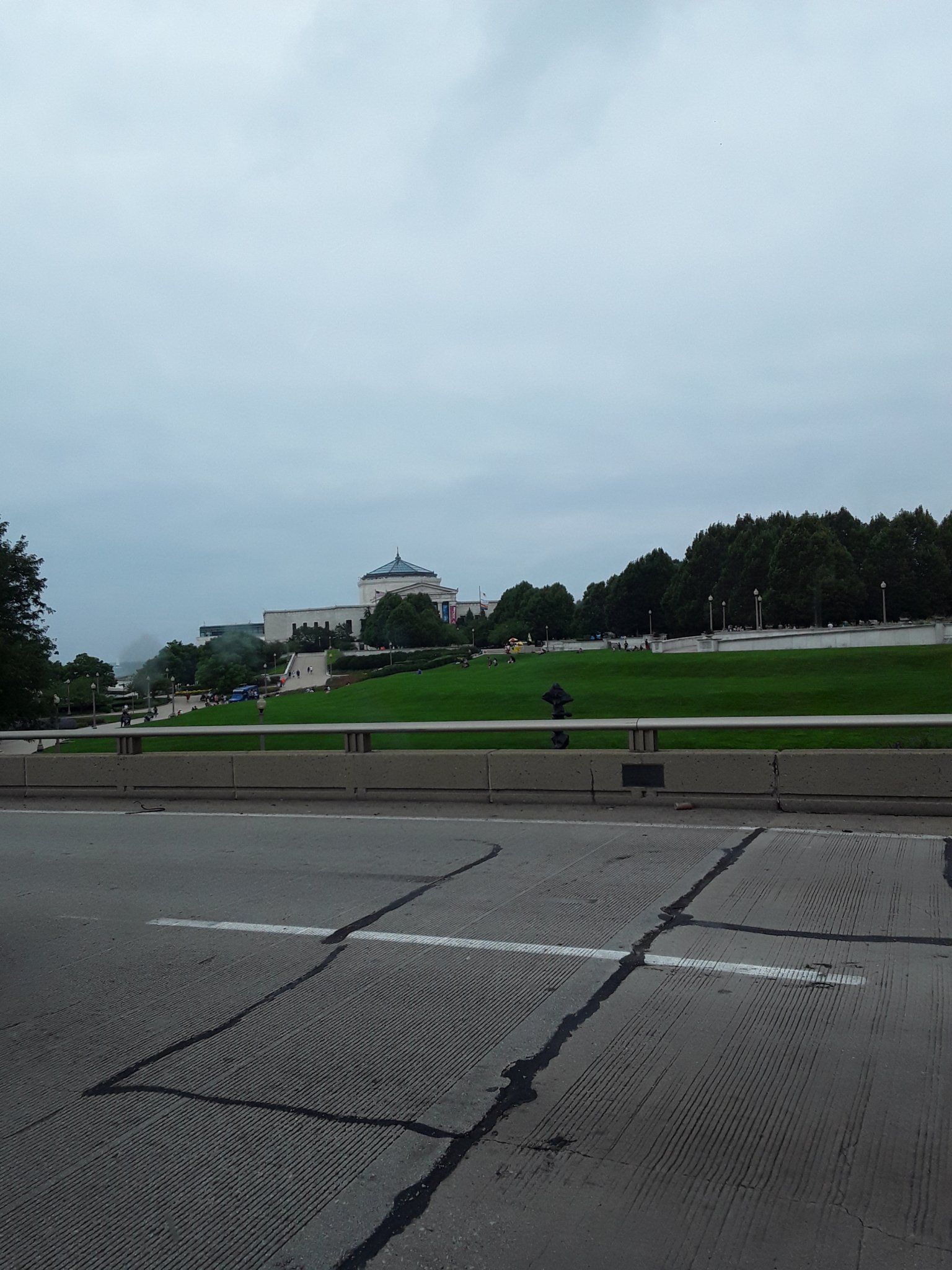
     The Shedd Aquarium is located at 1200 S. Lake Shore Drive, Chicago, Illinois.  It is an indoor public aquarium.  The building was a gift of retail leader John. G. Shedd. Construction costs were $3,000,000.  Architects were Graham, Anderson, Probst and White.  Aquarium opened May 30, 1930.

     Features included Amazon Rising  8,600 square feet re-creation of Amazon.River and adjacent jungle.

    Added 1971, re-creation of Caribbean Coral Reef  (90,000 gallons)

     Wild Reef 2003.  525,000 gallon re-creation of Philippine Coral Reef.

     Polar Play Zone  View area of beluga whales, dolphins, see otters, and penguin.

     Sting Ray Touch 2013. Guests are able to touch cow nose rays and yellow spotted rays.

Shedd Aquarium, Chicago, Il

     Ocenarium  1991. Features marine mammals Pacific Dolphins, Beluga Whales, penguins

Shedd Aquarium

     One World Aquatic presentations of dolphins, beluga whales, and penguins.

4D movie theater  Interactive theater.

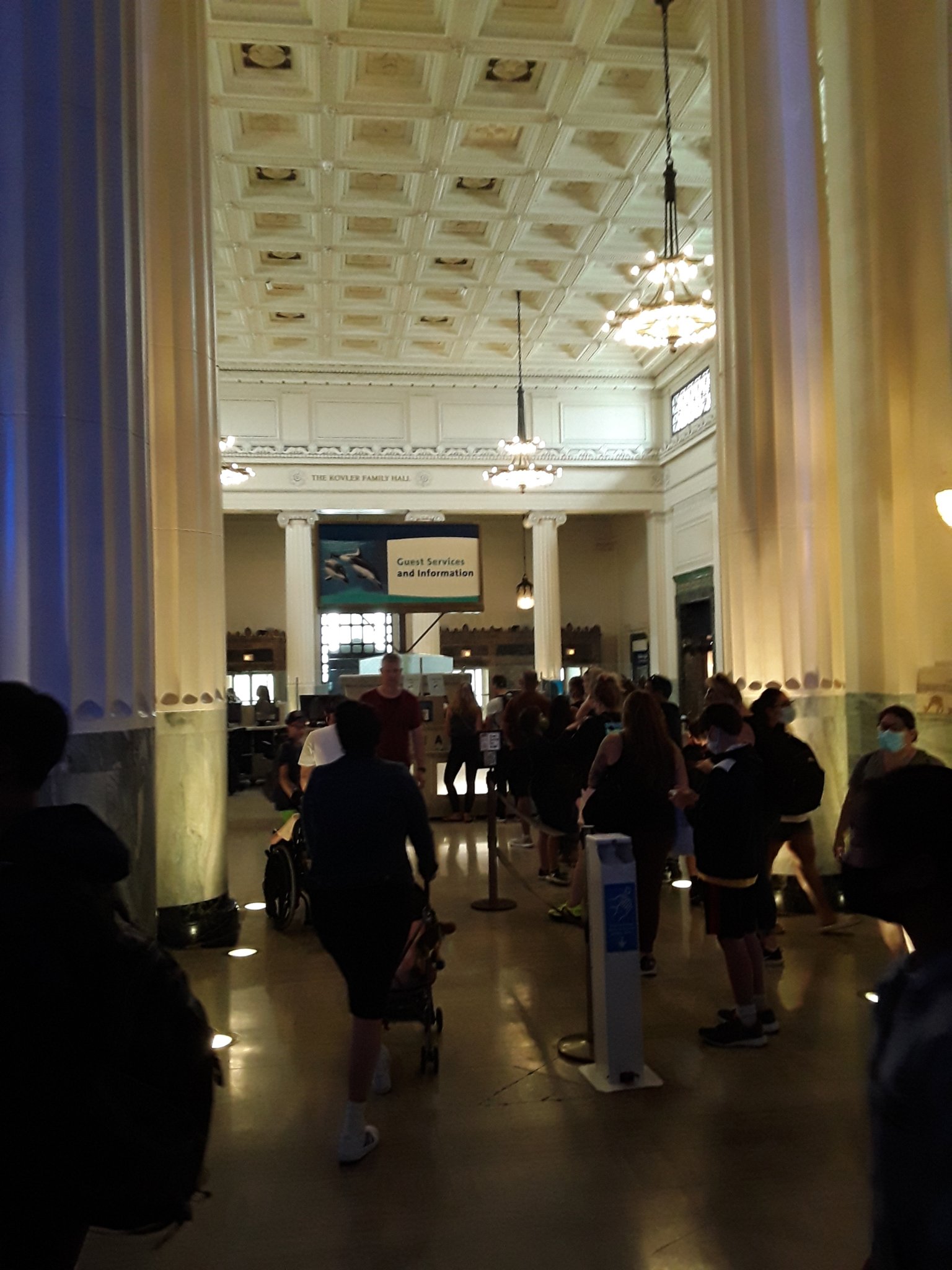
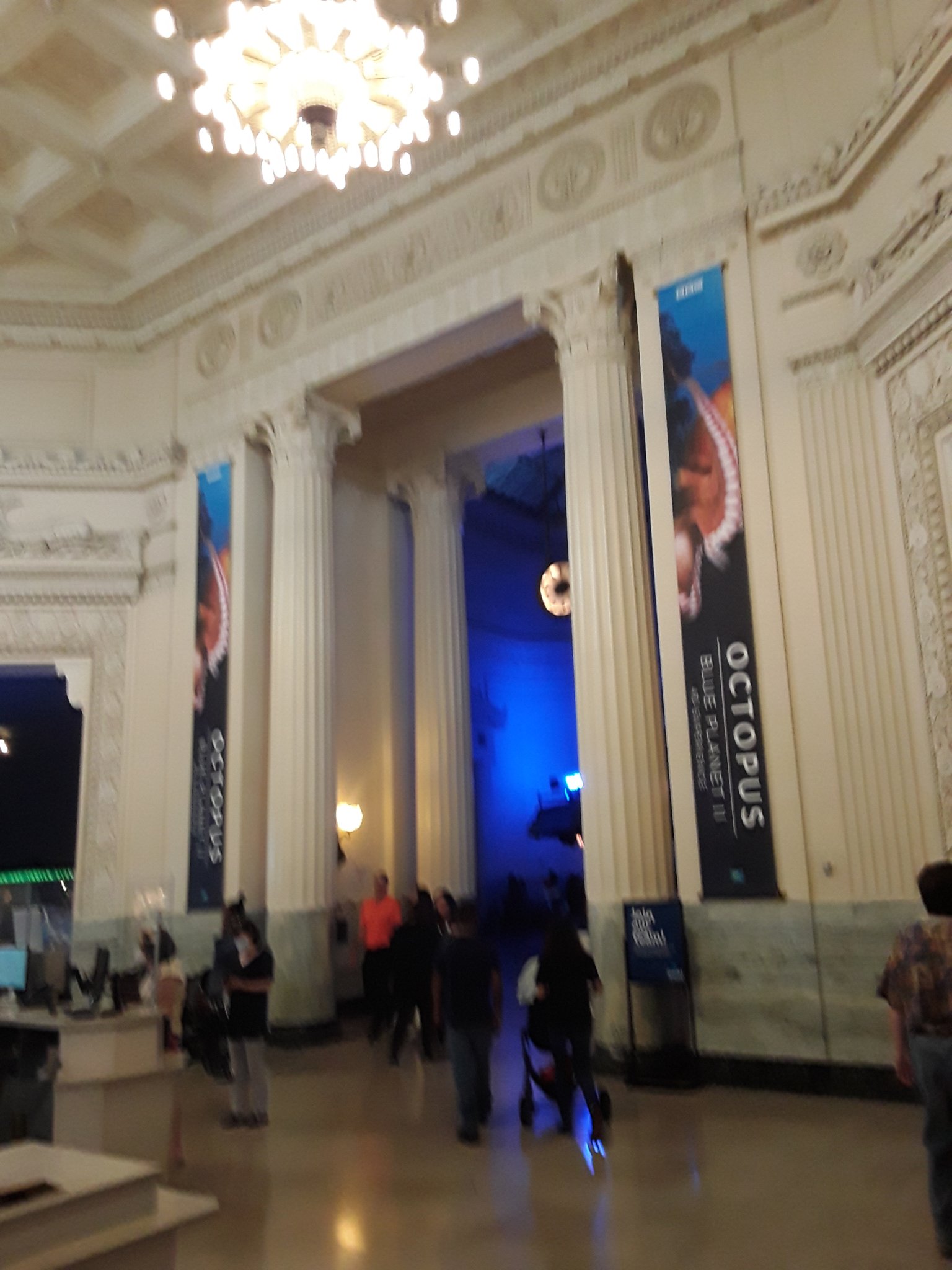
Interior Shedd Aquarium

Same as above

Field Museum, Chicago, Il.

Field Museum Chicago, Il.

     The Field Museum and its collection originated from the 1893 World  Columbian Exhibition and the artifacts displayed.   In order to preserve  the collections assembled for the Exhibition, Edward Ayers convinced Marshal Field to fund a museum.  This was originally named the Columbian Museum of Chicago.  The Field.Museum.of Chicago was incorporated by the State of Illinois on 9/16/1893.

     The goal of the museum was the accumulation and dissemination of knowledge and the preservation of exhibits and artifacts illustrating art, archeology, science and history.

     The Columbian Museum of Che occupied the only building remaining from the Worlds Exhibition in Jackson Park, the Palace of the Time Arts.  In 1905, the name was changed to the Field Museum of Natural History.  In 1921, the Museum was relocated to its current location.  The architects of the current building were Daniel Burnham and Pierce Anderson.  The building style was Classical.Revival.

Field Museum, Chicago, Il

Adler Planetarium Chicago, Illinois

Adler Planetarium, Chicago, Il

Adler Planetarium Chicago

National Historic Landmark Plaque

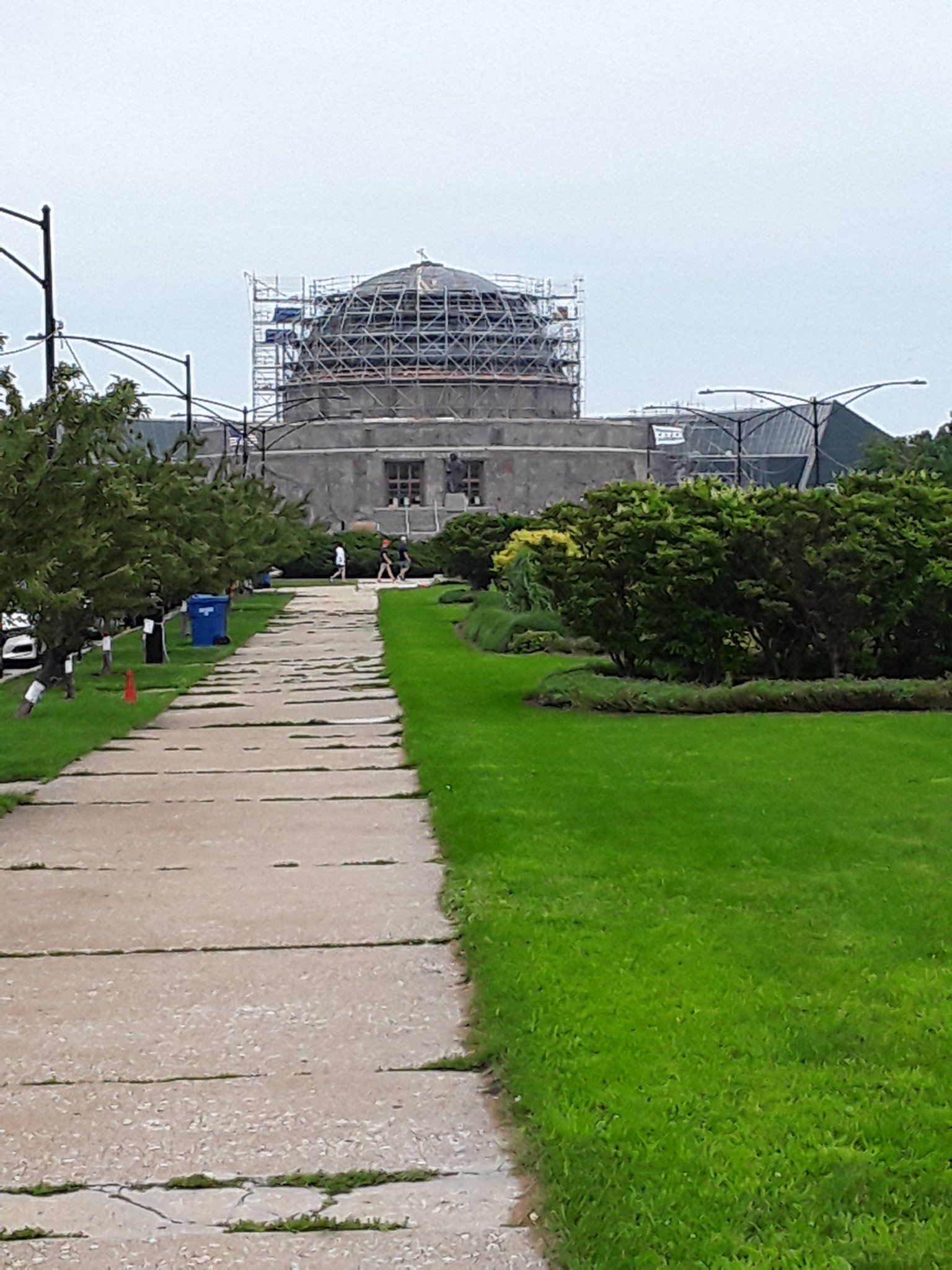
     Adler Planetarium is a public museum in Chicago located at the tip of Northerly Island.  It was founded for the study of astronomy and astrophysics. It was founded by Max Adler, A businessman with Sears, Roebuck Company.  Construction costs were $500,000. Architect was Ernest Grunsfield, Jr.  It officially opened on May 12, 1930.  It was listed on the National Register of Historic Places on 2/27/1987.

     The museum features three full sized theaters, space science exhibits, Gemini 12 space capsule.