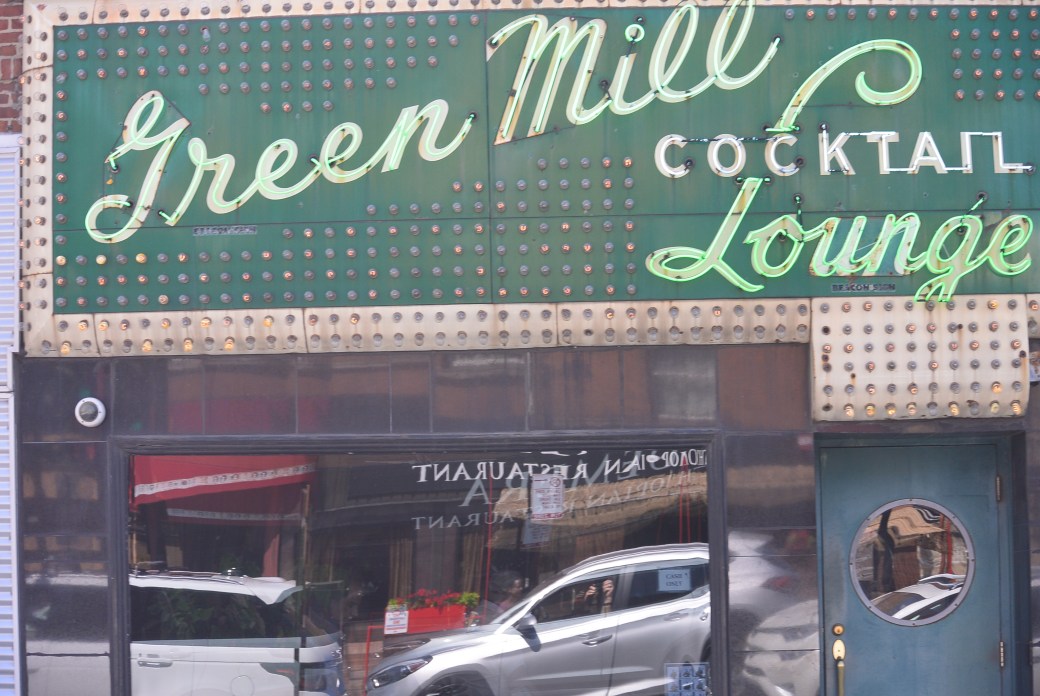
Green Mill Cocktail Lounge

Green Mill Cocktail Lounge
DSC_4307

Green Mill Cocktail Lounge

DSC_4308

Green Mill Cocktail Lounge

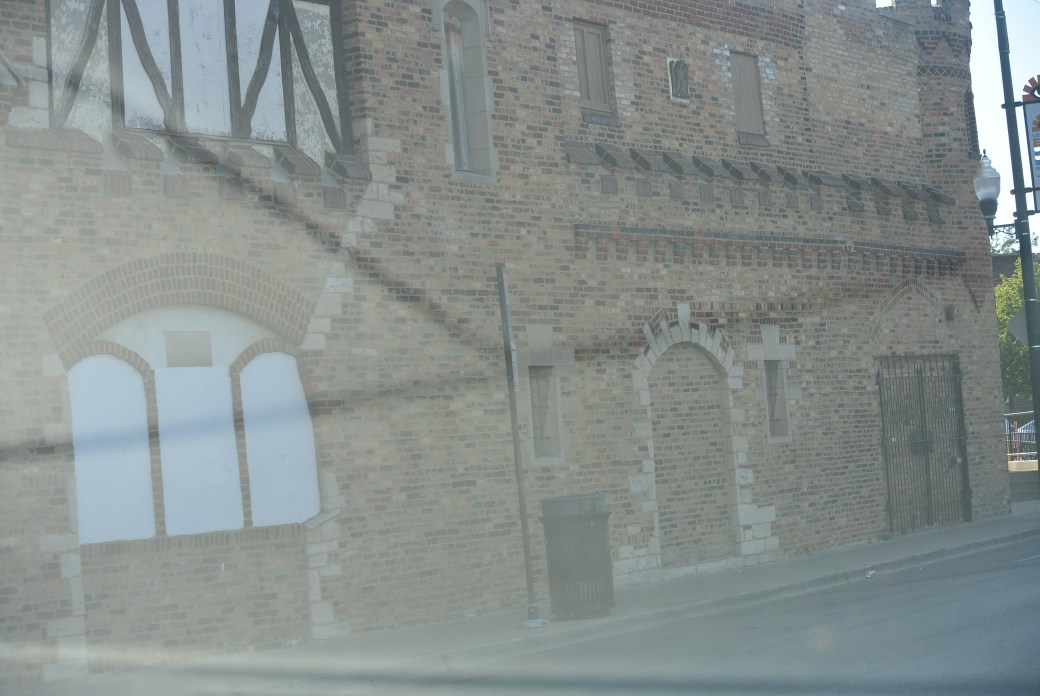
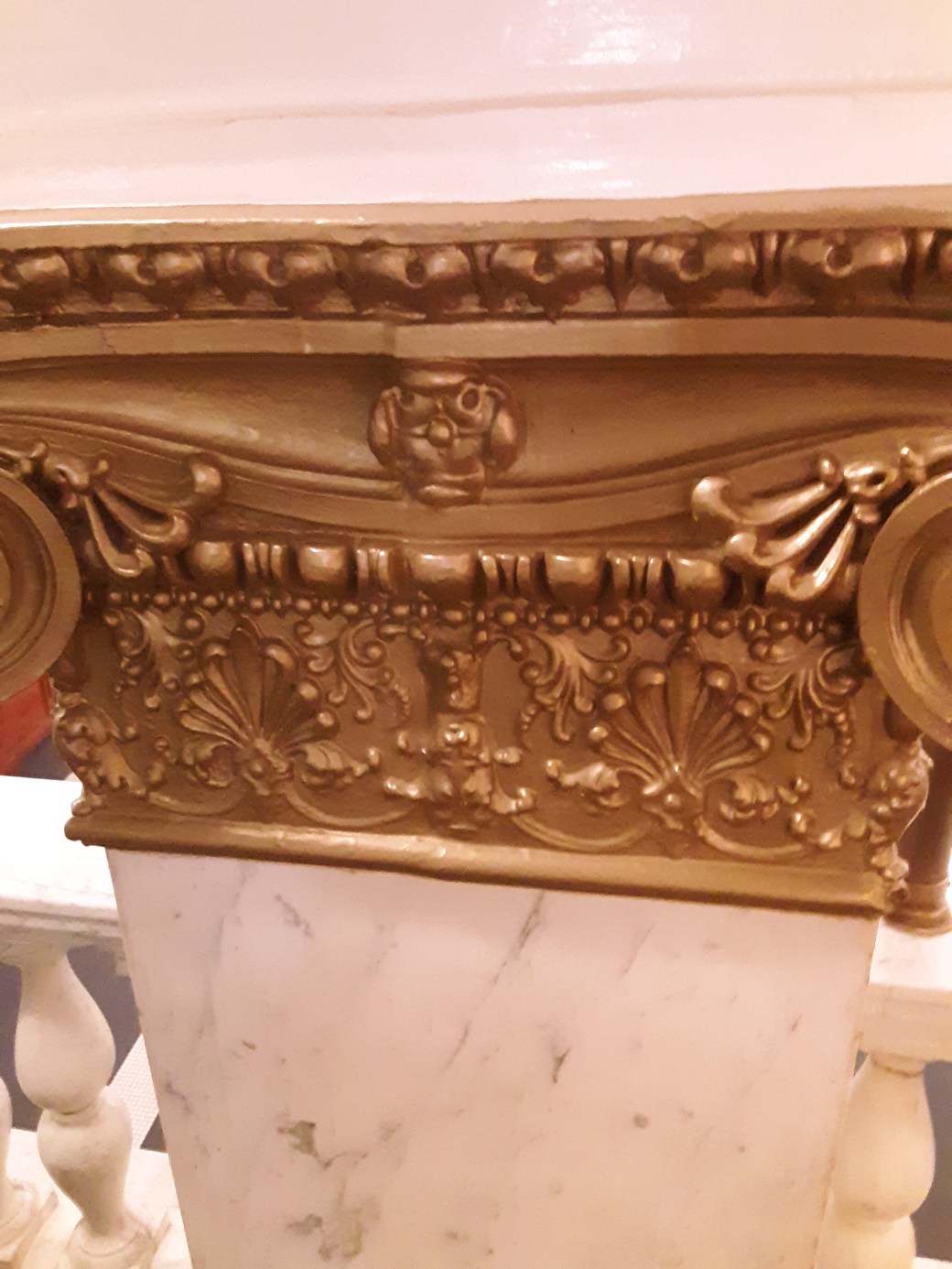
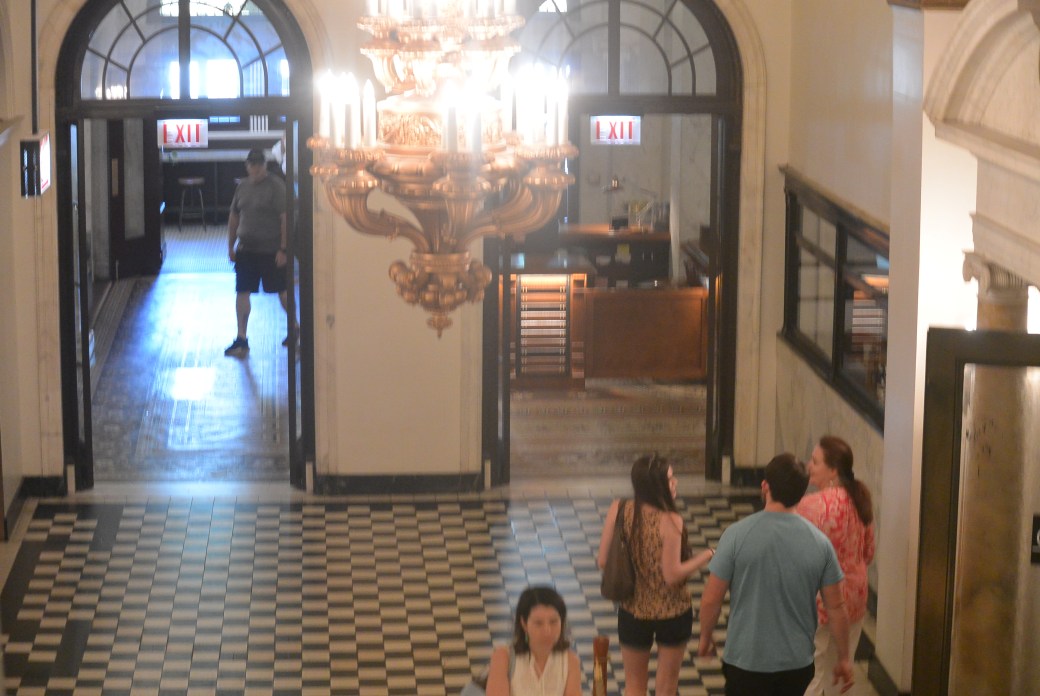
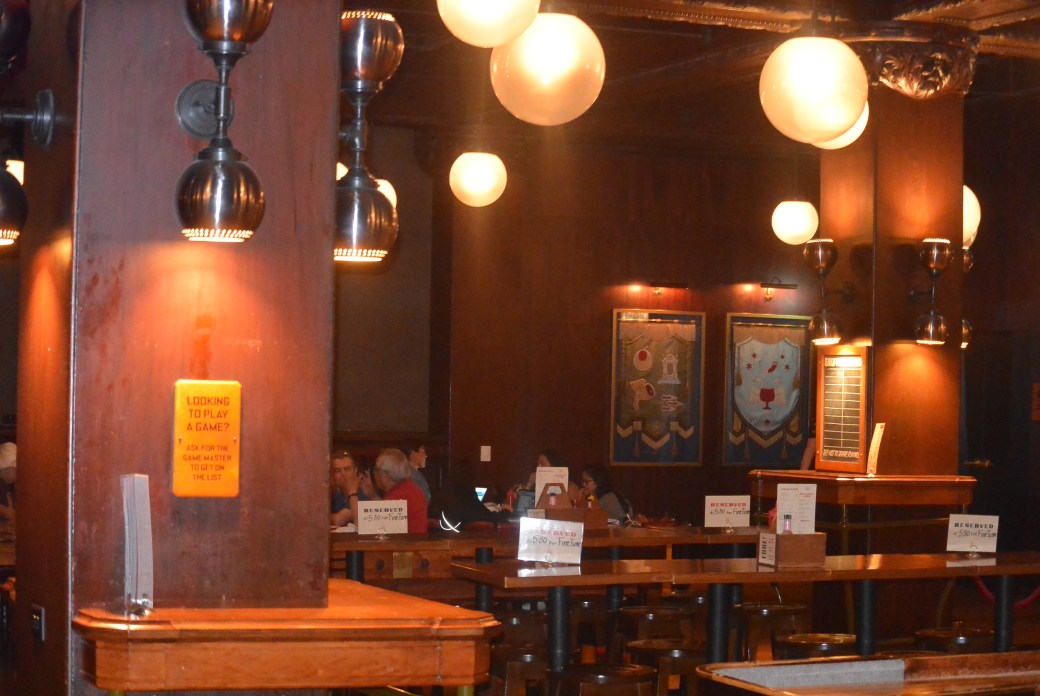
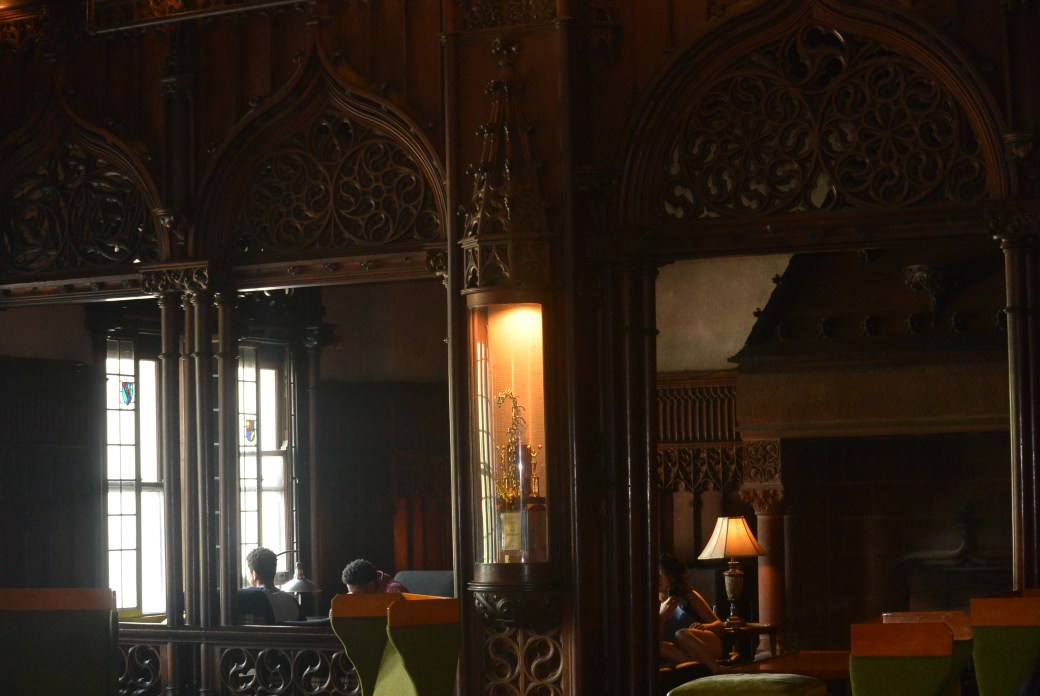
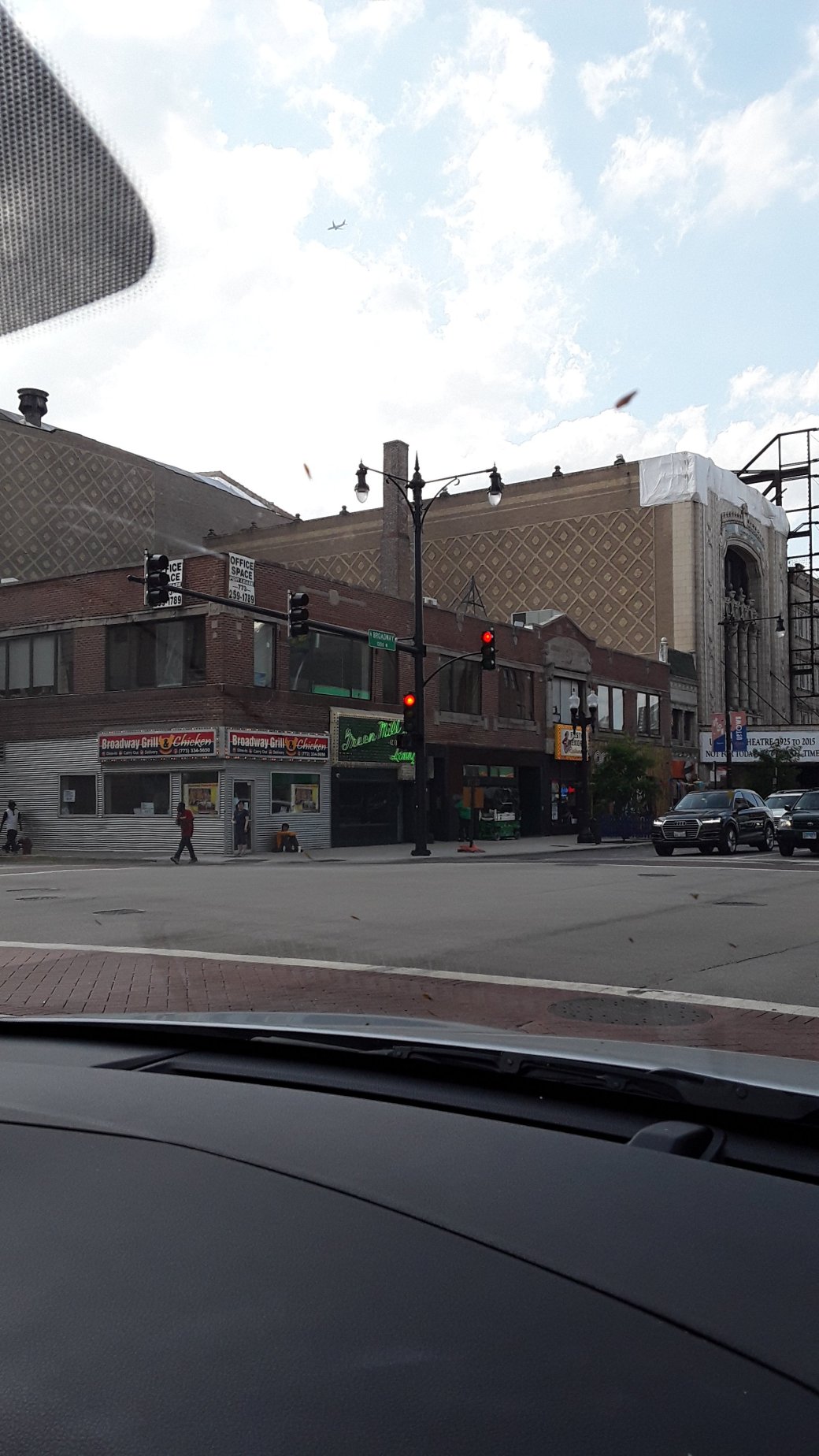
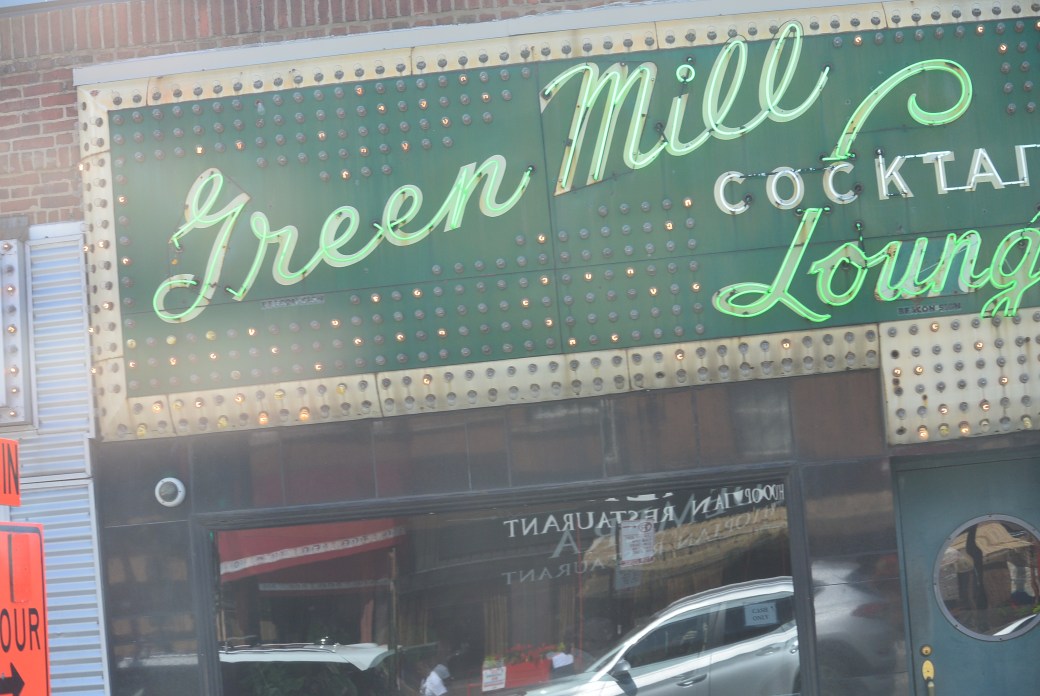
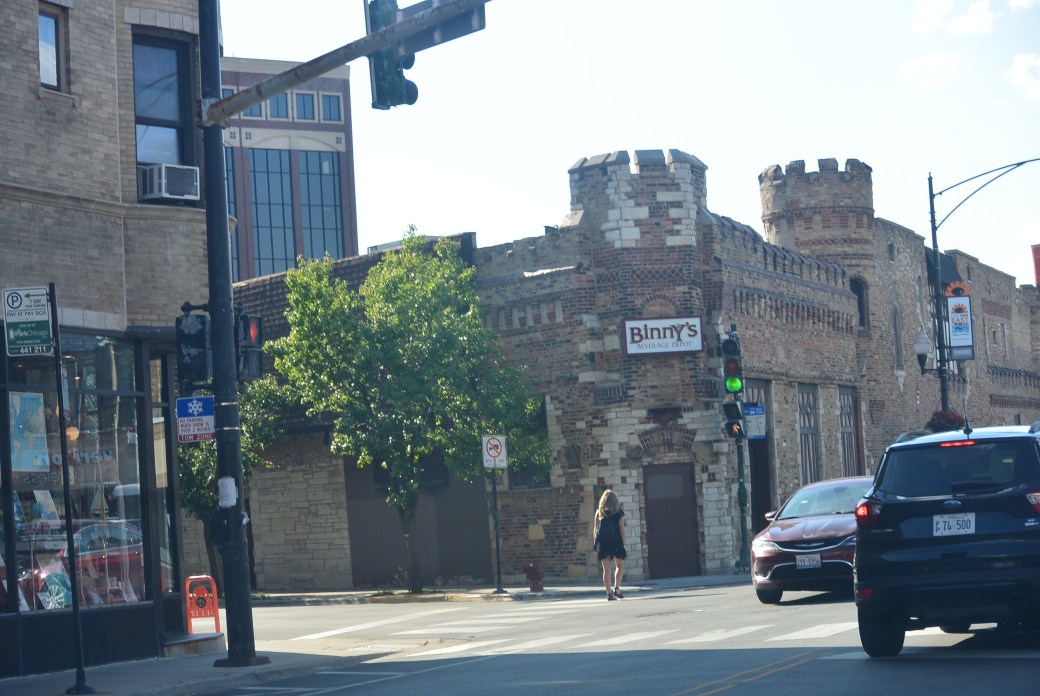
The Green Mill Cocktail Lounge is located at 4802 N. Broadway in Chicago.  It is located in the Uptown neighborhood.

In 1907, it was known as Pop Morse’s Gardens (also Pop Horse’s Roadhouse).  During that time period the area was called Lakeview.   It was known for its large sunken beer garden.

In 1910, Pop Morse’s Gardens was purchased by Tom Chamales.  He expanded the facility and added outdoor dancing and entertainment in the sunken gardens. He installed a Rhumba Room on the second floor.  He had a large green windmill on the roof to go with the new name–Green Mill Gardens ( the name as inspired by the Moulin Rouge in Paris.

Chamales was also involved with the construction of the Rivera Theater around the corner.

During Prohibition, the Green Mill was leased to the Mafia by the Chamales Brothers.  One of the managers was Machine GunMcGurn.  He worked for Al Capone.  He was also involved in the Saint Valentine’s Day Massacre.

One of the regular customers was Al Capone.  His favorite booth was across the side door  on Lawrence at the end of the bar.

Following the gangster era and prohibition, the Green Mill was acquired by the Batsis Brothers in 1942.  They owned the night club into the 1960’s.  They were responsible for some of the current day décor.
 

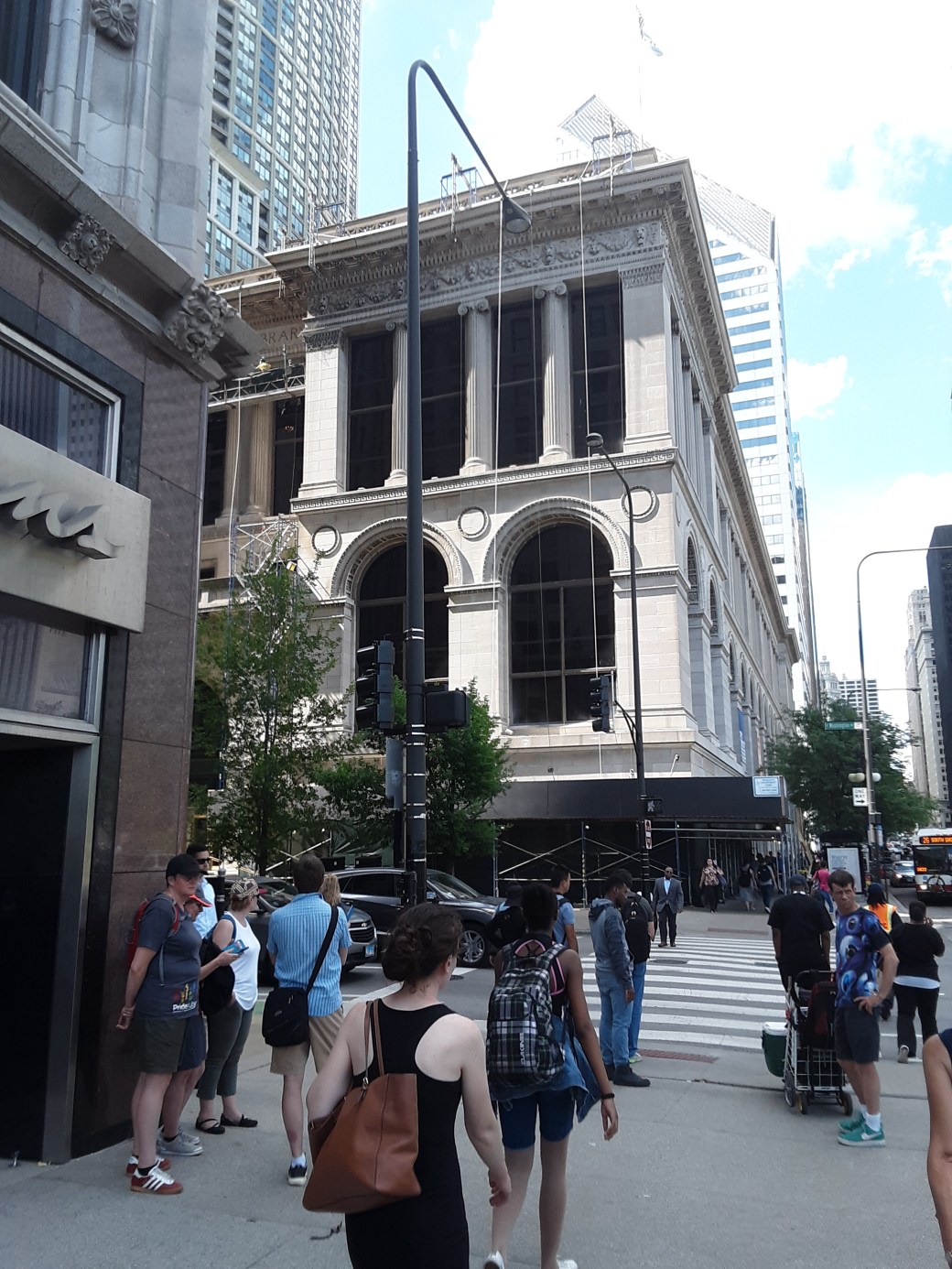
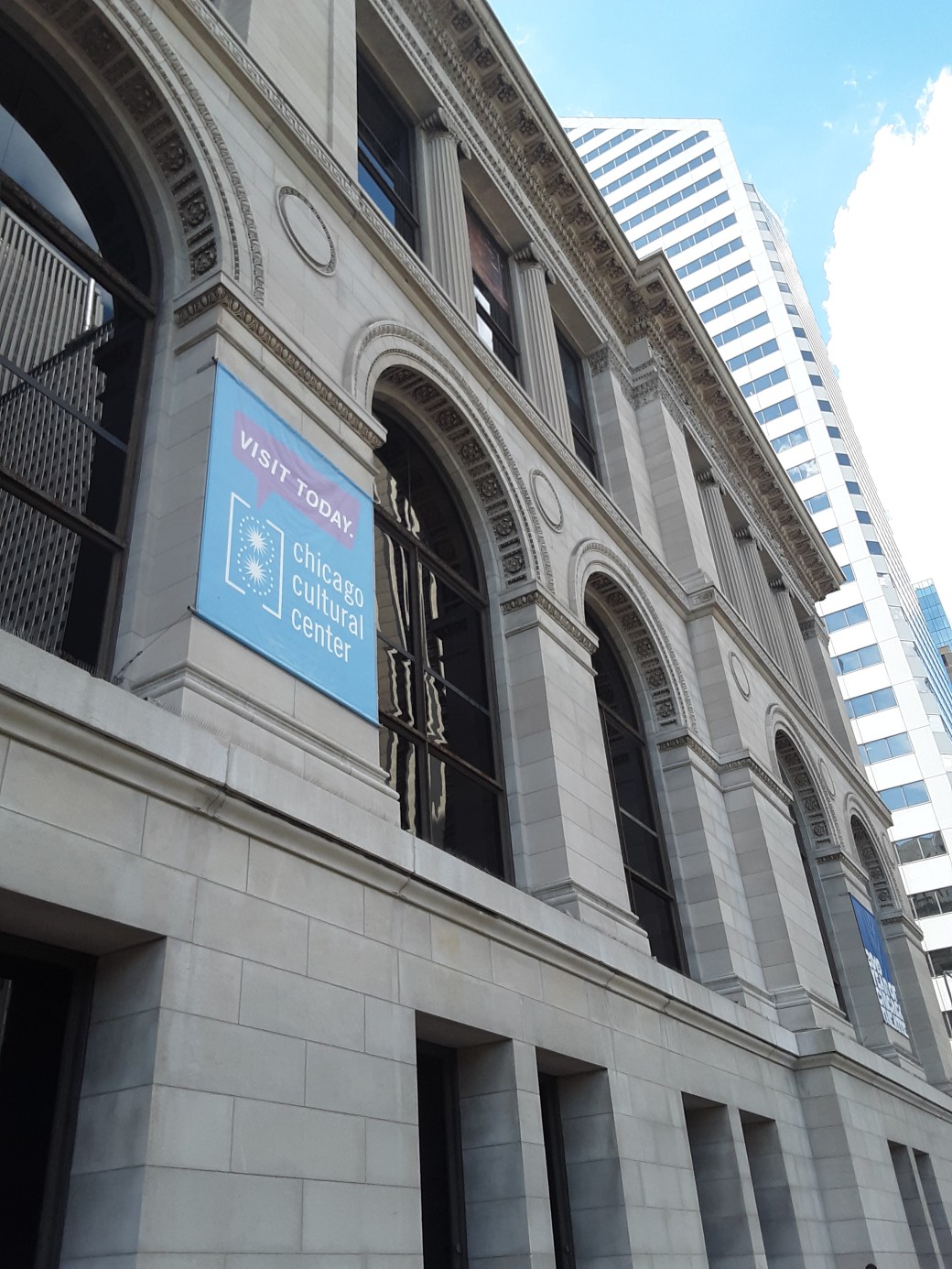
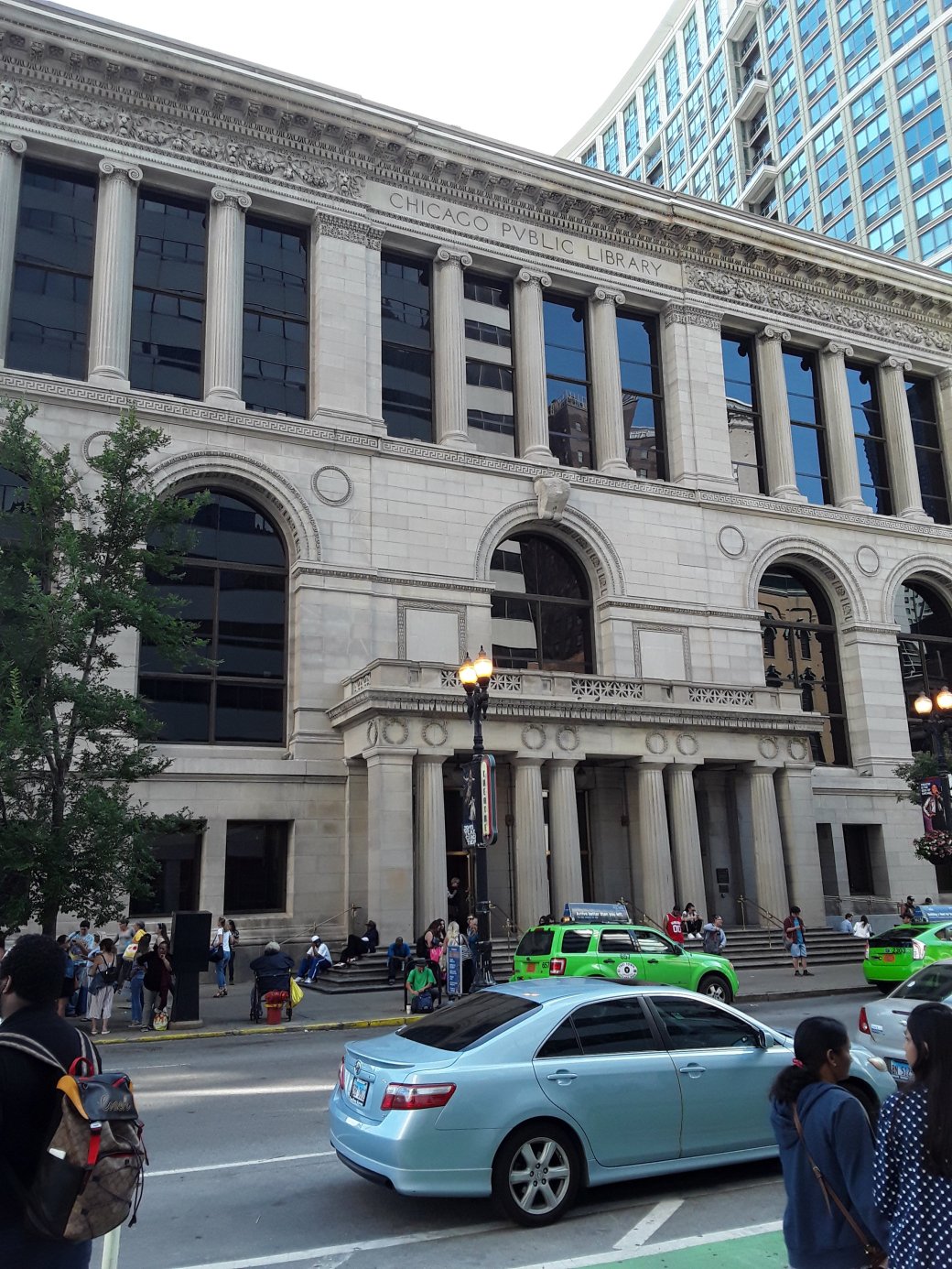
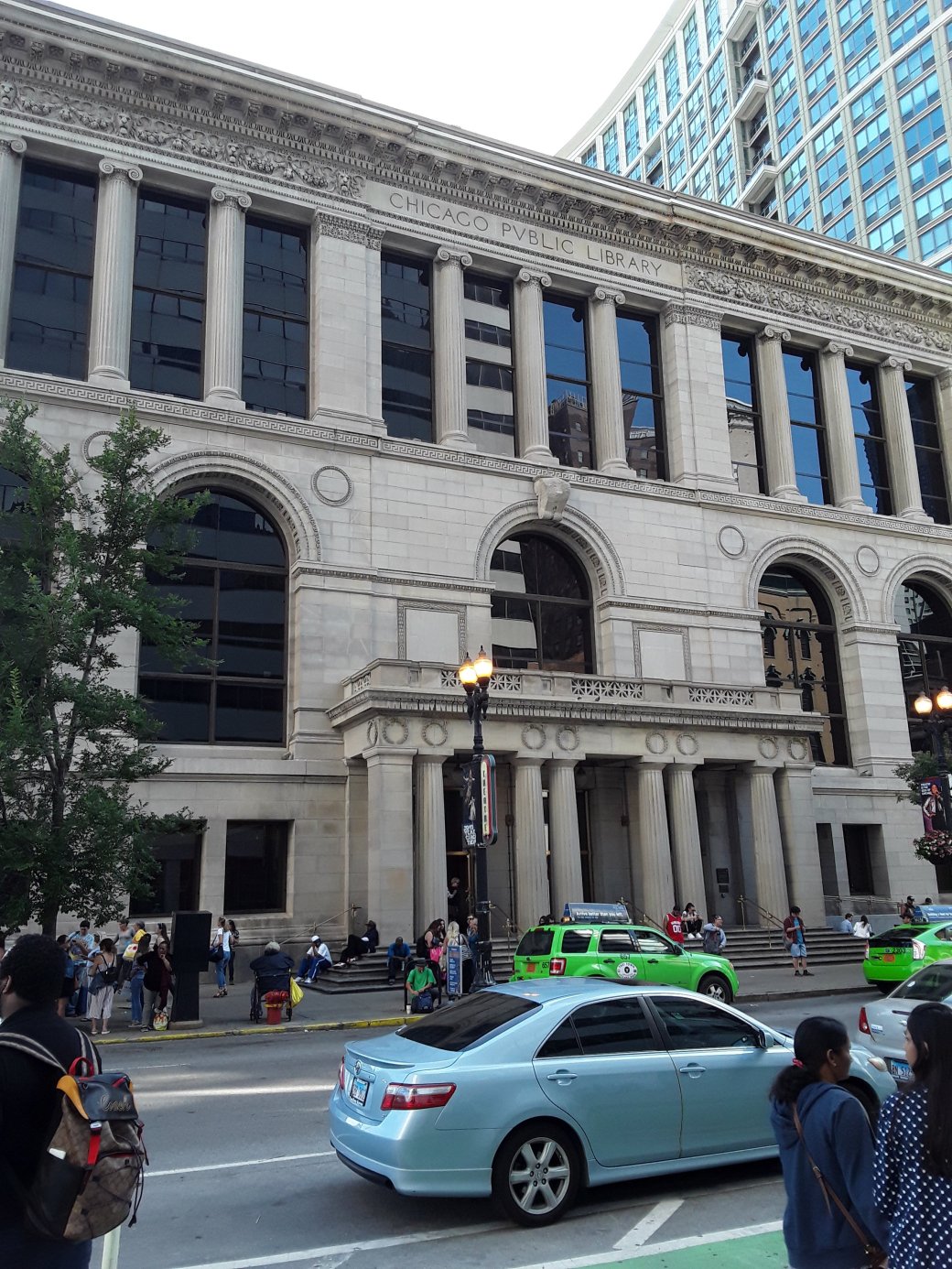
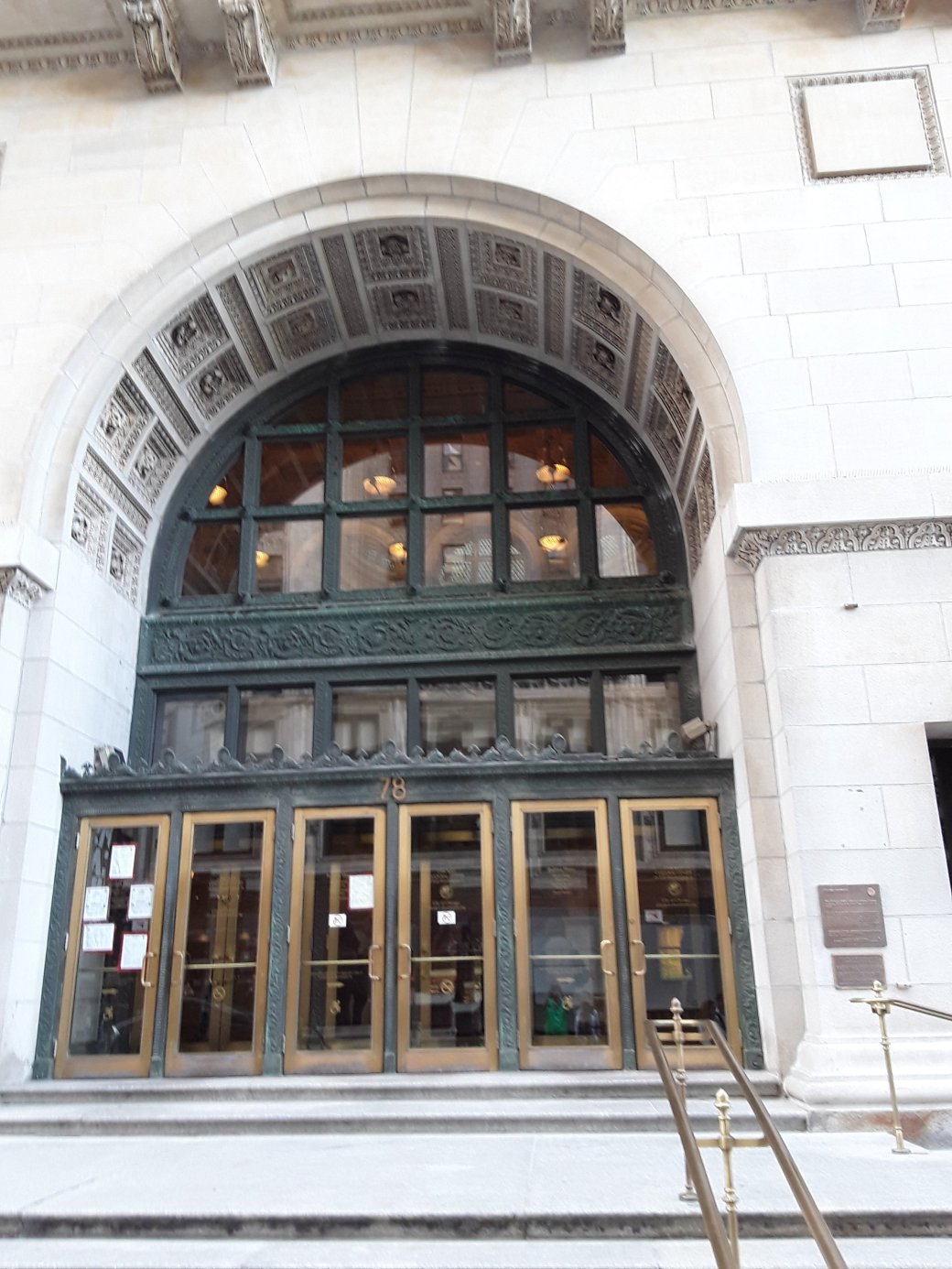
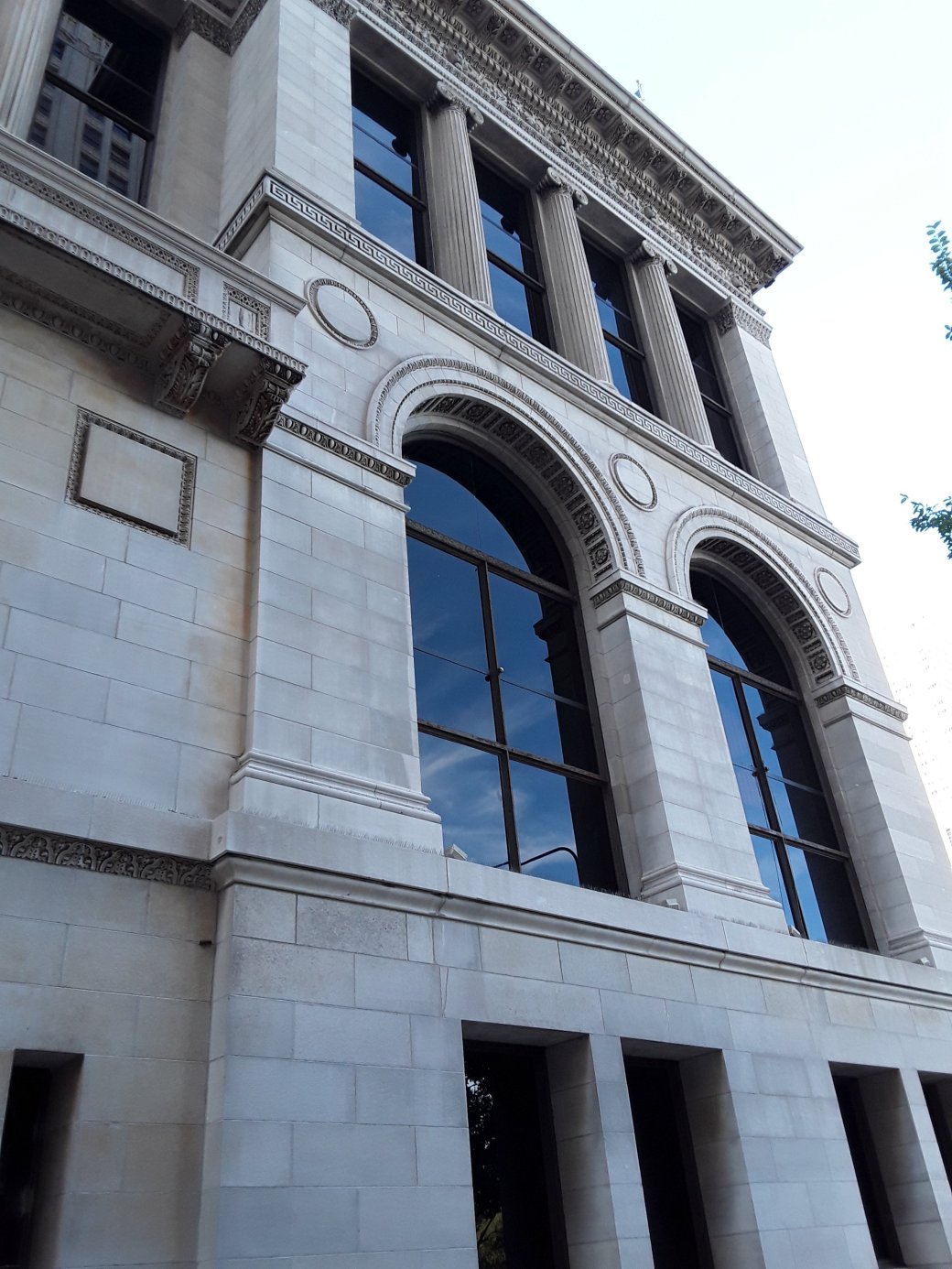
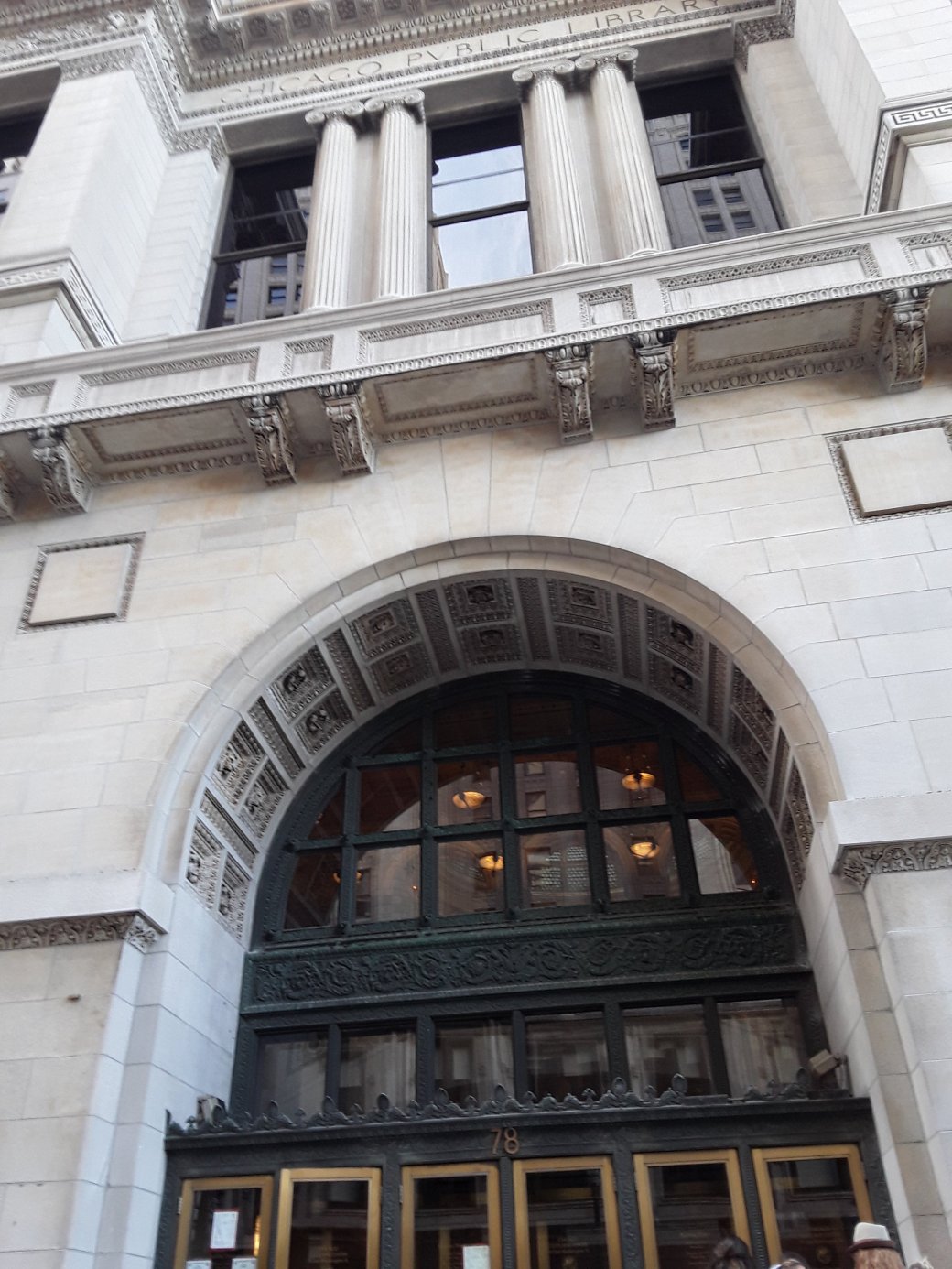
Chicago Culutural Center

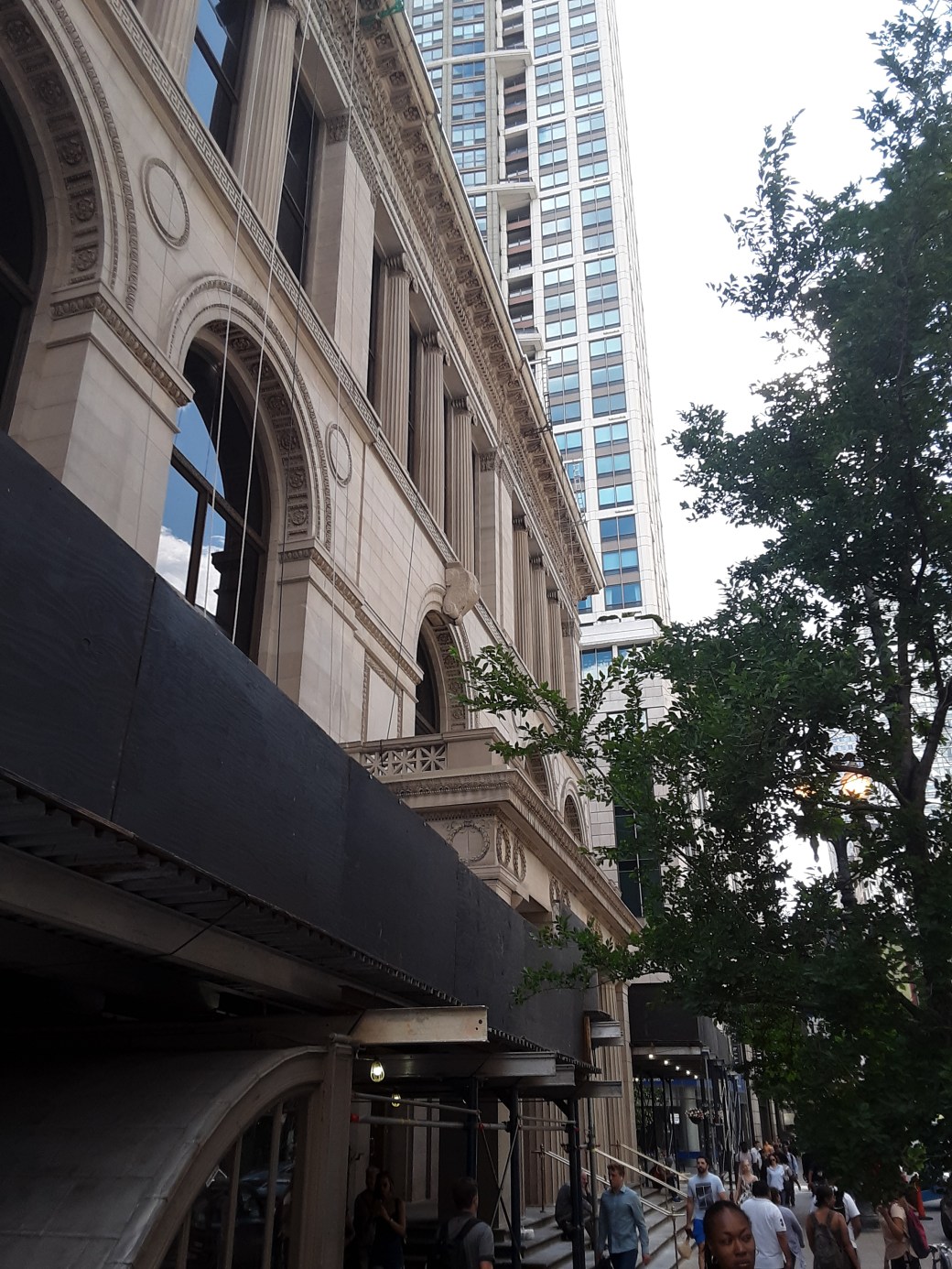
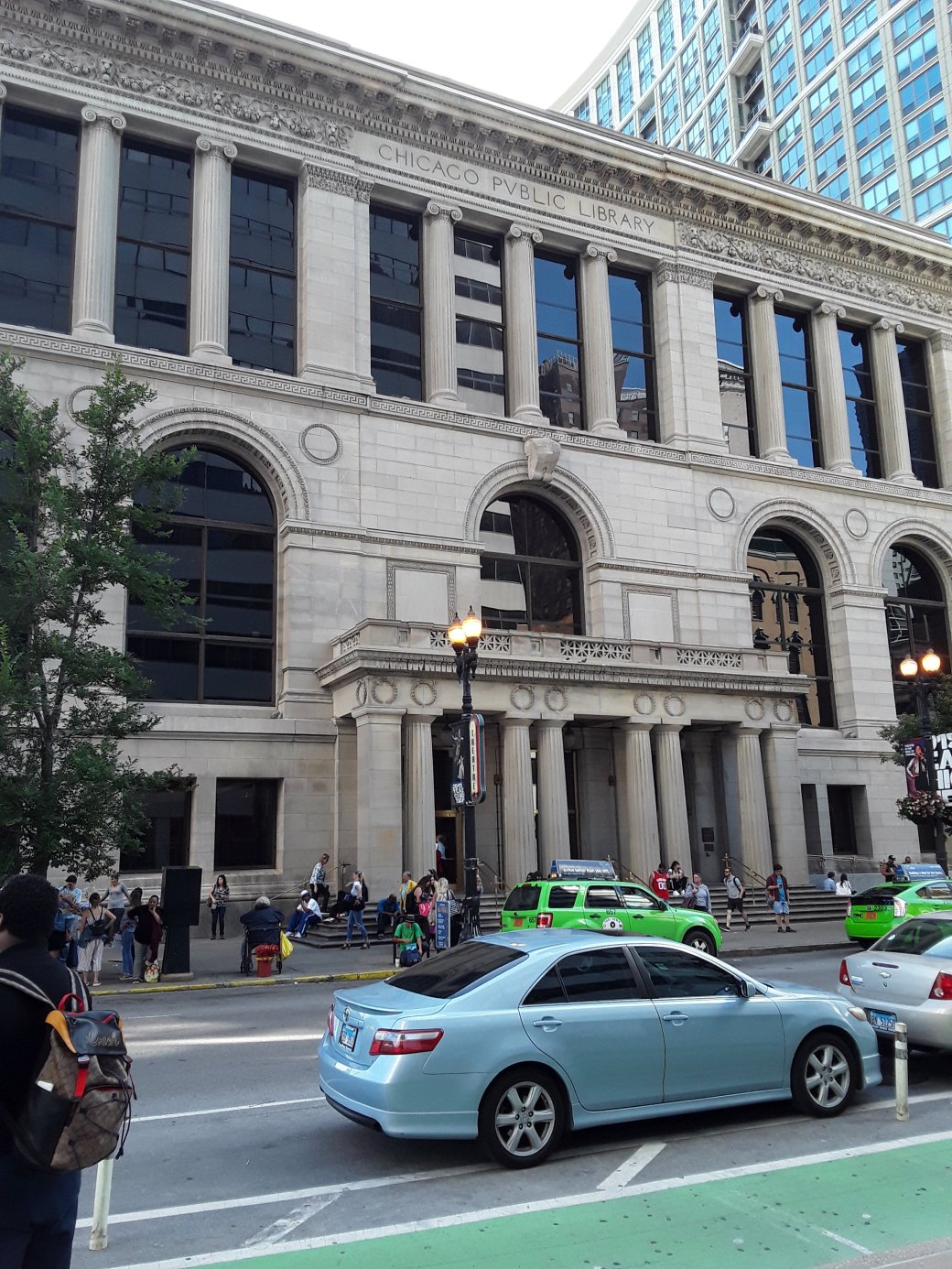
Chicago Cultural Center

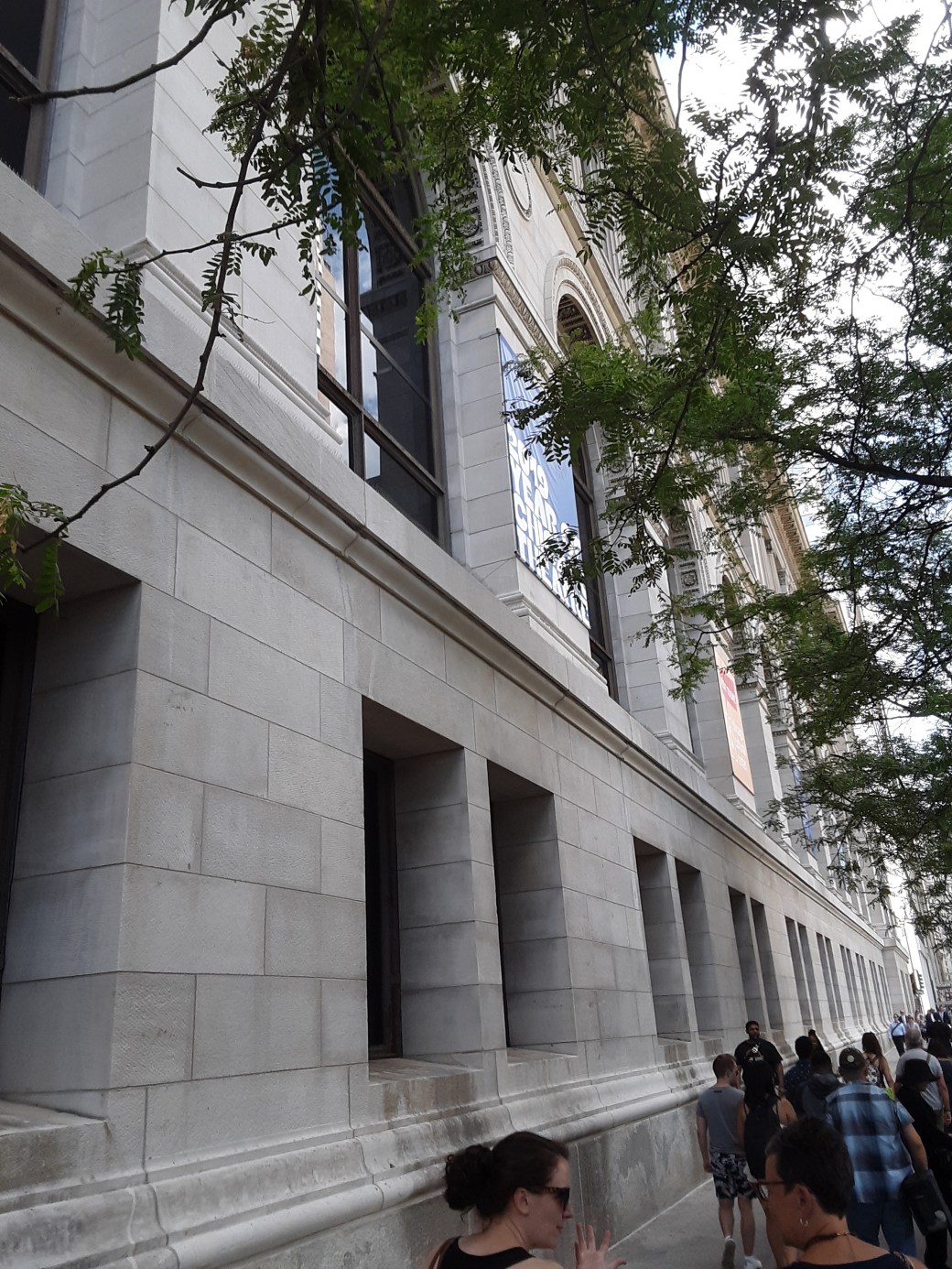
Chicago Cultural Center

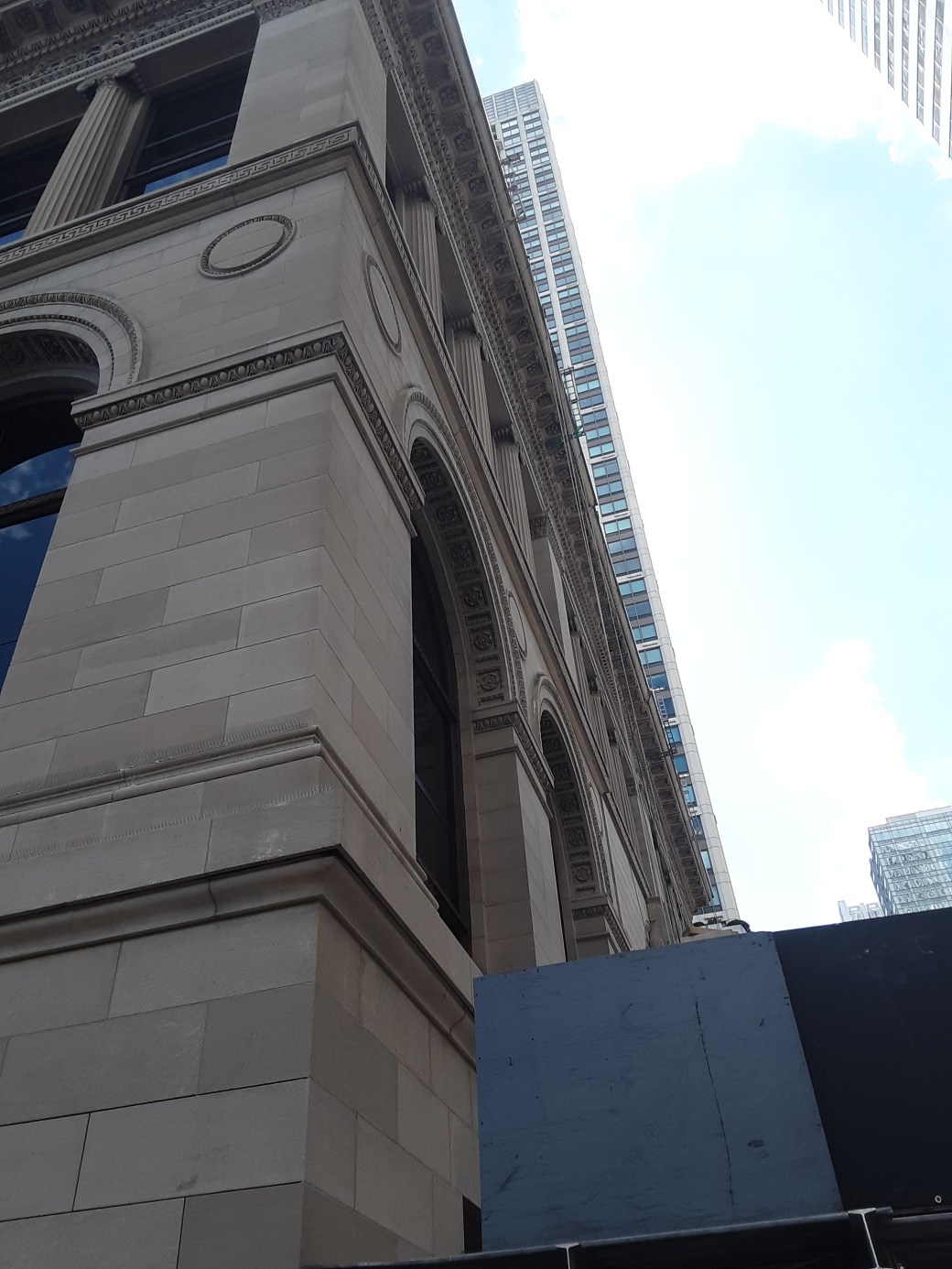
Chicago Cultural Center

Chicago Cultural Center

Chicago Cultural Center

Chicago Cultural Center

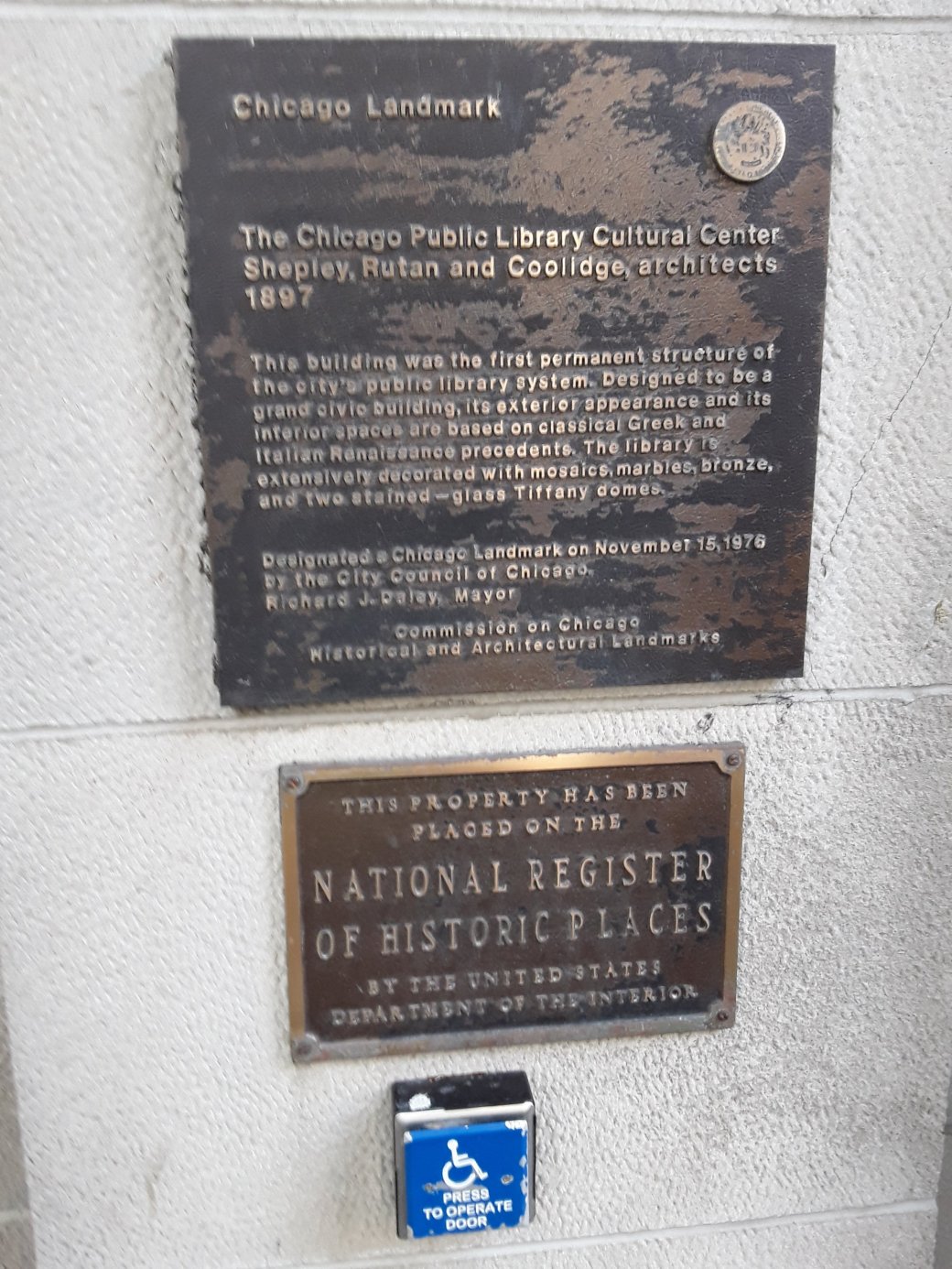
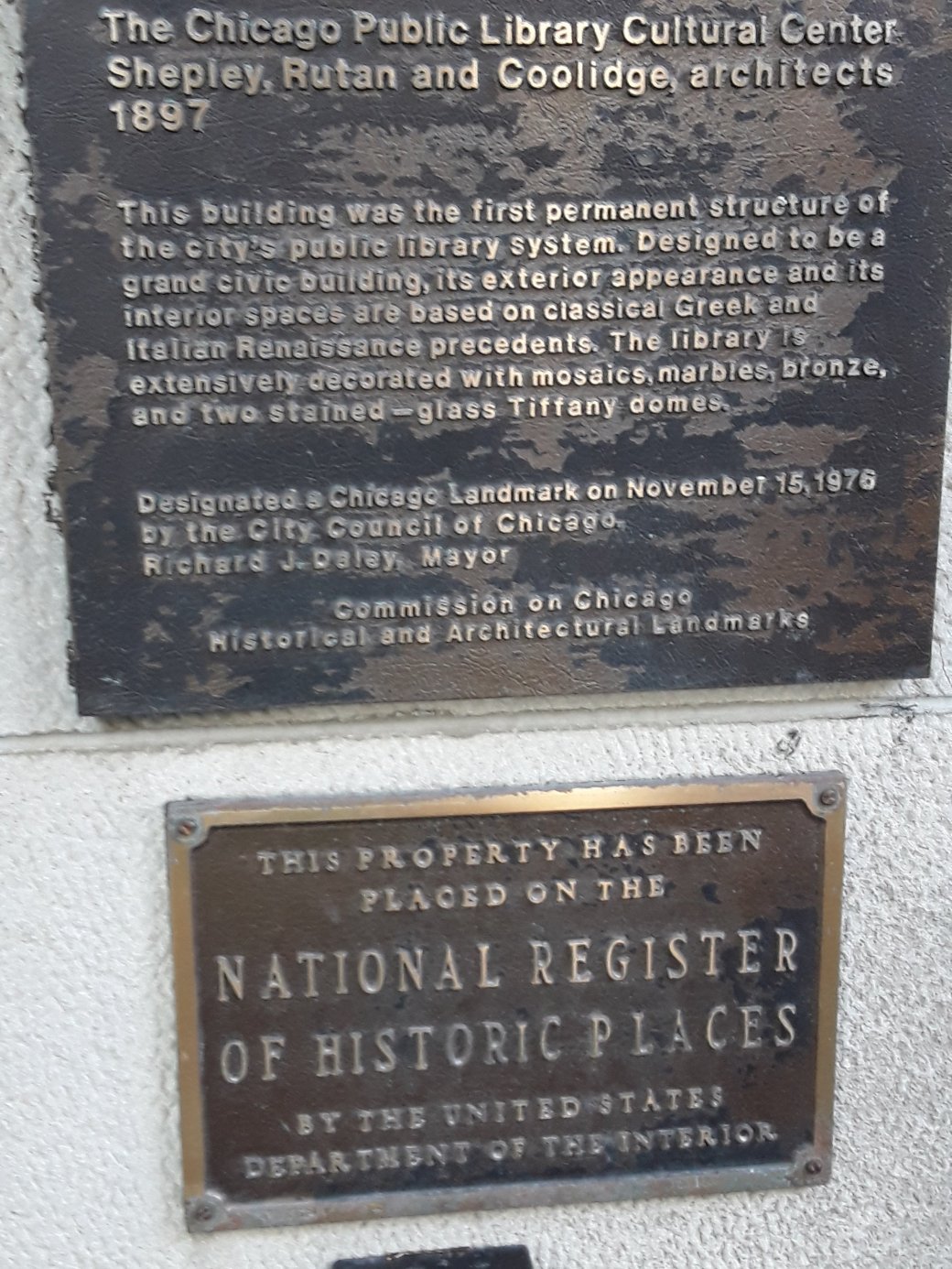
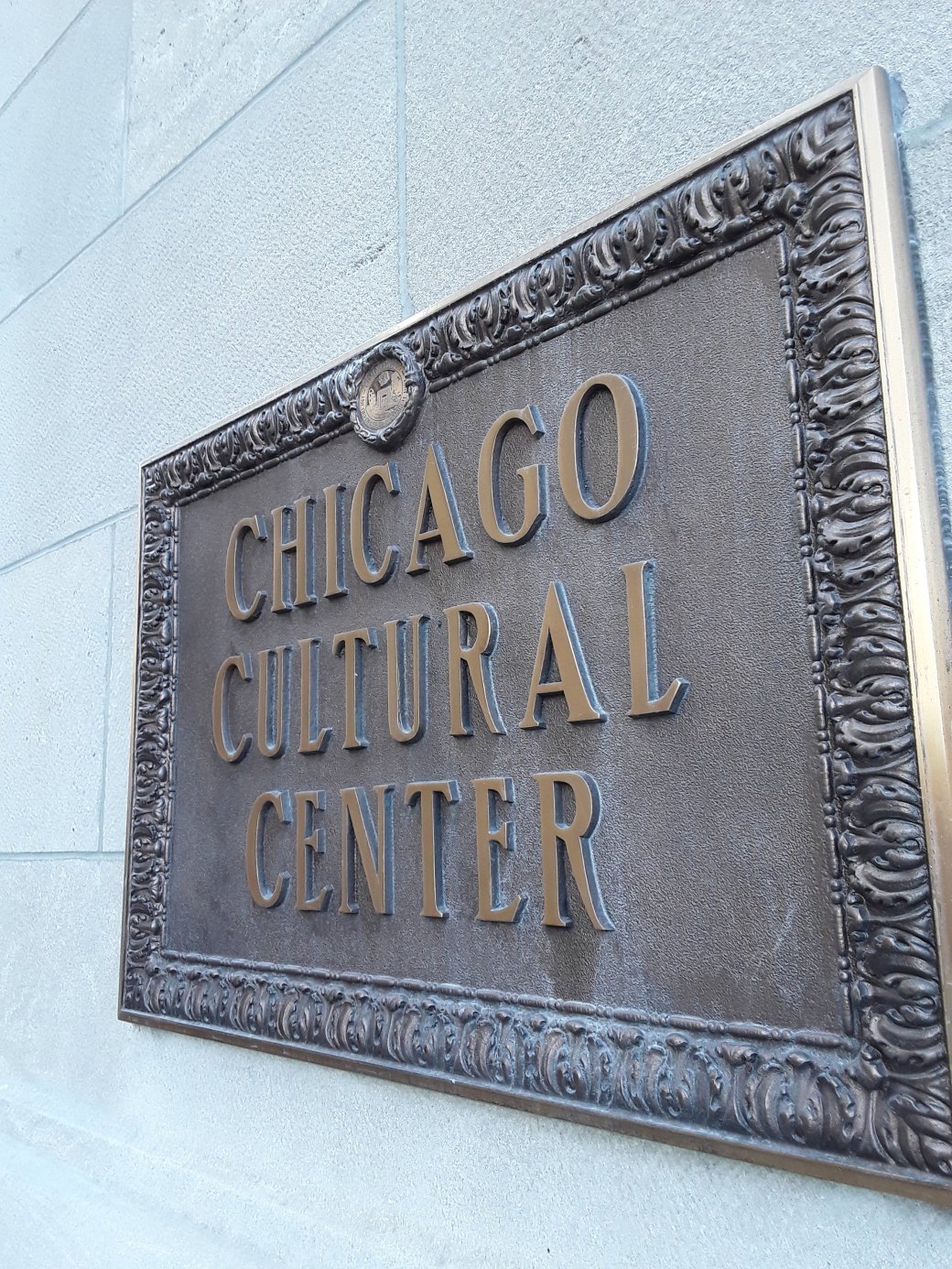
Informational Plaque

Cornerstone Chicago Cultural Center

Informational Plaque

Chicago Cultural Center

Chicago Cultural Center

Chicago Cultural Center Plaque

Chicago Cultural Center

Chicago Cultural Center

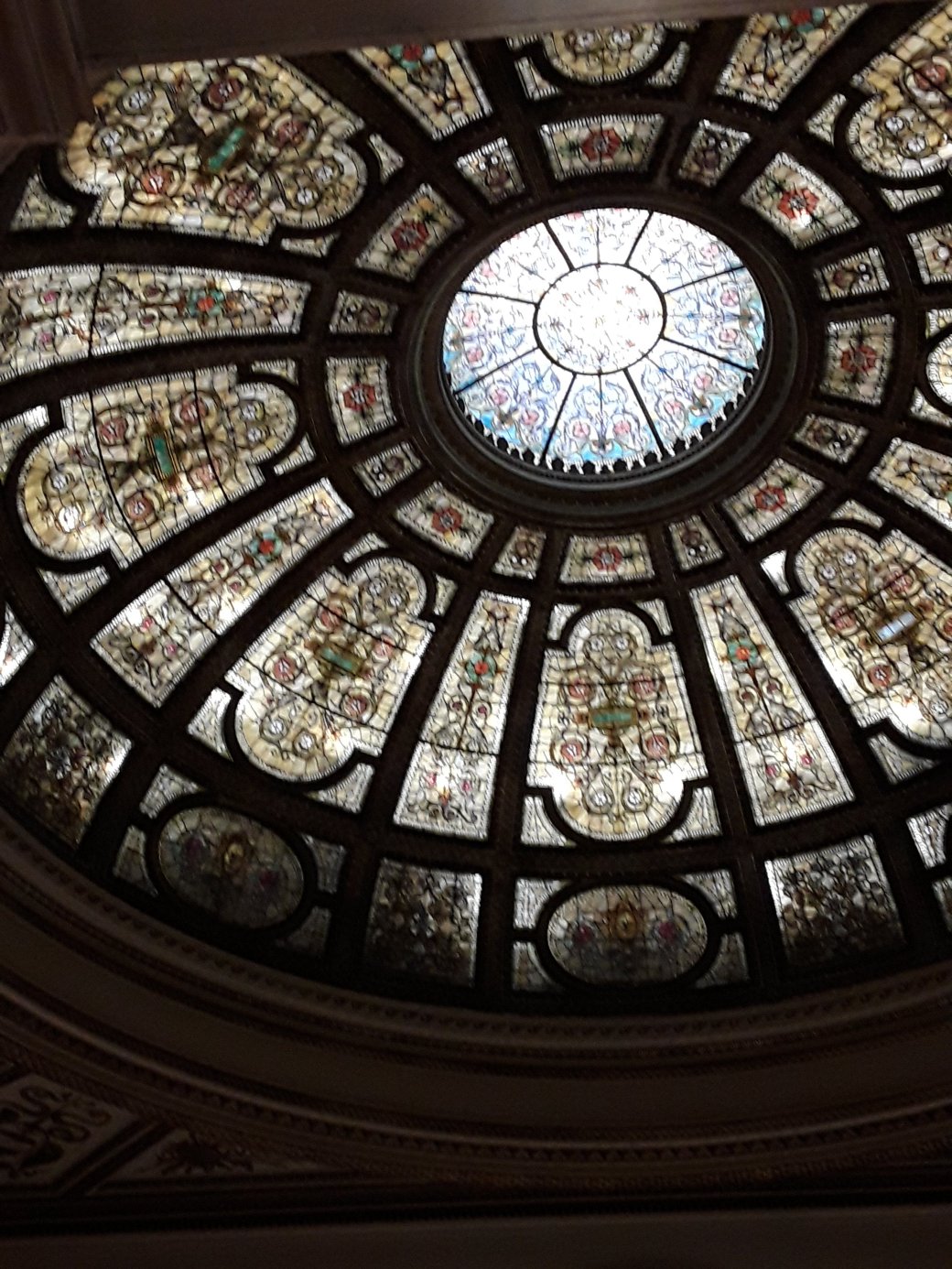
Dome Chicago Cultural Center

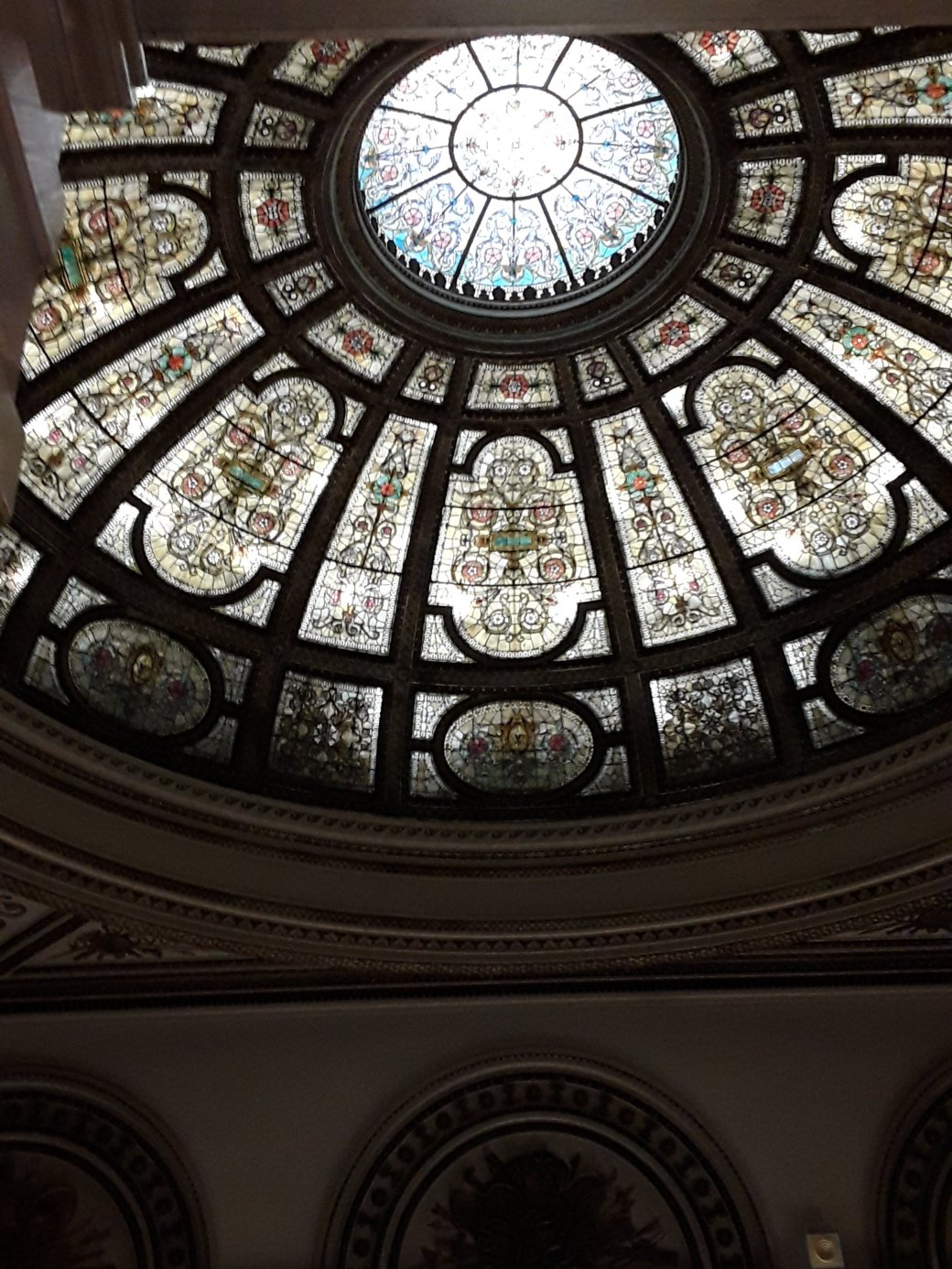
Dome Chicago Cultural Center

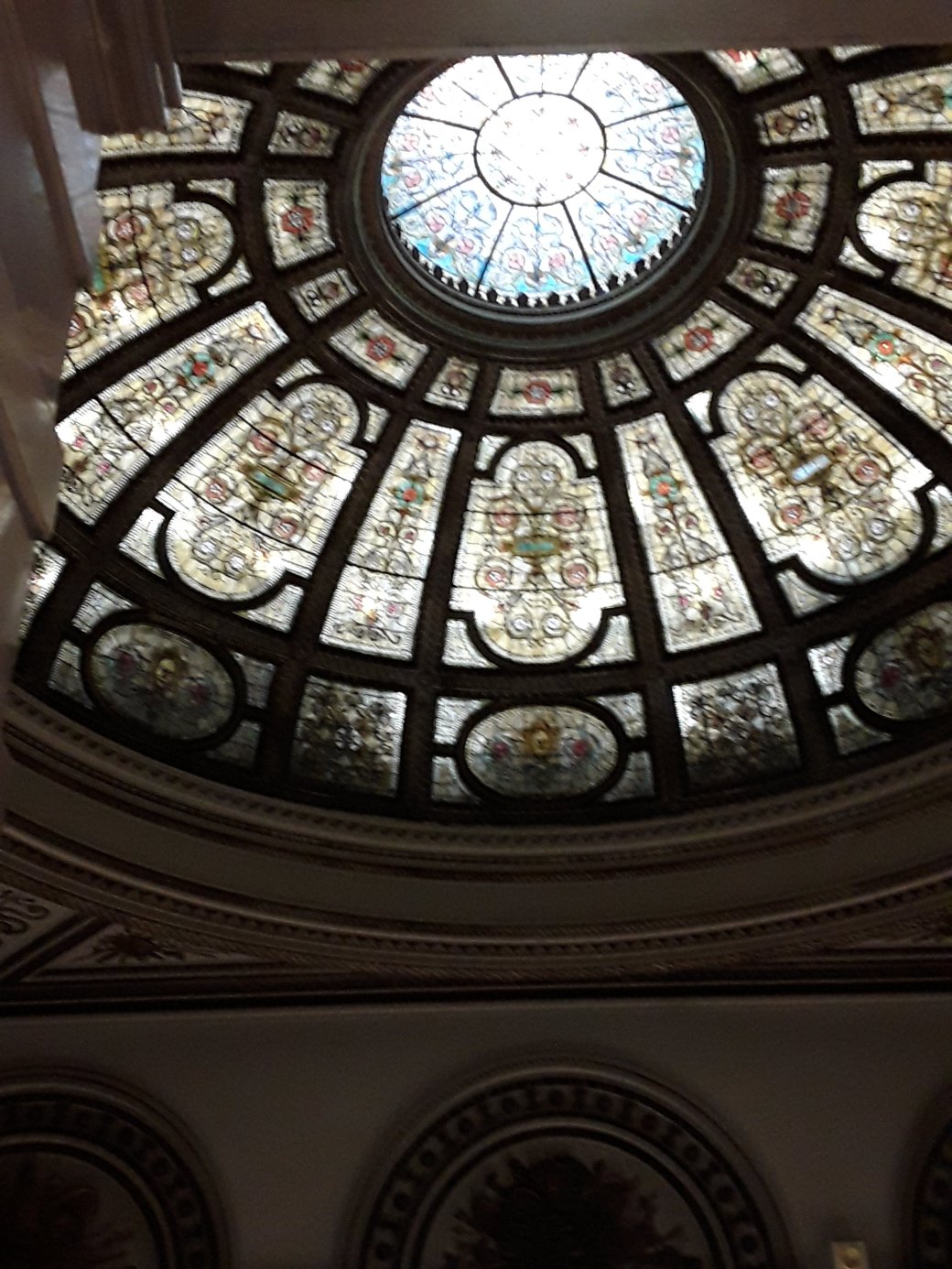
Dome Chicago Cultural Center

Chicago Cultural Center

Chicago Cultural Center

Chicago Cultural Center

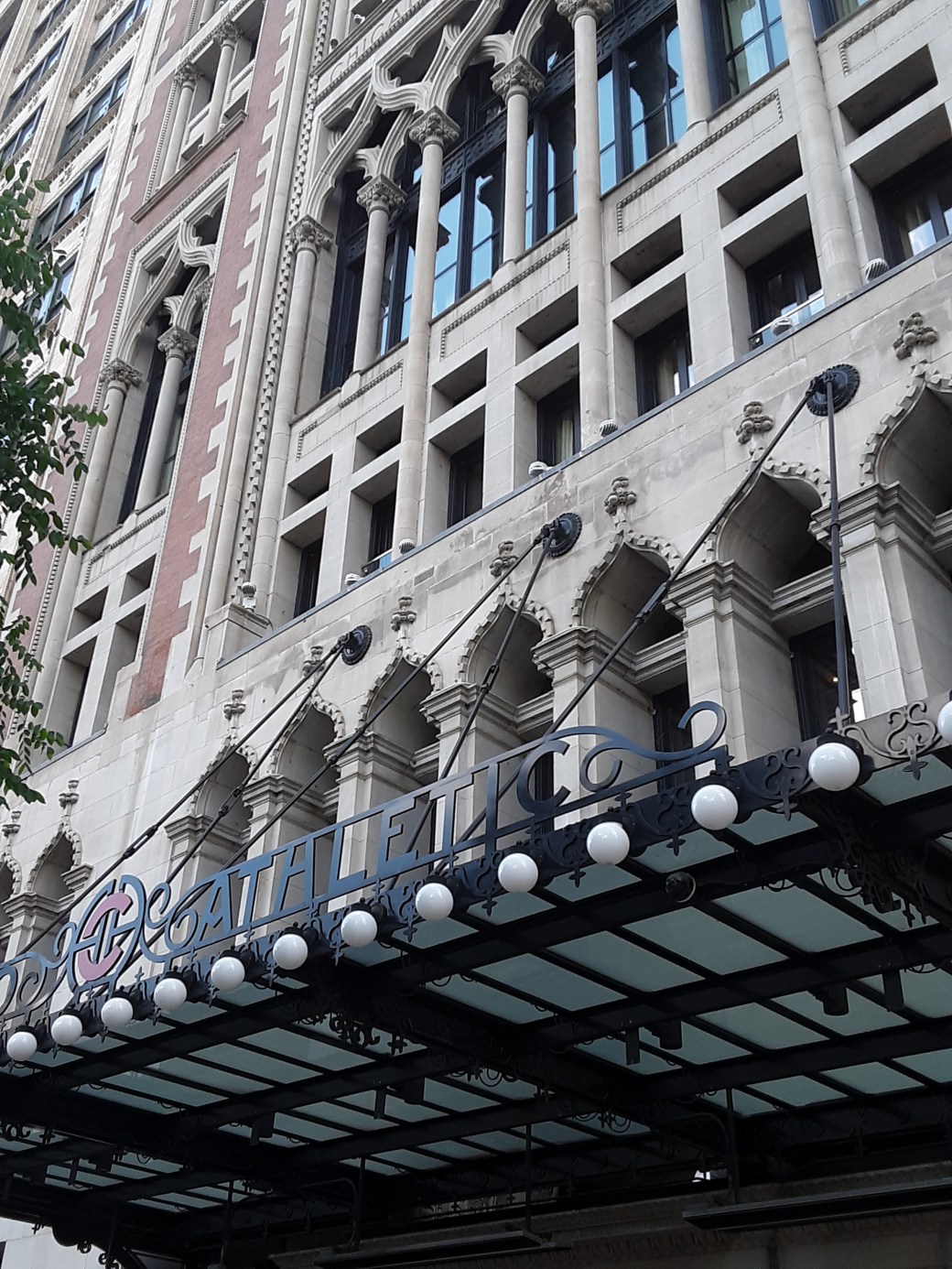
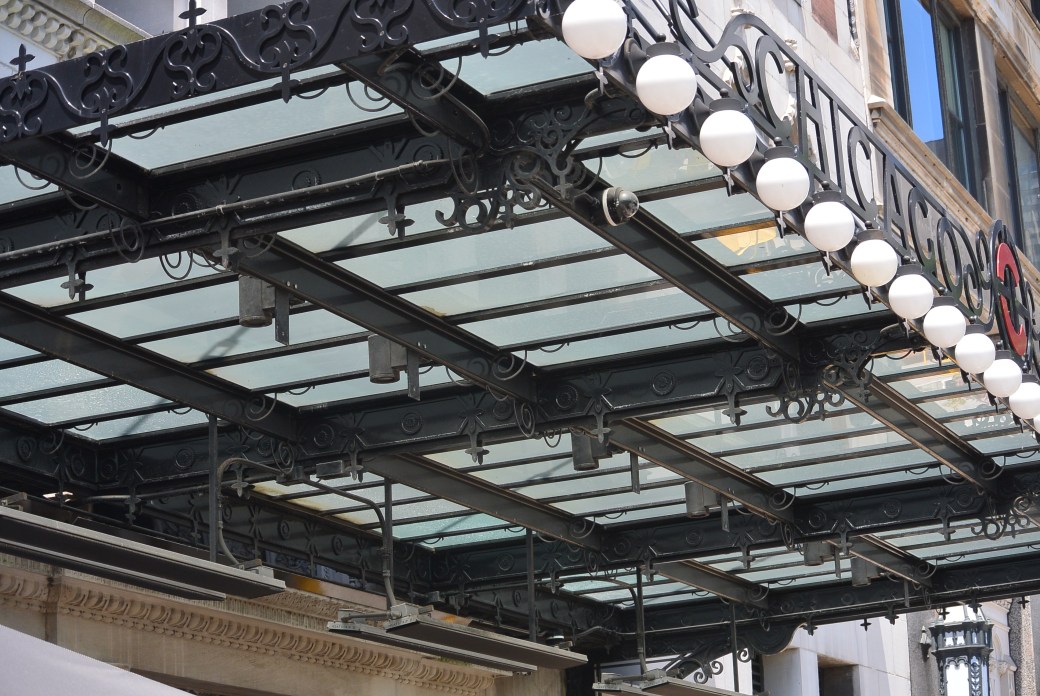
Chicago Athletic Association

Front Entrance Chicago Athletic Association

IMG_ct-1558725895-ghvqvx_2_1_US5JLUSF[16990]

Front Façade  Chicago Athletic  Association

DSC_4269.JPG

Same as above

     The Chicago Athletic Association Building is located at 12 South Avenue in Chicago.    It was built in 1893.  The architect was Ives  Cobb.   The architectural style is Venetian Gothic.  It was patterned after the Palace of the Doge  in Venice.


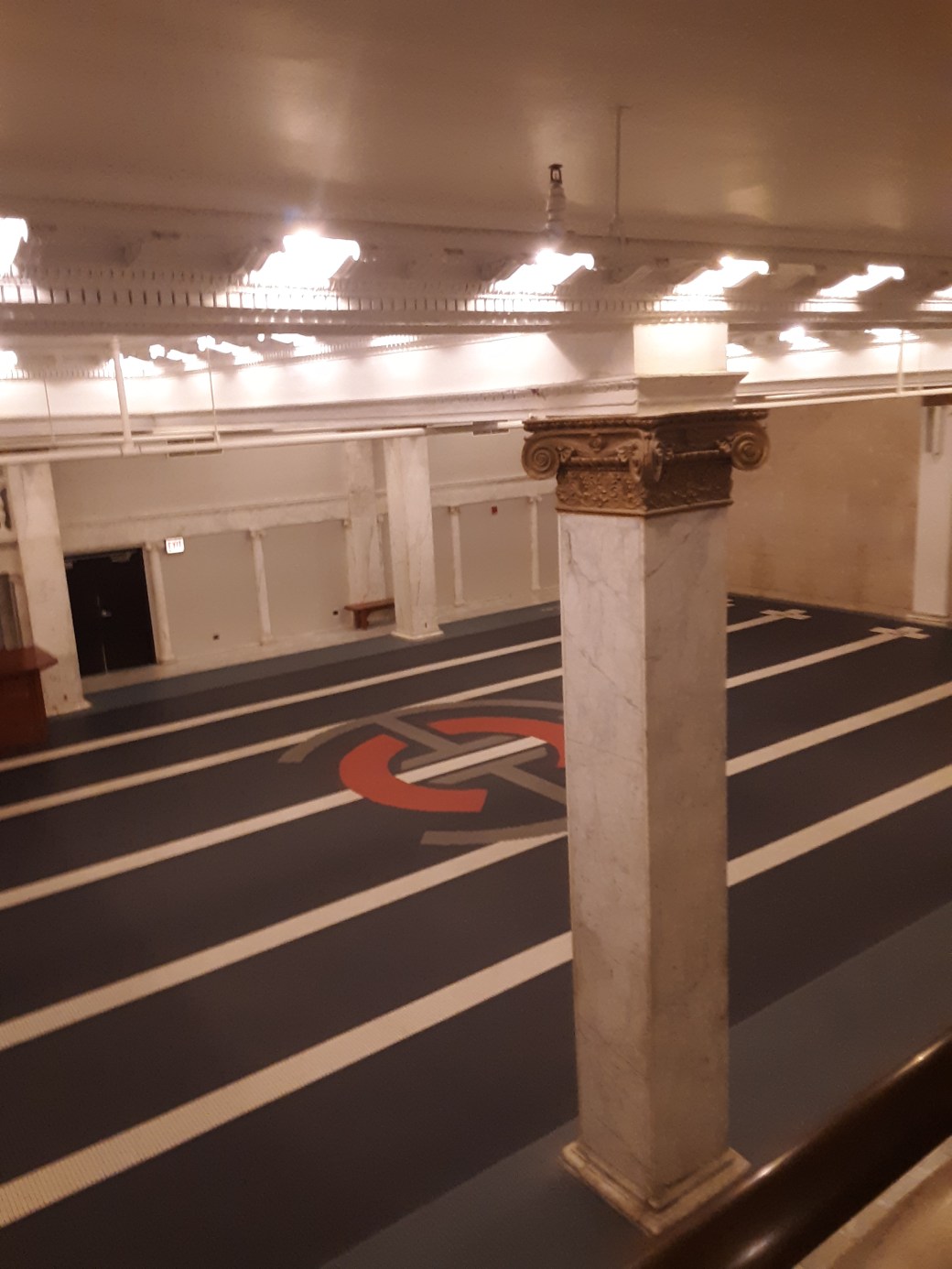
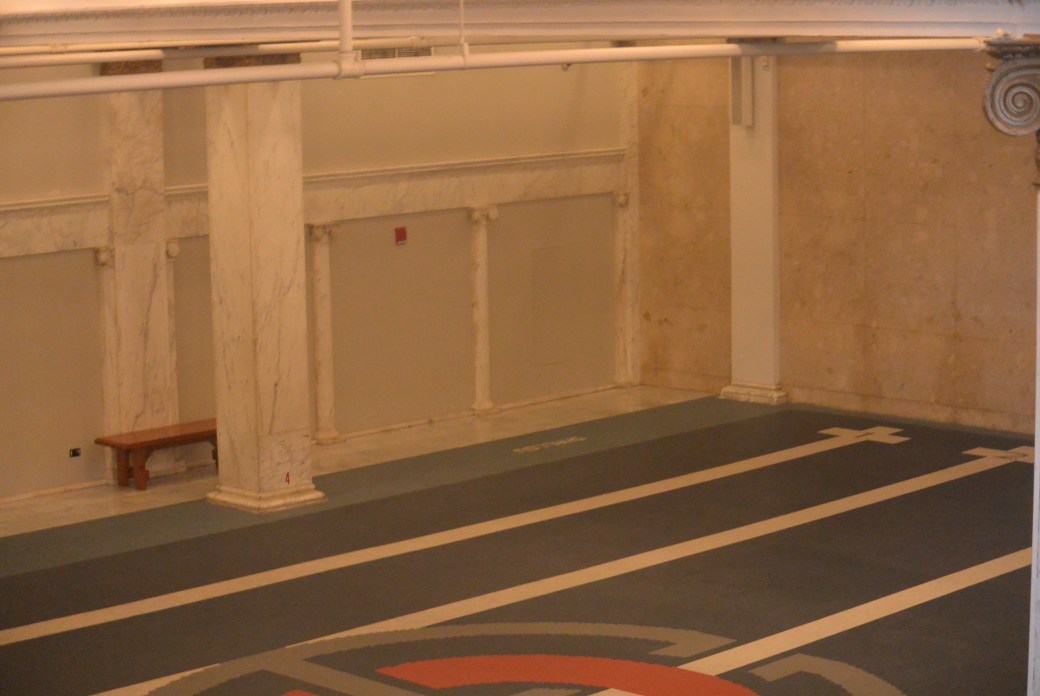
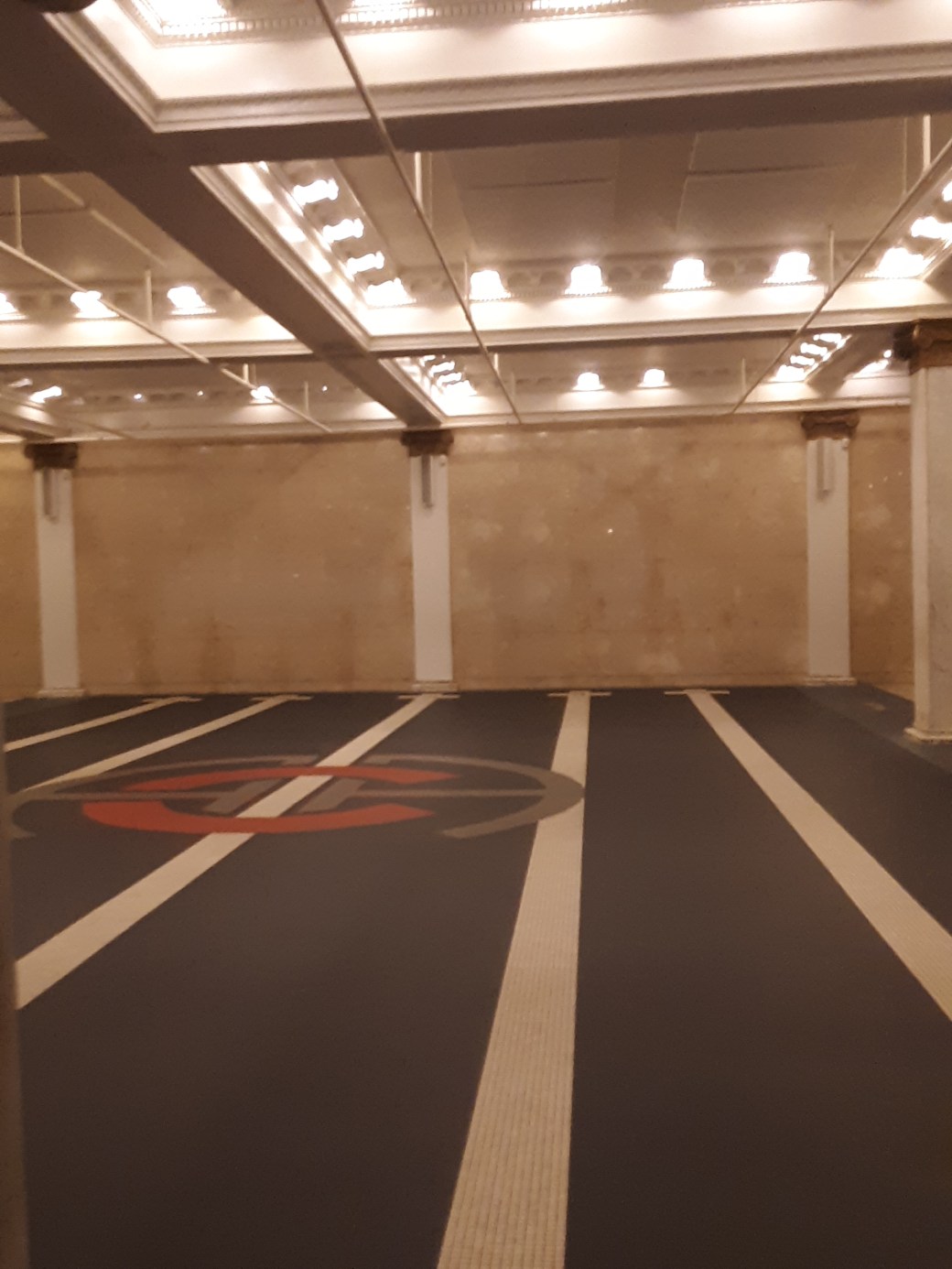
Former Site of Pool Chicago Athletic Association

Former Site of Pool Chicago Athletic Association

Former Site Pool Chicago Athletic Association

DSC_4286

Same as above

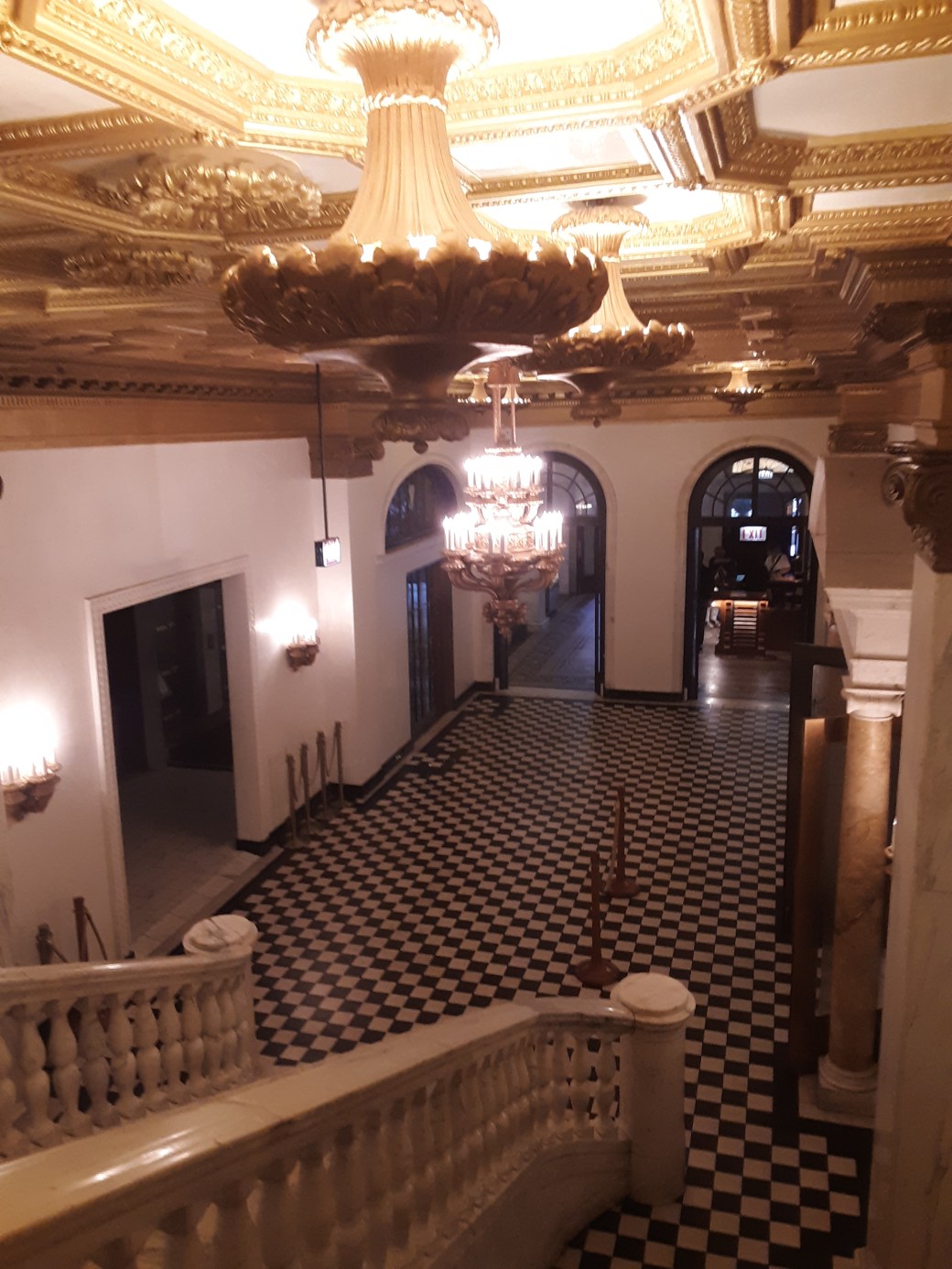
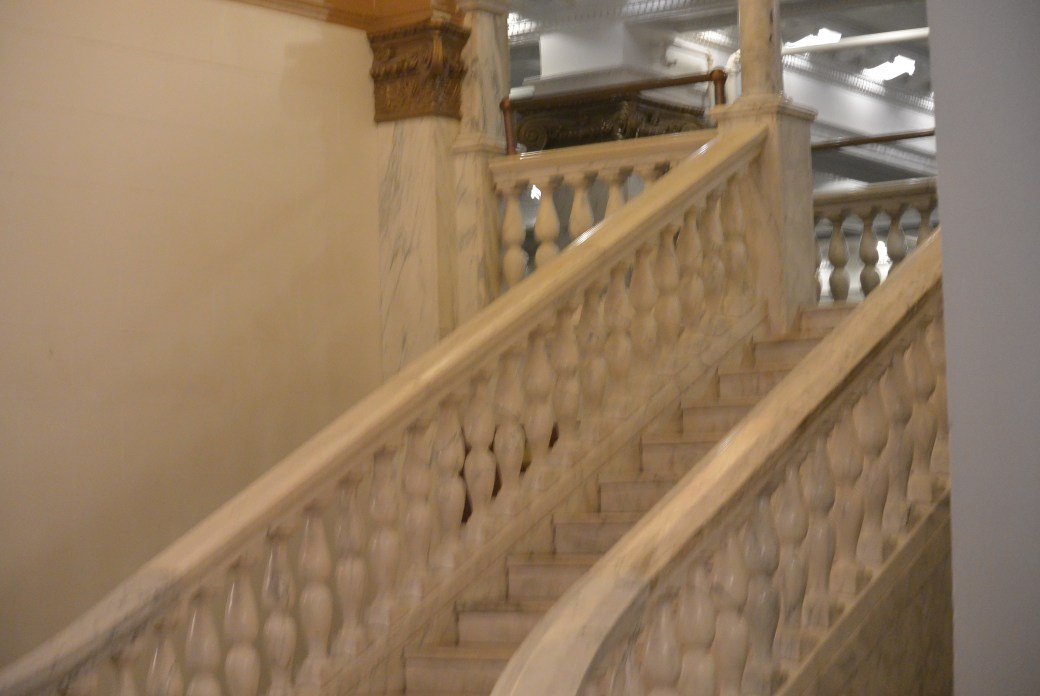
Stairway Chicago Athletic Association

Ornamental Column

DSC_4287DSC_4283DSC_4280DSC_4270

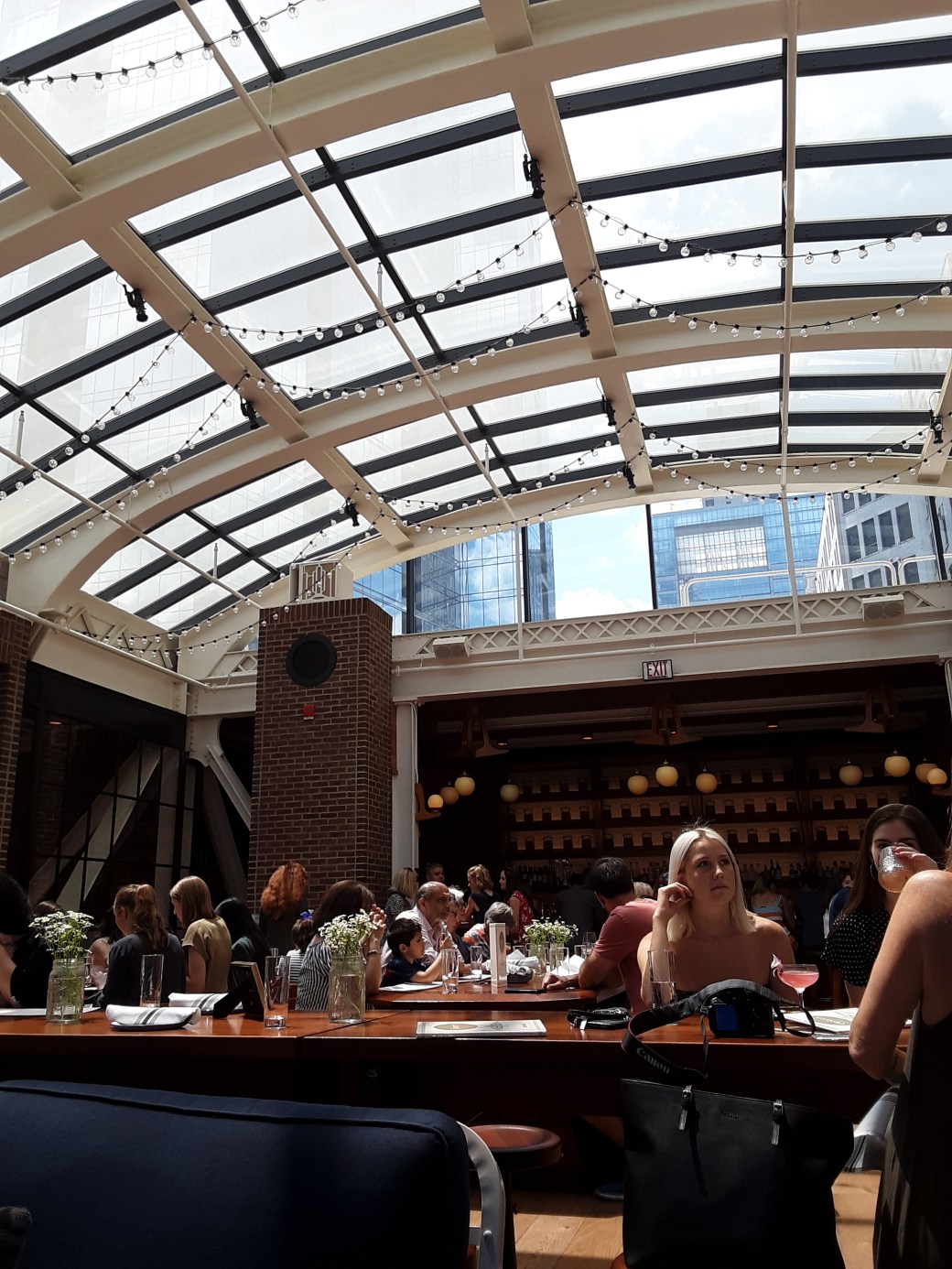
Roof Top Restaurant Chicago Athletic Association

DSC_4272DSC_4273DSC_4275DSC_4276DSC_4277DSC_4278

Warren Featherbone Company Office Building.

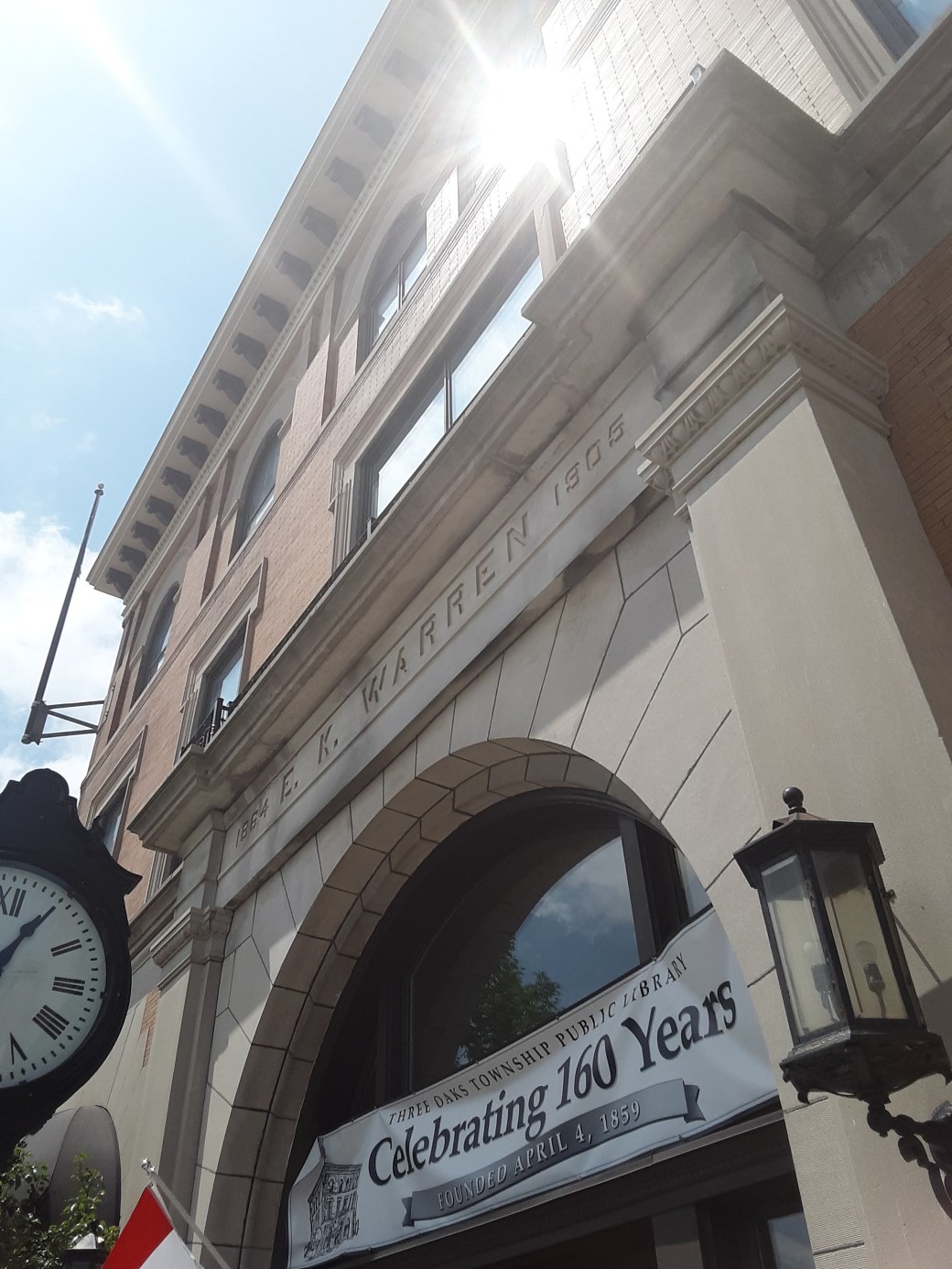
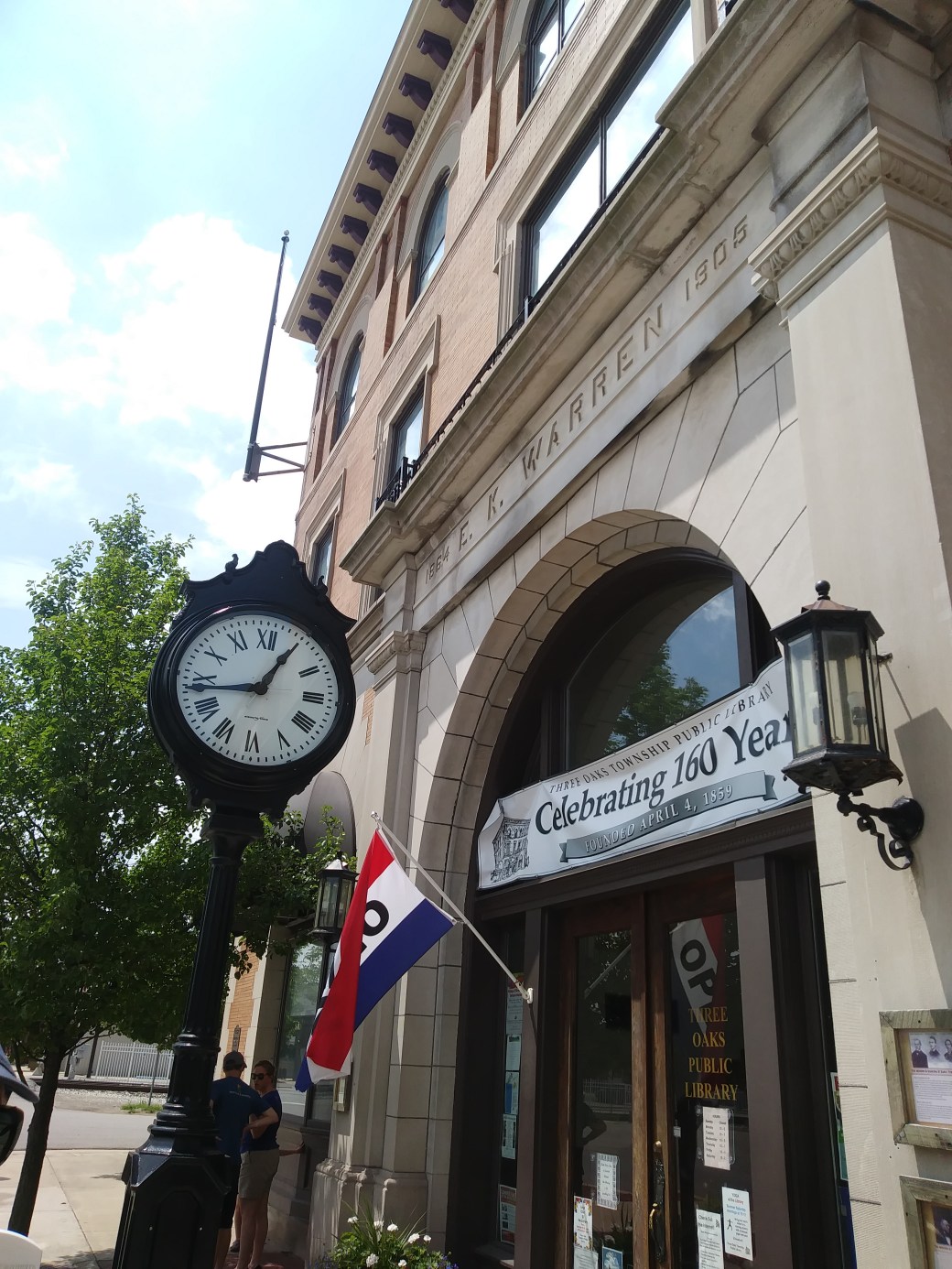
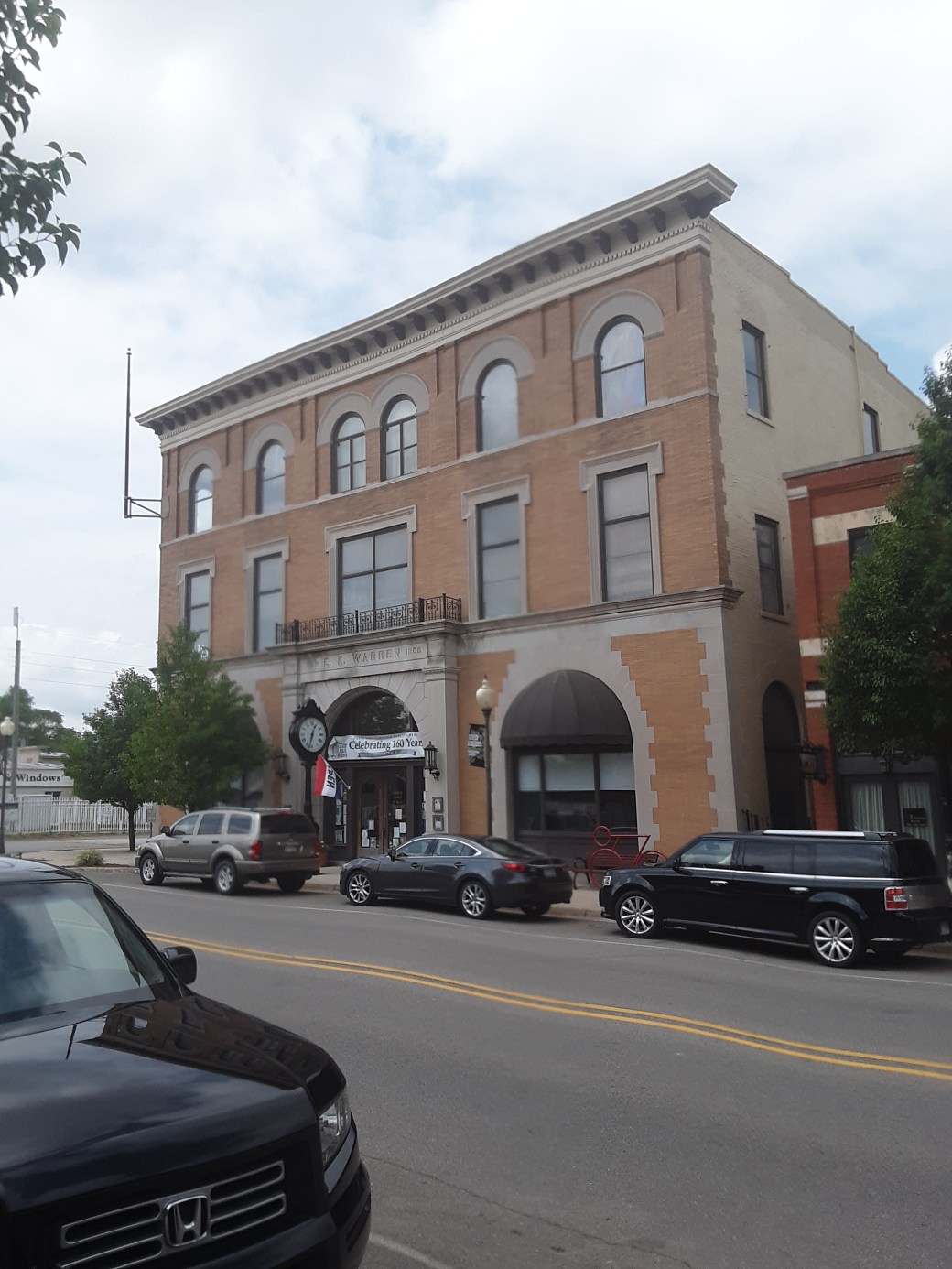
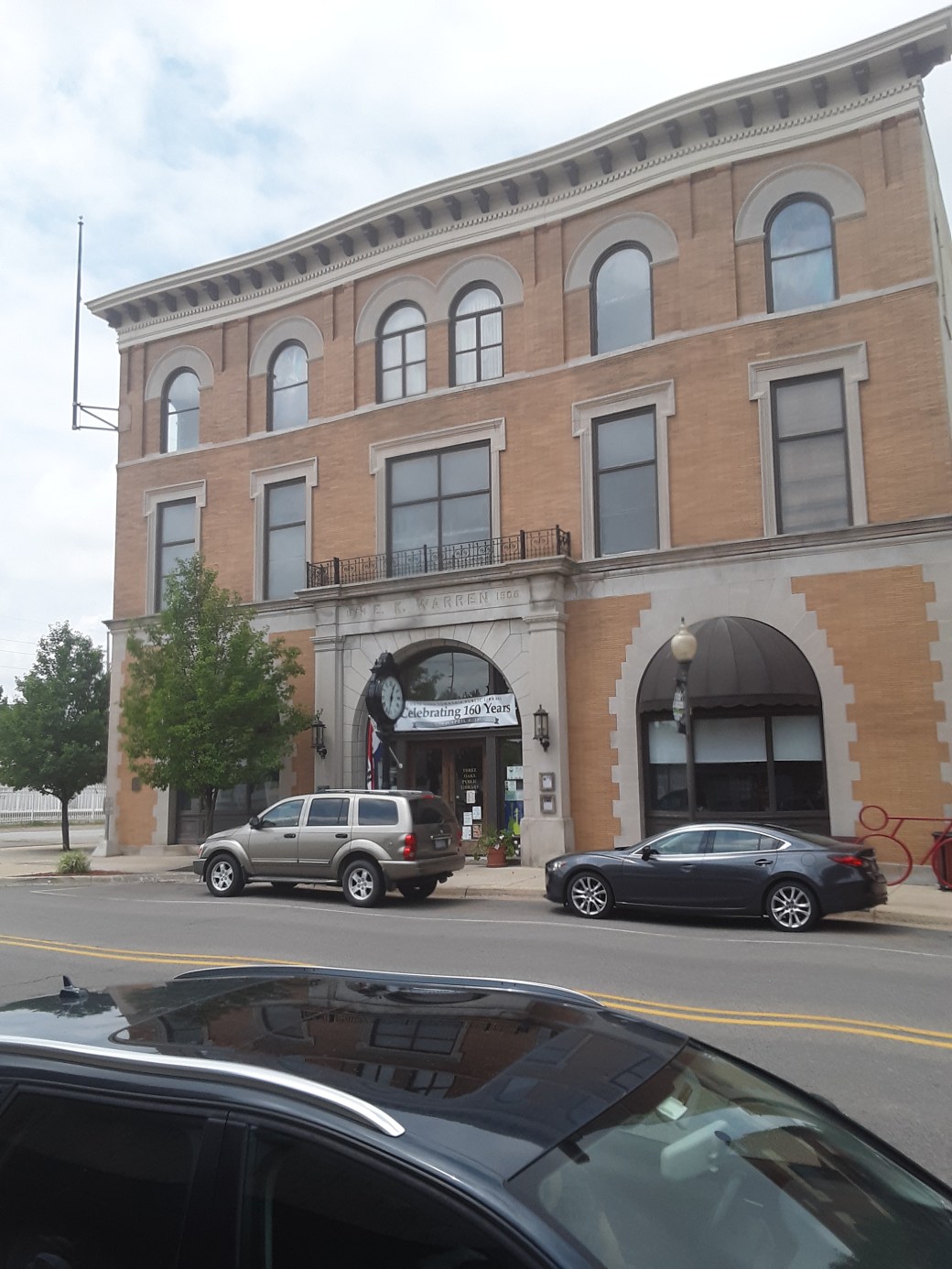
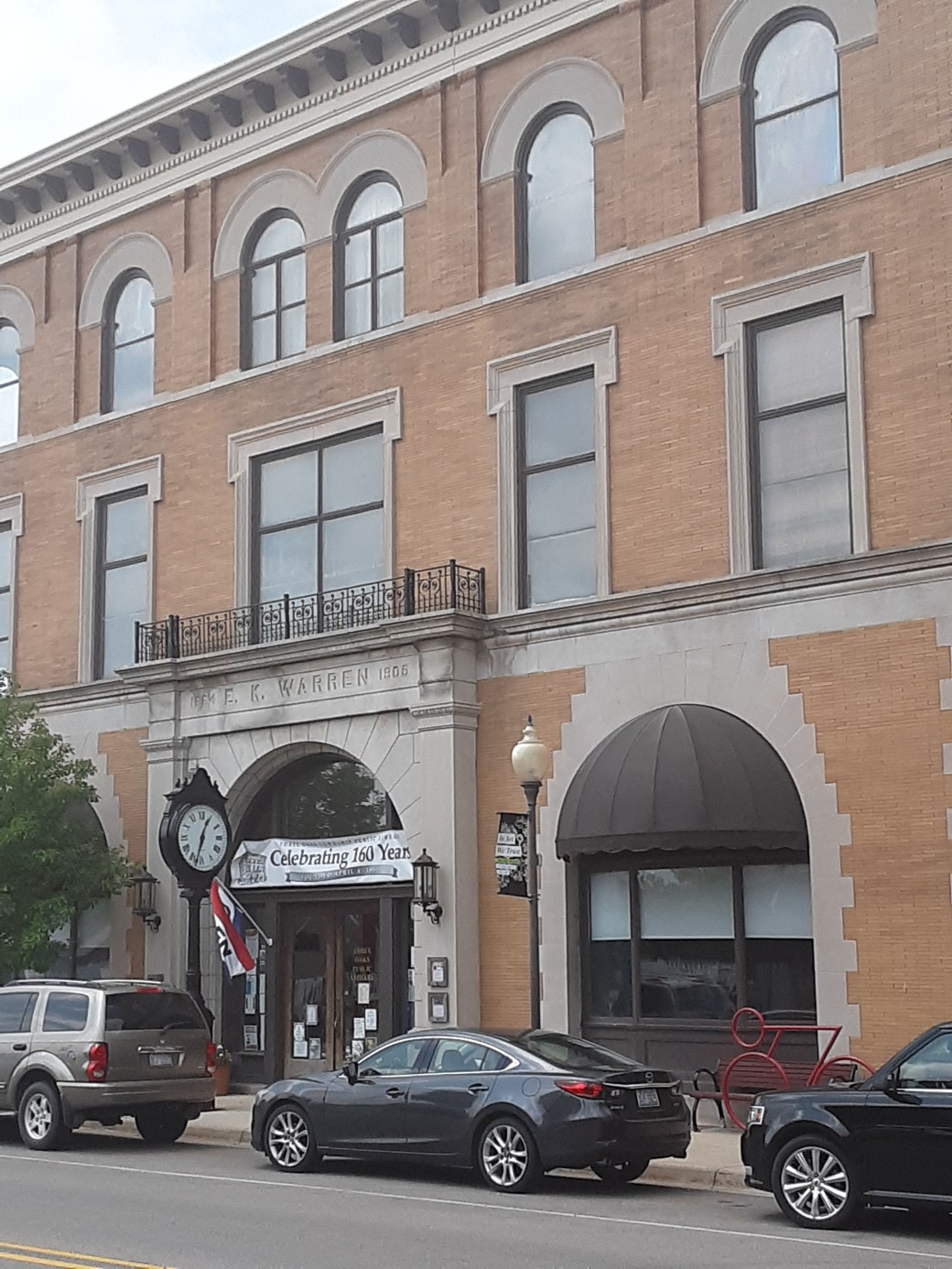
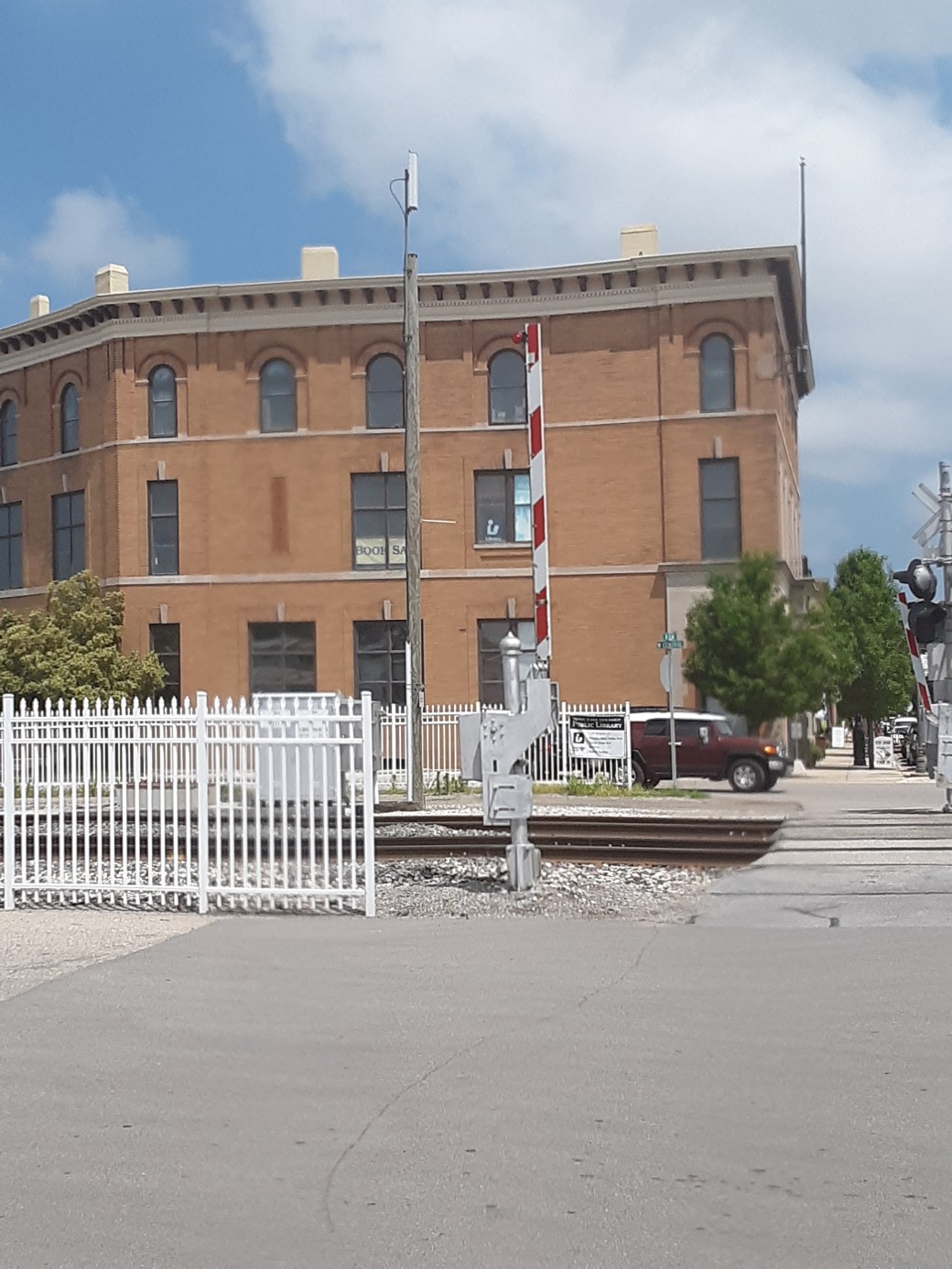
This building is located at 3 North Elm Street in Three Oaks, Michigan. It was owned by Edward K. Warren. In 1858, he opened a dry goods store in Three Oaks. He developed the product feather bone as a replacement for whalebone stays used in women’s dresses. He opened a factory in Three Oaks to manufacture the new stays. In 1905, his company built a new office space at 3 North Elm Street. Warred hired architect George Allan to design the building as the headquarters for Warren Feather Bone Company.

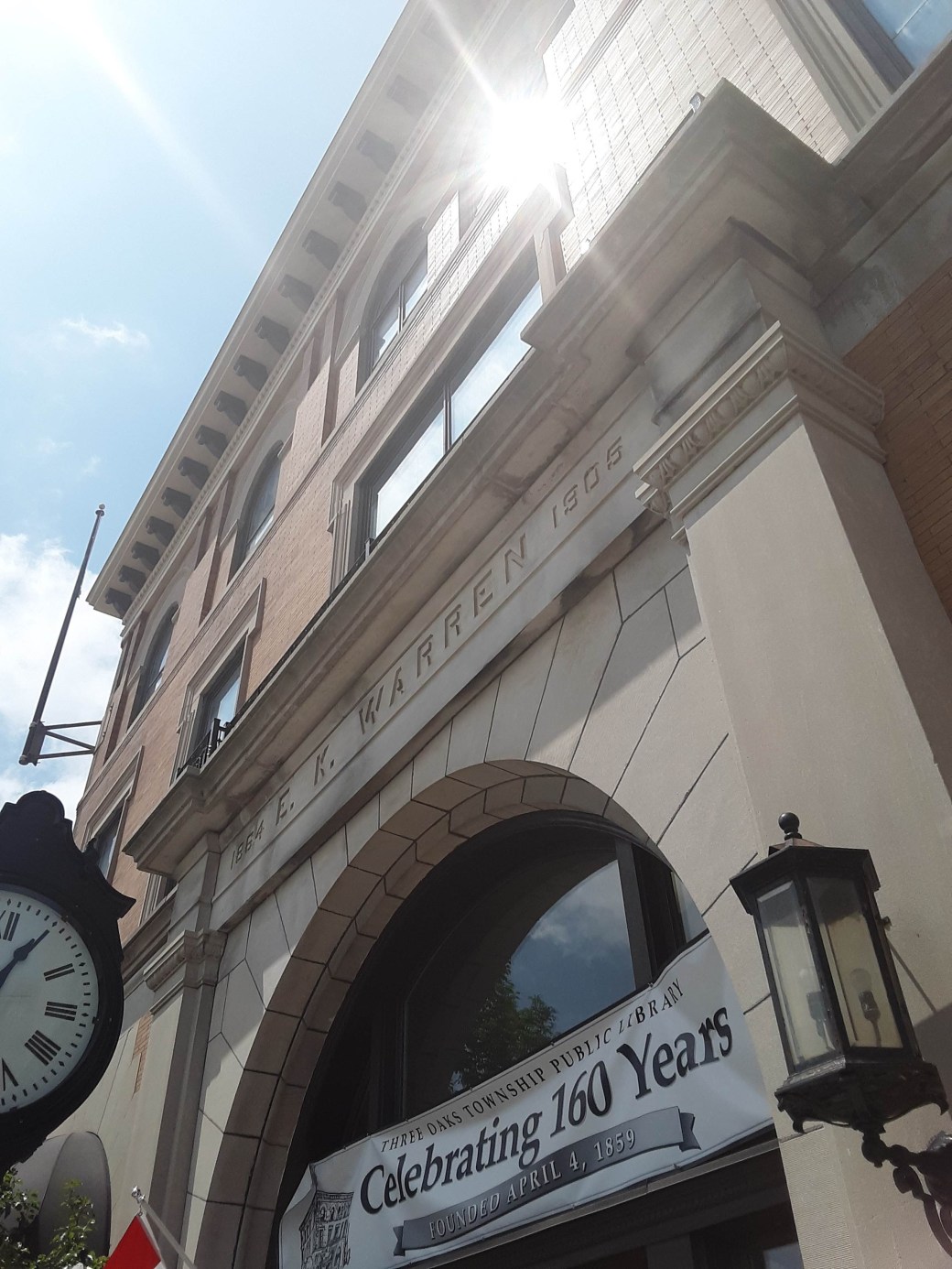
The building is three stories high. It is rectangular in shape The style is Renaissance Revival . Two principal facades are orange brick and have limestone trim. Main facade is symmetrical with a broad , arched opening on the first floor. There are squared head windows on the second floor and round head windows on the third floor.

Warren Featherbone Office Building

Same as above

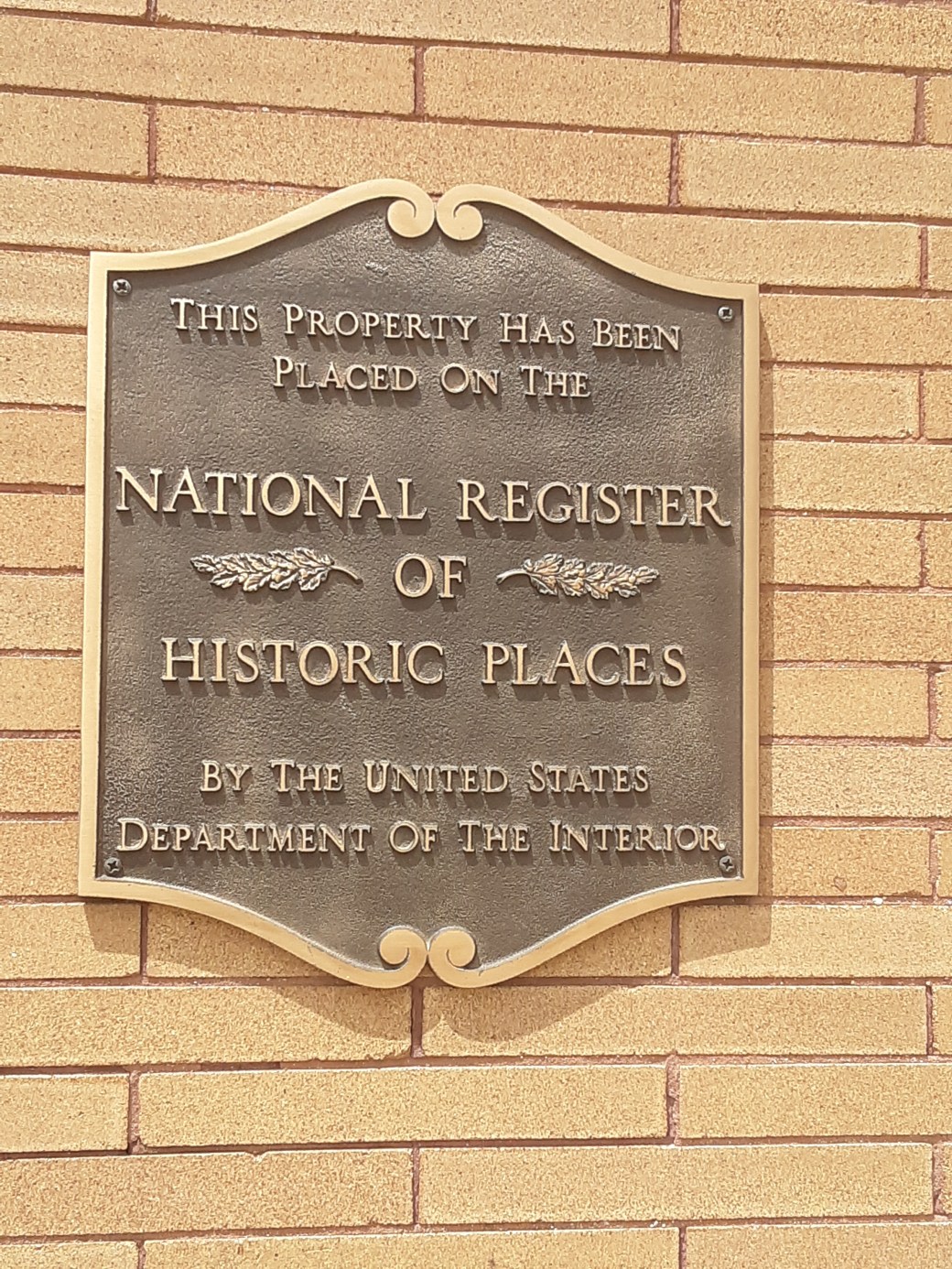
Historic Plaque

Warren Featherbone Company Office Building

Warren Featherbone Company Office Building

Same as above

Warren Featherbone Company Office Building

Warren Featherbone Company Office Building

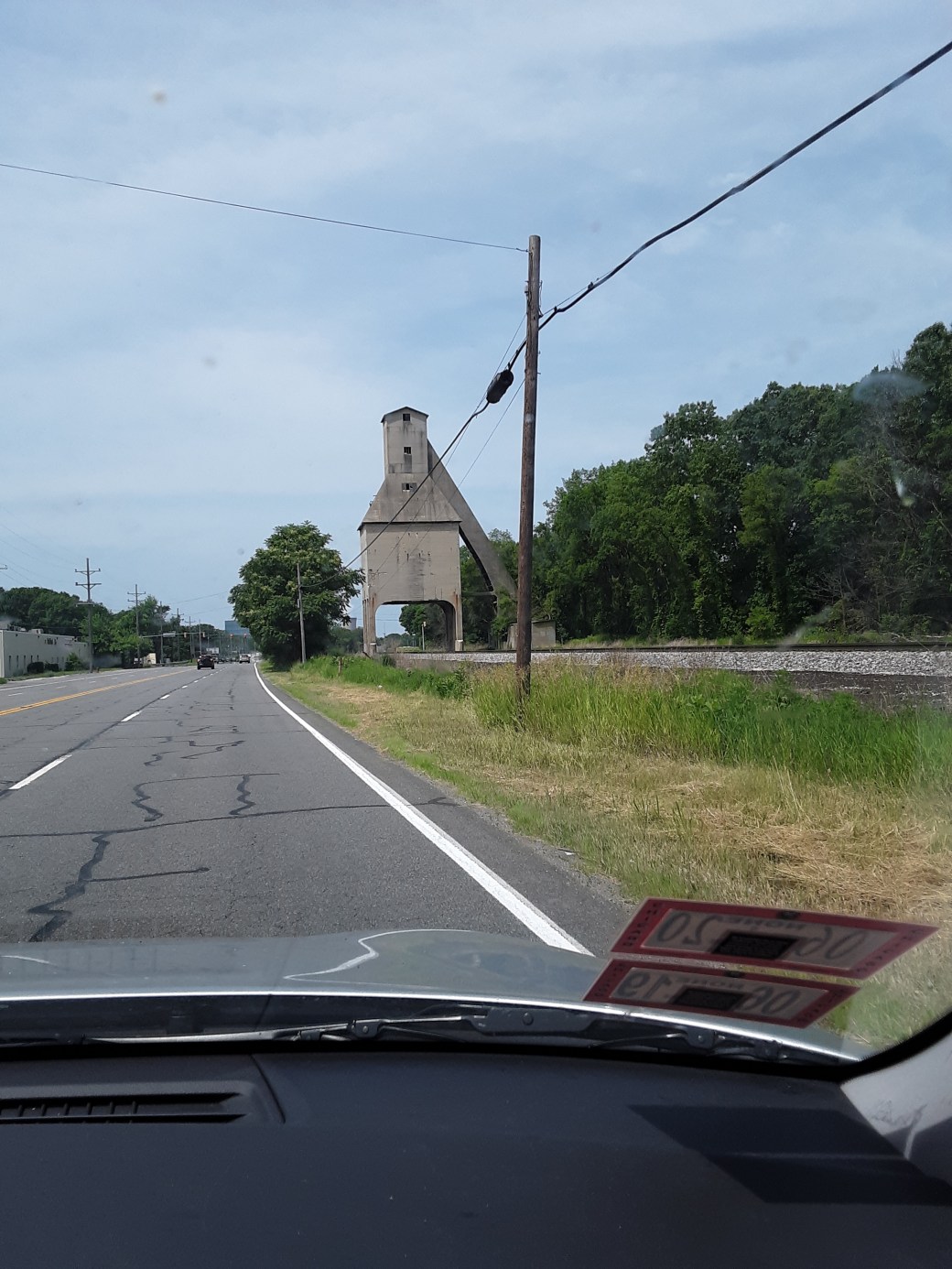
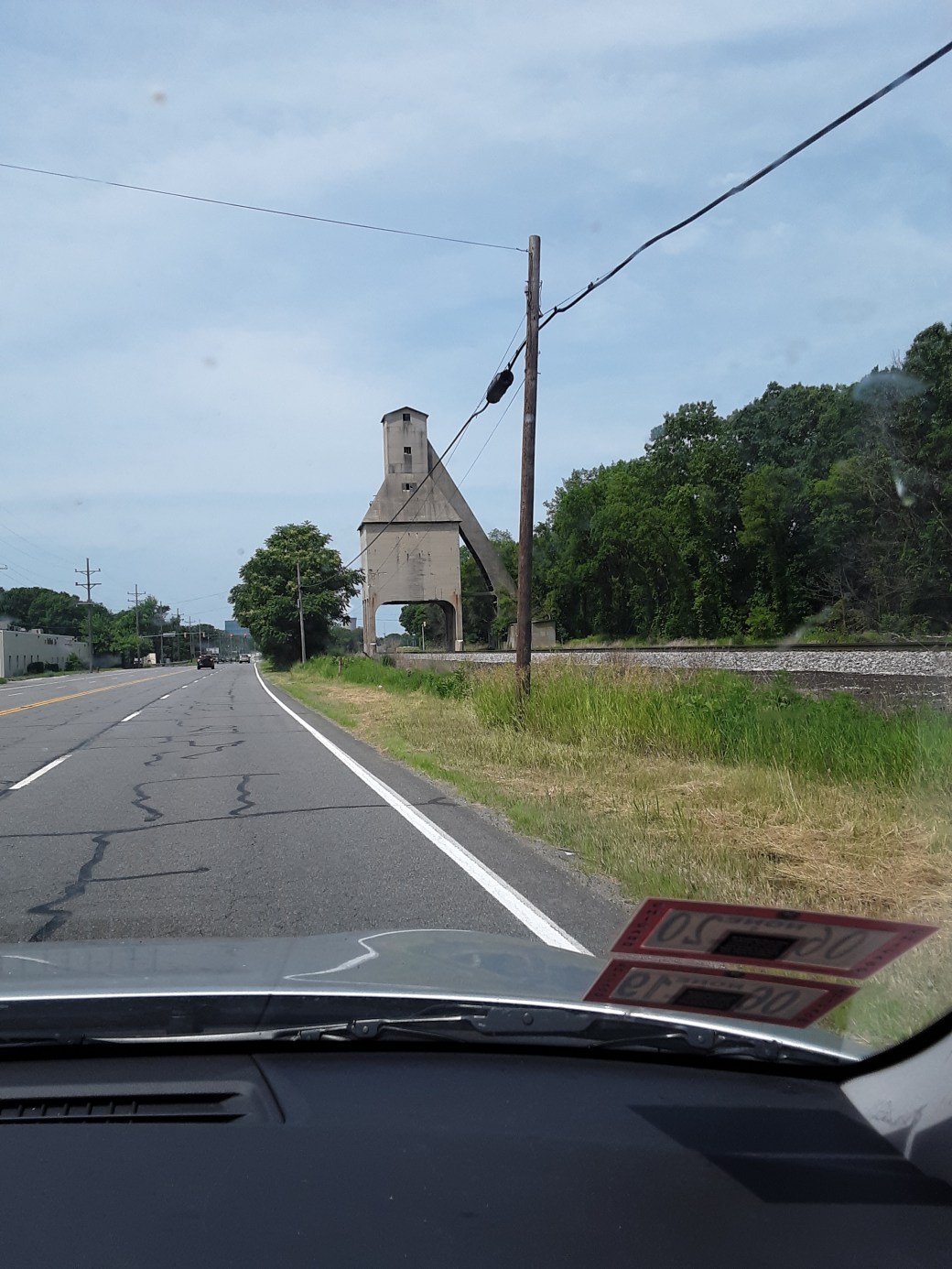
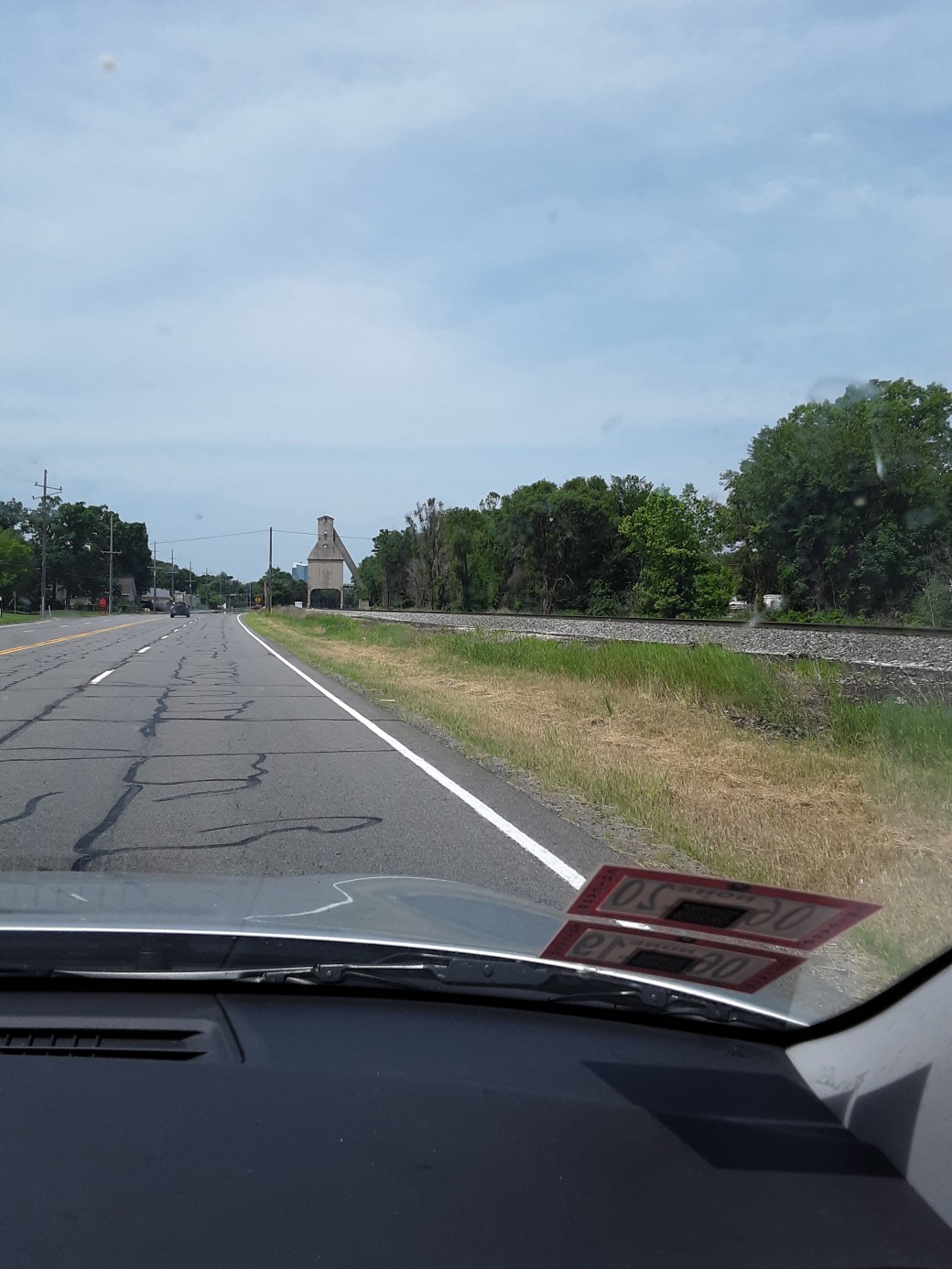
Coaling Tower, Michigan City, Indiana

Coaling Tower

Coaling Tower, Michgan City

Coaling Tower

Coaling Tower, Michigan City

Coaling Tower, Michigan City

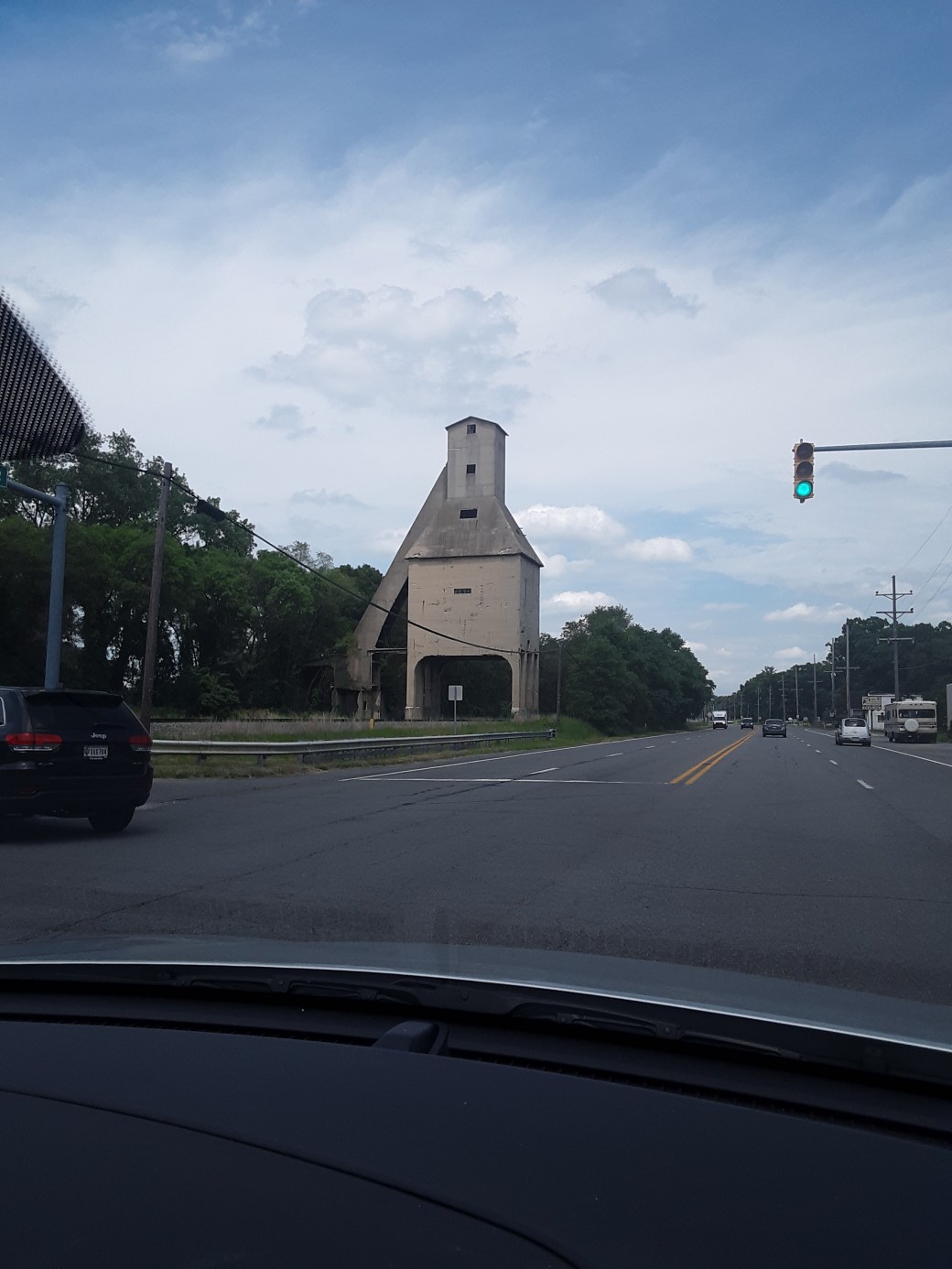
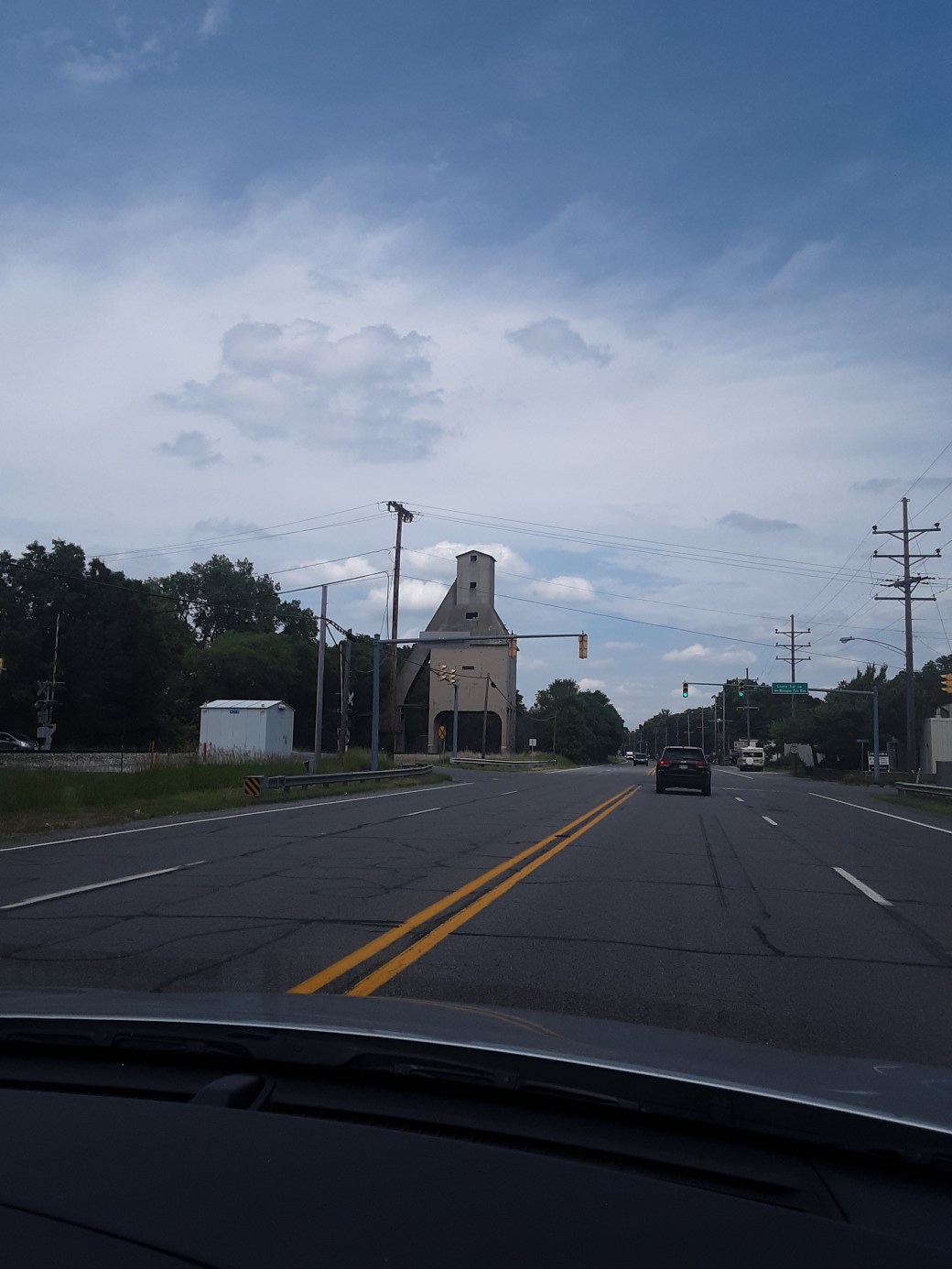
     Bridging the former Michigan Central Railroad tracks in Michigan City, Indiana, there is an impressive structure.  This was used as a coaling tower for steam engines.  It was built in 1924.  This was constructed for the Michigan Central Railroad by Roberts and Schaefer Company (Chicago).

     This tower now exhibits signs of aging and vandalism.