The area of the I and M Canal at Channahon is interesting. It is in this region that the DuPage River crosses the Canal. The planners considered multiple options for this site. Originally, an aqueduct was considered as was used at other river crossing sites. However this was rejected as too expensive. Second consideration was a feeder canal. This was built. The contractors were Harris and Johnston. It extended from the DuPage River near Minooka to the I and M canal near Lock 7. Eventually the feeder was taken down. A dam was built across the DuPage River between Lock 6 and 7. A control gate was made adjacent to the 7th Lock. This allowed water to flow from the River into the canal. This gate is still present.
Dean Park 1524 Palm Avenue

This ranch style home was built in 1954

It was built in 1954.
There are two bedrooms and one bathroom
Dean Park. 1511 Palm Avenue
This home was built in 1923. It is an airplane style craftsman house

4 bedrooms 3 baths
Jack West

Jack West, Architect
Jack West was an architect who practiced in Sarasota, Florida and briefly in California. He was one of the members of the Sarasota School of Architecture. He was born in Illinois in 1922. After serving in World War II, he attended Yale University School of Architecture. He graduated in 1949. He moved to Sarasota. His first position was with the firm of Twitchell and Rudolph as a draftsman and then an architect. He opened his own firm in 1951. He formed a partnership in 1953 — 1954 with Ralph Twitchell. From 1956 to 1960, he was in a partnership with Elizabeth Boylston Waters. In 1965, he joined Rolland W. W.Seller to do U.S. Department of Housing and Urban Development work. In 1966 West partnered with engineer Al Conyers to create the firm of West and Conyers /Architects and Engineers which lasted into the 1990’s.

Round House
The so called Round House was built in 1960. It was constructed for Dorothy and Hilton Leech. They were prominent artists. The building was designed to be used as an art studio and residence. The architects were Jack West and Elizabeth Boylston Waters. Location Sarasota.

 Nokomis Beach Pavilion. 1954 Pavilion Fountain


Nokomis Beach Pavilion Jack West, Architect

Nakomis Beach Pavilion. Architect Jack West. Listed in the National Register of Historic Places in May 28, 2013. Nokomis, Florida

Gateway Bank on Tamiami Trail and Bahia Vista, Sarasota. Originally built as First Federal Savings Bank and Loan Association of Manatee County Architect John West 1974

Hudson House Venice, Florida 1953 Architects Twitchell and West

 Knott’s Glass House. This house was built in 1953. It is located in Yankeetown,Florida. It features a flat roof, extreme use of glass and an open floor plan. The architects were Ralph Twitchell and Jack Webb


Sarasota City Hall. 1565 First Street Sarasota. Built 1966. Architect Jack West

Sarasota City Hall

Sarasota City Hall
Jack West’s last project was renovation of the Nakomis Beach Pavilion
Nokomis Beach Pavilion
Jack West died in October 24, 2010.
Great Blue Heron 12/11/2020
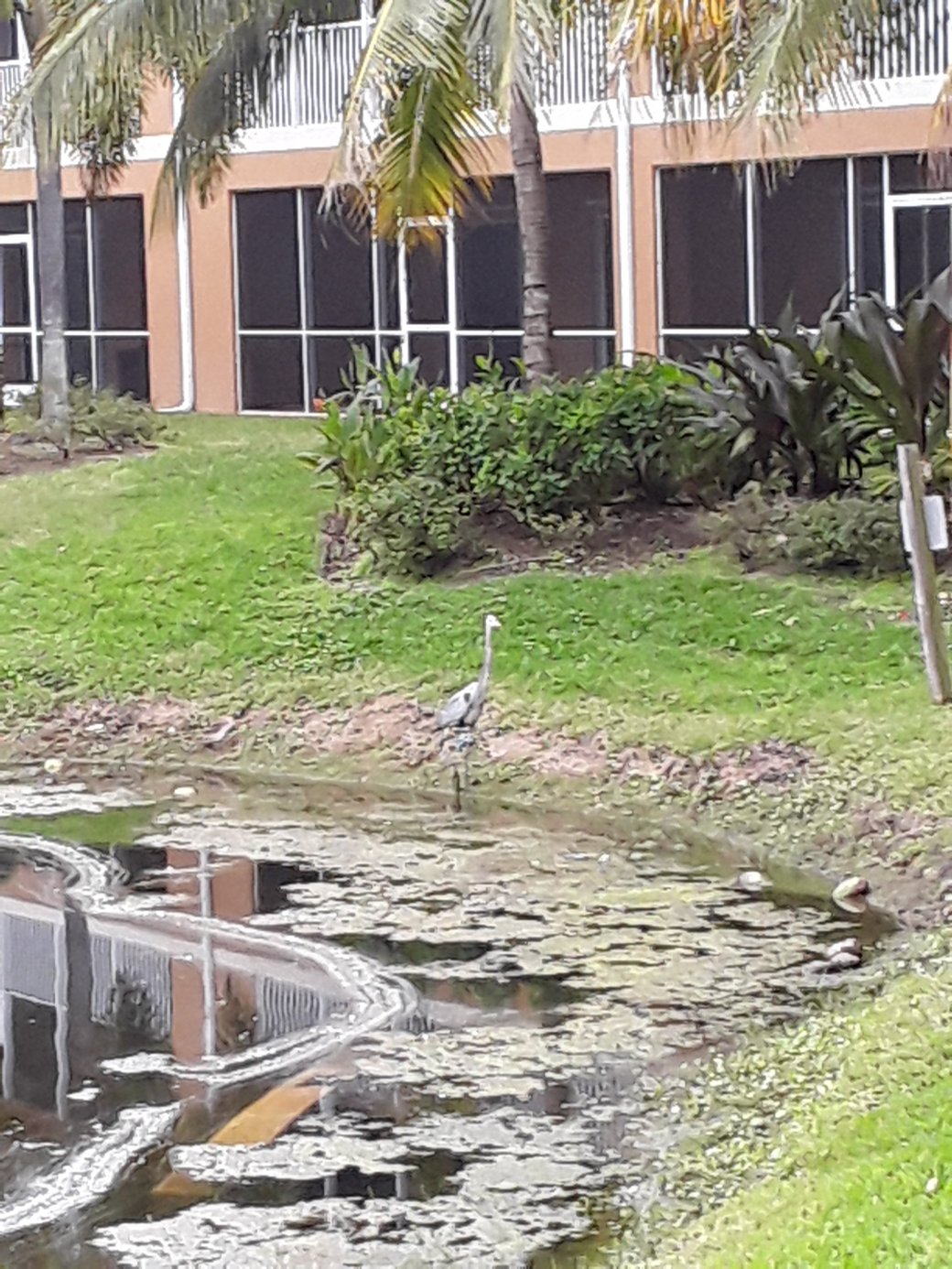
Great Blue Heron
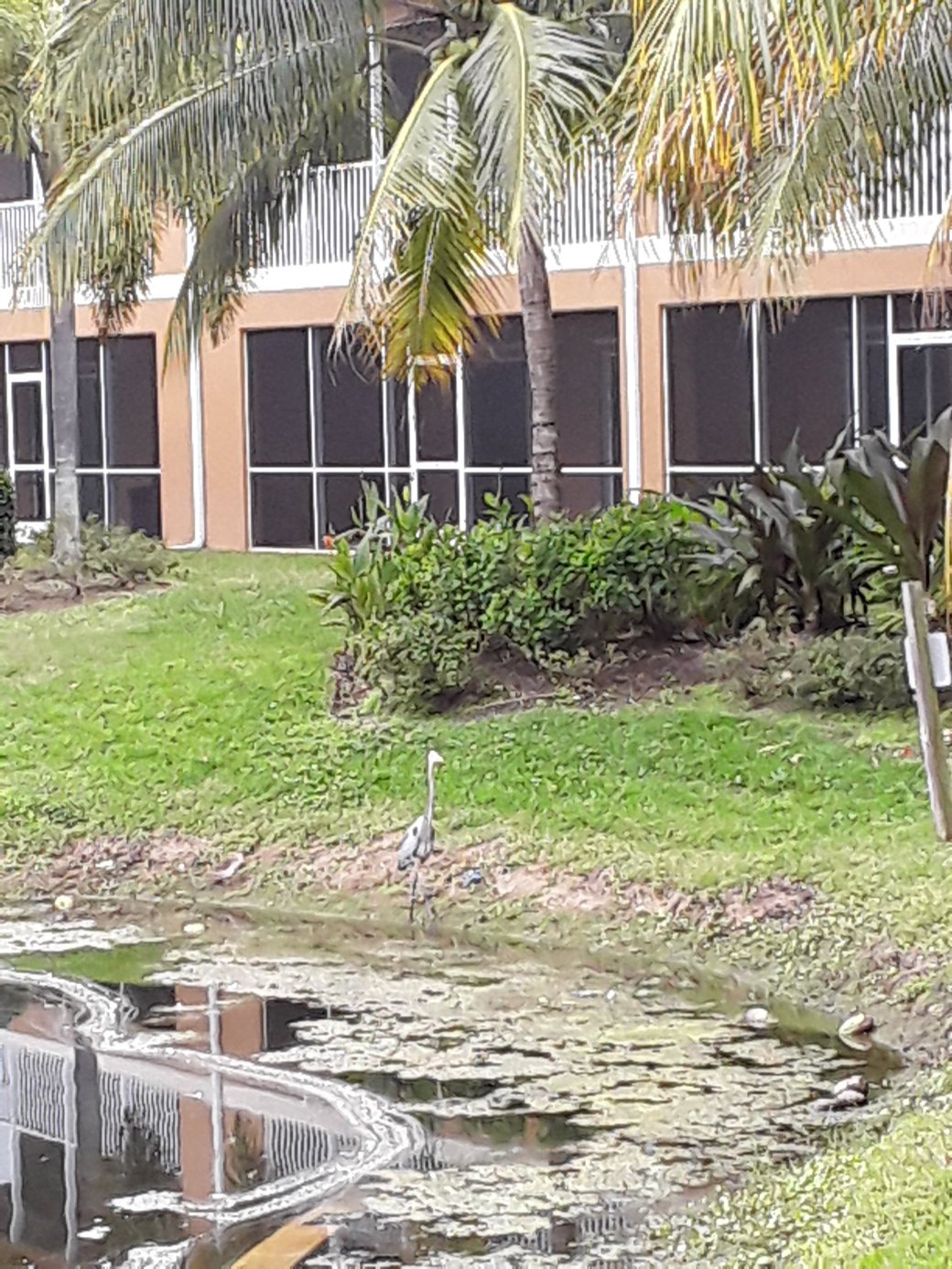
Great Blue Heron
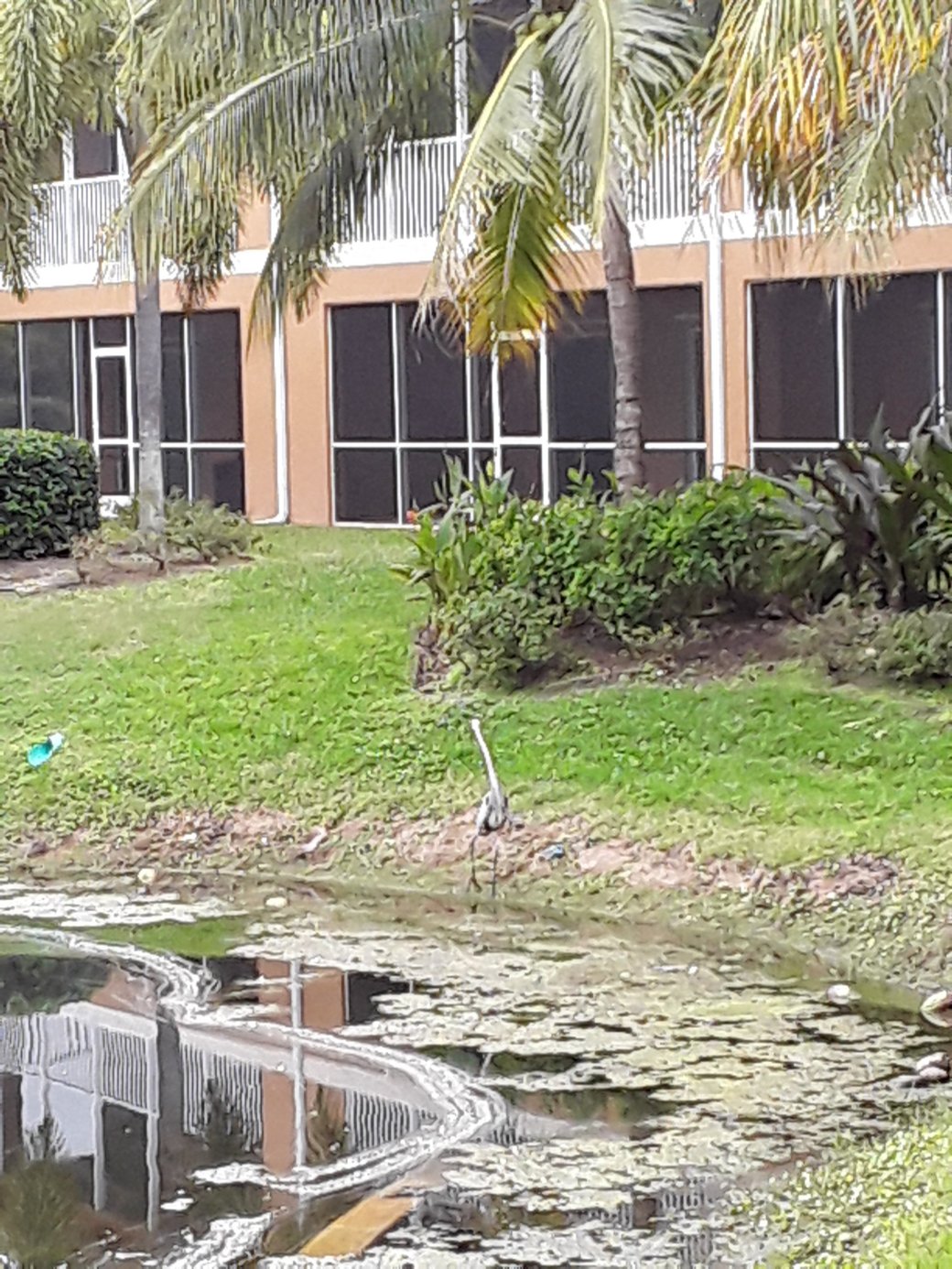
Great Blue Heron
Galt Preserve
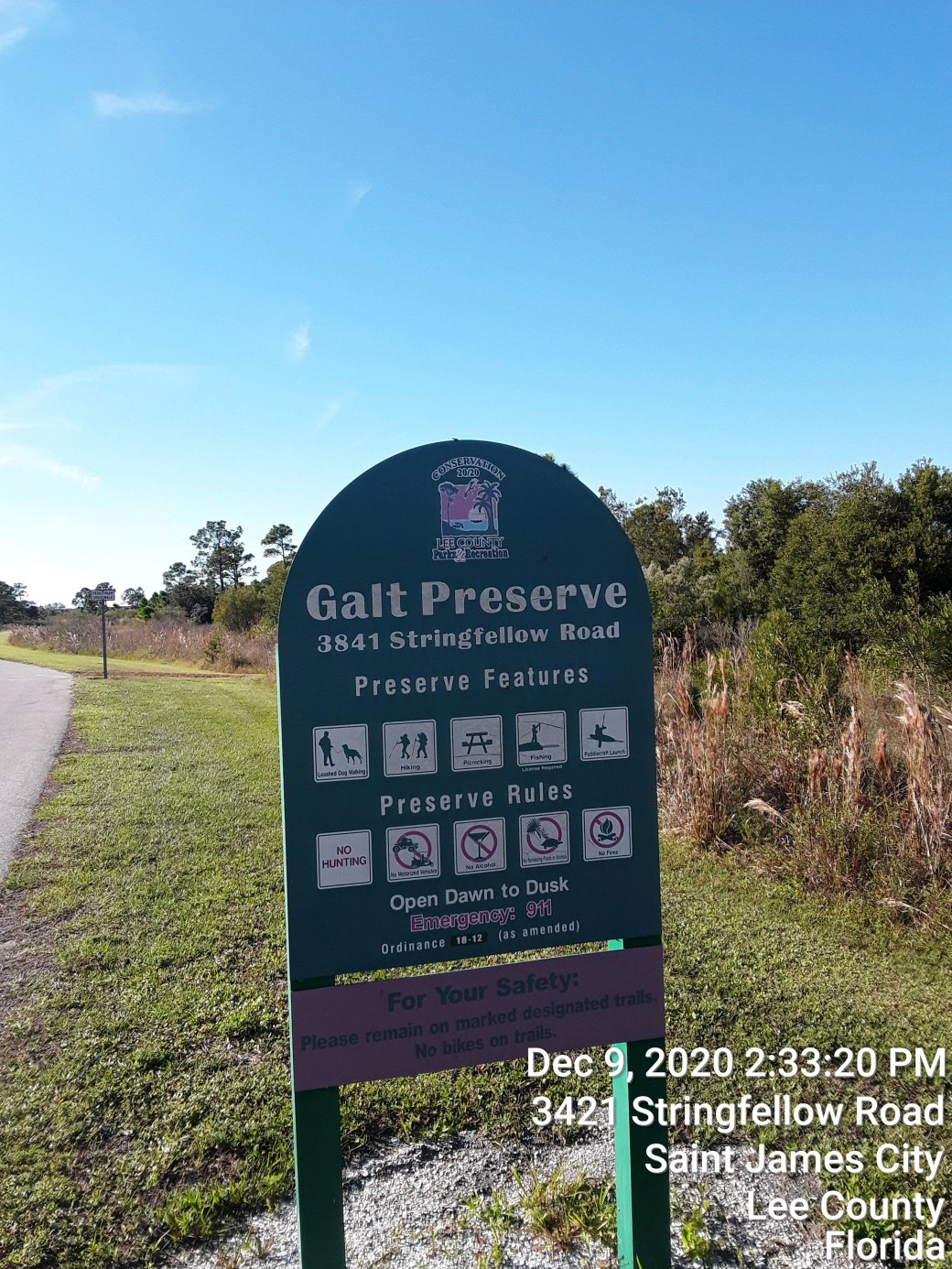
Galt Preserve
Galt Preserve is located at 3841 Stringfellow Road. The preserve features 2.5 miles of hiking trails and boardwalks. It is located in Saint James City on Pine Island just south of Pine Island Flatwood Preserve.
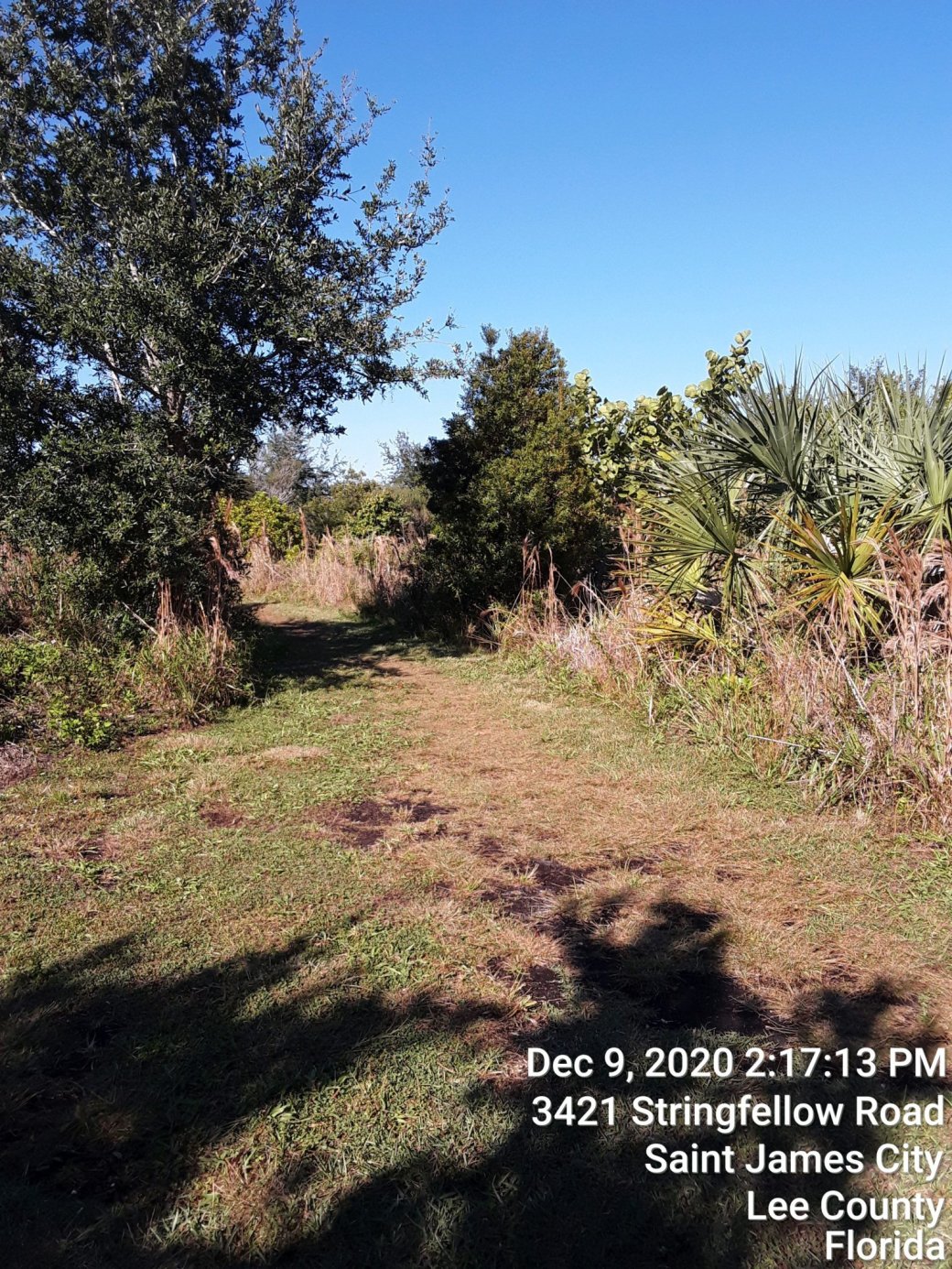
Trail
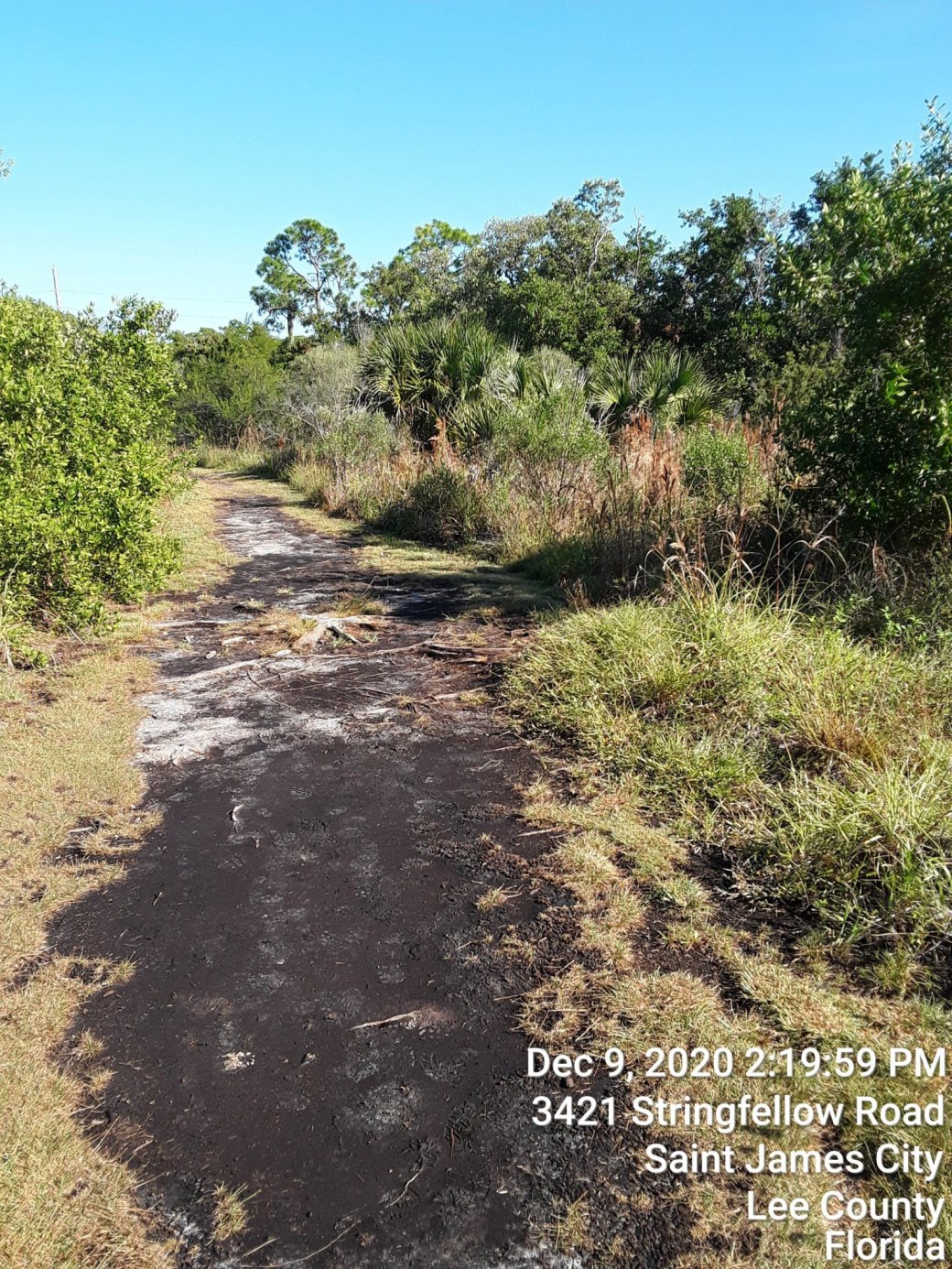
Trail

Picnic Shelter
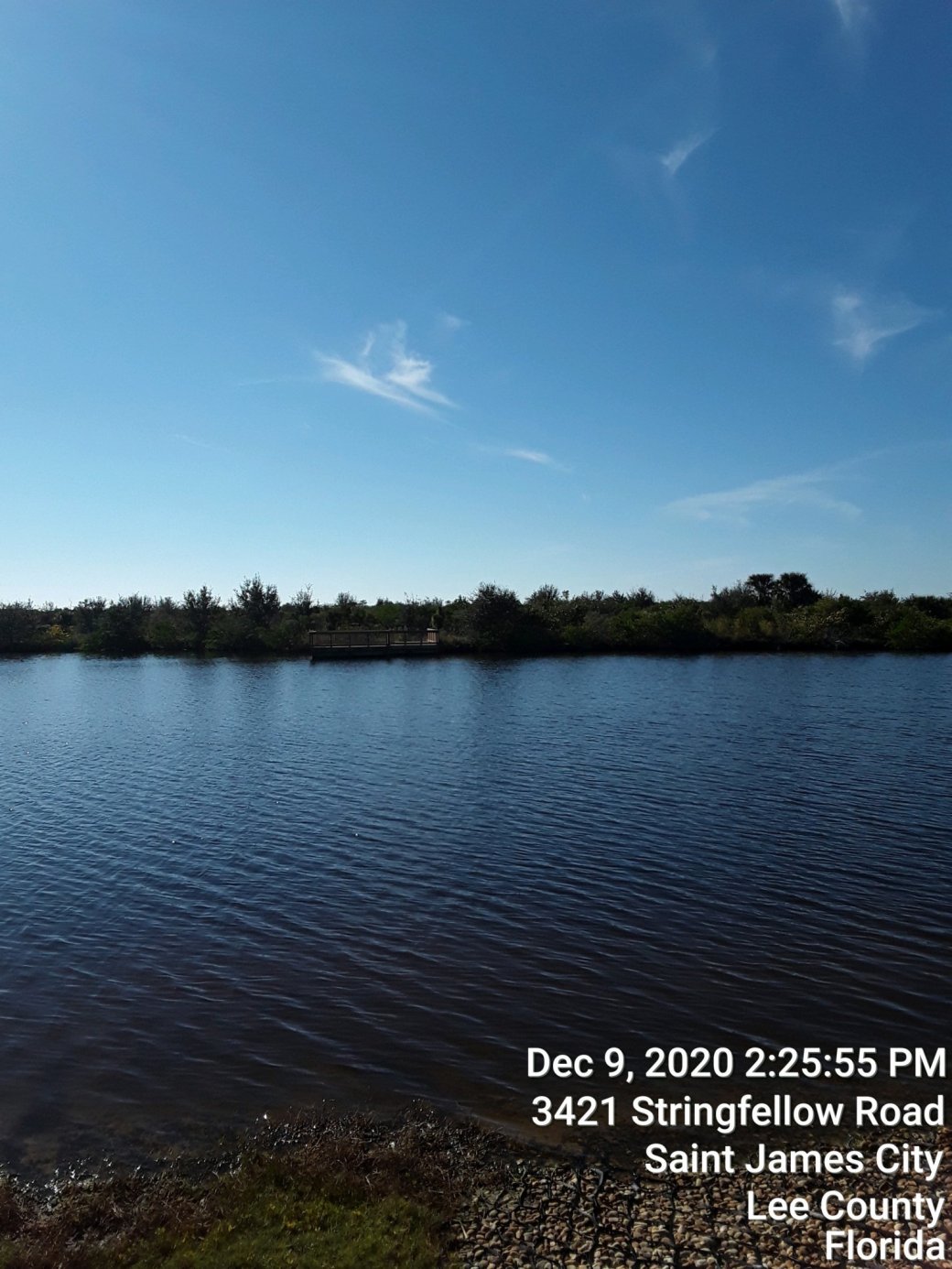
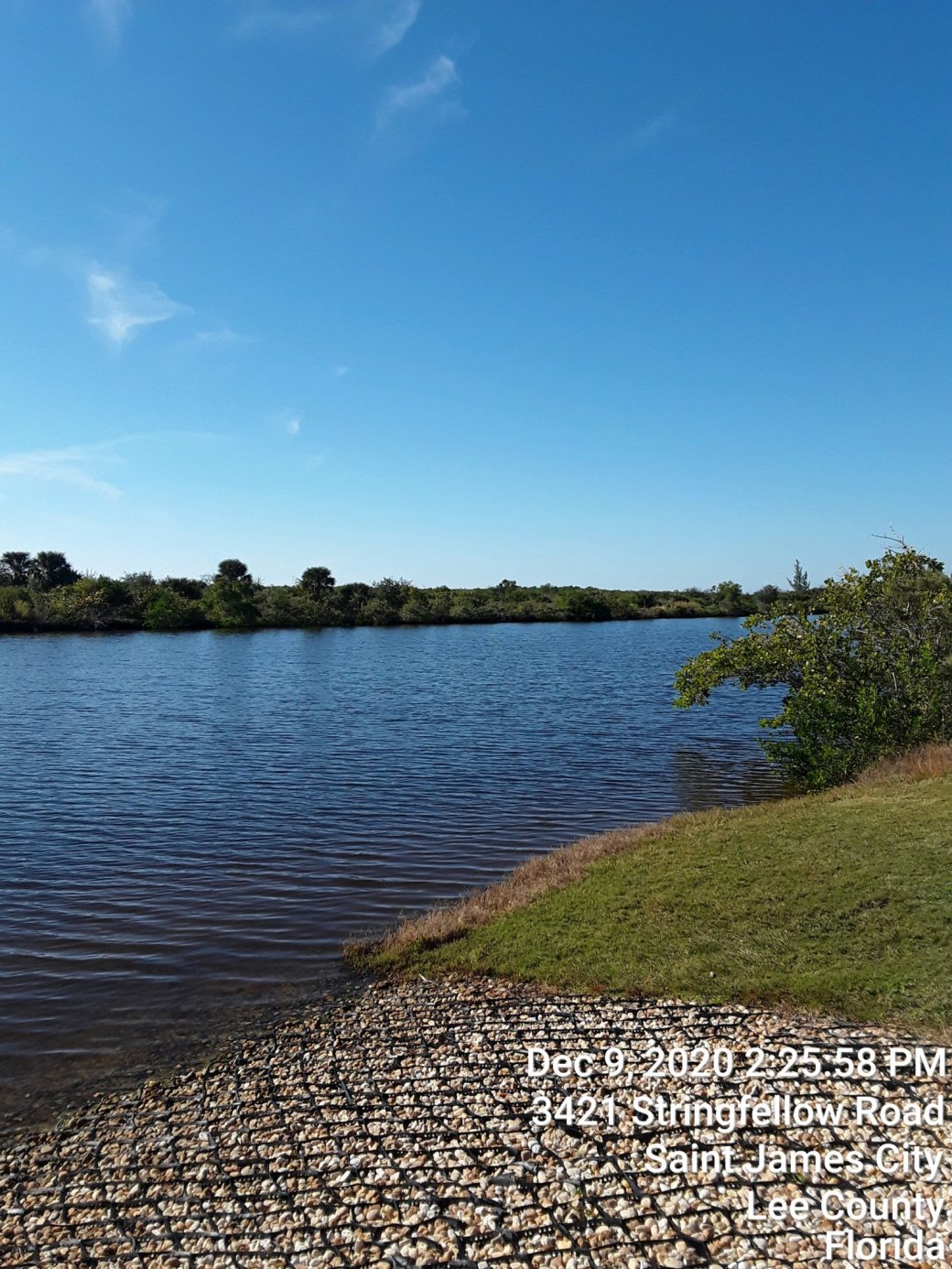
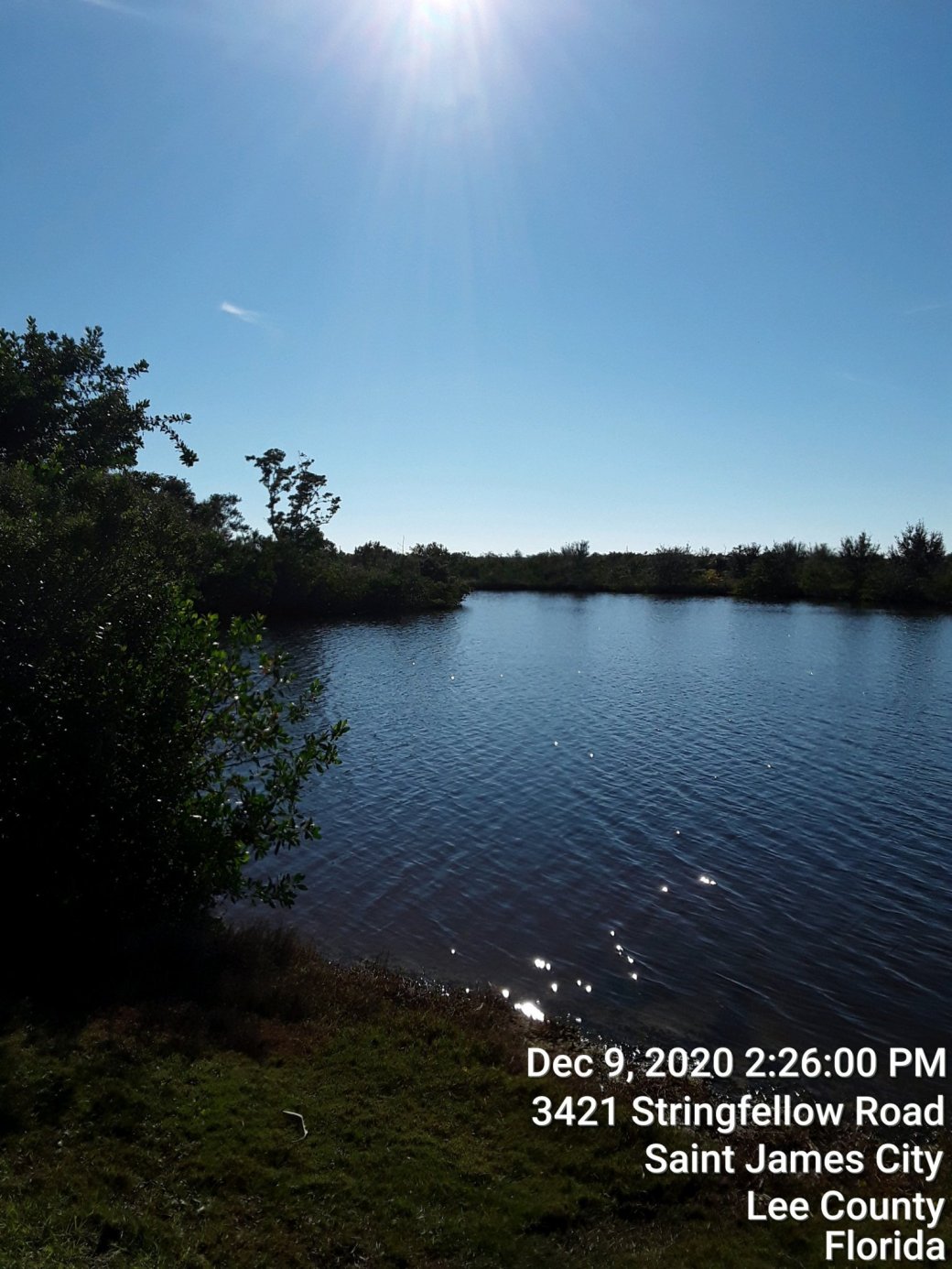
Pond
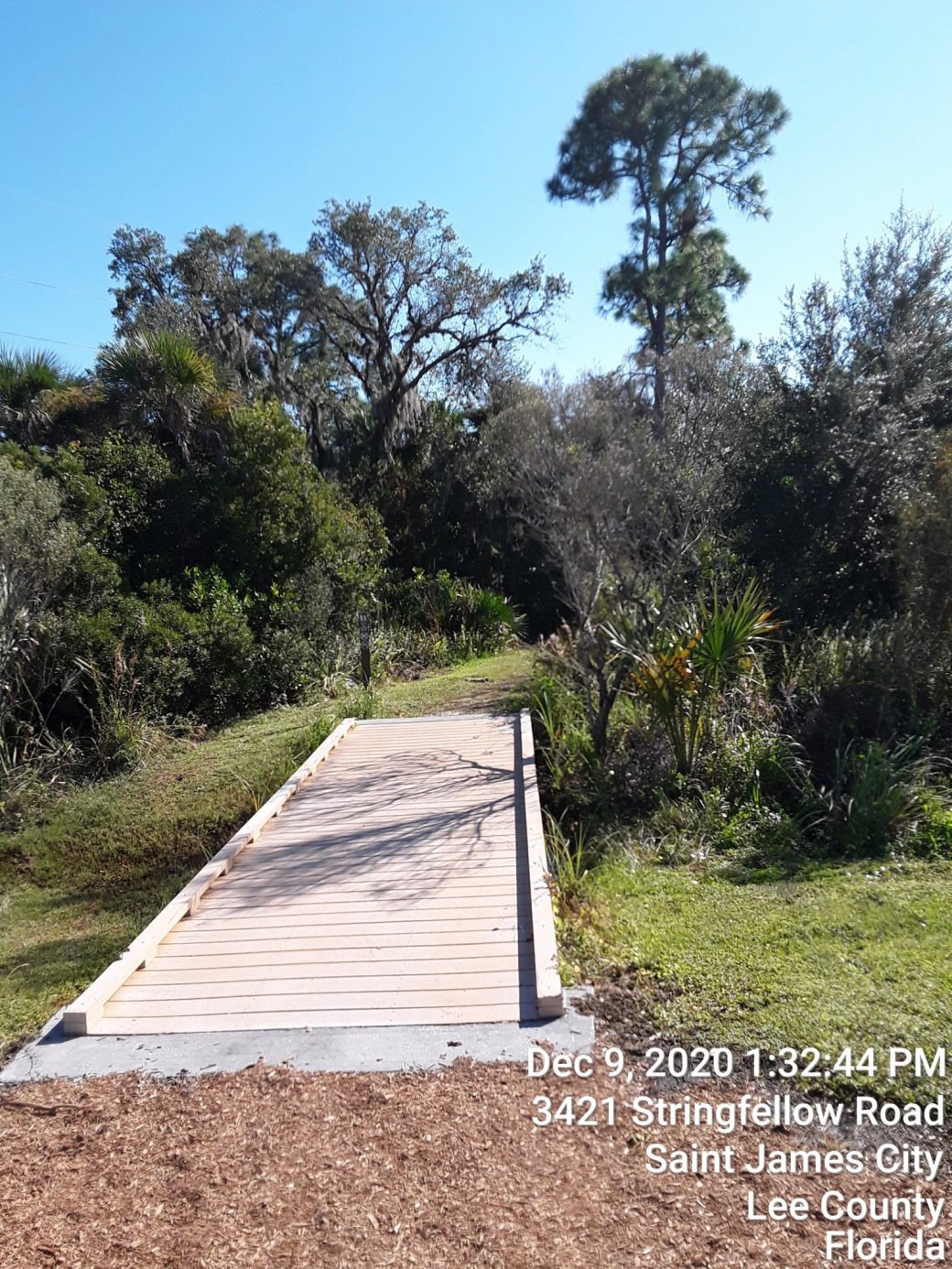
Boardwalk
Tim Seibert, architect
Edward Tim Seibert was born in Seattle, Washington on September 27, 1927. In 1942, the Seibert family moved to Sarasota. Young Seibert followed his father into the navy during and shortly after Wold War 2.


Tim Seibert
After the war Seibert attended Stanford University to study art. He transferred to the University of Florida to study architecture.
After graduation, Seibert interned in the office of Paul Rudolph in Sarasota. He was exposed to Rudolph’s design philosophy and a architectural approach.
One of his first projects was a studio for Philip Hiss 1953. Hiss was a real estate developer.


Hiss Studio 1953 Sarasota Architect Tim Seibert

McDonald Residence Siesta Key,1965 Tim Seibert, Architect

Seibert’s house on Siesta Key was built by the architect personally in 1952. The house has 2 wings–one for sleeping and bathing and the other for the living and dining areas. There is a screened garden area.
In 1955, Seibert opened his own firm–Seibert Associates. While working here, he came into contact with his fellow Sarasota peers such a as Gene Leedy and Victor Lundy.
Over the period of 40 years, Seibert designed hundreds of buildings both commercial and residential along Sarasota Gulf Coast

Craig Residence in the Lido Shores Neighborhood of Sarasota Built 1955 Architect Tim Seibert


Siesta Key Beach Pavilion Built in 1958 Sarasota. Architect Tim Seibert

Same as above


Lido Key Beach Pavilion 1969, Architect Tim Seibert


Cooney House. 1969. Tim Seibert. Sarasota Currently for sale

Field Club 1961 Tim Seibert, Architect
Seibert was an accomplished sailor. He also designed many sail boats.


Bird Key House 2018 Tim Seibert
Tim Seibert died at Boca Grande, FL. in 2018
Dean Park 2642-2648 Michigan Avenue

This is a duplex ranch. It was built in 1957. It was likely rental property
Dean Park 2668 Michigan Avenue


This is a duplex ranch. It was built in 1957
Dean Park 2617 Michigan Avenue

2617 Michigan Avenue Fort MyerS

