
Old Betsy Museum Mural

Old Betsy Museum Mural


Old Betsy Museum Mural
Old Betsy Museum Mural

Texas State Capitol
The Texas Capitol in Austin is the seat of state government and a National Historic Landmark renowned for its pink granite exterior, Renaissance Revival architecture and historic significance.
Location and General Information
The Texas State Capitol is located at 1100 Congress Avenue,Austin, Texas 78701. It is situated on a prominent hilltop in downtown Austin overlying the Congress Avenue Historic District. The building serves as the offices and chambers for the Texas Legislature and the governor of Texas and covers over 900,000 square feet, including and under ground extension. Its dome rises 302.64 feet, making it taller than United States Capitol.
History
Construction of the Capitol began in 1885 and was completed in 1888.It was built to replace an earlier smaller statehouse and reflects the growth and aspirations of Texas after its independence and annexation into the United States. The building was designated a National Historic Landmark in 1986 due to its historical and architectural significance.
Architecture and features
The Texas Capitol is notable for its Renaissance Revival and Classical Revival Architecture. It is constructed primarily from sunset red granite, giving the building its distinctive pinkish hue.. Key features Include:
Dome : The Capitol’s dome rises.311 feet, making it taller than the United States Capitol in.Washington, D.C.
Interior: the rounds features murals depicting Texas history, elaborate staircases, and decorative ceilings.
Grounds:
The surrounding 22 acre grounds include monuments, memorials, walking.paths, and gardens accessible to the public

Harbor Country Museum of History and Rail
The Harbor Country Museum of History and Rail in New Buffalo, Michigan preserves the region’s rich railroad heritage and local history and through interactive exhibits, historic train cars,and community–focused displays.

Harbor Country Museum of History and Rail
Highlights
Shows New Buffalo’s history as a railroad hub with exhibits in a reconstructed replica of the New Buffalo Railroad Pete Marquette Depot..
Visitors can explore authentic railroad cars, historic artifacts and miniature trains representing the 1920’s railroad yard.
The address of the museum is 530 South Whittaker Street, New Buffalo, MI

Harbor Country Museum of History and Rail
History
Founded in 1989 and formerly known as the New Buffalo Railroad Museum, the Harbor Country Museum of History and Rail is situated on the grounds of what was the largest.train yard in Southwest Michigan. It is housed in a restored. replica of train station from.1882. It highlights the town’s development influenced by the railroad industry and commerates historic rail lines, including CSX freight lines passing behind the museum.

Harbor Country Museum of History and Rail
Exhibits and Attractions
Authentic Railroad cars
Chessie Box Car
World War II Pullman Troop Sleeper
C and O Caboose
Miniature train layout to reflect the appearance of the old tracks yard

Chessie System Caboose

Chessie Box Car

WWII Pullman Transport Sleeper

Model Train Display

Coaling Tower on the Grounds of the Prior Train Yard

Interior of Pullman Troop Car

Remnant of Round House
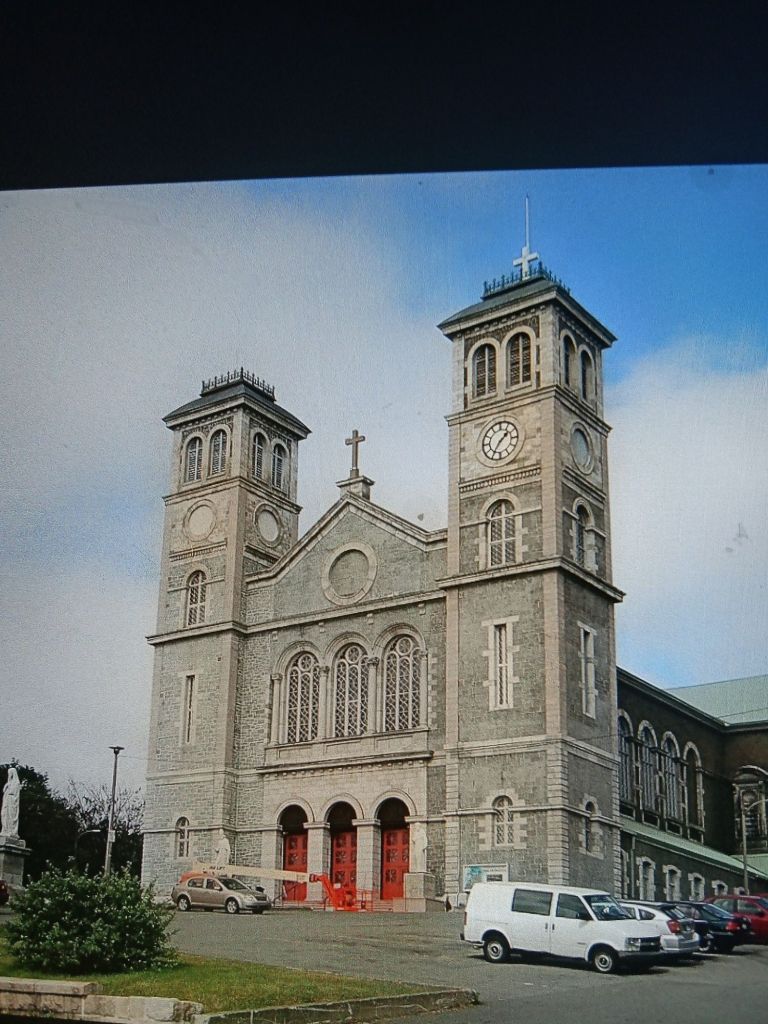
Saint John the Baptist Basically Saint John Newfoundland

Saint John the Baptist

Crows Nest

Crows Nest

Second Level indoor Dining
Crow’s Nest Restaurant in Venice, Fl has been a waterfront landmark since 1976, evolving from a small sandwich shop into a signature dining and marina destination.
Origins in the 1970’s
The property was originally part of the Tarpon Center Marina on the South Jetty. The future aowner of the Crow’s Nest, Steve Harner, attended a college in.Michigan. He worked in the restaurant business , bar tending and running a bar and grill. On July 4 ,1976, Steve Harner, moved his family to Florida. He became aware of restaurant space on the second floor of the marina.. He and his wife Janis Payne, his father, Harp Harner and a Detroit friend Larry LaRoca entered in a 4 year lease for the property.–1500 square feet on the second floor.
Previously, waterfront restauants in Venice were Happy Land Seafood Restaurant and and Johhny Walker’s Fish Camp and Admiral’s Wardroom.
Mr. Harner opened a small sandwich shop with a temporary menu that included items like grilled cheese for 85 cents and a Traditional Club sandwich with fries for $2.75 The menu promised a ” wide selection of beer and wine” and reflected Harner’s early commitment to hospitality. ” Enjoy your meal and please stop back”
Early Years and Growth
The restaurant opened 10 weeks after the leased was signed.. They put in a kitchen and worked with.3 employees. His Wife Janis Payne waited 40 seats and a handful.of bar srools overlooking.the neglected marina
It quickly became a local favorite, serving the now famous Fish Sandwich, classic Reubens, burgers, and 50 cent beers. Venice in the 1970’s was a smaller, more laid back community and the Crow’s Nest was one of the few waterfront dining spots alongside other early establishments werthe Buoy Bar (today’s Pop’s Sunset Grill) Fisherman’s Wharf (now Dockside Waterfront Grill) and Admiral’s Wardroom (now Pelican Alley).
In 1981, Harner purchased a 99 year lease for the building and the marina
Evolution Over Four Decades
Over the Crow’s Nest has expanded from.a modest sandwich shop into a full service waterfront dining and marina. It now features:
Upstairs dining room and porch/bar with views of the Inlet
Downstairs Tavern with a raw bar and a pub style menu
Full service marina offering overnight dockage, gas/diesel pumps, supplies and rentals like paddleboats, kayaks, and bicycles
Initial seating only 45 guests,the restaurant has grown to accommodate around 150 patrons across two floors, retaining its charm and waterfront aooeal.
Continuing Legacy
Today’s Crow’s Nest remains committed to hospitality, providing memorable dining experiences and maintaining its historic position as Venice’s premier waterfront restaurant and marina. It reflects a balance of tradition and evolution, , combining decades of local heritage with modern dining and marina amenities.
In 2017, Harner sold the business to buyers Alain Tall are and Phil Roux.

Cabot ToweaU
Signal National Historic Site is a landmark of Saint Johns , Newfoundland. It is recognized for its crucial roles in military defense and communication history from 17th century fortifications to Marconi’s first transatlantic wireless signal.

Cabot’s Tower
Early Military Significance
Signal Hill overlooks the narrows , the only entrance into Saint John’s Harbor , making it strategically important from the mid 17th century onward. This hills prominence allowed. for early fortifications and defensive posts to be constructed to protect the city.
The first batteries along the narrows date back to the 1600’s and throughout the 1700’s
Signal Hill saw several militia engagement between British and French forces. Most notably, the Battle of Signal Hill in 1762_was the final engagement of the Seven Years War in North America where the British Soldiers under Lieutenant Colonel Amherst captured the hill and renamed it Signal Hill and established flag signalling from the hill.
During the 18th and 19th Century, Signal Hill served as a citadel and was actively manned during the Napoleonic Wars and Civil War.
Defensive structures such as the Queen’s were constructed and upgraded over time to protect the harbor, although the guns were never engaged in actual battle.
During World War I I, Signal Hill hosted American Anti Aircraft Defenses and batteries, including 8″ railway guns and 155 millimeter guns on Panama months further underscoring its ongoing military significance.
Communication and Maritime Significance
From 1704–to the late 1950’s Signal Hill functioned as a key signalling station. Flags,, canons and other signalling mechanisms conveyed messages to ships and alerted the town about approaching vessels.
Noon Day Gun
Is a gun fired on a platform next to the Cabot Tower daily at noon. This was tradition for 150 years
The site gained international prominence in communication transmissions when Marconi receive the first transatlantic wireless signal there on December 12, 1901 using kite mounted antenna. Marconi picked up a Morse code letter as transmissions from transmitters in Poldhu, England . This was a transformative in global telecommunications.
Cabot Tower and and Commerce give History
Cabot tower, completed in 1900 ain late Gothic Revival style commerates Queen Victoria’s Diamond Nubiles (1897) and the 400th year anniversary of John Cabots landing in 1497.
Originally used for flag signalling and Marconis wireless station, the tower now houses exhibits on communication history and features active amateur radio stations.

Margie ‘s Candies
Margie’s Candies is a historic family owned candy and ice cream parlor in Chicago celebrated for its home made ice cream, towering sundaes, and nostalgic mid century atmosphere since 1921.
History and Legacy
Founded in 1921 by Greek immigrant Peter George Poulus, originally called Security Sweet Shop
Renamed Margie’s Candies by George Poulus in honor his wife , Margie
The shop gained fame hosting celebrities including All Capone, the Beatles and the Rolling Stones
Margie herself worked in the store for decades, running the business for 15 hour days until the 1960’s
The original location in Bucktown retains much of its original decor, Tiffany lamps,marble soda fountain and vintage booths, creating nostalgic experience.

Same as above
The building was 12 stories. It was designed in the Gothic Revival Architectural Style with architectural terra cotta cladding.It was completed in 1927. The architect was Jens J. Jensen. Main Contractor was McLennan Construction Company.

Building at 300 W. Adams St
The BreakfastHouse is a highly.rated breakfast and lunch spot located in a charming historic style cottage at 1817 Fruitville Road, Sarasota, Fl.. It is known for its cozy island vibe, scratch made comfort food, and spacious covered outdoor patio.

Breakfast House 1817 Fruitville Rd., Sarasota

Breakfast House
The history of the Breakfast House spans over a century of Sarasota Heritage evolving from 1920’s circus housing community into a beloved culinary staple.
1920’s Origin
John Ringling connection
The bright yellow bungalow at 1817 Fruitville Rd. was buily in the 1920’s Florida land boom. Local history indicates it was part of a row of cottages built by circus tycoon John Ringling to house circus performers

Artful Giraffe 1861 Fruitville Road, Sarasota
Early Beginning
Breakfast House was Wendy Goldberg, who recognized the potential in a falling apart bungalow located on Fruitville Road. In April, 2009, Goldberg spotted the For Rent sign on the house and envisioned it as a breakfast restaurant. Despite initial skepticism from her daughter, she pursued the idea and opened the restaurant on December 14, 2009. The bungalow was built in the 1920’home. It a Key West style of home, maintaining its charm while Goldberg has formed it into Breakfast spot.

Artful Giraffe 1861 Fruitville Rd and Siegfried Restaurant and Biergarten 1869 Fruitville Rd

Blue Bird Salon and Spa 329 Gillepsie

Signs for Cookie Cottage 335 Gillespie, Bluebird Salon 329 Gillespie,Little Day Spa 323 Gillespie

Cookie Cottage 1335 Gillespie Street, Sarasota

Kam’s Bubble Tea and Sushi 1813 Fruitville Rd Sarasota

Discover Sarasota 1826 4th Street Sarasota

Soho Downtown Hair Solon. 1853 Fruitville Road, Sarasota

Soho Downtown Hair Solom

FAM Kitchen 1837 Fruitville Rd, Sarasota

FAM Kitchen

Same as above

Brow House 1853 Fruitville. Rd, Sarasota

Brow House 1853 Fruitville Rd, Sarasota, Fl.

Siegfried Restaurant and Biergarten 169 Fruitville Road, Sarasota

Sarasota Sun coast Tours 1727 Fruitville Rd, Sarasota Key Concierge Estate Relations; Beauty Extension Haus
The Historic Downtown Village has an uncertain future. A developer, Bristol Development Group is proposing to replace the entire area including the bungalows,small businesses and associated parking with a.five story, 324 unit apartment complex called 1899 Fruitville. The project has been submitted to the city of Sarasota’ s Development Review Committee multiple times with the latest submittal in May 2026.
As of late April 2026, the city had not yet approved the plans and no final decision has been.made.
The deal to sell Sarasotas Historic Downtown Village to an apartment developer has fallen through , ending a purchase agreement behind a proposal to replace the co rogue cottage along Fruitville Road with an apartment building.

Rainbow Cone Ice Cream Shop

Rainbow Cone Ice Cream Shop
The Original Rainbow Cone is a Chicago ice cream institution known for its cream iconic five flavor cone,offering a unique and fun ice cream institution.

Rainbow Ice Cream Shop
Overview
Founded in 1926, The Original Rainbow Cone has been a lasting Chicago favorite for nearly a century, famous for its signature Rainbow Cone which stacks five distinctive flavors: Chocolate, Strawberry, Palmer House( New York Vanilla with walnuts and cherries), Pistachio, Almond, and Orange Sherbet. Each flavor is carefully sliced (not scooped) onto.a cone or servedn in a cup, creating a visual and flavorful delight for ice cream lovers
Chicago and nd Chicagoland location.
Original Beverly Location (flagship)9233 S. Western Avd. Beverly, Chicago–iconic pink building, serving the signature five flavor cone
Other Chicago locations: Navy Pier, Magnificent Mile (inside Gino’s east), Wicker Park
Suburban Chicago land locations includes Skokie (3754 W. Tough Ave, Harwood Heights (7343 West Lawrence Ave),Mount Prospect (861:E. Rand Rd.),Orland Park (15711 Harlem Ave), Lombard (498 E. Roosevelt Road), Darien ( 7417 S. Cass),Lakewood (31500 N. US Hwy 1), Bolingbrook (303 S. Weber Rd), Glendale Heights)
Other U.S. locations Florida, Wisconsin, Indiana Michigan, California, Texas

