Chicago Municipal TB Sanitorium

Gymnastic Center

Gymnastic Center

Gymnastic Center

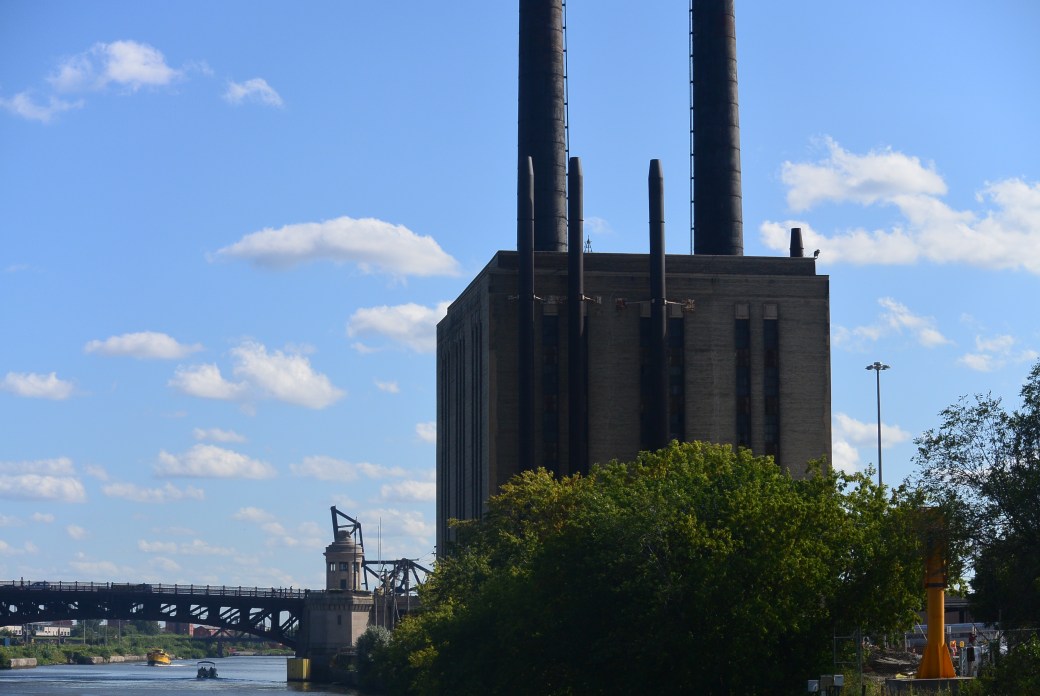
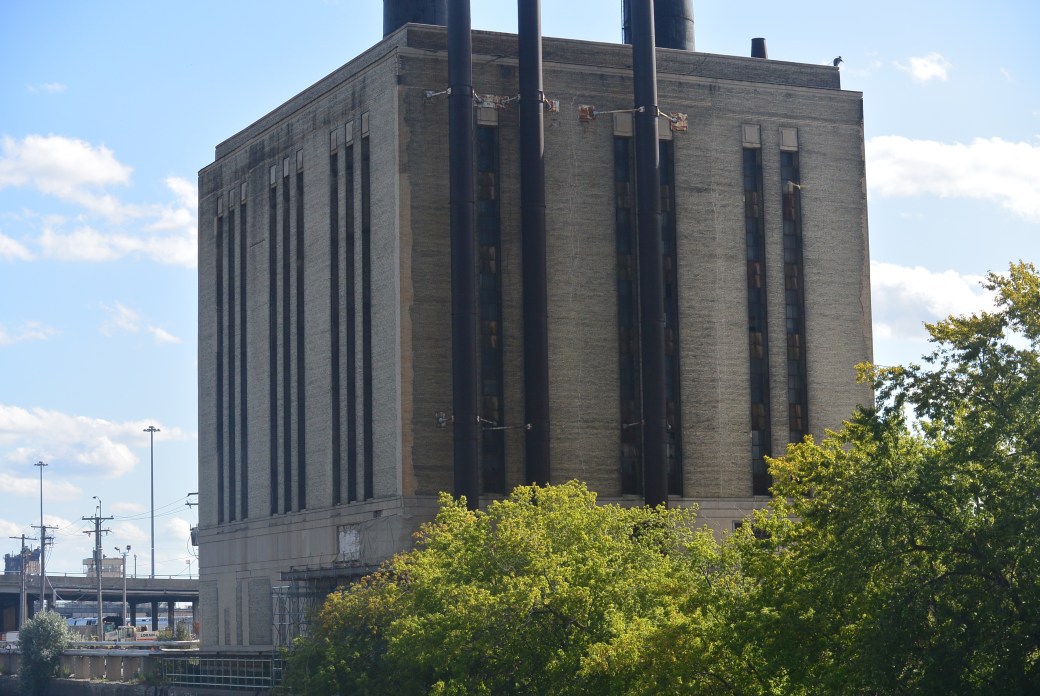
Power House and Water Tower

DSC_4156

Water Tower Building

DSC_4159

Water Tower Building

DSC_4160

Water Tower Building

DSC_4162

Water Tower  Building

0615191245[15067]

Interior Power House

DSC_4155

Power  House Chimney

DSC_4154

Power House Chimney

DSC_4153

Power House Chimney

DSC_4151

Power House

DSC_4151

Power House

DSC_4126

Administration Building

DSC_4125

Administration Building

DSC_4125

Administration Building

DSC_4128

DSC_4127

Administration Building

DSC_4128

Administration Building

Dining Hall

DSC_4123

Dining Hall

DSC_4124

Dining Hall

Dining Hall

DSC_4130

Dining Hall

DSC_4131

Dining Hall

Peterson Park Field House  Former Lab Building

DSC_4161

Peterson Park Field House;  Former TB Sanitorium Lab

DSC_4163

Peterson Park Field House Former TB Lab

DSC_4135

Sacred Heart Chapel

DSC_4136

Sacred Heart Chapel

DSC_4137

Sacred Heart Chapel

DSC_4138

Sacred Heart Chapel.

DSC_4139

Sacred Heart Chapel

DSC_4140

Cornerstone

DSC_4141

Memorial Plaque

DSC_4142

Sacred Heart Cornerstone


Sacred Heart Chapel

DSC_4135

Sacred Heart Chapel

DSC_4136

Sacred Heart Chapel

DSC_4137

Sacred Heart Chapel

DSC_4138

Sacred Heart Chapel

DSC_4139

Sacred Heart Chapel

DSC_4140

Corner Stone Sacred Heart Chapel

Facility Building

Infirmary  Building

Infirmary Building

DSC_4143

Infirmary Building

DSC_4144

Infirmary Building

DSC_4145

Infirmary Building

Pond

DSC_4147

Co Ed Residences

DSC_4148

Co Ed Residences

In 1911, the municipality of Chicago acquired 158 acres of land in the northwest area of the city. It was located at the corner of Pulaski Road and Bryn Mawr. This property was slated for the Chicago Municipal Sanitorium.

This facility eventually opened in 1915. It was the largest in the United States. Dr. Theodore Sachs was the first president. Dr. J. Thompson served as chief of laboratories from 1945–1970.

The Sanitorium was a contained community. The south section of the grounds was used for ambulatory cottages for women. The north cottages for men. The dining halls were east of the Administration Building–one for women; one for men. There were a group of Infirmary Buildings with a capacity of 300 beds.

The power house and a laundry building were located at the east end of the property. There was a tunnel system connecting the main buildings.

The facility closed in 1974. The city wanted to use the property for retail shopping and apartments.

Anderson Carlson Building

Anderson Carlson Building

     This building is a six flat apartment located in the West Ridge neighborhood of Chicago at 2044-2048 Farwell Avenue.  It was built in 1928 for George Carlson and F. Anderson.  The architect was Godfrey Carlson (a Chicago architect).

Anderson Carlson Building

     The building style is Spanish Baroque Revival.  Few changes have been made  during its history.   It was listed in the National Register of Historic Places in 11/15/2003

Anderson Carlson Building

Site of Former Adelphi Theater, Rogers Park

Former Site of Adelphi Theater

Former Site of Adelphi Theater

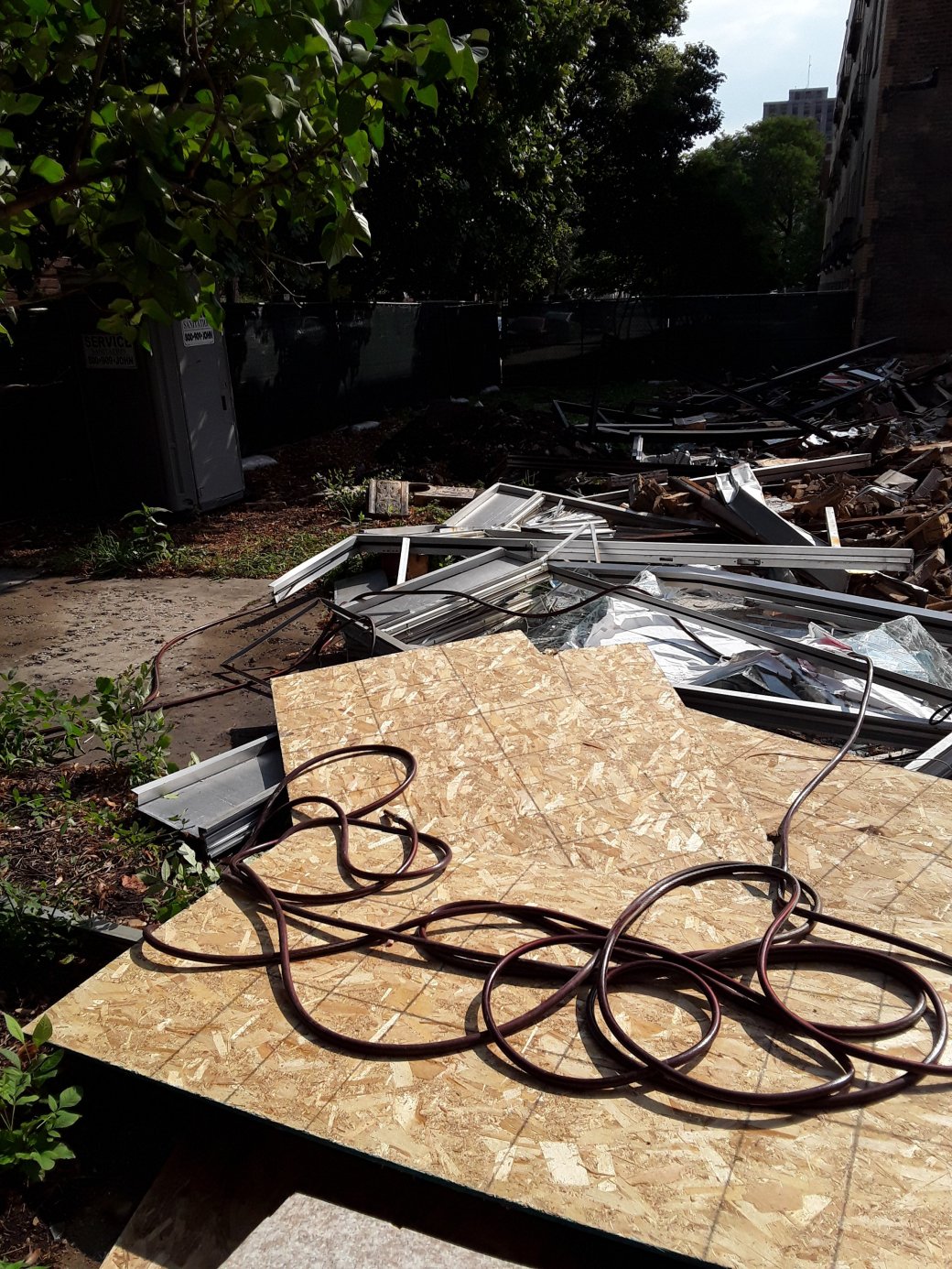
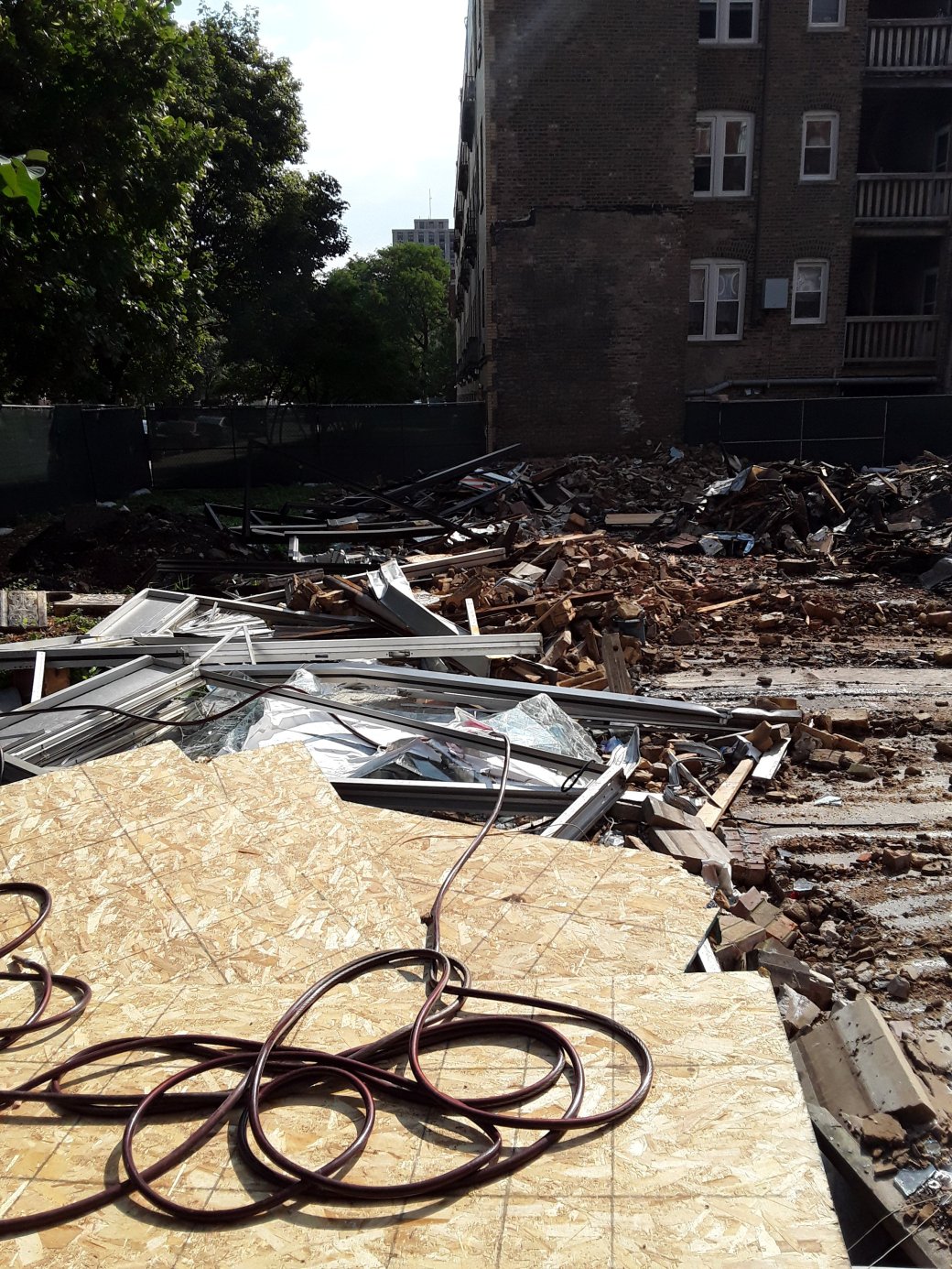
The Adelphi Theater stood at the corner of Clark and Estes. Rogers Park. It closed for the last time in 2002. It was demolished in 2006. Originally, a condo development was proposed for the site

However after starting the project the developer ran out of money and the site was empty for years. Now (2019) condo development is being constructed.

Homestead Hotel, Evanston, Il

The Homestead Hotel at 1625 Hinman in Evanston, Illinois has recently been listed for sale.

Homestead Hotel

The idea of a hotel in Evanston was developed by architect Philip A. Danielson in late 1926. He and his wife wanted to build a distinctive 18 century style family hotel. Construction began in 1927. The hotel opened in 1928. The Danielson’s planned to run the hotel initially until the operation was going smoothly. Then Philip could return to his architecture practice.

Homestead Hotel

The first year of operation was successful. However in 1929 with the Depression, the story changed. The Danielsons worked hard to save the hotel from their creditors. Finally they were able to see the light at the end of tunnel. They managed the hotel until 1957

Homestead Hotel