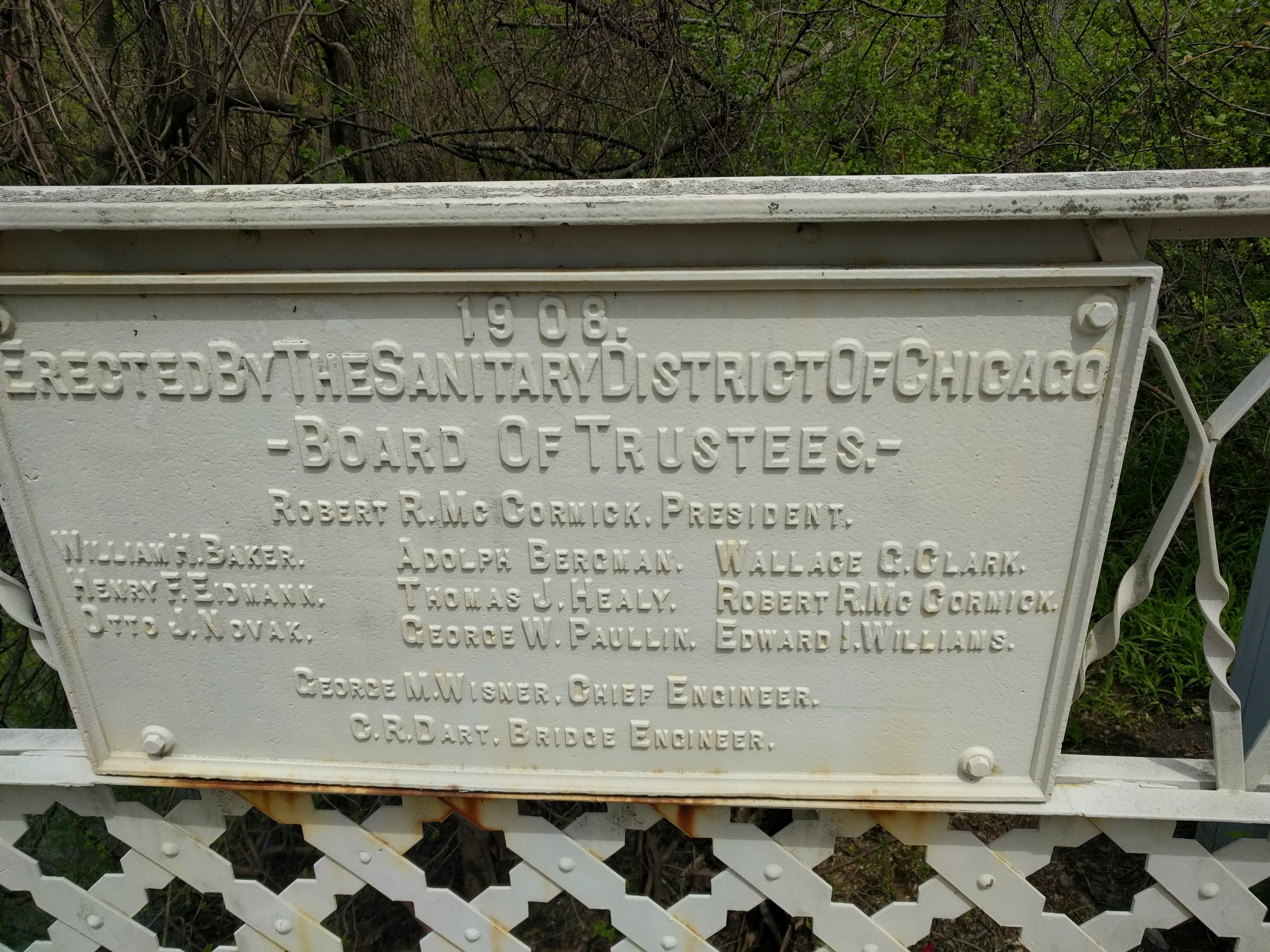
Signage at the Beginning of the North Shore Channel
The North Shore Channel is a man made canal. It was constructed between 1907 to 1910. It was built as part of a comprehensive plan for sewage disposal developed by the Metropolitan Sanitary District. It no longer serves this role. However, during periods of heavy rain, there is discharge into the channel.
It’s origin is at Wilmette Harbor. At the junction of the harbor and the channel, there is a gate which is designed to prevent water from backing up from the channel into the harbor and ultimately into Lake Michigan. When the water level rises in the channel, the gate is occasionally opened to lower the water level.
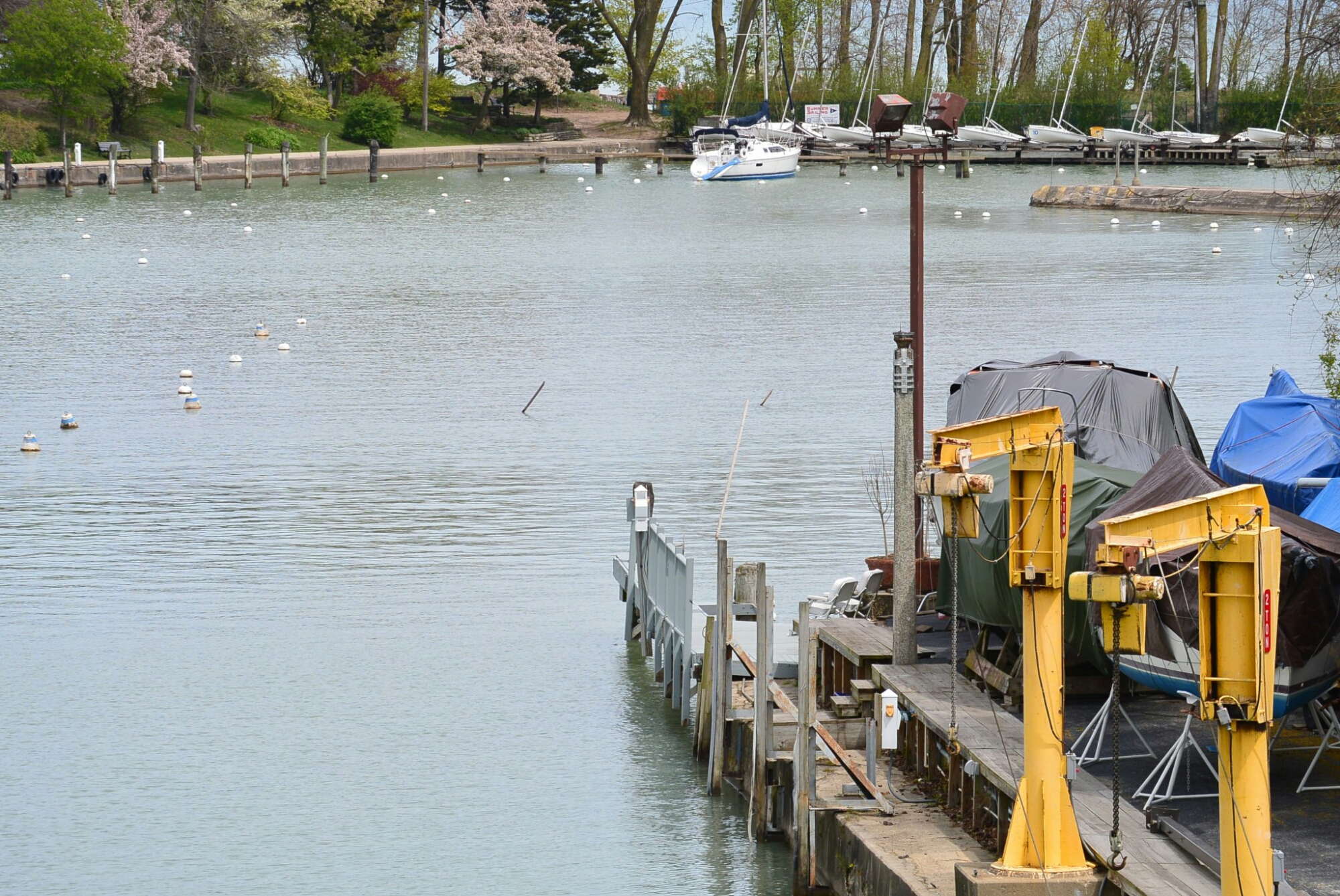
Wilmette Harbor
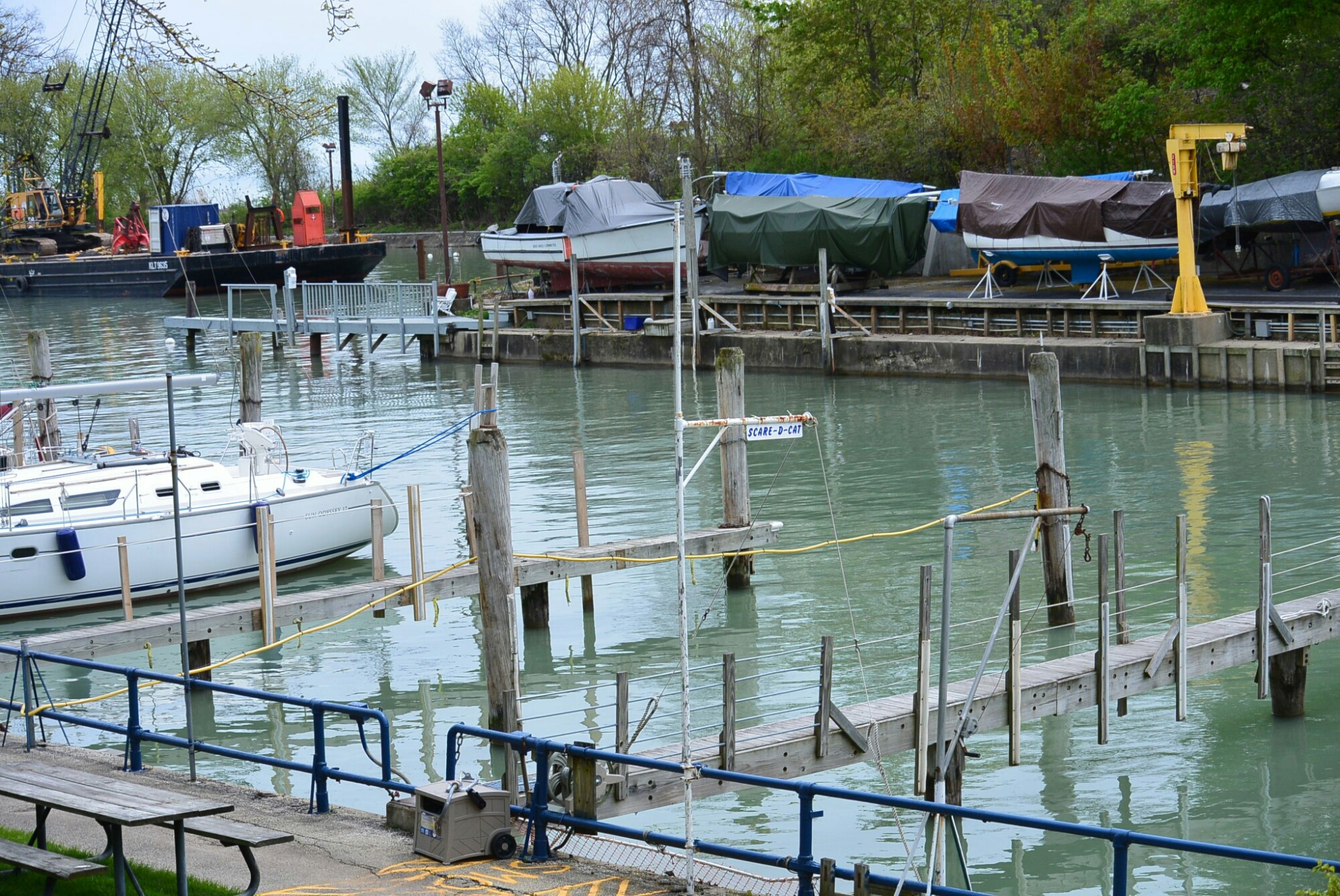
Wilmette Harbor
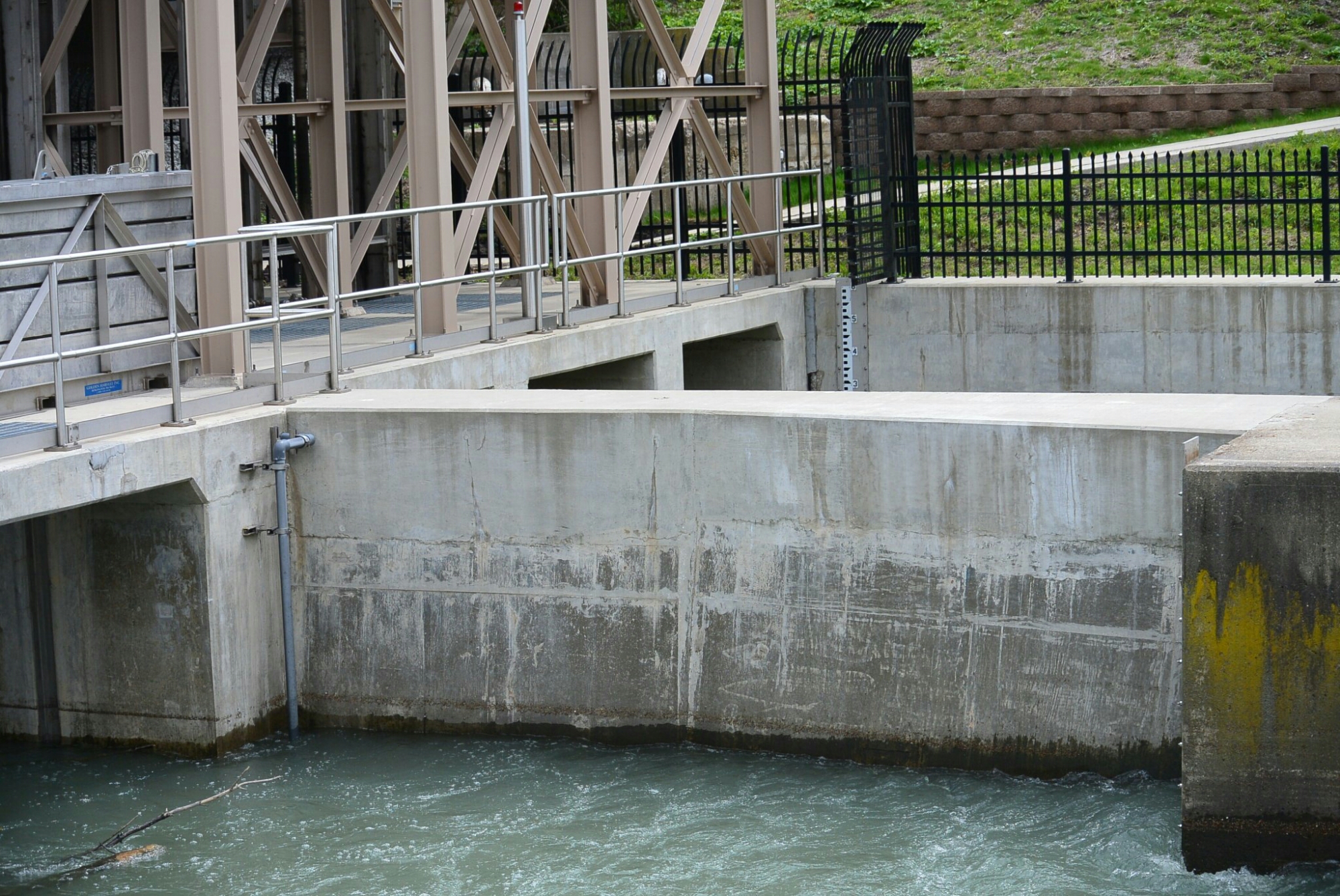
Control Gates at the Origin of the North Shore Channel
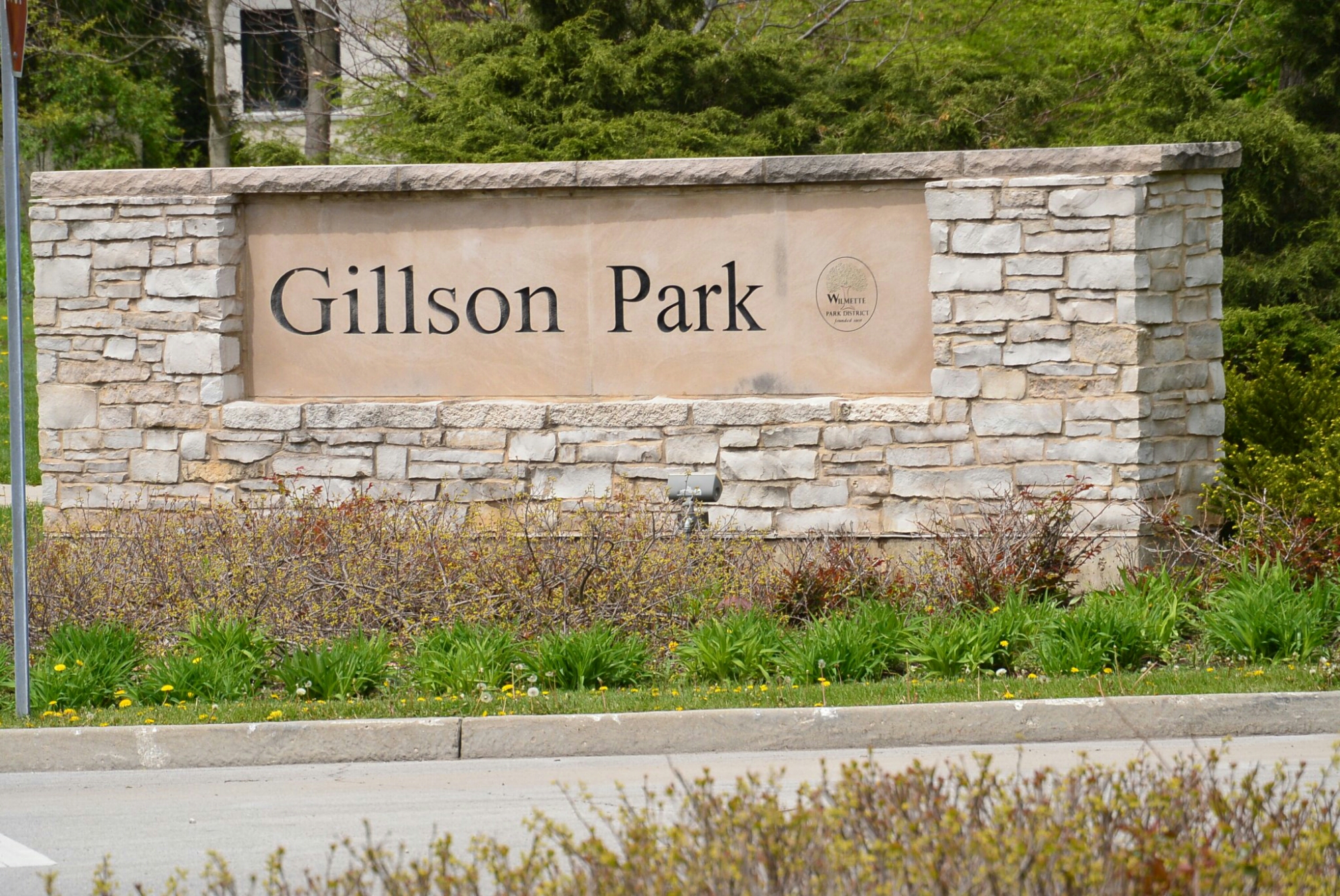
This Park was built with dirt from the channel construction.

The Bahai Temple is near the origin of the North Shore Channel
The depth of the channel varies from 7 to 10 feet. It is 7.7 miles in length. It flows south and west towards its junction with the North Branch of the Chicago River. It passes through Wilmette, Evanston, Skokie, Lincolnwood, and Chicago. In Wilmette and Evanston, there are golf courses adjacent to the channel. In Evanston, Skokie, Lincolnwood, and Chicago, there are parks along the canal.
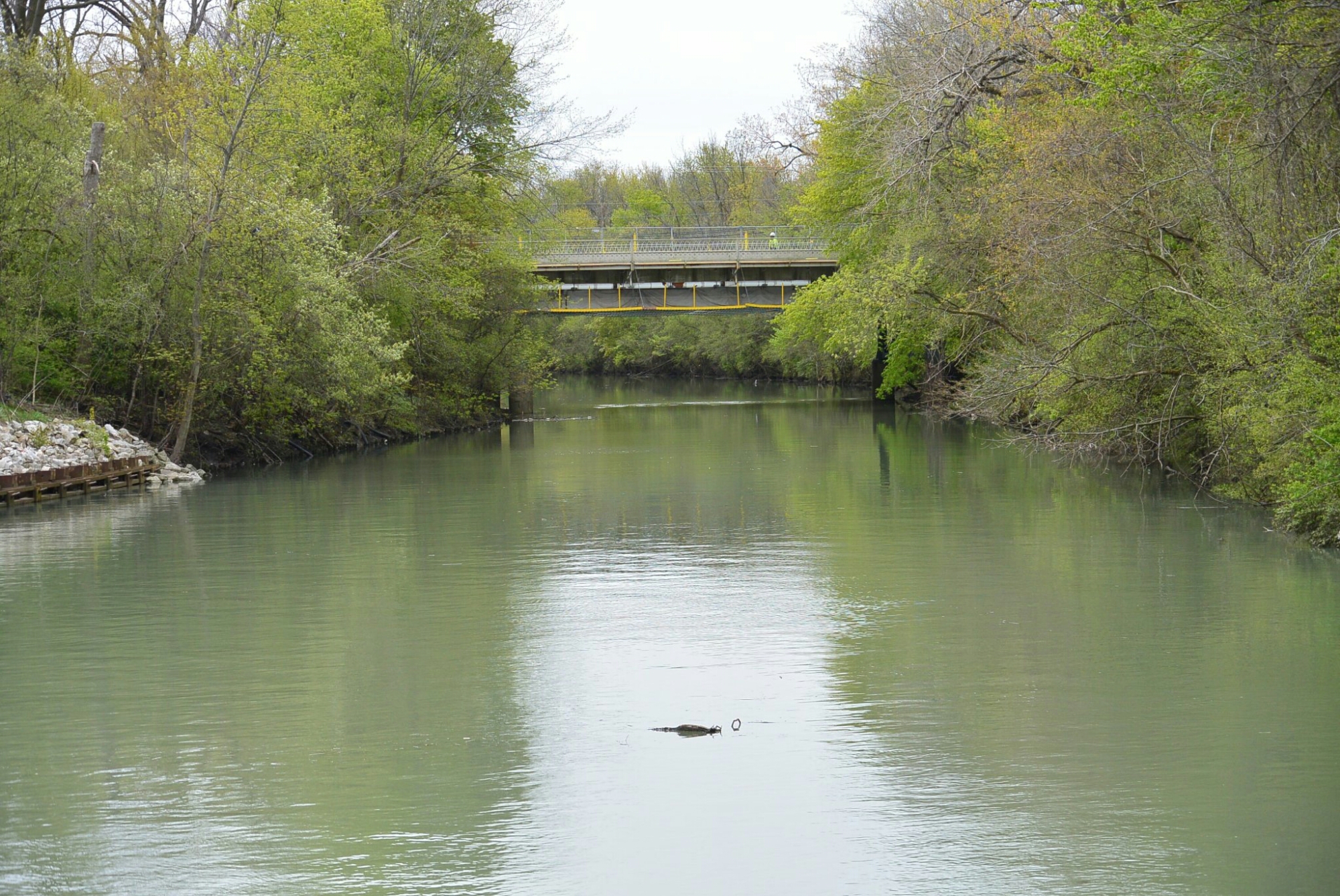
North Shore Channel Evanston
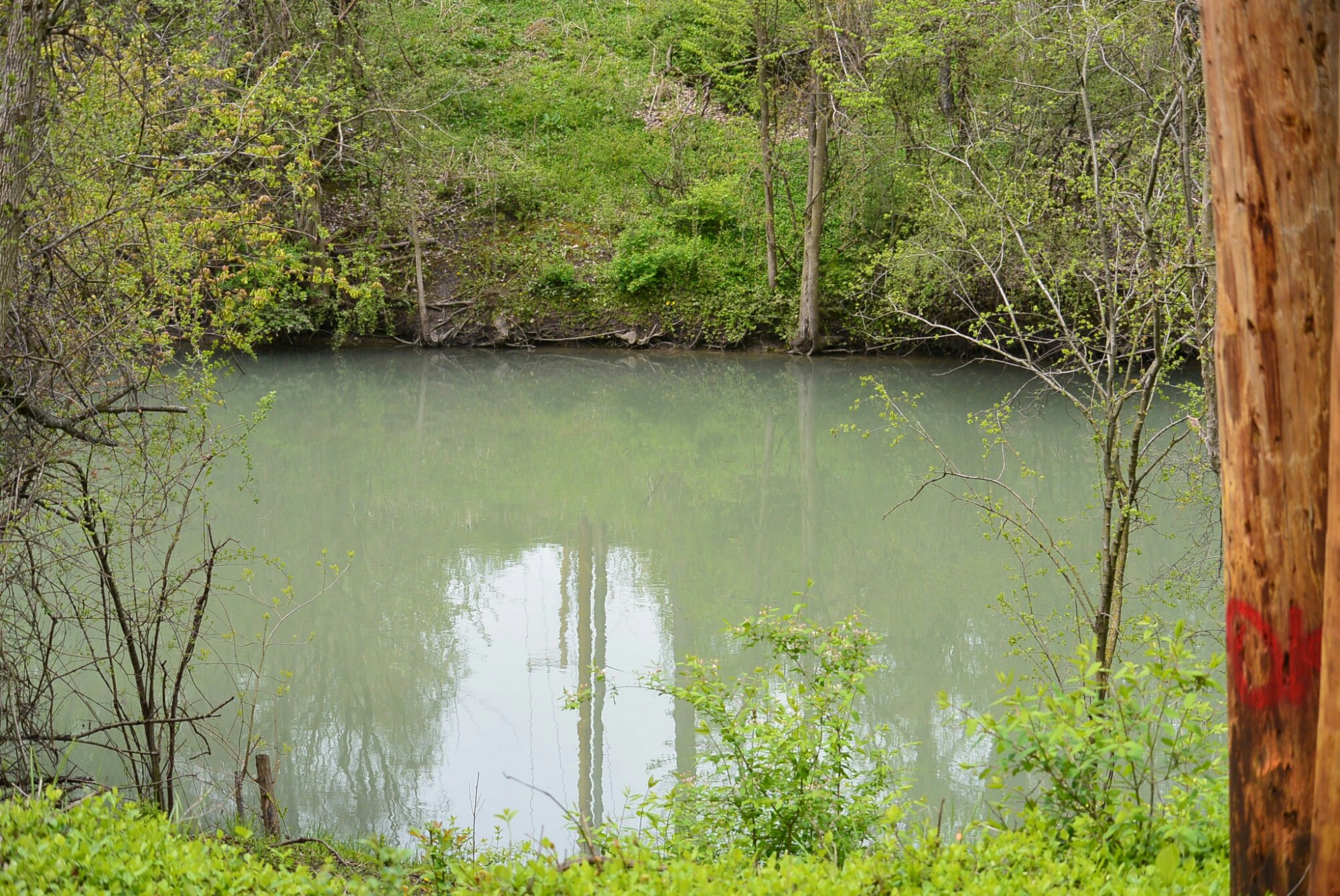
North Shore Channel Evanston
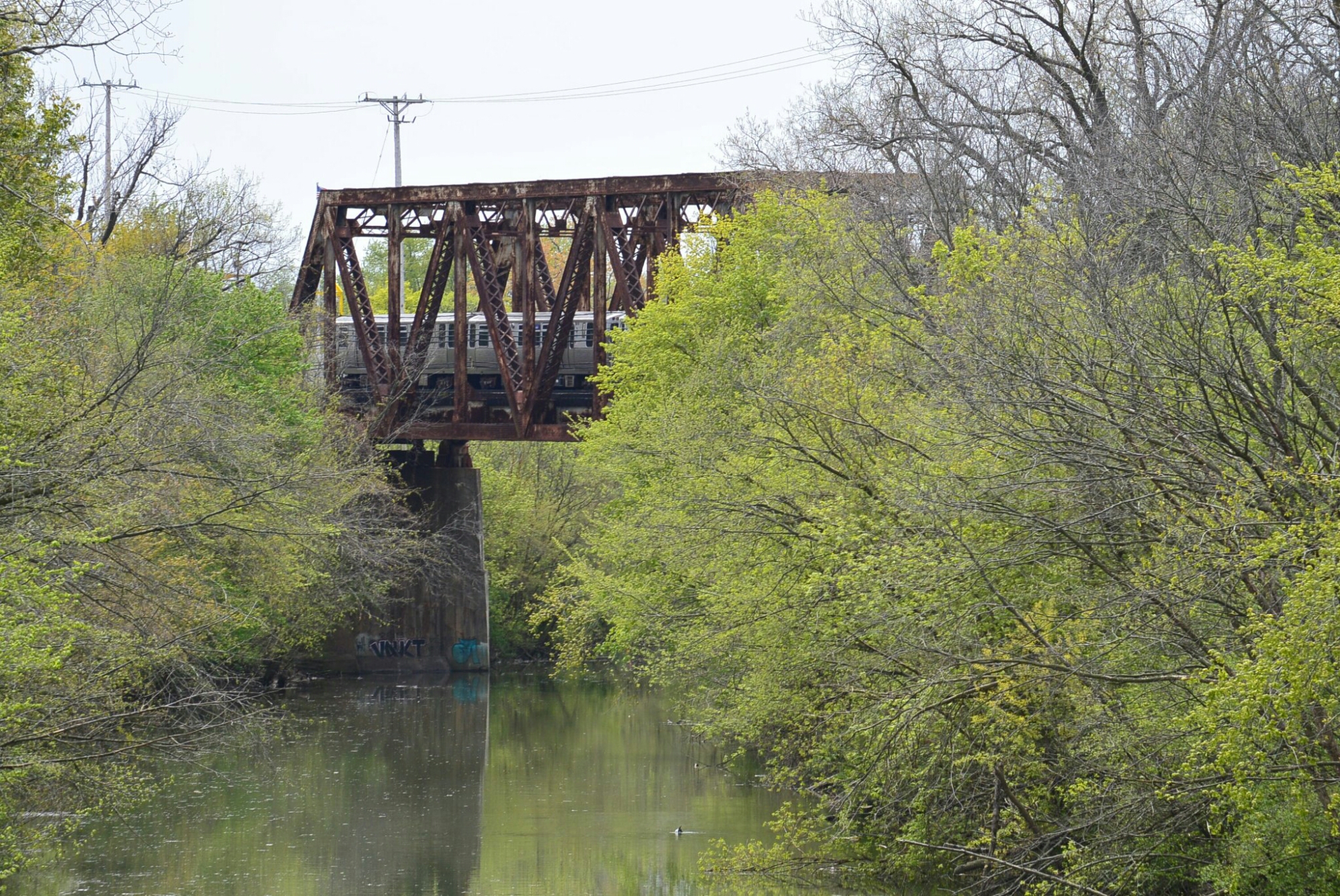
North Shore Channel. Evanston L Viaduct
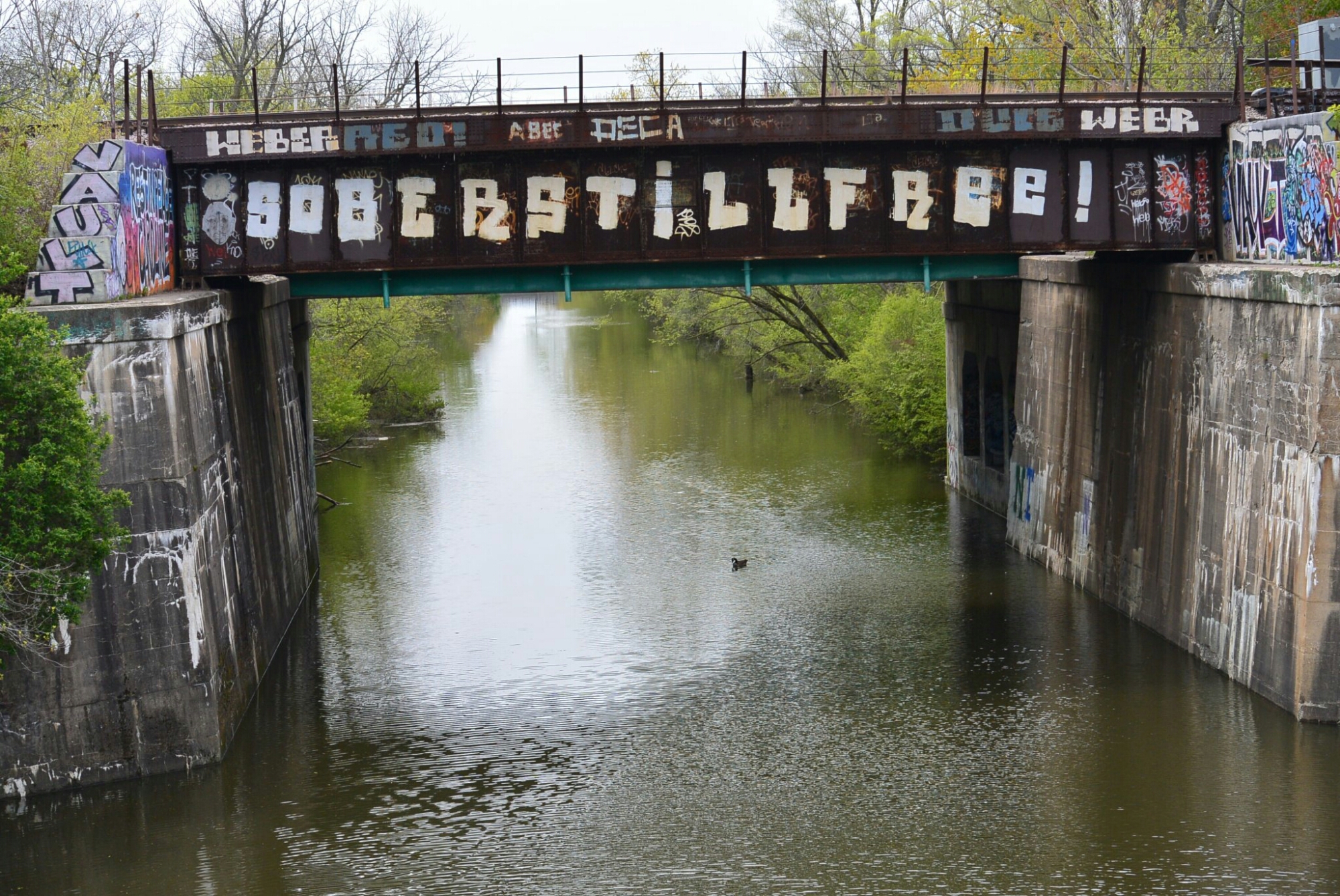
Viaduct over North Shore Channel Evanston
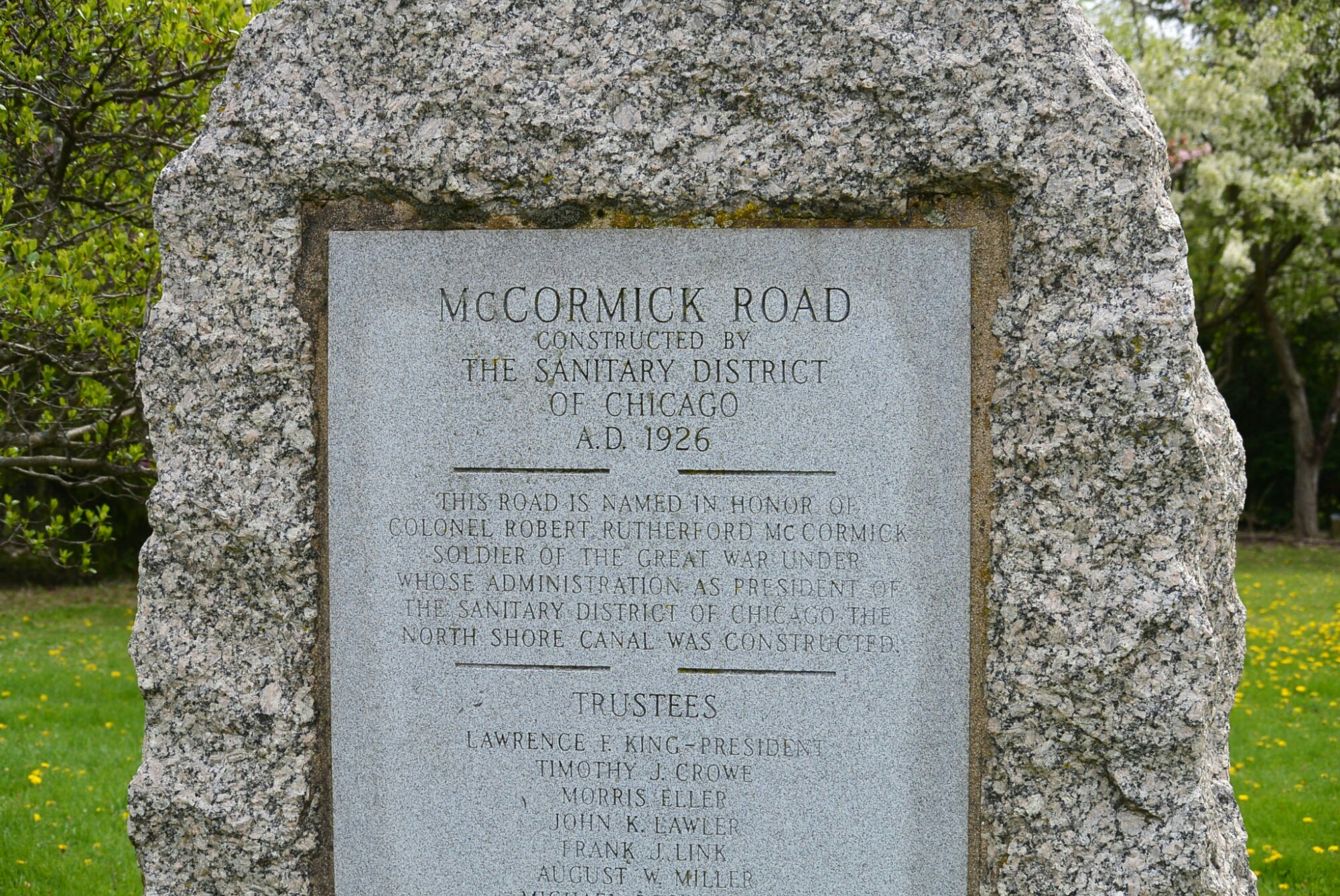
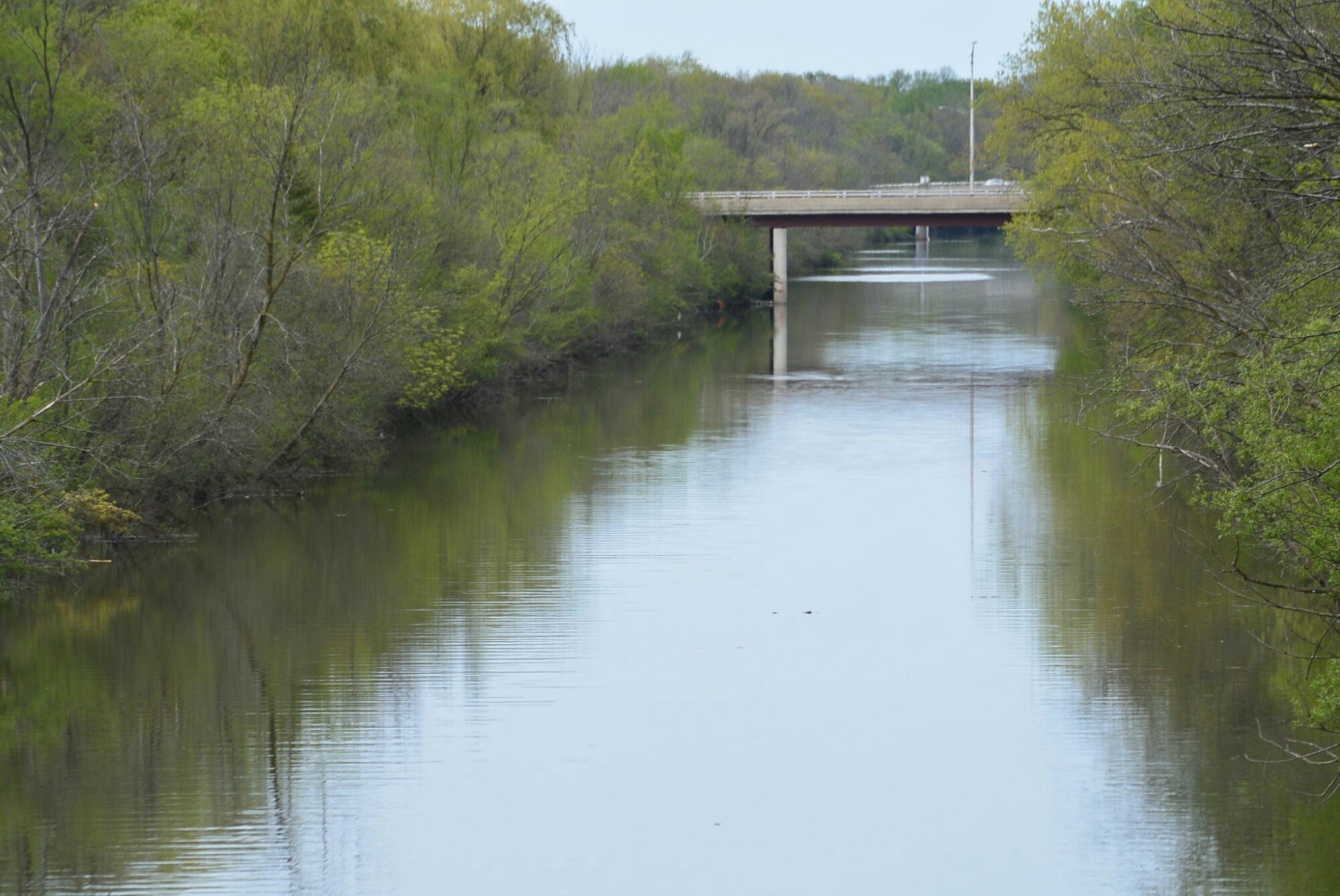
North Shore Channel Skokie
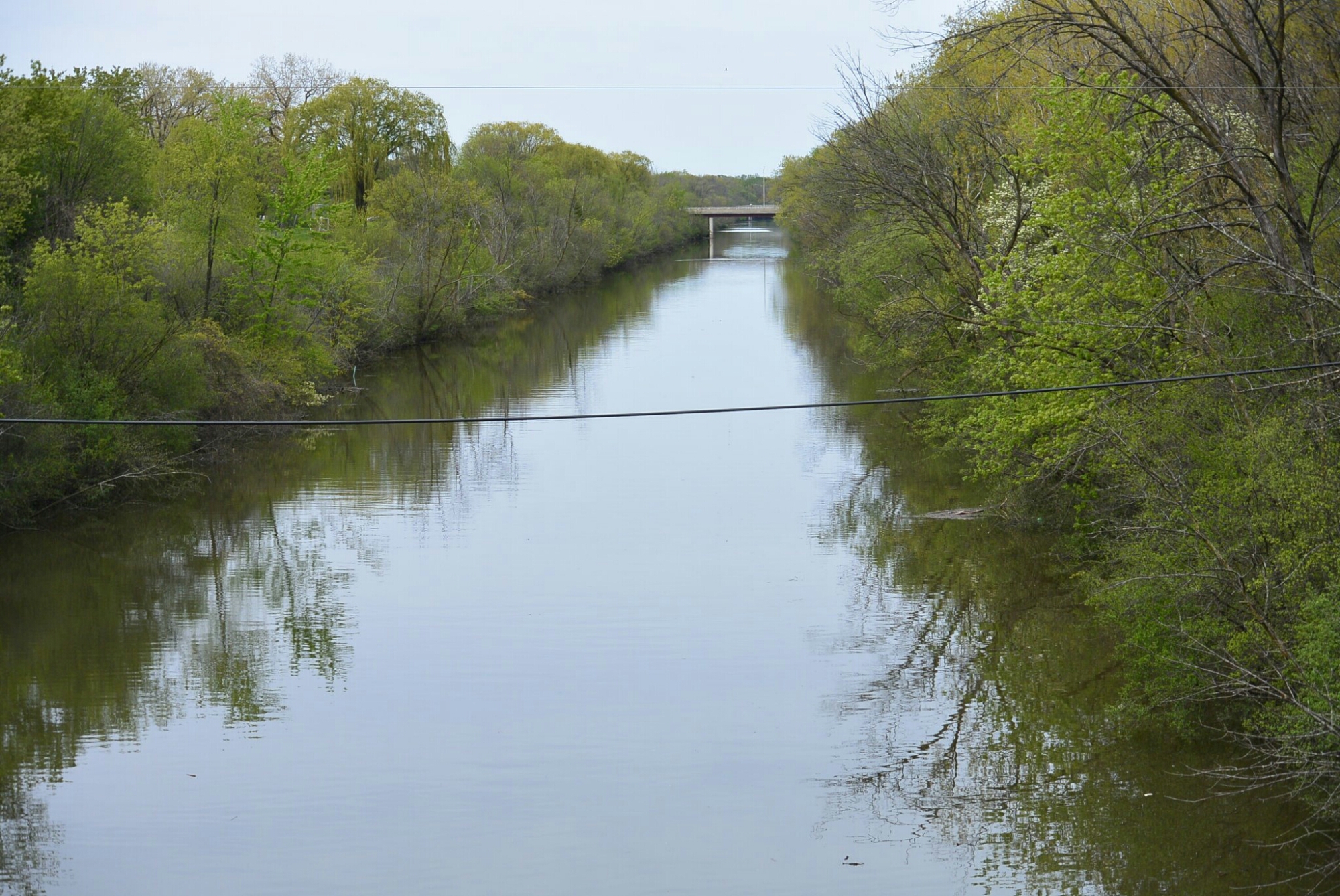
North Shore Channel Skokie
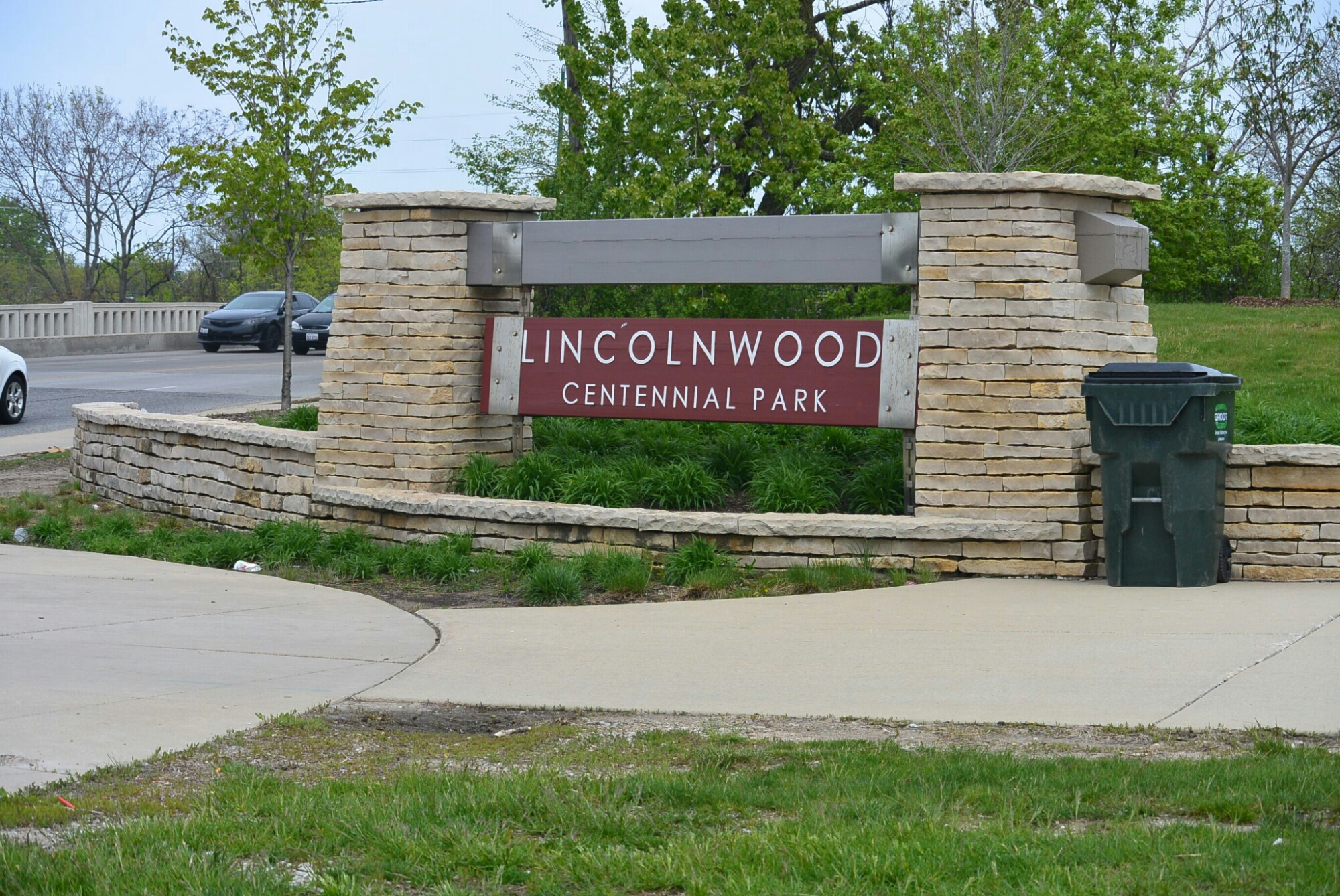
Park along the Channel
The North Shore Channel ends at River Park. At this region, the channel merges with the North Branch of the Chicago River. At this point, the river drops 4 and one half feet over a dam to merge with the channel.
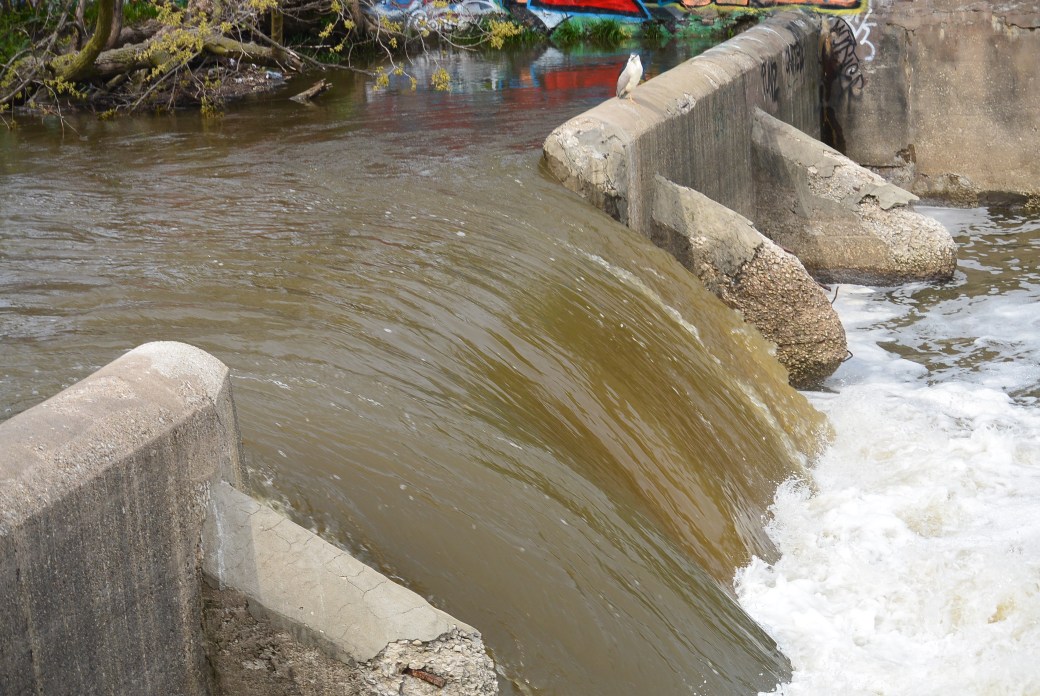
North Branch of the Chicago River over the dam
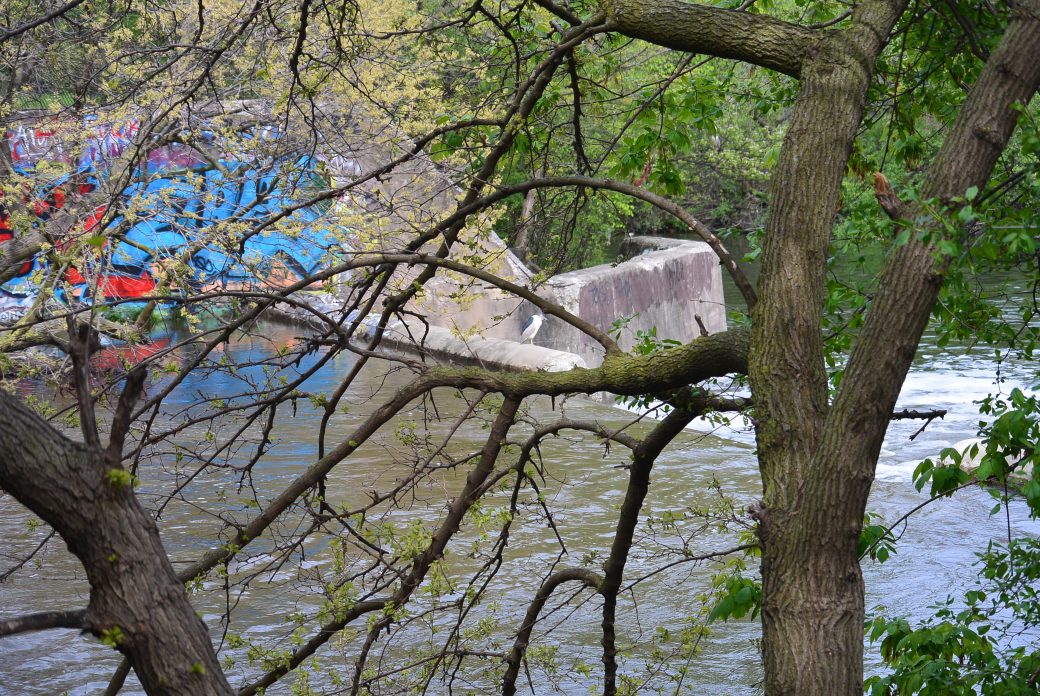
North Branch of the Chicago River
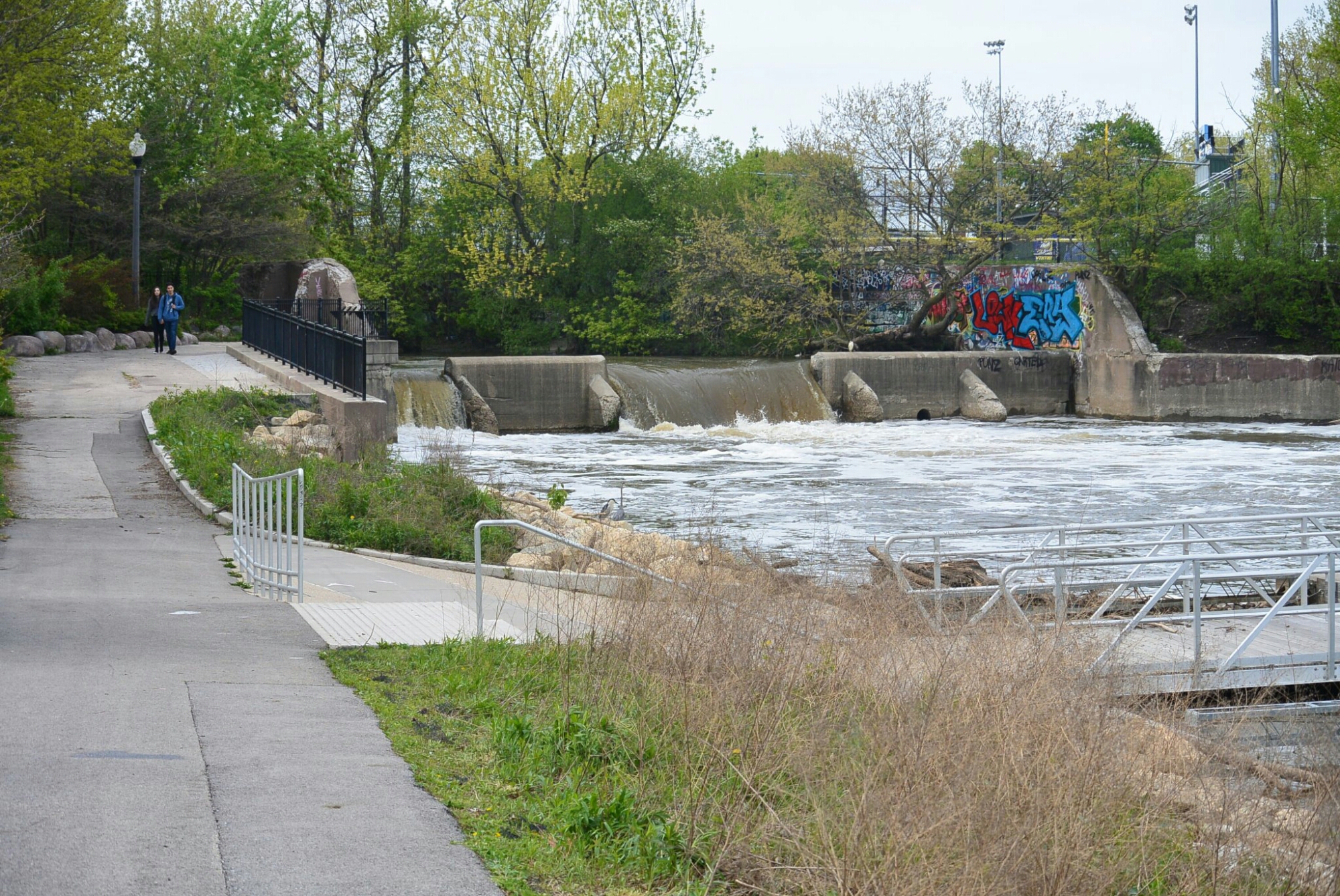
Dam at North Branch Chicago River
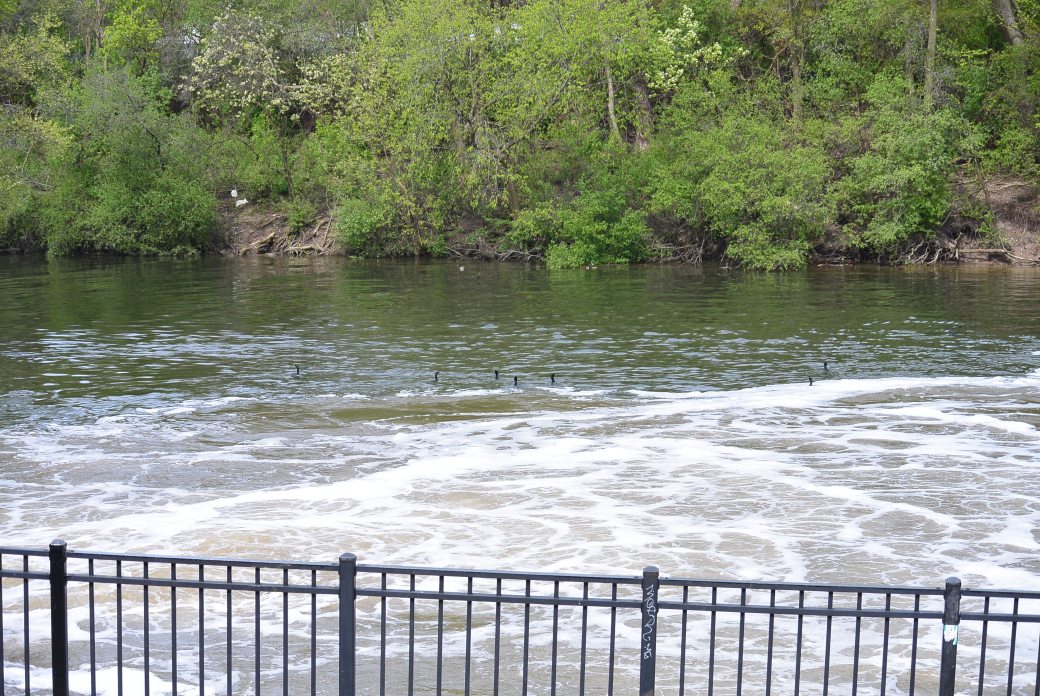
Merge of the North Shore Channel and the North Branch of the Chicago River.
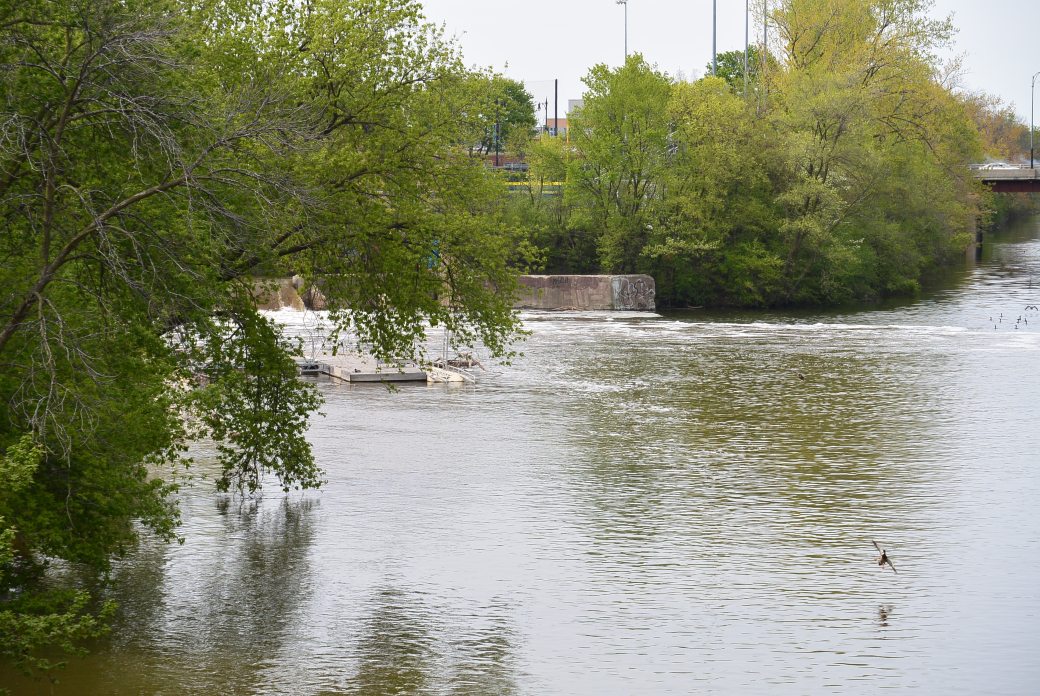
Merging of the Canal and the Chicago River.
River Park is located at 5100 North Francisco in Chicago. It is approximately 30 acres. It is the largest of six parks developed by the River Park District in the early 1900’s. These parks are located along the North Shore Channel and the north branch of the Chicago River.
There is a diversity of wild life along the channel. A few examples are below
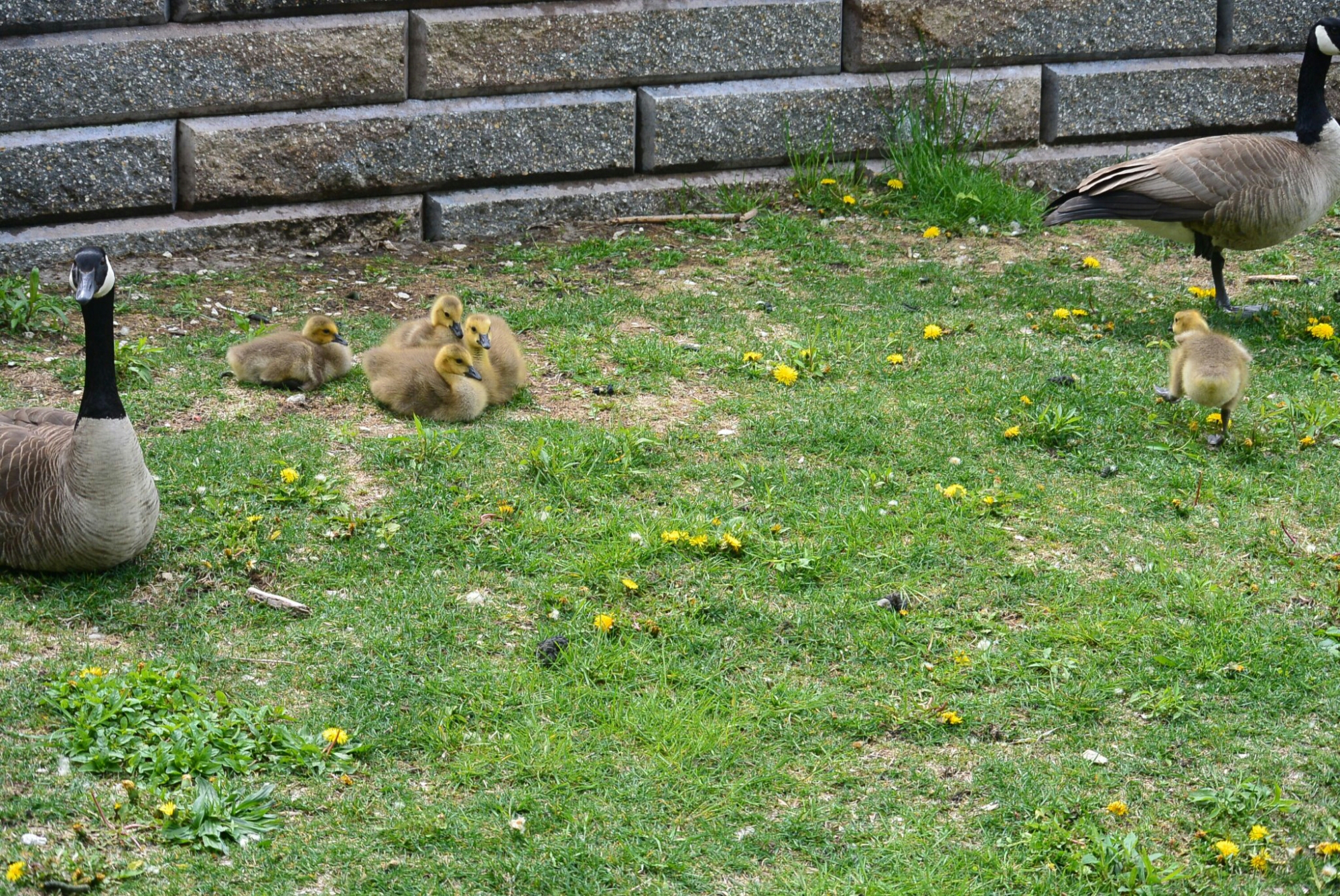
Geese
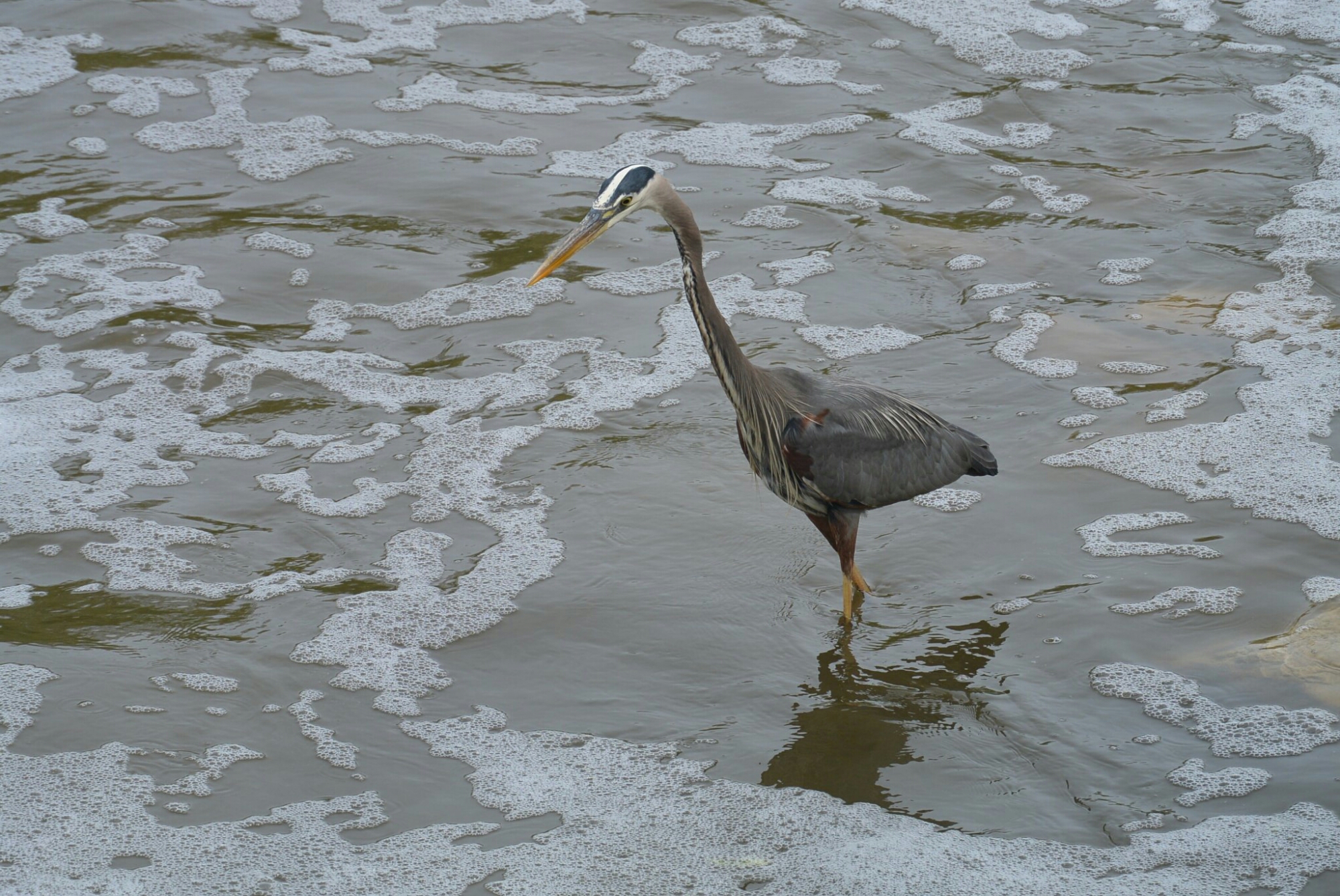
Great Blue Heron
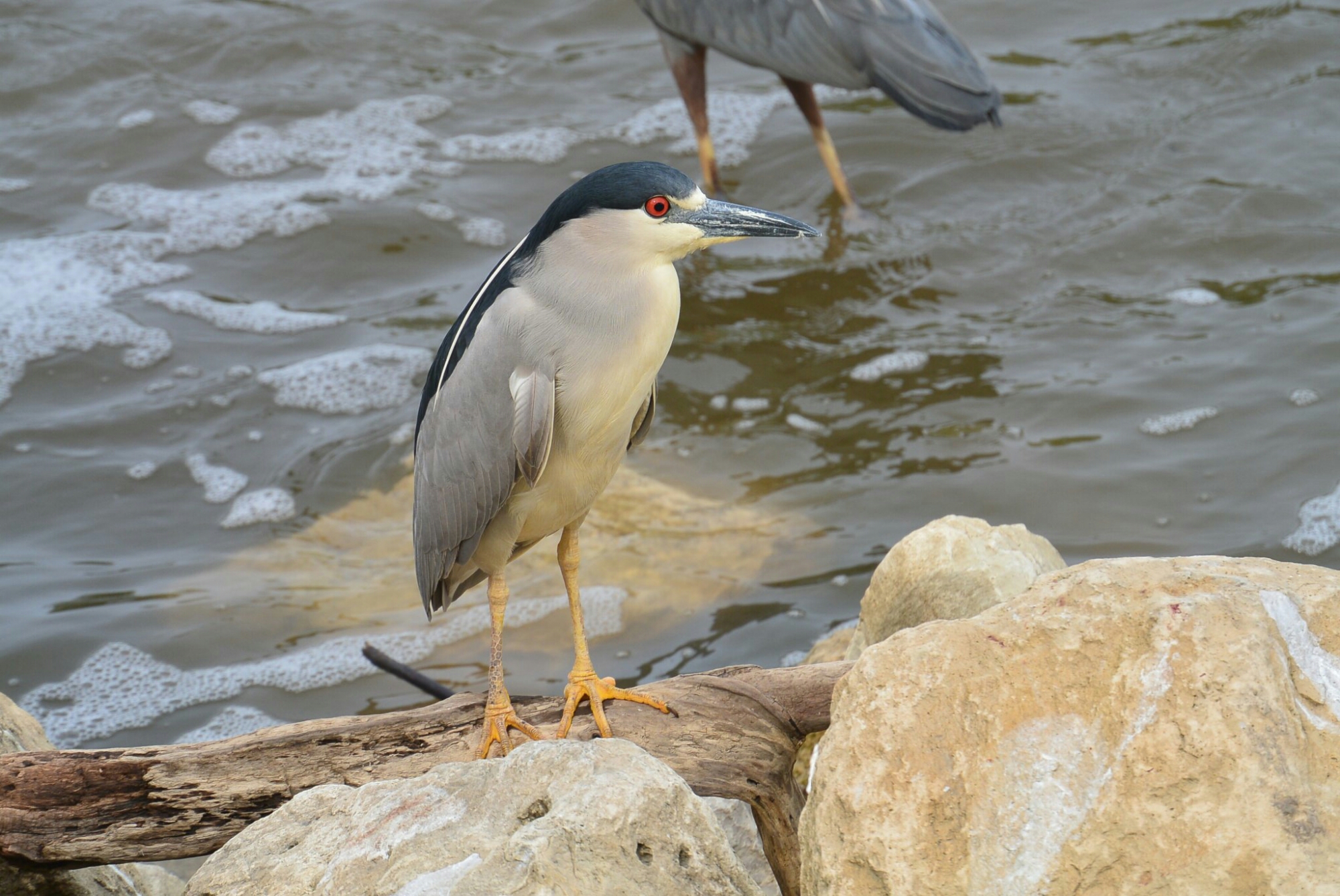
Black Crowned Night Heron
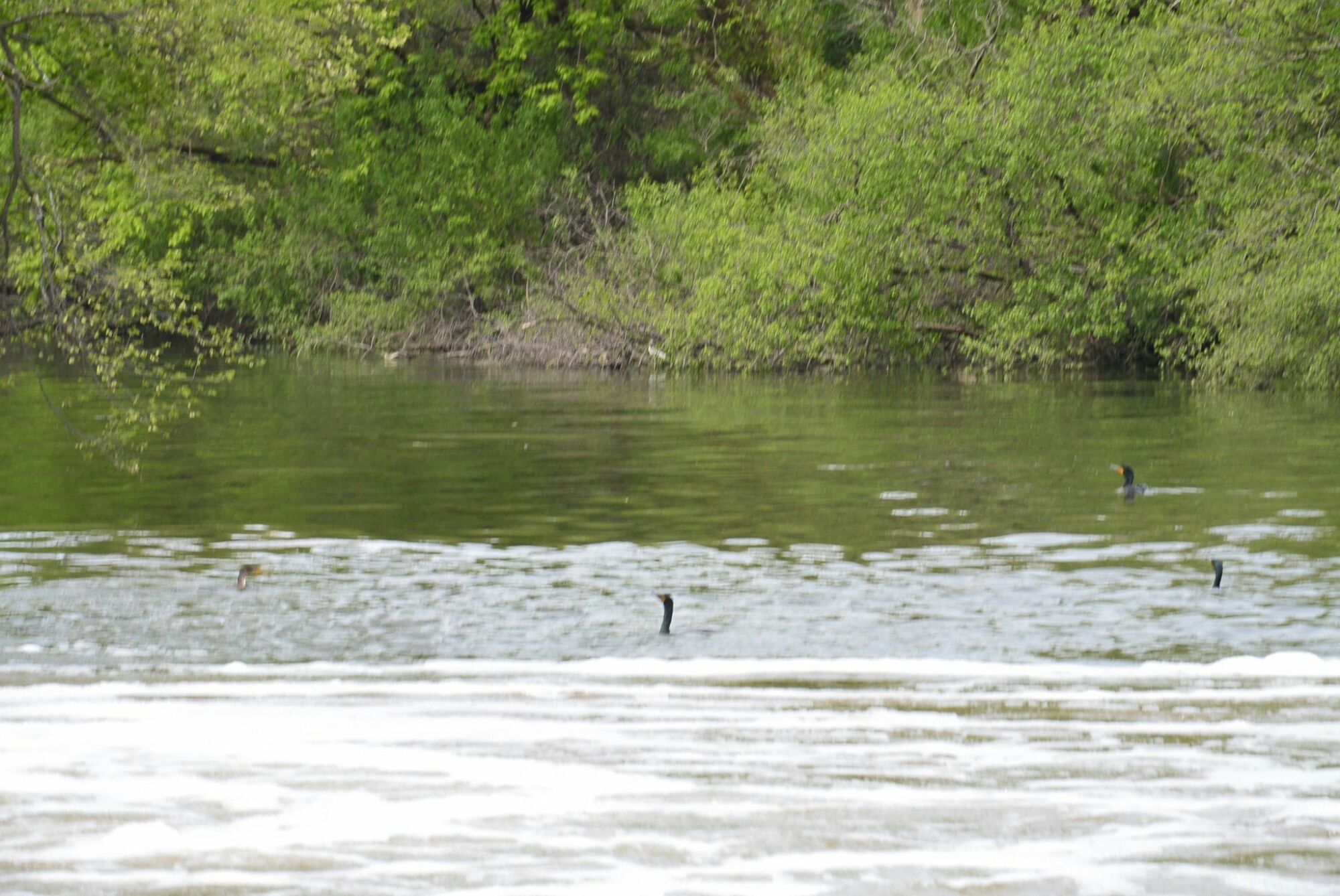
Cormorants
 raddoc1947