Today, I made a mini trip in Marseilles and Seneca, Il. In Marseilles, I was able to take many pictures of the Rock Island Depot. Films to follow. In Seneca, I took pictures of the Rock Island Depot. Films to follow. I wass able to visualize the memorial plaque for the LST shipyard. I was also able to take films of the former shipyard site.
Dresden Barn
The Rutherford Barn was originally located in a small town named Dresden. This town has long vanished. The area is now a part of Channahon, Il. The barn is a remnant of a by gone era. It is located on Hansel Road.
The barn was constructed by Salmon Rutherford, a local businessman and farmer. It was likely constructed in stages in the late 1830’s and early 1840’s. It is located on the North side of the Illinois Michigan Canal. It is three stories high. It is a heavy timber post and beam construction. It has a limestone foundation. It measures 65 X 26 feet.
The barn was used as a grain storage facility. However, more significantly, it is believed that this structure is the last surviving mule barn on the Illinois Michigan Canal.
Mules were used to tow the freight canal boats from 1848 until 1870. The mule teams were changed approximately every 15 miles. Fresh mule teams were housed in canal barns.
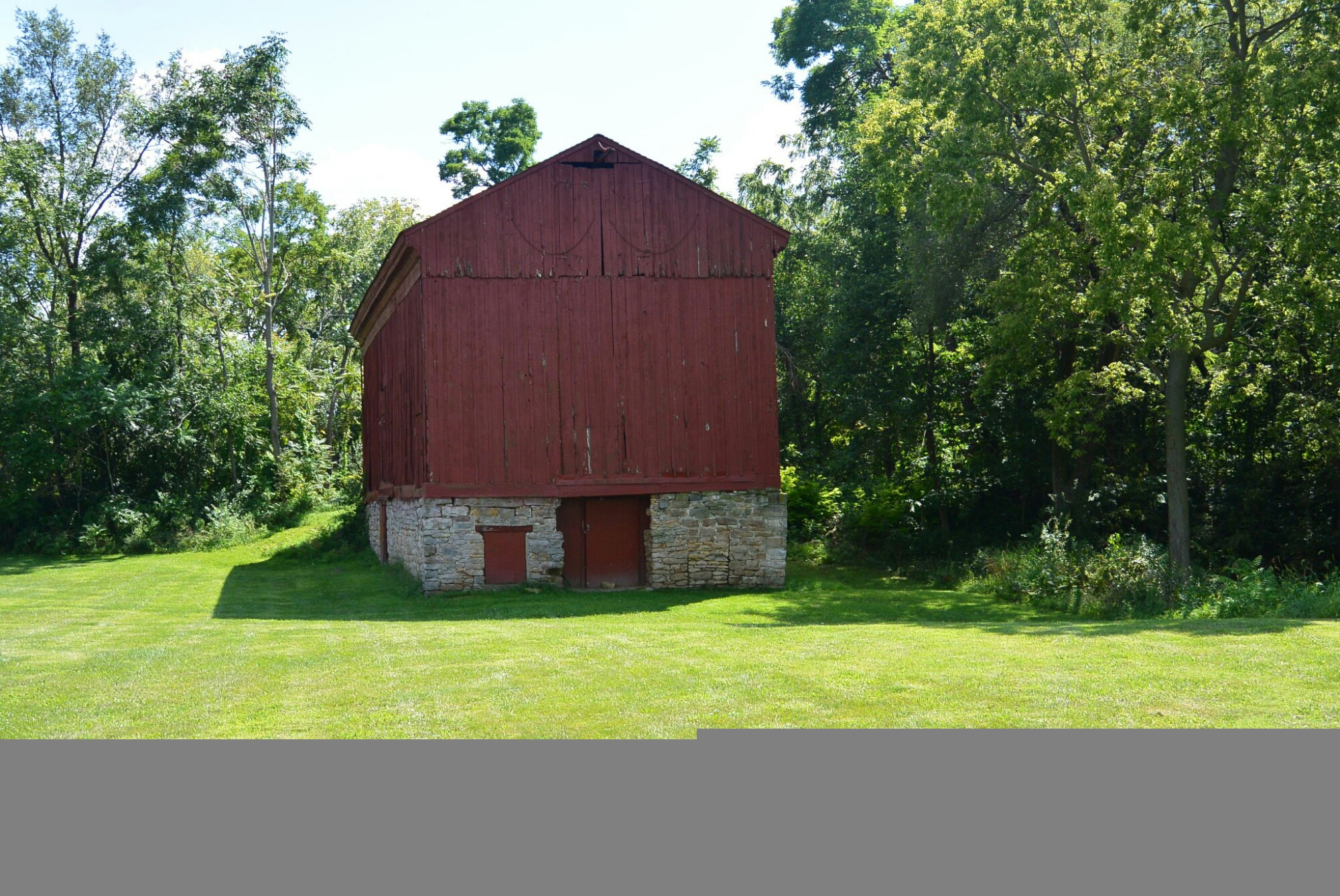
Mule Barn. 7/28/2015
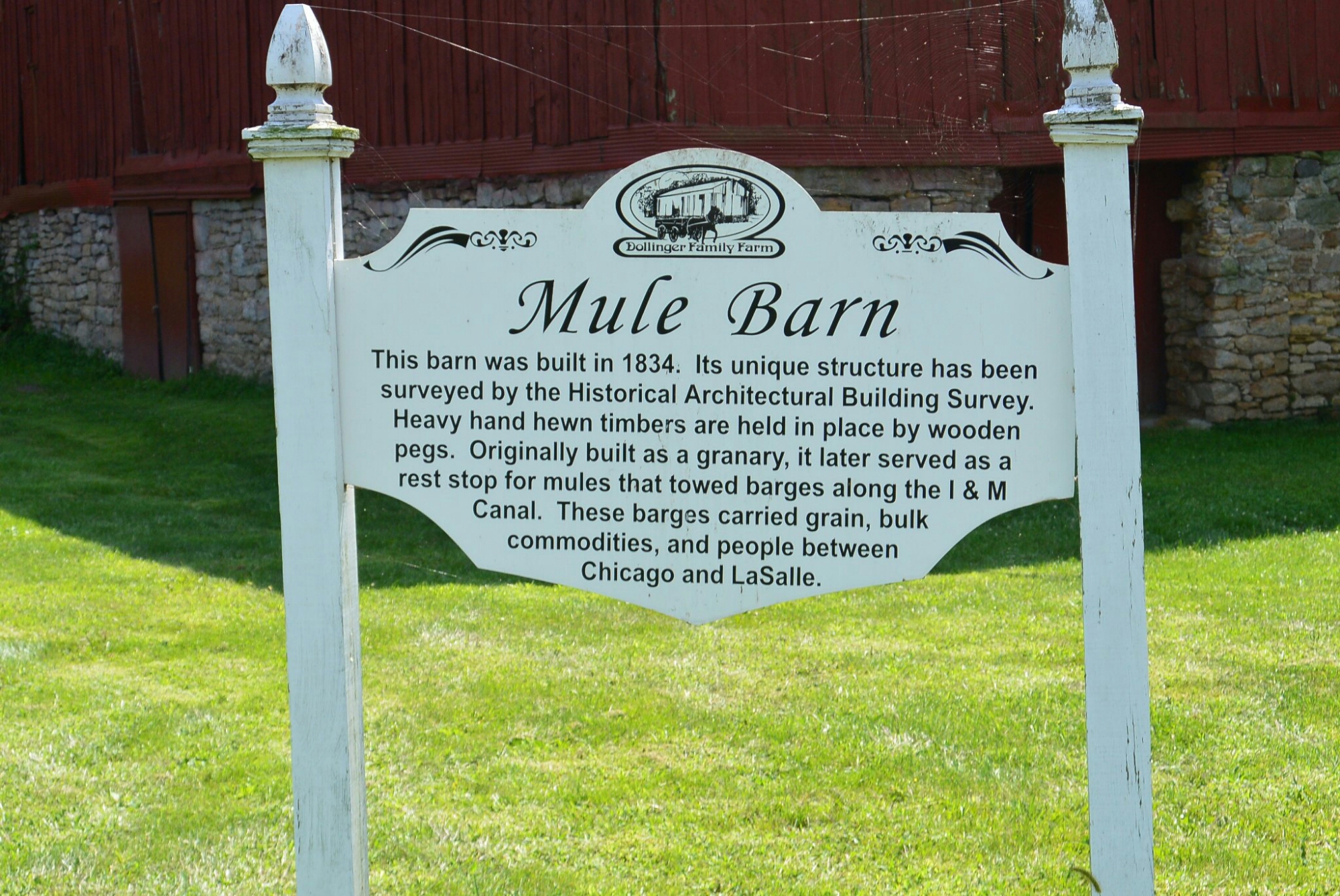
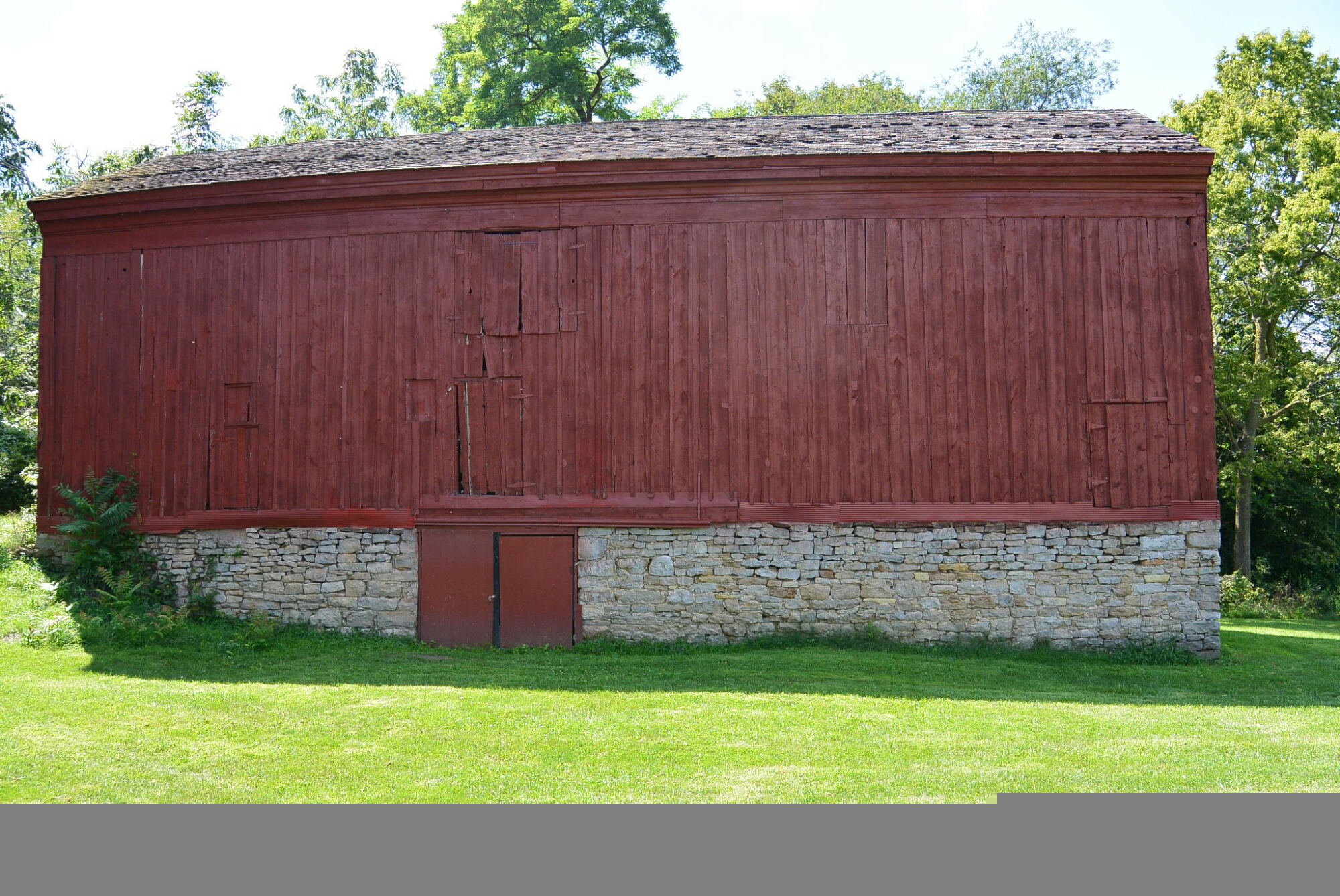
Dresden Mule Barn
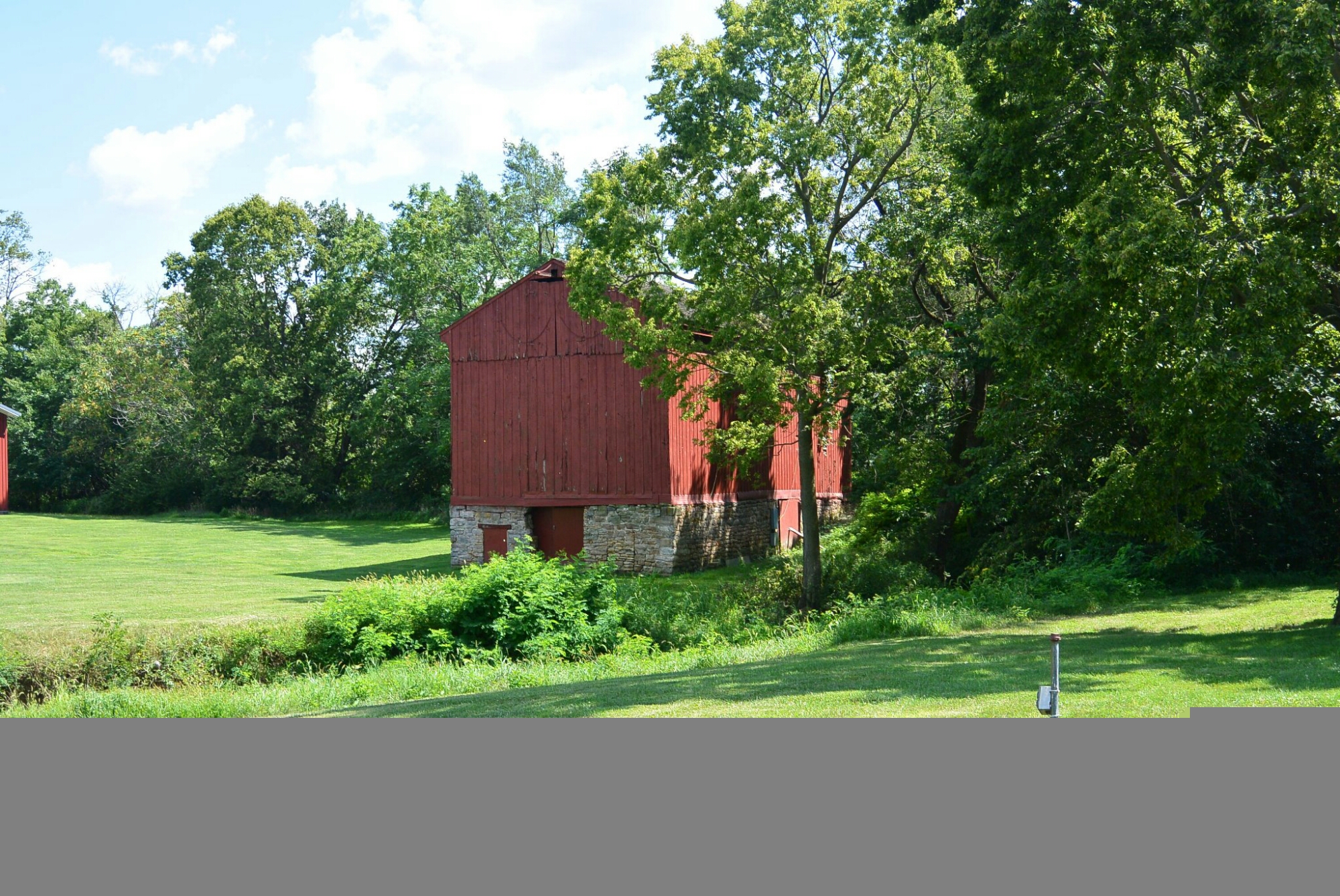
Dresden Mule Barn
Louis Gebhard and family.
One of the more successful entrepreneural families in Morris in 1860’s to early 2000’s was the Gebhard’s. The patriarch was Louis Gebhard. He was a German immigrant. He founded a brewery in 1866. It was located in a wooden building in Morris on west Washington Street near Nettle Creek. He ran the facility for 20 years. He then sold the business to his son William. Louis was also a force in the real estate business. He built a commercial building on Liberty Street. On the ground floor were Peterson’s Grocery, Cronin Hardware, and the Sachse Saloon. On the second floor were apartments. The third floor was the Masonic Hall.
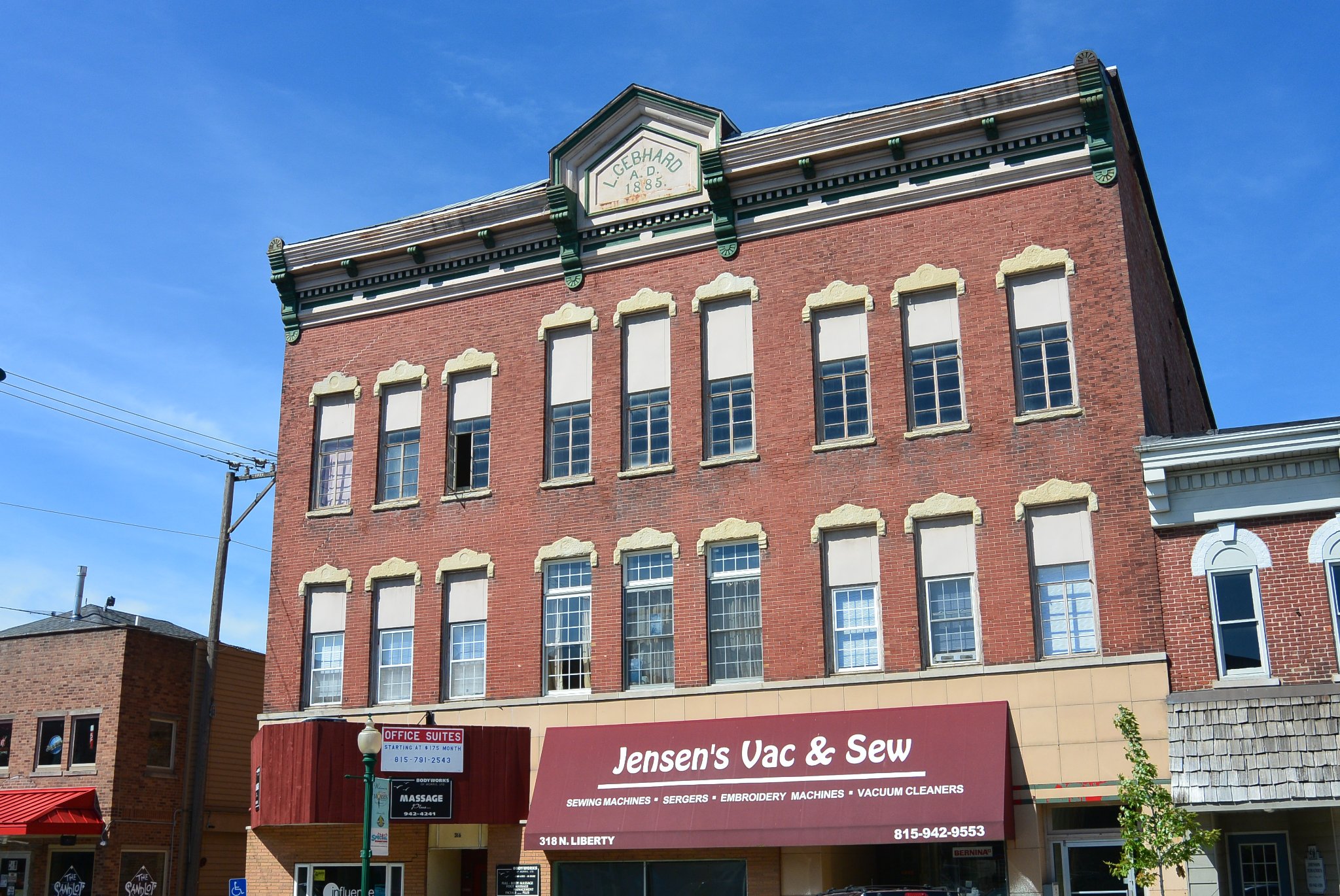
Gebhard Building
William Gebhard built the brewing company into a successful enterprise. Their products were well known because of the quality of the malt, grits, and hops used in production. In the 1880’s, he built the bottling house and the seven story brew house. In 1904, he built a stock house.
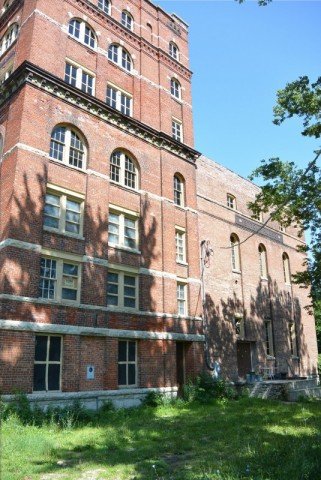
Gebhard Brew House
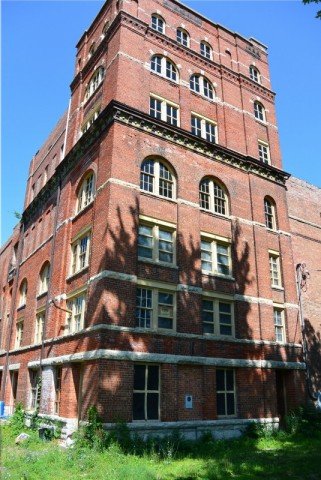
Gebhard Brew House
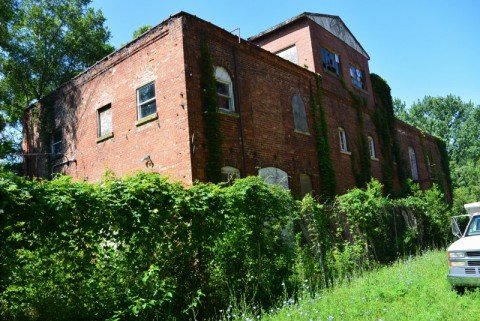
Gebhard Bottling House
In 1912, the son of William–Fred joined the business and remained until it closed in the 1920’s. Prohibition was the cause of the demise of the brewery
The brew house was converted to a flour mill. One business–Morris Milling Company operated there from 1935–1958. The bottling plant building was used for 50 years by Lindsay Light and Mantel Company. They produced mantels for lamps and lanterns. They closed in the 1990’s.
Rock Island Railroad
Rock Island Railroad paralleled the course of the Illinois Michigan Canal. The construction of the railroad began in Chicago in October, 1851. The first train between Chicago and Joliet ran on October, 1852. The line was extended to LaSalle and reached Rock Island in February, 1854.
From the beginning, it provided competition with the Illinois Michigan Canal. It was responsible for the demise of canal passenger service. It was more rapid and could operate year round.
For years the train line and the I and M Canal were engaged in heated competition for freight service.
The existing Rock Island Depot in Morris is actually the second depot. It was completed in 1900. It was restored by the Morris Community Foundation in 2000. It currently serves as the Grundy Chamber of Commerce.
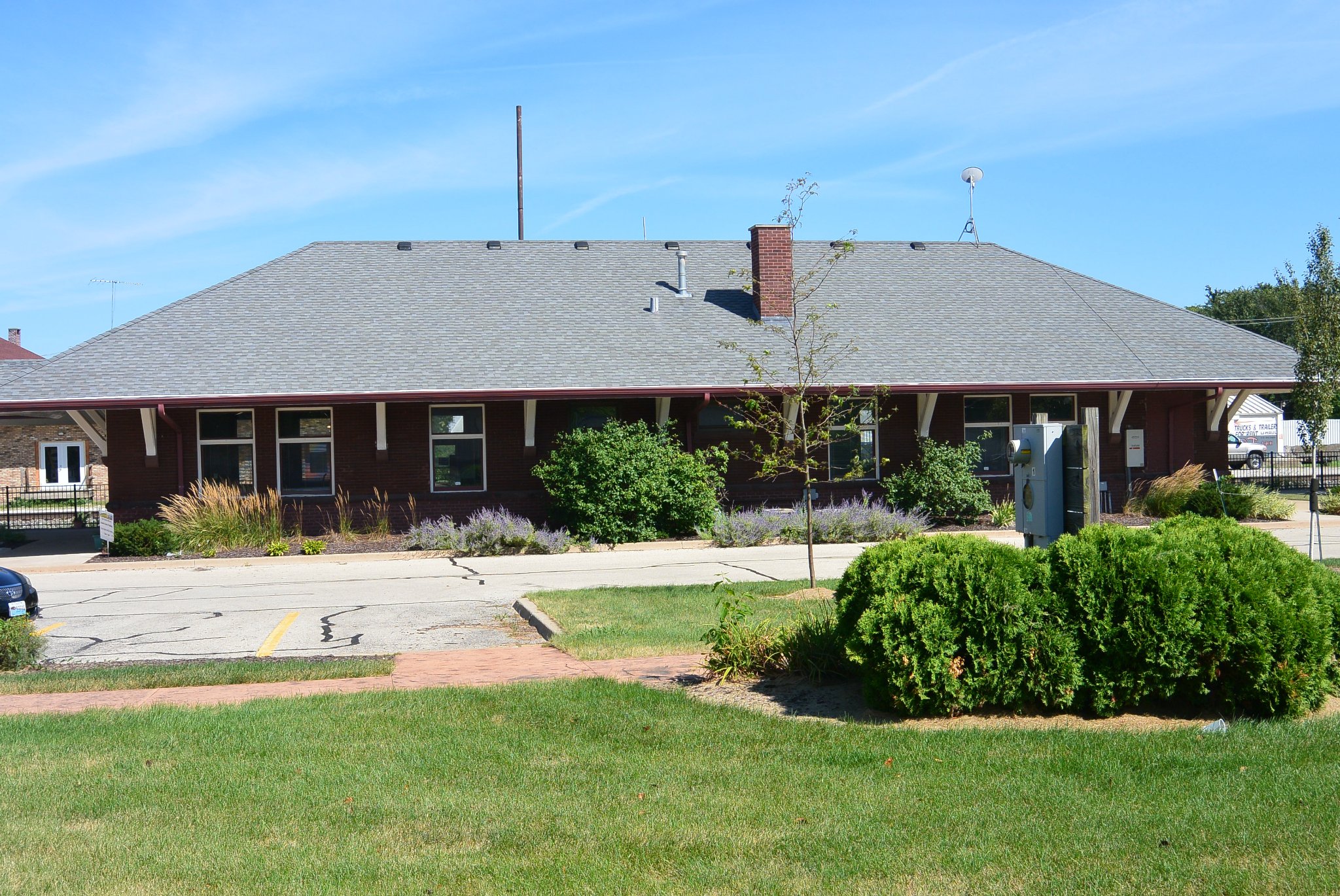
Rock Island Depot Morris
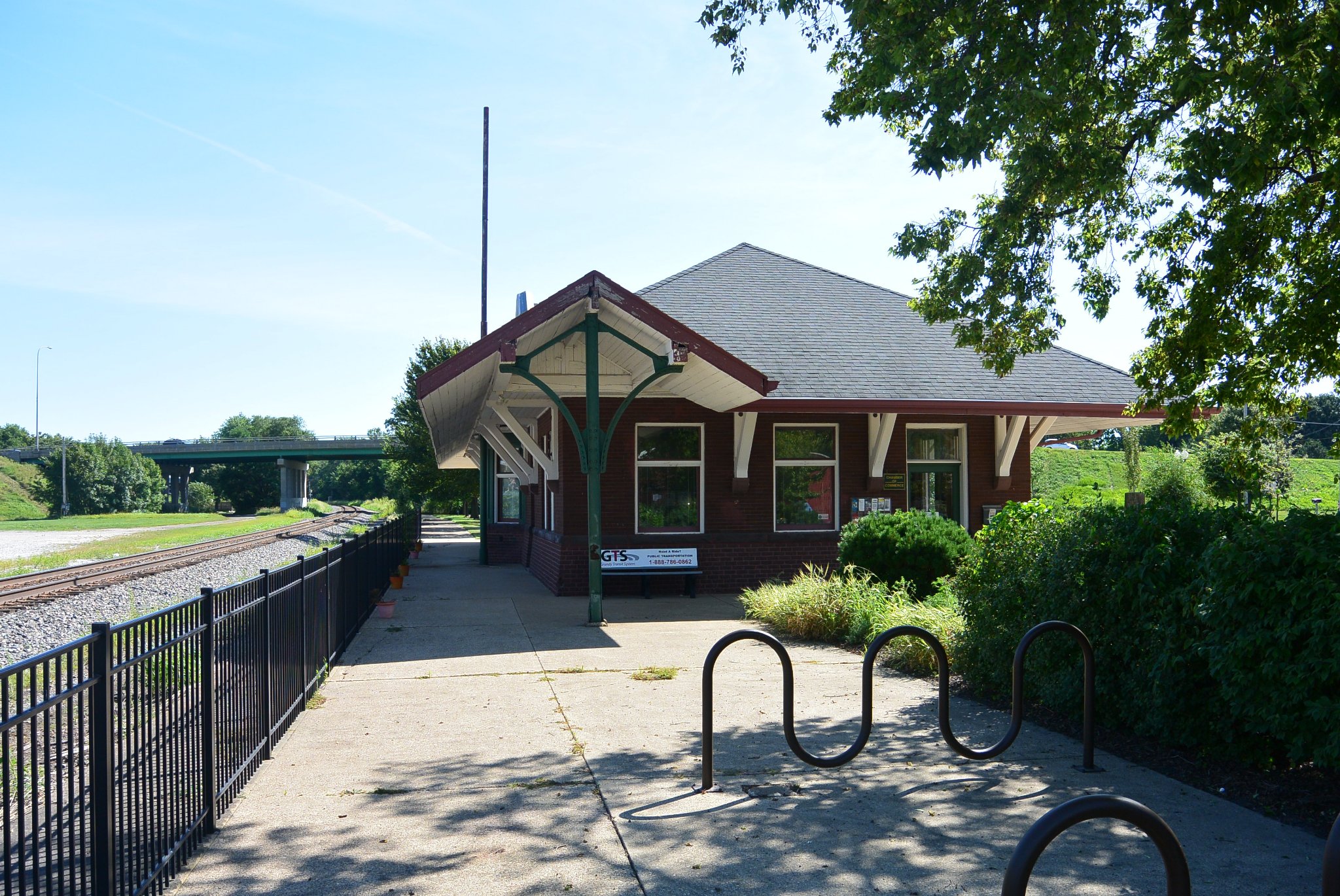
Rock Island Depot Morris
The Rock Island Depot in Ottawa was built in 1908. It is still standing. It is currently used as a maintenance building by CSX.
Ottawa Rock Island Depot.
The Rock Island Depot in Marseilles was built in 1917. It required a 40 year legal battle to have the old wooden 1867 building replaced with a newer structure. The depot was in service until 1974. It was sold to a private business in 1984.
The structure was designed and built by T.S. Peak–a Chicago Builder. It was added to the National Historic Register of Historic Places on November 7, 1995.
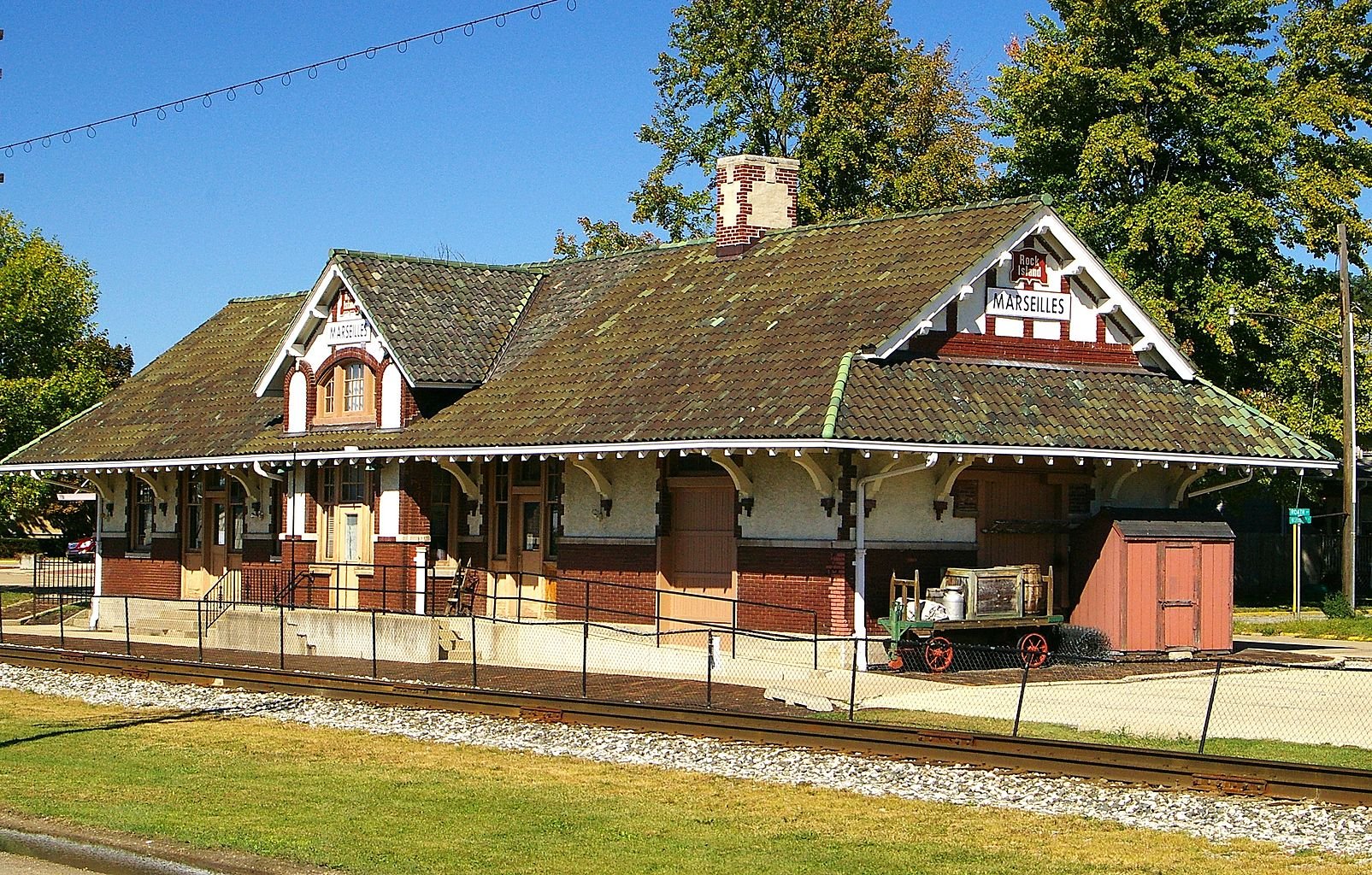
Rock Island Lines. Marseilles
Marseilles Hydro Power Plant
Approximately one fourth mile from the center of Marseilles, on the bank of the Illinois River is the Marseilles Hydro Power Plant. The facility was built by Northern Illinois Traction Company. Construction took place between 1906–1911. The facility was tested in 1913 by C.W. Humphrey (lead engineer) and Daniel Burnham (architect)
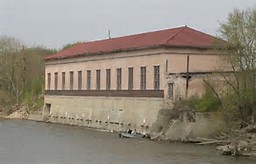
Marseilles Hydro Power Plant
The Hydro Plant was operated under a 90 year lease with Marseilles Land and Water Company. The principle involved in operating the facility was diversion of water from the Illinois River into a channel or race and then into a basement chamber were the water drove wheels.
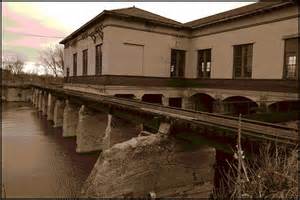
Marseilles Hydro Power Plant
The plant was originally constructed to supply electric power to the interurban electric line Any excess power could be sold to future customers. Prior to the plant construction, power to electric trolleys was direct current. This severely limited the range that the trains could operate. However, the hydro plant provided alternating current. This markedly increased the range that the electric lines would operate. This allowed the establishment of the Chicago, Ottawa and Peoria Electric Line.
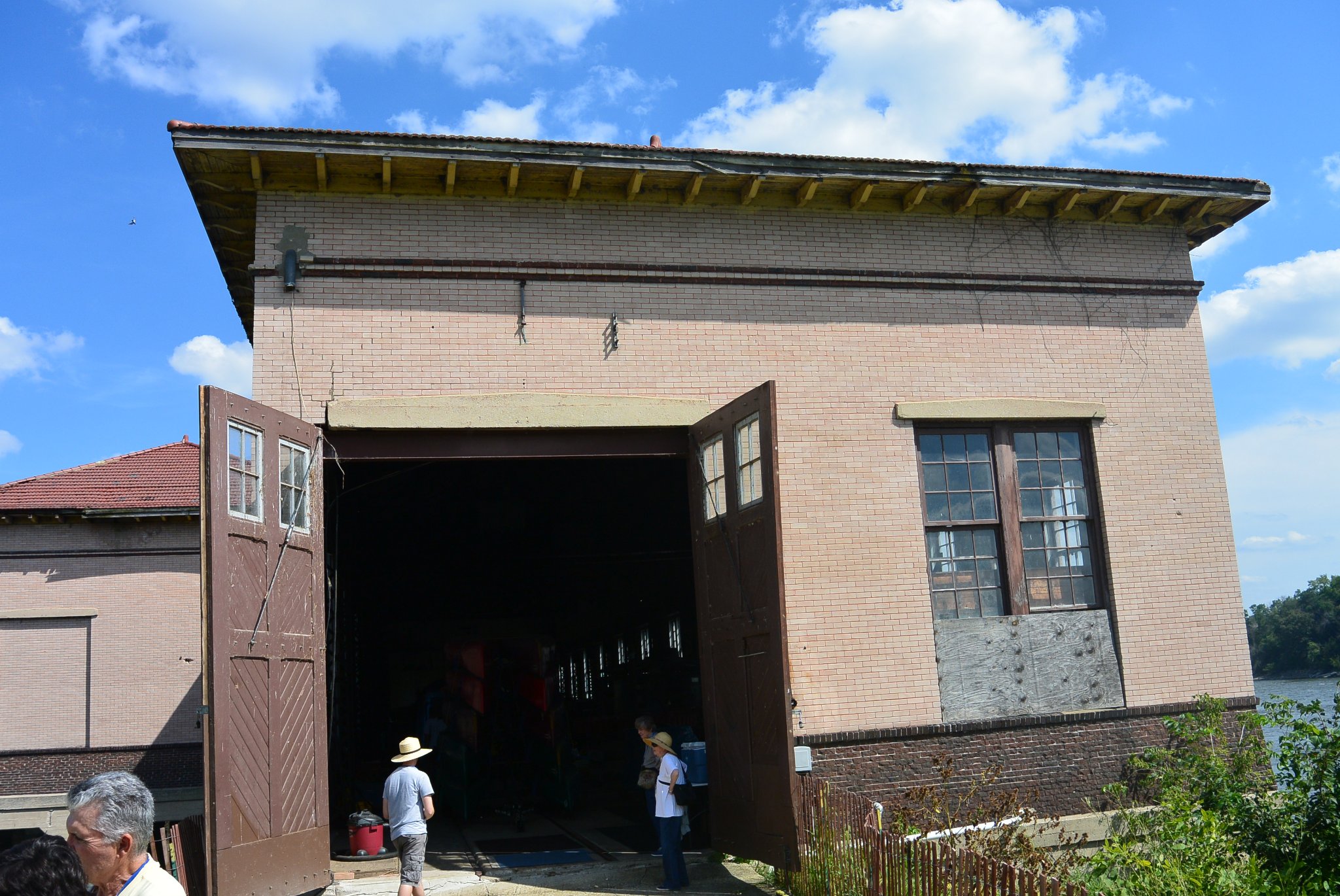
Marseilles Hydro Power Plant
The plant was originally designed for 12 turbines and generators. However, only 7 were originally installed. These provided 400 K watts of power. The generators were built by General Electric and Westinghouse. Water wheels were made Laffel and Sampson. Later generators were upgrade to 1 M watt capacity.
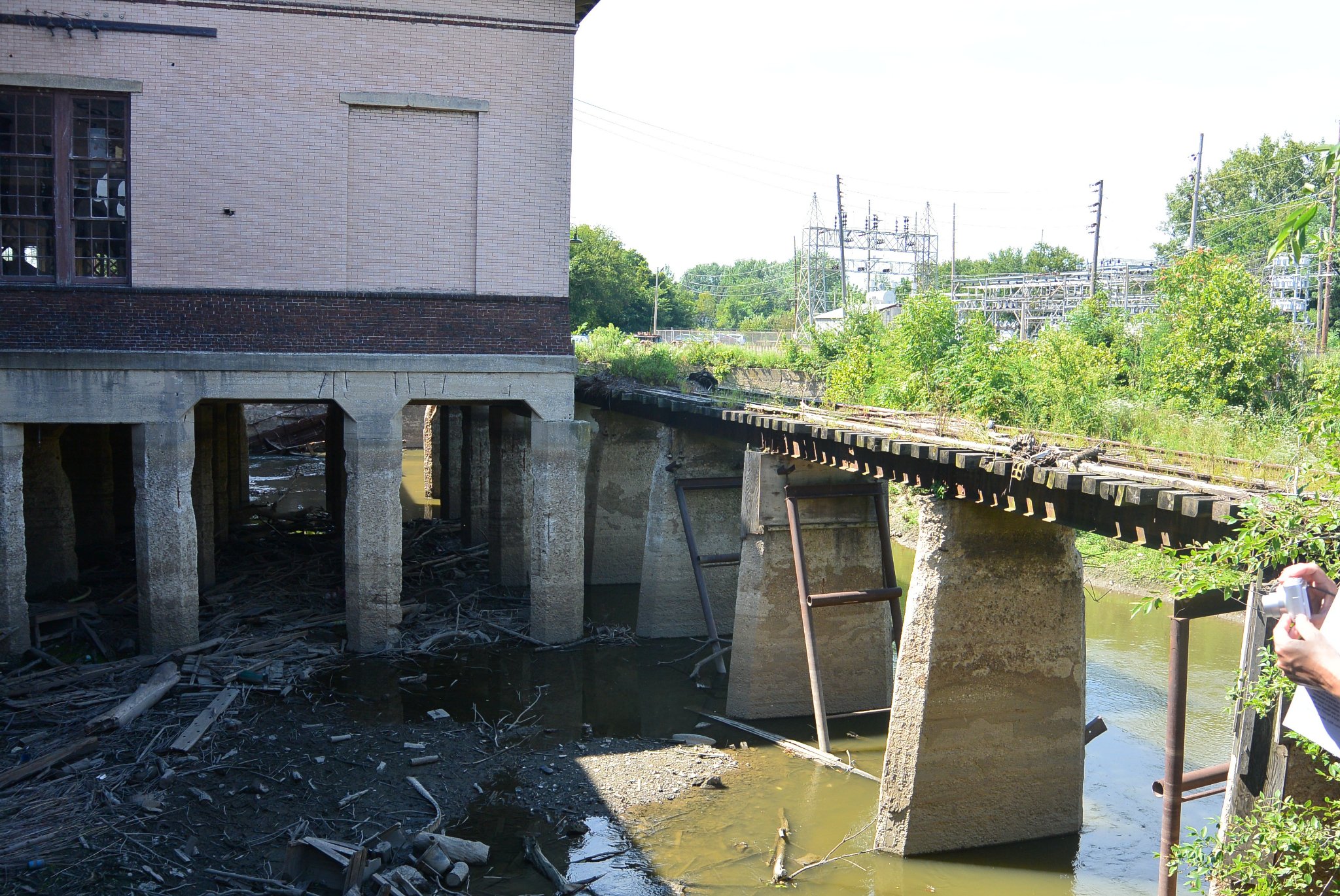
Marseilles Hydro Power Plant
One individual whose ideas had a profound affect on the plant was Nikola Tessla. He was scientist and inventor. He is probably best known for his theories and ideas concerning alternating current. His recommendations for the hydro plant included: alternating current generators; 25 cycle generators for the interurban line; 60 cycle generators for remaining power; rotary converter that would convert the excess 60 cycle power to 25 cycle power during the day when the interurban requirements were high; conversely it would convert the excess 25 cycle power to 60 cycles at night when the train requirements were less.
Units 1,2,3, 6 and 7 were all 60 cycle, 2400V, three phase machines. Unit 4 and 5 were 25 cycle alternating current. Later 2 units were installed in Bay 8 to power two 350 ampere,
125 Volt direct current generators to provide excitation power for the entire plant.
In 1933, the Army Corps of Engineers dismantled the existing dam and built a replacement. This new dam could have had a profound effect on the hydro plant. However Marseilles Water and Land Company negotiated a deal
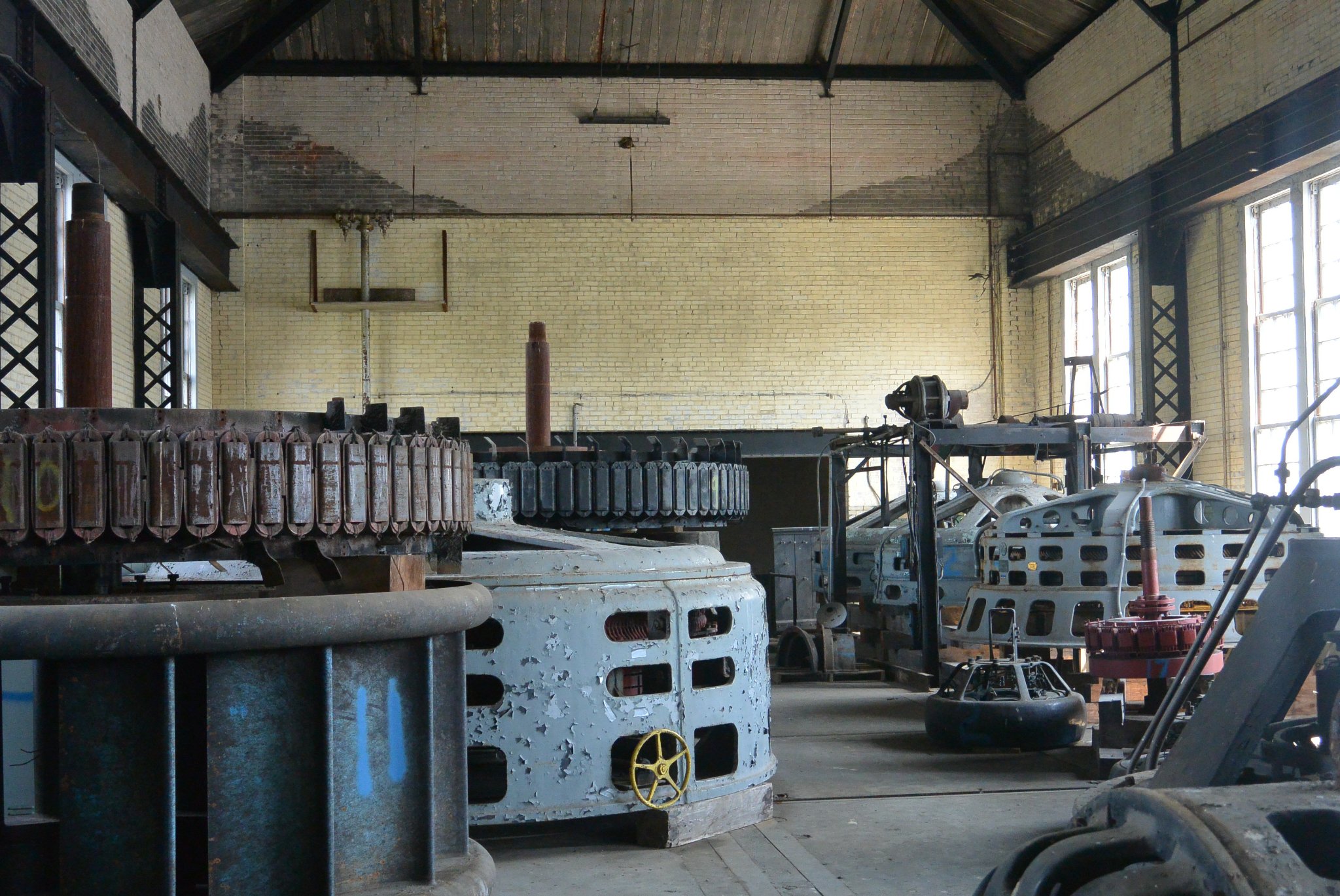
Interior of the hydro plant
that maintained the water levels at the plant.
In 1934, the interurban electric line was closed permanently. In 1936, the power plant was merged into Illinois Power and Light System. It provided power to the growing electric grid. The Hydro Plant was closed in 1988. The reason given for the closure was that it was too small to be economical.
There have been several unsuccessful attempts to reopen the facility. There has been significant lengthy litigation associated with these attempts.
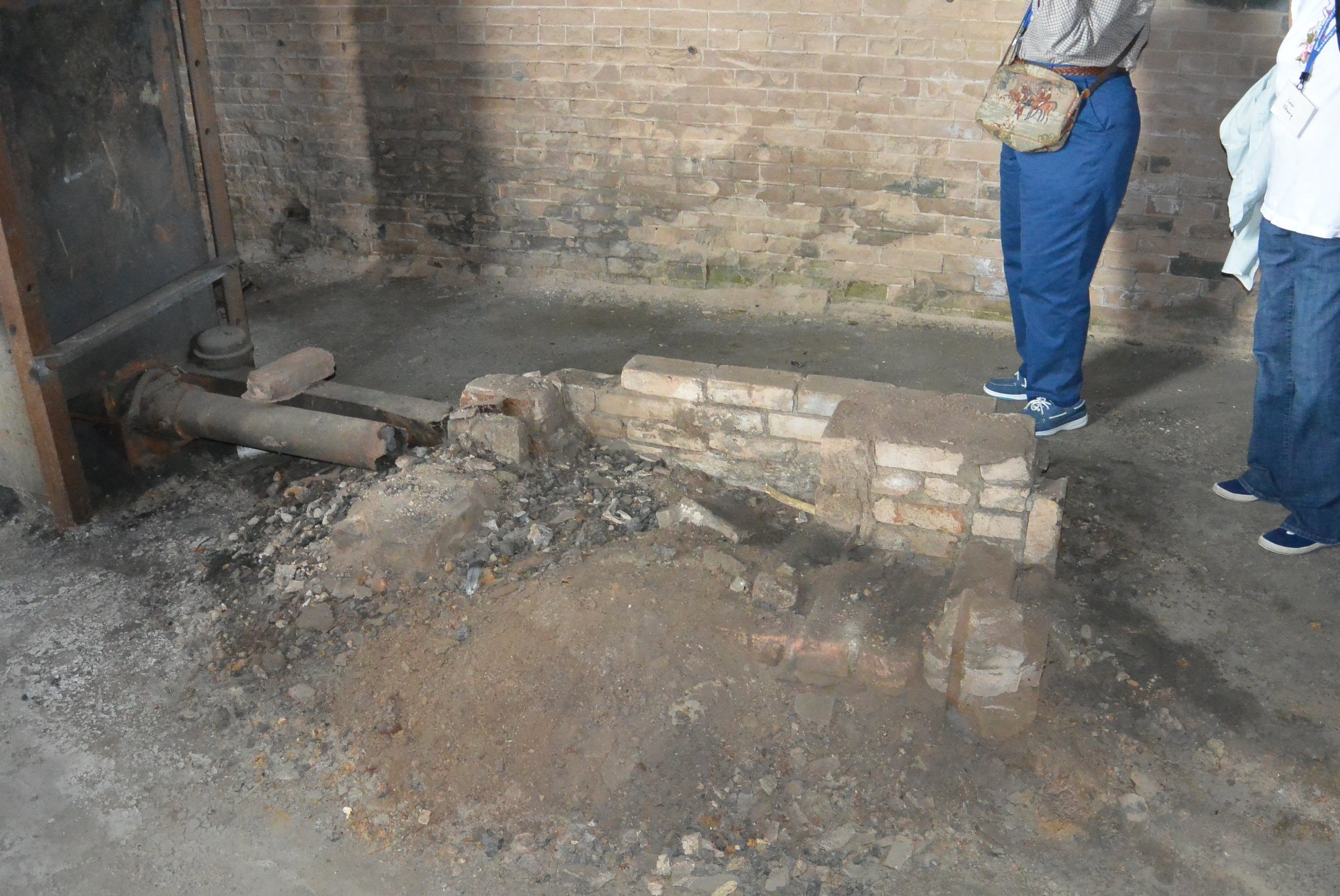
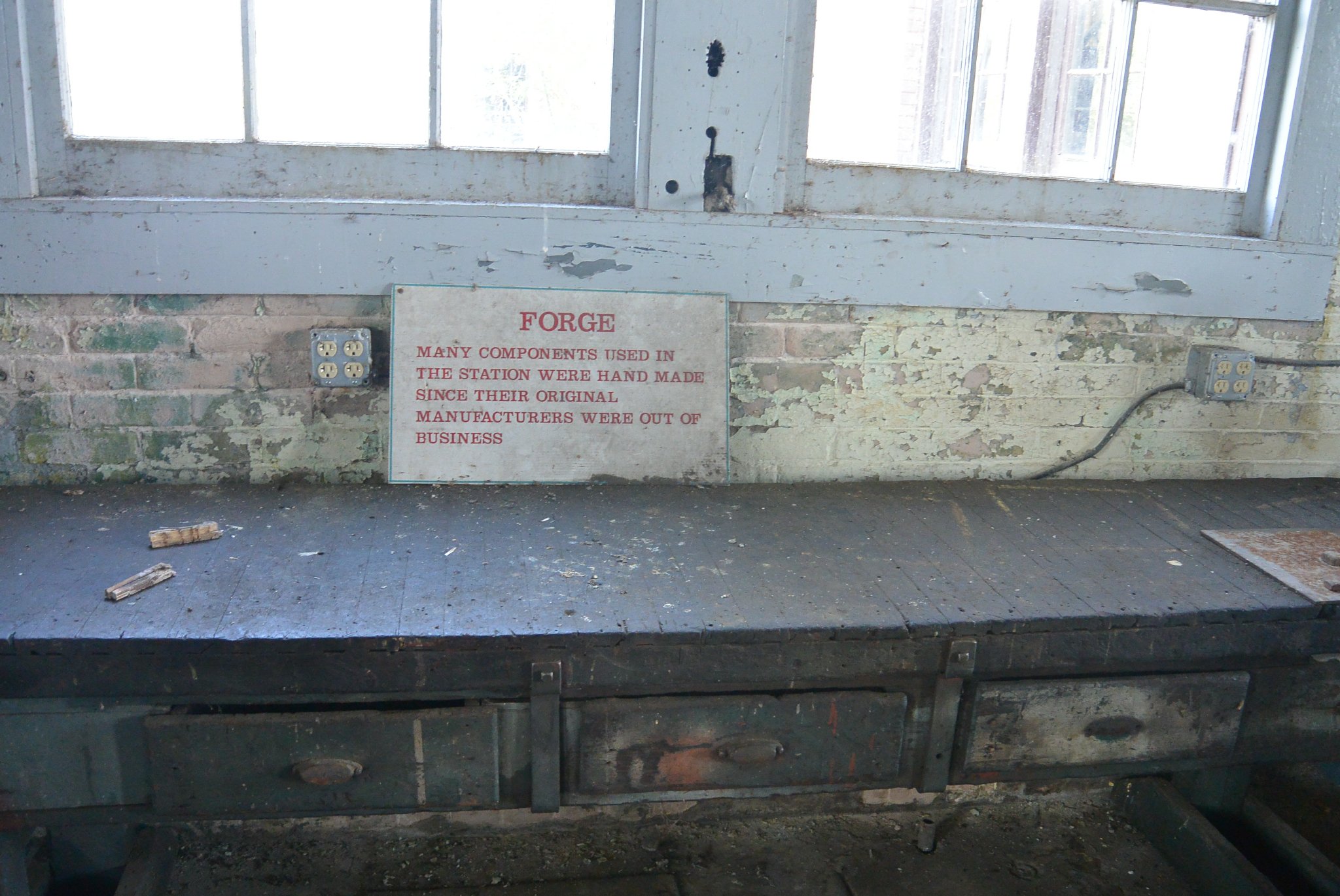
Forge in the Hydro Plant
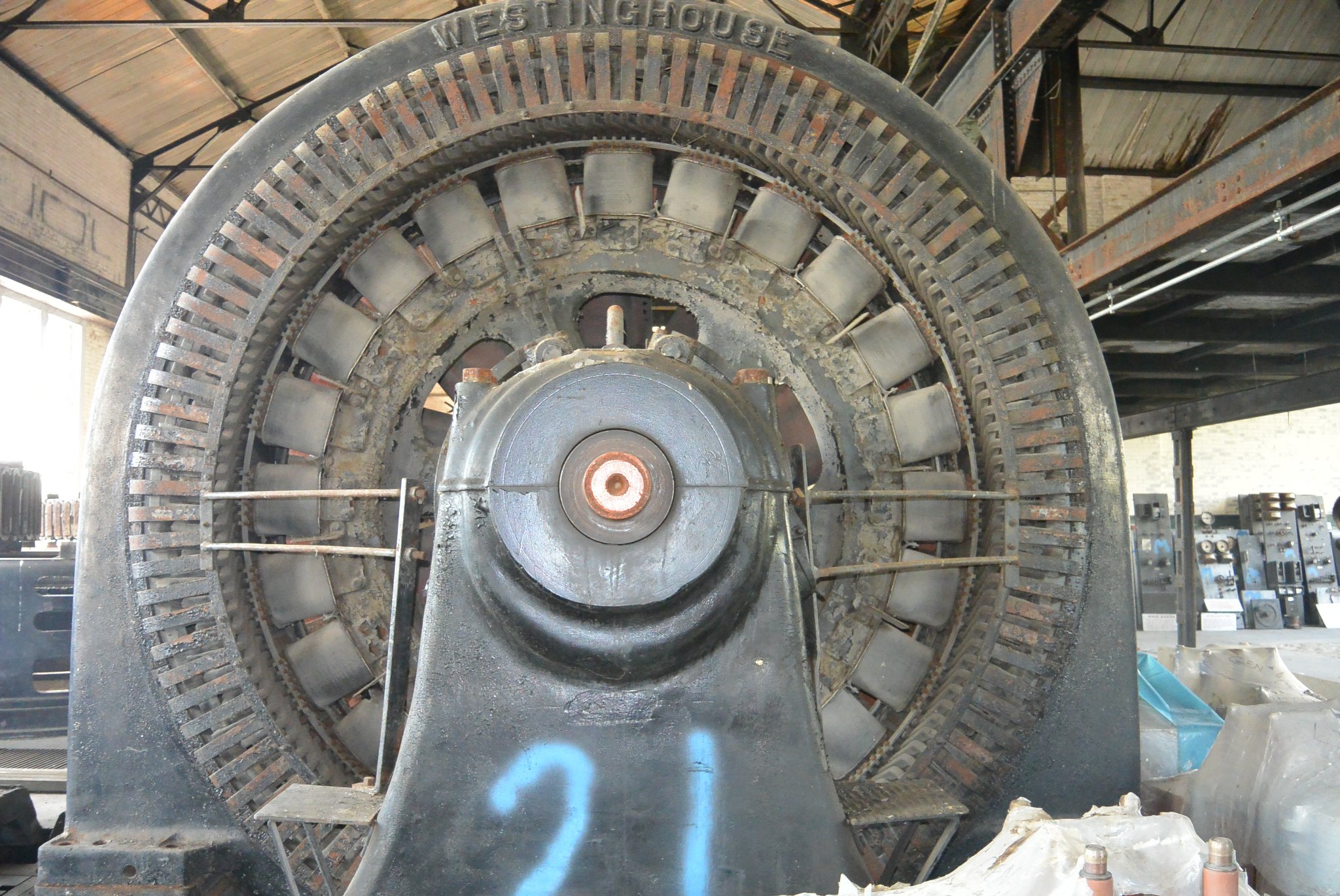
Tessla Generator
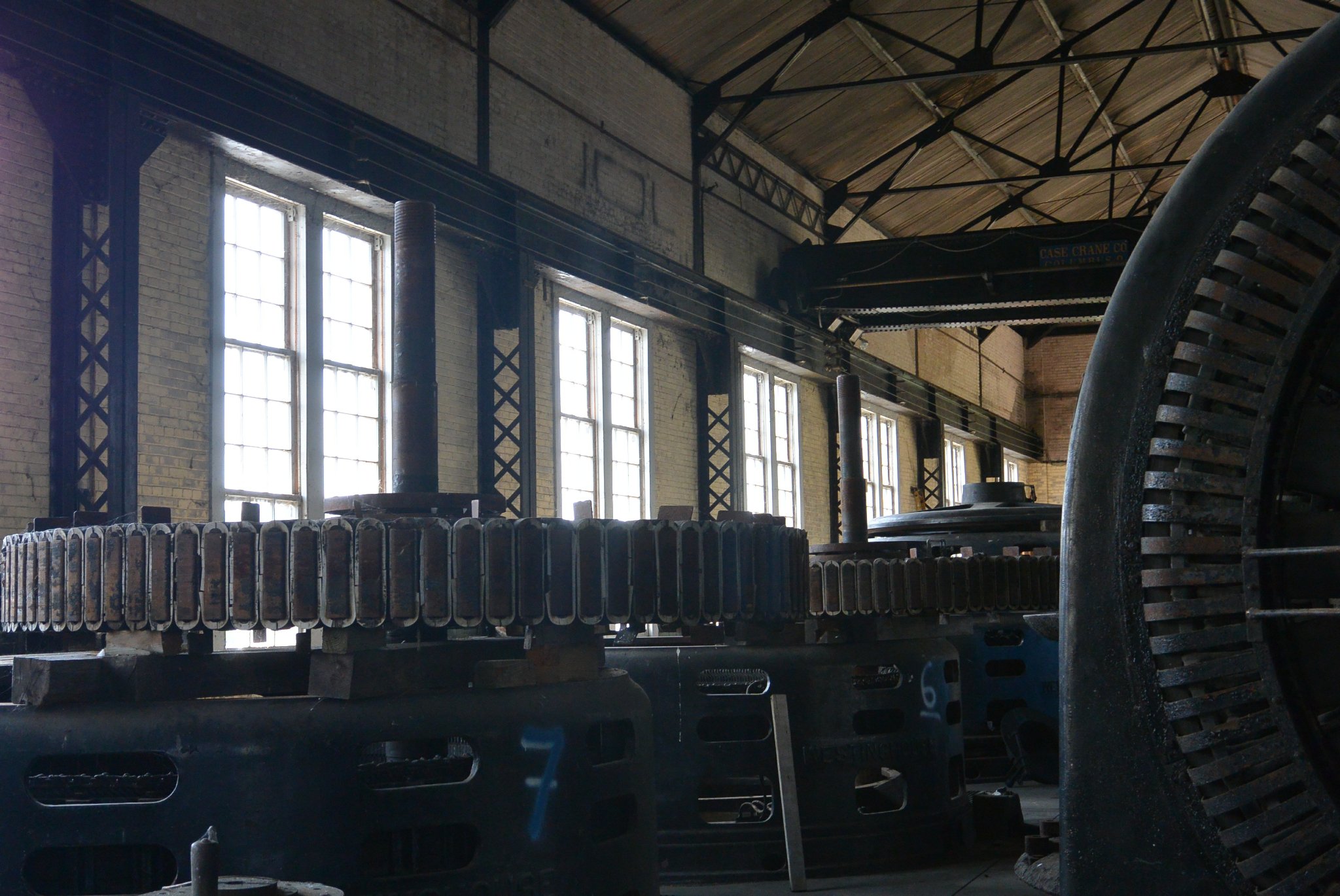
Interior Hydro Plant
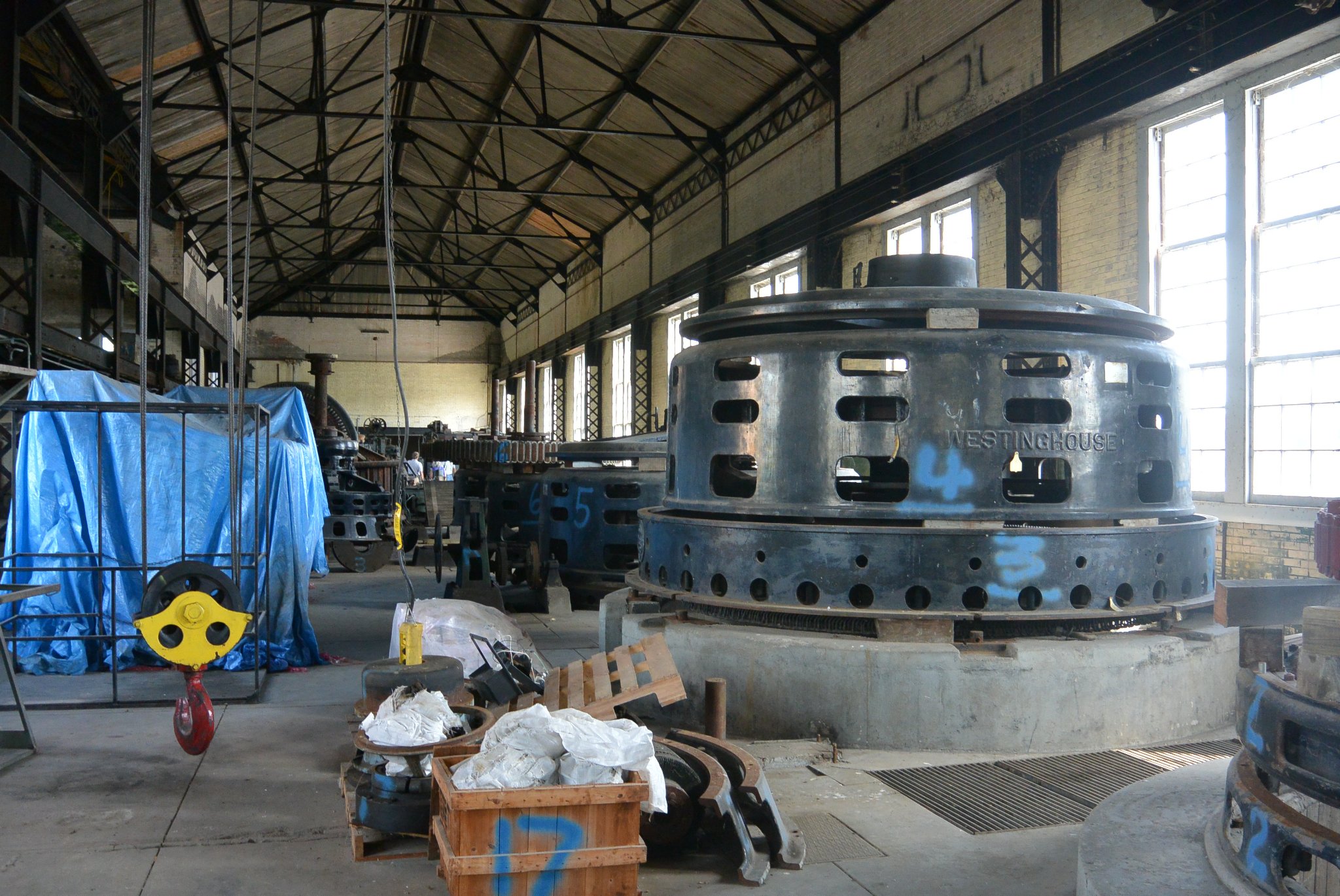
Interior Hydro Plant
National Biscuit Company.
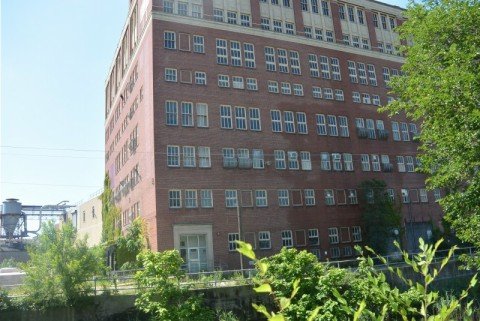
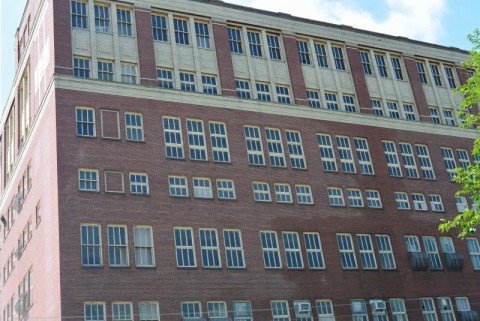
In Marseilles, Illinois near the Illinois River, there is an imposing eight story structure. This was once the home of the National Biscuit Company.
National Biscuit Company.
National Biscuit Company
At one time over 500 workers were employed at this facility.
In 1902, Howe and Davidson of New York City, moved their presses and equipment to this site on the Illinois River. In that same year, National Biscuit purchased this site from the prior owners. They operated Nabisco Brands paper mill and carton plant. In 1921, they constructed an eight story building.
There was a box and package warehouse. There was also a folding carton assembly line. Mechanical power was supplied by a canal from the River with a 15 foot drop.
In 1984, the facility was sold to Federal Paper Board Company. They discontinued the paper mill. In 1991, Field Container acquired the plant. It was closed in June of 2006.
At one time there was talk of converting the eight story building to condominiums. However, it appears that nothing came of this project.
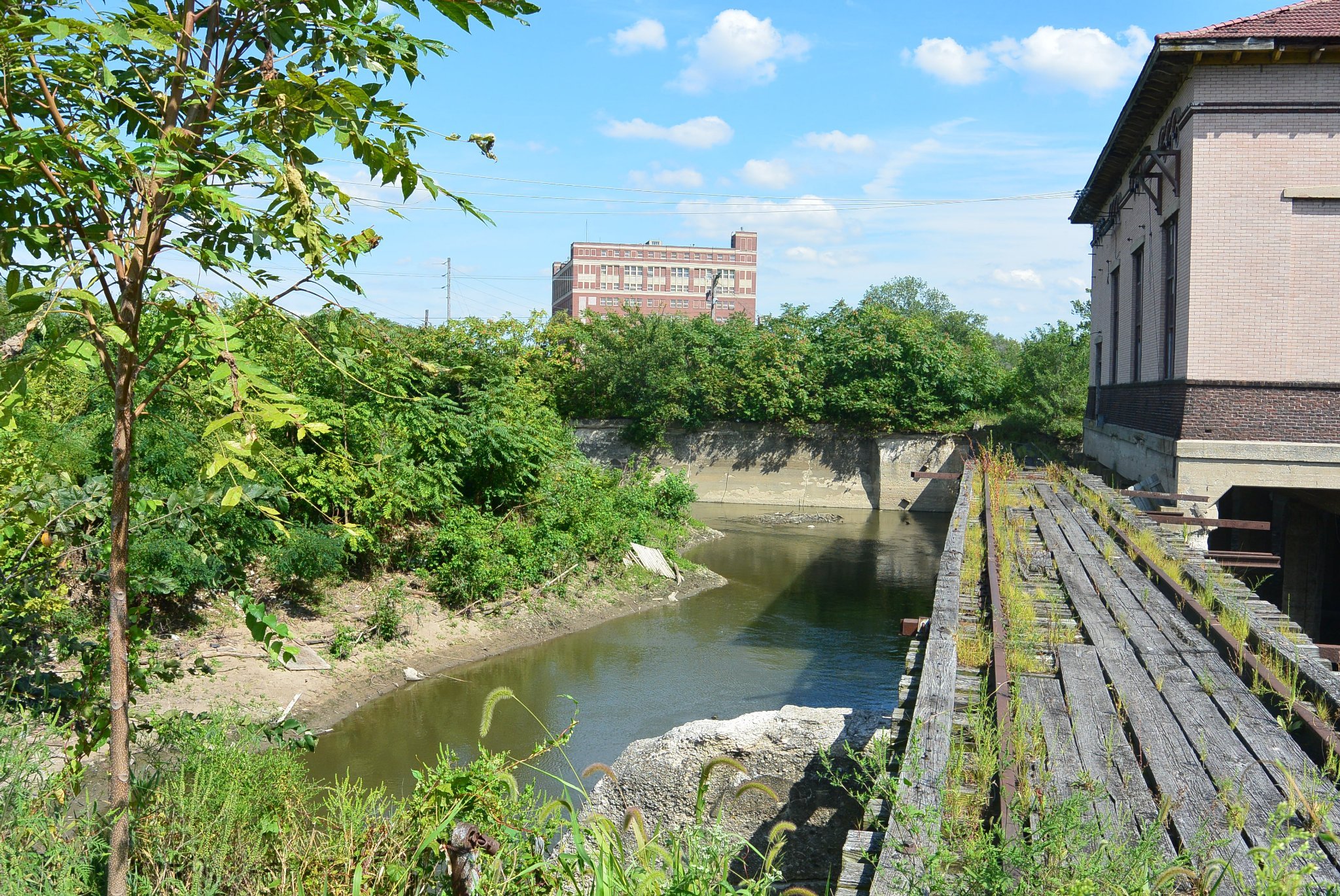
Nabisco Biscuit Company in the distance.
Chicago, Ottawa, Peoria Interurban Line.
One of the largest interurban lines was the Chicago, Ottawa, and Peoria Line. This ran along the Illinois Valley. This was operational during the early 1900’s. Eventually, the whole system closed in 1934.
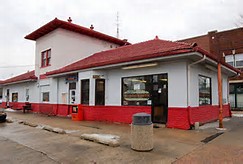
Chicago, Ottawa, and Peoria. Morris Station

Chicago, Ottawa, and Peoria. Mokena Station

Starved Rock Station

Chicago,Ottawa, and Peoria. Marseilles, Il.
Five Mile Bridge
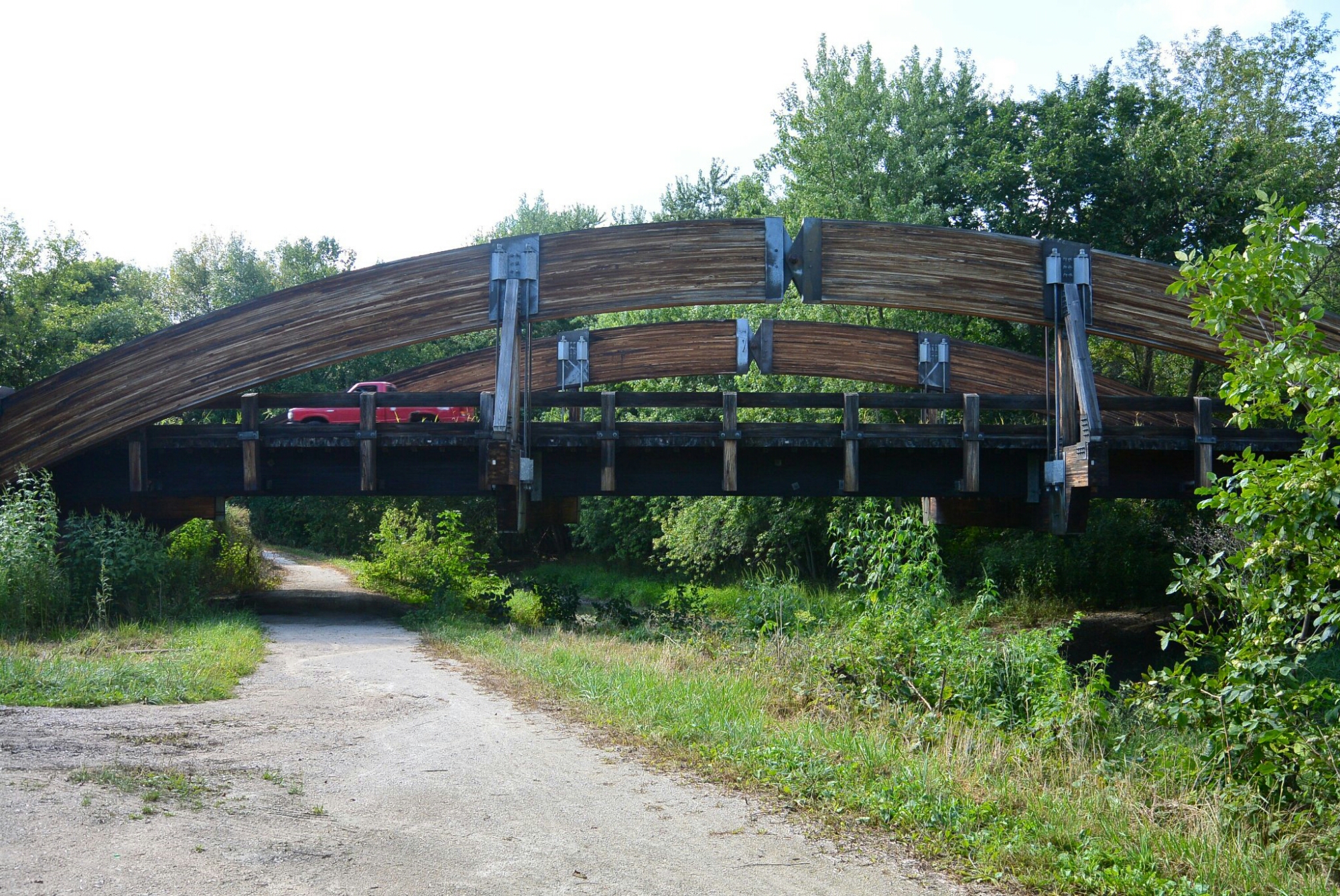
Five Mile Bridge
Five miles west of Morris, Illinois, there is a distinctive looking bridge over the Illinois Michigan Canal on Old Stage Coach Road. This is a timber arch vehicular bridge. This is the first of its kind in Illinois. It is a replacement of the old Pratt Truss Bridge. Although it looks old, it was actually constructed in 1995. It’s length is 130.3 feet. It’s width is 25.9 feet. The length of its largest span is 126.6 feet.
The designer was Graef, Anhalt, Schloemer & Associates. It was built by Belvidere Construction. The bridge owner is Grundy County, Illinois and Erienna TWP.
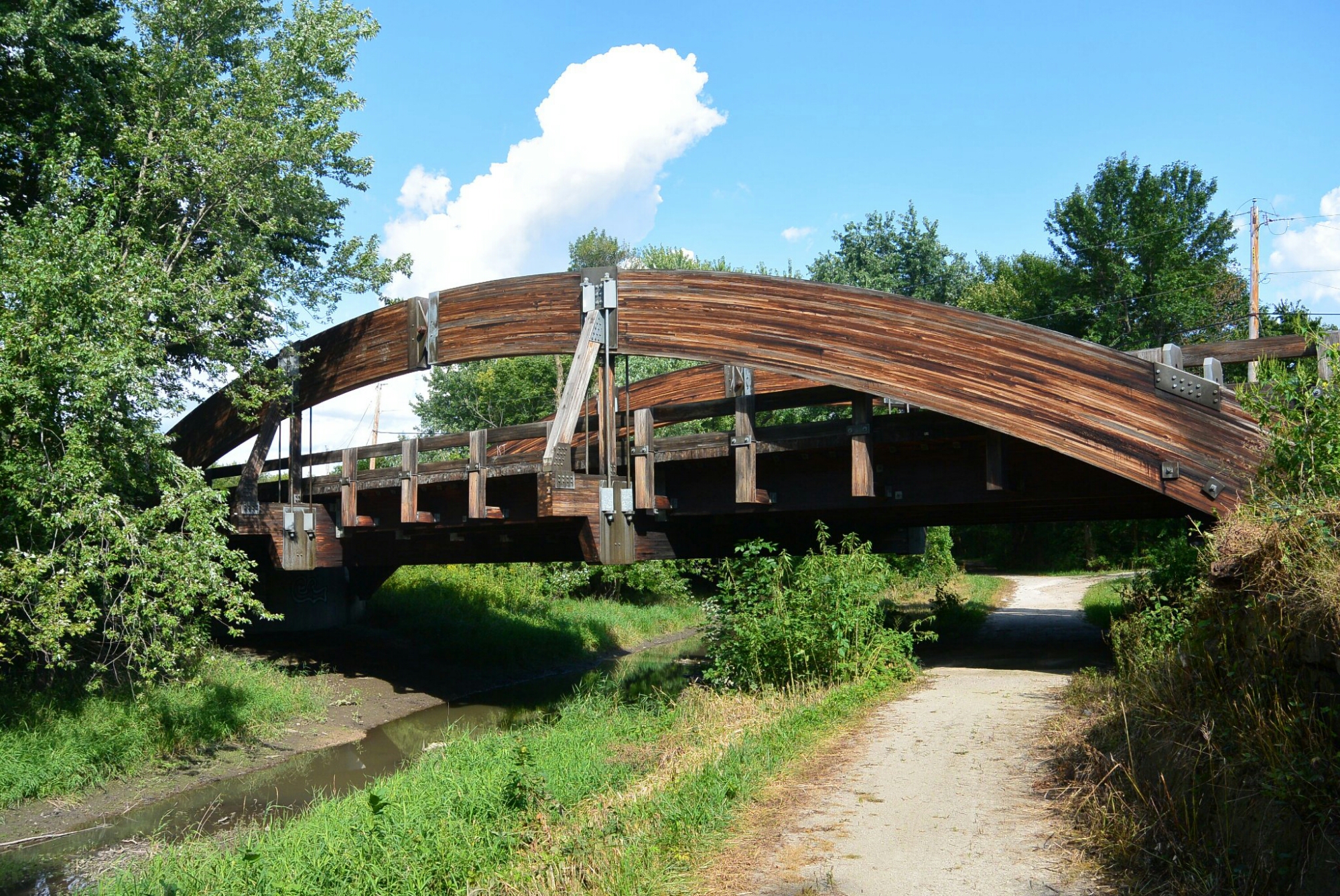
Five Miles Bridge
Grundy County National Bank
Constructed in 1867 by Abigail Atwater and N.C. Petty to
house the Grundy County Bank.
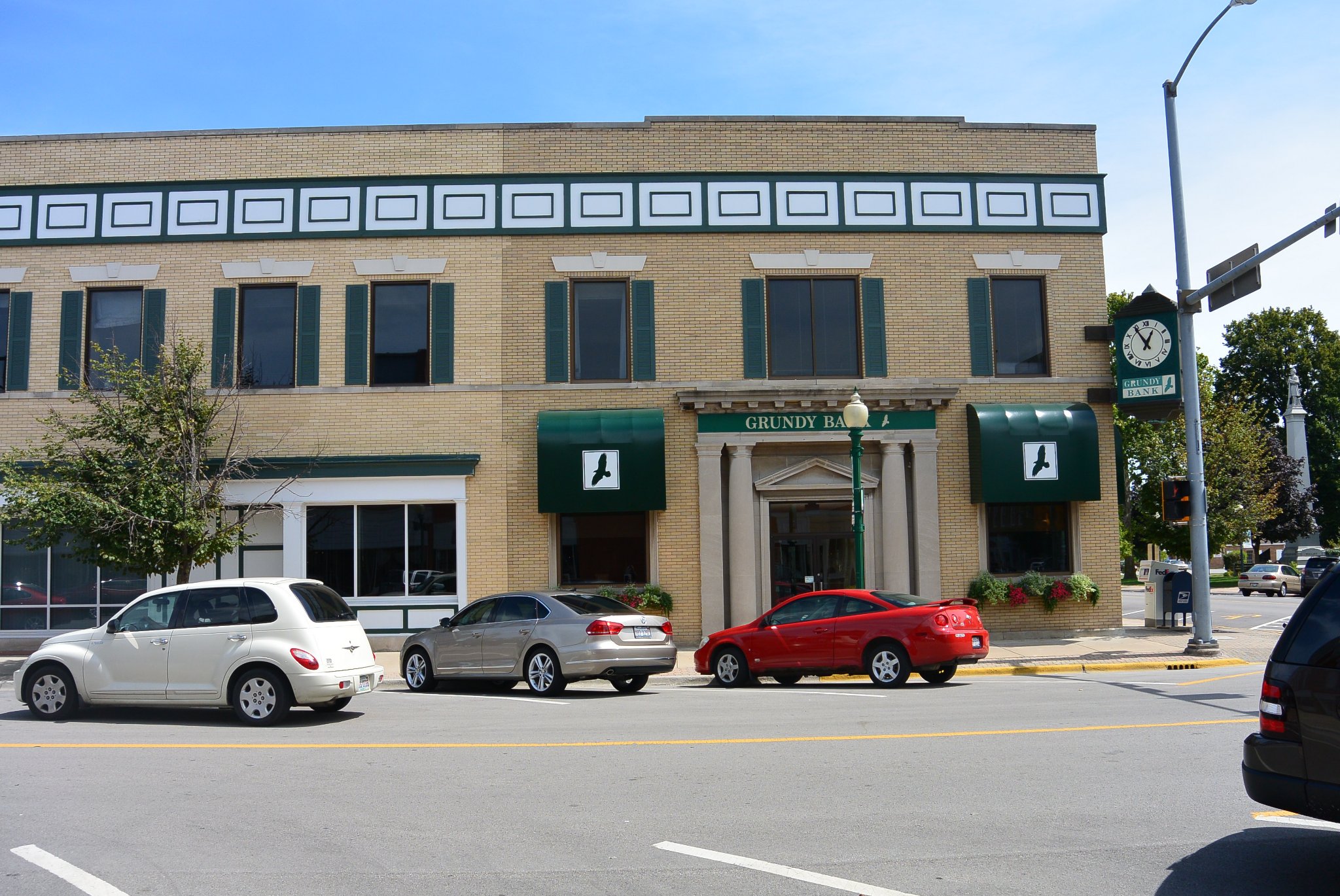
Grundy County National Bank
Frank Brothers Clothing Store. Morris, Il.
This structure was built by Max Frank in 1882. It is an example of Italinate commercial architecture. It was purchased in 1905 by the Hynds Brothers. They rented it as a post office.
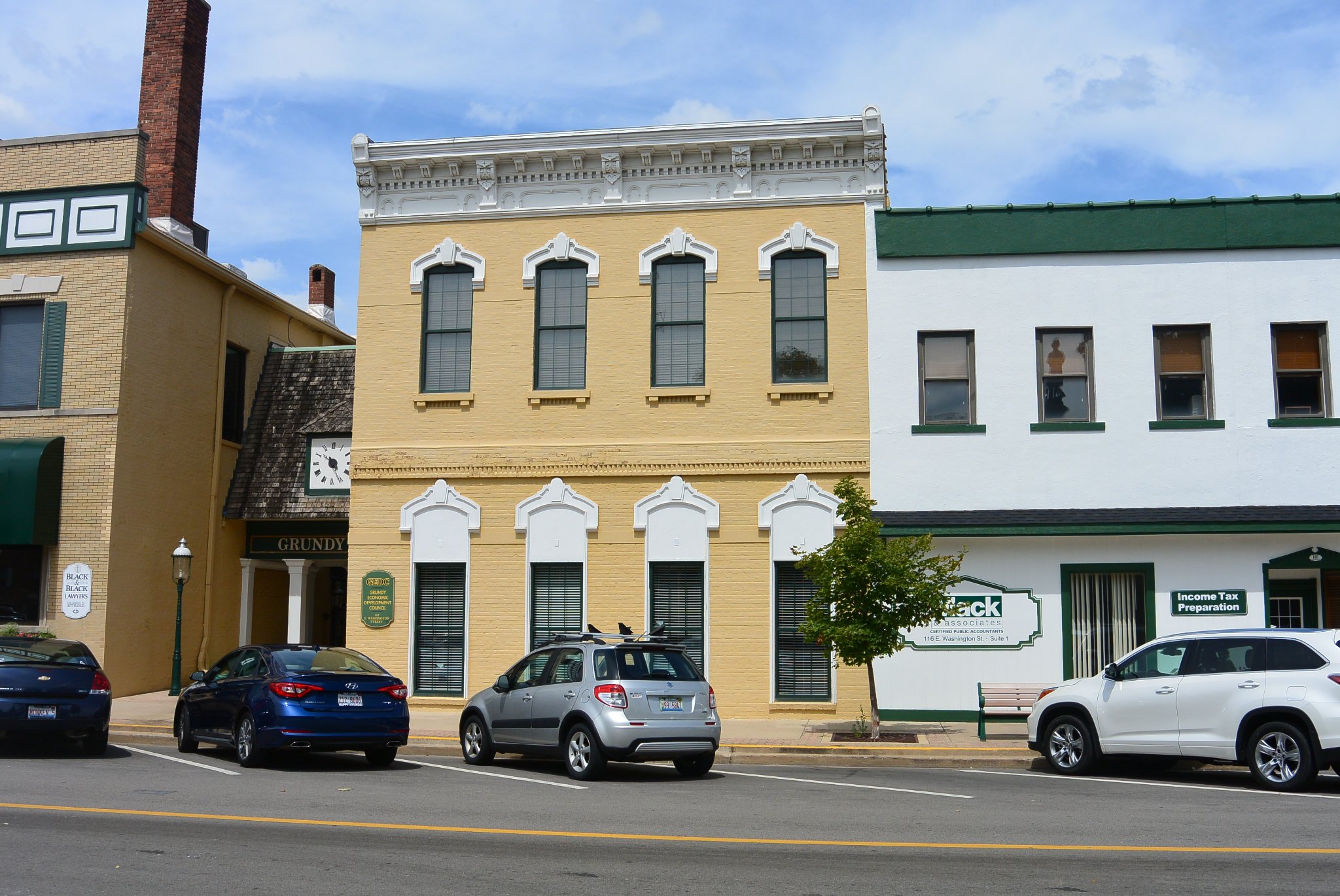
Frank Brothers Clothing Store.

