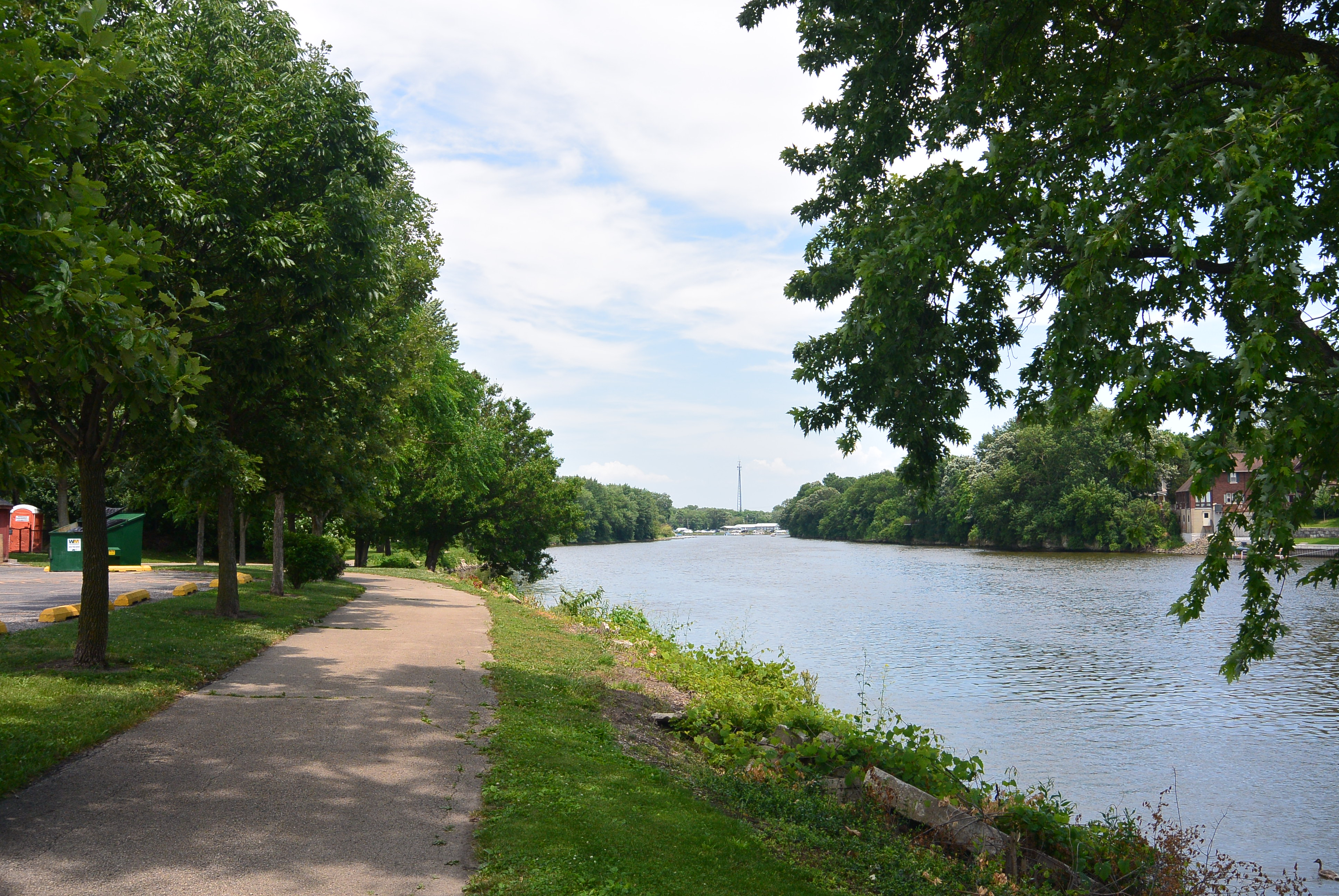
Fox River in Ottawa
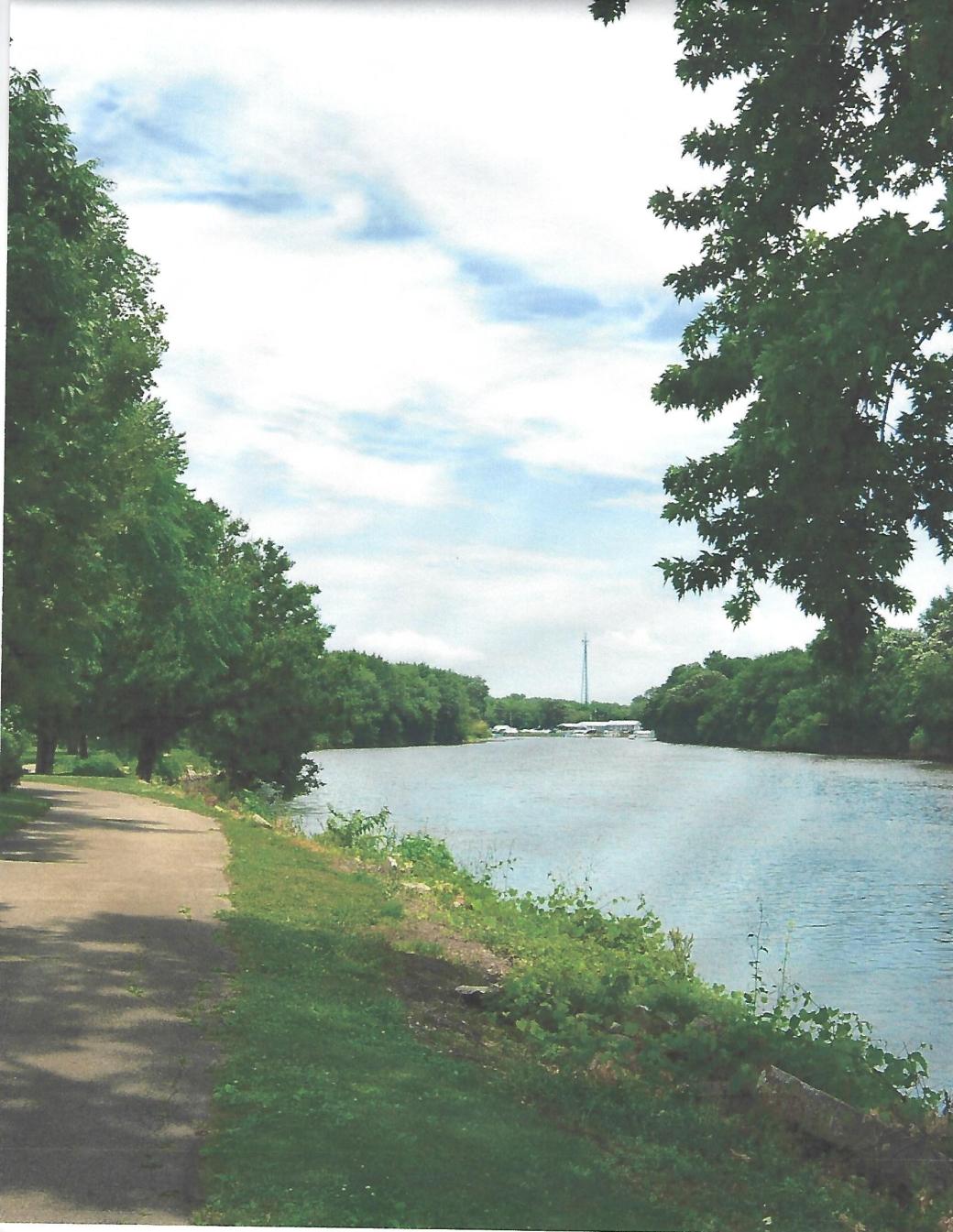
Fox River Ottawa
Fox River in Ottawa
Fox River Ottawa
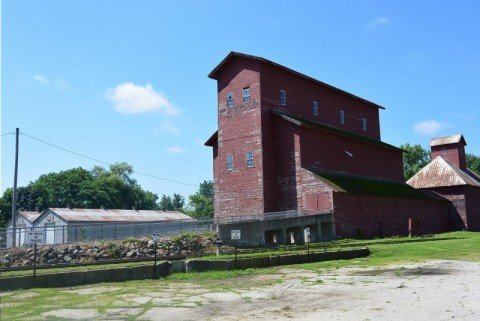
Seneca Grain Elevator
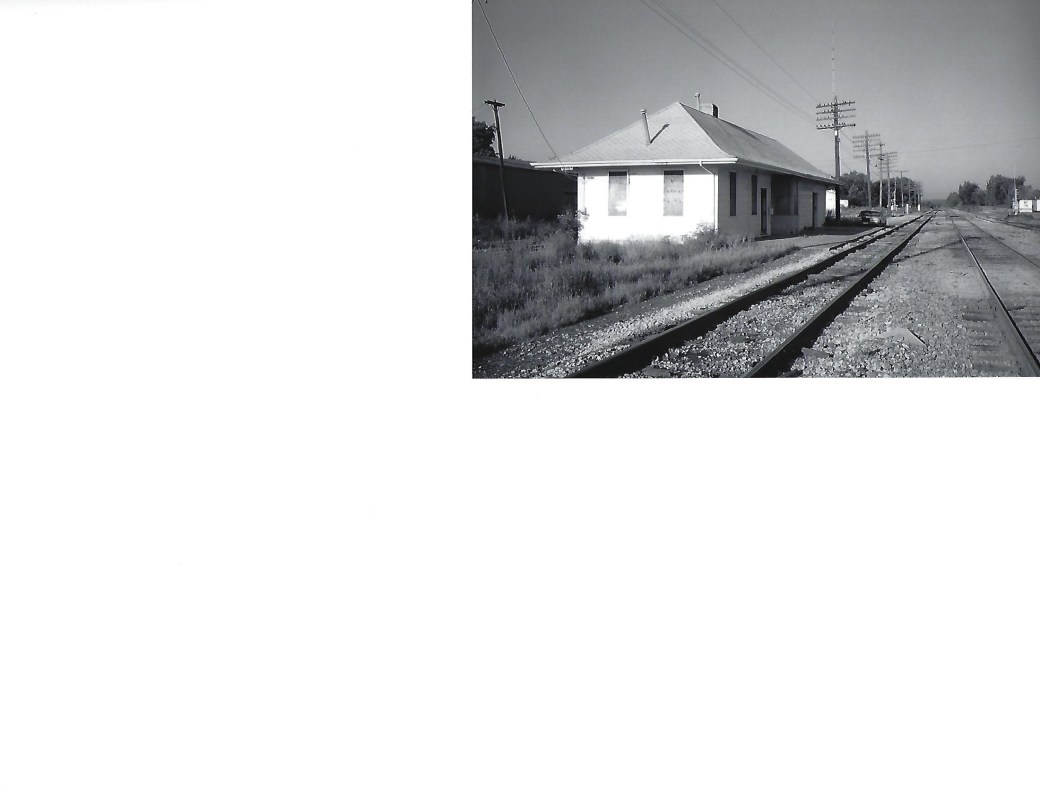
Rock Island Station Seneca
The history of the Illinois Michigan Canal is filled with many colorful and interesting characters. One such individual is Jeremiah Crotty. He was born in Cork, Ireland on May 8, 1799. Due to prevailing financial conditions in his native country he decided to migrate to the United States. He left from Cork on the Barque George Canning. It arrived in New York on June 5, 1828. His occupation on the ship manifest was listed a a laborer. His early life was somewhat nomadic. He spent one year in New York; 8 years in Pennsylvania; and 3 years in Maryland. It was here that he met and married his wife–Ellen Blake.
From Maryland, he made his way to the Illinois Valley Region. No doubt he did this because of the construction jobs available on the I and M Canal. In 1838, he made his way to Lockport with the intention of making bids on canal construction jobs. This despite the fact that he had zero experience and zero references. Some how he was able to obtain financial backing. He developed a new technique to excavate the soft sandstone in the portions were he worked. He obtained contract work on the I and M canal between Aux Sable and Otttawa. In the period of 1841 to 1842, when work was suspended on the canal, he did contract on the Rock Island Railroad out of Minooka. Later when construction resumed on the canal, he did construction work on it. For a short period of time, he did contract work on the Northwestern Line in Elgin.
He returned to the Illinois Valley in the area that would become Seneca in 1848. He constructed a home in 1849. Contractors were Higgins and Clark (carpenters) and R. Cosgrove (masonry). In 1857, he laid out a town of the bluff. In 1858, it was incorporated as a village with the name of Seneca. He sold lots for a dollar. By 1860, there were 15 homes and 2 stores. The Rock Island Line ran through the town. Depot was built in 1854. Crotty’s son was hired as the first train agent. A smaller train line the Seneca and Kankakee also served the area.
During the remainder of his life, Crotty remained active in town business and government. He died on July 28, 1879 leaving a wife and children.
Seneca was incorporated as a city in 1957.

Letter from Jeremiah Crotty to the Canal Commission.
The Elgin, Joliet and Eastern Railway was a fairly successful company for many years.There were two main reasons for this:
One. It filled a niche by providing a by-pass arc outside the Chicago area for freight transport. It began in Waukegan and proceeded south and west near Elgin and Aurora. It then proceeded east to Joliet and Dyer. From here it traveled north to Gary and the along the lakeshore to Whiting and South Chicago.
Two. It concentrated on providing freight service to industrial businesses such as the steel industry.
The railroad resulted from mergers and consolidation of multiple companies. It’s earliest predecessor was (1887) the Joliet and Northern Railroad. This road offered freight and passenger service between Joliet and Aurora. In 1888, 2 companies were set up to build a railroad that would form a by pass around Chicago and into Indiana. The names of the two companies were Elgin, Joliet & Eastern of Ilinois and the Elgin, Joliet & Eastern of Indiana. In October, 1888, the E, J & Illinois acquired the Joliet & Northern. In December, 1888, the two E, J & Eastern lines merged to form the Elgin, Joliet & Eastern R.R.
For years after, the J. Company continued to develop and expand its Chicago belt line. It did this by laying new track and my merging with smaller lines. Among these were Gardner, Coal City, and Northern RR., the Waukegan and Southwestern Railroad, and the Chicago, Lake Shore and Eastern Railroad.
The J line was known predominately for its freight service. However, for a brief period, it offered passenger service. It had a depot in down town Joliet on Clinton Street. This service ended in 1907.
For years, the line had an association with the steel industry. Illinois Steel purchased the line in the late 1800’s. In the 1890’s, it became a part of Federal Steel and in 1901 U.S. Steel.
The Joliet Division of the line included the East Joliet Yard. This was a large complex containing a round house, a machine shop, blacksmith shop, locomotive shop and cinder pits.
The J line for years was a major employer in the Joliet area. At its peak in 1951, it employed 5,900 employees and its freight business generated 55 million dollars in revenue. Today the line employs approximately 750.
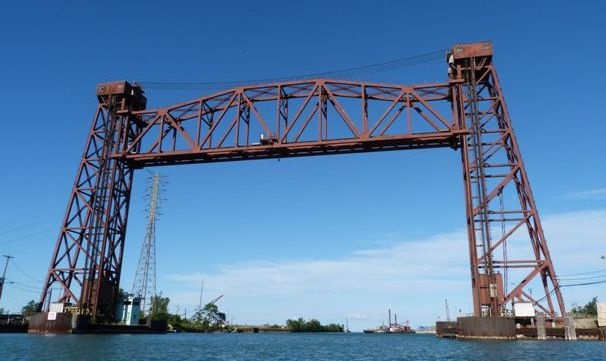
E, J & Easter Railroad Bridge over the Calumet River

Map of the J. Line
In 1988, U.S. Steel and the Blackstone Group formed a holding company Transtar, Inc. to serve as shareholders of the E,J & E Railroad and several other affiliated companies. In March, 2007, Blackstone ended its interest in Transtar. It then became a subsidiary of U.S. Steel.
On 1/31/2009, CN purchased the J line. Its plan was to use the railroad as a by pass of the congested Chicago rail system. Transtar retained the facilities in Gary. These were reorganized to form the Gary Railway serving U.S. Steel.

Freight Yards

Carus Chemical Company
Carus Chemical was founded in 1915 by Dr. Edward Carus. He was born in LaSalle, Illinois in 1890. He received a degree in Chemical Engineering in 1912 at the University of Wisconsin. In 1912-13, he studied at Cambridge. He did post-graduate studies at the University of Goettingen in Germany. For a year (1914-1915), he taught at the University of Kansas at Lawrence. He then returned to LaSalle.
The Carus Plant is located on 8th Street in LaSalle. It was set up to provide a supply of potassium permanganate. There was a shortage of this material during World War 1. The company specializes in manganese products such as permanganates and magnesium oxides. At one time Carus also produced hydroquinone (photography developer) and manganese sulfate (used in fertilizer in the citrus industry. However, these two products have not been manufactured since the 1970’s.
During his presidency, Dr. Carus concentrated on optimizing and stream lining production. He was successful in this goal.
Edward was succeeded by his sons Blouke and Paul in the late 1950’s. They concentrated on modernization and expansion of markets. They concentrated on their core product permanganates. These are powerful oxidants. They have may uses: 1) organic synthesis; 2) purification of air, drinking water, and waste water; 3) descaling of metals; 4) manufacturing of printed circuit boards.
The two brothers were successful in creating new markets. They established mergers with Technical Products Corp., Kjell Corp., Industrial Quimica del Nalon of Spain.
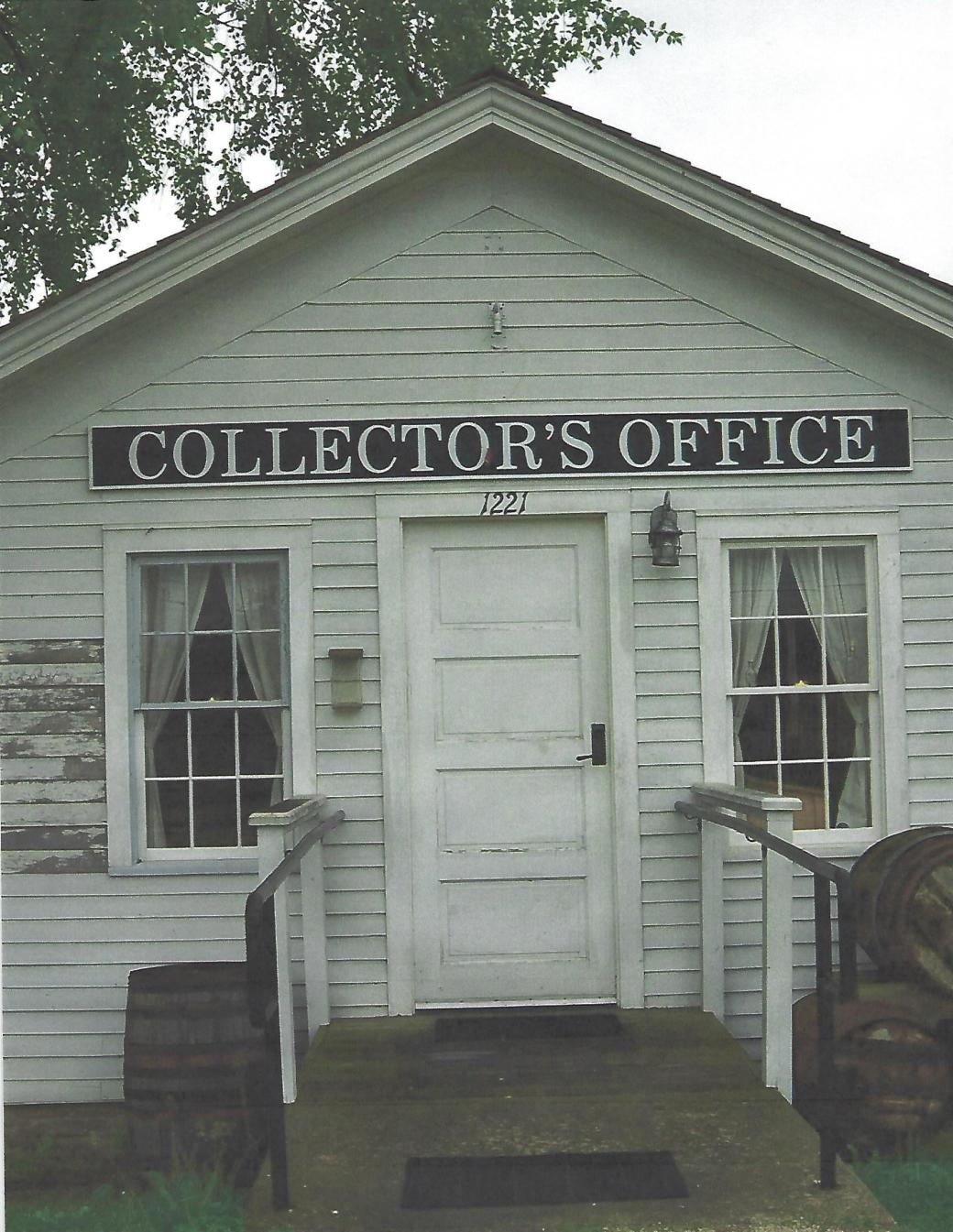
Ottawa Toll House
In Ottawa,on the bank of the Illinois Michigan Canal near Columbus Street, there stands the only remaining toll house of the Canal. It was likely built around 1848. Tolls were collected here. One toll was for the canal boat and a second toll was for the cargo. Near the building, there was a low lying swing bridge which prevented boats from leaving this area until the toll was paid. These tolls were used to pay off the construction bonds and the upkeep of the canal. The toll house closed in 1926. One of its many uses was a barber shop. It current appearance was from refurbishment. It apparently resembles the 1910 appearance of the toll house.
The early origins of the line began with Alton and Sangamon Railroad. This was chartered by the state of Illinois in 1847 to provide service between Alton and Springfield, Illinois. This line was completed in 1852. Additional amendments to the original state charter provided for service to Peoria, Bloomington ( 1854), and Joliet (1855) The railroad was then known as the Chicago and the Mississippi. Passenger service from Joliet to Chicago was over the Rock Island tracks. Freight at Joliet was transferred to canal boats for the trip to Chicago.
In 1855, the Joliet and Chicago was chartered by the state to provide rail service between Chicago and Joliet. It was completed in 1856. The tracks were leased by the Chicago and Mississsipi to allow access into the Chicago market. In 1857, the lines were reorganized as the St. Louis, Alton, and Chicago Railroad and in 1862 as Chicago and Alton Railroad. The C and A chartered the Alton and and St. Louis Railroad to provide service to East Saint Louis.
The Chicago and Alton had several prosperous years. It then had issues with labor unions and decreased freight revenues. The line went into receivership in 1922. It was sold to the Baltimore and Ohio in 1931. Over they years it was owned by multiple lines.
In 1971, Amtrak took over the passenger line between Chicago and Saint Louis. In 1975, Metra took control of the passenger service between Chicago and Joliet. The freight lines were absorbed by Union Pacific in 1996.
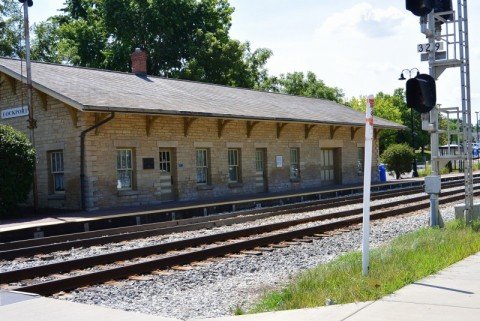
Chicago and Alton Railroad Station, Lockport
One piece of historical information. It was on the Chicago and Alton line that the body of Abraham Lincoln made the finally journey to Springfield.Illinois.

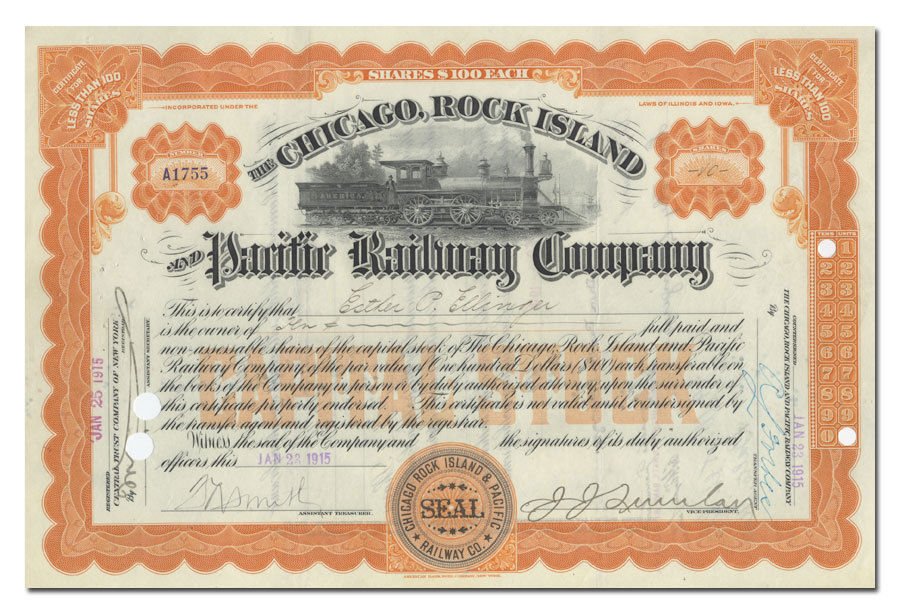
Stock Certificate
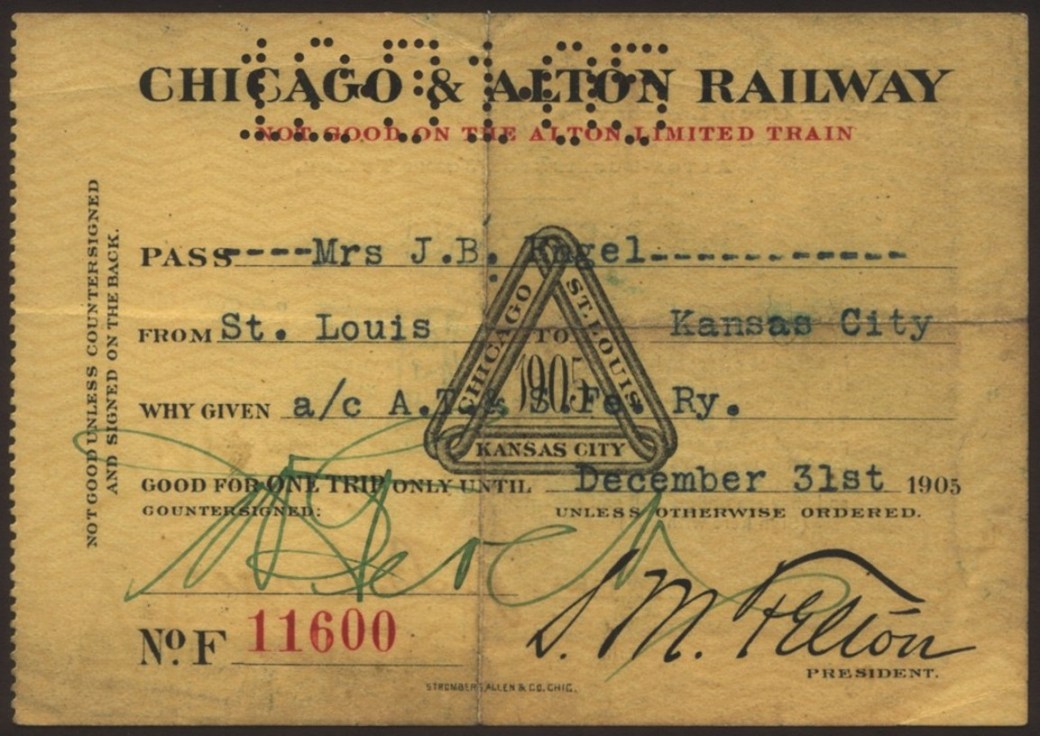
Passenger ticket
The Illinois and Michigan Canal was completed in 1848 It provided both freight and passenger service between Chicago and LaSalle, Illinois.
In February, 1847, the Rock Island and LaSalle Railroad was chartered by the State of Illinois. Its purpose was to be a feeder to the canal. Thus service was to be established between the Mississippi River and Chicago. In 1851, an amendment to the charter was granted by the state. This allowed for extension of the railroad to Chicago.
Railroad construction began in 1851. The Chicago to Joliet link was completed in 1852. Passenger and freight service was provided on this route. West construction was completed to Rock Island by 1854. This put the railroad in direct competition with the I and M canal. As a result of this, passenger service soon ended on the canal. The railroad also competed for freight service. It was operational year round. It was faster than canal boats.
In 1866, the railroad reorganized as the Chicago, Rock Island and Pacific Line. At its peak, service was provided to 14 states. However the future or the road was bleak. . It filed for bankruptcy in in 1932 and 1975.
Passenger service between Chicago and Peoria (through Joliet) ended in 1979. The Rock Island shut down completely in 1980. In 1978, RTA took over passenger service between Joliet and Chicago. CSX acquired ownership of the track west of the DesPlaines River. It provides freight service on this line.
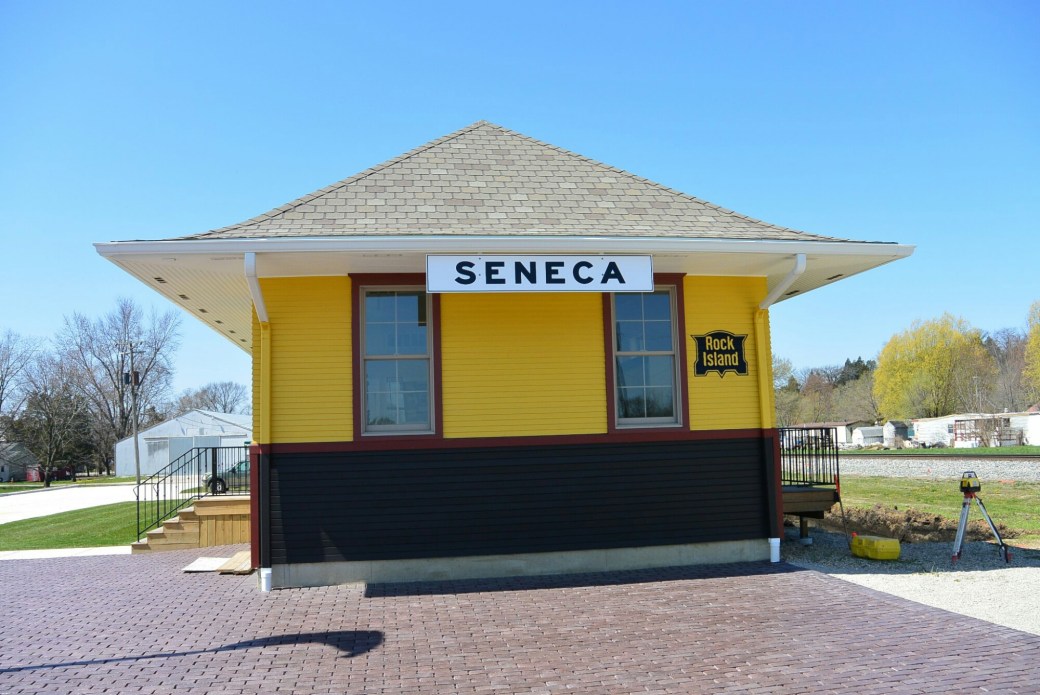
Rock Island Depot Seneca, Illinois
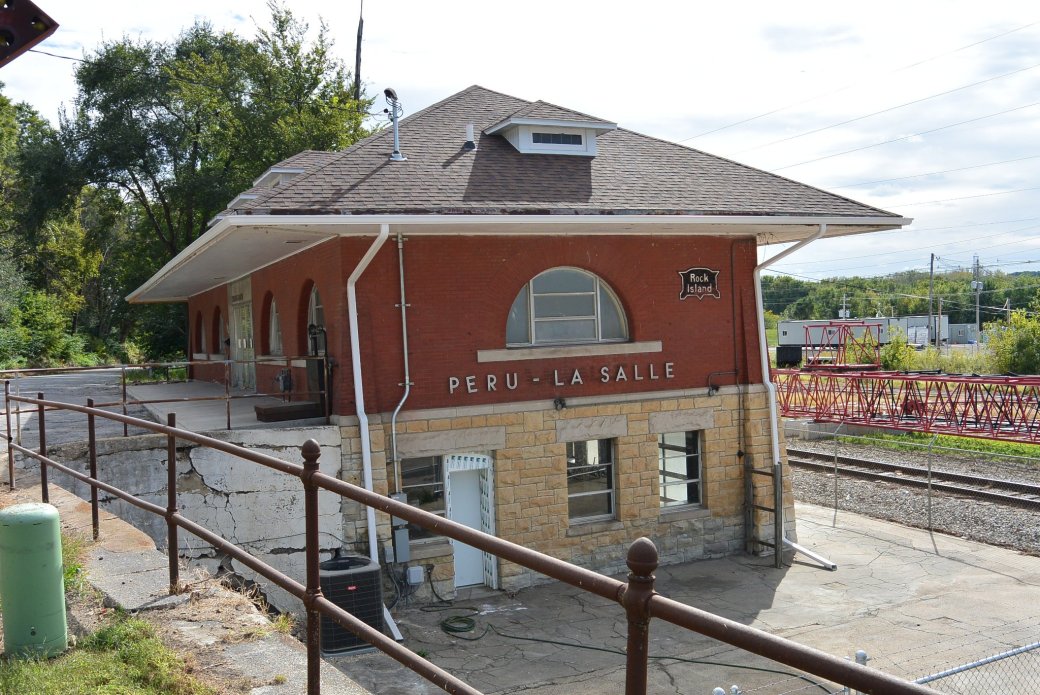
Rock Island Depot LaSalle–Peru
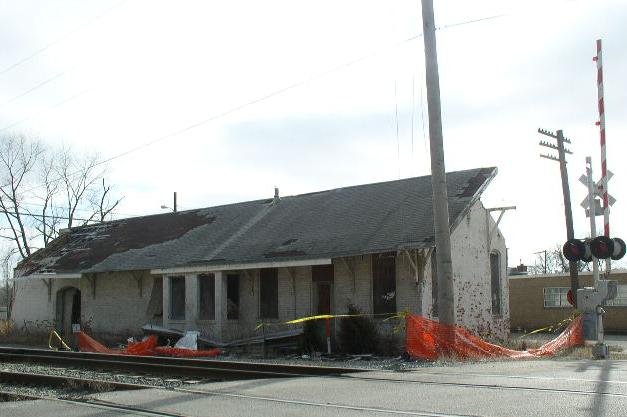
Rock Island Depot Utica
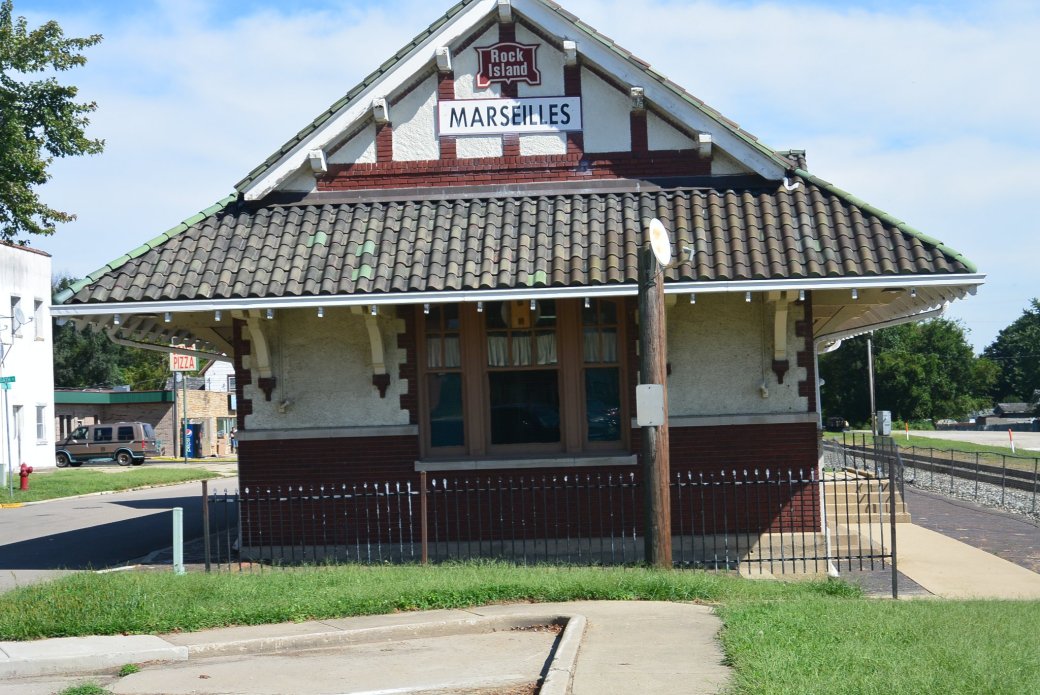
Rock Island Deport Marseilles
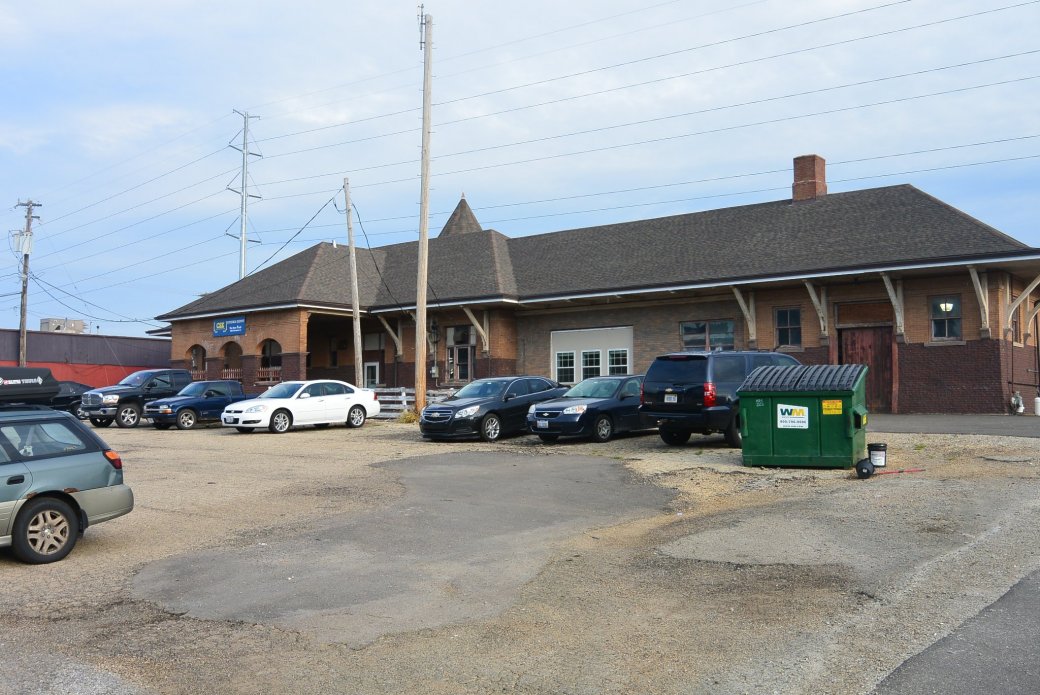
Rock Island Depot Ottawa
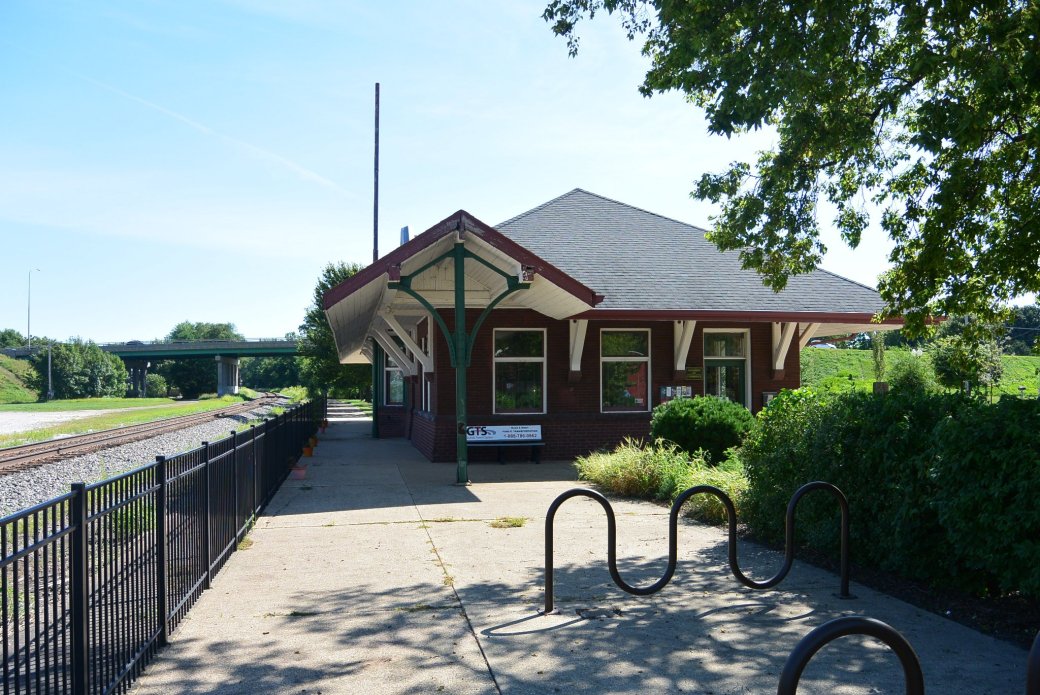
Rock Island Deport Morris
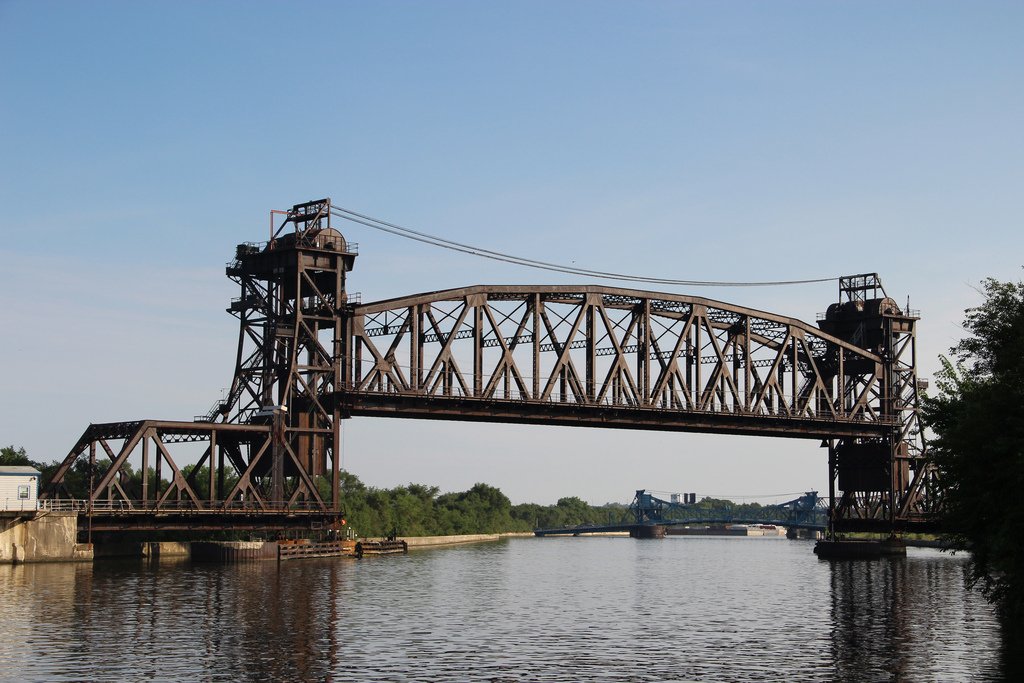
Rock Island Bridge Joliet

Union Station Joliet
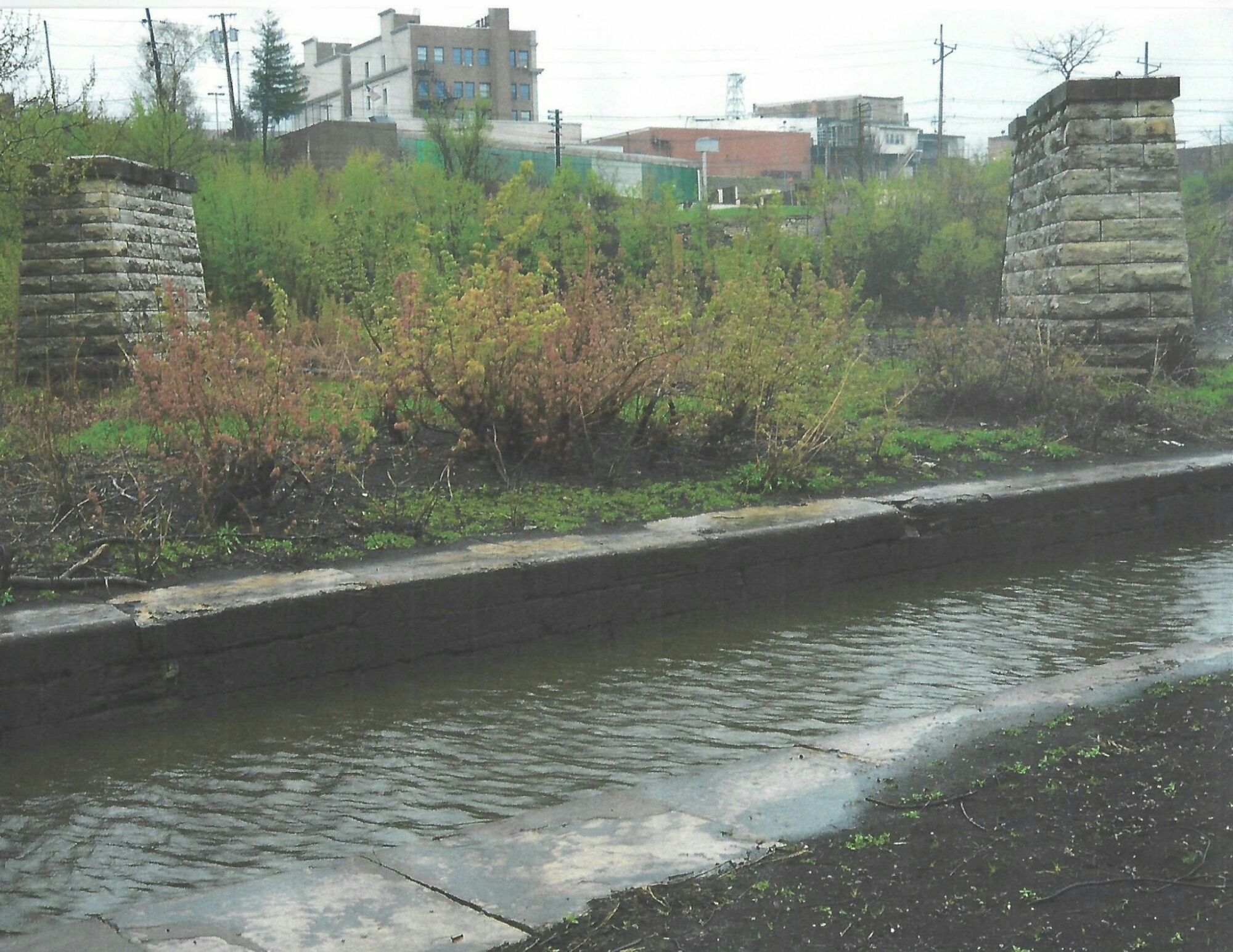
Lock 15
This is a side view of Lock 15 Illinois Michigan Canal. This the last western lock. Distal to this lock is the steam boat basin. This is where the Illinois River steam boats docked. Cargo was transferred between the canal boats and the river boats. Seen on this view are the limestone of the Lock walls. There are no gates present. In the back ground are the limestone piers of the Bulington Railroad Bridge.
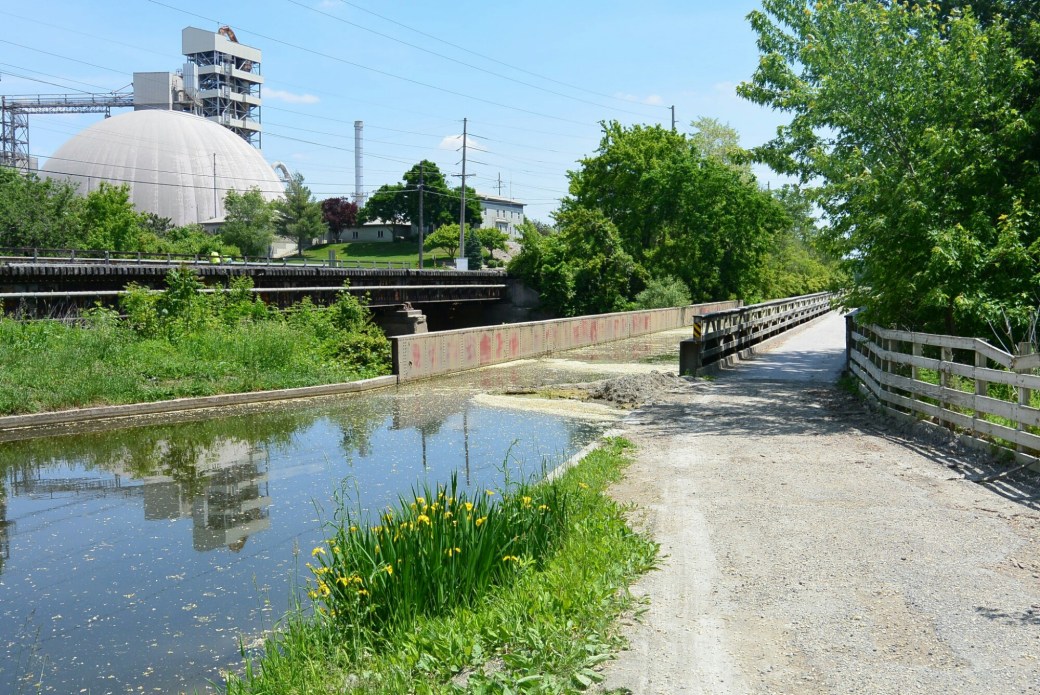
Aqueduct over the Little Vermillion River LaSalle
This is a view of the the aqueduct over the Little Vermillion River in LaSalle. Railroad tracks are seen on the left side. The Alpha Portland Cement Company is also seen on the left.
It is difficult to describe the geography of the I and M canal as it winds its way through Joliet. The reason for this is the history of the area. The canal was completed between 1836 to 1848. Until the 1890’s, it was very stable in appearance. However, in the 1890’s, it appearance was altered by the construction of the Chicago Sanitary and Ship Canal. A second alteration occurred with the development of the Illinois Deep waterway.

Possible remnants of Original Lock 5.

Remnant of old Lock5
Originally, as the Illinois Michigan Canal headed north and east towards the city of Joliet, it was adjacent to the DesPlaines River along its west bank. A dam (2) was built on the river near Jefferson Street. This created a widening called the lower basin. Just east of the dam, there was a guard lock on the canal at the site where the canal entered the river. The purpose of this lock was to prevent the river from backing up into the canal. The merged canal and river proceeded east to Jackson Street. At this location, there was a lock (5) and a dam. The dam created a second widening of the river called the upper basin. The dam also provided hydroelectric power for Economy Light and Power. The merged canal and river proceeded north and east of this area until the canal eventually entered its separate channel on itsway towards Lockport. There was apparently a guard lock at this site.

Dam 2 DesPlaines River
With the creation and the extension of the Chicago Sanitary and Ship Canal, there were multiple changes. The Jackson Street dam on the river was replaced with an new one that was 2 feet higher. Lock 5 was rebuilt and raised 2 feet in height. This new lock was in operation by 1899. There was a bypass tunnel from this lock to supply water to the canal extending from north of the dam to Lock 6 at Channahon. A concrete wall was built separating the canal from the river from Jefferson Street probably to north of the Ruby Street Bridge. This wall eliminated the need for a guard lock at the former confluence of the canal and the river. This was taken down in the late 1890’s. Finally, the Jefferson Street dam was taken down.

Lock Guard Removal
In 1908, the Sanitary and Ship Canal was extended two miles south. In this region, there was a new power house. A dam and lock was built at this site. The lock was 22 feet in width and 130 feet long. The maximum lift of this lock was 41 feet. The lock was in service for only several years. This improvement was to replace the I and M Canal in Lockport and Locks 1-4.
In 1933, the Illinois Waterway opened on the Illinois River downstream from Lockport. Several new features were constructed. A new lock was built at the Lockport power house dam east of the original lock. A large dam and lock were constructed at Brandon Road. As a result of this, the I and M canal was flooded back through Joliet. The tow path and dividing wall were submerged. This also created a navigation pool extending back to the Lockport Dam. The dam and lock 5 at Jackson street were eliminated. Near the Brandon Road dam, a new lock (probably 5) was constructed for the I and M canal. This connects the pool covering the original canal upstream to the remainining canal downstream. The upstream side of this lock is covered by a concrete wall. From personal experience, I can say that access to this area is restricted by the army corps of engineers.
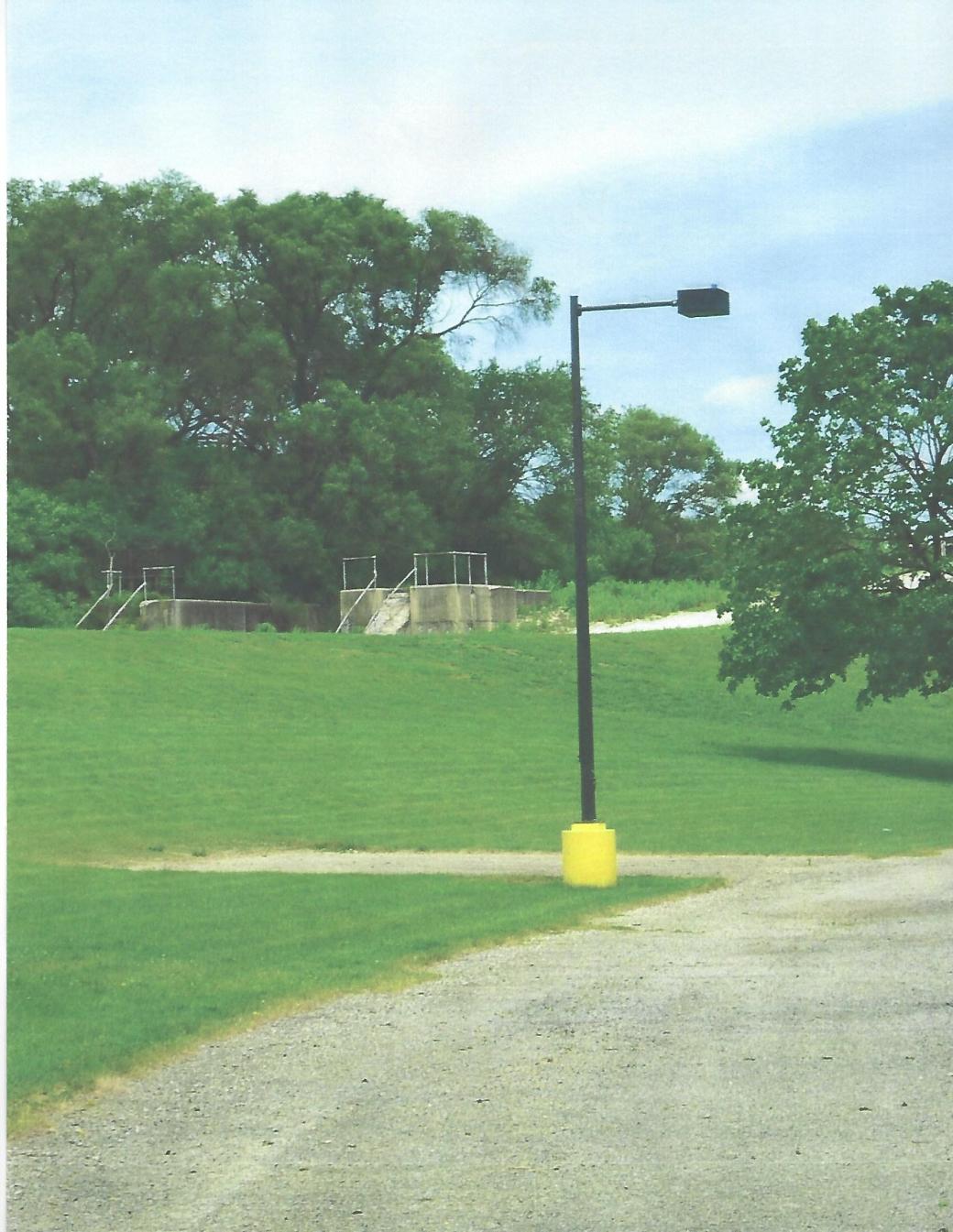
Rebuilt Lock 5 near Dresden Road
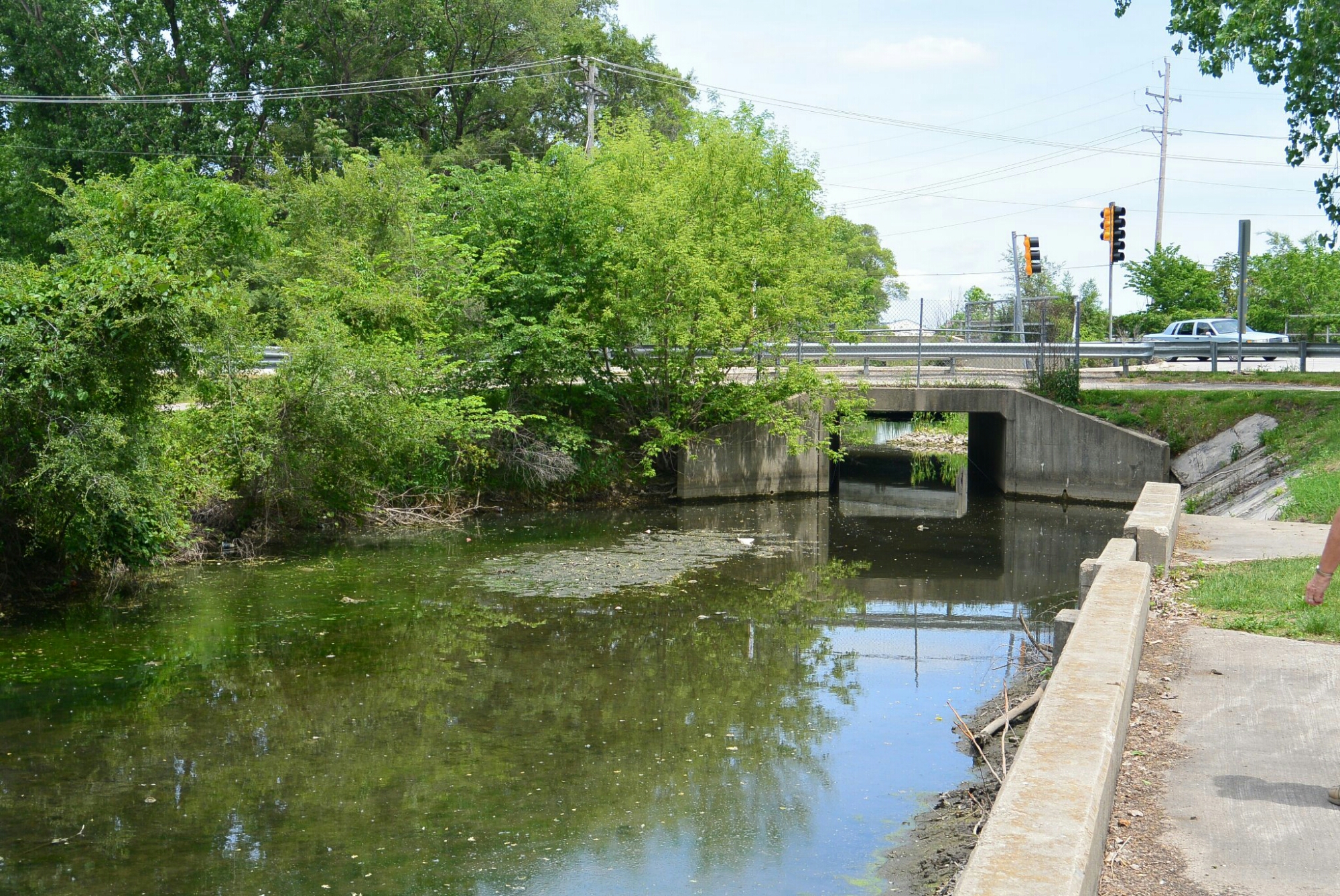
I and M Canal West of rebuilt Lock5

