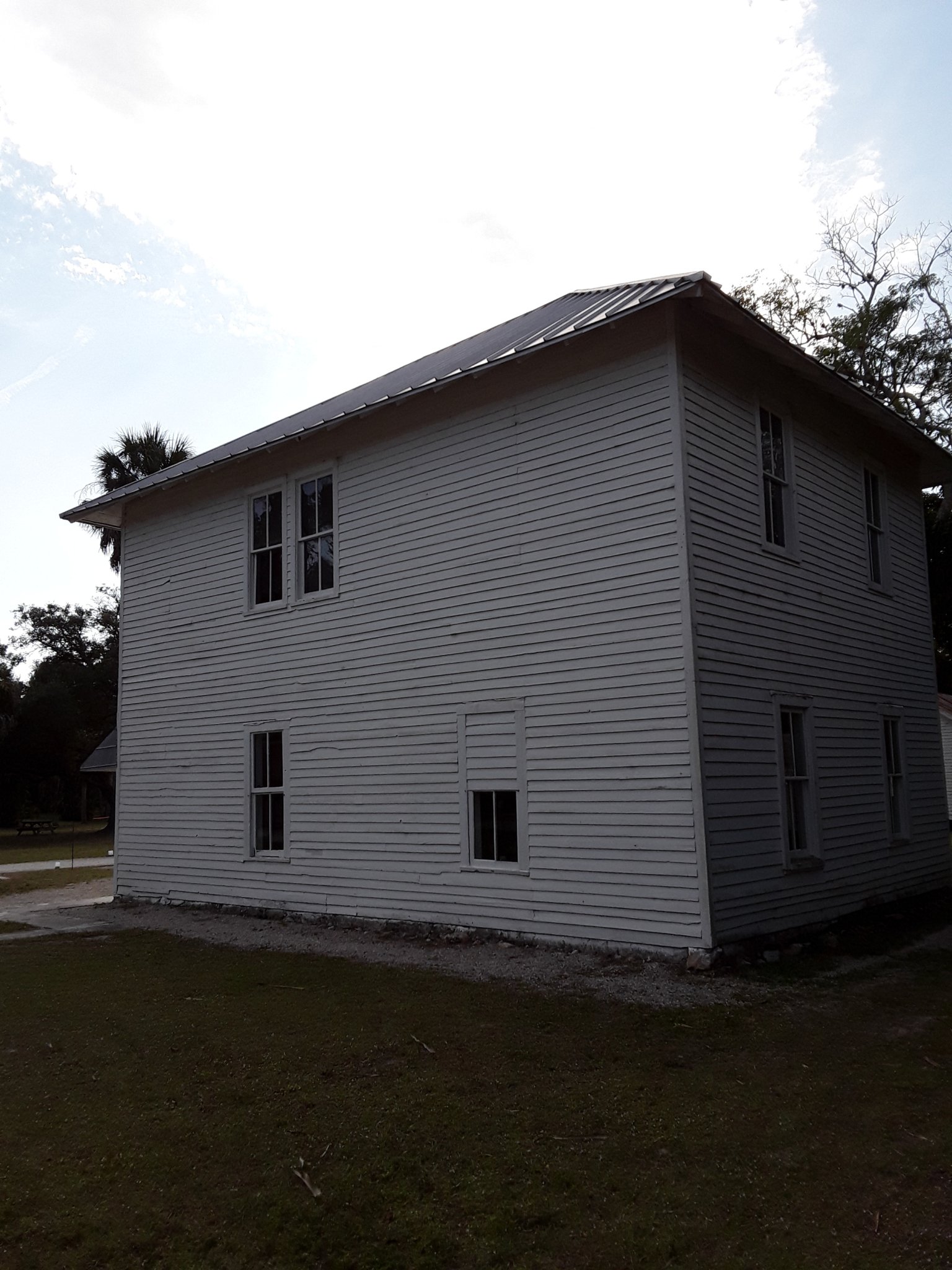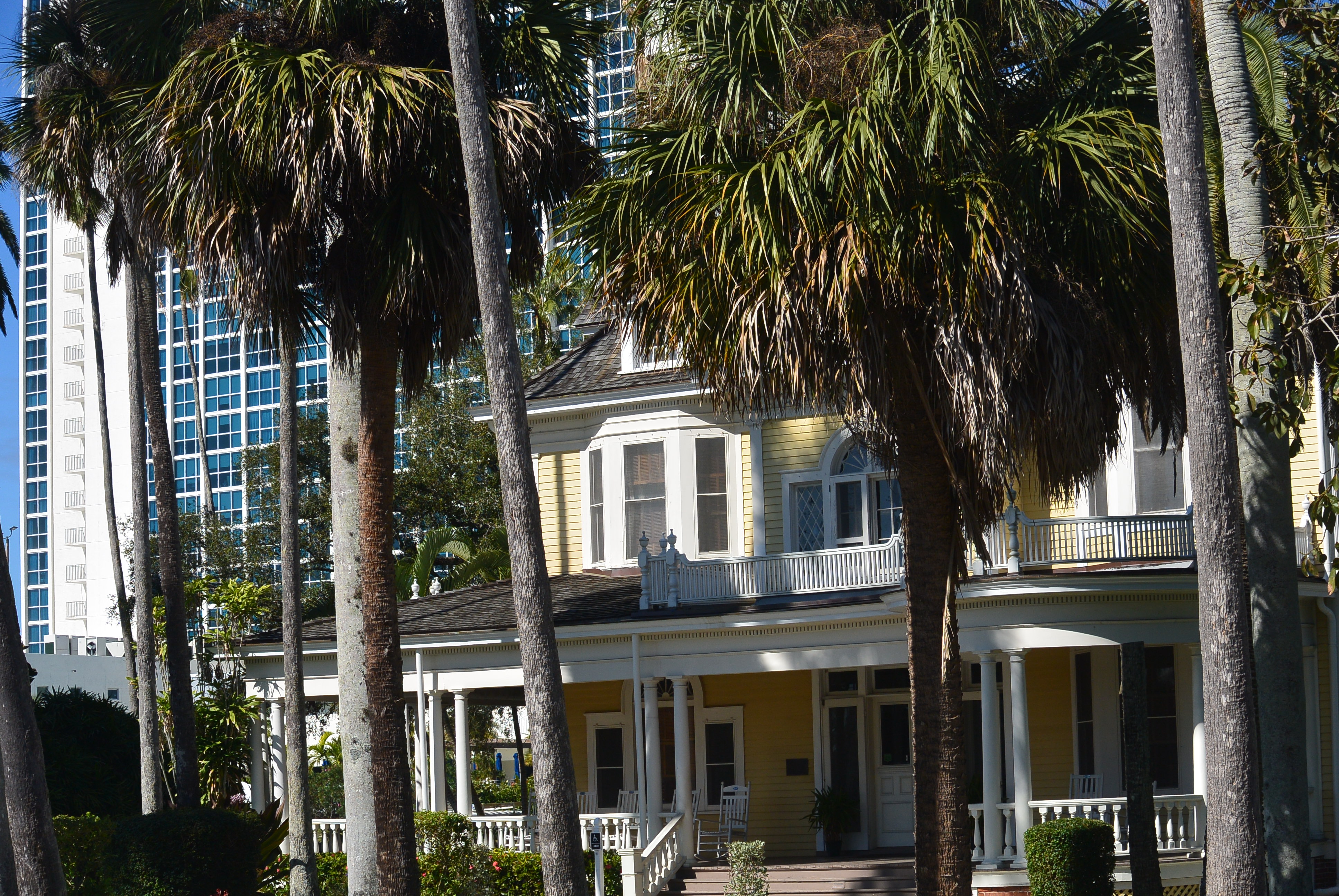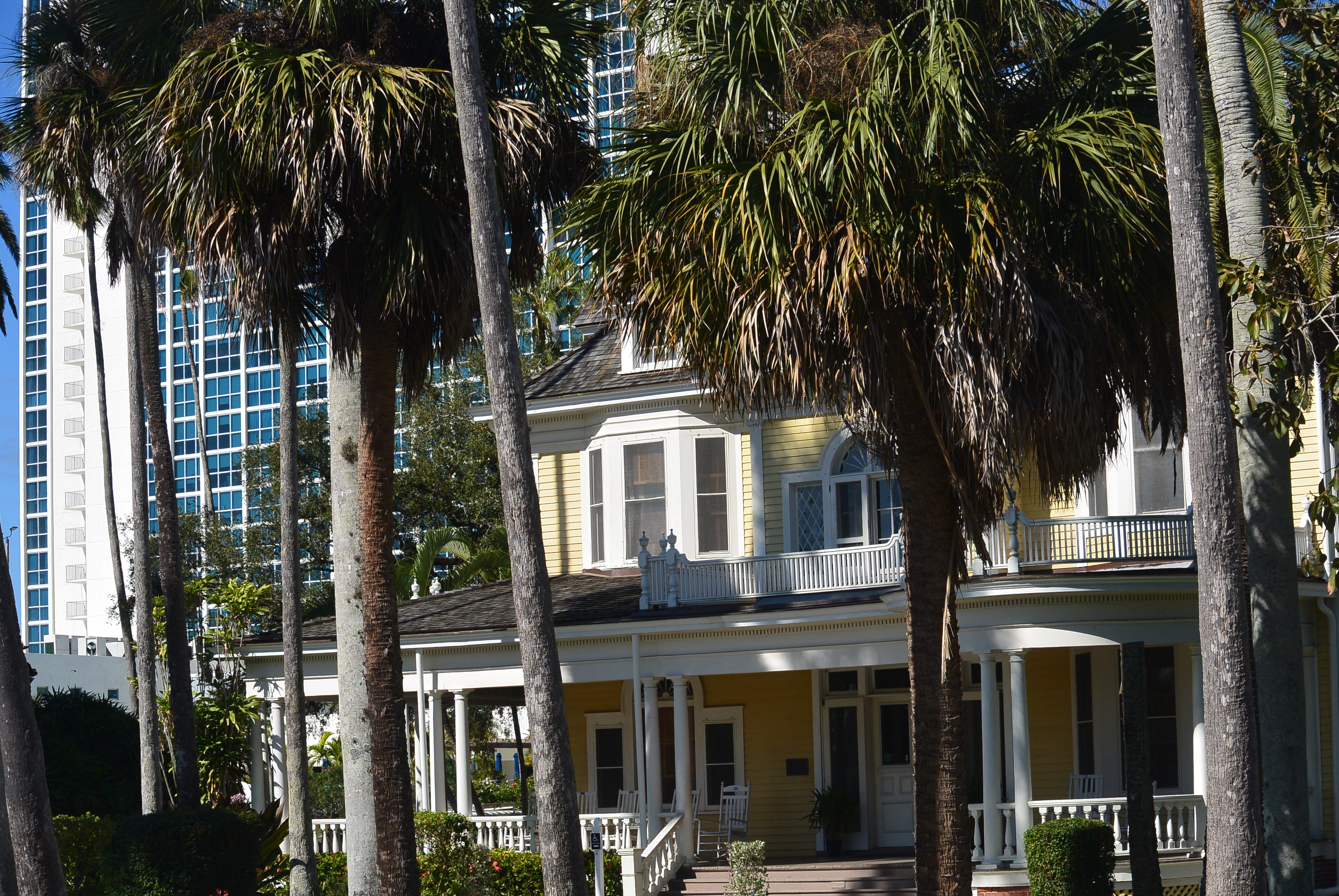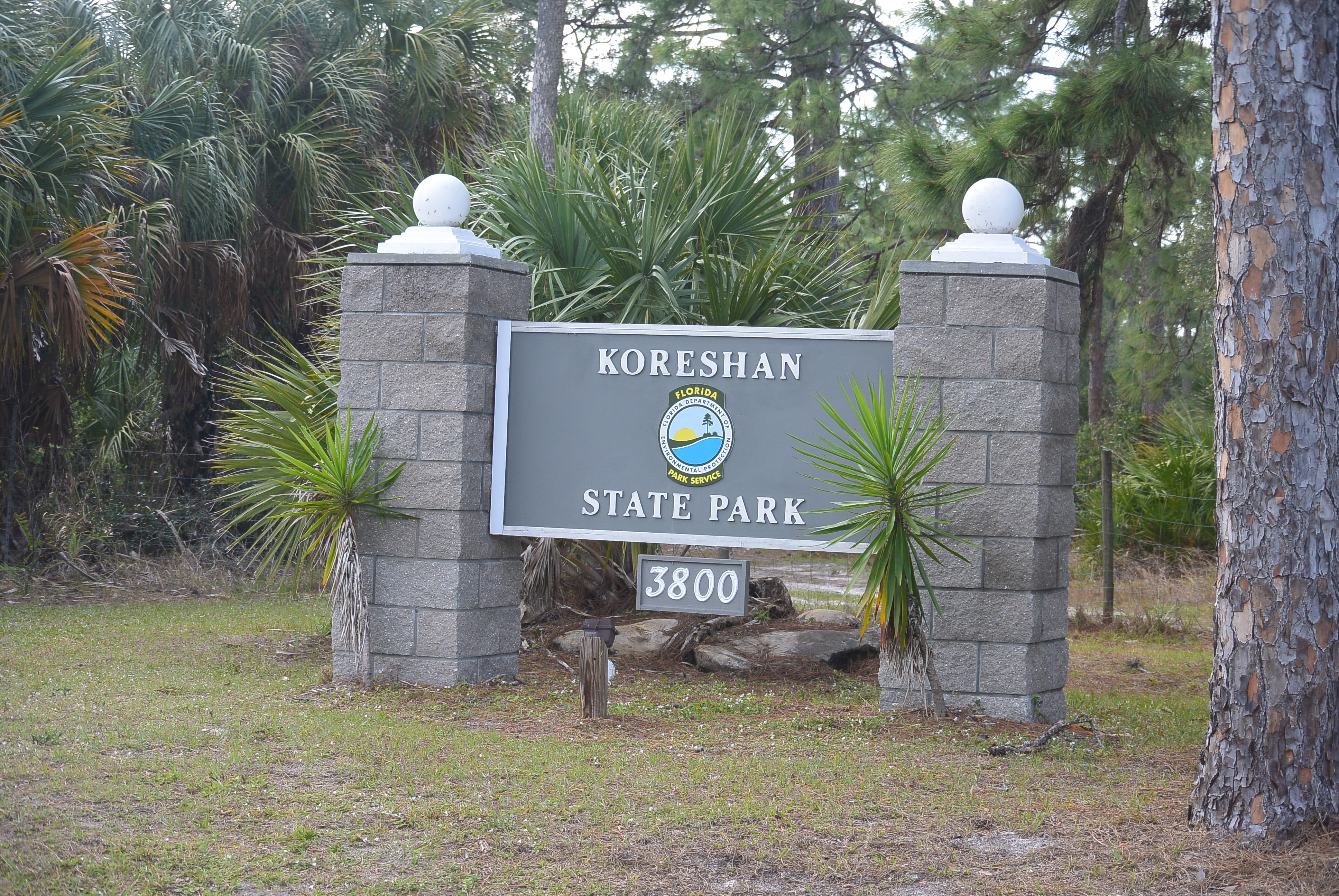
Koreshan State Park

Koreshan State Park


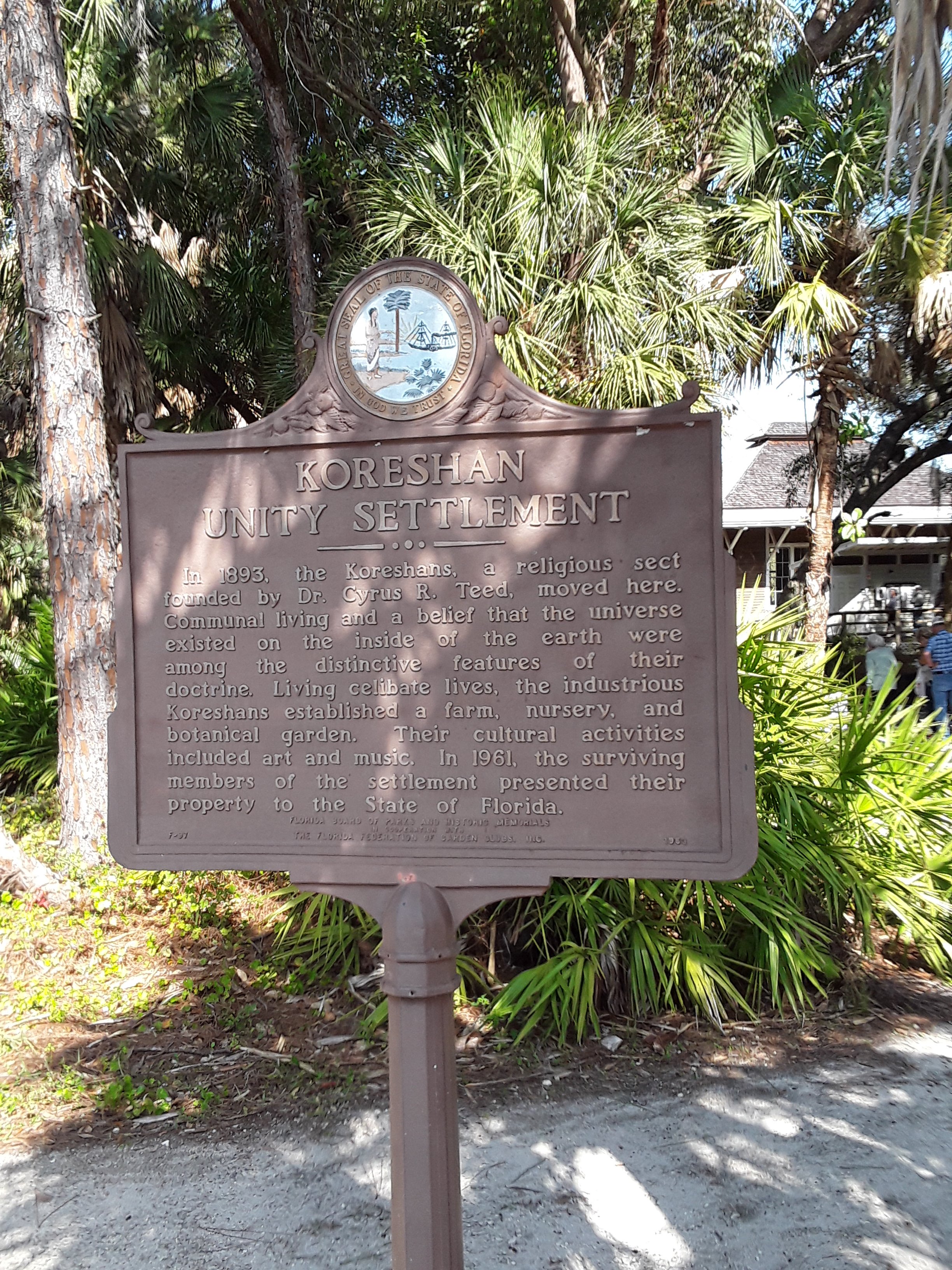
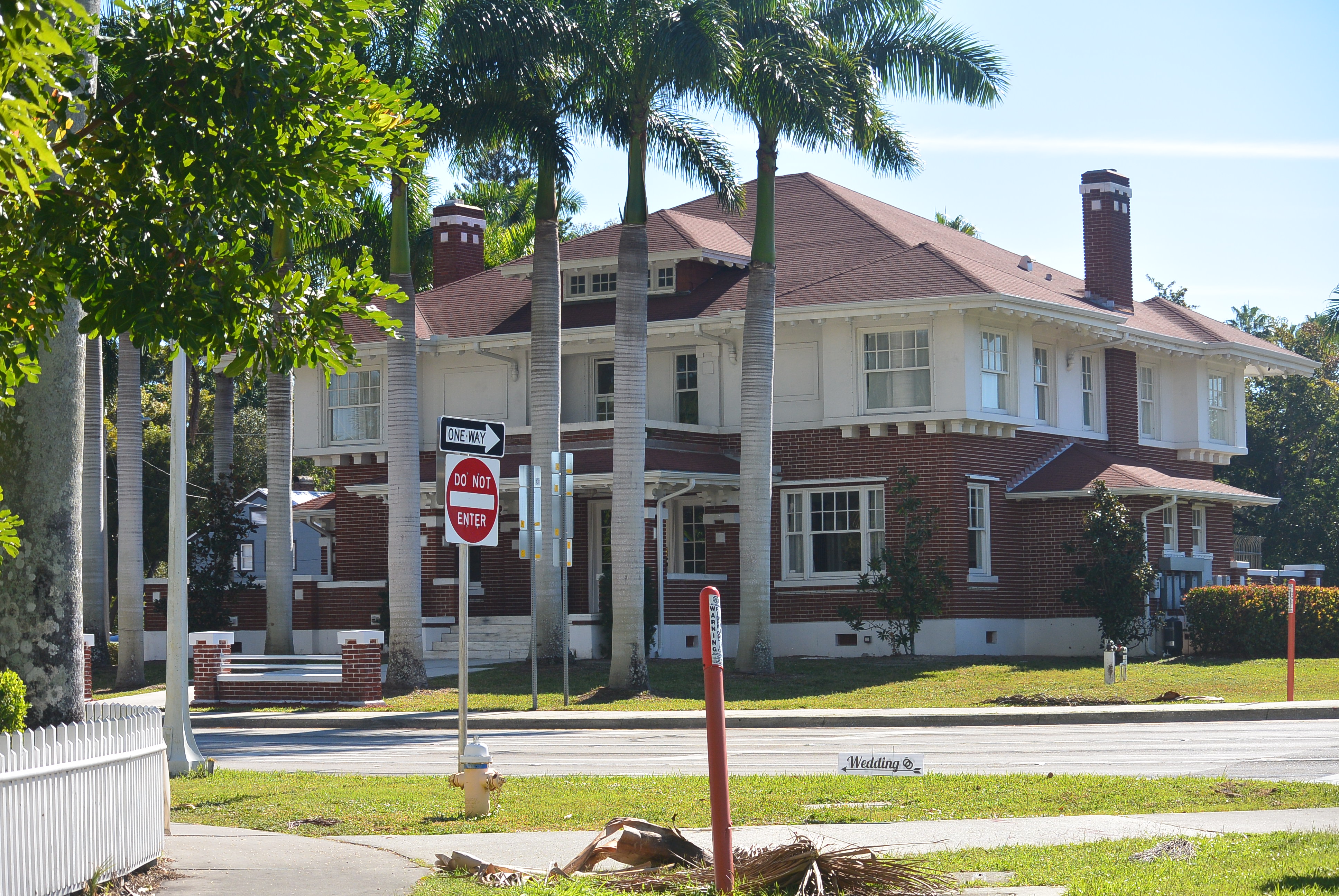
Koreshan Park is a state park in Lee County, Florida.  It was added to the National Register  of Historic Places on May 4, 1976.  It is the site of a religious  colony, the Kordeshian Unity.  Its last member deeded the property  to the state of Florida  in 1961.Informational  Sign       The Koreshan  Unity was a religious communal utopia. Its founder was Cyrus Teed, a medical d8 from Utica, New York.  The community started in New York in the 1870’s.  He moved to Chicago  where his followers  formed a commune in 1888 called Beth Ophra.  The community  relo6 to Estero, Florida  to form the New JerusalemPlanetary  Court

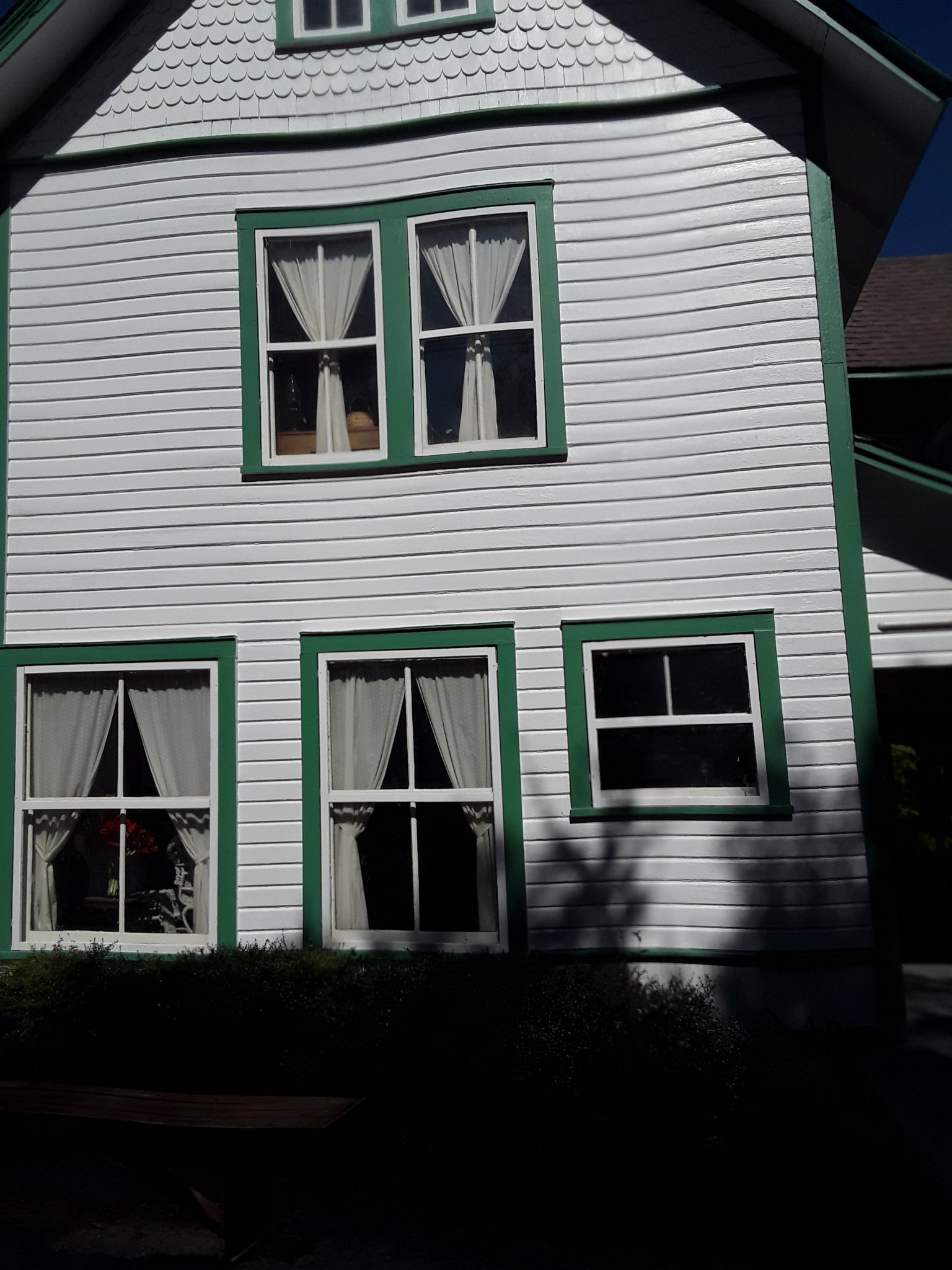
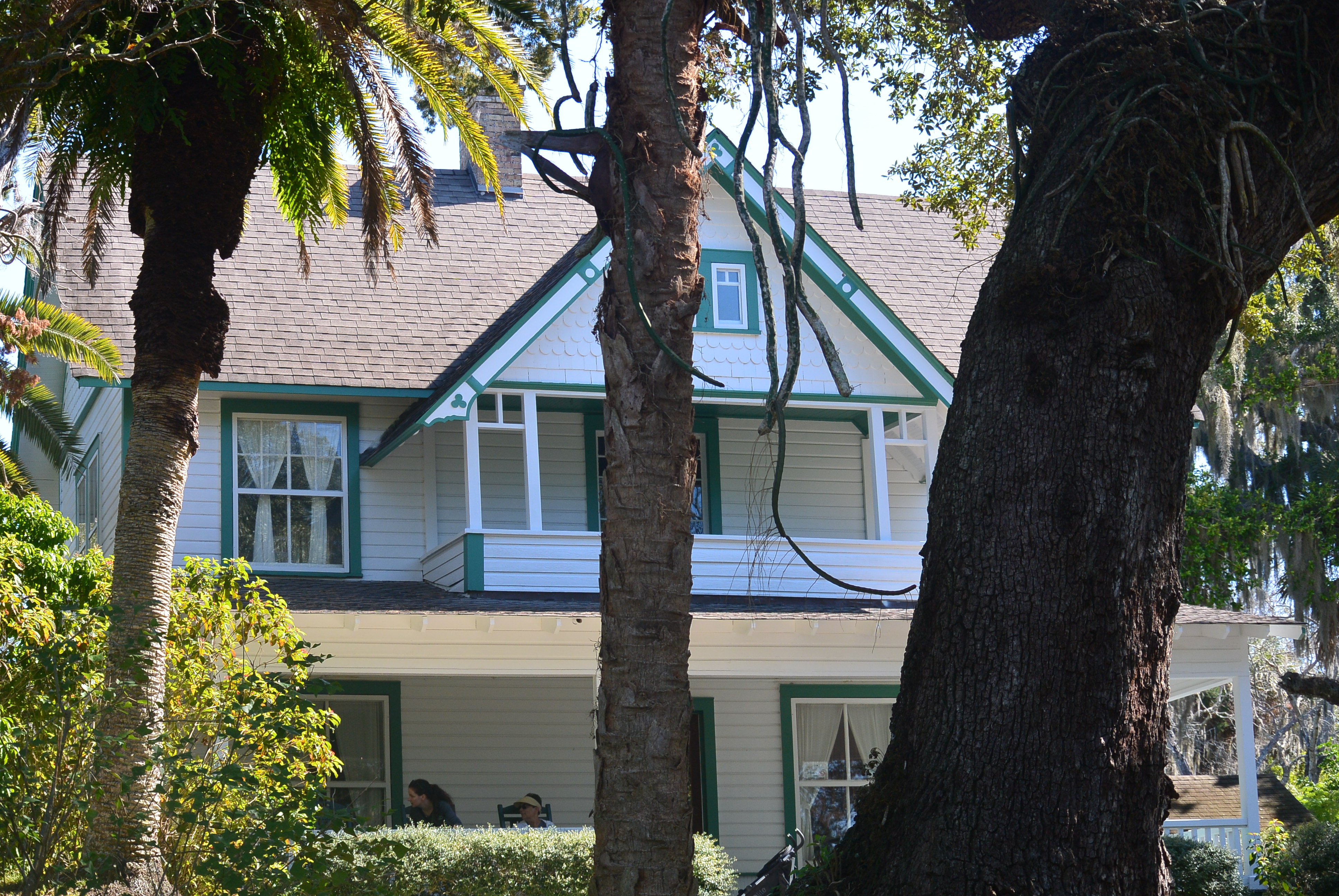
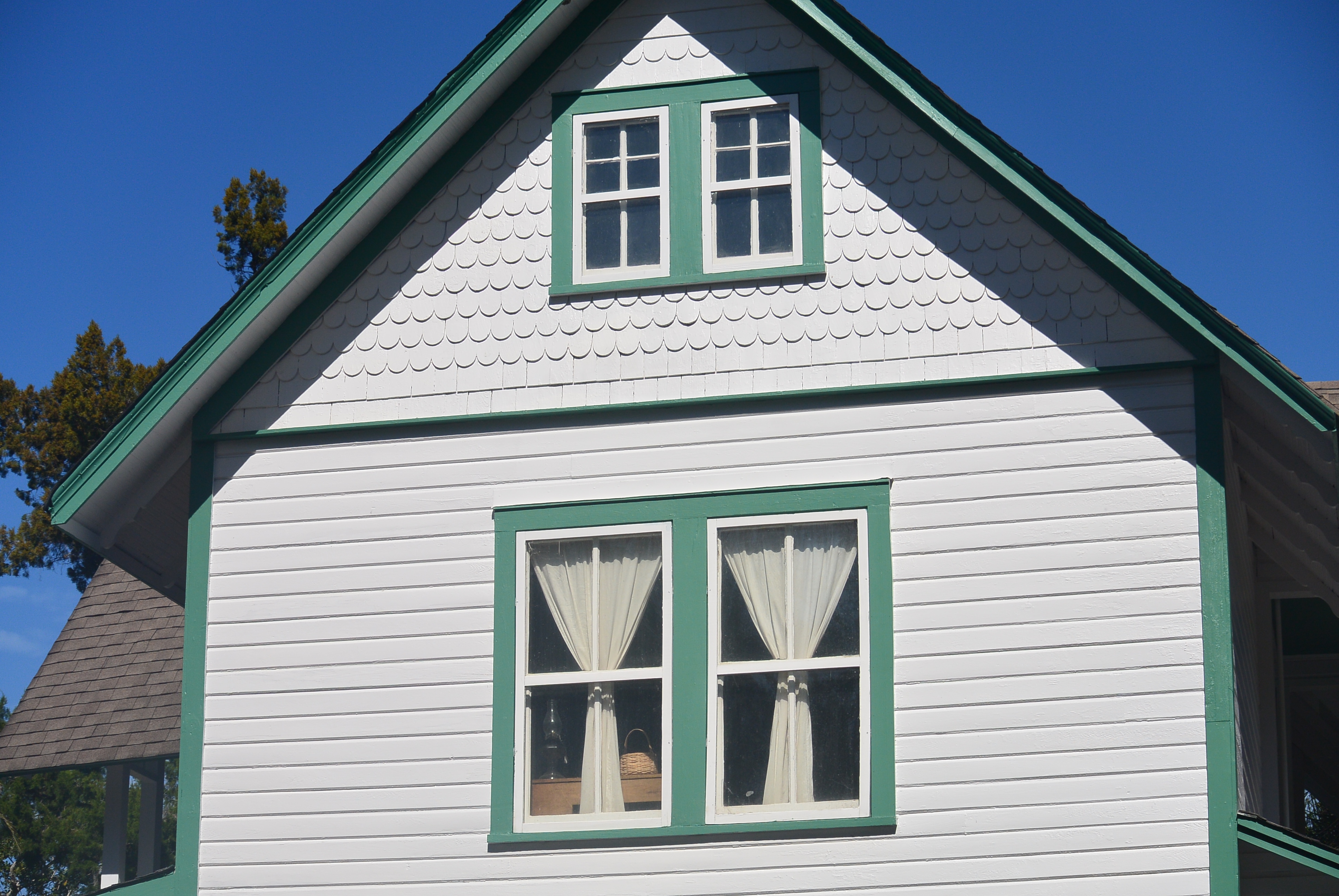
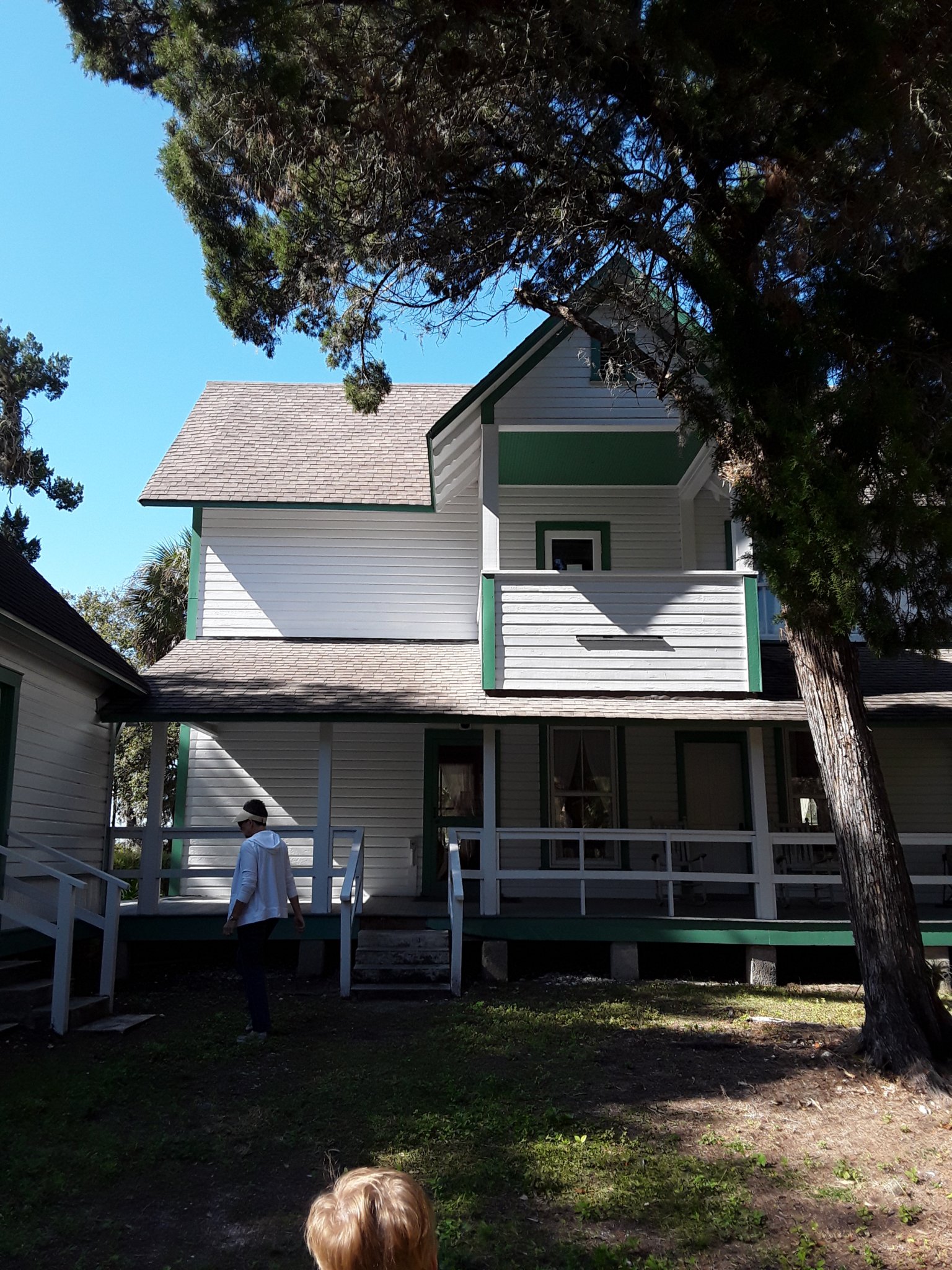
Planetary Court

Same as above
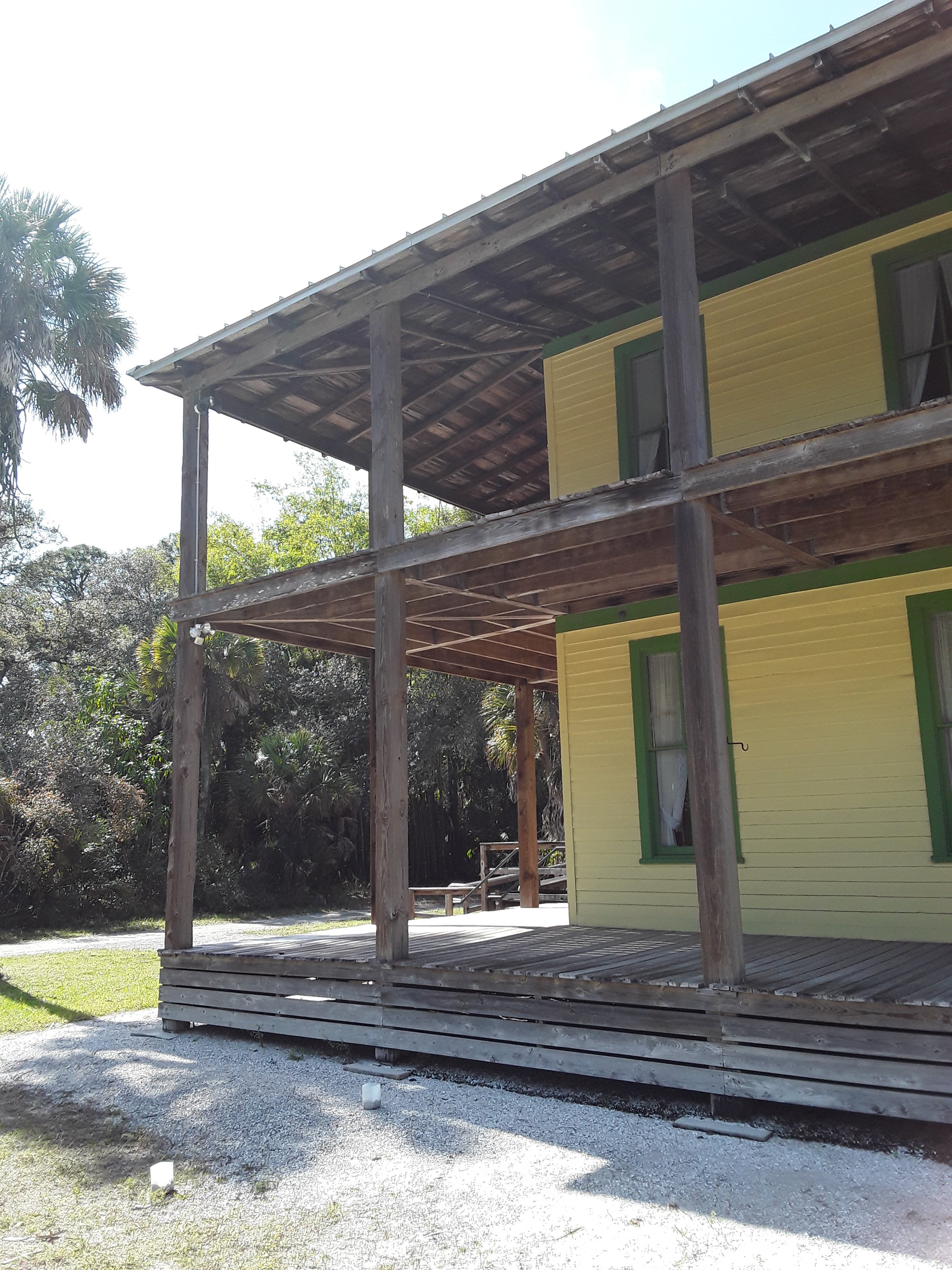
Planetary  Court

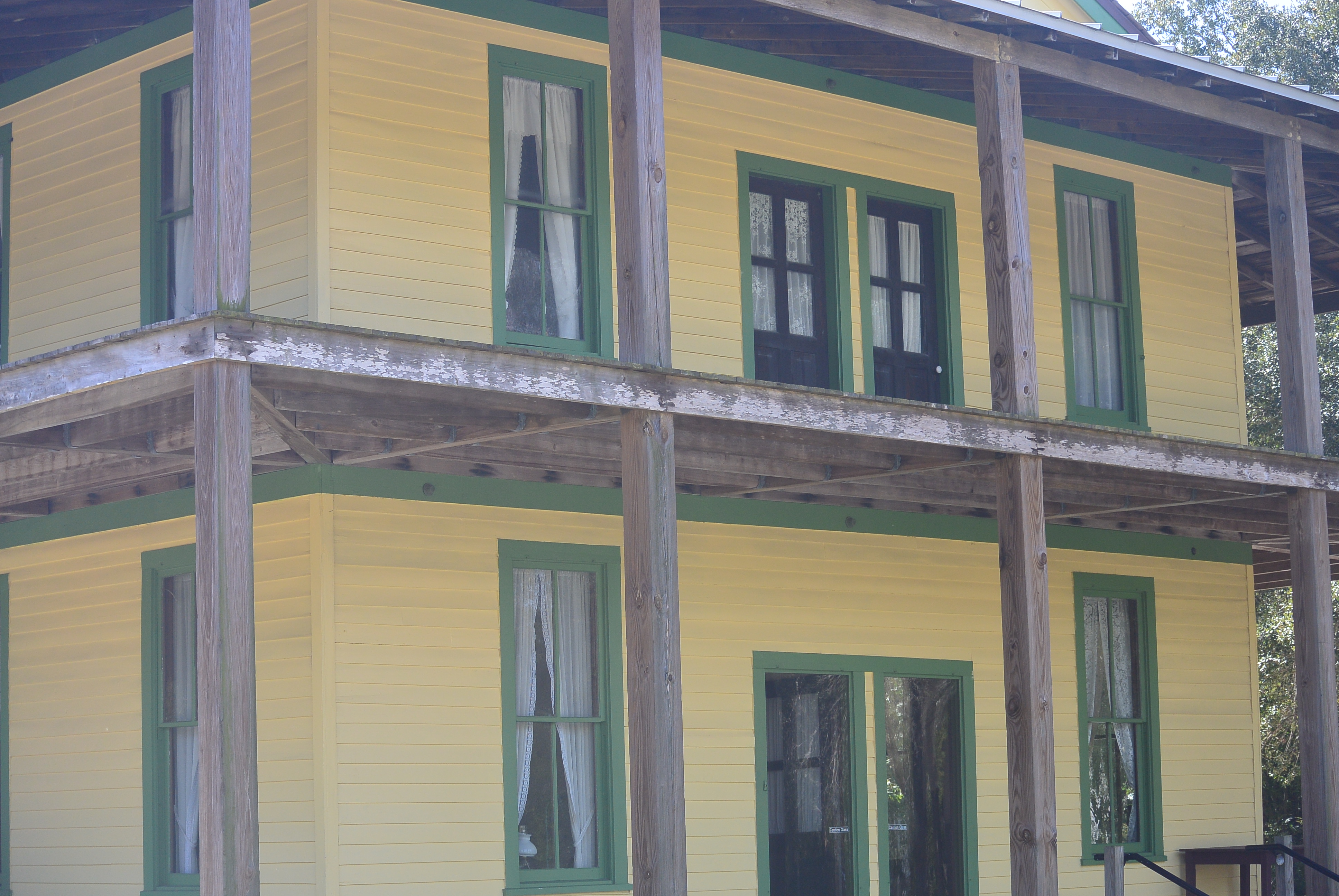
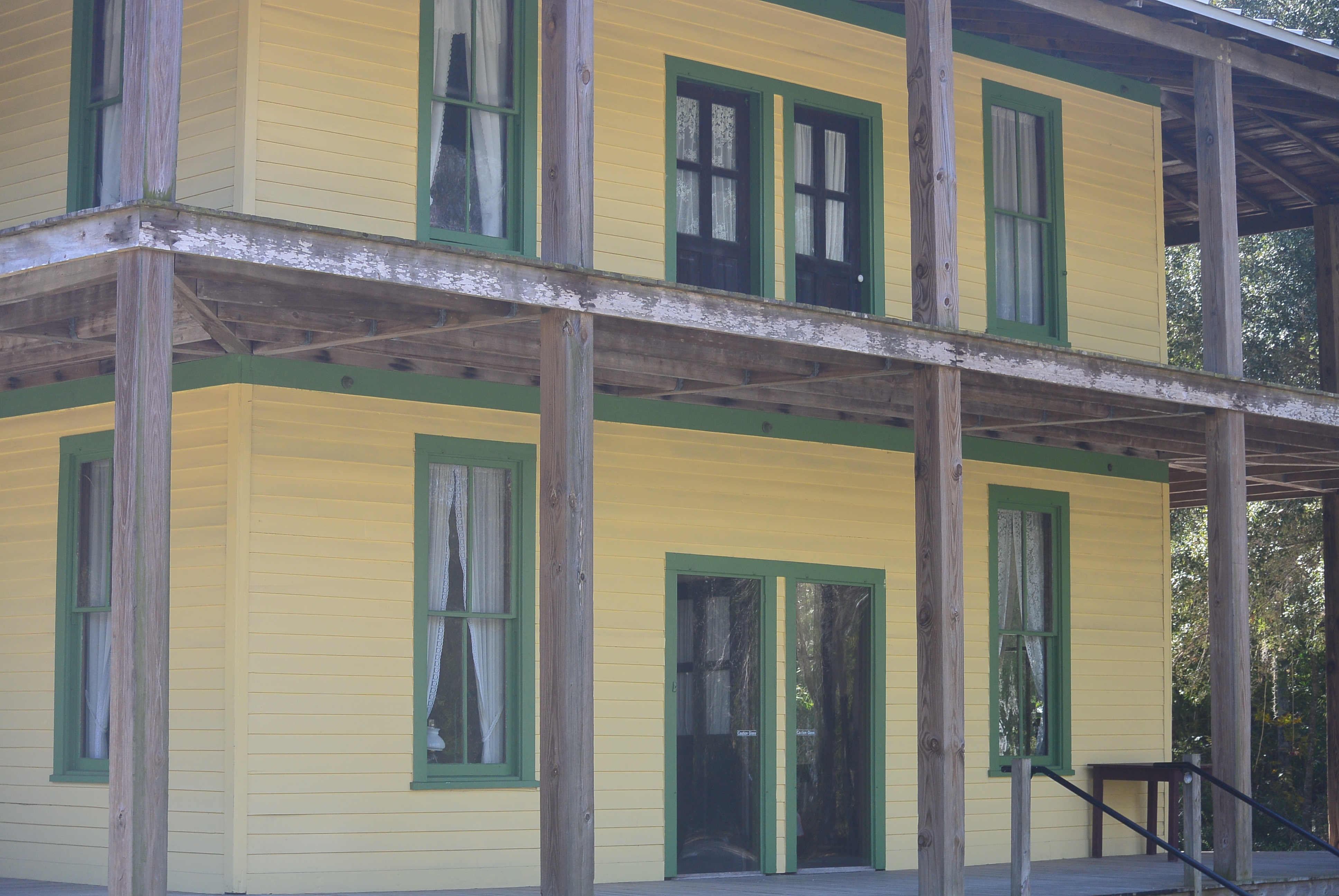
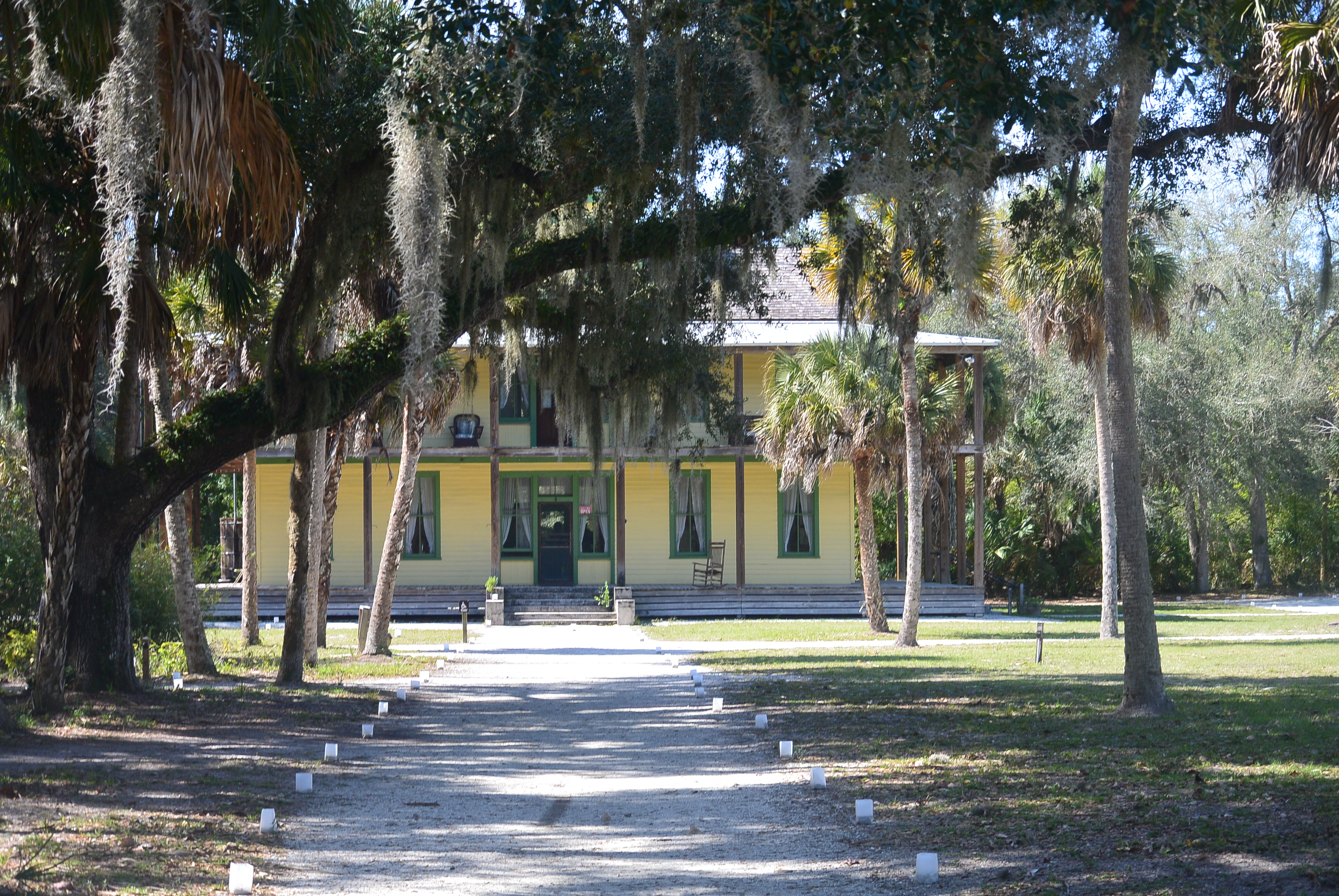
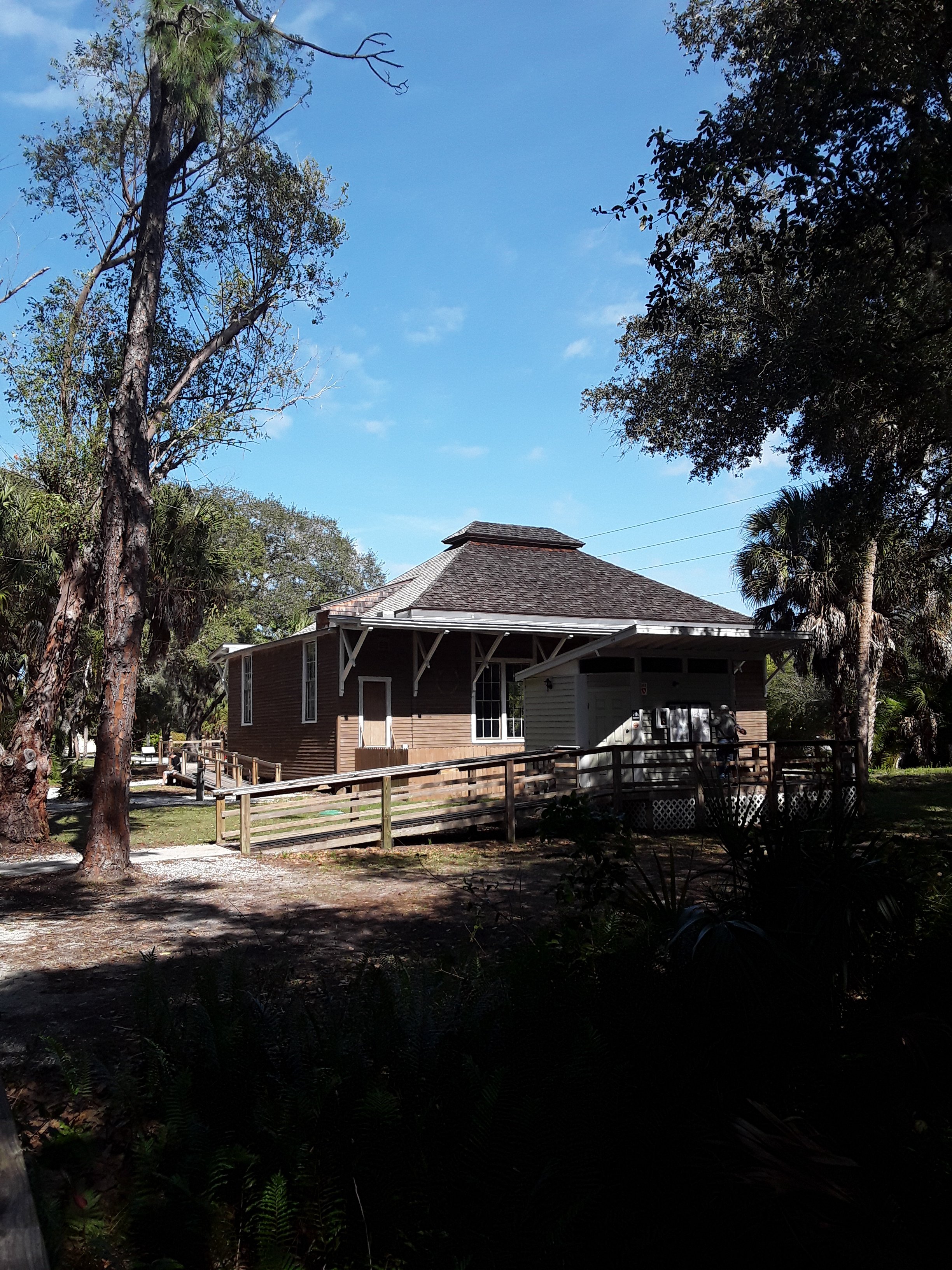
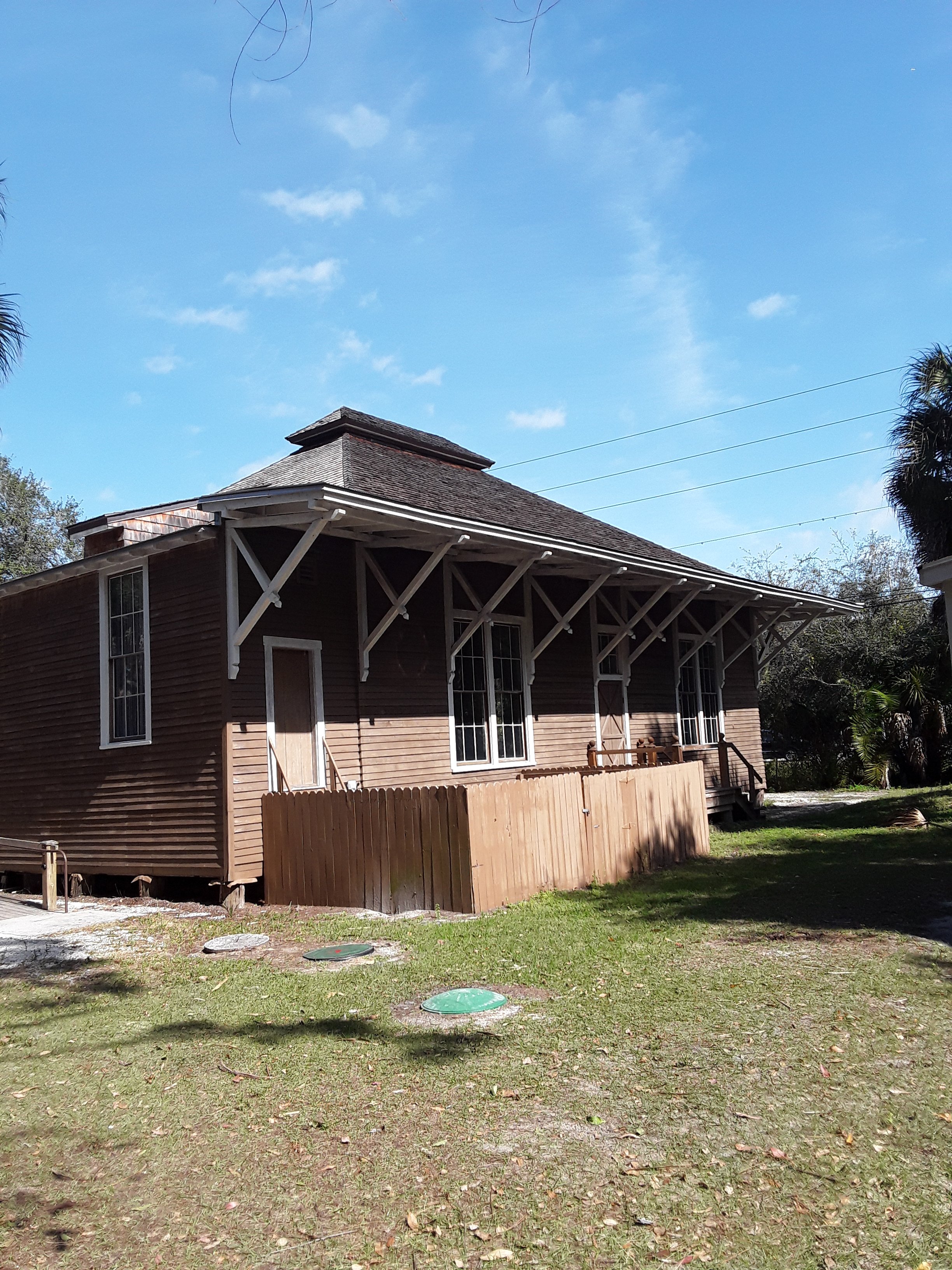
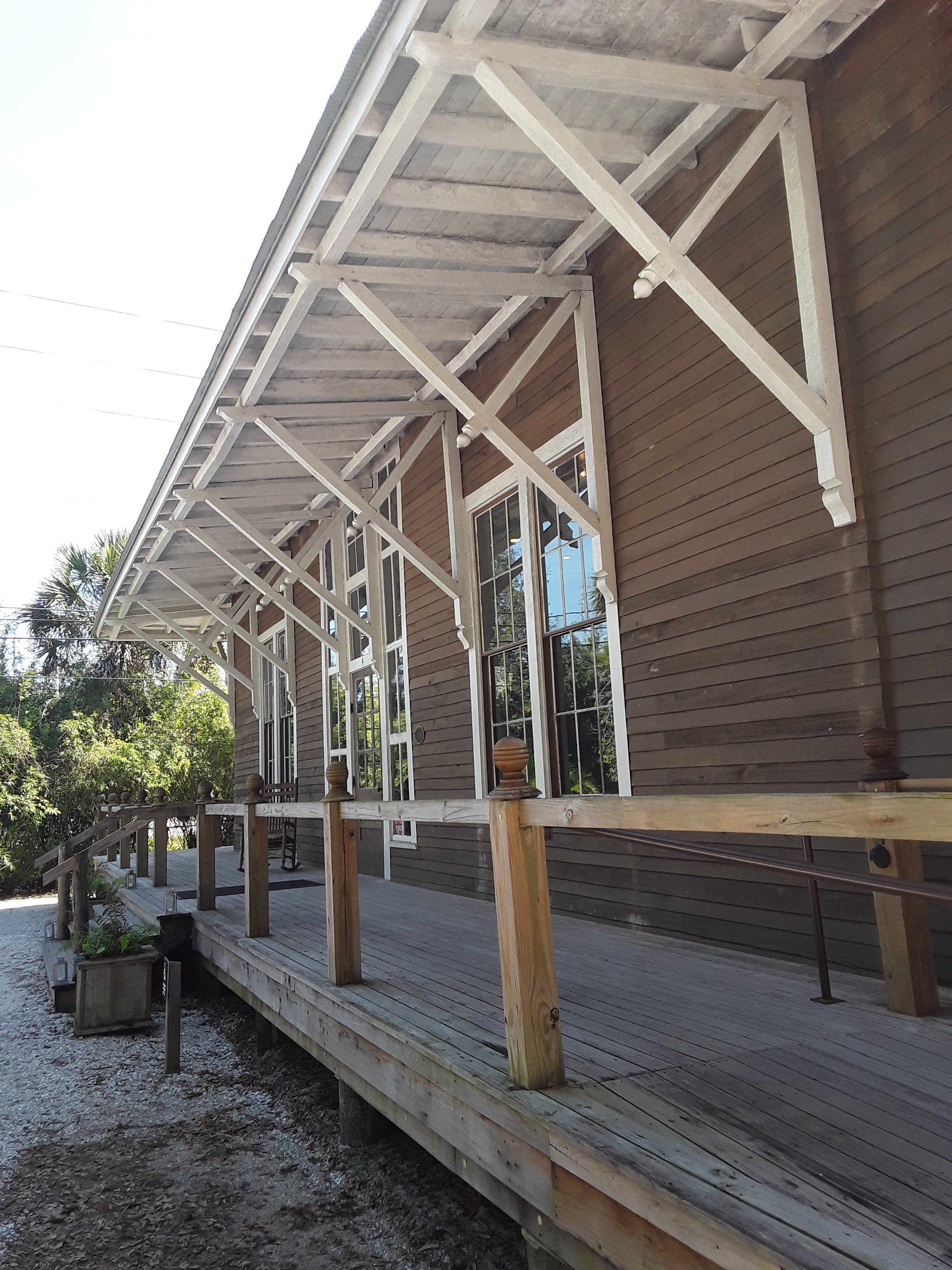
The Planetary Court  Building  was constructed  in 1904.  Seven women  comprised  the Planetary Chamber which was the governing  council of the Koreshan  Unity.  These women  lived in this three story building.  Each had her own room.    The exterior  of the building  was covered in heavy kraft paper to eliminate drafts in the winter  and to protect against insects.   Furniture in the building originally  came from Chicago.   Day to day business  of the settlement was conducted by the sisters  of the Planetary Court. Art Hall       The Art Hall was built  in 1905 by professors and students  of the Koreshan Pioneer University .  The Hall served as the cultural, social, educational and religious center for the Koreshan Settlement.  Theatrical  productions, lectures and musical events were part of the life of the community.  Public events drew large crowds
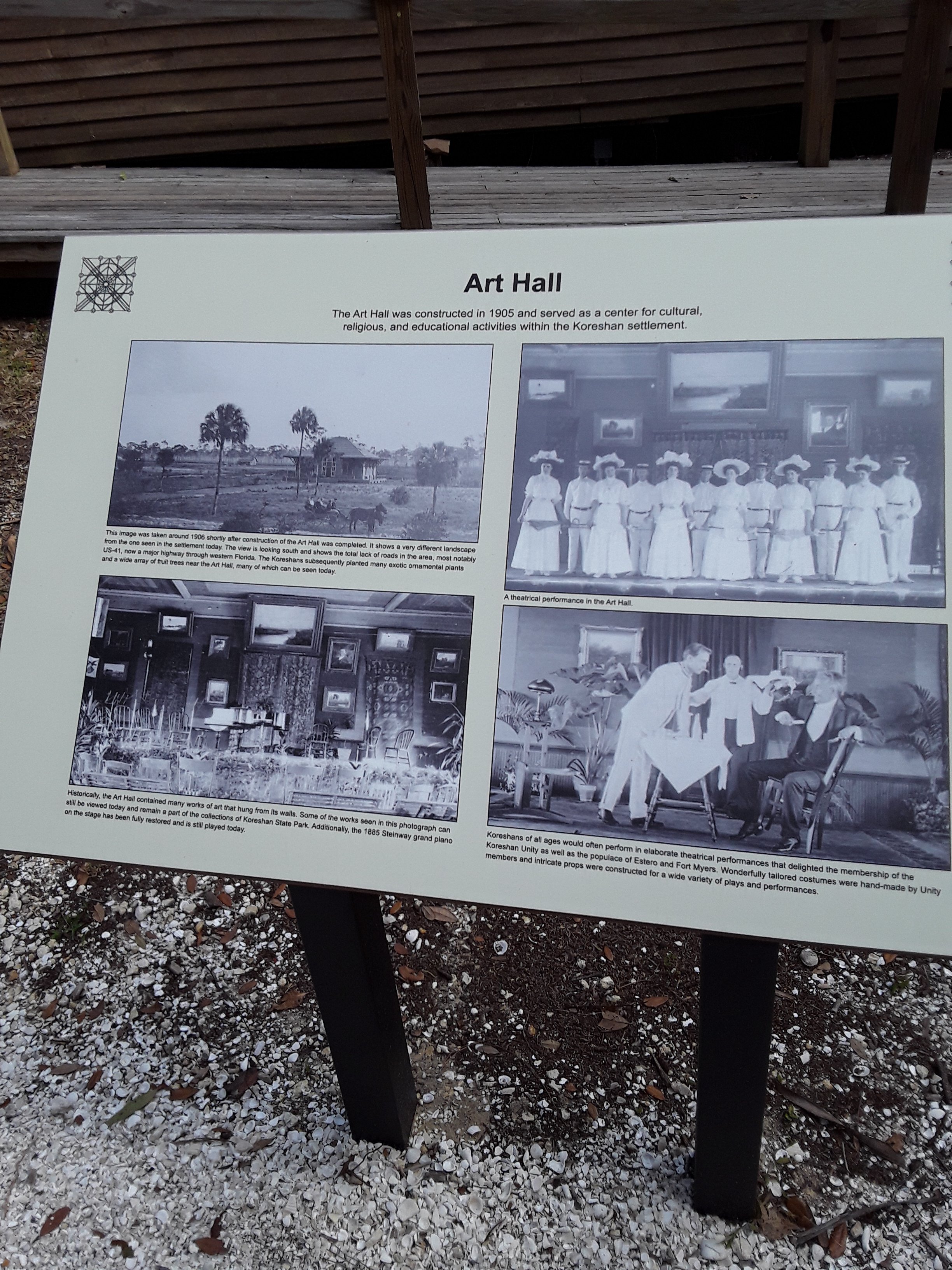
Art Hall
Art Hall
Same as above
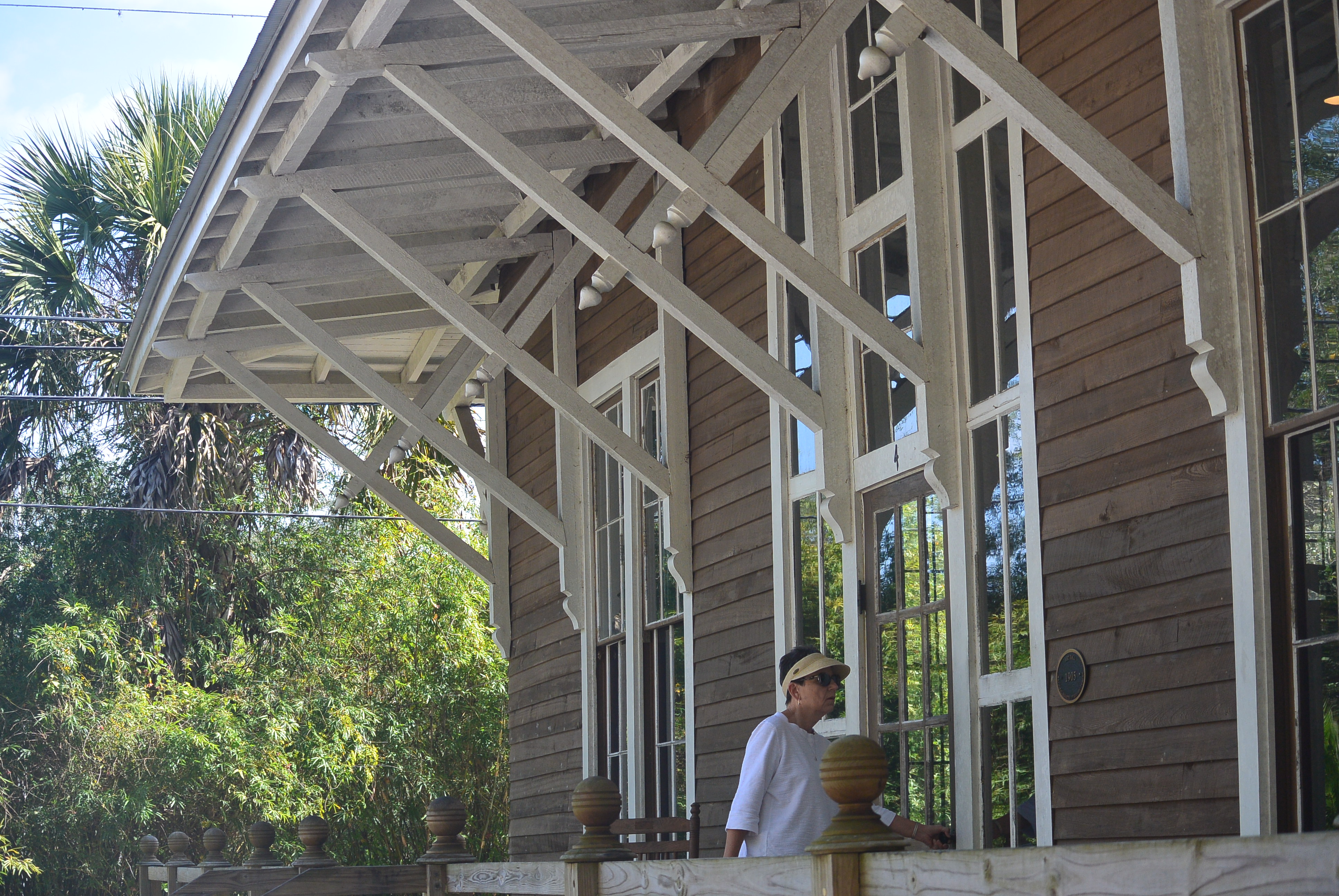
Same as above
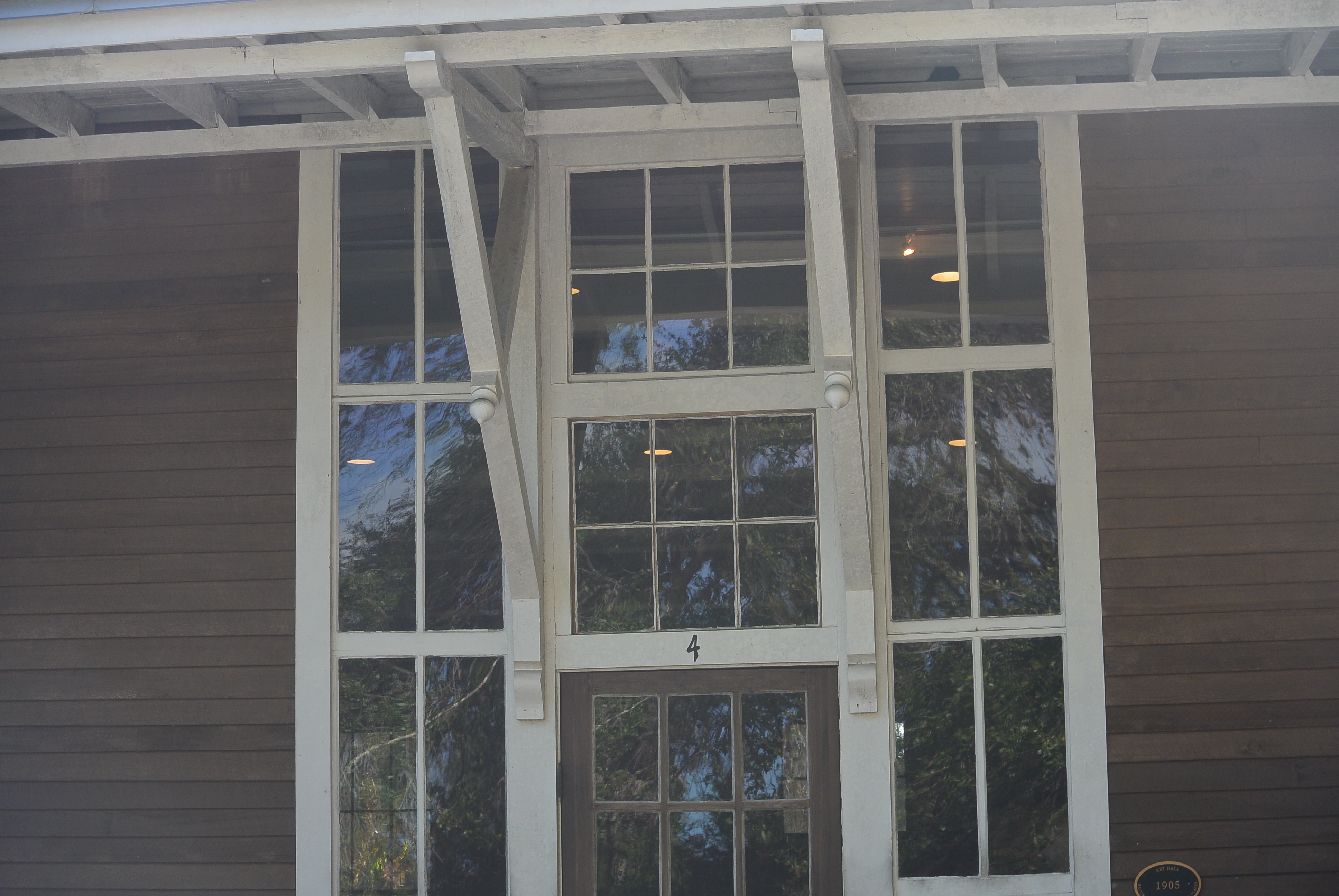
Art Hall
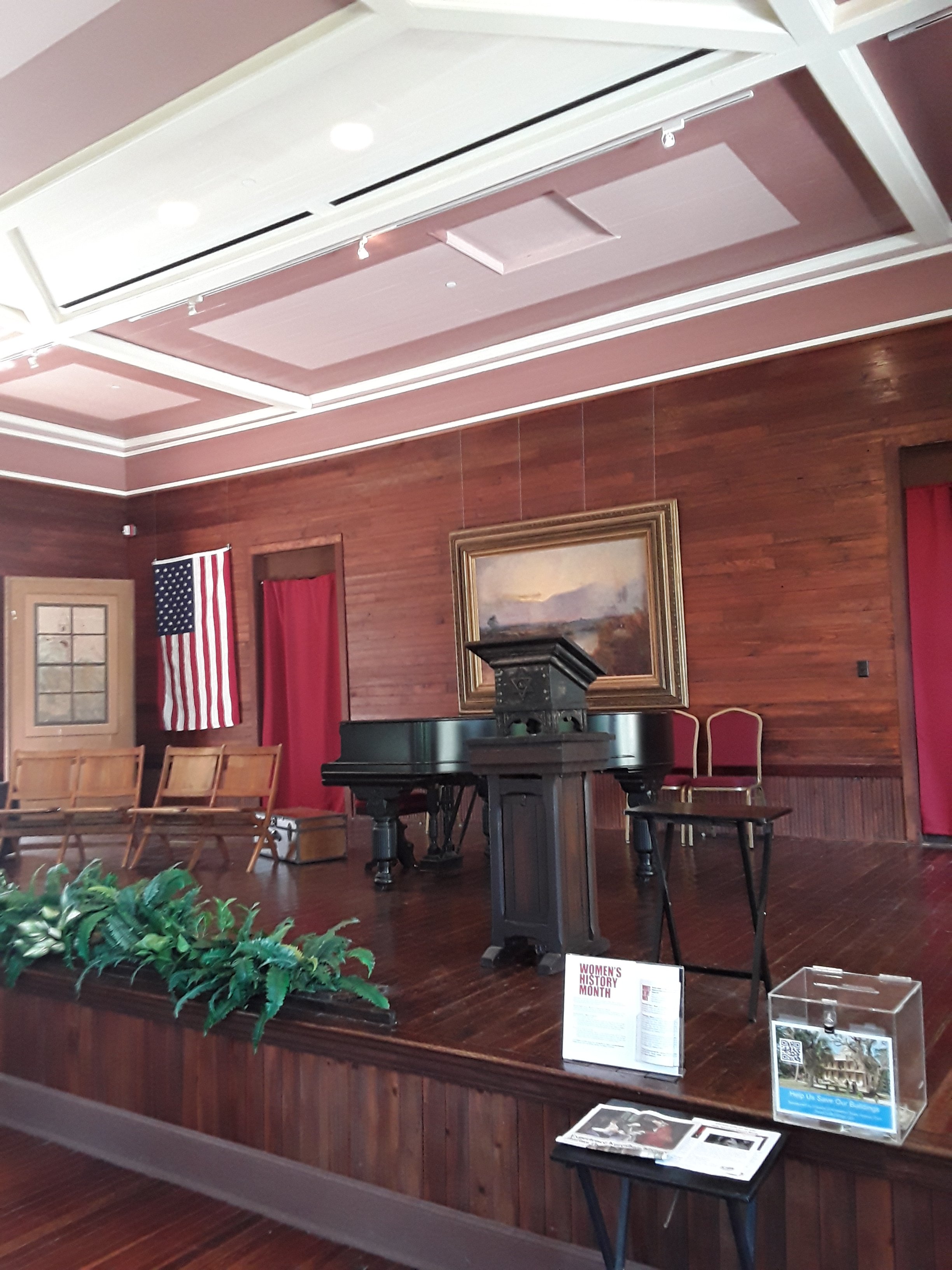
Interior Art Hall
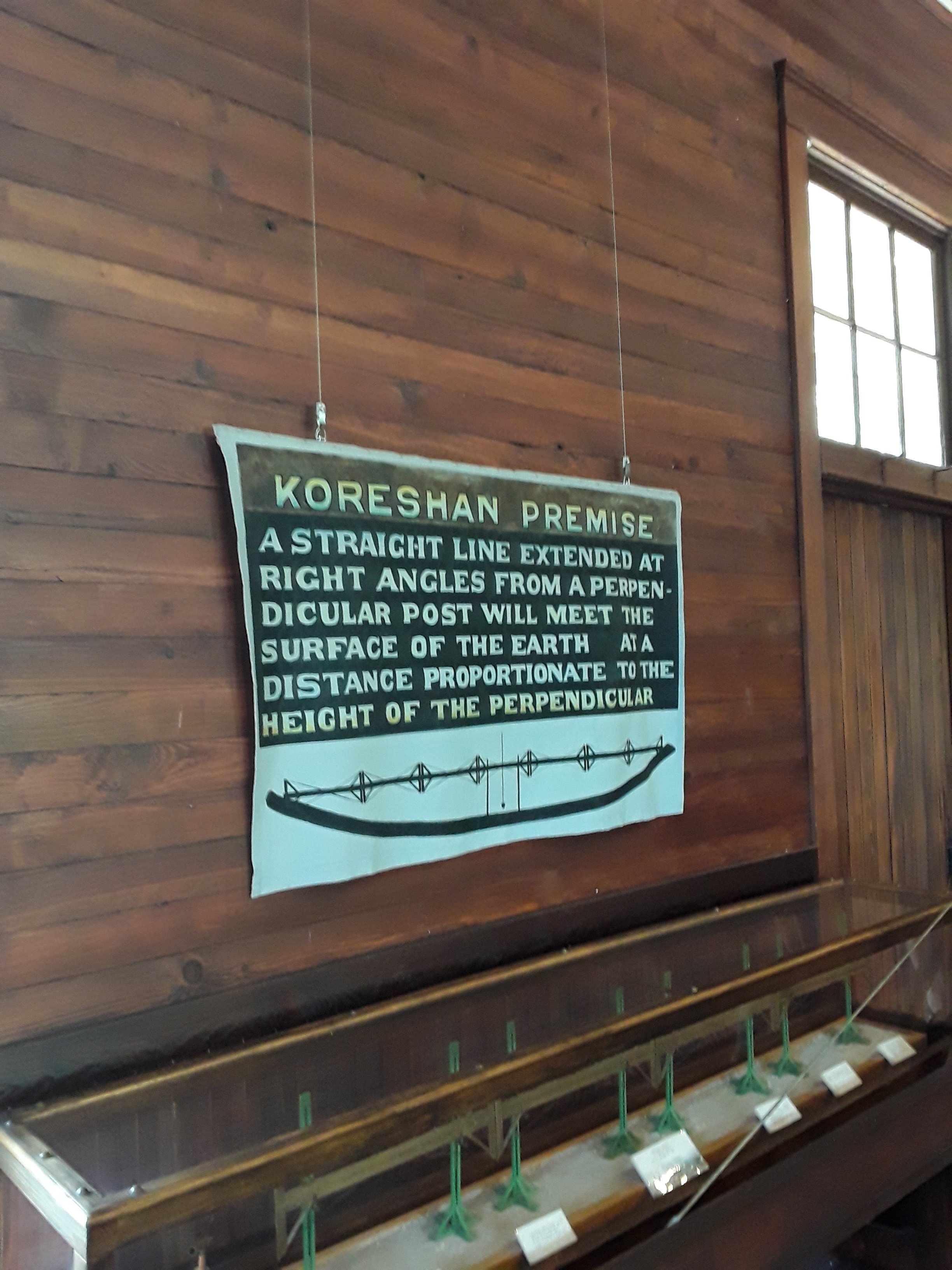
Art Hall Interior

Inside the building are paintings of Douglas Arthur Teed (founder’s son) as well as other Koreshans.  Original scientific exhibits and musical instruments are on displayFounder’s House

Founder’s House

Founder’s House
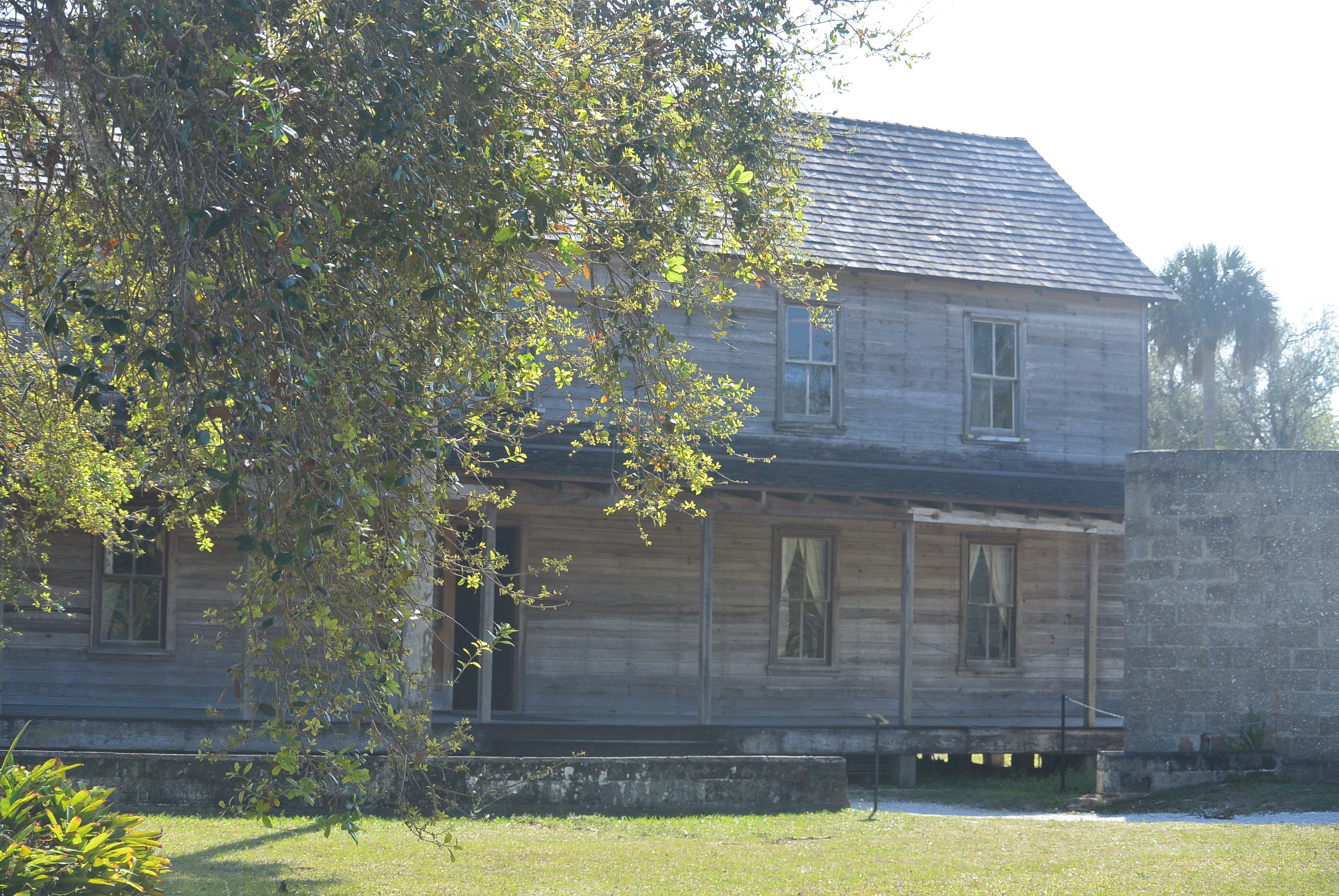
Founder’s House
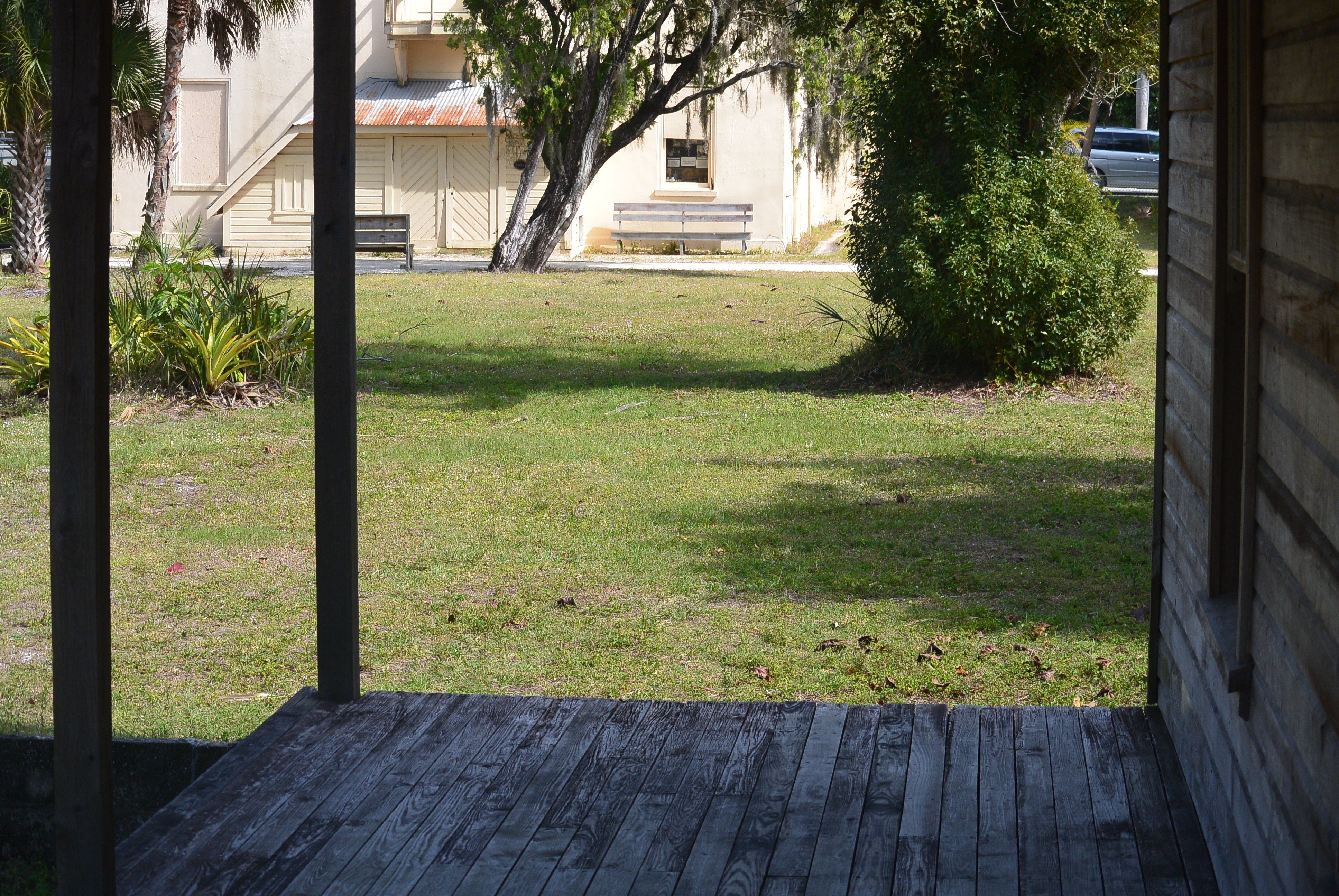
View from Founder’s House

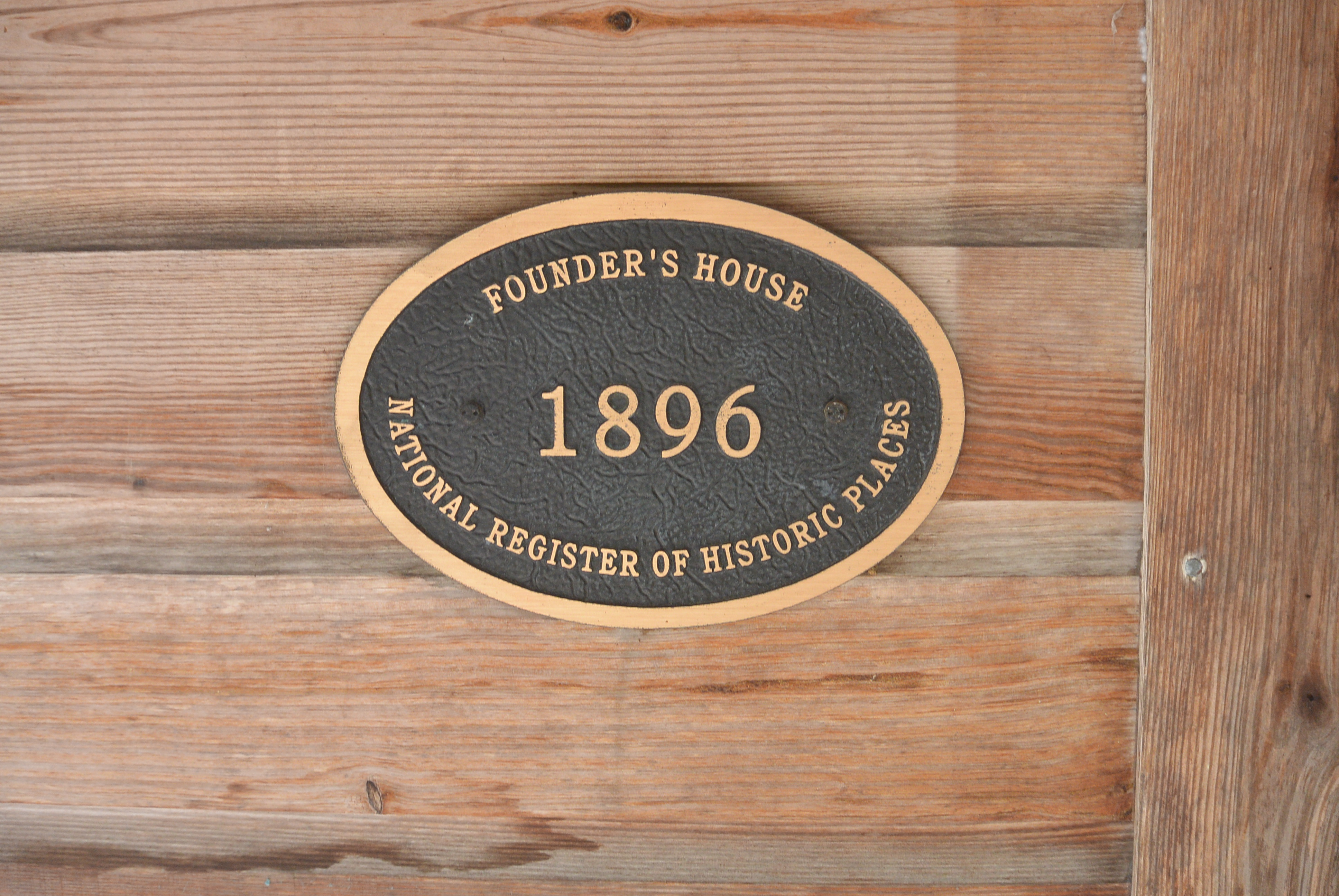
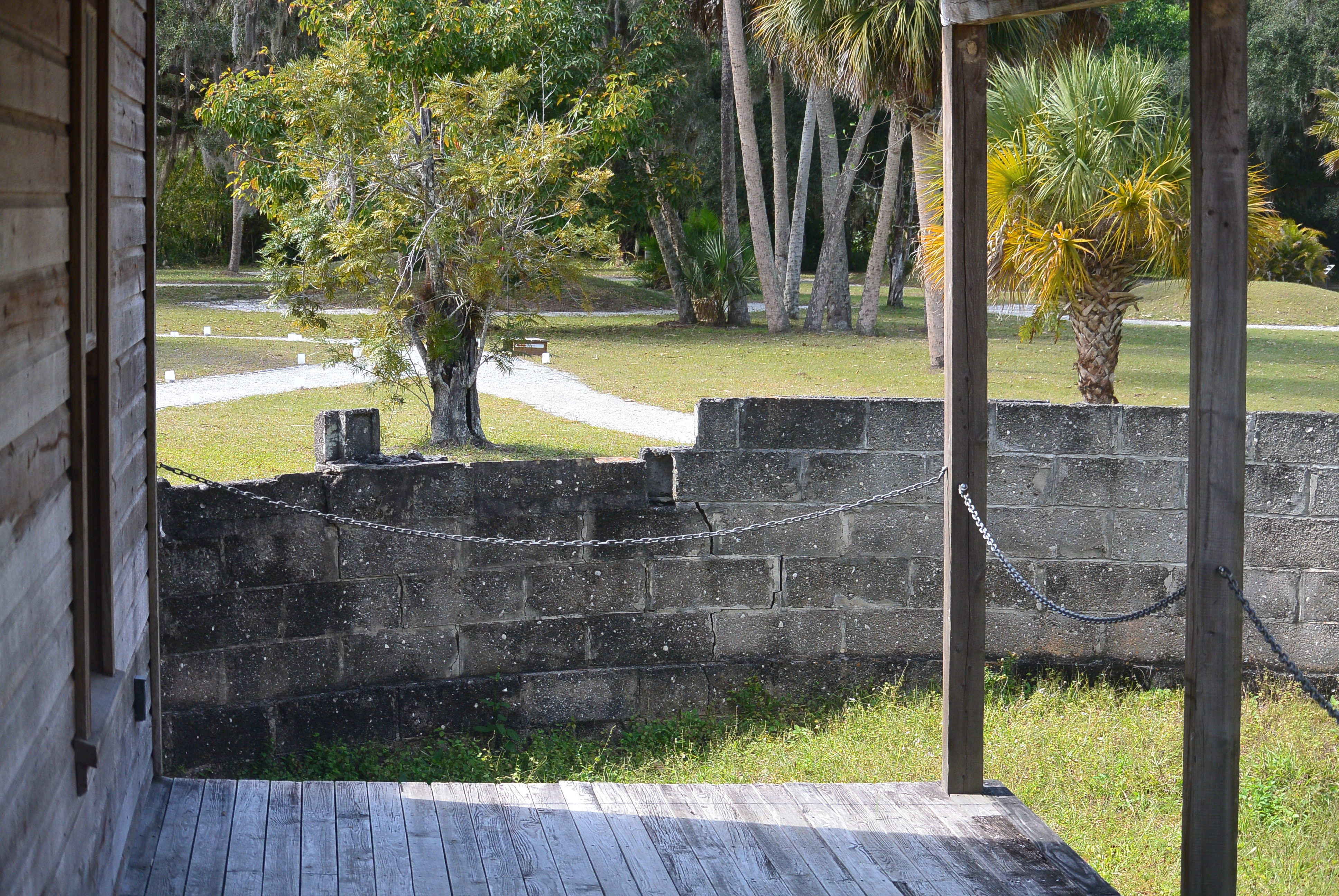
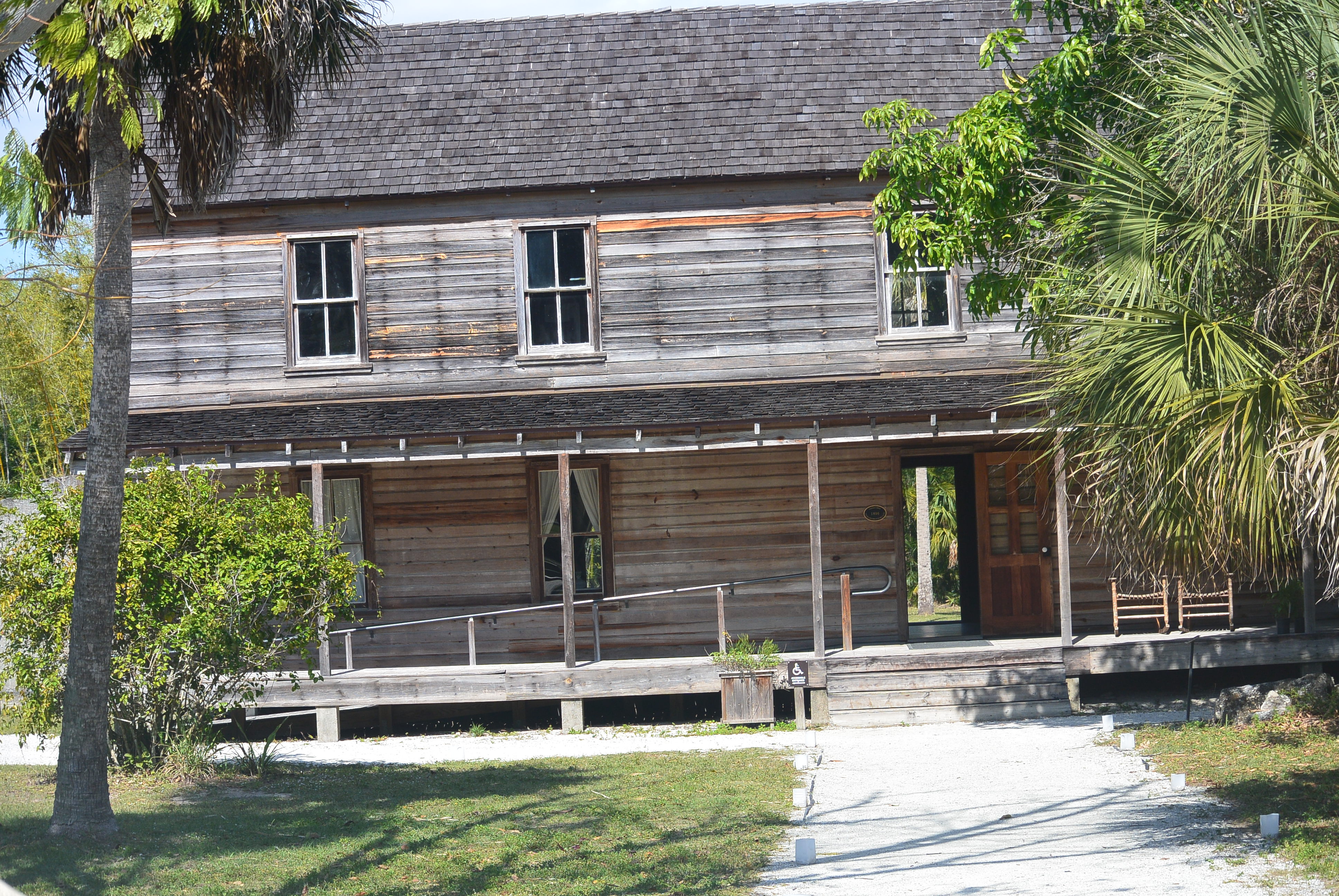
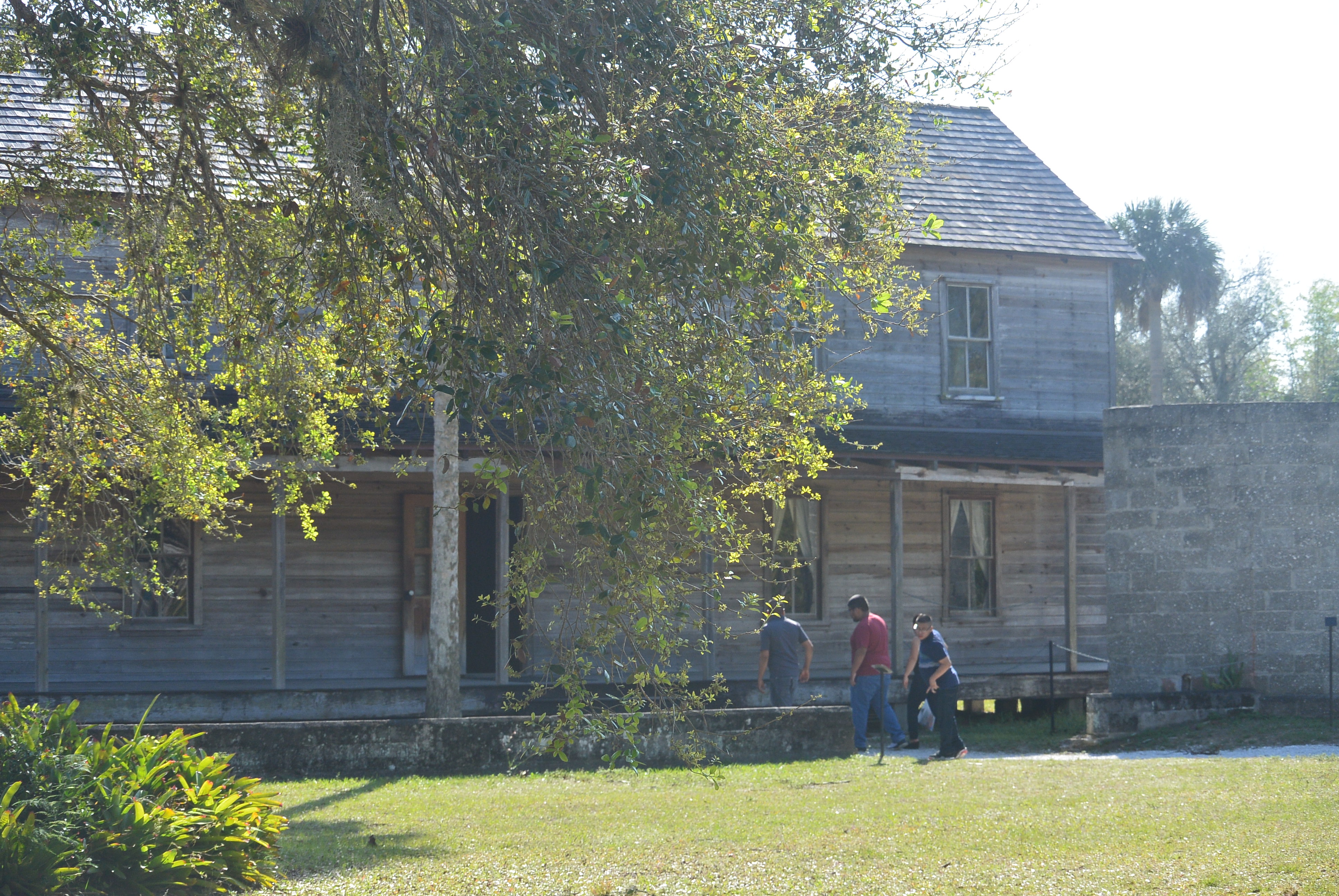
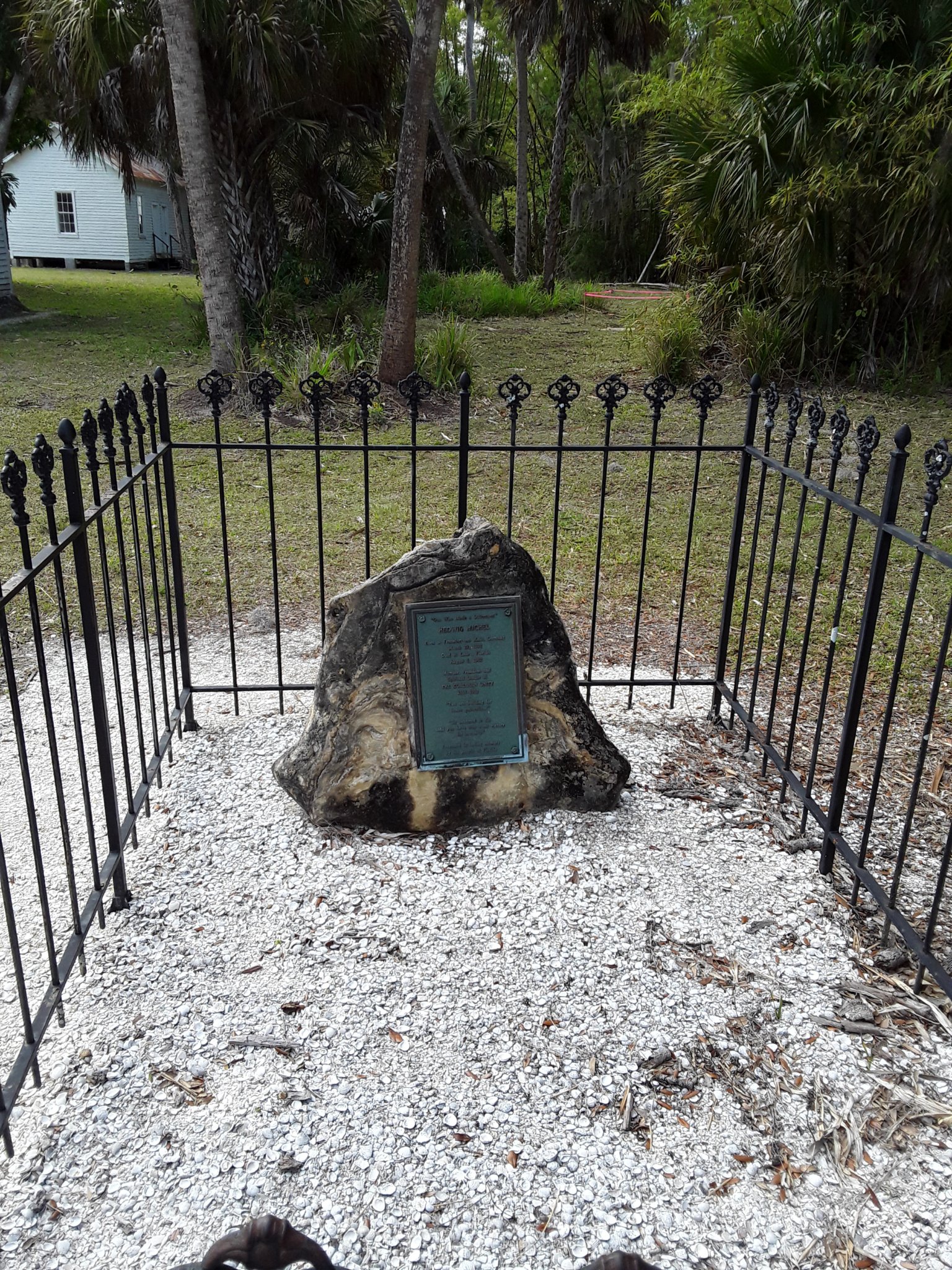
This two story house was built in 1896.  It was also known  as the Teed House  and the  Children’s School It is the oldest surviving structure on the settlement built by the Koreshans.  This is the first building which used milled pine siding instead of logs.   This building has had many renovations and additions      The 1909 renovations included installation of masonry veneer  to the existing structure and a plan to double its size.Hedwig Michel Memorial    
  Hedwig  Michel was the last Koreshan to live at the Settlement.  She died in 1982.  Under her leadership  the Koreshans donated 305 acres to the state of Florida  in 1961. This property would become the Koreshan State Historic Site and Mound Key Archaeological State Park.Bamboo Landing

Bamboo Landing

View from Bamboo Landing

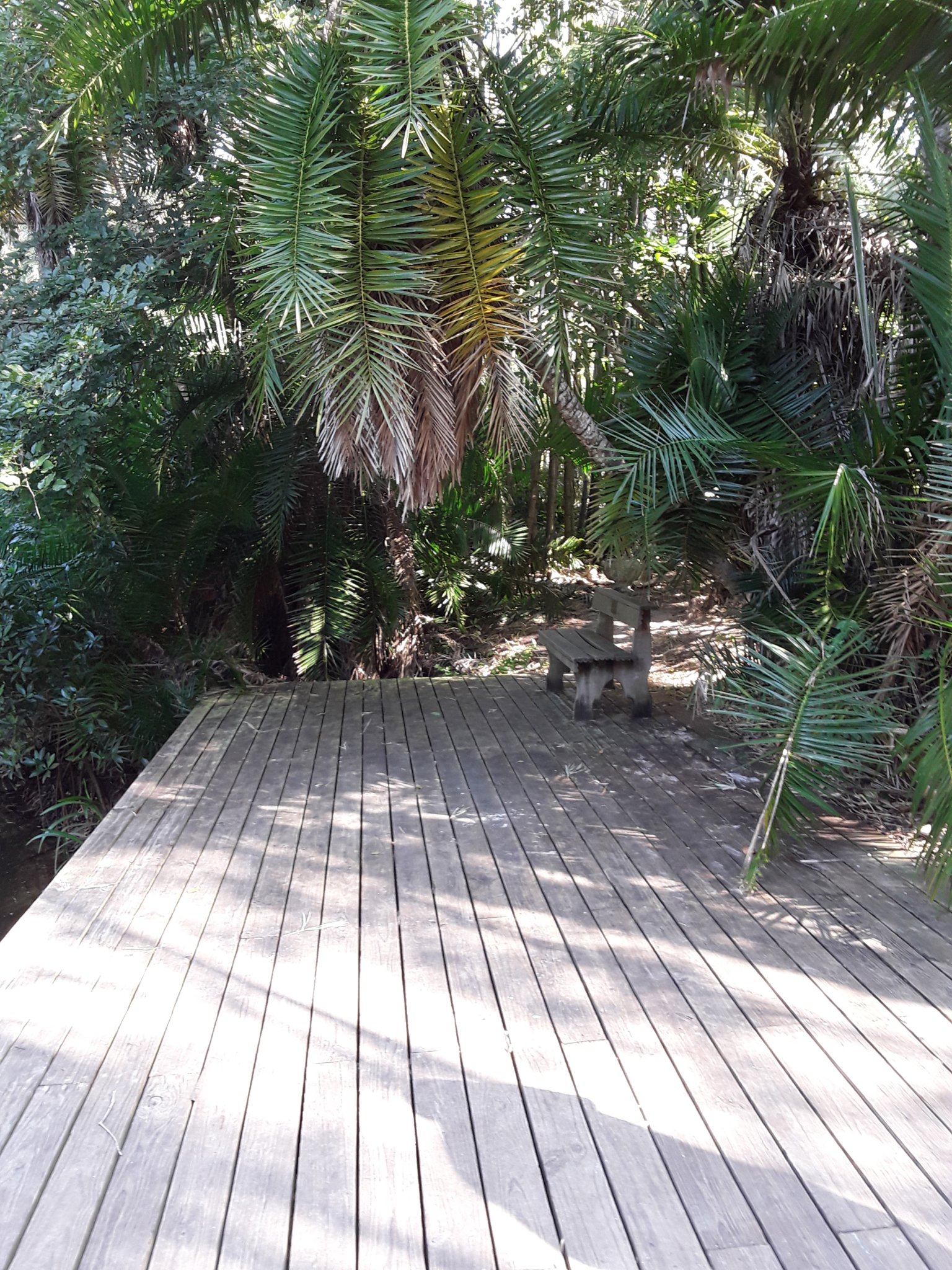
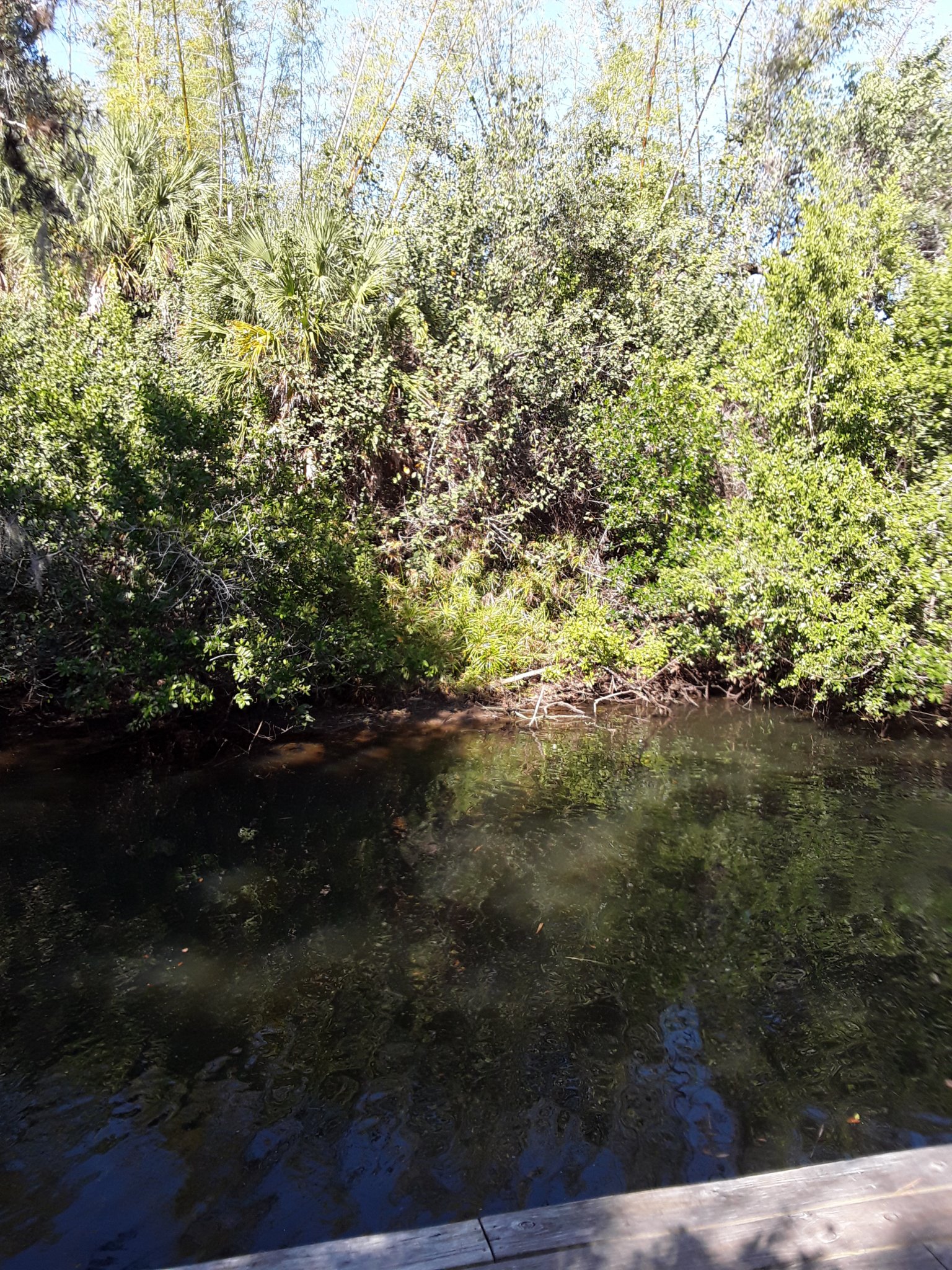
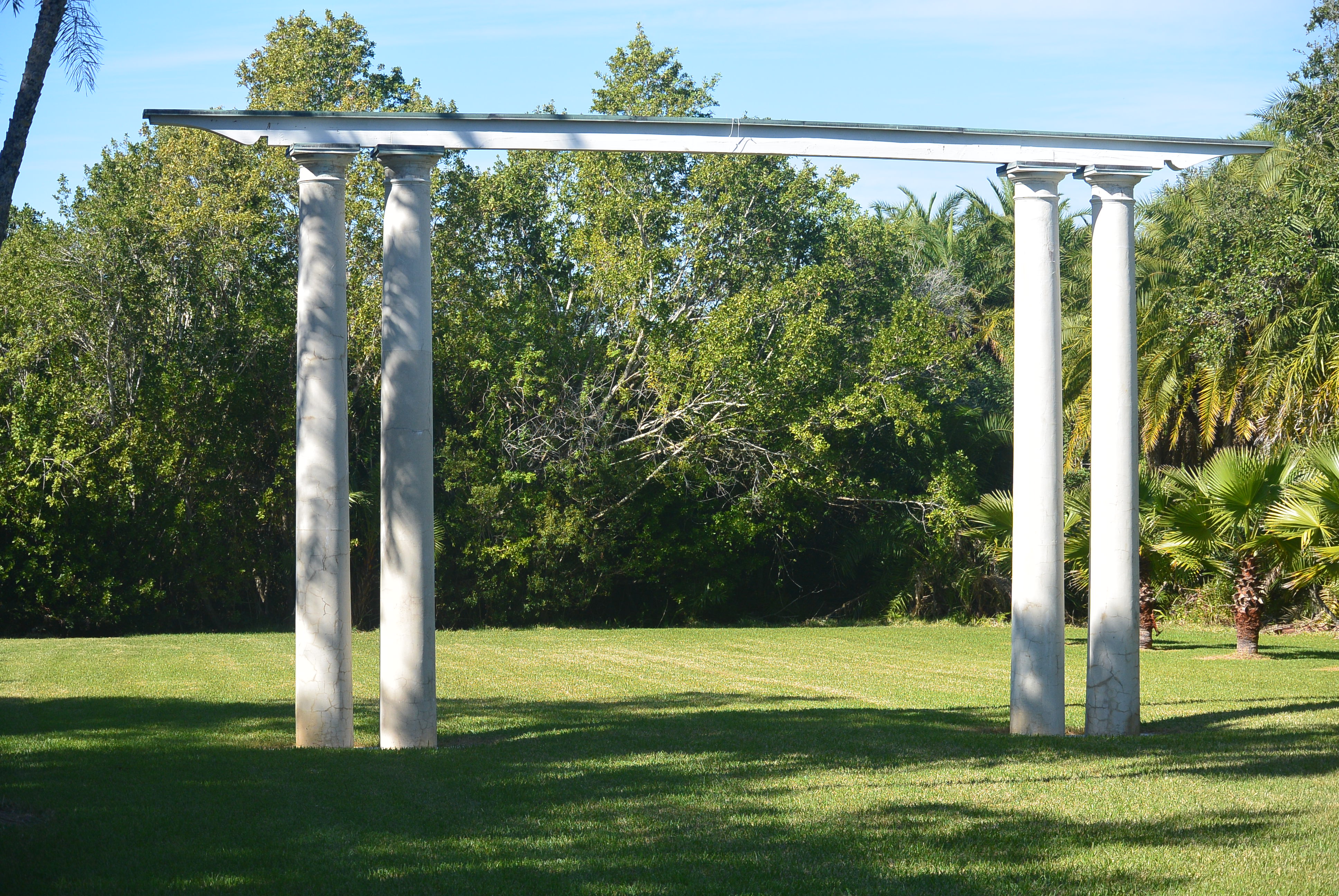
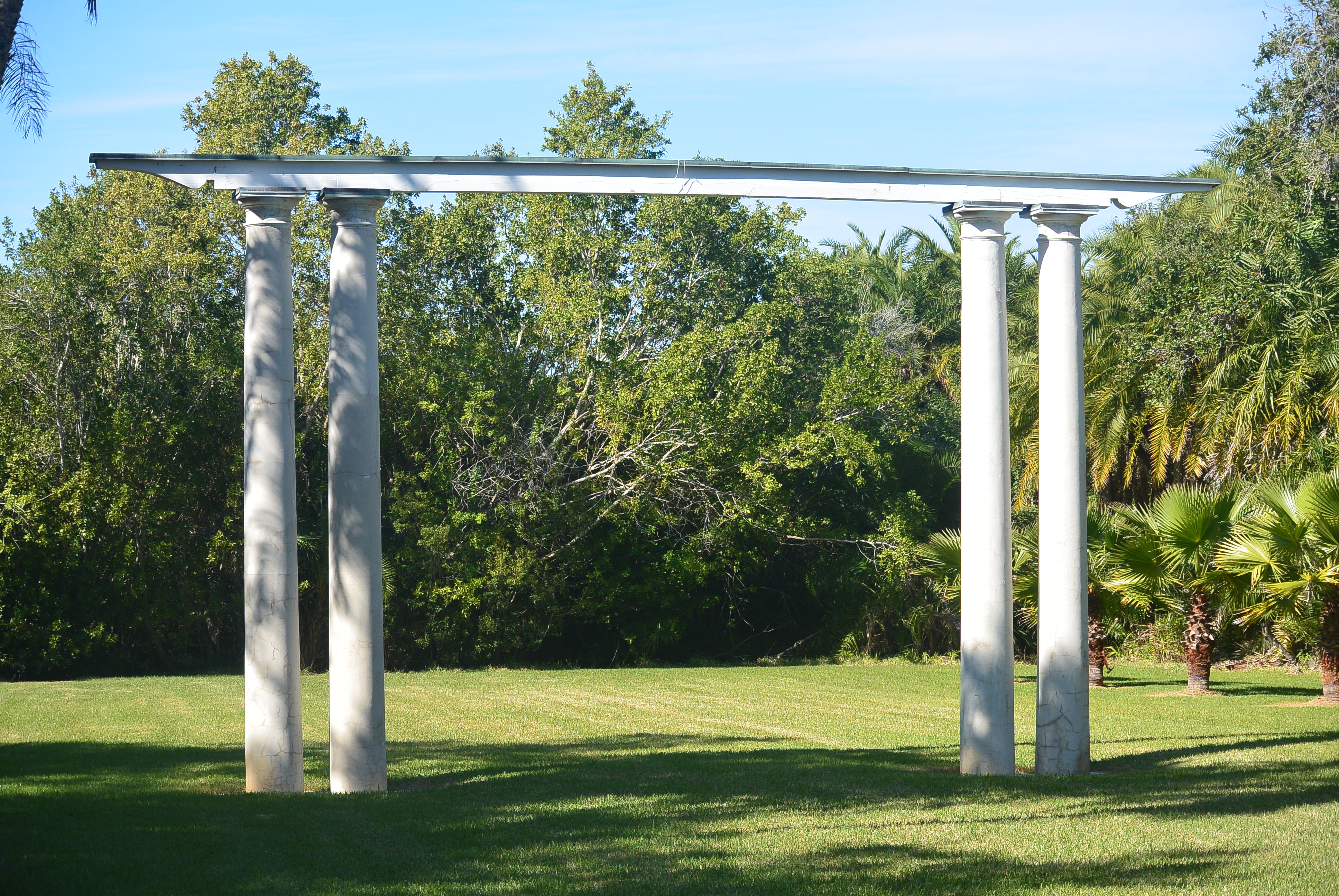
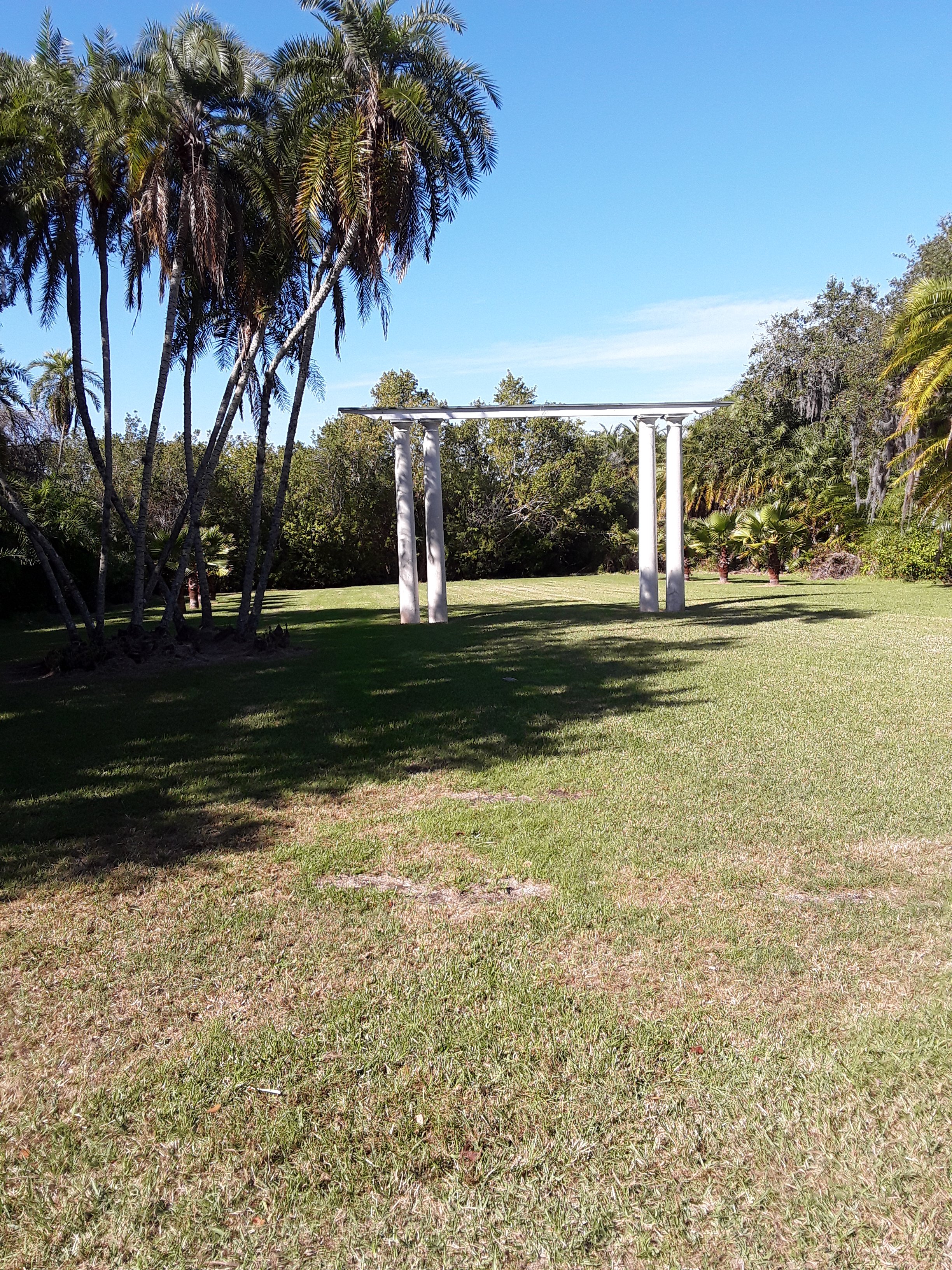
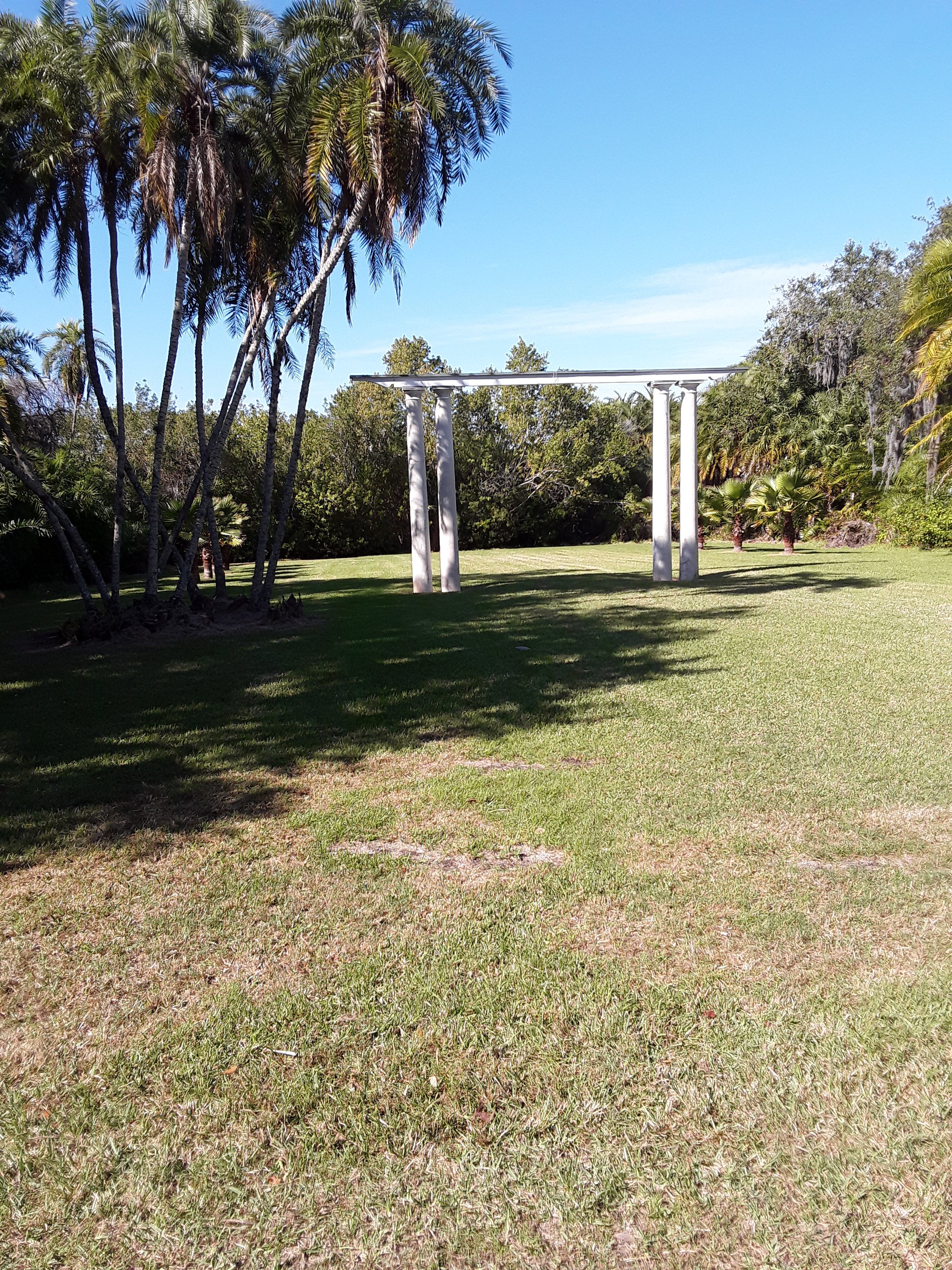
     The Bamboo Landing was built in 1894.  Its site on the Estero River was important for providing a means of transportation to the outside world.  It was used for passengers and freight.  It provided a framed entrance to the Koreshan Community.  The bamboo used in the construction is said to have come from the Ford Estate in Fort Myers.
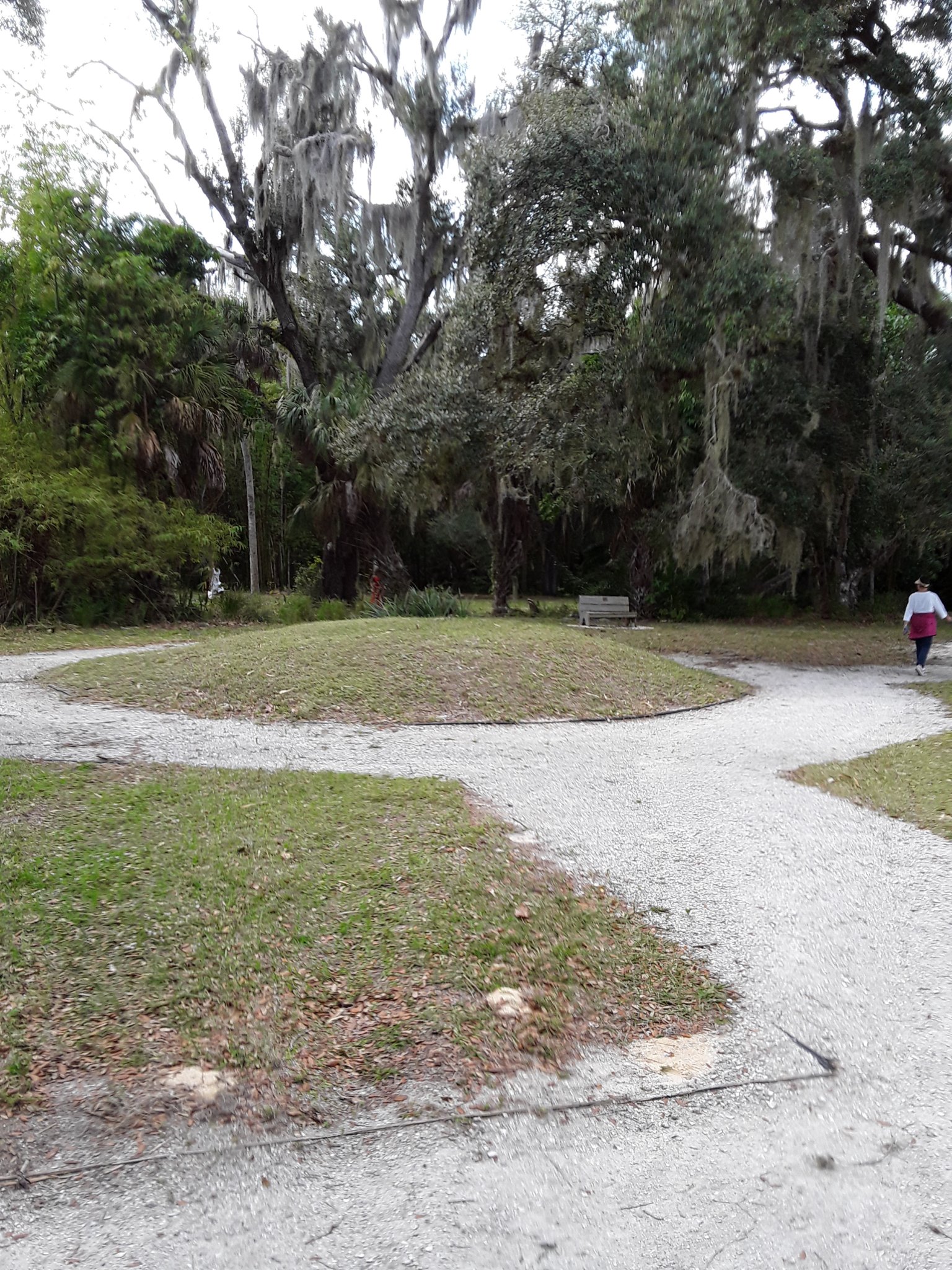
The Mounds
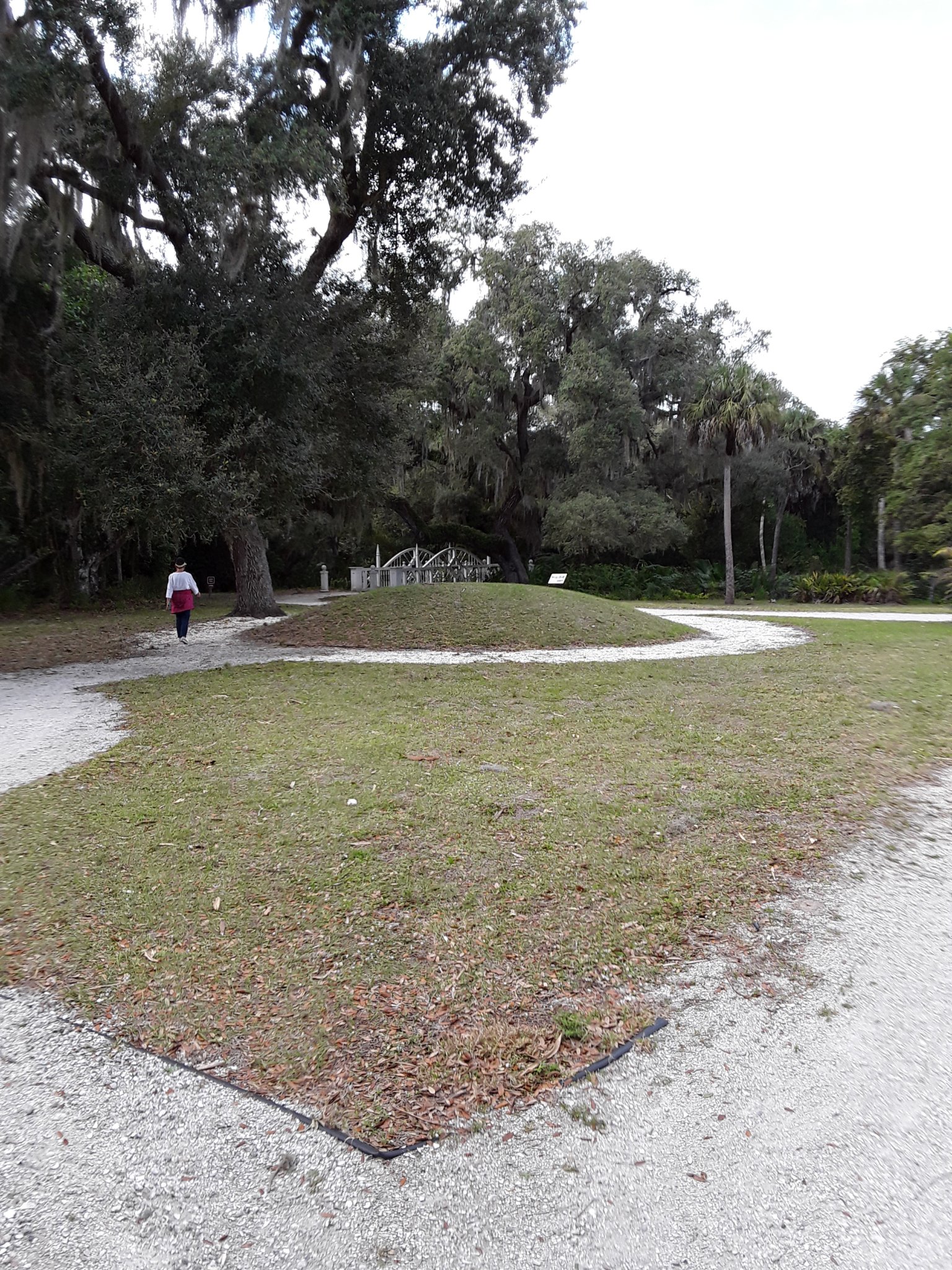
The Mounds
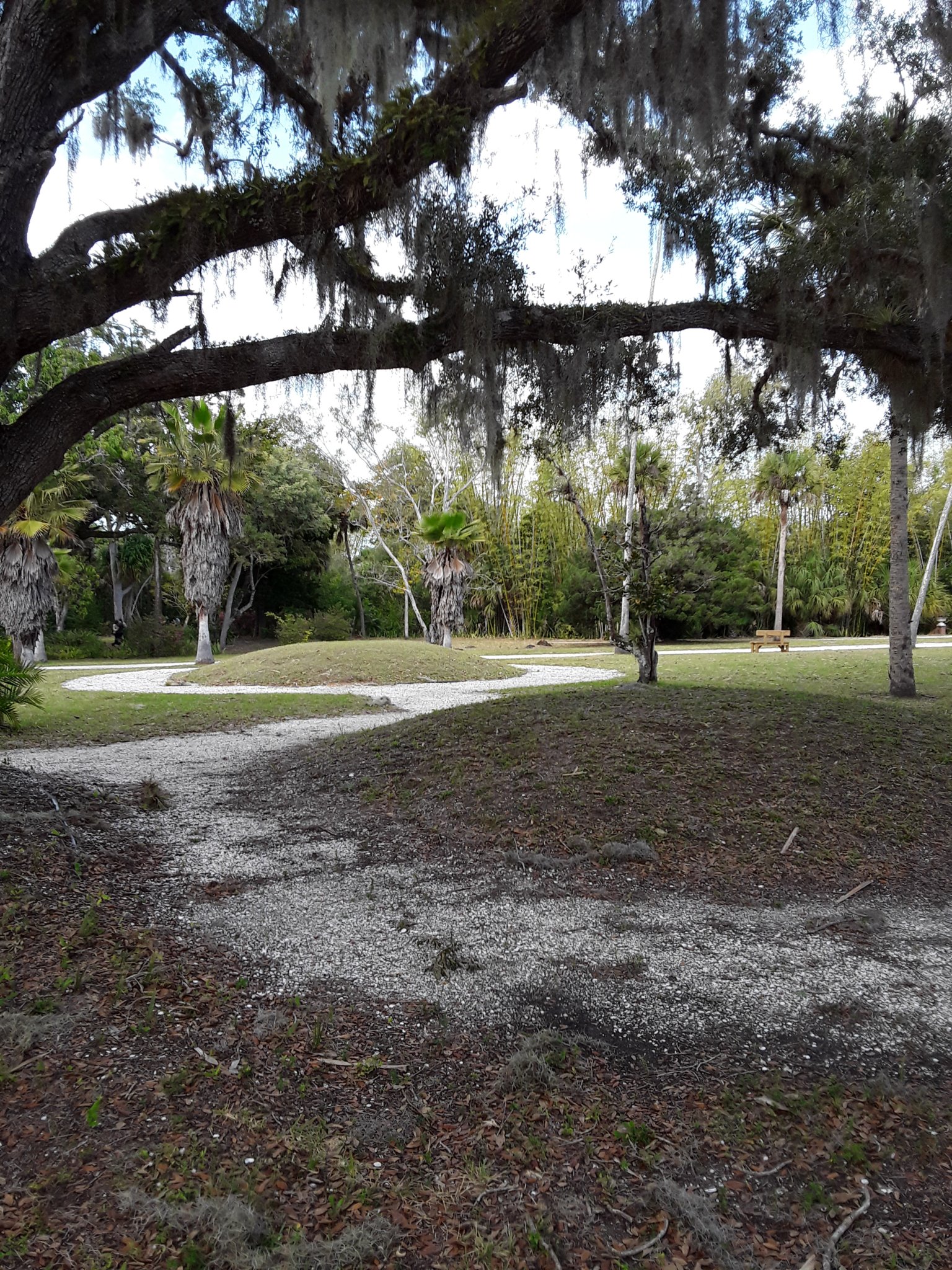
The Mounds

There were four mounds constructed in 1904-1905.  They were four feet high and ten feet in diameter
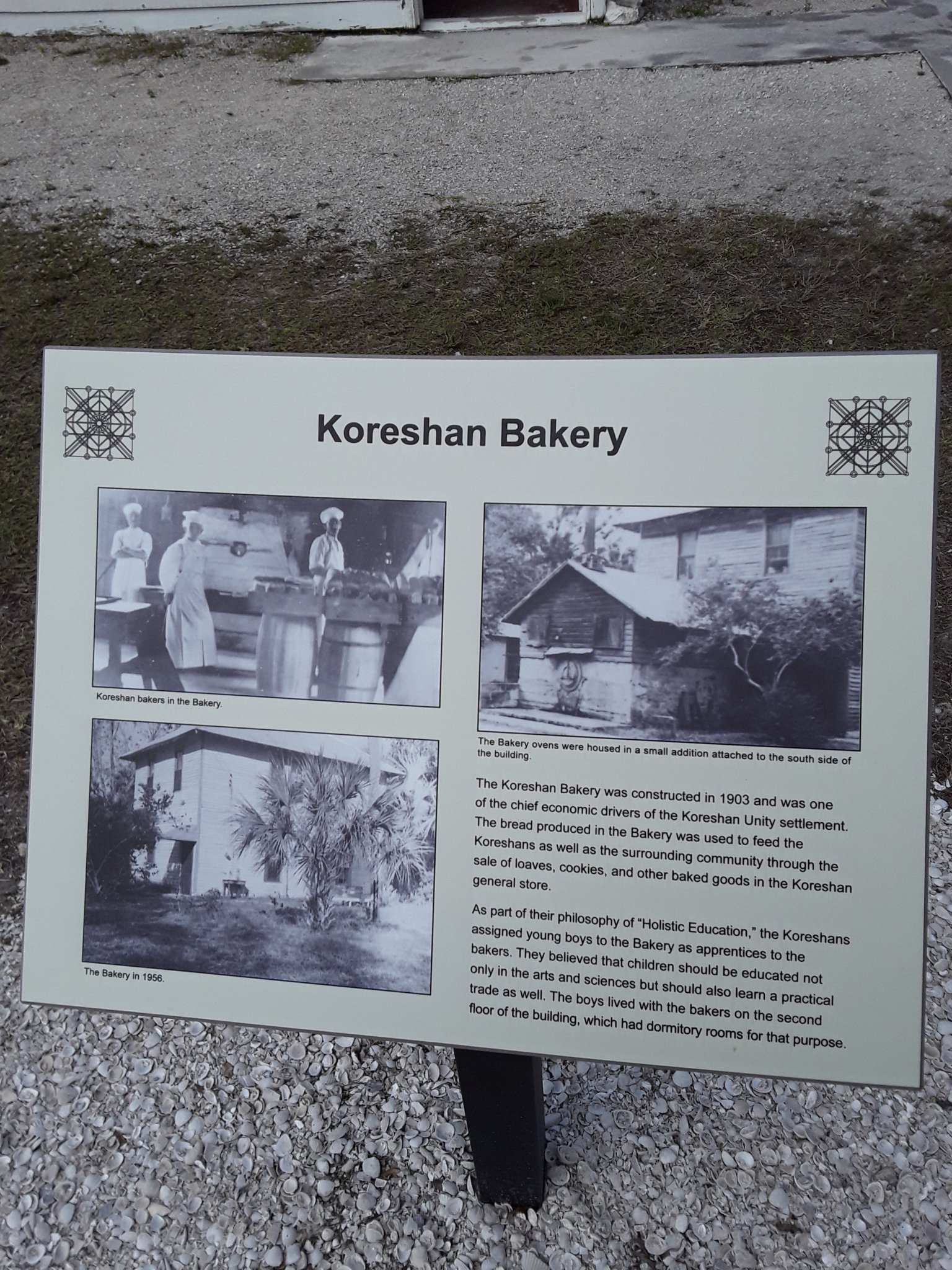
Koreshan Bakery
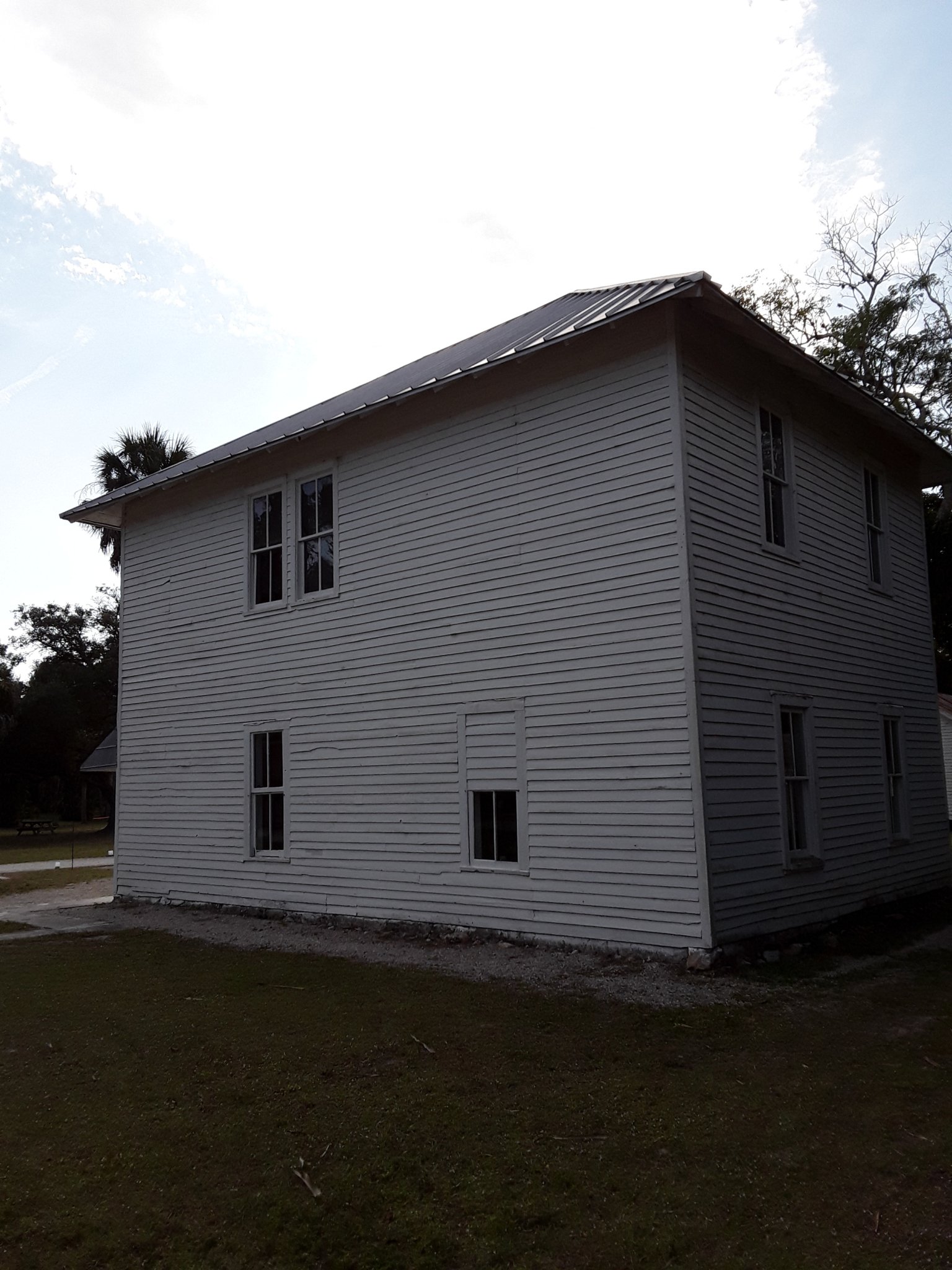
Koreshan Bakery
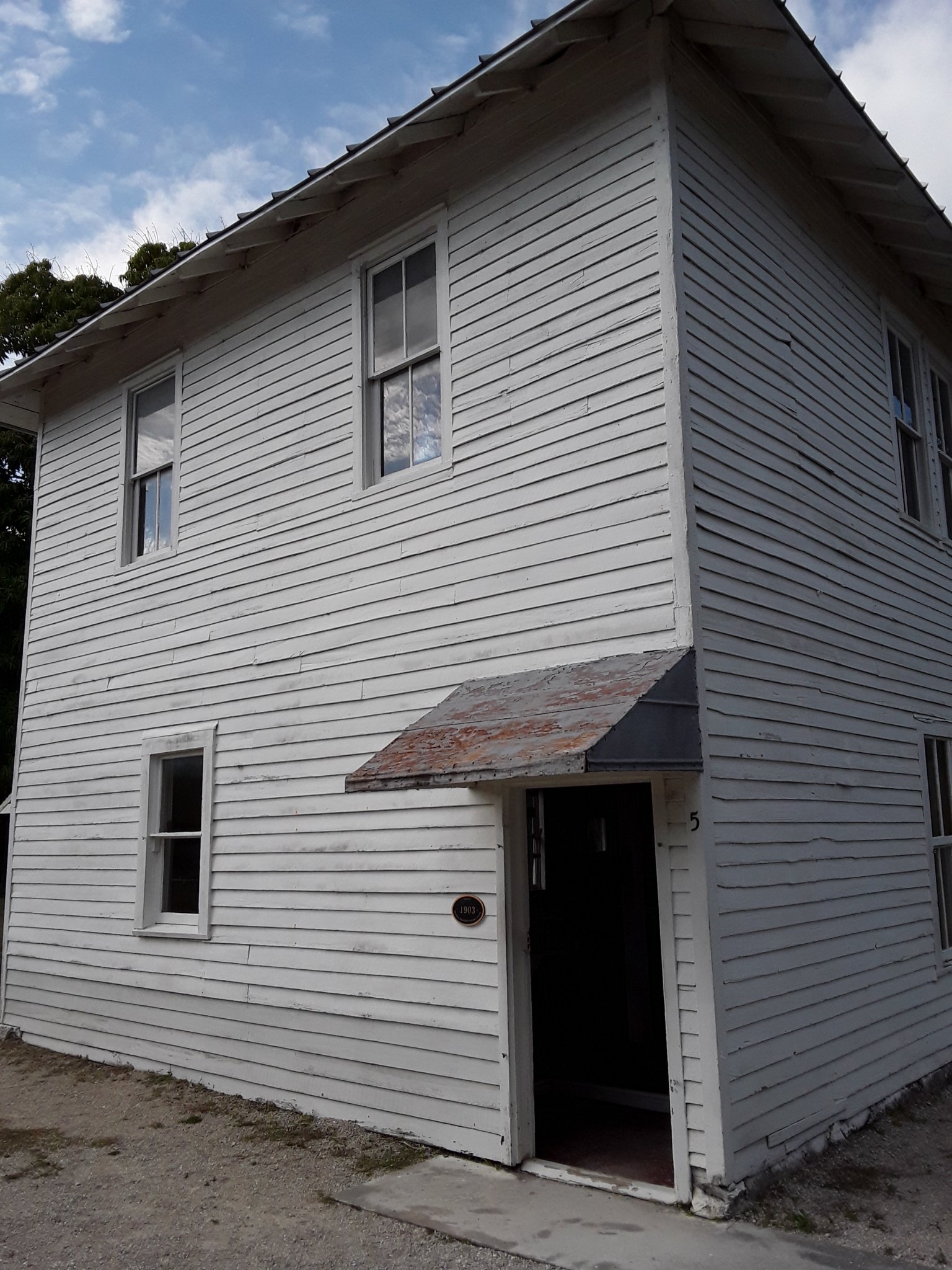
Koreshan Bakery

     The Koreshan bakery was built in 1903.  It is a two story building located to the west of the dining hall.  The bakers produced 500 to 600 loaves bread a day.   The second floor of the building  had four dormitory rooms.  Originally,  the bake ovens connected to the south side of the building.
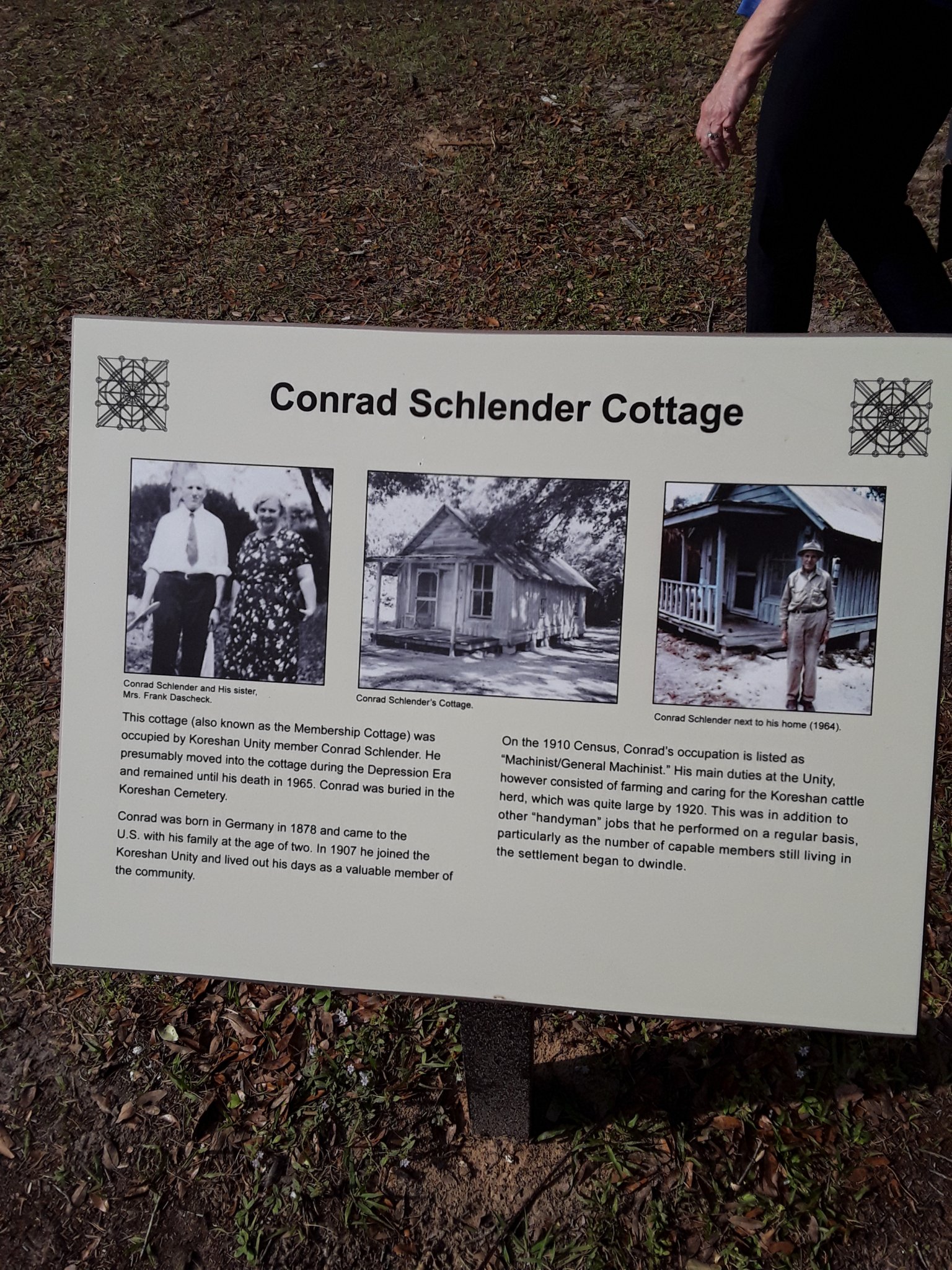
Informational Plaque
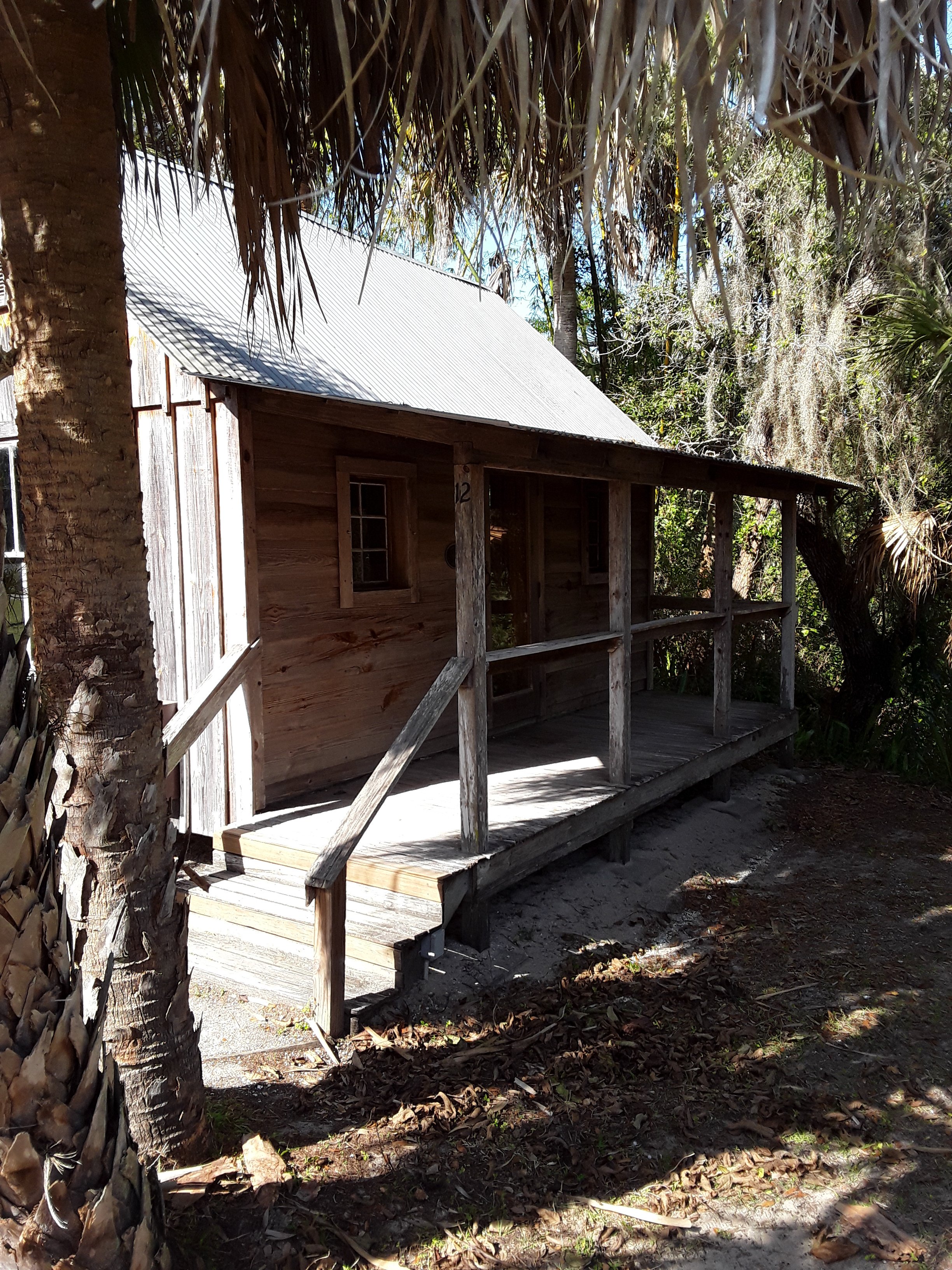
Conrad Schlender Cottage
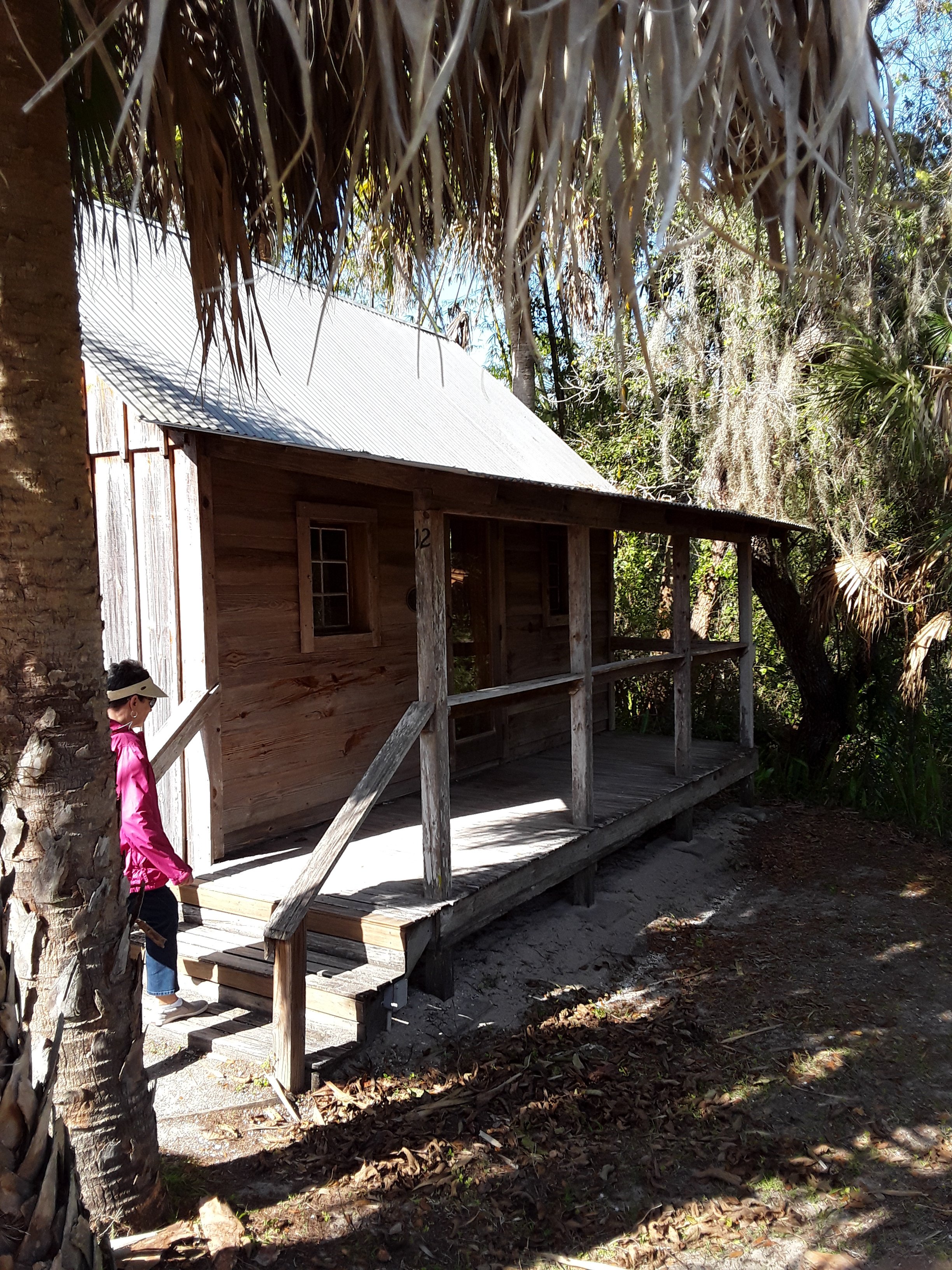
Same as above

     The Conrad Schlender Cottage dates t the 1903.  The style of the building is Florida Wood Frame Vernacular.  The vertically pitched roof is designed to shed rain quickly The vertical siding allows for rain runoff.
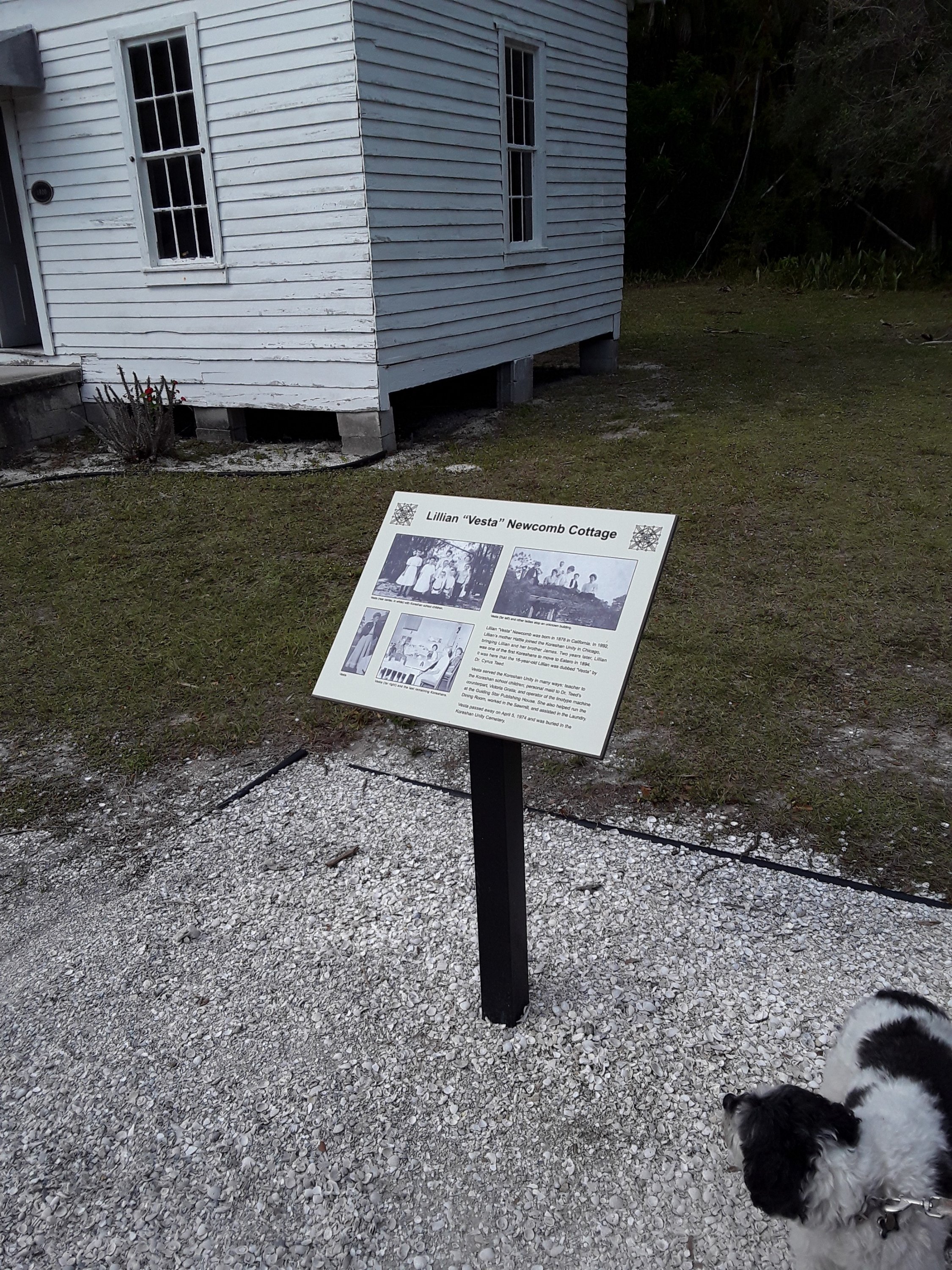
Vesta Newcomb Cottage
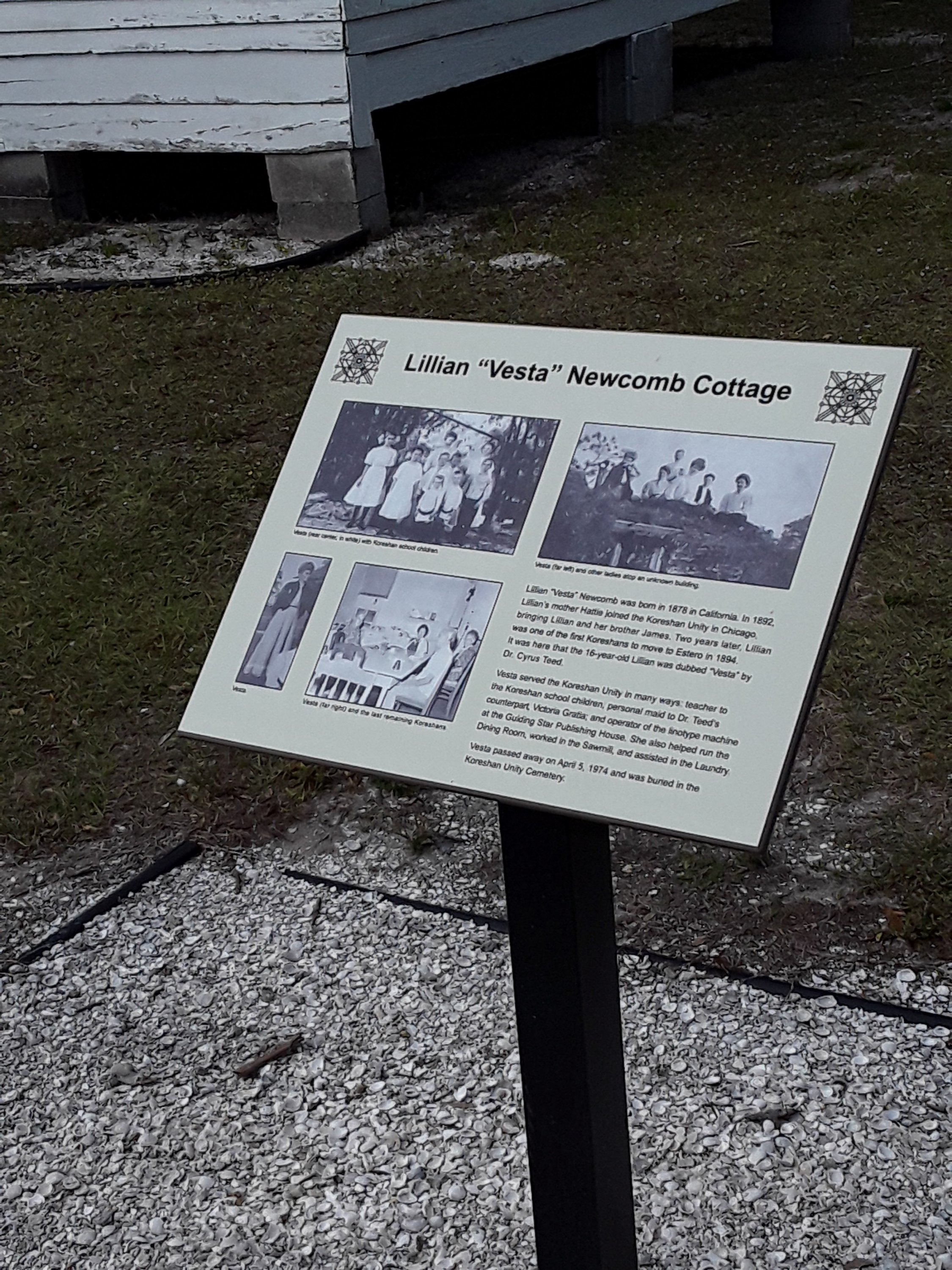
Vesta Newcomb Cottage
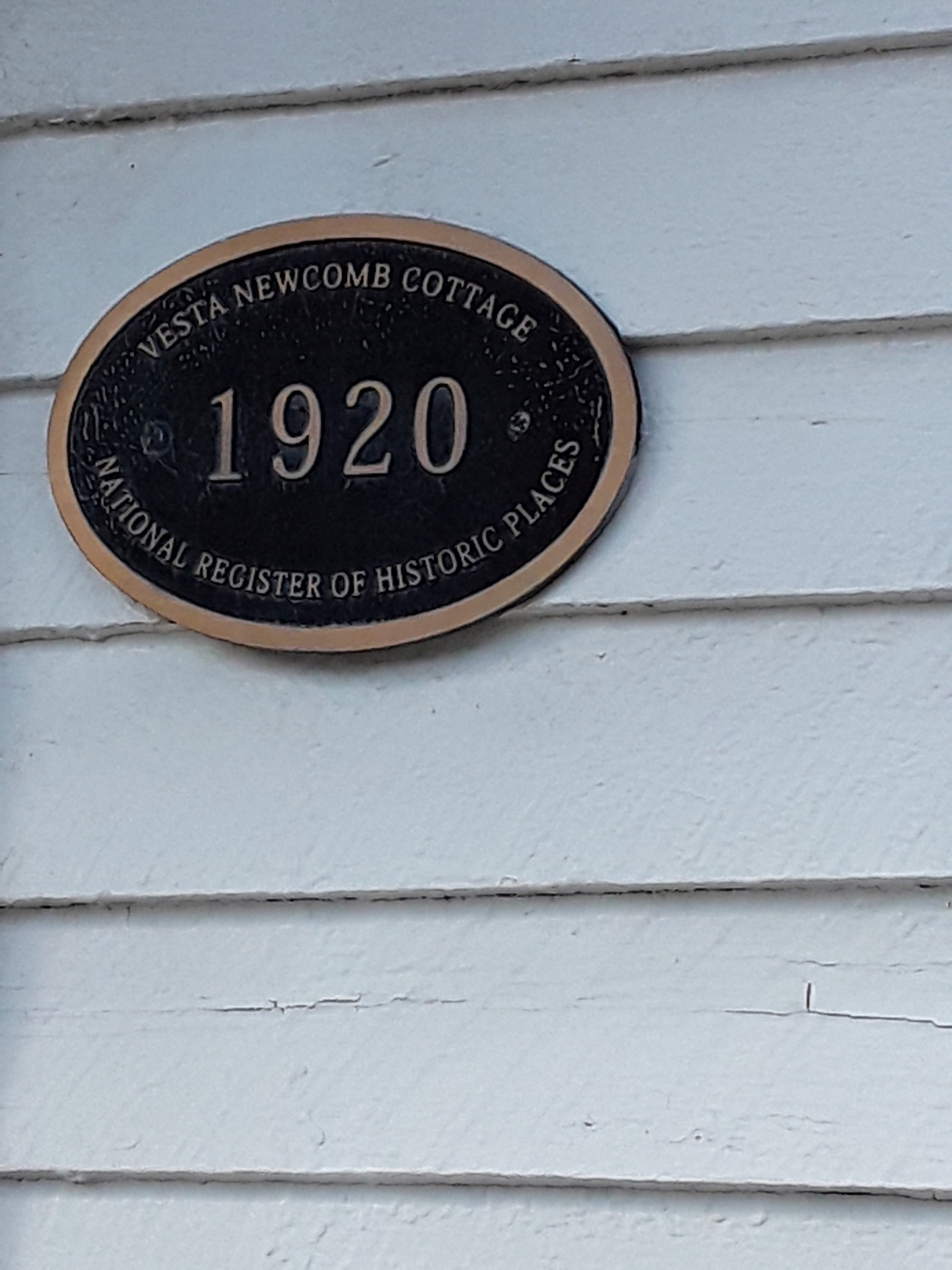
Same as above

     The Vesta Newcomb Cottage  was originally located on Imokalee Road.  It was owned by Lou Staton.  It was moved in 1937 to the north of the Koreshan Unity Library.  Staton used the building as his residence  and barbershop.  In 1940, there was another move into the Koreshan Unity Settlement.  Vesta moved into the cottage.
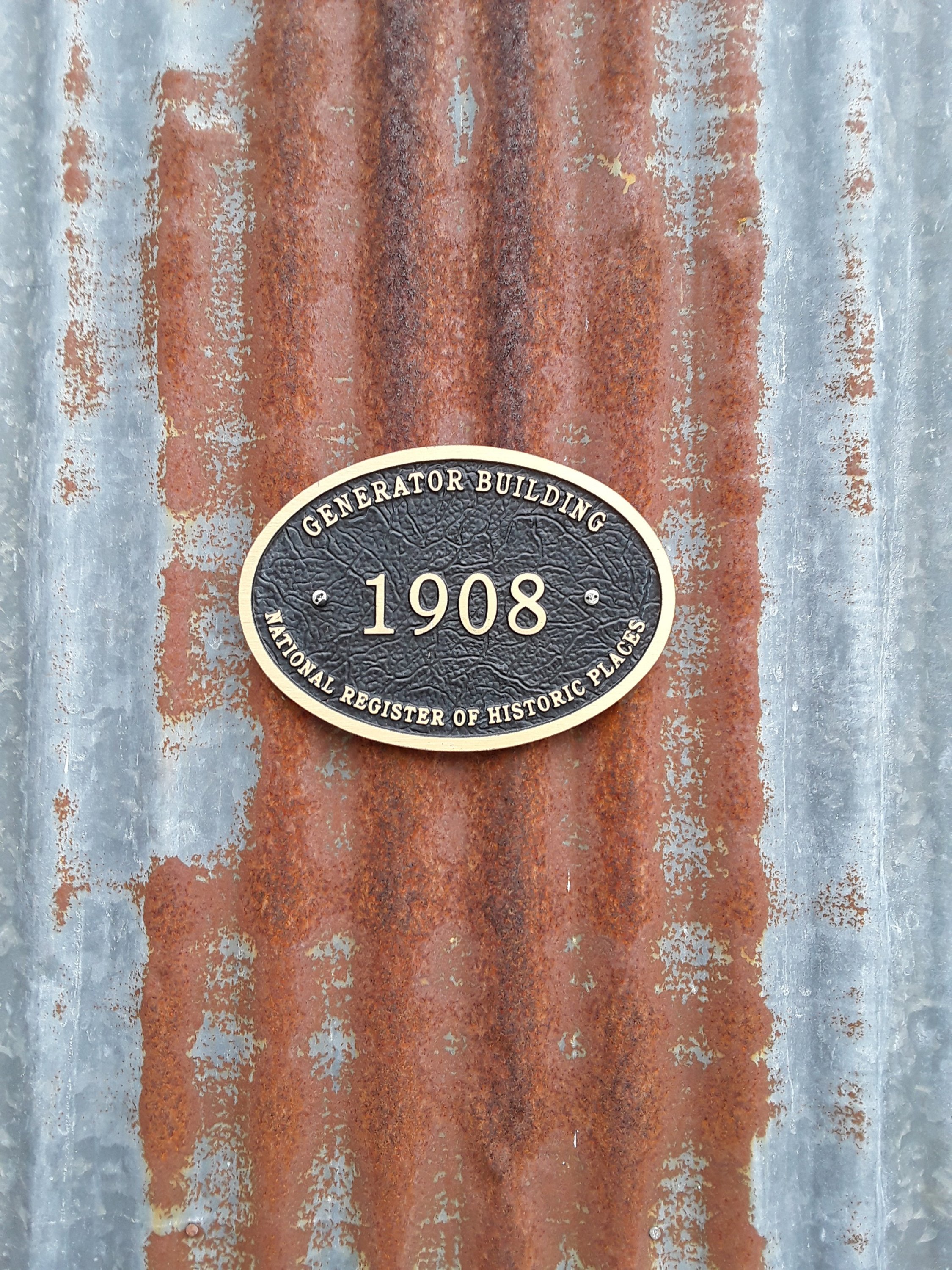
Generator Building  Plaque
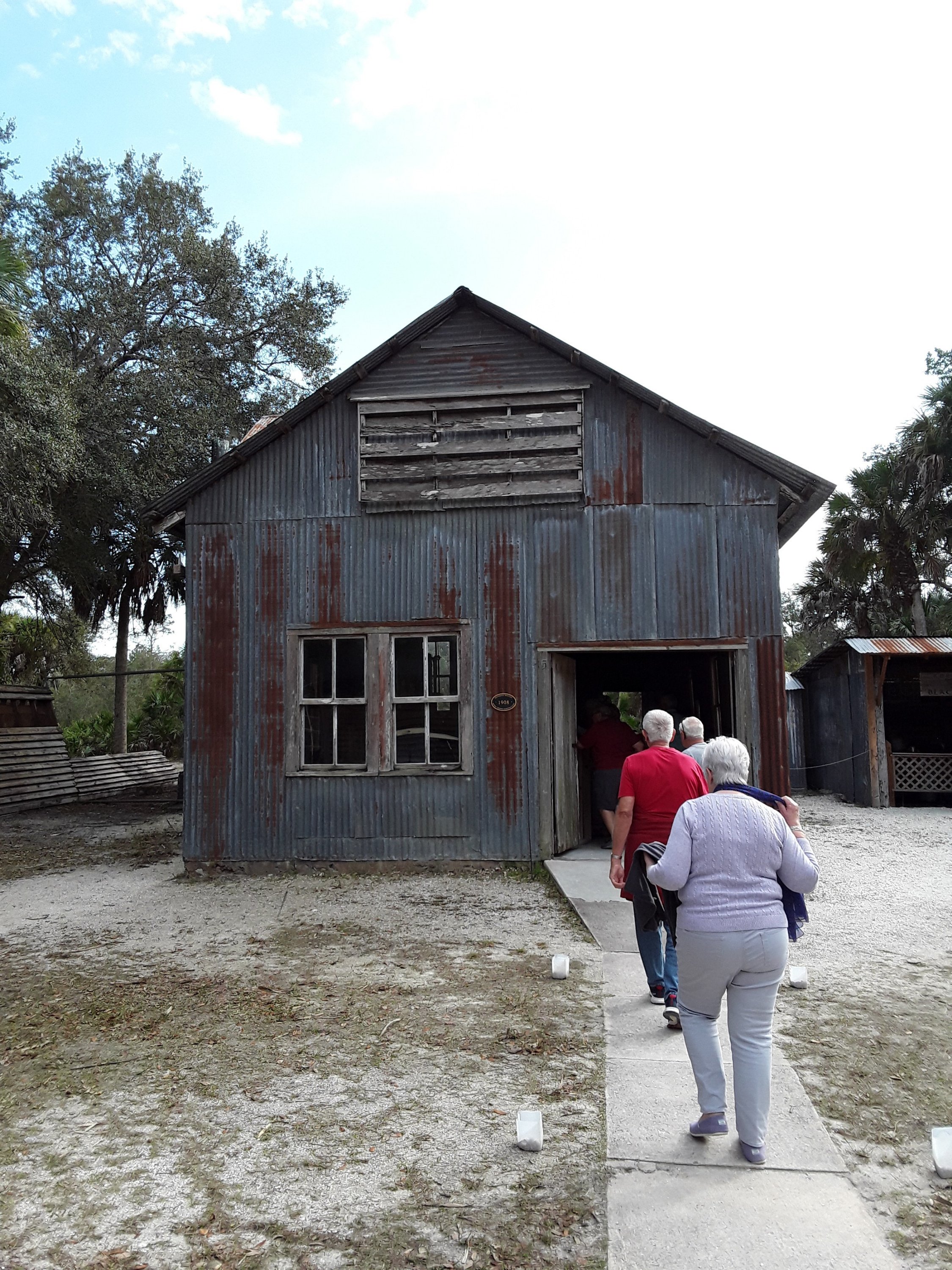
Generator Building

     This building was constructed in the early 1900’s.  It eventually housed electric generating for the community
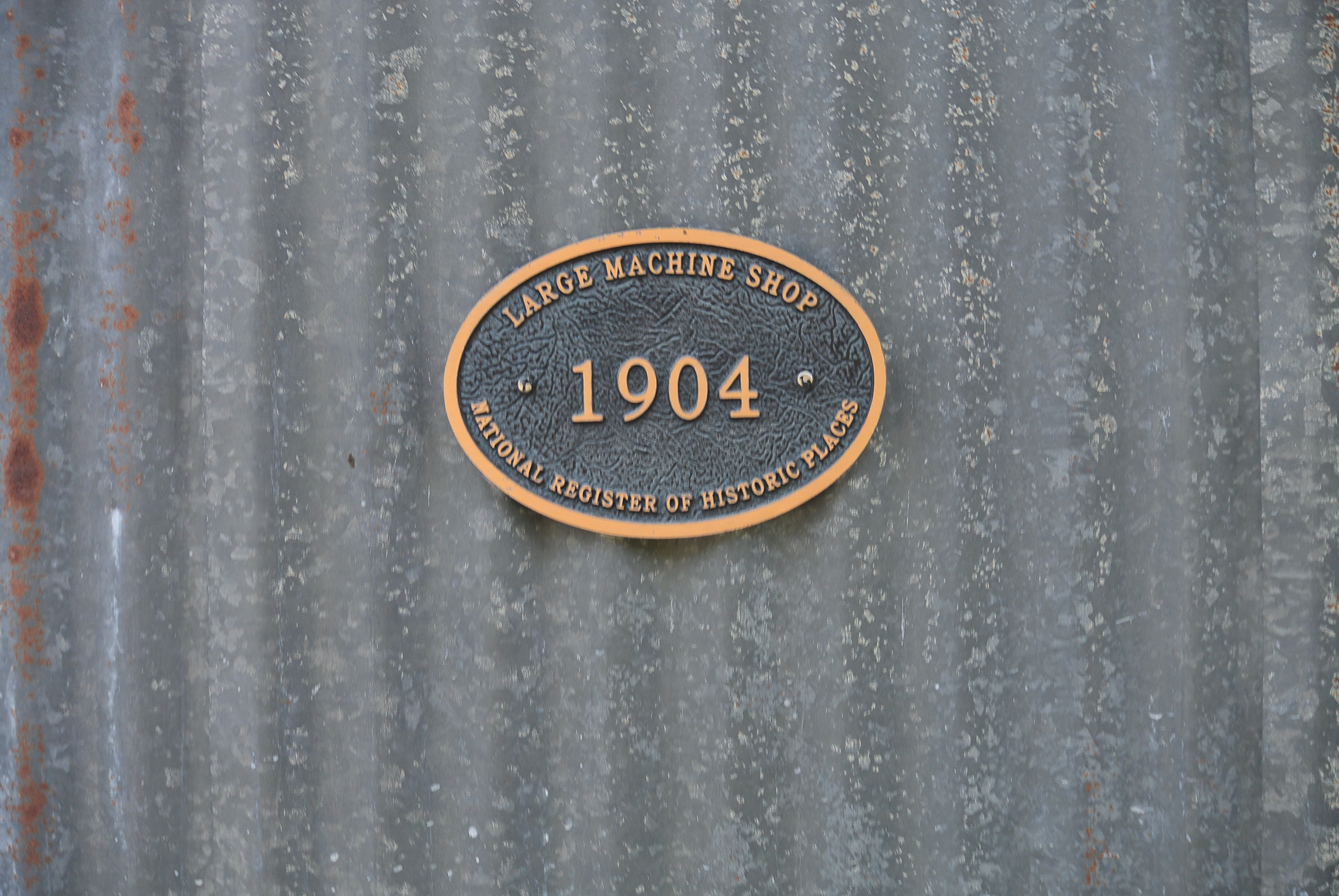
Large Machine Shop Plaque
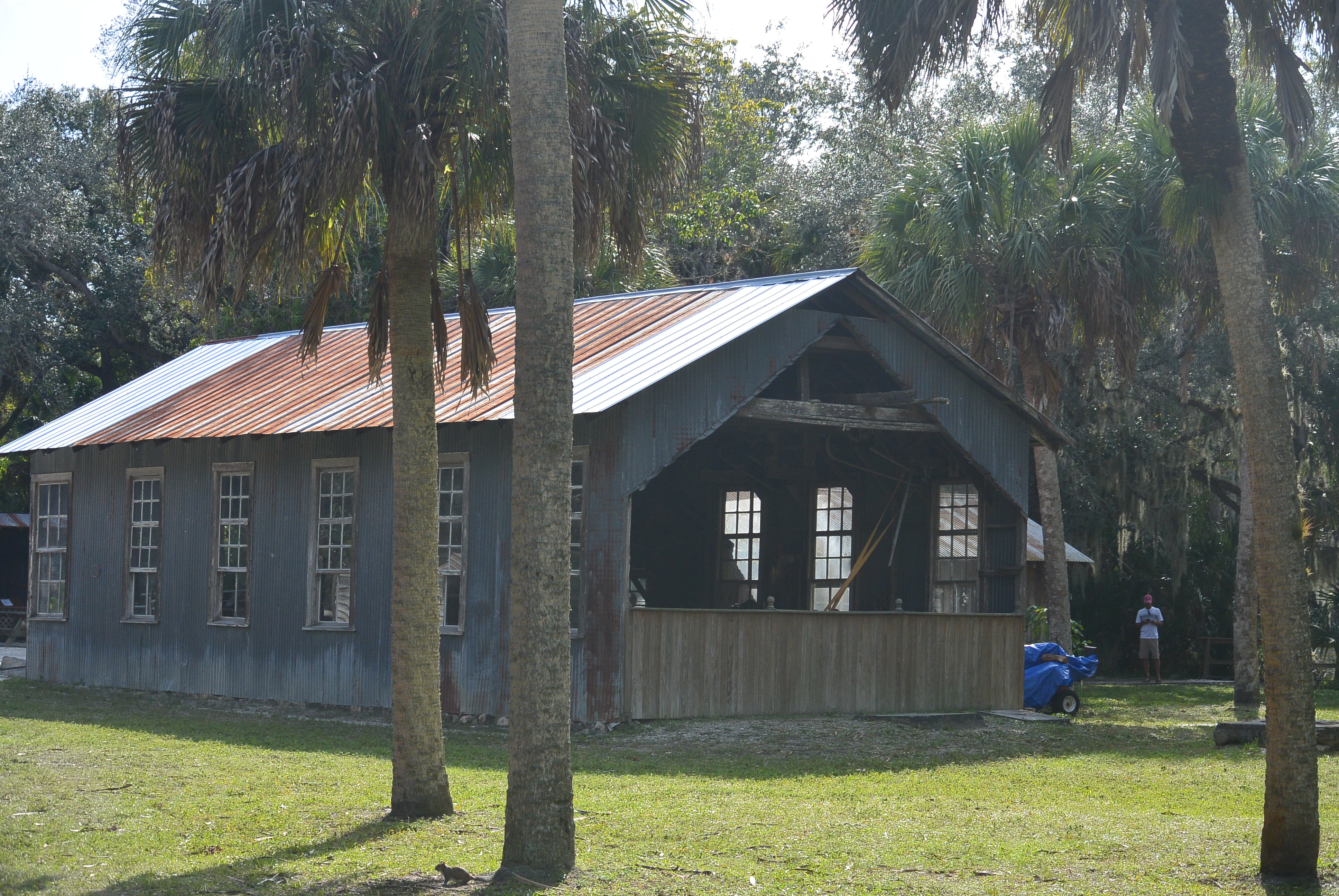
Large Machine Shop
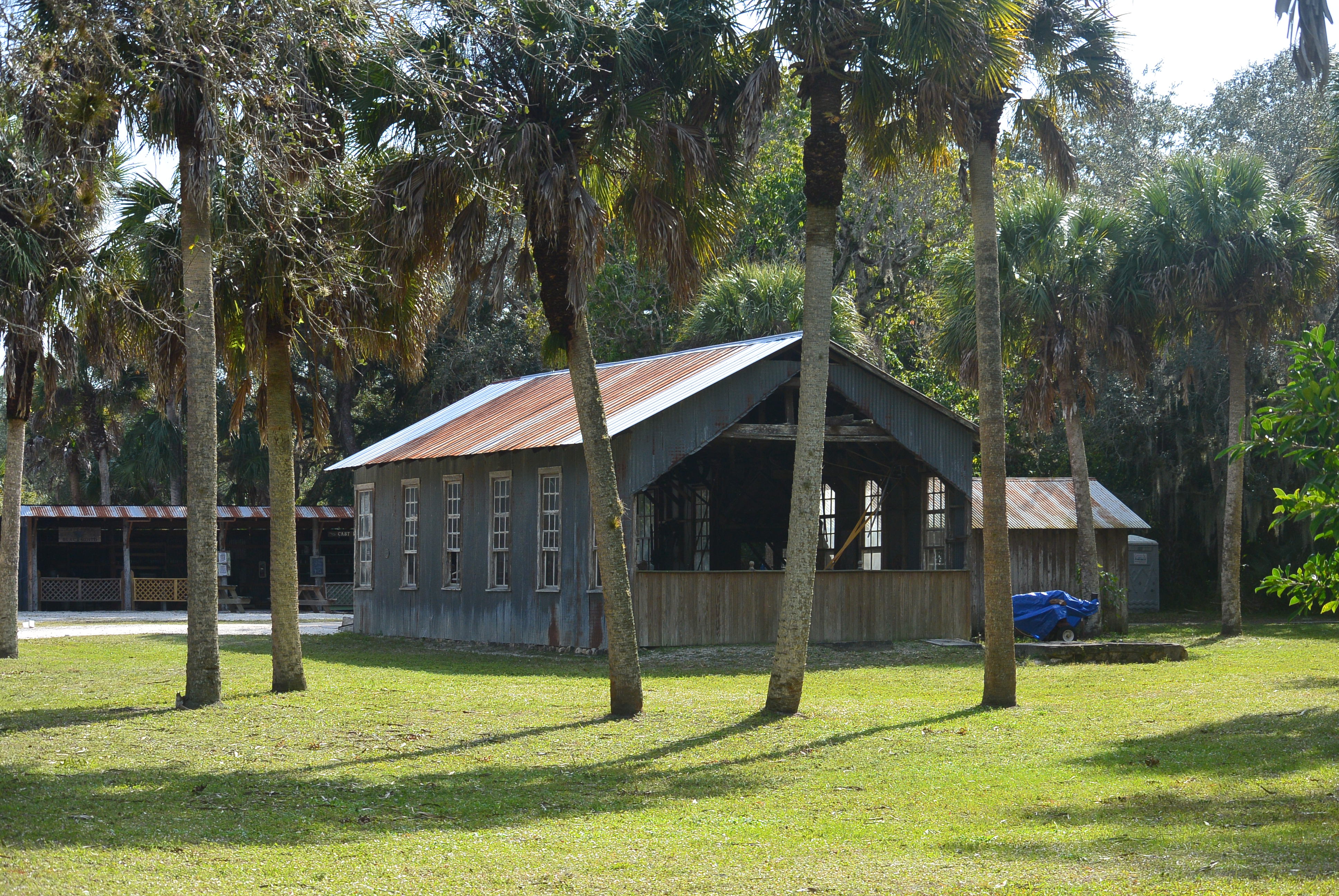
Large Machine Shop


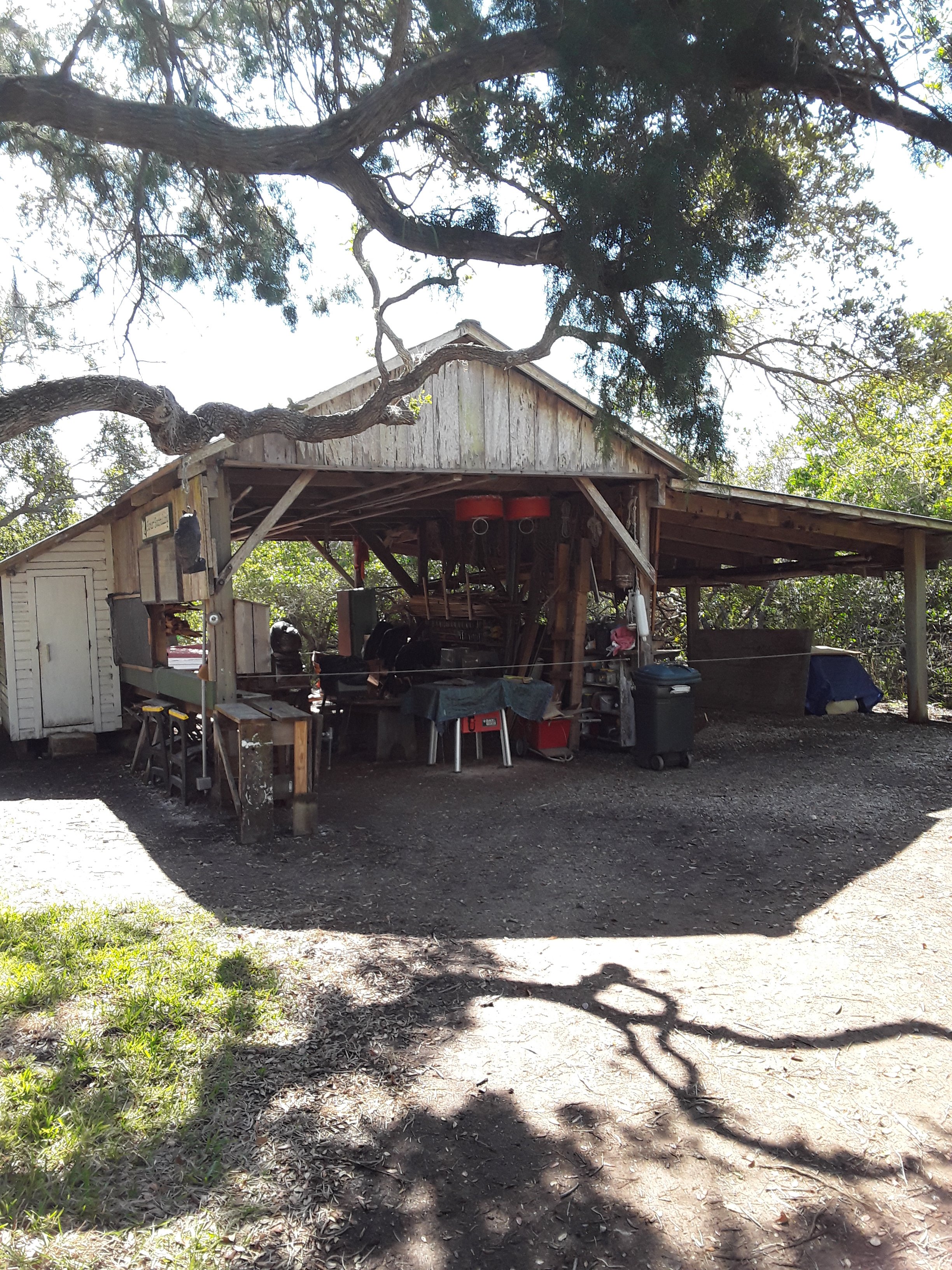
   The large machine shop was built in 1904.  It was built to contain the steam power machinery that served the adjacent laundry .
     The line shaft mounted in the ceiling provided power to the laundry and various machinery.  Several special tools and machinery were designed here.
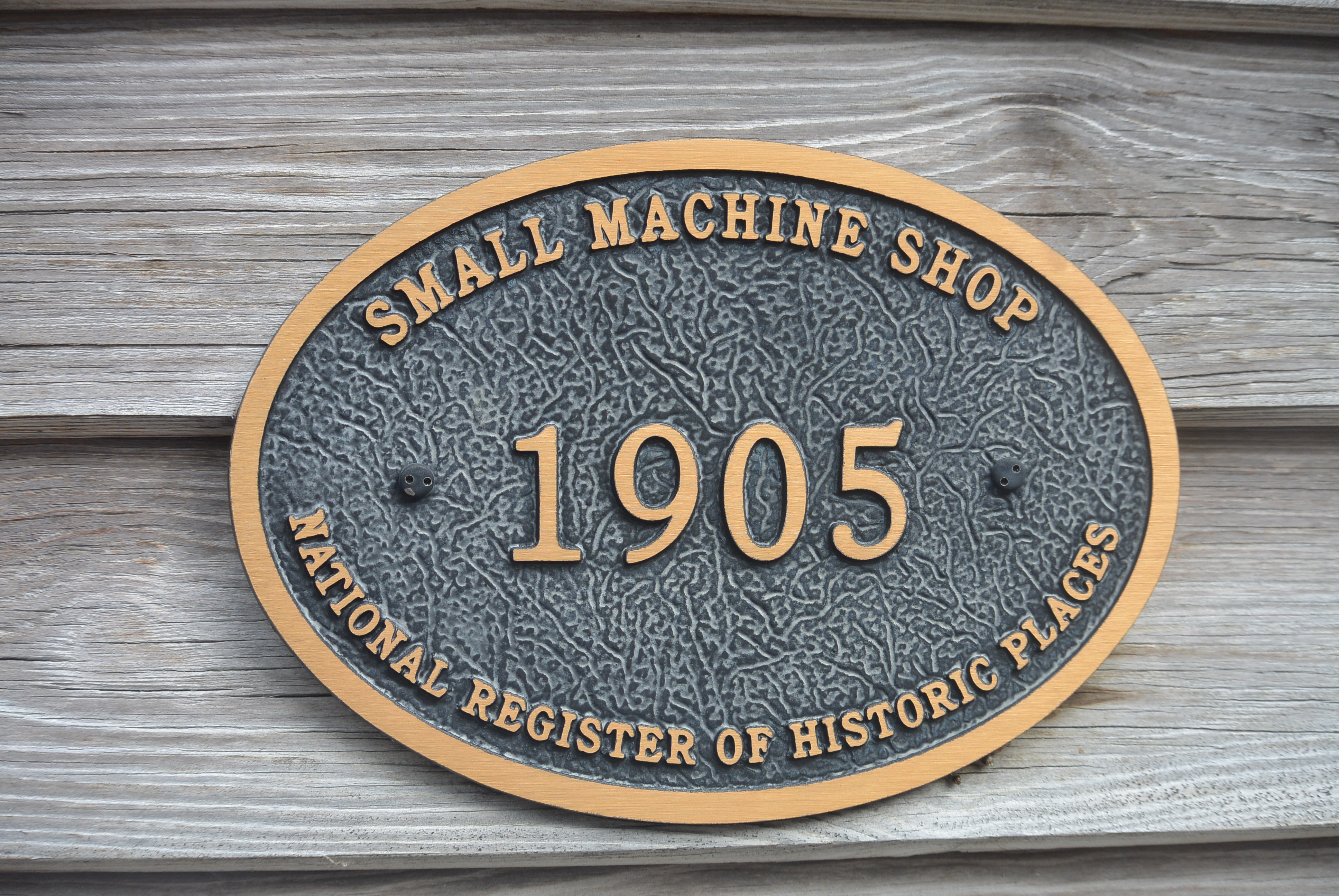

Small Machine Shop Plaque
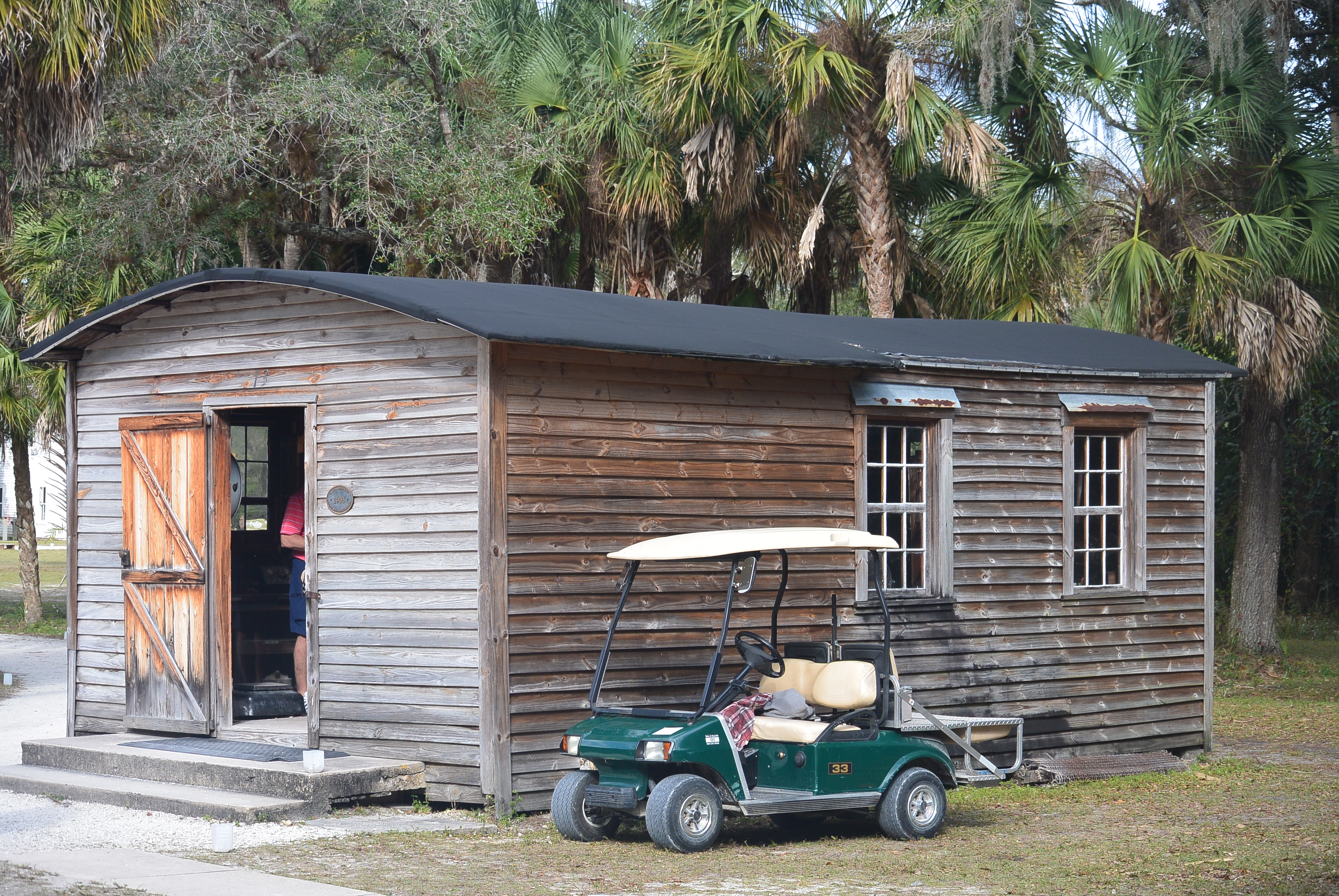
Small Machine Shop
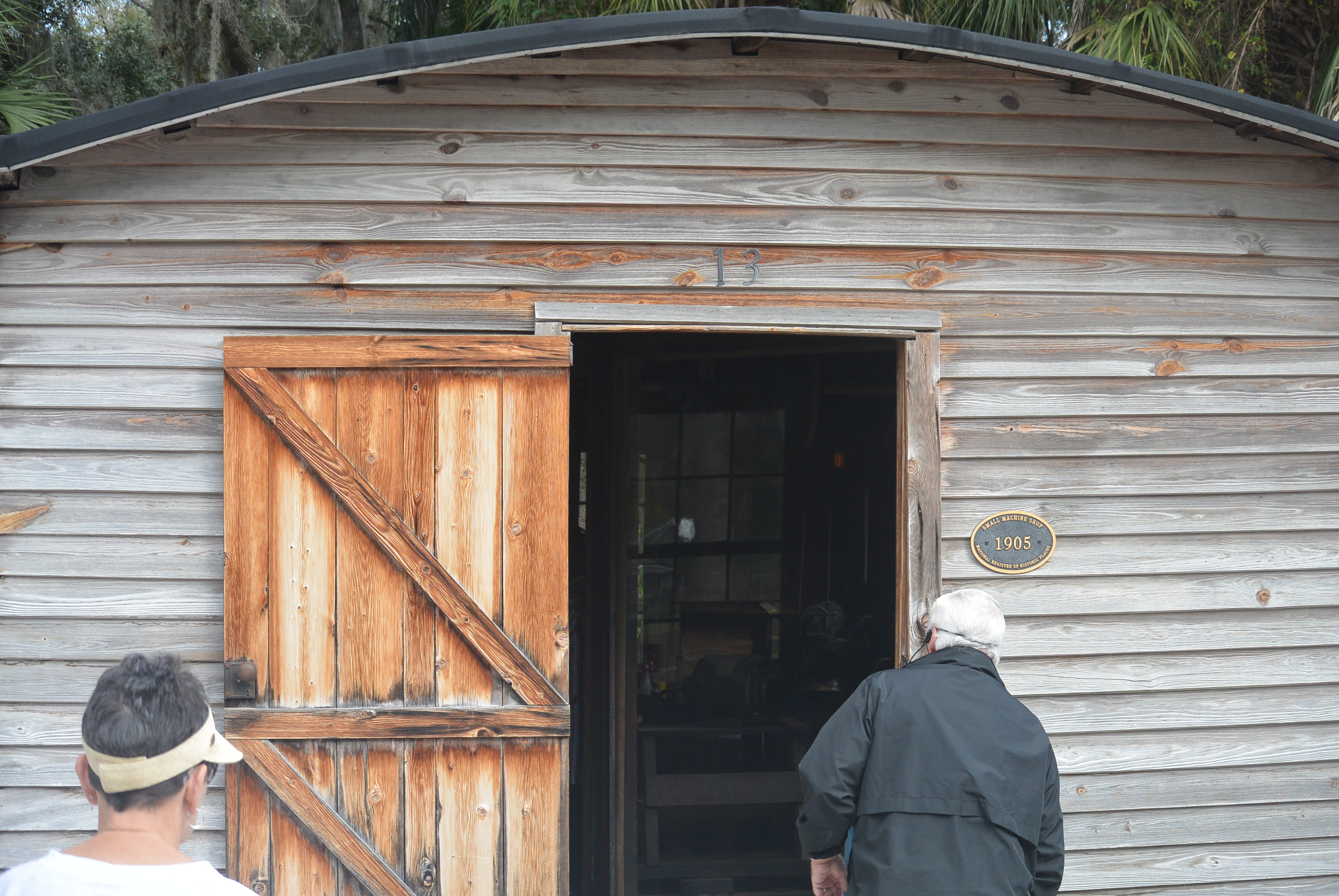
Small Machine Shop


     The Small Machine Shop was built in 1905.  In this building machine parts and kitchen items were fabricated.  Time pieces and shoes were repaired.
Colquitt Building

Colquitt Building

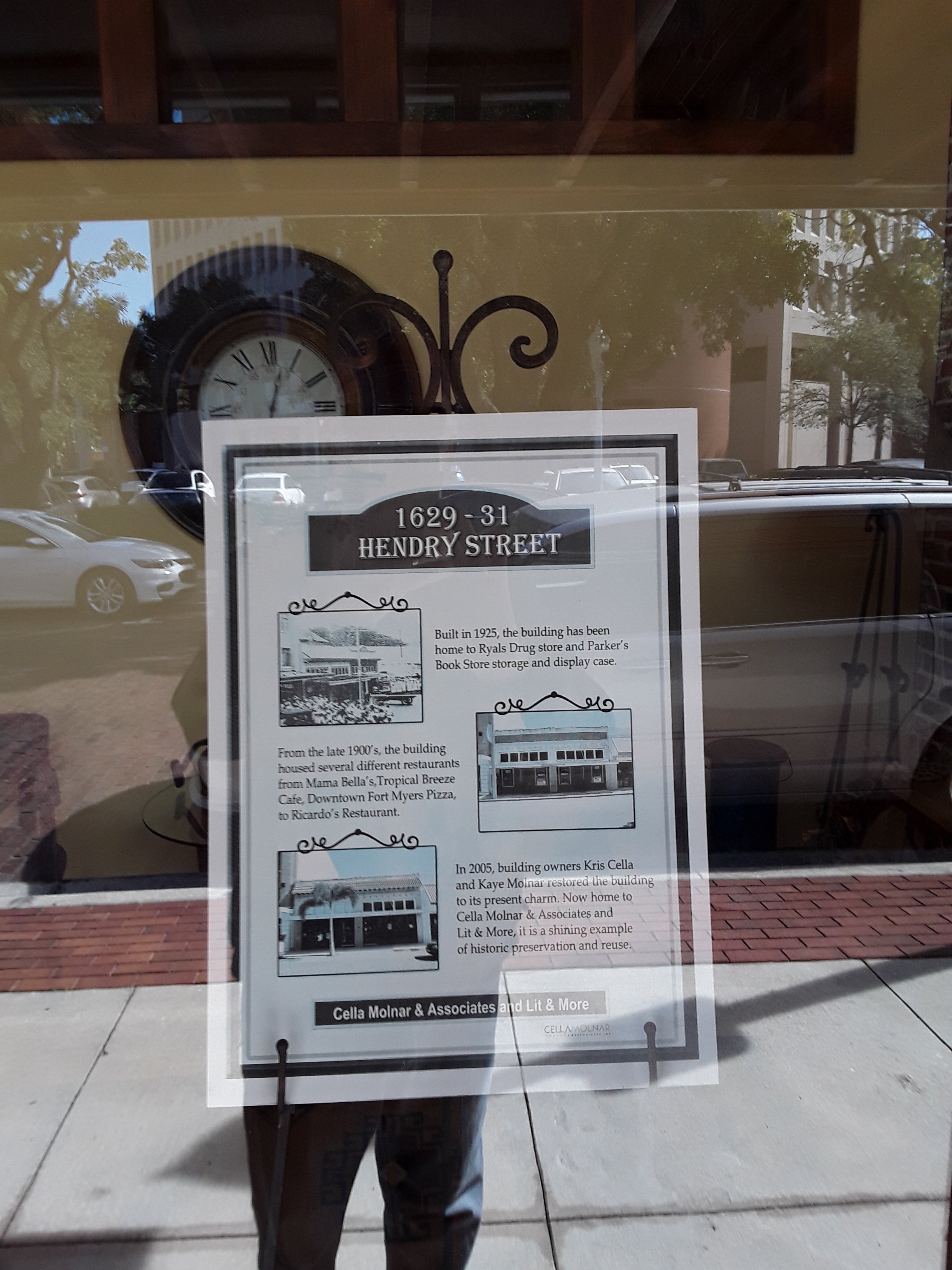
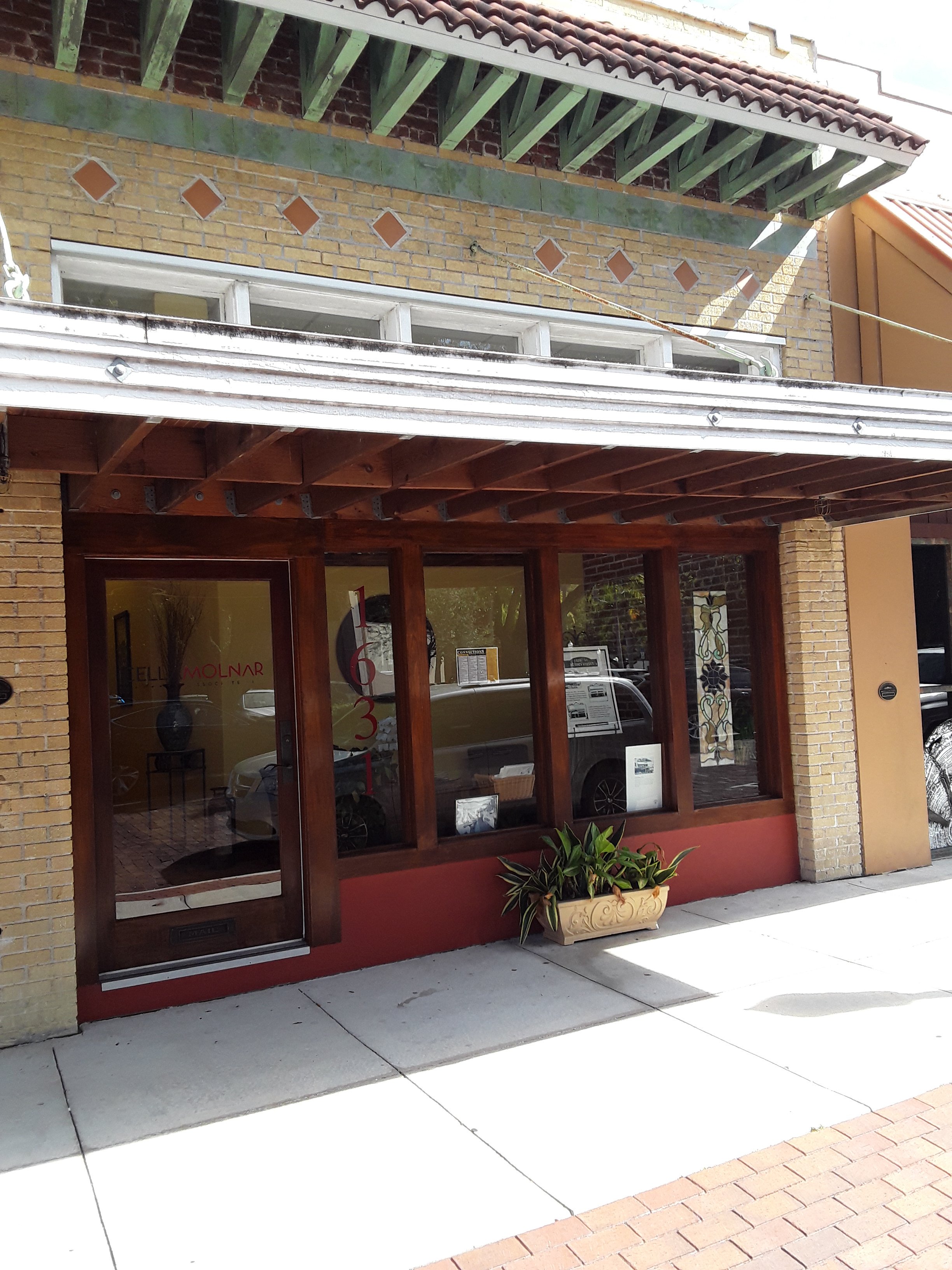
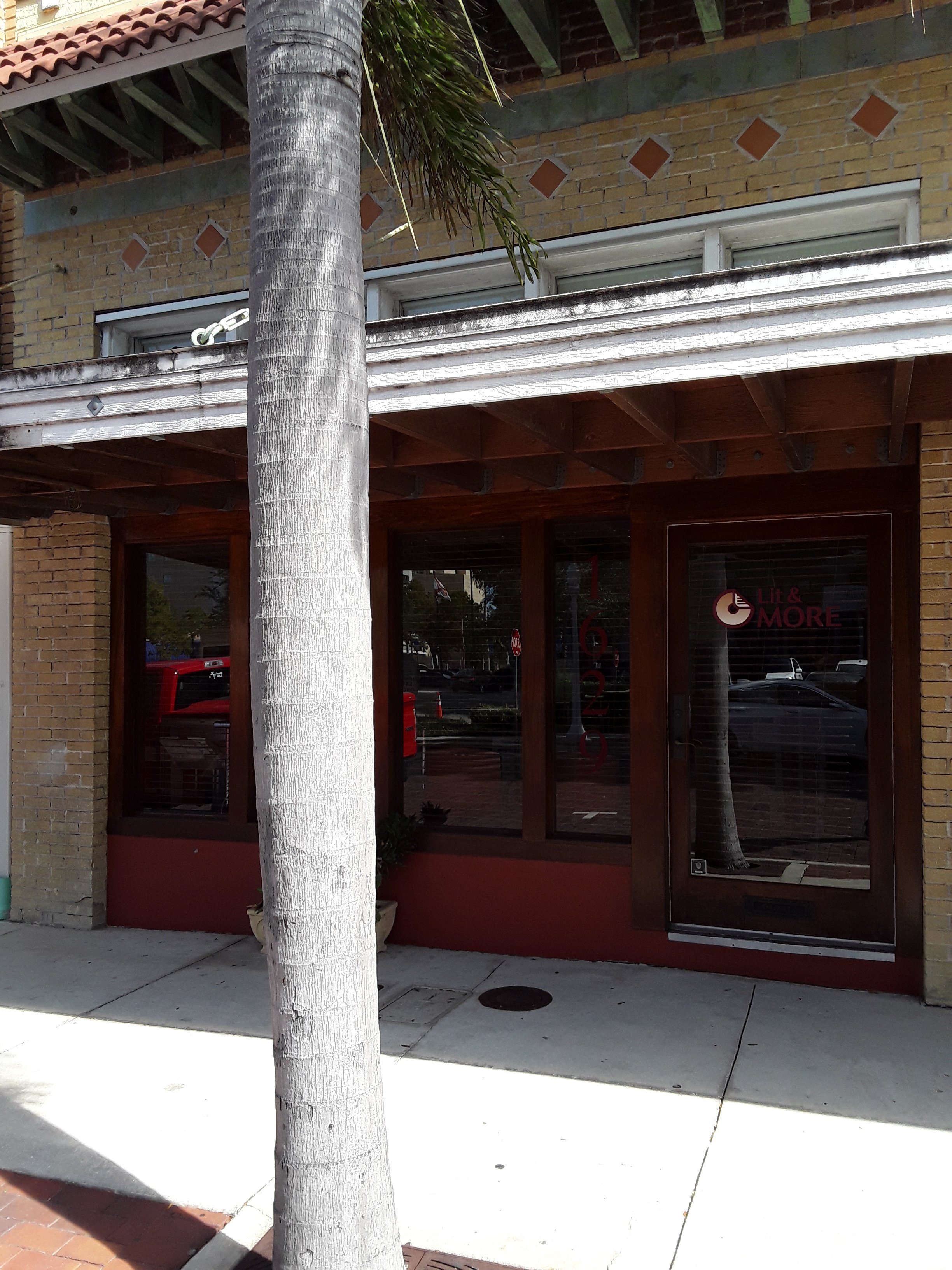
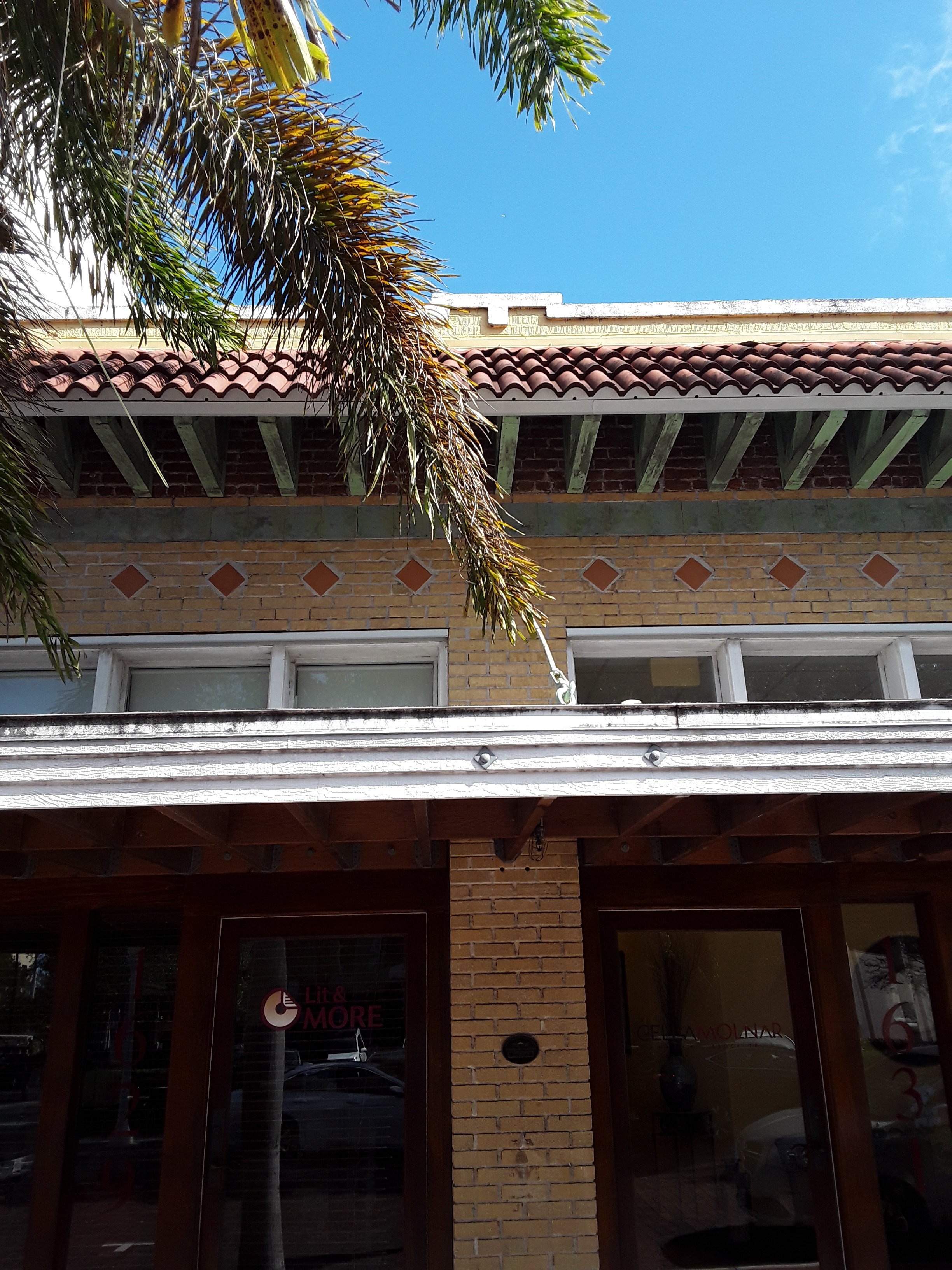
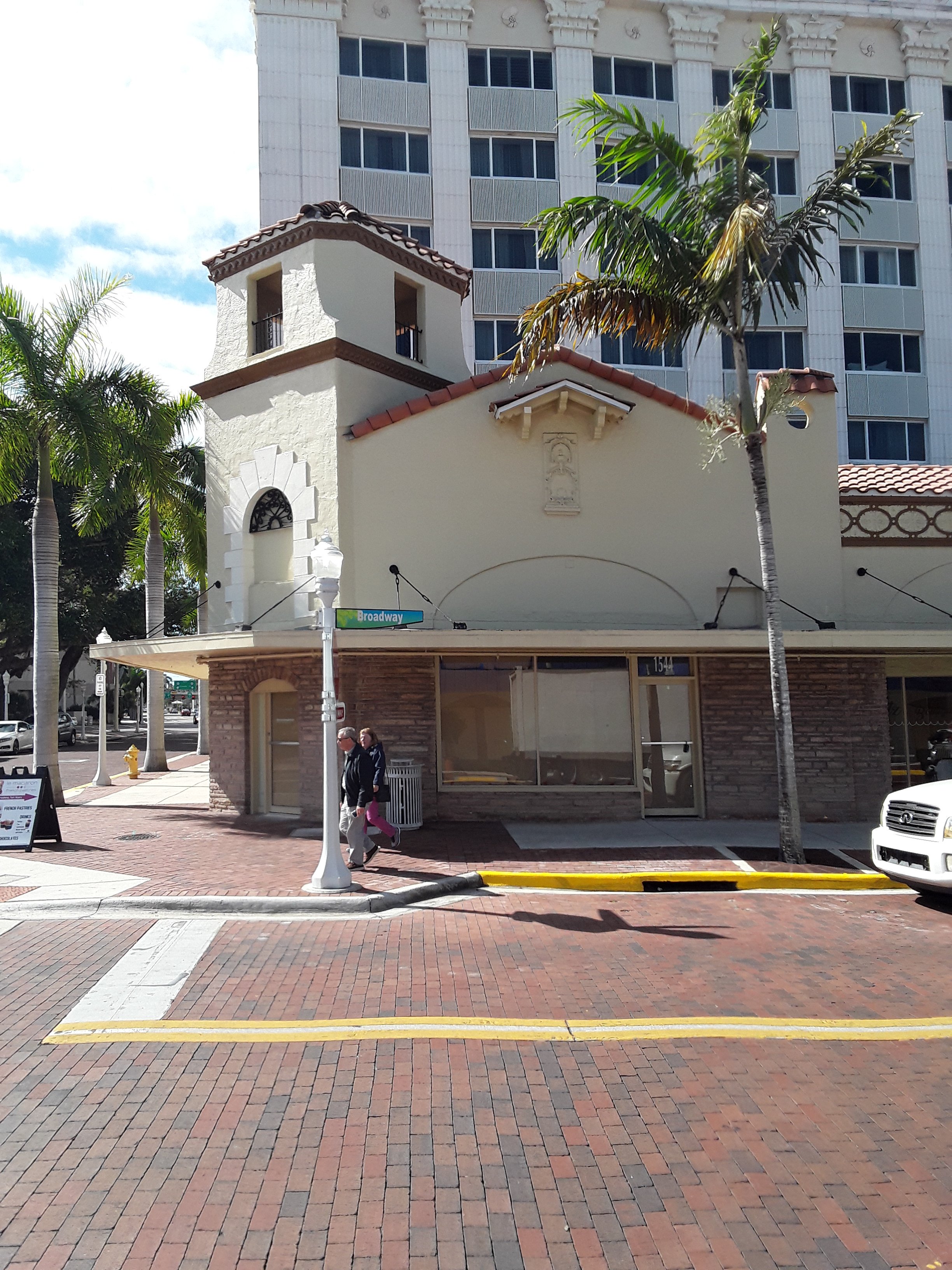
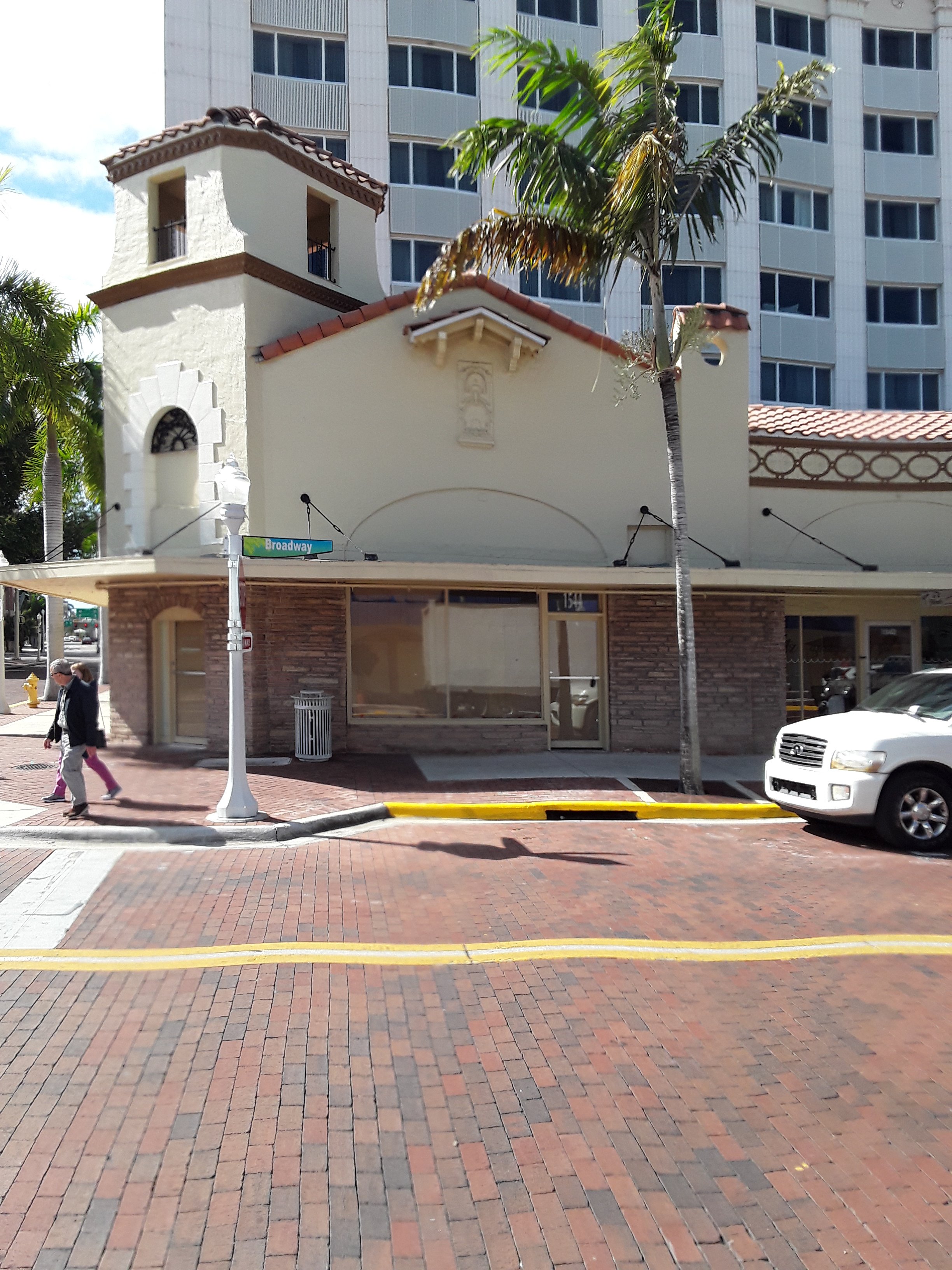
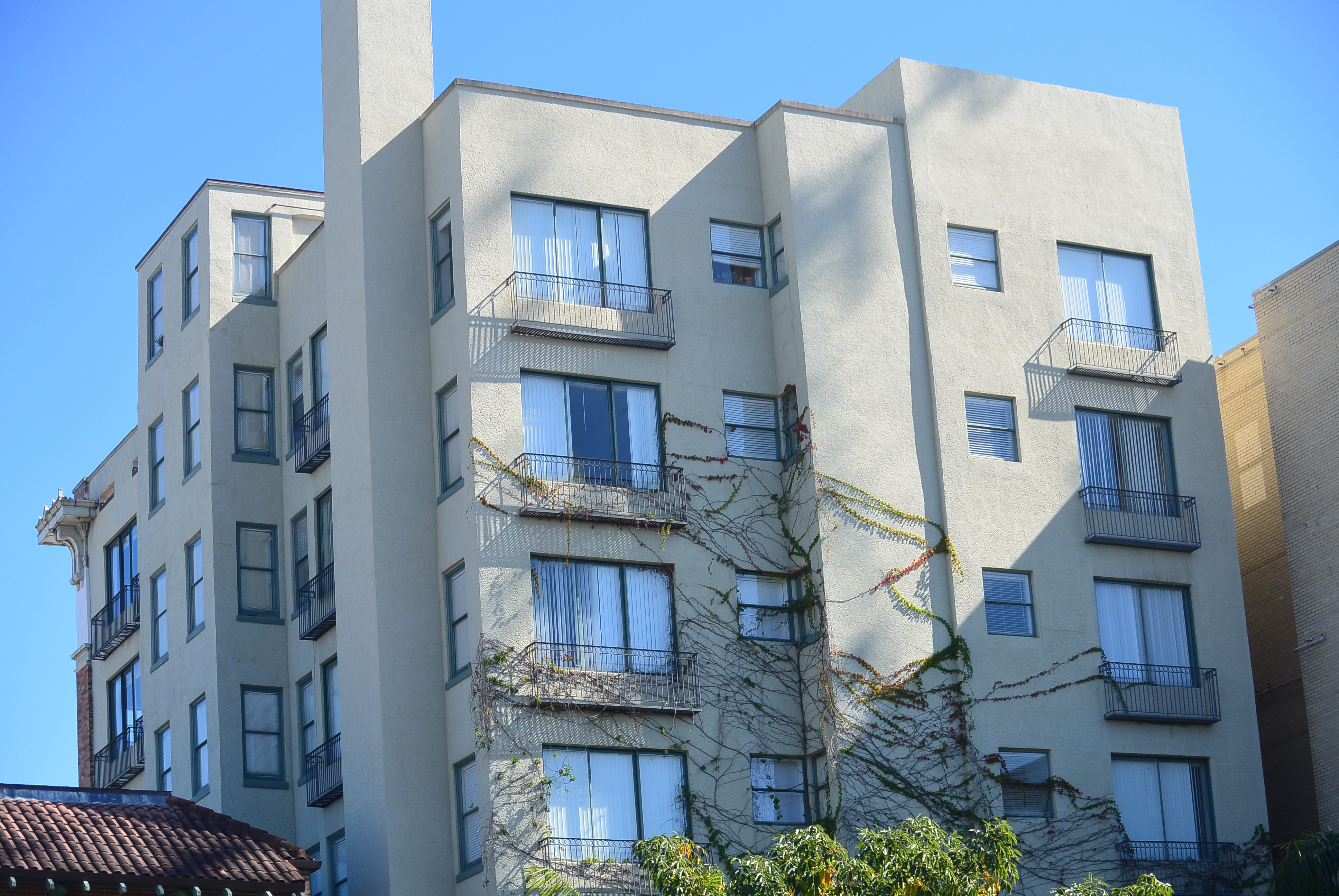
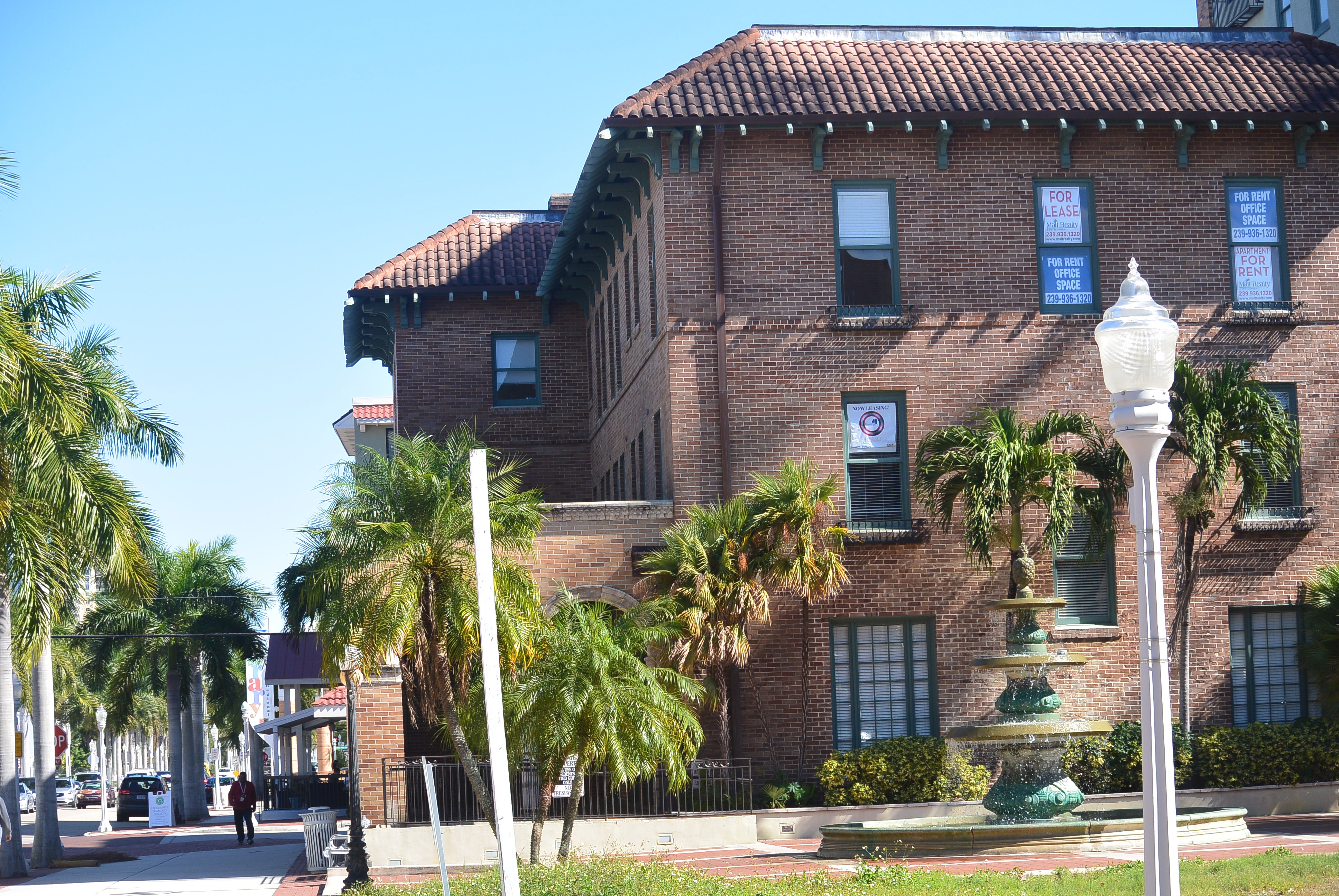
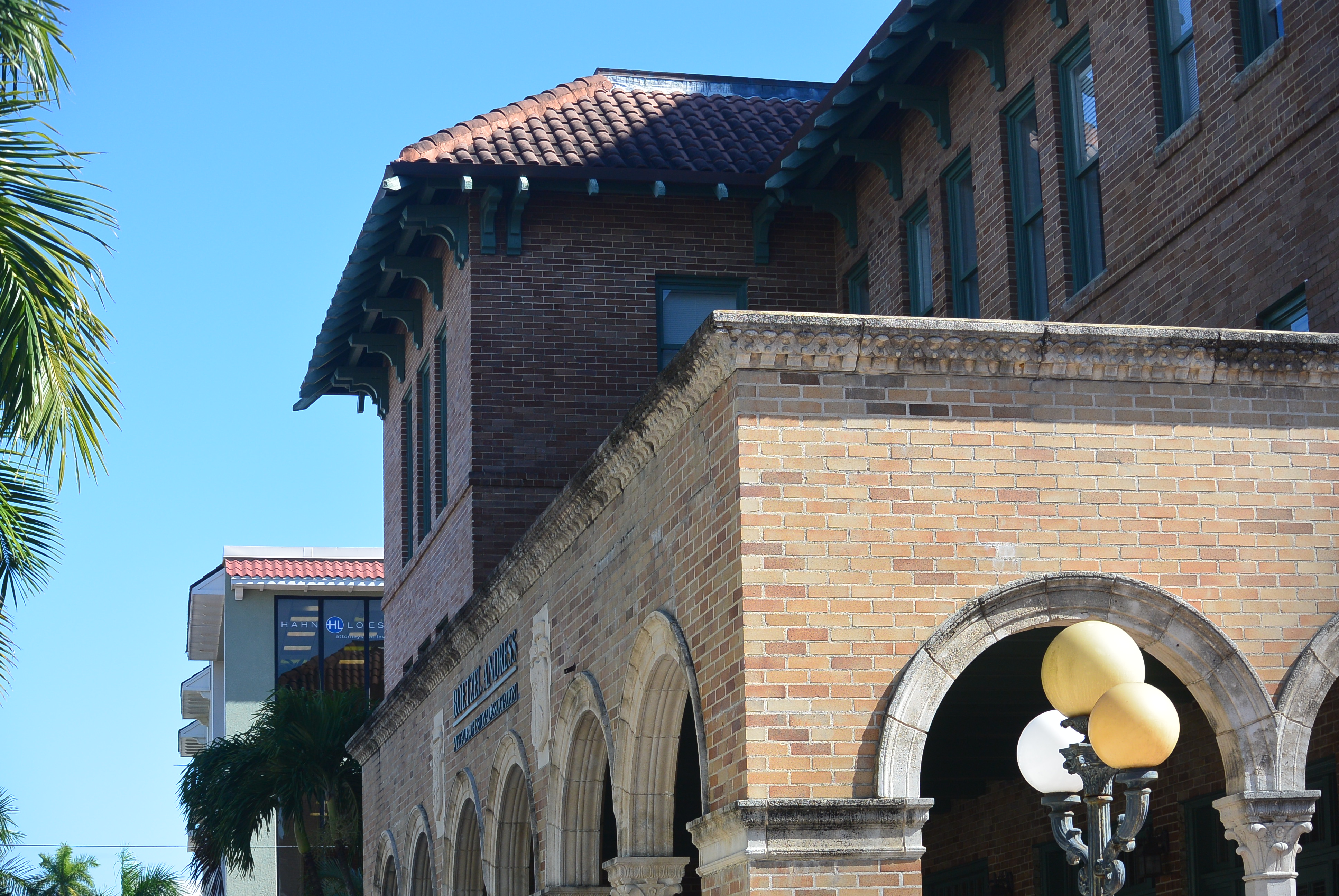
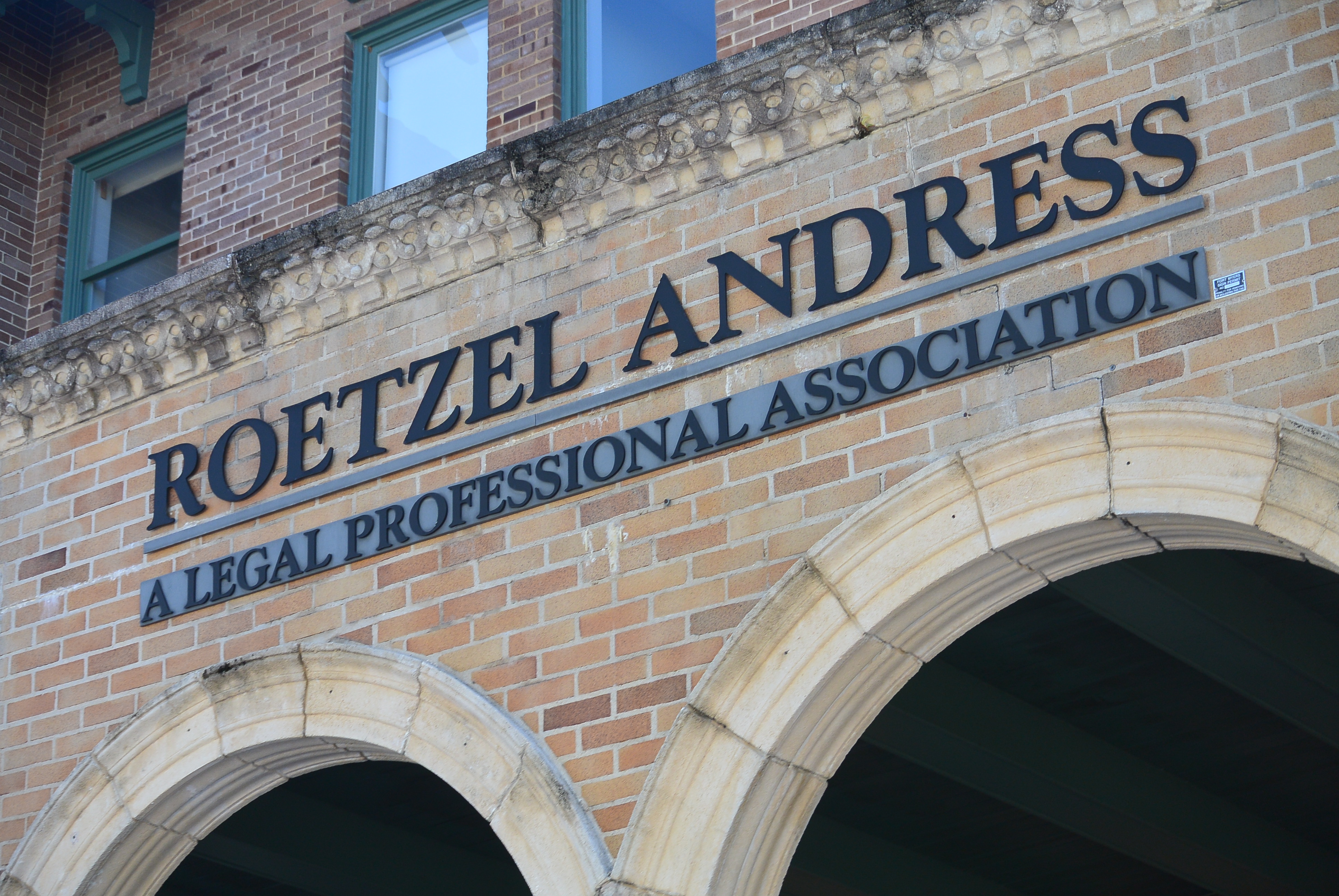
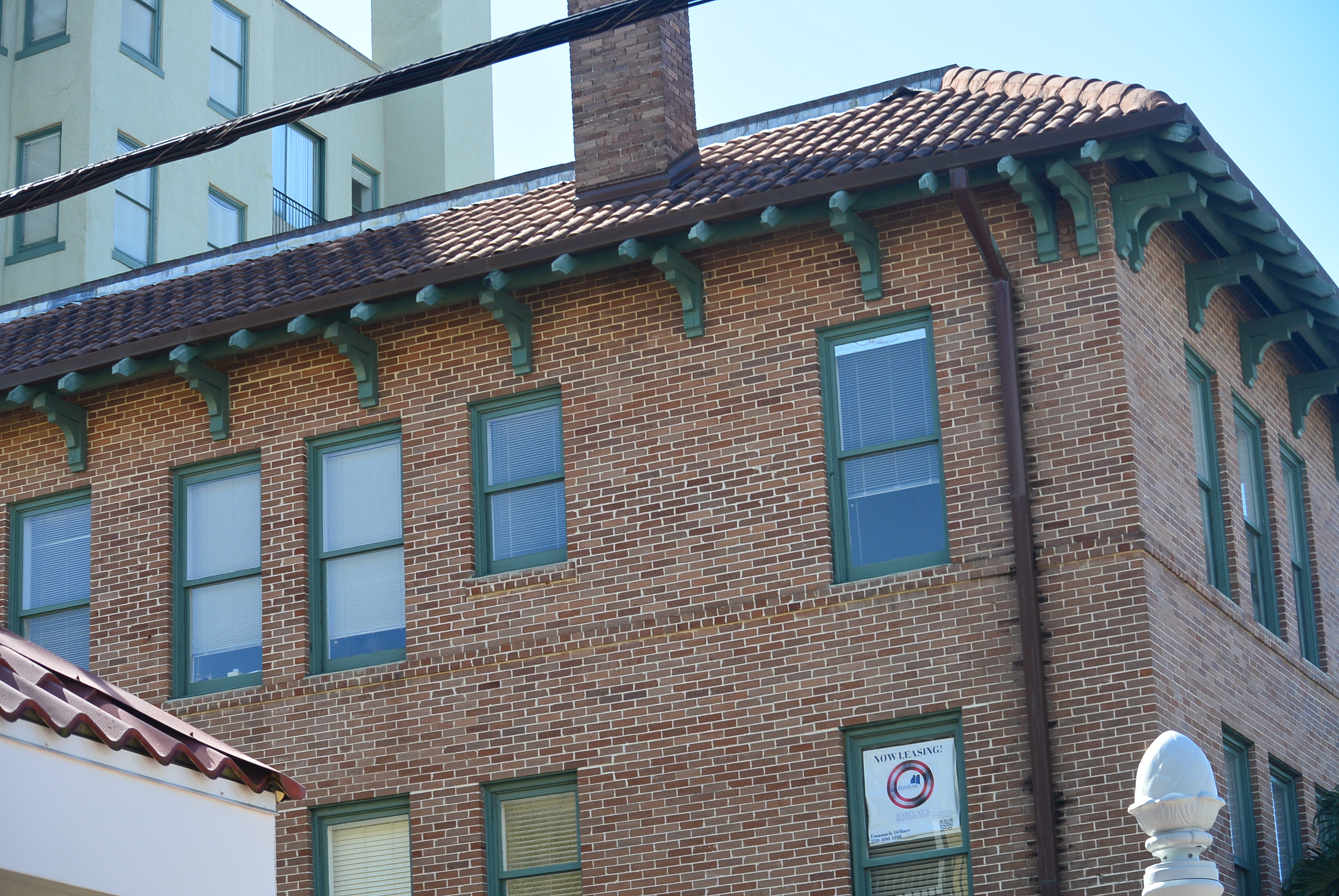
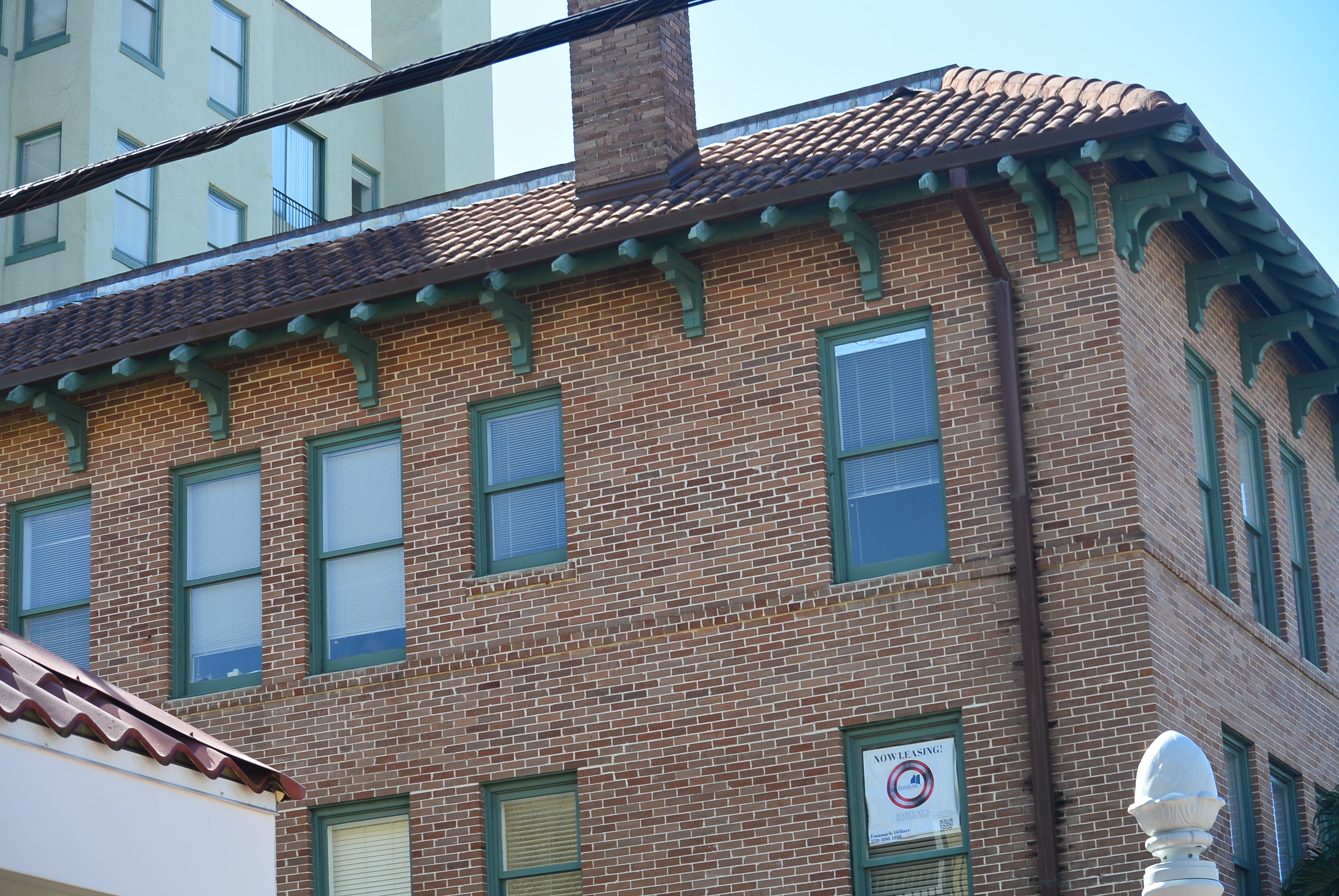
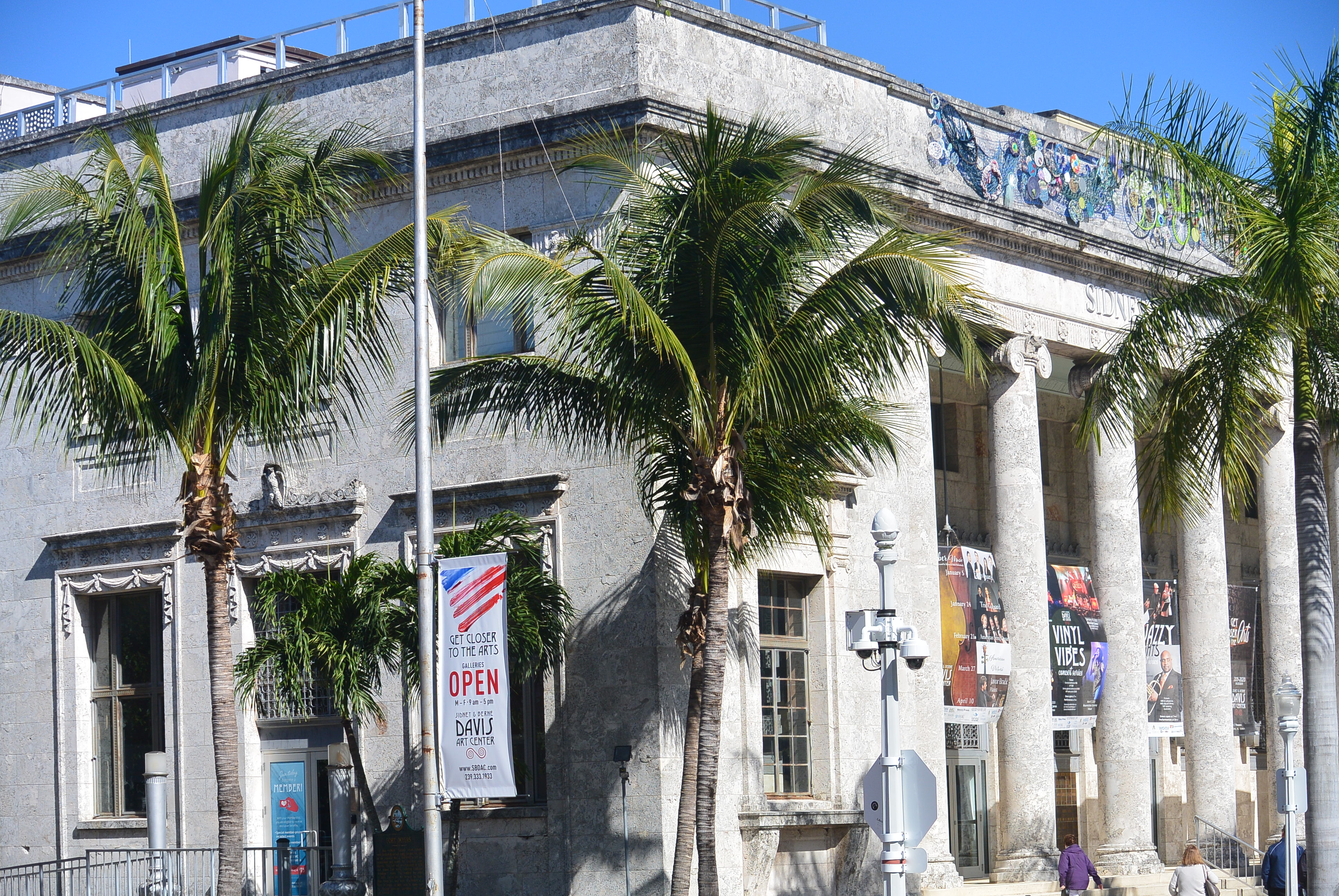
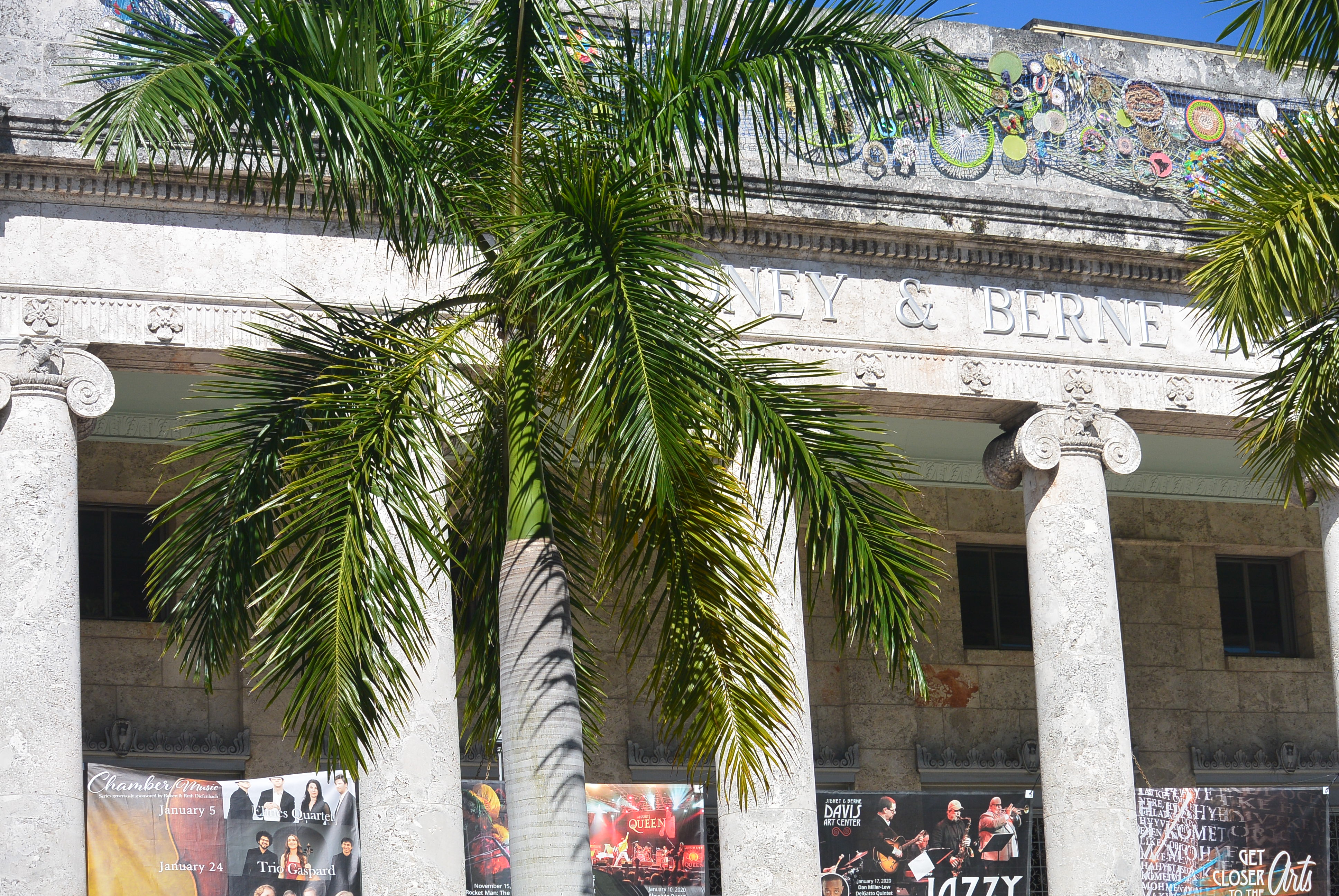
     The historic Colquitt Building is located at 1528-1544 Broadway (corner of Main and Broadway)in Fort Myers.  It was built in 1925 by  former Michigan realtor realtor and owner of the Caloosahatchee Bridge Company.  The building style was Spanish Mission.

Colquitt Building

Historic Spanish Point

DSC_4711

Osprey  School

DSC_4712

Osprey School

DSC_4712
DSC_4716

Osprey  School

Osprey School
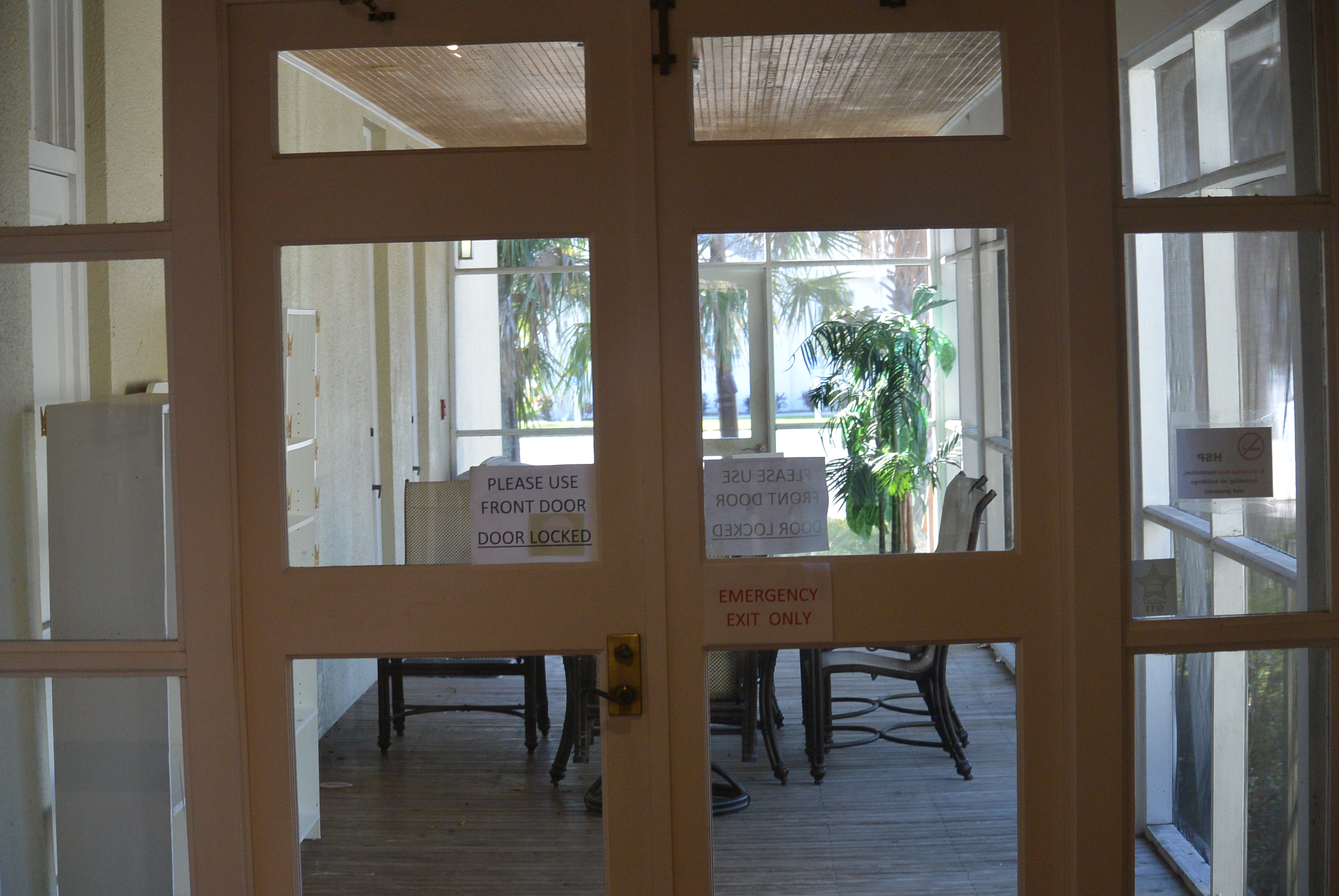
DSC_4715

Interior Osprey School

DSC_4714

Same as above

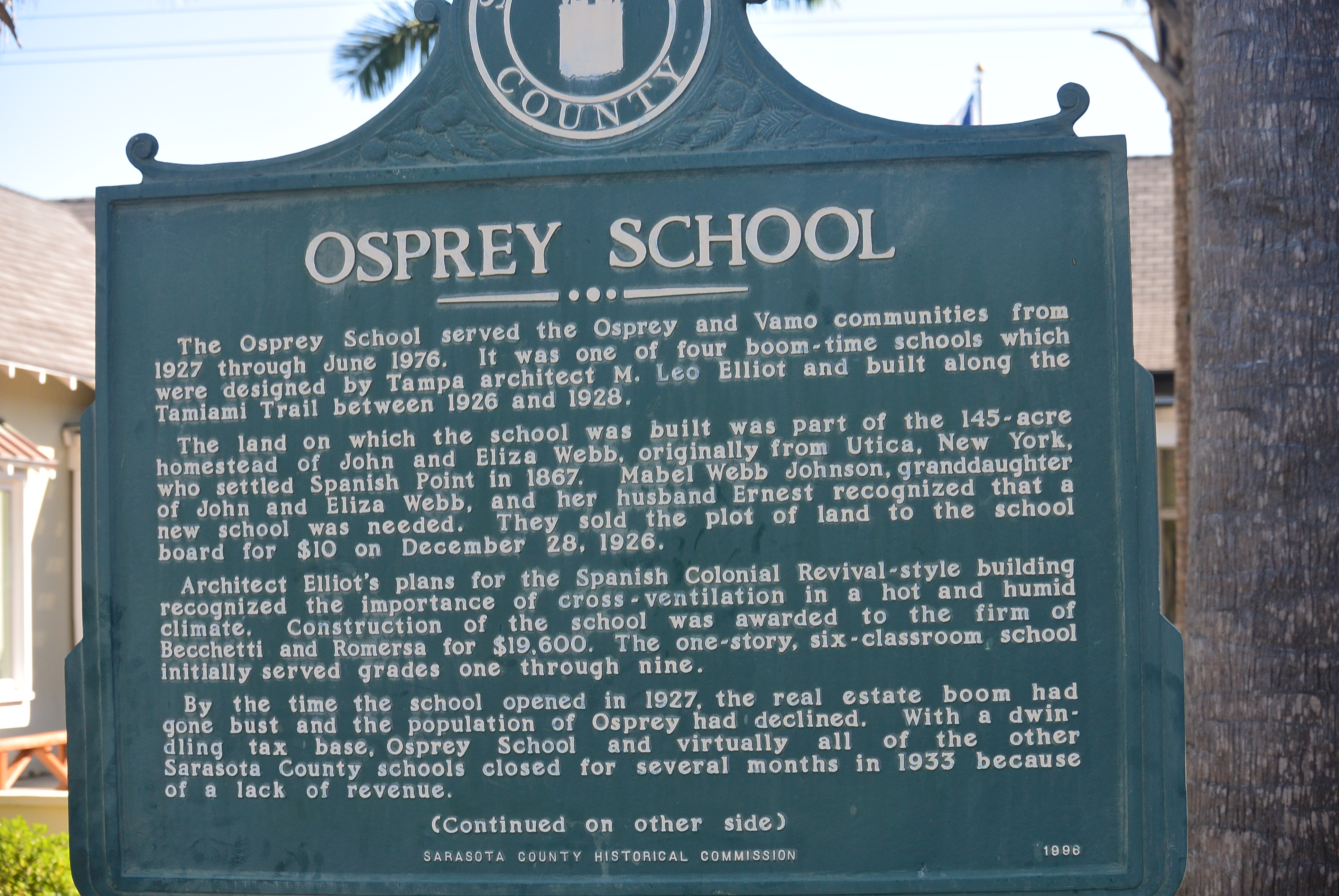
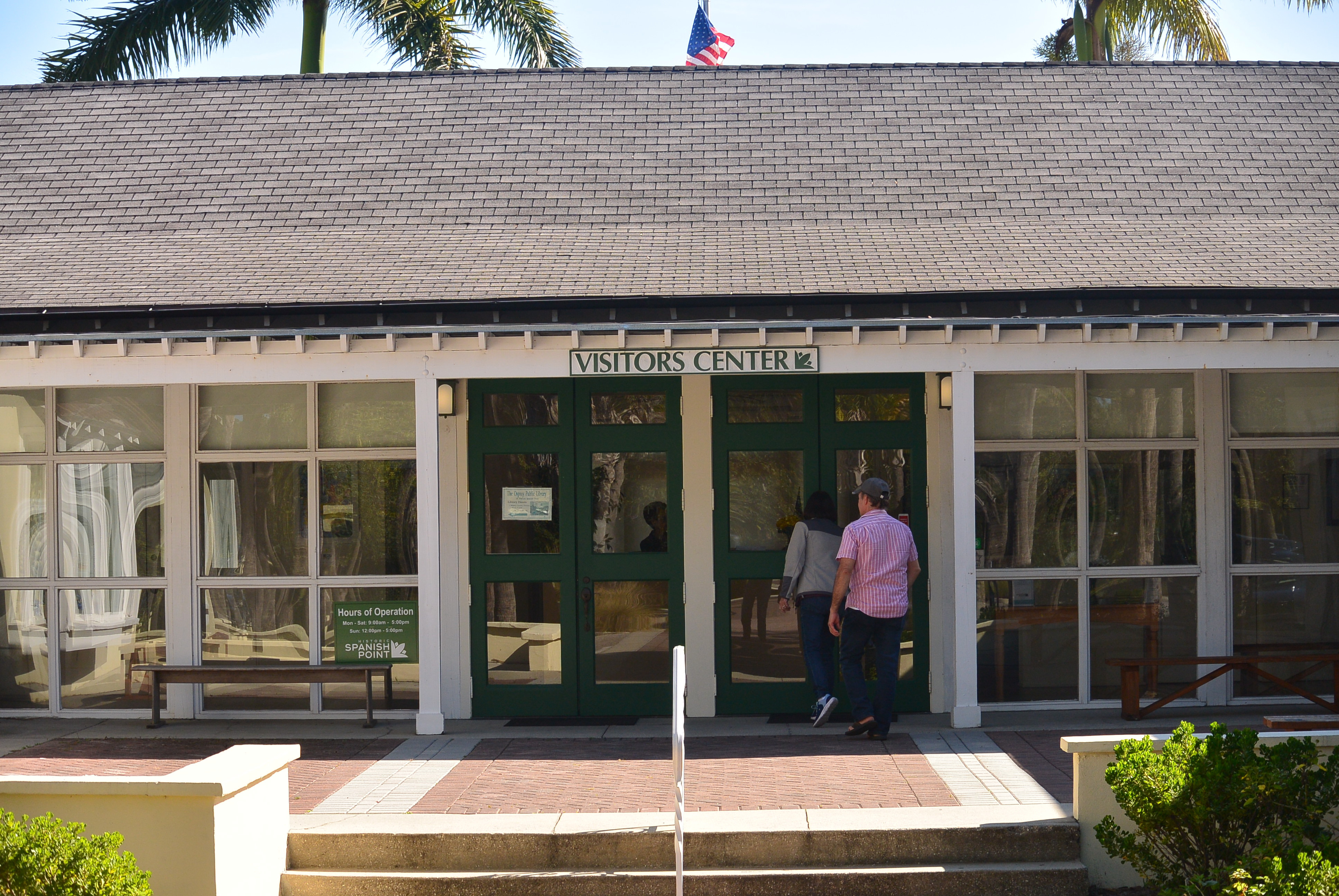
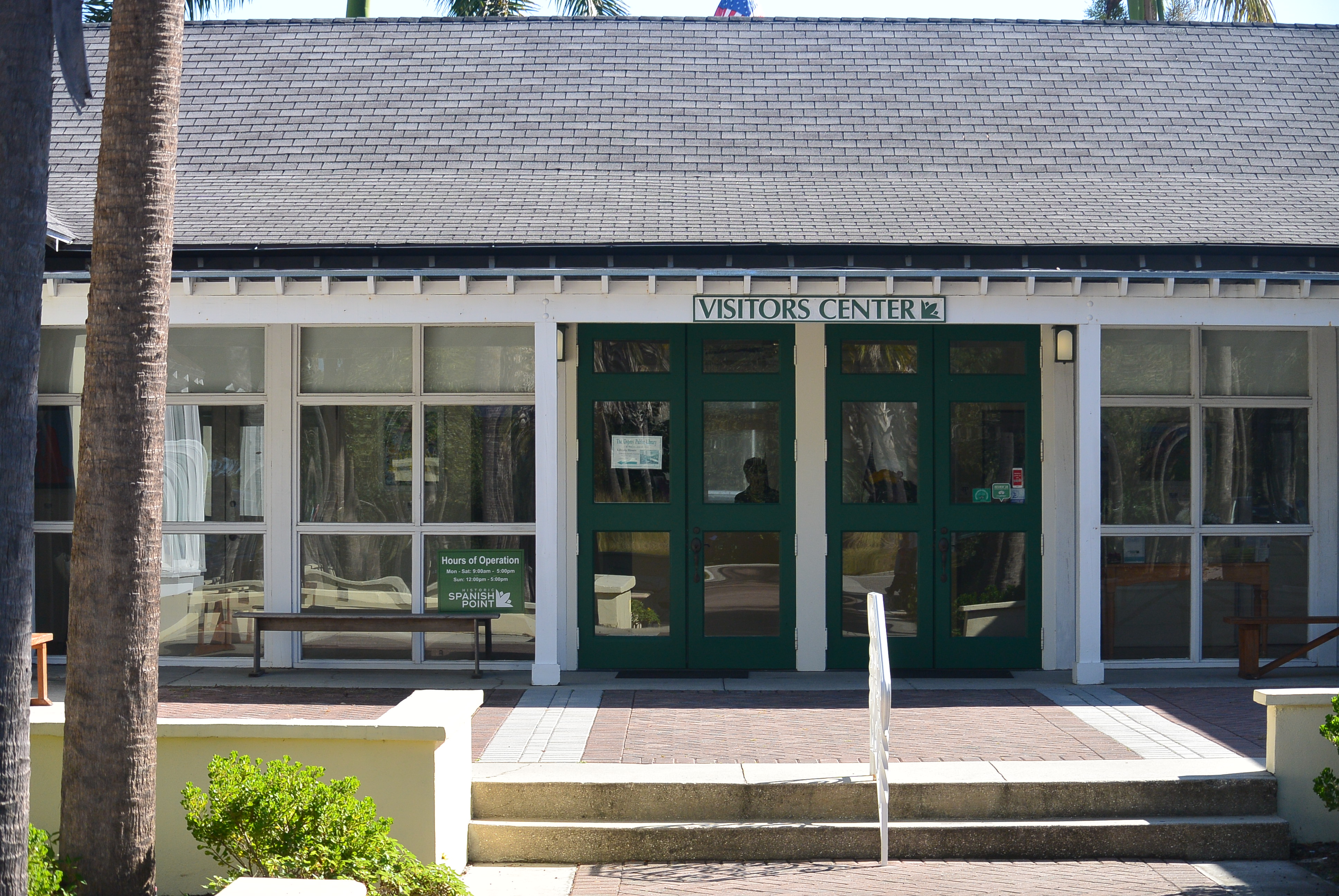
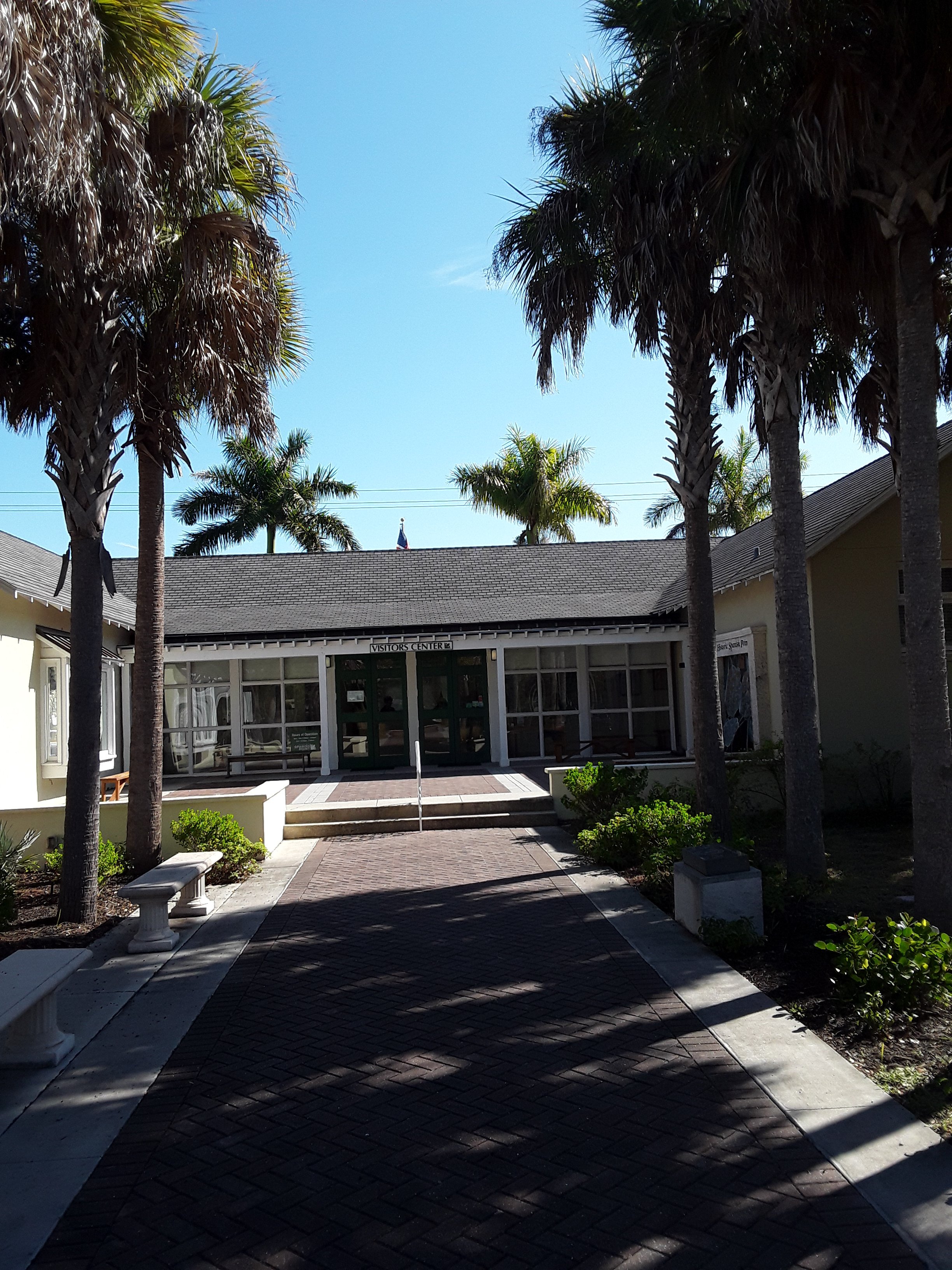
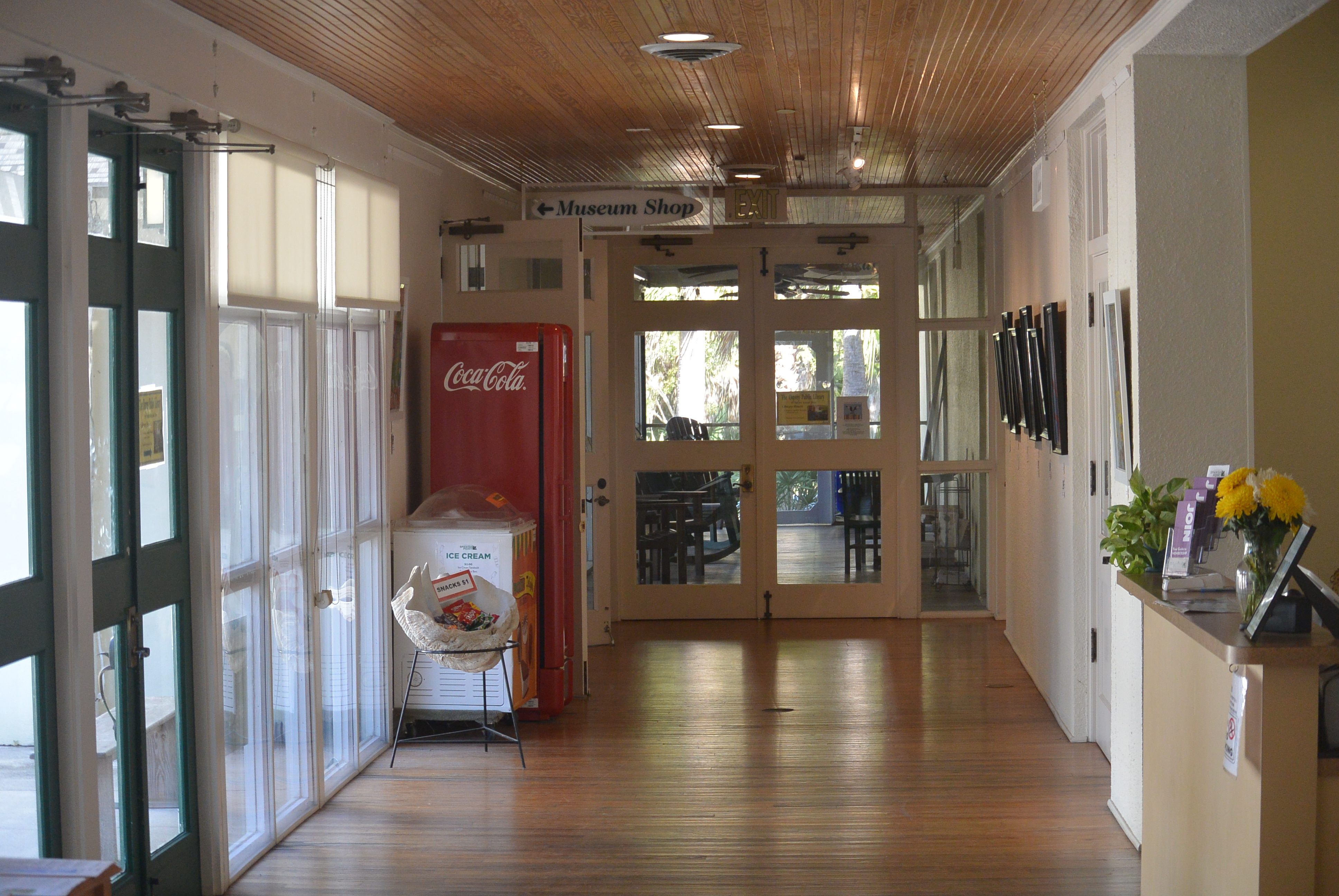
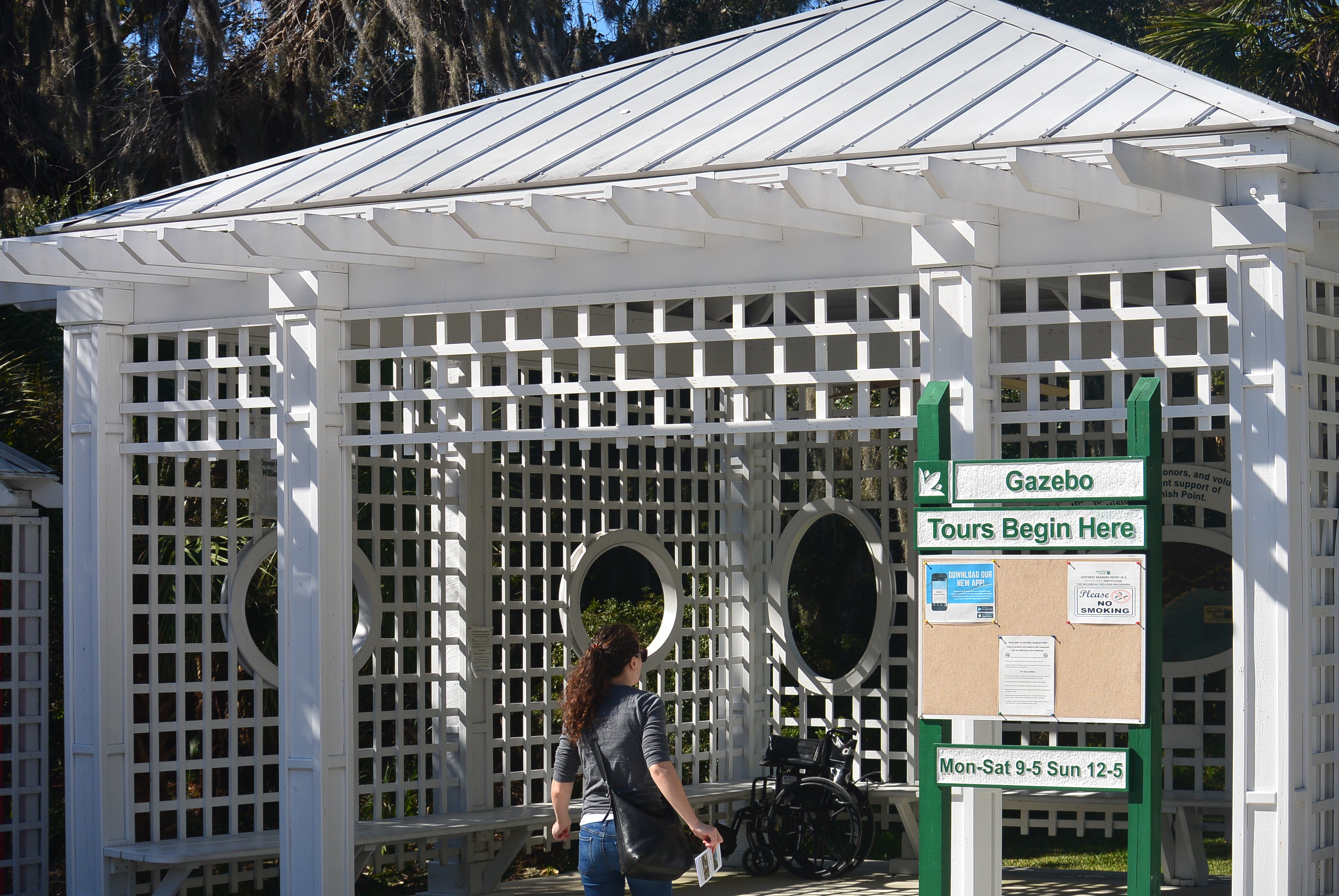
     This historic Osprey School was one of five schools built between 1926-1928 along the Tamiami Trail in Sarasota County.  The architect was M.L. Elliot.  The style is Spanish Colonial Revival.   The building is listed in the National Register of  Historic Places.    This building currently serves as the visitor center for the Historic Spanish Point      The start point for tours of Historic Spanish Point is at the Gazebo.
DSC_4717

Gazebo

Burial Mound

Burial Mound

Burial Mound

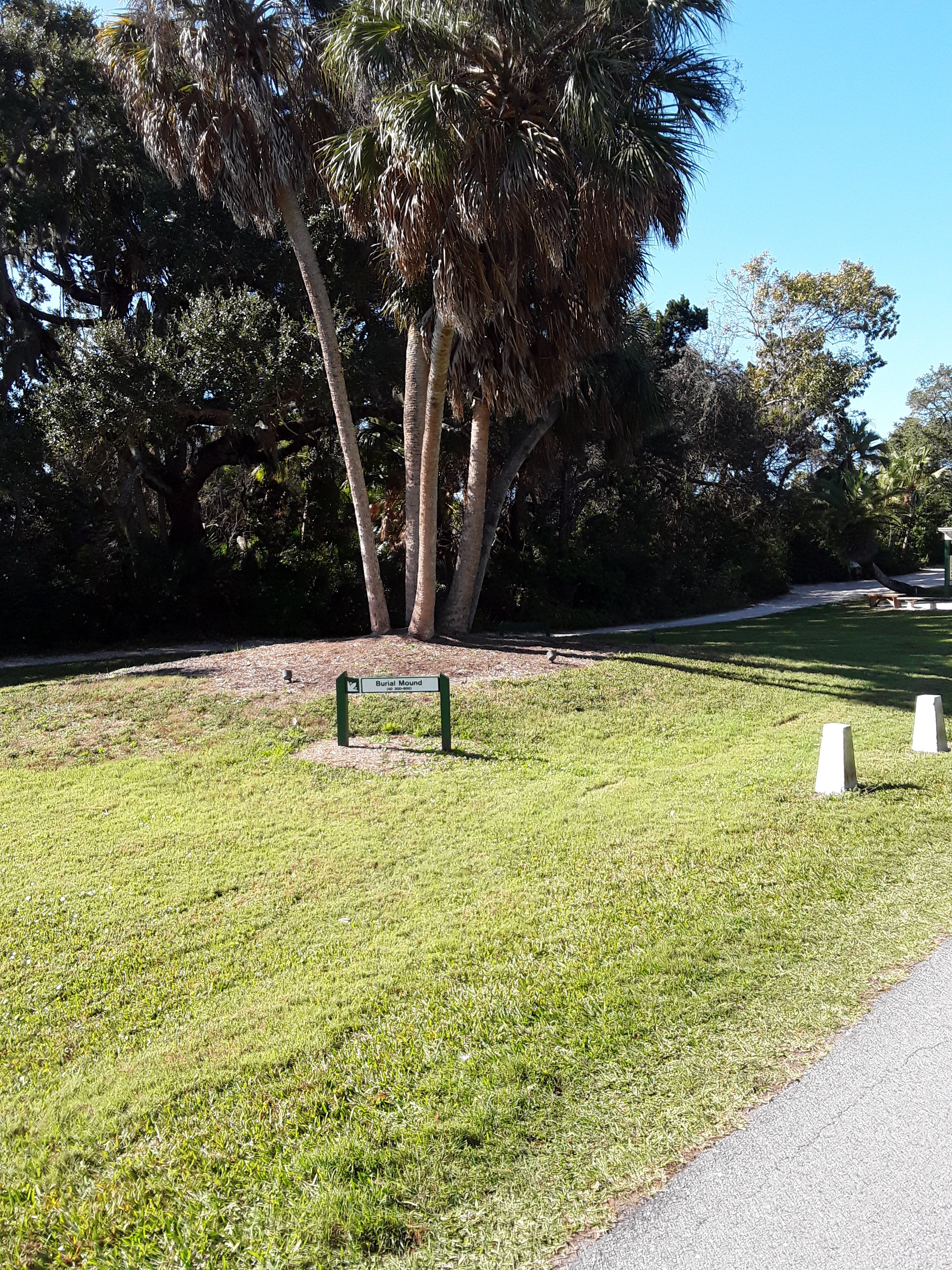
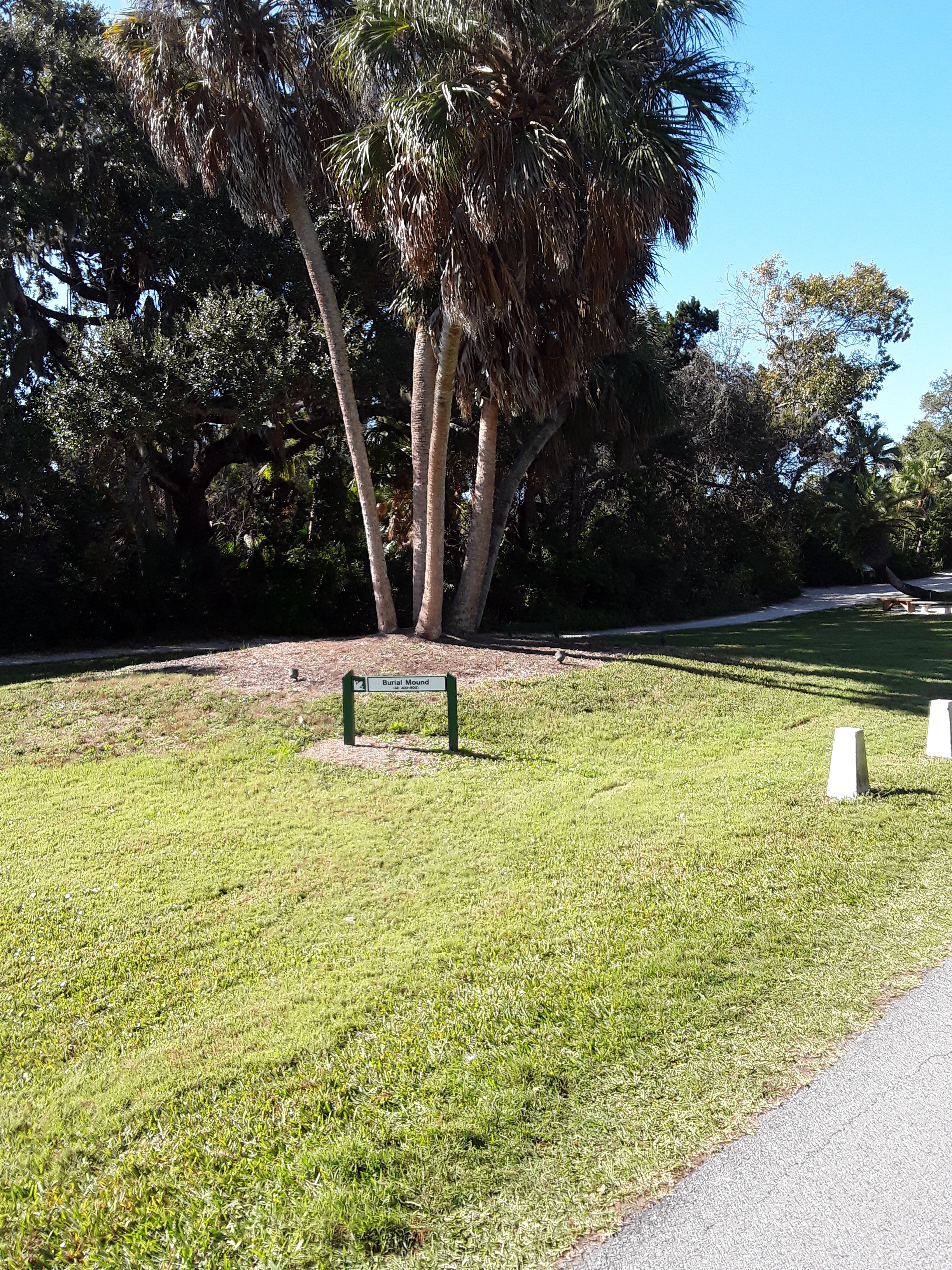
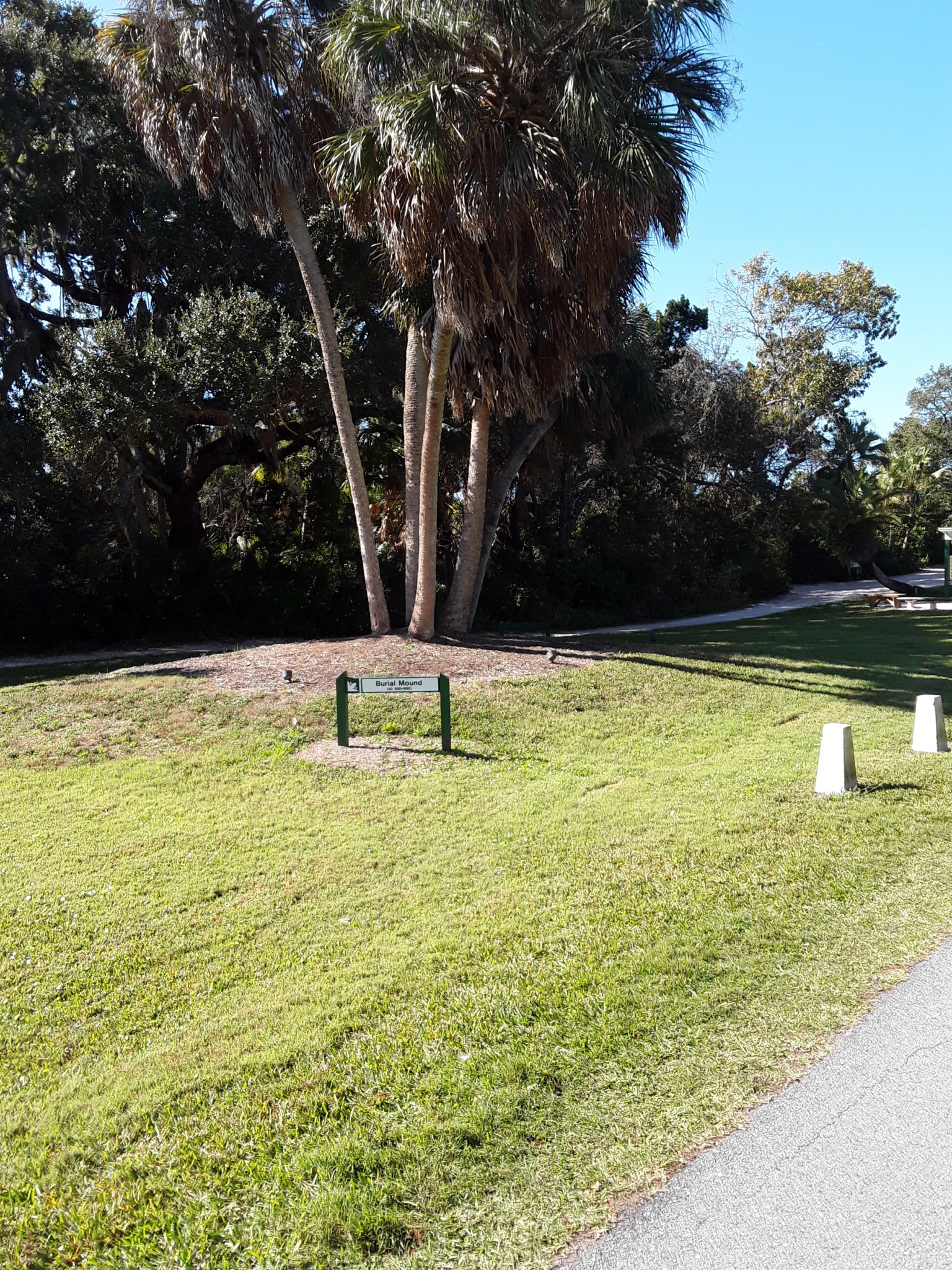
    The burial mound was built by generations of natives who lived in the area from 300-1000.  Human bones and offerings of shark teeth smashed pottery, and other materials were periodically placed on the mound and covered with sand.
DSC_4720

Duchene Lawn and Classic Portal

DSC_4719

Duchene Lawn and Classic Portal

Same as above

Same as above
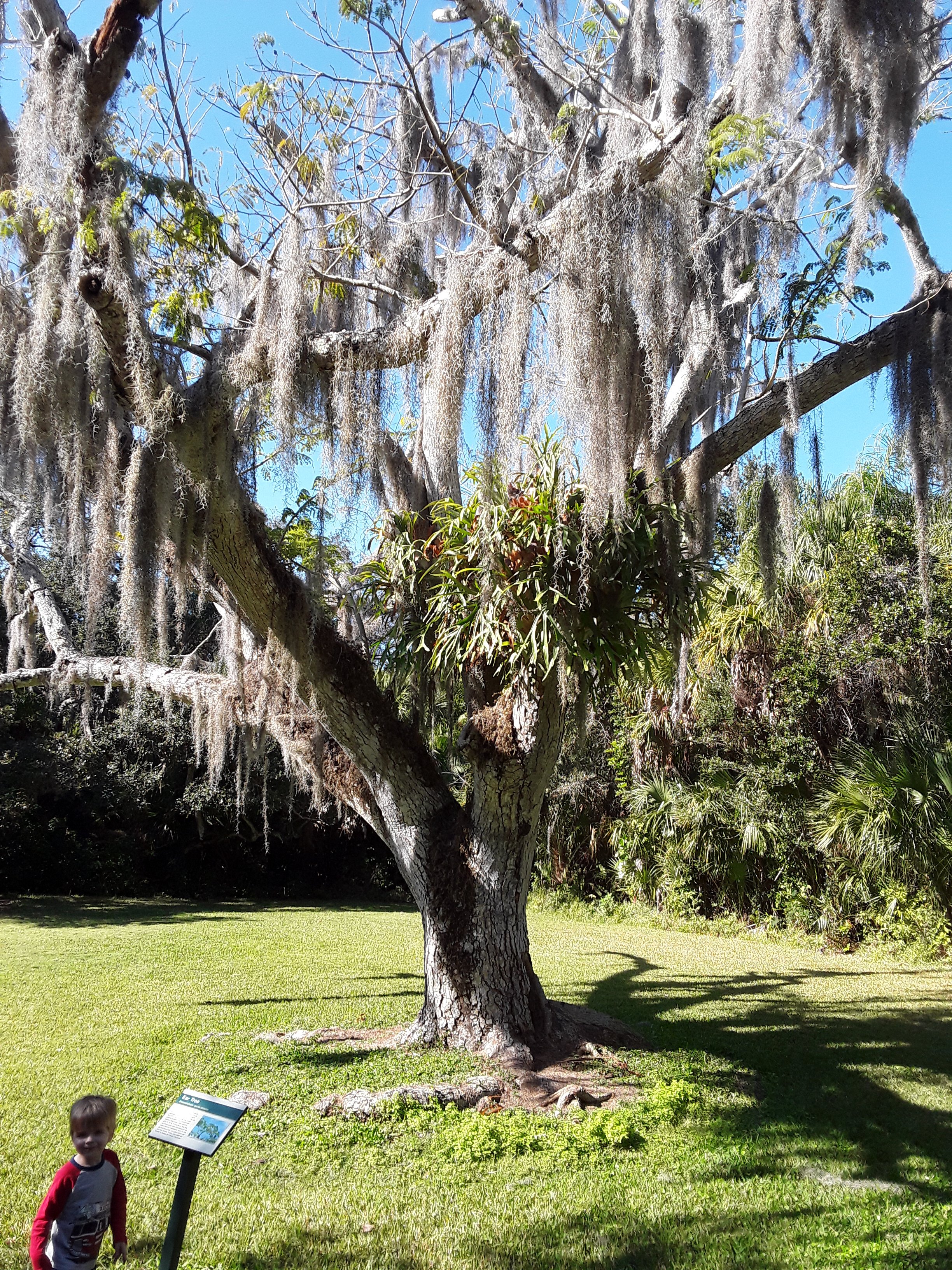
Ear Tree

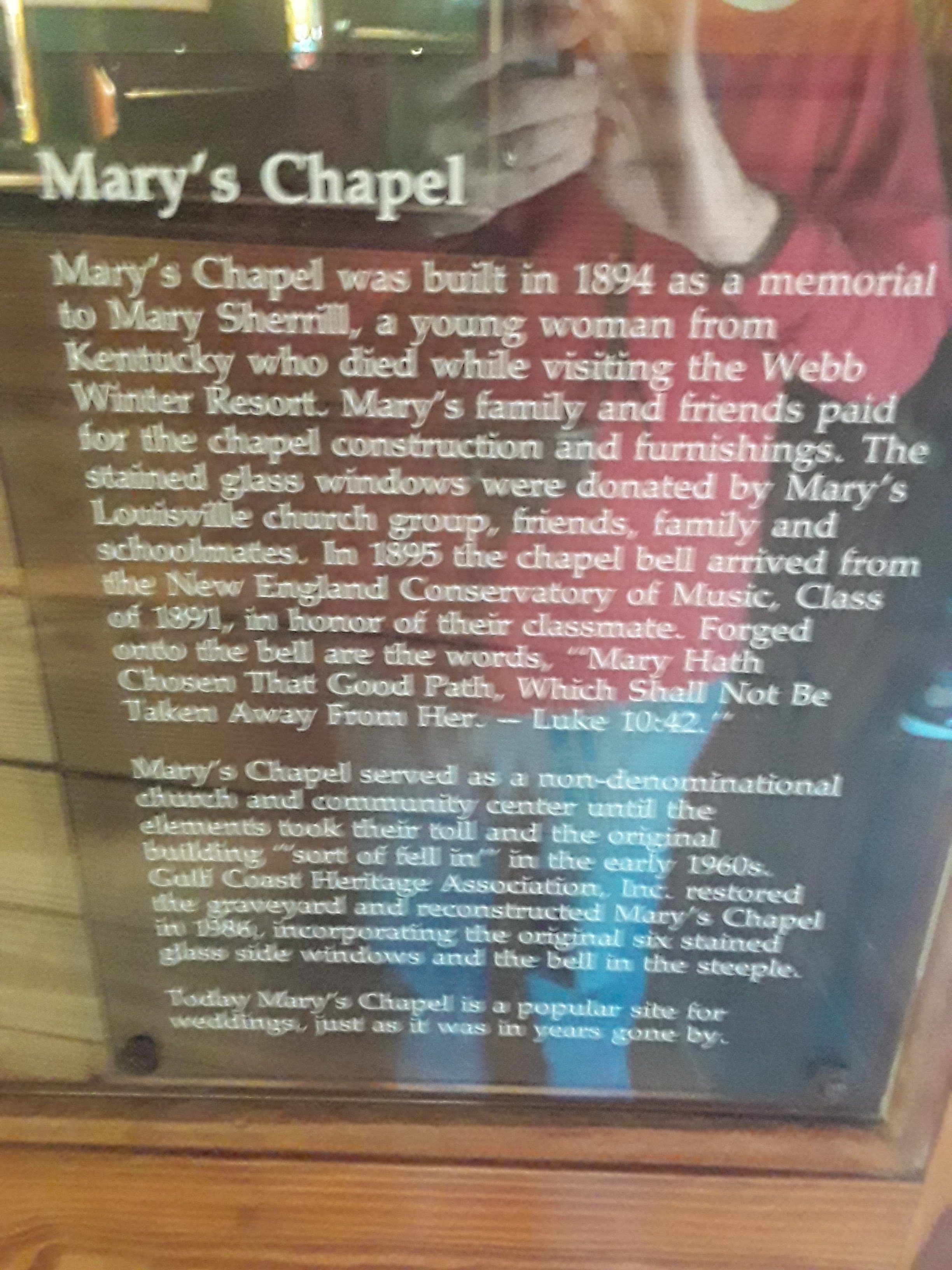
Mary’s Chapel

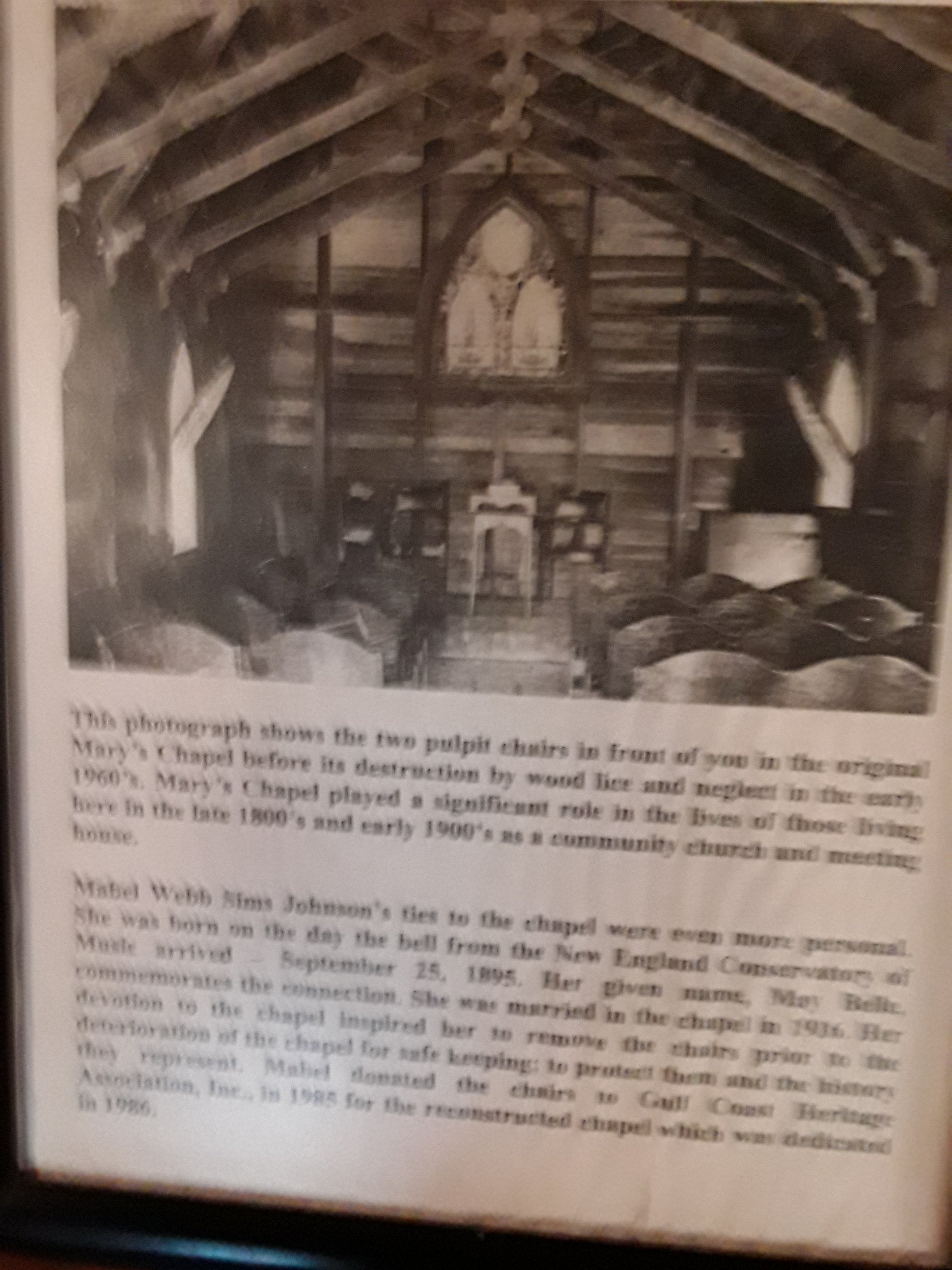
Historic Photo

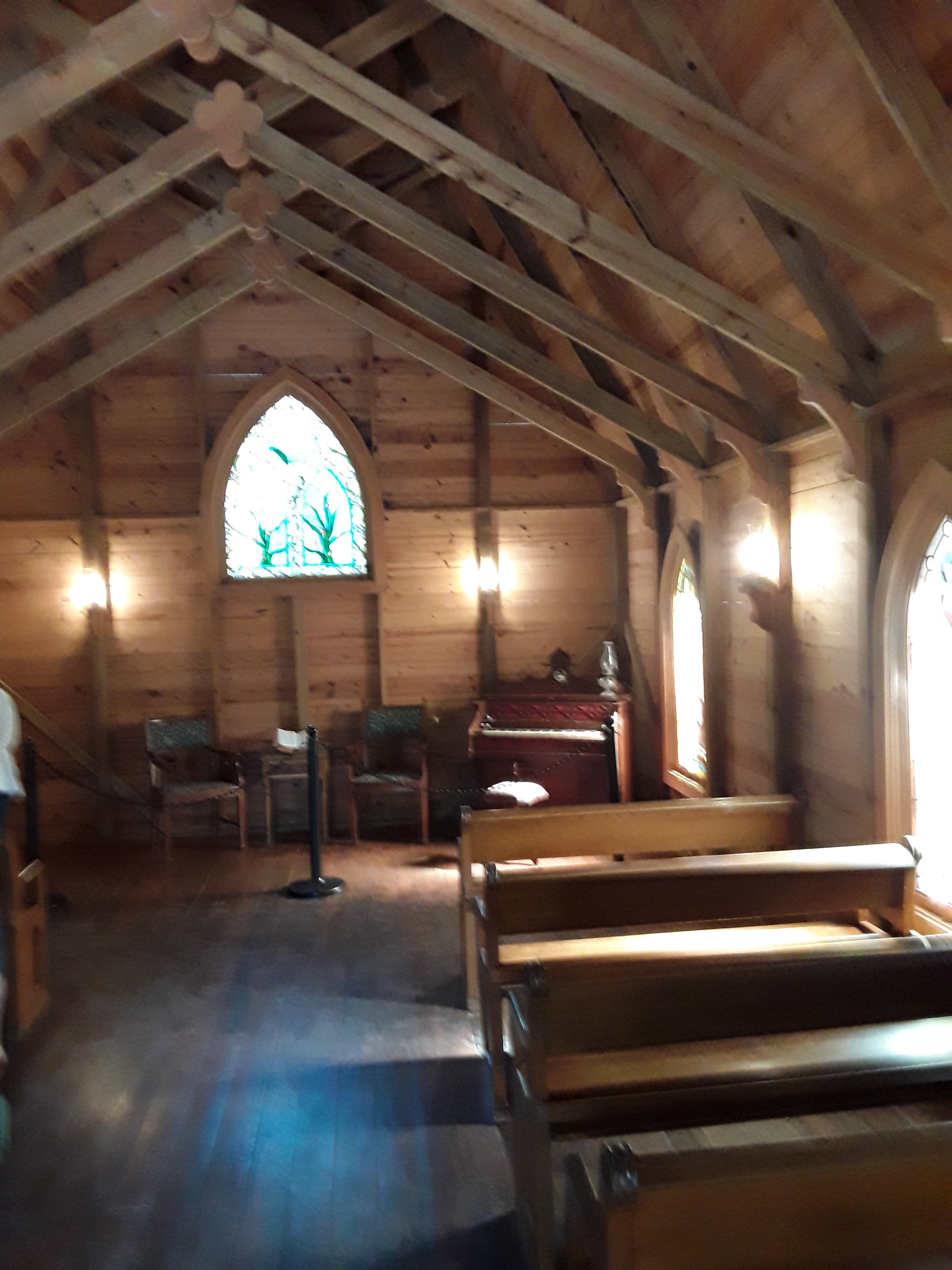
Interior Mary’s Chapel
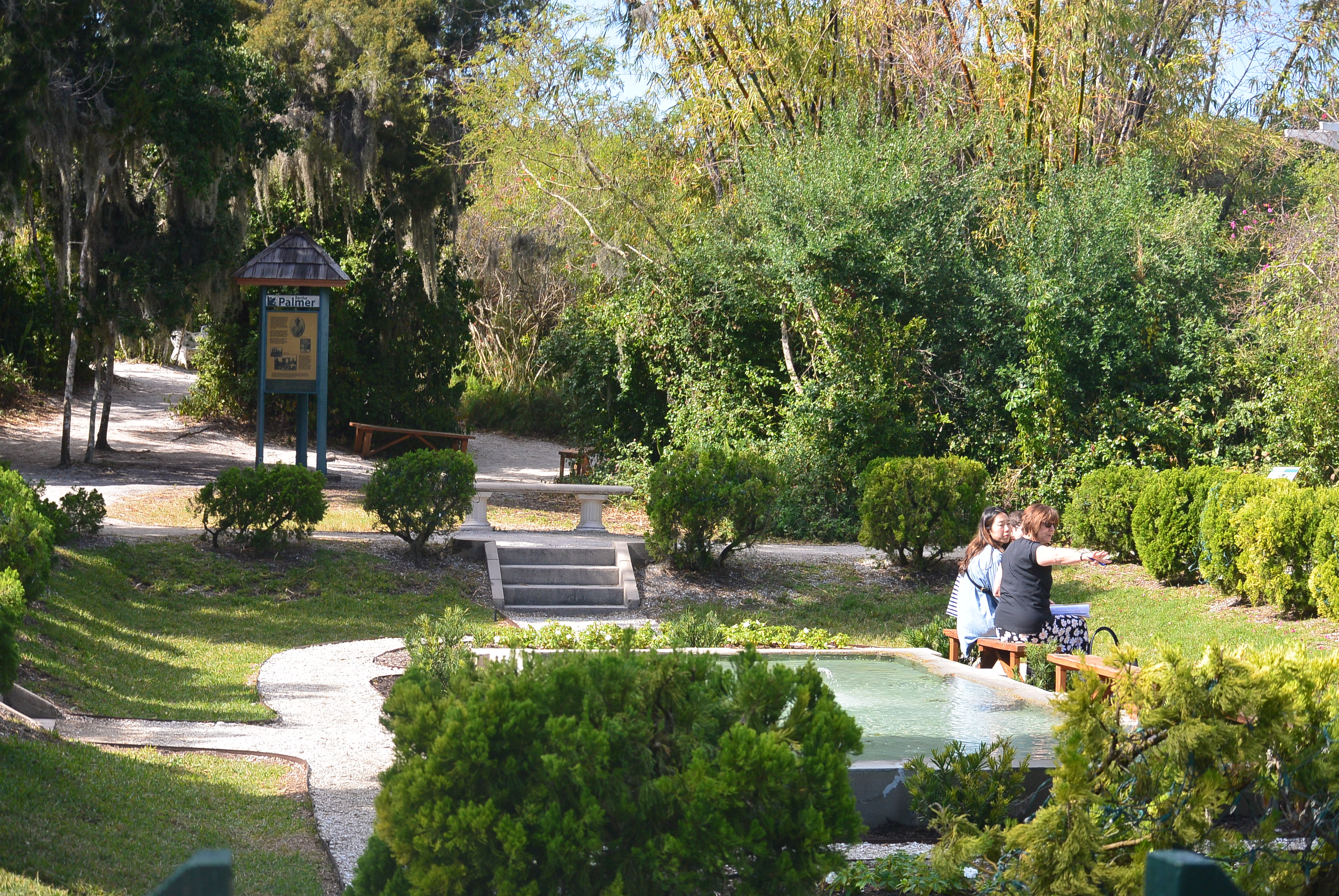
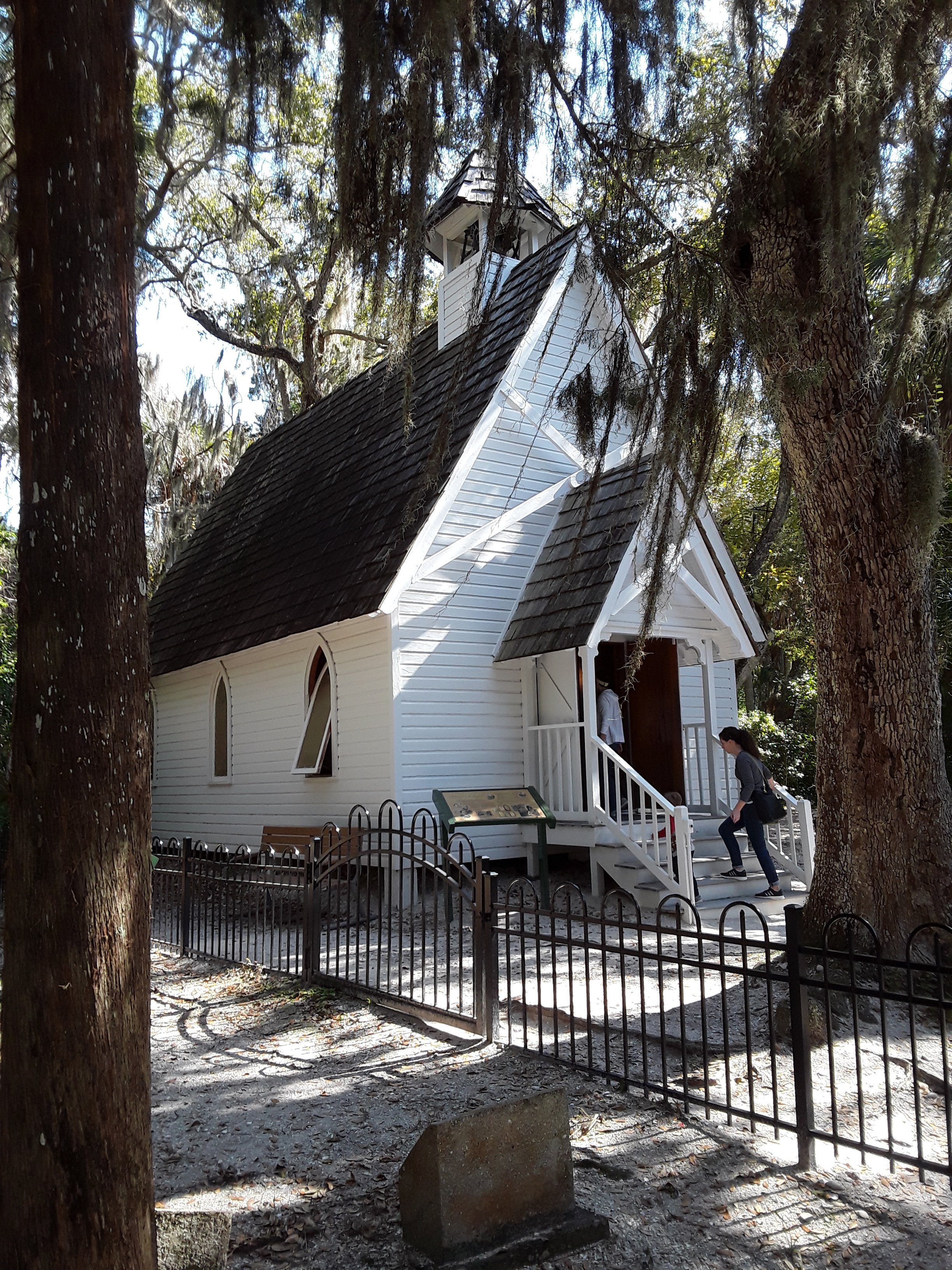
Mary’s Chapel

Mary’s Chapel

DSC_4745

Same as above

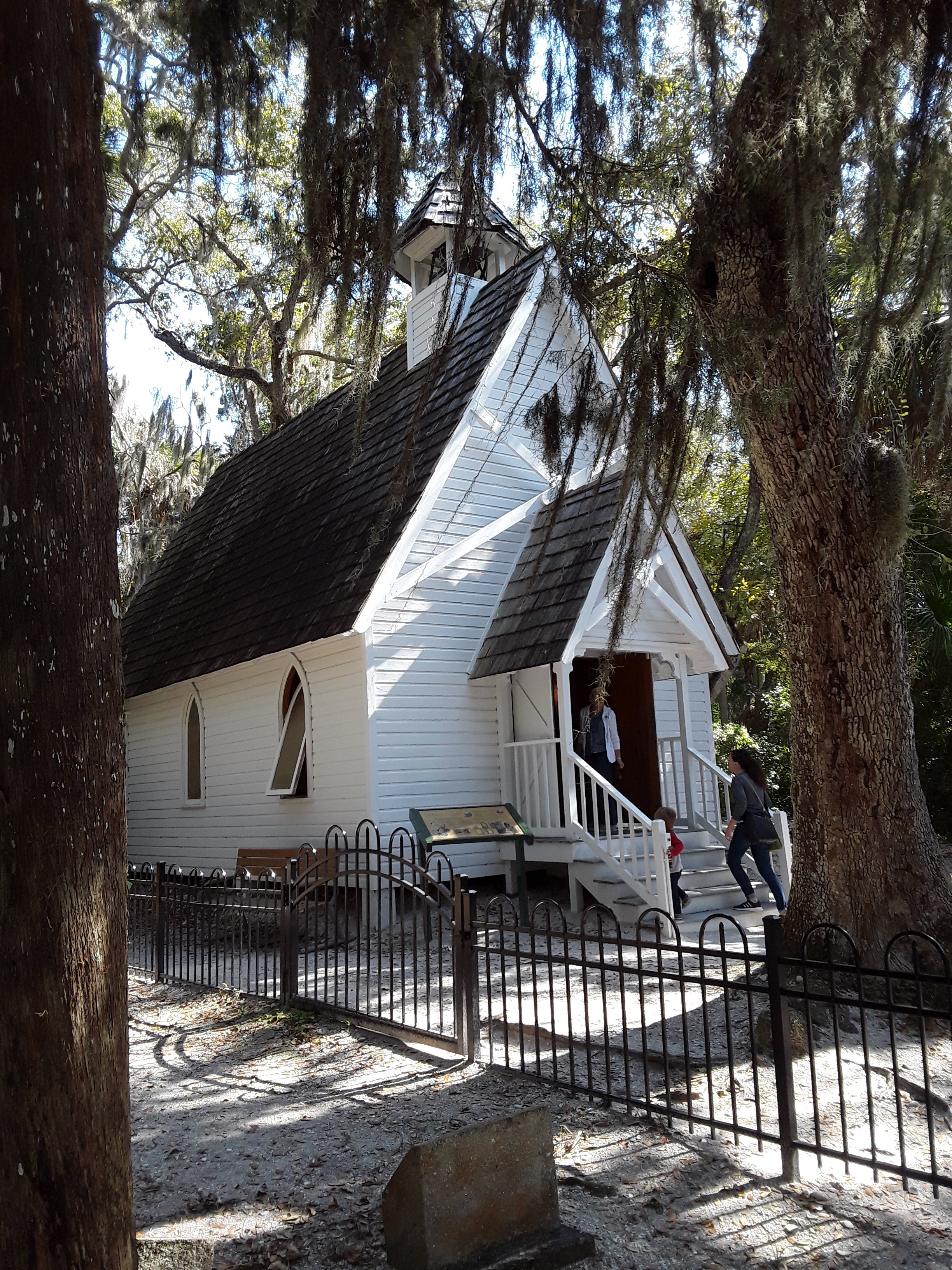
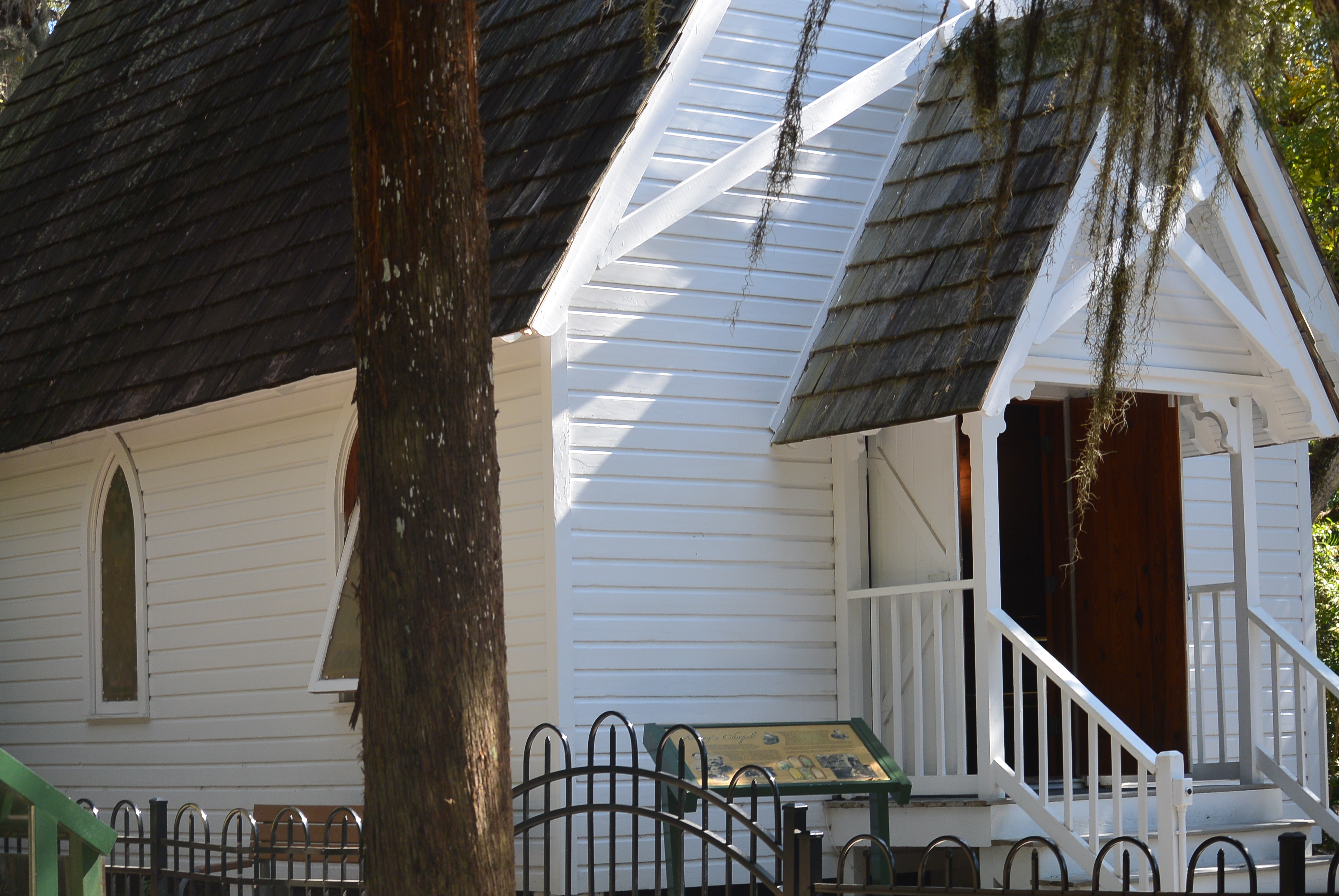
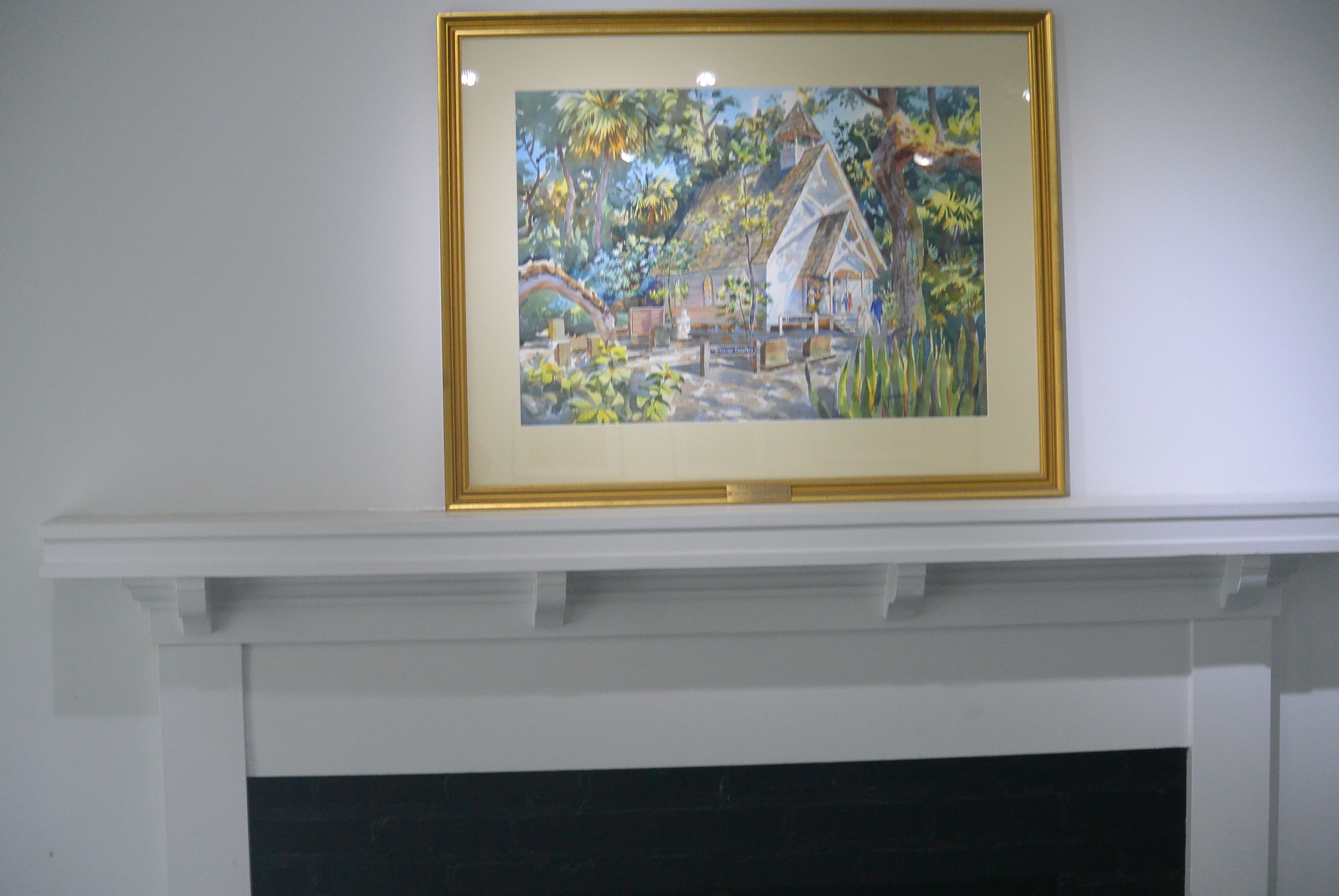
     Mary’s Chapel was named for Mary Sherrell.  She was a young woman who was suffering from tuberculosis.  She was a guest at Webb’s Winter Resort while she was recuperating. Unfortunately, she died while at the resort.      The original building was constructed in 1894 as a memorial to Mary Sherrell.  Mary’s family and friends paid for the chapel construction and furnishing. The stained glass was donated.  In 1895, the chapel bell arrived from the New England Conservatory of Music.  Mary’s Chapel served as a non-denominational church and community center until the early 1960’s.  The building has significantly deteriorated.      Gulf Coast Heritage Association restored the Pioneer Graveyard and reconstructed Mary’s Chapel in 1986.  The stained glass windows and the chapel bell were from the original.

Same as above

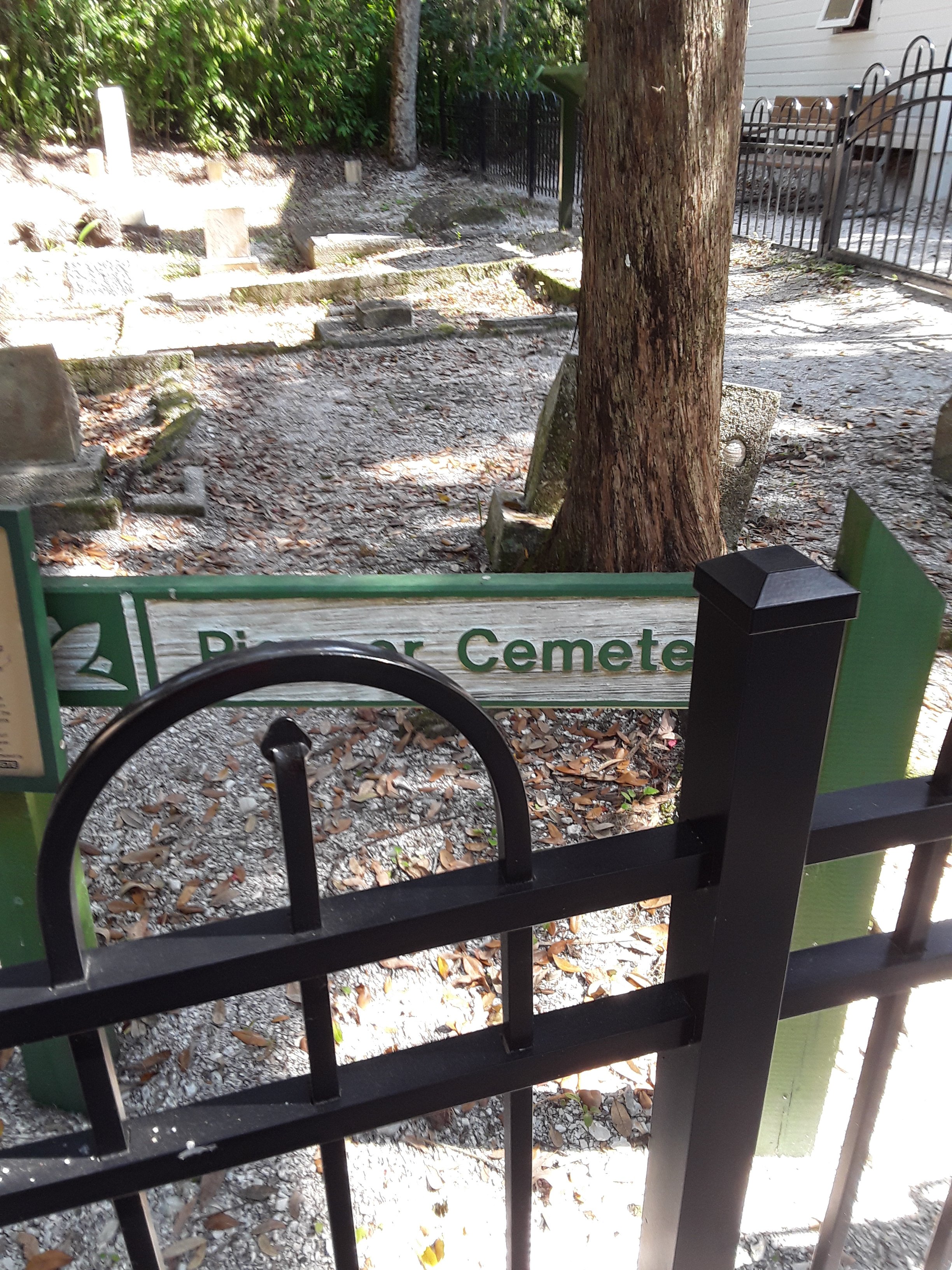
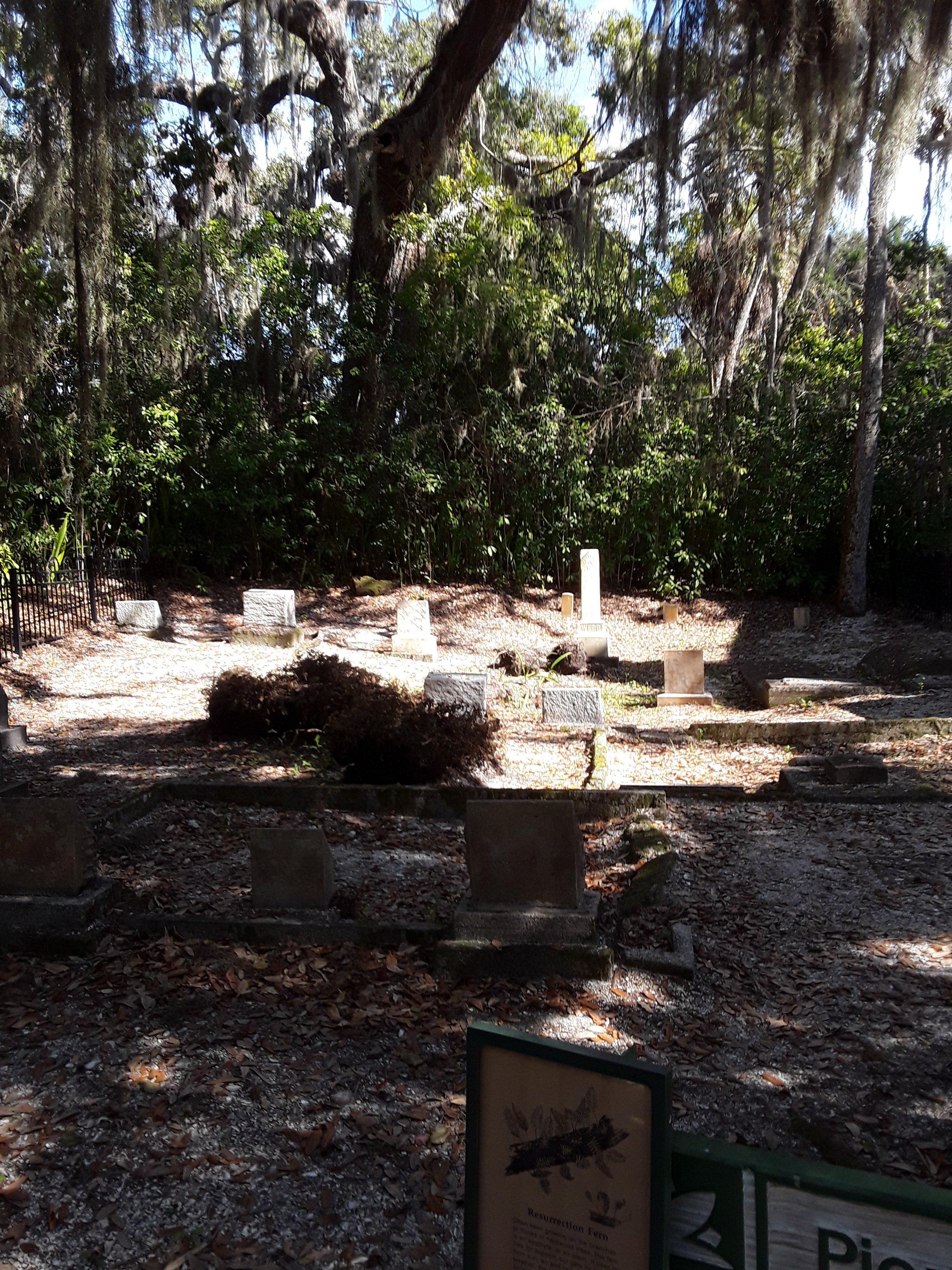
          The Pioneer Cemetery is located adjacent to Mary’s Chapel.  Interred in the cemetery are members of the Webb family and other pioneers.

Gupthill House

Informational Plaque

Gupthill House

Gupthill House

Gupthill House

Gupthill House

wp-1580511171026.jpg

Gupthill House

DSC_4729

Gupthill House

DSC_4726

Gupthill House

wp-1580511198915.jpg

Gupthill House

     In 1901, Frank and Lizzie Webb Guptill built a house on a Sarasota bayfront midden 22 years after they married.  It was built carefully with multiple nautical references such as fish scale shingles, curving bannister, and a second story beachfront porch resembling a ship bow.  Frank was well known for his ship building skills.      At his boat yard, Frank and the Webbs built barges, scoops and schooners.  They also began exporting crops including sugar cane.  By the 1878, their crops included a citrus grove of 300 Orange trees and 50 lemon and like trees.      By 1880, the Wells expanded their activities to a bed and breakfast mostly in the White College.
DSC_4738

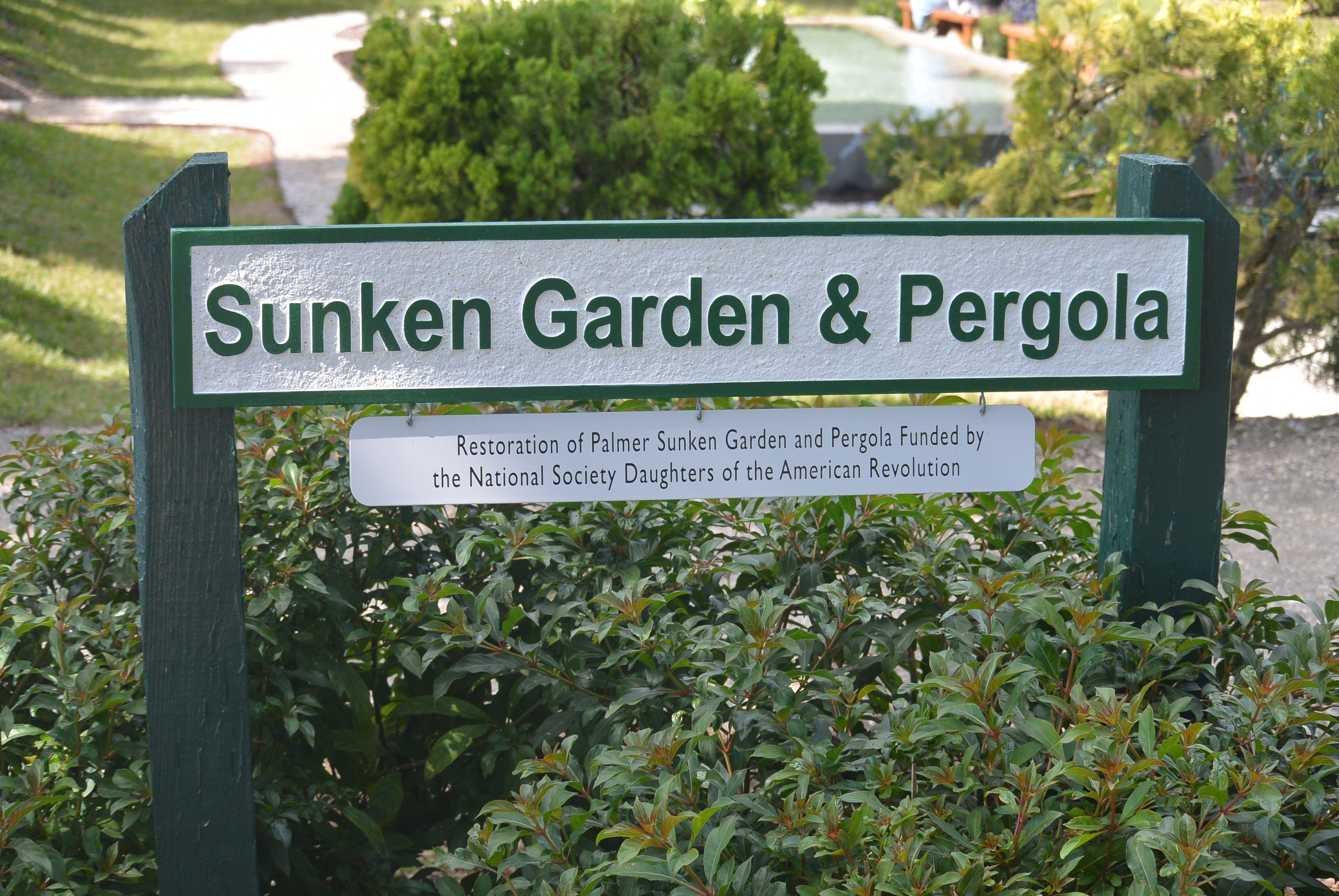
Signage Sunken Garden and Pergola

DSC_4739

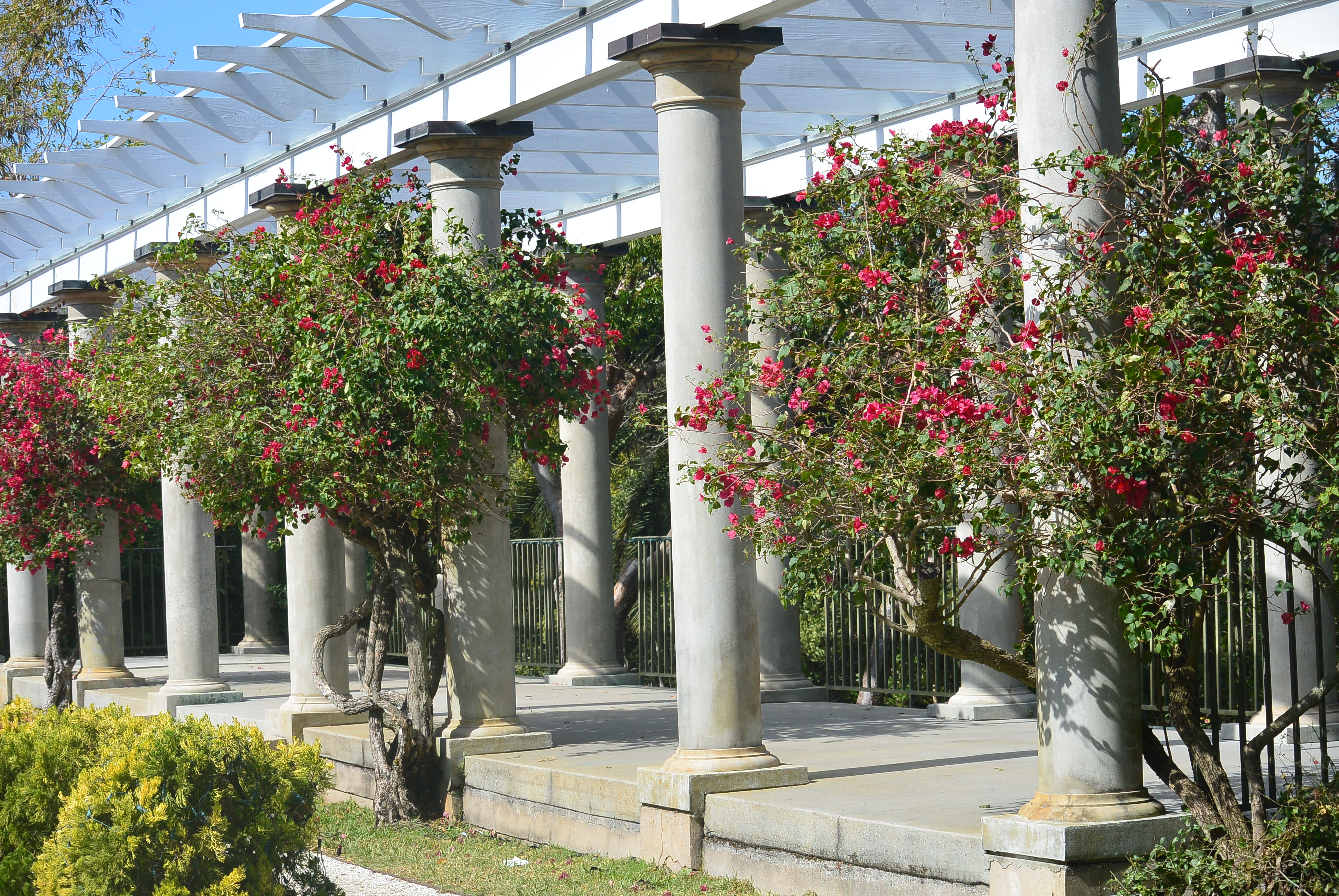
Sunken Garden and Pergola

DSC_4740

Sunken Garden and Pergola

White Cottage

White Cottage

White Cottage

Same as above

White Cottage

White Cottage
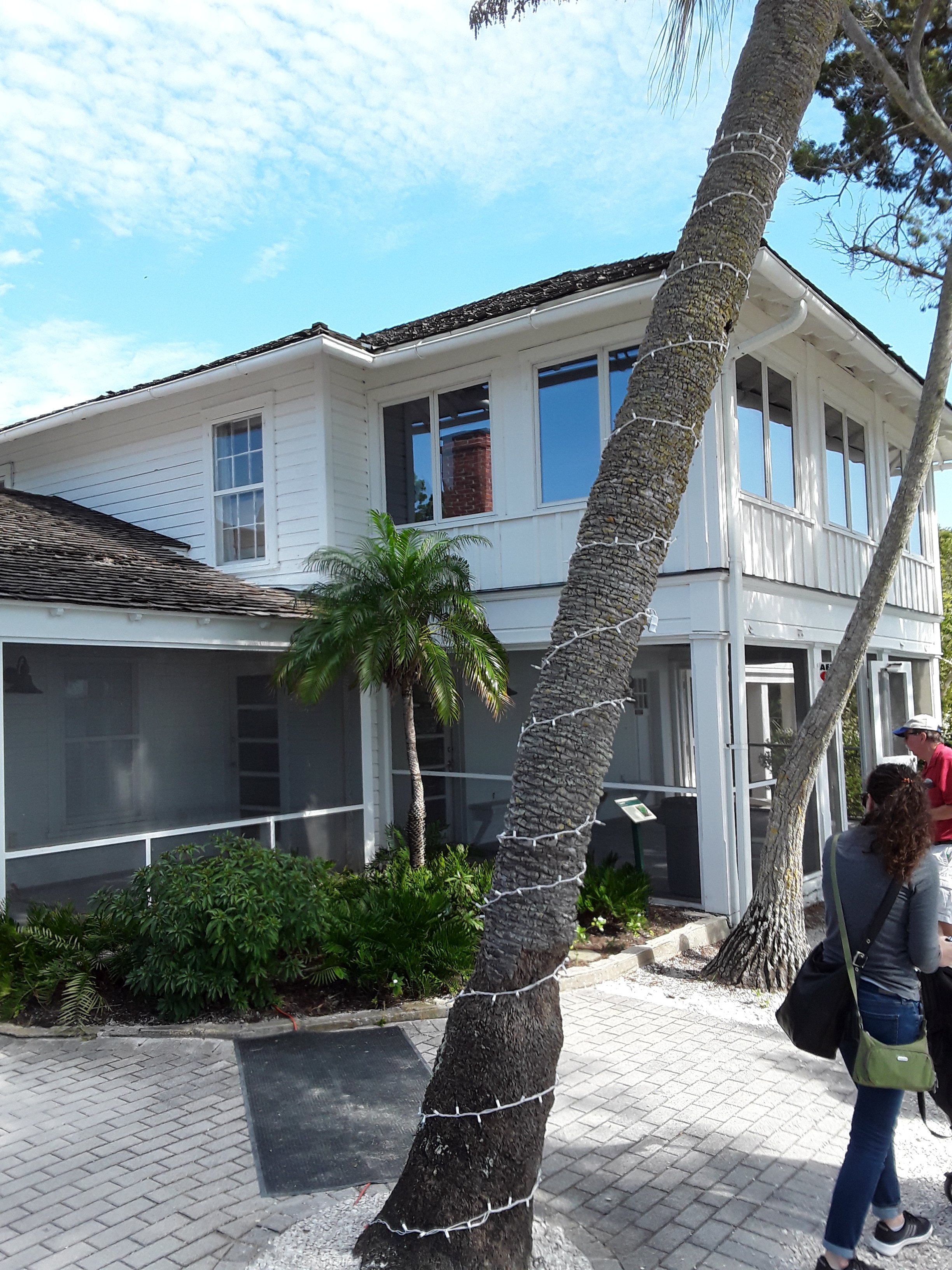
White Cottage
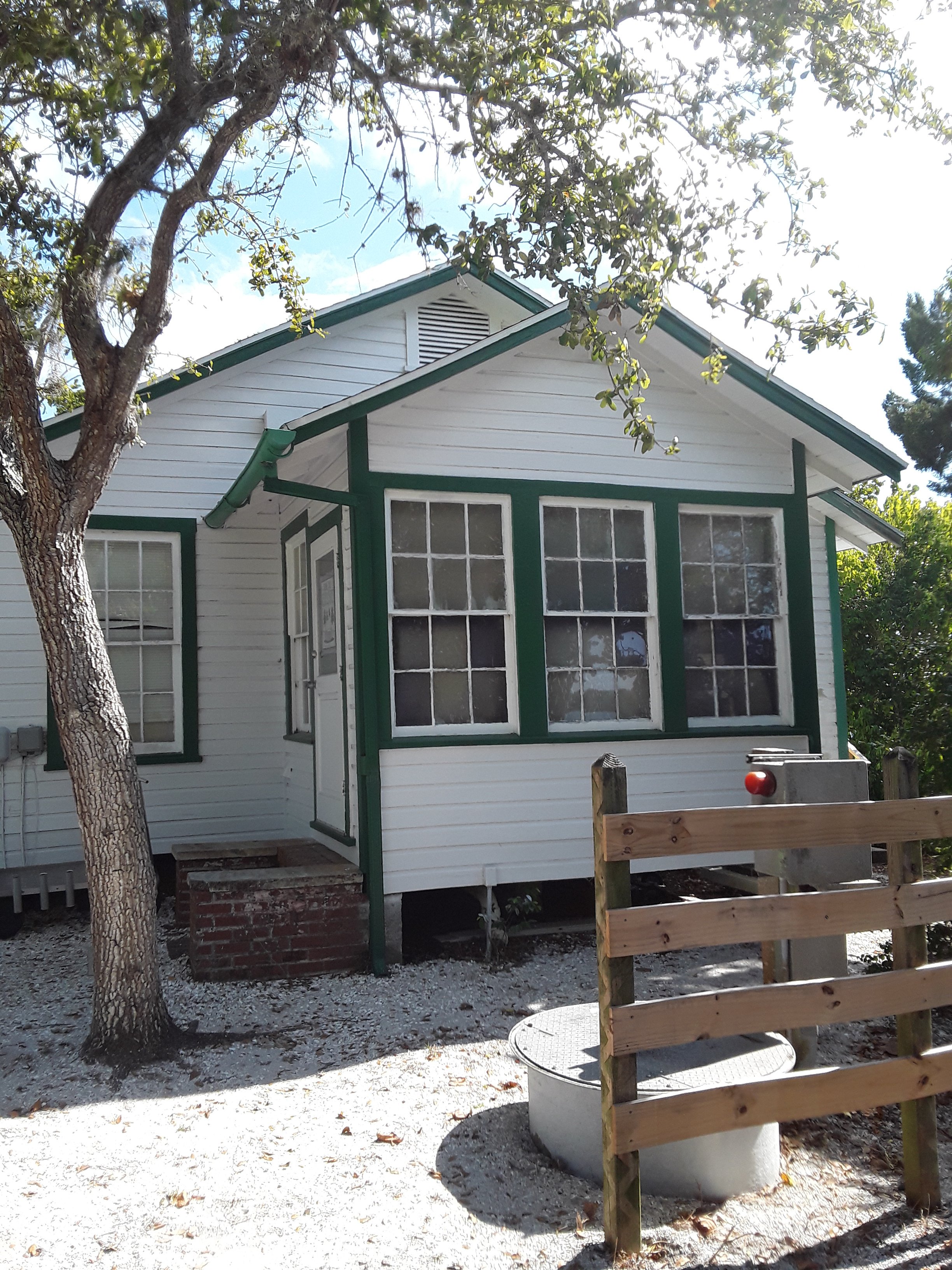
White Cottage
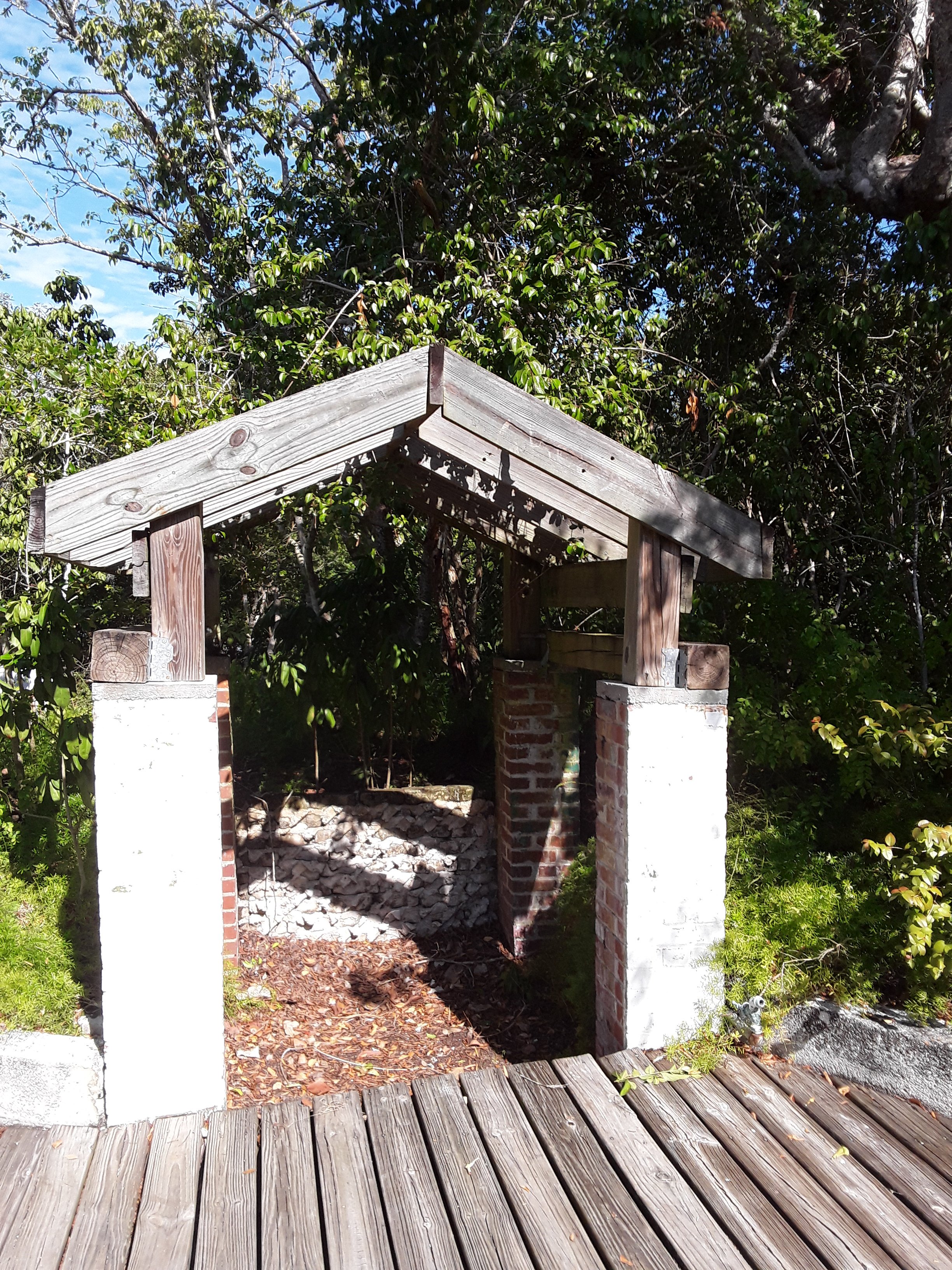
Same as above

DSC_4743

Interior  White Cottage

DSC_4742

Interior White Cottage

DSC_4741

White Cottage

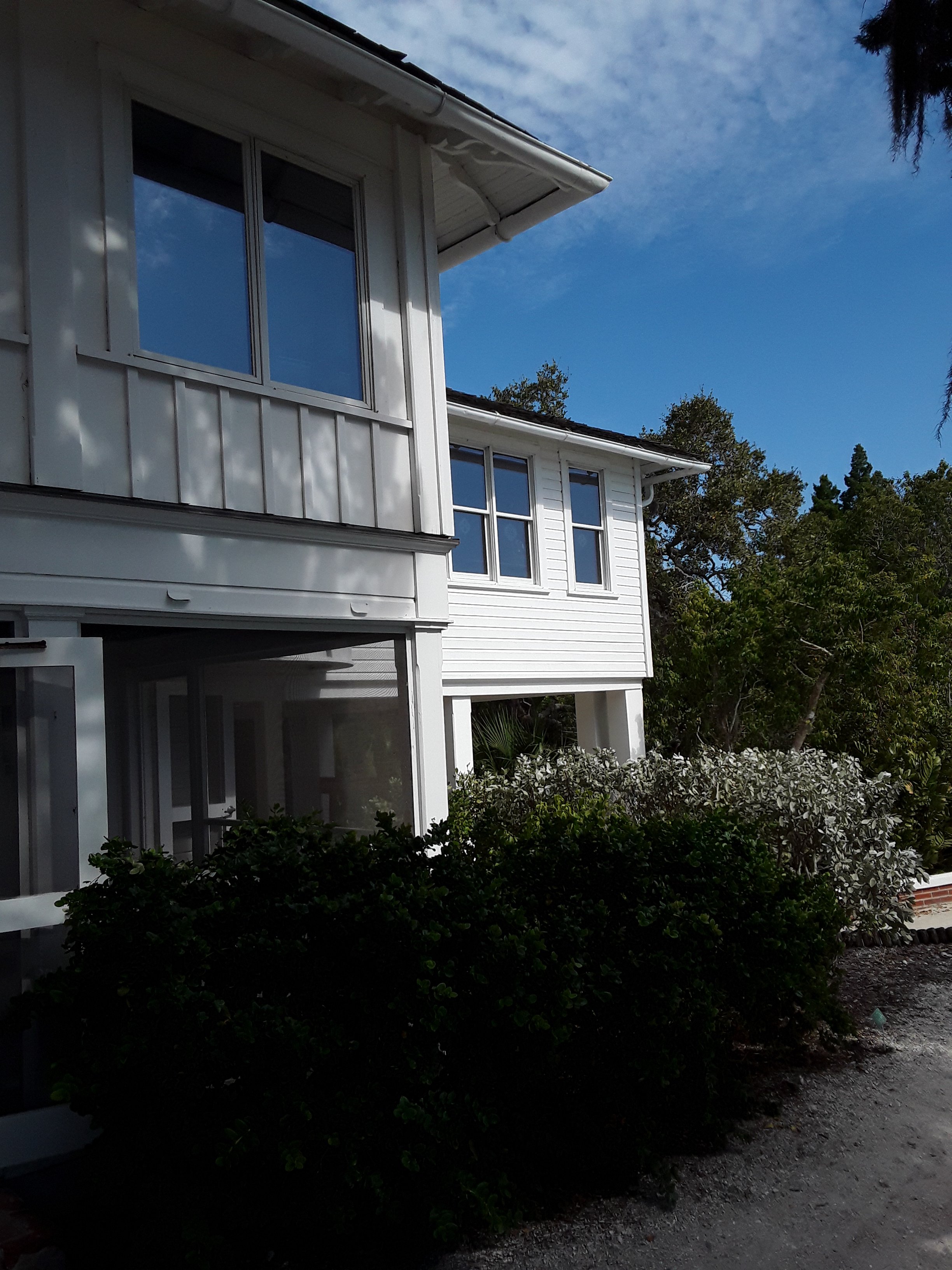
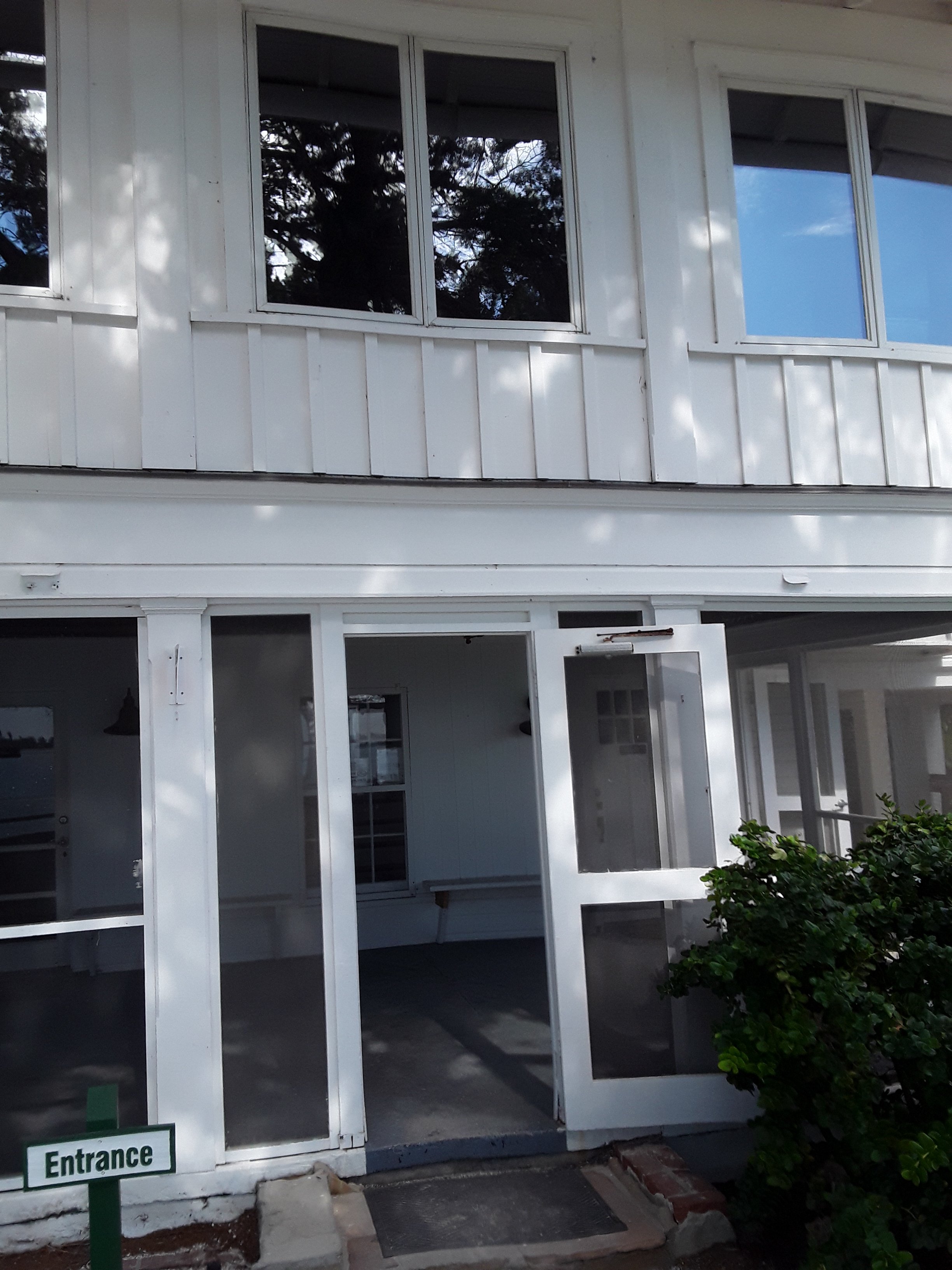
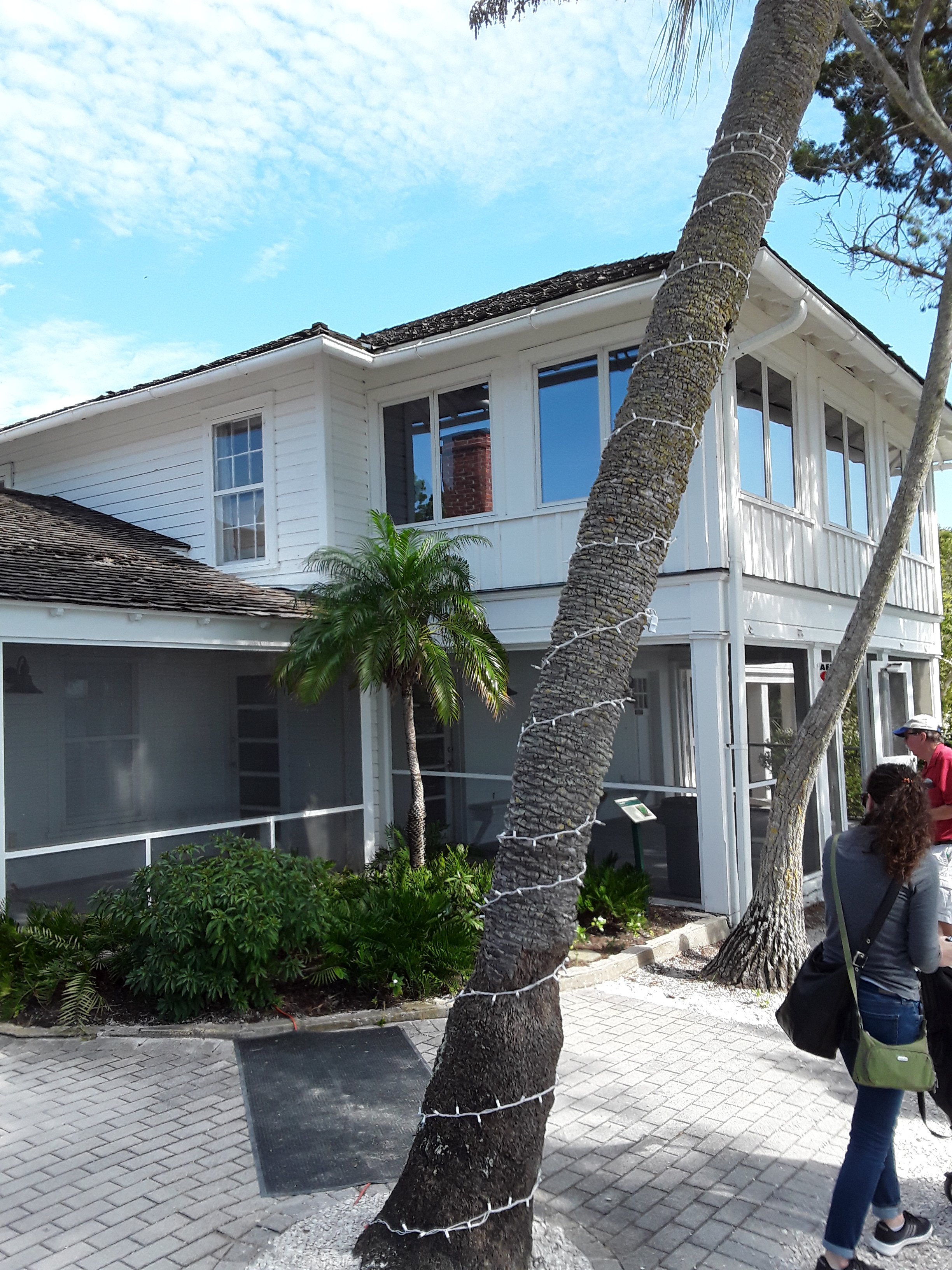
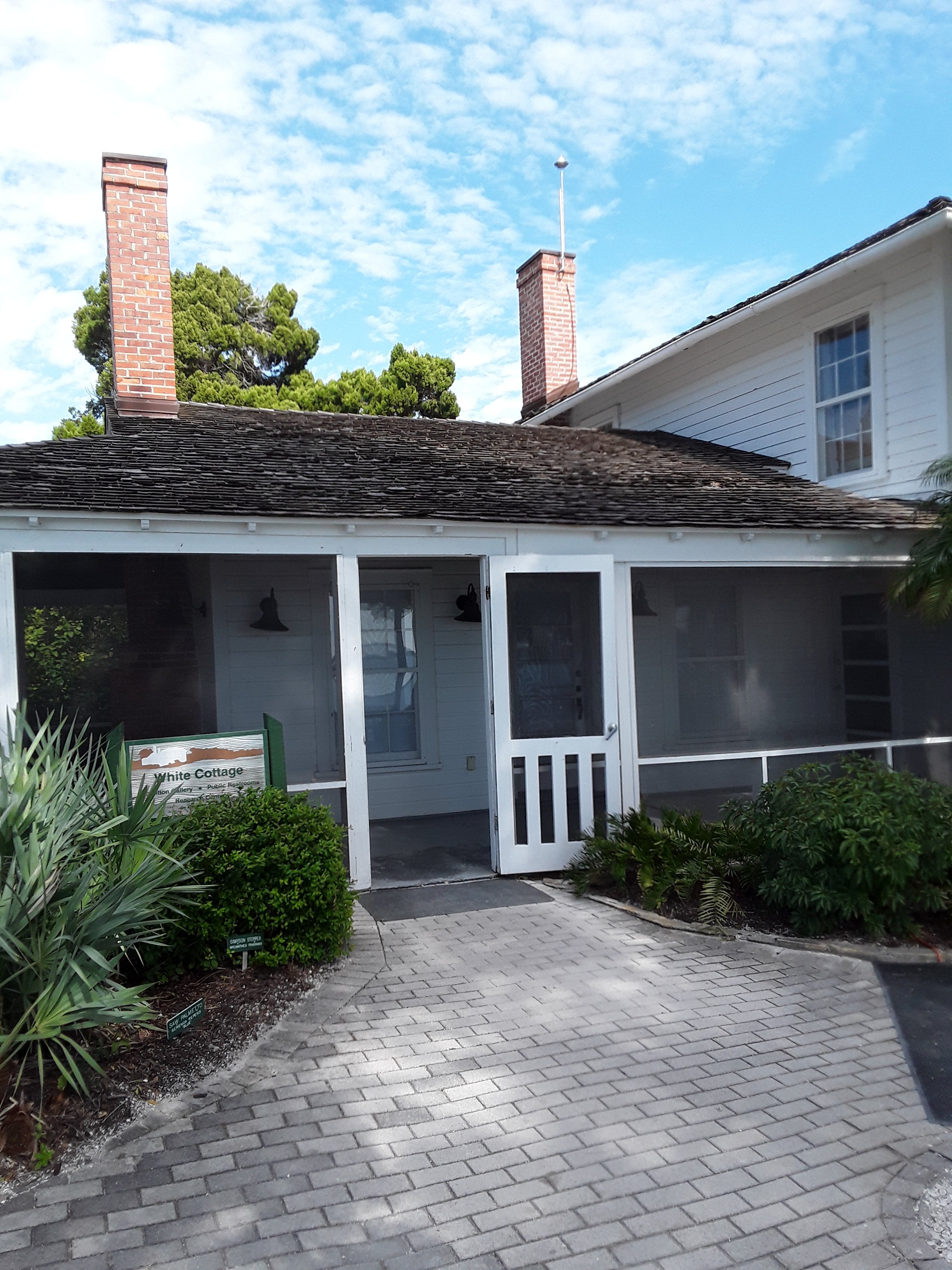
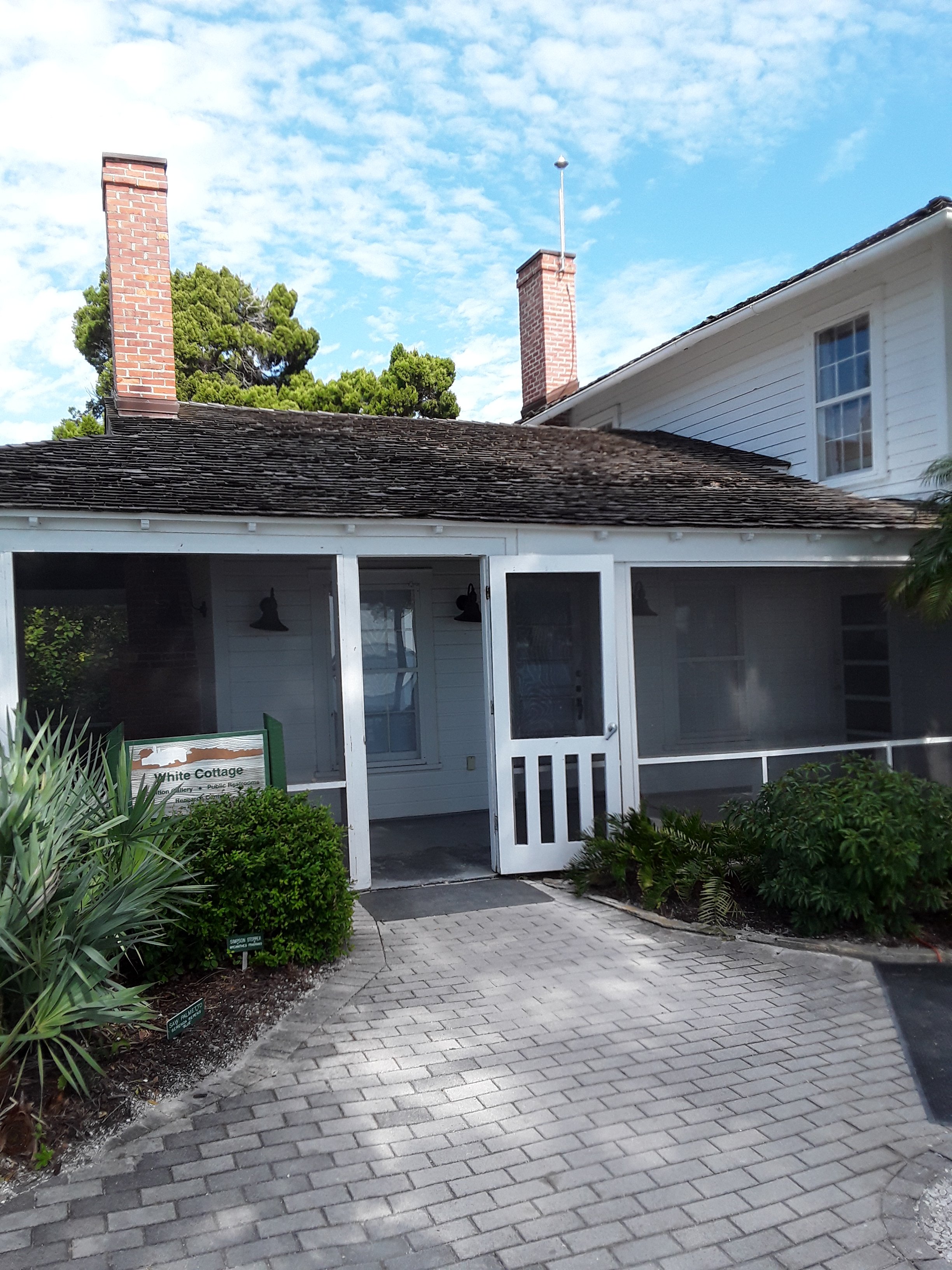
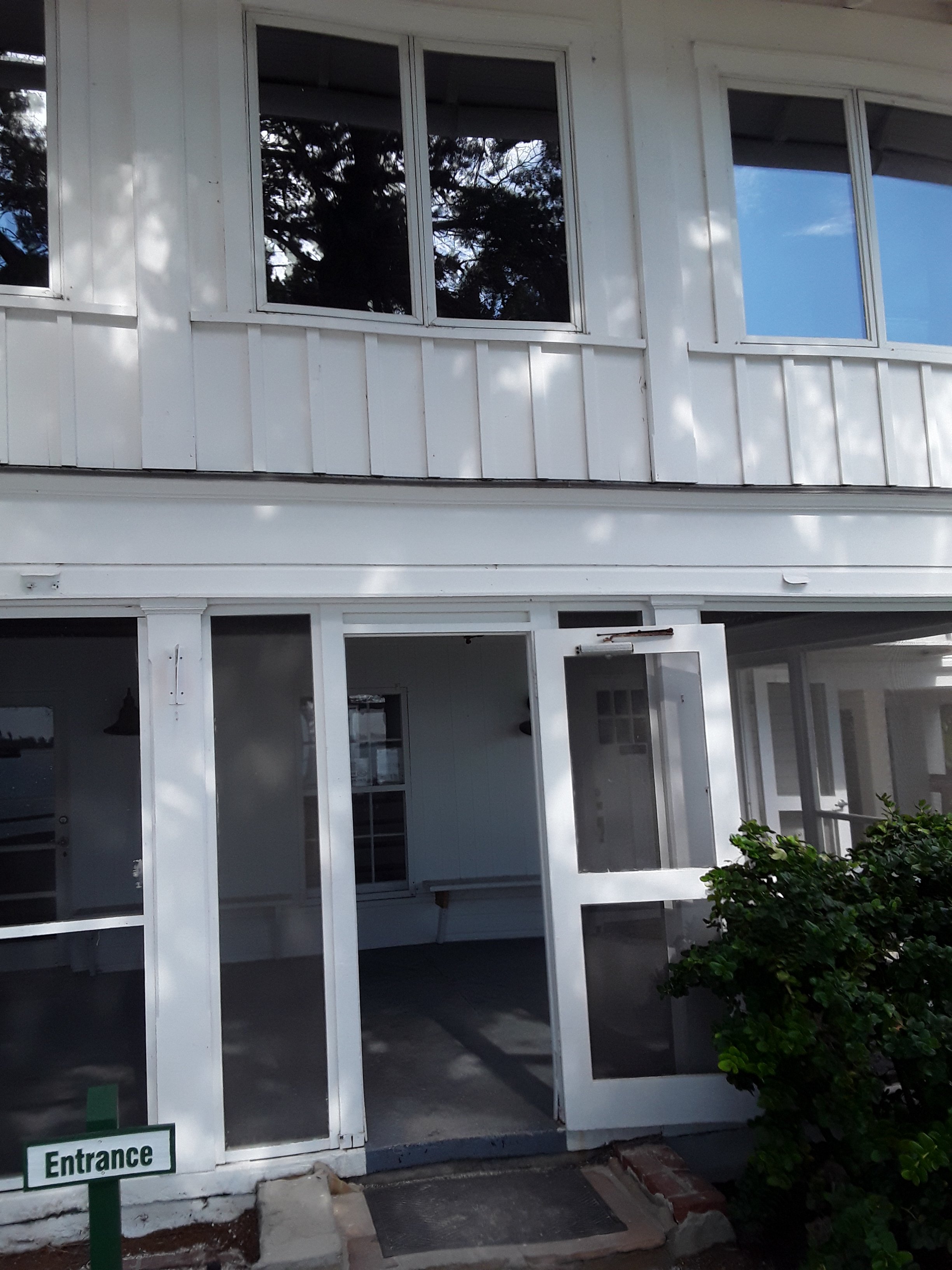
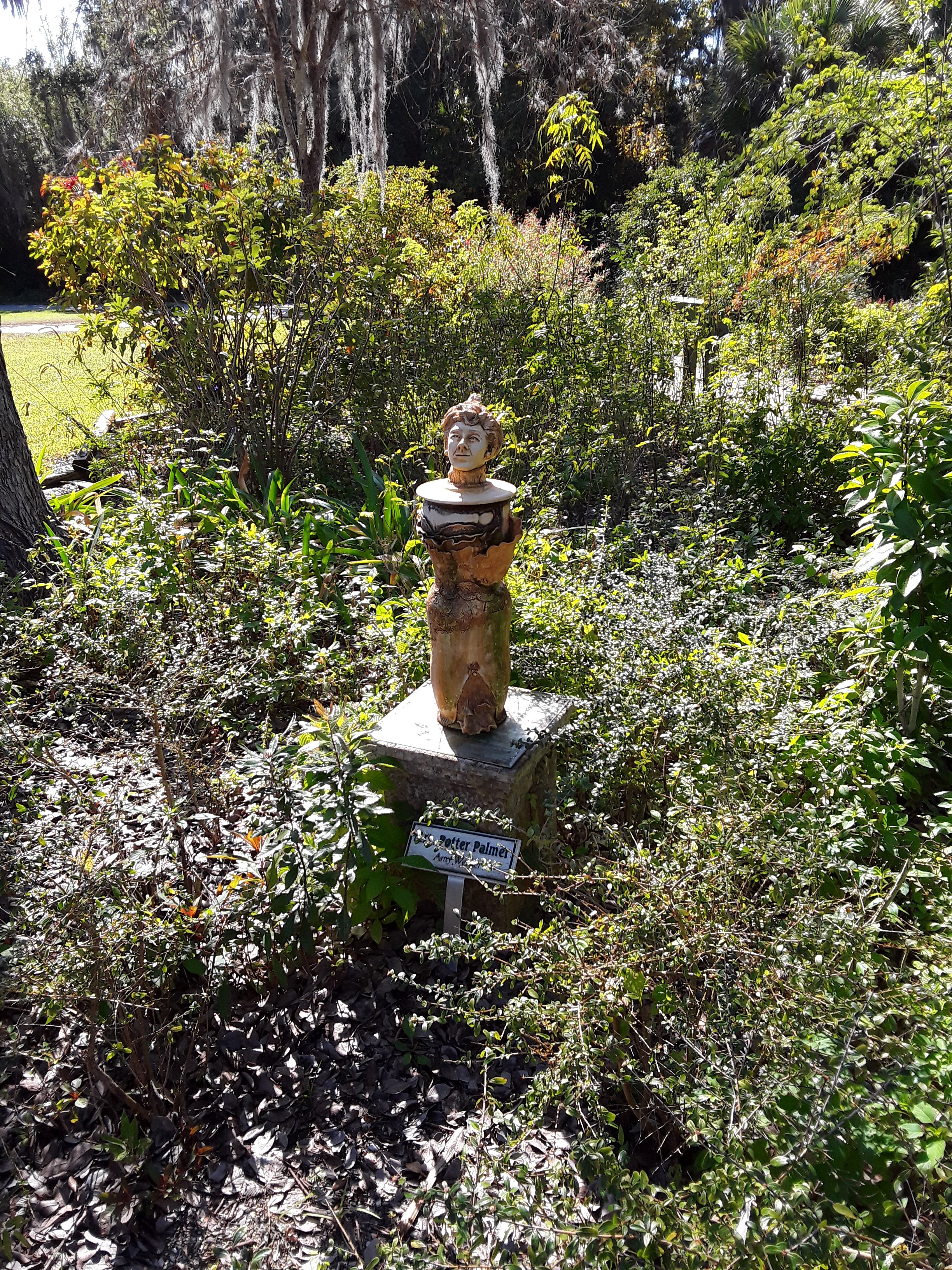
     The White Cottage was built in 1874 by Jack Webb.  In the 1890’s, it became the dormitory for the Webb’s Winter resort.  Currently, the first floor is an exhibit gallery about a former owner Mrs. Potter Palmer.  She used the home for her guests.   The second floor is a research center.
DSC_4737

Signage Point Cottage

Point Cottage

Point Cottage

Point Cottage

Point Cottage

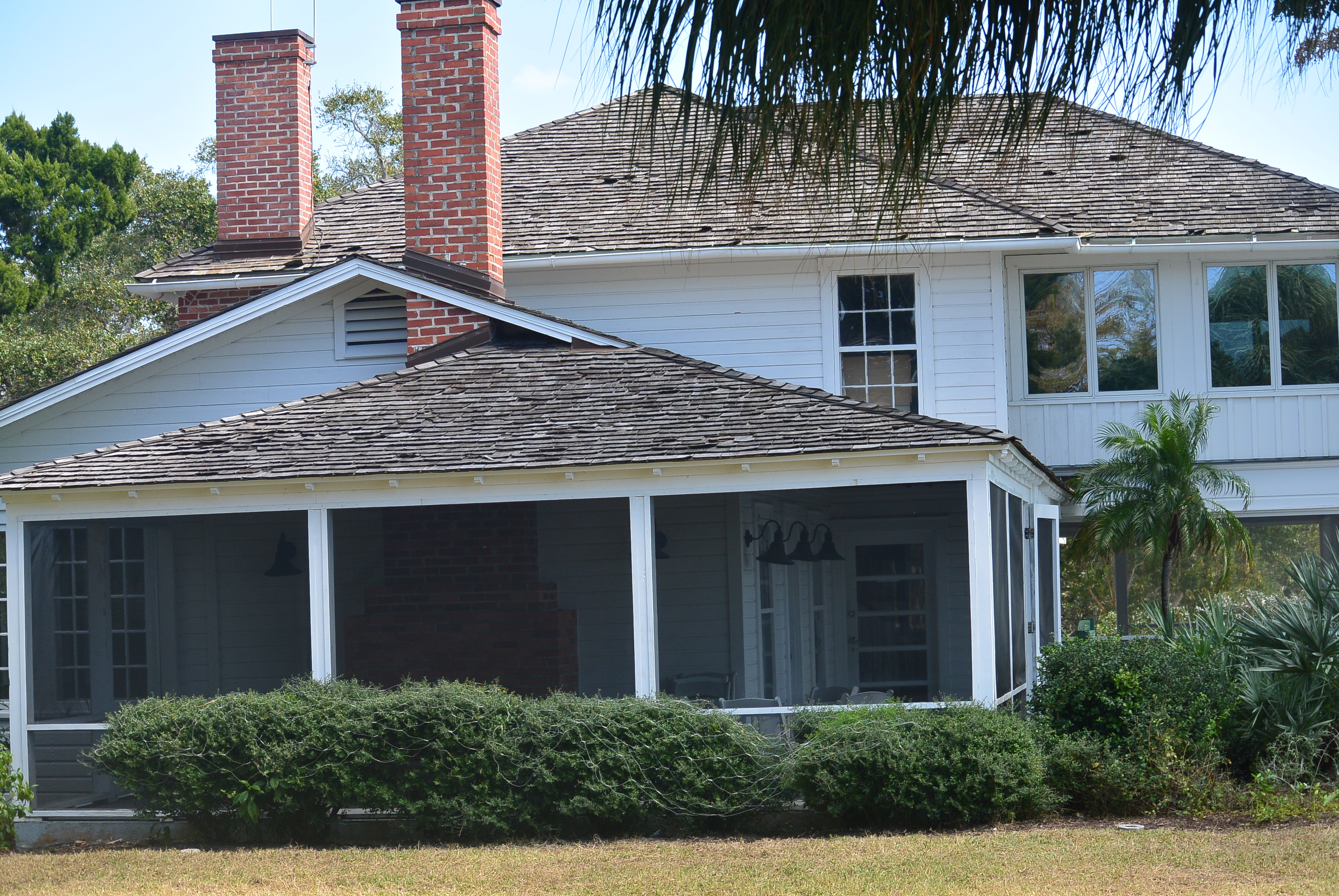
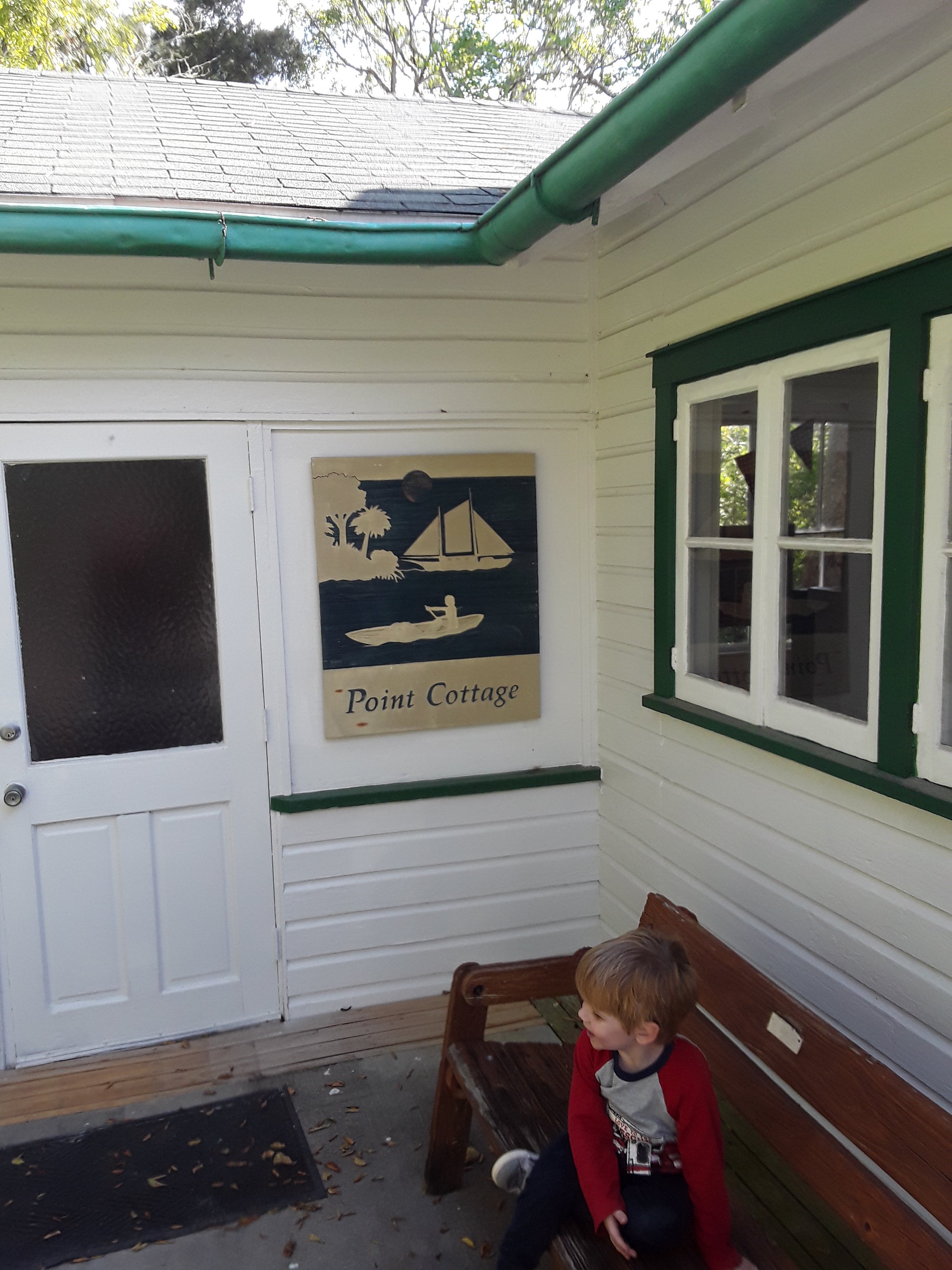
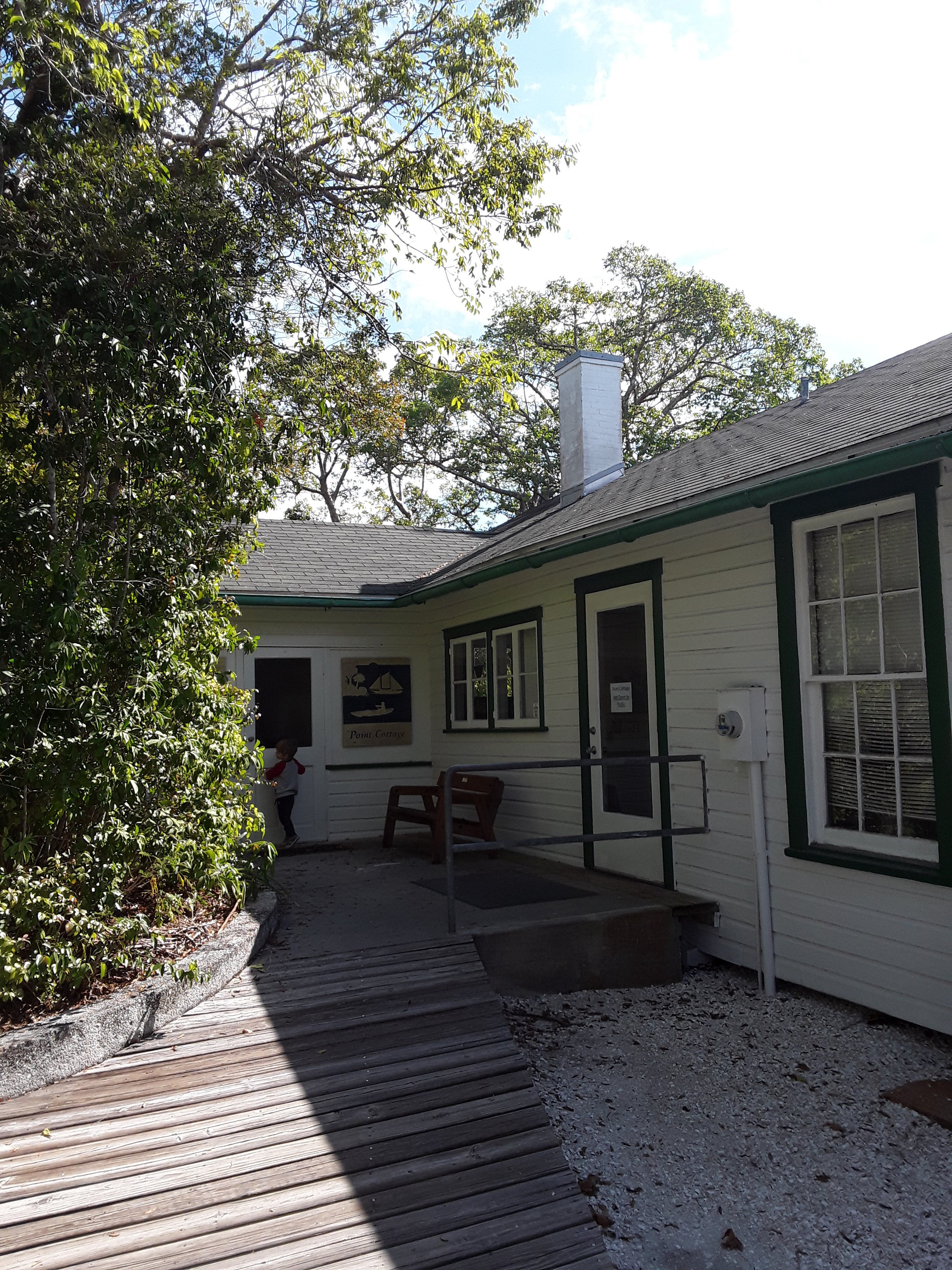
Point Cottage was constructed in 1931 for Potter Palmer III and his wife Rose.  It was later occupied by Potter’s sister Rose and her husband Oakleigh Thorne Sarasota Bay Signage
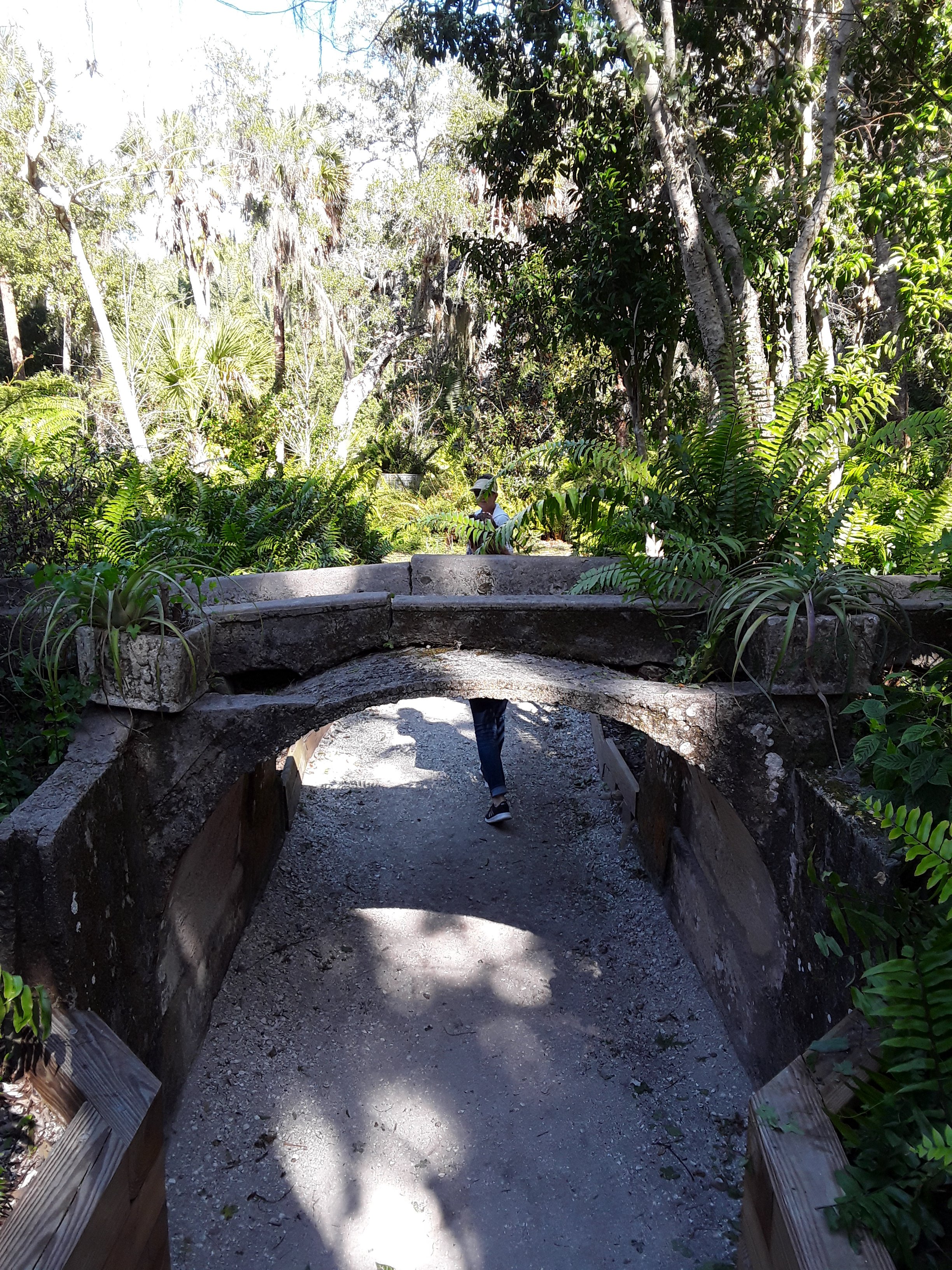
DSC_4728

Sarasota Bay

DSC_4730

Sarasota Bay

DSC_4734

Sarasota Bay

Sarasota Bay

Sarasota Bay

DSC_4732

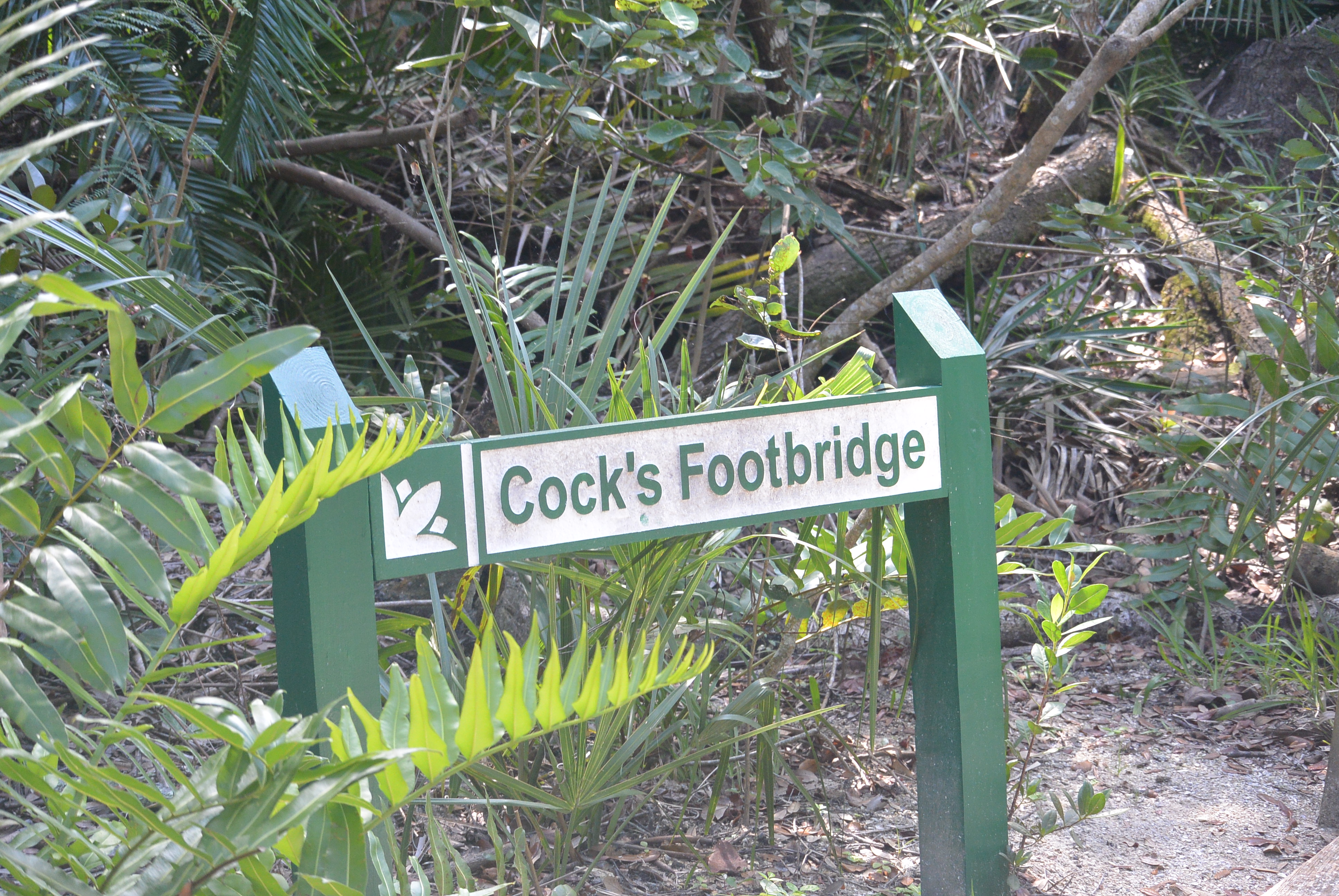
Cock’s Footbridge

DSC_4731

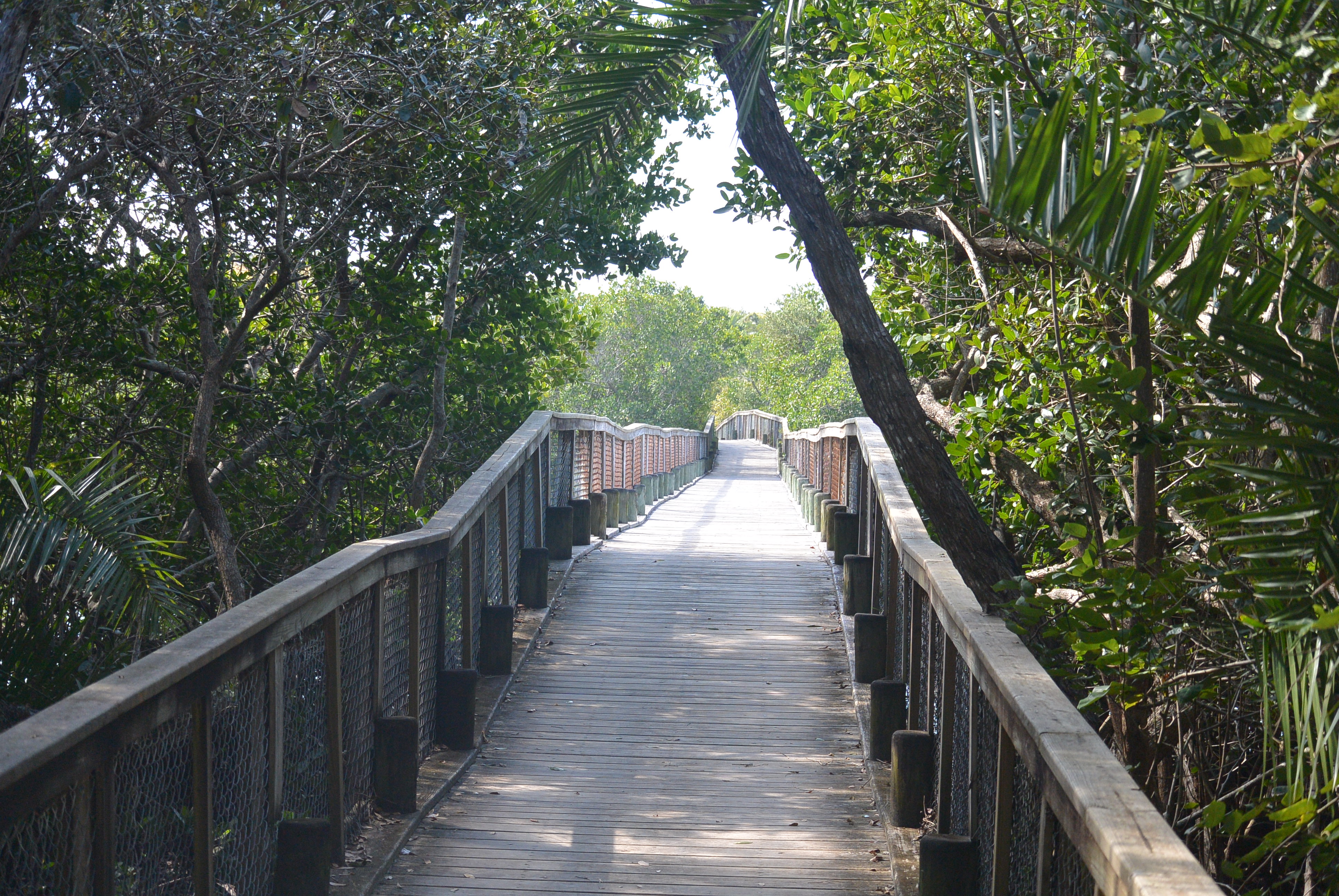
Cock’s Footbridge

DSC_4735

Cock’s Footbridge

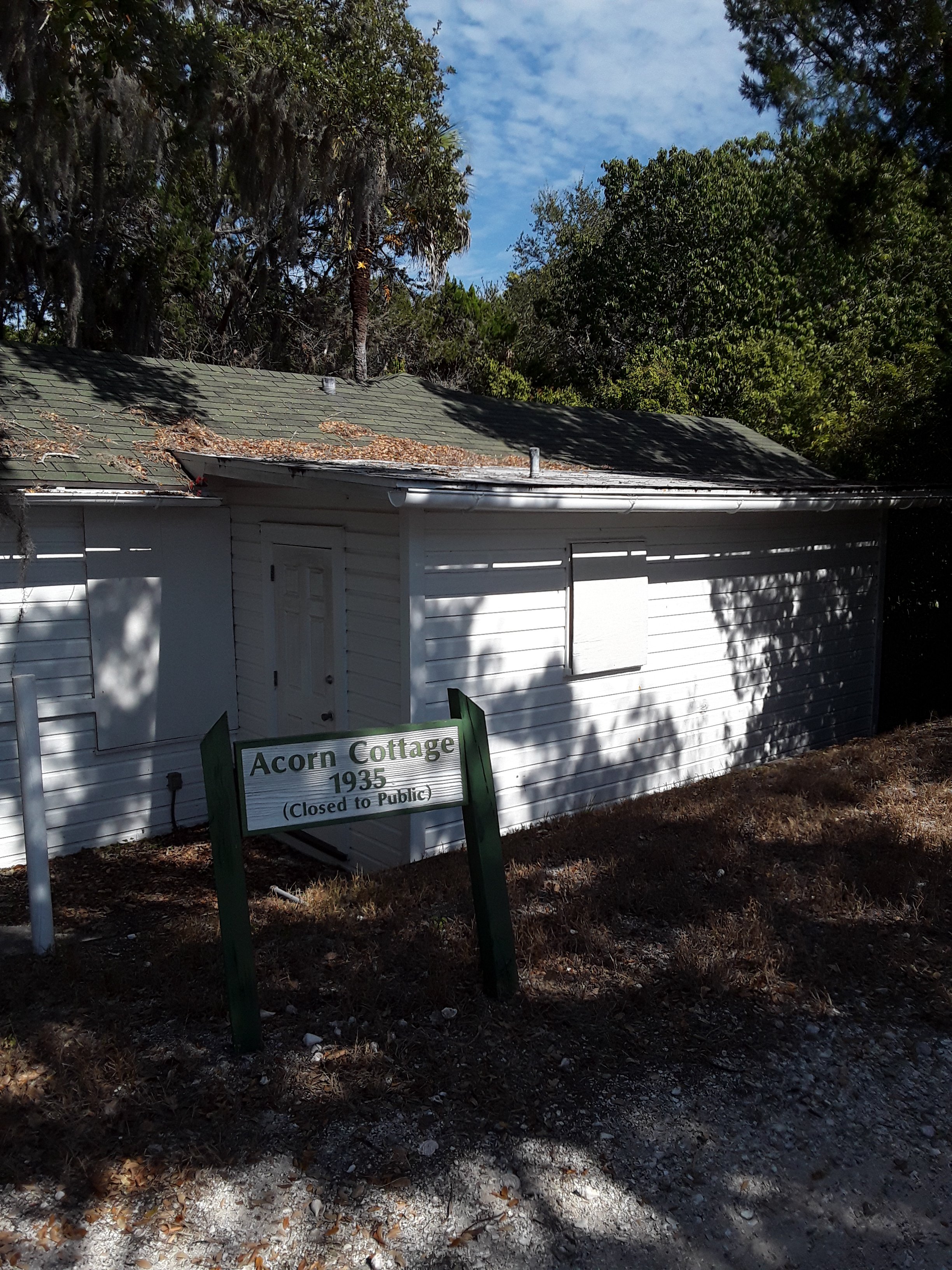
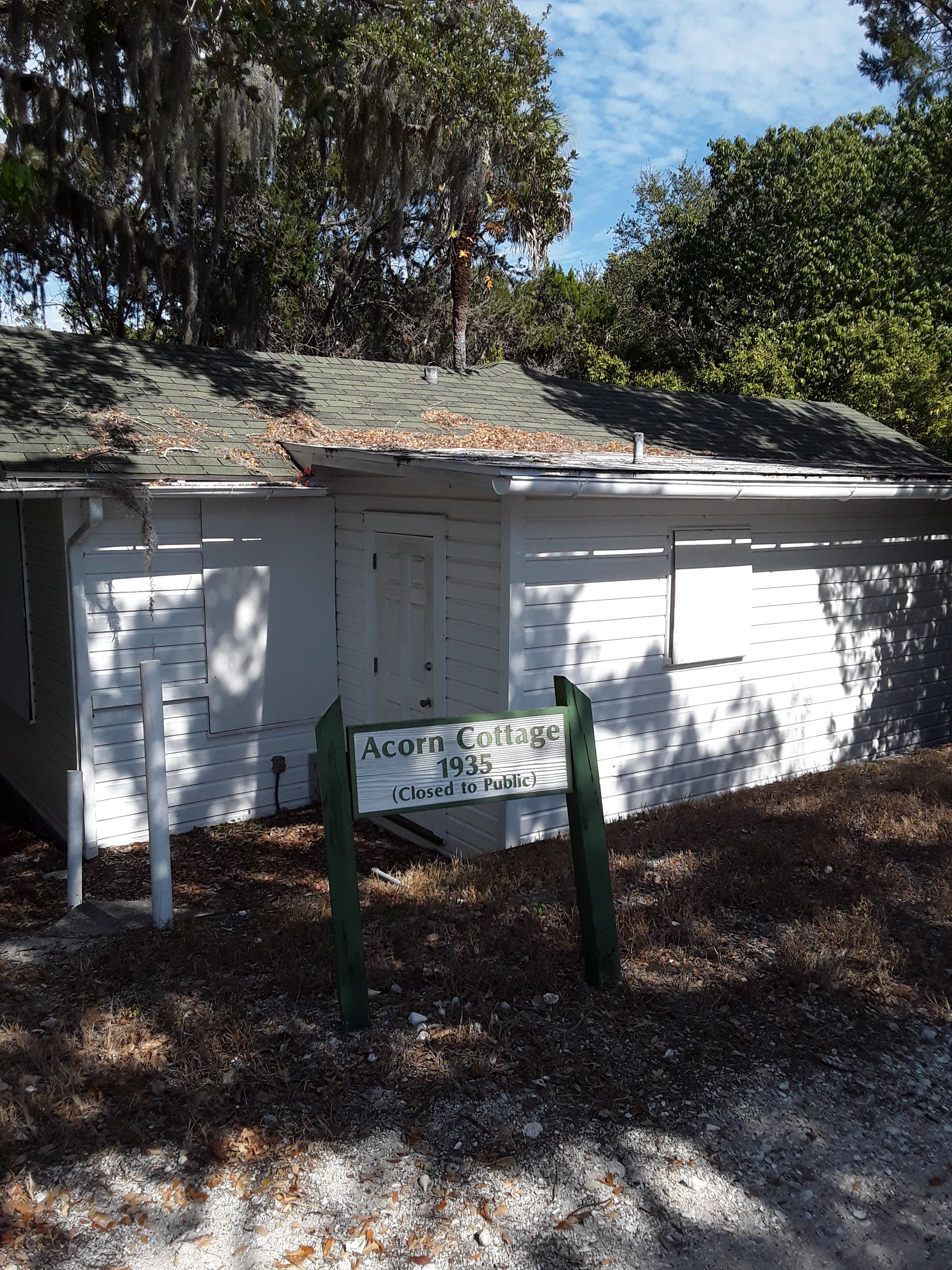
Acorn Cottage
Acorn Cottage
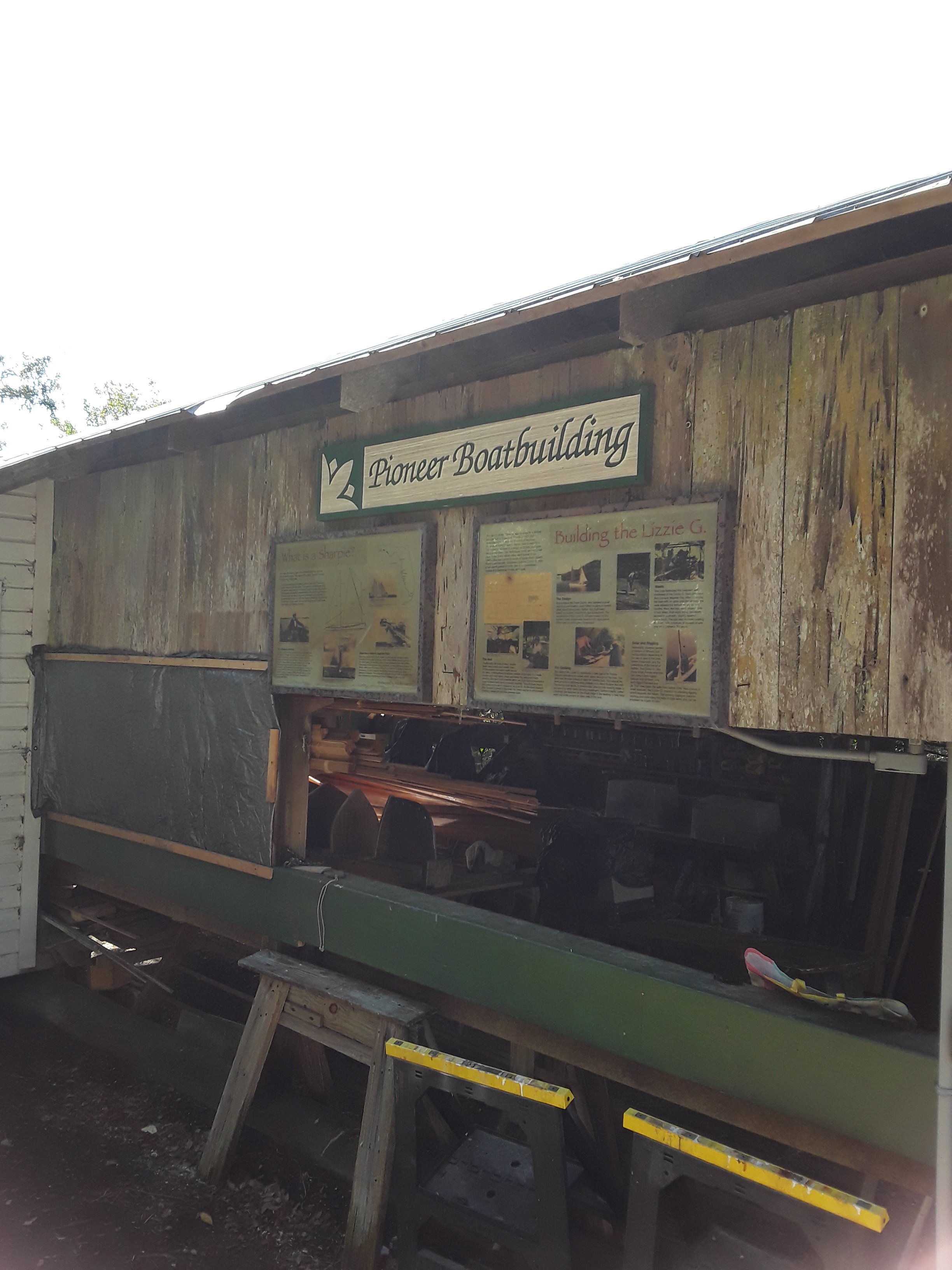
Pioneer Boat Building

Pioneer  Boat Building

Butterfly Garden

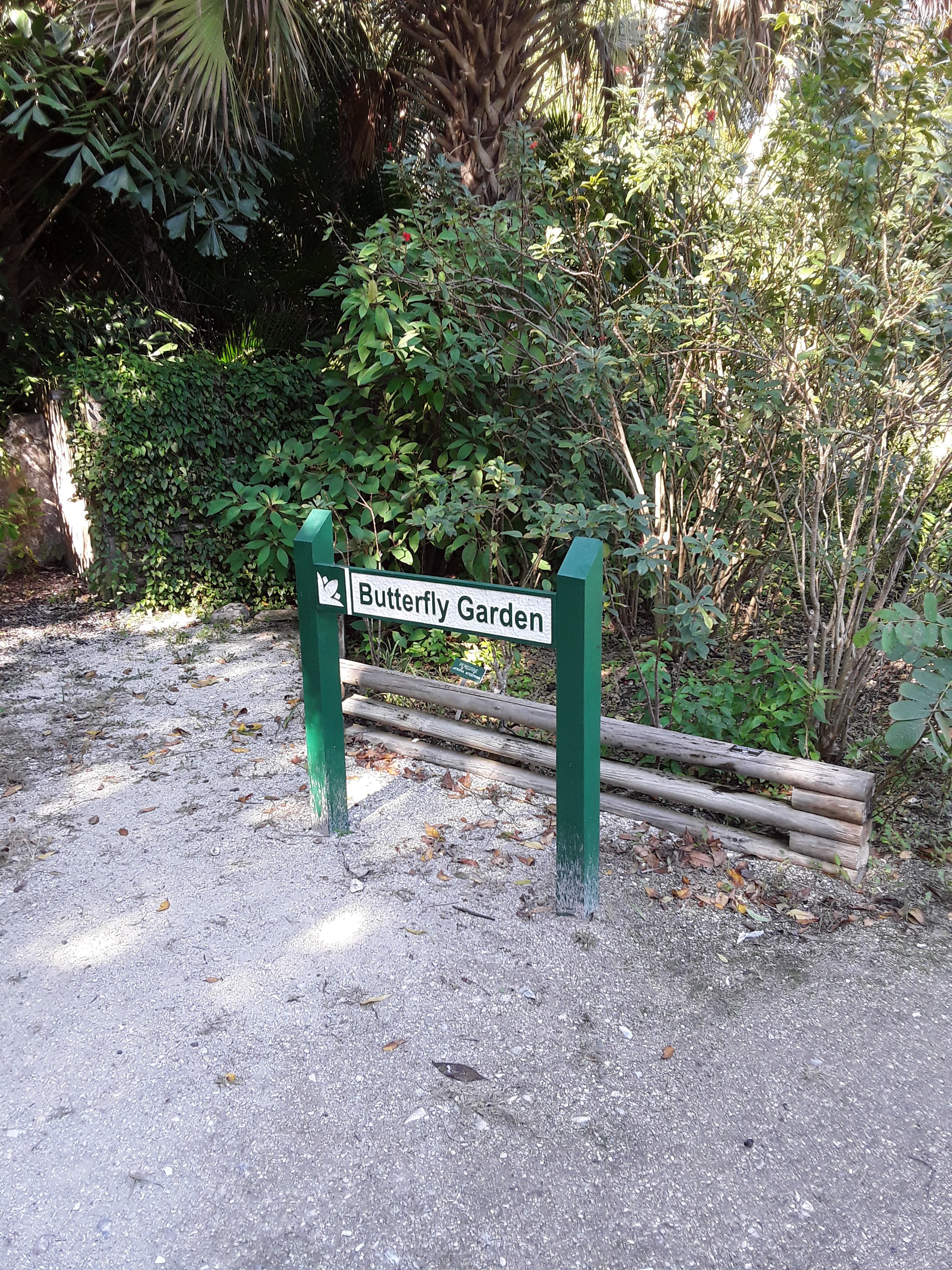
Butterfly  Garden

Butterfly Garden

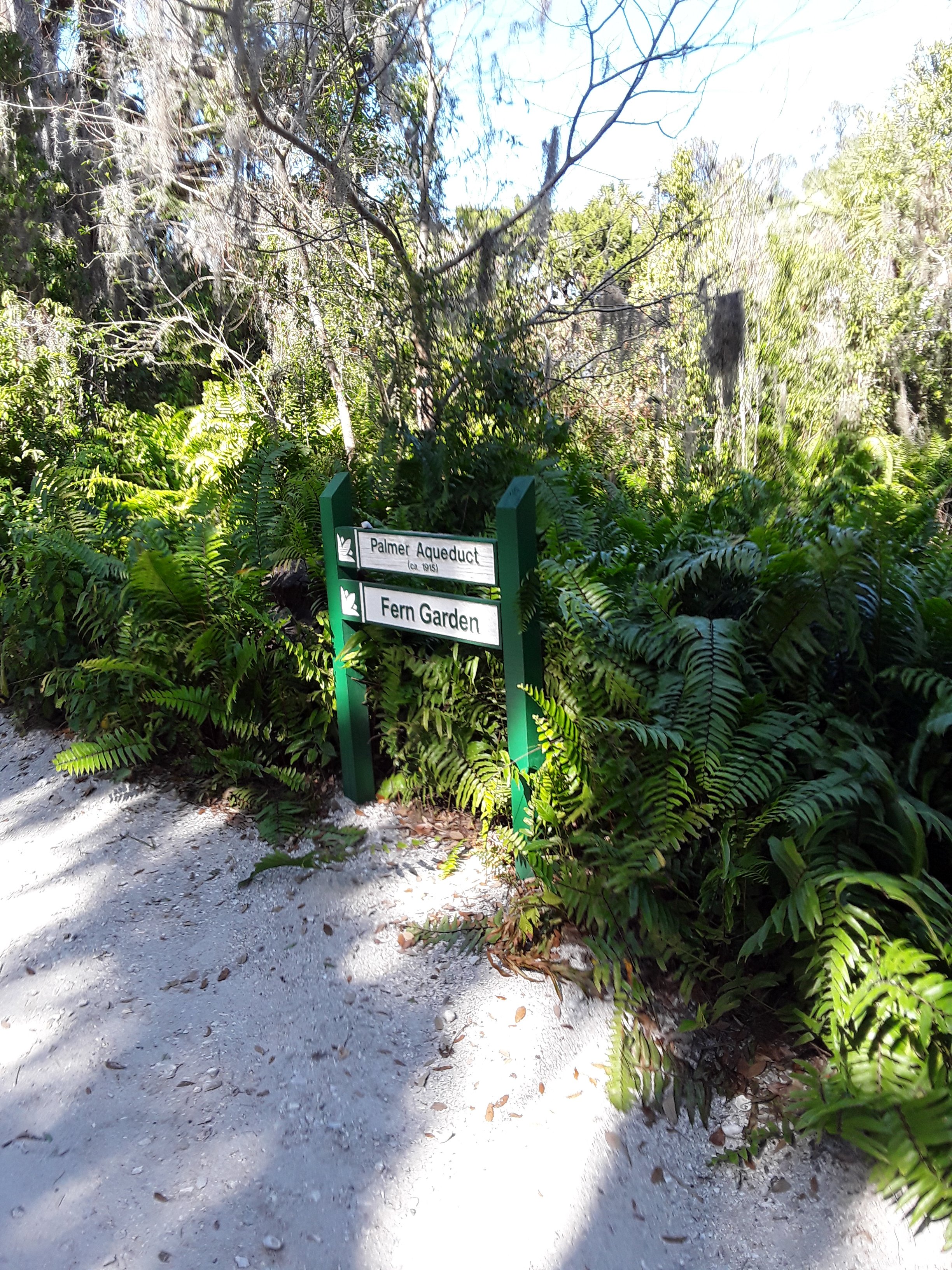
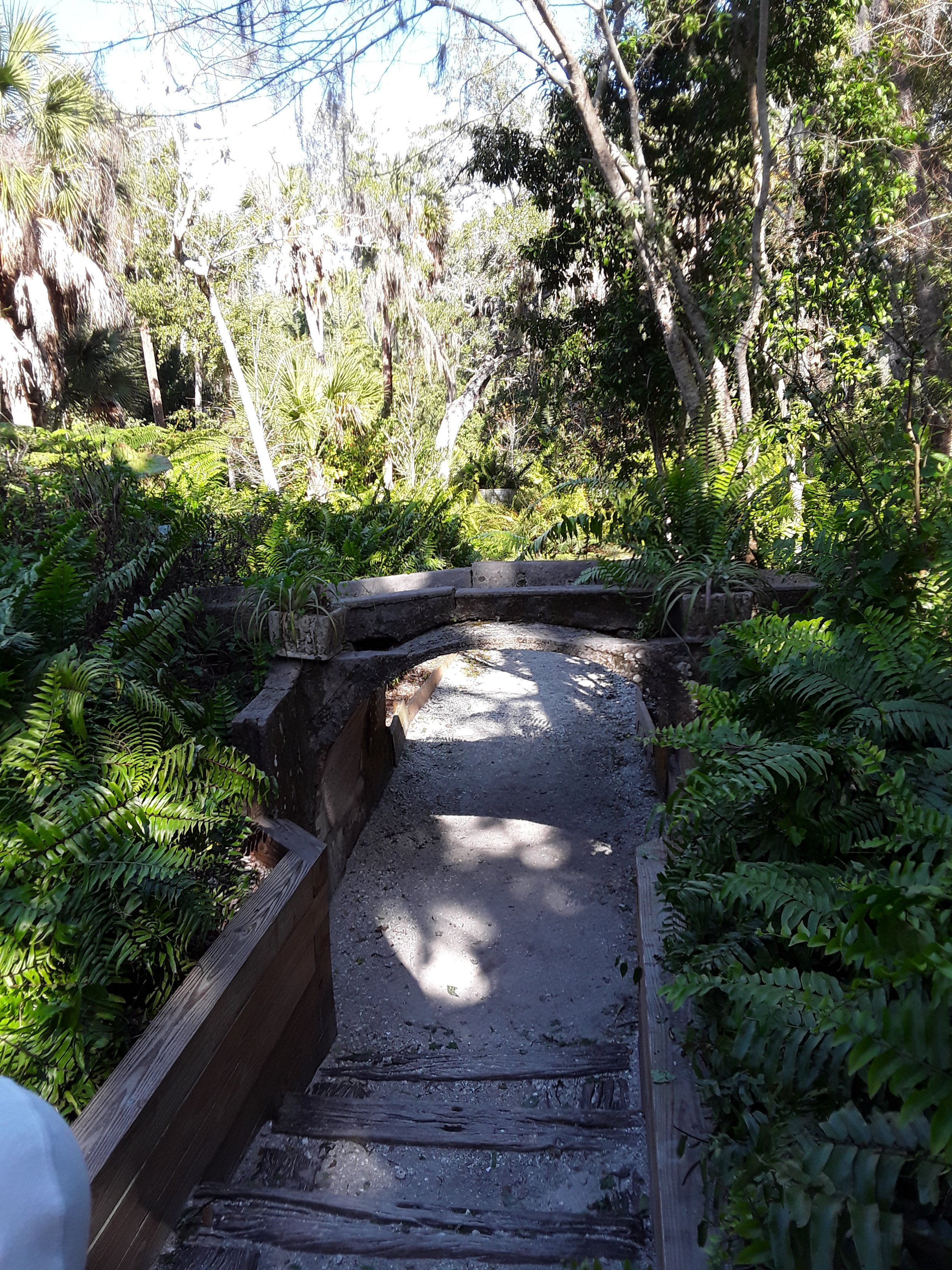
Palmer Aqueduct

Palmer  Aqueduct

Same as above
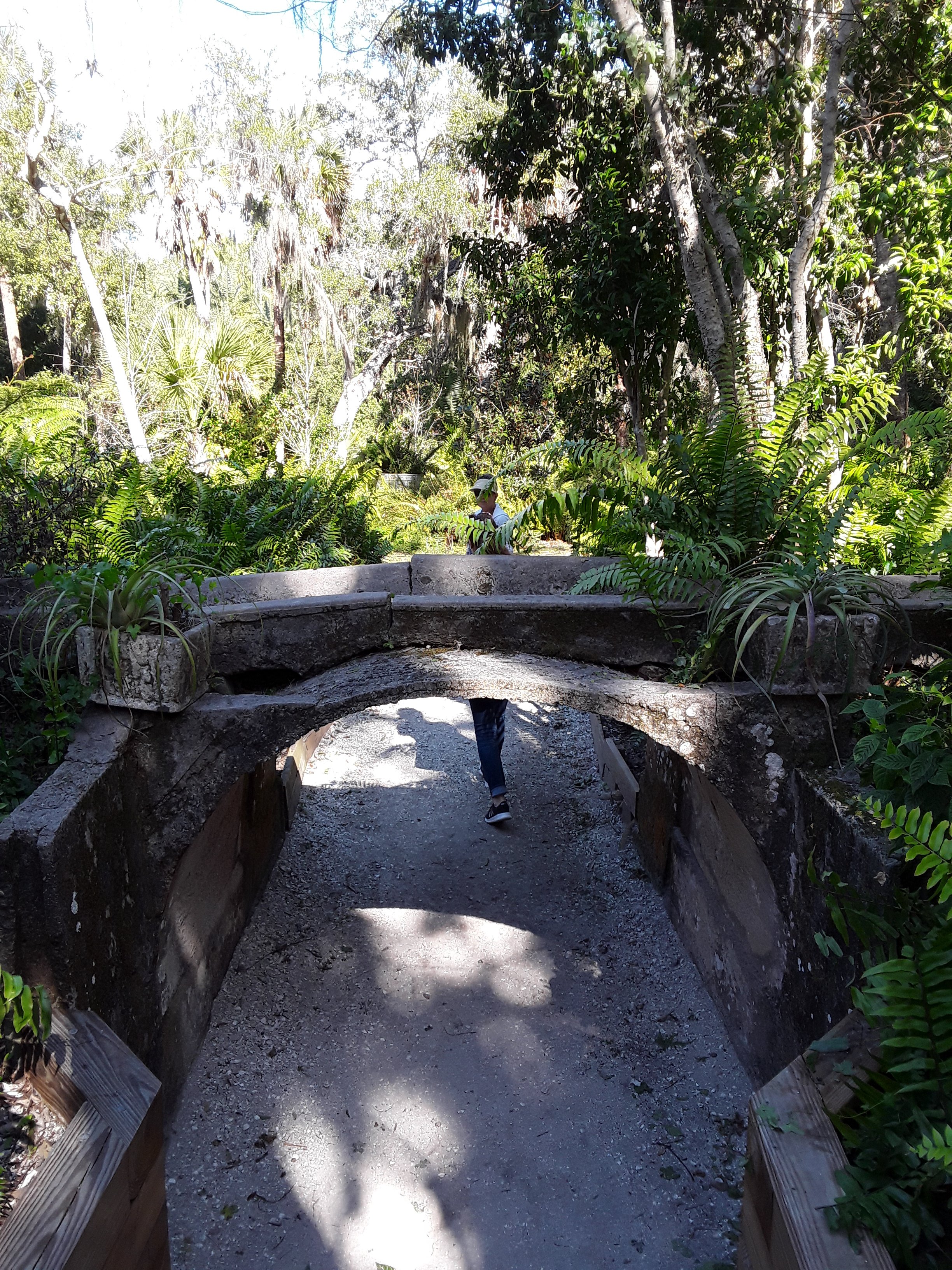
Palmer Aqueduct

Palmer Aqueduct

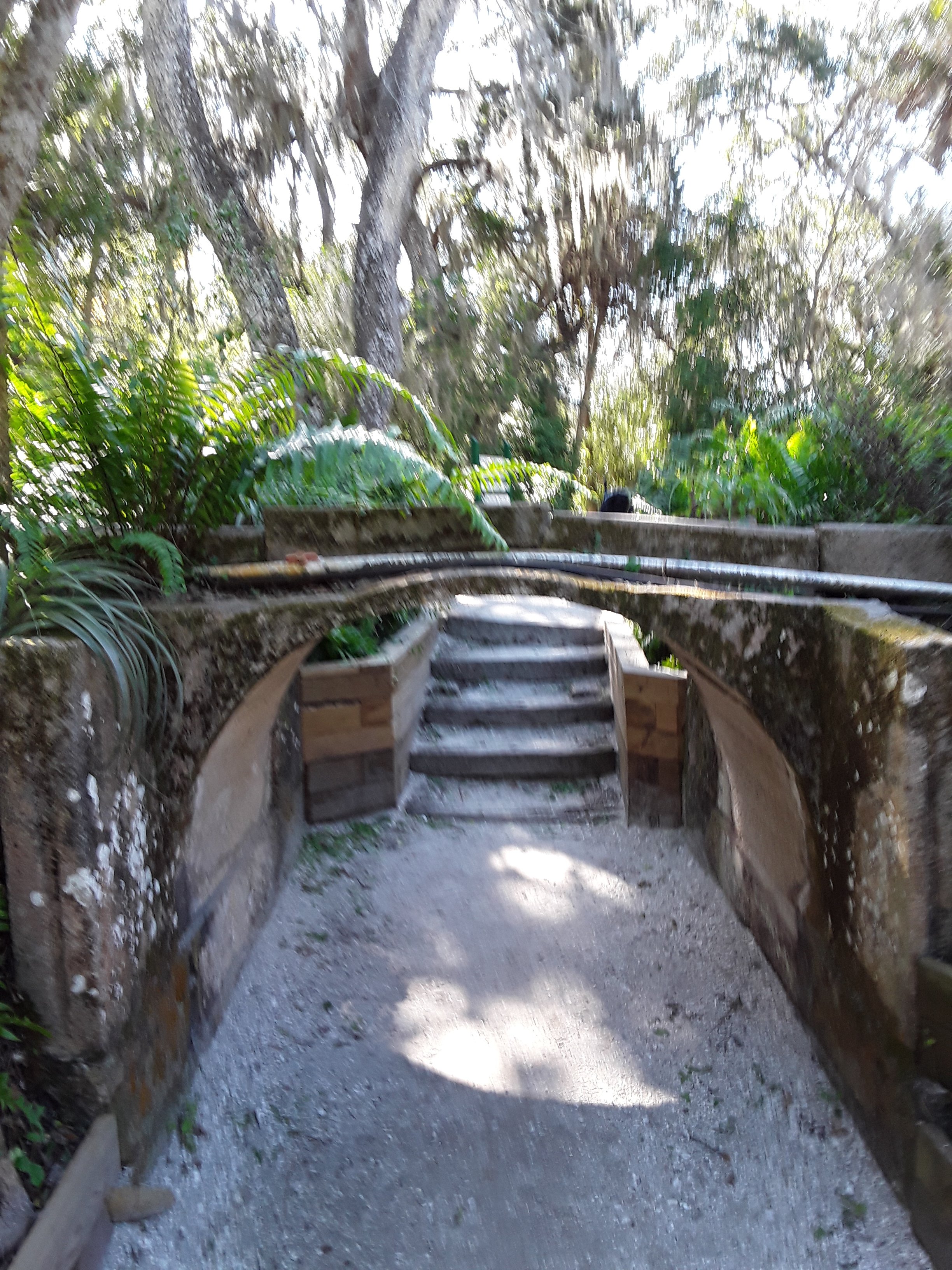
Palmer Aqueduct

Terry Park, Fort Myers

Terry Park
Terry Park
Terry Park
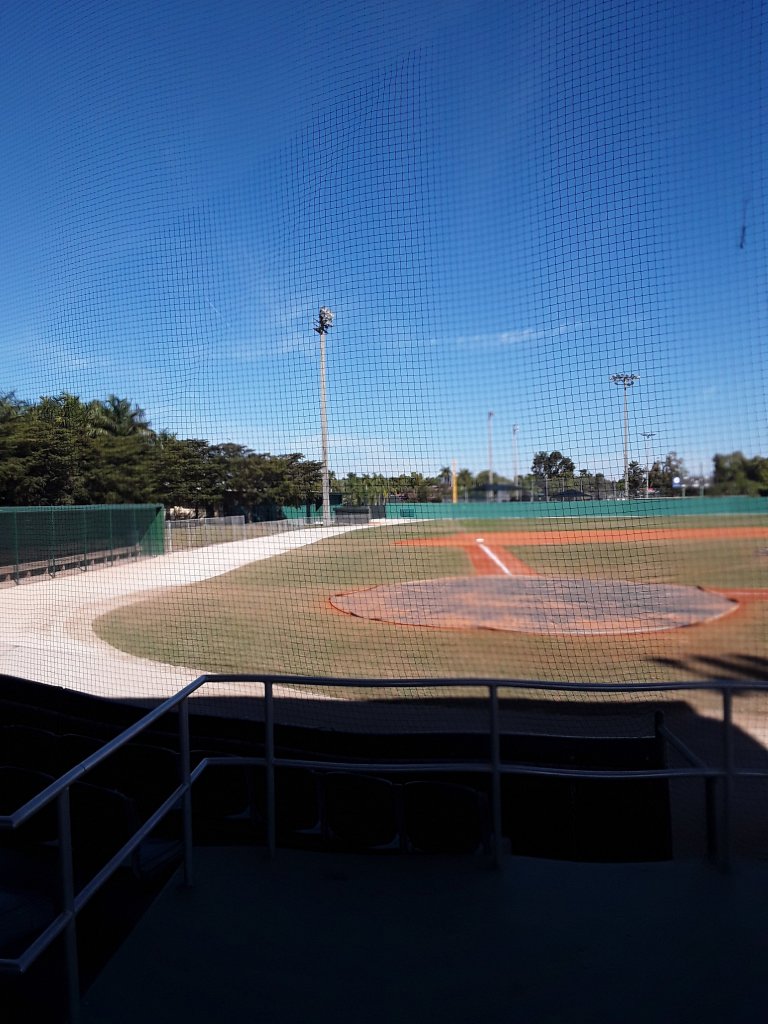
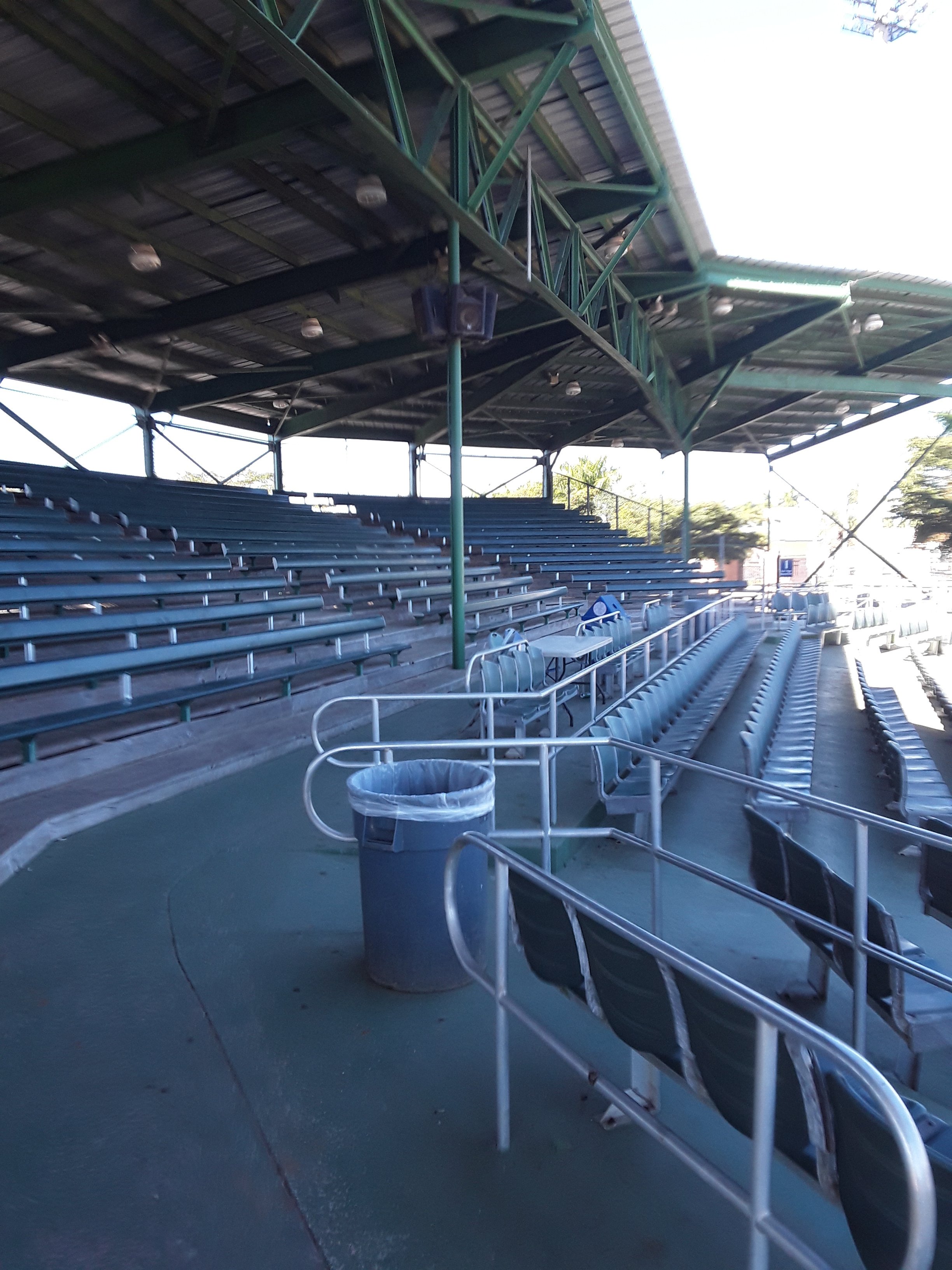
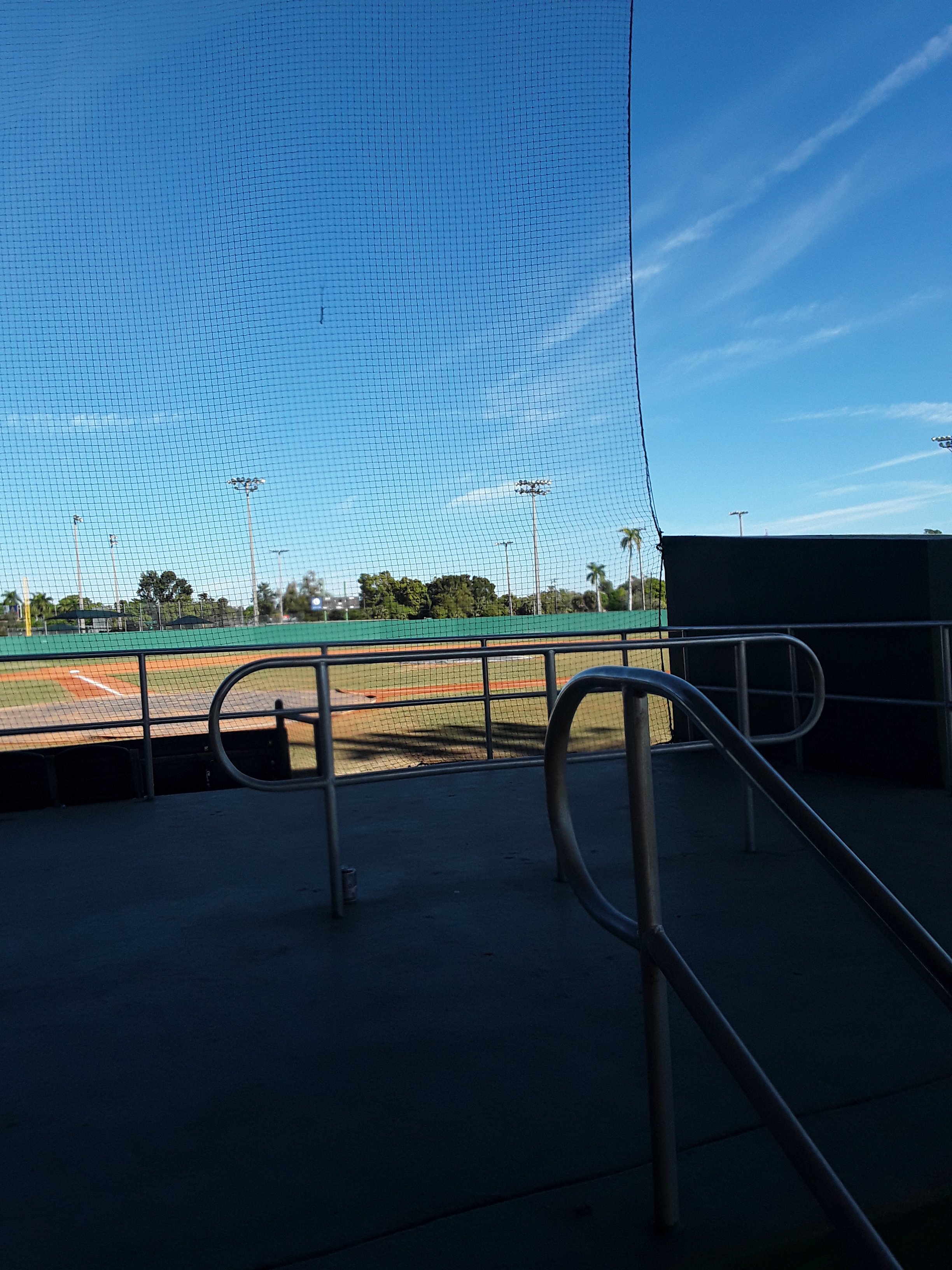
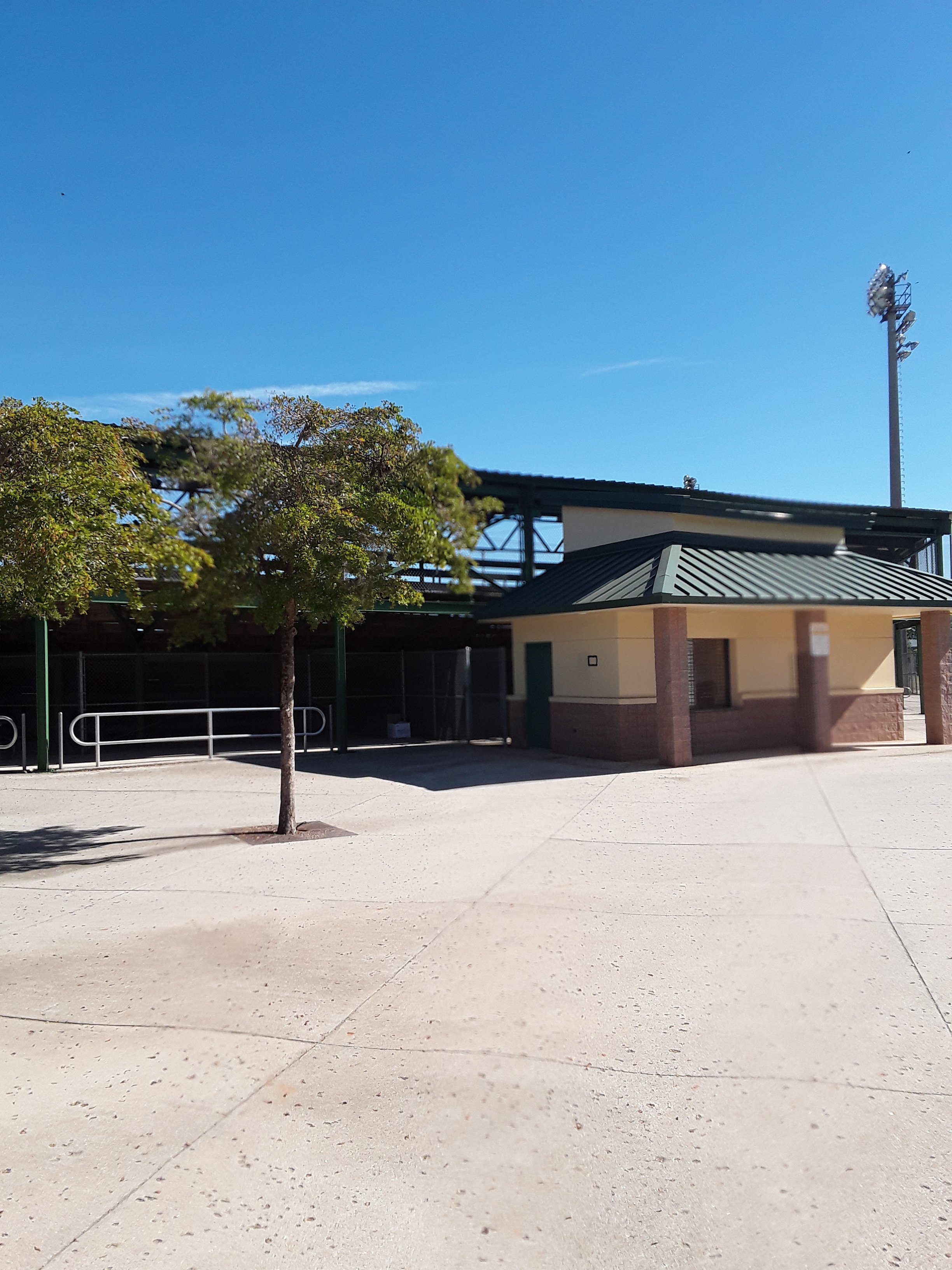
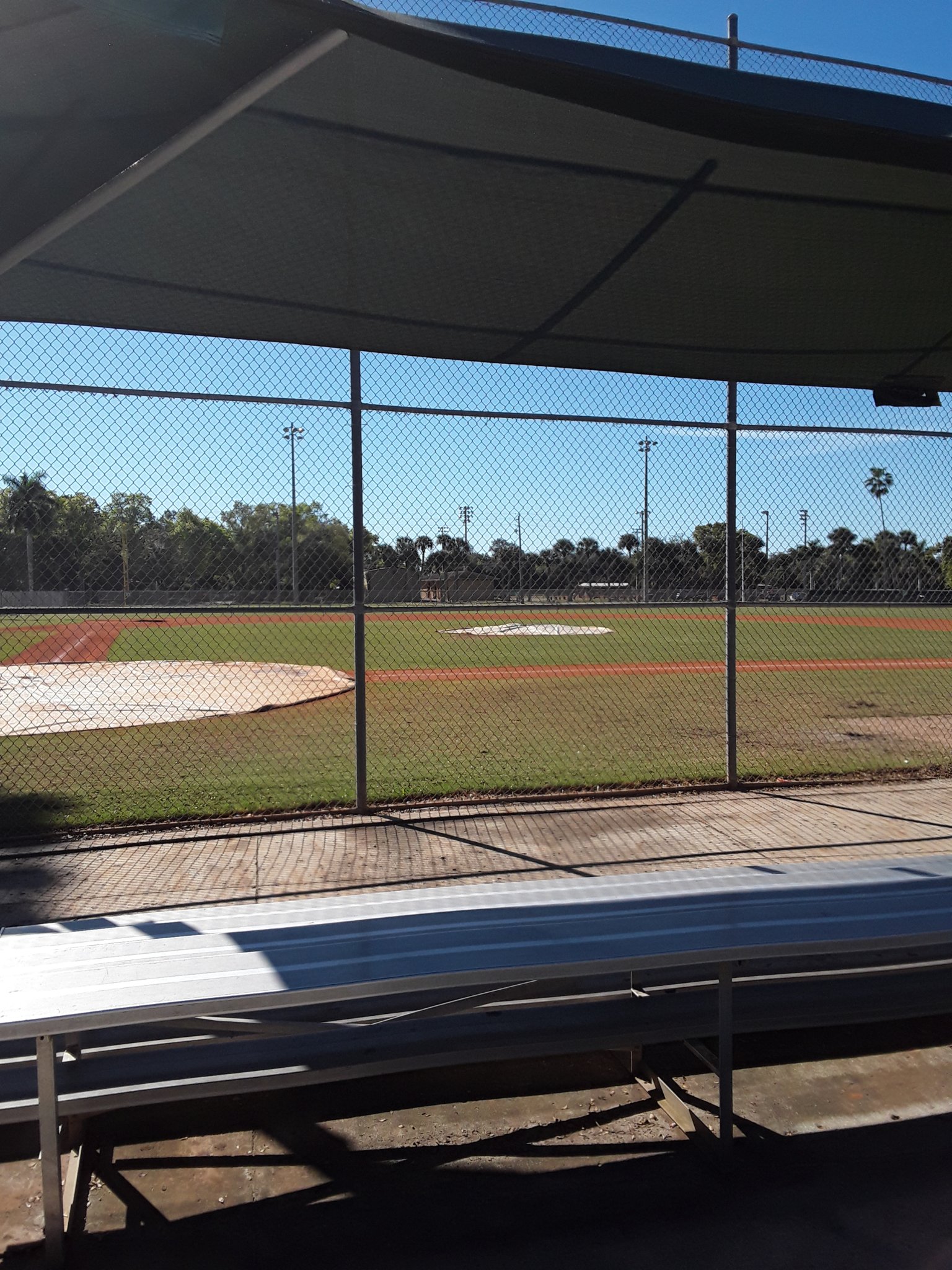
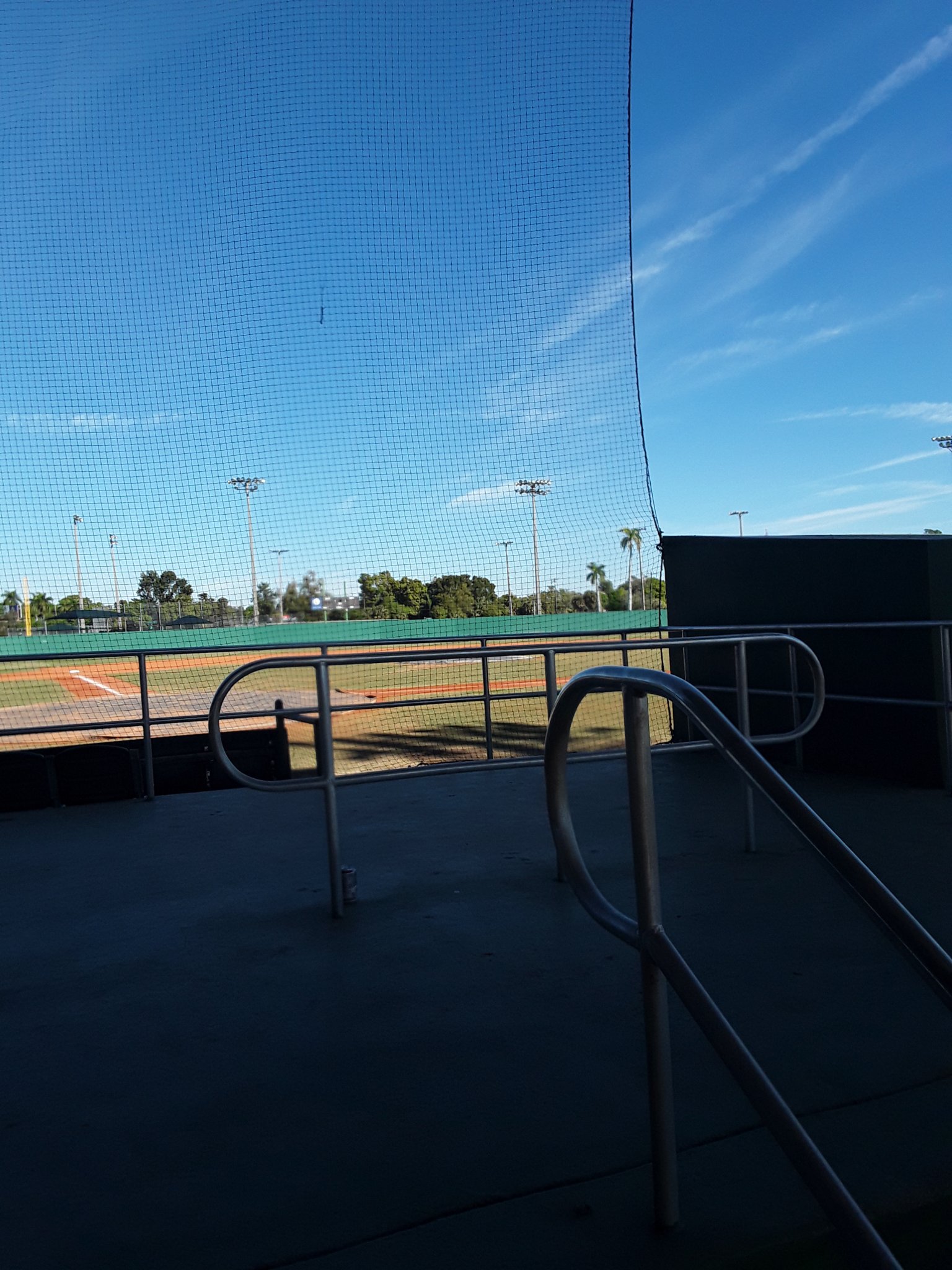
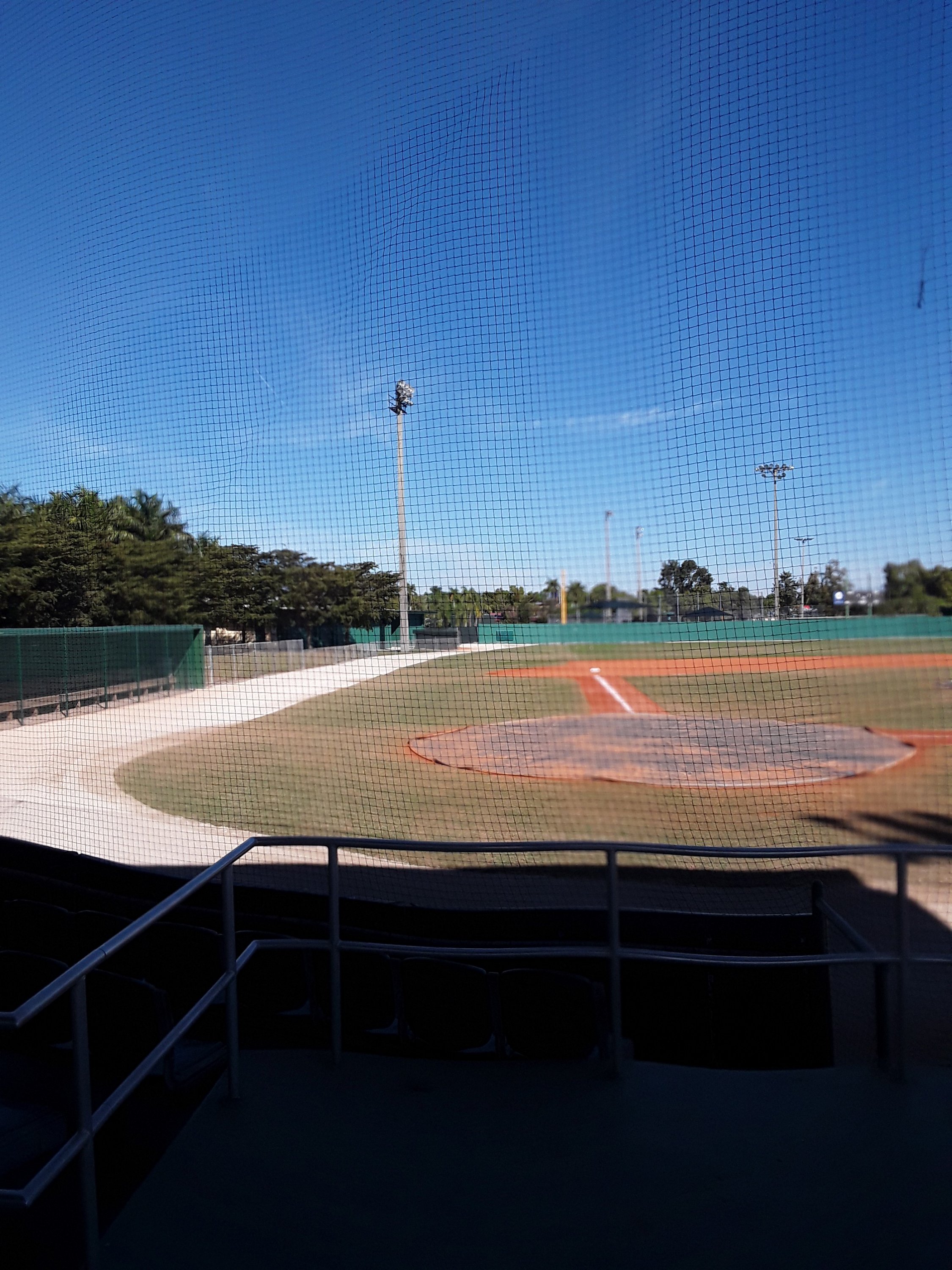
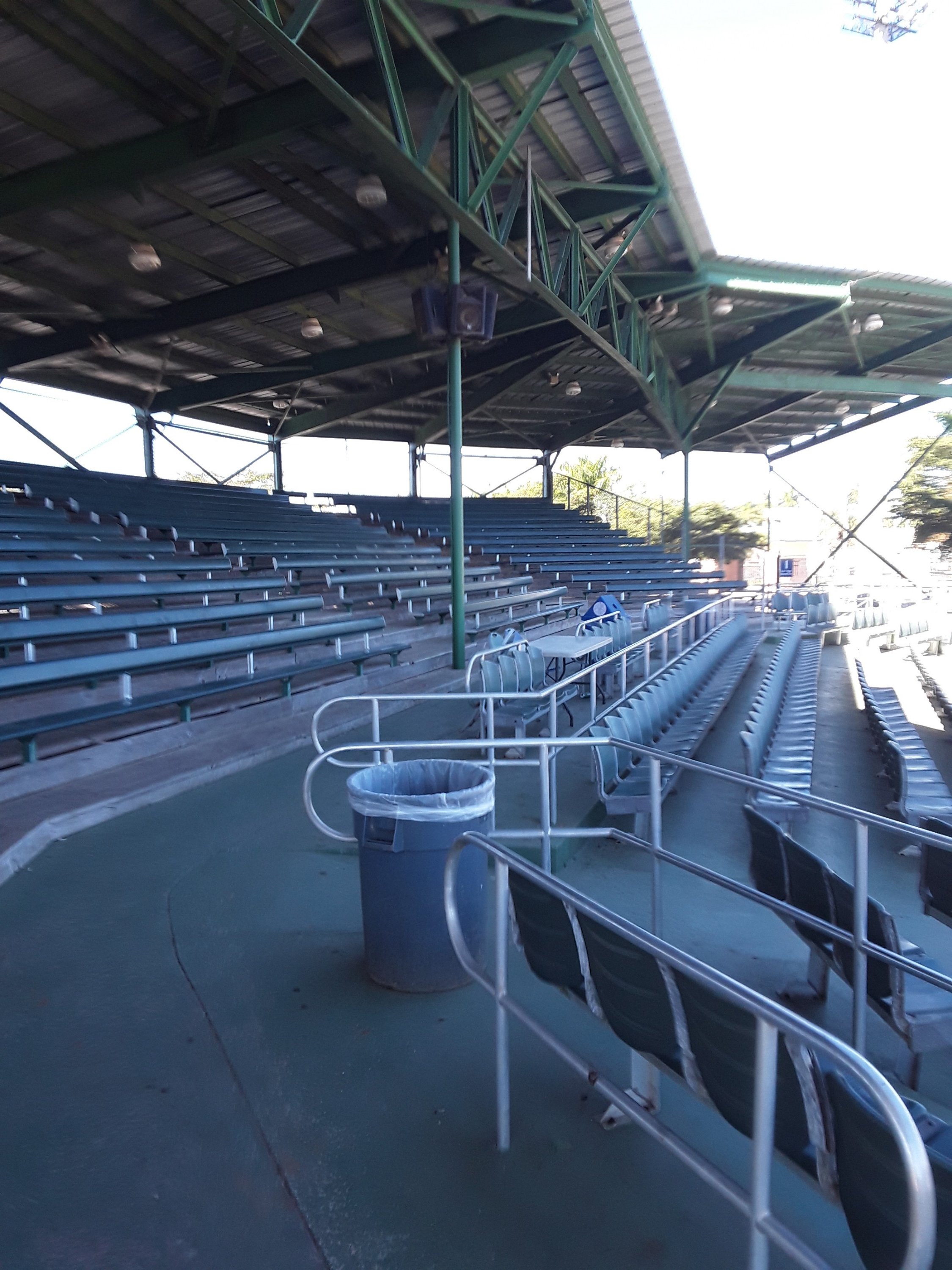
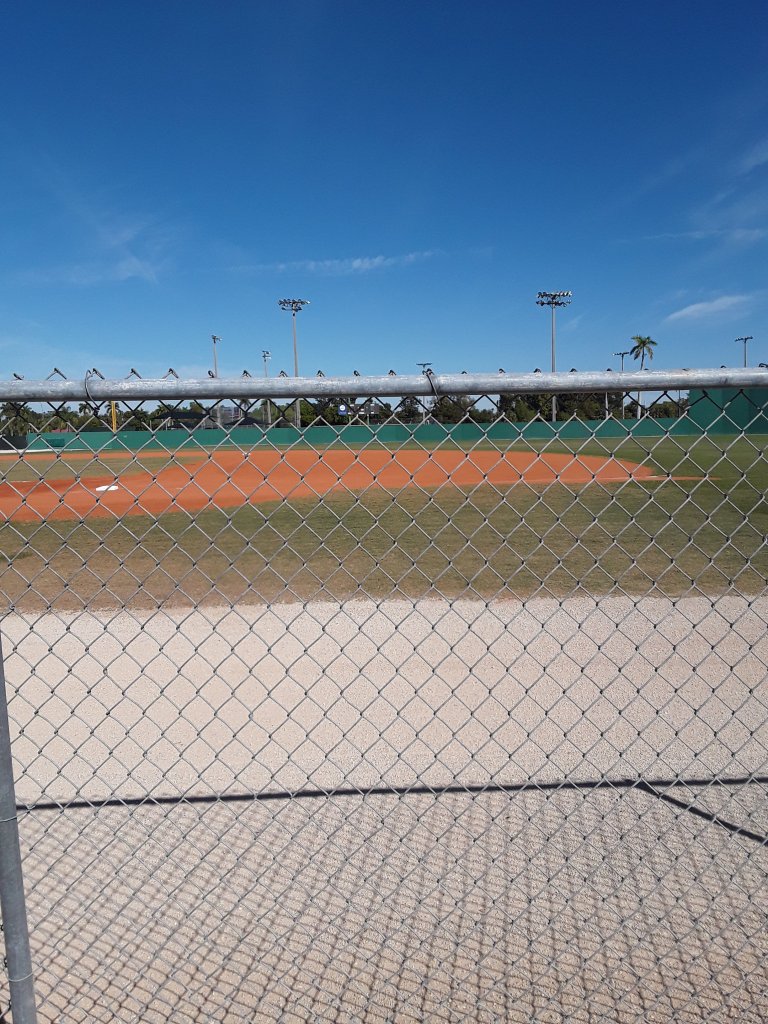
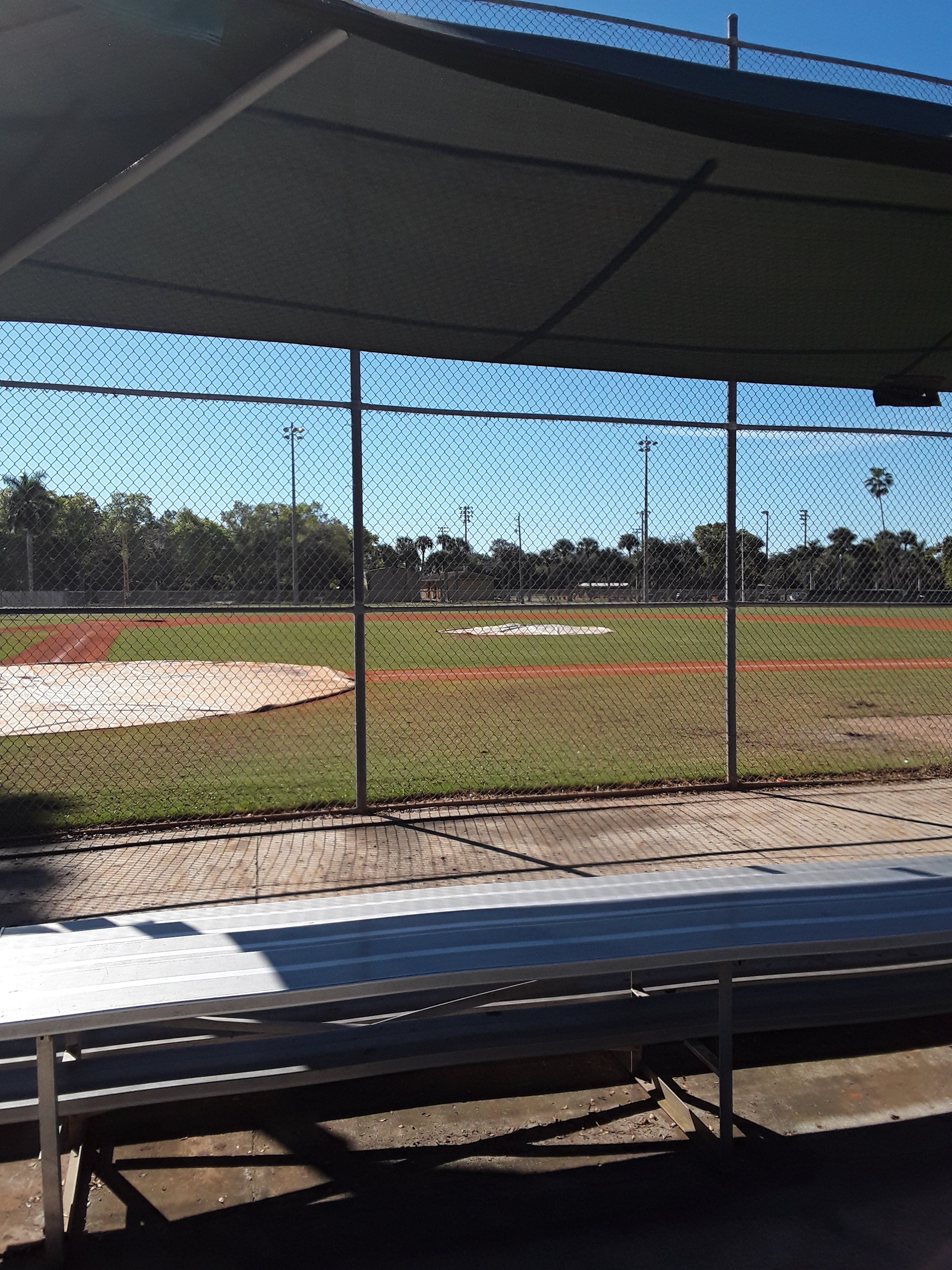
     In 1921, the Terry family donated 25 acres of cow pasture to Lee County.   A small wooden grandstand seating 600 was erected on this site.  The Philadelphia Athletics baseball team used this site for their spring training from 1925 to 1936.  It was used by the Cleveland Indians from 1941 to 1942.  In 1926, it was the home of the minor league team the Fort Myers Palms.
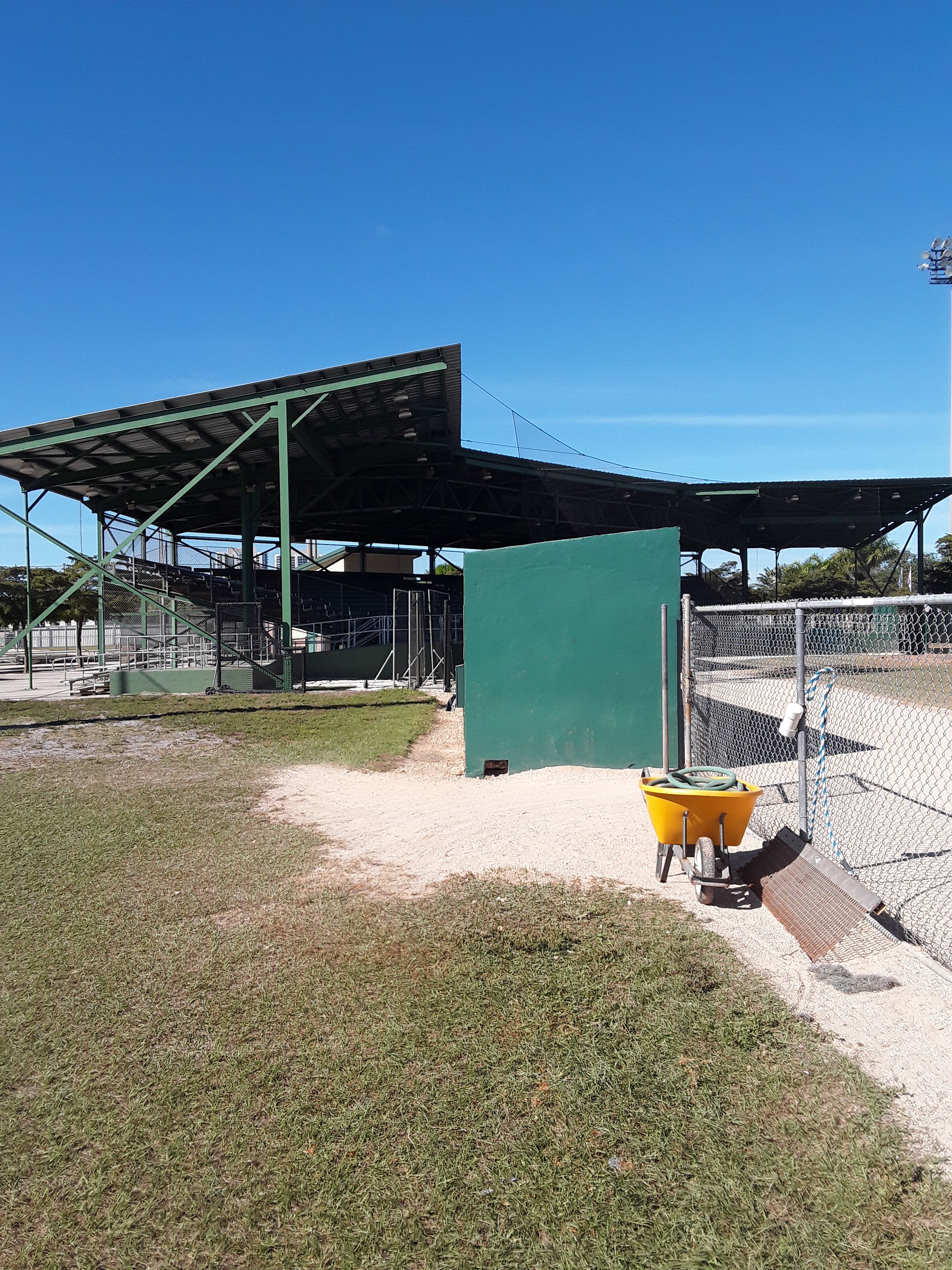
     The stadium remained in 1925 condition until 1943.  At that time, it was destroyed in a fire.     The stadium was rebuilt in 1955.  It was constructed in steel and cement. The rebuilt stadium was the home of the Pittsburgh Pirates for 14 years.  Next it was used by the Kansas City Royals until 1987.  The minor league team Fort Myers Royals used the stadium from 1978 to 1987.  The park remained in its 1955 condition.
     In 1995, it was listed in the National Register of Historic Places.
     The park was rededicated and renamed Park T. Pigott Park.
     In 2003, the Park was used by the baseball team of Florida Gulf Coast University.
     In 20004, the stadium was damaged by Hurricane Charley.  The city replaced the grandstand structure with a smaller 700 seat capacity.
     Currently, 160 college baseball teams use Terry Park in the month of March to begin the baseball season.   The park is now a multivitamin facility.
Terry Park
Terry Park
Terry Park

Terry Park

Terry Park

Terry Park

wp-15800879465203506547153384879688.jpg

Terry Park

 wp-15800879465203506547153384879688.jpgSame as abovewp-15800879465203506547153384879688.jpgSame as  abovewp-15800879465203506547153384879688.jpgSame as above
wp-15800879465203506547153384879688.jpg

Same as above

wp-15800879158328425652492636325007.jpg

Terry  Park

wp-15800879158328425652492636325007.jpg
20200126_105830.jpg

Terry Park

20200126_105551.jpg

Terry Park

wp-15800879465203506547153384879688.jpg
wp-15800879158328425652492636325007.jpg

Terry  Park

wp-15800879158328425652492636325007.jpg
20200126_105830.jpg

Terry Park

20200126_105551.jpg

Terry Park

Enter a captionwp-15800879465203506547153384879688.jpg
wp-15800879158328425652492636325007.jpg

Terry  Park

wp-15800879158328425652492636325007.jpg
20200126_105830.jpg

Terry Park

20200126_105551.jpg

Terry Park

wp-15800879465203506547153384879688.jpg

Terry  Park

wp-15800879465203506547153384879688.jpg
wp-15800879158328425652492636325007.jpg

Terry  Park

wp-15800879158328425652492636325007.jpg

Terry Park

wp-15800879158328425652492636325007.jpg

Terry Park

wp-15800879158328425652492636325007.jpg

Terry  Park

wp-15800879158328425652492636325007.jpg
20200126_105830.jpg

Terry Park

20200126_105551.jpg

Terry Park