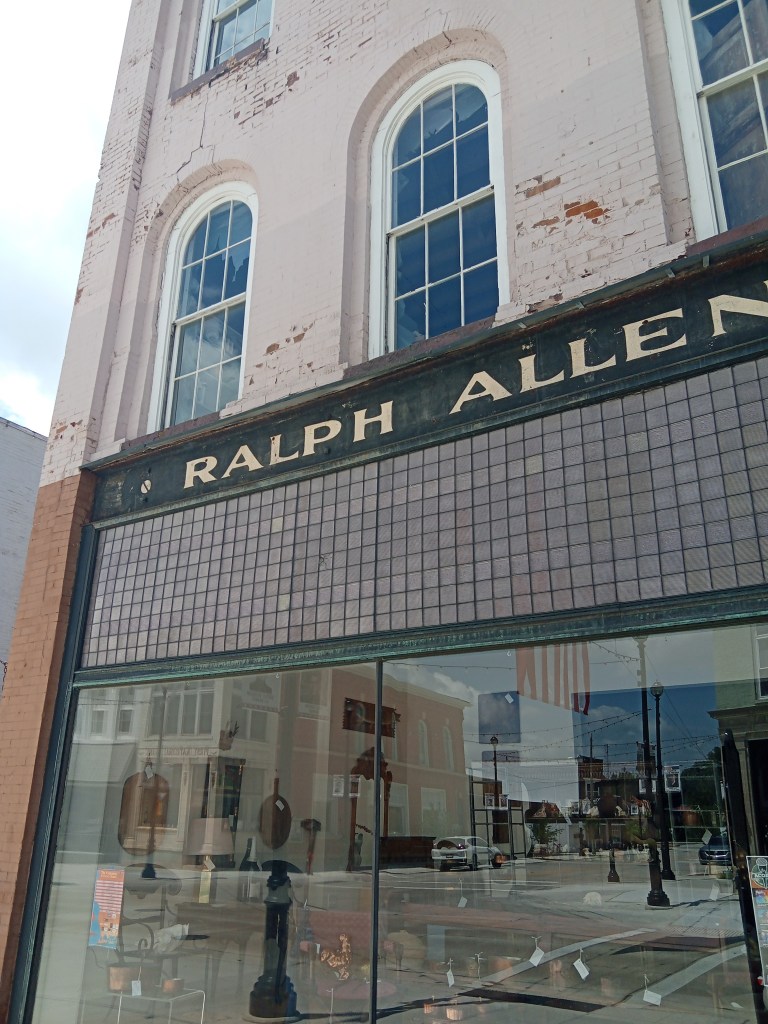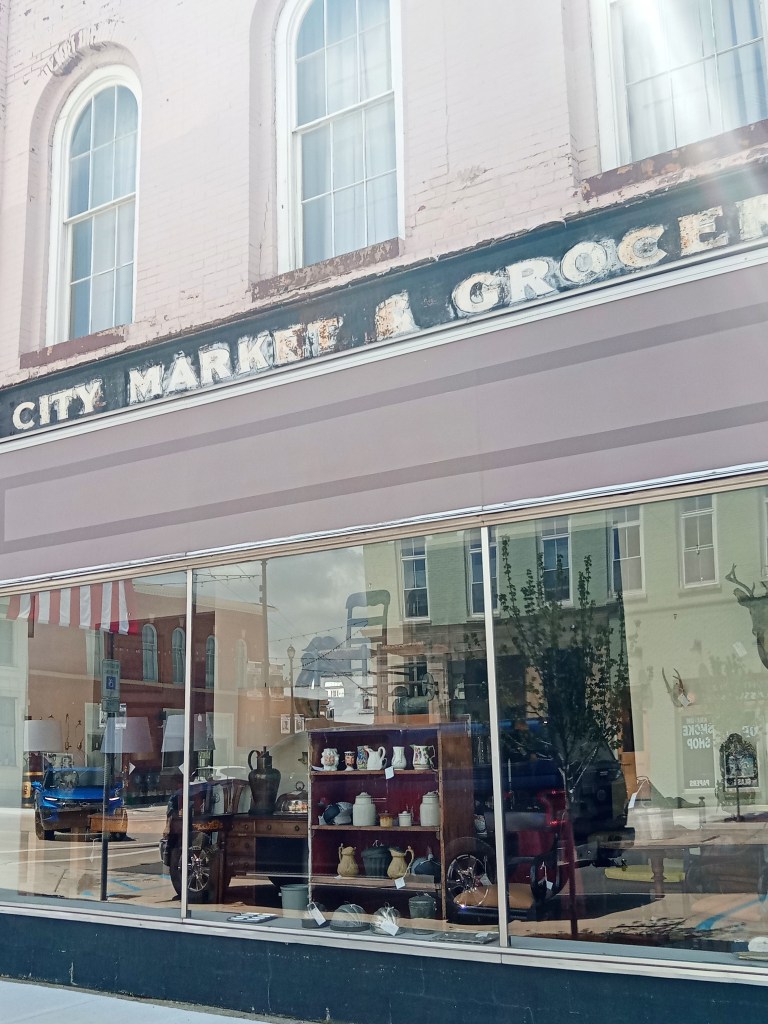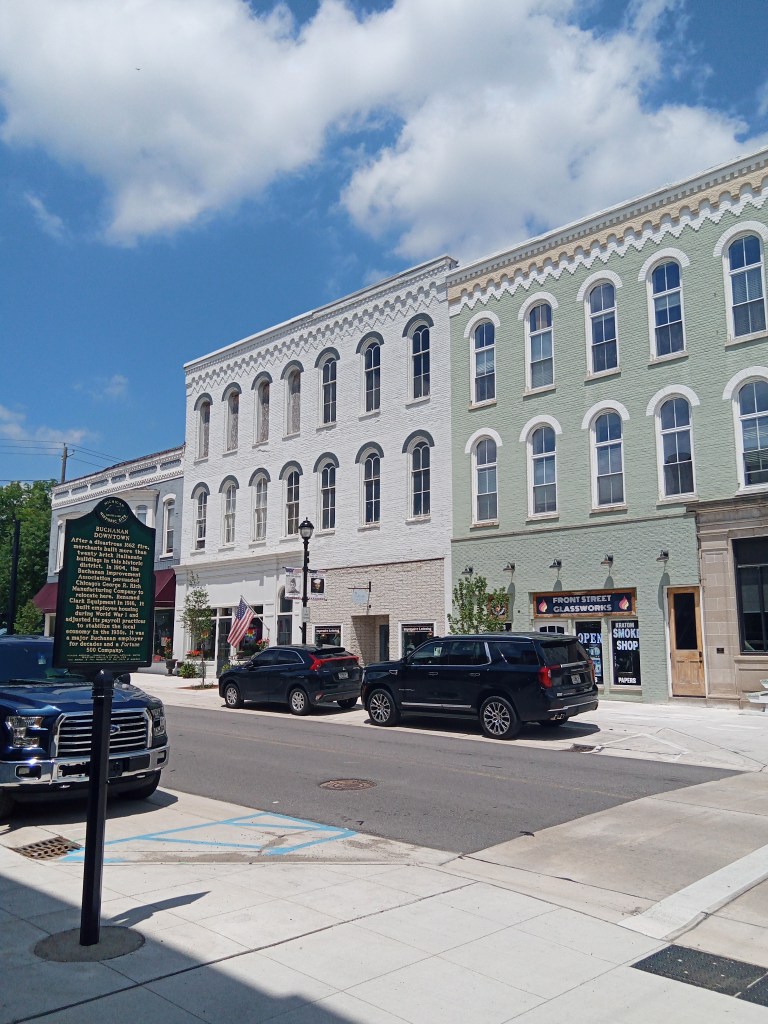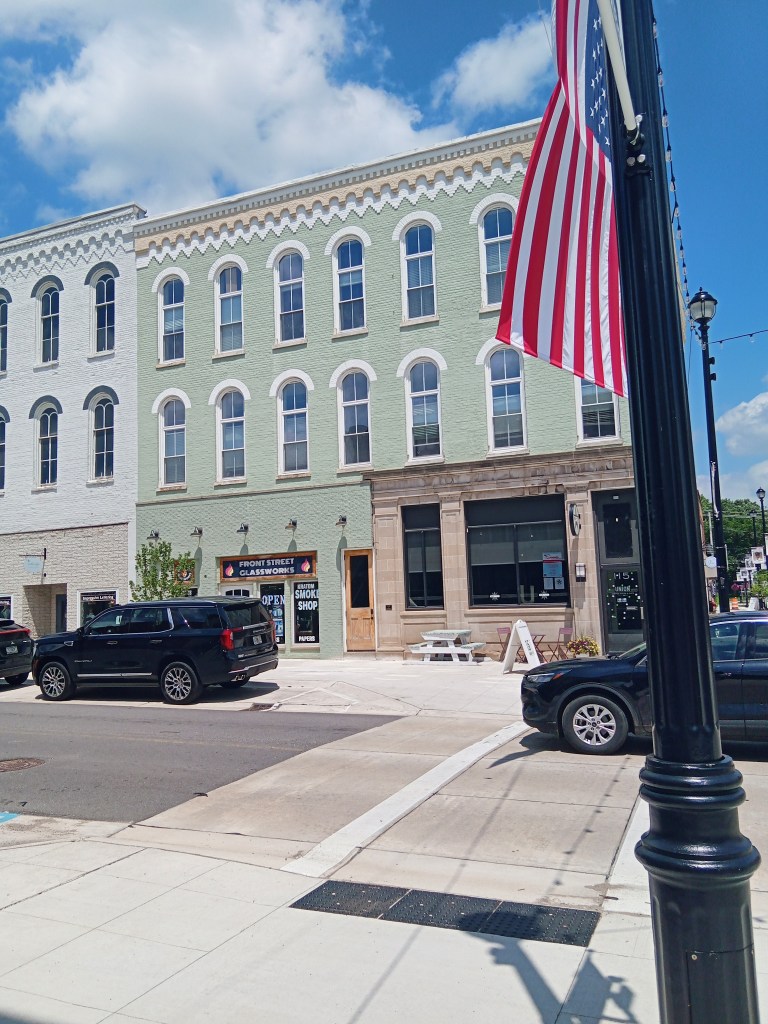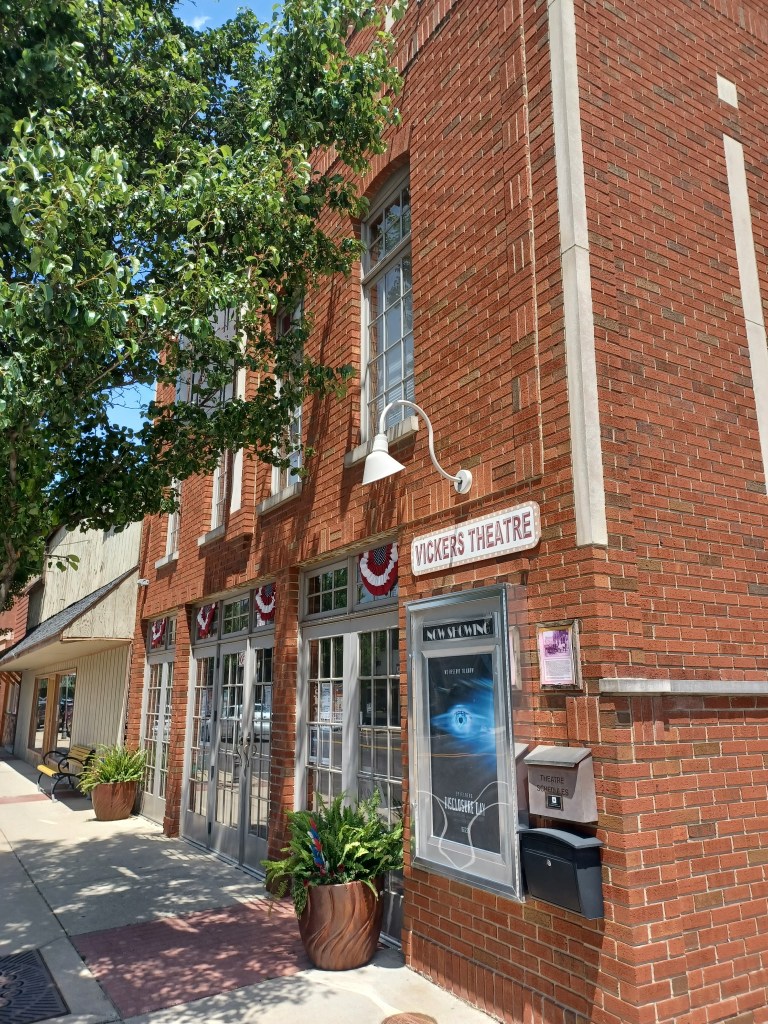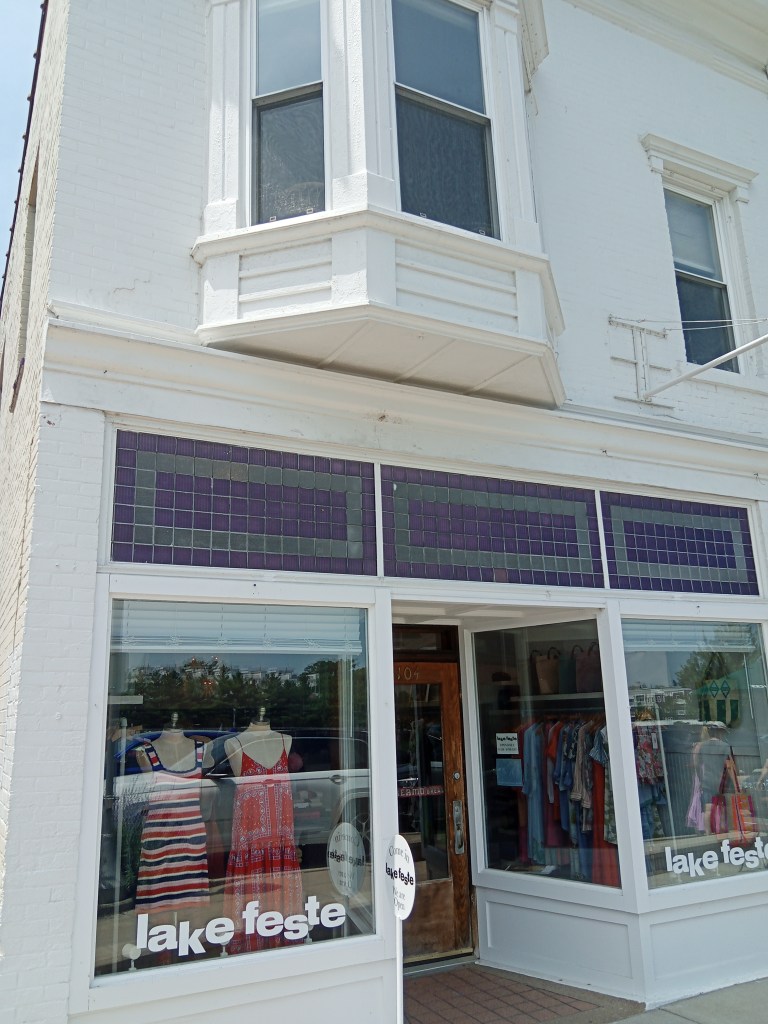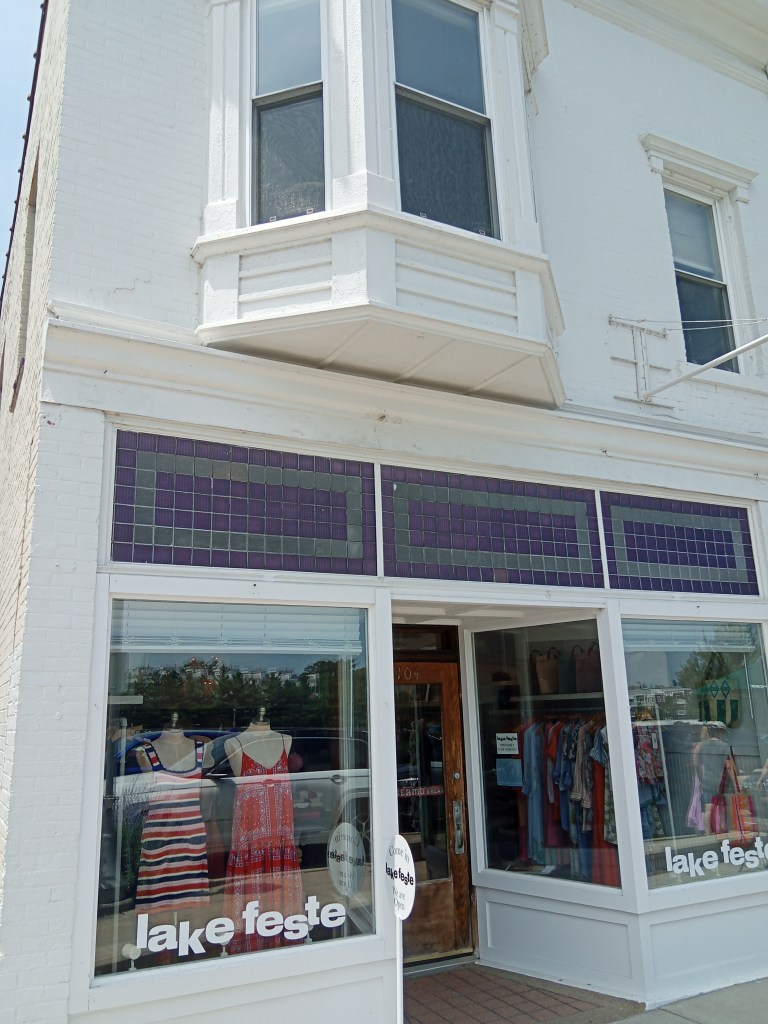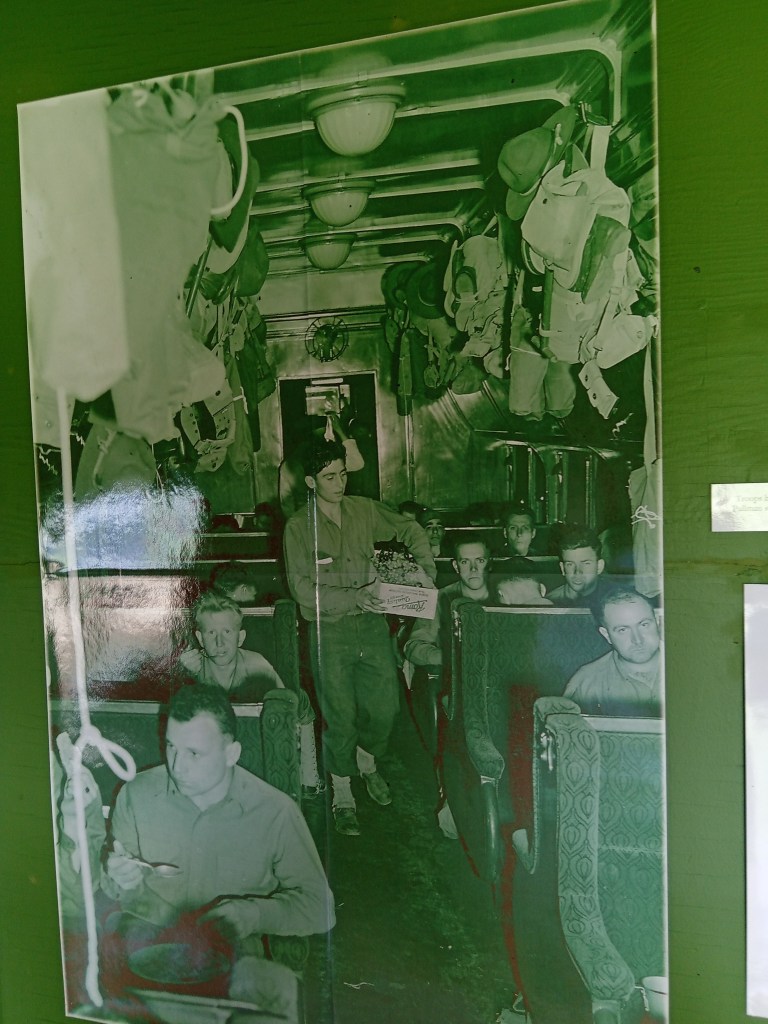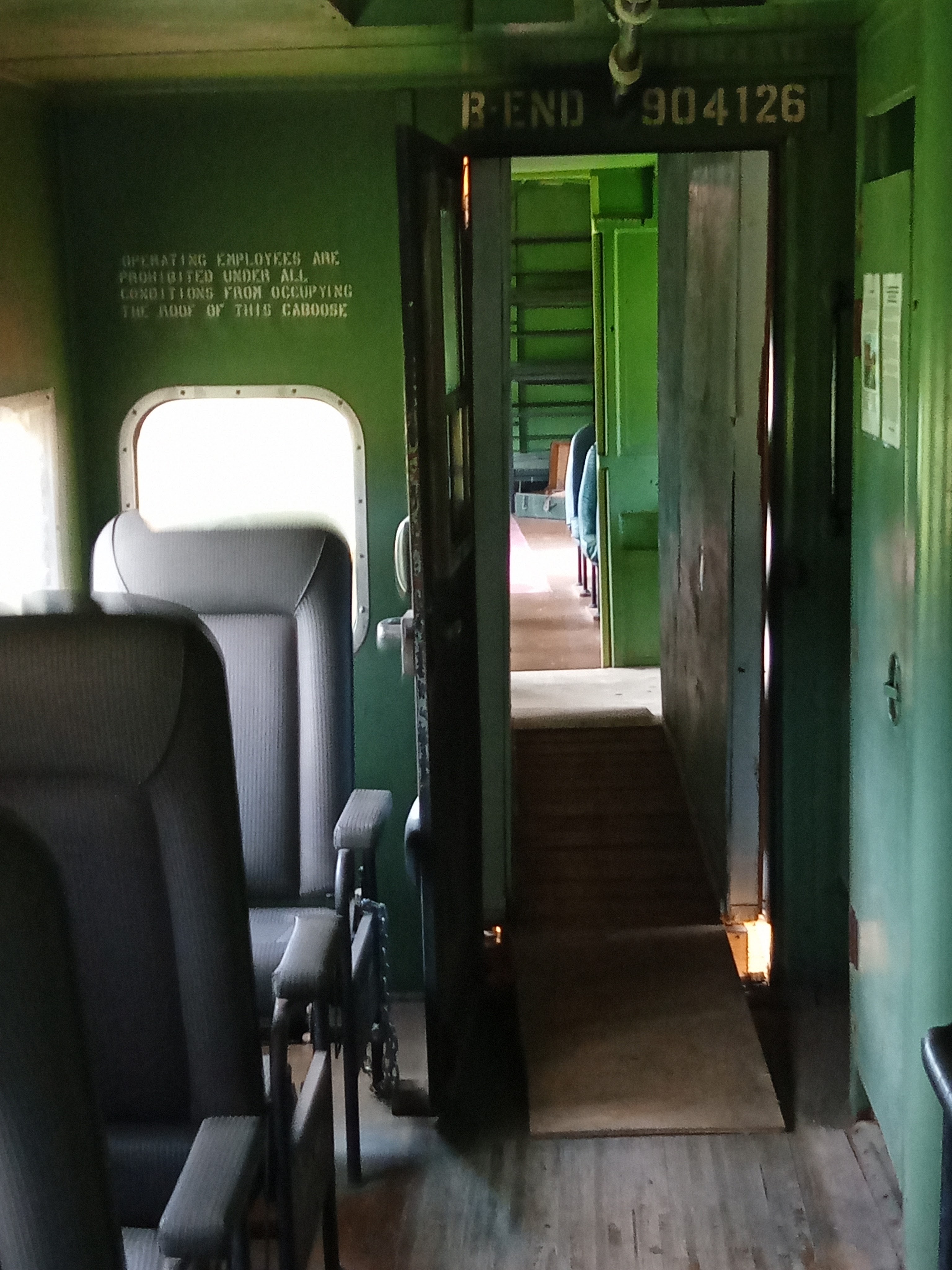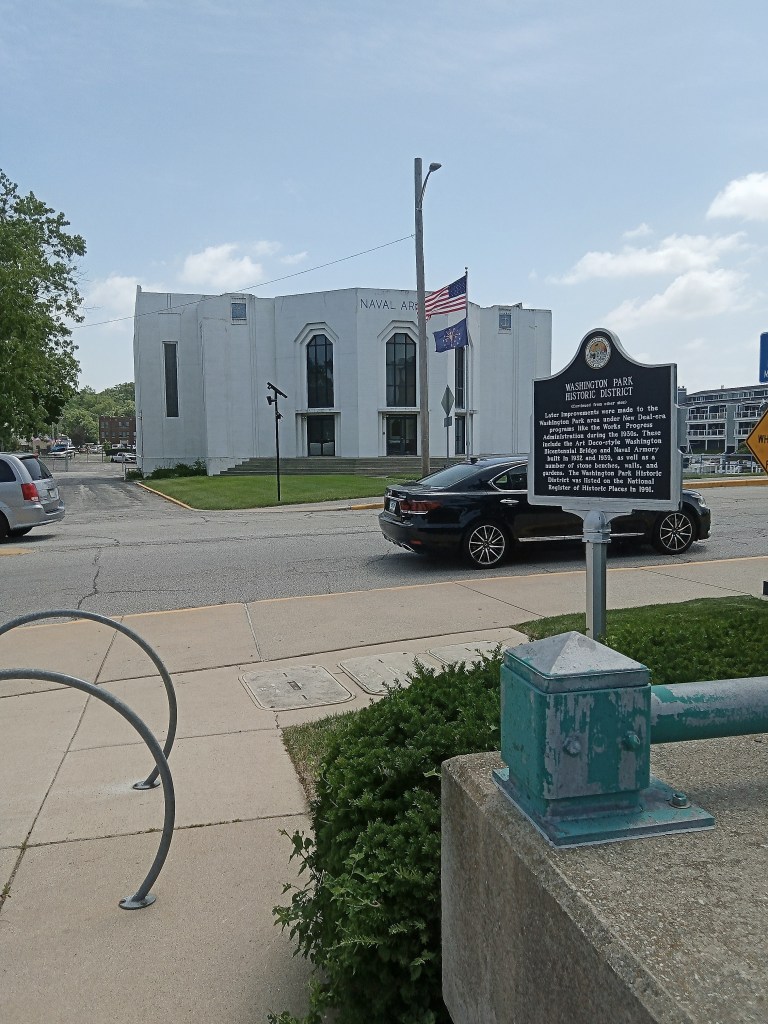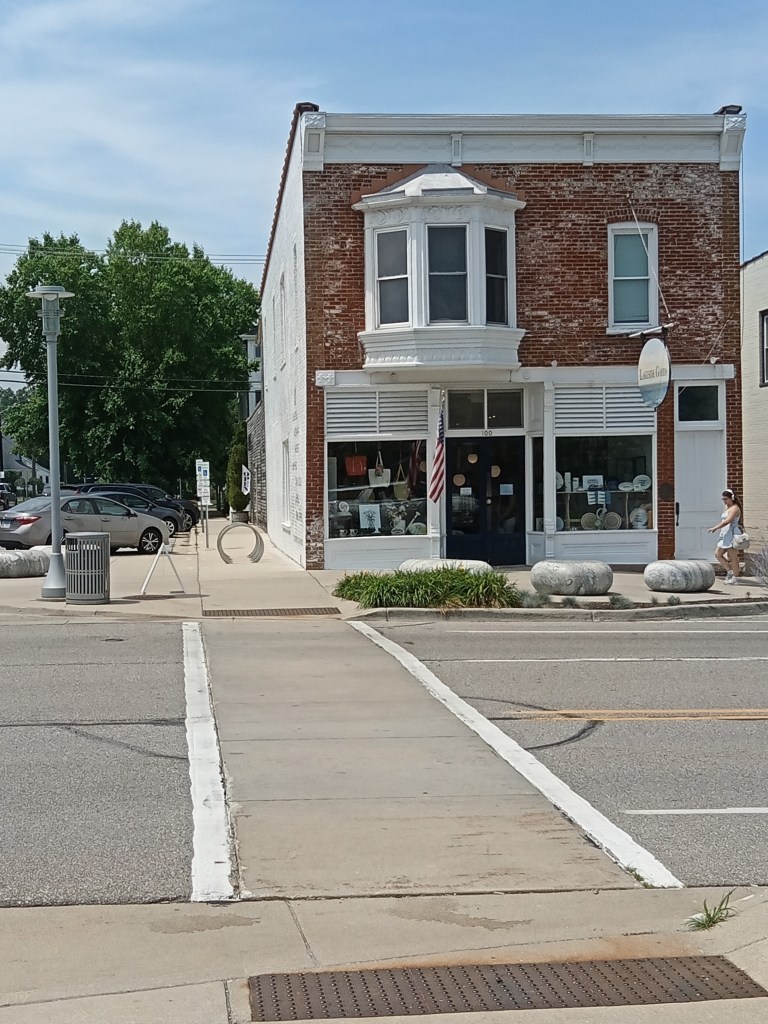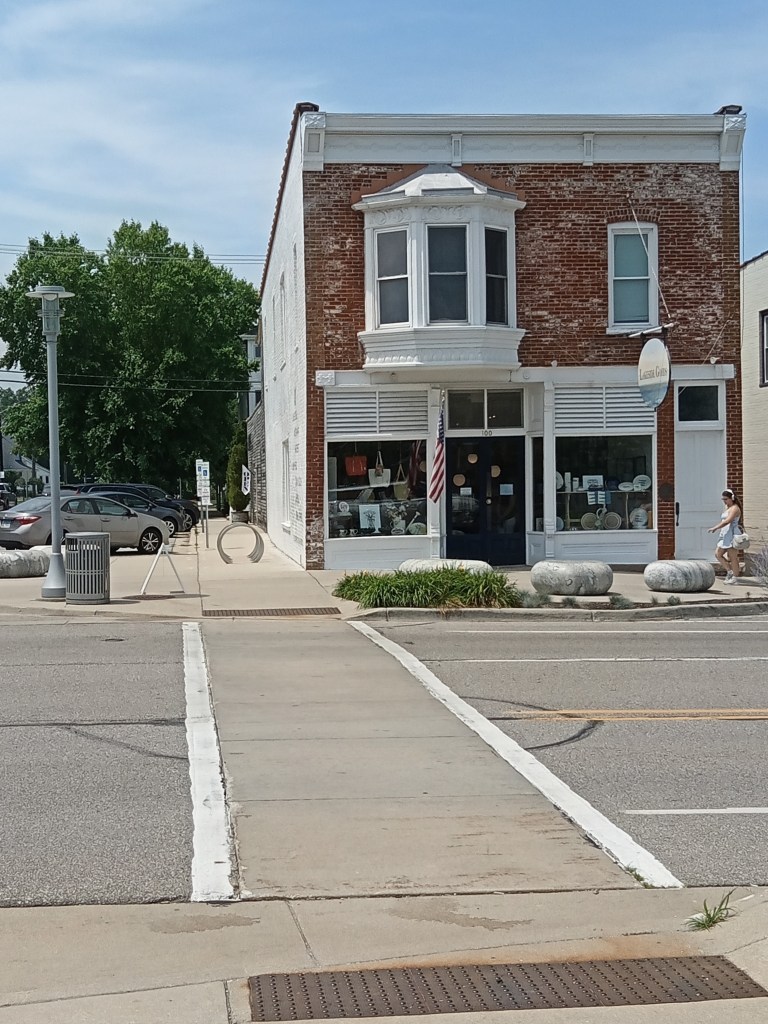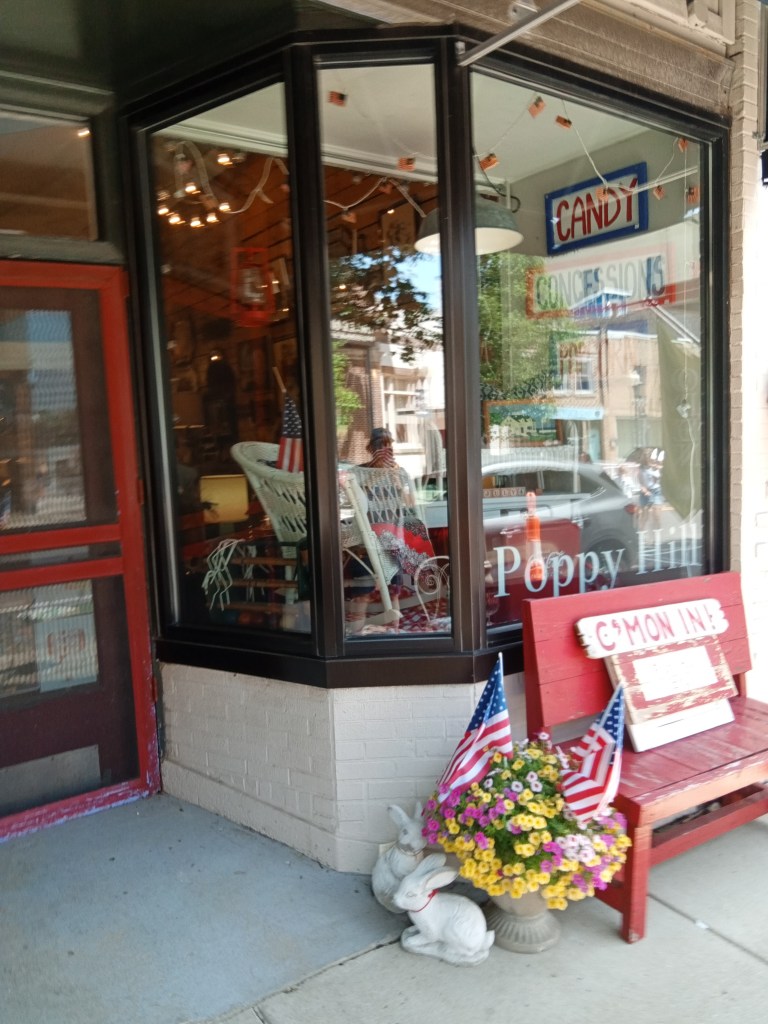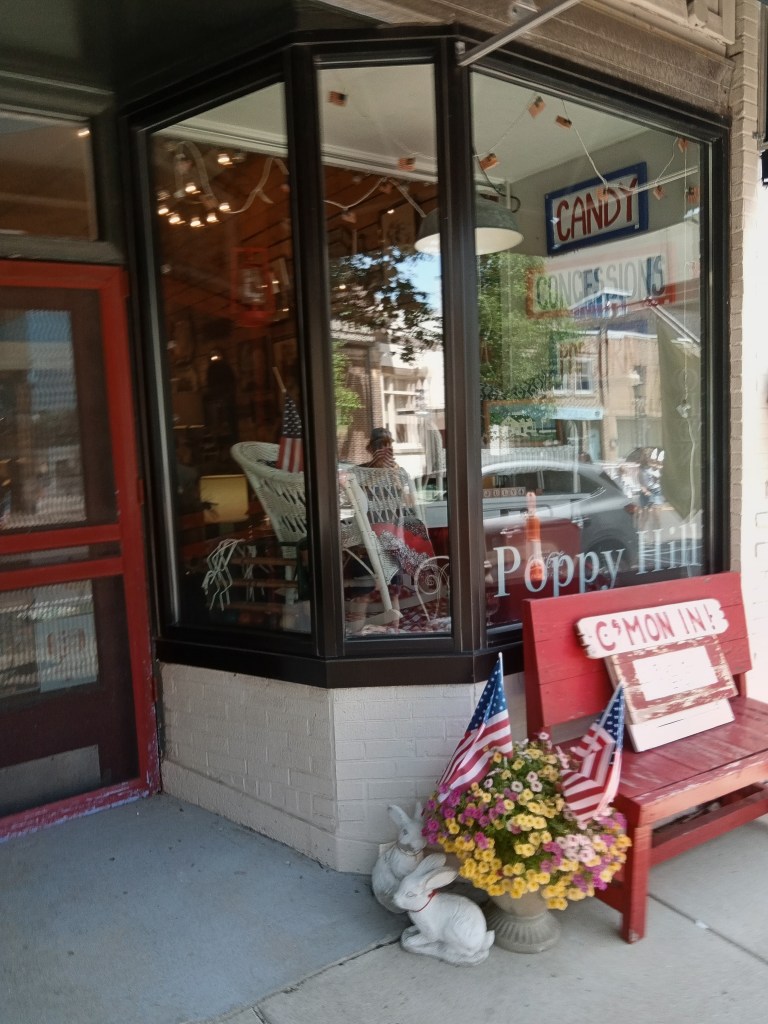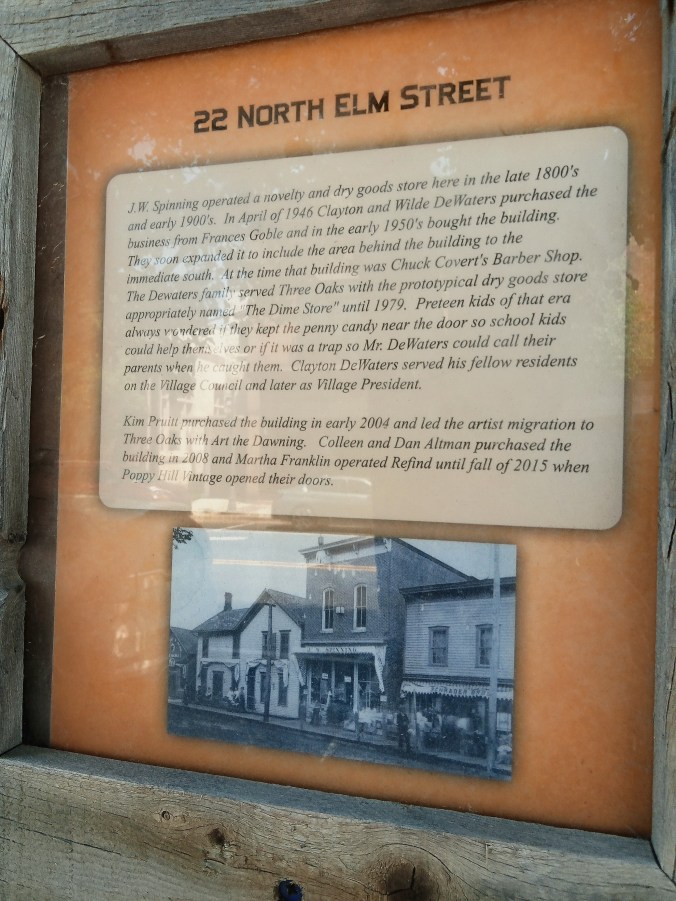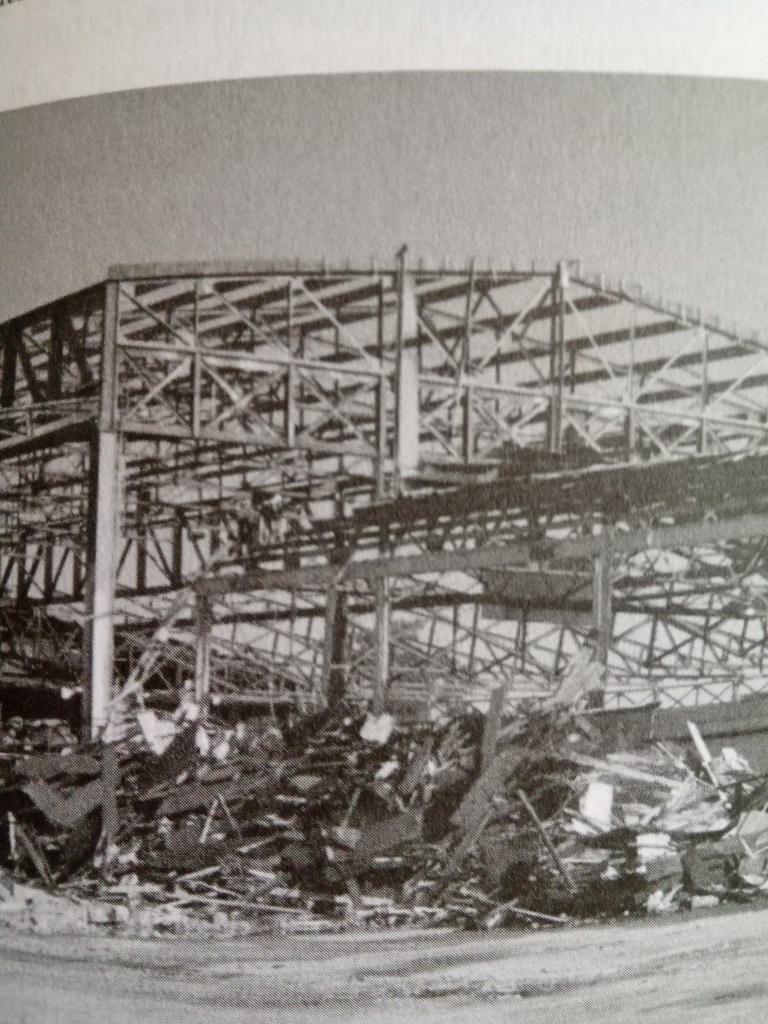
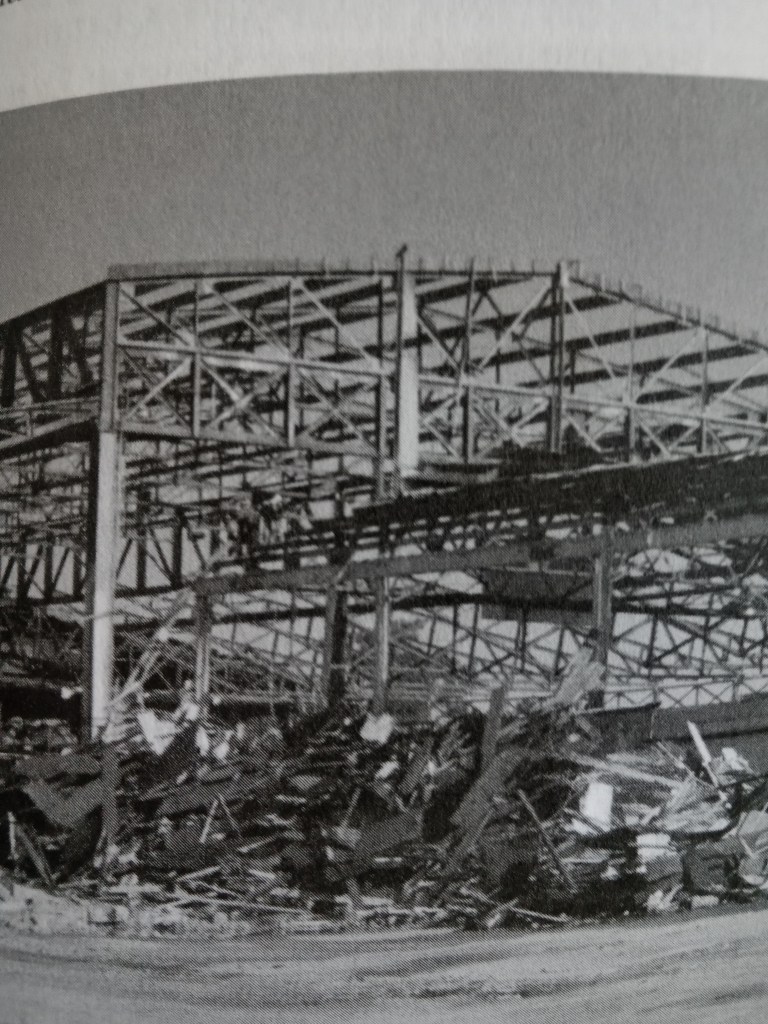
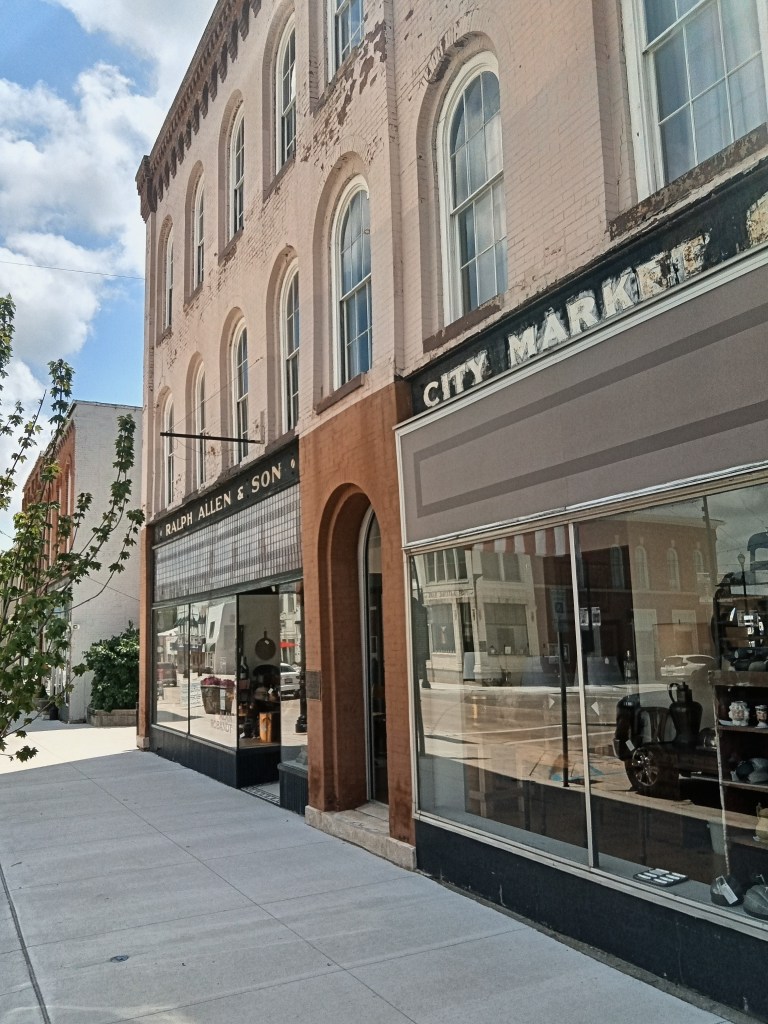
Starbucks Coffee building is located at 116 North Whittaker New Buffalo, MI

This building was constructed in 1935. It is a 2 story commercial property. Early Commercial History 1940’s to 196o’s A and P grocery moved in the building in 1941 It served as the town grocery hub until 1946 when it closed. Northlland Hardware Store.in Januaery, 1946. Lewis Siegel bought the property. By November, 1946, he operated the hardware with his partner Atkinson. Siegel sold the business in 1952. The business continued operating until the 1960’s!

Mural on wall of Starbucks

Zinc Collar Pad Company 304 Oak Street, Buchanan, Michigan

This was a notable 19th Century manufacturing business formed in 1870 to produce an innovative zinc lined pads for horse harnesses that prevents neck and shoulder chaffing. History and Invention The Invention. Dexter Curtis invented the zinc lined horse collar pad in 1870 to solve the common issue of draft hose neck and shoulder chaffing. Early Partnership Curtis teamed up with George Richards and Henry Gilman to form the firm Curtis, Gilman, and Richards to release the the first popular horse pad Company Growth The firm was renamed the Zinc Collar Pad Company in 1871. The booming business used over 400,000 pound of zinc in 2 years. The original factory burned down in 1874. The partners rebuilt the brick structure at the South Oak Street location. It was built as a 2 story red brick structure. The 1875 Zinc Collar Pad Company never experienced a permanent closure of its physical doors all at one.,but rather transitioned through distinct stages of industrial relocation, residential use, and ultimate vacancy. Timeline of Buildings Transitions 1913 (Factory Relocation) The Zinc Collar Pad Company outgrew the Oak Street facility and moved its operations to a larger on Main Street. ( The company itself went defunct by 1927 due to declining post World War Ireland for horse collars) 1914 to late 1990s (Apartment conversions). After the factory relocated, the building was sold to local business partners who converted the building into 4 residential apartments. It served as an apartment building for 80 years. 1998 (Final Vacancy). The building officially became vacant around 1998. It has empty ever since

Pears Mill 115 S. Oak Street Buchanan, Michigan

This mill was built between 1857 and 1858. It is a wood framed structure. It is the only surviving mill of the thirteen water powered mills that operated on McCoy Creek. Pears Mill was originally built and used as a water powered flour mill to grind wheat and grain for local farmers. It was in continuous commercial operation for 126 years running from its construction in 1857 until it closed in 1983. Over its active life it passed through several individual owners, business partnerships, and agriculture cooperatives. The early pioneers (1857–1864) William Beach owned the initial plot of land where construction started William Haunting built the mil!. He operated it during its most profitable early years turning it into the largest industry in Beaten County by 1860 Ross, Pears and Clark. Beach sold the Mill to this investment trio in 1863. The namesake era (1864-1933) Rough and Pears in 1864 purchased the mill Rough Brothers an L.P. Fox taken over by David’s brothers in partnership with local operator L.P. Fox Woomer and House/J.M. Sheldon The Mill went through minor transitional owners and experienced a six year shut down due to an estate and title dispute. Pears-East Grain Company The Pears family legacy line  acquired corporate interest in the mill running it up until the Great Depression

Fulton First National Bank Building 201 East Front Street Buchanan, MI

This building was built in 1866 by John Ross and Thomas R. Fulton to house the original banking enterprise before it succeeded to the First National Bank. This building is a stop on the architectural heritage Walking tour of Buchanan. The building style is Italianate Features of Italianate style Tall Windows Arched window tops Cast iron or stone trim Flat roof
First National Bank First National Bank

Roger Brown’s Studio and Guest House 415 Marquette Drive, New Buffalo, Michigan

In 1977, Roger Brown purchased a property in New Buffalo , Michigan, a beach community east of Chicago. He commissioned his partner, George Veronda, to design a home and studio. It was completed in.1979. The Veronda Pavilion, a residence, and the Roger Brown studio and guest house. They are steel and glass modernist structures tucked into a secluded dunes landscape between the Galien River and the Beachfront Road.

Pedestrian Bridge Legacy Trail Clark Street

Legacy Trail Clark Street Bridge

     Legacy Trail Clark Street Bridge passenger bridge is located where the Legacy Trail crosses over Clark Street in Sarasota. The bridge structure and its ramps stretch for about a quarter of a mile. It completely separates people on foot or bicycles from heavy car traffic on the roadway below. The bridge opened to pedestrians and cyclists on July 2, 2025.  It was designed by civil and structural engineering teams working  for the Florida Department of Transportation.

Same as above

Same as above

Same as above

Church of Hope

Church of Hope

     Church of Hope is a community focused interdemonational church located in Sarasota, Florida.  It is affiliated with Assemblies of God.  The church was started in 1996 by Pastors Scott and Darla Young. Its primary mission focuses on three main goals: to love God, love people and love life.

     There is  a 150 foot tall steeple that is visible from I 75. It was built  by Wessel Construction.

     The main sanctuary is the spiritual heart of the Church of Hope Campus.It was designed to blend modern technology with  a welcoming high energy worship environment.

Key Features of the Sanctuary

     Seating: The auditorium seats 1000 people. It uses a spacious layout so that every se at has a clear view of the stage

     State of the Art Technology: The room is fully loaded with modern audio, video and theatrical lighting systems.  This set up supports their lively, contemporary praise bands and full production worship experienceS.

Church of Hope