
Uncategorized
Driskill Hotel 604 Brazos Street, Austin, Texas

Hotel Driskill
The Driskill Hotel, opened in 1886 by cattle baron Jesse Driskill, stands as Austin’s oldest hotel and a historic Texas landmark, renowned for its architecture, cultural significance, and legendary forms of hospitality.

Post card Hotel Driscill
Origins and Conception
Colonel Jesse Driskill, a wealthy cattle baron from Tennessee who moved to a Texas in 1849, built the Drisckill Hotel to rival the grand hotels of New York, Chicago and San Francisco, aiming to showcase Austin as a flourishing capital city. In 1884, Driskill purchased a lot at 6th and Brazos Streets for $7500, and the hotel opened on December 20, 1886, at an estimated cost equivalent to 92 million today. Less than two weeks after opening, it hosted its first inaugural ball for Governor Sil Ross, beginning a tradition of hosting Texas governor’s inaugural celebrations (1886 Cafe and Bar events)
Architectural and Design Highlights
The original design by Jasper N. Preston & Son featured over six million pressed bricks with white limestone accents, Romanesque Revival style, and large Richardsonian arches. The four story.building initially had 60 rooms, including 12 corner rooms with attached baths,and a four story central rotunda capped by a skylight. Special entrances for men and women were designed to cater to social norms of the period. In a 1930, a 13 story annex designed by Frost & Frost added 180 rooms, a bungalow penthouse, and the Maxi million Rooma adorned with Austrian gold leaf framed mirrors
Ownership and management changed several.times through the 20th century, including Edward Seeling, (a relative of this author), W.L. Stark, Braniff International Hotels in 1972,:and Great American Life Insurance in 1995, each contributing restorations and preserving historical features.
Cultural Significance and Notable Events
The Driskill Hotel has hosted U.S. Presidents, including Lyndon.B.Johnson, who and Lady Bird Johnson had their first date there in 1934, and later watched election results from.the presidential suite. It also served as his campaign headquarters and a base for the White House Press Corps during his presidency. Other notable guests include Bill Clinton, Louis Armstrong, Jack Dempsey,Bob Hope, and various cultural icons. The hotel has also been central to civic events including debates over the Alamo’s preservation in 1908, inaugural balls, election watch parties, and grand galas.
Architectural Legacy
Designed by Jasper N. Preston & Son in a Romanesque Revival style, the original four story building features over six million pressed bricks, white limestone accents, large Richardson Ian arches, and ornamental limestone busts of Driskill and his sons. The annex, designed by Trost and Frost complemented The original structure while modernizing facilities. The Hotel has undergone several restorations to preserve its historic character, including a major 30 million dollar renovation purchased by Great American Life Insurance and reopened in 1999, as well as updates under Hyatt Hotel after 2013.
Preservation and Modern Era
The Driskill faced potential demolition during the late 1960’s, but a successful Save-the-Driskill campaign by the community , raising over $700,000, preserved the historic hotel. Today , the Driskill continues as a working hotel, combining historical elegance with modern hospitality, living up to it’s reputation as a cornerstone of Austin’s history and culture. It remains a destination for visitors seeking a connection to Texas Heritage with rooms and spaces like the 1886 Cafe and the Maximilliam Room celebrating its storied past.
In summary , the Driskill Hotel is not only Austin’s oldest operating hotel but also a testament to Texas ambition and hospitality , having hosted generations of distinguished guests and pivotal events while preserving its architectural and historic significance
Old Betsy Museum Mural Venice, Florida

Old Betsy Museum Mural

Old Betsy Museum Mural


Texas State Capital

Texas State Capitol
The Texas Capitol in Austin is the seat of state government and a National Historic Landmark renowned for its pink granite exterior, Renaissance Revival architecture and historic significance.
Location and General Information
The Texas State Capitol is located at 1100 Congress Avenue,Austin, Texas 78701. It is situated on a prominent hilltop in downtown Austin overlying the Congress Avenue Historic District. The building serves as the offices and chambers for the Texas Legislature and the governor of Texas and covers over 900,000 square feet, including and under ground extension. Its dome rises 302.64 feet, making it taller than United States Capitol.
History
Construction of the Capitol began in 1885 and was completed in 1888.It was built to replace an earlier smaller statehouse and reflects the growth and aspirations of Texas after its independence and annexation into the United States. The building was designated a National Historic Landmark in 1986 due to its historical and architectural significance.
Architecture and features
The Texas Capitol is notable for its Renaissance Revival and Classical Revival Architecture. It is constructed primarily from sunset red granite, giving the building its distinctive pinkish hue.. Key features Include:
Dome : The Capitol’s dome rises.311 feet, making it taller than the United States Capitol in.Washington, D.C.
Interior: the rounds features murals depicting Texas history, elaborate staircases, and decorative ceilings.
Grounds:
The surrounding 22 acre grounds include monuments, memorials, walking.paths, and gardens accessible to the public
The Harbor Country Museum of History and Rail

Harbor Country Museum of History and Rail
The Harbor Country Museum of History and Rail in New Buffalo, Michigan preserves the region’s rich railroad heritage and local history and through interactive exhibits, historic train cars,and community–focused displays.

Harbor Country Museum of History and Rail
Highlights
Shows New Buffalo’s history as a railroad hub with exhibits in a reconstructed replica of the New Buffalo Railroad Pete Marquette Depot..
Visitors can explore authentic railroad cars, historic artifacts and miniature trains representing the 1920’s railroad yard.
The address of the museum is 530 South Whittaker Street, New Buffalo, MI

Harbor Country Museum of History and Rail
History
Founded in 1989 and formerly known as the New Buffalo Railroad Museum, the Harbor Country Museum of History and Rail is situated on the grounds of what was the largest.train yard in Southwest Michigan. It is housed in a restored. replica of train station from.1882. It highlights the town’s development influenced by the railroad industry and commerates historic rail lines, including CSX freight lines passing behind the museum.

Harbor Country Museum of History and Rail
Exhibits and Attractions
Authentic Railroad cars
Chessie Box Car
World War II Pullman Troop Sleeper
C and O Caboose
Miniature train layout to reflect the appearance of the old tracks yard

Chessie System Caboose

Chessie Box Car

WWII Pullman Transport Sleeper

Model Train Display

Coaling Tower on the Grounds of the Prior Train Yard

Interior of Pullman Troop Car

Remnant of Round House
Basilica of Saint John the Baptist
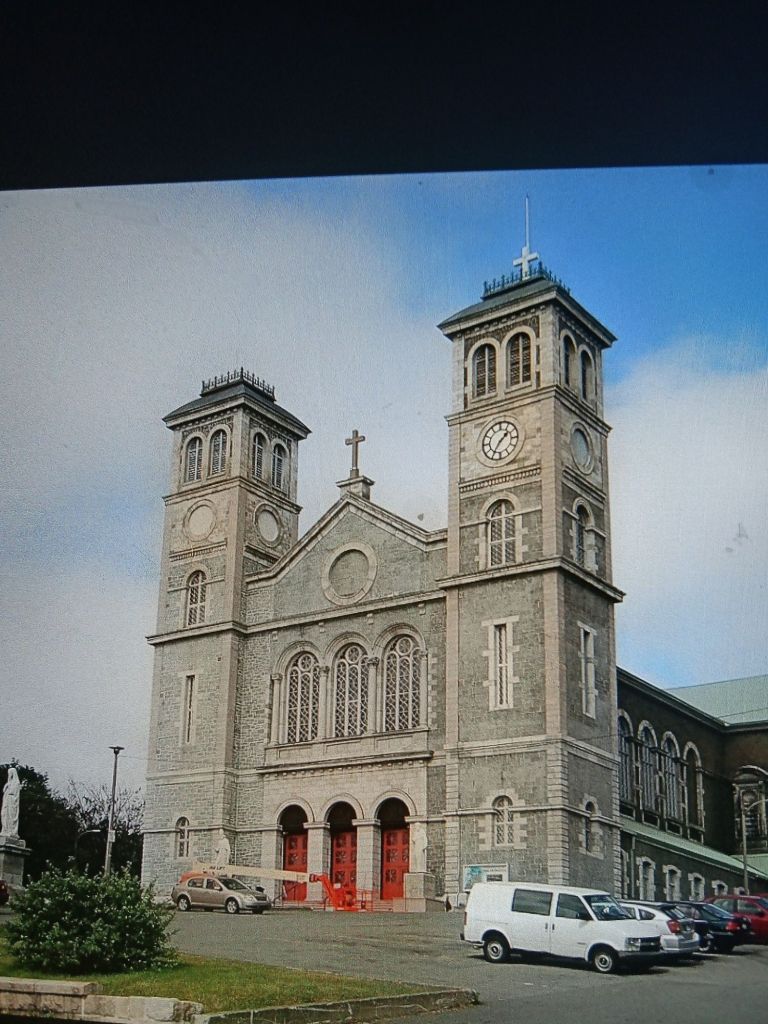
Saint John the Baptist Basically Saint John Newfoundland

Saint John the Baptist
Crow’s Nest Restaurant, Tavern and Marina 1968 Tarpon Center Dr., Venice, Fl.

Crows Nest

Crows Nest

Second Level indoor Dining
Crow’s Nest Restaurant in Venice, Fl has been a waterfront landmark since 1976, evolving from a small sandwich shop into a signature dining and marina destination.
Origins in the 1970’s
The property was originally part of the Tarpon Center Marina on the South Jetty. The future aowner of the Crow’s Nest, Steve Harner, attended a college in.Michigan. He worked in the restaurant business , bar tending and running a bar and grill. On July 4 ,1976, Steve Harner, moved his family to Florida. He became aware of restaurant space on the second floor of the marina.. He and his wife Janis Payne, his father, Harp Harner and a Detroit friend Larry LaRoca entered in a 4 year lease for the property.–1500 square feet on the second floor.
Previously, waterfront restauants in Venice were Happy Land Seafood Restaurant and and Johhny Walker’s Fish Camp and Admiral’s Wardroom.
Mr. Harner opened a small sandwich shop with a temporary menu that included items like grilled cheese for 85 cents and a Traditional Club sandwich with fries for $2.75 The menu promised a ” wide selection of beer and wine” and reflected Harner’s early commitment to hospitality. ” Enjoy your meal and please stop back”
Early Years and Growth
The restaurant opened 10 weeks after the leased was signed.. They put in a kitchen and worked with.3 employees. His Wife Janis Payne waited 40 seats and a handful.of bar srools overlooking.the neglected marina
It quickly became a local favorite, serving the now famous Fish Sandwich, classic Reubens, burgers, and 50 cent beers. Venice in the 1970’s was a smaller, more laid back community and the Crow’s Nest was one of the few waterfront dining spots alongside other early establishments werthe Buoy Bar (today’s Pop’s Sunset Grill) Fisherman’s Wharf (now Dockside Waterfront Grill) and Admiral’s Wardroom (now Pelican Alley).
In 1981, Harner purchased a 99 year lease for the building and the marina
Evolution Over Four Decades
Over the Crow’s Nest has expanded from.a modest sandwich shop into a full service waterfront dining and marina. It now features:
Upstairs dining room and porch/bar with views of the Inlet
Downstairs Tavern with a raw bar and a pub style menu
Full service marina offering overnight dockage, gas/diesel pumps, supplies and rentals like paddleboats, kayaks, and bicycles
Initial seating only 45 guests,the restaurant has grown to accommodate around 150 patrons across two floors, retaining its charm and waterfront aooeal.
Continuing Legacy
Today’s Crow’s Nest remains committed to hospitality, providing memorable dining experiences and maintaining its historic position as Venice’s premier waterfront restaurant and marina. It reflects a balance of tradition and evolution, , combining decades of local heritage with modern dining and marina amenities.
In 2017, Harner sold the business to buyers Alain Tall are and Phil Roux.
Signal Hill National Historical Site 300 Signal Road Saint John’s

Cabot ToweaU
Signal National Historic Site is a landmark of Saint Johns , Newfoundland. It is recognized for its crucial roles in military defense and communication history from 17th century fortifications to Marconi’s first transatlantic wireless signal.

Cabot’s Tower
Early Military Significance
Signal Hill overlooks the narrows , the only entrance into Saint John’s Harbor , making it strategically important from the mid 17th century onward. This hills prominence allowed. for early fortifications and defensive posts to be constructed to protect the city.
The first batteries along the narrows date back to the 1600’s and throughout the 1700’s
Signal Hill saw several militia engagement between British and French forces. Most notably, the Battle of Signal Hill in 1762_was the final engagement of the Seven Years War in North America where the British Soldiers under Lieutenant Colonel Amherst captured the hill and renamed it Signal Hill and established flag signalling from the hill.
During the 18th and 19th Century, Signal Hill served as a citadel and was actively manned during the Napoleonic Wars and Civil War.
Defensive structures such as the Queen’s were constructed and upgraded over time to protect the harbor, although the guns were never engaged in actual battle.
During World War I I, Signal Hill hosted American Anti Aircraft Defenses and batteries, including 8″ railway guns and 155 millimeter guns on Panama months further underscoring its ongoing military significance.
Communication and Maritime Significance
From 1704–to the late 1950’s Signal Hill functioned as a key signalling station. Flags,, canons and other signalling mechanisms conveyed messages to ships and alerted the town about approaching vessels.
Noon Day Gun
Is a gun fired on a platform next to the Cabot Tower daily at noon. This was tradition for 150 years
The site gained international prominence in communication transmissions when Marconi receive the first transatlantic wireless signal there on December 12, 1901 using kite mounted antenna. Marconi picked up a Morse code letter as transmissions from transmitters in Poldhu, England . This was a transformative in global telecommunications.
Cabot Tower and and Commerce give History
Cabot tower, completed in 1900 ain late Gothic Revival style commerates Queen Victoria’s Diamond Nubiles (1897) and the 400th year anniversary of John Cabots landing in 1497.
Originally used for flag signalling and Marconis wireless station, the tower now houses exhibits on communication history and features active amateur radio stations.
Margie’s Candies 1960 N. Western Avenue Chicago (original location)

Margie ‘s Candies
Margie’s Candies is a historic family owned candy and ice cream parlor in Chicago celebrated for its home made ice cream, towering sundaes, and nostalgic mid century atmosphere since 1921.
History and Legacy
Founded in 1921 by Greek immigrant Peter George Poulus, originally called Security Sweet Shop
Renamed Margie’s Candies by George Poulus in honor his wife , Margie
The shop gained fame hosting celebrities including All Capone, the Beatles and the Rolling Stones
Margie herself worked in the store for decades, running the business for 15 hour days until the 1960’s
The original location in Bucktown retains much of its original decor, Tiffany lamps,marble soda fountain and vintage booths, creating nostalgic experience.

Same as above
Office Building 300 West Adams Street Chicago is an office building in the West Loop Area
The building was 12 stories. It was designed in the Gothic Revival Architectural Style with architectural terra cotta cladding.It was completed in 1927. The architect was Jens J. Jensen. Main Contractor was McLennan Construction Company.

Building at 300 W. Adams St

