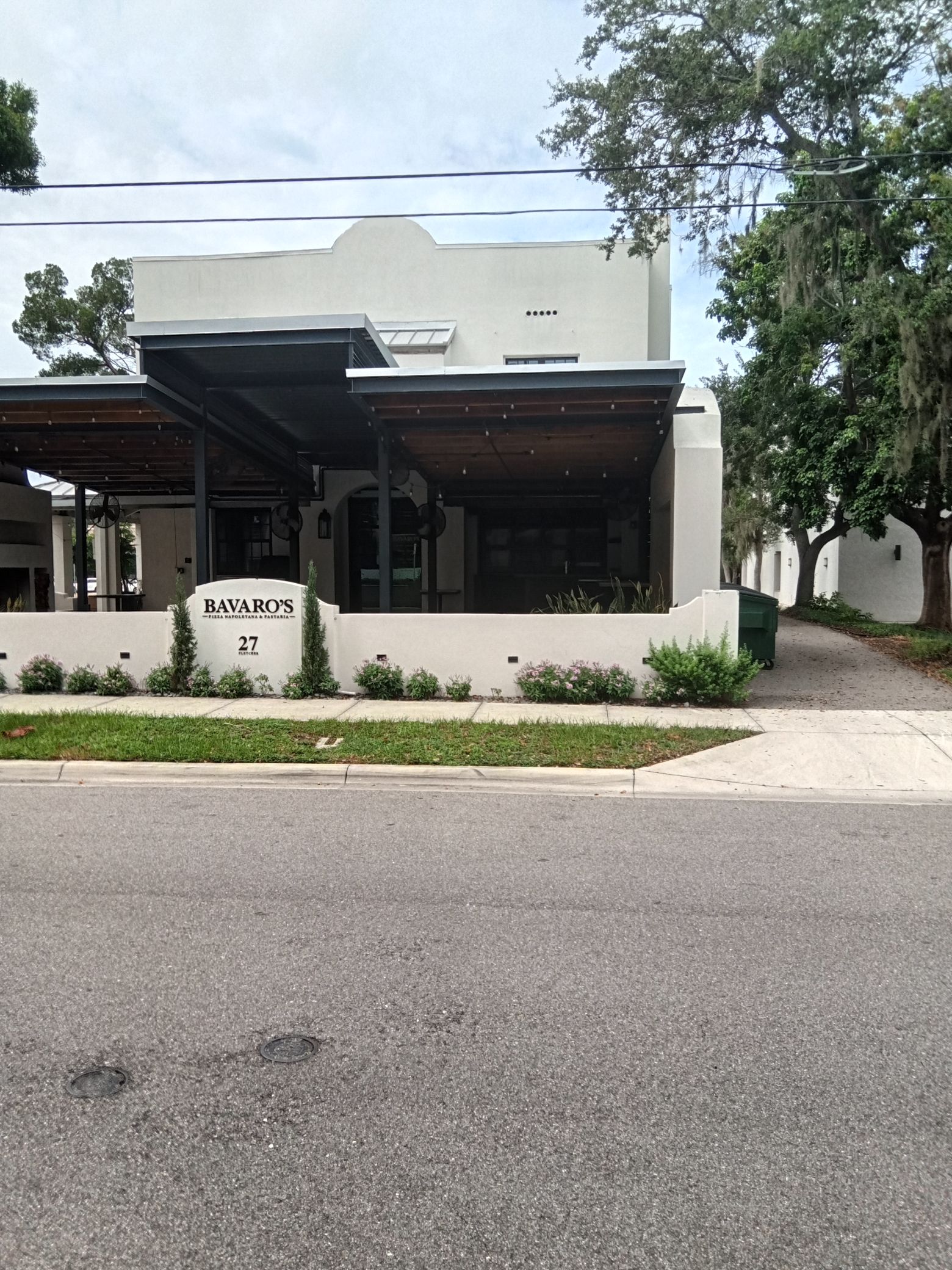
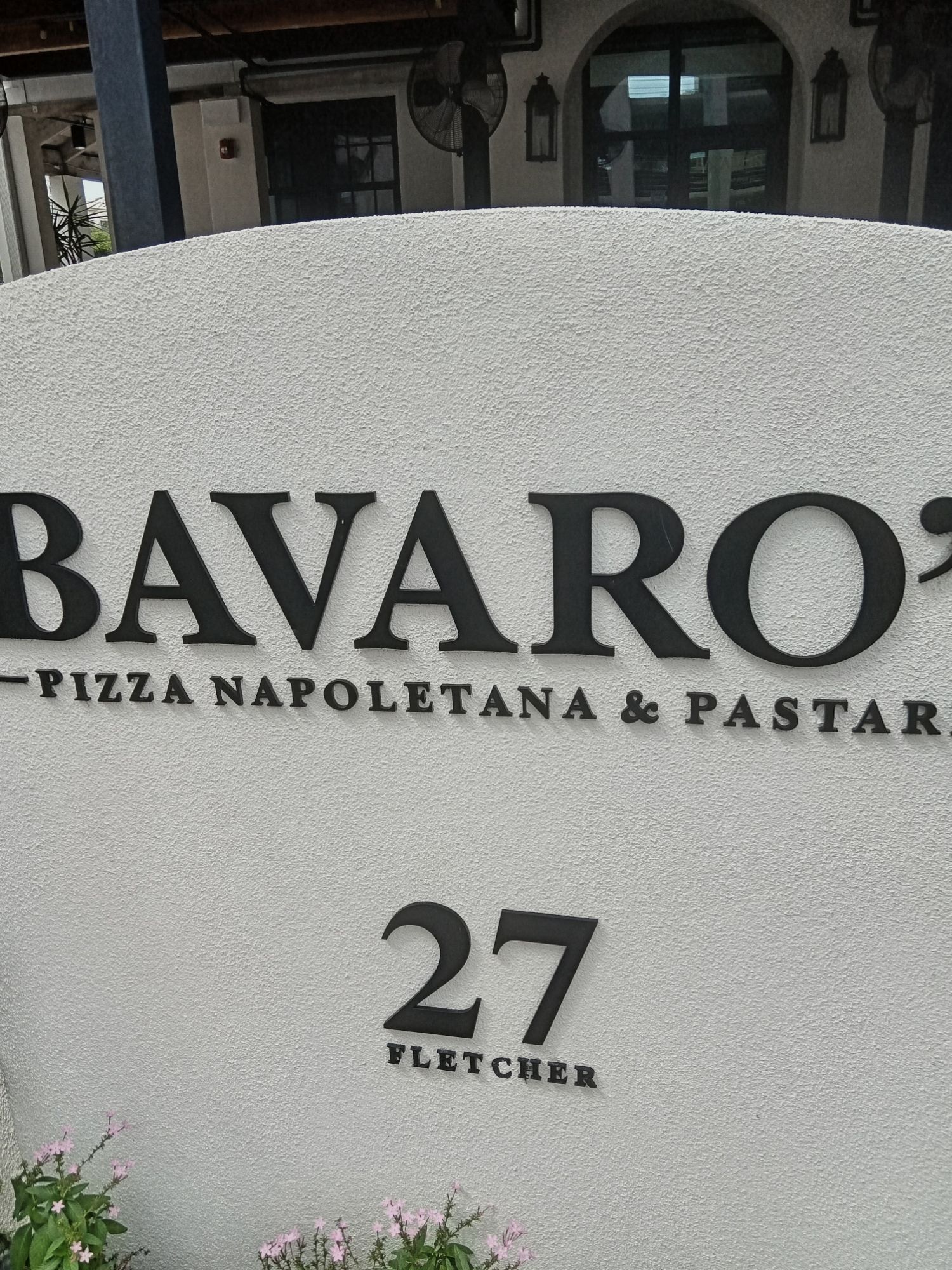
There is a 2 story building at downtown 27 Fletcher Sarasota
27 Fletcher Avenue in downtown Sarasota, Fl. 34285 has a long and varied business history, from.early 20th century industrial uses to a high profile pizzeria and now a multimillion dollar retail opportunity Early corporate and industrial uses to
Public filings show that in 1970’s–1980’s, this address was used by several.Florida registered corporations, including:
Foreign Car Specialist of Sarasota Inc (1975)
Burns and Walker Crane and Equipment, Inc (1985). . .. Mechanics System, Inc (1983)
Mareron Productions, Inc (1986)
The Breakers, Inc, Treatment Center (1986)
R.D. Publishing, Inc (1986)
Sarasota Farm Investors, Inc. (1987)
Progressive Computer System and Services, Inc (1985)
Who’s Who in Golf, Inc (1983)

Building at 27 Fletcher Sarasota
Era and style
The building was constructed in 1925. The building reflects the early 20th century commercial style common in Sarasota’s core blending Craftsman influences with early Art Deco Motifs
Form and massing
It is a free standing, two story retail building with a rectangular, typical of small downtown commercial blocks from.the 1920s
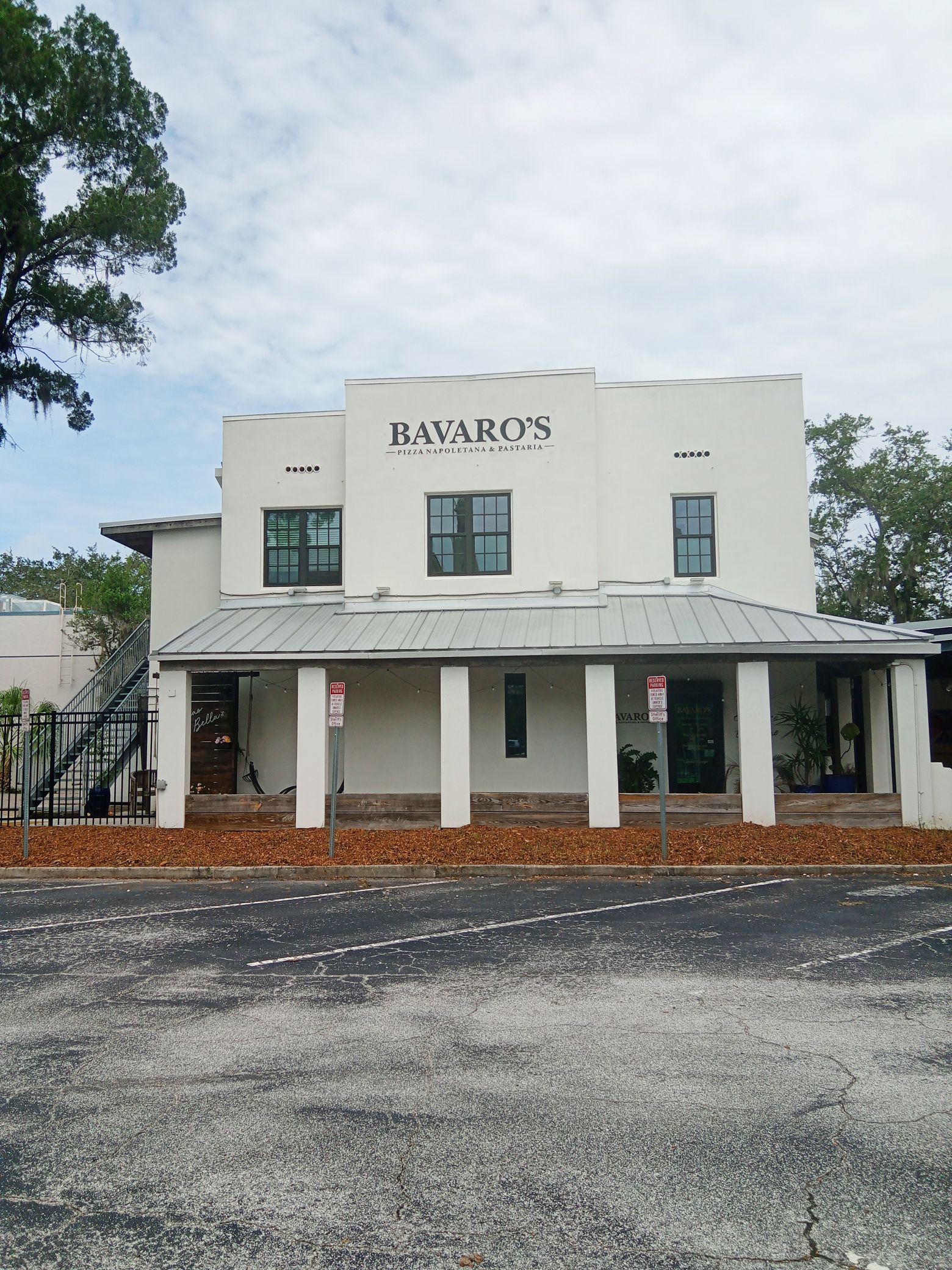
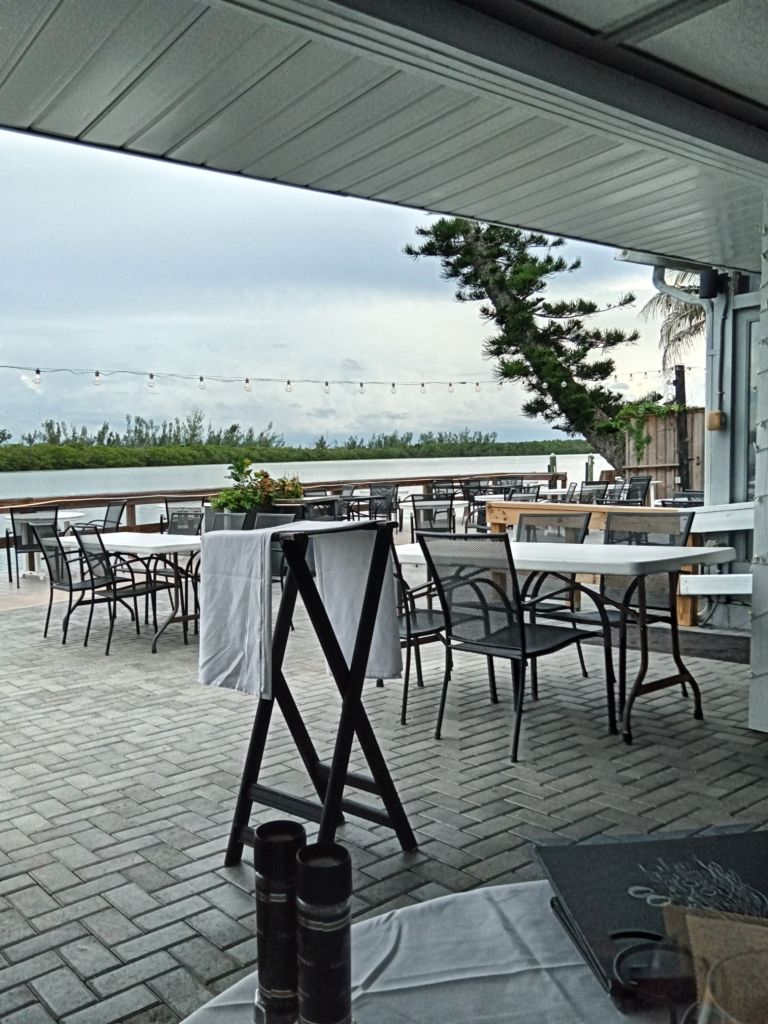
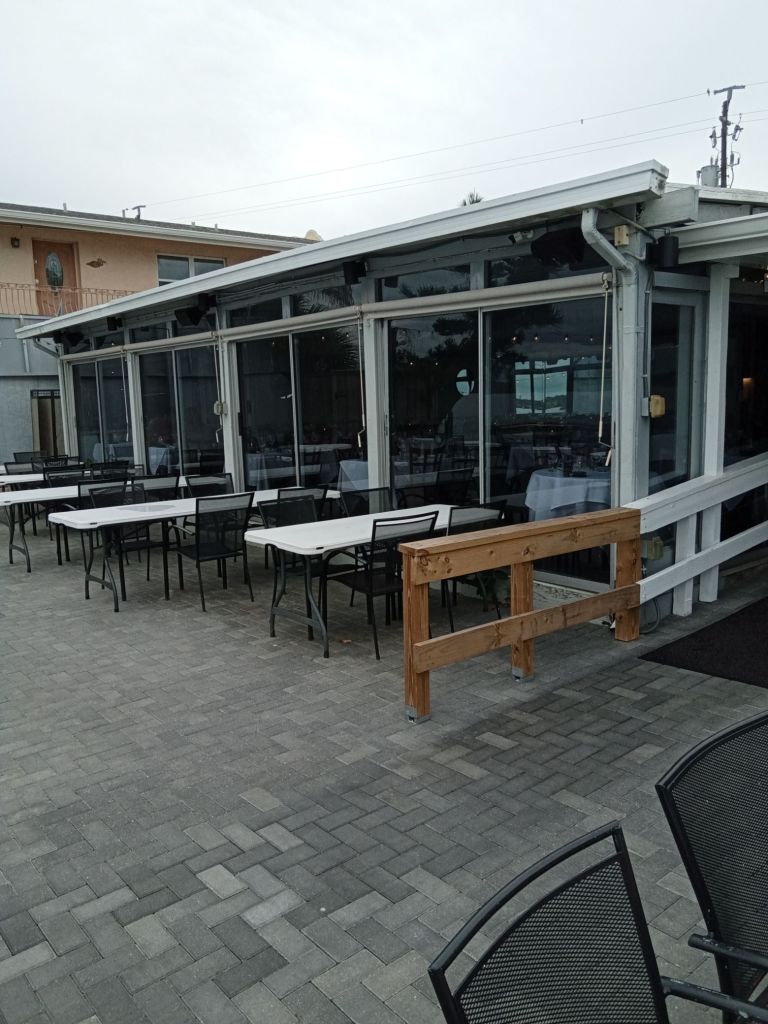
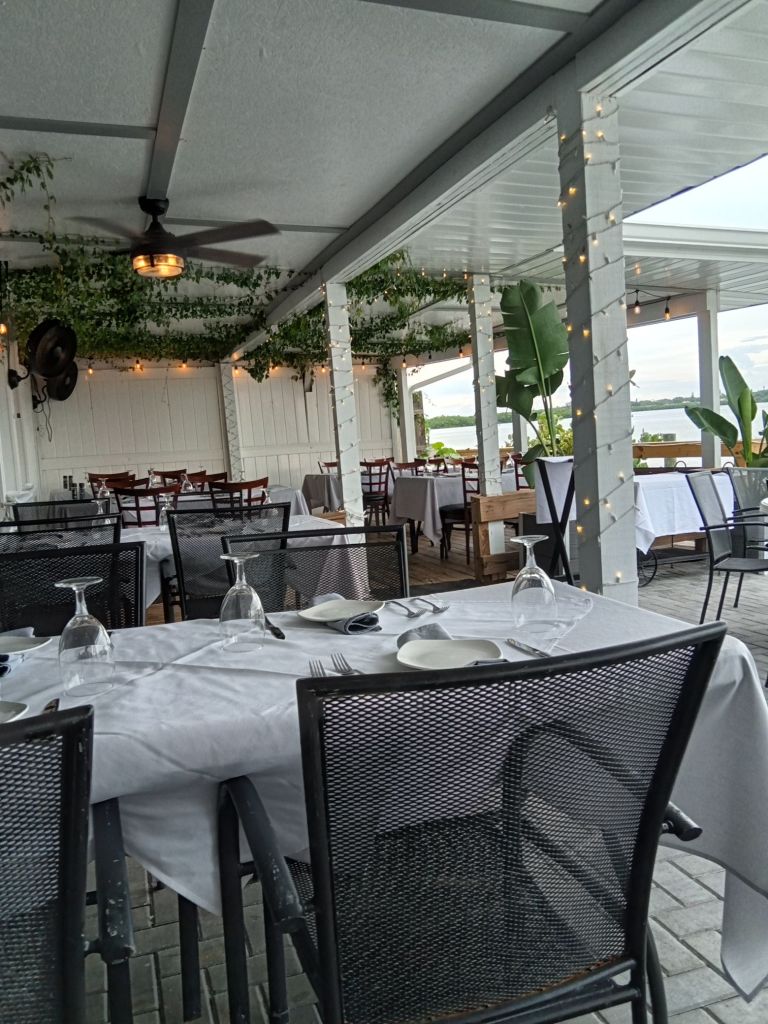
Bavaros
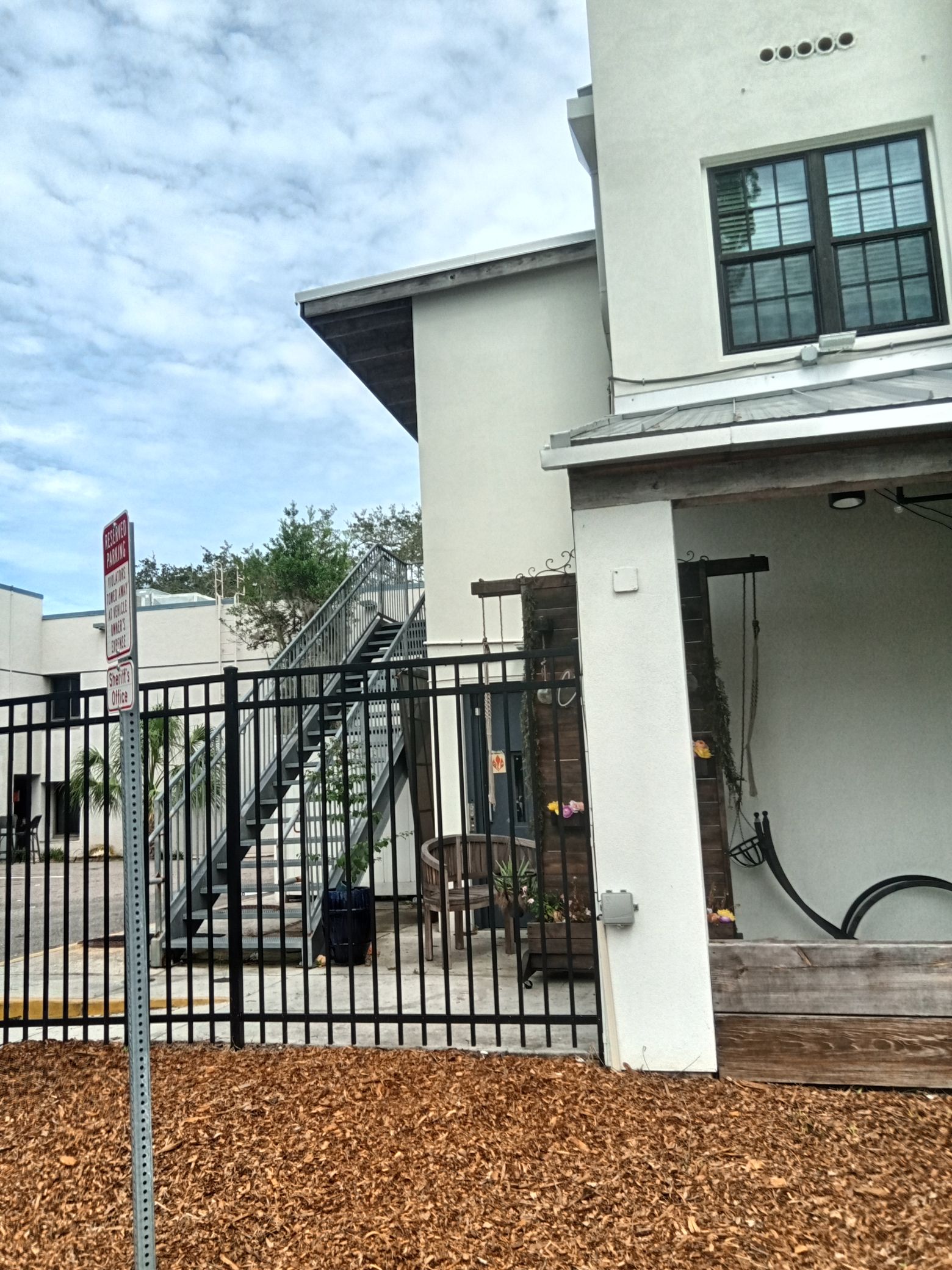
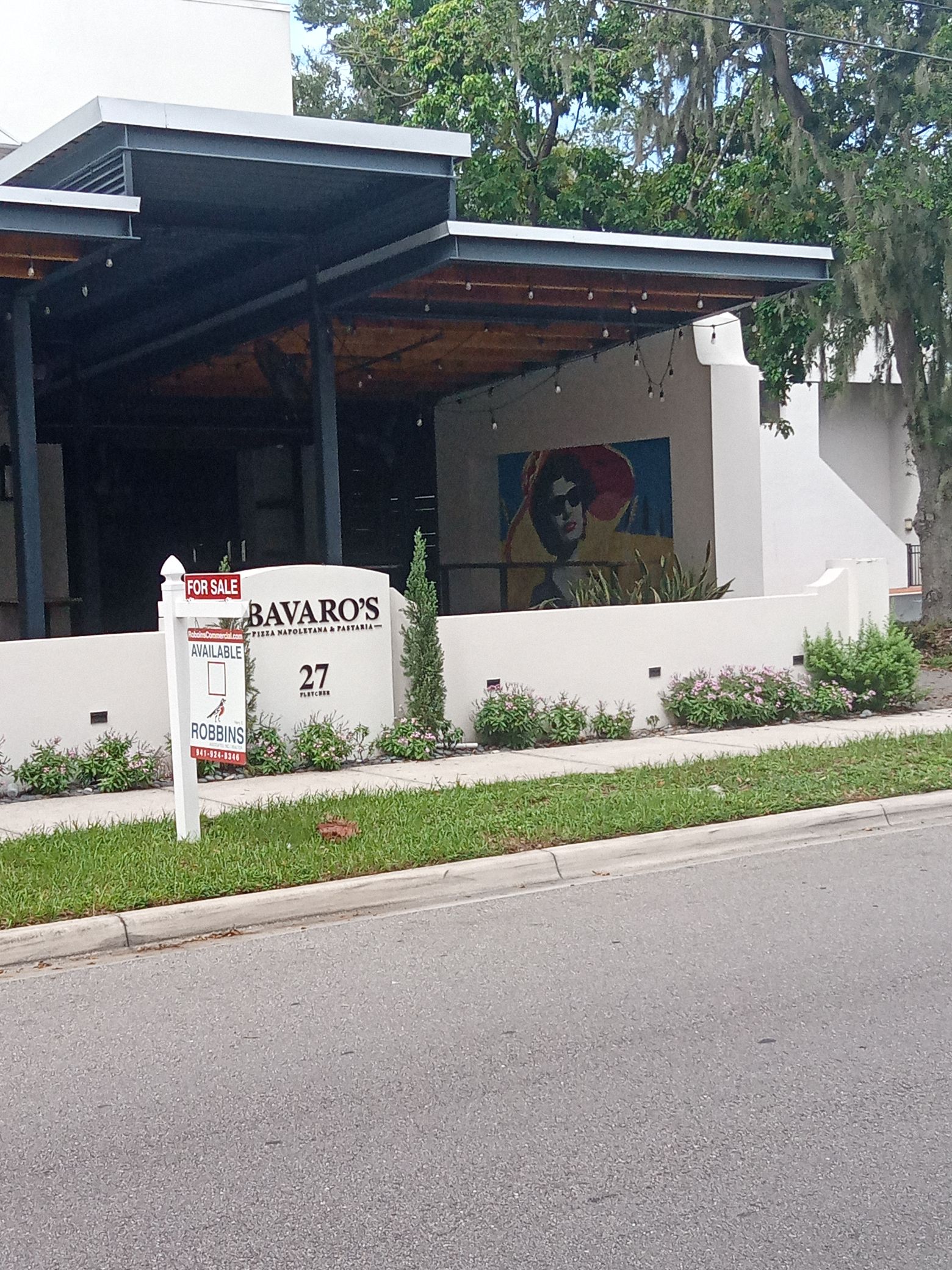
Bavaros
Bavaros

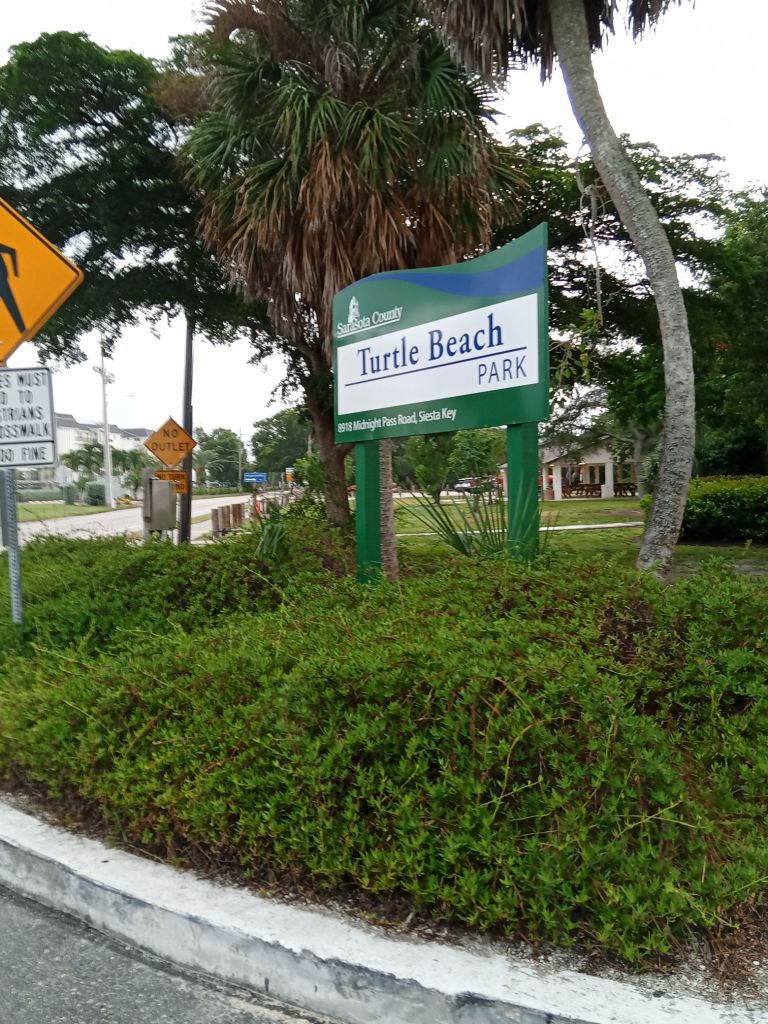
South Jetty

South Jetty
Century of Progress Historic District
The Century of Progress Historic District is a group of five innovative 1933 World’s Fair houses in Beverly Stores , Indiana, preserved within Indiana Dunes National Lakeshore and listed on the National Register of Historic Places.

Century of Progress District
Origins in the 1933-34 Chicago World’s Fair.
The district’s history starts with the Century of Progress International Exposition, held in Chicago from May 1933 to November 1934 to celebrate the city’s centennial and showcase scientific and technological innovation during the Great Depression.
The fair emphasized modern technology, experimental materials and futuristic designs, offering hope economic hardship.
The ” Homes of Tomorrow” exhibition displayed 12 model houses demonstrating affordable, mass producible construction, new mechanical systems and modernist styles. Relocation may Beverly Shores
Real estate developer Robert Bartlett purchased these houses from the fair and transported them to a new resort community on the Indiana shores of Lake.Michigan. Four were moved by barge in 1935.and one(Cypress Log Cabin) by.truck. Bartlett hoped the striking, futuristic homes would attract buyers to Beverly Shores.
The Five Houses
The district includes:
Cypress Log Cabin-rustic appearance appearance with modern.amenities
House of Tomorrow – a futuristic protype home
Armco-Ferro Houses built from enamel steel and porcelain, designed for mass production.
Florida Tropical Homes commissioned by the State of Florida to promote tourism
Weibolt -Rostone House constructed with limestone,shale, alkali and steel.beams
Design Single rectangular form with clean lines. Composed of square/rectangular rooms
Materials
Exterior and most interior surfaces covered with Reston an experimental manufactured stone.
Roof: flat
Windows: Minimal
Notable features:
Demonstrated synthetic stone construction
Architect Walter Scholer

Weiboldt Rostone Home 215 Lakefront Drive Beverly Shores IN. Walter Scholer

Cypress Log Cabin 215Lakefront Drive Architect Murray D. Hetherington
Cypress Log.Cabin
Design:
Rustic , log cabin appearance with exposed with exposed rafters,simple layout.
Materials
Cypress wood siding mimicking hewn logs without the cost or labor of real logs.
Roof: Flat
Notable features
Showcase pecky cypress as a modern durable siding material
Architect Murray D. Hetherington

Florida Tropical Home
Florida Tropical Home embodied modernist tropical. It was constructed using materials native to Florida. The stucco exterior was complimented by an open interior plan and large windows to integrate the interior and outdoor living spaces. The flat roof extended the living area with terraced outspaces, creating a seamless connection with the exterior environment. The home’s vivid flamingos pink color highlights its regional identity while reflecting the embrace of bold color schemes. The house was sponsored by the state of Florida and designed by Robert Law Weed
 Armco Ferro 212 Lakefront. Drive Beverly.Shores, IN.Architect Scholer,Walter et al
Historical Significance
The district is significant for its architectural innovation, technological advance, and in promoting modern living ideals during the Depression. Even 90 years later, the homes retain.a modern, futuristic character, making them.a unique blend of history and design

House of Tomorrow 214 Lakefront Dr Beverly Shores, IN architects Walter Scholer, George Fred Keck

House of Tomorrow
House of Tomorrow was designed by architect Fred Keck. It was a futuristic glass walled model home.showcased at the 1933-1934 Chicago World Fair.
Key Architectural and Technological Innovations
Floor to Ceiling glass featured expansive glass plate glass exterior walls providing sweeping, modern sight lines
Climate Control
Included one of the earliest residential central.air conditioning systems
Futuristic Appliances
Outfitted with the first ever General.Electric dishwasher and ice less refrigerator.

Niles, Michigan Railroad Station
The Niles, Michigan Railroad Station is located at 598 Dey Street. It opened in 1892 as a Michigan Central Depot. It was designed by architects Spiers and Rohns. It is noted for its Richardsonian, Romanesque architecture, brownstone construction and a prominent clock tower manifactured by Howard Brothers of Boston.
Cultural Note
The depot was used as a filming location for several movies including Only the Lonely, Continental Divide and Midnight Run.
Architectural Features
Style is Richardsonian,Romanesque (features heavy masonry, broad arches, and complex roof lines) using rock faced brown sand stone from Carroll, Ohio
Clock tower
60-65 feet tall with 5 foot in diameter clock face
Interior
OrIginally included a waiting room with a fireplace, a smoking room, a dining room , stained glass windows, carved oak trim and brass/terra cotta detailing
Layout
3 main sections; baggage area, central lobby/ dining room, smoking room, circular waiting room.
Historical Significance
Purpose built to impress travelers to the 1893 Worlds Fair Columbian Exposition
Gardens designed by John Gipner. Featured were green house flower beds, walkways and a fish pond.
Each passenger received a fresh flower earning Niles the nickname, “Garden City” The greenhouses were removed in 1935.
Railroad context
The depot served as a major stop on the Michigan Central main line.
Historic status
Listed on.the National.Register. of Historic Places in 1972 and the Michigan State Register in 1992
Renovation
Upgraded in 1988. Received external rehabilitation in 2003.
Current use
It is an active Amtrak station served by the Wolverine and Blue Water line
.

Worth Block Sarasota, Fl

Plaque National Register of Historical Places

Historic Photo

Worth Block

Old Photograph

Recent film Gator Club Signage

New Photo Gator Club

Gator Club

Driers Market Market 3 Oaks, MI
Drier’s Meat Market has been a cornerstone of 3 Oaks, Michigan serving the community as a family owned butcher shop for.over 150 years.

Old Photos Driers

Old photos Driers


Niles Railroad Station Niles, MI

