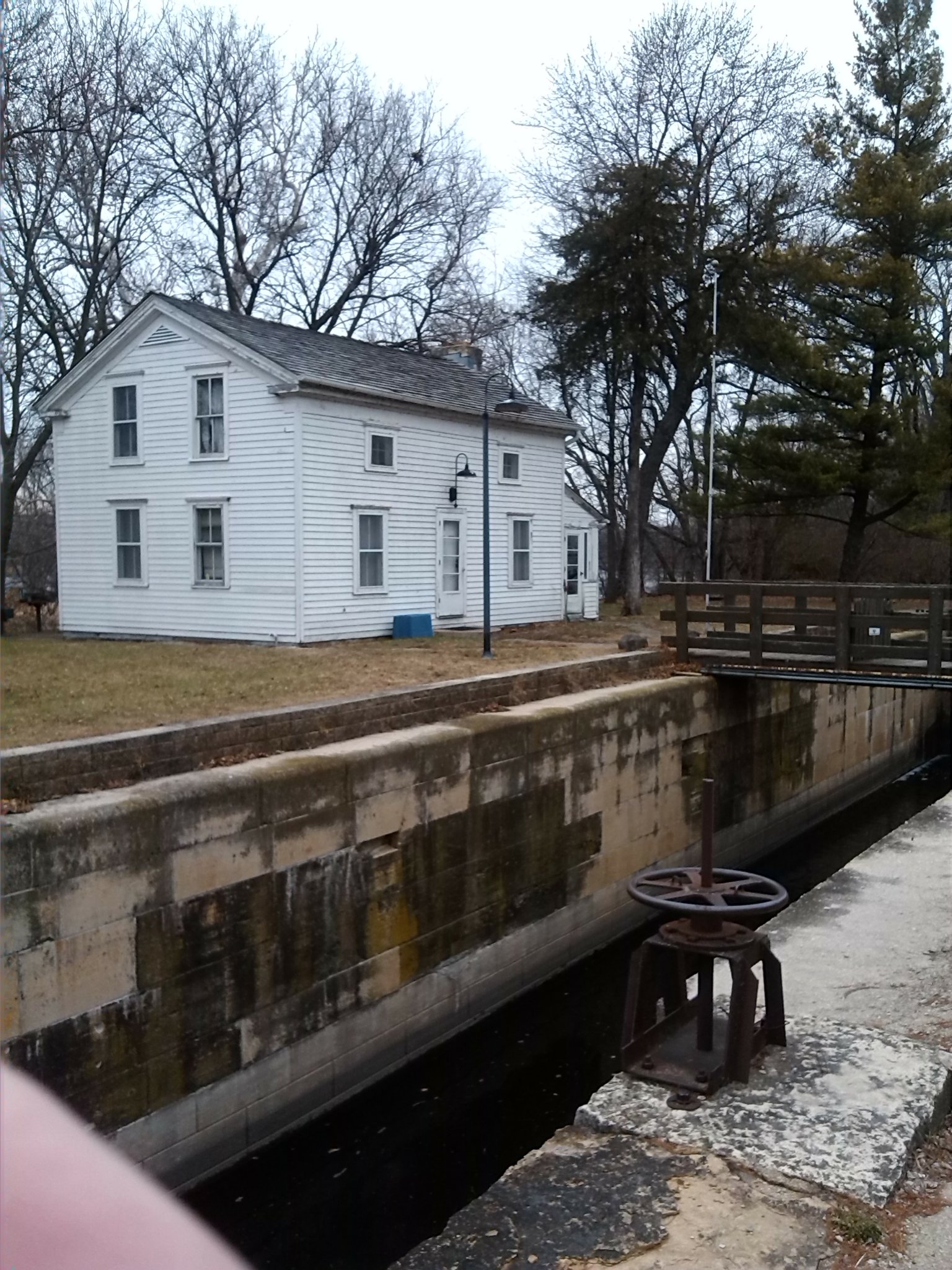
Restored Lock Keeper House Channahon.
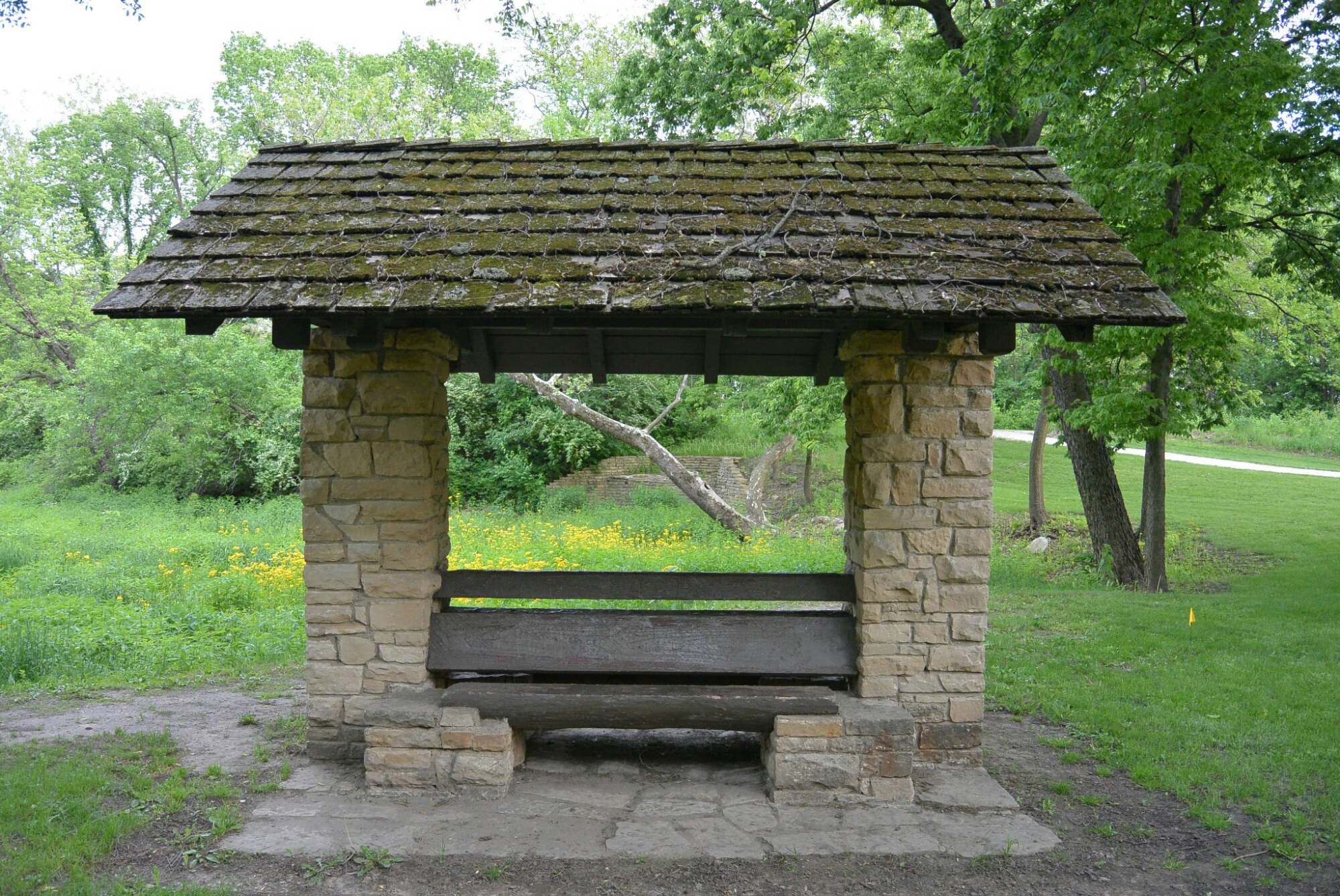
C.C.C. Shelter
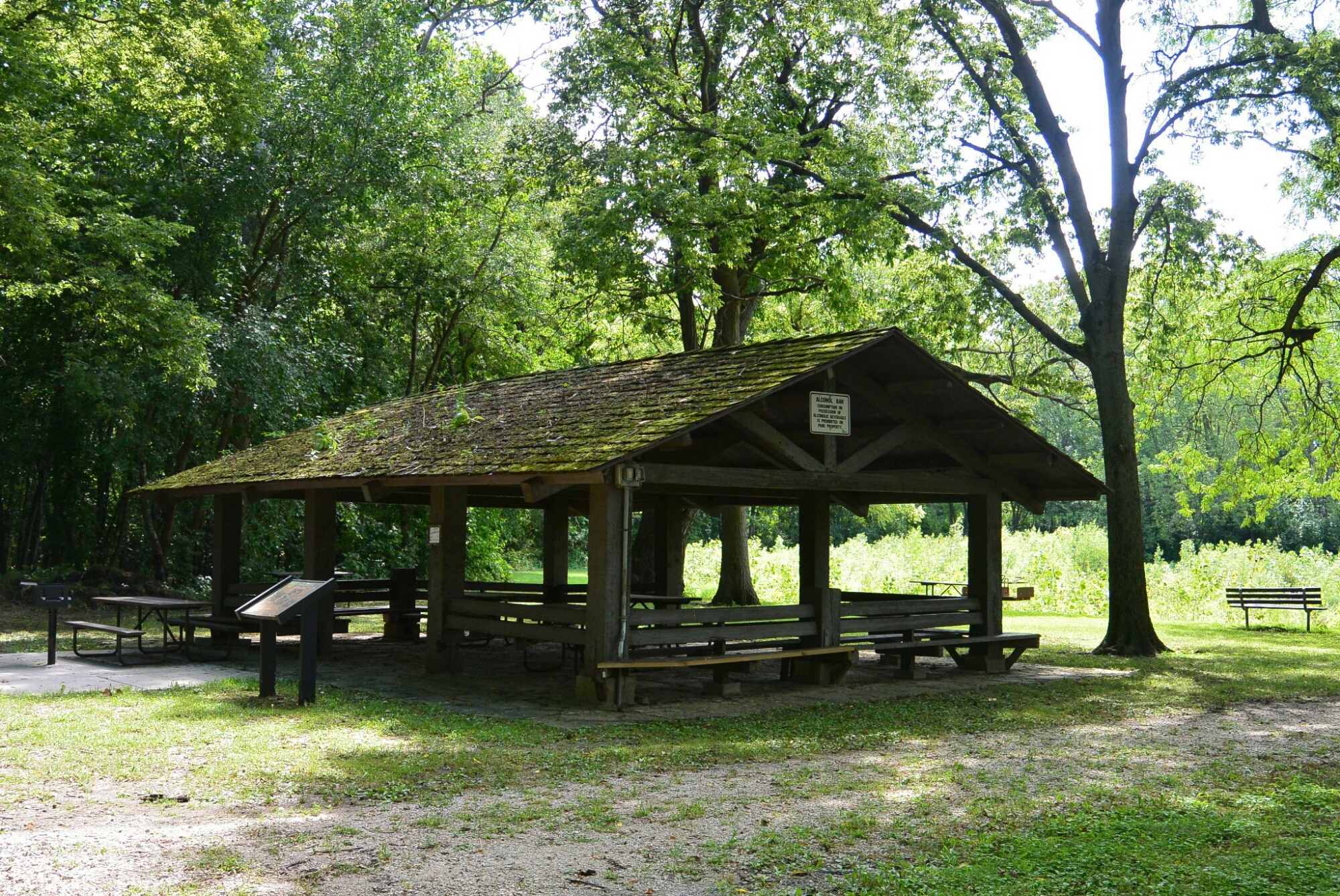
Highpoint Shelter Gebhard Woods
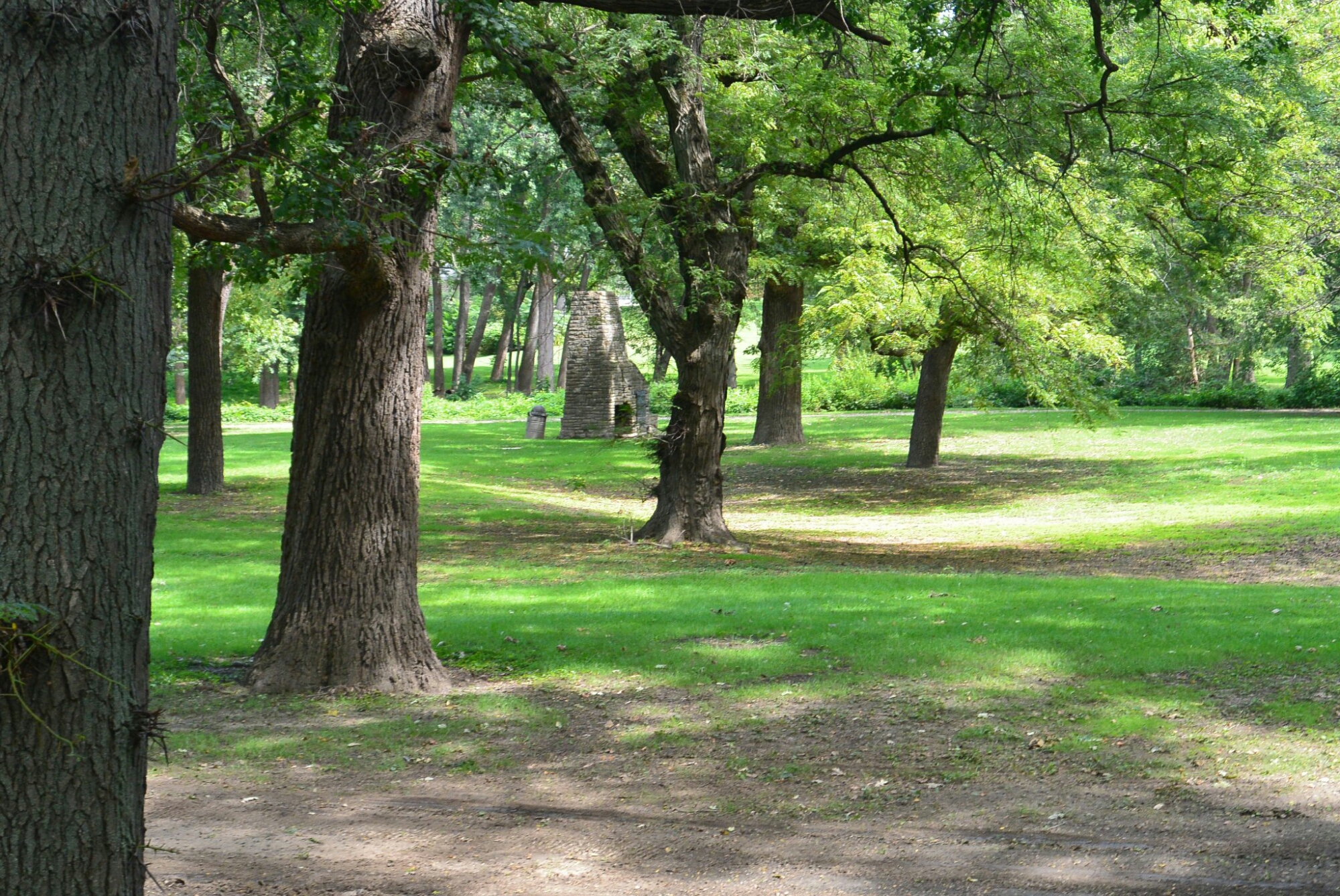
Gebhard Woods Fireplace
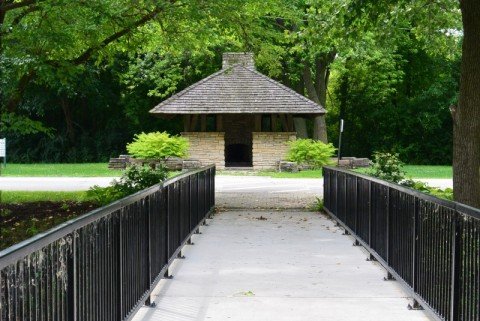
C.C.C. Shelter Lockport. (1934)
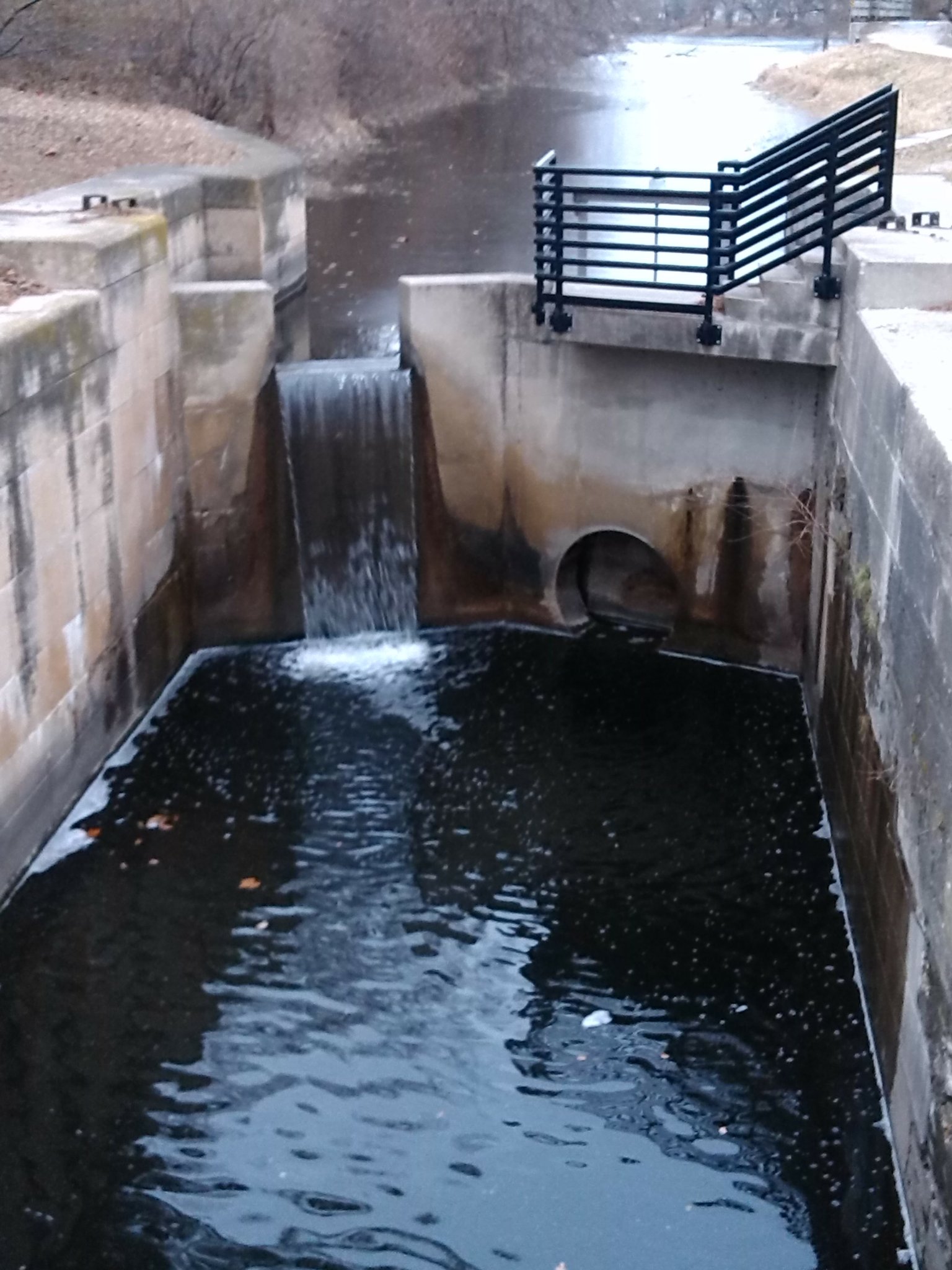
Restored Lock C.C.C
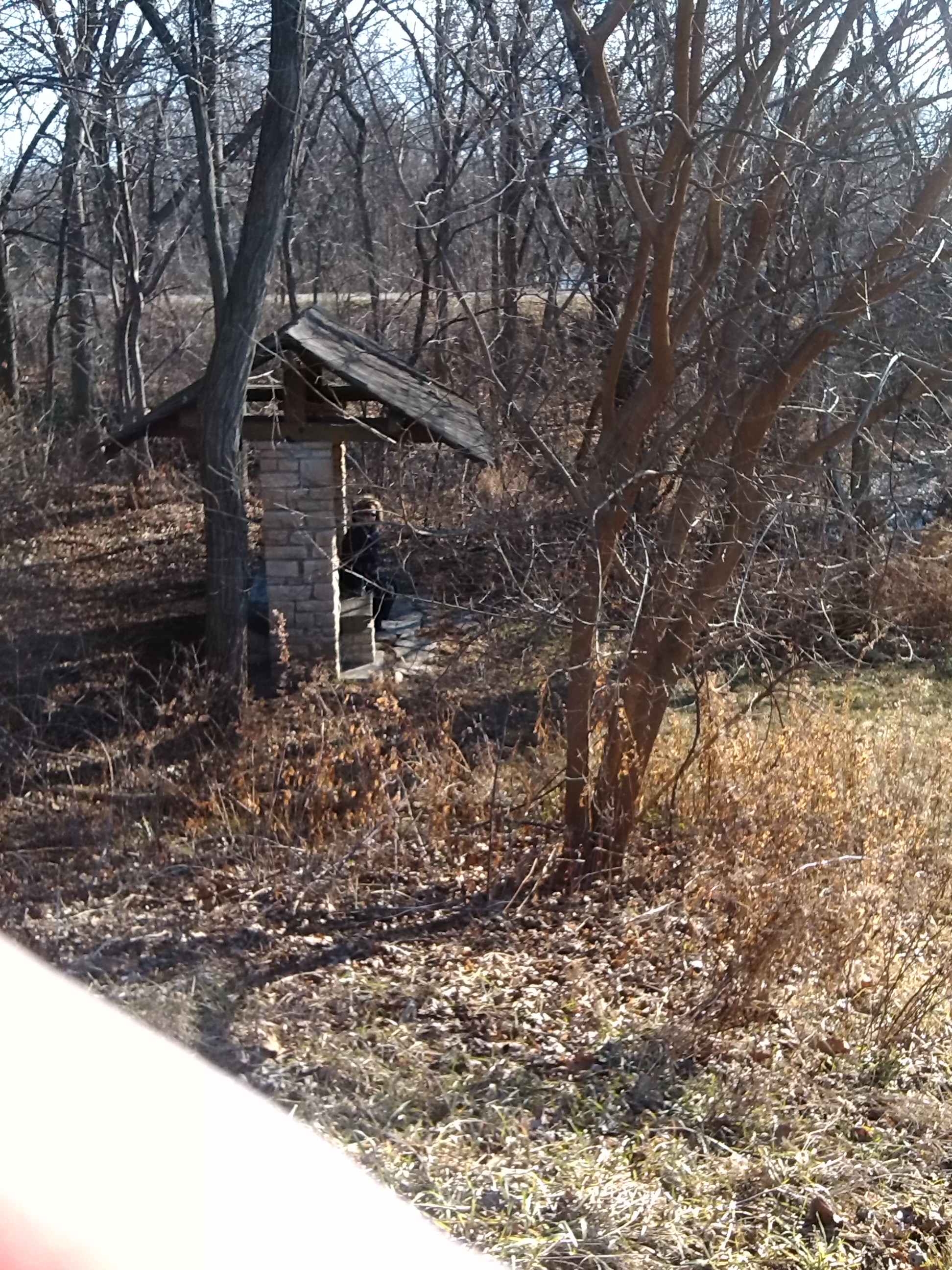
C.C.C. Shelter Aux Sable Creek Area

C.C.C. Camp Starved Rock

C.C.C. Working along the Canal.
Civilian Conversation Corps was a public relief program operational from 1933–1942. It was similar to a program that Franklin Roosevelt instituted while governor in New York State.
It provided employment to unemployed single men between the ages of 17–28. The program was organized in camps of 200 men under the charge of army reserve officers. The attendees wore uniforms. They were paid $30/month. The majority of this money was sent home. They were provided with food, clothing and shelter.
During its nine years of operation, the C.C.C.had over 9 million participants. There were a total of 50 camps in Illinois. There were 8 along the I and M Canal and the Illinois Waterway.
There were 3 camps in the Starved Rock region (614, 1609, and 2601).
The three Starved Rock Camps were responsible for the construction of the large lodge as well as developing the extensive trail system in the state park.
There were 5 camps along the I and M Canal. –612, 631; Willow Springs to Romeoville; 630 Morris to Marseilles; 628 Buffalo Rock State Park. Various projects were undertaken in these areas. Canal was improved and cleared; Locks and other structures were refurbished. The canal path was improved. Bridle paths were constructed. Trail side structures were constructed. Parks along the canal were improved. These included: Fox River Picnic Region, Gebhard Woods State Park, Illinois State Park, Buffalo Rock State Park, McKinley Park in Will County.
 raddoc1947