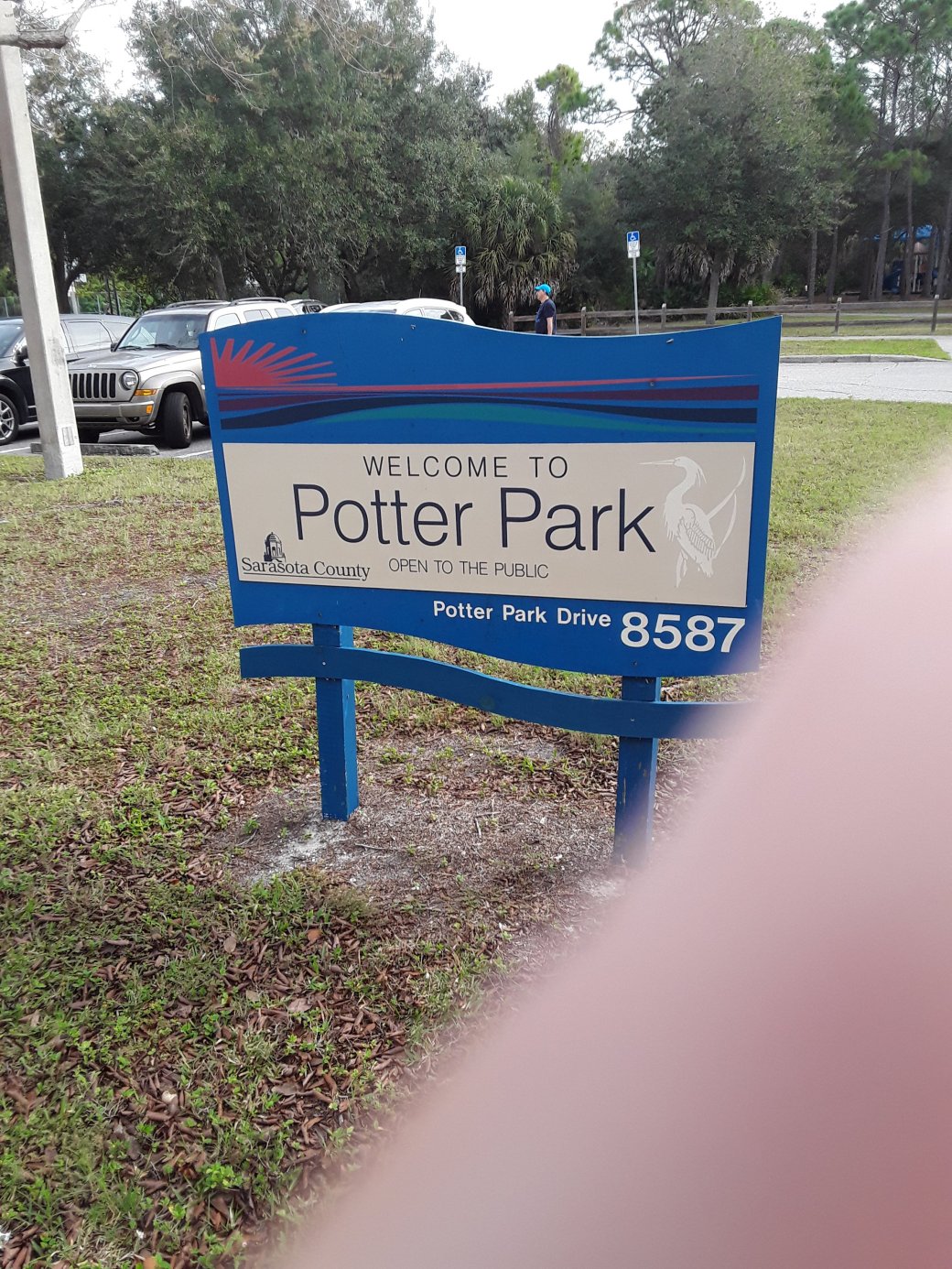
Signage Potter Park
Trail Potter Park
Trail Potter Park
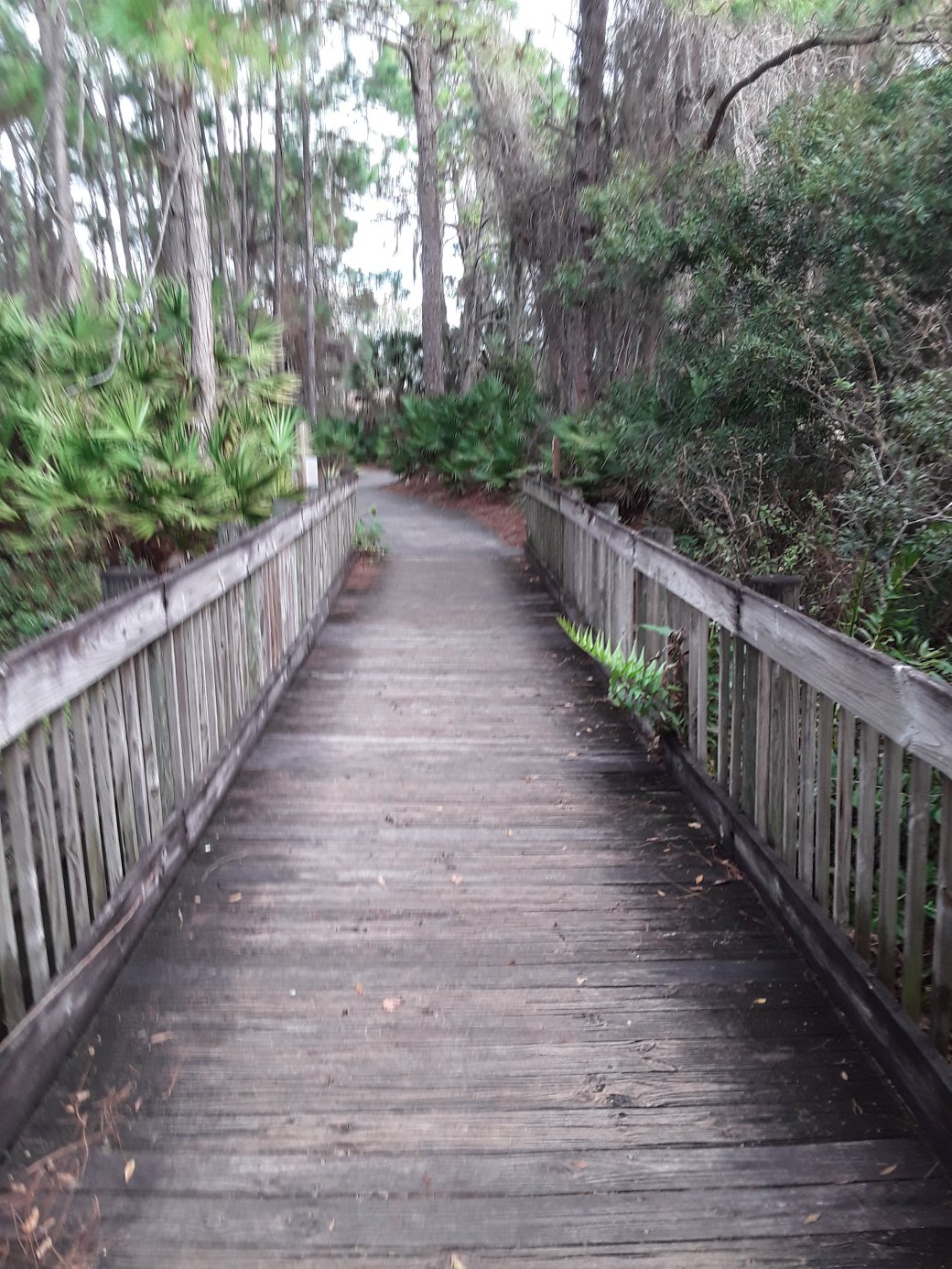
Bridge Potter Park
Trail Potter Park
Trail Potter Park
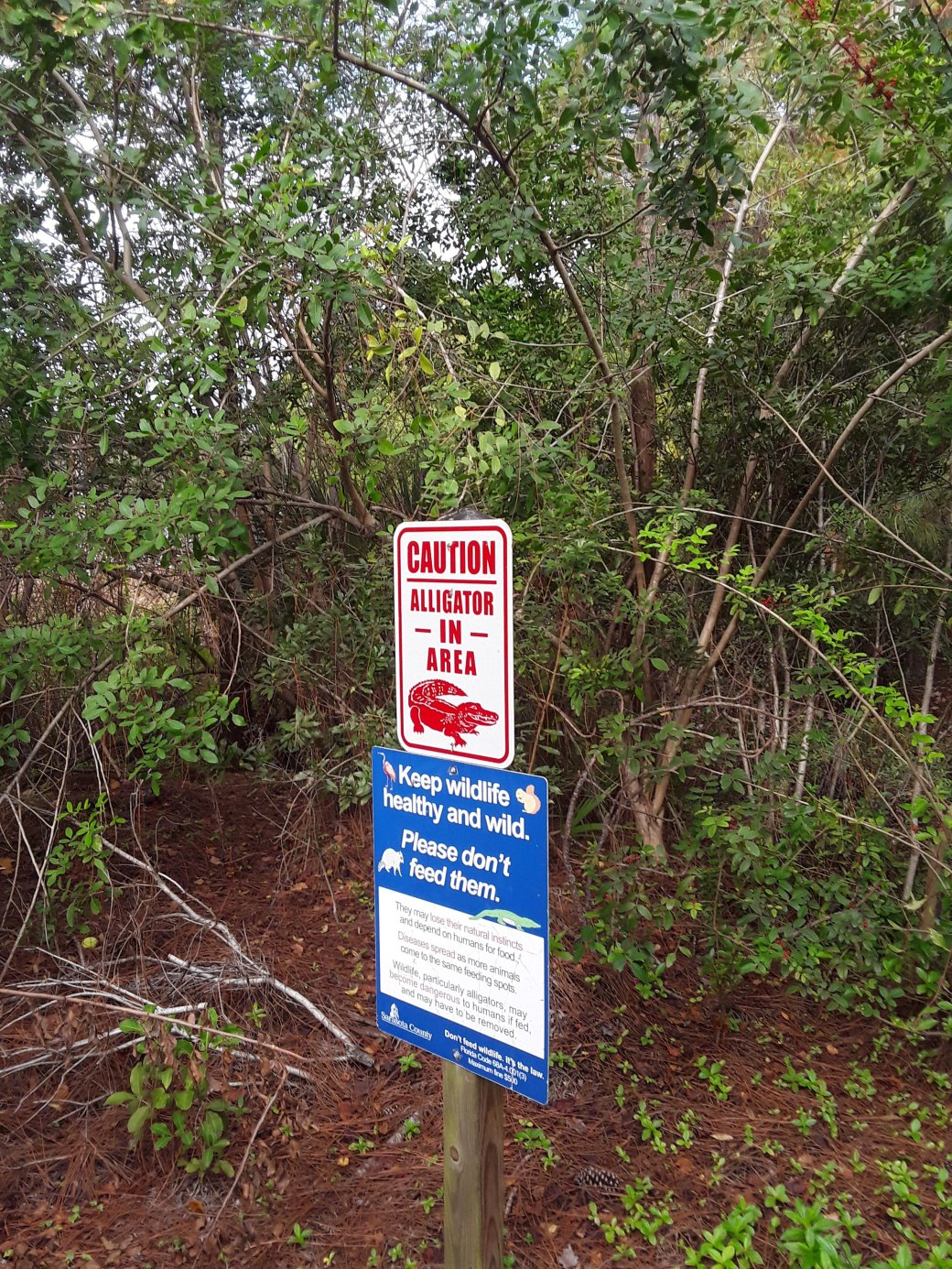
Signage Potter Park
Playground Potter Park
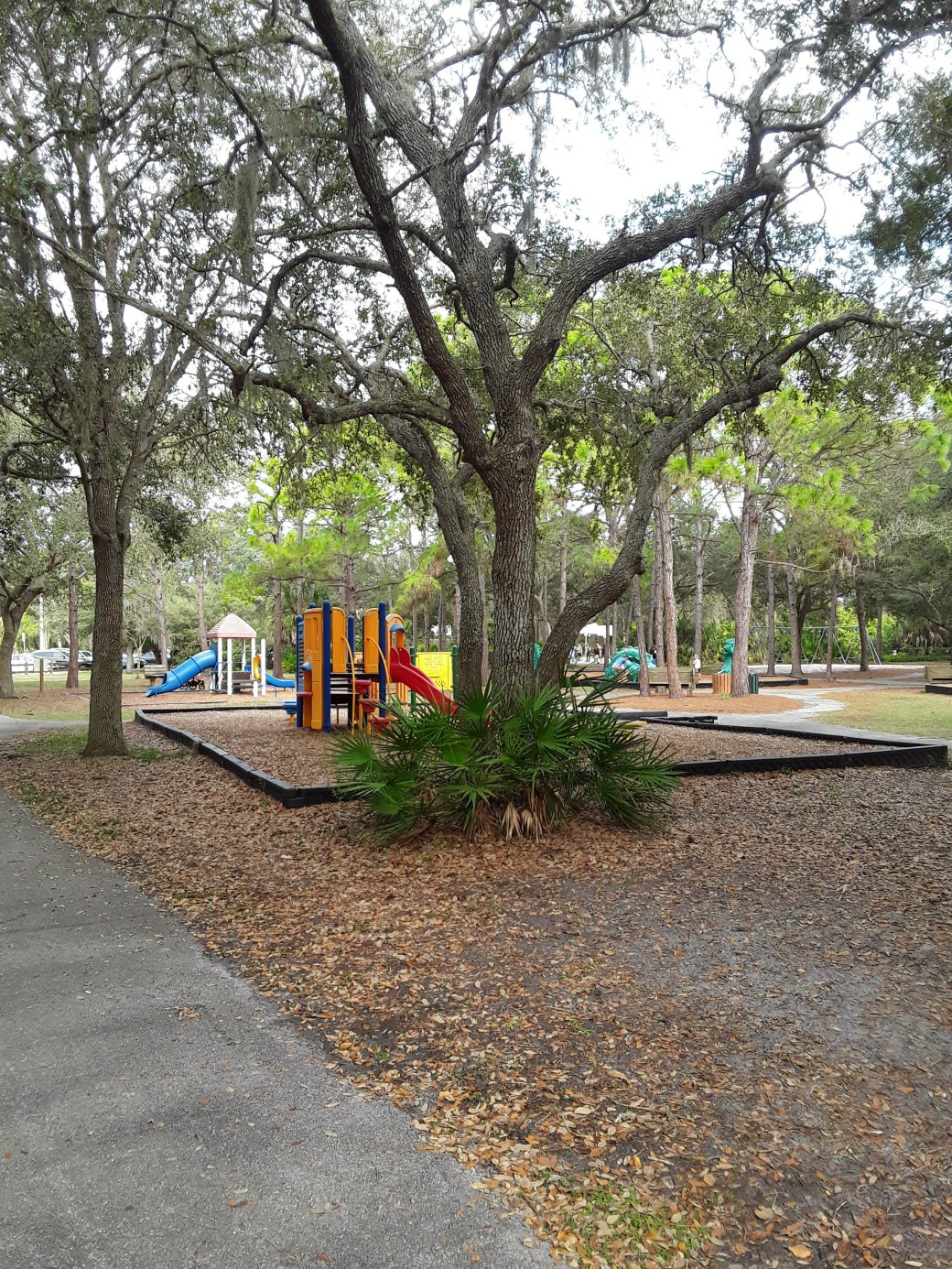
Playground Potter Park
Signage Potter Park
Trail Potter Park
Trail Potter Park
Bridge Potter Park
Trail Potter Park
Trail Potter Park
Signage Potter Park
Playground Potter Park
Playground Potter Park
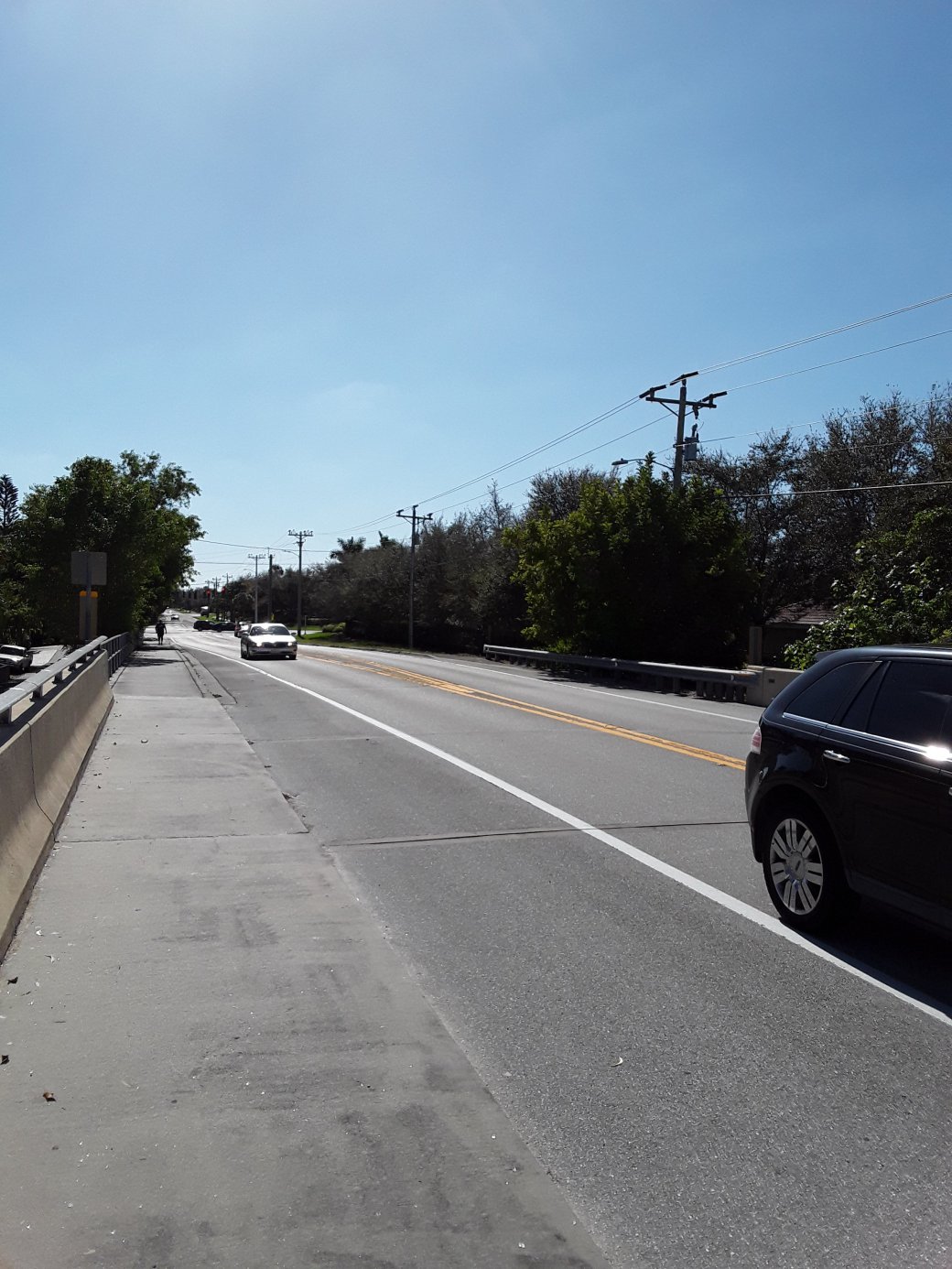
Moody Road Bridge
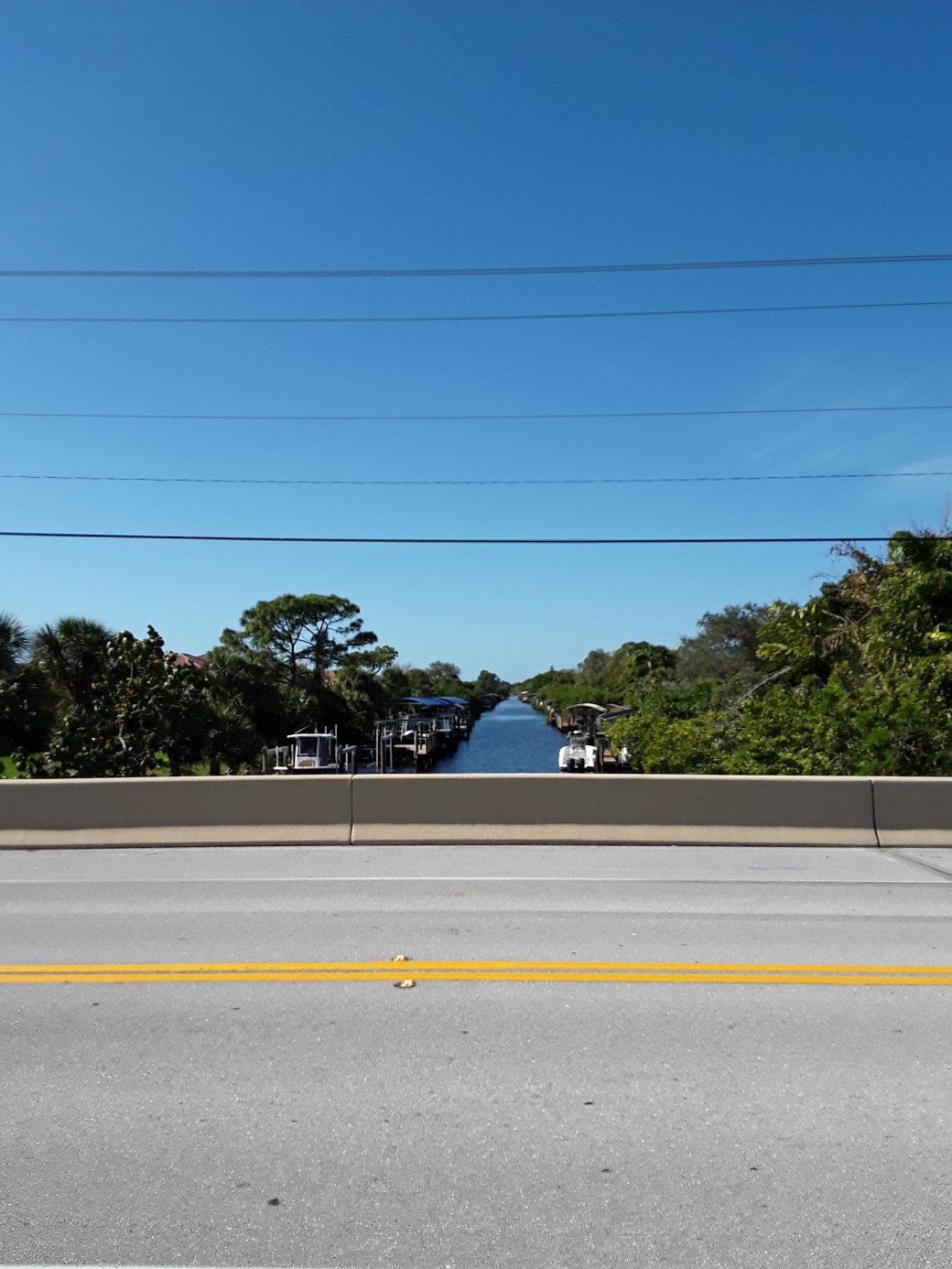
View from Moody Road Bridge
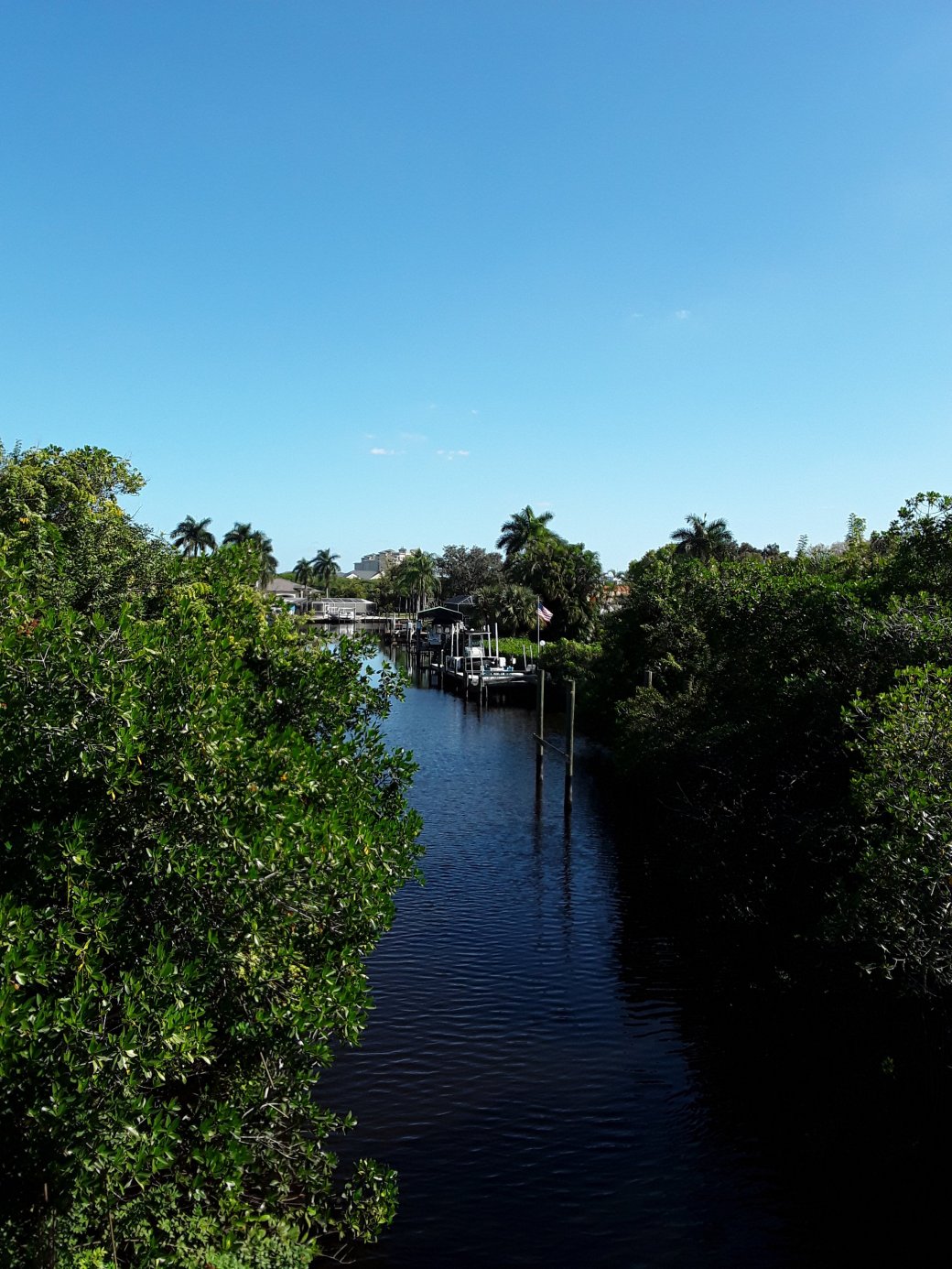
View from Moody Road Bridge
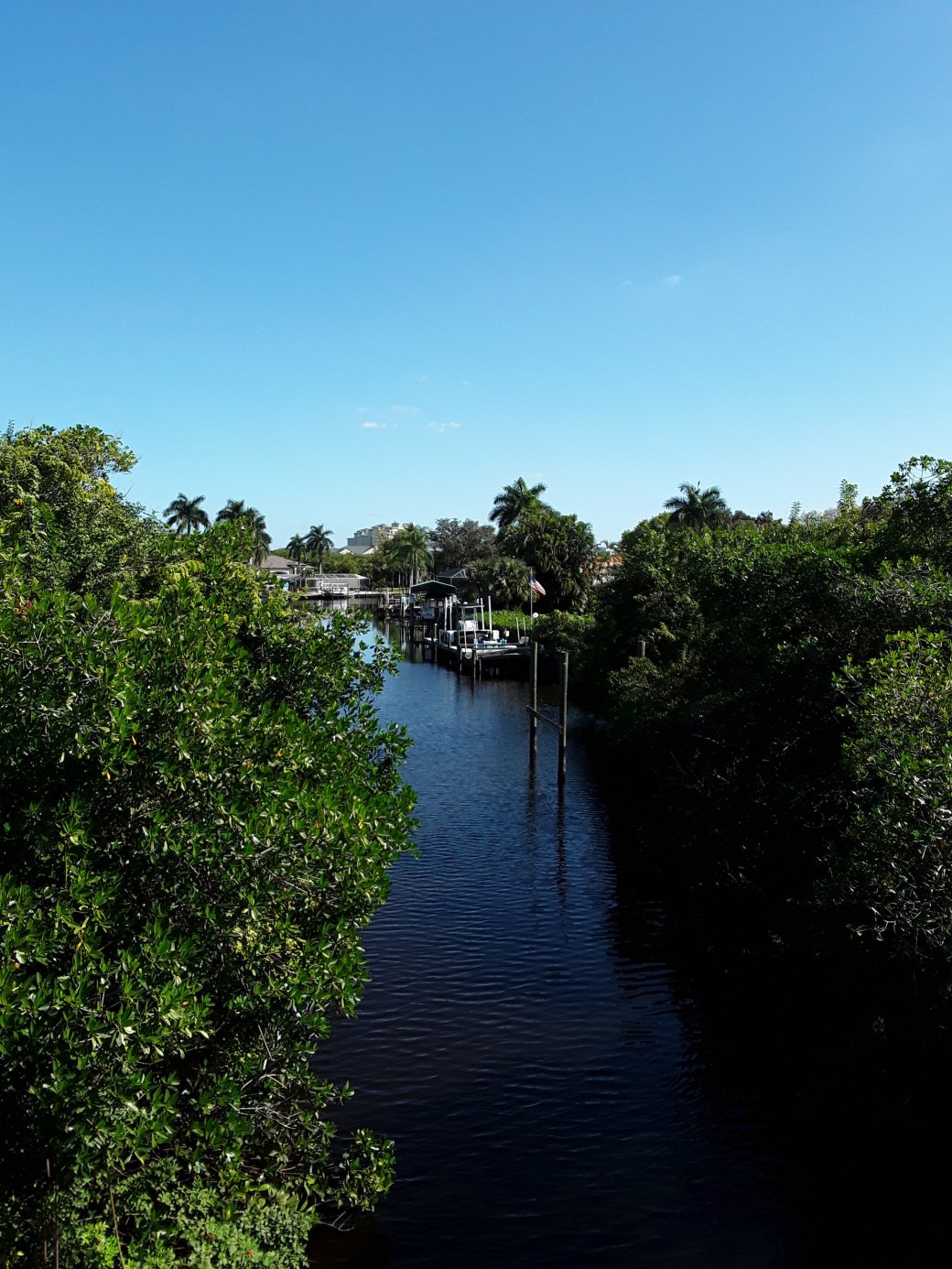
View from Moody Road Bridge
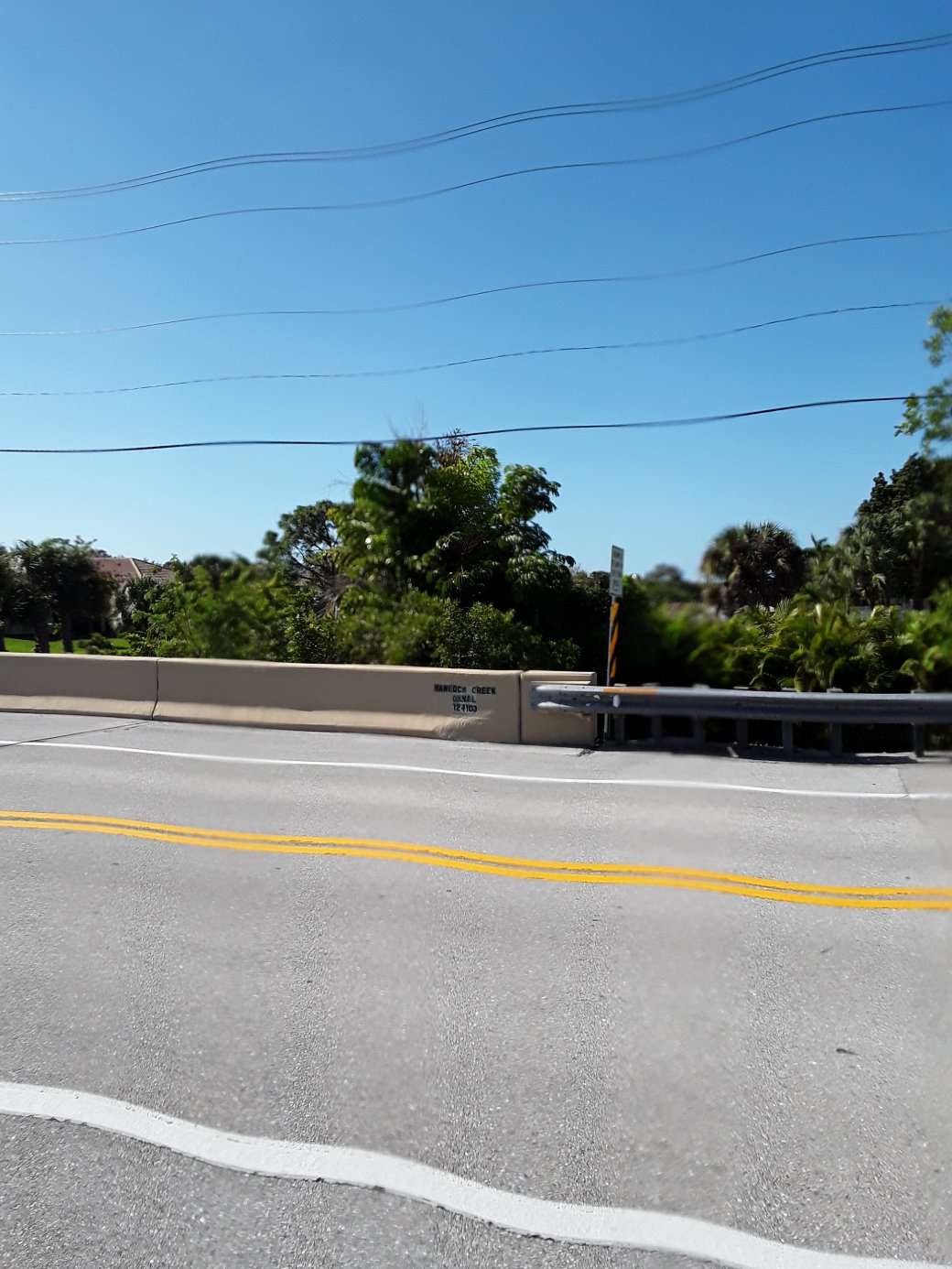
Moody Road Bridge
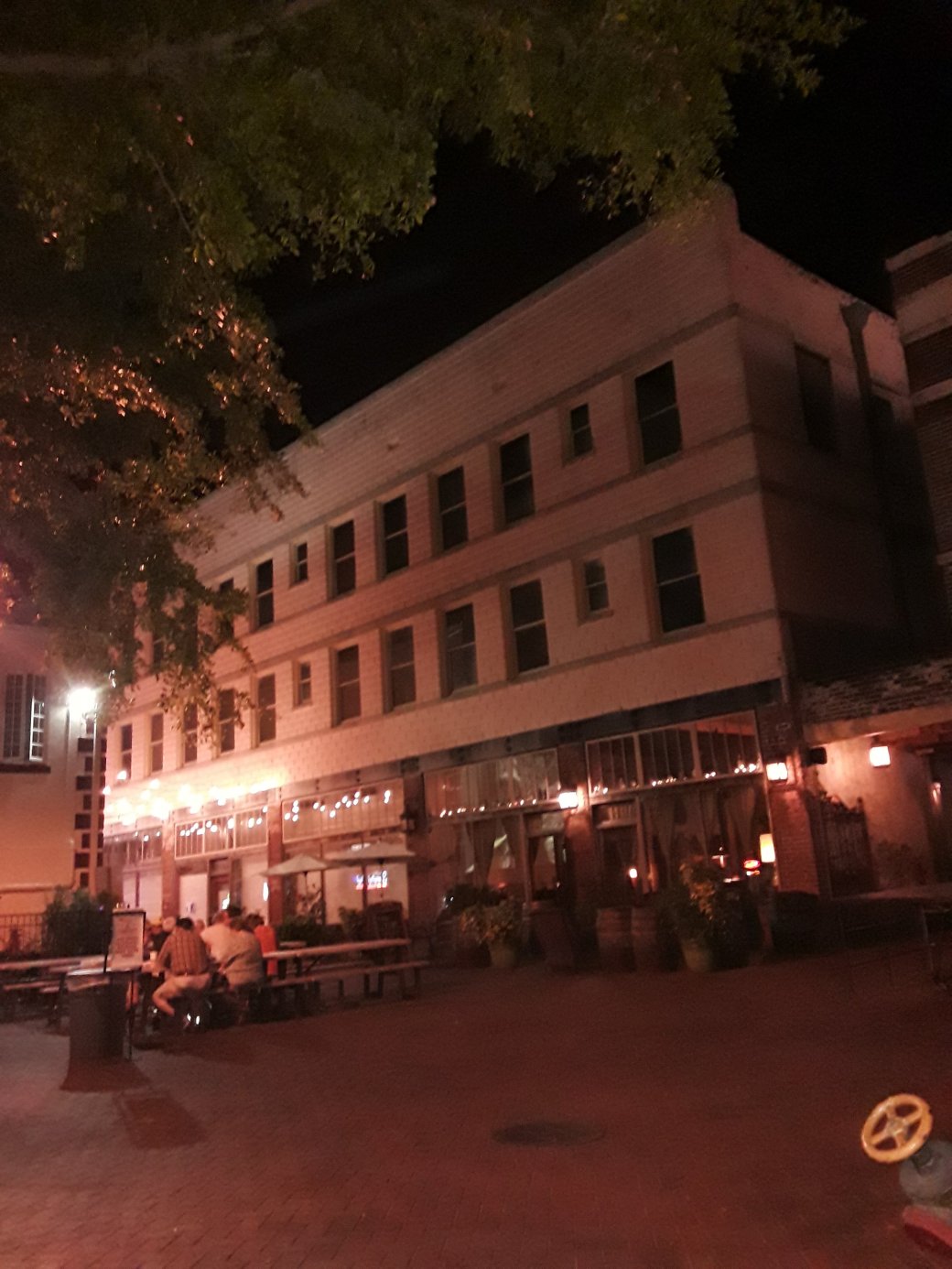
Graystone Hotel
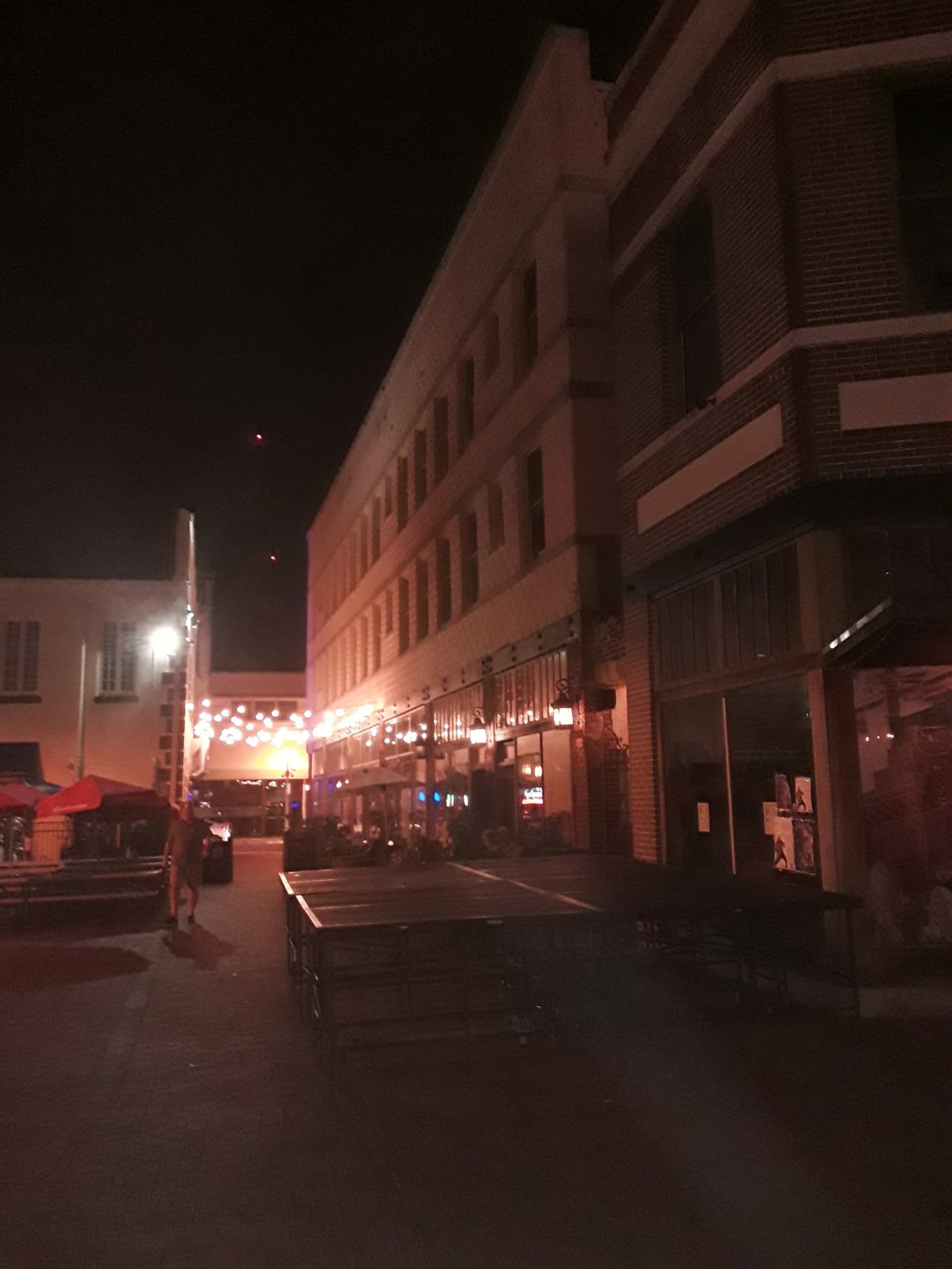
Graystone Hotel
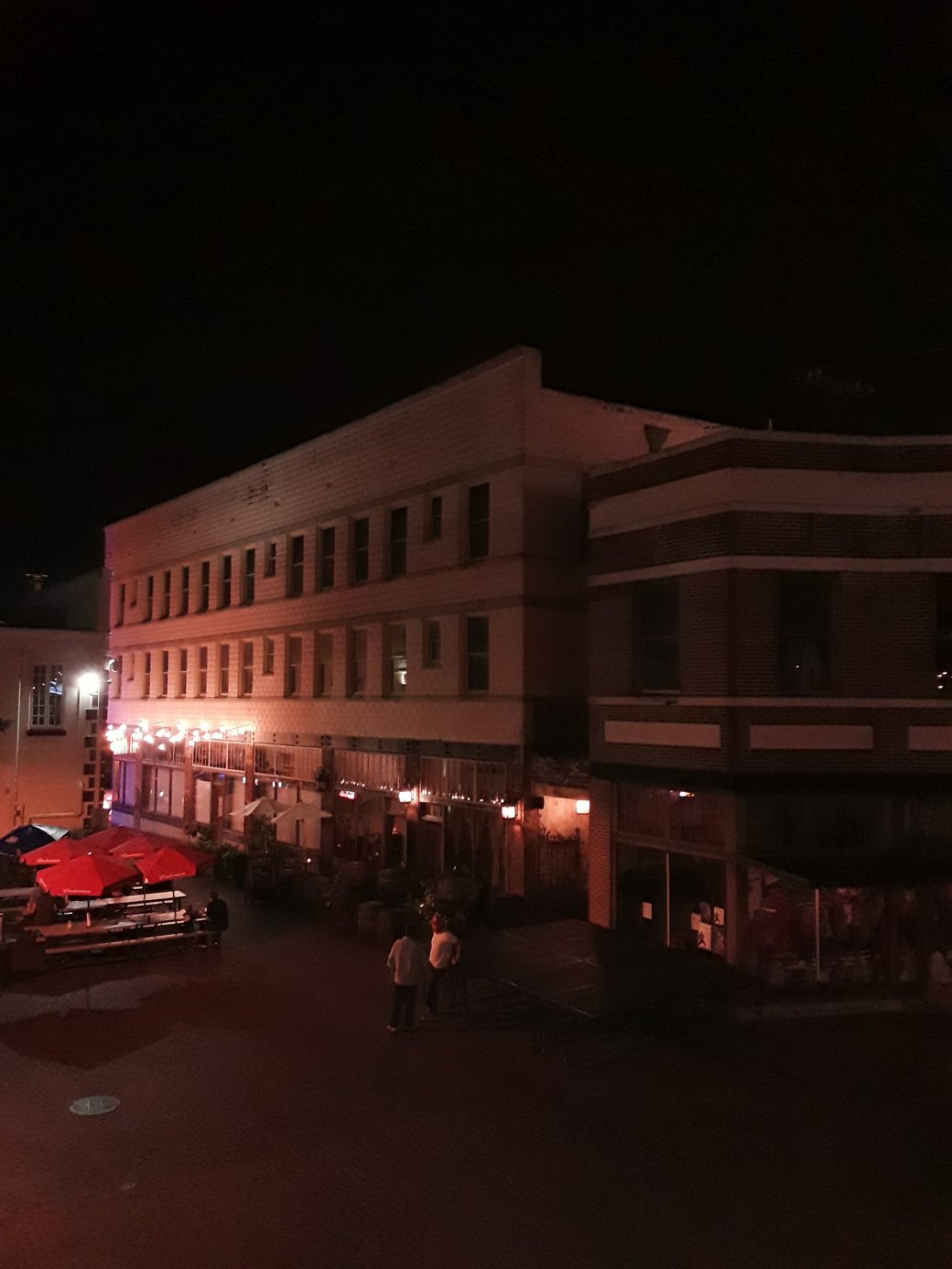
Graystone Hotel
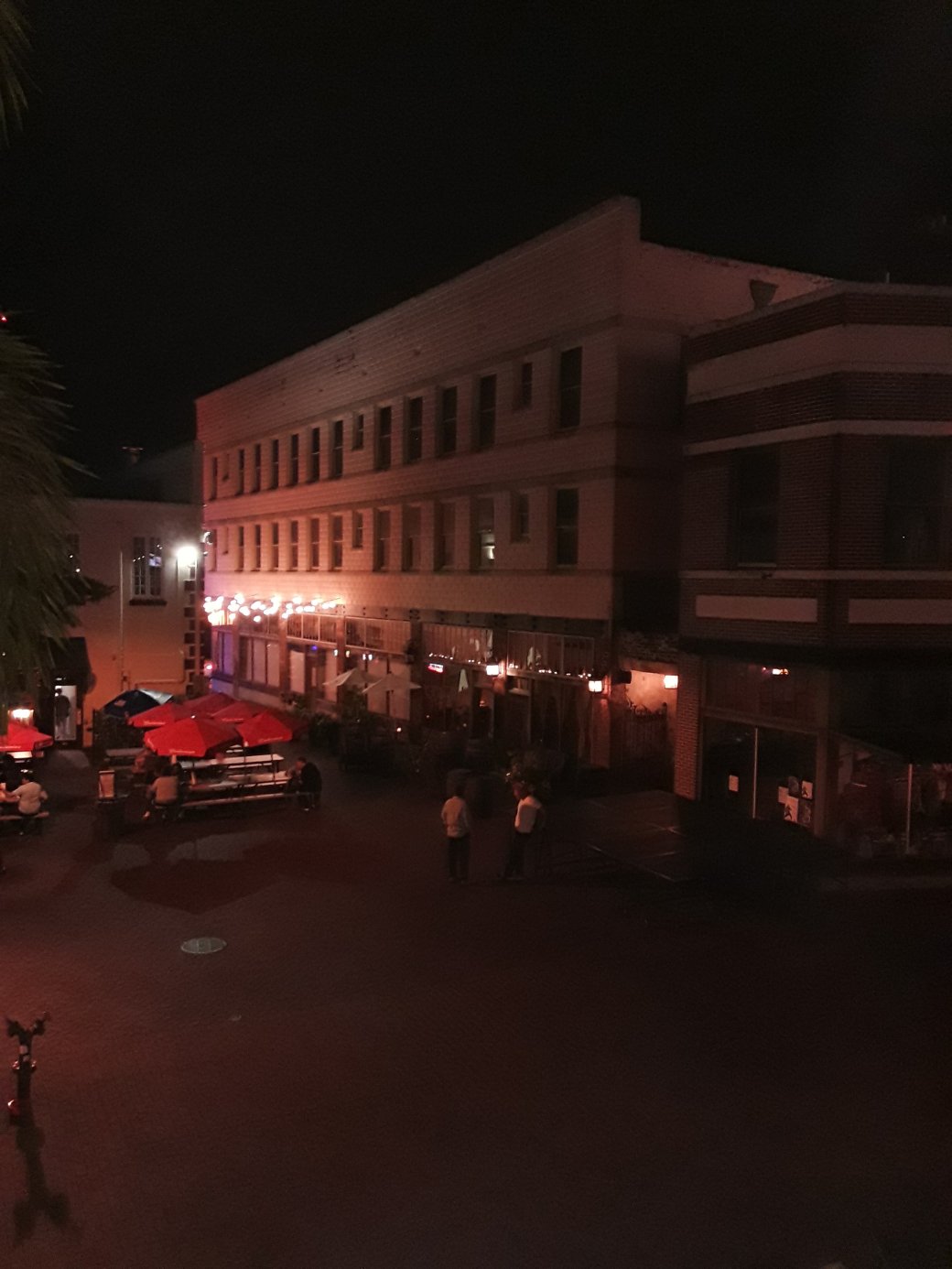
Graystone Hotel
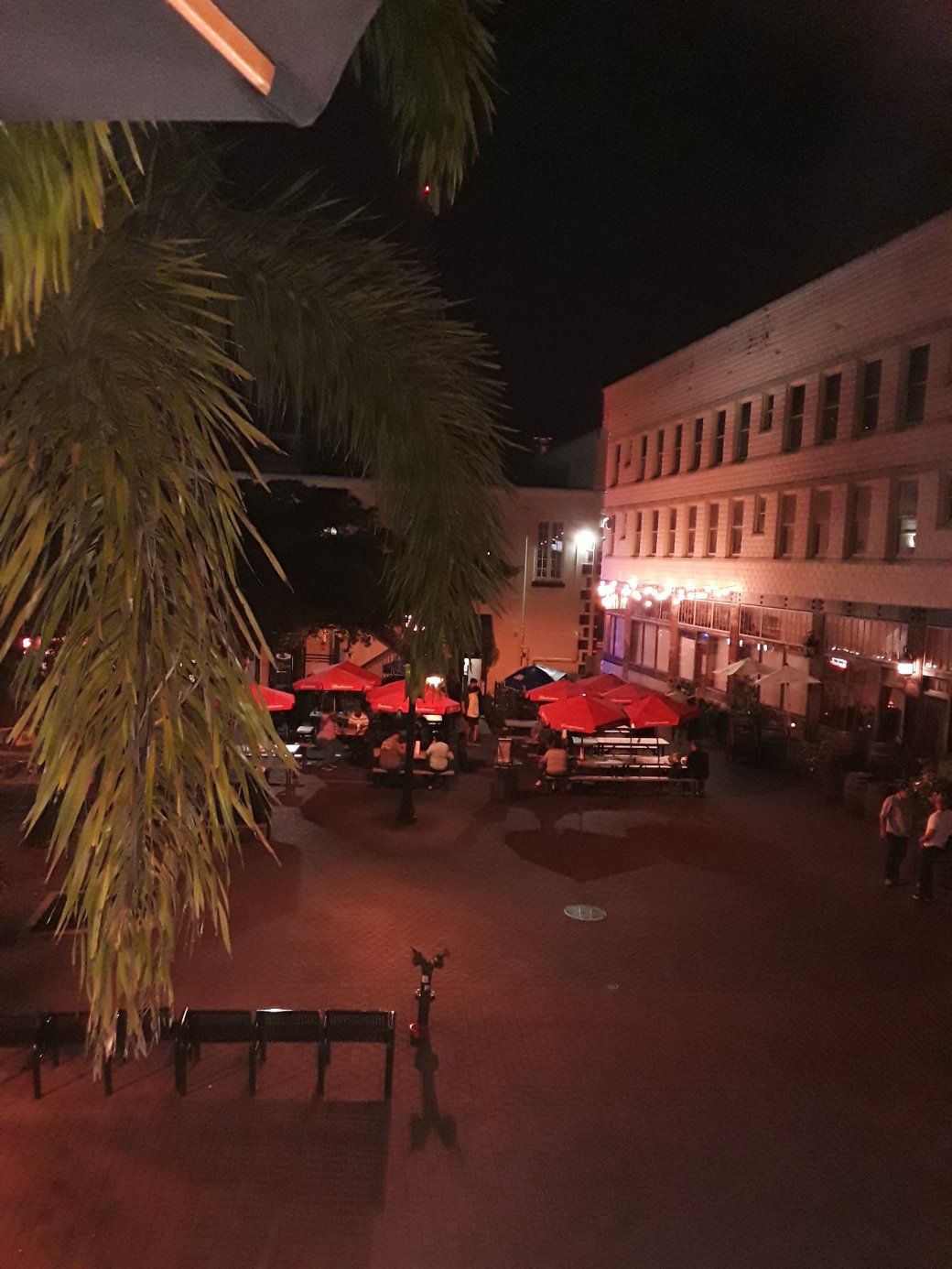
Graystone Hotel
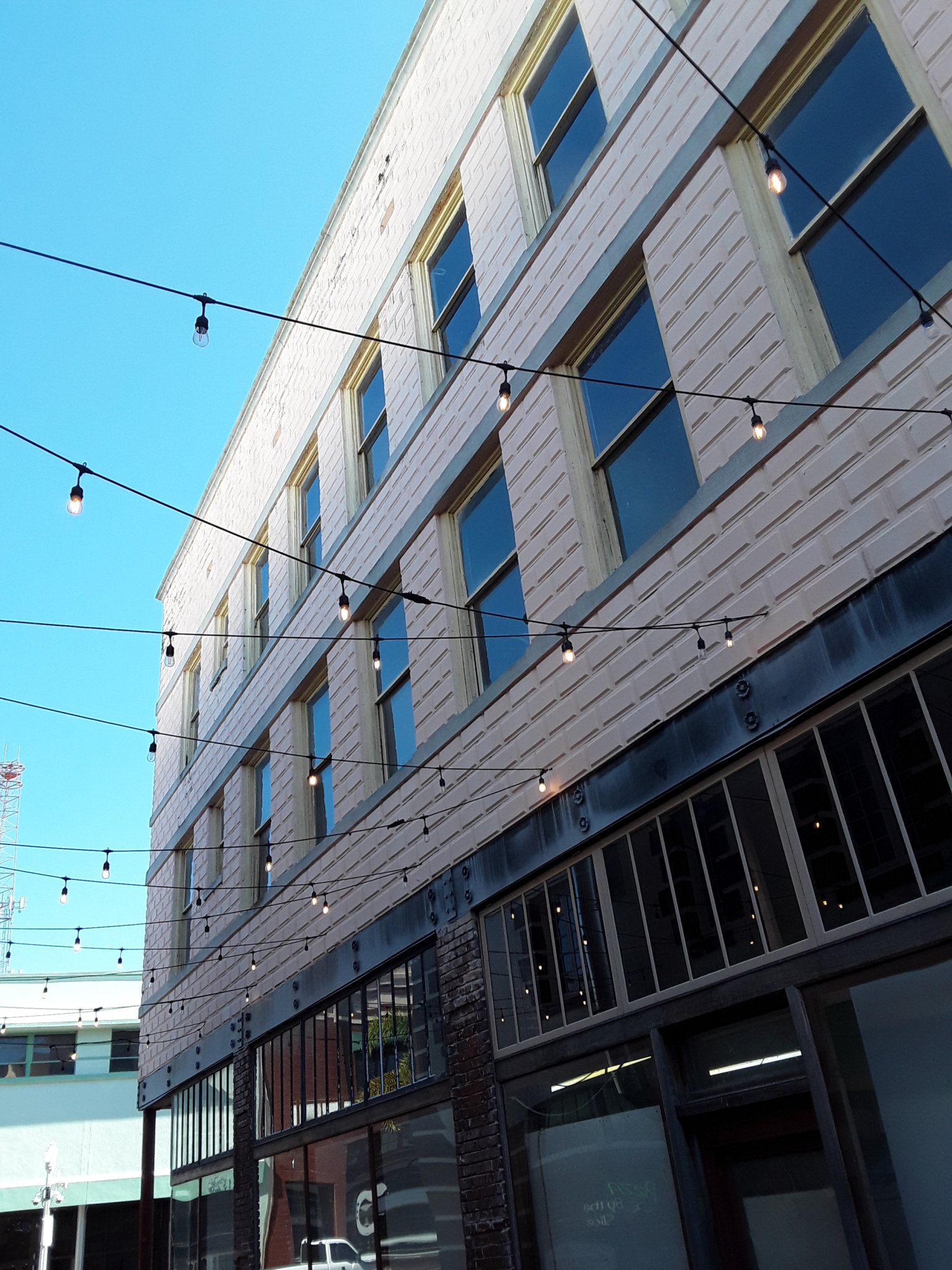
Hotel Graystone
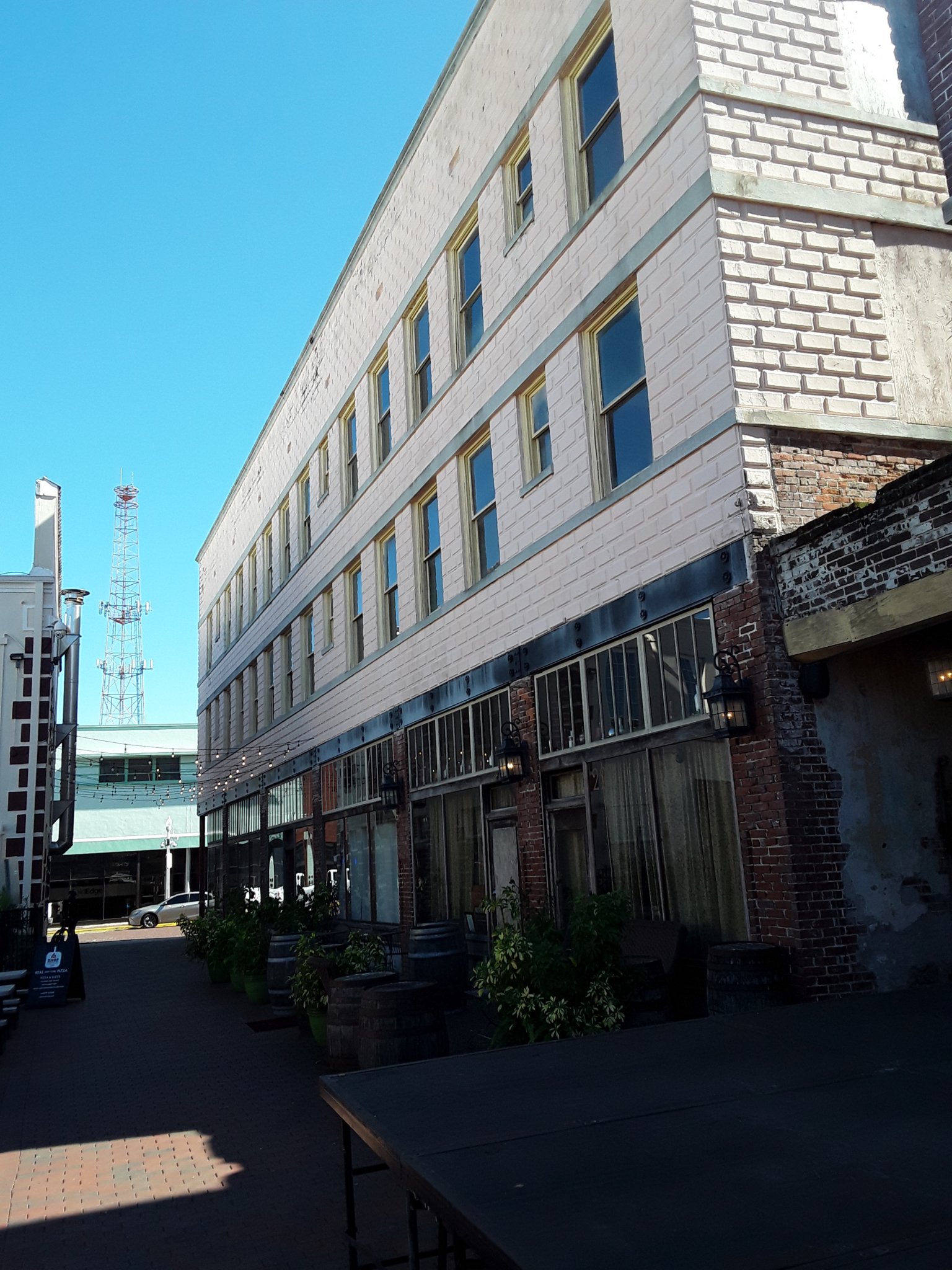
Same as above
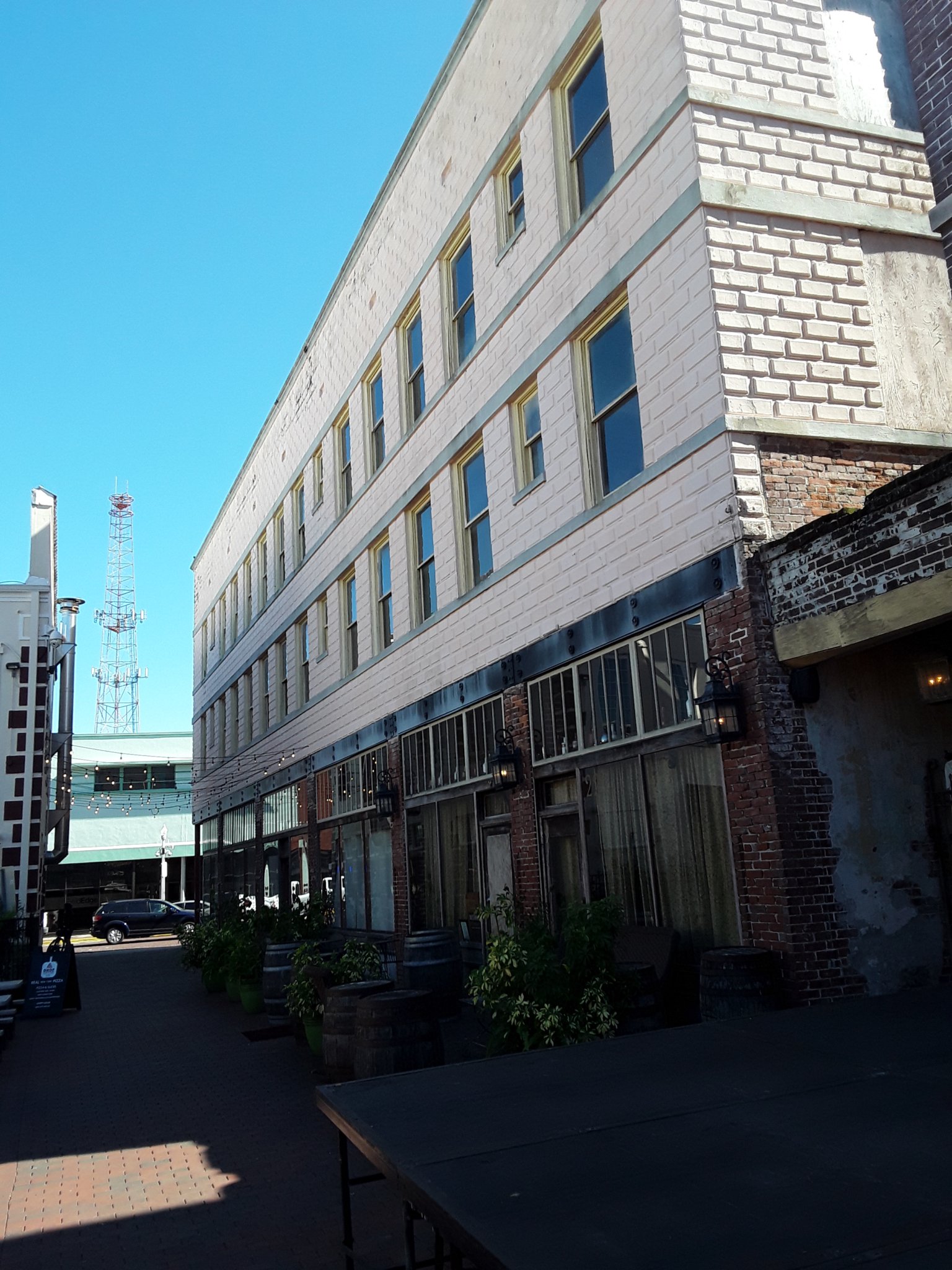
Same as above
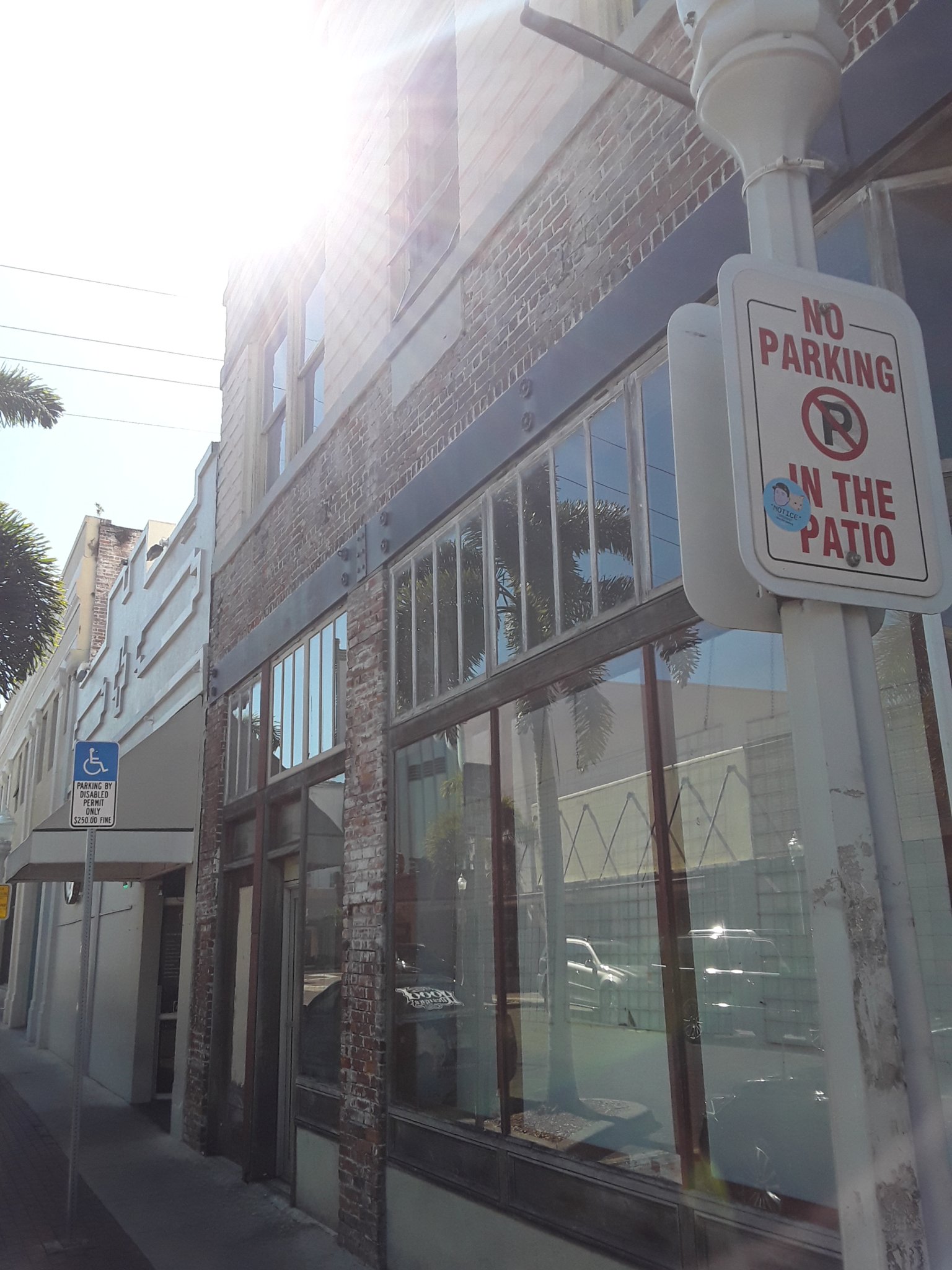
Hotel Graystone
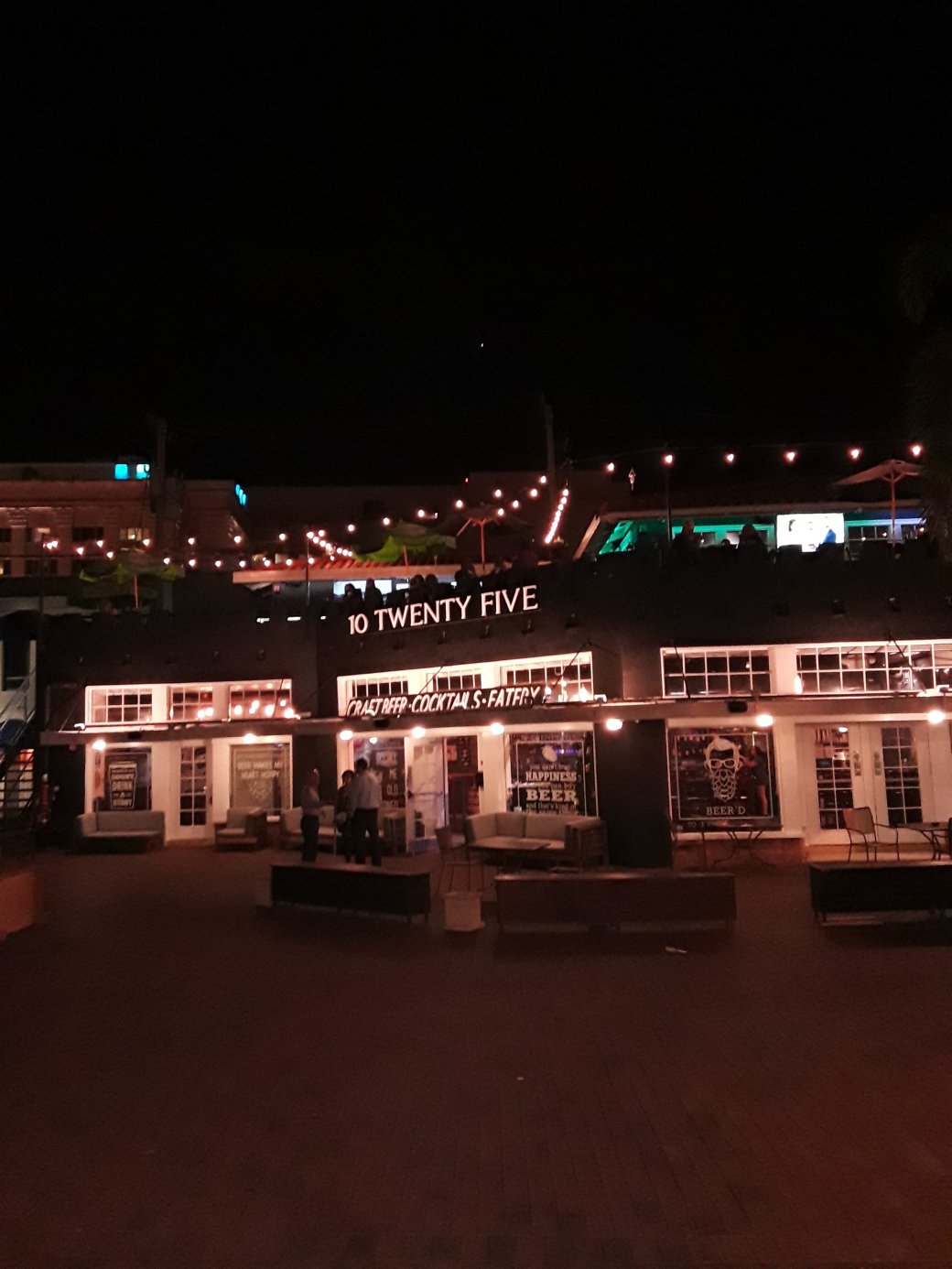
1025 Plaza de Leon
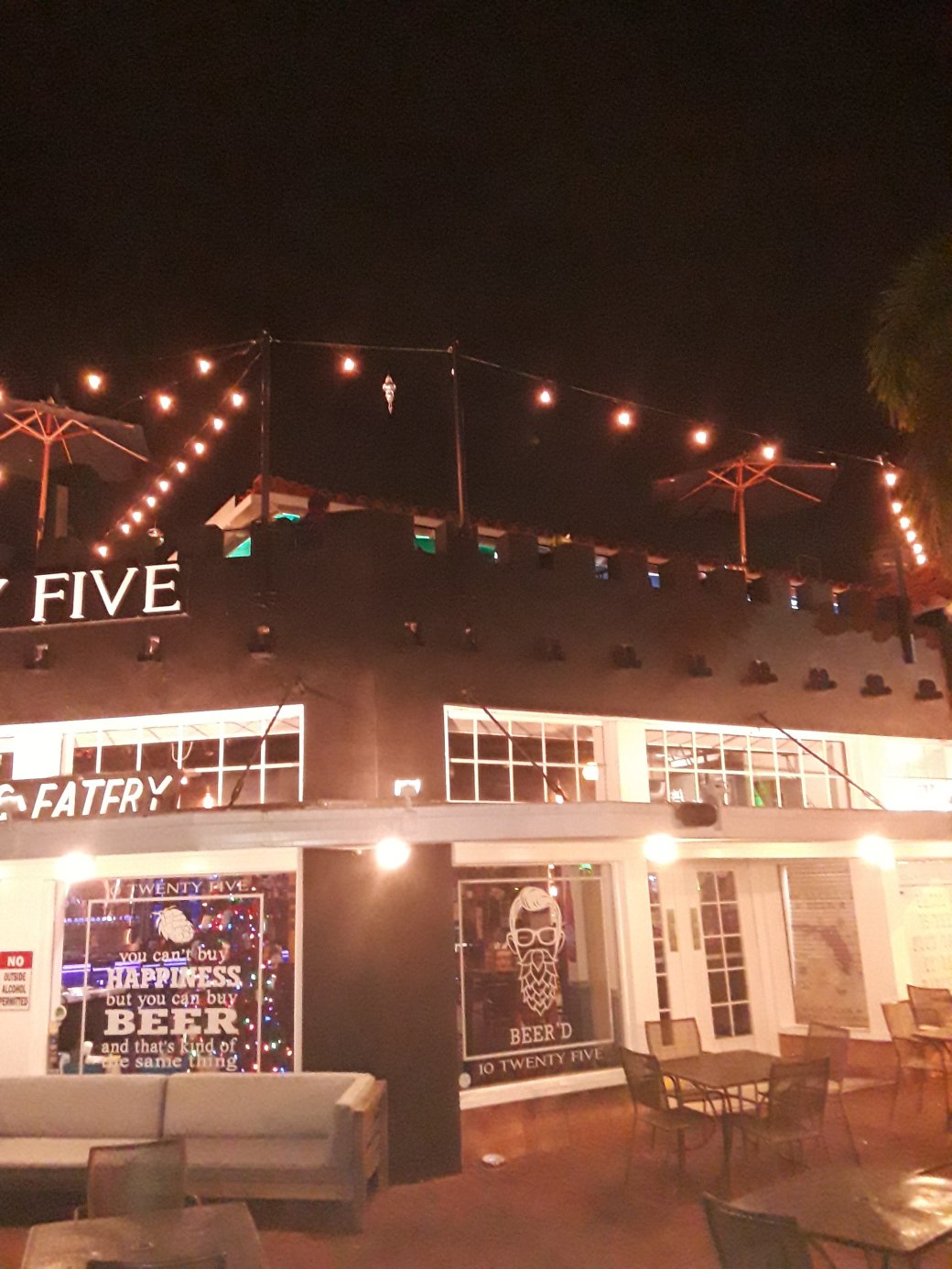
1025 Plaza de Leon

1025 Plaza de Leon

Same as above
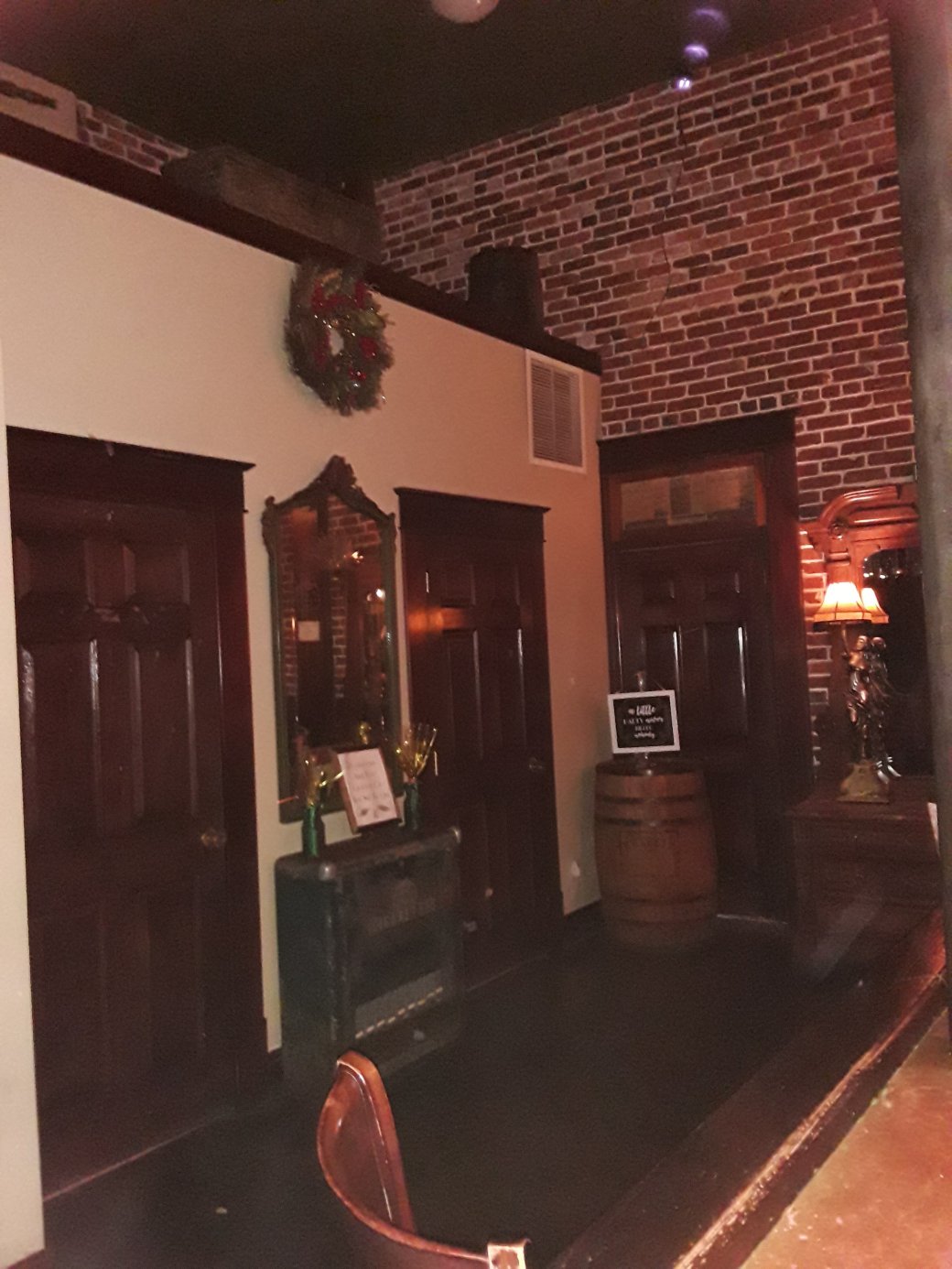
86 Room Plaza de Leon
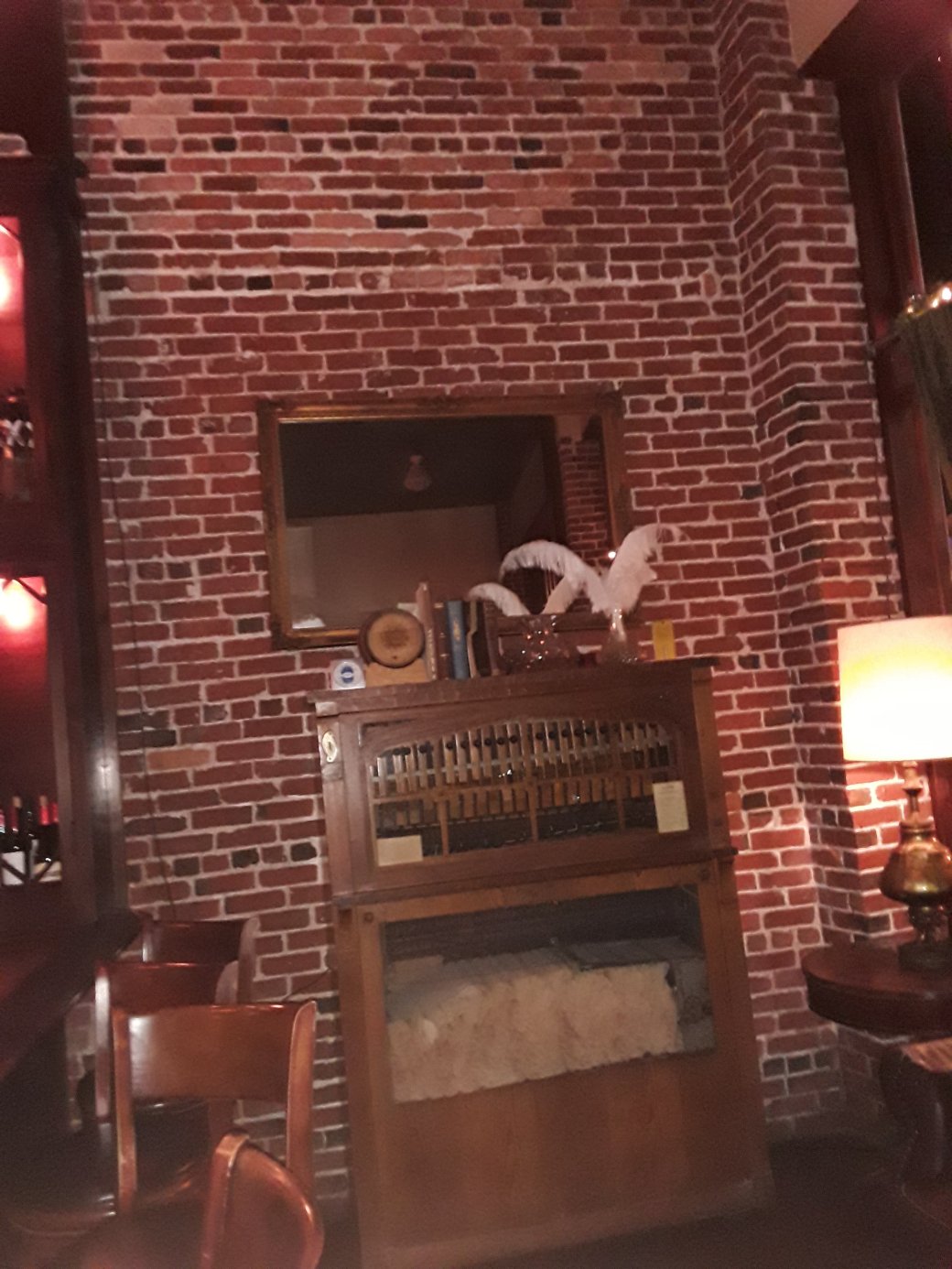
86 Room Plaza de Leon
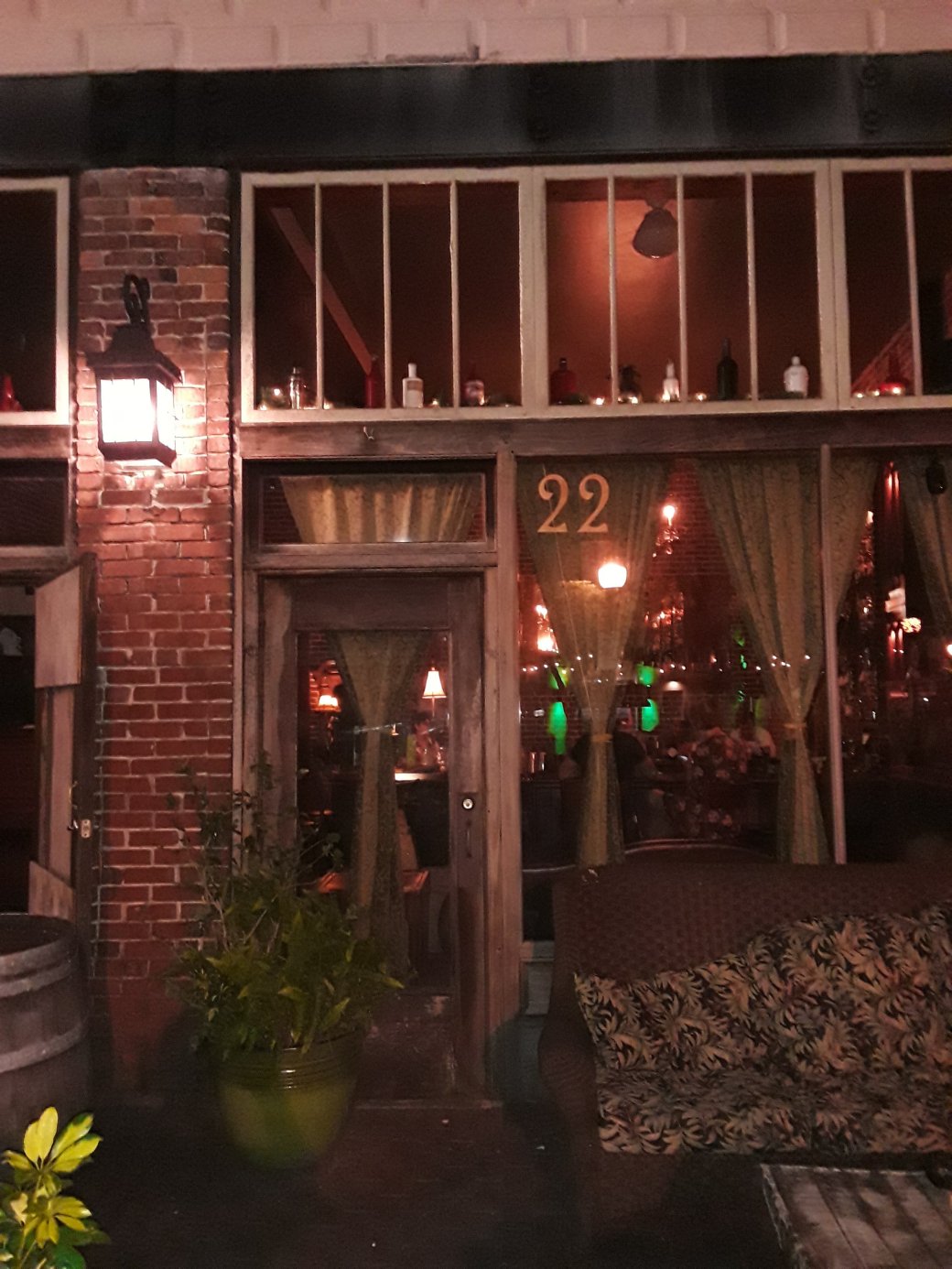
86 Room Plaza de Leon

The Veranda Restaurant
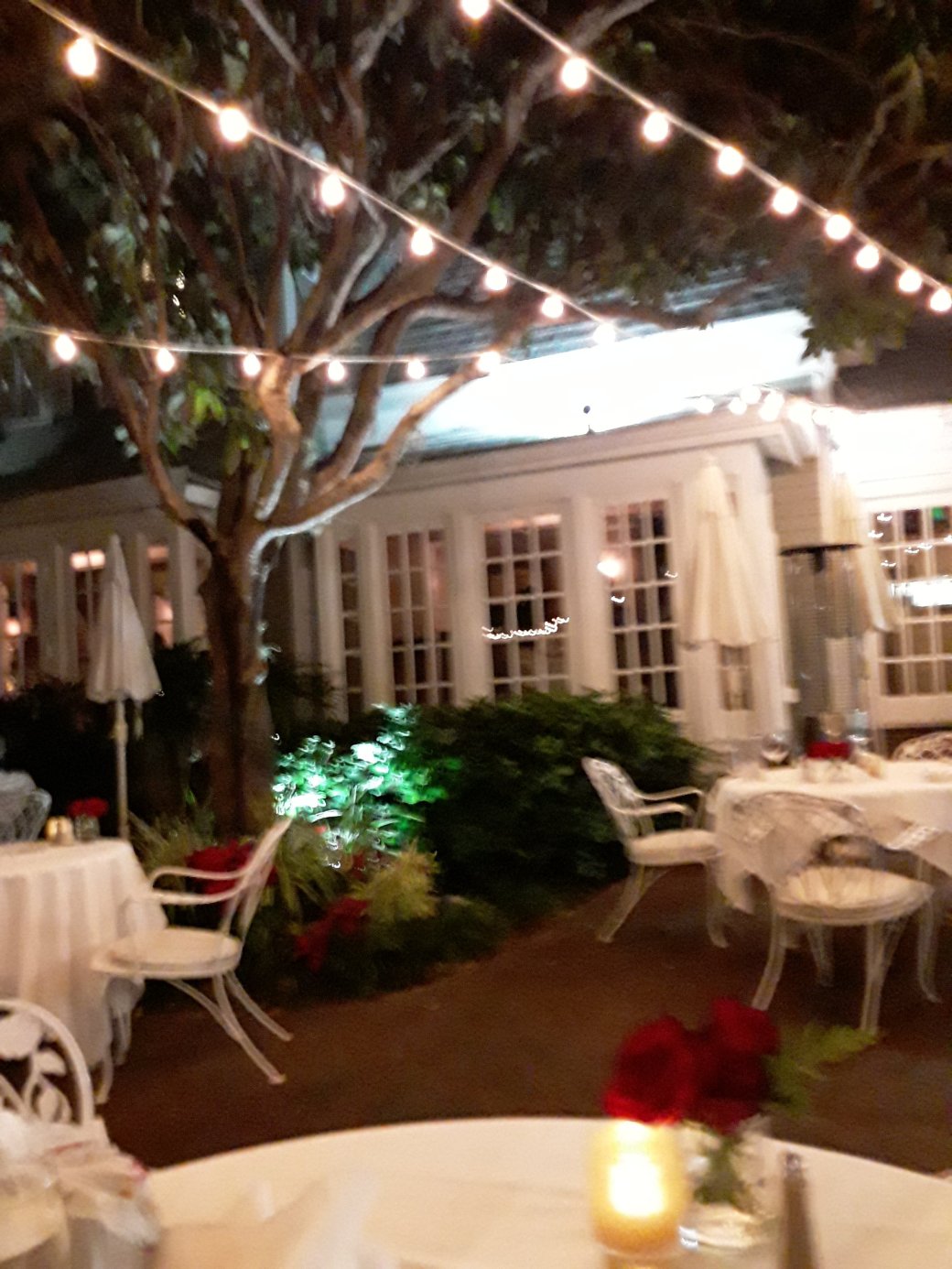
Patio of the Veranda Restaurant
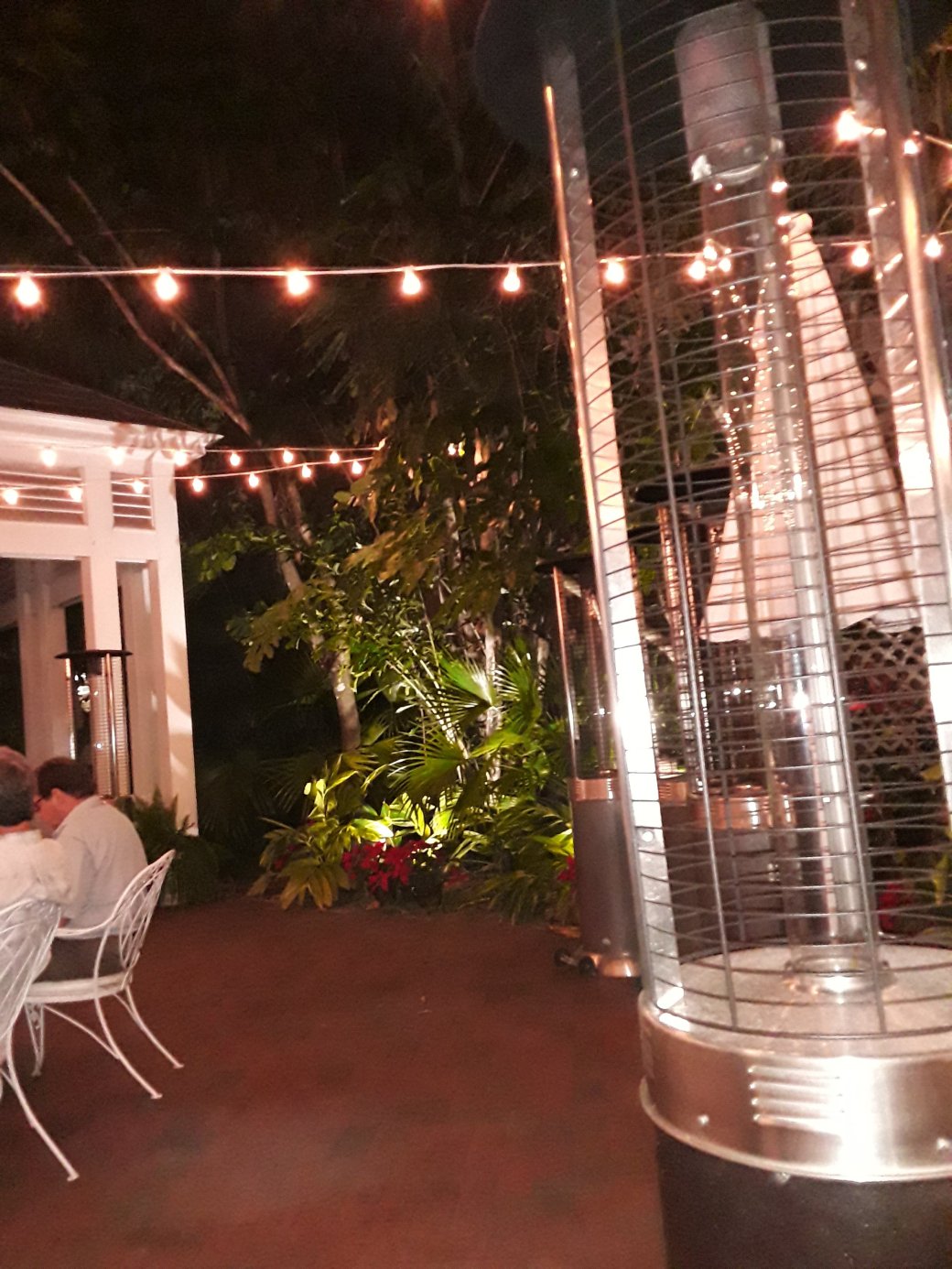
Patio of the Veranda Restaurant

Same as above
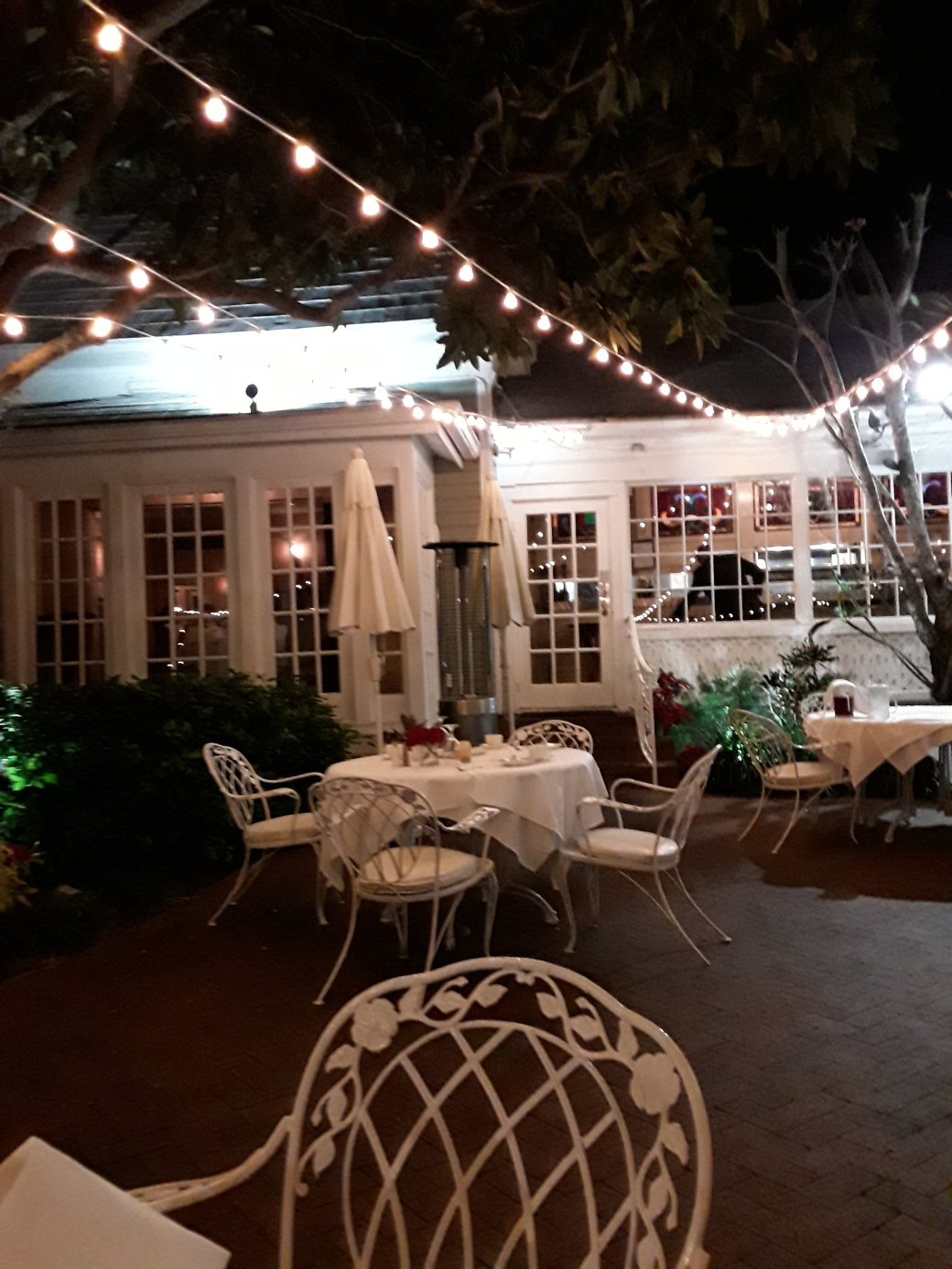
Same as above
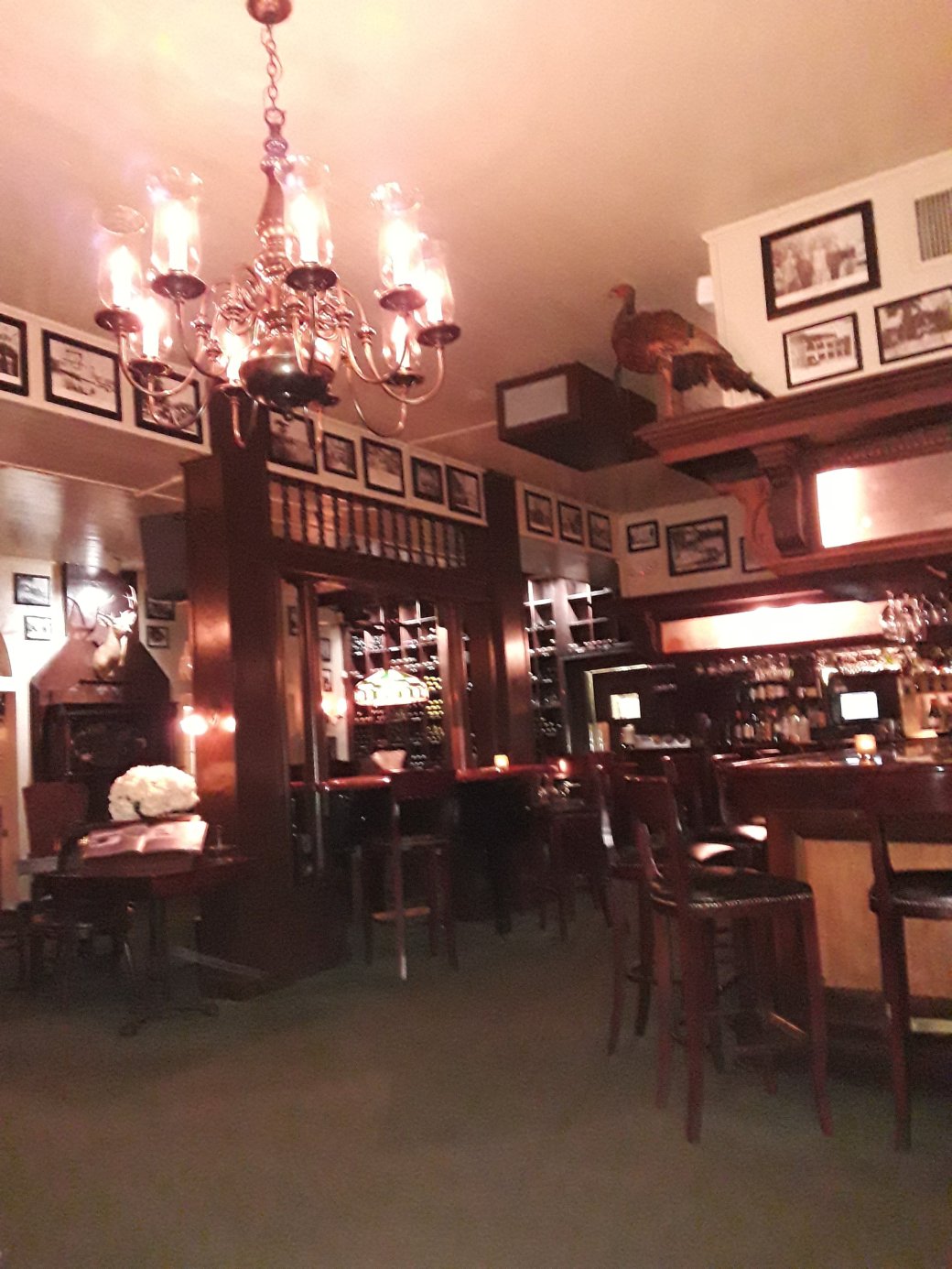
Interior Veranda Restaurant
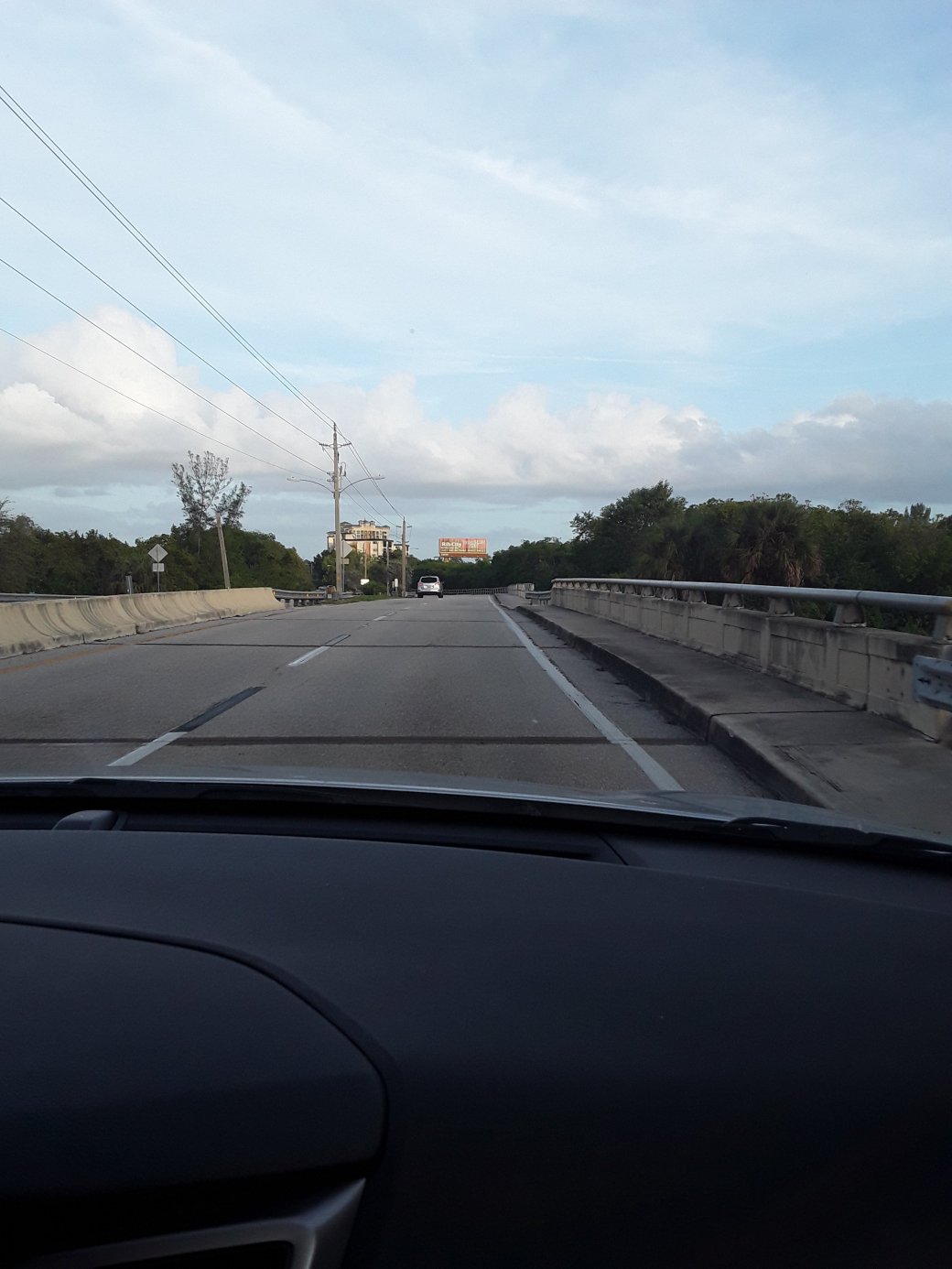
Hancock Bridge Parkway Bridge over Hancock Creek
This bridge crosses Hancock Creek in Lee County. It was built in 1973. It carries highway traffic and pedestrians. The largest span measures is 30.8 feet. Total bridge length is 91.2 feet. Bridge width is 52.2 feet.
There are 3 main spains of prestressed concrete. Span design is slab. Average daily traffic total over the bridge is 23,200.
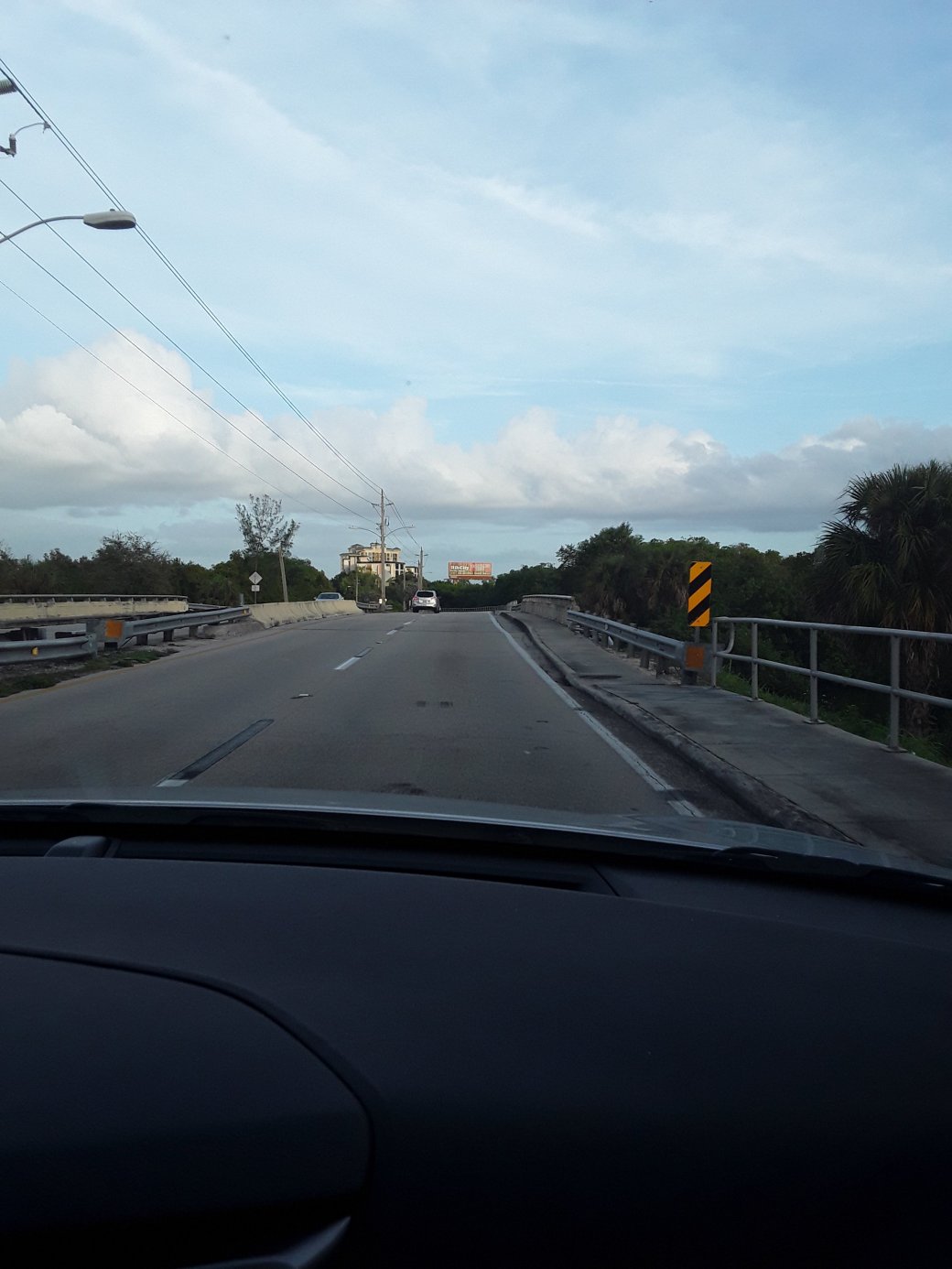
Same as above
Latest available inspection:
Deck Condition Good. 7 out of 7
Superstructure Condition. Good. . 7 out of 7
Substructure. Condition. Good. 7 out of 7
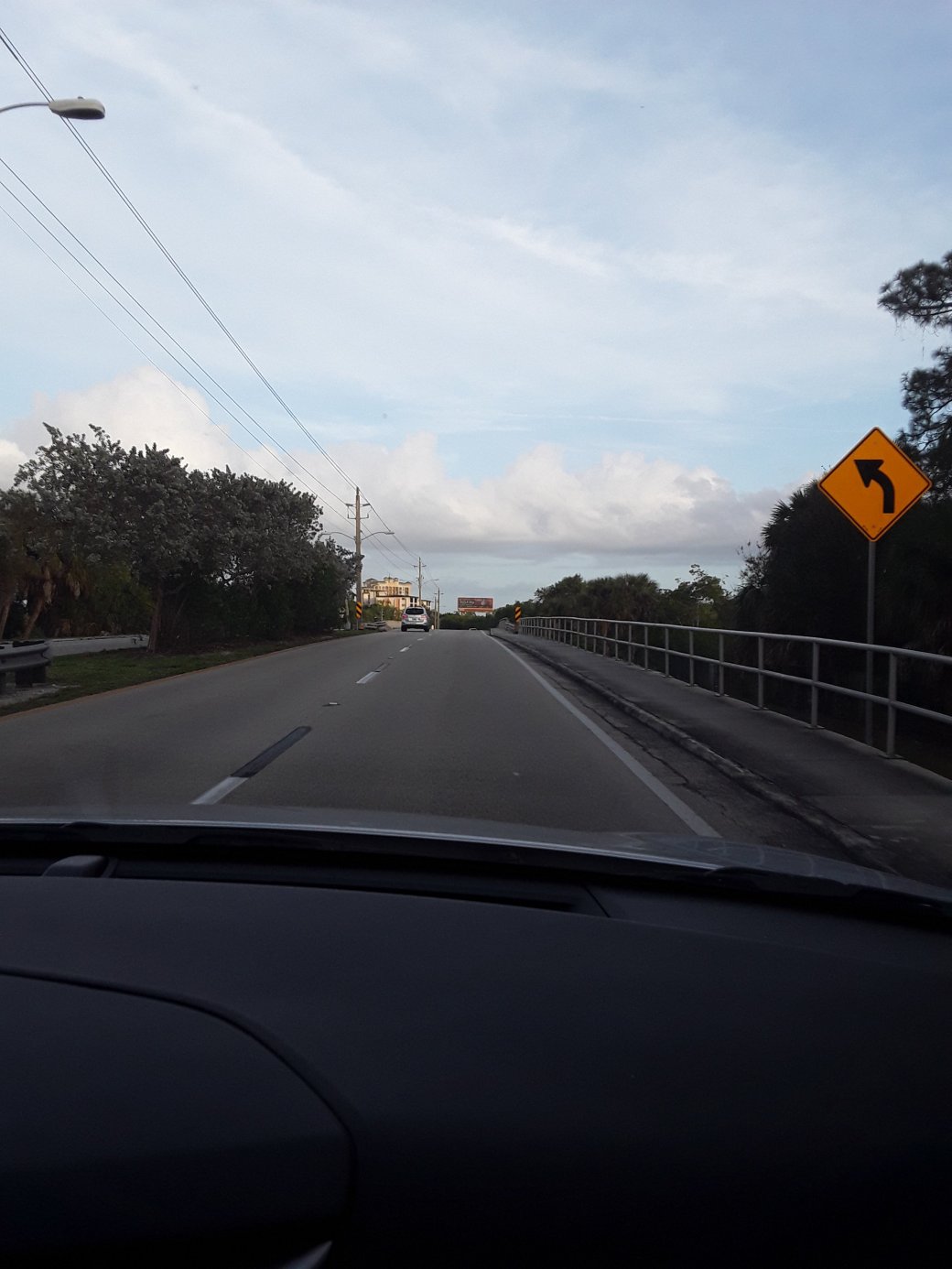
Hancock Bridge Parkway Bridge over Hancock Creek
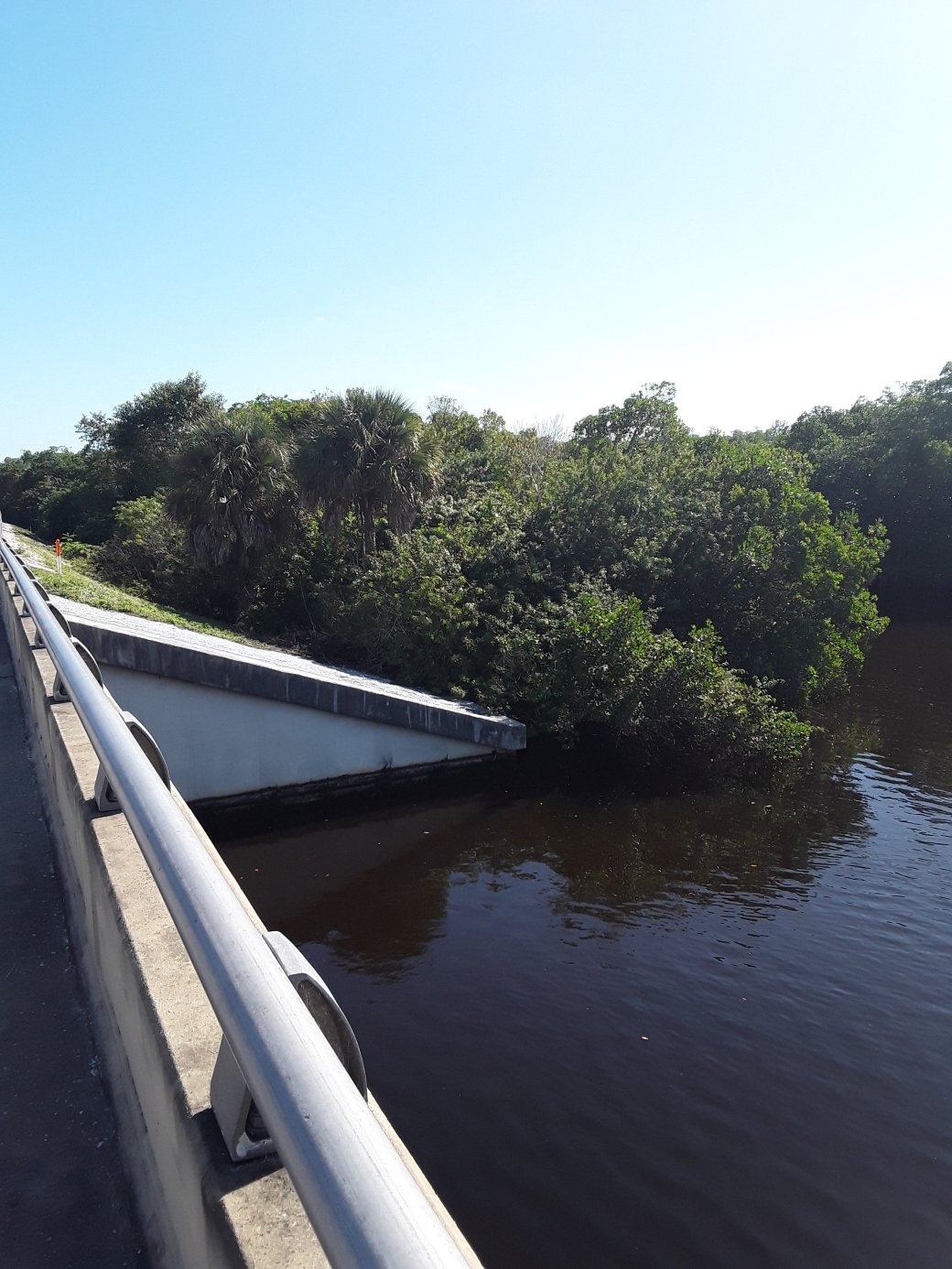
View from the Bridge
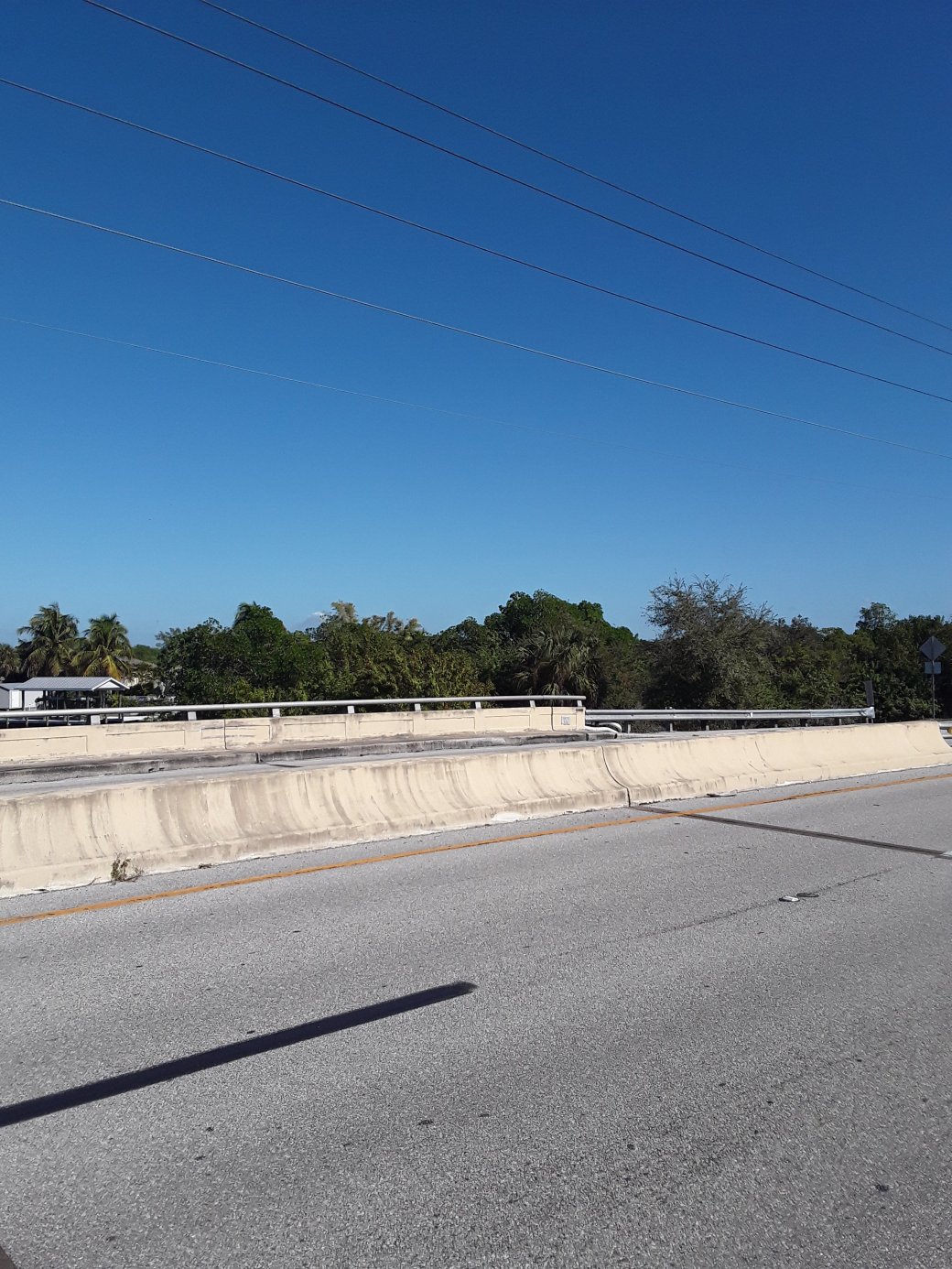
Hancock Bridge Parkway Bridge
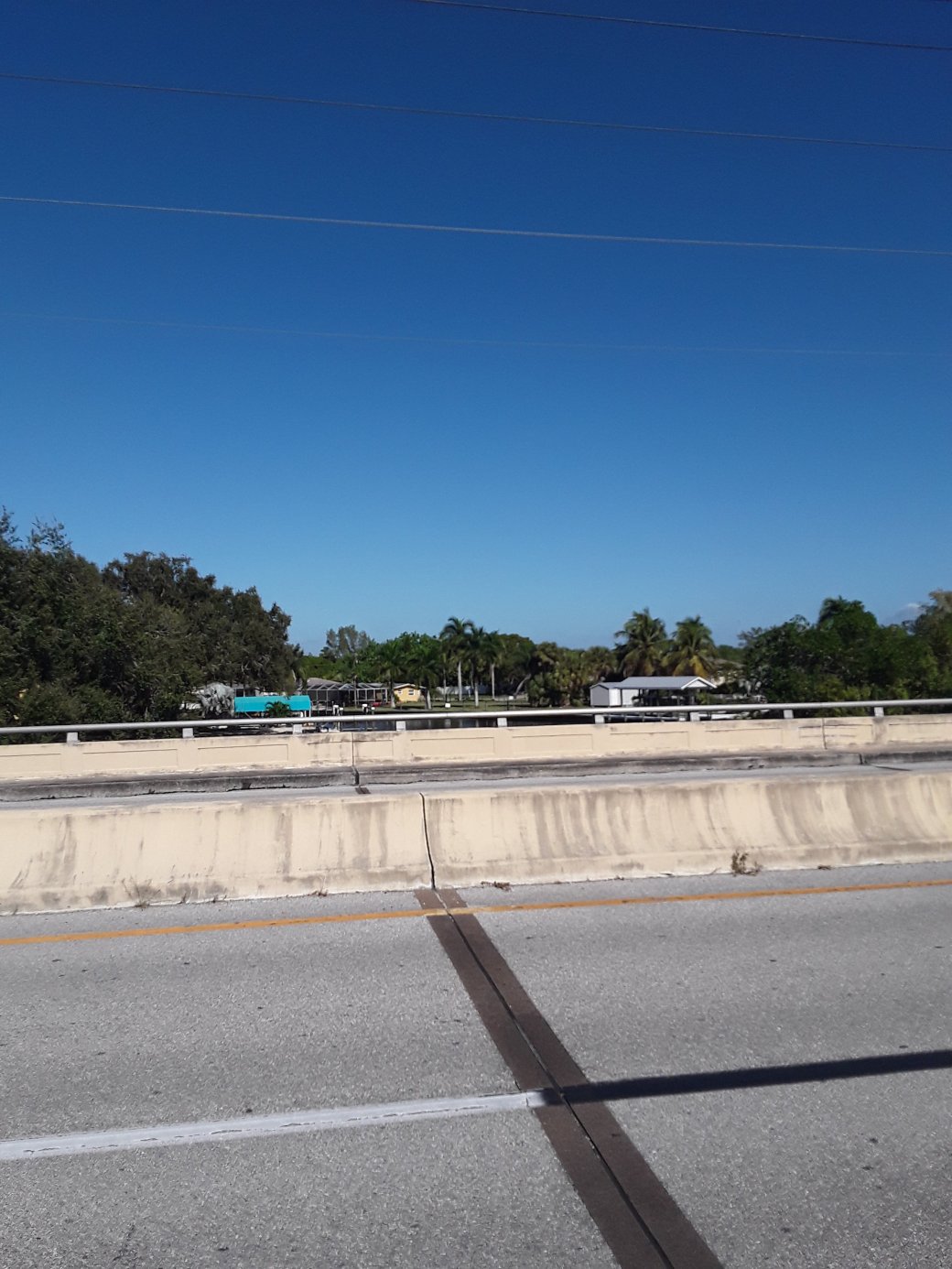
View from the Bridge
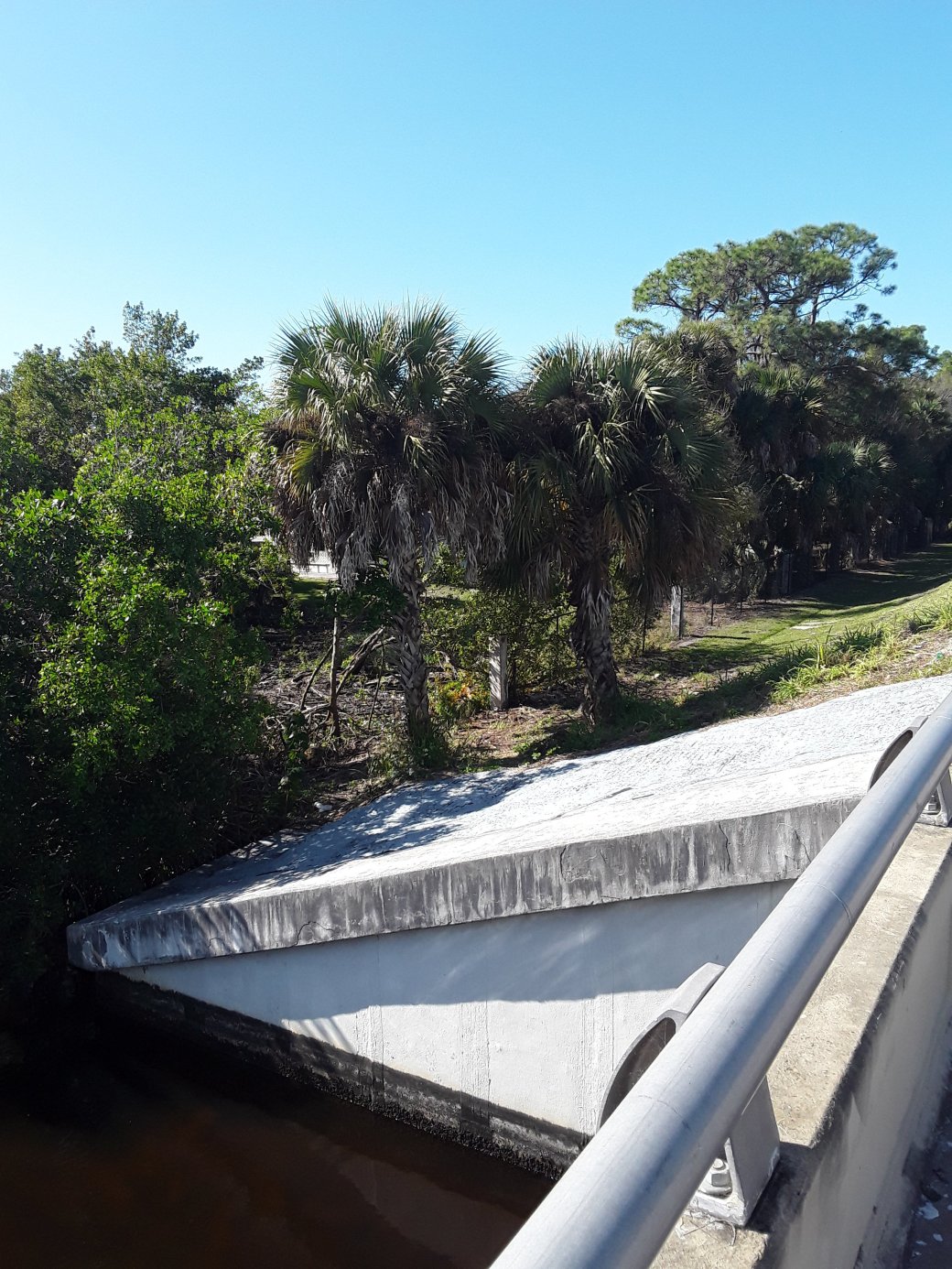
View from the Bridge
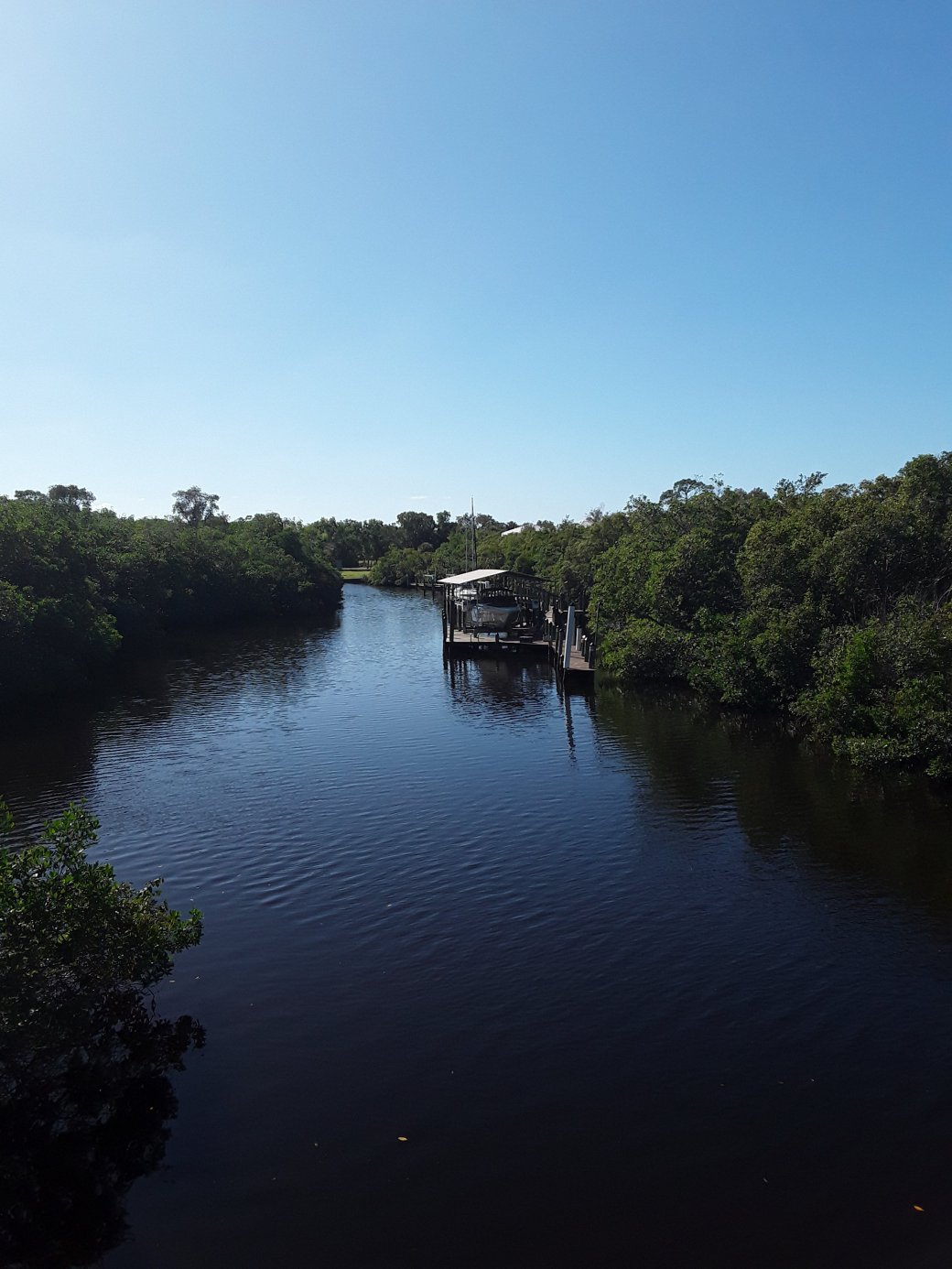
View from the Bridge
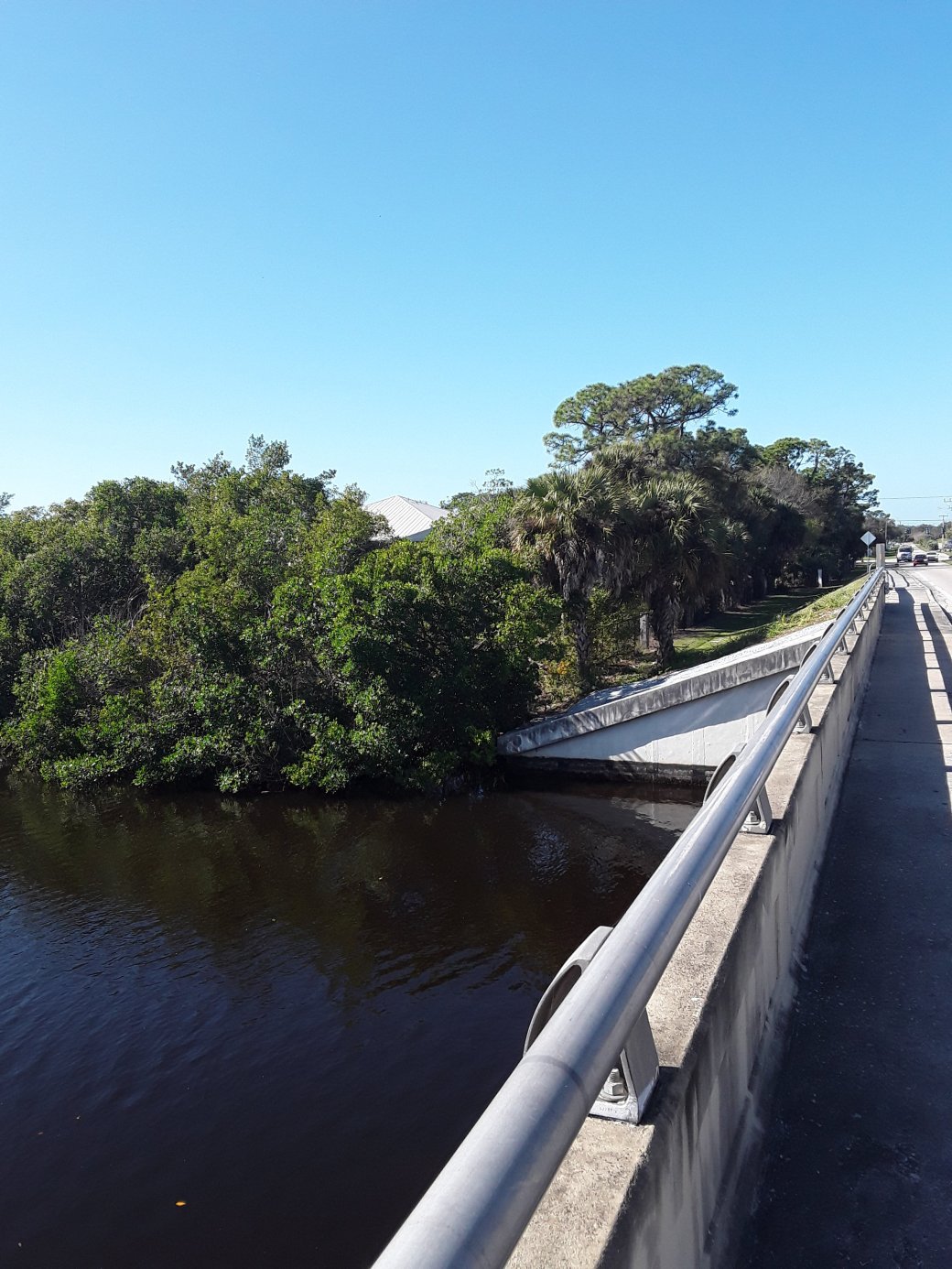
Same as above
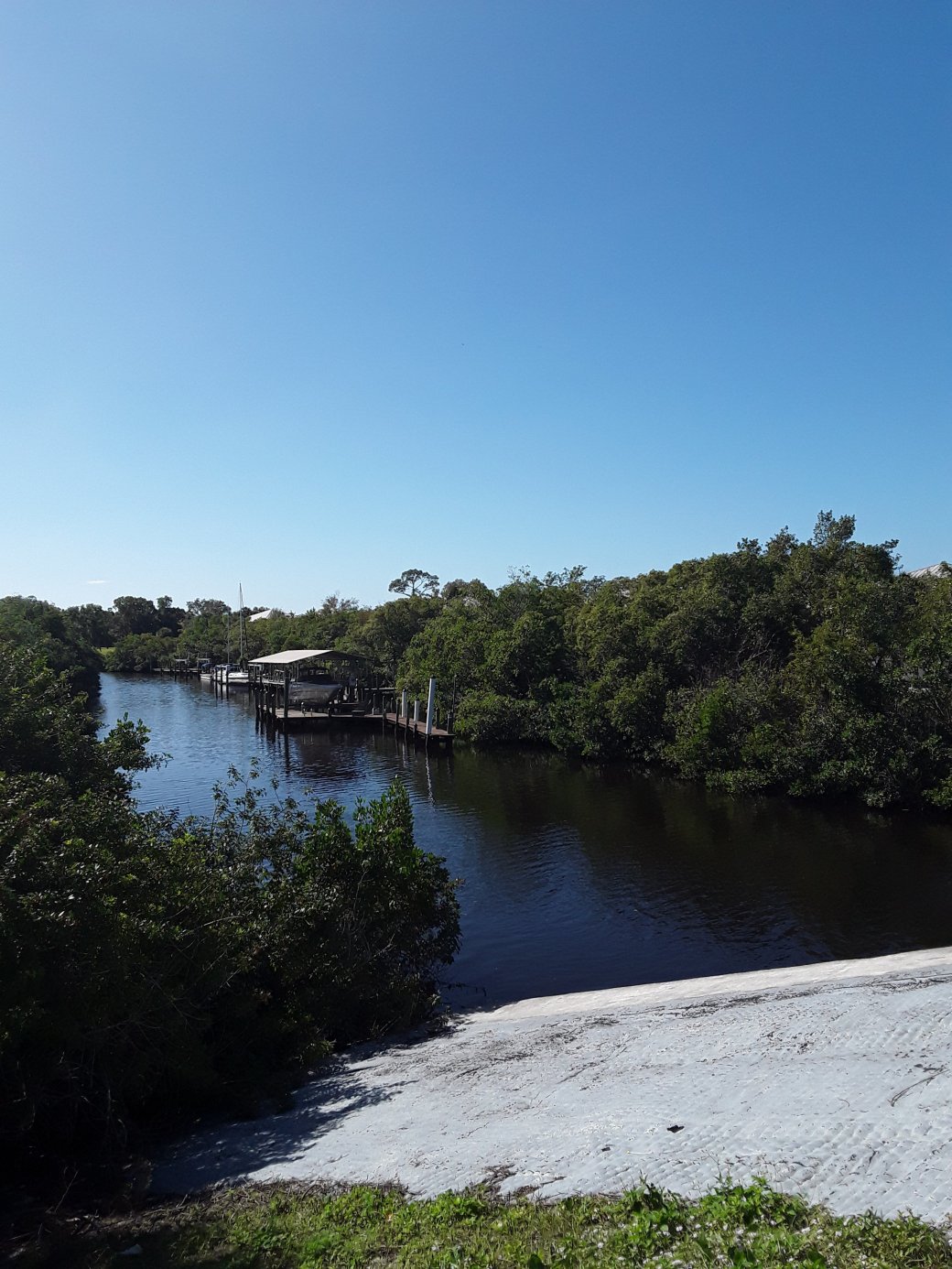
Same as above
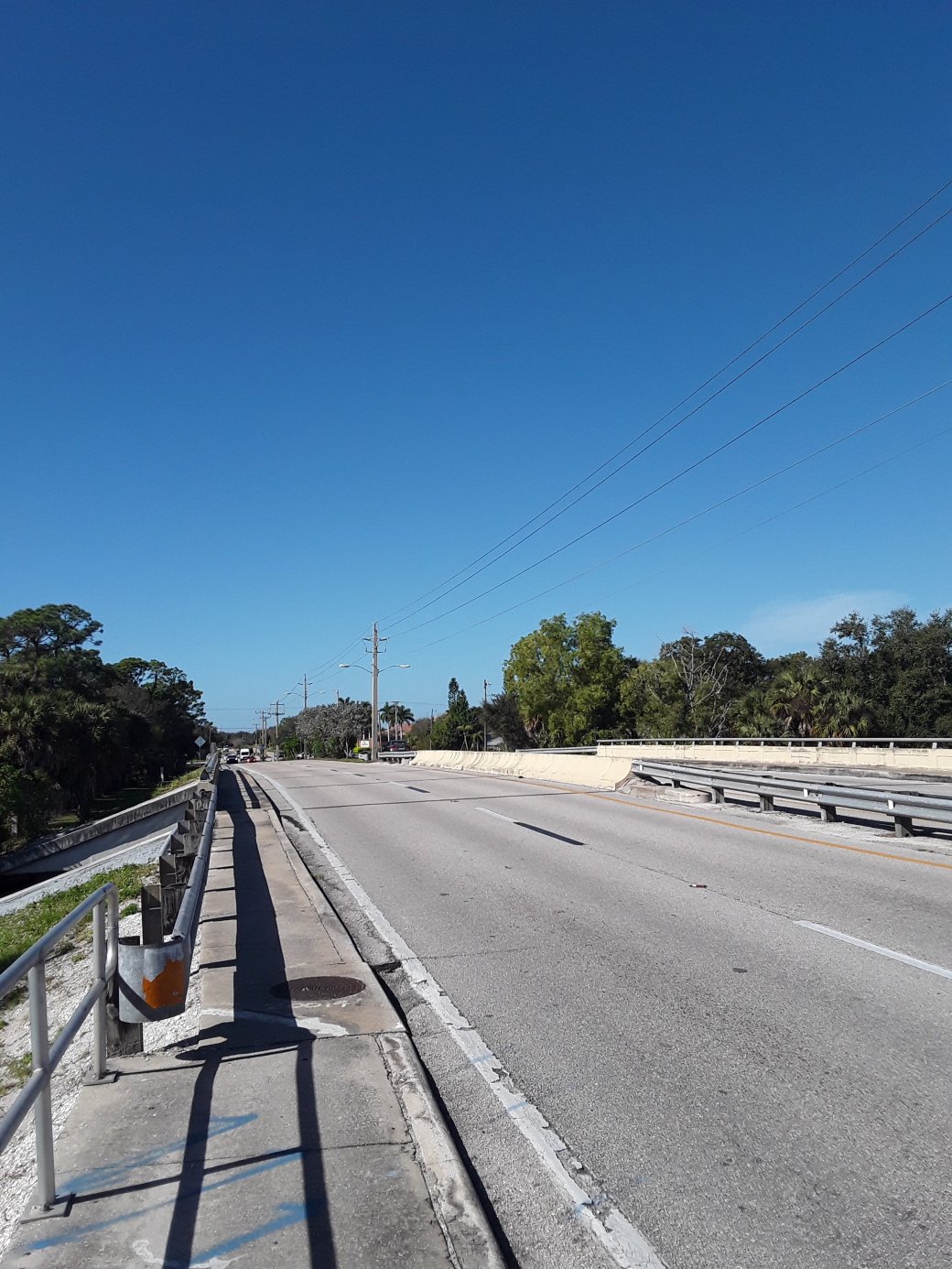
Hancock Creek Parkway Bridge
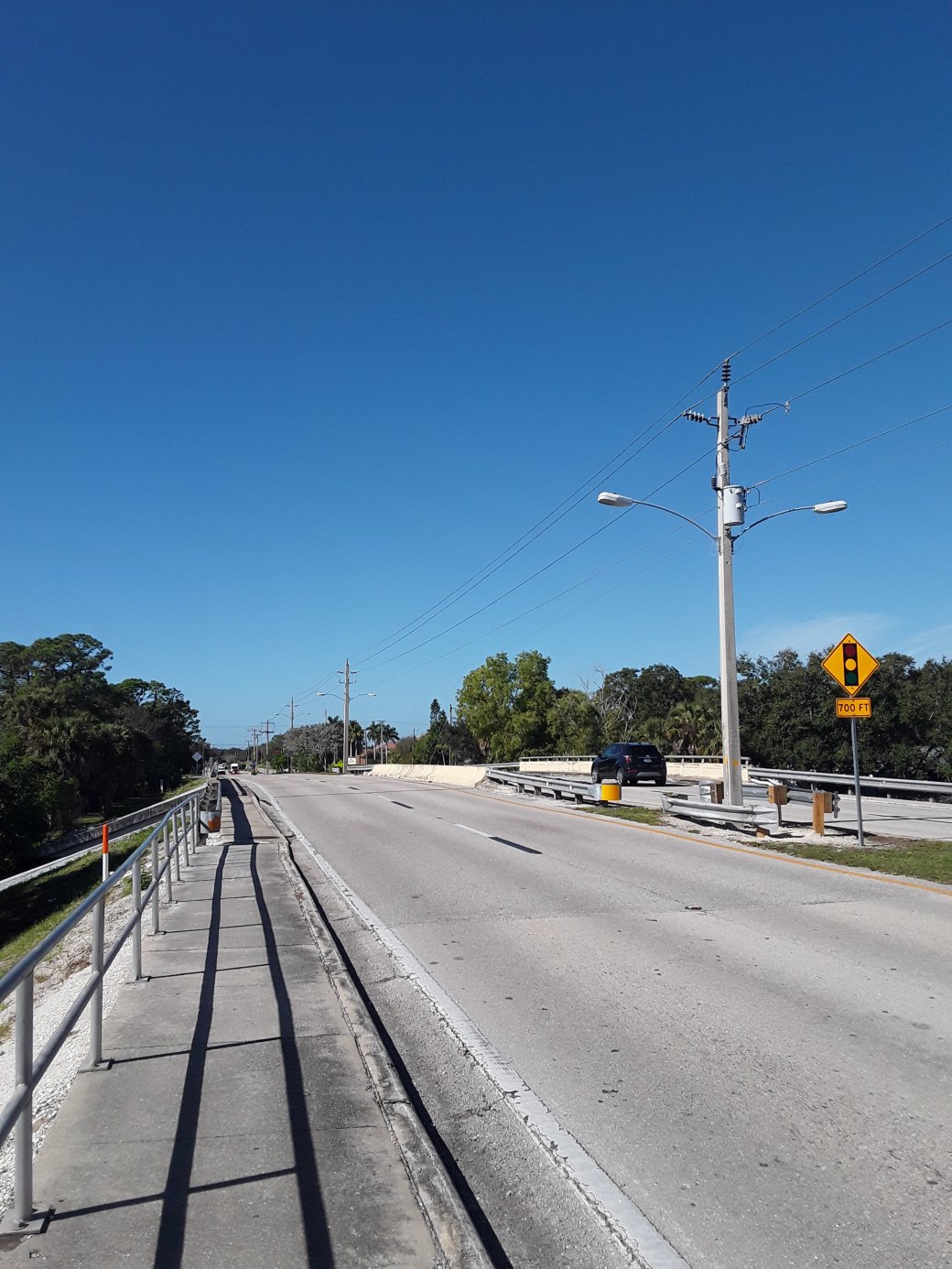
Same as above
Same as above
Same as above
Same as above
Caloosahatchee River
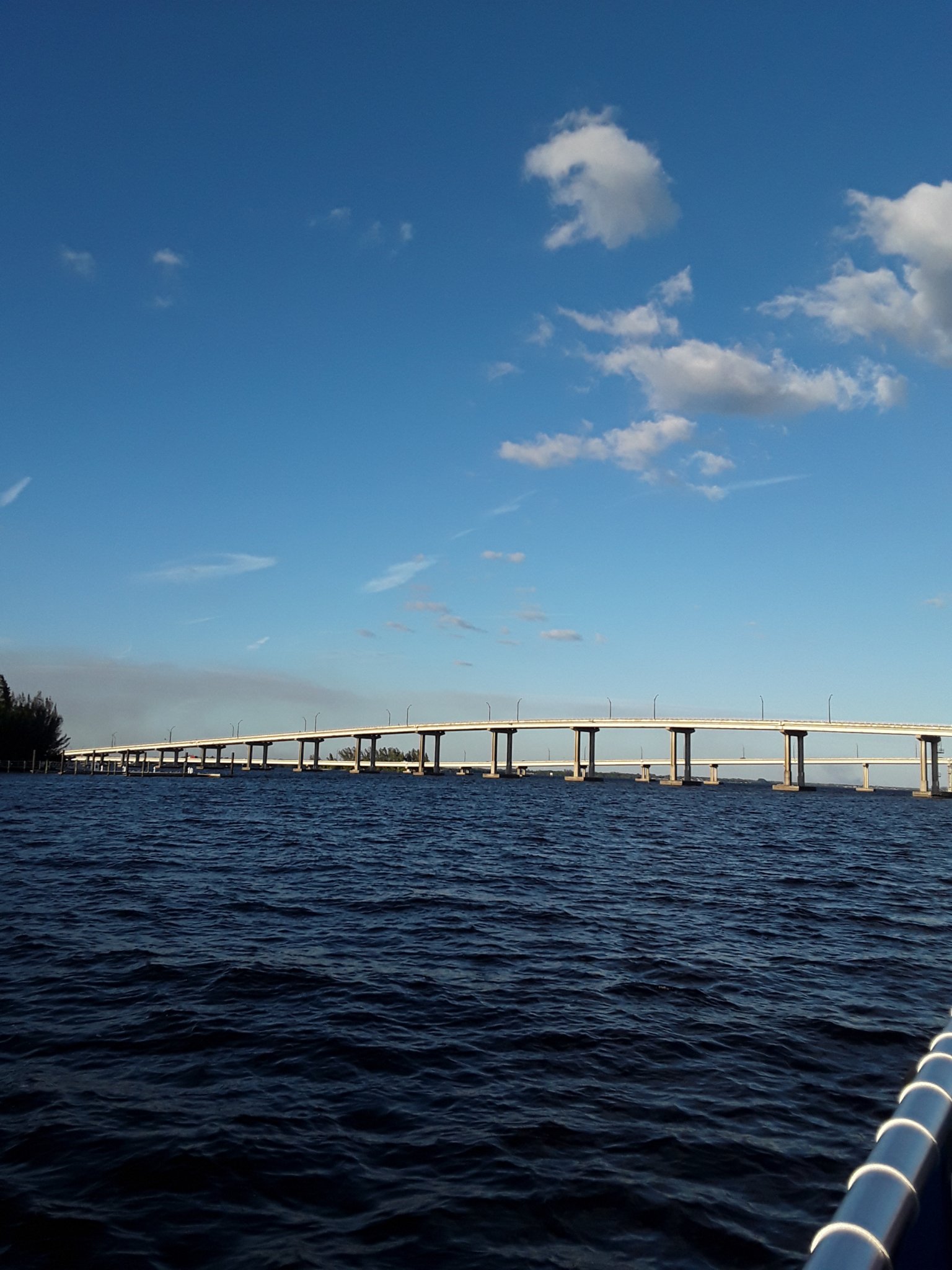
Bridge Caloosahatchee River
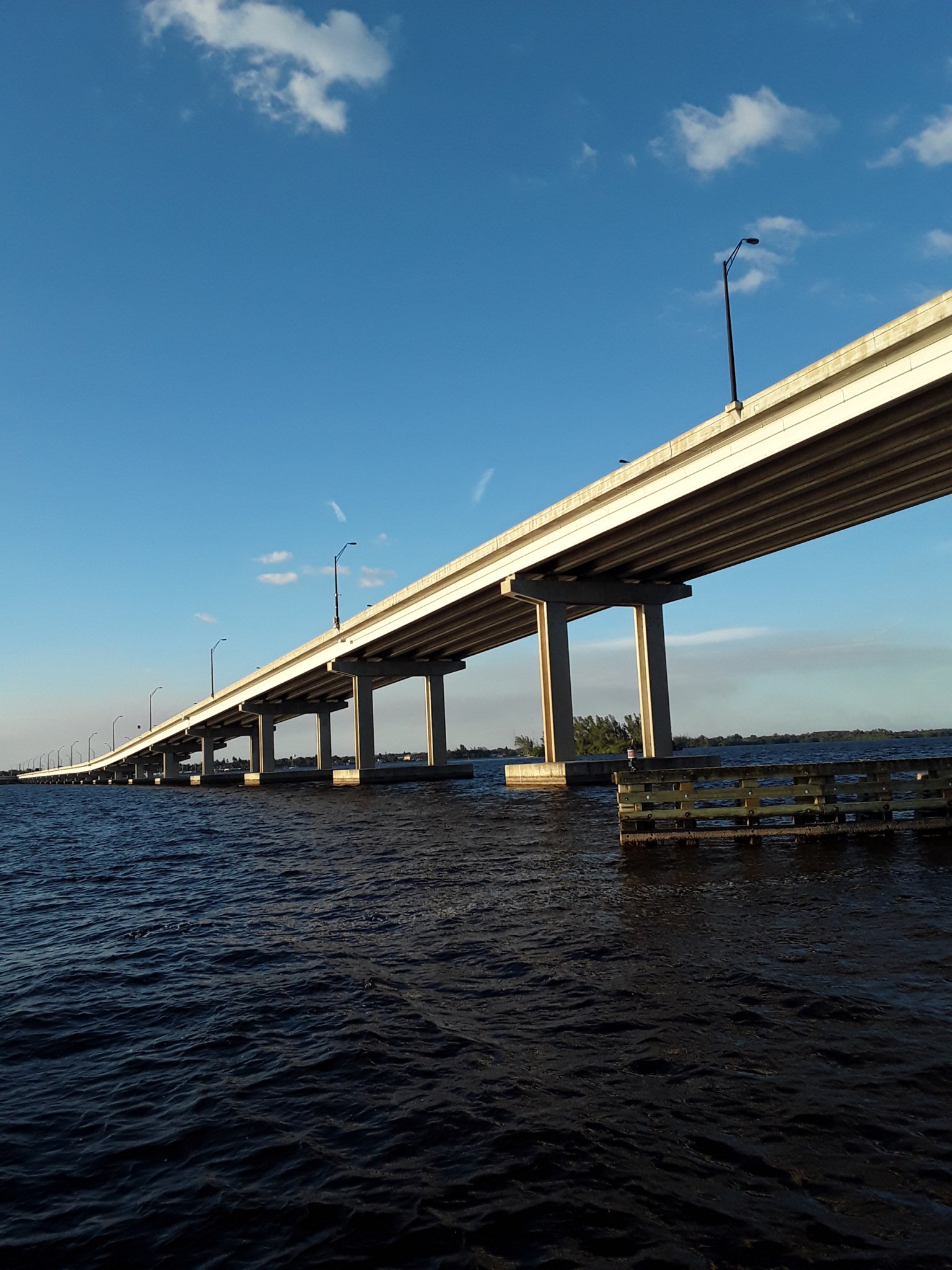
Same as above

Caloosahatchee River Bridge

Same as above

Sunset Caloosahatchee River

Railroad Bridge

Railroad Bridge

Bridge
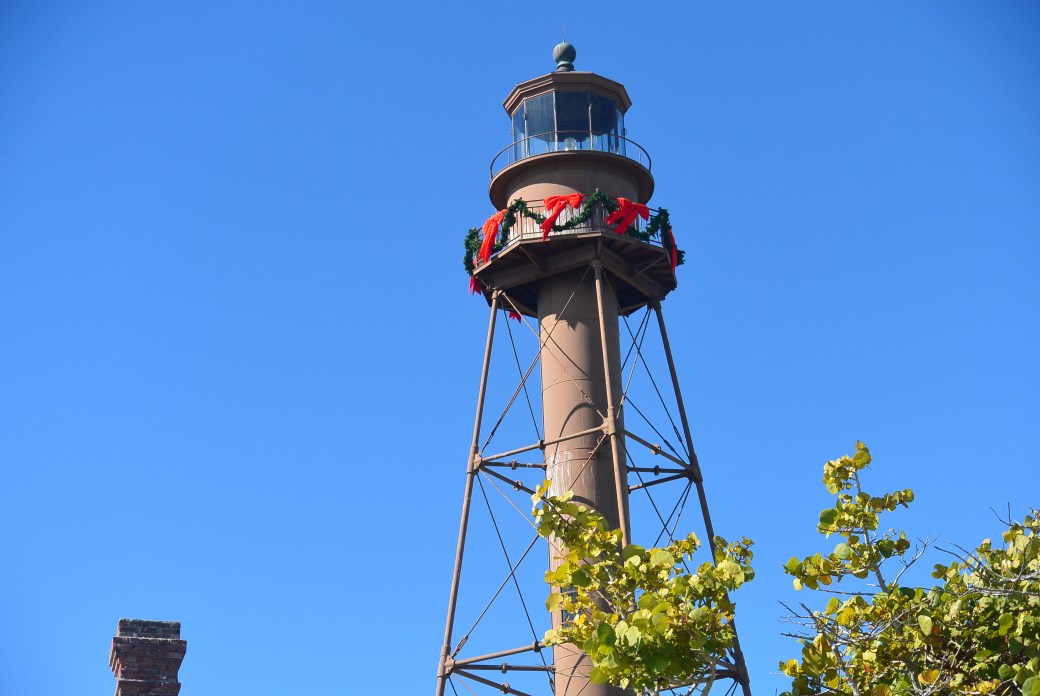
Sannibel Light House
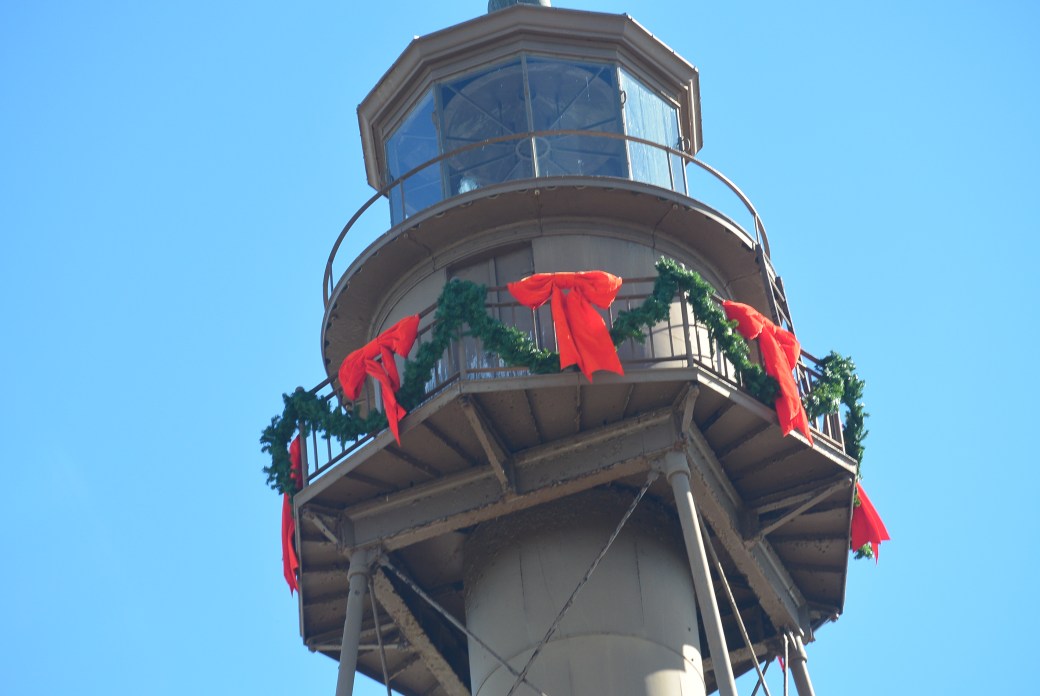
Sannibel Light house
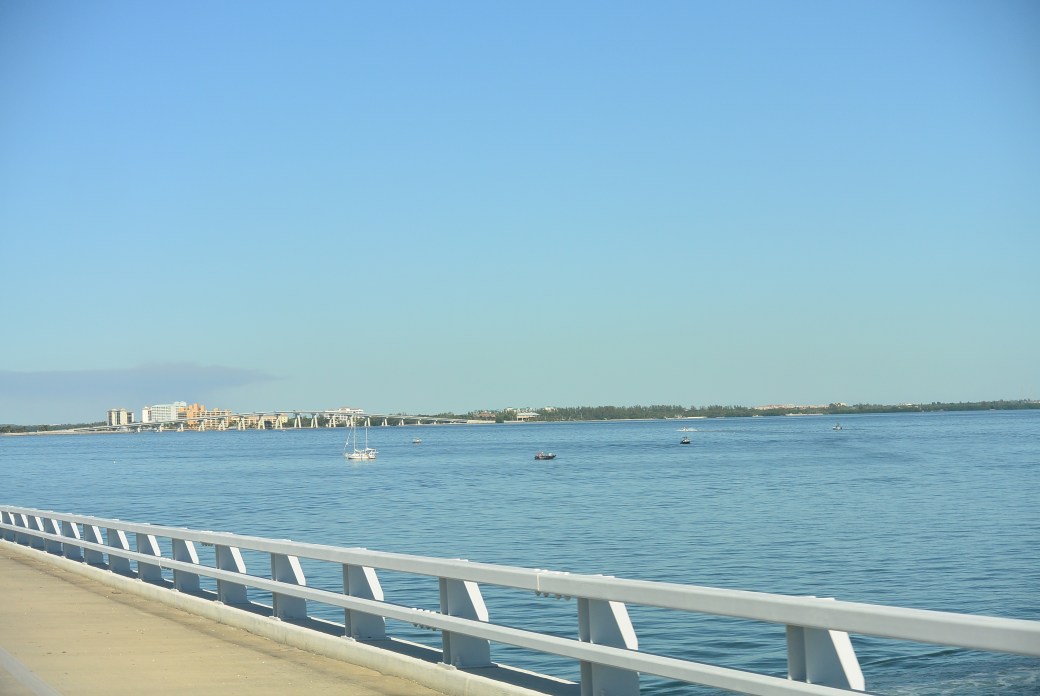
Sannibel Bridge
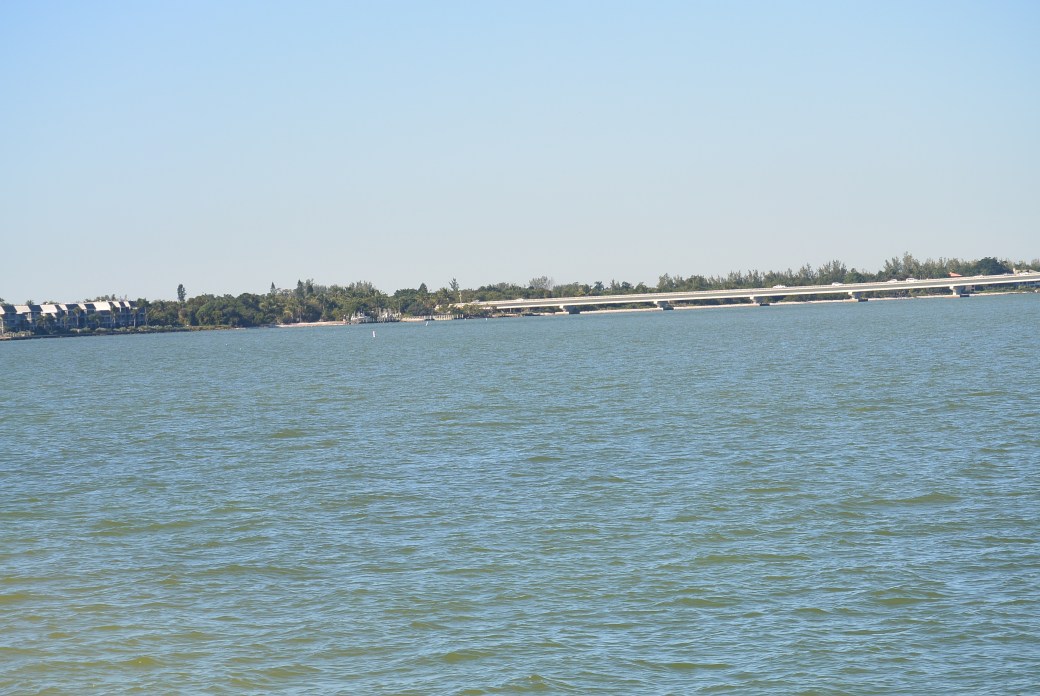
Sannibel Bridge
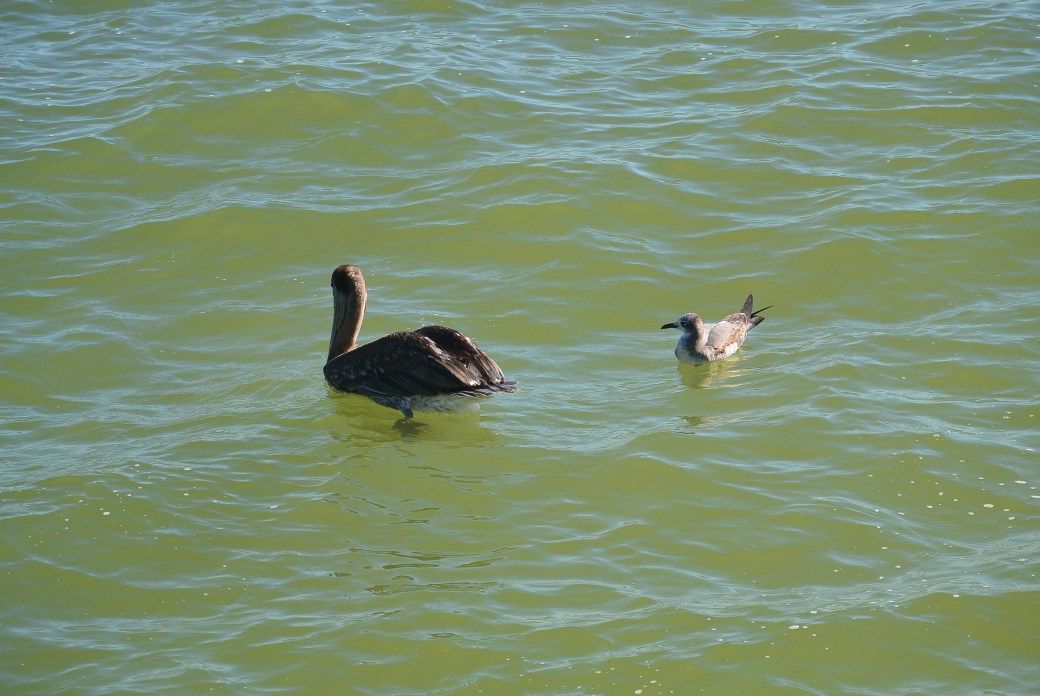
Pelican
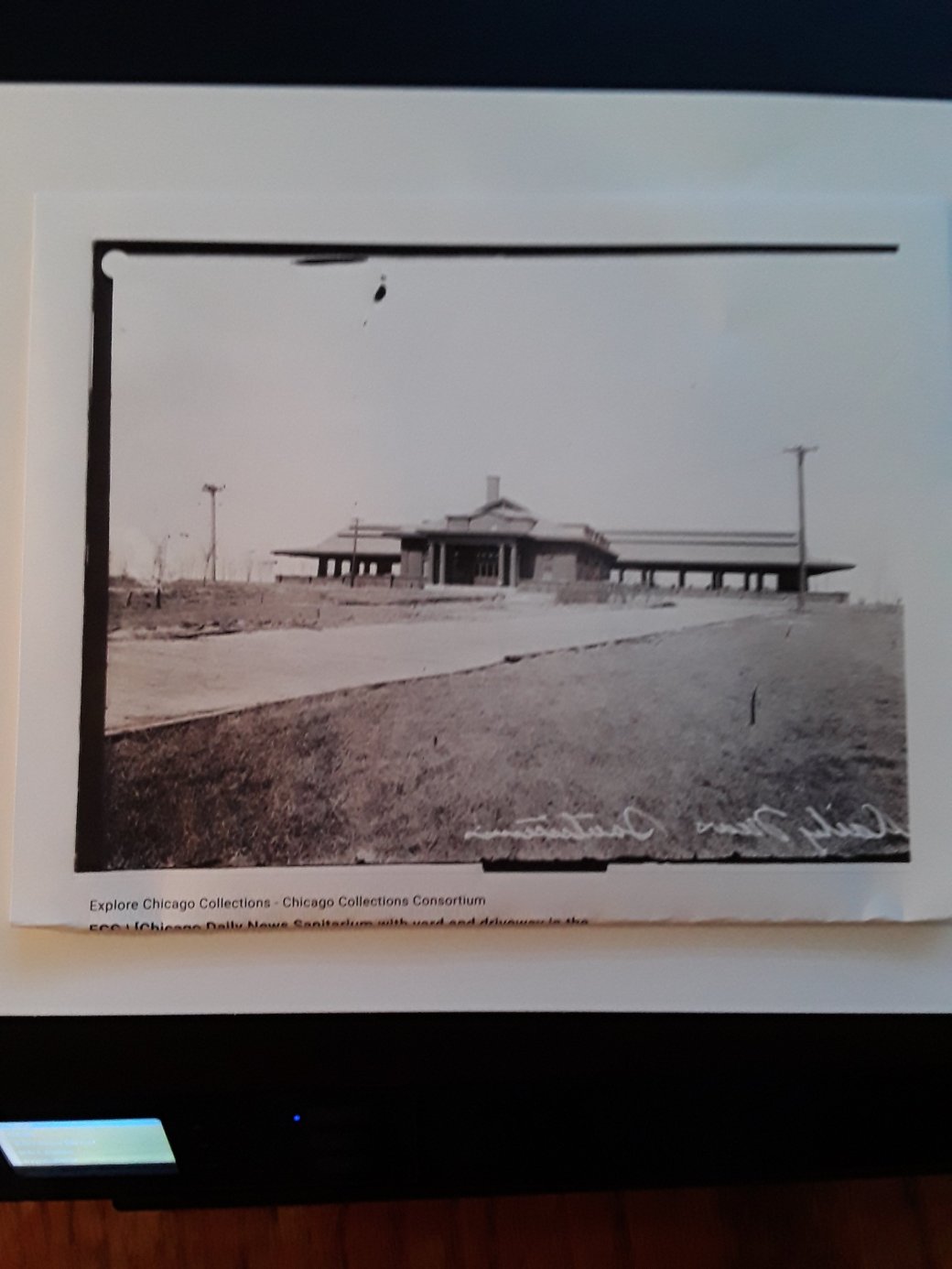
Chicago Daily News Fresh Air Sanitarium
This building was designed by Dwight Perkins in 1913. Perkins was a member of the firm Perkins, Fellows and Hamilton. He was a Prairie School architect. He designed Cafe Brauer, the Lincoln Park Lion House and the North Pond Cafe.
The building was constructed in 1920 on a landfill area. Construction was financed by the Chicago Daily News. It was constructed in brick with a steel arched pavilion.
This building was preceded by 2 successive open air floating hospitals.
The facility had 250 basket baby cribs, nurseries and rooms for older children. During its lifetime (1920–1939), the Sanitarium provided free health services, milk and lunches to 30,000 children each summer.
During a reconstruction project on Lake Shore Drive, the building front entrance was demolished. During War World 2,the structure became the official recreation center for the USO.
The Chicago Park District converted the building into the Theater on the Lake in 1957
Recently, a restaurant was added to the building.
 raddoc1947