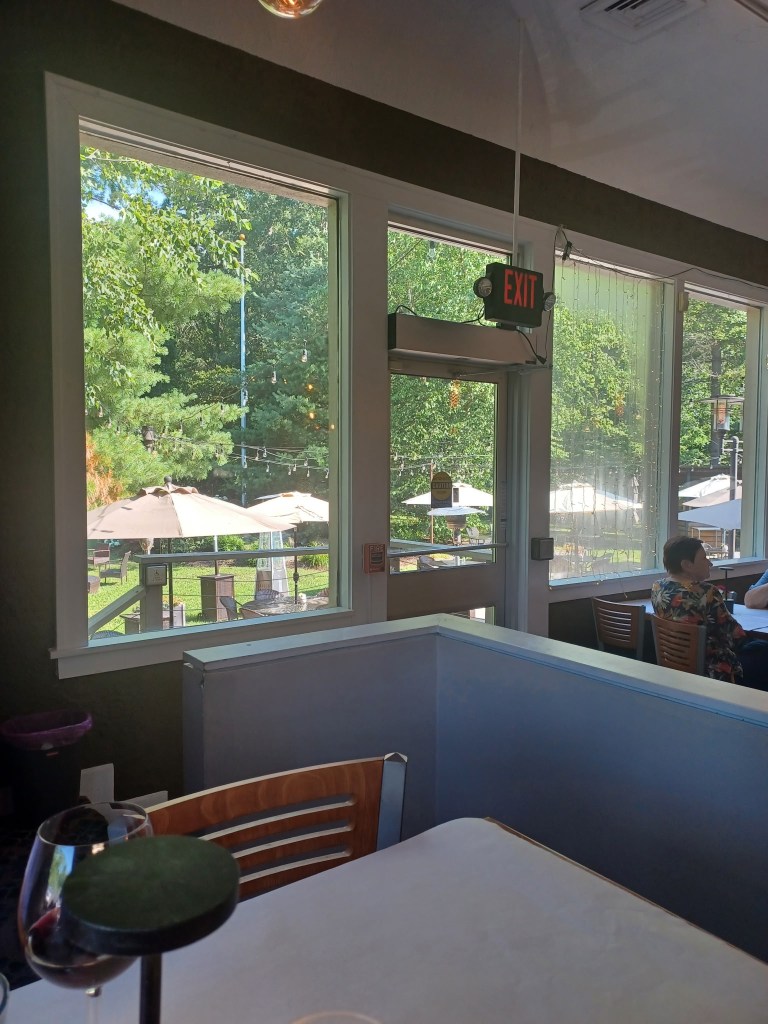
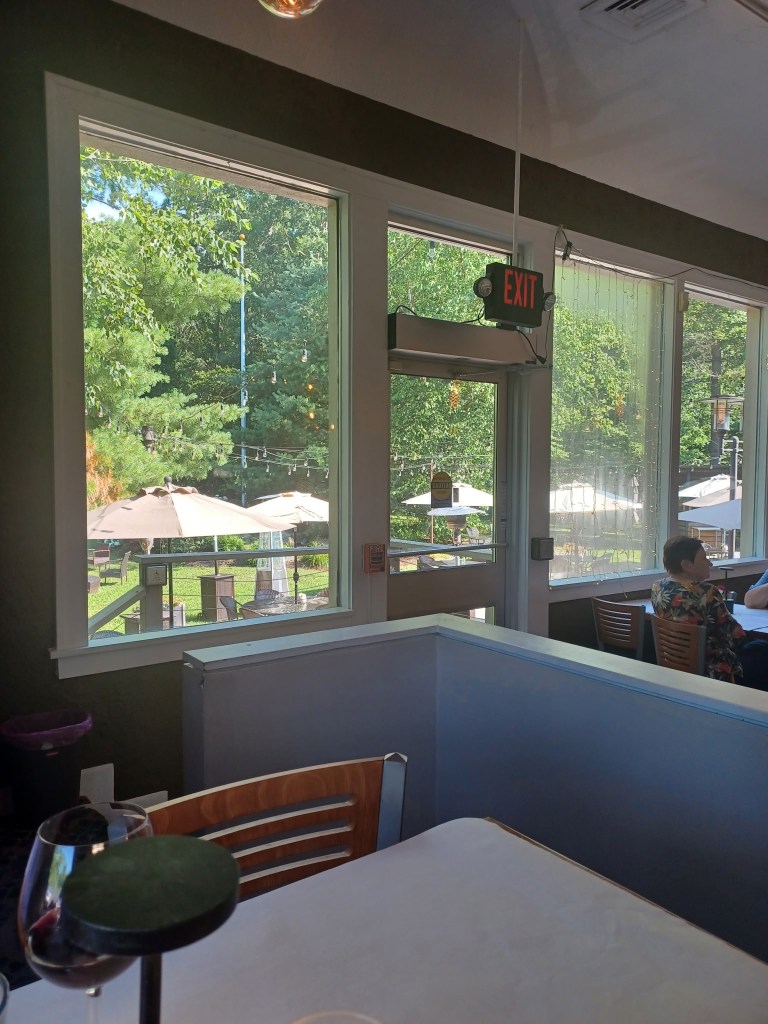
The site of Casey’s New Buffalo at 136 N. Whittaker traces its roots back to 1835 with construction of the Goodrich Hotel, New Buffalo’s first Inn. Over the decades, the downtown Berrien County corner evolved from a mid 19th century railway and steamship.travel hub into a local ice storage, ice cream parlor and eventually the mid 1950’s tavern known as Casey’s.
Early Settlement and Travel Hub
In 1834, Shipwreck: Captain Wessel D. Whittaker ran his schooner aground a nearby discovered harbor and claiming the land naming settlement after Buffalo, N.Y.
1835 Goodtich Hotel
The area where Casey’s, New Buffalo now stands was originally the location of the town’s very first Hotel which featured a traditional tavern and a dining room.
Evolution of thre property: Ice House. Part of the current property incorporates a historic vine covered ice house revealing an 1841 cornerstone during remodeling. It was used to store large ice blocks cut from the Galien River.
Redamak’ began in 1946 under George and Gladys Recalls and became a Michigan landmark after the Maroney family purchased it in 1975 expanding it into the beloved seasonal burger institution it is today.
Origins : The Redamaks Era (1947 to 1975)
Redamak began as a one room tavern founded by George and Gladys Redamak in.1946. The couple built a reputation for a warm personal service —often greating customers by name and for a bustling , first come first serve atmosphere that the regulars embraced.
Redamaks New Buffalo, MI
The early building was small, crowded and equipped with aging tools but the Redamaks focus on family atmosphere, value service, and quality made the.restaurant a destination long before I 94 existed.
Travelers along the Red Arrow Highway routinely stopped for a burger, beer and the now famous screen door entrance
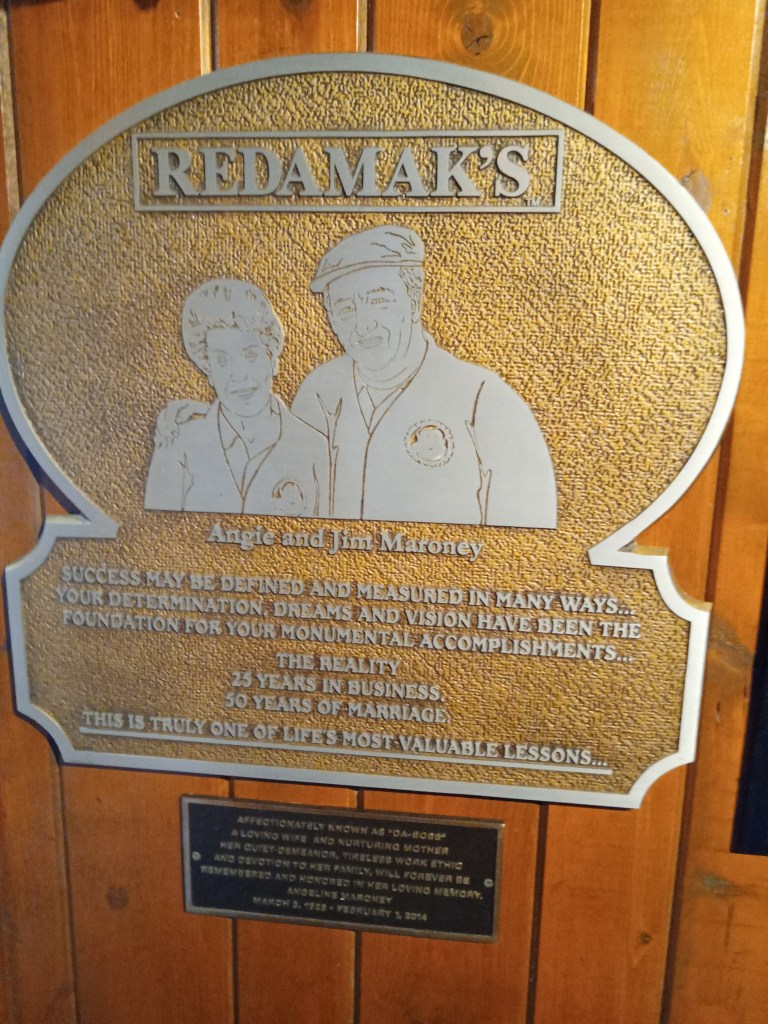
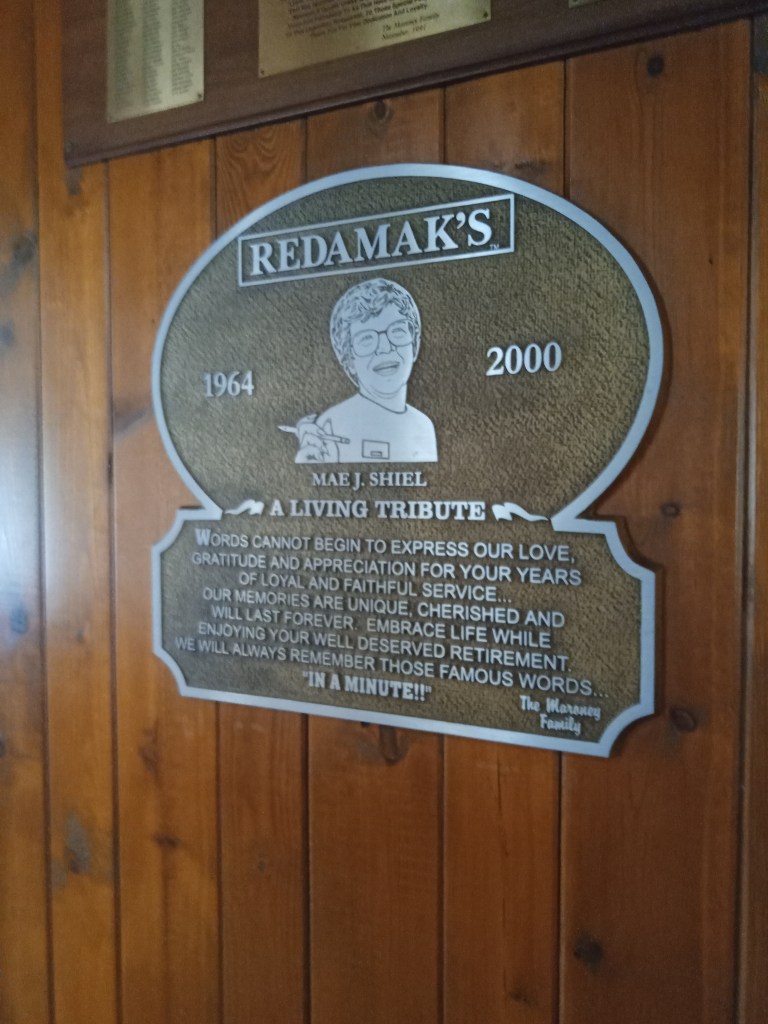
Plaque at restaurant
George passed.away in the early 1970’s and Gladys continued running the restaurant until she decided to sell carefully choosing buyers who would preserve its character.
Maroney family takes over 1975–present
On July 15,1975 Jim and Angie Maroney purchased Redamakars from.Gladys. Their sons James and Charles soon.joined the operation beginning a new era of growth and modernization.
The Moroneys maintained the restaurant core values–quality, atmosphere, service and traditions while gradually expanding the building and improving operations.
Redamaks Signage
Major expansions and renovations
1978–9 Kitchen expansion. First significant renovation involved tripling the kitchen in size with new state of art equipment for 1978 standards. This work took approximately four months and faced delays due to weather and equipment deliveries
1984 Back dining room addition. To accommodate more guests , a back dining room was added under consultant Gordon Kissman. Initial furniture delays were mitigated by using wood peek picnic tables temporarily
1989–1990 Remodel Phase 3 included functional upgrades such as improved seating, kitchen flow, server stations,light and floor coverings. Despite minor weather related delays, the remodeling delays, the remodeled space opened on March 1, 1990, receiving strong positive reviews.
1995-6 installation of air conditioning and paving of the parking lot
1998 Enclosure of outdoor beer garden to create a screened in porch.
2002-3 conversion of the porch into a 3 season room with windows and heating
2004 Parking and Four Seasons Room update. The parking lot was striped, additional parking was added, and the Four Season room was redecorated to improve ambience and accommodate larger parties.
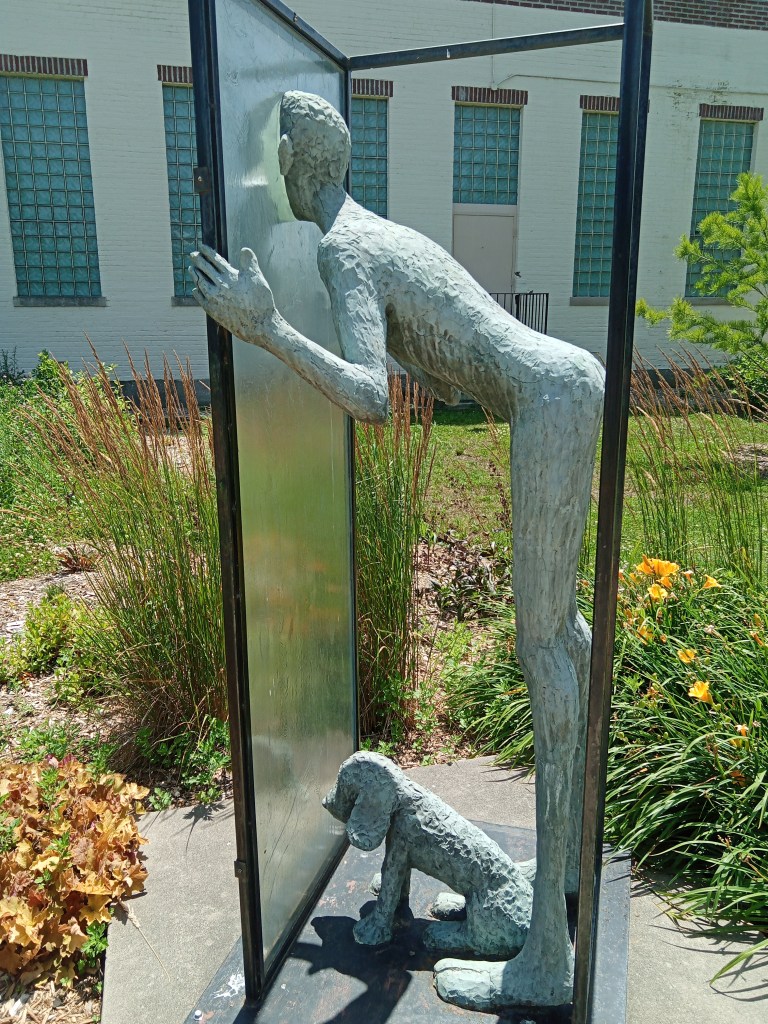
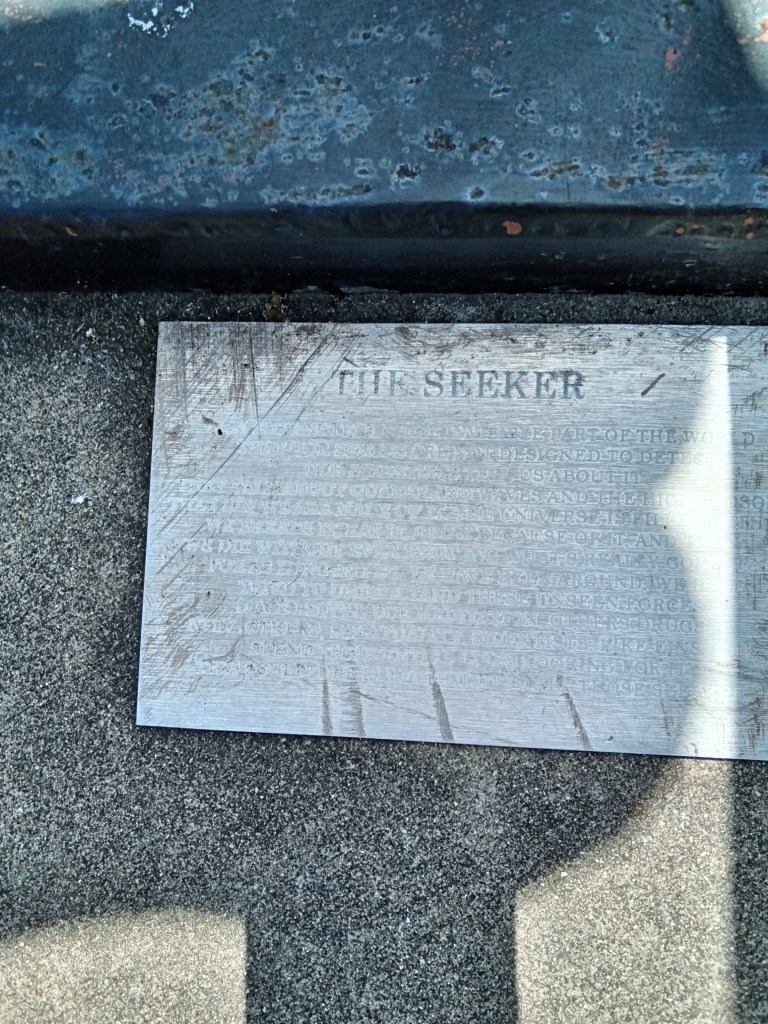
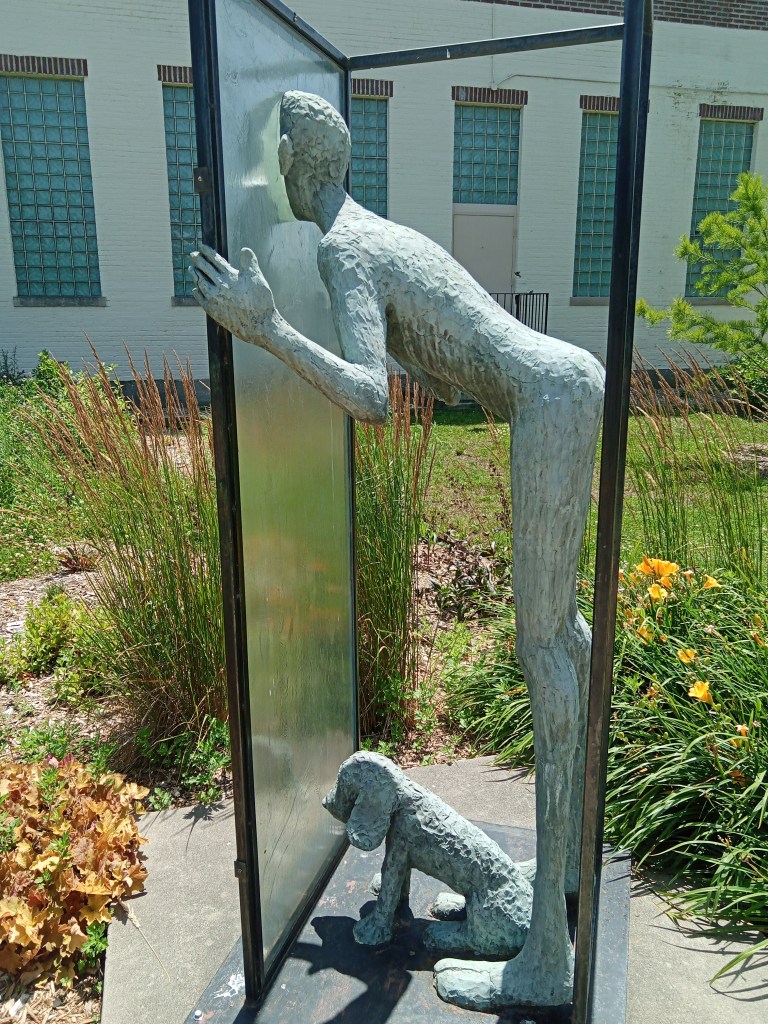
The sculpture the Seeker 3 Oaks, MI
The Seeker sculpture is a refurbished stainless steel public art piece by Foster Willie
Location
The sculpture is situated in Jean Clark Park in the village of 3 Oaks, Berrien County, MI. It’s placement is designed to highlight the summer solstice, making it both seasonal and cultural landmark for the community.
Artist and Design
The artist was Foster Willie. It is a medium large, interactive stainless steel sculpture.
Concept
The design is intended to engage visitors and connect with the natural light and seasonal changes particularly around the summer solstice.
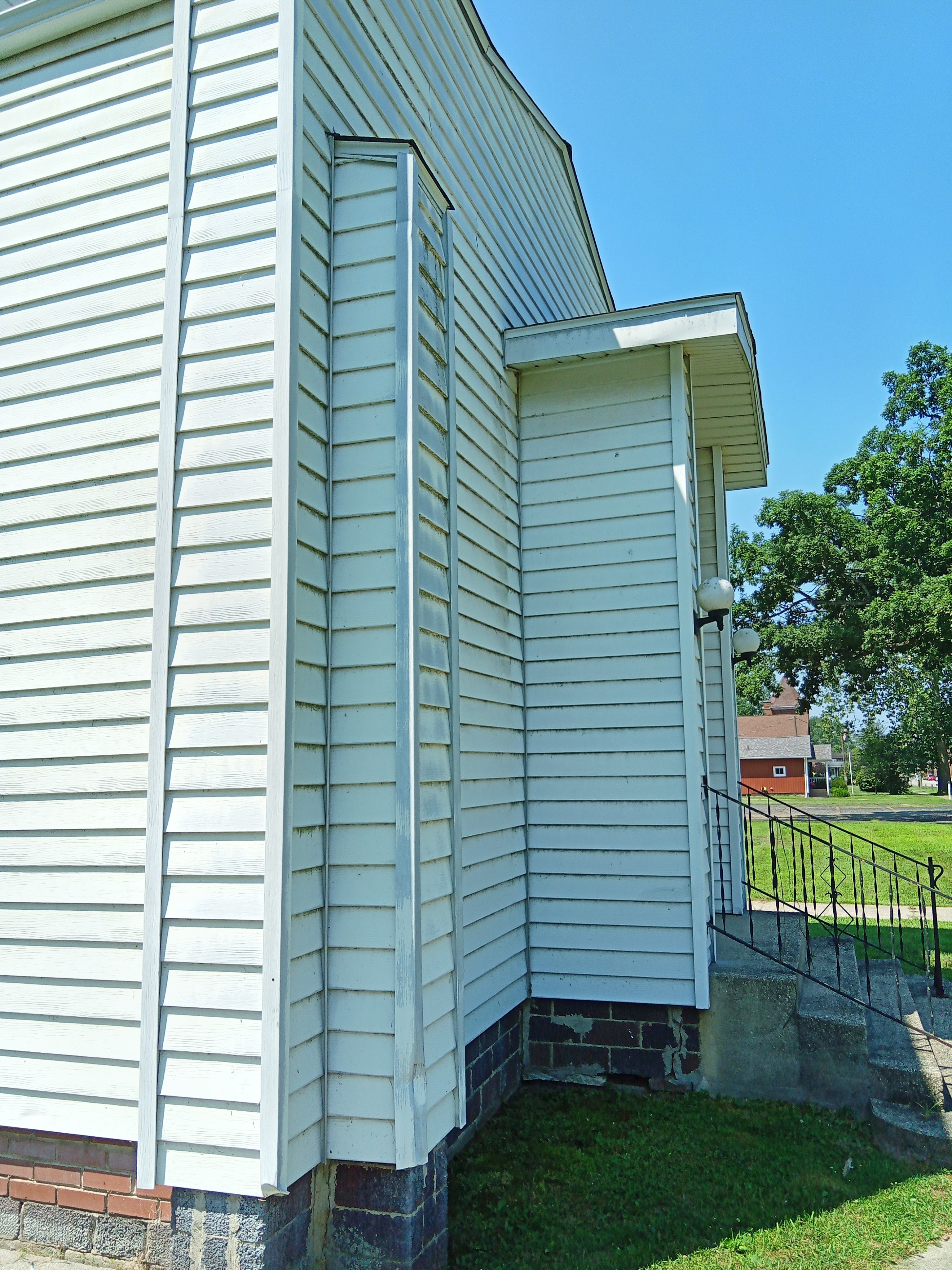
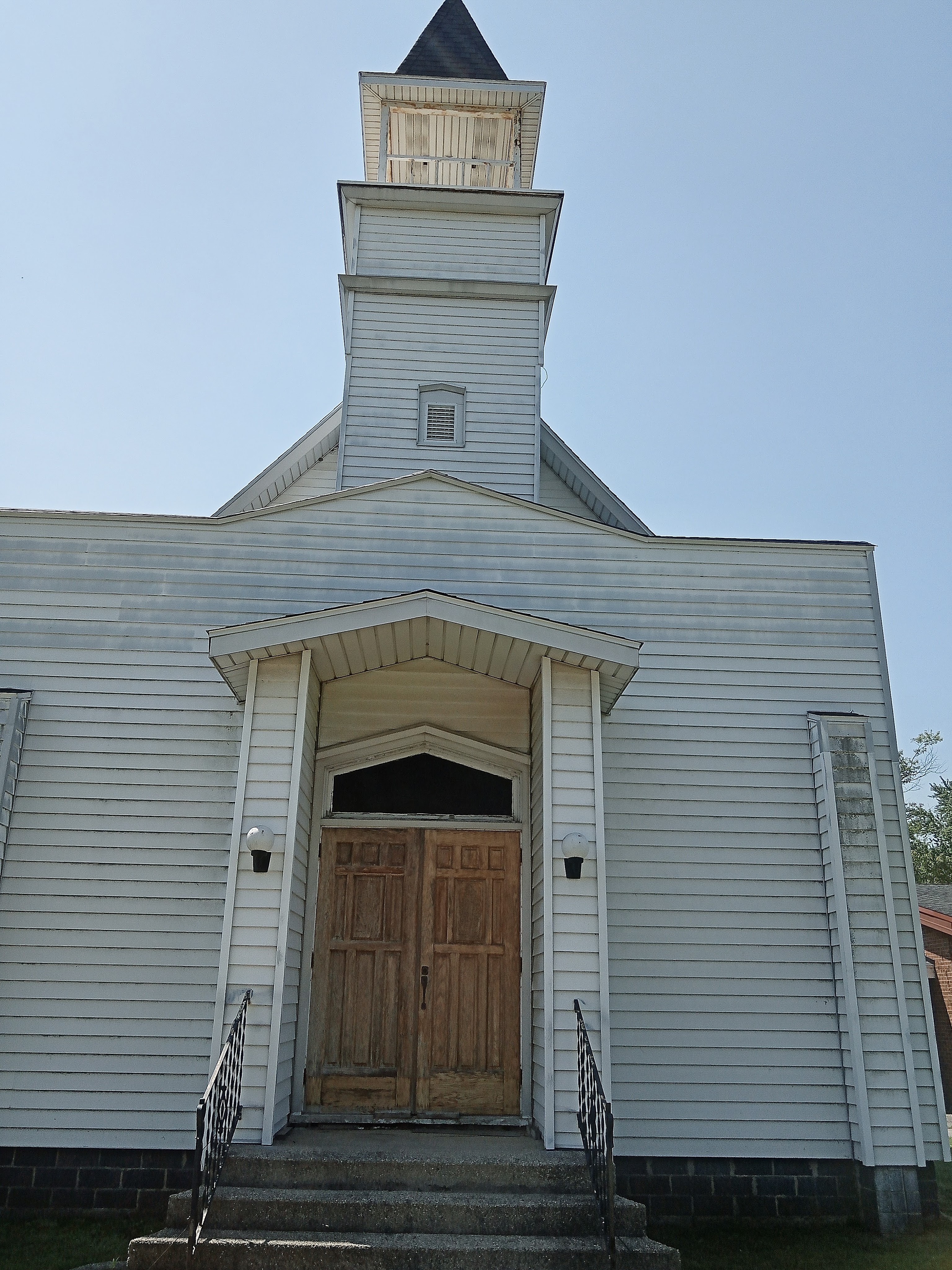
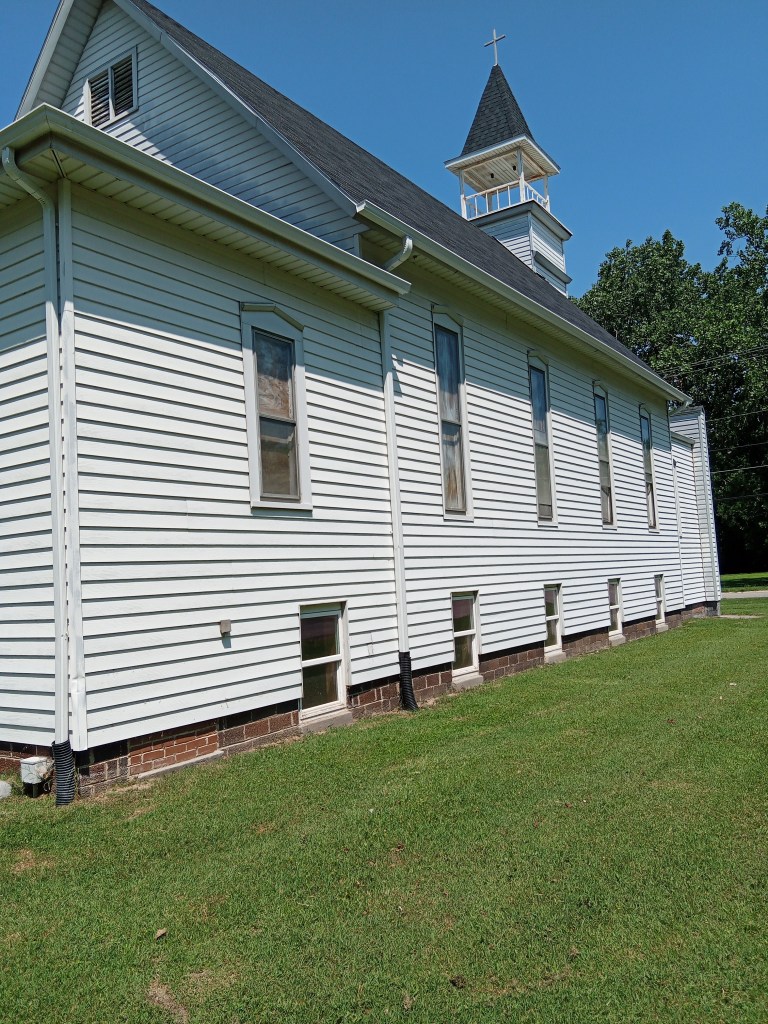
This church building at 5712 Sawyer Street, Sawyer ,MI is an old piece of the town history. It was built in 1888. It was previously used by the Christian United Church of Christ. It has a traditional church layout that evolved over the years.
1888 Sanctuary
It was originally a simple one room white frame building. Construction costs were $950.;
1927 Structural Relocation
The building was moved 20 feet from the road and raised on newly constructed full foundation basement.
1974 Education wing
The congregation officially expanded the original 1888 church property by building the educational wing on the west side of the main structure.
Structural Additions
The project added two dedicated class rooms for Sunday School and adult faith formation. It also delivered a new kitchen and a large all purpose fellowship room to support community meals and local events
Site enhancements
To accommodate the foot print of the new wing and increase in traffic,the church simultaneously leveled and improved and paved its main parking lot.
The current status of the building is uncertain. There is no signage at the site. A real estate web site describes it a for sale. Another site lists it as sold.
And You Seas is a soaring public sculpture located at the mouth of the Saint Joseph River where it meets Lake Michigan in Saint Joseph, Michigan.Quick facts about the sculpture The artist: Created in 2002 by the world renowned abstract American sculptor Richard Hunt Dimensions: roughly 50 to 55 feet tall and is crafted from 8 tons of welded stainless steel. Location: Situated at the north end of Silver Beach County Park right along the South Pier Purpose: Commissioned through the KrasilArt center as a memorial to Patrick J. Kinney, an avid sailor and former board president of the art center.Symbolic Design ElementsRichard Hunt incorporated specific nautical themes into the abstract metal work to honor Kinney’s maritime passion: The Base: features stylized sweeping curves that mimic cresting waves and rippling water. The column: The tower mimics the vertical form of the nearby historic St. Joseph Lighthouses The peak: abstracted shapes at the very top evoke soaring seagulls and and fish. The inscription: Hidden on the side is the text “D63”, which was Patrick Kinney actual sail number The name: The title originates from a 1951 poem by Saints John Perse, A French Surrealist poet and Nobel Prize winner, expressing a deep love of the sea.
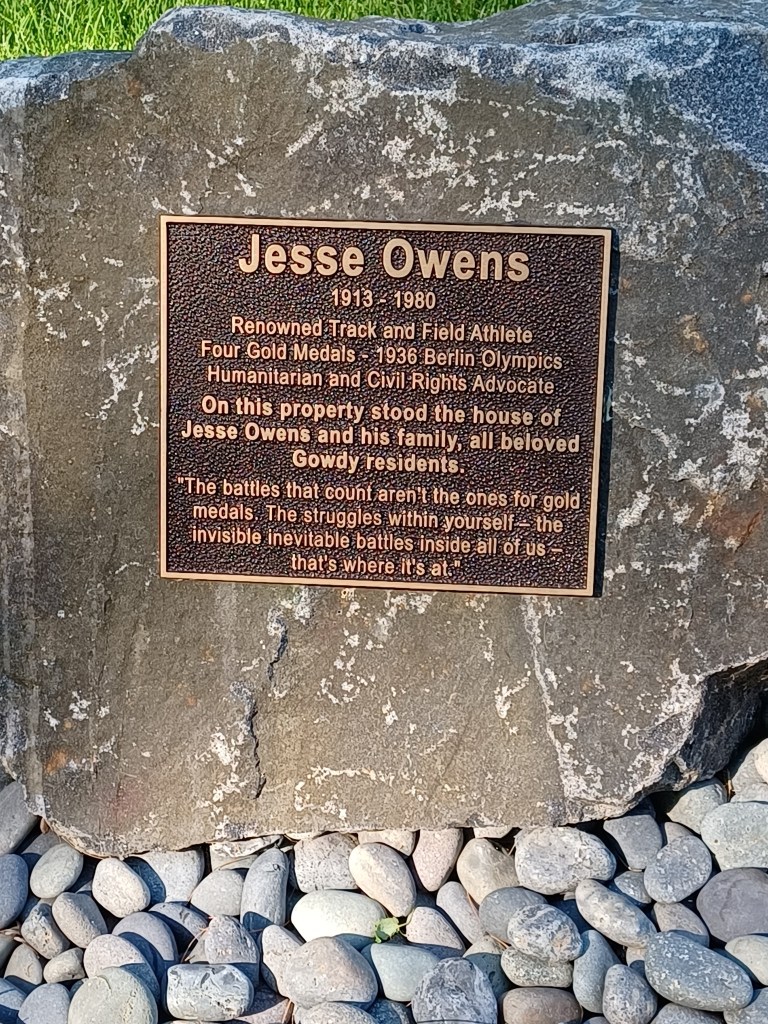
Jesse Owens 1913–1980
Renowned track and field athlete
4 Gold Medals 1936 Berlin Olympics
Humanitarian and Civil Rights Advocate
On this property stood the house of Jesse Owens and Family, all beloved Gowdy residents
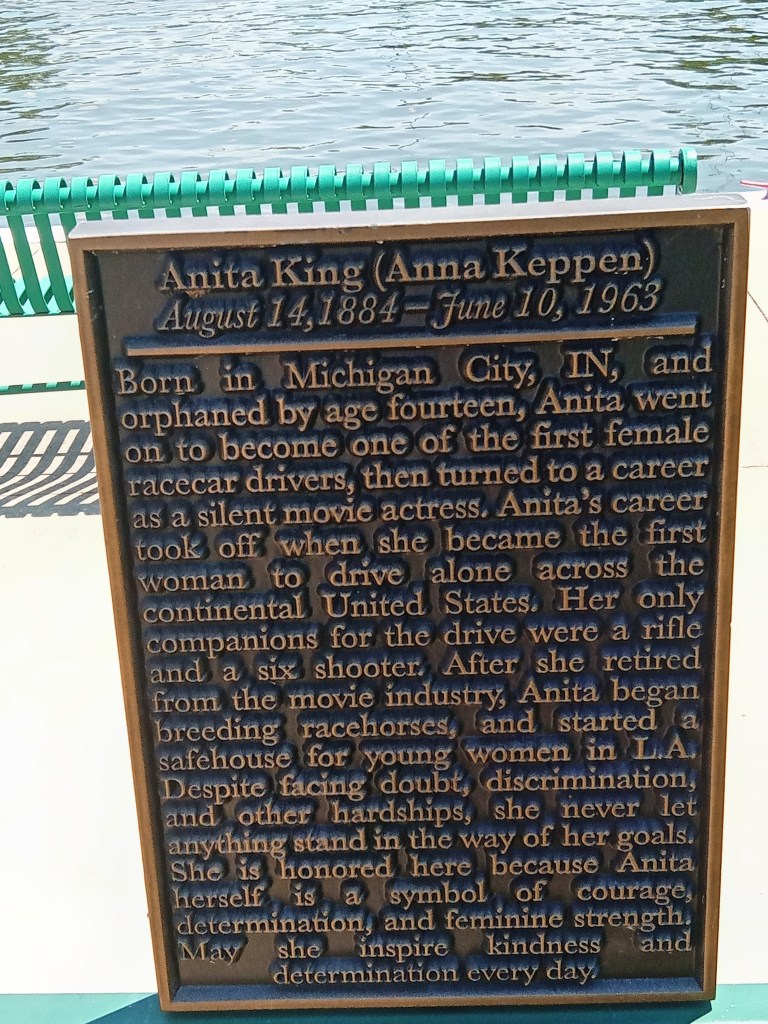
This is historical plaque for Anita King (Anna Keppen). She was born in Michigan City, Indiana. She was orphaned by age 14. Anita went on to become one of the first female race car drivers. She then turnedto to a career as a silent movie actress. Smith’s career took off when she became the first women to drive alone across the continental United States. Her only companions for the drive were a rifle and a six shooter.After she retired from the movie industry,Anita began breeding race horses and started a safehouse for young women in LA.. Despite facing doubt, discrimination and other hardships, she never let anything stand in the way of her goals. She is honered here because Anita herself is a symbol of courage, determination and feminine strength. May she inspire kindness and determination every day
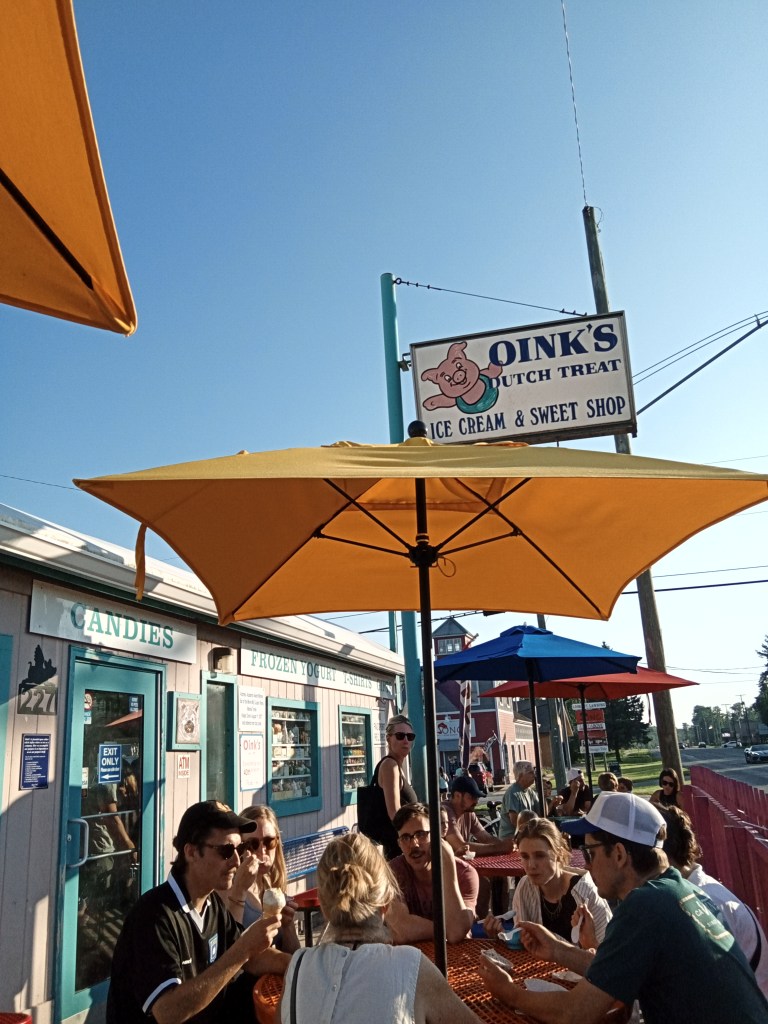
Oink’s Dutch Treat is a beloved, family owned ice cream parlor in New Buffalo, MI serving over 50 flavors of Ashby’s ice cream in a whimsical pig themed environment.
Oink’s was founded by Roger Vink, a long time P.E.teacher at New Buffalo High School who retired after 20–25 years in the early 1980’s. During summer breaks, Vink and his wife Sharon visited Baldwin, Michigan and were inspired by the lively atmosphere of the ice cream shops like Jones Ice Cream Shop. Observing the joy people experienced on warm summer nights fueled his dream of opening his own ice cream parlor.
In 1986-1987, he purchased a building that formerly was hamburger restaurant. In 1987,he converted this into his into his ice cream parlor called Oink’s Dutch Treat.
Oink’s Dutch Treat
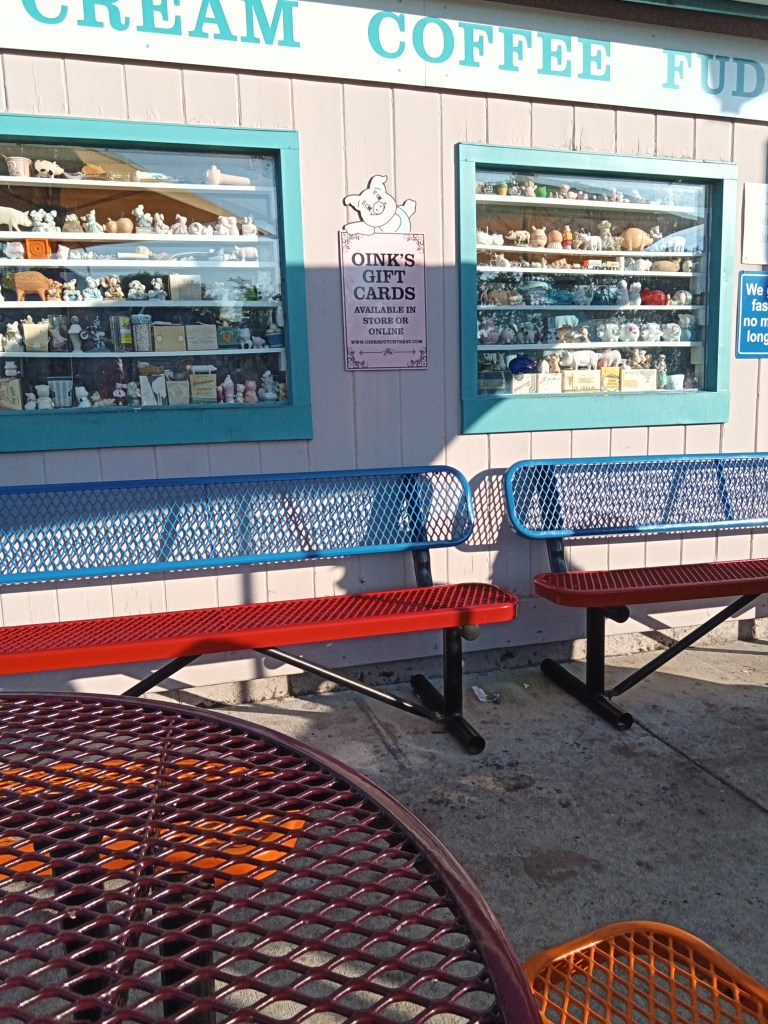
From its inception, Oink’s Dutch Treat became famous not only for its ice cream but also for its whimsical and elaborate decor. The shop is adorned from floor to ceiling with thousands of pig themed items and nostalgic ice cream memoribilia creating a visually engaging, immersive environment for the customers. Over the years, the shop has expanded its offerings to include over 50 flavors of Ashby Ice Cream, low fat and sugar free options and selection of candies, chocolates and souvenirs at the adjacent Oink’s Chocolate Pig Store.
Roger ran Oink’s Dutch Treat for 33 seasons, earning strong community recognition. In 2020, after over 35 years of ownership, he decided to retire. He successfully sold the shop, which included both the business and its collectibles to Michael Schimanski with the transaction facilitated by Small Business Deal Advisors.
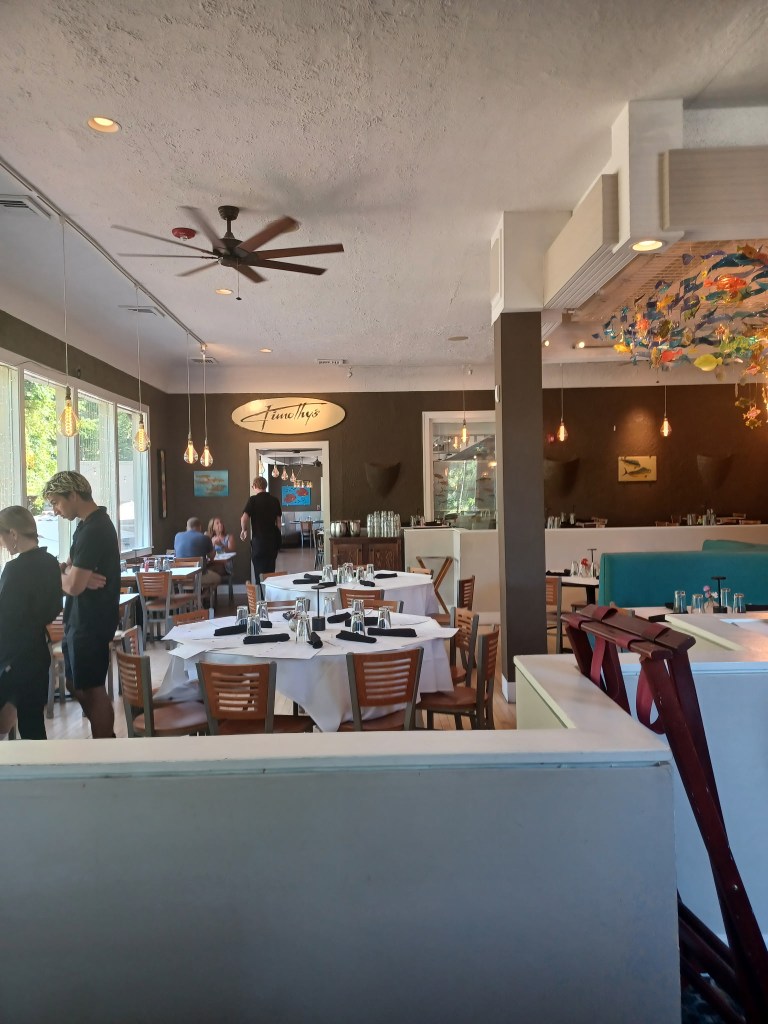
Timothy’s Restaurant is an upscale New American destination just a few minutes outside New Buffalo, MI
It has a rich, resilient 25 year history in the Harbor Country region, heavily intertwined with both its founder’s culinary journey and the deep history o f its physical locations
Timothy’s Restaurantom
Chef Timothy Sizer’s Early Career
After graduating from Johnson & Wales University in Rhode Island, Chef Tim Sizer built a reputation as the Executive Chef at the Ragtime Inn and Seafood Grille in Atlantic Beach, Florida. Pulling from his family roots in Southwest, Michigan, he returned to the area in the early 2000’s to launch his own venture.
The Gordon Beach Inn Era (2000-2017).Timothy’s officially opened in 2000 anchored inside the historic Gordon Beach Inn in Union Pier
Same as above
The Gordon Beach Inn (2000–2017)
Timothy’s officially opened in 2000, anchored inside the historic Gordon Beach Inn in Union Pier
The 2001 Fire: Just into their second year of operation, a catastrophic kitchen fire broke on.August 1–the busiest month of the resort season. Sized managed to rally contractors and completely rebuild,remarkably reopening the restaurant in just 3 weeks
Growth and Legacy
Operating out 0f a 3,000 square foot space, the res spent 17:years building a massive local and regional following for its innovative Asian inspired seafood,distinctive signature sauces, fine dininng
atmosphere
The move to Red Arrow Hwy (2017–present)
As the restaurant outgrew its original home and contract negotiations at the Inn faltered, Chef Sizer chose to relocate a few hundred yards down the road. Timothy’s officially debuted at its current location, 16409 Red Arrow Hwy, on Valentine’s Day in 2017
The property that Timothy’s currently occupies has a colorful past dating back nearly century.
Prusa’s Cafe: Decades ago,the site originally began as Prusa’s Cafe and Tourist Cabins before’ transitioning into a local biker bar.
Miller’s Country House: From the mid–1980’s until the mid 2000’s, it operated as the famous Miller’s Country House, run by Ron and Trisha Miller. Coincidentally,Chef Tim Sizer actually worked as a chef at Miller’s Country House early on in his local career.
Mickey’s Bar and Grill: prior to Sizer buying the building, he.had a brief stint at Mickey’s Sports Bar