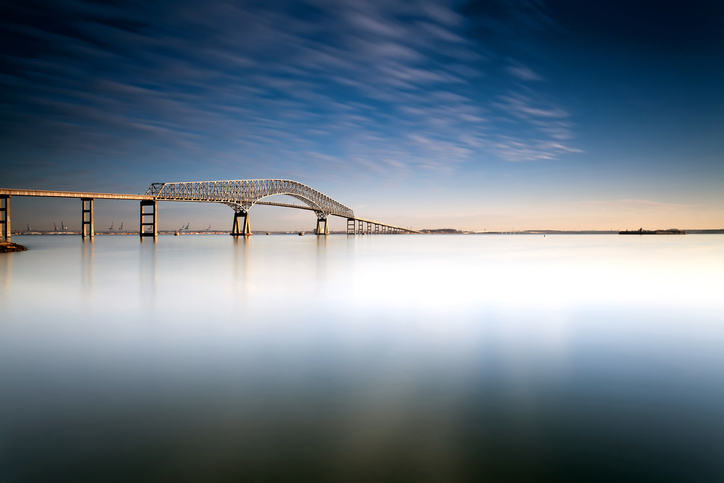
Francis Scott Key Bridge

Same as above

Post Crash Bridge

Same as above
Francis Scott Key Bridge
Same as above
Post Crash Bridge
Same as above

Little White Church

Same as above
In January, 1917,the Reverend J.F. Winnard,D.D organized the Presbyterian Church of Bee Ridge. Mrs Potter Palmer presented the church with 2 corner lots on the corner of Proctor and McIntosh Roads in Sarasota. A new church was built and dedicated on December 7, 1919. Unfortunately, this church building was demolished by a hurricane in 1927.
The church was rebuilt and was dedicated in on March 8, 1927. Unfortunately, on June 21, 1927,this Church building was struck by lightning and burned to the ground.

Little White Church Sarasota, Fl

Signage Little White Church

Same as above
During the reconstruction of a new church building, the congregation worshipped in the Bee Ridge Women’s Club Building.
The new church Building was white wood frame Gothic style. It had a narthex, sanctuary and 2 class rooms. It was dedicated on October 2, 1927. This building was referred to as the Little White Church. It was restored in 1989. It is still in use for weddings at and a Sunday service

Same as above

Side Little White Church

Memorial Gardens

Memorial Gardens

Signage Bee Ridge Presbyterian Church
This church was built in 1957. Its style is mid century modern. Architect was Victory Lundy. He was one of the members of the Sarasota School of Architecture. Other local Lundy projects include the Blue Pagoda, Warm Mineral Springs Motel, Herron House

Bee Ridge Presbyterian Church

Same as above

Side of church
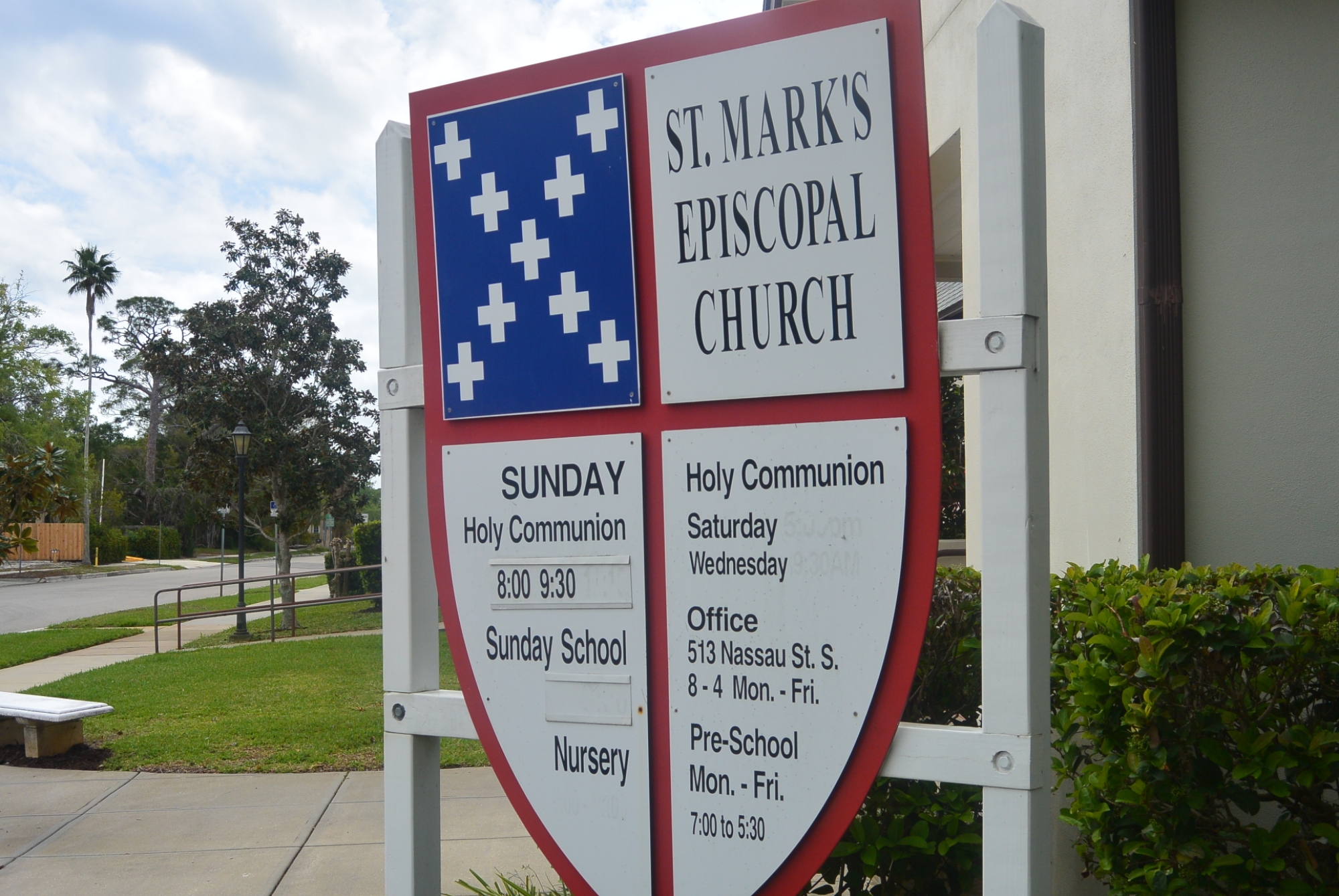
Saint Mark Episcopal Church Venice, Fl

Saint Mark Episcopal Church
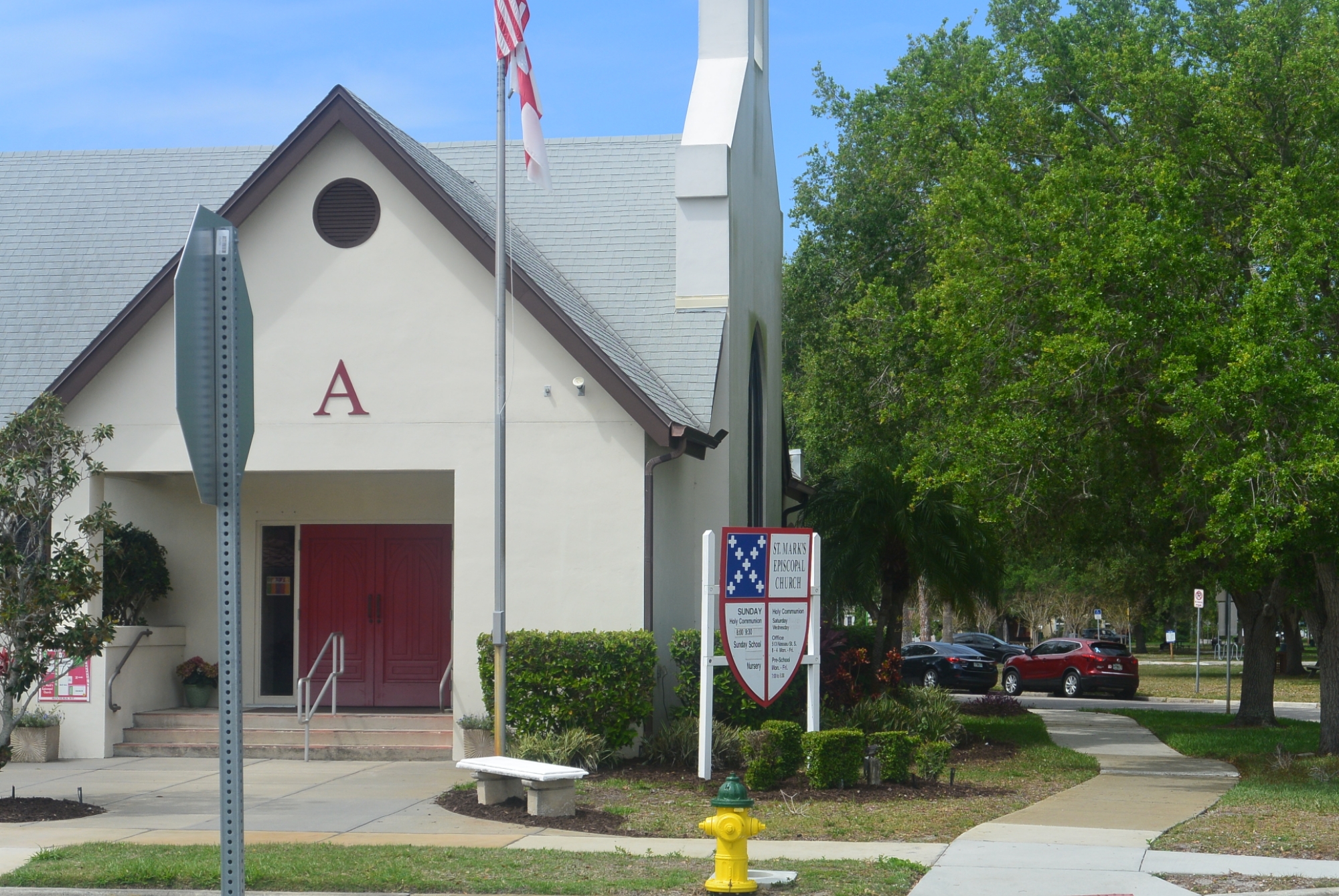
Same as above

311 Sorrento Venice, Fl

313 Sorrento
This is a single story family home. Construction is masonry. It is a cable roof.
There is 2 bedrooms and 2 baths. It was built in 1961
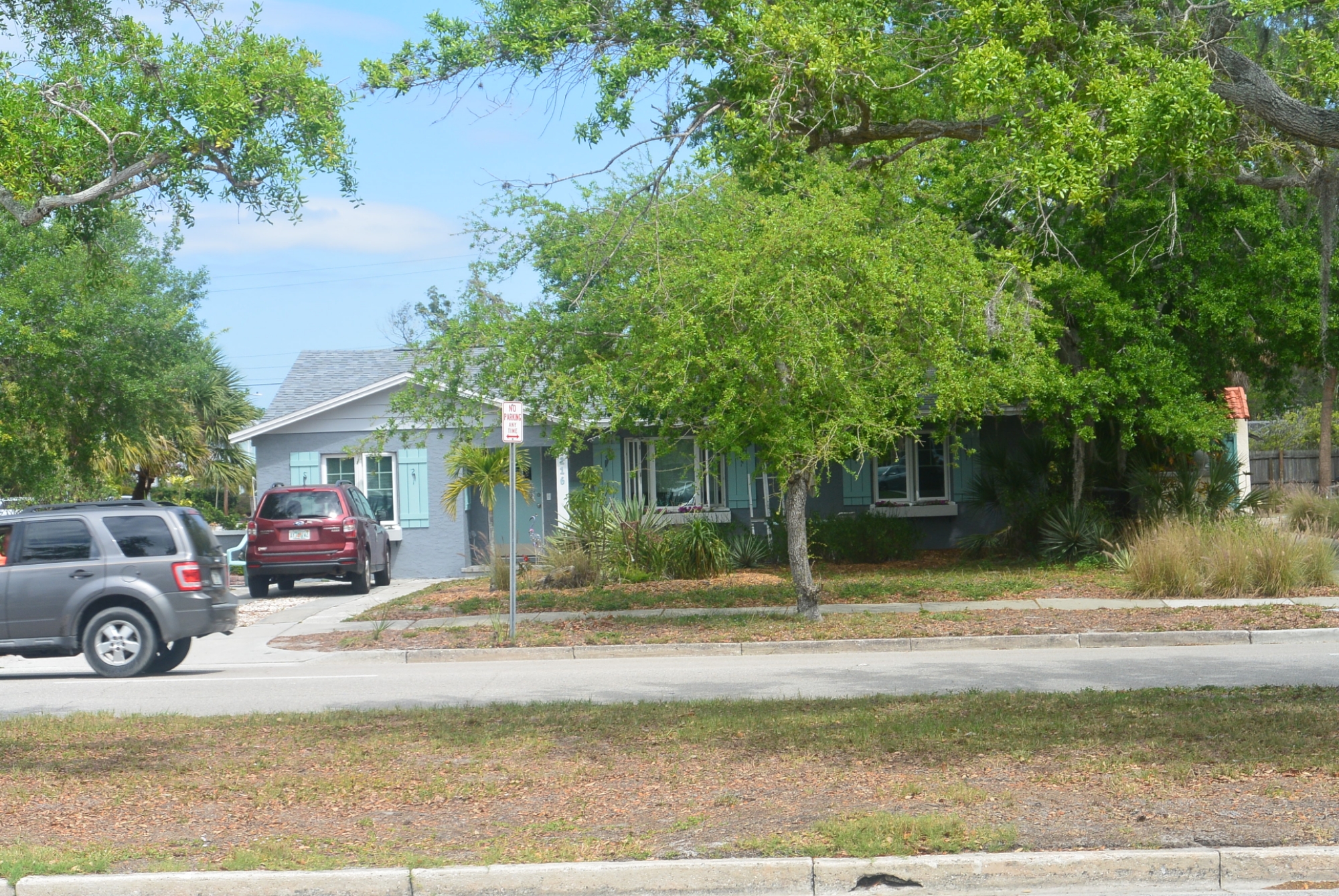
216 Palermo Place
This is a single story house. It was built in 1952. It is 1,144 square feet There are 2 bedrooms and one bathroom

Plaque Burrows Matson Residence

Burrows Matson Residence

Same as above
In 1929, Dr. Waters Field Burrows and his wife Elsa Scherer Burrows purchased property on the Little Sarasota Bay in Osprey. Their plan was to use this area for their new home in Florida. This area that they purchased was later known as Bay Preserve at Osprey
Burrows was a retired New York Surgeon. His plan was to retire to Florida. Ther new house was a 2 story brick and steel building in the neo classical style. It was built in 1931. This was later repurposed into a environmental education center and Foundation Offices.

Side view of the residence
Other buildings on the estate included: A carriage house (later converted to the Floyd C. and Florence Singer Johnson Center for the Arts); a dock and boat house, Presentation Pavilion. Dr Burrows and his wife also purchased the land that later become Oscar Scherer Park

Rear View of Burrows Matson Residence Resident
In 1985, Richard and Cornelia Matson purchased the property. The property was later sold to Conservation Foundation of of the Gulf Coast

Burrows Matson Residence from the rear

Same as above

Previously the coach house; now Center for the Arts

Previously coach; now Center for the Arts

Same as above
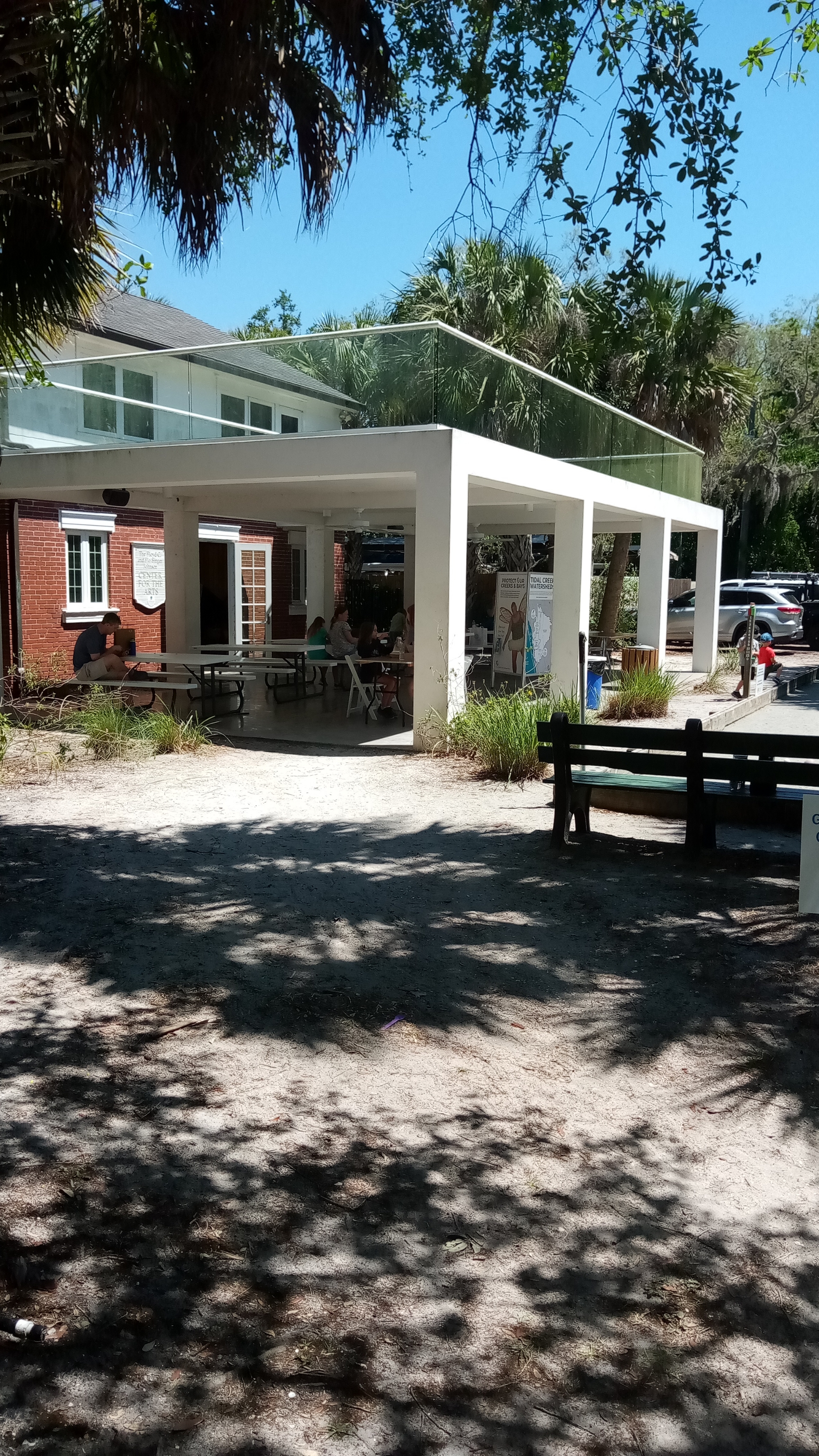
Coach House formerly; now Center for the Arts

Same as above

Presentation Pavilion

Presentation Pavilion

Dock and Boathouse

Signage Venezia Park


Venezia Park

Venezia Park

Venezia Park Play ground

Venezia Park Play ground
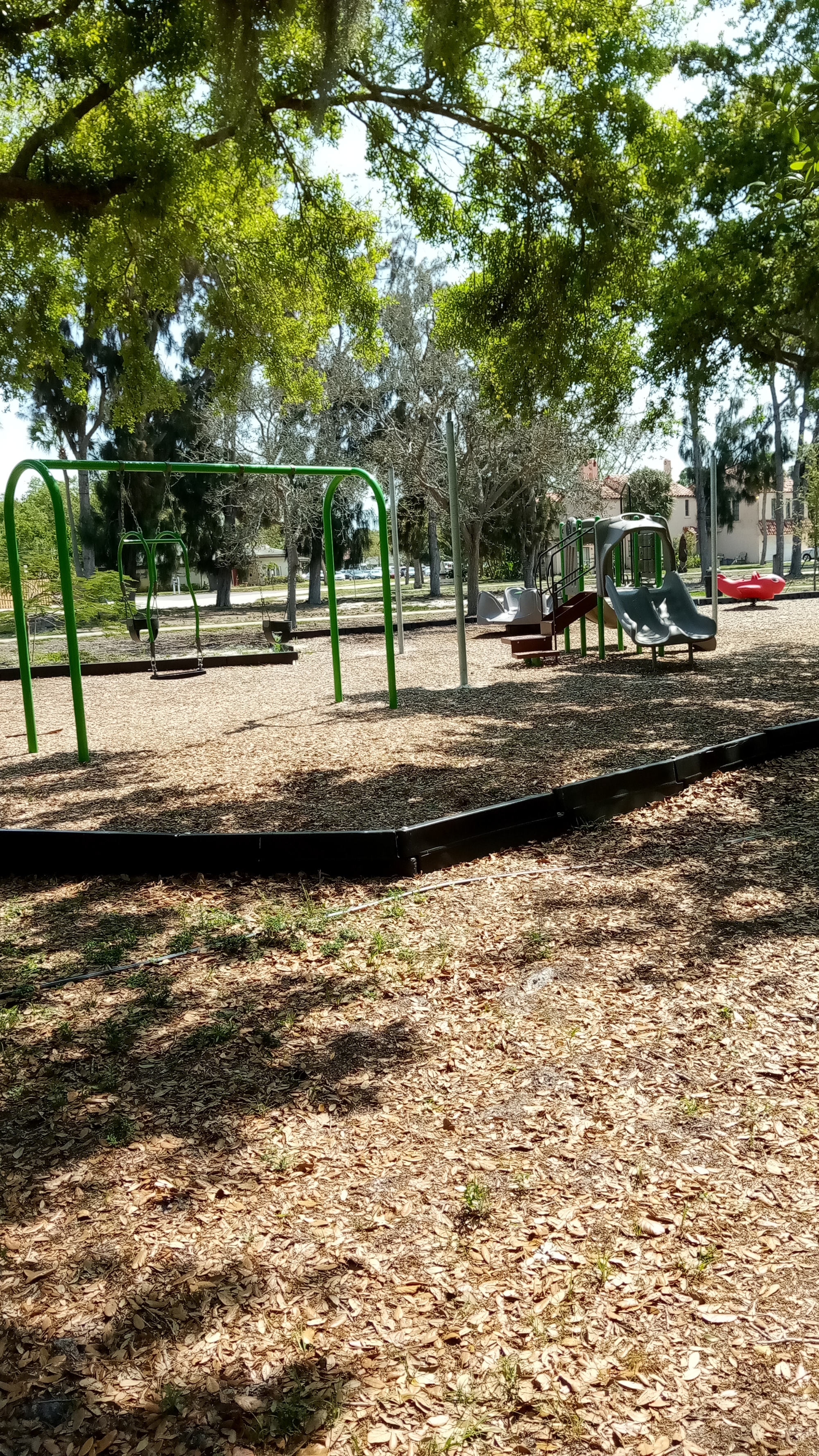
Venezia Park Play ground

Venezia Park Play ground
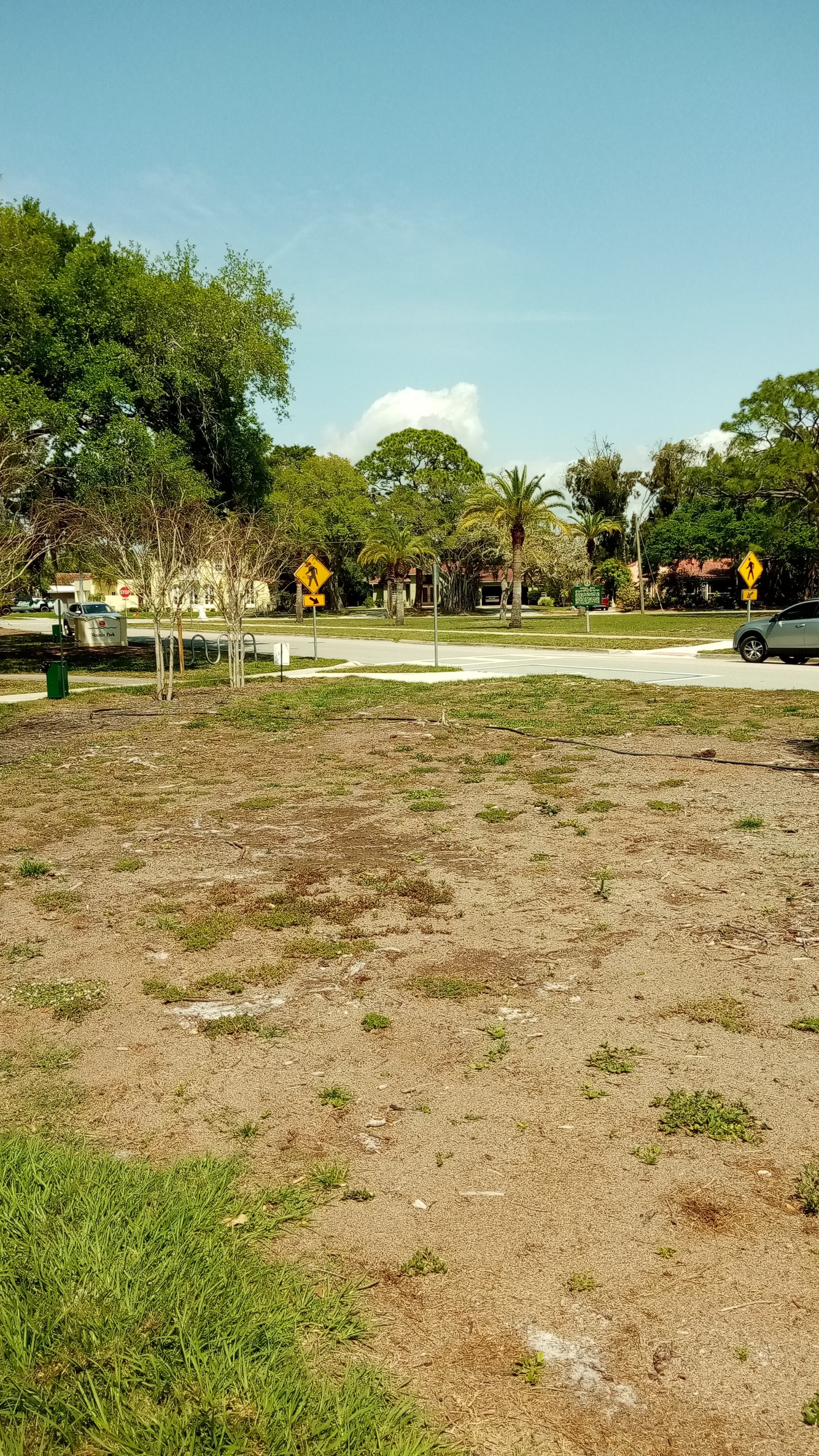
Venezia Park Play ground

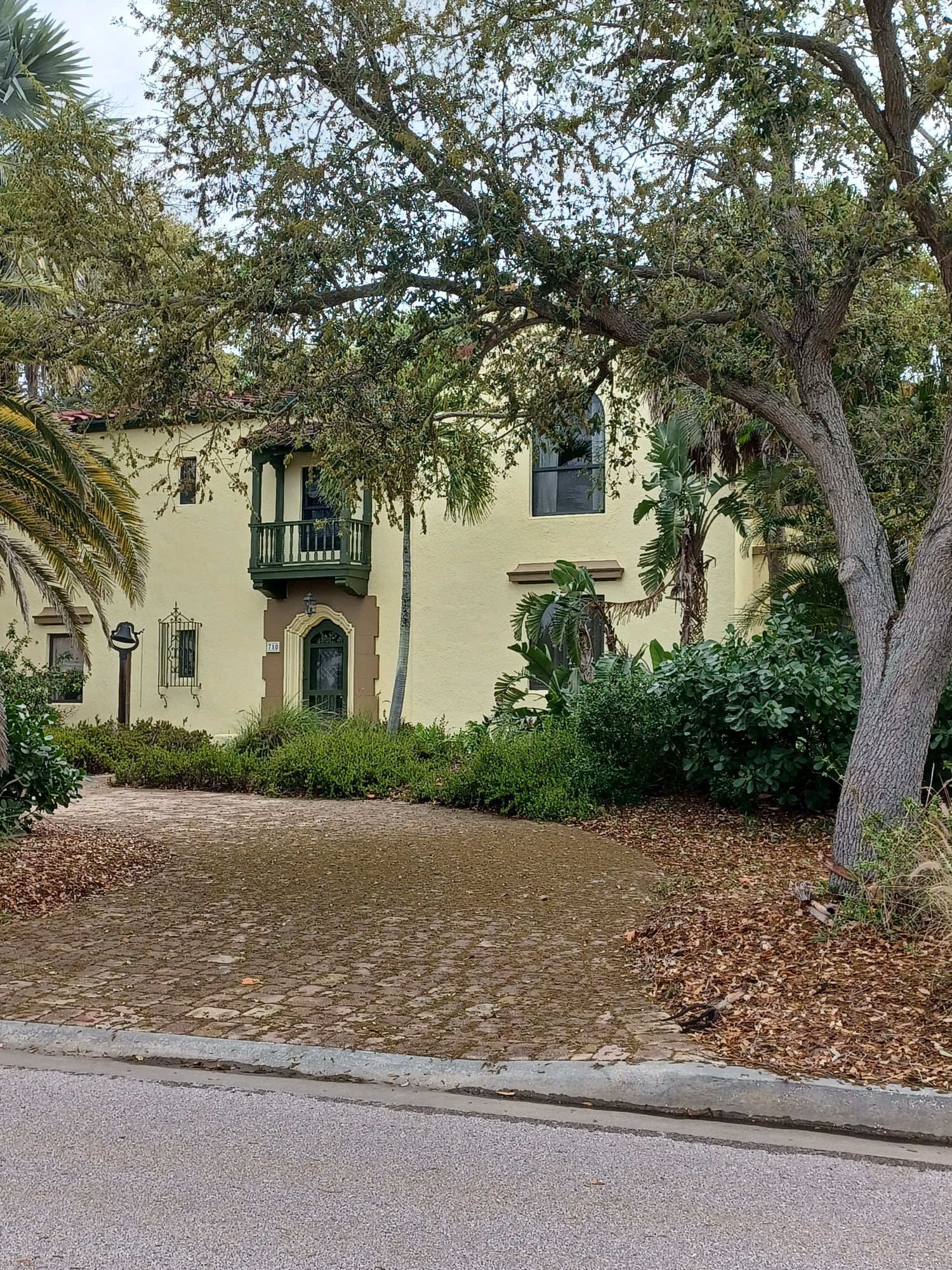
Senator Copeland House
This house was one of the original large residences planned in 1925. The style is Mediterranean Revival.
The house is two stories. Exterior is stucco. The roof is gable hip. There are 5 bedrooms and 3 baths. Square footage is 4,911. The home was listed on the National Register of Historic Places on 8/17/1989

Senator Copeland House
 raddoc1947