
637 W Venice Avenue
This is a single family home built in 2013. It features 3 bedrooms and 3.5 bathrooms. There is a tile roof. It is 2902 square feet
637 W Venice Avenue
This is a single family home built in 2013. It features 3 bedrooms and 3.5 bathrooms. There is a tile roof. It is 2902 square feet

641 W. Venice, Fl.
This single family home was built in 2012 There are 3 bedrooms and 3 bathrooms. It is 2594 square feet.

621 West Venice Avenue
This single family home was built in 2016. It has 4 bedrooms and 4.5 bathrooms. It has a two car garage. It is 4,466 square feet

621 Venice Avenue

625 West Venice Ave Venice, Fl

Same as above
This Mediterranean Revival Style House was built in 1926. The exterior is stucco. The roof is tile. It is a single file residential. There are 5 bedrooms and 5 baths. It is 3,328 square feet.
This historic structure was built in 1963. It was dedicated on February 8,1964. It is known for its unique roof. This has a hyperbololic paraboloid shape, which is continuous, flowing, double curved surface used mainly in concrete skin roofs. It appears wing like in one elevation and as arch from the opposite side. It is also known as a saddle shaped roof.
The engineer for the roof was William Lindh. The architect was Cyril Tucker. The cost of the project was $54,000.

Venice Beach Pavilion

Venice Beach Pavilion

Venice Beach Pavilion Plaque

Venice Beach Pavilion

Venice Beach Pavilion

Roof Venice Beach Pavilion
Recently, the roof of the pavilion was examined to determine what repairs or upgrades may be needed. The inspection demonstrated extensive corrosion and deterioration of the structures. The repairs would be costly. At a recent session of the Venice City Council, a proposal will be discussed about possible listing the pavilion on the local register of historic places as well as the National Register. Being listed on these registers would qualify the pavilion for grant money for the repairs.

Johnson Schoolcraft Building
This building is located at 201-203 West Venice Avenue, Venice Florida. It was constructed in 1926. It was built by William. D. Schoolcraft and C.Paul Johnson.
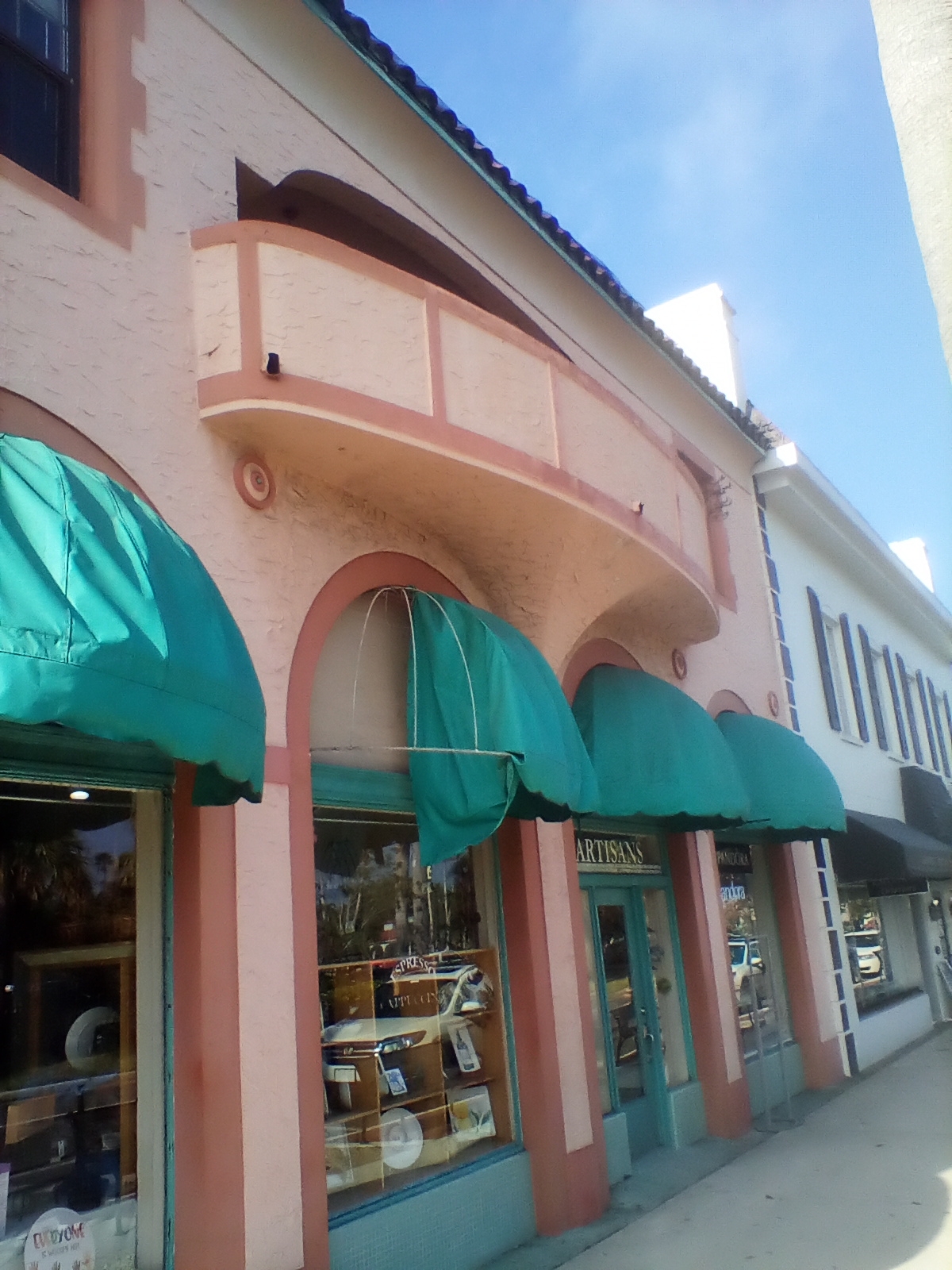
Johnson Schoolcraft Building
It is a two story Mediterranean Revival Style structure. It was originally intended to have 5 apartments on the second floor. There was to be retail space on the first floor.
Recently scaffolding. has appeared on the outside of the building. This was installed for a project to repair and restore the outside surface of the building and bring it up to code. New fire escapes, new hurricane rated windows, and new doors will be installed. New exterior tiles will be installed. There will be archway and awning replacement. Renovations are estimated to be concluded in June
Done 4/16/2024
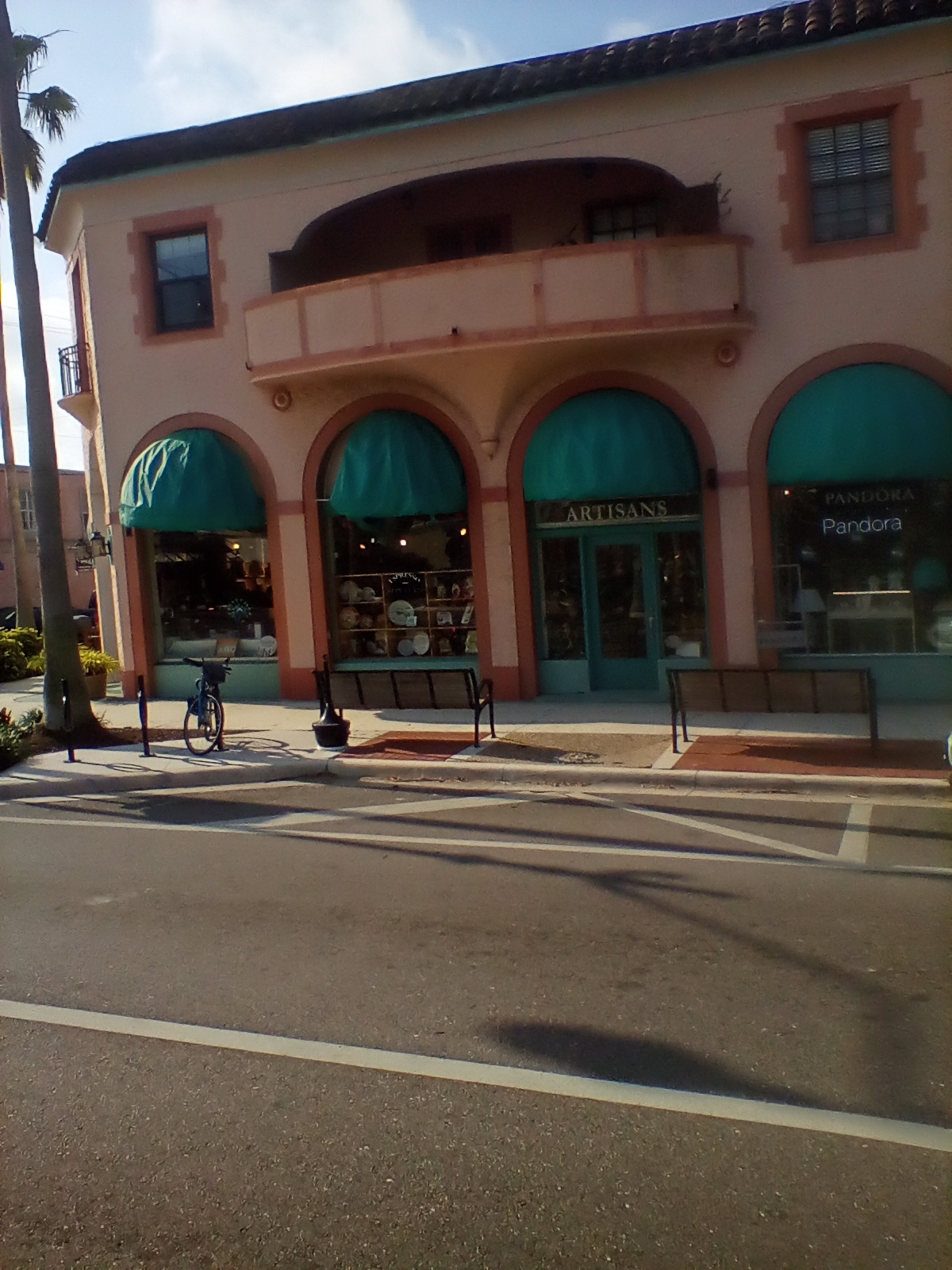
Johnson Schoolcraft Building

Johnson Schoolcraft Building with scapholding

Same as above
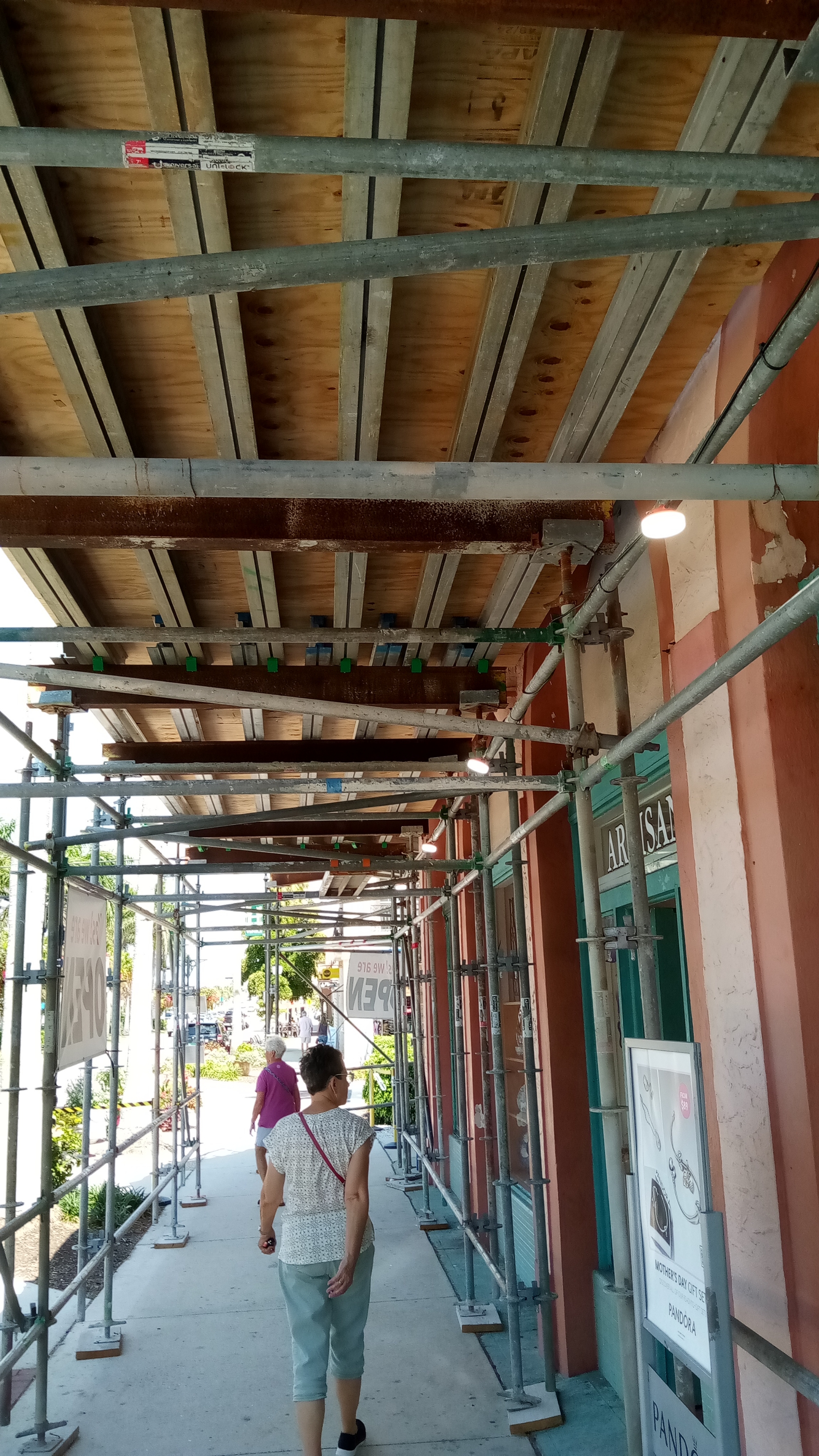
Scaffolding about the Building

Same as above
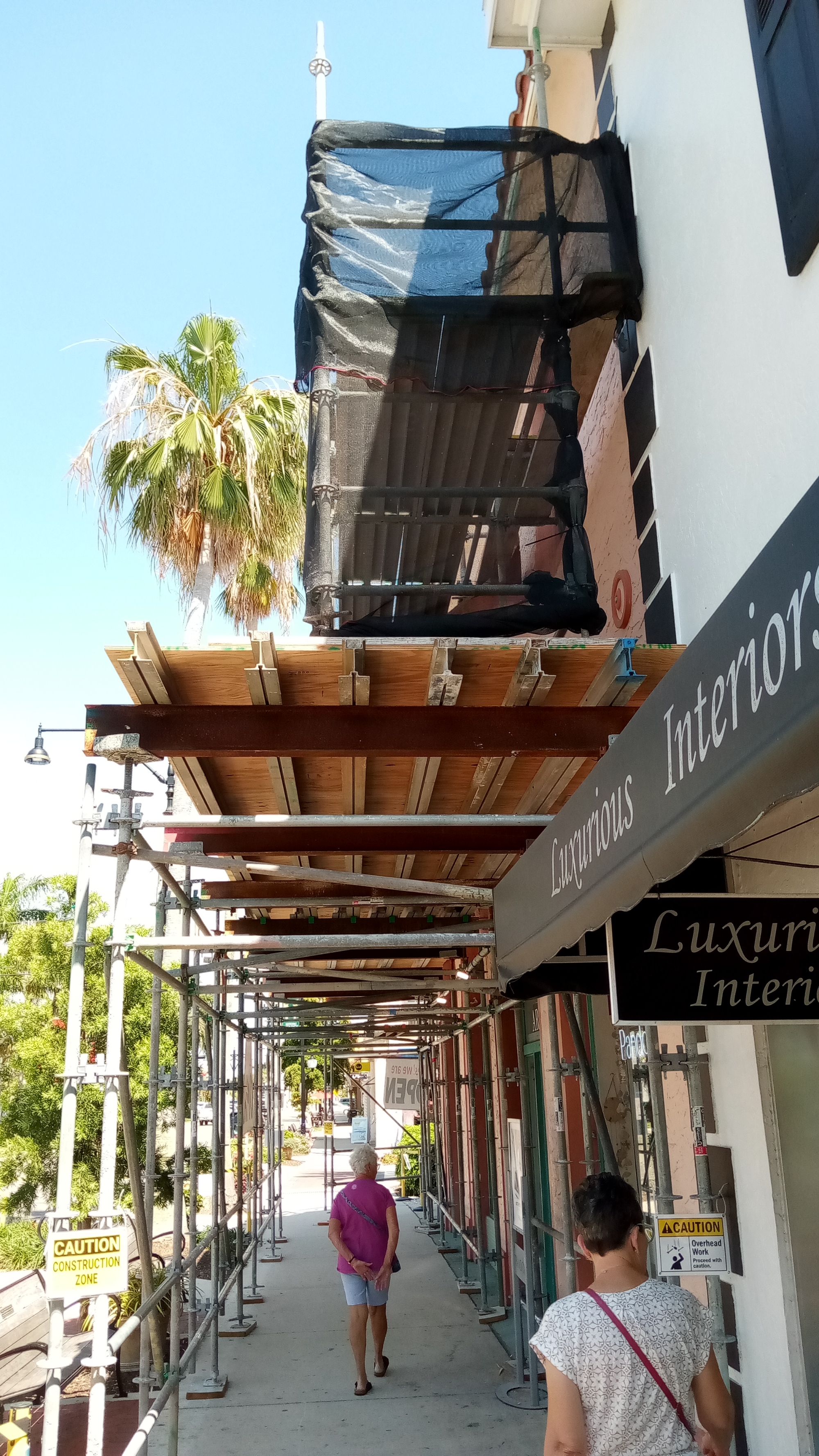
Same as above
r

213 Harbor Drive South Venice, Fl

Casey Key Fishouse

Casey Key Fish House

Interior Casey Key Fish House
The Venezia Park Historic District is historic district located in Venice, Fl. The boundaries of this area are Palermo Street, Sorrento Street, South Harbor Drive, and Salerno Street. At the center of this area is Venezia Park.

Signage for Venezia Park

Venezia Park
This park was part of City planner John Nolen’s plan for the city of Venice. The park was for recreation, walking and gathering. Amenities include benches, bike racks, picnic areas. The playground was updated in 2020.

Venezia Park

Same as above

Updated playground

Same as above
Following Nolen’s plan,the land was eventually developed by the Brotherhood of Locomotive Engineers. It was meant to be a community of upper scale single family homes. The architectural style was Mediterranean Revival. The predominant building was between 1925 and 1927
The homes on Palermo Place and Nasau Street are predominantly single story. The most elaborate homes are located on Venezia Parkway.
Although most of the homes in the Venezia Park Historic District were built in the 1925 to 1927 time frame,there are exceptions.

Single Family Home not constructed in the 1925 to 1927 period

Same as above

Single story home on Palermo Place

Single story on Nasau Street

More elaborate home on Venezia Parkway

Elaborate House on Venezia Parkway
Built in 1912, the McAlpin House was once the residence of George McAlpin. He was known for his concrete work throughout Laurel Park and the bay front before Sarasota was incorporated.

McAlpin Home

McAlpin Home
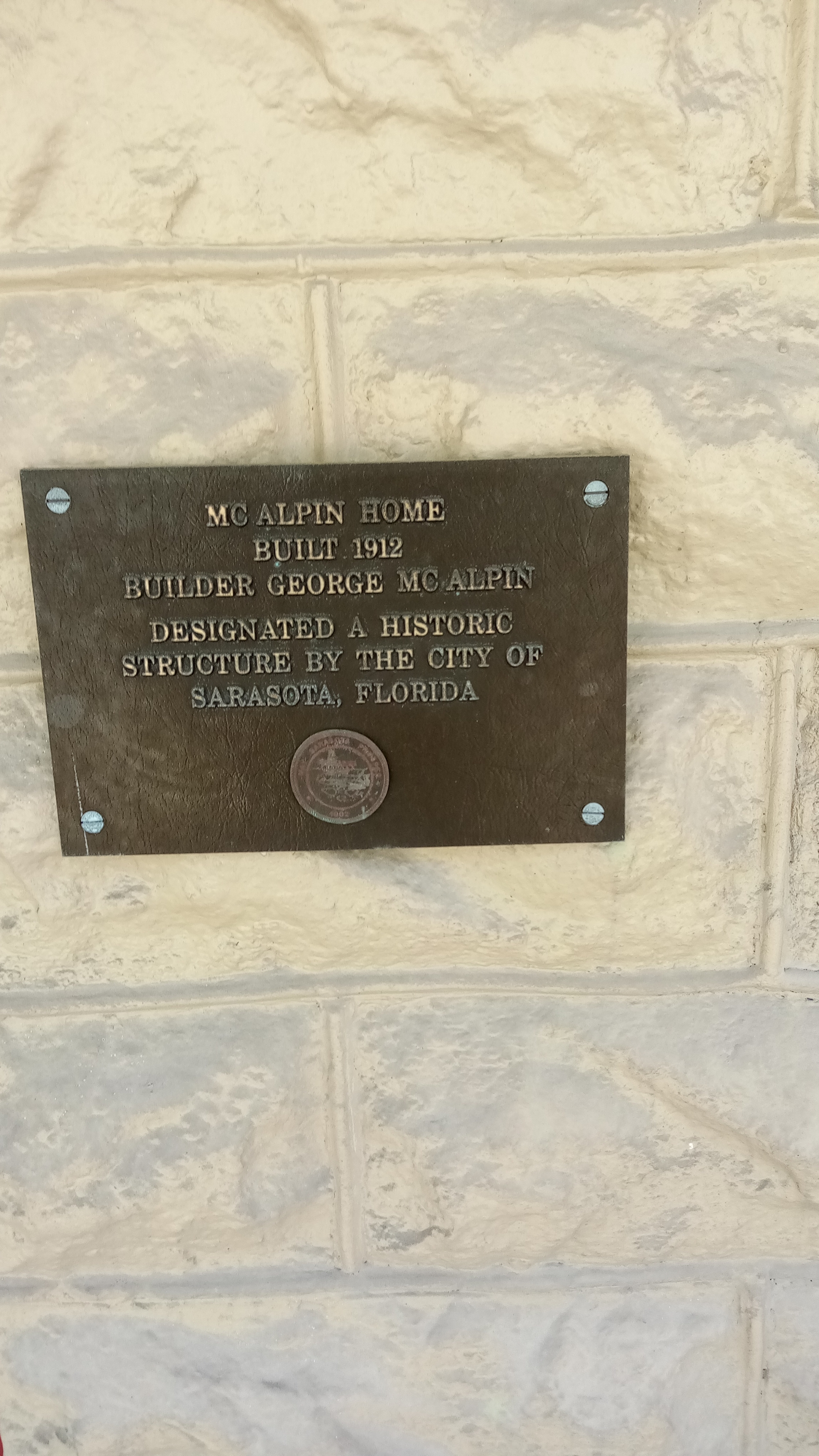
McAlpin Home
Over the years, the house changed hands 8 times and has been used as a residence and commercially.

McAlpin Home
The exterior wall of the house is rusticated blocks which were poured into mold no longer in existence
 raddoc1947